




A tow truck growls through the dawn haze in Minnetonka, Minnesota, hauling a battered Porsche Cayenne to LaMettry’s Collision shop. This isn’t just a dented fender job. The SUV, scarred from a deer collision in South Dakota, demands a blend of cutting-edge technology and specialized skill to restore its advanced systems. Today’s vehicles bristling with sensors, lightweight materials, and complex electronics are transforming collision repair, pushing shops to evolve or risk obsolescence.
The automotive collision repair market, valued at $190.8 billion in 2025, is on track to hit $279.2 billion by 2034, growing at a steady 4.3% annually. This growth reflects the aftermarket industry’s critical role in restoring damaged vehicles, a task growing ever more complex as cars integrate advanced driver-assistance systems (ADAS), lightweight materials like aluminum, and intricate electronics. For Chevrolet owners, this evolution means collision repair is no longer about patching panels it’s about ensuring a vehicle’s digital and structural integrity meets factory standards.
Modern vehicles, from the Chevrolet Silverado to the Corvette, rely on ADAS for features like lane-keeping, adaptive cruise control, and automatic braking. A front-end collision, even a minor one, can disrupt these systems, requiring precise recalibration of cameras, radar, and sensors. A misstep here isn’t just inconvenient it’s a safety hazard. Shops are pouring resources into high-tech equipment and technician training to master these recalibrations, ensuring vehicles leave the shop as safe as they were on the assembly line.
Feeling stuck in the stressful car-buying process? At Jupiter Chevrolet in Garland, TX, we’ve reimagined how buying a car should feel. With transparent pricing, online deal-building tools, and the benefits of our Jupiter Advantage program, we ensure every step is straightforward and satisfying. Skip the hassle. From purchase, to certified service and parts, to collision repair and body shop. Our team puts your convenience, safety, and confidence first. Turn your dreams of finding your ideal Chevrolet into reality with us. Visit Jupiter Chevrolet today!
The High-Tech Hurdle
The Cayenne’s journey to Minnetonka illustrates the industry’s growing pains. As reported in a Wired article, the first shop it reached lacked the tools and training to handle Porsche’s advanced systems, forcing the vehicle to travel hundreds of miles to a certified facility. LaMettry’s, equipped with Porsche’s parts catalog and specialized training, could tackle the job, but the added transport time stretched the repair process. This divide between shops with resources and those without is widening as vehicles grow more sophisticated.
Lightweight materials like aluminum and high-strength steel, staples in models like the Chevrolet Equinox, demand new repair techniques. Traditional welding won’t cut it; shops need specialized bonding methods and 3D measuring systems to restore a vehicle’s frame to exact specifications. Without these, repairs risk compromising structural safety or voiding warranties. The cost of this equipment is steep, and the learning curve is steeper still, as technicians must stay current with ever-evolving vehicle designs.
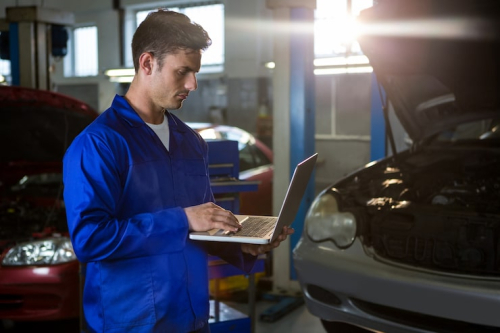
Digital diagnostics are another game-changer. Advanced scan tools now detect hidden damage in a vehicle’s electronic systems, ensuring repairs align with manufacturer standards. In Edison, New Jersey, the president of Ultimate Collision Repair has noted a shift away from traditional appraisers, who once relied on visual inspections. As detailed in a Wired piece, insurance companies now lean on digital estimating platforms to boost accuracy and customer trust, replacing guesswork with data-driven precision.
Challenges and Risks
The road to mastering high-tech repairs is fraught with obstacles. Training technicians to handle ADAS or lightweight materials requires constant updates, as vehicle technology advances rapidly. A single certification course can cost thousands, and shops must repeat this process regularly to stay compliant. Equipment costs are another hurdle ADAS calibration systems and 3D measuring tools carry hefty price tags, often out of reach for smaller operations. For these shops, the choice is stark: invest heavily or lose business to certified competitors.
Liability is a looming concern. A poorly calibrated sensor could fail to detect an obstacle, leading to accidents and potential lawsuits. This risk underscores the need for precision, especially in safety-critical systems. Meanwhile, customers often struggle to grasp why repairs now take longer or cost more. Explaining that a bumper replacement involves recalibrating a radar system isn’t always intuitive, leading to frustration and mistrust. Shops must bridge this gap, balancing technical expertise with clear communication.
Seizing New Opportunities
Yet, these challenges come with significant opportunities. For Chevrolet dealerships and GM-certified repair centers, investing in advanced tools opens lucrative revenue streams. A shop capable of handling complex repairs like restoring a Silverado’s ADAS after a collision can charge premium rates, reflecting the specialized nature of the work. These capabilities also build customer loyalty, as owners trust certified shops to preserve their vehicle’s safety and value.
Collaboration with manufacturers like General Motors is a key advantage. Certified shops gain access to OEM parts and repair protocols, ensuring vehicles like the Chevrolet Malibu meet factory standards post-repair. This partnership protects warranties and resale value, giving customers peace of mind. Insurance companies, too, are aligning with tech-savvy shops, streamlining claims for complex vehicles. Digital diagnostics and AI-driven estimating tools further boost efficiency, cutting repair times and minimizing errors.
A Greener Approach
Sustainability is also reshaping the industry. Repair shops are adopting eco-friendly paints, recycling materials, and optimizing energy use to reduce their environmental footprint. These practices resonate with environmentally conscious Chevrolet owners, who value shops that align with broader sustainability goals. A certified repair center that combines high-tech expertise with green practices offers a compelling draw, blending performance with responsibility.
A Future in Focus
As vehicles like the Chevrolet Bolt EV and next-generation Silverado integrate more autonomous and electric systems, collision repair shops face a pivotal moment. Those that embrace advanced tools, rigorous training, and OEM partnerships will lead the industry, while others risk falling behind. The market’s projected growth to $279.2 billion by 2034 signals a robust future, but only for those ready to adapt. For Chevrolet owners, the takeaway is clear: choose a certified repair center to ensure safety, value, and performance. The tow truck may still rumble through the morning mist, but the shops it serves are no longer just fixing cars they’re safeguarding the future of mobility, one precise repair at a time.
Frequently Asked Questions
How has advanced vehicle technology changed collision repair costs and time?
Modern vehicles with ADAS (Advanced Driver-Assistance Systems) and lightweight materials like aluminum require specialized equipment and training, making repairs more complex and expensive. What used to be a simple bumper replacement now involves recalibrating radar systems and sensors, extending repair time but ensuring safety-critical systems function properly. The collision repair market has grown to $190.8 billion in 2025, reflecting these increased complexities and costs.
Why do some collision repair shops refuse to work on high-tech vehicles like Porsche or advanced Chevrolet models?
Many traditional repair shops lack the specialized tools, training, and certification required to handle modern vehicles equipped with ADAS, lightweight materials, and complex electronics. The investment in equipment like 3D measuring systems and ADAS calibration tools can cost thousands of dollars, while technician certification requires ongoing training. Shops without these capabilities risk compromising vehicle safety or voiding warranties, forcing customers to travel to certified facilities.
What should I look for when choosing a collision repair shop for my modern vehicle?
Choose a certified repair center that has manufacturer partnerships (like GM-certified shops for Chevrolet vehicles), specialized ADAS calibration equipment, and trained technicians experienced with your vehicle’s technology. Look for shops that use OEM parts, have digital diagnostic tools, and can provide proper documentation of sensor recalibration. Certified shops ensure your vehicle’s safety systems work correctly post-repair and maintain warranty coverage and resale value.
Disclaimer: The above helpful resources content contains personal opinions and experiences. The information provided is for general knowledge and does not constitute professional advice.
You may also be interested in: How Remote Work Trends Are Influencing Car Buying Preferences
Feeling stuck in the stressful car-buying process? At Jupiter Chevrolet in Garland, TX, we’ve reimagined how buying a car should feel. With transparent pricing, online deal-building tools, and the benefits of our Jupiter Advantage program, we ensure every step is straightforward and satisfying. Skip the hassle. From purchase, to certified service and parts, to collision repair and body shop. Our team puts your convenience, safety, and confidence first. Turn your dreams of finding your ideal Chevrolet into reality with us. Visit Jupiter Chevrolet today!
Powered by flareAI.co
Connect with us


