





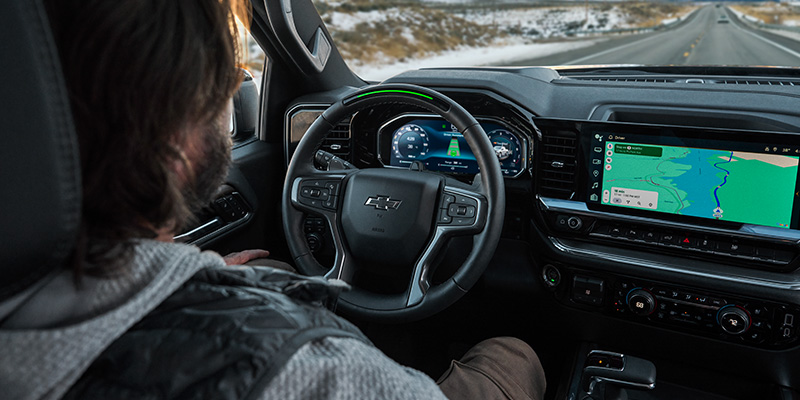
Thinking about adding some extra height to your Chevy truck? Learning how to lift a truck yourself is a rewarding project, but it requires careful planning, the right parts, and a solid understanding of what’s involved. Whether you’re driving a Silverado 1500 or a Colorado around Garland, Texas, this guide walks you through the key steps and components before you pick up a wrench.
What Type of Lift Is Right for Your Chevy Truck?
The first decision in how to lift a truck yourself is choosing the type of lift. The two most common options are a body lift and a suspension lift. A body lift raises the truck’s body itself off the frame using spacer blocks, which is a more straightforward and budget-friendly approach. A suspension lift modifies or replaces the entire suspension system, providing more ground clearance and better off-road performance.
For most DIYers, a body lift in the 2 to 3” range is a manageable starting point. A suspension lift delivers more dramatic results but comes with greater complexity and cost.
Read the rest of this entry »TL;DR
For most Lake Ray Hubbard boat owners, a Chevrolet Silverado 1500 equipped with the 5.3L V8 and Max Trailering Package provides more than enough towing capacity while remaining comfortable as an everyday truck. Buyers towing larger wake boats or traveling longer distances may benefit from the available Duramax diesel or 6.2L V8. At Jupiter Chevrolet, qualifying new and pre-owned Silverados also include the Lifetime Powertrain Warranty when maintained according to program requirements.
A boat trip to Lake Ray Hubbard usually starts the night before: loading gear, checking the trailer lights, figuring out who’s driving. The truck matters more than people plan for, mostly at two specific moments, hooking up the trailer and backing it down the ramp. If most of your weekends involve Lake Ray Hubbard, here’s how to choose the Silverado that matches your boat, your budget, and how you actually use your truck.
For most buyers, choosing the right Silverado isn’t about finding the highest towing number. It’s about matching the truck to what you’ll actually tow. A fishing boat, pontoon, pair of jet skis, or wake boat all place different demands on your truck, and buying more capability than you need isn’t always the better decision.
How Much Can a Silverado Tow?
The best choice depends on the size of your boat, how often you tow, and whether your Silverado will spend most of its time at the boat ramp or on your daily commute. Chevrolet offers several engine options, each suited to different towing needs, from personal watercraft and fishing boats to larger pontoons and wake boats.
2.7L TurboMax
Towing capacity: up to 9,500 lbs. Ideal for personal watercraft, aluminum fishing boats, and many single-axle boat trailers.
5.3L EcoTec3 V8 with Max Trailering Package
Towing capacity: up to 11,300 lbs. A great choice for many bass boats, pontoons, and owners who tow regularly while still using their truck every day.
3.0L Duramax Turbo-Diesel or 6.2L V8 with Max Trailering Package
Towing capacity: up to 13,300 lbs. Best for larger wake boats, heavier pontoons, or buyers who frequently tow longer distances.
For many Lake Ray Hubbard boat owners, the 5.3L V8 with the Max Trailering Package offers the best balance of towing capability, everyday drivability, and value. Unless you’re regularly towing larger boats or making longer trips, the 5.3L V8 gives most Lake Ray Hubbard boat owners all the capability they need without paying for towing capacity they’re unlikely to use.
The Multi-Flex Tailgate and Trailering Camera Make Launch Day Easier
Boat ramps are where even experienced drivers appreciate a little extra confidence. Two Silverado features are designed to make launching and loading simpler. Loading coolers, tackle boxes, tow straps, and life jackets is a lot easier when you’re not climbing into the bed every five minutes. The Multi-Flex Tailgate’s six available configurations, including its built-in step and load stops, make loading and unloading gear much more convenient before and after a day on the lake.
The available trailering camera system and in-vehicle app help you monitor your trailer while backing down the ramp, making it easier to maneuver on a 10 to 15 degree incline with limited traction and giving drivers additional confidence during launch.
Choosing the Right Trim for Lake Weekends
- WT and Custom: If your weekends revolve around fishing, kayaks, personal watercraft, or smaller boats, WT and Custom deliver the capability most buyers need without paying for premium features they may never use.
- Trail Boss and ZR2: If your trips regularly take you beyond the paved parking lot, whether that’s gravel roads, uneven launch areas, campsites, or hunting property, Trail Boss and ZR2 add extra ground clearance and off-road capability while still providing strong towing performance.
- LTZ and High Country: Buyers who want one truck to comfortably handle commuting during the week, family road trips, and weekends at Lake Ray Hubbard will appreciate the added comfort, technology, and premium interior found on LTZ and High Country.
That’s exactly how General Manager Eric Fussell encourages customers to approach the decision.
“Most of our customers are buying a vehicle they will drive every day for the next eight to ten years. The question is not just which one looks good today; it is which one fits the way you actually live and holds up through all of it.”
Eric Fussell, GM, Jupiter Chevrolet
The Drive From Jupiter Chevrolet to Lake Ray Hubbard
Jupiter Chevrolet is about 16 minutes and 11.3 miles from Lake Ray Hubbard via I-30 East, the fastest of the available routes. Whether you need an oil change before boating season, a tire inspection before towing, or accessories for your truck, Lake Ray Hubbard is close enough that stopping by Jupiter Chevrolet doesn’t have to add another errand to your weekend. It’s also close enough to stop in before boating season to make sure your Silverado is ready for another summer of towing.
What Comes With Your Silverado Purchase at Jupiter
A qualifying new or pre-owned Silverado purchased at Jupiter Chevrolet includes the Lifetime Powertrain Warranty, covering the engine, transmission, and drivetrain with no mileage cap and no expiration date, provided maintenance is completed at Jupiter on the manufacturer’s schedule. For a truck that’s going to spend years towing boats, campers, or trailers, long-term engine and drivetrain protection can provide additional peace of mind. Staying on the manufacturer’s recommended maintenance schedule at Jupiter Chevrolet also keeps your Lifetime Powertrain Warranty in effect.
Ready to See It in Person?
Ready to find the Silverado that fits the way you actually use your truck? Browse our current Silverado inventory or stop by Jupiter Chevrolet in Garland. Our team can help you choose the right engine, trim, and towing setup based on how you actually plan to use your truck.
Frequently Asked Questions
What is the towing capacity of a Chevy Silverado?
It depends on the engine and configuration:
- 2.7L TurboMax: up to 9,500 lbs
- 5.3L EcoTec3 V8 with Max Trailering Package: up to 11,300 lbs
- 3.0L Duramax Turbo-Diesel or 6.2L V8 with Max Trailering Package (Crew Cab 2WD): up to 13,300 lbs when properly equipped
Your actual towing capacity depends on your Silverado’s cab configuration, drivetrain, payload, and installed equipment. If you’re planning to tow a specific boat or trailer, the team at Jupiter Chevrolet can help you choose the Silverado that’s properly equipped for your needs.
Which Silverado engine is best for towing a boat to Lake Ray Hubbard?
For most boats towed to a local lake like Lake Ray Hubbard, the 5.3L EcoTec3 V8 with the Max Trailering Package covers the job comfortably. The Duramax diesel and max-tow configuration make more sense for larger boats or longer-distance towing.
Does the Silverado have a camera to help back a trailer down a boat ramp?
Yes. The available trailering camera system and in-vehicle app help you monitor your trailer while backing down a boat ramp, making it easier to maneuver on an incline and position your trailer with confidence.
How far is Lake Ray Hubbard from Jupiter Chevrolet?
Jupiter Chevrolet is about 16 minutes and 11.3 miles from Lake Ray Hubbard via I-30 East, making it convenient to stop in before boating season for service, accessories, or to shop Silverado inventory.
Can a Silverado tow a pontoon boat?
Yes. Most pontoon boats fall well within the towing capability of a properly equipped Silverado 1500. The 5.3L EcoTec3 V8 with the Max Trailering Package is a popular choice because it comfortably handles many pontoon trailers while remaining practical as an everyday vehicle. Your exact towing capacity depends on the boat, trailer, passengers, cargo, and your Silverado’s configuration.
Does a new Silverado from Jupiter Chevrolet include the Lifetime Powertrain Warranty?
Yes. Qualifying new and pre-owned Silverado purchases include the Lifetime Powertrain Warranty, covering the engine, transmission, and drivetrain with no mileage cap, provided maintenance is completed at Jupiter Chevrolet on the manufacturer’s schedule.
What’s the difference between the Silverado trims for towing?
WT and Custom are lower-cost options that tow well within the standard range. Trail Boss and ZR2 add ground clearance and off-road capability for rougher launch access. LTZ and High Country add interior comfort for buyers who want one truck for both daily driving and towing.
About the Author
Eric Fussell is the General Manager of Jupiter Chevrolet in Garland, Texas. Jupiter Chevrolet has operated at the same location on LBJ Freeway since 1925, serving buyers across Dallas, Plano, Richardson, Frisco, Mesquite, Rockwall, Forney, McKinney, and Grapevine. Visit jupiterchev.com.
Sources & Further Reading
- How to Keep Your Lifetime Powertrain Warranty Active
- How Texas Summer Heat Affects Your Chevrolet
- Jupiter Chevrolet New Inventory
- The Jupiter Advantage
Disclaimer: Towing capacities vary by configuration and equipment. Confirm exact specifications for your specific build with a Jupiter Chevrolet advisor. Warranty coverage details may vary by vehicle; review your warranty agreement at time of purchase.
Published: July 13, 2026 | Last updated: July 13, 2026
TL;DR
North Texas summers put real strain on three systems: the battery, the tires, and the cooling system. Heat accelerates battery corrosion, raises tire pressure enough to increase blowout risk on hot pavement, and pushes cooling systems past their limit in stop-and-go traffic on I-635. The good news is that every one of these checks is already included in Jupiter Chevrolet’s 151-point multi-point inspection that comes with every oil change.
Most people don’t think about their car’s battery until it won’t start, usually on a Tuesday morning in a parking lot in July. Texas heat is the reason. Summer temperatures are harder on a battery than winter cold is, and the same is true for tires and cooling systems. None of this is exotic. It’s predictable, and it’s checkable, which means it’s also preventable. Here’s what’s happening under the hood when the temperature climbs, and what Jupiter Chevrolet’s service visits already do about it.
What Heat Does to Your Battery
Heat speeds up the chemical reaction inside a car battery. That sounds like it should be a good thing, but it isn’t: it also speeds up the battery’s breakdown. High temperatures cause battery fluid to evaporate faster, which leads to corrosion at the terminals and connections, and the combination of heat and everyday driving vibration wears the battery down faster than either factor alone. AAA specifically recommends testing your battery regularly, especially once it’s more than three years old, because heat failures tend to happen suddenly rather than with a slow warning.
This is one of the items already covered in Jupiter Chevrolet’s 151-point multi-point vehicle inspection, which comes with every oil change. The technician checks battery condition and connections as a standard part of that visit, not as an upsell.
What Heat Does to Your Tires
Tire pressure rises with temperature. As a rule of thumb, pressure increases roughly 1 PSI for every 10-degree rise in temperature, and during a real Texas heat wave, that can add up to 4 to 5 PSI over what you set in cooler weather. Combine that with pavement temperatures that can climb past 150 degrees on I-635 or US-80 during a July afternoon, and an already overinflated or worn tire is at meaningfully higher risk of a blowout. That’s why tire problems often show up during summer road trips, long commutes, or weekends spent driving across North Texas.
Tire wear and tread condition are both part of the 151-point inspection, and tire rotation comes standard with every oil change at Jupiter. If it’s been a while since your last visit, that’s the fastest way to know where your tires stand before a long highway drive.
Why Your Cooling System Needs Attention Before the Temperature Spikes
Coolant, hoses, and belts all take more abuse in heat. AAA’s advice here comes down to a simple check: coolant level, hose condition, and any visible cracking caused by sun and heat exposure over time. A cooling system that’s borderline in April can fail outright in August, particularly in stop-and-go traffic where the engine doesn’t get the airflow it would on the highway.
Jupiter’s inspection covers fluid levels and flags visible leaks or damage on additional systems, which includes exactly this. If your service advisor tells you a hose is showing wear, that’s worth acting on before, not after, a hot afternoon on the road.
What to Do Before the Next Heat Wave Hits
- Check tire pressure when tires are cold, ideally in the morning before driving, and compare it to the number on your door jamb sticker, not just what feels right by eye.
- Watch for a battery more than three years old. If it’s due, don’t wait for it to fail in a parking lot.
- Don’t ignore a coolant warning light or a sweet smell near the engine. Both are early signs worth a same-week appointment, not a same-month one.
- Bring the vehicle in for your next scheduled oil change and let the 151-point inspection catch what you can’t see from the driver’s seat.
Serving Garland, Mesquite, and the I-635 Corridor
Long commutes on I-635, extended idle time in Garland traffic, and hot summer pavement across North Texas create exactly the conditions that put extra stress on batteries, tires, and cooling systems. Jupiter Chevrolet is located at 11611 LBJ Freeway in Garland, with direct access from I-635, which makes a pre-summer or mid-summer check an easy stop on the way in or out of your regular route.
Ready to Get Ahead of the Heat?
Schedule a service appointment at Jupiter Chevrolet. We’ll check your battery, tires, and cooling system in one visit, the same 151-point inspection that comes with every oil change.
Frequently Asked Questions
Does heat affect my car’s battery?
Yes. Heat accelerates the chemical reaction inside the battery and causes battery fluid to evaporate faster, which leads to corrosion and a higher chance of sudden failure. AAA recommends testing batteries regularly, especially once they’re over three years old.
Should I check my tire pressure more often in summer?
Yes. Tire pressure rises roughly 1 PSI for every 10-degree increase in temperature, and hot pavement adds additional stress. Checking pressure when tires are cold helps you catch overinflation before it becomes a blowout risk.
Does Texas heat affect my Chevrolet’s cooling system?
Yes. Heat and stop-and-go traffic put extra strain on coolant, hoses, and belts. A cooling system that’s fine in cooler months can fail during extended summer heat, particularly in city driving where airflow is limited.
What does Jupiter Chevrolet check during a regular service visit?
Every oil change includes a 151-point multi-point vehicle inspection, covering battery condition, tire wear, fluid levels, and visible leaks or damage on additional systems. Alignment, tire tread depth, and recall checks are complimentary on any vehicle that comes in for service.
Can skipping maintenance in summer affect my Lifetime Powertrain Warranty?
Yes. The Lifetime Powertrain Warranty on qualifying new and pre-owned vehicles requires maintenance to be completed at Jupiter Chevrolet within 5,000-mile intervals. Heat-related neglect, like ignoring a coolant issue until it causes engine damage, is exactly the kind of gap that can affect coverage.
How long does a service visit take?
A standard oil change with the 151-point inspection typically takes 45 minutes to an hour for a scheduled appointment.
Does Jupiter Chevrolet have loaner cars if my vehicle needs more than a quick check?
Yes. Jupiter maintains a fleet of more than 50 loaner vehicles, all makes and models, for service visits that run longer than routine maintenance.
Is a summer inspection different from a regular oil change?
Not at Jupiter Chevrolet. Every scheduled oil change already includes a 151-point multi-point inspection that checks the battery, tires, cooling system, fluid levels, and other components commonly affected by North Texas summer heat.
About the Author
Eric Fussell is the General Manager of Jupiter Chevrolet in Garland, Texas. Jupiter Chevrolet has operated at the same location on LBJ Freeway since 1925, serving drivers across Garland, Mesquite, Dallas, Plano, Richardson, Rockwall, Forney, McKinney, and Grapevine. Visit jupiterchev.com.
Sources & Further Reading
- AAA Club Alliance: Can the Heat Affect Your Car?
- What Is Included in a Jupiter Chevrolet Oil Change Service
- How to Keep Your Lifetime Powertrain Warranty Active
- Schedule Service at Jupiter Chevrolet
- The Jupiter Advantage
Warranty disclaimer: Coverage details may vary by vehicle. Review your warranty agreement at time of purchase for complete terms. Contact a Jupiter Chevrolet service advisor for details specific to your vehicle.
Published: July 10, 2026 | Last updated: July 10, 2026
TL;DR
Six questions every buyer should ask before signing anything. They cover out-the-door pricing, add-ons, warranty specifics, what happens if you service elsewhere, what protections are included with your purchase, and how delivery works. A dealership that operates transparently will answer all six without hesitation. Jupiter Chevrolet answers all six.
Most car buyers walk into a dealership without knowing which questions matter most. By the time they realize they should have asked them, they’re already sitting in the finance office.
The dealership experience tends to run on momentum: keep things moving, get to the finance office, get to a signature. That is not how Jupiter Chevrolet operates, but it is how enough dealerships operate that buyers have learned to stay guarded by default.
These six questions cut through that. They are direct, easy to ask, and the answers will tell you more about a dealership than any ad or review ever could.
Question 1: What Is the Full Out-the-Door Price, Itemized?
The sticker price is not what you pay. The out-the-door price is. Ask for a complete line-item breakdown before any paperwork arrives: vehicle price, documentation fee, tax, title, and registration. Every charge should be listed and explained individually.
This is not an aggressive question. It is basic math. A dealership should be able to explain every charge clearly before paperwork is signed.
At Jupiter Chevrolet, transparent pricing is the standard. We want you to know exactly what you are paying and what you are getting before anything is in front of you.
Question 2: Are There Add-Ons on This Vehicle? Can I See Each One and What It Costs?
Dealer-installed enhancements vary by vehicle, and knowing what’s on the specific unit you’re considering matters before anything is priced out. Ask for a complete list of any dealer-installed items. Ask which enhancements are already on the vehicle, what value they provide, and review the final vehicle details before you buy.
At Jupiter Chevrolet, many of our vehicles include dealer-installed enhancements such as XPEL window tint and, on most trucks, Rhino spray-in bed liners. These aren’t intended to be hidden charges. They’re added because they help protect your vehicle from sun damage, interior fading, and everyday wear while helping preserve long-term value. Your sales advisor will walk you through exactly what has been installed on the vehicle you’re considering and review the final pricing before any paperwork is signed.
Not every vehicle will have every enhancement. If a vehicle has just arrived and hasn’t completed the preparation process, some items may not yet be installed. See dealer for full vehicle details.
Beyond dealer-installed enhancements, qualifying new vehicle purchases also include the Lifetime Powertrain Warranty, a one-year protection bundle covering door dings, wheels, interior, and windshield damage, and the deductible reimbursement program. These programs are included because they provide long-term value beyond the day you drive home.
Question 3: What Does the Warranty Cover, Exactly?
Warranties vary significantly across dealerships. Ask what is covered, how long it lasts, and what limitations apply. Then ask Question 4, because the warranty answer and the service answer are directly connected.
At Jupiter Chevrolet, qualifying new vehicles include the Lifetime Powertrain Warranty. It covers the engine, transmission, and drivetrain with no mileage cap and no expiration date. Coverage continues as long as the original purchaser owns the vehicle and all required maintenance is performed at Jupiter Chevrolet within the required 5,000-mile maintenance intervals.
That is a significant commitment. Ask any dealership for the same level of specificity. Vague warranty language deserves follow-up questions until it is not vague.
“We want them to feel like they got a good deal. Not the best deal. Sometimes they will. But we just want them to feel like those are good people, they treated me well, they were honest and upfront, told me what I needed, what they could and couldn’t do.”
Eric Fussell, General Manager, Jupiter Chevrolet
Question 4: What Happens to My Warranty If I Service Somewhere Else?
This follows directly from Question 3, and it is one of the most important things to understand before you drive off the lot.
At Jupiter Chevrolet, the Lifetime Powertrain Warranty requires all scheduled maintenance to be performed at Jupiter Chevrolet within the required 5,000-mile maintenance intervals. Servicing your vehicle elsewhere or failing to maintain within the required service intervals will void the lifetime coverage.
These maintenance requirements are part of the third-party warranty program, which means Jupiter Chevrolet must follow those guidelines consistently for every customer. They are not dealership policies that can be waived on a case-by-case basis.
That is not a hidden term. We explain it upfront so every customer understands exactly how to keep the warranty in force.
Ask this question at any dealership. Ask for it in writing as part of your warranty documentation. If a dealer offers a lifetime warranty but cannot clearly explain what voids it, that warranty deserves scrutiny.
Question 5: What Protections Are Included as Part of My Purchase?
Ask what is included in the purchase price beyond the manufacturer’s standard coverage. Some dealerships include nothing extra. Others build in protections that matter over the life of the vehicle.
At Jupiter Chevrolet, qualifying new vehicle purchases include:
- The Lifetime Powertrain Warranty: no mileage cap, no expiration date
- A deductible reimbursement program: up to $500 per claim, unlimited use for three years, covering household vehicles on the same policy when repairs are completed at Jupiter Collision Center
- A one-year protection bundle: covering door dings, wheels, interior, and windshield
- A Price Match Guarantee: if you find a lower advertised price on a comparable new vehicle from another authorized Chevrolet dealer, Jupiter will match it. Ask your sales advisor for details and current terms.
These are included because they reflect how we think about the long-term relationship with our customers. Ask any dealership for a complete list of included protections before you finalize a purchase.
Question 6: What Does Delivery and Out-of-State Purchasing Look Like?
If you are not local or you are considering a purchase from outside your immediate area, ask directly how the process works. What are the logistics of delivery? Who handles out-of-state title and registration? What is the timeline from purchase to keys?
Jupiter Chevrolet serves buyers across the greater DFW region, including Garland, Dallas, Plano, Richardson, Mesquite, Rockwall, Forney, McKinney, and Grapevine. Our team can walk through options for buyers in the broader area.
What These Questions Have in Common
Every question on this list is one a transparent dealership welcomes. None of them require specialized knowledge to ask. They are direct, specific, and designed to produce real information rather than marketing language.
A dealer that hesitates when asked for an itemized price breakdown, or cannot clearly explain what voids a warranty, is telling you something. A dealer that answers all six questions without hesitation is also telling you something.
At Jupiter, a meaningful share of buyers arrive after a bad experience somewhere else. Eric Fussell calls them the runaways. They came here because something about the process at the first dealership did not feel right, and they wanted another perspective. We are not pointing fingers at competitors. We are saying those buyers deserve straight answers the second time around. That is what we are built to give.
Ready to Ask These Questions in Person?
Come see us in Garland. Browse current inventory at Jupiter Chevrolet, and we’ll answer every one of them.
Frequently Asked Questions
What should I ask a dealership about out-the-door pricing?
Ask for a full itemized breakdown before any paperwork is presented. This should include the vehicle price, documentation fee, tax, title, and registration, with each item listed and explained separately. A dealership that operates transparently will provide this upfront.
How do I know if a dealer add-on is worth paying for?
Ask what dealer-installed enhancements have been added to the vehicle, what value they provide, and review the final vehicle details before completing your purchase.
What does the Jupiter Chevrolet Lifetime Powertrain Warranty cover?
The Lifetime Powertrain Warranty on qualifying new vehicles covers the engine, transmission, and drivetrain with no mileage cap and no expiration. Coverage stays active as long as the original purchaser owns the vehicle and all required maintenance is performed at Jupiter Chevrolet within the required 5,000-mile maintenance intervals.
What happens to the warranty if I service somewhere else?
At Jupiter Chevrolet, the Lifetime Powertrain Warranty requires all maintenance to be performed at Jupiter Chevrolet within the required 5,000-mile maintenance intervals. Servicing your vehicle elsewhere or failing to maintain within the required service intervals will void the lifetime coverage.
What protections are included as part of a Jupiter Chevrolet purchase?
Qualifying new vehicle purchases at Jupiter Chevrolet include the Lifetime Powertrain Warranty, a deductible reimbursement program covering up to $500 per claim with unlimited use for three years, a one-year protection bundle covering door dings, wheels, interior, and windshield repairs, and a Price Match Guarantee on comparable new vehicles from other authorized Chevrolet dealers. Contact a Jupiter sales advisor for current terms on each program.
Does Jupiter Chevrolet serve buyers outside of Garland?
Yes. Jupiter serves buyers across the greater DFW region including Dallas, Plano, Richardson, Mesquite, Rockwall, Forney, McKinney, and Grapevine. Contact our team to discuss options specific to your situation.
Should I get pre-approved before going to a dealership?
Being pre-approved can help you understand your budget and compare financing options, but it is not required. Many buyers compare outside financing with dealership financing before making a final decision.
Can I buy a vehicle entirely online or over the phone?
Many buyers begin the process remotely. Contact the Jupiter Chevrolet team to discuss inventory availability, pricing, financing options, and next steps for your specific situation.
About the Author
Eric Fussell is the General Manager of Jupiter Chevrolet in Garland, Texas. Jupiter Chevrolet has operated at the same location on LBJ Freeway since 1925. Visit jupiterchev.com.
Sources & Further Reading
- The Jupiter Advantage
- New Vehicle Inventory at Jupiter Chevrolet
- Schedule Service at Jupiter Chevrolet
Warranty disclaimer: Coverage, eligibility, and program details vary by vehicle and purchase. To maintain Lifetime Powertrain Warranty coverage, required maintenance must be completed according to program requirements. See a Jupiter Chevrolet advisor for complete terms and vehicle-specific details.
Published: July 8, 2026 | Last updated: July 8, 2026
TL;DR
A Jupiter Chevrolet oil change is not just an oil change. Every service includes a tire rotation, a 151-point multi-point vehicle inspection, and oil selected specifically for your Chevrolet model, either ACDelco or Mobil 1, conventional or full synthetic depending on what your vehicle requires. Oil changes are typically done in 45 minutes to an hour for a scheduled appointment, on-site at 11611 LBJ Freeway in Garland. And every visit you complete at Jupiter keeps your Lifetime Powertrain Warranty active on qualifying new and pre-owned vehicles.
For drivers in Garland, Mesquite, and the surrounding area, a routine oil change is a logistics problem as much as a maintenance task. You need it done reliably, correctly, and without burning half your day. At Jupiter Chevrolet, an oil change covers more ground than most people expect, and knowing what is included helps you understand what you are getting and why it matters for the long-term health of your vehicle.
This post walks through the full scope of what happens during a Jupiter Chevrolet oil change, from oil selection through the multi-point inspection, and how each piece connects to keeping your vehicle running well for the miles ahead.
The Oil Itself: Three Options, One Right Choice for Your Vehicle
Choosing the right oil is not optional. The wrong grade or specification can affect engine performance and, for vehicles under warranty, impact coverage. Jupiter Chevrolet’s service team uses oil that meets GM’s requirements for your specific Chevrolet model. Not a generic house brand, and not whatever happens to be available.
Three oil options are available at Jupiter Chevrolet:
- ACDelco Gold Conventional Engine Oil: protects against high-temperature deposits and reduces engine wear. The conventional option for vehicles where it is manufacturer-approved.
- ACDelco GM OE Dexos1 Full Synthetic Engine Oil: full synthetic formulated to resist varnish and sludge that can affect engine performance over time. GM’s recommended oil for many current Chevrolet models.
- Mobil 1 Full Synthetic Engine Oil: advanced anti-wear technology for protection of critical engine components. A widely trusted full synthetic option.
Your service advisor will confirm which oil is correct for your vehicle based on the manufacturer’s recommendation. If you are not sure which your vehicle takes, that is a question worth asking at your next appointment. Do not guess at it.
Tire Rotation: Included With Every Oil Change
Tire rotation is included as part of every Jupiter Chevrolet oil change service package. For drivers who put regular miles on Garland surface streets, the I-635 corridor, or US-80 through Mesquite, tires wear unevenly depending on their position on the vehicle. Front tires on front-wheel-drive vehicles carry the brunt of steering and braking forces. Rotating them on a regular schedule spreads that wear evenly and extends the life of the set.
Because rotation is bundled into the oil change at Jupiter, there is no separate trip or additional scheduling required. It happens during the same visit, typically done in 45 minutes to an hour for a scheduled appointment.
How Jupiter Knows When Your Oil Needs Changing, and Why Garland Commutes Matter
The 3,000-mile oil change rule is outdated for most current Chevrolet vehicles. Modern Chevrolets are equipped with the GM Oil Life System, which monitors actual driving conditions, including engine temperature, load, idle time, and cold starts, and calculates when an oil change is actually needed based on what your vehicle is experiencing.
This matters more than people realize for drivers in this area. Short-hop commutes in stop-and-go traffic on I-635, surface streets through Garland and Mesquite, and frequent idling put more wear on engine oil than the same number of miles driven at highway speed. The Oil Life System accounts for that. A driver logging daily miles between Garland and downtown Dallas in heavy traffic may see their indicator come up earlier than the mileage alone would suggest. That is the system doing its job.
Jupiter Chevrolet’s service team checks your Oil Life System at every visit. If you are close to the threshold or the indicator has been on for a while, they will flag it. If you are not sure how to read the indicator on your dash, your service advisor can walk you through it in the service drive.
The 151-Point Multi-Point Vehicle Inspection: What the Service Team Checks
Every Jupiter Chevrolet oil change includes a 151-point multi-point vehicle inspection. This is a documented check of your vehicle’s key systems at the time of service, not a sales pitch. Here is what the inspection covers:
- Remaining engine oil life: for vehicles with the GM Oil Life System, the technician checks the remaining percentage and flags if a change is overdue.
- Tire wear: tires are assessed for alignment, balance, and condition. Relevant for anyone running regular miles on Garland surface streets or the I-635 corridor where road conditions vary.
- Wiper blades and glass condition: a visual check of the windshield for cracks or chips, plus front and rear wiper operation. North Texas weather is hard on both: hail seasons, heavy rain, and summer heat take a toll.
- Fluid levels: brake reservoir, windshield washer, and other fluids checked to ensure proper levels.
- Brakes: an inspection of the brake system including lines, hoses, parking brake, and front and rear lining measurements.
- Battery condition and connections: a quick test and visual inspection. DFW summers push batteries hard; this check catches early decline before it becomes a parking lot problem.
- Additional systems: a check of critical systems and components for visible leaks or damage.
Findings from the inspection are reviewed with you before any additional work is discussed. Nothing gets approved without your knowledge first.
“We tend not to have people wait longer than an hour for an oil change. Service is easy: buy a car, come and fix it. We have every tech you need, and the important part is having parts available. You can’t fix cars if you can’t get parts.”
Eric Fussell, General Manager, Jupiter Chevrolet
How Your Oil Change Keeps the Lifetime Powertrain Warranty Active
For customers who purchased a qualifying new or pre-owned vehicle at Jupiter Chevrolet, every oil change completed here is not just maintenance. It is a compliance record entry for the Lifetime Powertrain Warranty.
The warranty covers the engine, transmission, and drivetrain on qualifying new and pre-owned vehicles with no mileage cap and no expiration date. The one condition is that all required maintenance must be performed at Jupiter Chevrolet on the manufacturer’s recommended schedule. Servicing your vehicle elsewhere, even for something as routine as an oil change, voids the lifetime coverage. To keep your Lifetime Powertrain Warranty active, all required maintenance must be completed at Jupiter Chevrolet within 5,000-mile service intervals. See dealer for full details.
Every time you bring your vehicle in and we complete a service, that visit is logged in our system. That history is what makes a warranty claim work when you need it. An oil change that takes 45 minutes to an hour for a scheduled appointment is also the record entry that keeps unlimited powertrain coverage active for as long as you own the vehicle.
Convenient for Garland, Mesquite, and the Surrounding Area
Jupiter Chevrolet is located at 11611 LBJ Freeway in Garland, with direct access from I-635. For drivers coming from Mesquite, Rockwall, Forney, or Richardson, the location sits along a commute route that makes it practical to stop on the way in or on the way home rather than making a separate trip.
Oil changes are typically done in 45 minutes to an hour for a scheduled appointment, quick enough to fit into a lunch break, a gap between school drop-off and the start of a workday, or a few hours on a Saturday morning.
Jupiter also maintains a fleet of more than 50 loaner vehicles, all makes and models, for service visits that run longer. Confirm loaner availability when you schedule. Appointments are recommended. Call 972-464-1093 or book online at jupiterchev.com/serviceapptform.
Schedule your oil change at Jupiter Chevrolet →
Frequently Asked Questions
What is included in a Jupiter Chevrolet oil change?
A Jupiter Chevrolet oil change includes an oil and filter change using ACDelco or Mobil 1 oil appropriate for your vehicle, a tire rotation, and a 151-point multi-point vehicle inspection. The inspection covers oil life, tire wear, wiper blades, fluid levels, brakes, battery condition, and additional systems. Your service advisor reviews any findings with you before additional work is authorized.
What type of oil does Jupiter Chevrolet use?
Jupiter Chevrolet offers ACDelco Gold Conventional Engine Oil, ACDelco GM OE Dexos1 Full Synthetic Engine Oil, and Mobil 1 Full Synthetic Engine Oil. Your service advisor will confirm which oil is correct for your specific Chevrolet model.
How often should I change my oil if I commute through Garland and Mesquite?
Stop-and-go driving on I-635, US-80, and local Garland and Mesquite roads puts more wear on engine oil than steady highway miles. Most modern Chevrolets use the GM Oil Life System, which monitors your actual driving conditions and tells you when a change is needed. Follow the indicator and bring it to Jupiter Chevrolet when it flags.
Does Jupiter Chevrolet include a tire rotation with an oil change?
Yes. Tire rotation is included as part of Jupiter Chevrolet’s oil change service packages.
How long does an oil change take at Jupiter Chevrolet?
Oil changes are typically completed in 45 minutes to an hour for a scheduled appointment, quick enough to fit into a lunch break or the gap between school drop-off and your first meeting.
Does getting my oil changed at Jupiter Chevrolet keep my Lifetime Powertrain Warranty active?
Yes. The Lifetime Powertrain Warranty on qualifying new and pre-owned vehicles requires all maintenance to be performed at Jupiter Chevrolet on the manufacturer’s recommended schedule. Every oil change completed here is logged as part of your warranty compliance record. Servicing elsewhere, even for a routine oil change, voids the lifetime coverage.
Where is Jupiter Chevrolet located?
Jupiter Chevrolet is located at 11611 LBJ Freeway, Garland, TX 75041, with direct access from I-635. The dealership serves drivers from Garland, Mesquite, Rockwall, Forney, Richardson, Dallas, and the surrounding DFW area.
Can I schedule an oil change online?
Yes. Schedule online at jupiterchev.com/serviceapptform or call 972-464-1093. Appointments are recommended and help the service team coordinate loaner availability and technician scheduling in advance.
Does Jupiter Chevrolet have loaner vehicles for service appointments?
Yes. Jupiter maintains a fleet of more than 50 loaner vehicles, all makes and models, for service visits that run longer than a quick oil change. Loaner availability is subject to inventory, so confirm when you schedule. Courtesy pickup and drop-off is also available for customers who prefer not to wait on-site.
About the Author
Eric Fussell is the General Manager of Jupiter Chevrolet in Garland, Texas. Jupiter Chevrolet has operated at the same location on LBJ Freeway since 1925, serving vehicle owners across Garland, Mesquite, Dallas, Plano, Richardson, Rockwall, Forney, McKinney, and Grapevine. jupiterchev.com
Sources & Further Reading
Warranty disclaimer: Coverage details may vary by vehicle. Review your warranty agreement at time of purchase for complete terms. Contact a Jupiter Chevrolet service advisor for details specific to your vehicle. Oil change pricing and package details subject to change; see jupiterchev.com/certified-service-oil-change for current offers.
Published: July 2, 2026 | Last updated: July 2, 2026
TL;DR
Your first service visit at Jupiter Chevrolet is straightforward. Oil changes are typically done in 45 minutes to an hour for a scheduled appointment. Every visit includes a 151-point inspection, drive-over diagnostics, and a clear report before any additional work is discussed. On-site loaners are available for longer jobs. Scheduling is handled by Jupiter Chevrolet’s service team. And every visit you complete at Jupiter keeps your Lifetime Powertrain Warranty active on qualifying new and pre-owned vehicles.
Whether you recently purchased a Chevrolet from Jupiter Chevrolet or are scheduling your first service visit with us, it’s normal to have questions about what happens once you arrive.
How long will it take? Will you need a loaner vehicle? What does the inspection include? And how does service connect to your Lifetime Powertrain Warranty?
This guide walks through the entire appointment from scheduling through pickup so you know exactly what to expect before your first visit. No surprises, no pressure to approve additional work without understanding it first. That is how we operate.
How to Schedule Your First Appointment
When you call to schedule service, a member of our service team will help coordinate your appointment and answer any questions about transportation, loaners, or maintenance needs. They can review your mileage, service history, and any concerns you’re experiencing before your appointment.
Bring your vehicle information or purchase paperwork if this is your first post-purchase visit. Our team tracks service history as part of warranty compliance, so starting that record on day one matters.
What Happens When You Arrive
When you pull onto the service drive, the process starts before you step out of the vehicle. A drive-over tire tread and alignment scanner evaluates your tires as you pull in. You do not need to ask for this — it happens on every visit and gives you a baseline on tire condition immediately.
From there, the service team opens a repair order, runs an OBD diagnostic on your vehicle, and checks you in with a service advisor. The advisor reviews what you came in for, confirms the service scope, and walks you through what is happening. If anything else comes up during the inspection, you will hear about it before any work is approved.
The 151-Point Inspection: What It Covers and How We Present It
Every visit at Jupiter Chevrolet includes a 151-point multi-point inspection. Results come back in three categories:
- Green items are in good condition.
- Yellow items are worth monitoring and may need attention in the future.
- Red items require attention and are presented as safety concerns, not optional add-ons.
The purpose of the inspection is to give you a complete picture of your vehicle’s condition. Any findings are reviewed with you before additional work is performed.
360-degree camera imaging is also run during the inspection. This creates a visual record of your vehicle’s condition at drop-off — useful for your own reference and relevant to any future warranty or insurance considerations.
“Every visit is a chance to earn the next one. We tell you what needs attention, what can wait, and what we can and can’t do. When we fix something, it gets fixed right. That is what keeps people coming back for ten or fifteen years.”
Eric Fussell, General Manager, Jupiter Chevrolet
How Long Will the Visit Take?
Oil changes are typically completed in 45 minutes to an hour for a scheduled appointment. Routine service visits are set up to move efficiently because we know you have a day to get back to.
For more involved work, your service advisor will give you an estimated timeline at drop-off. If the job runs longer, our on-site loaner fleet means you are not sitting in a waiting room. Jupiter Chevrolet maintains a fleet of more than 50 loaner vehicles, all makes and models, including Silverados, Traverses, Colorados, and Trax models. Loaners are available for qualifying appointments — call ahead to confirm availability when you schedule.
Jupiter offers three transportation options for every service visit: loaner vehicles for longer jobs, concierge pickup and delivery for customers who cannot wait on-site, and a shuttle service. An overnight drop-off box is also available out front for early morning or after-hours drop-offs. Vehicles are pulled into the service bay starting at 5 AM.
How This Visit Connects to Your Lifetime Powertrain Warranty
The Jupiter Chevrolet Lifetime Powertrain Warranty on qualifying new and pre-owned vehicles requires all maintenance to be performed at Jupiter on the manufacturer’s recommended schedule. Every visit you complete here is logged as part of your compliance record.
This is not a technicality. It is the mechanism that keeps your coverage active. The warranty covers the engine, transmission, and drivetrain with no mileage cap and no expiration date. Each service visit is a record entry that protects that coverage. Your first appointment starts that history.
If you have questions about your vehicle’s service schedule or what qualifies, your service advisor can walk through that with you at any visit.
One More Benefit That Starts at Your First Visit: The One-and-Done Parts Program
When a qualifying part is installed on your vehicle during a service visit at Jupiter, it is enrolled in the one-and-done program. Buy it once and you never pay for that part again, for as long as you own the vehicle and service here.
Your service advisor will note enrollment when the part is installed. This program does not require you to ask for it. It is part of how Jupiter approaches service: fix it right the first time and stand behind the work.
Schedule your service appointment at Jupiter Chevrolet →
Frequently Asked Questions
How long does a service appointment take at Jupiter Chevrolet?
Oil changes are typically completed in 45 minutes to an hour for a scheduled appointment. For more involved work, your service advisor will provide an estimated timeline at drop-off. On-site loaners are available for longer jobs.
Do I have to service at Jupiter Chevrolet to keep my Lifetime Powertrain Warranty active?
Yes. The Lifetime Powertrain Warranty on qualifying new and pre-owned vehicles requires all maintenance to be performed at Jupiter Chevrolet on the manufacturer’s recommended schedule. Each visit creates the service record that keeps your coverage intact.
Does Jupiter Chevrolet have loaner cars?
Yes. Jupiter maintains a fleet of more than 50 loaner vehicles, all makes and models, including compact SUVs, full-size SUVs, and trucks. Appointments are prioritized — call ahead to confirm availability when scheduling.
What happens during a routine service visit at Jupiter Chevrolet?
Every visit includes a 151-point multi-point inspection, drive-over tire and alignment scanning as you arrive, an OBD diagnostic, and 360-degree camera imaging. Findings are presented in green, yellow, and red categories before any additional work is authorized.
What is the one-and-done parts program?
Qualifying parts installed during a service visit at Jupiter are enrolled automatically. As long as you own the vehicle and continue servicing it at Jupiter, you do not pay for that part again if it needs replacement in the future.
Is dealership service more expensive than an independent repair shop?
Service costs vary depending on the vehicle and the work being performed. Many customers choose dealership service because it maintains manufacturer-recommended service records, provides access to GM-certified technicians, and supports programs such as Jupiter’s Lifetime Powertrain Warranty on qualifying vehicles.
Do I need an appointment for routine maintenance?
Appointments are recommended. They reduce wait times and allow the service team to coordinate transportation options, loaner availability, and technician scheduling. Schedule online at jupiterchev.com/ServiceApptForm or call 972-464-1093.
About the Author
Eric Fussell is the General Manager of Jupiter Chevrolet in Garland, Texas. Jupiter Chevrolet has operated at the same location on LBJ Freeway since 1925, serving buyers across Dallas, Plano, Richardson, Frisco, Mesquite, Rockwall-Heath, Forney, McKinney, and Grapevine. jupiterchev.com
Sources & Further Reading
Warranty disclaimer: Coverage details may vary by vehicle. Review your warranty agreement at time of purchase for complete terms. Contact a Jupiter Chevrolet service advisor for details specific to your vehicle.
Published: July 1, 2026 | Last updated: July 1, 2026
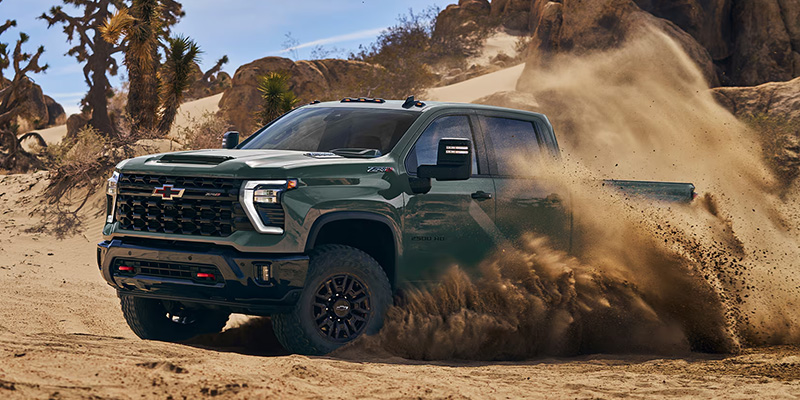
If you need a reliable full-size pickup, the 2026 Chevy Silverado offers a compelling mix of capability, comfort, and advanced technology. Drivers hauling heavy equipment or heading out for a weekend adventure will find this truck handles it all with ease. To see this impressive vehicle in person, visit Jupiter Chevrolet in Garland, TX, where our knowledgeable team is ready to help you find the right fit.
Read the rest of this entry »How to Keep Jupiter Chevrolet’s Lifetime Powertrain Warranty Valid for as Long as You Own Your Car
TL;DR
To keep your Lifetime Powertrain Warranty active, your vehicle must be serviced at Jupiter Chevrolet in Garland. Not just any shop, not another GM dealer. Jupiter Chevrolet specifically.
Service here within every 5,000-mile interval, and the warranty stays valid for as long as you own the vehicle. No mileage cap. No expiration date. No fee.
Most people who lose this warranty don’t realize it until they need it. They moved their oil changes to a shop closer to work. They got busy and stretched an interval. Nobody sat down and explained the one condition clearly.
So here it is, plainly: the Lifetime Powertrain Warranty has one primary requirement. Your vehicle has to be serviced here. At Jupiter Chevrolet, 11611 LBJ Freeway, Garland. Our team has to touch the car. When we do that, we track the history. When a claim comes in, that history is what makes it work.
We’ve replaced complete engines and transmissions for original owners at no cost to them, because their service history was current and documented. That’s what this warranty is built to do. This post explains how to make sure it does that for you.
The One Rule That Keeps Your Coverage Active
The warranty has one primary condition: service your vehicle at Jupiter Chevrolet in Garland within every 5,000-mile interval.
Not another GM dealership. Not a quick-lube chain. Jupiter Chevrolet must perform the service. This is not a technicality; it’s how your service history gets built, stored, and verified. When a warranty claim is filed, the first thing we check is the service record in our system. If it’s there, the claim moves forward. If it’s not, it’s harder to make the case.
“We’ve been honoring this warranty for decades. Complete engine and transmission replacements for original owners, zero cost to the customer. But it only works if we’ve been servicing the car. That’s the deal.”
Eric Fussell, General Manager, Jupiter Chevrolet
Pre-owned vehicles: The Lifetime Powertrain Warranty is available on qualifying new and pre-owned vehicle purchases. Ask a sales or service advisor about current coverage options for your specific vehicle.
What Servicing at Jupiter Includes
Required maintenance covers the full factory schedule, not just oil changes. Here’s what needs to happen at Jupiter on the manufacturer’s recommended intervals:
- Oil and filter changes (your dash oil life monitor will alert you; typically every 7,500 to 10,000 miles on modern Chevrolets — service must occur within every 5,000-mile interval to maintain warranty coverage)
- Tire rotations
- Fluid inspections and replacements: transmission fluid, coolant, brake fluid
- Transmission service (interval varies by model; the Jupiter service team will advise)
- Cooling system maintenance
- Cabin filter, engine filter, spark plugs, each on their own schedule
- All other inspections per Chevrolet’s factory maintenance schedule
Always use manufacturer-recommended fluids and filters. Engine oil, transmission fluid, coolant: using the wrong spec can affect powertrain performance and impact coverage.
The practical note: you don’t need to track all of this yourself. When you bring your vehicle in, our service team will tell you what’s due, what’s coming up, and what can wait. That’s part of what we do.
How Jupiter Tracks Your Service History
Every service visit at Jupiter Chevrolet is logged in the dealership’s service records system. That history is the primary record for any warranty claim.
We recommend keeping your own records too. A folder in the glovebox works fine. Date of service, mileage, what was done. If there’s ever a question during a claim, your copy supplements ours.
The team that knows your car is the same team that services it. That continuity is part of why this warranty is worth more here than a paper warranty at a dealership that changes hands every few years. We’ve been at the same address in Garland since 1925. The service bays, the technicians, the records: they don’t move.
What a Warranty Claim Actually Looks Like
When a covered component fails:
- Call the Jupiter service department at 972-464-1093 or schedule online at jupiterchev.com/serviceapptform
- Bring the vehicle in for a diagnostic
- If the failure involves a covered component and your service history is current in our system, the repair is approved
- Jupiter handles the repair using manufacturer-recommended parts
- You pick up your vehicle with the repair completed at no charge
Loaners: Jupiter maintains a fleet of 50+ loaner vehicles on-site, all makes and models. The BDC team coordinates loaner availability when you schedule service. If your vehicle is going to be here for a claim repair, you won’t be left without a car.
What’s Covered and What Isn’t
Covered: Major powertrain components including the engine, transmission, and drivetrain systems. Full details are outlined in your warranty agreement at time of purchase.
Not covered: See your warranty agreement for the complete list of exclusions. Contact the Jupiter Chevrolet service team with any questions before purchase.
Real examples of what we’ve covered under this warranty: complete engine replacements on high-mileage Silverados with current service histories. Full transmission rebuilds on Equinox owners who kept every service record. These aren’t edge cases; they’re the warranty working as designed for owners who held up their end.
What Will Void Your Coverage
Missing required maintenance is the most common way owners lose coverage. Don’t skip or defer scheduled service intervals, and don’t move your service to another shop thinking it won’t matter. It does.
Address warning lights immediately. A check engine light, transmission warning, or oil pressure alert isn’t something to drive through for a few more miles. Continuing to operate a vehicle with a known mechanical issue and then filing a claim for the resulting damage is exactly the scenario the warranty exclusion for neglect is designed to address.
Modifications: performance tuners, engine programming changes, lift kits that affect drivetrain components, and non-approved powertrain modifications can impact warranty eligibility. Before you modify anything connected to a covered component, call us. We’d rather give you a straight answer upfront than explain why a claim is denied after the fact.
“If there’s any doubt about whether something affects your warranty, just call us. That’s not a hard call to make, and it saves a lot of frustration later.”
Eric Fussell, General Manager, Jupiter Chevrolet
EV Owners: Equinox EV and Silverado EV
Jupiter’s EV specialist is GM-certified.
For Equinox EV and Silverado EV owners, powertrain coverage applies to the electric drive components. The same service-at-Jupiter requirement applies. Confirm the specific EV powertrain terms with the Jupiter service team at time of purchase. EV drivetrain coverage has some nuances worth understanding before you need them.
Schedule Your Service Appointment at Jupiter Chevrolet →
Frequently Asked Questions
Do I have to get all my service done at Jupiter Chevrolet?
Yes. To keep the Lifetime Powertrain Warranty active, your vehicle must be serviced at Jupiter Chevrolet in Garland specifically, within every 5,000-mile interval. Not another GM dealership, not a third-party shop. Jupiter Chevrolet must perform the service. That’s the core requirement of the warranty.
Is the Lifetime Powertrain Warranty really free?
Yes. It’s included at no additional cost with qualifying new vehicle purchases from Jupiter Chevrolet. No enrollment fee, no annual renewal charge.
What happens if I miss a scheduled service interval?
Missing required maintenance can jeopardize your warranty coverage. If a powertrain component fails and the service history shows a gap, the claim may be difficult to approve. Bring your vehicle in on schedule and let our team track the history.
Does Jupiter offer loaner vehicles while my car is being serviced?
Yes. Jupiter maintains a fleet of 50+ loaner vehicles on-site, all makes and models. The BDC team coordinates availability when you schedule. You won’t be without a vehicle during a service visit or warranty repair.
Is there a mileage limit on the warranty?
No. The Lifetime Powertrain Warranty has no mileage cap and no expiration date. It remains active for as long as you own the vehicle and keep your service current at Jupiter Chevrolet within every 5,000-mile interval.
Is the warranty transferable if I sell the vehicle?
No. The warranty applies to the original purchaser only. It does not transfer to a subsequent owner.
Are pre-owned vehicles covered?
The Lifetime Powertrain Warranty is available on qualifying new and pre-owned vehicle purchases. Ask a Jupiter sales or service advisor about current coverage options for your specific vehicle.
What if my Check Engine Light comes on?
Have the vehicle inspected as soon as possible. Continuing to drive with a known warning can cause additional damage that may not be covered. Call 972-464-1093 or schedule at jupiterchev.com/serviceapptform.
Will modifications affect my coverage?
Certain modifications, including performance tuners, engine programming, lift kits affecting drivetrain components, and non-approved powertrain modifications, can impact coverage. Always consult Jupiter Chevrolet before making any changes to covered components.
Is there a deductible for warranty repairs?
Contact the Jupiter service team for current deductible terms specific to your vehicle. Details may vary; your warranty agreement at time of purchase will have the specifics, and a service advisor can walk you through them.
Why does Jupiter offer a Lifetime Warranty?
Because the business runs on repeat customers, not one-time transactions. A warranty that brings you back for service every year is how Jupiter stays invested in your vehicle long after the sale. We’ve been at this same address in Garland since 1925. The relationship doesn’t end when you drive off the lot.
About the Author
Eric Fussell is the General Manager of Jupiter Chevrolet in Garland, Texas. Jupiter Chevrolet has operated at the same location on LBJ Freeway since 1925, serving buyers across Dallas, Plano, Richardson, Frisco, Mesquite, Rockwall-Heath, Forney, McKinney, and Grapevine. jupiterchev.com
Sources & Further Reading
- Jupiter Chevrolet: The Jupiter Advantage
- Schedule Service at Jupiter Chevrolet
- Jupiter Chevrolet New Inventory
Warranty disclaimer: Coverage details may vary by vehicle. Review your warranty agreement at time of purchase for complete terms and conditions. Contact a Jupiter Chevrolet sales or service advisor for details specific to your vehicle.
Last updated: June 30, 2026 | Published: June 22, 2026
TL;DR
Inspect the frame and undercarriage first, then verify fluids and engine sounds under the hood, take a full test drive across varied road conditions, and always pull a vehicle history report before you commit to any used Silverado.
A used Silverado in solid shape is one of the best value propositions on the market. It’s one of America’s best-selling trucks for a reason, and buying used means real savings compared to new. But a truck can also be one of the easier purchases to get wrong if you move too fast. This guide walks through the inspection in the order that matters, so you’re not backing out of a driveway in something you’ll regret.
What Does the Exterior Tell You Before You Open the Door?
Start with a slow walk-around. Take your time. What you’re looking for isn’t always obvious at a glance, and North Texas conditions create specific things to watch for.
Panel gaps are your first signal. The gaps between doors, the hood, and the body panels should be even and consistent from one side to the other. If one door gap looks noticeably wider or the hood doesn’t sit flush, a body repair likely happened in that area. Paint matching is the follow-up check: step back and look at the truck in natural light. Subtle color differences between panels, or a slight orange-peel texture in one section, usually means that panel was repainted after a collision or repair.
Texas weather is hard on trucks. Summer heat accelerates paint fade and rubber seal degradation, and hail events in the Garland, Rockwall, and Mesquite area can leave dents that look minor from a distance but sometimes hide deeper panel work. Run your hand along the bed walls and roof. Even small depressions are worth noting.
The truck bed tells its own story. A working truck should show some wear, but heavy dents or deep gouges across the bed rails that don’t match the mileage raise questions. Check the tailgate latch and hinges. It should swing smoothly and close without force.
Tires deserve a close look at every corner. Uneven wear across the width of a single tire (more wear on the inside or outside edge) typically points to alignment or suspension problems. On a truck that’s been used for regular hauling or towing, suspension wear tends to accelerate, so pay extra attention here.
Finally, check the glass. Chips or cracks in the windshield and cloudy or yellowed headlamp lenses are real costs to factor into any price negotiation.
How Do You Inspect a Used Silverado’s Frame and Undercarriage?
The frame is the most important structural component on any truck. Get under the Silverado from both sides and look closely at the frame rails running the full length of the vehicle.
The distinction to understand is surface rust versus structural rust. Some surface oxidation on a North Texas truck is normal; the region doesn’t use road salt the way northern states do, but prolonged exposure to moisture, heat, and road debris still takes a toll. Surface rust looks like a reddish film or light flaking on exposed metal. Structural rust is different: deep pitting, visible scaling, or areas where the metal has clearly thinned or developed perforations. Press on any suspect areas. If metal compresses or crumbles, that section is compromised.
Look at the suspension components while you’re under there. Shocks, control arms, and bushings should show no cracking or visible damage. A dried-out bushing isn’t always an immediate failure, but it signals deferred maintenance, and trucks that have been worked hard often show a pattern of it. Grab the suspension arms and check for excessive play.
For four-wheel-drive Silverados, check the transfer case and front axle. Look for leaking fluid around the transfer case seals and the CV axle boots. A cracked or split CV boot means the joint is likely contaminated and needs replacement soon.
Also watch for fresh undercoating in isolated spots. If one section of the frame has a fresh dark spray and the rest of the undercarriage shows bare metal or consistent aging, that’s worth asking about directly.
Check the exhaust system too. A rusted-through section may not affect engine performance, but it will show up on a Texas emissions inspection.
What Should You Check Under the Hood of a Used Silverado?
Pop the hood before the engine is started if possible. A cold start tells you things a warm engine can hide.
Listen on startup. The Silverado’s V8 engines have a consistent, distinctive sound. What you don’t want to hear is persistent ticking (a sign of oil starvation history), a deep knock (expensive), or startup rattling that fades after a few seconds (can indicate timing chain wear from neglect). Some minor ticking that clears within 10-15 seconds on a cold morning can be normal. Anything that persists through the warm-up cycle deserves a follow-up question.
Check every fluid you can access. Engine oil should be amber to light brown and sit near the full mark on the dipstick. Dark black oil with a burnt smell right after a claimed recent service is a red flag. Transmission fluid on older automatic Silverados is accessible via dipstick and should appear reddish or pink, not dark brown or burnt. Coolant should be at the marked level in the reservoir with no rust or oil contamination. A milky, foamy appearance in the coolant is a serious warning sign for a head gasket failure.
Look for residue around hoses and fittings. Crusty white buildup near a coolant connection often means a slow leak has been going on for some time. Oily buildup around the valve covers or oil cap typically indicates oil consumption or a gasket leak.
Check the belts visually. Cracked or glazed serpentine belts are a near-term replacement item. On higher-mileage trucks, this is common and not disqualifying, but factor the service cost into your negotiation.
Battery terminal condition is a quick check worth making. Heavy corrosion can indicate charging system issues or simply age. The date on the battery label tells you how old it is.
How Do You Evaluate a Used Silverado’s Transmission and Drivetrain?
The test drive is where a truck earns your confidence or doesn’t. Plan for at least three types of conditions: highway at speed, city stop-and-go, and a rougher surface if you can find one.
On the highway, bring the truck up to speed and hold it there. Automatic transmissions should shift smoothly through every gear with no hesitation, slipping, or shudder. Pay attention between gears; a slight thud is worth noting. If the transmission hunts back and forth between two gears at a consistent speed, that’s either a calibration or a wear issue.
In city driving, watch for any delay when you accelerate from a stop. The truck should respond cleanly. A clunk when you ease off the brake from a parked position or a shimmy under light acceleration can point to U-joint or drivetrain wear.
On a 4×4 model, test four-wheel drive. Four-high should engage without any grinding or significant delay. Some binding in tight turns while in 4H on a paved surface is normal. Grinding or resistance to engaging the transfer case needs further evaluation.
Braking deserves separate focus. The truck should stop straight and have firm, consistent pedal feel. Pulsation through the pedal or steering wheel during braking typically means warped rotors. Squealing points to worn pads. Both are straightforward service items, but get an estimate before you settle on a price.
At highway speed, pay attention to steering feel. Shimmying between 55-70 mph is often a wheel balance or bearing issue. Pulling to one side in a straight line usually means alignment. Neither is a dealbreaker, but both have a cost.
What to Look for Inside the Cab of a Used Silverado
Interior wear patterns confirm or contradict the odometer reading. Look at the driver’s seat bolster, the steering wheel bottom, and the pedal rubber. These high-contact areas wear in proportion to actual use. A truck with 40,000 miles should show light wear. Heavily cracked seat leather and nearly worn-through pedal rubber on a truck claiming 30,000 miles is a discrepancy worth questioning.
Test every power accessory: windows, locks, mirrors, seat adjustments, heated seats, backup camera, and trailer brake controller if equipped. The infotainment system in current-generation Silverados is generally reliable, but verify the touchscreen responds cleanly, Bluetooth pairs without issues, and all camera systems show a clear, undistorted image. Electrical diagnostics in a modern truck can be expensive.
Run the climate control on both ends. Air conditioning should produce cold air within a couple of minutes at full blast. Trucks used heavily in hot climates can develop AC compressor wear that doesn’t always show up immediately; erratic cooling or a system that works intermittently is a signal.
Use your nose. A musty or damp smell in the cab often means water has gotten in somewhere. Common entry points include door seals, cab corner seams, and rear door seams on extended-cab models. Water intrusion leads to mold, and mold is hard to fully clear. A persistent burning smell may indicate an electrical issue.
Look under the floor mats for water staining or rust on the floorboards, and check the headliner at the corners for staining. These are spots sellers don’t always think to address before showing a truck.
Why Vehicle History Documentation Is as Important as the Physical Inspection
Everything you check on the truck in person gives you a snapshot of its current condition. The vehicle history report fills in what you can’t see.
A full report from CARFAX or AutoCheck covers reported accidents, title status (clean title vs. salvage or rebuilt), odometer readings at each registration, number of previous owners, and any recorded service history. Consistent oil changes and maintenance records indicate attentive prior ownership. Gaps in service history don’t automatically mean neglect (some owners handle maintenance themselves), but documented service adds confidence.
Pay close attention to any reported accident. A minor repair done correctly is not necessarily a problem. A reported frame damage event is. Frame straightening on a truck frame is possible, but it changes the vehicle’s structural integrity permanently, and it affects resale and sometimes financing.
Title branding matters. A clean title means the vehicle has never been declared a total loss by an insurer. A salvage or rebuilt title means it has, and that history follows the truck in every subsequent transaction.
For a private sale or independent lot, always run the VIN yourself through CARFAX.com or the free NHTSA recall database before you visit. It takes less than ten minutes and can eliminate a truck from consideration before you spend an afternoon on it.
If you want factory-backed protection rather than a history report and a handshake, a CarBravo Certified Silverado at Jupiter Chevrolet comes with a 126-point inspection, clean title requirement, and manufacturer-backed warranty coverage. Qualifying pre-owned vehicles at Jupiter also include the Jupiter Advantage Lifetime Powertrain Warranty, which covers the engine, transmission, and drivetrain for as long as you own the vehicle. Ask a sales advisor which vehicles on the lot currently qualify for both programs.
View Used and Certified Pre-Owned Silverados at Jupiter Chevrolet →
Frequently Asked Questions
What should I check first when inspecting a used Chevrolet Silverado?
Start with the frame and undercarriage. Walk underneath and inspect the frame rails for structural rust (deep pitting or metal thinning) rather than surface oxidation. Suspension components and the transfer case area (on 4×4 models) come next. The frame is the single most expensive thing to have a problem with on a used truck, and it’s the one thing that can’t be easily or cheaply addressed after the fact.
How do I tell if a used Silverado has serious rust problems?
Surface rust is a light reddish film or minor flaking on exposed steel, common on any truck in the South. Structural rust looks different: deep pitting, scaling, or areas where the metal has visibly thinned or developed perforations. Press on any suspicious area. If the metal gives, bends, or crumbles at all, that section is compromised. Also watch for fresh undercoating applied only to isolated spots, which can be used to conceal known rust before a sale.
How do I know if a used Silverado’s transmission is in good condition?
During the test drive, automatic transmissions should shift smoothly through every gear with no hesitation, slipping, or hunting back and forth between gears at consistent speeds. If the truck has a dipstick-accessible transmission fluid check, the fluid should appear reddish or pink. Dark brown or burnt fluid with an odor is a warning sign. On 4×4 models, test four-wheel drive engagement and confirm it activates cleanly without grinding or resistance.
Should I get a pre-purchase inspection before buying a used Silverado?
Yes, particularly for private party purchases or higher-mileage trucks. An independent mechanic with GM truck experience can lift the vehicle, run a diagnostic scan for stored error codes, and check components that aren’t visible with a basic walk-around. The cost is typically $100-$200 and can prevent far larger expenses after the sale.
What is the difference between a standard pre-owned Silverado and a Certified Pre-Owned Silverado?
A standard pre-owned truck is sold as-is or with a limited dealer warranty. A CarBravo Certified Silverado must be under 10 model years old, have under 100,000 miles, and carry a clean title. Every qualifying vehicle goes through a 126-point inspection by factory-trained technicians and comes with 12 months/12,000 miles of bumper-to-bumper warranty coverage after any remaining factory warranty. Qualifying pre-owned vehicles at Jupiter Chevrolet also include the Jupiter Advantage Lifetime Powertrain Warranty at no additional cost. Ask a Jupiter sales advisor which vehicles on the lot currently qualify.
About the Author
This post was written by the team at Jupiter Chevrolet, Garland’s full-service Chevrolet dealership serving the DFW area since 1925. Our certified technicians and sales advisors help North Texas drivers find, buy, and maintain the right Chevrolet for their needs. jupiterchev.com
Methodology
This post reflects the Jupiter Chevrolet team’s professional experience advising used truck buyers in the Dallas-Fort Worth area. Inspection recommendations are based on practical pre-purchase practices applicable to the Chevrolet Silverado across multiple model years.
Sources & Further Reading
- CARFAX Vehicle History Reports
- NHTSA VIN Recall Lookup
- CarBravo Certified Program
- Jupiter Chevrolet Used and Pre-Owned Inventory
- Why Transparent Pricing Matters at Checkout
Published: May 30, 2026 | Last updated: June 30, 2026
TL;DR
GM’s CarBravo Certified program replaced the legacy Chevrolet CPO program in June 2026. To qualify, a vehicle must be under 10 model years old and under 100,000 miles and pass a 126-point factory inspection. Every CarBravo Certified vehicle comes with 12 months/12,000 miles of bumper-to-bumper coverage after any remaining factory warranty, plus roadside assistance, a complimentary CARFAX report, and all open safety recalls addressed before sale. Jupiter Chevrolet in Garland carries CarBravo Certified inventory across trucks, SUVs, and cars.
Not every used car purchase comes with confidence built in. GM’s CarBravo Certified program is the manufacturer-backed path to a pre-owned Chevrolet that has been inspected, reconditioned, and covered by warranty. This post covers what the program requires, what it covers, and what changed when CarBravo replaced the legacy Chevrolet CPO program in June 2026.
What Is CarBravo Certified and How Did It Replace the Old Chevrolet CPO Program?
In June 2026, General Motors consolidated its certified pre-owned coverage across Chevrolet, Buick, and GMC under a single program called CarBravo. The legacy Chevrolet CPO program, which had its own eligibility requirements and warranty terms, was replaced entirely.
CarBravo operates on two tiers based on vehicle age and mileage. The standard CarBravo Certified tier covers vehicles under 10 model years old with under 100,000 miles. A second tier, BravoBudget, is designed for older vehicles between 10 and 15 model years old and/or between 100,000 and 150,000 miles, with more limited coverage.
For most buyers at Jupiter Chevrolet in Garland, the CarBravo Certified tier is the relevant one. It sets the eligibility threshold, governs the inspection standard, and provides the warranty coverage described in this post.
Browse CarBravo Certified Inventory at Jupiter Chevrolet →
What Are the Eligibility Requirements for a CarBravo Certified Chevrolet?
A Chevrolet must meet baseline criteria to qualify for CarBravo Certified status:
- Under 10 model years old
- Under 100,000 miles on the odometer
- All open safety recalls completed before certification
- 126-point inspection passed by factory-trained technicians
The broader eligibility window under CarBravo, compared to the legacy Chevrolet CPO program, means more pre-owned Chevrolets qualify. A five-year-old Equinox and an eight-year-old Silverado 1500 can both carry the CarBravo Certified designation if they meet the mileage and inspection requirements.
What Does the CarBravo 126-Point Inspection Cover?
Every CarBravo Certified vehicle goes through a 126-point inspection performed by factory-trained technicians before it is listed for sale. This is a comprehensive mechanical and structural review, not a visual walkthrough.
The inspection covers the engine, transmission, brakes, suspension, and electrical systems, along with interior and exterior condition. Any components that do not meet the required standard are reconditioned or replaced before the vehicle is certified. All open safety recalls are completed at the same time.
For buyers comparing CarBravo Certified vehicles to standard pre-owned options at independent lots or through private sale, the 126-point inspection is the primary substantive difference. A private seller cannot offer it. Most non-certified dealers do not conduct anything equivalent.
What Warranty Coverage Comes with a CarBravo Certified Chevrolet?
Every CarBravo Certified vehicle comes with 12 months or 12,000 miles of bumper-to-bumper limited warranty coverage, whichever comes first. If the vehicle still has remaining factory warranty at the time of purchase, that coverage applies first. CarBravo’s 12-month/12,000-mile protection then picks up when the factory warranty expires.
It is important to be clear about what CarBravo Certified does not include: a separate long-term powertrain warranty. The legacy Chevrolet CPO program offered a 6-year/100,000-mile powertrain warranty from the original in-service date. That coverage is not part of the CarBravo program. Buyers who want extended powertrain protection beyond the bumper-to-bumper period should ask Jupiter’s sales team about available protection products at time of purchase.
The 12-month/12,000-mile warranty is transferable and backed directly by the manufacturer.
CarBravo Certified vs. Non-Certified Used: What You’re Getting
| CarBravo Certified | Non-Certified Used | |
|---|---|---|
| Inspection | 126-point, factory-trained | No standard inspection |
| Bumper-to-bumper warranty | 12 mo / 12,000 mi | None |
| Powertrain warranty | Not included | None |
| Safety recalls addressed | Yes, before sale | Not guaranteed |
| CARFAX history report | Complimentary | Not included |
| Roadside assistance | Included | Not included |
| Vehicle exchange program | Yes | No |
“CarBravo gives buyers a manufacturer-backed path to a pre-owned Chevrolet that has been inspected and covered. For our customers in Garland and across DFW, it means real accountability behind the vehicle.”
Eric Fussell, General Manager, Jupiter Chevrolet
What Other Benefits Come with a CarBravo Certified Vehicle?
Beyond the inspection and warranty, every CarBravo Certified vehicle includes:
- Complimentary CARFAX vehicle history report
- Roadside assistance
- Vehicle exchange program
- OnStar trial on compatible vehicles
- SiriusXM trial on compatible vehicles
- My GM Rewards program enrollment
Prepaid maintenance plans are available for purchase separately. Scheduled maintenance is not included in the CarBravo Certified program itself.
Is a CarBravo Certified Chevrolet Worth the Price Premium?
CarBravo Certified vehicles carry a price premium over non-certified used vehicles of the same make and model. That premium reflects the 126-point inspection, the 12-month/12,000-mile warranty, recall completion, and the documentation package.
For buyers who want manufacturer-backed verification and warranty coverage without new-vehicle pricing, it typically justifies the difference. The inspection, factory warranty, roadside assistance, and transparent history report are a package that non-certified used vehicles do not offer.
Buyers who want extended powertrain protection beyond the 12-month/12,000-mile bumper-to-bumper period should discuss available protection products with Jupiter’s sales team at time of purchase. For buyers whose primary goal is the lowest possible price on a specific vehicle, a standard pre-owned option may still be the right call. But if unexpected repair costs in the early months are a real concern, CarBravo Certified provides manufacturer-backed protection that standard pre-owned options do not.
Browse CarBravo Certified Chevrolet Inventory at Jupiter Chevrolet →
Frequently Asked Questions
What replaced the Chevrolet CPO program?
GM combined Chevrolet, Buick, and GMC certified pre-owned coverage under the CarBravo program in June 2026. The legacy Chevrolet CPO program is no longer active. CarBravo Certified is now the manufacturer-backed certified pre-owned designation for Chevrolet vehicles sold at participating dealers including Jupiter Chevrolet in Garland.
What are the eligibility requirements for a CarBravo Certified Chevrolet?
A Chevrolet must be under 10 model years old and under 100,000 miles to qualify for CarBravo Certified status. All open safety recalls must be completed before certification. The vehicle goes through a 126-point inspection by factory-trained technicians, with any needed reconditioning completed before it is offered for sale.
What warranty comes with a CarBravo Certified Chevrolet?
CarBravo Certified vehicles come with 12 months or 12,000 miles of bumper-to-bumper limited warranty coverage, whichever comes first. If the vehicle has remaining factory warranty, that applies first. CarBravo coverage picks up when the factory warranty expires. There is no separate long-term powertrain warranty included in the CarBravo program. Ask about available protection products at time of purchase for extended coverage options.
Did CarBravo remove the 6-year/100,000-mile powertrain warranty?
Yes. The legacy Chevrolet CPO program included a 6-year/100,000-mile powertrain limited warranty from the original in-service date. That coverage is not part of the CarBravo program. CarBravo Certified includes a 12-month/12,000-mile bumper-to-bumper warranty only. Buyers who want additional powertrain protection should ask about available protection products.
Does a CarBravo Certified Chevrolet come with a vehicle history report?
Yes. Every CarBravo Certified vehicle includes a complimentary CARFAX vehicle history report documenting prior ownership, accident history, and recorded service intervals, at no additional cost.
What is the difference between CarBravo Certified and BravoBudget?
CarBravo Certified covers vehicles under 10 model years old with under 100,000 miles, with a 126-point inspection and 12-month/12,000-mile bumper-to-bumper warranty. BravoBudget covers vehicles between 10 and 15 model years old and/or between 100,000 and 150,000 miles, with a 62-point inspection and a 30-day/1,000-mile powertrain warranty only. For most buyers at Jupiter Chevrolet, the CarBravo Certified tier applies.
How does CarBravo Certified compare to Jupiter Chevrolet’s Lifetime Powertrain Warranty?
These are separate programs. CarBravo Certified is a manufacturer program covering pre-owned vehicles with a 12-month/12,000-mile bumper-to-bumper warranty. Jupiter Chevrolet’s Lifetime Powertrain Warranty is a separate dealership program available on qualifying new and pre-owned vehicle purchases, with no mileage cap, lasting as long as the original owner keeps the vehicle and maintains service at Jupiter in Garland. Ask a sales advisor which vehicles on the lot currently qualify.
About the Author
Eric Fussell is the General Manager of Jupiter Chevrolet in Garland, TX. Jupiter Chevrolet has operated at the same location on LBJ Freeway since 1925, serving buyers across Dallas, Plano, Richardson, Frisco, Mesquite, Rockwall-Heath, Forney, McKinney, and Grapevine. jupiterchev.com
Methodology
This post reflects current CarBravo Certified program terms as of June 2026, when GM consolidated Chevrolet, Buick, and GMC certified pre-owned coverage under CarBravo. Program details are subject to change; review your warranty agreement at time of purchase for complete terms.
Sources & Further Reading
- CarBravo Certified Used Cars
- Chevrolet Certified Pre-Owned Program Review, Autotrader
- Jupiter Chevrolet Used and Pre-Owned Inventory
- Jupiter Chevrolet Service Scheduling
- How to Inspect a Used Chevrolet Silverado Before Purchase
Warranty disclaimer: CarBravo program terms and warranty coverage details may vary by vehicle and model year. Program terms are subject to change. Review your warranty agreement at time of purchase for complete terms. Contact a Jupiter Chevrolet sales or service advisor for details specific to your vehicle.
Published: May 29, 2026 | Last updated: June 30, 2026
Connect with us


