





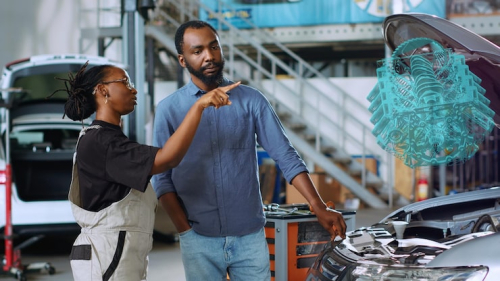
The hum of hydraulic lifts and the steady rhythm of wrenches turning echo through the service bays of Chevrolet dealerships across Dallas–Fort Worth. In a region where sprawling highways and daily commutes define life, drivers are rethinking their relationship with their vehicles. With new car prices climbing and economic pressures mounting, North Texans are choosing to extend the life of their cars rather than replace them. This shift is driving a surge in service and parts sales, transforming dealerships into vital hubs for vehicle longevity and customer loyalty.
Feeling stuck in the stressful car-buying process? At Jupiter Chevrolet in Garland, TX, we’ve reimagined how buying a car should feel. With transparent pricing, online deal-building tools, and the benefits of our Jupiter Advantage program, we ensure every step is straightforward and satisfying. Skip the hassle. From purchase, to certified service and parts, to collision repair and body shop. Our team puts your convenience, safety, and confidence first. Turn your dreams of finding your ideal Chevrolet into reality with us. Visit Jupiter Chevrolet today!
Dallas–Fort Worth Service and Parts Sales Surge as Drivers Extend Vehicle Lifespans
The average age of vehicles on American roads has reached an all-time high, creeping toward 12 years. In Dallas–Fort Worth, this trend is reshaping the automotive landscape. Skyrocketing new car prices often exceeding $50,000 for a fully loaded Chevrolet Silverado or Equinox coupled with rising interest rates, have made trading in a vehicle less appealing. Instead, drivers are investing in maintenance, from routine oil changes to complex engine repairs, to keep their cars running reliably for a decade or more. This shift has fueled a boom in service and parts departments at local Chevrolet dealerships, where revenue is climbing even as the number of repair orders dips.
Data from Cox Automotive’s Xtime metrics paints a clear picture: in 2024, service activity at franchised U.S. dealerships saw a 1.7% year-over-year decline in the Repair Order Volume Index. Yet, the Repair Order Revenue Index rose by 5.2% compared to 2023, driven by higher labor rates and parts prices. This trend is particularly pronounced in North Texas, where dealerships report packed service schedules and growing parts counters. By early 2025, the Xtime Repair Order Revenue Index hit a record high, reflecting dealer’s strong pricing power for both labor and parts, even as repair order volume showed signs of a slight recovery after a year-end dip.
A Shift in Ownership Mindset
Why are North Texans holding onto their vehicles longer? It’s a matter of economics and practicality. The cost of a new car, combined with financing challenges, has pushed many to prioritize maintenance over replacement. A Dallas-area Chevy owner might opt for a $1,500 brake and suspension overhaul rather than a $600 monthly payment on a new SUV. This decision is not just about saving money it’s about trust in vehicles that have proven their worth over years of commutes, road trips, and daily errands.
Dealerships are seeing a surge in demand for preventive maintenance. Tire rotations, fluid flushes, and battery replacements are now routine for vehicles approaching their tenth birthday. OEM parts, prized for their reliability and warranty coverage, are outselling cheaper aftermarket alternatives in Dallas–Fort Worth, where drivers value longevity and resale potential. One local dealership reported a 25% uptick in parts sales over the past year, with spark plugs, filters, and brake pads flying off the shelves. This reflects a broader cultural shift: cars are no longer fleeting purchases but long-term investments.
Navigating a Competitive Landscape
The service boom comes with its share of challenges. Independent repair shops and quick-lube chains are fierce competitors, often luring customers with lower prices. Supply chain disruptions, though less severe than during the pandemic, still cause occasional delays in parts availability, testing the patience of both service managers and customers. Rising repair costs fueled by pricier parts and skilled labor shortages also spark hesitation among some drivers, who weigh the cost of a major repair against the prospect of a new vehicle.
Dealerships are countering these challenges with education and transparency. Service advisors emphasize the long-term value of OEM parts, which offer better fitment and durability than aftermarket options. “We’re not just selling a part; we’re selling peace of mind,” one Fort Worth service manager explained. By highlighting warranties and performance benefits, dealerships are winning over customers who might otherwise turn to budget repair shops.
Seizing New Opportunities
Chevrolet dealerships are not just adapting they’re innovating. Many are introducing prepaid maintenance plans, which bundle services like oil changes and tire rotations into affordable packages, locking in customer loyalty for years. Digital tools are also transforming the service experience. Online booking platforms, text-based service reminders, and mobile apps allow customers to schedule appointments and track their vehicle’s maintenance history with ease. One Dallas dealership’s app even sends push notifications for upcoming service needs, boosting appointment rates by 15%.
The rise of electric vehicles (EVs) and hybrids presents another growth avenue. As Chevy Bolts and forthcoming electric Silverados gain traction, dealerships are training technicians to service high-voltage systems and complex battery packs. Collision repair is also a growing focus, with some dealerships expanding body shops to handle everything from fender-benders to major accident repairs. These services not only drive revenue but also deepen customer relationships, turning dealerships into comprehensive automotive hubs.
A Financial Anchor for Dealerships
In an industry where new car sales can be as unpredictable as Texas weather, service and parts departments offer stability. Unlike the cyclical nature of vehicle sales, repair and maintenance provide a consistent revenue stream. The Xtime Repair Order Revenue Index underscores this, with its record-breaking performance in early 2025 signaling the financial strength of these operations. For dealerships, this translates to higher profitability and a chance to build lasting connections with customers.
The impact extends beyond the balance sheet. By offering comprehensive services from routine maintenance to collision repair dealerships are redefining their role in the community. They’re no longer just places to buy a car but trusted partners in the journey of vehicle ownership. This shift is especially critical in Dallas–Fort Worth, where long commutes and heavy traffic demand vehicles that can go the distance.
A Road Ahead Defined by Durability
As the sun dips below the horizon, casting a warm glow over the service bays of Dallas–Fort Worth’s Chevrolet dealerships, the future comes into focus. Vehicles are staying on the road longer, and drivers are investing in their care with a renewed sense of purpose. Industry experts predict this trend will only accelerate, with service facilities expanding to meet demand and EV-related services carving out a new niche. “Service and parts are the backbone of modern dealerships,” one analyst noted. “In North Texas, they’re not just a revenue stream they’re the key to customer loyalty.” With a growing focus on sustainability and reliability, these dealerships are poised to thrive, ensuring that every Chevy on the road remains a faithful companion for years to come.
Frequently Asked Questions
Why are Dallas-Fort Worth drivers keeping their cars longer instead of buying new vehicles?
High new car prices (often exceeding $50,000 for vehicles like the Chevrolet Silverado) combined with rising interest rates have made vehicle replacement less appealing. Many North Texas drivers are choosing to invest in maintenance and repairs rather than take on monthly payments of $600 or more, viewing their current vehicles as long-term investments rather than fleeting purchases.
How much have service and parts sales increased at Dallas-Fort Worth dealerships?
While repair order volume declined by 1.7% in 2024, repair order revenue increased by 5.2% compared to 2023, driven by higher labor rates and parts prices. Local dealerships report a 25% uptick in parts sales, with the Xtime Repair Order Revenue Index hitting record highs in early 2025, reflecting strong pricing power for both labor and OEM parts.
What services are Dallas-Fort Worth Chevrolet dealerships adding to meet growing maintenance demand?
Dealerships are expanding beyond traditional maintenance by introducing prepaid maintenance plans, digital booking platforms, and mobile apps for service scheduling. They’re also training technicians for electric vehicle servicing (like Chevy Bolts), expanding collision repair capabilities, and offering comprehensive automotive services to become one-stop hubs for vehicle ownership needs.
Disclaimer: The above helpful resources content contains personal opinions and experiences. The information provided is for general knowledge and does not constitute professional advice.
You may also be interested in: Jupiter Chevrolet Blog | News, Updates, and Info – Jupiter Chevrolet
Feeling stuck in the stressful car-buying process? At Jupiter Chevrolet in Garland, TX, we’ve reimagined how buying a car should feel. With transparent pricing, online deal-building tools, and the benefits of our Jupiter Advantage program, we ensure every step is straightforward and satisfying. Skip the hassle. From purchase, to certified service and parts, to collision repair and body shop. Our team puts your convenience, safety, and confidence first. Turn your dreams of finding your ideal Chevrolet into reality with us. Visit Jupiter Chevrolet today!
Powered by flareAI.co
Connect with us


