





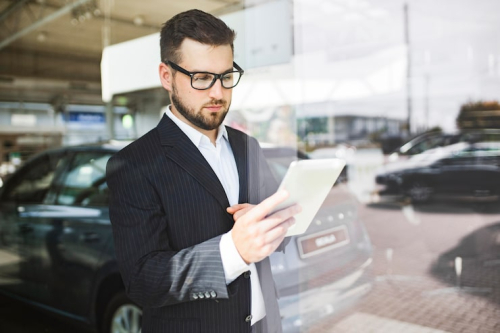
The engine hum of North Texas dealerships persists, yet for growing numbers of buyers across Garland to Frisco, that sound arrives only after decisions unfold on screens rather than showroom floors. Smartphone in hand at odd hours, shoppers scroll inventories, query AI assistants, or configure deals from living rooms. Digital transformation has reshaped auto sales in the Dallas-Fort Worth metroplex, but forward-thinking dealerships preserve the in-person element, forging a hybrid model that marries convenience with trust.
Feeling stuck in the stressful car-buying process? At Jupiter Chevrolet in Garland, TX, we’ve reimagined how buying a car should feel. With transparent pricing, online deal-building tools, and the benefits of our Jupiter Advantage program, we ensure every step is straightforward and satisfying. Skip the hassle. From purchase, to certified service and parts, to collision repair and body shop. Our team puts your convenience, safety, and confidence first. Turn your dreams of finding your ideal Chevrolet into reality with us. Visit Jupiter Chevrolet today!
The Accelerating Digital Shift in North Texas
The classic ritual arriving unannounced, navigating pushy pitches, negotiating stickers clashes with the pace of life in tech-forward suburbs like Plano, Richardson, and Dallas. High internet adoption, busy professional households, and long commutes propel quicker embrace of digital channels here than elsewhere. Virtual showrooms deliver 360-degree tours, augmented reality overlays preview custom features such as premium upholstery or wheel packages, and mobile platforms secure financing approvals long before a visit.
According to a 2024 Dallas-Fort Worth Auto Dealers Association report, 68% of buyers in Garland, Plano, and Richardson investigate vehicle availability online prior to any dealership trip. This statistic signals more than mere preference for convenience; it reveals a quest for autonomy. Shoppers apply filters for price, mileage, equipment, and even fuel type, eliminating outdated sales pressure. In Plano and Frisco, such preparation cuts in-person time by nearly 40%, enabling executives to evaluate crossovers during lunch breaks or parents in McKinney to compare options amid after-school activities.
Hybrid experiences prevail: journeys commence digitally with research, virtual negotiations, and trade-in valuations, then conclude physically for test drives and signatures. Outlets in Dallas and Richardson deploy transparent pricing structures alongside AI-powered chatbots that deliver immediate, non-intrusive replies, resonating with consumers who prize efficiency over confrontation. Social media content TikTok videos or YouTube drives simulating local highways sparks interest from Grapevine through Mesquite.
Globally, the online car buying market, valued at approximately $258 billion in 2024, is projected to expand to $555 billion by 2035 at a 7.21% CAGR, with North America maintaining strong momentum through advanced e-commerce infrastructure. Pre-owned vehicles are forecasted to command a dominant 67.9% share of online transactions by 2025, reflecting affordability priorities and rising trust in digital marketplaces.
Used Cars, Service, and Broader Digital Impact
Economic realities keep used vehicles prominent, particularly in Garland and McKinney, where certified pre-owned models provide inspected, warrantied alternatives that ease burdens for families commuting to Dallas or Plano. New vehicle averages frequently exceed $45,000 in upscale areas like Frisco, intensifying reliance on pre-owned inventory. Lenders in Mesquite and Forney observe marked increases in online applications for used financing, bolstered by digital trade-in estimators and calculators that facilitate decisions from home.
Service and parts sectors advance in parallel. Dealerships in Garland and Mesquite offer seamless online appointment booking and contactless payments for routine maintenance like oil changes or tire services, while automated alerts and progress tracking elevate loyalty. In Rockwall-Heath and McKinney, collision repair facilities introduce mobile applications enabling photo submissions for rapid damage assessments, transforming cumbersome claims into driveway-friendly processes.
These innovations expand geographic influence. A shopper in Mesquite explores inventory at a Grapevine location, or a resident in Forney completes pre-approval without travel. Digital platforms convert neighborhood operations into broader regional competitors.
Persistent Barriers Grounding the Evolution
Despite momentum, obstacles endure. Texas regulations, including restrictions on direct-to-consumer models in one of 23 states prohibiting such frameworks, hinder complete online closings. Recent TxDMV changes under House Bill 718, effective July 1, 2025, mandate electronic processing via the webDEALER system for titles and registrations, eliminating certain paper temporary tags and requiring metal plates at sale steps that streamline but also demand dealer adaptation and complicate fully remote transactions amid evolving documentation rules.
Smaller dealers in Forney and Rockwall-Heath confront substantial expenses for implementing robust e-commerce and CRM systems. Trust remains paramount: while online tools excel at initial exploration, many suburban buyers demand physical interaction. As noted by a Garland dealership representative, “Online browsing is a hit, but some customers need to touch and feel the car to trust the process.” In-person evaluations and final commitments sustain confidence, particularly regarding warranties and ongoing support.
Emerging Advantages and the Road Forward
Consumers reap tangible benefits: diminished hassle, sales cycles shortened by 30-40% through online configuration, and vastly wider selections. Professionals in Plano and Frisco reclaim hours; families in McKinney or Grapevine initiate purchases free of pressure. Dealerships profit from elevated service retention via digital portals, extended market penetration, and analytics that customize outreach from EV-targeted communications for Mesquite prospects to introductory guidance for Richardson newcomers.
Projections indicate robust growth. The Texas Automobile Dealers Association forecasts that by 2030, more than half of DFW vehicle transactions will incorporate a meaningful digital element. Successful operators emphasize omnichannel strategies: blending virtual ease with authentic, Texas-rooted hospitality. Features like round-the-clock AI assistance, mobile financing optimization, and insight-driven personalization distinguish top performers.
The North Texas auto experience refuses to disappear behind pixels; instead, it matures into a more intelligent equilibrium. Digital resources manage research and preliminary steps, reserving dealership interactions for irreplaceable human elements genuine rapport and assurance. In a market valuing progress alongside heritage, this integrated approach stands poised to define the lasting trajectory.
Frequently Asked Questions
How has digital technology changed car buying in the Dallas-Fort Worth area?
Digital tools have transformed the DFW auto market, with 68% of buyers in Garland, Plano, and Richardson now researching vehicles online before visiting dealerships. Shoppers can browse inventories, secure financing approvals, get trade-in valuations, and configure deals from home, cutting in-person dealership time by nearly 40%. The process has evolved into a hybrid model where research and negotiations happen digitally, while test drives and final signatures still occur in person.
Can you buy a car completely online in Texas?
No, Texas is one of 23 states that prohibits fully online, direct-to-consumer car sales, requiring dealership involvement in transactions. Recent regulations under House Bill 718, effective July 1, 2025, mandate electronic processing through the webDEALER system and require metal plates at sale rather than paper temporary tags. While buyers can complete most steps digitally including research, financing, and negotiations final purchases still require some level of physical dealership interaction to comply with state regulations.
Why do used cars dominate online auto sales in North Texas?
Pre-owned vehicles are projected to command 67.9% of online transactions by 2025, driven by affordability concerns as new vehicle prices frequently exceed $45,000 in areas like Frisco. Certified pre-owned models offer inspected, warrantied alternatives that appeal to families in Garland, McKinney, and Mesquite who need reliable transportation for daily commutes. Digital platforms have increased trust in used car purchases through transparent pricing, detailed vehicle histories, online trade-in estimators, and streamlined financing applications that can be completed from home.
Disclaimer: The above helpful resources content contains personal opinions and experiences. The information provided is for general knowledge and does not constitute professional advice.
You may also be interested in: CHEVY SPECIAL OFFERS | Jupiter Chevrolet in Garland TX
Feeling stuck in the stressful car-buying process? At Jupiter Chevrolet in Garland, TX, we’ve reimagined how buying a car should feel. With transparent pricing, online deal-building tools, and the benefits of our Jupiter Advantage program, we ensure every step is straightforward and satisfying. Skip the hassle. From purchase, to certified service and parts, to collision repair and body shop. Our team puts your convenience, safety, and confidence first. Turn your dreams of finding your ideal Chevrolet into reality with us. Visit Jupiter Chevrolet today!
Powered by flareAI.co
Connect with us


