





Quick Listen:
The automotive industry is undergoing a profound shift, driven largely by the influence of social media. Traditional car buying methods are evolving as consumers increasingly rely on digital tools and platforms to guide their purchasing decisions. Social media has become a pivotal channel for dealerships to connect with customers, offering a blend of transparency, convenience, and personalization that today’s buyers expect.
This transition is more than a passing trend. Cox Automotive’s Car Buyer Journey Study reveals record-high satisfaction among new and electric vehicle (EV) buyers, highlighting how digital transparency is becoming a key factor in customer satisfaction. Meanwhile, reports on the online car-buying market illustrate a steady shift toward digital platforms, indicating that more consumers are buying cars online. Social media is no longer just an advertising tool; it has become an integral part of the customer journey.
1. Video Content: Driving Engagement
One of the most significant shifts in automotive marketing is the rise of video content, especially through platforms like TikTok and Instagram Reels. These short-form video platforms have proven to be powerful for showcasing vehicle features, customer testimonials, and promotional content in ways that traditional ads simply cannot match. Their format demands creativity, engaging viewers quickly and effectively.
TikTok, in particular, has emerged as a game-changer for automotive brands. Its ability to connect with a younger demographic, especially Gen Z, has forced brands to rethink their marketing strategies. Adweek covers how automotive ads on TikTok are leveraging the platform’s engaging format to promote cars through dynamic, personalized ads. Video content allows car brands to show their vehicles in action, engage with potential buyers, and create a sense of authenticity that’s difficult to achieve with static images.
Beyond TikTok, Instagram Reels and other video-centric platforms allow for the same type of interactive engagement. Videos have proven to be far more engaging than traditional image-based posts, especially when showcasing the car-buying experience. These visual experiences provide potential buyers with a closer look at what the vehicle offers, which ultimately drives higher engagement rates.
2. Influencer Marketing: Building Trust Through Authenticity
In the digital age, the influence of trusted voices has never been more important. Automotive influencers, many with dedicated followings, serve as essential connectors between brands and younger audiences. Through social media platforms, influencers share car reviews, behind-the-scenes content, and personal experiences that make them relatable to their followers.
Research indicates that influencer recommendations are far more impactful than traditional advertising. Consumers are far more likely to trust influencers who share their experiences and opinions in an authentic, transparent manner. Platforms like InBeat explain how automotive brands can tap into the growing popularity of influencer marketing to reach younger generations who value real opinions over corporate advertisements. This authenticity builds trust, allowing influencers to sway their follower’s purchasing decisions in favor of a particular brand.
Influencers can offer an unparalleled level of credibility, and as a result, many dealerships are now forming long-term relationships with influencers who specialize in automotive content. This strategy has become one of the most effective ways to build brand awareness and customer loyalty. Automotive World notes how influencer marketing is no longer a niche tactic but a mainstream strategy, with automotive brands increasingly relying on influencers to connect with their audiences.
3. AR and VR: Virtual Showrooms Redefined
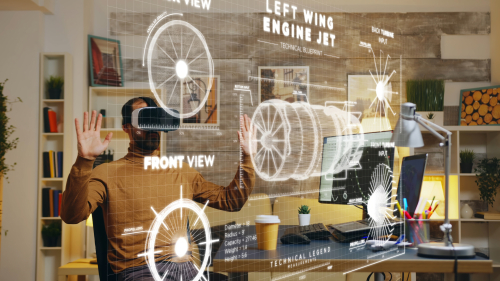
The digital revolution in the automotive industry extends beyond social media platforms and into the realm of augmented reality (AR) and virtual reality (VR). These technologies are reshaping how potential car buyers interact with vehicles, creating immersive experiences that allow customers to explore cars in greater detail than ever before.
Through VR and AR, car buyers can now step into virtual showrooms from the comfort of their homes. They can examine vehicles from every angle, see color and trim options, and even simulate test drives all without ever setting foot in a dealership. This ability to experience a car before visiting a physical showroom is a significant step forward in the car-buying journey.
Think with Google highlights how these technologies are enhancing the decision-making process, giving consumers more control over their purchases. Reports further explore how online vehicle purchases are being augmented by virtual tools, which not only streamline the shopping process but also allow customers to engage with the brand in new and meaningful ways.
4. Gamification: Engaging Through Play
Another innovative trend emerging in automotive marketing is the use of gamification. By incorporating elements of play, dealerships can increase engagement and build stronger customer relationships. From interactive quizzes to online challenges and contests, gamification turns the car-buying process into an enjoyable experience rather than a transactional one.
Gamification fosters deeper engagement with potential customers by allowing them to actively participate in the marketing process. Quizzes help consumers identify the right vehicle for their needs, while challenges or contests keep them engaged and invested in the brand. Marketing sources discuss how these interactive tools help create stronger emotional connections with consumers, while others highlight how gamification can be an effective strategy for turning leads into sales.
This trend has proven successful not only in increasing consumer engagement but also in gathering valuable insights about customer preferences. By tracking responses to gamified elements, brands can refine their marketing strategies and further personalize the customer experience.
5. User-Generated Content (UGC): Authentic Advocacy
When it comes to building trust, there’s no substitute for real customer experiences. User-generated content (UGC) such as reviews, testimonials, and social media posts has become an invaluable asset for automotive brands. UGC allows brands to amplify authentic voices and create a more relatable, transparent image.
Car buyers increasingly seek out real-world experiences from other customers before making a purchase. Omni Advertising notes how UGC helps dealerships build trust by showcasing real customer stories and experiences. Social media platforms like Instagram and Facebook have become powerful tools for sharing UGC, with satisfied customers posting photos and videos of their new vehicles, contributing to the brand’s authenticity.
Leveraging UGC not only strengthens a brand’s credibility but also improves its search engine optimization (SEO). Positive reviews and social media mentions contribute to higher rankings on search engines, making it easier for potential buyers to find information about the dealership. Marketing sources explain how UGC can play a significant role in improving SEO performance and driving organic traffic to dealership websites.
6. Analytics and AI: Data-Informed Decisions
Marketing sources highlight the growing importance of AI in the automotive industry, particularly in its ability to analyze consumer behavior and refine marketing strategies. By utilizing analytics, dealerships can optimize their social media campaigns, improving targeting and engagement efforts. AI can also predict consumer preferences, allowing brands to tailor their content to meet customer needs more effectively.
Accelerating into the Future
The automotive industry is on the verge of a digital revolution, with social media playing a crucial role in shaping the future of car buying and selling. From video content and influencer partnerships to AR/VR experiences and gamification, these trends are not just reshaping marketing they are redefining the customer journey itself.
For automotive brands, staying ahead of these trends is essential to remain competitive. By embracing these innovations, brands can meet the growing demand for personalized, transparent, and convenient experiences that today’s car buyers expect. As social media continues to evolve, so too will the ways in which consumers engage with brands, making it imperative for dealerships to stay agile and adaptive in the face of change.
Disclaimer: The above helpful resources content contains personal opinions and experiences. The information provided is for general knowledge and does not constitute professional advice.
You may also be interested in: Jupiter Chevrolet Blog | News, Updates, and Info – Jupiter Chevrolet
Feeling stuck in the stressful car-buying process? At Jupiter Chevrolet in Garland, TX, we’ve reimagined how buying a car should feel. With transparent pricing, online deal-building tools, and the benefits of our Jupiter Advantage program, we ensure every step is straightforward and satisfying. Skip the hassle. From purchase to certified service, our team truly puts your choice and convenience first. Turn your dreams of finding your ideal Chevrolet into reality with us. Visit Jupiter Chevrolet today!
Powered by flareAI.
Connect with us


