






Quick Listen:
For generations, car ownership has been a defining milestone an investment, a symbol of stability, and, for many, a necessity. But the way people approach car ownership is changing. The surge of vehicle subscription services presents a compelling alternative, promising convenience, flexibility, and a break from the financial burdens of ownership.
This emerging trend is disrupting an industry that has long thrived on leases and outright purchases. Companies like Care by Volvo, Porsche Drive, and Access by BMW offer subscription-based access to vehicles without the long-term commitment of traditional financing or leasing. According to a BCG report, subscription-based models could account for 10% of new car sales by 2030, a shift that automakers and dealerships are watching closely.
“Drive Now, Commit Later”: The Allure of Flexibility
One of the biggest draws of vehicle subscription services is their flexibility. Unlike car ownership, where drivers are locked into years-long loans or leases, subscriptions allow users to switch cars frequently, include maintenance and insurance in one fee, and cancel with relative ease.
This model is particularly appealing to younger generations. A study highlighted by Deloitte found that Millennials and Gen Z consumers prioritize convenience over ownership. Many urban dwellers, in particular, are drawn to the idea of access without the burden of maintenance, depreciation, and resale concerns.
Pricing varies widely, with some programs starting at $700 per month, while luxury services like Porsche Drive can exceed $3,100 per month. Still, for many users, the bundled pricing structure simplifies budgeting, eliminating the unpredictability of repairs and insurance hikes.
“From Owning to Using”: The Changing Consumer Mindset
The rise of subscription services reflects a broader cultural shift toward usership over ownership. Much like streaming platforms revolutionized music and entertainment, car subscriptions are redefining what it means to have personal transportation.
A study by Comscore found that a growing number of consumers see cars as a utility rather than a long-term investment. Instead of holding onto a vehicle for years, subscribers enjoy the ability to match their transportation needs to their lifestyle. For example, a commuter might use an electric sedan during the week but switch to an SUV for a weekend road trip all without the complexities of trade-ins or resale.
However, the subscription model isn’t for everyone. Those who drive extensively might find traditional ownership more cost-effective over time, while some customers still crave the emotional connection of owning a car outright.
“Adapt or Stall”: The Industry’s Response
Traditional automakers and dealerships have been forced to rethink their strategies in response to this growing trend. While some view subscription services as competition, others see an opportunity to diversify their revenue streams. Major automakers are experimenting with in-house subscription models, integrating them into their existing sales structures rather than leaving the market to startups.
Car dealerships, which have long relied on financing and leasing models, are also exploring ways to participate. A report from CBT News notes that some dealerships are launching their own subscription programs, providing customers with access to a rotating fleet of vehicles without the traditional sales process.
For automakers, vehicle-as-a-service models present both opportunities and challenges. Companies must carefully manage fleet utilization, pricing models, and customer expectations to maintain profitability. Tomorrow’s Journey reports that automakers are using AI-driven fleet management solutions to track vehicle usage, predict maintenance needs, and optimize logistics.
“The Road Ahead”: Future Implications
The future of vehicle subscription services is still unfolding. A report from GlobeNewswire suggests that consumer interest in car subscriptions is expected to rise, particularly in urban areas where car-sharing and flexible mobility solutions are already popular.
But challenges remain. Subscription services must overcome high costs, limited availability, and regulatory hurdles to achieve mass adoption. Additionally, as automakers grapple with the economics of maintaining a rotating fleet of vehicles, pricing structures and availability could shift.
Meanwhile, traditional car ownership is unlikely to disappear. For many, the financial benefits of buying and holding onto a car still outweigh the advantages of a subscription model. The future may see a hybrid approach, where subscriptions coexist with leases and purchases, offering consumers a range of options tailored to their mobility needs.
Regulatory considerations will also play a role in shaping the subscription economy. According to Deloitte’s analysis, governments may introduce tax incentives or regulations to either encourage or limit the growth of vehicle subscriptions, depending on their impact on the traditional auto industry.
A New Chapter in Automotive History
The rise of vehicle subscription services signals a shift in how people view car ownership, echoing broader changes in consumer habits across industries. As automakers, dealerships, and policymakers navigate this evolving landscape, the question isn’t whether subscriptions will replace ownership it’s how they will complement it.
For now, the road ahead is open-ended. Whether drivers embrace car subscriptions en masse or stick with traditional ownership, one thing is clear: the way people access mobility is changing, and the industry must evolve with it.
Disclaimer: The above helpful resources content contains personal opinions and experiences. The information provided is for general knowledge and does not constitute professional advice.
You may also be interested in: Smart Safety Tech: Latest Innovations in the 2025 Chevrolet Lineup
Feeling stuck in the stressful car-buying process? At Jupiter Chevrolet in Garland, TX, we’ve reimagined how buying a car should feel. With transparent pricing, online deal-building tools, and the benefits of our Jupiter Advantage program, we ensure every step is straightforward and satisfying. Skip the hassle. From purchase to certified service, our team truly puts your choice and convenience first. Turn your dreams of finding your ideal Chevrolet into reality with us. Visit Jupiter Chevrolet today!
Direct-to-Consumer vs. Dealership: Why Buying From Jupiter Chevrolet Still Wins in Texas

Quick Listen:
Electric vehicle makers like Tesla, Rivian, and Lucid Motors sell vehicles directly to consumers online, bypassing the traditional dealership model entirely. That approach works for those manufacturers because they were built that way from the start. It does not apply to Chevrolet, or to any GM brand. Chevrolet vehicles are sold exclusively through franchised, independently owned dealerships like Jupiter Chevrolet in Garland, TX, a structure protected by Texas franchise law.
For buyers in the Dallas metro, including Dallas, Richardson, Plano, Mesquite, McKinney, Frisco, Rockwall-Heath, and Forney, understanding this distinction matters. It explains why the car-buying experience at Jupiter Chevrolet looks different from buying a Tesla online, and why that difference works in the buyer’s favor.
How Direct-to-Consumer Sales Work
Tesla pioneered the DTC model in the auto industry: vehicles are configured, priced, and purchased entirely online, with set pricing and minimal negotiation. Rivian and Lucid have followed a similar approach. Physical showrooms exist for these brands, but they function as experience centers and delivery points rather than dealerships with on-site inventory, financing teams, or service departments tied to a sales floor.
This model offers real advantages for the manufacturers that use it: uniform pricing, no dealer markup, and full control over the customer experience from order to delivery.
Why Chevrolet Doesn’t Sell Direct, and Why That’s Good for Buyers
Texas, like most states, has franchise laws that require new vehicle sales from manufacturers like GM, Ford, and Toyota to go through licensed, independently owned dealerships. These laws exist specifically to prevent manufacturers from competing against their own dealer networks and to protect consumer access to local sales, financing, and service. Tesla has had to work around these restrictions in Texas, operating showrooms without traditional sales transactions and routing actual purchases through out-of-state processing.
For Chevrolet buyers, this franchise structure translates into concrete advantages that a DTC model cannot offer:
Test drive before you buy, not after. At Jupiter Chevrolet, you can drive the actual vehicle you’re considering, not a loaner or demo unit, before signing anything.
Trade-in appraisals on the spot. Jupiter Chevrolet’s “Value Your Trade” tool and in-person appraisal let you apply your current vehicle’s value directly to your purchase. DTC models generally don’t offer integrated trade-in handling.
Local financing flexibility. Jupiter Chevrolet works with multiple lenders, including options like Chase and Capital One pre-qualification, to find financing that fits a range of credit situations. DTC manufacturers typically offer a single in-house financing arm with less flexibility.
Negotiable pricing and incentives. Unlike fixed DTC pricing, dealership purchases allow for negotiation, manufacturer incentives, and dealer-specific offers like the Jupiter Advantage program, which includes a lifetime powertrain warranty on qualifying purchases.
Service and warranty support in one place. Jupiter Chevrolet’s service department, parts department, and collision center are part of the same dealership relationship as the sale. With most DTC brands, service is handled through a separate, often more limited, network.
A real person accountable for the deal. Buyers working with a local, family-operated dealership have a direct point of contact for questions, concerns, or issues after the sale, not a call center or app-based support queue.
What This Means for Dallas-Area Chevrolet Buyers
The direct-to-consumer model has reshaped how some EV buyers shop, but it has not changed how Chevrolet vehicles are sold, and Texas franchise law ensures it won’t. Buyers who want a new or pre-owned Chevy truck, SUV, or sedan in the Dallas metro will continue working with a franchised dealer for the sale, financing, and ongoing service.
Jupiter Chevrolet’s “Build My Deal” tool lets buyers configure a vehicle and start the financing process online, combining the convenience buyers have come to expect from digital shopping with the in-person advantages that only a franchised dealership can offer: test drives, trade-in value, flexible financing, and a service team that knows your vehicle.
Frequently Asked Questions
Does Chevrolet sell vehicles directly to consumers like Tesla does?
No. Chevrolet, like all GM brands, sells exclusively through franchised, independently owned dealerships such as Jupiter Chevrolet. This is required by state franchise laws in Texas and most other states, which prohibit manufacturers from selling directly to consumers in competition with their own dealer networks.
Why can’t Tesla open traditional dealerships in Texas?
Texas franchise law generally requires new vehicle sales to go through licensed dealerships rather than directly from the manufacturer. Tesla has worked around this by operating showrooms and galleries in Texas without completing sales transactions on-site, instead routing actual purchases through processing in other states.
Is buying from a dealership more expensive than buying direct from a manufacturer?
Not necessarily. Dealership purchases allow for negotiation, manufacturer incentives, and dealer-specific programs that fixed DTC pricing does not offer. At Jupiter Chevrolet, the Jupiter Advantage program adds a lifetime powertrain warranty on qualifying purchases at no additional negotiated cost.
What advantages does a franchised dealership offer over buying a car online?
Franchised dealerships offer in-person test drives, on-the-spot trade-in appraisals, flexible financing through multiple lenders, negotiable pricing, and integrated service and warranty support. Buyers also have a local point of contact for questions or concerns after the purchase, rather than relying solely on remote customer support.
Disclaimer: This content is provided for general informational purposes and does not constitute legal advice. Franchise laws vary by state; consult official state regulations for current requirements.
Visit Jupiter Chevrolet in Garland, TX
Jupiter Chevrolet is located at 11611 LBJ Freeway in Garland and serves buyers across the Dallas metro, including Plano, Frisco, McKinney, Rockwall-Heath, Forney, Richardson, Mesquite, and Grapevine. Use the “Build My Deal” tool at jupiterchev.com to configure your vehicle online, then visit for a test drive, trade-in appraisal, and financing options tailored to you.
Quick Listen:
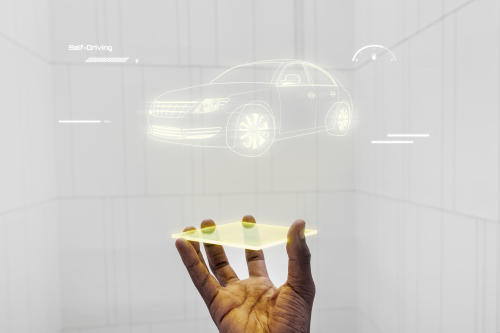
For decades, the car-buying experience revolved around physical showrooms rows of gleaming vehicles, in-person test drives, and sales pitches. But as consumer expectations shift toward digital convenience, augmented reality (AR) is reshaping automotive retail in ways once imagined only in science fiction. From virtual showrooms to interactive maintenance guides, AR is revolutionizing the way customers explore, customize, and purchase vehicles.
The AR Revolution in Automotive Retail
Transforming the Traditional Showroom
Brick-and-mortar dealerships are no longer the only place to experience a new car. With AR, potential buyers can explore vehicles from the comfort of their homes, overlaying digital models onto their surroundings via a smartphone or AR headset. Companies like Draw & Code highlight how AR bridges the gap between online browsing and physical interaction, making car shopping more immersive and accessible.
Enhancing Customer Engagement
The traditional sales process often feels one-dimensional, but AR turns it into an interactive journey. Customers can virtually step inside a vehicle, adjust features like interior colors or dashboard layouts, and even simulate real-world driving conditions. According to Nexposai, dealerships using AR have reported higher customer engagement and decision-making confidence, reducing the likelihood of buyer’s remorse.
“Try Before You Buy”: AR’s Impact on Car Customization
Visualizing Options in Real-Time
Choosing a car isn’t just about specs it’s about personalization. AR allows shoppers to see how different paint colors, rims, and accessories look on their chosen model in real time. Platforms like Audax Labs showcase how customers can interact with 3D vehicle models, tailoring them to their preferences without stepping foot in a showroom.
Reducing Decision Anxiety
Buyers often struggle with committing to a purchase without fully understanding how a car will fit into their lifestyle. AR mitigates this anxiety by providing a near-physical experience, allowing users to “test” a vehicle in various conditions. This not only enhances consumer confidence but also streamlines the sales cycle.
“Under the Hood”: AR’s Role in Technical Demonstrations
Simplifying Complex Features
Today’s vehicles are packed with advanced technology, from adaptive cruise control to electric powertrains. AR simplifies these complexities by offering interactive explanations. Through an AR app, users can point their smartphone at a dashboard and receive instant overlays explaining functions, as demonstrated by SCNSoft.
Interactive Maintenance Guides
Post-purchase, AR continues to provide value through interactive maintenance guidance. Instead of flipping through a bulky manual, car owners can use AR overlays to identify parts, receive repair instructions, or even see a step-by-step animation of how to replace a battery. Companies like Wear Studio are at the forefront of this innovation, making car maintenance more intuitive than ever.
“The Road Ahead”: Future Trends in AR for Car Sales
Integration with AI and IoT
The future of AR in car sales is intertwined with artificial intelligence (AI) and the Internet of Things (IoT). AI-powered AR assistants can provide real-time recommendations based on a buyer’s preferences and browsing history, while IoT-connected vehicles may allow for remote diagnostics via AR-enhanced interfaces.
Personalized AR Experiences
Hyper-personalization is the next frontier. As Fortune Business Insights reports, the automotive AR market is projected to grow significantly, with personalized experiences playing a key role. Imagine an AR showroom that adapts its presentation based on a user’s driving habits or a dealership app that visualizes a car in the buyer’s own driveway.
“Driving Success”: Benefits for Dealerships and Customers
Streamlining the Sales Process
For dealerships, AR is more than a novelty it’s a business tool that accelerates the sales process. By reducing the need for physical inventory and enabling remote consultations, dealerships can cut costs while expanding their reach. A report from MarketsandMarkets highlights how AR-driven efficiency can lead to faster conversions and increased revenue.
Improving Customer Satisfaction
An informed buyer is a satisfied buyer. By offering a more engaging and educational experience, AR helps customers make well-rounded decisions, reducing return rates and increasing overall satisfaction. This shift aligns with the broader trend of digital transformation in retail, as noted by ColorWhistle.
“Navigating Challenges”: Implementing AR in Car Sales
Technical and Financial Considerations
Despite its advantages, AR adoption comes with challenges. High development costs, compatibility issues across different devices, and data privacy concerns can pose obstacles for dealerships looking to implement AR solutions. However, industry experts suggest that as AR technology becomes more mainstream, costs will decrease, making it a viable investment for even mid-sized dealerships.
Training Staff for the AR Era
For AR to be effective, dealership staff must be adequately trained to integrate it into the sales process. This includes understanding how to operate AR tools, guide customers through interactive experiences, and leverage data insights for personalized recommendations.
AR as the New Standard in Automotive Retail
The automotive industry is entering a new era where augmented reality is not just an enhancement it’s becoming a necessity. From interactive customization to AI-powered showroom assistants, AR is shaping the future of car sales, making the process more engaging, efficient, and customer-centric. As adoption continues to grow, one thing is clear: the days of static car shopping are fading, replaced by a dynamic, immersive experience that puts the buyer in the driver’s seat before they ever step onto the lot.
Disclaimer: The above helpful resources content contains personal opinions and experiences. The information provided is for general knowledge and does not constitute professional advice.
You may also be interested in: Jupiter Chevrolet is a GARLAND Chevrolet dealer and a new car
Feeling stuck in the stressful car-buying process? At Jupiter Chevrolet in Garland, TX, we’ve reimagined how buying a car should feel. With transparent pricing, online deal-building tools, and the benefits of our Jupiter Advantage program, we ensure every step is straightforward and satisfying. Skip the hassle. From purchase to certified service, our team truly puts your choice and convenience first. Turn your dreams of finding your ideal Chevrolet into reality with us. Visit Jupiter Chevrolet today!
What to Expect From Texas Auto Shows in 2025

Quick Listen:
Texas has long been known for its love of big events, and 2025 is no exception, as the state is gearing up to host some of the most anticipated auto shows of the year. From sleek electric vehicles to cutting-edge technology, the North Texas Auto Expo and Texas Auto Show are sure to be highlights for car enthusiasts, families, and anyone with an interest in the automotive world. These events not only showcase the latest models but also provide a sneak peek into the future of the automobile industry. Here’s a look at what you can expect from these major Texas auto shows in 2025.
“Lone Star, Bright Cars”: North Texas Auto Expo in Dallas
If you’re in the Dallas area in early 2025, the North Texas Auto Expo is a must-see event. Held annually at the Dallas Market Hall, this auto expo is known for its exciting lineup of vehicles and automotive innovations. This year, it will feature a variety of car models, from family-friendly SUVs to luxury sedans, with many of them highlighting the shift toward sustainability and innovation.
In addition to the new vehicle showcases, the North Texas Auto Expo will spotlight electric vehicles (EVs), hybrid models, and the latest in automotive tech. Attendees will have the opportunity to experience these innovations up close, learning about the advancements in vehicle efficiency, design, and safety. The expo will also feature a range of interactive exhibits, allowing visitors to get hands-on with the latest technologies transforming the automotive world. Whether you’re interested in seeing the newest models or gaining deeper insight into industry trends, this expo promises to deliver both entertainment and education.
Moreover, this year’s North Texas Auto Expo will include exclusive previews of concept cars, offering a glimpse of what the future holds for the automotive industry. The event will feature test drives, where visitors can experience the performance of the latest electric vehicles, including some of the newest additions from major manufacturers. Expect to see cars that push the boundaries of what we think of as transportation, from electric trucks to futuristic concept vehicles. For more information, you can visit the North Texas Auto Show’s official site.
“Everything’s Bigger in Texas”: The Texas Auto Show at the State Fair
No discussion of Texas auto shows would be complete without mentioning the Texas Auto Show, which takes place every year at the iconic State Fair of Texas in Dallas. This show, set to unveil the 2025 vehicle lineup, is one of the largest automotive events in the state, drawing tens of thousands of attendees each year. If you’re looking to see the latest cars, trucks, and SUVs, this is the place to be.
In 2025, the Texas Auto Show will showcase a full spectrum of vehicles, from family-friendly rides to high-performance sports cars. Visitors will be able to explore the 2025 vehicle lineup, including new electric models and cutting-edge hybrid vehicles. This year’s event is expected to feature even more emphasis on sustainable transportation options, including a growing number of EVs and alternative fuel vehicles. In addition to the vehicle displays, attendees can enjoy hands-on demonstrations, where they can take new cars for a spin, test out the latest in autonomous driving tech, and learn about the future of mobility.
But the Texas Auto Show isn’t just about cars it’s also about fun and family-friendly activities. The State Fair of Texas is known for its wide variety of attractions, from thrilling rides to live entertainment, so the auto show will feature a range of carnival-style activities for attendees of all ages. From exciting test drive experiences to interactive exhibits for kids, the show ensures that the whole family can enjoy the event. For more details, check out the official Texas Auto Show website.
“The Future Rides Here”: Cutting-Edge Technology and EV Innovations
One of the key attractions at both the North Texas Auto Expo and the Texas Auto Show in 2025 will be the spotlight on electric vehicles (EVs) and autonomous driving technologies. These innovations are no longer a distant dream but a tangible reality. Both shows will showcase the latest in EV technology, allowing attendees to see firsthand the strides automakers are making toward sustainability.
Visitors will have the opportunity to explore new EVs from major automakers, from sleek sedans to rugged trucks. With the rise of electric vehicles, these auto shows are becoming increasingly important venues for seeing what the future of driving looks like. Expect to see everything from electric cars designed for urban commuting to electric trucks that challenge the very idea of what an eco-friendly vehicle can be. The cutting-edge technology featured at these events will allow attendees to understand the growing importance of EVs and how they fit into the larger picture of a more sustainable automotive landscape.
In addition to electric vehicles, the auto shows will focus on autonomous driving technology an area of growing interest and development. Autonomous vehicles are expected to play a major role in the future of transportation, and Texas auto shows are putting this technology front and center. Attendees will have the chance to participate in hands-on demonstrations that showcase the capabilities of these vehicles, offering a firsthand look at how automation will reshape the driving experience. For those interested in learning more about autonomous vehicles, these events are the perfect opportunity to see them in action and gain a better understanding of what the future holds.
“Beyond the Hood”: Interactive Experiences for Auto Enthusiasts
What sets Texas auto shows apart from other automotive events is the level of interactivity offered to attendees. While many car shows focus solely on showcasing new vehicles, the North Texas Auto Expo and Texas Auto Show go above and beyond by providing immersive experiences that engage visitors and provide them with valuable insights into the world of automotive technology.
One of the most exciting aspects of these shows is the virtual reality (VR) exhibits, which offer attendees a chance to experience cars in ways that go beyond what’s possible with a traditional test drive. VR technology allows visitors to take virtual rides in the latest vehicles, providing an immersive experience that’s both fun and educational. Whether you want to take a virtual spin in a high-performance sports car or explore the interior of an autonomous vehicle, VR exhibits offer a level of interactivity that traditional car displays simply can’t match.
Both shows will also feature meet-and-greet sessions with industry experts, where attendees can learn about everything from vehicle design to emerging automotive trends. These sessions provide valuable opportunities to ask questions, gain insights into the latest developments in the industry, and discover how the world of automobiles is evolving. Additionally, workshops will cover everything from the latest in car safety to the future of vehicle connectivity. These hands-on opportunities make the auto shows more than just a place to see new cars they transform the event into a learning experience for anyone passionate about the automotive industry.
Gearing Up for an Unforgettable Auto Show Season
As we look forward to the 2025 auto show season in Texas, it’s clear that these events will be more than just showcases for the latest cars they’ll be celebrations of the future of mobility. From electric vehicles to autonomous driving, the North Texas Auto Expo and the Texas Auto Show promise to deliver an unforgettable experience for anyone with an interest in the world of automobiles.
Whether you’re looking to test drive the latest models, experience cutting-edge automotive technology, or simply enjoy a fun day out with the family, these shows have something for everyone. Mark your calendars for these major automotive events in 2025, and don’t miss your chance to be part of the excitement. It’s an event you won’t want to miss, offering a unique opportunity to see what’s next for the automobile industry in the Lone Star State.
Disclaimer: The above helpful resources content contains personal opinions and experiences. The information provided is for general knowledge and does not constitute professional advice.
You may also be interested in: Jupiter Chevrolet is a GARLAND Chevrolet dealer and a new car
Feeling stuck in the stressful car-buying process? At Jupiter Chevrolet in Garland, TX, we’ve reimagined how buying a car should feel. With transparent pricing, online deal-building tools, and the benefits of our Jupiter Advantage program, we ensure every step is straightforward and satisfying. Skip the hassle. From purchase to certified service, our team truly puts your choice and convenience first. Turn your dreams of finding your ideal Chevrolet into reality with us. Visit Jupiter Chevrolet today!

Quick Listen:
For many first-time buyers, the dream of homeownership is colliding with the reality of rising property prices and borrowing costs. As affordability concerns mount, an increasing number of buyers are opting for extended loan terms spreading payments over 25, 30, or even 40 years instead of the traditional 15 or 20 years. While this strategy offers lower monthly payments, it also comes with long-term financial implications that merit careful consideration.
Stretching Dollars: How Extended Terms Make Homeownership Possible
One of the biggest draws of extended loan terms is simple: they lower monthly mortgage payments, making homeownership feasible for those struggling with high living costs. A 30-year mortgage can reduce monthly outlays significantly compared to a 15-year term, allowing buyers to afford homes that might otherwise be out of reach.
For example, a home loan of $300,000 at an interest rate of 6% would yield a monthly payment of approximately $1,799 on a 15-year loan but only $1,199 on a 30-year loan. That extra breathing room can be critical, especially for young professionals and families just starting out .
The Double-Edged Sword of Extended Terms
While lower monthly payments provide immediate relief, they come at a long-term cost. Extending the life of a loan means paying significantly more interest over time. Using the same $300,000 example, the total interest paid over 15 years at 6% interest would be approximately $97,500, whereas over 30 years, it balloons to nearly $347,500.
Another consequence is delayed equity building. With a shorter loan term, homeowners build equity faster, creating a financial cushion for future investments. In contrast, an extended mortgage means slower accumulation of home equity, potentially limiting refinancing opportunities and resale gains.
Market Factors Driving the Trend
Several economic forces are making extended loan terms more attractive. Property prices in many metropolitan areas continue to climb, pushing buyers toward financing strategies that minimize upfront costs. Additionally, interest rate fluctuations in 2025 are shaping mortgage affordability, with some financial institutions offering incentives for longer-term loans .
“With housing costs at record highs, many buyers see longer mortgage terms as their only viable option,” says economist Ravi Menon. “It allows them to buy now rather than wait years to save for a larger down payment.”
Balancing Act: Expert Advice on Choosing Loan Terms
Financial advisors stress that buyers must weigh short-term affordability against long-term financial health. “A longer loan term can work for some, but it’s crucial to factor in total interest paid, the ability to refinance, and lifestyle changes over time,” advises personal finance expert Anjali Shah.
Experts also recommend strategies such as making extra payments when possible or choosing a hybrid loan one that starts with a fixed low interest rate before switching to a variable rate, offering flexibility without excessive long-term costs.
Policy Matters: How Budget 2025 Impacts First-Time Buyers
Government policies are also shaping mortgage trends. In Budget 2025, proposed measures include higher tax deductions on home loan interest, incentives for first-time buyers, and increased support for affordable housing initiatives.
For buyers considering extended loan terms, these policy shifts could provide added financial relief and make long-term borrowing more manageable.
Making Informed Decisions
Before signing on for a 30-year mortgage, first-time buyers should carefully evaluate their financial trajectory. Key considerations include:
- Future income growth: Will your salary increase enough to offset long-term interest costs?
- Refinancing options: Are there opportunities to switch to a shorter loan term later?
- Market stability: How might home values and interest rates fluctuate over time?
As housing markets evolve, buyers must stay informed and seek expert guidance. While extended loan terms offer immediate affordability, they also require a clear financial strategy to ensure long-term success.
Disclaimer: The above helpful resources content contains personal opinions and experiences. The information provided is for general knowledge and does not constitute professional advice.
You may also be interested in: Jupiter Chevrolet is a GARLAND Chevrolet dealer and a new car
Feeling stuck in the stressful car-buying process? At Jupiter Chevrolet in Garland, TX, we’ve reimagined how buying a car should feel. With transparent pricing, online deal-building tools, and the benefits of our Jupiter Advantage program, we ensure every step is straightforward and satisfying. Skip the hassle. From purchase to certified service, our team truly puts your choice and convenience first. Turn your dreams of finding your ideal Chevrolet into reality with us. Visit Jupiter Chevrolet today!

Quick Listen:
In the realm of car buying, the decision between new and used vehicles can be a daunting one. While new cars offer the allure of pristine conditions and the latest features, they come with a steep price tag and the rapid depreciation that accompanies driving off the lot. On the other hand, used cars may seem like a more affordable choice, but they often come with significant risks, such as hidden mechanical problems or unclear histories.
Enter the Certified Pre-Owned (CPO) vehicle an option that blends the best of both worlds. CPO vehicles provide the quality and assurance of new cars but at a more affordable price, backed by manufacturer warranties and rigorous inspection standards. This sweet spot is increasingly attracting buyers who seek reliability and value, making the CPO vehicle an enticing alternative for those in the market for a vehicle.
The CPO Checklist: What Makes Them Special
What exactly distinguishes a CPO vehicle from a regular used car? The difference lies in the meticulous certification process. For a car to qualify as Certified Pre-Owned, it must meet stringent standards set by the manufacturer, which typically involve extensive multi-point inspections. These inspections ensure that the car is in optimal condition, from its engine performance to the integrity of its bodywork.
Beyond the inspection, CPO vehicles come with the confidence of manufacturer backing. These cars are often sold with extended warranties, which can cover everything from powertrain components to other critical parts that might be a concern for buyers of standard used vehicles. These warranties are typically more comprehensive than those offered by independent dealers and can last up to several years after purchase. Many manufacturers also offer additional perks such as roadside assistance and free scheduled maintenance, enhancing the value of the purchase.
Dollars and Sense: The Financial Upside
One of the most compelling reasons to opt for a Certified Pre-Owned vehicle is the financial advantage it provides. CPO cars typically offer substantial cost savings when compared to buying a new car. The most obvious savings stem from the price. A CPO car is generally priced lower than its new counterpart, offering buyers the ability to own a nearly-new vehicle without the steep price tag that comes with new models.
However, the savings don’t end at the time of purchase. New cars lose a significant portion of their value within the first few years often as much as 20-30% during the first year alone. This rapid depreciation makes new cars a less financially sound investment. In contrast, CPO vehicles hold their value much better over time. While they may have already undergone some depreciation, their value doesn’t plummet as quickly as that of a new car.
Another often overlooked benefit of buying a Certified Pre-Owned vehicle is the potential for a luxury car at a more affordable price. Many buyers who long for luxury brands, such as BMW, Lexus, or Audi, can find great deals on CPO models. These cars come with all the high-end features and performance of new luxury cars but at a fraction of the cost, offering a rare combination of affordability and luxury.
Peace of Mind on Wheels
When it comes to buying a used car, reliability is a significant concern. Even the most well-maintained used cars can carry a certain degree of risk, as buyers may not have complete information about the car’s history or condition. CPO vehicles eliminate much of this uncertainty by providing comprehensive vehicle history reports and ensuring that each car has been thoroughly inspected.
Thanks to the inspection processes and the manufacturer’s warranty, CPO buyers can have peace of mind knowing that their vehicle has been scrutinized and certified to meet high standards. This is especially crucial for those looking for a dependable car that will last without frequent breakdowns or costly repairs.
Moreover, the risk of purchasing a lemon (a car with major defects that may not be obvious at first glance) is significantly reduced. While traditional used cars might be sold “as-is,” CPO vehicles come with guarantees that offer greater protection against unforeseen problems. This enhanced reliability and reduced risk can save buyers time, money, and stress.
Not All Certifications Are Created Equal
While the Certified Pre-Owned designation carries a lot of weight, it’s important to understand that not all CPO programs are the same. Manufacturer-backed CPO programs generally provide the highest levels of quality assurance and warranty coverage. Manufacturers like Toyota, Honda, and BMW offer stringent certification processes that include detailed multi-point inspections, as well as extended warranties that cover a variety of mechanical and electrical issues. These programs typically offer perks such as roadside assistance, free vehicle inspections, and more, ensuring that the buyer’s experience is stress-free.
However, some dealers offer their own dealer certification programs that may not provide the same level of protection or benefits. While some dealer programs are comprehensive, they can vary greatly, and warranties may not be as robust as those offered by the manufacturer. Furthermore, the terms of these warranties might be more limited, which could leave buyers with unexpected repair costs down the line.
For those considering a CPO vehicle, it’s crucial to do some research and ask key questions about the certification process, warranty coverage, and the reputation of the dealer or manufacturer offering the CPO program. Understanding these factors will help ensure that you’re getting the most value and protection out of your purchase.
The Smart Buyer’s Guide to CPO
Navigating the world of Certified Pre-Owned cars can feel overwhelming, but with the right knowledge, it becomes an empowering experience. The first step is to choose the right certified CPO program. Start by looking into whether the certification is manufacturer-backed or dealer-specific. Manufacturer-backed programs tend to offer the most comprehensive warranties and inspections.
Next, always ask questions about the car’s history. Is the vehicle’s maintenance history available? What specific components were inspected during the certification process? What exactly does the warranty cover, and for how long? By having these details in hand, you’ll have the clarity to make an informed decision.
Lastly, don’t forget to negotiate. Just like with new or used cars, negotiating the price of a CPO vehicle is often possible. If you’ve done your homework and know the fair market value of the car, you can leverage that information to secure a better deal. Some dealerships may also offer added benefits such as free maintenance or additional warranty coverage, which can enhance the overall value of your purchase.
Driving Into the Future
Certified Pre-Owned vehicles represent a unique blend of value, quality, and peace of mind. For buyers seeking an affordable yet reliable option, CPO cars provide the ideal solution offering the benefits of new car ownership at a fraction of the price. With their rigorous inspection processes, manufacturer warranties, and additional perks like roadside assistance, CPO cars are poised to remain a top choice for smart, savvy consumers.
For those who have traditionally avoided used cars due to concerns about reliability and condition, the rise of the CPO program offers a refreshing alternative. With CPO vehicles, buyers get the long-term value of a nearly new car, the financial savings of buying used, and the security of knowing that their investment is well protected. As more consumers embrace this smart buying option, the future of car ownership is likely to be driven by CPO vehicles.
Disclaimer: The above helpful resources content contains personal opinions and experiences. The information provided is for general knowledge and does not constitute professional advice.
You may also be interested in: Jupiter Chevrolet is a GARLAND Chevrolet dealer and a new car
Feeling stuck in the stressful car-buying process? At Jupiter Chevrolet in Garland, TX, we’ve reimagined how buying a car should feel. With transparent pricing, online deal-building tools, and the benefits of our Jupiter Advantage program, we ensure every step is straightforward and satisfying. Skip the hassle. From purchase to certified service, our team truly puts your choice and convenience first. Turn your dreams of finding your ideal Chevrolet into reality with us. Visit Jupiter Chevrolet today!

Quick Listen:
Texas, long known for its love of horsepower and wide-open roads, is witnessing a seismic shift in its automotive landscape. The rise of electric vehicles (EVs) has sent ripples through the state’s used car market, influencing everything from pricing trends to buyer preferences. Once dismissed as niche products for urban eco-conscious drivers, EVs are now reshaping the resale value of traditional gasoline cars and altering the way Texans think about their next vehicle purchase.
The used car market in Texas is experiencing a recalibration. A confluence of stabilizing EV prices, growing inventory, and evolving consumer sentiment is rewriting the playbook for dealerships and private sellers alike. With automakers scaling up production and incentives making EVs more accessible, the resale dynamics of both electric and gas-powered cars are shifting in unexpected ways.
Volts and Values: The New Texas Auto Equation
For years, used EV prices fluctuated wildly, driven by factors like battery degradation concerns, government incentives, and Tesla’s frequent pricing adjustments. However, recent trends suggest that stability is finally setting in. A Recurrent Auto report highlights that used EV prices in Texas have started to level out, with more consistent depreciation patterns emerging.
One of the biggest contributors to this stabilization is the increasing volume of second-hand EVs hitting the market. As more early adopters trade in their electric cars for newer models, dealerships are seeing a steady influx of pre-owned Teslas, Chevrolet Bolts, and Nissan Leafs. Forbes reported that “a few years ago, finding a used EV in Texas was rare; now, it’s part of our daily inventory,” according to a Dallas-based dealer.
At the same time, the used gasoline vehicle market is feeling the impact. With more consumers willing to consider EVs, traditional gas-powered cars must compete on price, leading to softening resale values for some models. The once-unchallenged demand for trucks and SUVs is now met with competition from electrified alternatives, including the much-anticipated Silverado EV and Ford’s F-150 Lightning.
From Oil to Electrons: Texas’s Evolving Car Culture
The shift isn’t just about price it’s about perception. Texas, home to a deeply ingrained car culture fueled by oil and rugged road trips, has been slower than other states to embrace EVs. But that resistance is waning. A Tech Xplore survey found that while range anxiety and charging infrastructure were once major deterrents, more Texans are now open to EV ownership as charging networks expand and vehicle range improves.
Lower prices have also helped. As manufacturers scale production, used EVs have become more affordable, luring in buyers who previously found them cost-prohibitive. Incentives, both state and federal, are playing a role too, making the transition financially appealing.
Recurrent Auto noted that “we’re seeing customers who never thought they’d buy an EV now asking about battery longevity and charging times,” according to a Houston dealership manager. “That’s a huge cultural shift.”
Sticker Shock to Savings: The Economics of Used EVs
One of the biggest factors influencing buyer behavior is cost. Used EVs now present a compelling value proposition when compared to their gas-powered counterparts. While upfront costs were historically a barrier, recent depreciation trends have brought EV prices within striking distance of traditional vehicles.
More importantly, long-term savings are driving interest. Lower maintenance costs, fewer moving parts, and Texas’s relatively low electricity rates make EV ownership increasingly attractive. McKinsey reported that “once you factor in fuel savings and reduced maintenance, the economics start making sense even for pickup truck loyalists.”
Range Anxiety to Road Confidence: Overcoming EV Hurdles
Despite the progress, barriers remain. Texas’s vast geography has long made range anxiety a concern, especially for drivers accustomed to long-haul road trips. But advancements in battery technology and the expansion of fast-charging stations are alleviating these fears.
Automakers are now producing EVs with ranges that rival or even surpass gas-powered cars. Models like the Chevrolet Blazer EV and Tesla’s Model Y can travel over 300 miles on a single charge, making them more practical for Texas highways. Additionally, charging infrastructure is rapidly expanding, with networks like Tesla Superchargers and Electrify America increasing coverage in rural areas. Rabobank predicts that by 2026, Texas will have one of the most robust EV charging networks in the country.
The Road Ahead for Texas’s EV Market
Looking forward, Texas’s used car market is poised for continued evolution. With EV adoption rates climbing and the supply of second-hand models growing, pricing is expected to stabilize further. The combination of improving infrastructure, lower costs, and shifting consumer attitudes suggests that EVs will continue gaining ground in a state historically dominated by gas-powered vehicles.
But challenges remain. Will the state’s power grid keep up with rising demand? How will fluctuating government incentives impact buyer decisions? These questions will shape the next phase of Texas’s automotive transition.
For now, one thing is clear: the EV revolution is here to stay, and Texas’s used car market will never be the same. Whether buyers are ready or not, the shift from oil to electrons is already well underway.
Disclaimer: The above helpful resources content contains personal opinions and experiences. The information provided is for general knowledge and does not constitute professional advice.
You may also be interested in: Jupiter Chevrolet is a GARLAND Chevrolet dealer and a new car
Feeling stuck in the stressful car-buying process? At Jupiter Chevrolet in Garland, TX, we’ve reimagined how buying a car should feel. With transparent pricing, online deal-building tools, and the benefits of our Jupiter Advantage program, we ensure every step is straightforward and satisfying. Skip the hassle. From purchase to certified service, our team truly puts your choice and convenience first. Turn your dreams of finding your ideal Chevrolet into reality with us. Visit Jupiter Chevrolet today!

Quick Listen:
When you think of Texas, certain things come to mind: wide open spaces, big skies, and a love for powerful vehicles. In this state, bigger truly is better, and that’s where the Chevrolet Silverado stands out as the truck of choice for many. The Silverado has become more than just a vehicle; it’s a symbol of Texas pride and a key part of the state’s driving culture. But what makes this truck so special? In this article, we’ll explore the key features that have made the Silverado a top choice among Texas drivers, examining its performance, customization options, durability, and more.
Power and Performance: “Everything’s Bigger in Texas”
In a state as vast and diverse as Texas, drivers need a vehicle that can handle everything from the rugged terrain of the Hill Country to the flat highways stretching across the state. This is where the Chevrolet Silverado delivers in spades. The truck is known for its robust engine options, including the powerful V8 engine, which is perfect for drivers who need raw power to tackle tough jobs or enjoy weekend adventures. With its impressive towing capacity, the Silverado can easily pull large trailers, boats, or heavy equipment, making it an ideal companion for those who need a truck that works as hard as they do.
Whether you’re hauling tools to a job site or taking your family on a road trip, the Silverado’s power is undeniable. Its engine options provide versatility for those who need a truck for both work and play. The truck’s towing capacity is particularly notable, with the ability to haul up to 13,300 pounds, depending on the configuration. This makes it the ideal choice for Texans who demand performance from their vehicle. Furthermore, the Silverado’s ability to handle diverse terrains whether it’s mud, gravel, or highway ensures that it can handle whatever the Texan landscape throws its way.
Tailor-Made for Texas: “The Silverado Texas Edition”
It’s no secret that Texans take pride in their state, and the Chevrolet Silverado Texas Edition was built with that pride in mind. Designed specifically to meet the needs and preferences of local drivers, the Texas Edition features a unique set of enhancements that make it stand out from the rest. From the bold styling elements to the custom details that highlight the truck’s Texas roots, the Texas Edition is a statement of both performance and local pride.
The design of the Silverado Texas Edition is tailored to appeal to the Texas aesthetic. It includes distinctive chrome accents, a Texas badge on the tailgate, and an overall design that reflects the rugged beauty of the Lone Star State. These special touches elevate the Silverado’s already impressive looks and make it a vehicle that commands attention wherever it goes. But it’s not just about looks. The Texas Edition also features functional upgrades that enhance the driving experience, such as specialized suspension tuning for smoother rides over rough terrain and advanced towing capabilities.
Durability Meets Comfort: “Built Texas Tough”
When it comes to trucks, durability is a must especially in a state where drivers are accustomed to tough conditions and demanding workloads. The Chevrolet Silverado is engineered to handle it all, offering a durable build that ensures reliability and longevity. The truck’s rugged construction is designed to withstand the elements, from the intense heat of summer to the occasional winter cold snap. This means that whether you’re driving across the desert plains or through the rain-soaked roads, the Silverado is built to last.
But durability doesn’t come at the cost of comfort. Inside the Silverado, you’ll find a cabin that is spacious and designed for long drives. With high-quality materials and thoughtful features, the interior is comfortable enough for those who spend hours on the road. The integrated technology inside the Silverado enhances the driving experience, with user-friendly infotainment systems, premium sound options, and available advanced safety features like lane-keeping assist and automatic emergency braking. It’s a truck that combines Texas toughness with the luxury and comfort drivers need for long-haul drives.
Versatility: “From Ranch to Rodeo”
One of the most appealing aspects of the Chevrolet Silverado is its versatility. Whether you’re transporting cattle feed, towing a horse trailer, or heading out on a weekend adventure, this truck adapts to any task. Its cargo management solutions allow for easy organization of gear, tools, or supplies, making it ideal for both work and play. And when it comes to towing capabilities, the Silverado is a standout, providing the power needed to pull heavy loads while maintaining stability and control.
In Texas, versatility is key, and the Silverado is equipped to handle it all. For example, the multi-flex tailgate provides added convenience for loading and unloading, while the truck bed options offer the flexibility to adjust the storage space to meet your needs. Whether you’re heading to the rodeo or the job site, the Silverado’s versatile design ensures that you can carry everything you need with ease. Its combination of towing power and adaptable cargo space makes it a great choice for anyone who needs a truck that can do it all.
The Silverado Experience: “Driving Texas Pride”
What truly sets the Chevrolet Silverado apart is the experience it offers. It’s more than just a truck; it’s a part of the Texas identity. Texans are fiercely loyal to their trucks, and many Silverado owners speak with pride about their vehicles. Customer testimonials reveal that the Silverado isn’t just a means of transportation; it’s a source of pride and a symbol of hard work and resilience. For many, the Silverado represents Texan values strength, reliability, and a love for the land.
The Silverado experience extends beyond the truck itself. Dealerships across Texas work closely with customers to ensure they find the right configuration to meet their needs, whether it’s for work, recreation, or everyday driving. Many dealerships offer exclusive promotions and financing options, making it easier for customers to get behind the wheel of a Silverado. It’s this commitment to customer satisfaction that has helped build strong brand loyalty among Silverado owners.
The Silverado has a community impact that goes beyond just the owners. From charity events to local sponsorships, Chevrolet’s involvement in the Texas community reflects the truck’s deeper connection to the state. It’s a truck that represents Texas pride, not just in its design but also in its role within the community.
“The Heart of Texas Beats in a Silverado”
The Chevrolet Silverado is more than just a vehicle for Texans; it’s a cultural icon. From its unmatched performance to its Texas-specific features, the Silverado has earned its place as one of the most beloved trucks in the state. Whether you’re driving through the wide-open plains or navigating the busy streets of Austin, the Silverado offers the power, durability, and versatility that Texas drivers demand. It’s a truck that embodies the spirit of Texas tough, reliable, and built to handle whatever the state throws its way.
Looking to the future, the Silverado’s popularity shows no signs of slowing down. With its strong brand loyalty and commitment to quality, the Chevrolet Silverado will undoubtedly remain a staple in Texas for years to come. For those who want a truck that offers everything they need whether it’s performance, comfort, or community pride the Silverado is the clear choice.
Disclaimer: The above helpful resources content contains personal opinions and experiences. The information provided is for general knowledge and does not constitute professional advice.
You may also be interested in: The 50 top-selling used cars in the Dallas metro area
Feeling stuck in the stressful car-buying process? At Jupiter Chevrolet in Garland, TX, we’ve reimagined how buying a car should feel. With transparent pricing, online deal-building tools, and the benefits of our Jupiter Advantage program, we ensure every step is straightforward and satisfying. Skip the hassle. From purchase to certified service, our team truly puts your choice and convenience first. Turn your dreams of finding your ideal Chevrolet into reality with us. Visit Jupiter Chevrolet today!

Biometric technology is changing two distinct parts of the car ownership experience: how dealerships verify buyer identity to prevent fraud, and how some vehicles let drivers unlock and start the car without a key. These are separate trends, and it’s worth understanding what’s actually available today versus what’s still emerging.
Identity Verification Is a Growing Priority at Dealerships
A survey of dealers found that nearly 80% have seen growth in fraud-related activity, including identity fraud, over the past two years, with 48% reporting the loss of four or more vehicles to identity fraud in that span. Nearly a quarter of dealers reported losing 10 or more vehicles to fraud over the same period. As more of the car-buying process moves online, including credit applications, document uploads, and remote deal-building, verifying that a buyer is who they claim to be has become a real operational concern for dealerships, not a hypothetical one. Biometric UpdateBiometric Update
This has led to growing use of identity verification tools that combine document scanning (driver’s licenses and other government IDs) with liveness detection, a check to confirm a live person is present rather than a photo or video being used to spoof the system. These tools are primarily used in finance offices to confirm identity before extending credit or finalizing a sale, helping protect both the dealership and legitimate buyers from fraud.
Biometric Vehicle Access: Where the Technology Stands
Inside the vehicle itself, biometric access is real but still limited to a small number of manufacturers and models. Some Genesis models use a facial recognition system to unlock the door, paired with a fingerprint reader to start the engine. Cadillac has introduced similar facial authentication on select 2025 and 2026 models. These systems use infrared sensors and depth mapping to recognize an authorized driver’s face, even in low light, and are designed to resist simple spoofing attempts like holding up a photo.
This technology is not yet standard, and most vehicles, including Chevrolet’s current lineup, continue to rely on traditional key fobs and keyless entry rather than biometric access. For buyers interested in this kind of technology, it remains a premium feature found mostly on luxury models for now, though that’s likely to change as costs come down over the next several years.
What This Means for Buyers
For most car buyers today, the practical takeaway isn’t about facial recognition unlocking your car door, it’s about understanding that dealerships, including Jupiter Chevrolet, take identity verification seriously during the financing and purchase process. This protects buyers from having their information used fraudulently and protects the dealership from losses that ultimately affect pricing and service for everyone.
If you’re specifically interested in biometric vehicle access as a feature, it’s worth discussing current options directly with a sales consultant, since manufacturer offerings in this space are changing quickly.
Frequently Asked Questions
Do Chevrolet vehicles have facial recognition or fingerprint entry?
Not currently as a standard or widely available feature. Biometric vehicle access, such as facial recognition door unlock or fingerprint ignition start, is available on select models from manufacturers like Genesis and Cadillac, but it is not yet part of Chevrolet’s current lineup.
Why do dealerships verify buyer identity during the purchase process?
Identity fraud has increased significantly across the auto industry, with surveyed dealers reporting substantial losses to fraud-related vehicle theft over the past two years. Verifying a buyer’s identity through document checks and other authentication methods helps prevent fraudulent purchases and protects both the dealership and legitimate customers.
Is biometric data collected during the car buying process at Jupiter Chevrolet?
Standard identity verification during financing typically involves document checks like a driver’s license, not biometric data collection such as facial scans or fingerprints. Buyers with specific questions about what information is collected during the purchase process should ask the finance team directly.
Disclaimer: This content is provided for general informational purposes and does not constitute professional advice. Technology availability varies by manufacturer and model and may change as new vehicles are released.
Buy With Confidence at Jupiter Chevrolet in Garland, TX
Jupiter Chevrolet is located at 11611 LBJ Freeway in Garland and serves buyers across the Dallas metro, including Plano, Frisco, McKinney, Rockwall-Heath, Forney, Richardson, Mesquite, and Grapevine. Our finance team is happy to answer questions about the purchase process, including how your information is verified and protected. Use the “Build My Deal” tool at jupiterchev.com to get started.

Quick Listen:
The auto market is constantly evolving, and understanding the dynamics of trade-ins is crucial to getting the most value for your car. With shifting trends and fluctuating demand, it’s no longer enough to simply drop your car off at the dealership and hope for a fair price. To maximize your trade-in value in 2025, you need to take a proactive approach. Whether you’re upgrading to a new model or looking to sell an old one, ensuring you get the highest possible value requires careful preparation, market savvy, and strategic negotiation.
In this guide, we’ll walk you through the essential steps to turbocharge your trade-in value, from prepping your vehicle to navigating dealership negotiations. By understanding what matters most to buyers and dealers, you can confidently step into any trade-in situation and drive away with more cash in your pocket.
Prep Your Ride for Prime Time
The first rule of trade-ins is simple: presentation matters. When you’re preparing your vehicle for the dealership, it’s essential to make it as appealing as possible.
- “Shine and Dine”: Detailing your car inside and out can have a significant impact on its perceived value. A clean car, both inside and out, gives the impression that it has been well taken care of, making it more attractive to potential buyers. Professional detailing, which includes washing, waxing, and cleaning the interior, can make a world of difference. Not only does this help with first impressions, but it can also enhance your car’s overall appearance, often resulting in a higher trade-in offer. Don’t underestimate the power of a freshly cleaned car, as it can lead to a more favorable deal. For tips on detailing, check out this expert guide.
- “Mechanic’s Magic”: Address minor repairs before you head to the dealership. While you don’t need to fix every little flaw, taking care of small issues such as a broken light, chipped windshield, or worn-out tires can help you avoid deductions in the trade-in offer. If you know of any major mechanical issues, consider addressing them beforehand or adjusting your asking price to reflect the repair costs. According to Kelley Blue Book, even minor maintenance work can improve a vehicle’s perceived value and result in a better trade-in price.
Market Savvy: Timing is Everything
Just like any other product, the value of your vehicle is subject to market trends. To get the best deal, timing is everything.
- “Seasonal Shifts”: Car values fluctuate with the seasons, and knowing when to trade in can significantly affect how much you’ll receive. Historically, spring and early summer are the best times to trade in your car. People are preparing for summer road trips or family vacations, making it a peak period for vehicle sales. Vehicles that are suitable for these activities, like SUVs and trucks, tend to have higher demand during this period. If you want to maximize your trade-in value, consider timing your sale during these months. Similarly, avoid trading in a car just before winter unless it’s a vehicle that thrives in winter conditions, like a 4×4 SUV. You can track the seasonal trends for your vehicle type using resources such as CarEdge.
- “Trend Tracking”: Certain vehicles maintain a stronger resale value due to market demand. For instance, trucks and SUVs have consistently been in high demand over the past several years, while sedans have seen a drop in value. To track these trends, use resources like Bankrate, which offer expert analysis and up-to-date data on car values. Understanding which car models are popular in the current market will give you an edge in negotiating a higher trade-in price. Vehicles that are known for their longevity and reliability, such as certain Honda and Toyota models, often fetch higher prices due to their strong reputation.
Dealership Dynamics: Navigating Negotiations
Once your car is prepped and the timing is right, it’s time to head to the dealership. Here’s where knowing how to navigate negotiations can make or break the deal.
- “Shop the Lot”: One of the most effective ways to maximize your trade-in value is to shop around. Don’t settle for the first offer you receive. Take your vehicle to multiple dealerships and compare the offers. The more competitive your options, the better position you’ll be in when negotiating. When dealerships know you’re willing to walk away and seek offers from others, they may be more inclined to provide you with a better deal. Leverage the offers you receive to negotiate a fair price, ensuring that you don’t leave money on the table. By getting multiple appraisals, you can avoid the pitfall of underpricing your car.
- “Digital Deals”: Online valuation tools can be an excellent starting point in determining your car’s value. Platforms like Caredge offer tools that give you an estimate of your car’s trade-in value based on current market conditions. This information will help you set realistic expectations before you visit dealerships. Using online resources can also provide insight into the dealer’s perspective, as they often use similar tools to assess trade-ins. Don’t be afraid to use these tools to your advantage as you enter negotiations.
Documentation: Your Vehicle’s Resume
Proper documentation can significantly influence the outcome of your trade-in. Much like a resume for a job applicant, your car’s records help present it as a trustworthy and valuable asset.
- “Paper Trail Power”: When you present your vehicle’s maintenance records, you give dealerships confidence that your car has been properly cared for. Regular oil changes, tire rotations, and service records show that you’ve been diligent in maintaining your vehicle. The more documentation you have, the better. It’s not only important for proving that your car is in good condition but also for showing that it’s a reliable investment. Many dealerships are more likely to offer a higher trade-in value for a car with a solid maintenance history.
- “History Highlights”: Make sure to highlight any special features or upgrades your car has. From premium sound systems to custom interiors or technology packages, these extras can increase your vehicle’s value. Having documentation to back up these features such as receipts for aftermarket parts or upgrades can help justify a higher trade-in price. A car with additional features like a navigation system, leather seats, or a sunroof can stand out and command a higher price. For tips on how to present your car’s features, refer to resources like My Honey Car.
The Final Handshake: Sealing the Deal
Once you’ve done the preparation and gathered the necessary information, it’s time to close the deal.
- “Negotiation Ninja”: A key part of getting the best trade-in value is understanding how to negotiate effectively. Do your homework know the market value of your car, and use that data during your discussions. Be prepared to justify your asking price by referencing your research and the work you’ve put into maintaining your vehicle. Keep the conversation calm and professional, and be ready to walk away if you don’t get the offer you want. A good rule of thumb is to leave some room for negotiation, as most dealerships expect some back-and-forth.
- “Future-Proofing”: Finally, consider the bigger picture when closing your trade-in deal. The money you receive from your trade-in may not be enough to cover the entire cost of your next car. It’s essential to budget for this and to shop around for financing options. Online tools like Bankrate can help you understand what type of loan or financing you’ll need to secure the best deal on your next vehicle.
Driving Away with More
In 2025, maximizing your trade-in value is about more than just presenting a clean car. It’s about understanding the market, timing your trade-in, preparing the necessary documentation, and knowing how to negotiate effectively. By following the strategies outlined in this guide, you’ll be better equipped to walk away with a deal that reflects the true value of your vehicle.
Whether you’re upgrading your car or simply selling your old one, a little preparation can go a long way. With the right approach, you can ensure that you get the best value for your trade-in, making the process as profitable and hassle-free as possible. For more detailed tips on maximizing your trade-in, visit Autocheatsheet and Real Car Tips.
Disclaimer: The above helpful resources content contains personal opinions and experiences. The information provided is for general knowledge and does not constitute professional advice.
You may also be interested in: Forney’s Antique Trail: Best SUV-Friendly Shopping Routes
Feeling stuck in the stressful car-buying process? At Jupiter Chevrolet in Garland, TX, we’ve reimagined how buying a car should feel. With transparent pricing, online deal-building tools, and the benefits of our Jupiter Advantage program, we ensure every step is straightforward and satisfying. Skip the hassle. From purchase to certified service, our team truly puts your choice and convenience first. Turn your dreams of finding your ideal Chevrolet into reality with us. Visit Jupiter Chevrolet today!
Connect with us


