





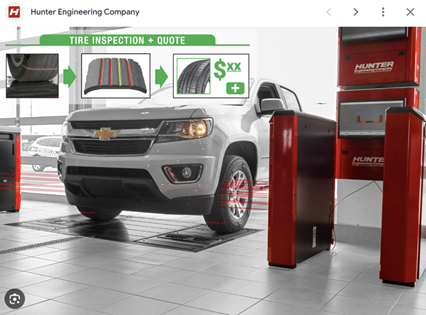
At Jupiter Chevrolet, we understand that your vehicle’s performance depends on more than just fuel efficiency—it’s about proper alignment and having the right tires to keep you safe on the road. That’s why today, we’re bringing you a special look into how our Hunter Alignment and Tire Tread Depth services can help keep your car in top shape, all while offering unbeatable prices and tire price match guarantees!
Precision Alignment with Hunter Technology
Our state-of-the-art Hunter Alignment system is designed to give your vehicle the most precise alignment possible. Misalignment can lead to uneven tire wear, decreased fuel efficiency, and poor handling. With our Hunter Alignment system, we can quickly and accurately measure and adjust the alignment of your car, ensuring that everything runs smoothly. Whether you’ve noticed your car pulling to one side or you’re just due for regular maintenance, our alignment service will optimize your vehicle’s performance and prolong the lifespan of your tires.
Tire Tread Depth – Why It Matters
Along with alignment, tire tread depth is another critical factor in vehicle safety and performance. Over time, your tire treads naturally wear down, decreasing their ability to grip the road effectively—especially in wet or snowy conditions. At Jupiter Chevrolet, we offer complimentary tire tread depth checks as part of our tire maintenance services. If your tread depth is getting low, we’ll help you choose the right replacement tires that fit your needs and budget. Ensuring proper tread depth isn’t just about performance—it’s about keeping you and your loved ones safe on every journey.
Competitive Alignment Prices and Tire Price Match Guarantee
At Jupiter Chevrolet, we pride ourselves on offering competitive pricing for both alignments and tires. We understand that cost is important, which is why we ensure our alignment services are not only top-notch but affordable. Our alignment prices are always competitive, and we make sure you’re getting the best value for your money.
When it comes to tires, we’re committed to providing you with the best deals around. With our Tire Price Match Guarantee, if you find a lower price on the same tire from a local competitor, we’ll match it. It’s our way of making sure you never have to compromise on quality or cost.
Visit Us Today
Ready to keep your ride in top condition? Come by Jupiter Chevrolet today for your Hunter Alignment service, a complimentary tire tread depth check, and great deals on tires. We’re here to make sure you drive safely, efficiently, and affordably—every mile of the way!
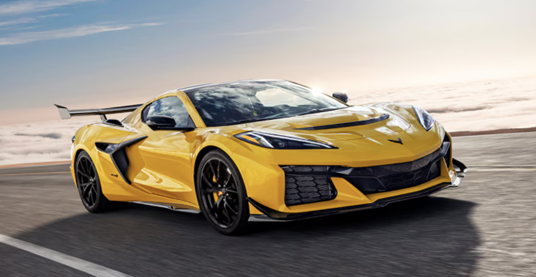
The 2025 Corvette ZR1 is finally here, and it’s redefining the meaning of American performance. With a massive leap in power, design, and technology, the ZR1 takes Corvette enthusiasts to new heights of driving excitement.At the heart of this powerhouse is a 5.5-liter twin-turbocharged V8 engine that produces an earth-shattering 900 horsepower and 850 lb-ft of torque. This ferocious engine rockets the ZR1 from 0 to 60 mph in just 2.5 seconds, making it one of the fastest cars on the planet. The quarter-mile is obliterated in a blistering 9.9 seconds at over 140 mph, showing off the ZR1’s unrelenting acceleration.The ZR1’s top speed exceeds 210 mph, pushing the boundaries of performance for any road car. But it’s not just about straight-line speed. The new ZR1 features a fully revamped suspension system, including adaptive dampers and a rear-wheel steering system, ensuring razor-sharp handling. With carbon-ceramic brakes, the ZR1 can decelerate with unparalleled precision, reducing stopping distances to near-race levels.Aerodynamically, the ZR1 takes cues from motorsport, with a larger front splitter, aggressive rear wing, and enhanced side skirts that work together to provide massive downforce, ensuring stability at high speeds and cornering performance that’s second to none.Inside, the 2025 ZR1 is both luxurious and functional, with carbon fiber accents and an advanced infotainment system that includes a 12-inch digital display and a 14-speaker premium sound system. Driver-assist features are included, making the ZR1 a surprisingly comfortable everyday driver, despite its track-ready capabilities.Whether you’re hitting the racetrack or cruising the open road, the 2025 Corvette ZR1 combines blistering performance with cutting-edge technology and a bold design, making it the ultimate American supercar. The ZR1 is a true masterpiece—a car built for those who demand the very best. Come visit us today at Jupiter Chevrolet in Garland Tx, to find out more about this opportunity to get behind the wheel of this once in a lifetime vehicle. The All New 2025 ZR1 Corvette !

Quick Listen:
When it’s time to trade in your vehicle, getting the best possible value is essential to help fund your next purchase, whether it’s a new or used car. The trade-in process can be complex, with various factors influencing how much you’ll be offered. To ensure you maximize your vehicle’s trade-in value, it’s crucial to take a strategic approach. In this blog post, we’ll share some effective tips and strategies to help you navigate the trade-in process and get the most value out of your car in today’s market.1. The Current Market Trends
The first step to maximizing your vehicle’s value is to understand the current state of the market. The demand for cars can vary significantly depending on factors such as the time of year, economic conditions, and changes in consumer preferences. For example, demand for used cars has surged in recent years, driven by supply chain issues and semiconductor shortages, making this a potentially lucrative time to trade in a vehicle.
To make informed decisions, research the current market trends for your specific make and model. Websites like Kelley Blue Book (KBB), Edmunds, and NADA provide tools that estimate your vehicle’s trade-in value based on its make, model, year, mileage, and condition. These tools are updated regularly to reflect market changes, and they provide you with a solid baseline value for your car. Understanding your car’s worth can also help you spot lowball offers and negotiate better deals.
2. Improve Your Vehicle’s Condition
A well-maintained car can fetch a significantly higher trade-in value than one that’s been neglected. Before heading to the dealership, take some time to improve the overall condition of your vehicle. Here are a few steps to help boost its appeal:
Wash and Detail: First impressions matter. A clean, polished vehicle gives the impression of a well-maintained car, which can help increase its value. Wash the exterior, clean the interior, and consider getting a professional detailing service. This may cost a little extra, but it can be worth it for the higher trade-in value you’ll receive.
Fix Small Issues: If there are minor repairs you can make, such as replacing worn tires, fixing small dents, or replacing cracked windshield wipers, do so. Even small improvements can help raise your car’s value.
Service Records: If you have a complete record of maintenance and repairs, bring it with you. Showing that your car has been regularly serviced and properly cared for can increase its value and help the dealership feel more confident about the condition of the vehicle.
Address Larger Problems: For major mechanical issues, you may want to consider fixing them before trading in the car. However, keep in mind that some repairs may not provide enough return on investment, especially for older cars or vehicles with high mileage. Evaluate whether the cost of repairs will justify a higher trade-in value.
3. Timing is Key
Timing your trade-in can have a substantial impact on the offer you receive. The value of cars can fluctuate seasonally and based on market demand. Here’s when to trade in for the best results:
End of the Year: Dealerships are often eager to meet sales targets at the end of the year, making this a good time to trade in your vehicle. In addition, dealerships are clearing out inventory to make room for next year’s models, which could give you more negotiating power.
New Model Release: If a new version of your vehicle model is about to be released, trade-ins for the previous version may be in high demand. This can be an excellent time to get a higher trade-in offer for a vehicle that’s similar to the latest model.
Off-Peak Seasons: Certain vehicles, such as convertibles and sports cars, are more popular in the warmer months, while trucks and SUVs tend to be in higher demand during the winter. Research which types of cars are in demand at the time you plan to trade-in, and try to time it accordingly.
High Market Demand: Due to global factors like supply chain disruptions, some car models may experience higher demand, even in used car markets. Keep an eye on national or regional vehicle shortages to determine if it’s a good time to trade in.
4. Gather Documentation and Be Prepared
When you visit a dealership to trade in your car, having all the necessary documents can streamline the process and help you get the most value. Some of the documentation you’ll need includes:
Title: If you own the vehicle outright, bring the title. If you still have an outstanding loan, be prepared to provide the payoff information and settle any remaining balance.
Registration: Bring your vehicle registration to show that the car is legally registered and in good standing.
Insurance: Having proof of insurance for the vehicle will reassure the dealership that it’s in a drivable condition.
Maintenance Records: As mentioned earlier, having a history of service records can demonstrate that your vehicle has been properly maintained.
Being organized and ready with all necessary documents not only saves time but also helps establish that you are a serious seller, which could make the dealer more likely to offer you a competitive trade-in value.
5. Negotiate Effectively
Once you’ve researched your vehicle’s value and improved its condition, it’s time to negotiate. While dealers may initially offer you a trade-in price, this doesn’t mean it’s set in stone. Here’s how you can negotiate effectively:
Know Your Car’s Worth: Armed with the knowledge of your vehicle’s estimated value from tools like KBB and Edmunds, you’ll have a solid foundation for negotiating. If a dealership offers you less than you expect, don’t hesitate to provide documentation and explain the reasons for the higher value.
Be Prepared to Walk Away: If the dealership’s offer isn’t acceptable, be prepared to walk away. Sometimes, this can prompt them to come back with a better offer. If they don’t, you can always shop around at other dealerships to compare trade-in values.
Consider Other Offers: It’s always a good idea to visit multiple dealerships to get different trade-in offers. You may find that one dealership is more willing to negotiate than another, and having competing offers in hand can give you leverage when making your decision.
Be Clear About Your Goals: If you’re planning to purchase a new vehicle at the same time, be clear about how the trade-in offer factors into the price of the car you intend to buy. Dealerships sometimes offer higher trade-in values as a way to incentivize a purchase, so make sure you’re maximizing both aspects of the deal.
6. Know When to Sell Privately
While trading in your vehicle at a dealership is convenient, sometimes you may be able to get more money by selling it privately. The trade-in process is hassle-free, but you may receive a lower price compared to private sales. If your car is in excellent condition, has low mileage, or is a sought-after model, selling it privately could net you a higher return. However, selling privately requires more effort, including advertising, dealing with potential buyers, and handling paperwork.
Consider the trade-offs between convenience and potential value when deciding whether to sell your car privately or trade it in.
Negotiate Effectively
Maximizing your vehicle’s trade-in value requires preparation, knowledge, and strategy. By understanding market trends, improving your vehicle’s condition, timing your trade-in, and negotiating effectively, you can ensure you get the best possible offer in today’s competitive market. Keep these tips in mind, and you’ll be well on your way to getting top dollar for your trade-in, whether you’re upgrading to a new car or simply looking to free up some cash.
Disclaimer: This Helpful Resources content contains personal opinions and experiences. The information provided is for general knowledge and does not constitute professional advice.
You may also be interested in: Oil Change Service from Chevrolet Certified Service
Feeling stuck in the stressful car-buying process? At Jupiter Chevrolet in Garland, TX, we’ve reimagined how buying a car should feel. With transparent pricing, online deal-building tools, and the benefits of our Jupiter Advantage program, we ensure every step is straightforward and satisfying. Skip the hassle. From purchase to certified service, our team truly puts your choice and convenience first. Turn your dreams of finding your ideal Chevrolet into reality with us. Visit Jupiter Chevrolet today!

Quick Listen:
Your browser does not support the audio element.
When it comes to acquiring a new car or vehicle in the Dallas-Fort Worth (DFW) area, buyers are often faced with two primary financial options: financing and leasing. Each option has its own set of benefits and considerations, depending on your financial situation, long-term goals, and personal preferences. Understanding the nuances of both can help you make a well-informed decision that aligns with your budget, lifestyle, and future plans.
In this article, we’ll explore the pros and cons of financing and leasing in the DFW area, focusing on key aspects such as payment terms, ownership, and long-term financial benefits.
What is Financing?
Financing is the process of taking out a loan to purchase a vehicle. You make a down payment and then repay the loan over a set period—usually from 36 to 72 months—at an agreed-upon interest rate. Once the loan is paid off, the vehicle is yours to keep.
How Financing Works:
Down Payment: Typically, buyers are required to make a down payment when purchasing a vehicle through financing. The amount can vary, but putting down 10% to 20% of the vehicle’s price is common.Monthly Payments: Your monthly payments will be based on the loan amount (the price of the vehicle minus your down payment), the interest rate, and the loan term. Generally, the longer the loan term, the lower the monthly payments.Ownership: Once the loan is paid off, you own the vehicle outright. You can continue driving it for as long as it remains in good condition or choose to sell or trade it when you’re ready for a new vehicle.What is Leasing?
Leasing, on the other hand, is essentially renting a vehicle for a set period, usually 24 to 36 months. At the end of the lease term, you return the vehicle to the dealership or choose to purchase it for a predetermined price. While leasing allows you to drive a new car for less money upfront, you never own the vehicle.
How Leasing Works:
Down Payment: Leases typically require a smaller down payment than financing, although some leases may come with little or no money down.Monthly Payments: Monthly payments for a lease tend to be lower than financing payments because you’re only paying for the depreciation of the vehicle during the lease term, rather than the full purchase price.End of Lease Options: At the end of the lease term, you can return the vehicle and lease another new car, or in some cases, purchase the vehicle at the end of the lease for its residual value (the estimated worth of the car at the end of the lease term).Pros of Financing for DFW Buyers
Ownership:
One of the biggest advantages of financing is that you own the vehicle once the loan is paid off. This provides long-term value, as you can continue driving the car without monthly payments, or sell/trade it when you’re ready for something new.
No Mileage Restrictions:
Unlike leasing, financing doesn’t come with mileage limits. If you plan to drive a lot, this is a major advantage since most leases impose penalties for exceeding the allotted mileage (usually between 10,000 to 15,000 miles per year).
Customization:
When you own a vehicle, you have the freedom to customize it as you see fit, whether it’s adding new rims, modifying the interior, or installing aftermarket parts. Leasing contracts typically restrict modifications.
Long-Term Financial Benefits:
While monthly payments for financing may be higher than leasing, once the loan is paid off, you no longer have car payments. This can be beneficial for buyers who plan to keep their car for several years.
Equity:
Each payment you make on a financed vehicle contributes to building equity, meaning that when it comes time to sell or trade in the car, you’ll have value to apply toward your next vehicle purchase.
Cons of Financing for DFW Buyers
Higher Monthly Payments:
Financing typically involves higher monthly payments compared to leasing because you’re paying for the full value of the vehicle rather than just the depreciation.
Depreciation:
Vehicles begin to depreciate as soon as they are driven off the lot. With financing, you bear the cost of depreciation, meaning your vehicle’s resale value may be lower than what you owe on the loan.
Maintenance Costs:
As your vehicle ages, you’ll be responsible for all maintenance and repairs, which can become expensive, especially once the car is out of warranty.
Large Down Payment:
Financing often requires a larger down payment compared to leasing, which could be a barrier for buyers who don’t have significant savings.
Pros of Leasing for DFW Buyers
Lower Monthly Payments:
The most attractive aspect of leasing is the lower monthly payments compared to financing. Since you’re only paying for the depreciation of the car, lease payments are typically much more affordable.
Access to Newer Vehicles:
Leasing allows you to drive a new car every few years, giving you access to the latest models, features, and technology without committing to long-term ownership.
Warranty Coverage:
Most lease terms align with the manufacturer’s warranty, so you may not need to worry about major repairs or maintenance costs during the lease period.
No Worries About Depreciation:
Since you’re not owning the car, you don’t have to worry about the depreciation value. You simply return the car at the end of the lease term.
Cons of Leasing for DFW Buyers
No Ownership:
At the end of the lease, you don’t own the vehicle. All of the money spent on lease payments is gone, and you have nothing to show for it.
Mileage Limits:
Leases typically come with strict mileage limits, and if you exceed the mileage allowance, you’ll have to pay penalties. If you have a long commute or plan to take road trips, this could be a disadvantage.
Customization Restrictions:
Unlike a financed car, you’re not allowed to make any modifications to a leased vehicle. If you enjoy customizing your car, leasing might not be the right choice.
End-of-Lease Fees:
At the end of the lease, you may face fees for excessive wear and tear on the vehicle. This could include damage to the interior, exterior, or tires.
DFW-Specific Considerations
In the DFW area, where many people rely on their cars for daily commuting, leasing and financing have distinct advantages depending on your needs.
Financing for Long-Term Stability: If you live in the suburbs or rural areas outside of Dallas and Fort Worth, owning a car through financing might make more sense, especially if you have a long commute or enjoy taking road trips. The DFW area is large, and public transportation options can be limited, making car ownership more of a necessity.
Leasing for Flexibility and Low Upfront Costs: On the other hand, if you’re in the city or prefer driving newer models every few years, leasing could offer flexibility and lower upfront costs. With the growing number of luxury vehicle dealerships in the DFW area, leasing also allows buyers to access high-end cars without the financial burden of large monthly payments.
Making the Right Choice
When deciding between financing and leasing, consider your long-term goals, driving habits, and financial situation. If you’re looking for low monthly payments, enjoy driving new cars, and don’t mind returning the vehicle at the end of the term, leasing might be the right choice for you. However, if you’re planning to keep the vehicle for several years, want to build equity, and don’t mind paying higher monthly payments, financing may be more beneficial.
Consulting with a local dealership or financial advisor can help you weigh your options further and decide on the best path for your needs. The key is to evaluate what fits your lifestyle and financial plans, ensuring you make the most out of your vehicle purchase or lease in the DFW area.
Whether you choose to finance or lease, understanding the differences and how they impact your wallet and ownership experience is crucial. Make an informed decision, and you’ll be driving away in the car that’s right for you.
Disclaimer: This Helpful Resources content contains personal opinions and experiences. The information provided is for general knowledge and does not constitute professional advice.
You may also be interested in: New Chevrolet Silverado 3500 HD Vehicles for Sale | Jupiter …
Feeling stuck in the stressful car-buying process? At Jupiter Chevrolet in Garland, TX, we’ve reimagined how buying a car should feel. With transparent pricing, online deal-building tools, and the benefits of our Jupiter Advantage program, we ensure every step is straightforward and satisfying. Skip the hassle. From purchase to certified service, our team truly puts your choice and convenience first. Turn your dreams of finding your ideal Chevrolet into reality with us. Visit Jupiter Chevrolet today!

Quick Listen:
Buying a car for the first time is an exciting, but often overwhelming experience. There are so many factors to consider: budget, safety, reliability, and fuel efficiency, among others. As a first-time buyer, choosing a car that fits your needs and gives you the best value for your money is crucial. A pre-owned Chevrolet offers a great balance of affordability, quality, and dependability, making it an excellent choice for those stepping into car ownership.
Chevrolet has built a solid reputation over the years for manufacturing cars that are not only reliable but also come with a variety of features to suit different lifestyles. Whether you’re looking for something compact and economical, or a family-friendly vehicle with plenty of room, Chevrolet has models that fit the bill. This guide will help you navigate through some of the best pre-owned Chevrolet models for first-time buyers, highlighting the aspects of safety, fuel efficiency, and value to ensure you make an informed and confident decision.
Why Choose a Pre-Owned Chevrolet?
When it comes to buying a pre-owned car, Chevrolet offers a variety of models that are not only well-maintained but also come at a reasonable price point. A pre-owned vehicle allows you to get more features for your money compared to a brand-new model. Additionally, Chevrolet vehicles are known for their longevity, meaning you can expect years of service when you invest in a well-maintained pre-owned model.
Here are some reasons why a pre-owned Chevrolet is a great option:
Affordability: The price tag on a pre-owned car is significantly lower than that of a new one. This is especially important for first-time buyers who may have a limited budget.
Reliability: Chevrolet is known for its durability and longevity. Many of its vehicles are designed to withstand the test of time, making them a great option for buyers who want a dependable car without the hefty price of a new vehicle.
Safety Features: Chevrolet offers an array of safety features, and many of these features are standard in their pre-owned models. Whether it’s airbags, anti-lock brakes, or more advanced safety technologies, Chevrolet vehicles offer peace of mind for first-time buyers.
Fuel Efficiency: Chevrolet is committed to producing vehicles that are both powerful and fuel-efficient. For a first-time buyer, fuel costs can be a significant factor in the overall cost of ownership, making a fuel-efficient model a smart choice.
Depreciation: A new car begins to lose its value the moment it leaves the lot. By purchasing a pre-owned Chevrolet, you avoid the steep depreciation that new cars face, meaning you’re getting more value for your money.
Pre-Owned Chevrolet Models for First-Time Buyers1. Chevrolet Malibu
For buyers who want something a bit larger but still budget-conscious, the Chevrolet Malibu is a great midsize sedan that balances comfort, performance, and practicality. The Malibu is known for its smooth ride, spacious interior, and strong fuel efficiency.
Fuel Efficiency: With up to 36 mpg on the highway, the Malibu offers excellent fuel economy for a midsize sedan.Comfort and Space: The Malibu has a spacious interior with ample room for both passengers and cargo. The seats are comfortable, and the ride quality is smooth, making it a great option for longer trips.Safety: The Malibu comes equipped with a variety of safety features, including forward collision alert, lane departure warning, and rear cross-traffic alert, all of which enhance the vehicle’s overall safety profile.2. Chevrolet Equinox
If you need more space or prefer the versatility of an SUV, the Chevrolet Equinox is a great choice. This compact crossover offers plenty of room for passengers and cargo, making it ideal for young families or anyone needing more space.
Fuel Efficiency: With up to 32 mpg on the highway, the Equinox is a relatively fuel-efficient SUV, which is rare for its class.Space and Comfort: The Equinox offers a spacious cabin with comfortable seating for five passengers. The rear seats also fold down easily to provide additional cargo space when needed.Safety: The Equinox comes with a host of safety features, including blind-spot monitoring, rear cross-traffic alert, and forward collision warning, making it a secure option for first-time buyers.3. Chevrolet Tahoe
For those who need even more space, the Chevrolet Tahoe is a full-size SUV with a reputation for being tough, capable, and family-friendly. While it’s larger and more expensive than other options, the Tahoe offers a lot of value for those needing an SUV with towing capacity and extra room.
Performance: The Tahoe’s powerful engine options provide plenty of towing and hauling capability, making it perfect for buyers who need a vehicle for both daily driving and recreational activities.Fuel Efficiency: While not as fuel-efficient as the smaller Chevrolet models, the Tahoe still delivers respectable highway mileage of up to 23 mpg.Interior and Comfort: The Tahoe offers a spacious interior with three rows of seating, making it ideal for large families or those who need to carry a lot of passengers or gear.Tips for First-Time Buyers
Buying a pre-owned Chevrolet can be a great decision, but there are a few tips to keep in mind as you navigate the process:
Do Your Research: Before heading to the dealership, take some time to research the models you’re interested in. Check reviews, safety ratings, and common issues to get a better understanding of the car’s reliability.
Inspect the Vehicle: Whether buying from a dealership or a private seller, make sure to thoroughly inspect the car. Check the condition of the exterior and interior, ask for maintenance records, and consider getting a mechanic to perform a pre-purchase inspection.
Consider Financing: Many dealerships offer financing options for pre-owned vehicles. Compare rates from different lenders to find the best deal for your budget.
Check the Vehicle History: If buying from a dealership or private seller, ask for the vehicle’s history report. This report will show any accidents or significant repairs, giving you a better understanding of the car’s condition.
Look for Certified Pre-Owned Options: Chevrolet offers a Certified Pre-Owned (CPO) program, which guarantees a certain level of inspection and warranty coverage. A CPO vehicle can provide additional peace of mind for first-time buyers.
Make a Smart Move
For first-time buyers, choosing a pre-owned Chevrolet is a smart move. Whether you’re interested in a compact car like the Spark or something larger like the Tahoe, Chevrolet offers a variety of models that balance affordability, reliability, safety, and fuel efficiency. With a little research and some expert tips, you’ll be able to find the perfect pre-owned Chevrolet that fits your needs and budget, ensuring your car buying experience is both smooth and rewarding.
Disclaimer: This Helpful Resources content contains personal opinions and experiences. The information provided is for general knowledge and does not constitute professional advice.
You may also be interested in: Chevrolet EV Test Drive
Feeling stuck in the stressful car-buying process? At Jupiter Chevrolet in Garland, TX, we’ve reimagined how buying a car should feel. With transparent pricing, online deal-building tools, and the benefits of our Jupiter Advantage program, we ensure every step is straightforward and satisfying. Skip the hassle. From purchase to certified service, our team truly puts your choice and convenience first. Turn your dreams of finding your ideal Chevrolet into reality with us. Visit Jupiter Chevrolet today!
Quick Listen:
Your browser does not support the audio element.
As electric vehicles (EVs) gain popularity across the United States, many drivers are considering the switch to eco-friendly transportation. For first-time buyers in Dallas, the decision to invest in an electric car comes with its own set of unique considerations. This guide aims to help new EV buyers navigate the essential factors involved in making the transition to electric driving, including charging infrastructure, local incentives, vehicle options, and cost savings.The Dallas EV Landscape
Dallas, Texas, is a growing hub for electric vehicle adoption. The city’s warm climate, forward-thinking residents, and expanding EV infrastructure make it a prime location for switching from gasoline-powered cars to electric ones. As you consider making the switch, it’s important to understand the local context of EV ownership in Dallas.
Charging Infrastructure in Dallas
One of the most important aspects of EV ownership is access to reliable charging stations. Fortunately, Dallas has made significant strides in establishing a robust charging infrastructure, making it easier for EV drivers to stay charged up and ready to go.
Home Charging: For most EV owners, charging at home is the most convenient and cost-effective option. Dallas residents can install Level 1 or Level 2 charging stations at their homes. Level 1 chargers use a standard 120-volt outlet, while Level 2 chargers require a 240-volt outlet and provide faster charging times. Installing a Level 2 charger typically costs between $500 and $2,000, including installation fees. Many electric vehicle manufacturers, such as Tesla and Chevrolet, offer home charging kits that are compatible with their vehicles.
Public Charging: Public charging networks have also expanded throughout Dallas. Companies like Tesla, ChargePoint, and Electrify America provide fast-charging options in high-traffic areas, including shopping centers, parking lots, and even highway rest stops. Many public chargers offer Level 2 charging, but some are DC fast chargers, which can charge your EV much more quickly, typically around 80% in 30 minutes or less. Dallas also boasts several EV charging stations located in popular spots like downtown, around major retail areas, and near highways.
Charging Costs: While charging your EV at home is typically cheaper than using public chargers, the cost can vary. Public charging stations may charge by the hour or per kWh (kilowatt-hour), with prices varying depending on the provider and charging speed. Fast chargers tend to be more expensive than Level 2 chargers. Make sure to check pricing before plugging in, and consider using apps that show real-time availability and cost for public charging stations.
Local Incentives and Rebates
Switching to an electric vehicle is not only a smart environmental decision but also a financially beneficial one. Dallas drivers have access to a range of incentives and rebates that make EVs even more affordable.
Federal Tax Credit: One of the most significant incentives available to first-time EV buyers is the federal tax credit. The U.S. government offers up to $7,500 in tax credits for qualifying electric vehicles. The amount you can receive depends on the vehicle’s battery size and manufacturer. It’s important to note that the tax credit may not apply to all EVs, especially if the manufacturer has sold a certain number of units. Check with your EV manufacturer for eligibility details.
Texas State Incentives: Texas does not have state-specific tax credits for purchasing an electric vehicle, but there are still some perks for EV drivers. For example, electric vehicles are exempt from Texas state vehicle emissions inspections. Additionally, some Texas utilities offer rebates and discounts for home charging equipment installation or offer reduced electricity rates for EV owners who charge during off-peak hours.
Dallas-Specific Incentives: Dallas has made significant investments in EV charging infrastructure, with plans to continue expanding it in the coming years. According to Alternate Fuels Data Center, to reach Dallas EV charging station goals and equity initiatives, the city partnered with DFWCC to analyze multifamily housing locations where EV charging stations could be installed. In addition to DFWCC, the city also worked closely with the Texas Housing Department to introduce EV charging in state-owned multifamily housing and partnered with the Apartment Association of Greater Dallas to help promote EV charging to multifamily housing building owners .
Utility Incentives: Some local utilities, like Oncor and TXU Energy, offer EV-specific incentives, such as rebates for home charging equipment or special rates for EV owners. Check with your local utility company to learn about any available programs.
Choosing the Right Electric Vehicle
When it comes to purchasing an electric vehicle, Dallas drivers have a wide range of options. Whether you’re looking for an affordable city car, a luxurious sedan, or a family-friendly SUV, there is an electric vehicle for you. Here are a few factors to consider when choosing your first EV:
Range: The range of an electric vehicle refers to how far it can travel on a single charge. For many drivers in Dallas, a range of 150-300 miles will be sufficient for daily commuting and longer trips around the city. However, if you plan to take frequent road trips, you might want to opt for a vehicle with a longer range. Popular EVs like the Tesla Model 3, Chevrolet Bolt EV, and Ford Mustang Mach-E all offer excellent range options for various needs.
Charging Speed: Not all EVs have the same charging capabilities. Some models are capable of using fast chargers that can recharge the battery in as little as 30 minutes, while others may take longer to charge on standard outlets. If you’re frequently on the go, a fast-charging EV might be the right option.
Size and Features: Consider your lifestyle when choosing a vehicle. If you have a growing family, an electric SUV or crossover might be the best choice. Vehicles like the Chevrolet Blazer EV, Tesla Model Y, Rivian R1S, or Ford Mustang Mach-E offer plenty of space and family-friendly features, along with an electric powertrain. For those who prefer a smaller vehicle for city driving, options like the Nissan Leaf or Mini Cooper SE might be ideal.
Price: EVs are generally more expensive upfront than traditional vehicles, but they offer savings over time. The total cost of ownership includes savings on fuel, maintenance, and potential tax incentives. While some EVs, like the Nissan Leaf, have lower starting prices, premium options like the Tesla Model S or Lucid Air come with higher price tags. Be sure to balance your budget with your long-term savings expectations.
Cost Savings with an EV
Owning an electric vehicle comes with several cost-saving benefits that first-time buyers should consider:
Lower Fuel Costs: One of the main financial benefits of driving an EV is the savings on fuel. Charging an electric vehicle is generally much cheaper than fueling a gasoline-powered car. The exact savings depend on your driving habits and electricity rates, but on average, EV owners pay less per mile driven.
Reduced Maintenance Costs: EVs have fewer moving parts than traditional vehicles, meaning there is less wear and tear. This can lead to reduced maintenance costs over time. For example, EVs don’t require oil changes, and there’s less strain on components like the brakes due to regenerative braking systems. While EVs still require maintenance for things like tires and batteries, the overall cost tends to be lower.
Government Savings: In addition to federal tax credits, some Dallas residents may qualify for rebates, incentives, and lower registration fees for owning an electric vehicle. Make sure to check with local and state authorities for available programs to maximize your savings.
Take a Cost Effective Decision
Making the switch to an electric vehicle in Dallas can be an exciting and cost-effective decision for first-time buyers. With a growing charging infrastructure, generous incentives, a variety of vehicle options, and long-term savings on fuel and maintenance, the transition to an EV is more accessible than ever. Whether you’re driving through the bustling streets of Dallas or exploring the scenic Texas countryside, owning an electric vehicle offers an eco-friendly and forward-thinking way to get around.
Disclaimer: This Helpful Resources content contains personal opinions and experiences. The information provided is for general knowledge and does not constitute professional advice.
You may also be interested in: New White 2024 Chevrolet Equinox EV 2RS | Dallas, Richardson …
Feeling stuck in the stressful car-buying process? At Jupiter Chevrolet in Garland, TX, we’ve reimagined how buying a car should feel. With transparent pricing, online deal-building tools, and the benefits of our Jupiter Advantage program, we ensure every step is straightforward and satisfying. Skip the hassle. From purchase to certified service, our team truly puts your choice and convenience first. Turn your dreams of finding your ideal Chevrolet into reality with us. Visit Jupiter Chevrolet today!
Quick Listen:
Your browser does not support the audio element.
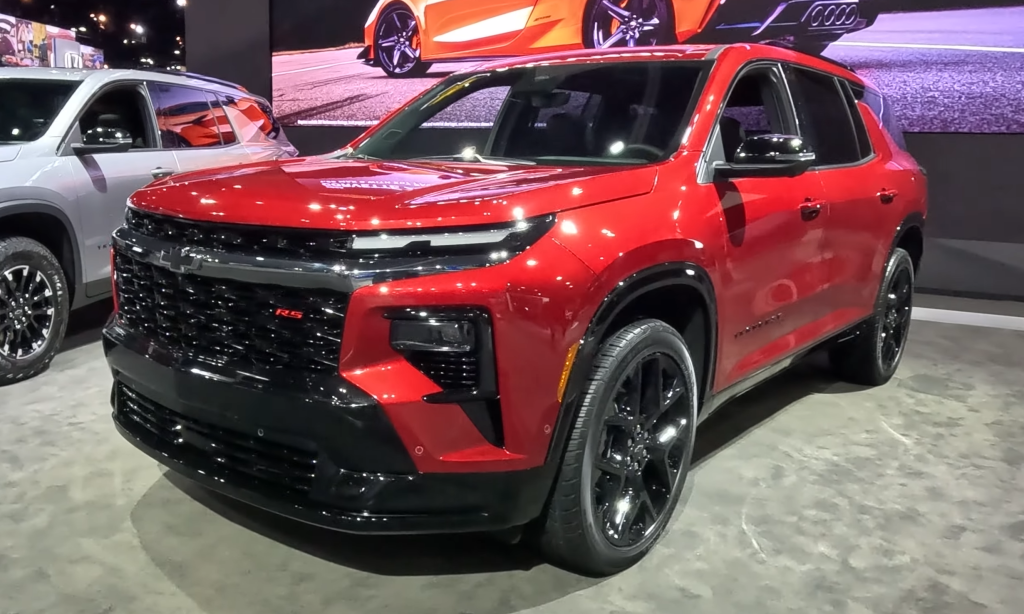
As we head into 2025, Chevrolet has once again delivered a remarkable lineup of vehicles, with updated features, enhanced performance, and cutting-edge technology. At Jupiter Chevrolet, we’re excited to offer these new models to our customers, providing an opportunity to explore a variety of styles, trims, and configurations designed for modern drivers. Whether you’re looking for an upgrade, a family-friendly SUV, a powerful truck, or an eco-friendly vehicle, Chevrolet’s 2025 models have something for everyone. In this article, we will explore the exciting features of the 2025 Chevrolet lineup and what makes these vehicles stand out in today’s competitive automotive market.1. Bold New Designs and Styling
The 2025 Chevrolet models continue to feature bold and modern designs that cater to a wide range of tastes. From the sleek curves of the Chevrolet Malibu sedan to the rugged appeal of the Chevrolet Silverado truck, the design upgrades across the 2025 models bring a fresh, contemporary feel. Chevrolet has embraced a more aggressive front fascia on many of its models, incorporating sharper lines and dynamic proportions that give each vehicle a sense of motion, even when standing still.
The 2025 Chevrolet Blazer, for instance, boasts a revamped exterior that includes a more refined grille and new LED lighting elements, enhancing its sporty appeal. The Traverse, Equinox, and Tahoe also see tweaks to their exterior styling, maintaining a balance between sophistication and functionality. These design updates are not just about looks—they’re about ensuring that each model stands out on the road while offering improved aerodynamics and fuel efficiency.
2. Advanced Technology Features
Chevrolet’s commitment to integrating advanced technology into its vehicles is evident in the 2025 lineup. At Jupiter Chevrolet, we understand that today’s drivers demand more from their vehicles, and Chevrolet has answered with a suite of tech upgrades that enhance convenience, entertainment, and safety.
One of the most notable updates is the Chevrolet Infotainment 3 system, which is available across many models in the 2025 range. This system offers a larger touchscreen, more intuitive navigation, and seamless smartphone integration through Apple CarPlay and Android Auto. Chevrolet has also introduced enhanced voice recognition, allowing drivers to control various functions—such as music, navigation, and climate control—without taking their hands off the wheel.
For customers who prioritize cutting-edge tech, the 2025 Chevrolet Silverado 1500 offers available Super Cruise, a hands-free driving technology that allows for hands-free driving on compatible highways. It’s the kind of innovation that makes long-distance travel more enjoyable and less stressful. Additionally, the 2025 Chevrolet Blazer EV come equipped with new tech features, including improved connectivity options, advanced driver assistance features, and a larger, more responsive infotainment screen.
3. Performance Improvements
Chevrolet has always been known for delivering vehicles that offer a powerful driving experience, and the 2025 lineup continues that tradition. From the heart-pounding performance of the Corvette Stingray to the rugged off-road capabilities of the Colorado, Chevrolet’s performance vehicles are engineered for thrill-seekers and adventurers alike.
One of the standout performers in 2025 is the Chevrolet Camaro, which receives tweaks to its powertrain, offering drivers even more horsepower and improved handling. The available 6.2L V8 engine, paired with a smooth-shifting transmission, ensures that the Camaro delivers an unforgettable driving experience, whether on the track or the open road.
Meanwhile, the 2025 Silverado 1500 boasts several performance upgrades, including an available 3.0L Duramax turbo-diesel engine, providing excellent towing capacity and fuel efficiency. Whether you’re towing a boat for a weekend getaway or hauling construction equipment, the Silverado’s performance is up to the task. With enhanced suspension systems and upgraded drivetrain options, the Silverado remains one of the most powerful and capable trucks in its class.
For electric vehicle enthusiasts, the Chevrolet Blazer EV offer impressive performance as well, with instant torque and a smooth, quiet ride. These vehicles are not only environmentally friendly but also provide a fun, responsive driving experience, proving that electric cars can be just as thrilling as their gas-powered counterparts.
4. Innovative Safety Features
Chevrolet has always been committed to safety, and the 2025 models are no exception. From advanced driver-assistance features to innovative crash protection technologies, the 2025 lineup provides peace of mind for drivers and passengers alike.
The Chevrolet Safety Assist suite is standard on most 2025 models, offering features such as Forward Collision Alert, Automatic Emergency Braking, Lane Keep Assist, and a following distance indicator. These technologies work together to help prevent accidents and keep you and your passengers safe on the road.
Additionally, the 2025 Chevrolet Tahoe and Suburban are equipped with even more advanced safety features, such as enhanced Park Assist, which helps drivers maneuver in tight spaces, and a Rear Cross Traffic Alert system, which warns drivers of approaching vehicles when reversing. For those who spend a lot of time on the road or with families in tow, these safety upgrades provide an added layer of protection.
The 2025 Chevrolet Traverse, another family-friendly SUV, now includes available HD Surround Vision, which provides a 360-degree view of the area around the vehicle. This system helps drivers navigate in parking lots and other tight spaces, reducing the risk of accidents.
5. Exclusive Offerings at Jupiter Chevrolet
At Jupiter Chevrolet, we’re not just about selling vehicles—we’re about providing an exceptional customer experience. As a trusted Chevrolet dealership, we offer exclusive access to the latest 2025 Chevrolet models, including several configurations and trim levels that you won’t find elsewhere. Our team is dedicated to helping you find the perfect vehicle to match your lifestyle, preferences, and budget.
Whether you’re looking for a stylish sedan like the Chevrolet Malibu, a spacious family SUV like the Traverse, or a capable truck like the Silverado, our inventory features a wide selection of new 2025 models for you to explore. Our team is here to assist you with every step of the process, from selecting your vehicle to securing financing that works for you.
6. Sustainability with the Chevrolet Bolt EV and EUV
In response to the growing demand for sustainable, eco-friendly vehicles, Chevrolet continues to innovate with its electric offerings. The 2025 Chevrolet Blazer EV remain at the forefront of the electric vehicle market, offering an affordable yet stylish option for drivers who want to reduce their carbon footprint.
With a range of up to 334 miles on a single charge, the 2025 Chevrolet Blazer EV is perfect for city commutes and weekend road trips. The Blazer EV, a compact electric SUV, offers more cargo space and room for passengers, making it an ideal choice for families looking to switch to an electric vehicle without sacrificing comfort or versatility.
Meet your Needs
The 2025 Chevrolet models have raised the bar for innovation, style, performance, and safety. At Jupiter Chevrolet, we are excited to share these updates with our customers, helping you find the perfect Chevrolet vehicle to meet your needs. Whether you’re looking for a powerful truck, a stylish sedan, a family-friendly SUV, or a cutting-edge electric vehicle, the 2025 Chevrolet lineup has something for everyone. Visit Jupiter Chevrolet today to explore our extensive inventory and experience the latest in automotive technology and design.
Disclaimer: This Helpful Resources content contains personal opinions and experiences. The information provided is for general knowledge and does not constitute professional advice.
You may also be interested in: New 2025,2024 CHEVROLET EQUINOX,EQUINOX EV,BLAZER EV …
Feeling stuck in the stressful car-buying process? At Jupiter Chevrolet in Garland, TX, we’ve reimagined how buying a car should feel. With transparent pricing, online deal-building tools, and the benefits of our Jupiter Advantage program, we ensure every step is straightforward and satisfying. Skip the hassle. From purchase to certified service, our team truly puts your choice and convenience first. Turn your dreams of finding your ideal Chevrolet into reality with us. Visit Jupiter Chevrolet today!

Quick Listen:
Your browser does not support the audio element.
Your vehicle’s windshield is not just a barrier between you and the outside world—it plays a crucial role in ensuring your safety while driving. It helps maintain the structural integrity of the vehicle, contributes to the proper deployment of airbags, and provides optimal visibility while on the road. That’s why it’s essential to keep it in top shape, especially during the first year of ownership. With a solid windshield protection plan in place, you can avoid expensive repairs and replacements, ensuring that your windshield remains free of chips, cracks, and other damage.
In this article, we’ll discuss how to maximize the benefits of your windshield protection plan, with a focus on proper care and maintenance, understanding your plan’s coverage, and addressing common issues like chips and cracks. Let’s dive into how you can make the most of this valuable first-year protection.
What is a Windshield Protection Plan?
A windshield protection plan is an insurance or service offering that typically covers damage to your windshield, such as chips, cracks, and even complete replacement. This plan is often offered by dealerships, insurance companies, or third-party service providers, and it’s usually available during the first year of your vehicle’s life or ownership.
The key benefit of a windshield protection plan is that it can help you avoid out-of-pocket expenses for repairs or replacements. Depending on the coverage, it may offer everything from minor chip repairs to complete windshield replacement with no deductible. Some plans may even offer additional services like free windshield cleaning or protection treatments that prevent damage.
Maximizing the Benefits of Your First-Year Protection Plan
To get the most value from your windshield protection plan, you need to understand both the coverage it provides and the best practices for maintaining your windshield. Here’s how you can make sure you’re fully utilizing your plan:
1. Understand Your Coverage
Not all windshield protection plans are created equal. Before you run into any issues, it’s important to read the terms and conditions of your plan to understand exactly what it covers. Some key questions to ask include:
What types of damage are covered? Some plans cover chips and cracks, while others may extend coverage to the entire windshield replacement if needed. Be sure to check for exclusions, such as coverage limits or damage due to negligence (e.g., using harsh chemicals).Are there any deductibles? Many plans offer zero-deductible repairs or replacements, but some may require a small fee for certain services.How often can repairs or replacements be done? Some plans may have a limit on the number of times they will cover windshield repairs or replacements during the year.Is there a network of service providers? Find out if your protection plan has an approved list of repair shops or if you can choose your provider.Does the plan include preventive care? Some plans offer additional treatments to help prevent damage, such as water-repellent coatings or special windshield cleaning services.
By knowing what’s covered, you’ll be in a better position to make informed decisions should damage occur.
2. Regularly Inspect Your Windshield
One of the simplest ways to keep your windshield in top condition is to inspect it regularly for signs of damage. Small chips or cracks can worsen over time, especially if they are exposed to temperature extremes or road debris. Regular checks can help catch issues early, allowing you to use your protection plan for timely repairs before the damage becomes more serious.
Make it a habit to walk around your car and inspect the windshield, looking for any cracks, chips, or scratches. Pay extra attention after long trips or when driving on rough roads. If you spot any damage, don’t wait—schedule a repair as soon as possible to prevent it from spreading.
3. Act Quickly on Chips and Cracks
When you notice a chip or crack in your windshield, it’s crucial to act quickly. Most windshield protection plans cover repairs for minor damage, but they often require the repair to be done soon after the damage occurs. The longer you wait, the more likely the damage will spread or worsen, and your protection plan may no longer cover it.
If you catch a chip early enough, it may be repairable, which is typically a much less expensive option than replacement. In some cases, a small chip can be filled and smoothed over by a professional technician, restoring the windshield’s functionality and appearance.
4. Use Your Plan’s Repair Services
Windshield repair services are often included as part of your protection plan. Many plans even provide mobile services, where a technician will come to your home or work to fix the windshield. Be sure to use these services when damage occurs, as they are often free or low-cost under the terms of your plan.
If you don’t act quickly, a small crack may expand, especially in areas of the windshield exposed to high temperatures or moisture. If your windshield has a significant crack or if the integrity of the glass is compromised, it’s best to replace it. Most windshield protection plans cover full windshield replacement as well, so be sure to check if this service is available and how to schedule it.
5. Take Advantage of Preventive Maintenance
Some protection plans offer preventive treatments that can prolong the life of your windshield. These treatments may include:
Water-repellent coatings: These coatings make it easier for rain and snow to slide off your windshield, reducing the chances of water-induced damage.Windshield cleaners: High-quality cleaners can remove debris and grime that can cause scratches or wear over time.Glass treatments: Some plans offer glass treatments that strengthen the windshield, making it more resistant to chips and cracks.
Taking advantage of these preventive services is an effective way to keep your windshield in optimal condition and ensure that your protection plan benefits last longer.
6. Be Mindful of Driving Conditions
Your driving habits and the environments you drive in can have a big impact on the condition of your windshield. While it’s difficult to control every factor on the road, there are a few precautions you can take to minimize potential damage:
Avoid tailgating: Driving too closely behind other vehicles increases the risk of flying debris hitting your windshield.Drive cautiously in poor weather: Rain, hail, and snow can all contribute to windshield damage. Slow down and maintain a safe distance from other vehicles when weather conditions are poor.Watch for potholes and rough roads: Driving on poorly maintained roads can cause chips and cracks from rocks and debris kicked up by your tires. When possible, try to avoid driving through construction zones or areas with loose gravel.7. Know When to File a Claim
If you have damage that can’t be repaired and requires a full windshield replacement, it’s time to file a claim. Many windshield protection plans make the claim process relatively simple, but it’s important to follow the guidelines set by your provider. Some may require specific documentation or photos of the damage.
Be sure to keep any receipts or records of repairs and replacements, as these may be necessary when filing a claim. If the damage occurs due to an accident or vandalism, you may need to file a claim with your auto insurance provider as well.
Save Money!
A windshield protection plan is a valuable investment that can save you money and hassle during the first year of your vehicle’s life. By understanding your plan’s coverage, regularly inspecting your windshield, addressing damage early, and taking advantage of preventive treatments, you can ensure that your windshield remains in top shape for years to come.
Remember, the key to using your first-year windshield protection plan effectively is staying proactive. By acting quickly and taking proper care of your windshield, you’ll maximize the benefits of your plan, ensuring optimal visibility, safety, and durability for your vehicle.
Disclaimer: This Helpful Resources content contains personal opinions and experiences. The information provided is for general knowledge and does not constitute professional advice.
You may also be interested in: Auto Service & Repair Center in GARLAND, TX … – Jupiter Chevrolet
Feeling stuck in the stressful car-buying process? At Jupiter Chevrolet in Garland, TX, we’ve reimagined how buying a car should feel. With transparent pricing, online deal-building tools, and the benefits of our Jupiter Advantage program, we ensure every step is straightforward and satisfying. Skip the hassle. From purchase to certified service, our team truly puts your choice and convenience first. Turn your dreams of finding your ideal Chevrolet into reality with us. Visit Jupiter Chevrolet today!
TL;DR
Jupiter Chevrolet in Garland, TX offers a Lifetime Powertrain Warranty on new vehicle purchases for original owners. The warranty covers major powertrain components including the engine, transmission, and drivetrain systems, with no mileage cap and no time limit, as long as the vehicle is serviced at Jupiter Chevrolet on the manufacturer’s recommended schedule.
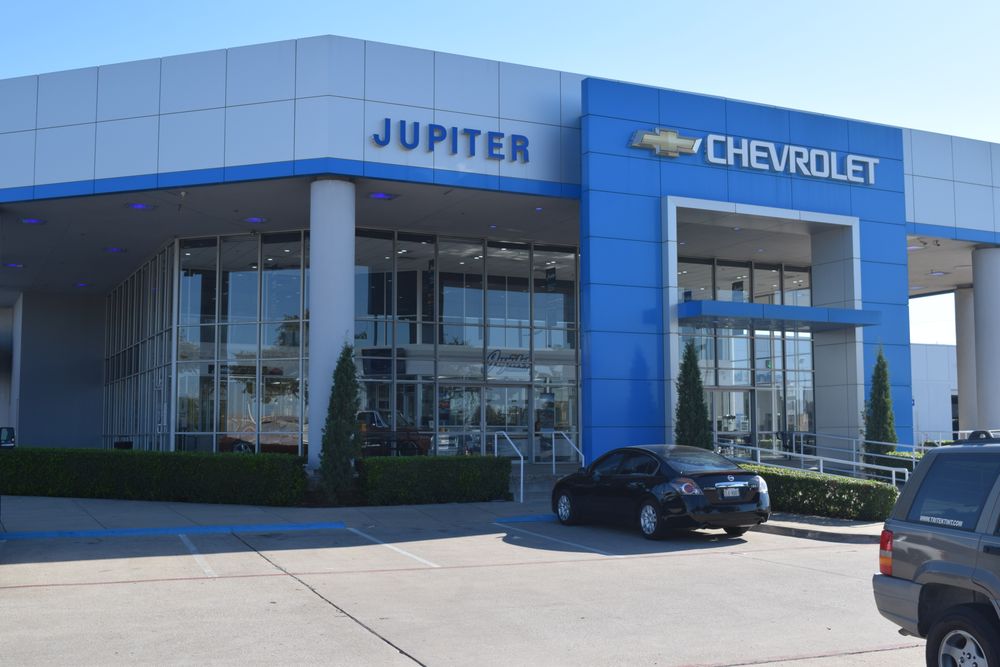
Most car warranties come with an expiration date. Jupiter Chevrolet’s does not, and that distinction matters more over the life of a vehicle than most buyers realize when they sign the paperwork. This post covers exactly what the warranty includes, what it does not, and why a dealership that has been on the same lot in Garland since 1925 is the only kind of operation that can back a promise like this.
What the Lifetime Powertrain Warranty Covers at Jupiter Chevrolet
The powertrain is everything that makes the vehicle move. Jupiter Chevrolet’s Lifetime Powertrain Warranty covers major powertrain components including the engine, transmission, and drivetrain systems. Full details are outlined in your warranty agreement at time of purchase.
What makes Jupiter’s warranty different from standard GM factory coverage is duration. The factory powertrain warranty covers 5 years or 60,000 miles. Jupiter’s warranty continues past that point with no mileage cap, for as long as the original owner keeps the vehicle. At 60,001 miles, most Chevrolet owners are on their own. Jupiter owners are not.
Jupiter Chevrolet has fulfilled warranty claims including complete engine and transmission replacements for original owners at no cost to the customer. That is what the warranty is for.
What the Warranty Does Not Cover
See your warranty agreement for the complete list of exclusions. Contact the Jupiter Chevrolet service team with any questions before purchase.
The One Requirement: Servicing Your Vehicle at Jupiter Chevrolet
To keep the Lifetime Powertrain Warranty valid, your vehicle must be serviced at Jupiter Chevrolet in Garland on the manufacturer’s recommended maintenance schedule. Third-party service, including other GM dealerships, does not satisfy the compliance requirement. Jupiter Chevrolet must service the vehicle.
Required maintenance includes: oil and filter changes, tire rotations, fluid inspections and replacements, transmission services, cooling system maintenance, and all other inspections per Chevrolet’s factory maintenance schedule. Keep documentation of every service visit: date, mileage, services performed, and parts and fluids used.
Missing required maintenance can jeopardize your warranty coverage. The most common reason customers lose coverage is failure to perform and document required maintenance.
What to Avoid to Keep Your Coverage Active
Address warning lights immediately. Ignoring check engine lights, transmission warnings, oil pressure warnings, or overheating conditions and continuing to drive with a known issue can lead to additional damage that may not be covered.
Use manufacturer-recommended fluids and parts: engine oil, transmission fluid, coolant, and filters. Using incorrect fluids or failing to perform required services can affect powertrain performance and impact warranty coverage.
Repair problems promptly. Engine knocking, excessive oil consumption, transmission slipping, drivetrain vibration, and unusual noises should be inspected immediately. Early diagnosis prevents minor issues from becoming major repairs.
How Jupiter’s Warranty Compares to What You Get Elsewhere
| GM Factory | Jupiter Chevrolet | |
|---|---|---|
| Powertrain Coverage | 5 yrs / 60,000 mi | Lifetime, no mileage cap |
| Included with purchase? | Yes, all Chevy dealers | Yes, Jupiter only |
| Service requirement | Any authorized dealer | Jupiter Chevrolet, Garland only |
| Transferable? | No | No |
| Third-party extended warranty | Sold separately | N/A |
Why It Matters Most After 100,000 Miles
The risk of a major mechanical failure increases as a vehicle accumulates mileage, particularly past the 100,000-mile mark. Without coverage, an unexpected transmission or engine failure at that stage means either a large unplanned repair bill or financing the repair at a high interest rate. Jupiter’s warranty removes that risk entirely for drivers who plan to keep their vehicle well past the standard manufacturer warranty period.
To put the numbers in context: transmission replacement typically runs $1,800 to $8,000 depending on the vehicle and whether a rebuilt, remanufactured, or new unit is used. A full engine replacement can run several thousand dollars higher, particularly for trucks. These are the exact costs Jupiter’s warranty is designed to cover.
Is the Warranty Worth It for You?
The value of Jupiter’s Lifetime Powertrain Warranty grows the longer you keep your vehicle. If you plan to drive your Chevrolet well past 100,000 miles, the warranty directly offsets the repair risk that increases with age and mileage. If you lease or trade in every two to three years, the long-term protection may never come into play — but for drivers who keep their vehicles, it’s one of the strongest ownership benefits available at any dealership in North Texas.
Why the Dealership Behind the Warranty Matters
Jupiter Chevrolet has been family-owned and operated on the same lot in Garland since 1925. General Manager Eric Fussell has led the team and received the GMC Journeys Award. The service team includes a transmission technician with 28 years at the same location and a GM-certified EV specialist.
A warranty is only as good as the dealership behind it. Jupiter has been honoring this warranty for decades: the same team, the same lot, the same service bays.
Schedule Your Service Appointment at Jupiter Chevrolet →
Frequently Asked Questions
Does Jupiter Chevrolet’s lifetime powertrain warranty cost extra?
No. It is included with every qualifying new vehicle purchase at no additional cost. No enrollment form. No additional fee.
What vehicles qualify?
All qualifying new Chevrolet vehicles purchased from Jupiter Chevrolet in Garland, TX. Pre-owned lifetime powertrain warranty is not currently active. Ask a sales advisor about coverage options on pre-owned vehicles.
Does the warranty transfer if I sell the car?
No. The warranty applies to original purchasers only and does not transfer to a new owner when the vehicle is sold.
Can I service my car at a different shop?
No. To keep the warranty active, service must be performed at Jupiter Chevrolet in Garland. Third-party service, including other GM dealerships, does not satisfy the compliance requirement.
What is the difference between Jupiter’s warranty and GM’s factory warranty?
GM’s factory warranty covers 5 years or 60,000 miles. Jupiter’s warranty begins where the factory warranty ends and continues with no mileage cap or time limit for original owners who maintain service at Jupiter Chevrolet in Garland.
About the Author
Eric Fussell is the General Manager of Jupiter Chevrolet and has led the team, earning the GMC Journeys Award. Jupiter Chevrolet has operated on the same lot in Garland, Texas since 1925, serving buyers across Dallas, Plano, Richardson, Frisco, Mesquite, Rockwall-Heath, Forney, McKinney, and Grapevine. jupiterchev.com
Sources & Further Reading
- Jupiter Chevrolet Lifetime Powertrain Warranty
- Jupiter Chevrolet Service Scheduling
- Jupiter Chevrolet About Us
Warranty disclaimer: Coverage details may vary by vehicle. Review your warranty agreement at time of purchase for complete terms and conditions. Contact a Jupiter Chevrolet sales or service advisor for details specific to your vehicle.
Published: January 10, 2025 | Last updated: June 23, 2026
Quick Listen:
Your browser does not support the audio element.
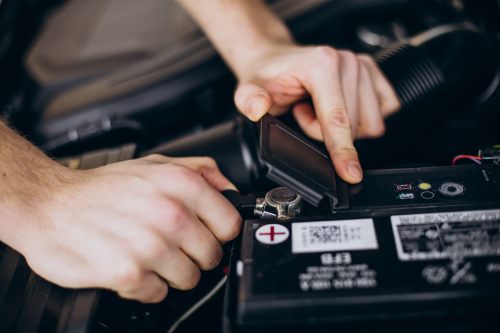
Texas is known for its hot, unpredictable weather, which can pose serious challenges for keeping your devices, vehicles, and equipment running smoothly, especially when it comes to battery-powered technology. From extreme summer heat to sudden cold snaps in the winter, Texas temperatures can significantly impact the lifespan and performance of batteries in everything from smartphones and laptops to vehicles, solar panels, and outdoor equipment. Proper battery maintenance is crucial to ensure that your power sources continue to work reliably in harsh conditions. In this article, we will explore essential tips for maintaining batteries in extreme Texas temperatures.
1. Understand How Heat Affects Batteries
Heat is the most significant enemy of battery health, particularly in the Texas climate. High temperatures accelerate chemical reactions inside batteries, leading to faster wear and tear. For lead-acid, lithium-ion, and other rechargeable batteries, excessive heat can reduce their overall lifespan by causing irreversible damage to the cells, leading to a loss of capacity, shorter run times, or even failure to charge at all.
In vehicles, for instance, the combination of high heat and continuous use can result in a weak or dead battery if proper precautions aren’t taken. Similarly, batteries in home appliances, mobile devices, and even solar systems can lose efficiency and power more quickly when exposed to high temperatures.
2. Choose the Right Battery for Texas Heat
One of the best ways to ensure battery longevity in extreme temperatures is to choose the right type of battery for the environment. Certain battery types are more resistant to high heat than others, and selecting temperature-resistant models can greatly improve performance in Texa’s sweltering conditions.
For vehicles, especially in places like Texas, opt for batteries designed to withstand heat, such as AGM (Absorbent Glass Mat) or gel batteries. These are more durable than traditional flooded lead-acid batteries and can handle the heat better, ensuring longer service life. For other devices like smartphones, laptops, and power tools, choosing lithium-ion batteries with built-in thermal management systems will help prevent overheating and extend battery life.
3. Regular Charging and Maintenance
Maintaining a consistent charging routine is essential for battery longevity. Extreme temperatures, especially the intense heat of a Texas summer, can strain your battery’s charging cycle. To avoid damage, make sure to charge your batteries regularly, but avoid overcharging. Overcharging can cause excessive heat buildup, damaging the battery. For devices like smartphones and laptops, avoid letting the battery run down completely before recharging. Try to keep the charge level between 20% and 80% for optimal health.
For vehicles, regular charging and maintenance are vital to prevent battery discharge and degradation. For instance, if you know you won’t be using your car for an extended period during the summer months, consider using a trickle charger to maintain the battery’s charge without overloading it.
4. Protect Batteries from Extreme Heat
In Texas, the summer sun can turn vehicles, outdoor equipment, and devices into miniature ovens. Exposing batteries to direct sunlight can raise the internal temperature of the battery, leading to overheating. This is particularly problematic for outdoor equipment like lawnmowers, RVs, boats, and solar power systems.
To protect your batteries from the extreme heat, always store them in shaded or cool areas. If you need to store a vehicle or piece of equipment outside, use a reflective cover or battery insulation to shield the battery from direct sunlight. For cars, try to park in the shade or use windshield sunshades to keep the interior cooler. For devices like laptops or power banks, store them in well-ventilated, cool environments, and avoid leaving them in hot cars or direct sunlight for extended periods.
5. Proper Storage of Batteries
When not in use, storing your batteries properly can extend their lifespan. The temperature at which you store batteries matters significantly in hot climates. Storing a battery in an excessively warm environment, even when not in use, can cause the internal components to deteriorate. If you’re storing equipment or vehicles for an extended period, such as during the off-season, make sure to place the battery in a cool, dry location, preferably indoors or in a climate-controlled area.
For smaller batteries, such as those used in electronics, place them in a cool, dry space away from heat sources. Avoid storing them in humid environments, as moisture can cause corrosion and leakage, further damaging the battery.
6. Monitor Battery Voltage and Temperature
Regularly monitoring the voltage and temperature of your batteries is a simple yet effective way to ensure they are in good condition. Many modern devices, vehicles, and home systems have built-in battery monitoring that can alert you if there’s a problem, such as a drop in voltage or excessive heat buildup.
For instance, vehicle owners can invest in a battery monitoring system that tracks battery health in real time, helping to identify early signs of wear. For home solar power systems, certain models come with monitoring features that allow you to check the battery temperature and charge level remotely.
Monitoring your battery regularly is essential in the extreme Texas heat to prevent unexpected failures when you need the device or vehicle the most.
7. Insulate Batteries in Extreme Conditions
In addition to protecting batteries from direct heat, insulating them can help prevent temperature fluctuations that may occur throughout the day. While heat can be damaging, extreme cold temperatures can also have a negative effect on battery life, especially during winter months when temperatures can dip below freezing in certain parts of Texas.
Insulating your batteries can help maintain a stable temperature, reducing the stress on the battery. For example, thermal wraps or insulative covers can be used on vehicle batteries to shield them from both heat and cold. Some RVs and boats also come with built-in battery insulation kits to protect batteries from the elements.
8. Avoid Fast Charging During Hot Weather
While fast charging can be convenient, it generates significant heat and puts additional strain on the battery. During periods of extreme heat, such as in Texas summer months, it’s best to avoid fast charging when possible, as it can cause the battery to overheat and degrade more rapidly.
Whenever possible, charge your devices and vehicles using a slower, standard charging method. This gives the battery more time to absorb power without generating excessive heat. If you’re in a hurry, consider charging your device in a cool room or air-conditioned space to help counterbalance the heat generated during the process.
9. Ensure Proper Ventilation
Ventilation plays a key role in maintaining battery health in hot climates. Batteries need to dissipate heat to prevent overheating, and proper ventilation helps to keep the temperature in check. If you’re using large equipment or vehicles that rely on batteries, ensure that the battery compartments are well-ventilated. For example, in cars, regular maintenance of the ventilation system can help ensure that the battery stays cool.
For home solar power systems, ensure that the batteries are housed in a cool, ventilated area, away from direct heat or sun exposure. This is particularly important for large battery banks or backup power systems.
Reduce the Risks
In Texas, where temperatures can soar to extreme levels during the summer, protecting and maintaining your batteries is essential to prolonging their lifespan and ensuring reliable performance. By understanding how heat affects batteries, choosing the right type of battery, regularly charging, and employing protective strategies such as proper storage and insulation, you can significantly improve your battery’s longevity and reduce the risk of unexpected failure. Whether you’re caring for a vehicle, electronic device, or solar energy system, these battery maintenance tips will help you combat Texa’s harsh temperatures and keep your equipment running smoothly for years to come.
Disclaimer: This Helpful Resources content contains personal opinions and experiences. The information provided is for general knowledge and does not constitute professional advice.
You may also be interested in: Chevrolet EV Test Drive
Feeling stuck in the stressful car-buying process? At Jupiter Chevrolet in Garland, TX, we’ve reimagined how buying a car should feel. With transparent pricing, online deal-building tools, and the benefits of our Jupiter Advantage program, we ensure every step is straightforward and satisfying. Skip the hassle. From purchase to certified service, our team truly puts your choice and convenience first. Turn your dreams of finding your ideal Chevrolet into reality with us. Visit Jupiter Chevrolet today!
Connect with us


