






Quick Listen:
The way people buy cars has changed profoundly in recent years, and nowhere is this more evident than in the bustling suburbs of North Texas. Shoppers in Garland, Dallas, Richardson, Plano, Rockwall-Heath, Forney, Mesquite, McKinney, Grapevine, and Frisco rarely arrive at a dealership without a clear idea of what they want. They begin their journey on smartphones and laptops, diving into reviews, watching detailed videos, and comparing specs long before scheduling a test drive.
This shift toward thorough digital preparation reflects broader consumer behavior. Recent studies show that 92% of consumers use digital channels to research vehicles before purchase, with buyers dedicating substantial time often around 14 hours and 19 minutes overall, including about 7 hours and 13 minutes specifically on vehicle research to gathering information. Third-party platforms like Edmunds and Kelley Blue Book serve as primary hubs, where shoppers check pricing, read owner experiences, and evaluate reliability side by side.
Feeling stuck in the stressful car-buying process? At Jupiter Chevrolet in Garland, TX, we’ve reimagined how buying a car should feel. With transparent pricing, online deal-building tools, and the benefits of our Jupiter Advantage program, we ensure every step is straightforward and satisfying. Skip the hassle. From purchase, to certified service and parts, to collision repair and body shop. Our team puts your convenience, safety, and confidence first. Turn your dreams of finding your ideal Chevrolet into reality with us. Visit Jupiter Chevrolet today!
Emerging Trends in Vehicle Research
Digital discovery now leads the process for most buyers in North Texas. People start with websites and mobile apps, then incorporate social media and advanced virtual experiences. Sites such as Facebook, Instagram, and YouTube drive initial interest through targeted advertisements and influencer videos that showcase new models or spotlight regional offers. Dealerships in fast-growing communities like Frisco and McKinney have capitalized on this by creating visually engaging content that resonates with local audiences.
Virtual showrooms represent one of the most significant advancements. Facilities in Grapevine and Rockwall-Heath provide interactive online tours that allow exploration of vehicle interiors, feature customization, and even simulated drives all from home. These innovations build buyer confidence and minimize surprises during in-person visits. Complementing them are robust online tools that deliver concrete details: transparent pricing, verified owner feedback, and comprehensive reliability data.
The data paints a consistent picture. Shoppers rely heavily on third-party resources, frequently checking prices, searching available inventory, and comparing different models. In the Dallas-Fort Worth metroplex, these habits mirror national trends, where informed buyers reduce uncertainty and streamline their path to purchase.
The used car segment adds another layer of appeal amid these shifts. High new-vehicle prices continue pushing consumers toward pre-owned options. The global used car market, valued at USD 1.90 trillion in 2024, is projected to reach USD 2.70 trillion by 2030, expanding at a CAGR of 6.0% from 2025 to 2030. North America holds a commanding position, accounting for 32.8% of the market in 2024, with SUVs leading by size and petrol vehicles dominating by fuel type.
Further projections reinforce this momentum. The used car market stands at USD 2.31 trillion in 2026 and is expected to climb to USD 2.98 trillion by 2031, growing at a 5.23% CAGR. North America remains the largest region, while organized retailers and digital platforms accelerate growth by offering warranty-backed inventory, data-driven pricing, and compressed transaction times. In the U.S. specifically, the used car market is forecast to increase by USD 40.2 billion between 2024 and 2029, expanding at a CAGR of 4.3%, fueled by affordability advantages and the expansion of online sales channels.
Real-World Examples: Local Engagement in Action
In Frisco, dealerships have embraced sophisticated online configurators and virtual test-drive features. These allow customers to personalize vehicles digitally, reducing time spent on-site and improving overall satisfaction through smoother handoffs from virtual to physical experiences.
McKinney buyers often conduct deep independent investigations before engaging dealers. In response, local outlets have enhanced their online presence with extensive specifications, embedded reviews, and real-time chat support. These upgrades have led to meaningful increases in lead volume, as shoppers value the comprehensive information available upfront.
Such patterns illustrate a balanced reality: digital resources manage initial discovery and comparison, yet the majority of buyers still seek the tactile elements test drives, trade-in assessments, and direct negotiations that only an in-person visit provides.
Challenges Buyers Face During Research
The wealth of online information, while empowering, can overwhelm. Many shoppers encounter decision fatigue from the flood of reviews, forum discussions, and technical details, finding it difficult to discern trustworthy insights amid the volume.
Skepticism about review authenticity persists as well, with concerns over fabricated posts or sponsored content undermining confidence for a significant share of potential buyers. In less digitally connected areas such as Forney and Mesquite, some prefer conventional approaches due to limited broadband access or lower familiarity with online tools. Dealerships must therefore accommodate diverse preferences to avoid excluding segments of the market.
Strategic Opportunities for Dealerships
These developments open clear pathways for adaptation. Outlets in Garland, Plano, and Dallas stand to gain by refining their websites incorporating authentic testimonials, high-resolution vehicle tours, and upfront pricing transparency. Retargeted advertising, which follows users based on their browsing history, effectively sustains engagement and lifts conversion rates.
Hybrid models offer particular promise. By combining virtual previews with personalized in-person consultations, dealerships in Rockwall-Heath and Frisco align with buyer expectations, fostering stronger relationships and more efficient transactions.
Forward-thinking integration of AI tools enhances this further, enabling predictive suggestions tailored to individual budgets, preferences, and driving habits. As these technologies mature, they promise even greater personalization while maintaining the irreplaceable human element.
Ultimately, car buying in North Texas blends digital empowerment with personal connection. Shoppers arrive better prepared than ever often with firm preferences yet they value the reassurance of face-to-face interaction. Dealerships that master transparent online experiences alongside attentive in-person service will define success in this evolving landscape. Whether research begins on a device in Plano or concludes with a handshake in Dallas, the most effective path forward prioritizes convenience, trust, and genuine engagement.
Frequently Asked Questions
How much time do car buyers typically spend researching vehicles online before visiting a dealership?
Car buyers dedicate significant time to digital research, spending approximately 14 hours and 19 minutes overall on their purchase journey, with about 7 hours and 13 minutes focused specifically on vehicle research. Studies show that 92% of consumers use digital channels to research vehicles before making a purchase, relying heavily on third-party platforms like Edmunds and Kelley Blue Book to compare pricing, read reviews, and evaluate reliability.
What are the most popular online tools and platforms buyers use to research cars?
Today’s car shoppers primarily use third-party automotive websites like Edmunds and Kelley Blue Book as their main research hubs for pricing and reliability data. They also leverage social media platforms including Facebook, Instagram, and YouTube to discover new models through targeted ads and influencer content. Additionally, many dealerships now offer virtual showrooms with interactive online tours, vehicle customization tools, and real-time chat support to help buyers explore options from home.
Why are more buyers choosing used cars over new vehicles?
High new-vehicle prices continue to drive consumers toward pre-owned options, making the used car market increasingly attractive. The global used car market was valued at USD 1.90 trillion in 2024 and is projected to reach USD 2.70 trillion by 2030, with North America accounting for 32.8% of the market. The growth is fueled by affordability advantages, expanded online sales channels, and organized retailers offering warranty-backed inventory with transparent, data-driven pricing that gives buyers more confidence in their purchases.
Disclaimer: The above helpful resources content contains personal opinions and experiences. The information provided is for general knowledge and does not constitute professional advice.
You may also be interested in: CHEVY SPECIAL OFFERS | Jupiter Chevrolet in Garland TX
Feeling stuck in the stressful car-buying process? At Jupiter Chevrolet in Garland, TX, we’ve reimagined how buying a car should feel. With transparent pricing, online deal-building tools, and the benefits of our Jupiter Advantage program, we ensure every step is straightforward and satisfying. Skip the hassle. From purchase, to certified service and parts, to collision repair and body shop. Our team puts your convenience, safety, and confidence first. Turn your dreams of finding your ideal Chevrolet into reality with us. Visit Jupiter Chevrolet today!
Powered by flareAI.co

Quick Listen:
The car-buying landscape in the Dallas-Fort Worth metroplex has shifted dramatically. In a region where commutes stretch across sprawling suburbs and schedules leave little room for error, shoppers no longer tolerate the old ritual of endless dealership visits, drawn-out negotiations, and mountains of paperwork. Today, convenience drives decisions more than ever before. Buyers in Garland, Plano, Frisco, and neighboring communities expect to research, compare, configure, and often complete much of the transaction from their phones or laptops often without setting foot on a lot until the final handshake or delivery.
This transformation aligns with broader industry momentum. The global online car buying market, valued at US$ 328.90 billion in 2024, is projected to reach US$ 751.83 billion by 2031, expanding at a compound annual growth rate of 12.5%. North America holds a commanding position, fueled by widespread internet access, smartphone ubiquity, and a strong consumer preference for hassle-free experiences that allow 24/7 browsing, transparent pricing, and comparison shopping from home without high-pressure sales tactics.
In North Texas, these dynamics play out vividly. High-speed broadband and robust logistics networks make home delivery not just feasible but routine, enabling buyers in busy hubs like Dallas, Richardson, and McKinney to handle virtual tours, financing applications, and deal structuring remotely. Industry patterns indicate that a significant majority of shoppers initiate their vehicle search digitally, turning to online inventories and tools before any in-person step. Local projections have positioned North Texas as a standout leader, potentially representing a substantial share of the continent’s online car-buying activity in recent years, thanks to tech adoption and efficient infrastructure.
Feeling stuck in the stressful car-buying process? At Jupiter Chevrolet in Garland, TX, we’ve reimagined how buying a car should feel. With transparent pricing, online deal-building tools, and the benefits of our Jupiter Advantage program, we ensure every step is straightforward and satisfying. Skip the hassle. From purchase, to certified service and parts, to collision repair and body shop. Our team puts your convenience, safety, and confidence first. Turn your dreams of finding your ideal Chevrolet into reality with us. Visit Jupiter Chevrolet today!
Convenience is King: How Streamlined Car Shopping Is Transforming the DFW Market
Consumers across Garland, Dallas, and the surrounding suburbs now prioritize quicker, more efficient experiences, making convenience the dominant force reshaping car-buying choices.
Conversations around car purchases in the DFW area often circle back to one core complaint: time. Professionals navigating Plano’s corporate corridors, families in Frisco balancing extracurriculars, and residents in Rockwall-Heath or Forney seeking low-stress options all share the same priority efficiency. The classic multi-stop dealership marathon, complete with fluorescent-lit showrooms and protracted haggling, increasingly clashes with modern realities. Dealerships have responded by embedding digital tools that shrink the process and put control in the buyer’s hands.
The evolution stands out clearly in everyday behavior. Shoppers browse extensive inventories, scrutinize specifications, and kick off financing applications from anywhere, often before scheduling a visit. In Dallas and Garland, “click-and-collect” models have gained strong traction: configure a vehicle online, secure financing transparently, and arrange either swift pickup or direct driveway delivery. This approach eliminates entire days once devoted to in-person errands. Suburban areas like Plano and Frisco, where traffic and distance compound daily demands, have embraced at-home test drives particularly well. Certain McKinney-area operations now bring selected vehicles directly to neighborhoods, letting prospects evaluate them in familiar surroundings free from lot congestion.
Grapevine dealers have pushed boundaries further with mobile service fleets that handle routine maintenance or repairs at homes and workplaces, turning service into an on-demand convenience rather than a chore. In Mesquite, apps streamline everything from appointment booking to paperwork submission and remote sale finalization, appealing to digitally native buyers who demand fluid transitions between online exploration and real-world execution.
Balancing Digital Growth with Personal Touch in DFW
Challenges Balancing Digital Growth with Personal Touch in DFW persist amid this progress. In quieter suburban zones such as Rockwall-Heath and Forney, many older shoppers still value tactile, in-person reassurance physically examining a vehicle, engaging in direct dialogue, and building rapport face to face. Gaps in digital comfort or consistent internet reliability linger in pockets of the region, requiring dealerships to maintain parallel pathways: advanced online options alongside traditional hospitality. No one should feel excluded from the process.
Operational strains also emerge. Rapid growth in home delivery demands sophisticated inventory coordination, heightened transportation expenses, and meticulous remote verification to prevent errors. Scaling these services smoothly tests even well-prepared operations.
The rewards, however, outweigh the difficulties. Dealerships in Richardson and Frisco that center convenience combining seamless online browsing, straightforward financing, and doorstep options consistently see higher satisfaction scores and stronger conversion from inquiry to sale. Locations in Rockwall-Heath and Mesquite have realized meaningful overhead reductions by automating scheduling, paperwork, and initial inquiries, with one McKinney dealership citing around 15 percent savings in targeted operational areas. These efficiencies redirect resources toward personalized support where human insight proves irreplaceable.
Tech-Driven Convenience Wins DFW
The road ahead promises continued innovation. Virtual reality could soon enable immersive remote walkthroughs of vehicles, while AI might anticipate preferences and refine suggestions proactively. Augmented reality apps may project detailed overlays onto real environments through mobile devices. Yet industry voices emphasize balance: technology should amplify not supplant the trust and clarity that personal interaction provides.
Ultimately, convenience has solidified as a fundamental expectation throughout the DFW area. Dealerships in Plano, McKinney, Grapevine, and across the metroplex that skillfully merge forward-thinking digital capabilities with genuine, attentive service will secure lasting loyalty from busy, discerning drivers. Those slow to adapt face the real risk of customers seeking smoother journeys elsewhere. In a fast-growing region powered by momentum and innovation, the car-buying process is evolving into an experience that respects time, embraces technology, and still honors the human element at its core.
Frequently Asked Questions
Why is convenience becoming so important in car shopping in the Dallas-Fort Worth area?
Busy professionals and families across DFW communities like Garland, Plano, and Frisco no longer have time for traditional multi-stop dealership marathons. With long commutes and packed schedules, shoppers now prioritize efficient digital tools that allow them to research, compare, and configure vehicles online before visiting a dealership. Many dealerships have responded by offering transparent pricing, online financing applications, and home delivery options that eliminate days once spent on in-person errands.
What online car-buying services are available in North Texas dealerships?
DFW dealerships now offer comprehensive digital services including virtual inventory browsing, transparent online financing applications, and “click-and-collect” models where customers can configure vehicles online and arrange swift pickup or home delivery. Many locations in Plano, McKinney, and Grapevine also provide at-home test drives, mobile service fleets for maintenance, and apps that streamline everything from appointment booking to remote sale finalization, allowing buyers to complete most of the process from their phones or laptops.
How fast is the online car-buying market growing?
The global online car buying market is experiencing rapid expansion, valued at $328.90 billion in 2024 and projected to reach $751.83 billion by 2031, growing at a rate of 12.5% annually. North America leads this growth due to widespread internet access, smartphone adoption, and consumer preference for hassle-free experiences. North Texas has positioned itself as a standout leader in this trend, with high-speed broadband and robust logistics networks making home delivery and virtual transactions routine.
Disclaimer: The above helpful resources content contains personal opinions and experiences. The information provided is for general knowledge and does not constitute professional advice.
You may also be interested in: The Jupiter Advantage
Feeling stuck in the stressful car-buying process? At Jupiter Chevrolet in Garland, TX, we’ve reimagined how buying a car should feel. With transparent pricing, online deal-building tools, and the benefits of our Jupiter Advantage program, we ensure every step is straightforward and satisfying. Skip the hassle. From purchase, to certified service and parts, to collision repair and body shop. Our team puts your convenience, safety, and confidence first. Turn your dreams of finding your ideal Chevrolet into reality with us. Visit Jupiter Chevrolet today!
Powered by flareAI.co
What Drivers Want to Know About Car Depreciation

Quick Listen:
The open road across the Dallas-Fort Worth metroplex still pulses with energy whether you’re merging onto I-635 in Garland, weaving through Plano’s growing suburbs, or pointing toward Rockwall-Heath on a clear weekend. Yet that familiar new-car thrill carries a built-in reality check: car depreciation strikes quickly and relentlessly, turning what felt like a smart buy into a diminishing asset almost before the first oil change.
In a market defined by long commutes, frequent family upgrades, and economic momentum from tech corridors in Frisco and Grapevine, grasping depreciation dynamics separates prudent owners from those who overpay at trade-in time. Local factors steady employment growth, variable fuel prices, and accelerating interest in hybrids and electrics continue to mold how fast (or slowly) values erode.
Feeling stuck in the stressful car-buying process? At Jupiter Chevrolet in Garland, TX, we’ve reimagined how buying a car should feel. With transparent pricing, online deal-building tools, and the benefits of our Jupiter Advantage program, we ensure every step is straightforward and satisfying. Skip the hassle. From purchase, to certified service and parts, to collision repair and body shop. Our team puts your convenience, safety, and confidence first. Turn your dreams of finding your ideal Chevrolet into reality with us. Visit Jupiter Chevrolet today!
Core Drivers of Vehicle Depreciation
The steepest decline arrives immediately. Industry data consistently shows new vehicles shedding 20-30% of value in year one, often concentrated in the opening months post-purchase. From there, annual losses typically moderate to 8-12%, though outcomes hinge on brand, model, odometer readings, maintenance history, and prevailing conditions.
DFW’s environment adds nuance. Robust job creation sustains demand for dependable daily drivers, while periodic fuel-price spikes steer shoppers toward hybrids or EVs. Post-pandemic volatility has largely settled; forecasts indicate a return to standard depreciation trajectories, with used-vehicle values poised for conventional softening through 2026, tempered by rising EV presence.
EVs bring distinct patterns. Lower operating costs appeal strongly, yet many models have posted steeper early drops due to fast-evolving battery tech, range anxiety perceptions, and incentive flux. In Texas, used EV pricing shows signs of leveling off, with more predictable curves emerging, though initial-year losses frequently outpace those of gas equivalents.
Broader industry context supports resilience. Market research pegs the automotive dealership sector at approximately $5.49 billion in 2024, with projections forecasting growth from $5.64 billion in 2025 to $7.21 billion by 2034 a compound annual rate of about 2.76%. Advances in digital platforms, sustainability initiatives, and EV promotion underpin this trajectory, fostering stronger resale channels via certified pre-owned inventories and analytics-driven valuations.
DFW-Specific Examples and Benchmarks
Regional favorites illustrate the spectrum. Toyota models lead retention rankings, with the Tacoma often preserving over 60% of original worth after five years, trailed closely by the Tundra and 4Runner. These rugged options align perfectly with local needs towing trailers, handling occasional severe weather, and clocking highway miles without complaint.
Chevrolet selections, particularly through certified pre-owned channels, draw budget-aware households in Mesquite, McKinney, and the Garland-Dallas stretch. CPO inspections and warranties blunt the impact of initial depreciation, delivering inspected vehicles at attractive effective prices.
Performance and luxury segments vary sharply. Full-size luxury SUVs tend to depreciate briskly compared to mass-market peers, yet standouts like the Chevrolet Corvette demonstrate exceptional hold, buoyed by enthusiast demand.
Typical milestones: well-maintained vehicles with moderate mileage often retain 40-50% of MSRP after three to five years. Beyond a decade, residual value pivots more toward overall condition, regional appeal, and scarcity than calendar age.
Dispelling Persistent Depreciation Misconceptions
Uniform decay across all vehicles ranks high among myths. Reliability frequently outweighs prestige; certain luxury entries fade faster, but proven workhorses defy the stereotype.
Mileage dominates conversations, yet accident records, service continuity, and local buyer preferences exert equal or greater influence.
The assumption that EVs invariably depreciate more aggressively holds partially true today, but maturing supply chains, expanded charging networks, and stabilizing Texas used-EV prices point toward convergence. Driving away doesn’t guarantee an instant 20% haircut savvy negotiation and timing can meaningfully reduce the initial hit.
Unpredictable events economic slowdowns, parts shortages, or regional storms can amplify losses beyond baseline expectations.
Practical Strategies to Minimize Losses
Owners hold more leverage than commonly realized. Consistent upkeep ranks paramount: detailed records from reputable DFW service centers build buyer confidence at resale.
Restricting mileage, skipping extreme customizations, and selecting models with established resale strength Toyota, Honda, select Chevrolet lines pay dividends. Local certified pre-owned offerings provide added security through multi-point checks and coverage extensions, frequently yielding superior trade-in figures.
New-car shoppers should weigh full lifecycle expenses: EVs trim fuel and routine repair outlays but warrant close attention to battery degradation projections. Leasing circumvents extended depreciation exposure for those who favor periodic refreshes.
Dealerships adapt accordingly, leveraging AI for precise pricing and steering clients toward higher-retention choices, benefiting both parties in a dynamic landscape.
Forward View for DFW Drivers
Depreciation remains inevitable, yet informed decisions reclaim control. Advancing tech and shifting tastes toward greener mobility should bolster resale prospects for quality hybrids and durable electrics. Metroplex economic stability, paired with expanding online transaction platforms, promises a healthy used-car environment.
When scouting your next vehicle in Dallas, Plano, Frisco, or nearby communities, prioritize projections. Scrutinize history reports, probe resale estimates, and adopt a multi-year horizon. In a region where driving defines daily life, the wisest selection balances immediate appeal with enduring financial sense securing not just transportation, but lasting value on tomorrow’s roads.
Frequently Asked Questions
How much does a new car depreciate in the first year?
New vehicles typically lose 20-30% of their value in the first year, with the steepest decline occurring in the opening months after purchase. After the first year, annual depreciation usually moderates to 8-12%, depending on factors like brand, model, mileage, and maintenance history. Well-maintained vehicles with moderate mileage often retain 40-50% of their original MSRP after three to five years.
Which vehicles hold their value best in the Dallas-Fort Worth area?
Toyota models lead depreciation resistance in the DFW metroplex, with the Tacoma often preserving over 60% of its original value after five years, followed closely by the Tundra and 4Runner. These trucks and SUVs align well with local needs for towing, handling severe weather, and accumulating highway miles. Certified pre-owned Chevrolet models also offer strong value retention, while the Chevrolet Corvette demonstrates exceptional resale strength due to enthusiast demand.
Do electric vehicles depreciate faster than gas-powered cars?
Electric vehicles have historically experienced steeper early depreciation than gas equivalents due to rapidly evolving battery technology, range anxiety perceptions, and fluctuating incentives. However, used EV pricing in Texas is showing signs of stabilization, with more predictable depreciation curves emerging. Lower operating costs make EVs appealing, and as supply chains mature and charging networks expand, the depreciation gap between EVs and traditional vehicles is expected to narrow.
Disclaimer: The above helpful resources content contains personal opinions and experiences. The information provided is for general knowledge and does not constitute professional advice.
You may also be interested in: Steps To Trade-In Your Car
Feeling stuck in the stressful car-buying process? At Jupiter Chevrolet in Garland, TX, we’ve reimagined how buying a car should feel. With transparent pricing, online deal-building tools, and the benefits of our Jupiter Advantage program, we ensure every step is straightforward and satisfying. Skip the hassle. From purchase, to certified service and parts, to collision repair and body shop. Our team puts your convenience, safety, and confidence first. Turn your dreams of finding your ideal Chevrolet into reality with us. Visit Jupiter Chevrolet today!
Powered by flareAI.co
How Regional Trends Affect Vehicle Availability

Quick Listen:
The suburbs and skyline of North Texas hum with distinct energies these days. Pickup trucks still command the roads in McKinney and Frisco, their engines a familiar rumble against sprawling commutes and family errands. Yet quieter electric models slip through Richardson and Plano streets, blending seamlessly into daily life without fanfare. What used to feel like a monolithic automotive market across the Dallas-Fort Worth metroplex has fractured into something far more localized. Families in Garland seek roomy SUVs for carpools and gear; affluent buyers in Grapevine gravitate toward premium brands; and in outlying areas like Forney or Rockwall-Heath, shoppers occasionally face longer waits for preferred models. These patterns aren’t coincidences they reflect evolving regional demand that’s actively reshaping vehicle availability.
Feeling stuck in the stressful car-buying process? At Jupiter Chevrolet in Garland, TX, we’ve reimagined how buying a car should feel. With transparent pricing, online deal-building tools, and the benefits of our Jupiter Advantage program, we ensure every step is straightforward and satisfying. Skip the hassle. From purchase, to certified service and parts, to collision repair and body shop. Our team puts your convenience, safety, and confidence first. Turn your dreams of finding your ideal Chevrolet into reality with us. Visit Jupiter Chevrolet today!
How Regional Demand Shapes Vehicle Availability in North Texas: Trends, Challenges, and Opportunities
Cruise the highways and backroads of North Texas in early 2026, and the story becomes clear: consumer tastes vary sharply by city and suburb. SUVs and trucks continue to dominate in exurban and suburban zones McKinney, Frisco, Mesquite where bigger families, longer drives, and lifestyle needs prioritize space, towing capacity, and durability. In contrast, denser urban cores like Dallas and Richardson show accelerating interest in hybrids and full electric vehicles (EVs), signaling a broader shift toward efficiency and lower emissions.
Recent figures underscore this momentum. As of August 2025, North Texas had surpassed 145,000 EV registrations, marking a 34% increase from the prior year with more than 36,000 new registrations added. Tech-oriented suburbs such as Plano and Frisco have driven much of that surge, fueled by local incentives including home charger rebates in Plano and lingering federal tax credits. Hybrids act as a sensible midpoint delivering strong mileage without requiring a full infrastructure leap particularly as charging stations multiply across the metro area.
Shifting Demand Redefines DFW Vehicle Inventories
Economic foundations support these divergences. Higher median incomes in Frisco and Plano enable premium and electrified purchases, while consistent employment growth in Garland and Rockwall-Heath sustains steady demand for dependable family haulers. Dealerships adapt quickly. In McKinney, hybrid inquiries and sales rose about 30% year-over-year, leading some locations to enlarge their hybrid selections to align with growing sustainability priorities among residents.
Across the region from Garland and Richardson to Grapevine showrooms have recalibrated stock to match these preferences. Family-focused SUVs fly off suburban lots, while luxury segments thrive in Grapevine amid rising wealth. In Plano and Frisco, dealers increasingly add chargers and pair service appointments with EV perks, subtly introducing electric options during routine visits.
Availability, however, remains uneven. Persistent global supply chain strains semiconductor echoes, shipping delays limit stock for high-demand models like popular trucks and SUVs. In Garland, Plano, and Frisco, buyers in these categories often encounter extended waits or elevated prices.
Smaller locales bear heavier burdens. Forney and Rockwall-Heath residents frequently see delayed deliveries compared to major centers like Dallas or Frisco, exacerbating choice disparities. Fuel price swings compound the issue: when gasoline climbs, shoppers pivot toward efficient alternatives, temporarily easing truck demand while lifting smaller cars, hybrids, and EVs.
These hurdles create tangible gaps, yet they also unlock potential. Savvy dealerships leverage analytics to stay ahead. In Plano, predictive tools help forecast hot models, minimizing excess inventory and sharpening alignment with local demand. With EV and hybrid appeal climbing especially in Richardson and McKinney proactive lots broaden green selections, attracting environmentally minded buyers and fostering repeat business.
Roadside Assistance Evolves with Tech and Growth
Broader industry dynamics add context. The global vehicle roadside assistance market, valued at USD 26.58 billion in 2024, is projected to expand at a 5.0% CAGR through 2030, reaching approximately USD 35.36 billion. Drivers include rising vehicle ownership, heavier traffic, greater road safety awareness, and subscription-style services. Advanced technologies AI for dispatch optimization, GPS tracking, telematics for real-time diagnostics, and IoT integration enhance response speed and efficiency. In North Texas, where breakdowns from flat tires to battery failures remain common, these innovations prove especially valuable as EV numbers grow and demand specialized support like towing for heavier electric models or charging assistance rises.
Looking forward, adaptability defines success. North Texas population and economic expansion continue drawing diverse newcomers with shifting needs. Dealerships attuned to hyper-local cues demographic changes, income patterns, commute behaviors gain clear advantages. Manufacturers refine allocations based on precise regional signals rather than generalized forecasts.
Local Trends Steer DFW Auto Demand
The horizon sharpens these currents. EVs edge deeper into mainstream acceptance, even as incentives adjust. Emerging autonomous features and sophisticated tech promise to influence preferences anew. Supply chains may ease, yet vulnerabilities linger. What endures is the primacy of location: vehicle availability in North Texas increasingly echoes each community’s identity Garland’s emphasis on family practicality, Dallas’s urban sophistication, Plano’s forward-leaning innovation, Frisco’s upscale inclination.
For shoppers, dealers, and the wider industry, thriving depends on heeding these localized signals. Overlook them, and inventory mismatches accumulate. Heed them attentively, and opportunities multiply. In such a vibrant, fast-evolving region, the vehicles on display transcend mere stock they mirror how residents live, commute, and envision their futures.
Frequently Asked Questions
Why is vehicle availability different across North Texas cities like Plano, McKinney, and Garland?
Vehicle availability varies across North Texas because consumer preferences and demographics differ significantly by city. Suburban areas like McKinney and Frisco show strong demand for trucks and SUVs for families and longer commutes, while tech-oriented cities like Plano and Richardson increasingly prefer hybrids and EVs. Dealerships adapt their inventory to match these localized preferences, leading to different vehicle selections and wait times depending on your specific area.
What is driving the growth of electric vehicle adoption in North Texas?
As of August 2025, North Texas surpassed 145,000 EV registrations, representing a 34% year-over-year increase. This growth is fueled by local incentives like Plano’s home charger rebates, federal tax credits, expanding charging infrastructure across the metro area, and higher median incomes in cities like Frisco and Plano that enable premium electric purchases. Tech-savvy suburbs are leading the transition, with dealerships adding charging stations and EV-focused services to meet rising demand.
How do supply chain issues impact vehicle availability in smaller North Texas communities?
Smaller communities like Forney and Rockwall-Heath experience longer delivery delays and more limited vehicle selection compared to major centers like Dallas or Frisco. Persistent global supply chain constraints including semiconductor shortages and shipping delays disproportionately affect outlying areas, particularly for high-demand models like popular trucks and SUVs. This creates availability gaps where residents in smaller towns may face extended waits or need to travel to larger dealership hubs to find their preferred vehicles.
Disclaimer: The above helpful resources content contains personal opinions and experiences. The information provided is for general knowledge and does not constitute professional advice.
You may also be interested in: Collision Service From the Experts
Feeling stuck in the stressful car-buying process? At Jupiter Chevrolet in Garland, TX, we’ve reimagined how buying a car should feel. With transparent pricing, online deal-building tools, and the benefits of our Jupiter Advantage program, we ensure every step is straightforward and satisfying. Skip the hassle. From purchase, to certified service and parts, to collision repair and body shop. Our team puts your convenience, safety, and confidence first. Turn your dreams of finding your ideal Chevrolet into reality with us. Visit Jupiter Chevrolet today!
Powered by flareAI.co

Quick Listen:
In the sprawling Dallas-Fort Worth metroplex, where daily commutes stretch across congested highways from Garland to Frisco, car shoppers have quietly rewritten the rules of buying a vehicle. The days when the sticker price alone sealed the deal are fading fast. Today, informed buyers in Plano, Richardson, McKinney, and surrounding communities scrutinize the full picture: what a car will truly cost over years of ownership, not just the initial tag hanging in the window.
Feeling stuck in the stressful car-buying process? At Jupiter Chevrolet in Garland, TX, we’ve reimagined how buying a car should feel. With transparent pricing, online deal-building tools, and the benefits of our Jupiter Advantage program, we ensure every step is straightforward and satisfying. Skip the hassle. From purchase, to certified service and parts, to collision repair and body shop. Our team puts your convenience, safety, and confidence first. Turn your dreams of finding your ideal Chevrolet into reality with us. Visit Jupiter Chevrolet today!
Rising Ownership Costs Reshape DFW Buying Decisions
This shift stems from stark economic realities. Recent data shows the average transaction price for a new vehicle reached a record $50,326 in December 2025, climbing steadily amid preferences for larger SUVs and pickups. Yet that figure represents only the entry point. Total cost of ownership TCO encompassing fuel, maintenance, repairs, insurance, and depreciation has escalated even more aggressively. Industry analyses indicate new-vehicle TCO has risen about 29% since pre-pandemic levels, outpacing general inflation in many periods.
Insurance premiums illustrate the point vividly. Full-coverage auto insurance has surged more than 50% since 2020 in nationwide averages, with some reports citing a 55% jump by late 2025 due to higher repair costs, advanced vehicle technology, and claims trends. In North Texas, where traffic density and hail events add unique risks, these increases hit local wallets hard.
Against this backdrop, long-term savings have become the decisive factor for many DFW buyers. In tech-savvy suburbs like Frisco, Plano, and McKinney, hybrids and electric vehicles (EVs) draw strong interest precisely because they promise lower ongoing expenses. Fuel efficiency stands out as a major advantage hybrids offer excellent mileage without requiring a complete switch to charging infrastructure, while EVs deliver dramatic reductions in energy costs per mile.
Regional data underscores the momentum. North Texas EV registrations surpassed 145,000 by mid-2025, reflecting a sharp 34% annual increase driven by lower operating costs, federal incentives, and expanding charging networks across the metro area. Shoppers appreciate how these vehicles offset higher upfront prices through reduced fuel and maintenance demands over time.
Hybrids and Smart Tools Redefine Value in DFW
Hybrids appeal similarly, blending strong efficiency with the convenience of gasoline refueling. For residents commuting from Richardson to Grapevine or Mesquite to Forney, this balance delivers practical, measurable savings without range anxiety.
Digital resources have empowered this more analytical approach. Platforms from Edmunds, Kelley Blue Book, and AAA allow buyers to input Dallas-specific variables local insurance quotes, DFW fuel prices, typical mileage and generate realistic five-year TCO projections. Forward-looking dealerships now mirror this transparency, providing detailed breakdowns during sales conversations to foster confidence rather than relying solely on promotional discounts.
Certified pre-owned (CPO) programs align seamlessly with the focus on reliability and cost control. In areas like Rockwall-Heath and Forney, CPO vehicles attract buyers seeking affordability paired with manufacturer-backed warranties that minimize unexpected repair bills. These options help navigate volatility in new-vehicle pricing while delivering peace of mind.
Challenges persist, however. Some dealerships in Mesquite or McKinney continue emphasizing headline-grabbing sticker deals, potentially leaving customers blindsided by future expenses. Inconsistent TCO estimates across lots in Garland or Forney complicate side-by-side comparisons, adding friction to the decision process.
EVs and hybrids, despite long-term advantages, face hurdles from elevated initial prices that deter budget-conscious shoppers in Richardson or Rockwall-Heath. Yet the broader market trend favors transparency and flexibility.
Progressive dealerships in Grapevine and beyond lead by offering clear projections of maintenance, parts, and service costs over multiple years. Bundled plans, extended warranties, and service packages convert initial purchases into lasting relationships. Exploring partnerships with financial advisors could further equip buyers with personalized guidance on ownership impacts.
Flexible alternatives are gaining traction too. Subscription models and leasing options appeal in Frisco and McKinney by eliminating resale worries, surprise repairs, and depreciation risks while granting access to newer vehicles. The global automotive leasing market, valued at $501.7 billion in 2023, is projected to reach $952.5 billion by 2033 at a 6.8% CAGR, fueled by preferences for usership over ownership, flexible terms, cost-effectiveness, and rising demand for subscription-based mobility. In North America, established infrastructure and consumer desire for frequent upgrades bolster this growth, with passenger car leasing holding a dominant share.
TCO Focus Fuels Lasting Loyalty
Looking forward, the emphasis on TCO shows every sign of strengthening. Advancing EV technology, denser charging networks in North Texas, and persistent affordability pressures will keep long-term costs at the forefront. Hybrids and emerging used-EV markets, often delivering superior lifetime value, stand poised for expanded adoption.
For dealerships across Plano, McKinney, Garland, Dallas, and the wider DFW region, adaptation is essential. By prioritizing comprehensive cost transparency, dependable service networks, and honest long-term forecasts, they build trust that outlasts any single transaction. In a landscape where drivers retain vehicles longer and weigh every expense carefully, delivering genuine value mile after mile creates loyalty that endures.
Frequently Asked Questions
What is total cost of ownership (TCO) and why does it matter more than sticker price?
Total cost of ownership (TCO) includes all expenses over years of vehicle ownership fuel, maintenance, repairs, insurance, and depreciation not just the purchase price. Industry data shows new-vehicle TCO has risen about 29% since pre-pandemic levels, while insurance alone has surged over 50% since 2020. For DFW buyers commuting across the metroplex, understanding TCO helps avoid being blindsided by thousands in unexpected costs down the road.
How much can I save with a hybrid or electric vehicle in the Dallas-Fort Worth area?
Hybrids and EVs offset higher upfront costs through dramatically lower fuel and maintenance expenses over time. North Texas EV registrations surpassed 145,000 by mid-2025, reflecting a 34% annual increase driven by these savings, federal incentives, and expanding charging infrastructure. Hybrids offer excellent fuel efficiency without range anxiety, making them ideal for DFW commutes from Richardson to Grapevine or Mesquite to Forney.
Are certified pre-owned vehicles a better value than new cars in 2025?
Certified pre-owned (CPO) vehicles provide strong value by combining lower purchase prices with manufacturer-backed warranties that minimize unexpected repair bills. For budget-conscious buyers in Rockwall-Heath, Garland, and Forney, CPO programs help navigate volatile new-vehicle pricing while delivering reliability and peace of mind key factors when the average new vehicle now costs over $50,000.
Disclaimer: The above helpful resources content contains personal opinions and experiences. The information provided is for general knowledge and does not constitute professional advice.
You may also be interested in: Chevrolet Service Deals Attract Dallas Drivers to Garland Location
Feeling stuck in the stressful car-buying process? At Jupiter Chevrolet in Garland, TX, we’ve reimagined how buying a car should feel. With transparent pricing, online deal-building tools, and the benefits of our Jupiter Advantage program, we ensure every step is straightforward and satisfying. Skip the hassle. From purchase, to certified service and parts, to collision repair and body shop. Our team puts your convenience, safety, and confidence first. Turn your dreams of finding your ideal Chevrolet into reality with us. Visit Jupiter Chevrolet today!
Powered by flareAI.co

Quick Listen:
In the midst of persistent economic pressures rising living costs, elevated interest rates, and cautious spending car buyers in the Dallas-Fort Worth metroplex are placing reliability at the forefront of their decisions. No longer swayed primarily by cutting-edge features or bold styling, drivers in Garland, Richardson, Plano, Frisco, McKinney, Mesquite, Forney, Rockwall-Heath, Grapevine, and Dallas are seeking vehicles built to endure without imposing heavy repair burdens during tight financial times.
Feeling stuck in the stressful car-buying process? At Jupiter Chevrolet in Garland, TX, we’ve reimagined how buying a car should feel. With transparent pricing, online deal-building tools, and the benefits of our Jupiter Advantage program, we ensure every step is straightforward and satisfying. Skip the hassle. From purchase, to certified service and parts, to collision repair and body shop. Our team puts your convenience, safety, and confidence first. Turn your dreams of finding your ideal Chevrolet into reality with us. Visit Jupiter Chevrolet today!
Reliability in Car Buying: What Drivers in Garland and Surrounding Areas Value Most in an Uncertain Economy
The automotive landscape reflects broader economic realities. According to recent forecasts from Cox Automotive, U.S. new-vehicle sales are projected to reach approximately 15.8 million units in 2026, marking a 2.4% decline from 2025 levels. This moderation stems from ongoing affordability hurdles, the phase-out of certain EV incentives, and general economic caution following a stronger 2025 than anticipated.
In the DFW area, resilience persists thanks to job stability, suburban growth, and a pragmatic approach to ownership. Yet high transaction prices remain a significant barrier. The average price paid for a new vehicle hit a record $50,326 in December 2025, according to Kelley Blue Book data a figure that underscores why buyers now weigh long-term value far more heavily than initial appeal.
Reliability emerges as the decisive factor. A dependable vehicle one that delivers consistent starts, efficient fuel use, and infrequent service visits serves as a financial safeguard. In Garland and central Dallas neighborhoods, shoppers increasingly favor models with proven durability records, consulting sources such as Consumer Reports and J.D. Power before visiting showrooms. Suburban families in Plano and McKinney show particular preference for sturdy SUVs and sedans capable of managing school commutes, congested freeways like the Dallas North Tollway, and weekend errands with minimal risk of breakdown.
Local dealerships confirm this evolution. Customers arrive prepared, inquiring about service records, extended warranties, and projected ownership expenses rather than focusing solely on monthly payments. Brands renowned for longevity, including Toyota, Honda, and select domestic trucks tailored to Texas demands, maintain strong appeal by minimizing unexpected costs over time.
Why Reliability Outweighs Flash in Challenging Economic Conditions
Volatility heightens daily financial concerns. Sustained high interest rates stretch budgets, making the promise of a low-maintenance vehicle especially attractive. Dependable cars translate to tangible savings: reduced repair frequency, stronger resale retention, and greater confidence to allocate resources elsewhere.
Even in wealthier enclaves like Frisco, buyers opt for established performers over novelty-driven choices, understanding that elevated initial investment often yields dividends through fewer service interruptions. In more price-sensitive communities such as Mesquite and Forney, the equation proves straightforward selecting a lasting model prevents repeated purchases and associated expenses.
Consumer patterns reinforce these observations. Many value-focused drivers turn to used or certified pre-owned options, where reliability gains validation via thorough inspections and vehicle history reports. The DFW used market offers compelling alternatives, with stabilizing prices and a steady supply of quality off-lease inventory providing accessible entry points. Texas trade-in tax incentives further enhance affordability, enabling buyers to secure reliable transportation without shouldering full new-vehicle premiums.
Challenges Buyers Encounter and Practical Solutions
The path isn’t without obstacles. Vehicles boasting superior reliability frequently command higher purchase prices, forcing a calculated choice between greater upfront expenditure for future economies or lower-cost alternatives that may incur substantial repairs. Access to trustworthy information also differs by location; residents in outlying suburbs occasionally find it difficult to obtain region-specific insights on model performance amid North Texas heat, heavy traffic, or road wear.
Lingering supply constraints can restrict availability of sought-after dependable models. In uncertain conditions, some postpone buying entirely, extending ownership of existing vehicles and boosting activity in service and parts sectors.
These difficulties, however, generate meaningful opportunities. Dealerships prioritizing buyer education guiding customers through reliability metrics, presenting clear maintenance packages, and promoting certified pre-owned initiatives cultivate enduring loyalty. Service centers across Garland, Plano, and neighboring areas experience consistent demand as owners commit to proactive upkeep to maximize longevity. Collaborations with independent mechanics or local insurers further reinforce confidence, transforming routine purchases into comprehensive, trustworthy partnerships.
Looking Ahead: Reliability as the Enduring Priority
With continued population influx, infrastructure development, and suburban momentum, the DFW region will sustain a deliberate, value-driven approach to vehicle acquisition. Buyers seek dependable companions for routine demands rather than fleeting excitement, favoring options that perform reliably through economic fluctuations.
Insights from industry observers and regional patterns align: emphasize reliability above all. Conduct diligent research, engage directly with reputable local dealerships, account for total cost of ownership, and explore certified pre-owned or well-regarded used vehicles. In an era defined by unpredictability, the wisest investment lies not in the most eye-catching model but in the one that reliably delivers mile after mile.
Across Garland and the broader surrounding communities, this emphasis on dependability represents more than a temporary shift. It forms the core of how North Texas residents evaluate one of life’s major expenditures. In a landscape filled with variables, a solid, trustworthy vehicle provides the stability that matters most.
Frequently Asked Questions
Why is reliability the top priority for car buyers in the Dallas-Fort Worth area right now?
With rising living costs, high interest rates, and elevated vehicle prices averaging over $50,000, DFW buyers are prioritizing long-term value over flashy features. A reliable vehicle minimizes unexpected repair costs, maintains stronger resale value, and provides financial stability during uncertain economic times. Drivers in Garland, Plano, McKinney, and surrounding areas are consulting reliability ratings from Consumer Reports and J.D. Power before making purchasing decisions.
How do buyers balance the higher upfront cost of reliable vehicles with their budget constraints?
Many DFW shoppers are turning to certified pre-owned and quality used vehicles as a practical solution, where reliability is validated through inspections and vehicle history reports. Texas trade-in tax incentives further enhance affordability, allowing buyers to secure dependable transportation without paying full new-vehicle premiums. While reliable models may cost more initially, the reduced repair frequency and longer ownership periods ultimately provide better value than cheaper alternatives that require frequent servicing.
What should I look for when shopping for a reliable car in the current market?
Focus on brands with proven durability records like Toyota, Honda, and select domestic trucks well-suited to Texas conditions. Ask dealerships about service records, extended warranties, and total cost of ownership rather than just monthly payments. Conduct thorough research on how specific models perform in North Texas heat and traffic conditions, and consider certified pre-owned options from reputable local dealerships that offer maintenance packages and comprehensive buyer education.
Disclaimer: The above helpful resources content contains personal opinions and experiences. The information provided is for general knowledge and does not constitute professional advice.
You may also be interested in: Tire Services at Jupiter Chevrolet Enhance Safety for Richardson Commuters
Feeling stuck in the stressful car-buying process? At Jupiter Chevrolet in Garland, TX, we’ve reimagined how buying a car should feel. With transparent pricing, online deal-building tools, and the benefits of our Jupiter Advantage program, we ensure every step is straightforward and satisfying. Skip the hassle. From purchase, to certified service and parts, to collision repair and body shop. Our team puts your convenience, safety, and confidence first. Turn your dreams of finding your ideal Chevrolet into reality with us. Visit Jupiter Chevrolet today!
Powered by flareAI.co

Quick Listen:
In the fast-paced Dallas-Fort Worth metroplex, where daily drives weave through Garland, Plano, Frisco, and beyond, the path to buying a car has shifted dramatically. Shoppers no longer start by heading to a dealership in Richardson or Mesquite. Instead, many fire up their phones first thing in the morning, scrolling feeds for inspiration, reviews, and real-world glimpses of vehicles suited to North Texas roads.
Feeling stuck in the stressful car-buying process? At Jupiter Chevrolet in Garland, TX, we’ve reimagined how buying a car should feel. With transparent pricing, online deal-building tools, and the benefits of our Jupiter Advantage program, we ensure every step is straightforward and satisfying. Skip the hassle. From purchase, to certified service and parts, to collision repair and body shop. Our team puts your convenience, safety, and confidence first. Turn your dreams of finding your ideal Chevrolet into reality with us. Visit Jupiter Chevrolet today!
Social Media Drives the Car-Buying Journey in DFW
How Social Media Shapes Car Shopping in DFW: Trends, Insights, and Consumer Behavior exploring how platforms like Instagram, Facebook, and YouTube are transforming the car-buying journey in Garland, Dallas, and surrounding areas.
The transformation feels particularly pronounced in this digitally savvy region. Recent findings from the 2025 Cox Automotive Car Buyer Journey Study show that 26% of vehicle buyers use social media as part of their research process, placing it on par with automaker websites in reach. This figure holds steady across new and used buyers, reflecting a broad reliance on platforms for early-stage discovery. Other industry reports echo the trend, noting that over 60% of car buyers incorporate social media into their journey, with the number climbing to 74% among Gen Z shoppers who often treat these channels as the modern showroom.
In DFW suburbs like McKinney and Grapevine, where families and professionals juggle long commutes, visual platforms excel. Instagram boasts strong engagement for automotive content, with carousels and Reels highlighting everything from sleek SUVs tackling tollway traffic to rugged trucks built for weekend escapes near Forney. YouTube remains a powerhouse for in-depth exploration, drawing buyers who want detailed walkarounds, comparison tests, and honest owner feedback tailored to local driving conditions.
How Social Media Shapes Early Car Choices in DFW
This digital-first approach reshapes early decisions. Shoppers in fast-growing Frisco or Plano frequently form preferences from short videos or user posts before considering a visit. In a competitive market blending new and used car sales, social media sparks initial interest, narrows choices, and builds familiarity often determining which models make the shortlist long before keys are handed over.
Local dealerships have adapted swiftly to capture this shift. Many now prioritize short-form video content, live sessions, and geo-targeted ads that reach specific communities in Rockwall-Heath or Dallas proper. Creative posts such as quick lot tours, customer delivery moments, or collaborations with regional creators generate direct leads. When a Mesquite owner shares photos of their recent purchase, tagging the dealership and praising the experience, it carries authentic weight that traditional ads struggle to match.
These efforts pay off in measurable ways. Dealerships that maintain consistent, engaging profiles see higher interaction rates and more qualified visitors. In one DFW example, a viral review from a local automotive enthusiast drove immediate inquiries, proving how targeted social strategies turn passive viewers into serious prospects.
Yet the landscape comes with hurdles. The volume of content can overwhelm, leading to decision fatigue among shoppers in busy areas like Richardson. Misinformation creeps in through unverified reviews, exaggerated claims, or outdated details, particularly on fast-moving platforms. Buyers in tech-forward Frisco sometimes grapple with polished influencer content that overlooks real drawbacks, while “influencer fatigue” makes overly promotional posts feel less trustworthy.
Distinguishing reliable insights from the noise requires diligence. Savvy shoppers cross-reference multiple sources, but the sheer flood of Reels, stories, and sponsored material demands careful navigation to avoid skewed perceptions.
For dealerships across Garland, McKinney, and the broader region, the advantages outweigh the challenges when approached thoughtfully. Targeted advertising pinpoints potential buyers based on location, interests, and behavior, delivering relevant inventory to zip codes in Mesquite or Heath. Interactive features virtual tours, live chats, or Q&A streams shorten the gap between online browsing and in-person evaluation.
User-generated content proves especially powerful. Encouraging owners to post their experiences creates organic trust signals that resonate more deeply than paid promotions. Dealerships fostering transparent, helpful interactions build lasting engagement, turning satisfied customers into advocates who extend reach naturally.
Looking forward, social media’s role in DFW car shopping will only expand. Video formats will dominate, and innovations like augmented reality previews could soon let buyers visualize models in their own driveways. As younger demographics in Plano and Frisco lead the charge toward digital habits, platforms will evolve into full-fledged research hubs.
Cutting Through Social Media Noise in DFW Car Buying
Dealerships that prioritize genuine value sharing practical tips, transparent pricing, and community-focused content will maintain an edge. Those clinging to outdated tactics risk losing ground in a market where first impressions form online.
The automotive collision repair sector, meanwhile, faces its own growth trajectory amid rising vehicle complexity. Industry revenue for car body shops has grown at a CAGR of 4.7% over the past five years, reaching an estimated $73.9 billion in 2025, driven by competition and brand strength favoring larger players. In North America, the automotive collision repair market stands at USD 46.17 billion in 2025, projected to reach USD 54.22 billion by 2030 at a 3.27% CAGR, reflecting steady demand for quality repairs.
Social media intersects here too, with owners sharing before-and-after photos or seeking recommendations for body shops after fender benders common on DFW highways. Dealership service centers that highlight repair expertise online build credibility for both sales and post-purchase care.
Social Media Drives DFW Car Sales
Across Garland, Dallas, Richardson, Plano, Rockwall-Heath, Forney, Mesquite, McKinney, Grapevine, and Frisco, social media has redefined the car-buying process. It delivers instant access, personal connection, and informed choices but rewards those who approach it critically. For buyers and sellers alike in North Texas, mastering this dynamic space is no longer optional; it’s the key to navigating the road ahead with confidence. As feeds continue to shape decisions, the journey to your next vehicle increasingly begins with a simple swipe.
Frequently Asked Questions
How many car buyers use social media during their vehicle research process?
According to the 2025 Cox Automotive Car Buyer Journey Study, 26% of vehicle buyers incorporate social media into their research process, putting it on par with automaker websites. Industry-wide reports show even higher engagement, with over 60% of car buyers using social platforms, and that number jumps to 74% among Gen Z shoppers who treat these channels as modern digital showrooms.
Which social media platforms are most effective for car shopping research in the DFW area?
Instagram and YouTube dominate automotive research in the Dallas-Fort Worth metroplex. Instagram excels with visual content like carousels and Reels showcasing vehicles in real-world scenarios, while YouTube serves as a powerhouse for in-depth walkarounds, comparison tests, and honest owner feedback tailored to local driving conditions. Both platforms help DFW shoppers form preferences and narrow choices before visiting dealerships.
What are the main challenges of using social media for car buying decisions?
While social media offers valuable insights, buyers face several hurdles including information overload leading to decision fatigue, misinformation through unverified reviews and exaggerated claims, and influencer fatigue from overly promotional content. Savvy shoppers need to cross-reference multiple sources and carefully distinguish reliable insights from polished but potentially misleading influencer posts to avoid skewed perceptions.
Disclaimer: The above helpful resources content contains personal opinions and experiences. The information provided is for general knowledge and does not constitute professional advice.
You may also be interested in: Garland Service Center Expands Diagnostic Tools for Chevrolet EVs
Feeling stuck in the stressful car-buying process? At Jupiter Chevrolet in Garland, TX, we’ve reimagined how buying a car should feel. With transparent pricing, online deal-building tools, and the benefits of our Jupiter Advantage program, we ensure every step is straightforward and satisfying. Skip the hassle. From purchase, to certified service and parts, to collision repair and body shop. Our team puts your convenience, safety, and confidence first. Turn your dreams of finding your ideal Chevrolet into reality with us. Visit Jupiter Chevrolet today!
Powered by flareAI.co
Quick Listen:
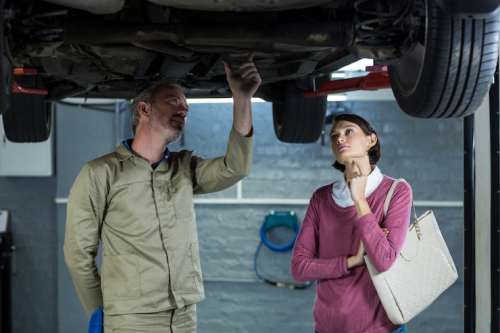
The persistent hum of engines along North Texas highways like I-635 and US-75 underscores a daily reality for millions in the Dallas-Fort Worth Metroplex: cars are essential, but keeping them running reliably now carries a heavier financial weight. In communities from Garland to Frisco, what once felt like routine upkeep oil changes, brake inspections, tire services has evolved into a calculated expense that families weigh against groceries, mortgages, and school supplies. As vehicles endure longer and technology grows more intricate, maintenance costs command greater attention, reshaping how residents approach ownership and how local dealerships and shops respond.
Feeling stuck in the stressful car-buying process? At Jupiter Chevrolet in Garland, TX, we’ve reimagined how buying a car should feel. With transparent pricing, online deal-building tools, and the benefits of our Jupiter Advantage program, we ensure every step is straightforward and satisfying. Skip the hassle. From purchase, to certified service and parts, to collision repair and body shop. Our team puts your convenience, safety, and confidence first. Turn your dreams of finding your ideal Chevrolet into reality with us. Visit Jupiter Chevrolet today!
Why Vehicle Maintenance Costs Are Gaining More Attention in the DFW Metroplex
In Garland, Dallas, Richardson, Plano, Rockwall-Heath, Forney, Mesquite, McKinney, Grapevine, and Frisco, drivers face an undeniable shift: vehicle upkeep expenses are climbing, driven by broader national patterns that play out vividly on local roads. The average age of vehicles across the United States stood at 12.8 years in 2025, per analysis from S&P Global Mobility, a milestone that mirrors conditions in North Texas. Older cars accumulate more miles and endure harsher wear from scorching summers, heavy traffic, and extended commutes, translating directly into more frequent service visits and higher cumulative costs.
Advancements in vehicle design intensify the pressure. Today’s showrooms overflow with hybrids, electric models, and feature-rich variants packed with advanced driver-assistance systems, sophisticated sensors, and intricate electronics. While these innovations enhance safety and efficiency, they elevate repair complexity and expense when components fail. Parts costs have surged notably in recent periods; industry observations indicate year-over-year increases in average part prices around 4-6% in key segments during 2025, exacerbated by lingering supply constraints, inflation, and emerging tariff effects. Labor rates follow closely behind, with technician shortages pushing hourly charges upward in the DFW region some specialized diagnostic work now exceeds $150 per hour at area facilities.
These dynamics reverberate beyond the shop floor. Rising repair severity contributes to elevated insurance premiums, with Texas full-coverage policies averaging near or above $2,500 annually in recent 2025-2026 data points from sources like Experian and Insurify, partly attributable to inflated collision and mechanical repair outlays. In a sprawling metro where reliable transportation underpins employment, education, and family life, these interconnected costs create a palpable strain on household budgets.
Preventive Maintenance Gains Urgency in North Texas
Amid these headwinds, proactive strategies are taking root. Preventive maintenance consistent oil changes, tire rotations, brake assessments, coolant and fluid services has shifted from suggestion to necessity for many owners. By addressing minor issues early, drivers extend vehicle longevity and sidestep catastrophic failures that demand thousands in repairs. High-traffic arteries such as US-75 through Plano or I-20 across Mesquite accelerate component degradation through constant heat and congestion, making scheduled care especially prudent. Broader industry expansion in the automotive repair and maintenance sector, fueled by aging fleets and emphasis on upkeep, finds clear echoes in North Texas consumer habits.
Local examples illustrate the trend in action. Dealerships in Plano and Frisco promote comprehensive maintenance packages, often spanning multiple years and encompassing routine services like alignments, filter replacements, and brake work. These programs provide cost predictability, foster long-term customer relationships, and encourage loyalty in a competitive landscape. Independent repair facilities across the area counter parts inflation by prioritizing upfront pricing transparency and efficient turnaround for everyday tasks, helping owners manage expectations. Feedback from Dallas and Garland customers highlights a recurring choice: escalating repair estimates prompt many to favor used vehicles with modest initial prices or to retain existing cars through diligent servicing rather than trading up.
Rising Repair Costs Spur Smarter Service Models
Persistent hurdles remain. Supply-chain disruptions and ongoing inflationary forces sustain upward trajectories for both parts and labor, challenging affordability in cities like Forney and McKinney. Pricing clarity fluctuates some providers deliver detailed breakdowns, while others leave consumers uncertain about value received. The insurance feedback loop persists: pricier repairs feed higher premiums, tightening financial margins further for residents already navigating regional economic realities.
Opportunities counterbalance the obstacles. Dealerships in Dallas and Richardson deploy user-friendly digital platforms for service booking, cost estimators, and transparent scheduling, empowering owners to compare options confidently. Subscription-style maintenance plans, inspired by national models but customized for local needs, deliver fixed monthly outlays that appeal to budget-conscious families in Frisco and Rockwall-Heath, eliminating the shock of large, irregular bills. Sustainability gains traction too, with eco-friendly choices synthetic lubricants, low-resistance alignments, and recyclable components resonating in environmentally attuned areas of Plano.
Smarter Maintenance, Smoother Miles
The horizon suggests sustained change. As hybrid and electric adoption accelerates on DFW roadways, maintenance will increasingly require specialized training and equipment, yet disciplined preventive approaches and informed provider selection can mitigate expense spikes. Consumers benefit from adhering to factory-recommended intervals, selecting trusted shops with strong reputations, exploring bundled offerings, and tackling small concerns promptly. In a region defined by constant motion, viewing maintenance as strategic investment rather than unavoidable burden distinguishes reliable, cost-effective ownership from recurring stress.
Ultimately, heightened awareness of vehicle maintenance costs transcends mere dollars and cents. It reflects a broader effort to maintain control in a Metroplex where mobility remains indispensable. Those who embrace smarter habits today stand poised for smoother, more predictable journeys tomorrow.
Frequently Asked Questions
Why are vehicle maintenance costs increasing in the Dallas-Fort Worth area?
Vehicle maintenance costs in the DFW Metroplex are rising due to several factors: the average vehicle age has reached 12.8 years nationwide, meaning cars require more frequent repairs. Parts prices have increased 4-6% year-over-year in 2025, driven by supply chain constraints, inflation, and tariff effects. Additionally, labor rates have climbed due to technician shortages, with specialized diagnostic work now exceeding $150 per hour at many DFW facilities.
How can preventive maintenance help reduce long-term vehicle repair costs?
Preventive maintenance including regular oil changes, tire rotations, brake assessments, and fluid services has become essential for extending vehicle longevity and avoiding expensive catastrophic failures. By addressing minor issues early, drivers can sidestep repairs that cost thousands of dollars. This approach is especially important in North Texas, where high-traffic routes like US-75 and I-20 accelerate component wear through constant heat and congestion.
What are dealerships and repair shops doing to help customers manage rising maintenance expenses?
Local dealerships in Plano, Frisco, and throughout the DFW area are offering comprehensive maintenance packages that span multiple years and provide cost predictability for routine services. Many facilities now feature digital platforms with service booking, cost estimators, and transparent pricing to help customers compare options. Some providers have introduced subscription-style maintenance plans with fixed monthly payments, eliminating the shock of large, irregular repair bills for budget-conscious families.
Disclaimer: The above helpful resources content contains personal opinions and experiences. The information provided is for general knowledge and does not constitute professional advice.
You may also be interested in: Chevrolet Maintenance Plans Cut Costs for Silverado Owners in Dallas
Feeling stuck in the stressful car-buying process? At Jupiter Chevrolet in Garland, TX, we’ve reimagined how buying a car should feel. With transparent pricing, online deal-building tools, and the benefits of our Jupiter Advantage program, we ensure every step is straightforward and satisfying. Skip the hassle. From purchase, to certified service and parts, to collision repair and body shop. Our team puts your convenience, safety, and confidence first. Turn your dreams of finding your ideal Chevrolet into reality with us. Visit Jupiter Chevrolet today!
Powered by flareAI.co

Quick Listen:
The used car market in the Dallas-Fort Worth area has always moved to its own rhythm practical, fast-growing, and tied to the realities of sprawling commutes and family-sized needs. Lately, though, that rhythm has slowed noticeably. As economic pressures mount and new-vehicle sales face headwinds, many North Texas drivers are pausing before jumping into a purchase. Yet the shift isn’t a collapse; it’s more of a recalibration, with affordability still anchoring demand even as the broader market cools.
Feeling stuck in the stressful car-buying process? At Jupiter Chevrolet in Garland, TX, we’ve reimagined how buying a car should feel. With transparent pricing, online deal-building tools, and the benefits of our Jupiter Advantage program, we ensure every step is straightforward and satisfying. Skip the hassle. From purchase, to certified service and parts, to collision repair and body shop. Our team puts your convenience, safety, and confidence first. Turn your dreams of finding your ideal Chevrolet into reality with us. Visit Jupiter Chevrolet today!
How Used Vehicle Demand Is Evolving Amid Cooling Markets in the DFW Area
High new-car prices continue to steer buyers toward pre-owned options across Garland, Dallas, Plano, Frisco, and surrounding communities. Nationally, Cox Automotive forecasts total used-vehicle sales dipping modestly to about 38.3 million units in 2026, a 0.9% decrease year-over-year, with retail used sales easing 0.7% to roughly 20.3 million. Despite that slight pullback, demand holds firm because the cost advantage remains clear especially when new vehicles stay stubbornly expensive.
In the DFW region, the pattern feels even more resilient. High new-vehicle prices push shoppers toward the used market, where value and accessibility remain strong draws in places like Mesquite, McKinney, and nearby areas. Local averages often sit $2,000 or more above the national figure of around $26,043, reflecting sustained interest from buyers priced out of new options.
The result is a market that refuses to crash. Instead, it adjusts. Shoppers delay big purchases when rates climb or budgets tighten, but they rarely abandon the need for reliable transportation. That creates steady, if more cautious, demand for pre-owned cars, trucks, and SUVs particularly models known for longevity and fuel efficiency.
Cooling Forces and Shifting Buyer Priorities
Several forces are shaping this evolution. Rising interest rates make financing more expensive, so even committed buyers in Frisco or Plano hesitate before signing. Affordability pressures linger, nudging people toward lower-mileage, well-maintained vehicles rather than chasing brand-new models.
At the same time, an influx of off-lease vehicles including more EVs is beginning to enter circulation. That gradual increase in supply offers affordable entry points, though it also requires dealerships to adapt their service capabilities.
Inventory dynamics add another layer. While national used-vehicle supply stood steady at 2.20 million units entering 2026 (with a 49-day supply), certain segments remain tight. Popular trucks and SUVs continue to see constrained availability in Garland, Richardson, and other DFW spots, supporting firm pricing even as overall demand softens slightly.
Buyers have responded by prioritizing practicality. Fuel-efficient sedans, hybrids, and dependable trucks top many lists. The Toyota Corolla, for instance, stands out in Texas as a best-value choice, with prices averaging 4.60% lower than the national average.
Local Dealerships Adapt to the New Reality
Dealerships feel these changes directly. At places like Jupiter Chevrolet in Garland, teams have responded by emphasizing certified pre-owned programs, extended warranties, and flexible financing. These moves help bridge the gap when sticker shock hits or when shoppers want extra peace of mind.
Online tools have also become essential. Platforms that allow seamless browsing, virtual trade-ins, and transparent pricing resonate in tech-savvy areas like Plano and McKinney. Shoppers research extensively before stepping onto the lot, so dealerships that make information easy to access tend to build trust faster.
Inventory constraints still challenge operations. Shortages in high-demand categories force dealers to be strategic focusing on quality over quantity and turning to trade-ins to keep lots stocked. The strategy works because many DFW residents now hold onto vehicles longer, creating a healthy flow of well-maintained trade-ins.
Challenges That Remain Front and Center
Rising interest rates and lingering affordability concerns top the list of hurdles. Higher financing costs deter marginal buyers, while supply chain echoes from earlier years still limit certain models.
Used EVs present a particular puzzle. As more off-lease electric vehicles hit the market, prices soften in that segment, but service infrastructure and buyer familiarity have to catch up. Traditional trucks and SUVs, meanwhile, hold stronger value thanks to consistent regional demand.
Opportunities in a More Measured Market
The cooling creates openings. Dealerships that pivot toward certified pre-owned inventory, loyalty programs, and digital efficiency stand to gain. Demand for used electric vehicles could grow as environmental awareness rises and more affordable options appear.
For buyers, the environment favors patience. Stabilized prices after earlier volatility, combined with improving credit conditions and potential tax refunds, suggest strategic timing can deliver real value.
Looking Ahead in North Texas
The used vehicle market in the DFW area isn’t vanishing or exploding it’s settling into a more sustainable groove. Affordability keeps drawing people in, while tighter supply in key segments prevents a race to the bottom on prices. Dealerships succeed by focusing on transparency, service, and genuine help rather than pressure tactics.
For anyone shopping in Garland, Dallas, Frisco, or nearby, the message is straightforward: track the market, compare options, and prioritize long-term value. In a region built on practical decisions, that approach still wins even when the pace slows.
Frequently Asked Questions
Why is used car demand cooling in the Dallas-Fort Worth area?
Used vehicle demand in DFW is experiencing a modest slowdown due to rising interest rates making financing more expensive and ongoing affordability pressures causing buyers to delay purchases. However, the market isn’t collapsing it’s recalibrating as high new-car prices continue to push shoppers toward pre-owned options, keeping demand relatively steady despite a forecasted 0.9% national decrease in total used-vehicle sales for 2026.
What are the best value used cars to buy in the DFW market right now?
Fuel-efficient sedans, hybrids, and dependable trucks are topping buyer lists in North Texas, with the Toyota Corolla standing out as a particularly strong value choice priced an average of 4.60% lower in Texas compared to the national average. Certified pre-owned vehicles with extended warranties are also gaining popularity as buyers prioritize long-term reliability and peace of mind over simply finding the lowest sticker price.
How are used car prices in Dallas-Fort Worth compared to the national average?
Used vehicle prices in the DFW region typically run $2,000 or more above the national average of around $26,043, reflecting sustained demand from buyers priced out of new vehicles. Despite slight market cooling, prices remain firm especially for popular trucks and SUVs due to constrained inventory in high-demand segments and the region’s continued reliance on personal vehicles for sprawling commutes.
Disclaimer: The above helpful resources content contains personal opinions and experiences. The information provided is for general knowledge and does not constitute professional advice.
You may also be interested in: GM Launches Digital Service Booking for Chevrolet Owners in Garland
Feeling stuck in the stressful car-buying process? At Jupiter Chevrolet in Garland, TX, we’ve reimagined how buying a car should feel. With transparent pricing, online deal-building tools, and the benefits of our Jupiter Advantage program, we ensure every step is straightforward and satisfying. Skip the hassle. From purchase, to certified service and parts, to collision repair and body shop. Our team puts your convenience, safety, and confidence first. Turn your dreams of finding your ideal Chevrolet into reality with us. Visit Jupiter Chevrolet today!
Powered by flareAI.co

Quick Listen:
The thrill of landing your first set of keys hits hard in the Dallas-Fort Worth sprawl think endless I-35 stretches from Garland to Frisco, or dodging rush-hour snarls in Richardson and Plano. Reliable transportation isn’t a luxury here; it’s survival. But for first-time buyers navigating Garland, Dallas, Richardson, Plano, Rockwall-Heath, Forney, Mesquite, McKinney, Grapevine, and Frisco, excitement often blinds them to pitfalls that balloon costs or sour the deal. With new-vehicle sales projected at 15.8 million units nationwide in 2026, down 2.4% from 2025 amid affordability squeezes, and used markets holding steady around 38.3 million units, the DFW stakes feel personal. Local spots like Jupiter Chevrolet in Garland see it daily: sticker-shock chasers ignoring insurance, maintenance, or financing traps.
Smart preparation flips the script. This guide, grounded in verified market shifts and regional realities, arms you with authoritative insights to sidestep regrets. From digital scouting booms to overlooked repair realities, here’s what newcomers miss and how to win.
Feeling stuck in the stressful car-buying process? At Jupiter Chevrolet in Garland, TX, we’ve reimagined how buying a car should feel. With transparent pricing, online deal-building tools, and the benefits of our Jupiter Advantage program, we ensure every step is straightforward and satisfying. Skip the hassle. From purchase, to certified service and parts, to collision repair and body shop. Our team puts your convenience, safety, and confidence first. Turn your dreams of finding your ideal Chevrolet into reality with us. Visit Jupiter Chevrolet today!
Digital Revolution Reshapes DFW Car Hunts
The game starts online, where over 80% of Dallas-Fort Worth consumers kick off their search, per industry surveys tracked by Jupiter Chevrolet. Dealership apps and sites deliver virtual tours, price benchmarks, and custom builds crucial in a metro where time is currency. Globally, the online car buying market exploded from $237.93 billion in 2020 to a projected $722.79 billion by 2030 at 12.2% CAGR, fueled by post-COVID showroom shutdowns that normalized home shopping with transparent pricing and home delivery.
Yet DFW first-timers undervalue this edge. High new-car tags exacerbated by 2026’s modest sales dip steer budgets toward used and CPO options. Cox data flags CPO resilience, with March 2025 sales up 21.2% month-over-month nationally, echoing local demand as Frisco commuters chase fuel-sippers amid rising housing crunch. Hybrids lead, blending efficiency for LBJ hauls without full EV commitment. But skipping online comparisons leaves you dealer-dependent, missing rebates on new Chevy models at Jupiter or CPO warranties that slash long-term risks.
Pro tip: Benchmark across Garland to McKinney inventories digitally. This hybrid approach research remote, test local cuts stress, as automotive e-commerce swells from $100.14 billion in 2024 to $343.13 billion by 2032 at 16.7% CAGR, blending parts, accessories, and full vehicles.
Oversights That Sting: Costs Beyond the Sticker
First-timers fixate on payments, blind to the full ledger. Insurance alone jolts: In McKinney, teens average $3,636 yearly full coverage, 20-somethings $1,828 spiking 10-15% higher for youth amid DFW traffic. Factor Frisco’s premiums, gas for 50-mile commutes, and maintenance on aging roads from Forney to Grapevine, and that “affordable” ride devours budgets.
Financing fumbles amplify pain. Without pre-approval, credit scores dictate rates Garland data shows novices accepting 2-3% hikes unnecessarily, tacking thousands over 60 months. Neglect vehicle history on used buys? A Mesquite flood-damaged Chevy spells repairs eating savings. Emotional picks sleek looks over Plano haul’s cargo breed flips within a year.
Worse, DFW’s repair ecosystem looms large. With vehicles averaging 12.7 years old nationally (13 by 2026 end), collision shops buzz from hybrid’s complexity and older frames post-fender-benders on Rockwall-Heath arterials. First buyers overlook tying purchases to service networks; Jupiter’s parts bay ensures Chevy-specific fixes, averting downtime. Per guidelines balancing topics 30% new sales like 2026’s 15.8M projection, 20% used stability, 25% body shop surges from affordability-driven older cars, 25% service/parts via e-com boom holistic vetting covers all.
Smarter Paths: CPO, Incentives, and Local Leverage
Counter with certified pre-owned: Rigorous checks plus warranties mimic new reliability at used pricing. DFW dealers expand CPO amid 2026 used retail at ~20.3 million nationally, per Cox ideal for Richardson budgets. Jupiter Chevrolet tailors first-timer perks: low-APR via GM Financial, grad discounts, ownership seminars decoding fuel/maintenance in high-cost zones like Frisco.
Test rigorously: Hammer LBJ merges, idle in Mesquite heat, load for McKinney errands. Secure independent pre-approvals; shop Jupiter’s first-time tips blending digital ease with in-person trust. For balance, note service/parts: E-commerce growth equips DIY or pro repairs, while body shops thrive on repairable 3-4-year-olds rebounding post-chip woes.
Incentives peak now 0% APR select new, cash-back CPO as 2026 forecasts online buying hitting $751.83 billion by 2031 at 12.5% CAGR, prioritizing 24/7 inventory sans pressure.
Future-Proof Your Ride: Expert Roadmap Ahead
North Texas evolves fast: Deeper digital (83% home-prefer online per CarGurus), hybrids dominating, education sharpening via seminars. Dealerships like Jupiter bridge new sales (15.8M national, resilient DFW), used value, collision readiness for aging fleets, and parts/service via e-com.
Command the process: Research holistically, quote insurance early, align with robust service like Garland’s Chevy hub. Dodge regrets whether new hybrid for Plano efficiency or CPO truck for Forney jobs by demanding transparency. In mobility’s heartland, informed first buys yield decades of open highways, not detours to repair bays.
Frequently Asked Questions
What are the hidden costs first-time car buyers forget to budget for?
Beyond the sticker price and monthly payments, first-time buyers often overlook insurance, maintenance, and fuel costs. For example, young drivers in the Dallas-Fort Worth area can pay $1,800-$3,600 annually for full coverage insurance alone. When combined with gas for long commutes, routine maintenance, and unexpected repairs on aging vehicles, these expenses can significantly strain budgets if not planned for upfront.
Should first-time buyers consider certified pre-owned (CPO) vehicles instead of new cars?
Certified pre-owned vehicles offer an excellent middle ground, providing near-new reliability with rigorous inspections and warranties at used-car pricing. With new vehicle sales declining and affordability concerns rising in 2026, CPO vehicles deliver value through manufacturer-backed guarantees while avoiding the steep depreciation of brand-new cars. They’re particularly ideal for budget-conscious buyers in high-cost metro areas who need dependable transportation without premium pricing.
How important is online research before visiting a dealership to buy your first car?
Online research is critical, with over 80% of Dallas-Fort Worth car buyers starting their search digitally. Using dealership websites and apps allows first-time buyers to compare prices across multiple inventories, explore virtual tours, check available incentives, and secure pre-approved financing all before setting foot in a showroom. This hybrid approach of researching remotely and testing locally saves time, reduces pressure, and helps buyers avoid missing manufacturer rebates or special financing offers that could save thousands of dollars.
Disclaimer: The above helpful resources content contains personal opinions and experiences. The information provided is for general knowledge and does not constitute professional advice.
You may also be interested in: Chevrolet Parts Stores Report High Demand for EV-Compatible Components
Feeling stuck in the stressful car-buying process? At Jupiter Chevrolet in Garland, TX, we’ve reimagined how buying a car should feel. With transparent pricing, online deal-building tools, and the benefits of our Jupiter Advantage program, we ensure every step is straightforward and satisfying. Skip the hassle. From purchase, to certified service and parts, to collision repair and body shop. Our team puts your convenience, safety, and confidence first. Turn your dreams of finding your ideal Chevrolet into reality with us. Visit Jupiter Chevrolet today!
Powered by flareAI.co
Connect with us


