






In the fast-paced North Texas market, where new Chevrolets roll off lots in Garland and used SUVs change hands daily in Plano, one factor quietly determines whether a car-buying experience becomes a recommendation or a cautionary tale: the quality of dealer customer service. Shoppers across Dallas, Richardson, Frisco, McKinney, Mesquite, Grapevine, Forney, Rockwall-Heath, and surrounding communities face the same reality price and inventory get you in the door, but service quality keeps the relationship alive long after the keys are handed over. This guide offers practical, field-tested ways to assess that service before you commit, helping you separate genuine care from surface-level polish.
Feeling stuck in the stressful car-buying process? At Jupiter Chevrolet in Garland, TX, we’ve reimagined how buying a car should feel. With transparent pricing, online deal-building tools, and the benefits of our Jupiter Advantage program, we ensure every step is straightforward and satisfying. Skip the hassle. From purchase, to certified service and parts, to collision repair and body shop. Our team puts your convenience, safety, and confidence first. Turn your dreams of finding your ideal Chevrolet into reality with us. Visit Jupiter Chevrolet today!
Why Customer Service Quality Drives the Entire Ownership Experience
Today’s car buyers expect more than a transaction. They want clear answers, realistic timelines, and follow-through that matches the promises made on the showroom floor. In a region where daily commutes stretch from Garland to Frisco or Mesquite to McKinney, dependable post-sale support directly affects peace of mind. Industry figures put the scale in perspective: during the first half of 2025, America’s 16,972 franchised light-vehicle dealerships delivered 8.1 million new light-duty vehicles and generated total sales exceeding $645 billion, according to the mid-year NADA Data report. Yet the same report highlights that those same dealerships handled more than 137 million repair orders, pushing service and parts revenue past $81 billion. Those numbers show that ownership is far more about ongoing care than the initial purchase.
The national picture reinforces the trend. Market analysis from Mordor Intelligence projects the U.S. automotive dealership sector will expand from $2.95 trillion in 2025 to $3.08 trillion in 2026, eventually reaching $3.83 trillion by 2031 at a compound annual growth rate of 4.47%. Steady growth is fueled by balanced inventories, rising demand for certified pre-owned vehicles, and significant investments in electrification while online price transparency continues to compress traditional margins. In this environment, dealerships that excel at communication, transparency, and follow-up gain lasting advantage.
How Digital Tools and Local Expectations Are Reshaping Service Standards
North Texas dealerships have adapted quickly to new realities. Instagram stories, Facebook Messenger replies, YouTube walk-through videos, and TikTok service tips now serve as first points of contact. Many operations respond to inquiries within hours rather than days, offer online service scheduling, and provide virtual trade-in appraisals. Buyers increasingly judge dealerships by these digital touchpoints before ever visiting in person.
Review platforms have become equally powerful. Detailed accounts from Richardson, Plano, or Grapevine residents carry significant weight, often tipping the scales for friends and family searching for their next vehicle. The most respected local dealerships treat every channel sales floor, service drive, collision center, parts counter with consistent attention, understanding that one weak link can erode trust across the board.
Learning from Real North Texas Experiences
Standout dealerships in the region share common traits: honest dialogue, accountability, and a willingness to prioritize the customer’s schedule. Family-owned operations frequently distinguish themselves here. Jupiter Chevrolet in Garland, celebrating over 100 years in business, consistently earns praise for its personal approach. Buyers from surrounding areas note how staff members remember previous visits, explain new and used vehicle options without pressure, and coordinate everything from routine oil changes to extensive body shop repairs after highway incidents.
Positive comments often highlight tangible benefits such as the Lifetime Powertrain Warranty available on qualifying models, which extends confidence well beyond the factory coverage. Reviewers frequently contrast this family-operated style with larger corporate chains, pointing out that smaller teams deliver faster resolutions and clearer explanations whether discussing new car incentives, used vehicle condition reports, collision damage estimates, or parts availability. These real-world interactions help ease common concerns about limited on-site inventory or pricing that may not always match the deepest discounts from national chains.
Recognizing Warning Signs Before You Sign
Red flags appear in patterns rather than single moments. Hesitation often stems from smaller lots that cannot match the volume of corporate superstores, resulting in longer waits for specific trims or colors. Past negative encounters high-pressure tactics, unclear add-ons, or delayed callbacks also linger in shopper’s minds. Aggressive pricing from market-dominating chains can make independent dealers appear less competitive on the surface, even when their overall value proves higher.
Smart evaluation starts with homework. Scan recent reviews on multiple platforms, focusing on comments about new car sales processes, used vehicle disclosures, service department responsiveness, parts availability, and collision repair accuracy. Look for specifics: Were wait-time updates provided promptly? Were body shop estimates itemized and explained? Did advisors recommend only necessary work? The Better Business Bureau emphasizes practical steps for used-car shoppers obtain an independent mechanic’s inspection and confirm warranty details in writing principles that apply broadly when judging any dealership’s reliability.
Turning Service Excellence into Long-Term Value
The strongest dealerships convert challenges into opportunities. Transparent pricing on new and pre-owned inventory, itemized collision repair quotes, and straightforward service recommendations build confidence. In communities like Frisco, McKinney, and Rockwall-Heath where vehicles endure heavy use dealerships that invest in skilled collision technicians, genuine parts inventories, and efficient scheduling earn repeat business and referrals.
Superior care extends benefits far beyond the sale date. Consistent maintenance at a trustworthy location helps vehicles last longer and hold value better. Rapid, high-quality body shop work minimizes downtime after an accident. For North Texas families weighing their next purchase, selecting a dealership that combines fair offers with authentic support frequently delivers the best outcome over time.
Practical Steps Every Local Buyer Should Take
Assessing customer service requires focus rather than detective work. Begin by observing digital responsiveness across social channels and online forms. Move to third-party reviews, searching for consistent themes in sales, service, parts, and collision departments. When you visit, pay attention to how questions are handled no matter whether they concern new model features, used car history, upcoming maintenance, or major accident repairs. Favor operations that communicate openly, respect your timeline, and demonstrate equal commitment across every department.
In a landscape shifting toward digital convenience and customer-centered policies, the dealerships that preserve a genuine human element will continue to stand out. The next time you shop in the Dallas metro area, look beyond the sticker price. Choose the team that will stand behind your vehicle and stand by you for the years ahead.
Frequently Asked Questions
What are the warning signs of poor dealer customer service before buying a car?
Red flags include high-pressure sales tactics, unclear pricing or add-ons, delayed callbacks, and vague explanations about warranty details or vehicle history. Pay attention to how dealerships handle questions across all departments sales, service, parts, and collision repair as inconsistency often signals broader service problems. Review patterns across multiple platforms rather than focusing on isolated incidents, and watch for specifics about wait-time updates, itemized estimates, and whether advisors recommend only necessary work.
Why is customer service more important than price when choosing a dealership?
While price gets you in the door, quality customer service determines your entire ownership experience, especially for post-sale support like maintenance and repairs. With U.S. dealerships handling over 137 million repair orders annually and generating more than $81 billion in service and parts revenue, the ongoing relationship matters far more than the initial transaction. Superior service ensures faster resolutions, transparent communication, and dependable support that helps your vehicle last longer and retain value benefits that far outweigh small price differences.
How can I evaluate a dealership’s customer service quality before making a purchase?
Start by checking their digital responsiveness across social media, online forms, and review platforms like Google and the Better Business Bureau. Look for consistent positive feedback about communication, transparency, and follow-through in sales, service, and collision departments. When visiting in person, observe how staff handle questions about new and used vehicles, warranty details, and service scheduling prioritize dealerships that provide clear answers, respect your timeline, and demonstrate equal commitment across all touchpoints rather than just the sales floor.
Disclaimer: The above helpful resources content contains personal opinions and experiences. The information provided is for general knowledge and does not constitute professional advice.
You may also be interested in: Chevrolet Parts Stores Report High Demand for EV-Compatible Components
Feeling stuck in the stressful car-buying process? At Jupiter Chevrolet in Garland, TX, we’ve reimagined how buying a car should feel. With transparent pricing, online deal-building tools, and the benefits of our Jupiter Advantage program, we ensure every step is straightforward and satisfying. Skip the hassle. From purchase, to certified service and parts, to collision repair and body shop. Our team puts your convenience, safety, and confidence first. Turn your dreams of finding your ideal Chevrolet into reality with us. Visit Jupiter Chevrolet today!
Powered by flareAI.co
What Auto Financing Terms Really Mean for You

The humid Texas evening wraps around the Garland car lot like a familiar blanket, the neon glow reflecting off rows of gleaming Chevrolet trucks and SUVs. A buyer stands at the finance desk, paperwork spread out, eyes glazing over terms like APR, amortization, and loan term. It’s the same story repeating across the DFW metroplex in Dallas showrooms, on Plano test-drive routes, in Frisco lots where dreams of a new Silverado or a dependable used Equinox collide with the reality of complex financing documents that feel like they require an advanced degree to decipher.
Grasping these auto financing terms goes beyond snagging a low monthly payment; it’s about protecting your budget from unnecessary costs over years of ownership, preserving cash for North Texas realities like school supplies, home repairs, or weekend drives to the lake. At a dealership like Jupiter Chevrolet in Garland, which emphasizes straightforward dealings and lasting customer relationships, clarity on these concepts transforms anxiety into empowerment.
Feeling stuck in the stressful car-buying process? At Jupiter Chevrolet in Garland, TX, we’ve reimagined how buying a car should feel. With transparent pricing, online deal-building tools, and the benefits of our Jupiter Advantage program, we ensure every step is straightforward and satisfying. Skip the hassle. From purchase, to certified service and parts, to collision repair and body shop. Our team puts your convenience, safety, and confidence first. Turn your dreams of finding your ideal Chevrolet into reality with us. Visit Jupiter Chevrolet today!
The Fundamentals of Auto Financing
Auto financing lets you drive home a vehicle today by borrowing the purchase price or most of it rather than paying everything in cash. You secure a loan, typically arranged through the dealer, a bank, credit union, or online platform, then repay it in fixed monthly installments that chip away at both the principal (the borrowed amount) and the interest (the lender’s charge for providing the funds).
As explained by the Consumer Financial Protection Bureau, an auto loan enables vehicle purchase without full upfront payment, with each installment splitting between principal reduction and interest coverage. Terms depend heavily on factors like your credit profile, income stability, down payment size, and regional market dynamics in high-demand areas such as Garland, Richardson, and Plano.
DFW buyers generally choose between two routes: traditional loans, leading to eventual ownership, or leases, which function more like long-term rentals with mileage caps and no equity buildup. Loans appeal particularly to those intending to keep the vehicle for many years, and in-house financing at community-focused dealerships often provides tailored support without aggressive upsell tactics.
The automotive finance market size was valued at USD 277.52 billion in 2023. The market is expected to grow from USD 295.58 billion in 2024 to USD 513.19 billion by 2032, exhibiting a CAGR of 7.1% during the forecast period. Europe dominated the global market with a share of 37.71% in 2023. Additionally, the automotive finance market in the U.S. is projected to grow significantly, reaching an estimated value of USD 130.50 Billion By 2032. Auto finance services aim to provide funds to customers who are willing to purchase or lease a car. Global technological advancement has also created demand for the automotive financing sector significantly in the last few years.
Key Terms Demystified
APR (Annual Percentage Rate) ranks as the most critical number on any auto loan offer. It captures not only the base interest rate but also any associated fees, all rolled into a single annual percentage figure that reveals the true yearly cost of borrowing. Higher APRs translate directly into significantly more paid over the loan duration. According to recent Experian data for the third quarter of 2025 (the latest comprehensive figures available heading into 2026), super-prime borrowers (credit scores 781+) averaged 4.88% on new vehicles and 7.43% on used. Good-credit borrowers (661-780) saw averages of 6.51% new and 9.65% used. In Texas, including the Dallas-Fort Worth area, qualified buyers frequently access competitive starting rates in the mid-to-low 5% range from local credit unions and banks.
The loan term determines repayment length and profoundly influences both monthly affordability and total interest paid. Shorter durations typically 36 to 48 months yield higher payments but minimize interest accumulation. Extended terms 72 to 84 months or longer reduce monthly obligations, helping buyers afford higher-trim trucks or family crossovers. North Texas trends show many opting for these longer periods to manage rising vehicle prices while maintaining budget flexibility.
A down payment lowers the financed amount and frequently unlocks better rates and terms. Recent national figures from Edmunds indicate the average new-car down payment fell to $6,020 in Q3 2025, reflecting ongoing affordability strains and marking a near four-year low. In the DFW region, targeting 10-20% of the vehicle’s price remains advisable, though trade-ins often help bridge or eliminate the gap entirely.
Trade-in value plays a powerful role here. A favorable appraisal on your existing vehicle reduces the loan principal directly, potentially improving your APR and shrinking overall costs.
Current Trends Shaping DFW Financing
Interest rates have moderated from earlier highs, with 2026 forecasts from sources like Bankrate projecting gradual declines potentially averaging around 6.7% for 60-month new-car loans and 7.1% for 48-month used-car loans. Affordability pressures continue, however, driving extended terms and higher financed amounts. Dealerships in Garland and nearby cities respond with convenient online pre-approvals and adaptable structures that align with modern shopping habits.
Market shifts include increased subprime lending and longer contracts as lenders vie for volume in a competitive landscape. For residents in Mesquite, McKinney, Rockwall-Heath, and beyond, this creates broader access but demands vigilance: longer terms amplify total interest, even as monthly payments appear friendlier.
Everyday Examples from the Metroplex
Consider a Plano household selecting a spacious family vehicle: they lock in a 60-month loan at a favorable rate, striking balance between immediate cash flow and future savings. Alternatively, a first-time buyer in Frisco compares leasing against buying, realizing leases offer lower initial outlays and easier upgrades but sacrifice ownership equity compared to a financed purchase.
Such scenarios unfold constantly throughout the region. Clear understanding of terms helps sidestep common traps, including negative equity owing more than the vehicle’s current worth.
Addressing Regional Hurdles
Inventory constraints in the DFW area occasionally restrict selection and influence pricing. Credit scores remain pivotal for approvals and favorable rates; proactive steps like reducing outstanding debt and reviewing credit reports can yield meaningful improvements before applying.
Concerns sometimes arise about value at independent, family-operated dealerships compared to large corporate chains. Yet establishments prioritizing service and transparency frequently provide superior long-term advantages through honest guidance and added benefits.
Leveraging Knowledge for Lasting Benefits
Dealerships like Jupiter Chevrolet distinguish themselves with attentive, pressure-free assistance, guiding buyers through financing choices effectively. This approach pairs naturally with educated decisions and reinforces trust in a crowded market.
Informed strategies shopping multiple APR quotes, selecting shorter terms when feasible, and optimizing trade-ins generate substantial savings. A mere 1% APR reduction can save thousands across a typical loan lifespan.
Ultimately, auto financing success lies not in chasing the most aggressive headline rate but in securing terms that genuinely support your lifestyle in Garland, Dallas, or surrounding communities. Equip yourself with these essentials, compare offers diligently, and pose direct questions. The ideal arrangement doesn’t merely deliver keys it ensures years of confident, regret-free driving while safeguarding your financial well-being.
Frequently Asked Questions
What is APR and why does it matter when financing a car?
APR (Annual Percentage Rate) represents the true yearly cost of your auto loan, including both the interest rate and associated fees rolled into one percentage. A lower APR can save you thousands of dollars over your loan term for example, qualified buyers in the Dallas-Fort Worth area with credit scores above 781 typically access rates starting in the mid-to-low 5% range, while those with good credit (661-780) average around 6.51% for new vehicles. Even a 1% difference in APR can result in substantial savings across a typical loan lifespan.
Should I choose a shorter or longer auto loan term?
The ideal loan term depends on balancing monthly affordability with total interest costs. Shorter terms (36-48 months) come with higher monthly payments but minimize the total interest you’ll pay over the life of the loan, while longer terms (72-84 months) reduce your monthly obligation but significantly increase the overall interest accumulated. Many DFW buyers are opting for extended terms to manage rising vehicle prices, but it’s important to understand that longer terms can lead to negative equity owing more than your vehicle is worth.
How much should I put down when financing a car in Texas?
Financial experts generally recommend targeting a down payment of 10-20% of the vehicle’s purchase price to secure better rates and reduce the amount you need to finance. While the national average new-car down payment fell to $6,020 in Q3 2025, DFW-area buyers can often use trade-ins to bridge or eliminate the down payment gap entirely. A larger down payment not only lowers your monthly payments but can also unlock more favorable APR offers from lenders, potentially saving you thousands over the loan duration.
Disclaimer: The above helpful resources content contains personal opinions and experiences. The information provided is for general knowledge and does not constitute professional advice.
You may also be interested in: The Benefits of Online Car Buying Tools and Transparent Pricing
Feeling stuck in the stressful car-buying process? At Jupiter Chevrolet in Garland, TX, we’ve reimagined how buying a car should feel. With transparent pricing, online deal-building tools, and the benefits of our Jupiter Advantage program, we ensure every step is straightforward and satisfying. Skip the hassle. From purchase, to certified service and parts, to collision repair and body shop. Our team puts your convenience, safety, and confidence first. Turn your dreams of finding your ideal Chevrolet into reality with us. Visit Jupiter Chevrolet today!
Powered by flareAI.co
How to Choose the Right SUV for Your Family Needs

In the bustling suburbs of the Dallas-Fort Worth metroplex, where morning commutes snake through heavy traffic on LBJ Freeway and weekends beckon with family outings to the Texas countryside, selecting the ideal SUV has become a pivotal decision for many households. As SUV market surges reaching USD 890 billion in 2025 and projected to grow to USD 1.23 trillion by 2030 at a compound annual growth rate of 6.66% driven by consumer demands for versatility, elevated driving positions, and enhanced safety perceptions, families in areas like Garland, Plano, and Frisco are increasingly turning to these vehicles. This evolution has fundamentally altered manufacturer’s strategies, emphasizing diverse categories from compact to full-sized models, with electrification playing a growing role in reshaping traditional engine dominance. Sustained demand stems from replacement cycles, rising incomes in emerging markets, and broadened offerings across price points, all while refined platforms boost efficiency and model updates.
Feeling stuck in the stressful car-buying process? At Jupiter Chevrolet in Garland, TX, we’ve reimagined how buying a car should feel. With transparent pricing, online deal-building tools, and the benefits of our Jupiter Advantage program, we ensure every step is straightforward and satisfying. Skip the hassle. From purchase, to certified service and parts, to collision repair and body shop. Our team puts your convenience, safety, and confidence first. Turn your dreams of finding your ideal Chevrolet into reality with us. Visit Jupiter Chevrolet today!
Choosing the Right SUV for Your Family: A Guide for Shoppers in Garland, Dallas, and Surrounding Areas
Navigating the array of options available in Richardson, Rockwall-Heath, or Mesquite requires more than surface-level appeal; it demands a thoughtful assessment of how a vehicle aligns with daily life. Whether considering new arrivals equipped with the latest innovations or reliable used options that deliver value without compromise, key considerations include accommodating growing families, enduring North Texas roadways, and ensuring longevity through carpools and adventures. Local dealerships like Jupiter Chevrolet, a family-owned staple in Garland for 100 years, excel in this arena by offering tailored insights into the DFW lifestyle, complete with a Lifetime Powertrain Warranty that covers essential components like the engine, transmission, and drivetrain for the vehicle’s ownership duration.
Key Factors That Matter Most for Family Buyers
Interior space stands as a cornerstone for family-oriented SUV shoppers. In communities such as McKinney and Grapevine, where large households are common, prioritizing models with ample seating often including a third row and generous legroom ensures comfort during extended drives. Flexible cargo configurations further enhance practicality, allowing seamless transitions from school drop-offs to grocery hauls or sports equipment storage. Without sufficient room, even short trips can become uncomfortable, underscoring the need for vehicles that adapt to evolving family dynamics.
Safety remains paramount, particularly in high-traffic zones like Dallas and Richardson. Advanced features, including driver assistance technologies such as automatic braking and lane departure warnings, are non-negotiable for protecting loved ones. To earn recognition as a Top Safety Pick, midsize SUVs must achieve good ratings in small overlap front and updated side crash tests, alongside an acceptable score in the updated moderate overlap front evaluation. Standard acceptable or good headlights across trims, combined with strong performance in pedestrian crash prevention, complete the criteria. For the elite Top Safety Pick+ designation, a good rating in the moderate overlap front test is required, maintaining identical standards otherwise. These assessments, involving 40 mph impacts where 25% of the vehicle’s width strikes a barrier on both sides, provide a reliable benchmark for family buyers seeking proven protection.
Economic aspects cannot be overlooked. Fuel efficiency influences daily costs, especially amid variable gas prices, while overall ownership expenses encompass maintenance, insurance, and potential repairs. In Forney or Frisco, where families balance budgets with the allure of capable SUVs, selecting models that offer strong mileage without sacrificing power is crucial. This market growth trajectory is bolstered by ongoing demand for replacements, economic progress in developing regions, and diverse product lines that cater to various budgets, enabling manufacturers to optimize production through shared architectures that support multiple styles efficiently.
Standout Family SUVs Available in the Area
Chevrolet’s portfolio addresses these priorities effectively. The Traverse, with its spacious three-row layout and refined ride, suits McKinney families embarking on frequent road trips. Larger options like the Tahoe and Suburban provide robust towing and expansive interiors, ideal for Rockwall-Heath residents needing to transport trailers or boats. Compact yet versatile choices, such as the Equinox and Trailblazer, deliver agile performance for urban navigation in Frisco or Garland, maintaining comfort and utility.
New vehicles incorporate cutting-edge connectivity and hybrid options for better efficiency, while certified pre-owned selections offer comparable features at reduced costs, appealing to budget-conscious buyers. Jupiter Chevrolet distinguishes itself with the Lifetime Powertrain Warranty, providing enduring coverage that alleviates concerns over major mechanical issues. This assurance is particularly valuable for families anticipating years of reliable service, from toddler transport to teenage driving lessons.
As a century-old, family-operated business, Jupiter Chevrolet fosters trust through personalized interactions, eschewing aggressive sales in favor of genuine advice. Buyers from Dallas to Mesquite frequently highlight this approach, appreciating the community-focused ethos that prioritizes long-term relationships over quick transactions.
Navigating the Real Challenges of Buying Today
Current market dynamics present hurdles, including limited inventory for sought-after family SUVs in booming areas like Plano and Frisco. Lingering supply disruptions exacerbate wait times, but Jupiter Chevrolet mitigates this by proactively sourcing vehicles and maintaining transparent communication, ensuring customers remain informed rather than frustrated.
Escalating prices compound the challenge, raising financing anxieties for many, especially newcomers to SUV ownership. Transparent pricing and tailored incentives at Jupiter Chevrolet help alleviate these pressures, emphasizing total value through warranties and service perks that offset initial outlays. By focusing on long-term affordability, the dealership counters perceptions of less competitive pricing compared to corporate giants, proving that quality and care yield superior outcomes.
Why Local Expertise Makes a Difference
Partnering with a dealership attuned to regional nuances elevates the buying experience. Jupiter Chevrolet’s deep roots in Garland translate to expert guidance on vehicles suited to local conditions from handling Plano’s school traffic to enduring Richardson’s urban congestion. This familiarity extends to community engagement, fostering loyalty among residents who value businesses invested in their neighborhoods.
Beyond sales, the dealership’s collision repair and body shop excel in managing major accidents, utilizing original equipment manufacturer parts to restore vehicles to peak condition. This service is vital for families reliant on their SUVs, minimizing downtime after incidents common in metro areas. Similarly, the parts department supplies authentic components, ensuring compatibility and performance that align with factory specifications.
Service offerings further reinforce credibility, with routine maintenance like oil changes, brake inspections, and tire alignments preventing costly breakdowns. For family SUVs, these proactive measures preserve safety and efficiency, extending vehicle life amid the demands of DFW living.
Making the Most of Your Next SUV Purchase
A thorough test drive is indispensable. Experience the vehicle’s handling on familiar roads, assess seating for all passengers, and evaluate features in real-world scenarios. At Jupiter Chevrolet, consultations allow unhurried explorations, with staff providing candid insights on everything from tech integrations to warranty applications in daily use.
Post-purchase support is equally critical. Scheduled services maintain optimal operation, enhancing resale potential and reliability. The body shop’s expertise in accident repairs offers peace of mind, addressing damages swiftly with precision. Integrating parts sales ensures access to genuine items, supporting do-it-yourself enthusiasts or complementing professional work.
Exploring both new and used inventories broadens choices new for warranty-backed innovations, used for proven dependability at lower costs. Jupiter Chevrolet’s balanced approach, with 30% emphasis on new sales, 20% on used, and equal focus on collision repairs and service/parts, caters comprehensively to family needs.
Finding the SUV That Fits Your Family’s Future
Ultimately, selecting a family SUV transcends fleeting preferences; it involves aligning with current and future lifestyles. In Garland, Dallas, and environs, this entails emphasizing spaciousness, rigorous safety standards, cost-effectiveness, and unwavering support. Dealerships like Jupiter Chevrolet, with their lifetime warranties and community-centric service, streamline the journey, delivering not just transportation but lasting confidence. For those poised to invest, engaging with such experts promises a vehicle that endures the miles with reliability and grace.
Frequently Asked Questions
What are the most important factors to consider when buying a family SUV?
When selecting a family SUV, prioritize interior space with ample seating (including third-row options), flexible cargo configurations, and advanced safety features like automatic braking and lane departure warnings. Fuel efficiency and overall ownership costs including maintenance, insurance, and repairs are equally crucial for long-term affordability. For families in high-traffic areas, look for models that balance comfort, safety ratings (such as IIHS Top Safety Pick designations), and economic practicality.
Which Chevrolet SUVs are best for large families in the Dallas-Fort Worth area?
The Chevrolet Traverse offers a spacious three-row layout ideal for frequent road trips, while the Tahoe and Suburban provide robust towing capabilities and expansive interiors for families needing to transport trailers or boats. For those seeking compact versatility in urban environments like Frisco or Garland, the Equinox and Trailblazer deliver agile performance while maintaining comfort and utility. Many of these models are available with cutting-edge connectivity and hybrid options for improved efficiency.
What is a Lifetime Powertrain Warranty and why does it matter for family SUV buyers?
A Lifetime Powertrain Warranty covers essential vehicle components like the engine, transmission, and drivetrain for the entire duration of your ownership, providing long-term protection against major mechanical issues. This type of warranty is particularly valuable for families anticipating years of reliable service from transporting toddlers to teenage driving lessons as it alleviates concerns over costly repairs and extends the vehicle’s lifespan. Dealerships like Jupiter Chevrolet in Garland offer this warranty to ensure families can rely on their SUVs throughout all stages of family life.
Disclaimer: The above helpful resources content contains personal opinions and experiences. The information provided is for general knowledge and does not constitute professional advice.
You may also be interested in: Why Jupiter Chevrolet’s Collision Repair Center is Trusted by Garland Drivers
Feeling stuck in the stressful car-buying process? At Jupiter Chevrolet in Garland, TX, we’ve reimagined how buying a car should feel. With transparent pricing, online deal-building tools, and the benefits of our Jupiter Advantage program, we ensure every step is straightforward and satisfying. Skip the hassle. From purchase, to certified service and parts, to collision repair and body shop. Our team puts your convenience, safety, and confidence first. Turn your dreams of finding your ideal Chevrolet into reality with us. Visit Jupiter Chevrolet today!
Powered by flareAI.co
Side-by-Side: Different Vehicle Types Explained

The open highways and crowded streets of North Texas present drivers with a constant decision: which vehicle truly aligns with daily demands, from long commutes along I-635 to weekend escapes toward Lake Ray Hubbard or hauling supplies across growing suburbs?
In communities stretching from the urban core of Dallas to family-centered enclaves in Frisco, Plano, McKinney, Garland, Richardson, Mesquite, Forney, Rockwall-Heath, and Grapevine, lifestyles vary widely. Some prioritize space for growing households and gear; others seek efficiency amid traffic snarls and rising fuel costs. At Jupiter Chevrolet, a family-owned dealership with over 100 years of service in Garland, we witness these choices daily. Our lifetime powertrain warranty on qualifying models reflects a commitment to long-term reliability, helping neighbors avoid the pitfalls of aggressive pricing or limited inventory that larger corporate dealers sometimes face.
Feeling stuck in the stressful car-buying process? At Jupiter Chevrolet in Garland, TX, we’ve reimagined how buying a car should feel. With transparent pricing, online deal-building tools, and the benefits of our Jupiter Advantage program, we ensure every step is straightforward and satisfying. Skip the hassle. From purchase, to certified service and parts, to collision repair and body shop. Our team puts your convenience, safety, and confidence first. Turn your dreams of finding your ideal Chevrolet into reality with us. Visit Jupiter Chevrolet today!
How North Texas Lifestyles Shape Vehicle Preferences
SUVs lead the pack in suburban North Texas, and for good reason. In Plano, Frisco, and McKinney, families favor three-row models that accommodate car seats, sports bags, and groceries without sacrificing maneuverability. The Chevrolet Traverse stands out here its spacious cabin, advanced safety features, and balanced ride make it a reliable choice for school runs, errands, and occasional light trails after rain. Recent local trends show Chevrolet SUVs, including the Traverse, commanding strong demand across the region, aligning with broader shifts where midsize and family-oriented SUVs gain traction for their blend of utility and comfort. Still, these vehicles carry drawbacks: higher fuel consumption compared to smaller options, challenges squeezing into downtown Dallas parking, and elevated ownership costs when gas prices climb concerns that hit budget-conscious buyers in Richardson and Plano hardest.
SUVs, Trucks, and Compacts: Matching Capability to Daily Use
Pickup trucks hold steady appeal in areas where utility meets everyday life. In Garland, Mesquite, and parts of Forney, models like the Chevrolet Silverado 1500 deliver towing power for trailers, boats, or work equipment while offering refined cabin comfort for daily drives. Trucks excel when capability matters hauling materials during the week or heading to job sites but they can feel excessive for purely urban routines. The higher initial price and fuel demands prompt some drivers to weigh whether the versatility justifies the trade-offs, especially when pavement rarely gives way to dirt.
Compact cars and sedans maintain relevance in denser zones like central Dallas and Richardson. Vehicles emphasizing fuel efficiency, agile handling, and compact dimensions ease navigation through rush-hour congestion and tight parking. Lower operating costs appeal to commuters who log highway miles without needing extra passenger or cargo room. The limitation surfaces with families or those requiring weekend versatility: reduced space for gear and lower visibility in mixed traffic where larger vehicles dominate.
Efficiency and Electrification Gain Momentum Across the Metroplex
Electrification continues accelerating, driven by environmental priorities and fluctuating fuel expenses. In tech-forward suburbs such as Grapevine, Frisco, and Plano, hybrid and electric registrations have surged recent reports note EV growth exceeding 30% in key areas, supported by incentives and home-charging access. Hybrids provide seamless efficiency without full commitment to battery-only driving, while pure electrics attract those with predictable routes and reliable power sources. Infrastructure remains the hurdle: while urban Dallas benefits from denser networks, suburbs like Forney and Mesquite still face gaps in public stations, slowing broader adoption despite federal and regional efforts to expand ports. Upfront pricing and long-term savings calculations keep many evaluating options carefully.
Broader market patterns reinforce these local observations. The North America ATV and UTV sector reflecting demand for versatile, off-road-capable vehicles reached an estimated USD 10.96 billion in 2025, projected to climb to USD 16.95 billion by 2031 at a 7.55% CAGR, fueled by recreation, agriculture, and utility needs. Similarly, the global utility terrain vehicles market stood at USD 7.23 billion in 2024, advancing at 5.7% through 2030, with North America claiming nearly 48% share; gasoline propulsion dominated at 68.9%, yet electrified drivetrains gain momentum. These figures echo regional preferences for adaptable vehicles that handle mixed on- and off-road demands.
Car-sharing platforms add flexibility to the equation. Services in Dallas, Plano, and McKinney allow residents to borrow SUVs for family outings or trucks for occasional heavy loads, delaying or rethinking full ownership. This trend encourages buyers to experiment with vehicle types before committing, pushing dealerships to highlight genuine value and personalized guidance.
North Texas growth fuels ongoing evolution: expanding suburbs demand family haulers, urban density favors efficiency, and sustainability interests drive greener alternatives as charging networks improve. Suburban families in Frisco and Plano typically settle on roomy SUVs or trucks for school commutes, errands, and light towing. Urban residents in Dallas and Richardson often choose compacts or hybrids to minimize stress and expense.
Ultimately, the ideal vehicle matches routine realities. Need seating for the entire family plus easy handling in traffic? Consider an SUV like the Traverse. Require regular towing or payload capacity? A truck such as the Silverado delivers. Focused on daily commutes with low costs? Compact or hybrid options excel. Electric or hybrid fits best when charging aligns with habits and long-term savings appeal.
At Jupiter Chevrolet, these conversations happen constantly. As a family-operated business rooted in the community, we prioritize straightforward advice over high-pressure tactics backed by a lifetime powertrain warranty and decades of trust. Whether exploring new Chevrolet models, certified pre-owned options, or service needs, the focus remains helping drivers select what fits North Texas life seamlessly.
The region’s roads and preferences continue shifting, but clarity starts with understanding each vehicle’s strengths and limitations side by side. The perfect match exists finding it simply requires matching facts to your daily drive.
Frequently Asked Questions
What are the main advantages and disadvantages of SUVs for families in North Texas?
SUVs like the Chevrolet Traverse offer spacious three-row seating, advanced safety features, and excellent cargo capacity for families juggling school runs, sports equipment, and groceries. However, they come with higher fuel consumption compared to smaller vehicles, challenges with downtown Dallas parking, and elevated ownership costs when gas prices rise factors particularly important for budget-conscious buyers in Richardson and Plano.
Are electric vehicles practical in the Dallas-Fort Worth suburbs?
EV adoption is growing rapidly in tech-forward suburbs like Frisco, Plano, and Grapevine, with some areas seeing over 30% growth in registrations. While urban Dallas benefits from denser charging networks and home-charging access makes EVs viable for predictable commutes, suburbs like Forney and Mesquite still face gaps in public charging infrastructure that can slow broader adoption despite federal and regional expansion efforts.
How do I choose between an SUV, truck, and compact car for my North Texas lifestyle?
Your ideal vehicle depends on your daily routine: suburban families in Frisco and McKinney typically benefit from spacious SUVs for school commutes and family hauling, while those needing regular towing or payload capacity should consider trucks like the Silverado 1500. Urban residents in Dallas and Richardson often prefer compact cars or hybrids for better fuel efficiency, easier parking, and lower operating costs during rush-hour commutes.
Disclaimer: The above helpful resources content contains personal opinions and experiences. The information provided is for general knowledge and does not constitute professional advice.
You may also be interested in: How to Maximize Your Trade-In Value at Jupiter Chevrolet
Feeling stuck in the stressful car-buying process? At Jupiter Chevrolet in Garland, TX, we’ve reimagined how buying a car should feel. With transparent pricing, online deal-building tools, and the benefits of our Jupiter Advantage program, we ensure every step is straightforward and satisfying. Skip the hassle. From purchase, to certified service and parts, to collision repair and body shop. Our team puts your convenience, safety, and confidence first. Turn your dreams of finding your ideal Chevrolet into reality with us. Visit Jupiter Chevrolet today!
Powered by flareAI.co
What Buyers Mistake Most Often When Shopping Online

Shoppers often dive in too quickly, lured by glossy images and quick clicks, only to face costly regrets. A timeless insight holds firm: the single greatest error in the internet era remains purchasing without thorough research into reliability, true pricing, and financing details. Eagerness overrides caution, leading to decisions that drain wallets for years.
Feeling stuck in the stressful car-buying process? At Jupiter Chevrolet in Garland, TX, we’ve reimagined how buying a car should feel. With transparent pricing, online deal-building tools, and the benefits of our Jupiter Advantage program, we ensure every step is straightforward and satisfying. Skip the hassle. From purchase, to certified service and parts, to collision repair and body shop. Our team puts your convenience, safety, and confidence first. Turn your dreams of finding your ideal Chevrolet into reality with us. Visit Jupiter Chevrolet today!
Overlooking Deep Vehicle Research Before Committing
Many start with eye-catching photos or tempting prices and halt there. They bypass critical checks on model-specific reliability, frequent mechanical problems, or long-term costs such as fuel efficiency, insurance premiums, and routine upkeep. Digital tools allow effortless side-by-side comparisons, yet countless skip independent consumer reviews, crash-test results, or active recall notices. The outcome is predictable: a vehicle that shines online but disappoints in daily use with unexpected breakdowns or inflated expenses.
The urge to proceed sight unseen compounds the issue. Virtual tours and high-resolution galleries provide glimpses, but they miss hidden flaws worn components, unusual sounds during operation, or real handling dynamics. Bypassing a professional pre-purchase inspection, whether at a trusted mechanic or through certified services, stands out as one of the priciest oversights, particularly with used inventory where history matters most.
The online car buying landscape has transformed dramatically. Verified industry data shows the global online car buying market reached USD 390.4 billion in 2025, poised to surge to USD 836.4 billion by 2034 with a steady 8.80% CAGR from 2026 onward. The wider automotive e-commerce arena including parts, accessories, and vehicles stood at USD 116.24 billion in 2025, projected to reach USD 440.83 billion by 2034 at a robust 15.93% CAGR. North America commands a leading share, driven by innovations like AI-powered chatbots, augmented reality showrooms, virtual configurators, and home delivery options that make purchasing feel seamless from any device.
Chasing Unrealistically Low Prices and Hidden Traps
A suspiciously steep discount usually signals trouble. Fraudulent listings or dubious sellers bait with unrealistically low figures, then spring surprise fees, branded salvage titles, or outright scams. Reputable sources seldom slash prices far below market without clear justification. Those pursuing these “deals” frequently dismiss warning signs urgent demands for non-refundable deposits through untraceable channels or evasion when asked for full documentation.
Even on established platforms, neglecting to verify pricing against reliable benchmarks results in overpayment. Digital transparency works in buyer’s favor only when actively used. Failing to review comparable vehicles nearby or confirm seller credibility invites inflated costs or misrepresented quality.
Ignoring Comprehensive History Reports and Seller Credibility
Skipping a detailed vehicle history report ranks high among recurring errors. These reports expose prior accidents, title branding, mileage tampering, or water damage that images conceal. Remote online buyers depend even more on such disclosures since physical examination isn’t immediate. Relying solely on seller claims or skipping verification entirely can transform an apparent bargain into an ongoing financial burden.
Vetting the seller proves equally vital. Independent sellers pose greater verification challenges than established dealerships, and some marketplaces inadvertently feature risky postings. Without digging into reviews, ratings, business legitimacy, or physical location, buyers risk transactions with parties that disappear post-payment.
Mismanaging Financing Details and Hidden Expenses
A frequent focus on monthly payments alone allows manipulation. Dealers extend terms or bundle extras to fit a target figure, masking the actual cost through elevated interest rates, prolonged loans, or superfluous add-ons. Securing pre-approved financing from external lenders builds leverage; accepting in-house offers blindly often leads to higher lifetime expenses.
Other pitfalls include absorbing negative equity from a trade-in into the new loan or disregarding ancillary charges delivery fees, documentation costs, extended protection plans that inflate totals. Digital processes make these feel abstract, heightening vulnerability since paperwork unfolds remotely.
Balancing Digital Convenience with Local Trust and Expertise
As online platforms dominate, many still find immense value in combining research with personal relationships. Family-oriented dealerships like Jupiter Chevrolet in Garland, TX, deliver that blend offering lifetime powertrain warranties, a century-plus legacy in business, and genuine family-owned operation that prioritizes neighbors over transactions. These strengths directly address hesitations about smaller players, such as constrained selection or pricing perceived as less competitive against national chains. Those who default to “bigger is better” overlook advantages like tailored guidance, honest negotiations, and enduring after-sale care that purely digital channels struggle to replicate.
In essence, thriving in today’s online car market demands disciplined preparation. Gather accurate data, scrutinize every detail, and curb impulse-driven choices. The sector expands rapidly because convenience prevails but success hinges on pairing it with vigilance. Prioritize solid research, insist on inspections, and align with partners invested in your long-term satisfaction. Approach it this way, and your next vehicle becomes a sound investment rather than a source of regret. With informed steps, buyers navigate the digital boom confidently, securing rides that truly fit their lives.
Frequently Asked Questions
What is the biggest mistake people make when buying a car online?
The most common error is purchasing without thorough research into vehicle reliability, true pricing, and financing details. Many buyers get caught up in attractive photos and low prices without checking independent reviews, crash-test results, recall notices, or obtaining a professional pre-purchase inspection. This rushed approach often leads to unexpected breakdowns, inflated expenses, and costly long-term regrets.
How can I avoid hidden fees and scams when shopping for cars online?
Always be wary of unrealistically low prices, which typically signal fraudulent listings or hidden problems like salvage titles. Verify pricing against reliable market benchmarks, obtain a comprehensive vehicle history report to check for accidents or title issues, and thoroughly vet the seller through reviews and ratings. Secure pre-approved financing from external lenders rather than accepting in-house offers blindly, and carefully review all ancillary charges like delivery fees, documentation costs, and add-ons before finalizing any purchase.
Should I only buy from large online car retailers, or are local dealerships still worth considering?
Combining online research with local dealership relationships often provides the best value. While large online platforms offer convenience, family-owned dealerships can provide personalized guidance, honest negotiations, and superior after-sale care that purely digital channels can’t replicate. Look for established local dealers with strong warranties, proven track records, and community ties they often deliver tailored service and long-term support that addresses the limitations of transaction-focused online-only purchasing.
Disclaimer: The above helpful resources content contains personal opinions and experiences. The information provided is for general knowledge and does not constitute professional advice.
You may also be interested in: The Ultimate Guide to Financing Your Next Chevrolet at Jupiter Chevrolet
Feeling stuck in the stressful car-buying process? At Jupiter Chevrolet in Garland, TX, we’ve reimagined how buying a car should feel. With transparent pricing, online deal-building tools, and the benefits of our Jupiter Advantage program, we ensure every step is straightforward and satisfying. Skip the hassle. From purchase, to certified service and parts, to collision repair and body shop. Our team puts your convenience, safety, and confidence first. Turn your dreams of finding your ideal Chevrolet into reality with us. Visit Jupiter Chevrolet today!
Powered by flareAI.co
How Service History Affects Used Vehicle Decisions
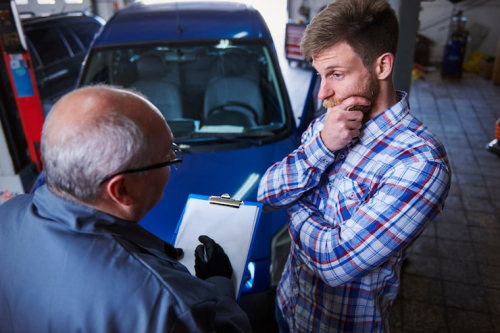
The steady hum of traffic along I-635 and the Dallas North Tollway carries more than just vehicles it carries decisions weighed carefully by buyers in the sprawling North Texas region. From Garland’s family neighborhoods to Frisco’s booming suburbs, Richardson’s tech corridors, Plano’s upscale communities, and outward to Rockwall-Heath, Forney, Mesquite, McKinney, and Grapevine, shoppers hunting for a used vehicle zero in on one decisive factor above almost all others: the service history. A complete, verifiable record of maintenance can shift a car from risky gamble to reliable partner, while missing entries or vague documentation often prompt a quick swipe to the next option. With the U.S. used car market poised for steady expansion projected to rise from USD 871.30 billion in 2026 to USD 980.47 billion by 2031 at a 2.41% CAGR mastering the meaning behind those service logs has become essential for anyone aiming to make a sound purchase.
Feeling stuck in the stressful car-buying process? At Jupiter Chevrolet in Garland, TX, we’ve reimagined how buying a car should feel. With transparent pricing, online deal-building tools, and the benefits of our Jupiter Advantage program, we ensure every step is straightforward and satisfying. Skip the hassle. From purchase, to certified service and parts, to collision repair and body shop. Our team puts your convenience, safety, and confidence first. Turn your dreams of finding your ideal Chevrolet into reality with us. Visit Jupiter Chevrolet today!
Service History Carries More Weight Than Odometer Alone
North Texas buyers scrutinize mileage, of course, but the sharpest ones probe further. The odometer records distance traveled; the service history reveals care invested over that distance. Consistent oil changes, prompt brake replacements, coolant flushes, and timing belt services according to manufacturer guidelines point to an owner who valued durability over short-term savings. Sparse or absent records spark legitimate concerns: Were warning signs overlooked? Did deferred maintenance pave the way for major failures down the road?
This scrutiny intensifies in the DFW metroplex, where climbing new-vehicle prices steer more households toward pre-owned choices. Affordability remains the core draw, amplified by digital platforms that bring greater clarity to transactions. In fast-growing areas like Plano and Frisco where families juggle school commutes, soccer practices, and weekend getaways a transparent service history frequently justifies a higher asking price. Dealerships prepared to deliver those details early build immediate credibility in an environment thick with caution.
Regional Patterns: Transparency Shapes Buyer Behavior
Dallas-Fort Worth echoes national momentum toward greater openness. Shoppers increasingly rely on online vehicle history reports alongside dealer-supplied documentation to confirm past care. In budget-sensitive communities such as Garland and Mesquite, thorough records of routine upkeep calm fears about wear from heavy interstate driving. Professionals in Richardson and McKinney, navigating daily treks to office parks, favor vehicles supported by logs showing proactive attention to critical components like transmissions, cooling systems, and belts.
Farther north in Frisco and Grapevine, buyers upgrading to family-oriented SUVs show strong preference for certified pre-owned programs that combine detailed inspections with full service disclosure. These preferences track wider developments: expanding online marketplaces heighten convenience and access, elevating the importance of verifiable histories. Tougher emission standards further reinforce the trend, compelling dealers to maintain documented compliance particularly for higher-mileage models that risk failing inspections without proper upkeep.
Everyday Examples: How Records Influence Outcomes
Picture a common scene on a Dallas lot: two comparable mid-size sedans, similar in year, trim, and mileage. One arrives backed by a detailed folder of stamped service visits; the other offers only intermittent proof. The first typically sells swiftly, sometimes at a modest premium, as buyers perceive reduced exposure to surprise repairs. In Plano, certified pre-owned inventory with ironclad histories regularly outsells conventional used stock, cutting post-sale dissatisfaction and returns.
The same dynamic plays out in Frisco and McKinney. Shoppers there inquire about maintenance logs nearly as often as fuel efficiency or safety ratings. Documentation of regular tire rotations, fluid services, and alignment checks offers reassurance that the vehicle can withstand Texas summers and congested highways without imminent large bills. In more spread-out areas like Rockwall-Heath and Forney where pavement gives way to rural stretches incomplete records frequently halt discussions. Buyers balk when they cannot verify whether suspension work or brake service followed rough-road wear.
Obstacles When Documentation Lags
Few vehicles boast flawless histories. Private-party trades or transfers from distant owners often leave gaps. In trust-sensitive markets like Mesquite and Garland, partial records stir uncertainty. Shoppers question whether neglected services concealed emerging issues or whether the car absorbed unreported strain. Dealers encounter parallel difficulties: unclear histories depress values and extend selling cycles.
These shortcomings expose real hazards unexpected repair costs after closing, eroded confidence, and in extreme cases, overlooked safety risks from unaddressed repairs. At the same time, they create openings. Dealerships committed to compiling and sharing comprehensive records stand apart in saturated markets such as Plano and Frisco, converting a common buyer objection into a clear advantage.
Leveraging Transparency to Build Loyalty and Revenue
North Texas dealerships that emphasize full service-history disclosure reap measurable benefits. In Grapevine and McKinney, locations that pair records with independent reports experience elevated closing ratios and deeper customer retention. A transparent past convinces buyers they avoid hidden liabilities, supporting firmer pricing even in cost-conscious segments.
The strategy extends beyond the initial sale. Vehicles departing with clear documentation and backed by ongoing service commitments encourage owners to return for routine maintenance, eventual repairs, and future trades. In Richardson, where buyers demonstrate readiness to invest more for proven reliability, this practice boosts resale values and fosters repeat business. Broader industry moves toward certified pre-owned offerings and digital verification strengthen the case: transparency earns loyalty.
The Road Forward: Proof as the Foundation
The used vehicle market across Garland, Dallas, Plano, and neighboring cities will continue shifting as digital tools mature and demands for clarity intensify. Buyers, equipped with better resources, insist on evidence rather than assurances. Dealerships that make gathering and presenting complete service histories a priority and that honor those records with continued care equip themselves to succeed in a steadily growing field.
Ultimately, a robust service record transcends mere paperwork. It reflects respect for the vehicle and prudent stewardship by its prior owner. For North Texas residents navigating today’s used market, that record frequently separates a hasty regret from a confident, enduring decision.
Frequently Asked Questions
Why is service history more important than mileage when buying a used car?
While mileage shows how far a vehicle has traveled, the service history reveals how well it was maintained over that distance. Consistent records of oil changes, brake replacements, and scheduled maintenance according to manufacturer guidelines indicate an owner who prioritized long-term durability. Complete service documentation helps buyers avoid vehicles with deferred maintenance that could lead to major failures and costly repairs down the road.
What should I look for in a used car’s maintenance records?
Look for documented proof of routine services like oil changes, coolant flushes, timing belt replacements, tire rotations, and brake work performed at manufacturer-recommended intervals. Complete records with dates, mileage, and service provider stamps demonstrate proactive care of critical components including transmissions, cooling systems, and suspension. Vehicles with thorough documentation, especially certified pre-owned models with detailed inspection reports, typically command higher prices but offer greater reliability and peace of mind.
How do incomplete service records affect a used vehicle’s value?
Missing or sparse maintenance records raise red flags about potential hidden problems and typically depress a vehicle’s resale value while extending its time on the market. Buyers become cautious when they cannot verify whether necessary repairs were completed, especially for vehicles exposed to heavy highway driving or rough road conditions. Dealers and private sellers with incomplete documentation often face lower offers, longer sales cycles, and increased buyer hesitation compared to similar vehicles with comprehensive service histories.
Disclaimer: The above helpful resources content contains personal opinions and experiences. The information provided is for general knowledge and does not constitute professional advice.
You may also be interested in: Available Plans/Help Protect Your Investment
Feeling stuck in the stressful car-buying process? At Jupiter Chevrolet in Garland, TX, we’ve reimagined how buying a car should feel. With transparent pricing, online deal-building tools, and the benefits of our Jupiter Advantage program, we ensure every step is straightforward and satisfying. Skip the hassle. From purchase, to certified service and parts, to collision repair and body shop. Our team puts your convenience, safety, and confidence first. Turn your dreams of finding your ideal Chevrolet into reality with us. Visit Jupiter Chevrolet today!
Powered by flareAI.co
Why Certified Pre-Owned Cars Are Worth Considering

The used car market continues to serve as a vital resource for drivers navigating the sprawling Dallas-Fort Worth metroplex, where rising new-vehicle prices and ongoing economic considerations push many toward smarter, more reliable alternatives. In communities such as Garland, Dallas, Richardson, Plano, Rockwall-Heath, Forney, Mesquite, McKinney, Grapevine, and Frisco, shoppers increasingly seek vehicles that combine proven dependability with meaningful cost savings. This trend has elevated certified pre-owned (CPO) cars to a prominent position, offering buyers exceptional value backed by manufacturer standards and extended protections.
Feeling stuck in the stressful car-buying process? At Jupiter Chevrolet in Garland, TX, we’ve reimagined how buying a car should feel. With transparent pricing, online deal-building tools, and the benefits of our Jupiter Advantage program, we ensure every step is straightforward and satisfying. Skip the hassle. From purchase, to certified service and parts, to collision repair and body shop. Our team puts your convenience, safety, and confidence first. Turn your dreams of finding your ideal Chevrolet into reality with us. Visit Jupiter Chevrolet today!
Understanding Certified Pre-Owned Vehicles in Today’s Market
Certified pre-owned vehicles represent the highest tier of used cars available through franchised dealerships, including those specializing in Chevrolet models. Unlike standard used cars, CPO units must pass stringent inspections conducted by factory-trained technicians. These evaluations go far beyond basic checks, encompassing mechanical components, exterior and interior conditions, and thorough vehicle history reports. The outcome is a vehicle supported by an extended warranty, designed to protect against unexpected major repairs soon after purchase.
This rigorous process effectively eliminates much of the uncertainty that often accompanies traditional used-car buying. Industry experts describe CPO cars as delivering “the peace of mind you’d get from a new car with the savings of a used car.” In the DFW region, where long commutes, family transportation needs, and varied road conditions are everyday realities, this blend of reliability and affordability proves especially compelling.
National Trends Meet Strong Local Demand
The broader used-car market remains robust, yet certified pre-owned sales have shown varied performance. Nationally, full-year CPO sales reached 2.5 million units in 2024, reflecting a 3.6% decline compared to 2023, largely due to limited supplies of nearly new vehicles and persistent affordability challenges. Projections for 2025 anticipated flat CPO sales at approximately 2.5 million units, even as the overall used-vehicle market experienced gradual recovery.
In contrast, the Dallas-Fort Worth area has demonstrated resilience and growth in CPO interest. Local dealership reports indicate steady increases in transactions, driven by elevated new-car pricing, stabilizing used values, and a clear preference for vehicles that retain a near-new feel without the steep initial depreciation. Buyers across Garland, Plano, Frisco, and neighboring cities gravitate toward CPO options that align with regional preferences for trucks and SUVs models like the durable Chevrolet Silverado or spacious Traverse, each thoroughly vetted to meet high standards.
Jupiter Chevrolet’s Approach to Certified Pre-Owned Excellence
Regional dealerships distinguish themselves by prioritizing quality and transparency in their CPO offerings. At Jupiter Chevrolet in Garland, the emphasis remains on meticulous selection rather than overwhelming volume. Certified vehicles typically undergo a comprehensive 172-point inspection, as outlined in Chevrolet’s official CPO program, addressing everything from engine performance and braking systems to cosmetic details and electronic functions. This thoroughness directly counters concerns about limited inventory compared to larger corporate competitors, focusing instead on vehicles that genuinely inspire confidence.
Customers value the added benefits: extended warranty coverage that extends protection well beyond standard used-car terms, included roadside assistance in many cases, and the assurance that hidden maintenance issues have been identified and resolved. In a market where economic factors steer shoppers toward three- to five-year-old models, these advantages position CPO as a logical upgrade from conventional pre-owned inventory.
Weighing the Advantages Against Potential Drawbacks
As with any major purchase, certified pre-owned vehicles involve trade-offs that deserve careful consideration. CPO models generally carry a higher price tag than comparable non-certified used cars often by several thousand dollars owing to the costs of inspection, reconditioning, and enhanced warranty coverage. This premium reflects tangible value, yet prospective buyers must evaluate whether the added safeguards align with their budget and long-term needs.
Supply limitations present another factor. Lingering effects from earlier production constraints can reduce the availability of certain models, trims, or low-mileage units in the local market. Concerns about the certification process its transparency and consistency across dealerships are valid, but choosing established franchised locations mitigates these risks, as manufacturer programs enforce uniform criteria.
Despite higher initial costs, the overall equation frequently favors CPO. Reduced likelihood of unanticipated repairs, stronger potential resale value, and remaining portions of the original factory warranty contribute to lower total ownership expenses over time.
Economic and Practical Benefits for DFW Drivers
For residents in McKinney, Mesquite, Grapevine, and throughout the metroplex, CPO vehicles provide substantial financial upsides: considerable savings compared to new models, frequently lower insurance premiums, and warranty protection that guards against significant repair bills. Dealerships gain as well CPO programs enable them to draw in discerning buyers, optimize inventory flow, and compete effectively in a trust-sensitive environment.
In a fast-growing region where dependable transportation underpins daily life, certified pre-owned options have proven durable and increasingly popular. They represent a balanced solution amid economic uncertainty, merging affordability with accountability.
The Path Forward for Certified Pre-Owned in North Texas
Looking ahead, CPO vehicles appear poised to maintain strong appeal in Texas, supported by ongoing population growth, practical driving demands, and evolving consumer priorities. Potential advancements such as enhanced online browsing and purchasing tools, expanded warranty features, and reinforced consumer safeguards promise to further elevate these programs.
For anyone exploring vehicle options in the Garland-Dallas vicinity and seeking reliability without excessive expense, a certified pre-owned model merits close attention. The decision extends beyond acquiring transportation; it ensures lasting confidence on the road. Visit a reputable local dealership, arrange a test drive, and discover firsthand why CPO continues to gain momentum among drivers throughout the area.
Frequently Asked Questions
What makes certified pre-owned vehicles different from regular used cars?
Certified pre-owned (CPO) vehicles undergo rigorous manufacturer inspections often exceeding 170 points conducted by factory-trained technicians. Unlike standard used cars, CPO models come with extended warranty coverage, roadside assistance, and verified vehicle history reports. This comprehensive vetting process provides buyers with near-new reliability at a lower price point, eliminating much of the uncertainty associated with traditional used-car purchases.
Are certified pre-owned cars worth the extra cost compared to non-certified used vehicles?
While CPO vehicles typically cost several thousand dollars more than comparable non-certified models, the premium often pays for itself through reduced repair risks and stronger resale value. The extended warranty protection guards against unexpected major repairs, and many buyers save on insurance premiums. Over the total ownership period, CPO buyers frequently experience lower expenses due to fewer maintenance surprises and better long-term dependability.
What should Dallas-Fort Worth buyers look for when shopping for certified pre-owned vehicles?
DFW buyers should prioritize established franchised dealerships that follow manufacturer CPO standards, such as Chevrolet’s 172-point inspection program. Look for vehicles that are three to five years old with verified maintenance records, extended warranty coverage, and models suited to local needs like trucks and SUVs. Verify that the certification includes comprehensive protections and confirm the transparency of the inspection process before making a purchase decision.
Disclaimer: The above helpful resources content contains personal opinions and experiences. The information provided is for general knowledge and does not constitute professional advice.
You may also be interested in: CHEVY SPECIAL OFFERS | Jupiter Chevrolet in Garland TX
Feeling stuck in the stressful car-buying process? At Jupiter Chevrolet in Garland, TX, we’ve reimagined how buying a car should feel. With transparent pricing, online deal-building tools, and the benefits of our Jupiter Advantage program, we ensure every step is straightforward and satisfying. Skip the hassle. From purchase, to certified service and parts, to collision repair and body shop. Our team puts your convenience, safety, and confidence first. Turn your dreams of finding your ideal Chevrolet into reality with us. Visit Jupiter Chevrolet today!
Powered by flareAI.co
Which Vehicle Types Offer the Best Resale Value

In the vast expanse of the Dallas-Fort Worth metroplex, where daily drives weave through thriving suburbs such as Plano, Frisco, and McKinney, and weekend getaways call for vehicles capable of handling both urban traffic and open roads, a practical question surfaces time and again: Which vehicles truly preserve their worth when the time comes to sell or trade them in?
The clear frontrunners in this region remain SUVs and trucks. These body styles align seamlessly with North Texas life offering ample room for families, gear, and occasional towing duties while delivering superior resale returns backed by market data. The global used car market stood at USD 1.90 trillion in 2024 and is expected to expand to USD 2.70 trillion by 2030, advancing at a CAGR of 6.0% from 2025 onward, with the SUV segment dominating by size in 2024. North America held a commanding 32.8% share of the global market that year, underscoring the region’s robust demand for pre-owned vehicles.
In the United States, the used car market is projected to grow by USD 40.2 billion between 2024 and 2029 at a CAGR of 4.3%, propelled by the compelling value of pre-owned options and the convenience of online browsing platforms. Looking further ahead, the U.S. market is anticipated to reach USD 871.30 billion in 2026 and climb to USD 980.47 billion by 2031, reflecting a steady 2.41% CAGR. Within this landscape, SUVs and crossovers are expected to capture 43.27% of the market size in 2026, growing at a robust 7.25% CAGR through 2031. Pickups also demonstrate impressive staying power; for instance, three-year-old Ford F-150 models frequently retain 60–65% of their original value, thanks to consistent demand from contractors, small businesses, and everyday users who prize capability.
Feeling stuck in the stressful car-buying process? At Jupiter Chevrolet in Garland, TX, we’ve reimagined how buying a car should feel. With transparent pricing, online deal-building tools, and the benefits of our Jupiter Advantage program, we ensure every step is straightforward and satisfying. Skip the hassle. From purchase, to certified service and parts, to collision repair and body shop. Our team puts your convenience, safety, and confidence first. Turn your dreams of finding your ideal Chevrolet into reality with us. Visit Jupiter Chevrolet today!
Emerging Trends Driving Resale Strength in DFW
The preference for larger, more versatile vehicles has solidified across the metroplex. Expansive neighborhoods in Frisco and McKinney reward models that accommodate growing families, lengthy commutes, and light towing needs. Nationally, full-size and midsize trucks consistently lead resale rankings, and North Texas mirrors this pattern closely. According to Kelley Blue Book‘s 2025 Best Resale Value Awards, standout performers include the Toyota Tacoma with 64.1% projected five-year retention, the Toyota Tundra at 60.9%, and the Toyota 4Runner around 60%. These results highlight a broader truth: Texas buyers favor durability, utility, and proven reliability, and the market consistently compensates those priorities with stronger residual values.
SUVs trail closely and often match or exceed truck performance in many local contexts. Compact and midsize crossovers such as the Honda CR-V, Toyota RAV4, and Subaru Crosstrek regularly appear among top retainers, combining efficient daily driving with the cargo space and seating that DFW households require. In tech-heavy areas like Plano and Richardson, these vehicles offer an ideal compromise economical for weekday routines yet adaptable for outings to nearby lakes or parks. The post-pandemic emphasis on personal space and flexibility has only intensified this shift, pushing used SUV demand higher throughout the region.
Electric vehicles introduce another dimension, especially in progressive communities like Plano and Richardson. Although they represent a smaller portion of the market, battery-electric models continue to gain momentum, supported by declining used prices many now fall in the $25,000–$28,000 range following notable drops in 2024 and the appeal of reduced long-term fuel and maintenance costs amid rising gasoline prices. Resale potential, however, can vary depending on local charging availability; gaps in infrastructure in places like Garland or Forney may temper confidence for some buyers.
Certified pre-owned (CPO) programs have surged in popularity, particularly in wealthier enclaves such as Frisco, Rockwall-Heath, and Grapevine. The added layer of factory-backed warranties, rigorous inspections, and detailed vehicle histories provides reassurance that frequently translates into higher trade-in values and stronger long-term retention.
Local Patterns and Practical Insights
Patterns become evident when examining dealership inventories in Mesquite, Grapevine, and surrounding areas. Pickup trucks flourish in Plano’s spread-out suburbs, where models like the Toyota Tundra or Chevrolet Silverado resonate with residents who need genuine work-ready capability. In more compact, commute-focused zones of Frisco, reliable compact sedans such as the Honda Civic and Toyota Corolla maintain solid reputations for dependability and lower operating costs, even if they depreciate more quickly than SUVs or trucks amid the regional tilt toward larger vehicles.
Demand data reinforces these observations: Ford F-150s, Chevrolet Silverado 1500s, and Ram 1500s consistently top used sales volumes in the metro area, with popular SUVs like the Toyota RAV4 and Honda CR-V close behind. These vehicles do not merely sell well they hold value because they address everyday realities in a market where size and versatility often equate to practicality.
Potential Drawbacks and Considerations
Not all categories perform evenly. Sedans and smaller passenger cars typically experience faster depreciation in Dallas and Richardson, where consumer preferences favor bigger footprints. EVs face hurdles in areas with limited charging options, such as Garland or Plano, which could influence future resale strength. Lingering effects from past supply disruptions occasionally create pricing volatility, particularly for high-demand models.
Brand perception plays a role as well. Chevrolet and Ford benefit from deep Texas roots, yet individual model performance can vary based on maintenance records and evolving buyer views.
Strategies to Maximize Value
The growing CPO segment offers tangible advantages for shoppers in higher-income areas like Frisco vehicles with extended coverage and verified condition often command premium trade-in figures. Consistent maintenance remains one of the most effective ways to protect resale across the board; in humid zones like Rockwall-Heath, proactive care against rust and timely fluid services can make a measurable difference.
Digital platforms and valuation tools have revolutionized the process, empowering buyers in Dallas and Plano to monitor market trends, compare local pricing, and make data-driven decisions with confidence.
Future Outlook for the DFW Market
Industry observers anticipate sustained leadership from trucks and SUVs, with Toyota models frequently projected to excel due to their reputation for longevity. As economic drivers evolve continued job expansion in McKinney, tech sector growth in Richardson the appetite for adaptable, high-utility vehicles is likely to persist.
Ultimately, in the Dallas-Fort Worth metroplex, resale value represents real financial impact. Choosing high-demand categories such as SUVs, trucks, and carefully maintained CPO options transforms a vehicle purchase into a strategic, long-term asset.
Curious about models that stand the test of time in Garland, Dallas, Richardson, Plano, Rockwall-Heath, Forney, Mesquite, McKinney, Grapevine, and Frisco? Visit the current selection and explore financing at JupiterChev.com. As a family-owned dealership with more than 100 years of service and a lifetime powertrain warranty, Jupiter Chevrolet delivers a trusted local option built for lasting value.
Frequently Asked Questions
Which vehicle types hold their value best in the Dallas-Fort Worth area?
SUVs and trucks consistently offer the best resale value in the DFW metroplex, with full-size and midsize pickups leading the rankings. Models like the Toyota Tacoma retain approximately 64.1% of their value after five years, while the Toyota Tundra holds around 60.9%. Popular SUVs such as the Toyota RAV4, Honda CR-V, and Subaru Crosstrek also demonstrate strong resale performance, making them ideal choices for families and commuters throughout North Texas.
How much value do pickup trucks retain after three years?
Three-year-old Ford F-150 models typically retain 60-65% of their original value in the used car market. This impressive retention rate is driven by consistent demand from contractors, small businesses, and everyday users who value the truck’s capability and versatility. Other popular pickups like the Chevrolet Silverado 1500 and Ram 1500 also maintain strong resale values throughout the Dallas-Fort Worth region.
What factors help maximize a vehicle’s resale value in Texas?
Several key strategies can significantly boost your vehicle’s resale value: choosing certified pre-owned (CPO) programs that offer factory-backed warranties and detailed vehicle histories, maintaining consistent service records, and selecting high-demand categories like SUVs and trucks. Regular maintenance is especially important in humid areas like Rockwall-Heath, where proactive rust prevention and timely fluid services can make a measurable difference in long-term value retention.
Disclaimer: The above helpful resources content contains personal opinions and experiences. The information provided is for general knowledge and does not constitute professional advice.
You may also be interested in: The Jupiter Advantage
Feeling stuck in the stressful car-buying process? At Jupiter Chevrolet in Garland, TX, we’ve reimagined how buying a car should feel. With transparent pricing, online deal-building tools, and the benefits of our Jupiter Advantage program, we ensure every step is straightforward and satisfying. Skip the hassle. From purchase, to certified service and parts, to collision repair and body shop. Our team puts your convenience, safety, and confidence first. Turn your dreams of finding your ideal Chevrolet into reality with us. Visit Jupiter Chevrolet today!
Powered by flareAI.co
How to Navigate Vehicle Certification Programs

The roar of engines along LBJ Freeway still echoes the same doubts that Dallas-Fort Worth drivers face today: Is that used truck truly reliable? Can it withstand another scorching Texas summer without major issues? In a sprawling metro where daily drives connect Garland to Frisco, Plano to Richardson, and beyond, confidence in a vehicle’s condition has become essential. Vehicle certification programs provide exactly that assurance not merely paperwork, but a structured safeguard for buyers in a competitive used-car landscape.
Feeling stuck in the stressful car-buying process? At Jupiter Chevrolet in Garland, TX, we’ve reimagined how buying a car should feel. With transparent pricing, online deal-building tools, and the benefits of our Jupiter Advantage program, we ensure every step is straightforward and satisfying. Skip the hassle. From purchase, to certified service and parts, to collision repair and body shop. Our team puts your convenience, safety, and confidence first. Turn your dreams of finding your ideal Chevrolet into reality with us. Visit Jupiter Chevrolet today!
Why Certified Pre-Owned Vehicles Are Gaining Ground in North Texas
Vehicle certification, particularly through manufacturer-supported Certified Pre-Owned (CPO) programs, requires a vehicle to undergo rigorous multi-point inspections, frequently exceeding 100 items. These checks span brakes, engine performance, electronics, suspension, and structural components. Successful certification brings extended warranty coverage, roadside assistance, and added benefits such as complimentary loaner vehicles during service visits. In North Texas, where new-vehicle prices remain elevated and supply chain factors persist, CPO options have gained substantial traction. Shoppers seek verifiable proof that the SUV intended for family duties or the pickup for work demands will deliver dependable performance over time.
This momentum stands out sharply in the region. Recent data from Cox Automotive indicates that certified pre-owned sales rose 21.2% month-over-month in March 2025, reaching an estimated 246,803 units, with a 6.4% year-over-year increase. Inventory tightened notably during peak periods, with day’s supply dropping to as low as 39 in some reports, reflecting strong regional demand amid seasonal influences and discussions of potential tariffs that could elevate new-vehicle costs by 10-15%. Broader Texas trends reinforce this pattern, with the used-car sector positioned to grow steadily projections from various analyses suggest the U.S. used-car market advancing at around 2.8% CAGR toward 2033, while North America overall eyes a 5% CAGR from 2025 to 2030. These figures highlight why areas like Garland, Plano, and Frisco represent fertile ground for certified vehicles.
Market Forces Driving Certification Growth Across the DFW Metroplex
Industry-wide developments provide further context. According to Fortune Business Insights, the global automotive testing, inspection, and certification (TIC) market reached USD 23.05 billion in 2023 and is forecasted to expand from USD 24.66 billion in 2024 to USD 39.86 billion by 2032, advancing at a 6.2% compound annual growth rate. The U.S. portion of this market is projected to reach an estimated USD 4.5 billion by 2032. Complementing this view, Mordor Intelligence reports the automotive TIC sector at USD 20.31 billion in 2025, expected to rise to USD 25.72 billion by 2030 at a 4.84% CAGR. Growth stems largely from the shift toward comprehensive validation of software-defined vehicles, electrified powertrains, and connected-car technologies areas demanding more sophisticated inspection protocols.
Advancements in technology continue to transform certification procedures. Dealerships now employ AI-driven diagnostic tools and digital documentation systems to accelerate inspections while maintaining precision. In the DFW area, this translates to quicker CPO processing, enabling faster inventory availability without compromising standards. Local Chevrolet dealers have capitalized on these tools, broadening certified inventories focused on high-demand models such as Silverado trucks and Equinox SUVs that suit Texas lifestyles.
How Technology Is Reshaping Vehicle Inspection and Certification
Real-world examples illustrate the impact close to home. Dealerships across Plano and Garland actively participate in manufacturer CPO programs, converting standard used stock into premium offerings. Buyers receive vehicles that exceed strict criteria and include robust protections typically 12 months or 12,000 miles of bumper-to-bumper coverage layered atop any remaining factory warranty, alongside extended powertrain safeguards. This approach resonates strongly in a market where family-operated businesses with deep roots compete against larger corporate entities. Jupiter Chevrolet in Garland exemplifies this balance: a dealership with a century of service since 1925, family-owned and operated, emphasizing lifetime powertrain warranties on qualifying models and prioritizing enduring customer relationships over high-volume pressure tactics.
No certification system escapes scrutiny, however. The process involves significant expenses for inspections, repairs, and oversight, often resulting in higher asking prices compared to non-certified used vehicles. Independent operators in places like Rockwall or Forney may bypass these programs to favor quicker turnover. Inspection timelines can delay lot availability, and transparency concerns persist some buyers encounter overstated “certified” claims in fast-moving markets such as Frisco or Mesquite. Moreover, even thorough certifications have boundaries: they cannot predict every potential issue, and warranties frequently omit routine wear components like tires or brake pads beyond initial terms.
What Buyers Should Verify Before Choosing a Certified Vehicle
Despite these drawbacks, the advantages often prove decisive for buyers and dealers alike. Certified inventory fosters rapid trust, with industry observations linking warranties and verified inspections to elevated closing rates and improved satisfaction scores. In the densely populated DFW environment, certification serves as a meaningful distinction, allowing dealerships to differentiate through quality focus rather than solely price competition. It also enhances inventory efficiency: rigorously vetted vehicles tend to sell more swiftly and generate fewer service disputes afterward.
The horizon for vehicle certification in North Texas appears dynamic. With electric and connected models increasing in presence, future programs will likely incorporate enhanced cybersecurity evaluations and software integrity checks. Digital innovations ranging from blockchain-secured records to mobile-accessible inspection summaries promise greater transparency and convenience. Local collaborations could develop specialized certifications, perhaps tailored to heavy-duty trucks prevalent among regional commuters.
For shoppers in Garland, Plano, Frisco, Richardson, or surrounding communities, success hinges on informed decisions. Request the complete inspection documentation, detailing every checked item and completed repair. Confirm the certifying authority manufacturer programs generally offer superior credibility. Review warranty terms carefully, comparing coverage scopes and durations. If uncertainties remain, arrange an independent mechanic inspection during a test drive. In today’s fast-evolving market, certification represents far more than an option; it delivers tangible reassurance. When a vehicle arrives properly validated, the journey feels more secure, letting drivers focus on the road rather than lingering worries.
Frequently Asked Questions
What does a Certified Pre-Owned (CPO) vehicle inspection include in Texas?
CPO inspections typically involve rigorous multi-point checks exceeding 100 items, covering brakes, engine performance, electronics, suspension, and structural components. Certified vehicles in North Texas come with extended warranty coverage, roadside assistance, and additional benefits like complimentary loaner vehicles during service visits. These inspections are manufacturer-backed and designed to ensure reliable performance in demanding conditions like Texas summers.
Are certified pre-owned vehicles worth the extra cost compared to regular used cars?
While CPO vehicles command higher prices due to inspection and repair expenses, they offer significant value through verified quality and protection. Buyers receive vehicles meeting strict criteria with robust warranties typically 12 months or 12,000 miles of bumper-to-bumper coverage plus extended powertrain safeguards. The certification process fosters faster trust, higher satisfaction scores, and fewer post-purchase service disputes, making them particularly valuable in competitive markets like Dallas-Fort Worth.
How is the certified pre-owned market performing in North Texas?
The CPO market in North Texas shows strong momentum, with certified pre-owned sales rising 21.2% month-over-month in March 2025 and 6.4% year-over-year according to Cox Automotive data. Inventory has tightened significantly with day’s supply dropping to as low as 39 during peak periods, reflecting robust regional demand. This growth aligns with broader trends as new-vehicle prices remain elevated and buyers seek verifiable quality assurance for vehicles like Silverado trucks and Equinox SUVs popular in the region.
Disclaimer: The above helpful resources content contains personal opinions and experiences. The information provided is for general knowledge and does not constitute professional advice.
You may also be interested in: Steps To Trade-In Your Car
Feeling stuck in the stressful car-buying process? At Jupiter Chevrolet in Garland, TX, we’ve reimagined how buying a car should feel. With transparent pricing, online deal-building tools, and the benefits of our Jupiter Advantage program, we ensure every step is straightforward and satisfying. Skip the hassle. From purchase, to certified service and parts, to collision repair and body shop. Our team puts your convenience, safety, and confidence first. Turn your dreams of finding your ideal Chevrolet into reality with us. Visit Jupiter Chevrolet today!
Powered by flareAI.co
Is a Hybrid or Gas-Only Vehicle Right for You?

In the expansive suburbs of North Texas, daily commutes often span long stretches of highway under relentless summer heat, while gas prices fluctuate around $2.40 to $2.50 per gallon in late January 2026. Drivers in Garland, Dallas, Richardson, Plano, Rockwall-Heath, Forney, Mesquite, McKinney, Grapevine, and Frisco confront a practical decision when shopping for their next vehicle: remain with a dependable gas-only model or transition to a hybrid that promises better efficiency without abandoning familiar fueling habits.
Feeling stuck in the stressful car-buying process? At Jupiter Chevrolet in Garland, TX, we’ve reimagined how buying a car should feel. With transparent pricing, online deal-building tools, and the benefits of our Jupiter Advantage program, we ensure every step is straightforward and satisfying. Skip the hassle. From purchase, to certified service and parts, to collision repair and body shop. Our team puts your convenience, safety, and confidence first. Turn your dreams of finding your ideal Chevrolet into reality with us. Visit Jupiter Chevrolet today!
Hybrid vs. Gas-Only Vehicles: A Local Perspective for North Texas Drivers
The worldwide hybrid car market provides compelling context for this choice. Valued at USD 203.09 billion in 2023, it is forecasted to expand to USD 457.27 billion by 2030, advancing at a compound annual growth rate of 11.7%. Surging oil price instability continues to propel consumers toward vehicles that deliver superior fuel economy and reduced operating expenses. Asia Pacific commanded the largest share at 62.2% of global revenue in 2023, with full-hybrid models capturing 47.2% within that segment. In the United States, comparable pressures influence buyers, tempered by evolving incentive landscapes. Federal tax credits for many new clean vehicles, including plug-in hybrids, concluded after September 30, 2025. Texas maintains its own support through programs like the Light-Duty Motor Vehicle Purchase or Lease Incentive Program, offering grants up to $2,500 for qualifying alternative-fuel vehicles, though certain electric-drive categories have encountered application suspensions or caps as demand exceeds allocated funds.
Local Driving Patterns and Vehicle Preferences in North Texas
Electric vehicle momentum is building rapidly in the Dallas-Fort Worth region, creating fertile ground for hybrids as a practical bridge. As of August 2025, North Texas recorded over 145,000 registered electric vehicles, marking a 34% increase with more than 36,000 additions in the preceding year. Hybrids align seamlessly with this progression, providing meaningful efficiency gains while depending far less on widespread charging networks. In congested urban zones such as Dallas and Plano, where rush-hour traffic frequently stalls, hybrids excel by deploying electric assistance during low-speed crawling and switching to gasoline power for extended highway runs.
North Texas summers impose severe demands on vehicle systems, with intense heat taxing batteries and air conditioning loads. Contemporary hybrids, including those from Chevrolet’s lineup, incorporate robust thermal management to sustain reliable performance even in extreme temperatures. Air quality remains a persistent regional issue, particularly with Dallas’s ongoing challenges with ozone formation. Hybrids contribute meaningfully by lowering fuel consumption and tailpipe emissions compared to conventional gas vehicles, delivering noticeable benefits on commutes from outlying communities like Richardson or Mesquite toward downtown Dallas.
Recent Developments and Infrastructure Progress
Public-sector fleets illustrate accelerating change. The City of Dallas maintains approximately 5,400 vehicles encompassing gasoline, hybrid, plug-in hybrid, and fully electric varieties, steadily increasing sustainable options. Early 2025 figures showed 60 electric vehicles in service, with additional units ordered or under evaluation to advance greenhouse gas reduction objectives. Neighboring Plano has integrated hybrid models alongside innovative additions like an all-electric garbage truck, demonstrating hybrid’s role in supporting reliable operations during the shift toward broader electrification.
Charging facilities continue expanding in key areas such as Dallas and Frisco, alleviating concerns for plug-in hybrid users. Family-operated dealerships, including Jupiter Chevrolet in Garland, increasingly feature hybrid models from Chevrolet, enabling straightforward test drives and side-by-side evaluations for prospective buyers throughout the region.
Practical Factors Shaping the Decision for North Texas Buyers
Higher initial purchase prices represent one of the primary barriers hybrids generally command a premium relative to equivalent gas-only counterparts. For drivers accumulating substantial mileage on routes connecting Grapevine to McKinney or Rockwall-Heath to Forney, however, fuel cost reductions accumulate swiftly. Recent Texas gasoline averages hovered near $2.47 per gallon in mid-to-late January 2026, reflecting modest weekly fluctuations but remaining below year-ago levels in many reports. This environment strengthens the economic case for hybrids on extended daily drives. Routine maintenance requirements stay broadly similar, with hybrid batteries demonstrating strong durability backed by comprehensive warranty protection offered through reputable dealerships.
Residents in more spread-out suburban or semi-rural zones occasionally express reservations regarding range limitations or sparse charging availability beyond major corridors. Conventional gas vehicles maintain clear advantages in rapid refueling and complete independence from electrical infrastructure attributes particularly valuable in less densely populated districts. Hybrids offer an effective compromise: electric propulsion for efficiency in dense traffic, gasoline backup for unrestricted range, all without requiring the infrastructure commitment of battery-electric models.
Balancing Advantages and Drawbacks in Everyday North Texas Use
In fast-growing communities like Frisco and Plano, where population surges intensify traffic congestion and local sustainability efforts gain traction, hybrids present distinct strengths. Reduced fuel stops, smoother and quieter operation in electric mode during city driving, and diminished environmental impact resonate with both individual commuters and business operators. Lower long-term ownership expenses appeal strongly to families and fleet managers alike. Trusted local dealerships emphasize these merits, frequently reinforcing purchases with robust warranty programs including lifetime powertrain coverage in some cases to address durability concerns over years of ownership.
Gas-only vehicles retain firm appeal through lower entry prices and uncomplicated maintenance, suiting shorter local trips or drivers who prize simplicity above incremental efficiency. Nevertheless, continual advancements in hybrid engineering and undeniable fuel savings make the technology increasingly difficult to overlook for a growing portion of North Texas motorists.
Deciding What Works Best for Your North Texas Lifestyle
The optimal selection ultimately hinges on individual circumstances and driving patterns. Heavy highway commuters who prioritize instantaneous refueling may continue favoring traditional gas models. Conversely, those traversing congested routes from Dallas outward to McKinney or anyone intent on capturing substantial savings amid volatile energy markets will discover hybrids provide substantial, real-world advantages while preserving familiar routines. Prospective buyers should visit nearby dealerships, examine detailed cost-of-ownership calculations, and experience both types firsthand on local roads. The insights gained behind the wheel often prove more decisive than theoretical projections. As hybrid adoption accelerates and model variety expands across showrooms, North Texas transportation appears poised for greater efficiency, mile after mile, well into the coming years.
Frequently Asked Questions
Are hybrid cars worth it in Texas with current gas prices?
Yes, hybrids can deliver substantial savings for North Texas drivers, especially those with long daily commutes. With gas prices around $2.40-$2.50 per gallon in late January 2026 and heavy traffic between cities like Dallas, Plano, and McKinney, hybrids excel by using electric power during stop-and-go driving while maintaining gasoline backup for highway range. The fuel cost reductions accumulate quickly for drivers covering significant mileage on routes connecting suburban communities.
How do hybrid vehicles perform in hot Texas summers?
Modern hybrids, including models from brands like Chevrolet, are engineered with robust thermal management systems to handle North Texas’s extreme summer heat reliably. These systems protect the battery and maintain consistent performance even when temperatures soar and air conditioning demands are high. Contemporary hybrid technology has been specifically designed to withstand harsh climates while delivering efficient operation year-round.
What is the main disadvantage of buying a hybrid vehicle over a gas-only car?
The primary drawback is the higher upfront purchase price hybrids typically cost more than comparable gas-only models. However, for drivers with substantial daily mileage, the fuel savings offset this premium relatively quickly. Gas-only vehicles maintain advantages in lower entry costs and simpler maintenance, making them suitable for those with shorter commutes or who prioritize simplicity, while hybrids benefit heavy commuters and those seeking long-term operating cost reductions.
Disclaimer: The above helpful resources content contains personal opinions and experiences. The information provided is for general knowledge and does not constitute professional advice.
You may also be interested in: Collision Service From the Experts
Feeling stuck in the stressful car-buying process? At Jupiter Chevrolet in Garland, TX, we’ve reimagined how buying a car should feel. With transparent pricing, online deal-building tools, and the benefits of our Jupiter Advantage program, we ensure every step is straightforward and satisfying. Skip the hassle. From purchase, to certified service and parts, to collision repair and body shop. Our team puts your convenience, safety, and confidence first. Turn your dreams of finding your ideal Chevrolet into reality with us. Visit Jupiter Chevrolet today!
Powered by flareAI.co
Connect with us


