





What to Look for in a Modern Infotainment System
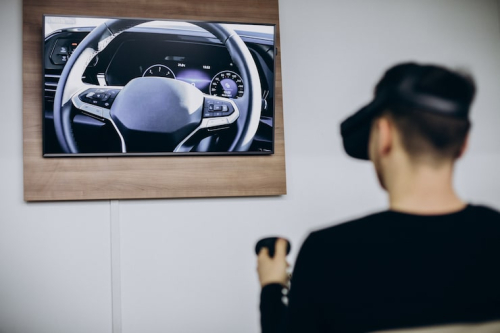
The hum of a modern Chevrolet infotainment system greets North Texas drivers the instant the engine turns over. Once limited to basic radio dials and cassette decks, today’s dashboards pulse with integrated technology that fuses navigation, entertainment, hands-free communication, and active safety cues into a single, responsive interface. For residents navigating the daily grind from Garland to Frisco, or tackling the sprawling freeways of Dallas and Plano, these systems have become essential partners elevating comfort, sharpening awareness, and transforming routine commutes into connected experiences. With the automotive industry charging toward software-driven cockpits, knowing which features truly deliver value has grown critical for informed buyers.
Feeling stuck in the stressful car-buying process? At Jupiter Chevrolet in Garland, TX, we’ve reimagined how buying a car should feel. With transparent pricing, online deal-building tools, and the benefits of our Jupiter Advantage program, we ensure every step is straightforward and satisfying. Skip the hassle. From purchase, to certified service and parts, to collision repair and body shop. Our team puts your convenience, safety, and confidence first. Turn your dreams of finding your ideal Chevrolet into reality with us. Visit Jupiter Chevrolet today!
The Evolution of Infotainment: What to Look for in a Modern In-Car System
Contemporary infotainment goes well beyond playing music. These platforms function as comprehensive command centers, channeling data and media through a prominent digital display known as the head unit. That screen manages climate settings, entertainment choices, and vital information streams, while incorporating modules for precise navigation, telematics data, and internet access. Market researchers chart this rapid advancement with consistent optimism. One analysis values the global automotive infotainment market at USD 35.78 billion in 2025, forecasting expansion from USD 37.95 billion in 2026 to USD 66.12 billion by 2034 at a CAGR of 7.19%. Complementary projections estimate the sector at USD 28.51 billion in 2026, reaching USD 38.35 billion by 2031 with a 6.11% CAGR, fueled by the transition to software-defined vehicles, over-the-air enhancements, 5G telematics, and generative AI assistants.
Asia Pacific commands a leading position often capturing 40–44% of global share but momentum builds strongly in North America, where connectivity expectations run high. In the Dallas-Fort Worth region, buyers in tech-oriented suburbs such as Frisco and Plano, along with family-centric communities like McKinney and Mesquite, increasingly seek vehicles that extend the seamless digital life they already enjoy on their phones.
Key Trends Driving Dashboard Innovation
Smartphone integration now forms the foundation. Wireless Android Auto and Apple CarPlay deliver effortless mirroring of favorite apps, music libraries, and messaging, freeing hands and eyes for the road. Voice assistants push interaction further: built-in support for Amazon Alexa, Google Assistant, or Chevrolet’s own Google built-in systems enables natural commands to adjust settings, locate destinations, or manage communications without touching controls. Displays have expanded dramatically many 2026 Chevrolet models feature crisp 11-inch or larger touchscreens paired with customizable driver information clusters creating intuitive hubs for media, vehicle status, and safety visuals.
Local inventory reflects these priorities. Dealerships across Richardson, Grapevine, and Rockwall-Heath emphasize vehicles equipped with high-resolution interfaces and advanced connectivity, aligning with the blend of fast-paced urban routes and suburban drives that define the area.
Practical Benefits on North Texas Roads
Navigation evolves into proactive guidance. Live traffic feeds, weather overlays, and automatic rerouting turn traditional maps into intelligent allies, especially valuable along congested stretches like I-635 in Garland or the merging lanes of Dallas. Drivers save time and reduce stress during peak hours.
Family appeal strengthens through expanded entertainment. Rear-seat displays, streaming integration, premium audio, and even parked gaming modes convert longer trips to Forney or errands in Heath into comfortable journeys. In family-focused neighborhoods such as Frisco and McKinney, these capabilities make school runs, sports practices, and weekend outings noticeably more enjoyable.
Features Buyers Should Demand
Personalization stands out as a differentiator. Top-tier systems allow drivers to rearrange home screens, set preferred shortcuts, and adjust themes so the interface matches individual habits. Safety integration proves equally vital: seamless links to rear cameras, parking sensors, blind-spot monitoring, and lane-keeping assistance present alerts clearly on the main display without clutter or distraction.
Broader app connectivity adds convenience. Certain setups link to smart-home devices, remote vehicle monitoring, or diagnostic tools, merging car functions with everyday digital routines. In forward-thinking communities like Plano and Richardson, these extensions help vehicles feel like natural extensions of modern lifestyles.
Addressing Real-World Drawbacks
Challenges persist despite the progress. Smartphone compatibility can vary across brands, occasionally producing frustrating sync issues. Less tech-savvy drivers particularly older generations may find complex menus and gesture-based controls intimidating, favoring straightforward designs over feature overload.
Advancements mitigate these concerns. Regular over-the-air updates refresh capabilities remotely, eliminating many service trips, while manufacturers refine user interfaces for broader accessibility, gradually closing the gap between cutting-edge functionality and everyday ease.
Why This Matters in the Dallas-Fort Worth Market
Interest in sophisticated infotainment climbs steadily across Dallas, Frisco, McKinney, and neighboring areas, where technology weighs heavily in vehicle selection. Dealerships respond by spotlighting models rich in these features, demonstrating tangible improvements to daily mobility throughout the metroplex.
Independent, family-run dealerships such as Jupiter Chevrolet in Garland capitalize on this shift. They combine the latest Chevrolet infotainment advancements often featuring Google built-in integration with enduring advantages: over 100 years in business, family-operated service, and a standout lifetime powertrain warranty that safeguards engine, transmission, and drivetrain components for the duration of ownership. Against competitors boasting larger inventories or sharper pricing, this mix of personal attention, proven reliability, and modern tech presents a persuasive choice for shoppers in Garland, Plano, Mesquite, and surrounding communities.
The Road Ahead for In-Car Technology
Future development centers on smarter AI companions capable of contextual conversation, deeper fusion of infotainment with driver-monitoring and advanced safety systems, and persistent wireless enhancements that keep vehicles current for years. In highly connected markets like North Texas where drives routinely mix professional calls, personalized audio, and family entertainment these innovations promise greater safety, customization, and satisfaction.
Shoppers in Garland, Dallas, and nearby cities should focus on systems that marry innovation with usability. Spend time testing voice recognition accuracy, screen responsiveness, and overall intuitiveness. Envision how the setup aligns with your typical routes and routines. The ideal infotainment system does more than occupy time; it enhances every journey, making the drive feel purposeful and protected. In an era of constant motion, that lasting value endures well beyond the first turn of the key.
Frequently Asked Questions
How do modern infotainment systems improve daily driving in North Texas?
Modern infotainment systems transform navigation into proactive guidance with live traffic feeds, weather overlays, and automatic rerouting particularly valuable on congested Dallas-Fort Worth routes like I-635 or merging lanes throughout the metroplex. These systems also enhance family travel through rear-seat displays, streaming integration, and premium audio that make longer trips and daily commutes more comfortable. The integration of smartphone connectivity means drivers can manage calls, messages, and media without taking their hands off the wheel or eyes off the road.
What challenges should buyers be aware of with modern infotainment systems?
While modern infotainment systems offer impressive capabilities, smartphone compatibility can occasionally vary across brands, leading to sync issues. Less tech-savvy drivers may find complex menus and gesture-based controls intimidating compared to traditional button layouts. However, manufacturers are addressing these concerns through regular over-the-air updates that refresh capabilities remotely and refined user interfaces designed for broader accessibility, making systems easier to use across all age groups and technical skill levels.
What are the most important features to look for in a modern car infotainment system?
The most valuable features in today’s infotainment systems include wireless smartphone integration (Android Auto and Apple CarPlay), voice assistant support (Amazon Alexa, Google Assistant, or Google built-in), and large touchscreen displays (11 inches or larger). Safety integration is equally critical look for systems that seamlessly connect to rear cameras, parking sensors, blind-spot monitoring, and lane-keeping assistance. Personalization options that allow you to customize home screens and shortcuts also significantly enhance the user experience.
Disclaimer: The above helpful resources content contains personal opinions and experiences. The information provided is for general knowledge and does not constitute professional advice.
You may also be interested in: Chevrolet Service Deals Attract Dallas Drivers to Garland Location
Feeling stuck in the stressful car-buying process? At Jupiter Chevrolet in Garland, TX, we’ve reimagined how buying a car should feel. With transparent pricing, online deal-building tools, and the benefits of our Jupiter Advantage program, we ensure every step is straightforward and satisfying. Skip the hassle. From purchase, to certified service and parts, to collision repair and body shop. Our team puts your convenience, safety, and confidence first. Turn your dreams of finding your ideal Chevrolet into reality with us. Visit Jupiter Chevrolet today!
Powered by flareAI.co
How Vehicle Tech Enhances Daily Driving Comfort

The daily grind of navigating the sprawling Dallas-Fort Worth metroplex can test anyone’s patience think bumper-to-bumper crawls along I-635 through Garland or the long hauls up to Frisco and McKinney during rush hour. Yet something remarkable is happening in showrooms and on the roads right now: vehicle technology is quietly turning those stressful commutes into something far more tolerable, even enjoyable. From smoother rides to smarter cabins, today’s cars are engineered with daily comfort in mind, and nowhere is that shift more noticeable than here in North Texas.
Feeling stuck in the stressful car-buying process? At Jupiter Chevrolet in Garland, TX, we’ve reimagined how buying a car should feel. With transparent pricing, online deal-building tools, and the benefits of our Jupiter Advantage program, we ensure every step is straightforward and satisfying. Skip the hassle. From purchase, to certified service and parts, to collision repair and body shop. Our team puts your convenience, safety, and confidence first. Turn your dreams of finding your ideal Chevrolet into reality with us. Visit Jupiter Chevrolet today!
How Vehicle Tech Enhances Daily Driving Comfort in Garland and Dallas-Fort Worth
Modern vehicles have evolved far beyond basic transportation. They now function as mobile sanctuaries, deliberately crafted to reduce the physical and mental strain of routine driving. In the DFW region, where commutes frequently span multiple cities such as Plano, Richardson, Mesquite, Rockwall-Heath, Forney, Grapevine, and others, features that were once exclusive to high-end luxury cars have become widely available across mainstream models. This transformation is backed by robust industry growth. The global connected car market was estimated at USD 12,843.0 million in 2024 and is projected to reach USD 26,470.7 million by 2030, expanding at a 12.8% CAGR from 2025 to 2030. Growth stems from the increasing integration of advanced driver assistance systems (ADAS), intelligent navigation, and immersive digital cockpits that elevate both vehicle performance and driver experience. North America commanded over 30% of the market share in 2024, with the U.S. holding a dominant 66% within that segment clear evidence of strong regional adoption in areas like the Dallas-Fort Worth metroplex.
Infotainment systems remain central to this evolution. The automotive infotainment market was valued at USD 14.99 billion in 2023 and is forecasted to climb to USD 28.93 billion by 2030, growing at a 9.9% CAGR from 2024 onward. Drivers increasingly demand on-demand music, seamless smartphone connectivity, and live audio streaming to maintain engagement and reduce distraction during long stretches behind the wheel. Complementary data from the in-car infotainment segment shows a market valued at USD 24.02 billion in 2025, expected to reach USD 37.45 billion by 2031 at a 7.68% CAGR. Meanwhile, advancements in automotive HVAC technology support overall cabin comfort. The global automotive HVAC market stood at USD 51.16 billion in 2023 and is projected to hit USD 79.59 billion by 2030, advancing at a 6.7% CAGR from 2024. Dual-zone climate control, air quality sensors, and efficient heating-cooling systems now counteract Texas heat, humidity, and seasonal allergens on drives to McKinney, Grapevine, or beyond.
Cutting-Edge Features Transforming the Drive
Adaptive cruise control proves especially valuable on extended highway routes, such as I-35E heading toward Plano or the Dallas North Tollway. By automatically maintaining safe following distances and adjusting speed in response to traffic, it significantly reduces driver fatigue on stretches where congestion builds and dissipates without warning. When combined with lane-assist technology and blind-spot monitoring, these systems make merging and lane changes in dense areas around Garland or central Dallas noticeably less stressful. Drivers remain positioned correctly and alerted to surrounding vehicles without the constant strain of twisting to check mirrors.
Convenience extends to the smallest details. Wireless charging pads eliminate cable clutter, while robust connectivity ensures devices stay powered and integrated. Electric vehicles take this comfort further: their near-silent propulsion and immediate torque produce an exceptionally smooth, vibration-free experience ideal for stop-and-go conditions through Richardson or Frisco. As charging networks continue to expand across North Texas, EVs deliver genuine reliability for everyday travel without the range anxiety that once deterred adoption.
Real-World Comfort at Local Dealerships
These innovations are readily accessible at Jupiter Chevrolet in Garland, where current models feature power-adjustable seating that adapts instantly to individual preferences, dual-zone climate control that maintains personalized comfort amid fluctuating Texas weather, and advanced noise-reduction materials that minimize road and wind intrusion. With more than 100 years in business as a family-owned and operated dealership, Jupiter Chevrolet combines longstanding community trust with the latest Chevrolet engineering. Their lifetime powertrain warranty further reinforces confidence, allowing owners to concentrate on the drive itself rather than potential long-term repair concerns.
Drivers across the region feel the impact. Commuters navigating Mesquite or Forney describe how refined cabin elements convert ordinary errands into noticeably calmer outings. Longer trips to Rockwall-Heath become far less taxing when intuitive technology anticipates needs adjusting settings proactively instead of requiring constant manual input.
Addressing the Challenges of High-Tech Driving
Advanced features do introduce complexities. The volume of screens, voice commands, and customizable options can overwhelm drivers less comfortable with rapidly changing interfaces, especially in newer models that update frequently via over-the-air software. Some residents in Frisco or Mesquite express valid reservations about excessive dependence on semi-autonomous capabilities, preferring the direct control they have grown accustomed to. Maintenance requirements also warrant consideration: sophisticated electronics and sensors demand specialized diagnostics and repairs, which can strain service capacity at centers in outlying areas like Forney or Rockwall-Heath as technology evolves at a brisk pace.
Fortunately, these obstacles continue to diminish. Forward-thinking dealerships such as Jupiter Chevrolet prioritize technician training and invest in up-to-date equipment, ensuring high-tech ownership remains practical and supportive rather than burdensome.
Opportunities for Smarter, More Affordable Commutes
Modern vehicle systems generate tangible efficiency improvements that benefit budgets directly. Enhanced aerodynamics, optimized engine controls, and the inherent advantages of electric powertrains reduce fuel consumption on commutes through Grapevine or Mesquite. In a market prone to gas price volatility and extended travel distances, these gains deliver measurable savings while lowering emissions a win for both individual wallets and regional air quality.
Jupiter Chevrolet capitalizes on these developments by providing access to tech-rich vehicles at competitive terms, all while upholding their century of service and family-operated ethos. The lifetime powertrain warranty serves as a concrete advantage, instilling lasting assurance amid ongoing automotive advancements.
The Road Ahead for North Texas Drivers
Automotive technology will integrate even more deeply into everyday routines across the region. Anticipate navigation systems that dynamically avoid DFW gridlock using real-time data, expanded safety through vehicle-to-vehicle (V2V) communication, and cabins that automatically adjust to passenger preferences. For people living in Garland, Dallas, Plano, Richardson, and neighboring communities, these developments signal a future where daily drives shift from obligation to extension of personal comfort.
If the prospect of a noticeably more comfortable ride appeals to you, consider visiting Jupiter Chevrolet to explore the current selection. Their combination of dependable vehicles, forward-looking features, and authentic local support simplifies the process of upgrading. The next time you head out across North Texas, the experience could prove smoother and far more enjoyable than ever before.
Frequently Asked Questions
What vehicle technologies make daily commuting more comfortable in the Dallas-Fort Worth area?
Modern vehicles offer adaptive cruise control that automatically adjusts speed and maintains safe following distances on highways like I-35E and the Dallas North Tollway, significantly reducing driver fatigue. Additional comfort features include dual-zone climate control to combat Texas heat, power-adjustable seating for personalized positioning, advanced noise-reduction materials that minimize road and wind intrusion, and lane-assist technology with blind-spot monitoring that makes merging in dense traffic less stressful. These features work together to transform routine drives through Garland, Plano, Richardson, and surrounding cities into more relaxed experiences.
How do electric vehicles improve driving comfort compared to traditional gas-powered cars?
Electric vehicles deliver an exceptionally smooth and quiet driving experience due to their near-silent propulsion systems and immediate torque delivery, which is particularly beneficial in stop-and-go traffic conditions. Unlike gas engines, EVs produce virtually no vibration, creating a serene cabin environment during commutes through Richardson, Frisco, or Mesquite. As charging networks continue expanding across North Texas, EVs now offer genuine reliability for everyday travel while also providing efficiency improvements that reduce fuel costs and emissions making them both more comfortable and more economical for regional drivers.
Are high-tech vehicle features difficult to maintain and repair in the Dallas-Fort Worth area?
While sophisticated electronics and sensors do require specialized diagnostics and repairs, forward-thinking dealerships like Jupiter Chevrolet prioritize technician training and invest in up-to-date equipment to ensure high-tech ownership remains practical. Many modern vehicles receive over-the-air software updates to improve functionality without requiring service visits. Additionally, dealerships offering lifetime powertrain warranties provide long-term assurance, allowing drivers to focus on enjoying advanced features like wireless charging, intelligent navigation, and driver assistance systems without concern about future repair costs.
Disclaimer: The above helpful resources content contains personal opinions and experiences. The information provided is for general knowledge and does not constitute professional advice.
You may also be interested in: Tire Services at Jupiter Chevrolet Enhance Safety for Richardson Commuters
Feeling stuck in the stressful car-buying process? At Jupiter Chevrolet in Garland, TX, we’ve reimagined how buying a car should feel. With transparent pricing, online deal-building tools, and the benefits of our Jupiter Advantage program, we ensure every step is straightforward and satisfying. Skip the hassle. From purchase, to certified service and parts, to collision repair and body shop. Our team puts your convenience, safety, and confidence first. Turn your dreams of finding your ideal Chevrolet into reality with us. Visit Jupiter Chevrolet today!
Powered by flareAI.co
Insider Tips for Comparing Trade-In Offers

The hum of traffic along I-635 and the glowing rows of dealership signs stretching down Highway 75 paint a familiar picture for anyone car shopping in the Dallas-Fort Worth metroplex. Trade-in offers hit the table like high-stakes bets, and the natural question follows: why does one dealership in Garland peg your Chevrolet $1,500 higher than the one in Plano? In a U.S. used car market valued at USD 871.30 billion in 2026 and projected to climb to USD 980.47 billion by 2031 at a 2.41% CAGR, those gaps translate directly into hundreds or thousands of dollars saved (or lost) on your next vehicle.
Across the sprawling DFW region, from Frisco and McKinney in the north to Mesquite, Forney, and Rockwall-Heath in the south, trade-in values fluctuate based on hyper-local demand, current inventory pressures, and your ability to negotiate smartly. The real skill lies not in accepting the first number but in decoding why offers differ and leveraging that insight for maximum return.
Feeling stuck in the stressful car-buying process? At Jupiter Chevrolet in Garland, TX, we’ve reimagined how buying a car should feel. With transparent pricing, online deal-building tools, and the benefits of our Jupiter Advantage program, we ensure every step is straightforward and satisfying. Skip the hassle. From purchase, to certified service and parts, to collision repair and body shop. Our team puts your convenience, safety, and confidence first. Turn your dreams of finding your ideal Chevrolet into reality with us. Visit Jupiter Chevrolet today!
Decoding the Wide Range in DFW Trade-In Offers
The used car landscape in North Texas mirrors national patterns yet carries its own regional flavor. Steady population influx into suburbs like Grapevine and Rockwall-Heath sustains strong appetite for dependable trucks, SUVs, and family crossovers, while lingering supply chain effects from prior years keep some new-vehicle lots lean. Dealerships eager to refresh pre-owned stock frequently compete hard for trade-ins to replenish their inventories.
That said, uniformity is rare. High-volume corporate chains may trim offers to safeguard profit margins, whereas a family-owned dealership like Jupiter Chevrolet in Garland can respond more flexibly particularly when your trade aligns neatly with their certified pre-owned needs. Organized dealer groups continue to gain traction through AI-powered pricing engines, same-day home delivery, and seamless omnichannel experiences, while independent operations grapple with narrower margins and slower turnover. In the Dallas-Fort Worth area, this rivalry opens doors: an appraisal in Richardson might undervalue your low-mileage SUV if their lot already overflows with comparable units, whereas a Plano location could view it as prime retail material.
Zooming out provides useful context. The global used car market stood at USD 1.90 trillion in 2024 and is forecast to reach USD 2.70 trillion by 2030, expanding at a 6.0% CAGR from 2025 onward, with North America commanding a leading 32.8% share in 2024. SUVs lead by size category, petrol dominates fuel types, and conventional vehicles hold the largest portion overall. In the U.S., the market’s momentum projected from USD 871.30 billion in 2026 to USD 980.47 billion by 2031 reflects ongoing migration, economic drivers, and a preference for value-driven purchases. Texas ranks high among growth states for used vehicles, meaning a trade-in in Frisco or McKinney frequently commands more than in less dynamic regions.
Proven Strategies to Evaluate and Maximize Trade-In Offers
Begin with solid research before visiting any showroom. Plug your vehicle’s year, make, model, mileage, and condition into several free online valuation tools Kelley Blue Book, Edmunds, and OEM estimators then validate those figures against real-time DFW listings on Facebook Marketplace, Autotrader, or Cars.com, narrowed to your local zip codes. Seeing what comparable models actually sell for in Mesquite or Rockwall-Heath often reveals more truth than any algorithm alone.
Approach the appraisal process methodically. Secure at least three written offers from a balanced selection: a large corporate outlet, an independent dealer, and a reputable local name such as Jupiter Chevrolet. Keep early negotiations blind share no competing bids until all appraisals are complete. Once figures arrive, probe deliberately: “What explains the $800 gap compared to the offer across town?” or “How did you factor in current Garland and Plano demand for this trim?”
Presentation matters enormously. A spotless cabin, fresh full tank, recent service stamps, and small cosmetic corrections (replaced blades, buffed-out door dings) routinely lift offers by hundreds of dollars. Carry complete maintenance records; documentation of routine care performed at a trusted dealership like Jupiter Chevrolet conveys dependability and frequently boosts perceived value. Should your vehicle qualify for their Lifetime Powertrain Warranty upon resale, that added assurance often encourages a more competitive bid.
Timing remains a powerful lever. Dealerships feel pressure at month-end, quarter-close, or during model-year transitions to clear space and hit targets. In a metro area where daily commutes and family logistics demand reliable wheels, trading in just before a major Chevrolet delivery can position you to benefit from a lot desperate for fresh trade inventory.
Navigating Typical Obstacles in the North Texas Market
Inventory shortages and competitive scale create hurdles for every player. Larger chains with vast resources can saturate lots, fostering the impression that smaller operations struggle to match pricing. Yet sheer volume tells only part of the story. Dealerships boasting a century of service in North Texas like one family-owned and operated for 100 years cultivate loyalty through genuine relationships rather than headline-grabbing discounts. They frequently offset corporate aggressiveness with superior transparency, individualized appraisals, and value-added protections such as extended coverage that deliver lasting benefits.
Buyers sometimes fall into the trap of equating size with superior deals. In practice, a family-run dealership may bid higher precisely because it intends to retail your trade-in directly rather than flip it wholesale. In today’s environment, where organized groups harness technology for sharper pricing while independents contend with slimmer margins, the personal touch trust built over repeat visits, candid dialogue, community investment continues to sway decisions in locales like Forney, Grapevine, and beyond.
Securing the Smartest Outcome for Your Trade
Ultimately, comparing trade-in offers transcends chasing the absolute top dollar; it means departing with certainty that you extracted fair market value in one of America’s most vibrant automotive regions. Collect multiple bids, anchor your position with localized comps, showcase your vehicle at its best, and weigh the intangibles: a dealership deeply rooted in the community tends to reciprocate that commitment.
In the Dallas-Fort Worth expanse, where every highway mile carries its own narrative, a well-executed trade-in powers your next journey affordably. Whether you’re in Richardson considering a fresh Silverado or in McKinney refreshing the family SUV, these strategic steps separate satisfactory from exceptional results. Visit a longstanding local resource like Jupiter Chevrolet celebrating 100 years in business, family-owned and operated, and standing behind vehicles with a Lifetime Powertrain Warranty and discover how the offers line up for your specific ride. The strongest deal rarely appears as the biggest figure on the page; it’s the one that feels genuinely right the moment you turn the key and head home.
Frequently Asked Questions
Why do trade-in offers vary so much between dealerships in the Dallas-Fort Worth area?
Trade-in values fluctuate based on hyper-local demand, current inventory levels, and dealership type. A dealership in Richardson might undervalue your SUV if their lot is already full of similar models, while a Plano location could see it as prime retail material. Family-owned dealerships often offer more competitive bids because they plan to retail your vehicle directly rather than sending it to wholesale auction.
What’s the best way to maximize my trade-in value in North Texas?
Start by researching your vehicle’s value using multiple tools like Kelley Blue Book and Edmunds, then validate against real listings in your local area. Secure at least three written offers from different dealership types, present your vehicle in pristine condition with complete maintenance records, and time your trade-in around month-end or quarter-close when dealerships are eager to meet targets and refresh inventory.
How important is vehicle presentation when getting a trade-in appraisal?
Presentation can add hundreds of dollars to your offer. A spotless interior, full tank of gas, recent service stamps, and small cosmetic fixes like replacing wiper blades or buffing out door dings significantly boost perceived value. Complete maintenance records especially from reputable dealerships convey dependability and often result in more competitive bids, particularly if your vehicle qualifies for added protections like a Lifetime Powertrain Warranty.
Disclaimer: The above helpful resources content contains personal opinions and experiences. The information provided is for general knowledge and does not constitute professional advice.
You may also be interested in: Garland Service Center Expands Diagnostic Tools for Chevrolet EVs
Feeling stuck in the stressful car-buying process? At Jupiter Chevrolet in Garland, TX, we’ve reimagined how buying a car should feel. With transparent pricing, online deal-building tools, and the benefits of our Jupiter Advantage program, we ensure every step is straightforward and satisfying. Skip the hassle. From purchase, to certified service and parts, to collision repair and body shop. Our team puts your convenience, safety, and confidence first. Turn your dreams of finding your ideal Chevrolet into reality with us. Visit Jupiter Chevrolet today!
Powered by flareAI.co

Commuters across the Dallas-Fort Worth metro, including Garland, Dallas, Plano, Frisco, and McKinney, routinely log higher annual mileage than national averages due to the area’s sprawl and ongoing growth. When shopping for a vehicle, many buyers focus on the sticker price or monthly payment, missing the full picture of what ownership actually costs over time.
According to AAA’s 2025 Your Driving Costs study, the average ownership cost for a new vehicle driven 75,000 miles over five years is $11,577 annually, or roughly $965 per month. This reflects a $719 decline from 2024, driven by lower depreciation, reduced finance charges, and falling fuel prices. Depreciation remains the largest single expense, with vehicles in the study losing an average of $4,334 in value annually. Finance charges average $1,131 per year on a typical loan, and fuel costs run about 13 cents per mile, or roughly $1,950 annually for 15,000 miles on a gasoline-powered vehicle. NerdWallet + 3
What Drives the True Cost of Ownership
Depreciation. New vehicles typically lose 15% to 20% of their value in the first year, followed by roughly 15% annually over the next several years. In a market like Dallas-Fort Worth, where trucks and SUVs remain popular, well-maintained vehicles with documented service history tend to hold resale value better than those without. A lifetime powertrain warranty, like the one included in Jupiter Chevrolet’s Jupiter Advantage program, can support resale value by giving the next buyer assurance about the vehicle’s mechanical condition.
Financing. Average finance charges run about $1,131 per year on a typical loan. Separately, Experian’s State of the Automotive Finance Market report for Q3 2025 found average monthly payments of $748 for new vehicle financing, $596 for new vehicle leases, and $532 for used vehicles. Regardless of financing structure, most drivers commit to $500 or more monthly on payments alone, before insurance, fuel, and maintenance. NerdWallet
Insurance. Insurance costs vary by driver, location, and coverage level. Urban areas with higher traffic density and claim volume, including parts of Dallas and Garland, tend to see higher average premiums than less dense suburban areas. Texas’s exposure to hail and severe weather is also a factor insurers weigh regionally, which can affect rates differently depending on where a vehicle is garaged.
Registration and fees. AAA reports the average car owner pays $813 annually for licensing, registration, and taxes. The exact amount varies by county and vehicle type, with Texas’s 6.25% motor vehicle sales tax and local county fees factoring into the total at the time of purchase. NerdWallet
Fuel. AAA’s study puts average fuel costs at 13 cents per mile, or about $1,950 annually for 15,000 miles driven on a gasoline-powered vehicle. Drivers with longer commutes, common across the spread-out DFW metro, should expect costs proportionally higher than this baseline if their annual mileage exceeds 15,000. NerdWalletaaa
Maintenance and repairs. Routine service and repairs typically run several thousand dollars over a five-year ownership period, varying significantly by vehicle type and how well maintenance is kept up. Texas’s summer heat puts added strain on cooling systems and tires, making preventive maintenance, more important than in milder climates.
How to Budget More Accurately
Rather than relying on national averages alone, match your vehicle choice to your actual driving habits. A fuel-efficient model makes sense for shorter, stop-and-go commutes, while a more capable truck or SUV may be worth the higher operating cost if you’re regularly towing or hauling. Buyers planning to keep a vehicle well past the typical five-year ownership window benefit most from a lifetime powertrain warranty, since it protects against major repair costs in years six, seven, and beyond, exactly when AAA’s standard five-year cost model stops accounting for risk.
Frequently Asked Questions
What is the average monthly cost of owning a car in 2025?
According to AAA’s 2025 study, the average cost of owning and operating a new vehicle is approximately $965 per month, or $11,577 annually, based on driving 15,000 miles per year. This includes depreciation, financing, fuel, insurance, maintenance, and registration. Monthly payments alone average $748 for new car financing, $596 for leases, and $532 for used vehicles, before adding insurance and other operating costs.
What is the biggest hidden cost of car ownership?
Depreciation is the largest and most overlooked expense, averaging $4,334 per year according to AAA. New vehicles typically lose 15% to 20% of their value in the first year, followed by roughly 15% annually over the next several years. This cost often exceeds what drivers pay in financing, fuel, or maintenance combined.
How much should I budget for registration and fees in Texas?
AAA’s national average for licensing, registration, and taxes is $813 annually, though Texas-specific costs include a 6.25% motor vehicle sales tax at purchase plus county-level registration fees that vary by location.
Does a lifetime powertrain warranty actually save money long-term?
For buyers who keep a vehicle past the typical five-year ownership window used in cost studies, a lifetime powertrain warranty can meaningfully reduce risk, since major component failures (engine, transmission, drivetrain) become more likely as a vehicle ages and standard manufacturer warranties expire.
Disclaimer: This content is provided for general informational purposes and does not constitute financial advice. Cost figures are based on national averages from AAA and Experian and may vary based on individual circumstances, vehicle type, and location.
Talk to Jupiter Chevrolet About Total Ownership Costs
Jupiter Chevrolet is located at 11611 LBJ Freeway in Garland and serves buyers across the Dallas metro, including Plano, Frisco, McKinney, Rockwall-Heath, Forney, Richardson, Mesquite, and Grapevine. Qualifying purchases include the Jupiter Advantage program with a lifetime powertrain warranty. Use the “Build My Deal” tool at jupiterchev.com to see financing options and total cost estimates before your visit.
What Drivers Should Know About Extended Warranties

The daily grind on North Texas highways from the relentless flow along I-635 to the stretch of Highway 75 demands vehicles that hold up under heat, traffic, and high mileage. When a breakdown strikes, the financial hit can be brutal. That’s why the debate over extended warranties feels so immediate for drivers in Garland, Dallas, Plano, Richardson, Frisco, McKinney, Mesquite, Rockwall-Heath, Forney, and Grapevine. Are these plans a smart safeguard or an unnecessary expense? The market trends and real-world numbers provide a clearer picture than ever.
Feeling stuck in the stressful car-buying process? At Jupiter Chevrolet in Garland, TX, we’ve reimagined how buying a car should feel. With transparent pricing, online deal-building tools, and the benefits of our Jupiter Advantage program, we ensure every step is straightforward and satisfying. Skip the hassle. From purchase, to certified service and parts, to collision repair and body shop. Our team puts your convenience, safety, and confidence first. Turn your dreams of finding your ideal Chevrolet into reality with us. Visit Jupiter Chevrolet today!
A Cost-Benefit Breakdown for North Texas Drivers
The U.S. extended warranty market stood at USD 53.01 billion in 2025 and is projected to climb to USD 117.02 billion by 2034, advancing at a 9.20% compound annual growth rate starting in 2026. Automobiles dominate with a 30% share that year, propelled by soaring vehicle prices, sophisticated electronics, persistent mechanical issues, and compelling dealer incentives. North America continues to lead globally, a position reinforced by population surges and robust auto sales in regions like ours.
Another analysis from Grand View Research estimates the global extended warranty market at USD 147.13 billion in 2025, heading toward USD 346.51 billion by 2033 with an 11.8% CAGR from 2026 onward. North America commanded the largest revenue slice 36.1% in 2025 while the U.S. segment anticipates a strong 10.0% CAGR through 2033. Standard protection plans held the top spot with 59.3% market share, and individual consumers drove demand.
The auto-specific sector tells a similar story. One forecast pegs the global auto extended warranty market growing from USD 41.1 billion in 2025 to USD 75.02 billion by 2035 at a 6% CAGR, emphasizing customization, digital purchasing, and heightened consumer awareness. Earlier data from 2020 showed North America dominating, with dealers and manufacturers leading distribution and personal use topping applications.
These figures reflect a fundamental shift: vehicles today pack more technology, repairs cost more, and owners keep cars longer. In North Texas, where commutes often exceed national averages, that combination amplifies the appeal of added protection.
Understanding Warranties and Extended Coverage
New cars arrive with solid factory coverage. Most include a bumper-to-bumper warranty typically three years or 36,000 miles handling repairs to nearly everything between the front and rear bumpers, excluding routine maintenance (oil changes, tire rotations) and wear items (brake pads, wiper blades). A separate powertrain warranty focuses on the engine, transmission, and drivetrain components that propel the vehicle, often lasting longer.
Extended warranties, frequently termed vehicle service contracts, pick up where factory protection ends. They cover parts and labor for covered repairs, sometimes bundling perks like roadside assistance, rental car reimbursement, or towing. Costs generally range from $1,000 to $4,000 or more upfront, depending on the vehicle, coverage level, deductible, and term though monthly options exist. Third-party plans may require paying for repairs first and seeking reimbursement, which adds complexity.
For local drivers, the math often favors coverage when major issues arise. Transmission replacements frequently exceed $3,000 to $7,000, while fuel pump failures average $800 to $1,500 (with some estimates reaching $1,200–$1,479). Engine work can climb even higher. Without protection, these bills land squarely on the owner. With it, covered repairs become far more manageable.
At Jupiter Chevrolet in Garland, the equation changes further. Their Lifetime Powertrain Warranty delivers ongoing coverage for engine, transmission, and related components long beyond typical factory limits providing exceptional security for those planning extended ownership. As a family-owned dealership with a century of service in the community, Jupiter Chevrolet prioritizes clear, customized options that match real driving patterns across McKinney commutes or Rockwall-Heath family trips.
The broader industry supports this direction. Rising repair expenses, advancing vehicle tech (including growing EV adoption), extended ownership durations, and digital sales channels fuel steady growth. Consumers increasingly demand tailored plans, and many prefer the personal guidance of established local dealers over impersonal online alternatives.
Defense Against Unexpected Repairs
Extended warranties carry limitations, however. Exclusions for wear-and-tear persist brakes, tires, and cosmetic damage typically fall outside coverage. Deductibles apply in many cases, and fine print matters. Upfront costs concern some in Plano or Mesquite, especially if they question payback odds. In lighter-duty areas like Forney or Grapevine, the perceived risk feels lower.
Common objections surface too: smaller inventories compared to corporate chains, or pricing that isn’t always the most aggressive. Jupiter Chevrolet addresses these through consistent transparency, community-rooted trust, and a focus on relationships rather than high-pressure tactics. Their legacy resonates strongly in Dallas suburbs, where buyers prize reliability over fleeting promotions.
Real experiences underscore the value. Drivers who’ve shouldered uncovered repairs describe the frustration of sudden thousands-dollar hits. Those with protection frequently cite substantial savings on a single major fix. The decision ultimately hinges on individual circumstances: vehicle reliability history, planned ownership length, emergency savings, and comfort level with risk. If a big repair would disrupt finances, shifting that exposure to a warranty makes sense. If the car has proven dependable and reserves exist, self-insuring might suffice. Routine maintenance remains essential keep records current, as any authorized service preserves validity.
The outlook remains bullish. Multiple projections forecast robust expansion through 2030–2035, with CAGRs between 5.9% and 11.8%, driven by persistent complexity and awareness. In a fast-growing metro like North Texas, where roads and populations continue expanding, these protections grow more relevant by the year.
Smart Coverage for Local Drivers
Drivers across Garland, Dallas, Plano, Frisco, McKinney, and neighboring communities face the same core choice: weigh the data, assess personal needs, and decide accordingly. Extended warranties offer no guarantees of trouble-free ownership, but when aligned properly, they provide meaningful defense against unpredictable costs. Interested in exploring options designed for North Texas driving realities? Visit Jupiter Chevrolet with 100 years of family-operated expertise, they understand the local roads and the drivers who travel them better than most.
Frequently Asked Questions
Are extended warranties worth it for cars in North Texas?
Extended warranties can be especially valuable for North Texas drivers who face high mileage, extreme heat, and heavy traffic on routes like I-635 and Highway 75. Major repairs such as transmission replacements ($3,000-$7,000) or engine work often exceed the cost of warranty coverage. If a significant repair would strain your finances and you plan to keep your vehicle long-term, an extended warranty provides meaningful protection against unpredictable expenses.
What’s the difference between a factory warranty and an extended warranty?
Factory warranties typically include bumper-to-bumper coverage (3 years/36,000 miles) and powertrain coverage for the engine, transmission, and drivetrain components. Extended warranties, also called vehicle service contracts, continue protection after factory coverage expires, covering parts and labor for qualifying repairs. They often range from $1,000-$4,000 and may include benefits like roadside assistance, rental car reimbursement, and towing services.
Does Jupiter Chevrolet offer lifetime warranty coverage?
Yes, Jupiter Chevrolet in Garland provides a Lifetime Powertrain Warranty that covers your engine, transmission, and related components well beyond typical factory limits. This family-owned dealership with 100 years of community service offers customized warranty options designed specifically for North Texas driving conditions, providing exceptional long-term security for drivers planning extended vehicle ownership.
Disclaimer: The above helpful resources content contains personal opinions and experiences. The information provided is for general knowledge and does not constitute professional advice.
You may also be interested in: GM Launches Digital Service Booking for Chevrolet Owners in Garland
Feeling stuck in the stressful car-buying process? At Jupiter Chevrolet in Garland, TX, we’ve reimagined how buying a car should feel. With transparent pricing, online deal-building tools, and the benefits of our Jupiter Advantage program, we ensure every step is straightforward and satisfying. Skip the hassle. From purchase, to certified service and parts, to collision repair and body shop. Our team puts your convenience, safety, and confidence first. Turn your dreams of finding your ideal Chevrolet into reality with us. Visit Jupiter Chevrolet today!
Powered by flareAI.co
The Pros and Cons of Online Car Buying Tools

The roar of engines has long defined the car-buying experience in North Texas test drives weaving through traffic on Loop 635, spirited negotiations under bright showroom lights, the familiar mix of new leather and fresh detail spray hanging in the air. Yet today, a growing number of shoppers in Garland, Dallas, Plano, Frisco, and surrounding communities kick off the process from home, smartphone or laptop glowing, browsing inventories and configuring builds online. Online car buying tools have surged in popularity, offering a lifeline of convenience in a metro area where rush-hour drives can stretch short trips into hours. As more North Texans embrace these digital platforms, a key question emerges: Do they truly deliver for local buyers, or do persistent gaps reveal where the in-person tradition still holds firm?
The transition to digital is unmistakable and accelerating. Across the United States, consumers now routinely merge online research with eventual dealership visits. Industry insights show that 92% of car buyers use digital channels to investigate vehicles before purchasing, spending an average of over 14 hours online during the process. In sprawling North Texas, stretching from McKinney to Rockwall-Heath, this hybrid model resonates deeply. Residents in Forney or Mesquite can sift through models, compare incentives, and even pre-qualify for financing without idling in I-75 gridlock. While fully online transactions browse, buy, and doorstep delivery remain more promise than routine for most, the tools that support partial digital engagement continue gaining ground.
Feeling stuck in the stressful car-buying process? At Jupiter Chevrolet in Garland, TX, we’ve reimagined how buying a car should feel. With transparent pricing, online deal-building tools, and the benefits of our Jupiter Advantage program, we ensure every step is straightforward and satisfying. Skip the hassle. From purchase, to certified service and parts, to collision repair and body shop. Our team puts your convenience, safety, and confidence first. Turn your dreams of finding your ideal Chevrolet into reality with us. Visit Jupiter Chevrolet today!
Emerging Trends in Online Car Buying
North Texas reflects powerful national shifts toward digital automotive retail. Shoppers increasingly demand remote handling of early steps: checking real-time stock, crafting personalized quotes, and connecting with representatives through text, chat, or video. This omnichannel path beginning digitally and concluding face-to-face thrives because it honors the demands of busy suburban life in places like Plano and Grapevine.
Family-operated dealerships and larger players alike have upgraded websites with sophisticated features. Interactive 360-degree spins, virtual walkarounds, and live payment estimators narrow the divide between pixels and pavement. For drivers in Richardson or Mesquite, these advancements eliminate fruitless trips to lots lacking the right match.
Recent data underscores the momentum. Comfort with online car shopping has climbed to an all-time high, with 83% of consumers preferring to complete more steps from home compared to previous years. Even so, 86% insist on seeing the vehicle in person before finalizing, especially for test drives, price talks, and reliability checks highlighting dealer’s enduring role in closing the loop.
Real-World Examples from North Texas
Picture a buyer in central Dallas or adjacent Garland logging onto a local site like Jupiter Chevrolet’s. They filter for a desired Chevrolet model, preferred color, and trim level. Advanced tools display genuine in-stock options not vague national promises allowing instant test-drive bookings or online trade-in valuations. Most journeys still culminate in that traditional handshake, merging digital efficiency with human connection.
These platforms perform best when local inventory cooperates. A commuter in Frisco hunting a family SUV can pinpoint nearby matches swiftly, dodging long hauls to oversized lots. Outcomes hinge heavily on dealership scale and stocking strategy, however.
Key Challenges and Limitations
Digital progress has limits. Independent, family-owned dealerships frequently contend with slimmer inventories than corporate behemoths, so an online search may yield few exact hits or prompt suggestions of distant alternatives or special orders deflating expectations built around instant access.
The sensory side of car shopping defies easy replication online. Vehicles evoke emotion; buyers crave gripping the wheel, listening to the engine’s timbre, inhaling the cabin’s scent before committing thousands. Photos and specs inform, but they cannot duplicate that tactile assurance. Cautious first-timers or hesitant shoppers in Rockwall-Heath often pause when the experience feels too detached.
Inventory constraints at smaller operations and occasional pricing differences shaped by distinct cost structures and approaches can tilt comparisons against high-volume corporate rivals.
Opportunities, Efficiencies, and Local Impact
Executed effectively, online tools yield substantial advantages. Buyers reclaim hours otherwise lost wandering lots aimlessly. Dealerships gain from higher-quality leads prospects arrive better prepared, accelerating decisions. In North Texas’s cutthroat landscape, where shoppers cross-shop McKinney, Plano, and Dallas tirelessly, upfront digital pricing fosters trust and converts window-shoppers into committed customers more rapidly.
The Pros of Online Car Buying
Convenience reigns supreme. A parent in Grapevine can dive into research after bedtime routines, weighing features and offers free of logistical headaches. Transparent pricing calculators reveal true out-the-door figures early, dismantling old surprises tied to hidden fees.
Broader visibility expands choices too. Metroplex-wide browsing uncovers local bargains that might slip by otherwise. For countless shoppers, initiating digitally feels liberating, handing control over information first.
The Cons of Online Car Buying
Inventory shortfalls sting persistently. Smaller lots cannot mirror the breadth of giant chains, turning some searches into dead ends or delayed gratification. Pricing perceptions sometimes skew when independents face off against volume-driven corporate pricing.
Trust hurdles endure. Visuals and copy assist, yet worries over concealed flaws or inaccurate portrayals linger without hands-on scrutiny. Absent immediate personal exchange, the process can strike some as impersonal especially for those who prize direct rapport.
Looking Ahead in North Texas
The path forward centers on evolution rather than wholesale replacement. Dealerships prioritizing fluid online-to-offline handoffs precise live inventory, effortless appointments, attentive digital assistance stand to gain most. Long-standing family businesses like Jupiter Chevrolet, boasting 100 years in operation and a standout lifetime powertrain warranty, can harness these platforms to spotlight the individualized care that mega-competitors often struggle to replicate.
For residents spanning Garland, Dallas, Plano, and nearby communities, wisdom lies in equilibrium: harness online resources to sharpen choices and speed progress, yet preserve the test drive and dialogue that finalize commitment. Here in North Texas, car buying may never turn entirely virtual locals cherish vehicles and relationships with tangible substance. As digital capabilities mature, they stand ready to refine the journey, preserving its heart while smoothing the edges. The future beckons brightly for buyers and sellers who approach it with clear eyes and steady hands.
Frequently Asked Questions
What are the main benefits of using online car buying tools?
Online car buying tools offer significant convenience by allowing shoppers to research vehicles, compare pricing, and even schedule test drives from home saving hours typically spent visiting multiple dealerships. These platforms provide transparent pricing calculators that reveal true out-the-door costs upfront, eliminating hidden fee surprises. For busy North Texas residents in areas like Plano, Garland, and Dallas, digital tools enable browsing inventories across the Metroplex without battling rush-hour traffic on Loop 635 or I-75.
Do I still need to visit a dealership in person when buying a car online?
Yes, most car buyers still complete their purchase at the dealership. While 92% of buyers use digital channels for research and 83% prefer completing more steps online, 86% still insist on seeing the vehicle in person before finalizing the deal. Test drives, hands-on inspections, and face-to-face negotiations remain crucial parts of the process, as online photos and specs cannot fully replicate the sensory experience of sitting in the driver’s seat, feeling the vehicle’s handling, or assessing build quality firsthand.
What are the limitations of online car buying tools for North Texas shoppers?
The primary limitations include inventory constraints, especially at smaller family-owned dealerships that may have fewer exact matches available for immediate purchase compared to large corporate chains. Online tools also cannot replicate the tactile experience of test driving hearing the engine, feeling the steering, and experiencing the cabin’s comfort. Additionally, some shoppers encounter trust concerns about vehicle condition accuracy and may find pricing structures vary between independent dealers and high-volume competitors, making direct comparisons challenging without in-person verification.
Disclaimer: The above helpful resources content contains personal opinions and experiences. The information provided is for general knowledge and does not constitute professional advice.
You may also be interested in: Chevrolet Parts Stores Report High Demand for EV-Compatible Components
Feeling stuck in the stressful car-buying process? At Jupiter Chevrolet in Garland, TX, we’ve reimagined how buying a car should feel. With transparent pricing, online deal-building tools, and the benefits of our Jupiter Advantage program, we ensure every step is straightforward and satisfying. Skip the hassle. From purchase, to certified service and parts, to collision repair and body shop. Our team puts your convenience, safety, and confidence first. Turn your dreams of finding your ideal Chevrolet into reality with us. Visit Jupiter Chevrolet today!
Powered by flareAI.co
How to Read a Vehicle’s Feature List With Confidence

The Dallas-Fort Worth metroplex continues its remarkable expansion, with the North Central Texas Council of Governments estimating the region’s population at 8,718,500 as of recent 2025 figures, following a surge of more than 234,000 new residents in the prior year. Suburbs such as McKinney, Frisco, Plano, and Forney have led much of this influx, drawing families and professionals seeking opportunity amid booming job markets and quality schools. Yet rapid growth brings challenges: extended commutes along congested routes through Dallas, Garland, and Richardson, plus an ever-widening array of vehicle choices on local lots. For many buyers, the biggest hurdle isn’t price or model it’s deciphering the increasingly complex vehicle feature list. Once concise window stickers have evolved into dense catalogs of acronyms, bundled packages, and technology promises that can leave even experienced shoppers uncertain.
Grasping how to interpret these lists with assurance has become essential. This in-depth guide equips drivers throughout Garland, Dallas, Richardson, Plano, Rockwall-Heath, Forney, Mesquite, McKinney, Grapevine, Frisco, and surrounding North Texas communities to evaluate trims, packages, and innovations clearly and confidently free from sales pressure or lingering doubts.
Feeling stuck in the stressful car-buying process? At Jupiter Chevrolet in Garland, TX, we’ve reimagined how buying a car should feel. With transparent pricing, online deal-building tools, and the benefits of our Jupiter Advantage program, we ensure every step is straightforward and satisfying. Skip the hassle. From purchase, to certified service and parts, to collision repair and body shop. Our team puts your convenience, safety, and confidence first. Turn your dreams of finding your ideal Chevrolet into reality with us. Visit Jupiter Chevrolet today!
Understanding the Layered Design of Modern Feature Lists
Automakers organize vehicles in deliberate tiers. Entry-level trims supply core necessities: dependable engines, fundamental safety restraints, and straightforward infotainment. Advancing to mid-range or luxury trims introduces meaningful enhancements supple leather upholstery, expansive touchscreens, sophisticated driver-assistance systems. One frequent misstep occurs when shoppers presume every highlighted feature in advertisements or online listings appears on every vehicle in inventory. In practice, it seldom works that way.
Packages introduce additional complexity. Factory-engineered bundles group complementary elements a technology package might combine built-in navigation with wireless device charging, while a towing package incorporates reinforced cooling to handle Texas summers. Dealer-added options, fitted post-delivery, often cover accessories like premium mats or protective tint. In North Texas, where many residents tow boats to nearby lakes around Grapevine or traverse sprawling suburban routes in Plano and Frisco, vehicles frequently arrive equipped for local demands: superior air-conditioning, trailer hitches, rugged tires.
Texas maintains strict consumer safeguards to promote clarity. State regulations, overseen by agencies including the Texas Department of Motor Vehicles, mandate precise labeling of features and conditions to prevent surprises. For deeper verification, the NHTSA VIN decoder enables anyone to input a vehicle’s VIN and retrieve manufacturer-reported details, such as the exact build plant and country information drawn straight from the producer.
Broader industry dynamics reinforce the need for informed evaluation. The North America automotive market, valued at USD 1040 billion in 2025, is projected to expand from USD 1095.7 billion in 2026 to USD 1422.2 billion by 2031, growing at a 5.36% CAGR through the forecast period. Globally, the sector reached USD 2.75 trillion in 2025 and is expected to climb to USD 3.26 trillion by 2030 at a 3.46% CAGR, propelled by stricter emissions standards, falling battery costs, and advanced connected cockpits that accelerate demand for electrified and digitally integrated vehicles.
Prioritizing Features That Align with North Texas Realities
Safety technologies deliver outsized value here. Blind-spot monitoring, rear cross-traffic alert, and adaptive cruise control stand out as particularly useful. On crowded arteries through Dallas, Garland, and Mesquite, blind-spot detection minimizes merge hazards. In family-oriented neighborhoods of Rockwall-Heath and Forney, rear alerts enhance security when reversing from busy parking areas or school zones.
Climate and lifestyle features address daily realities. Ventilated seats combat intense summer heat. Remote start pre-conditions the interior, sparing drivers from stepping into a sweltering or chilled cabin. Seamless Apple CarPlay and Android Auto compatibility ensures reliable navigation and hands-free operation during lengthy drives from McKinney or Frisco into central Dallas business districts.
These capabilities have shifted from optional extras to essential tools in a region defined by extended commutes and extreme weather swings.
Tracking Industry Shifts While Staying Grounded
Vehicle technology evolves at breakneck speed, occasionally outstripping consumer comprehension. “Feature fatigue” emerges as dashboards fill with overlapping screens and intricate interfaces. Shoppers across North Texas increasingly gravitate toward practical, intuitive systems rather than flashy novelties a preference that mirrors wider trends favoring usability in connected, efficient automobiles.
Warranties merit equal attention, effectively acting as a built-in feature that shapes ownership economics. Exceptional terms, such as a lifetime powertrain warranty, dramatically alter calculations for drivers anticipating years of exposure to North Texas heat, stop-and-go traffic, and accumulating mileage.
Applying Knowledge Through Practical Scenarios
Consider a family in Plano comparing midsize SUVs at comparable price points. One model emphasizes comprehensive standard safety suites yet omits ventilated seating. A higher trim introduces upscale touches but sacrifices towing capability perfect for urban routines but limiting for weekend lake trips or trailer hauling. Scrutinizing specifications and fine print clarifies which configuration best matches actual usage.
Buyer needs diverge sharply. Commuters navigating Dallas and Richardson traffic prize adaptive cruise control for smoother highway flow. Expanding households in Rockwall-Heath and Forney prioritize rear-seat monitoring and generous cargo space. First-time purchasers in Garland and Mesquite emphasize value through dependable fundamentals, bypassing unnecessary extravagance.
Avoiding Common Traps and Missteps
Ambiguous wording creates confusion: “available” frequently signals optional equipment rather than standard inclusion. Expecting identical features across every trim often ends in frustration. Inventory dynamics present another hurdle independent, family-operated dealerships typically maintain more selective stock than large corporate chains, occasionally restricting access to precise configurations. Advance familiarity with features empowers quicker, surer decisions when suitable inventory arrives.
Achieving Confident, Informed Purchases
Proficiency in reading feature lists accelerates choices, diminishes buyer’s remorse, and refines cross-dealership evaluations throughout North Texas. Armed with knowledge, you enter showrooms prepared to pose targeted questions and concentrate on genuine requirements instead of marketing dazzle.
In a rapidly expanding area where population surges introduce fresh drivers and abundant options, dependable local expertise proves invaluable. A family-owned operation with more than a century of service delivers straightforward guidance and education rather than aggressive pressure. Enduring community ties and distinctive protections like a lifetime powertrain warranty foster lasting trust for years of reliable driving.
Feature lists serve as instruments, not barriers. Assess them against your real-world patterns city congestion, school-zone errands, weekend getaways and future intentions. As automobiles incorporate ever-more intelligence, consumer awareness stands as one of the greatest assets available. Across thriving North Texas locales from Frisco to Forney, it often determines the difference between a good purchase and the ideal one.
Frequently Asked Questions
What’s the difference between standard features and available features on a vehicle?
Standard features come included on every vehicle of that trim level, while “available” features are optional equipment that may require upgrading to a higher trim or purchasing additional packages. This distinction is crucial when comparing vehicles, as advertised features aren’t necessarily included on every model in a dealer’s inventory. Always verify which features are standard versus optional before making your purchase decision.
What vehicle features are most important for driving in North Texas?
For North Texas driving conditions, prioritize safety technologies like blind-spot monitoring and adaptive cruise control for navigating congested highways through Dallas and Garland, plus climate features such as ventilated seats and remote start to combat intense summer heat. Families in suburbs like Plano, Frisco, and Rockwall-Heath also benefit from rear cross-traffic alerts for busy parking lots, while those planning lake trips may need towing packages with reinforced cooling systems designed for Texas summers.
How can I verify what features are actually included on a specific vehicle?
Use the NHTSA VIN decoder at vpic.nhtsa.dot.gov/decoder to input a vehicle’s VIN and retrieve manufacturer-reported details about its exact specifications and build information. Additionally, Texas consumer protection regulations require precise labeling of features and conditions, so carefully review the window sticker and ask your dealer for written confirmation of all included features, packages, and warranty coverage before finalizing your purchase.
Disclaimer: The above helpful resources content contains personal opinions and experiences. The information provided is for general knowledge and does not constitute professional advice.
You may also be interested in: The Benefits of Online Car Buying Tools and Transparent Pricing
Feeling stuck in the stressful car-buying process? At Jupiter Chevrolet in Garland, TX, we’ve reimagined how buying a car should feel. With transparent pricing, online deal-building tools, and the benefits of our Jupiter Advantage program, we ensure every step is straightforward and satisfying. Skip the hassle. From purchase, to certified service and parts, to collision repair and body shop. Our team puts your convenience, safety, and confidence first. Turn your dreams of finding your ideal Chevrolet into reality with us. Visit Jupiter Chevrolet today!
Powered by flareAI.co
What the Latest Safety Ratings Mean for Buyers

The streets of North Texas pulse with constant motion: commuters threading through heavy traffic on routes linking Garland and Dallas, parents steering carefully through school zones in McKinney and Plano, weekend shoppers facing stop-and-go delays on highways tying Frisco, Grapevine, and Rockwall-Heath together. In these fast-growing suburbs, where new neighborhoods spring up alongside rising vehicle volumes and family SUVs share lanes with commercial trucks, vehicle safety feels immediate and urgent. Recent evaluations from the Insurance Institute for Highway Safety (IIHS) highlight how crash-test protocols and advanced driver-assistance systems continue to adapt to precisely these everyday scenarios, equipping local buyers with reliable data to select vehicles that deliver real protection against the collisions that occur here regularly.
Feeling stuck in the stressful car-buying process? At Jupiter Chevrolet in Garland, TX, we’ve reimagined how buying a car should feel. With transparent pricing, online deal-building tools, and the benefits of our Jupiter Advantage program, we ensure every step is straightforward and satisfying. Skip the hassle. From purchase, to certified service and parts, to collision repair and body shop. Our team puts your convenience, safety, and confidence first. Turn your dreams of finding your ideal Chevrolet into reality with us. Visit Jupiter Chevrolet today!
From Crash Tests to Real-World Driving Protection
Vehicle safety ratings today encompass far more than traditional impact assessments. The IIHS assesses both crashworthiness structural integrity and occupant protection during collisions and crash avoidance/mitigation technologies that help prevent or lessen crash severity. Core evaluations include the small overlap front test (driver-side), which replicates offset frontal crashes often seen on highways; the updated moderate overlap front test, now prioritizing rear-seat occupant safety; the updated side test using heavier barriers to mimic impacts from taller vehicles like SUVs; rollover resistance; front crash prevention for pedestrians (tested in daytime and nighttime conditions); headlight performance; and ADAS capabilities such as automatic emergency braking and lane-keeping support.
These assessments reflect actual driving environments. In the Dallas-Fort Worth metroplex, where congestion frequently causes rear-end collisions and quick lane shifts on corridors like I-635 and the President George Bush Turnpike, systems like forward-collision warning with pedestrian detection and adaptive cruise control can avert disasters. Over recent model years, the IIHS has raised standards significantly. For 2025 models, Top Safety Pick+ status requires good ratings in small overlap front (driver-side), updated moderate overlap front, updated side (both driver and passenger), plus acceptable or good headlights and pedestrian front crash prevention. Top Safety Pick follows similar but slightly relaxed thresholds, such as acceptable in updated moderate overlap front. These elevated requirements compel manufacturers to enhance belt systems, structural reinforcements, and standard ADAS integration.
What’s Changed in the Last Model Years
Standards have tightened markedly. The updated moderate overlap front and side tests, along with expanded pedestrian prevention including low-light scenarios, better address suburban North Texas realities dusk commutes, school pickups, and intersection risks. For 2025, stricter criteria have reduced the number of qualifying vehicles overall. While exact qualification percentages vary, earlier reporting noted fewer models earning awards in recent cycles compared to prior years for instance, only about 48 models qualified for TSP or TSP+ in early 2025 updates versus higher numbers previously reflecting tougher rear-seat and ADAS demands.
This evolution carries weight locally. Texas roadways recorded notable crash volumes in recent years, with speeding and distraction as leading contributors. Dallas experienced a meaningful decline in fatal crashes, dropping to 107 in 2025 from 208 in 2024, yet statewide patterns show persistent risks from intersection incidents and congestion. Suburban areas like Forney, Mesquite, and Richardson see amplified hazards from abrupt stops and merging, where active safety features prove especially valuable.
How These Ratings Translate to Daily Driving in DFW
Imagine a typical commute along the Dallas North Tollway from Plano toward Frisco: lane-keeping assist maintains position despite nearby distracted drivers, while automatic emergency braking softens tailgating impacts in dense flow. For family drives in Rockwall-Heath or McKinney, enhanced rear-seat protection in newer designs safeguards children more effectively addressing gaps older tests overlooked. The updated side test with heavier barriers more accurately recreates common multi-vehicle crashes involving larger SUVs prevalent on North Texas freeways.
Beyond immediate safeguards, strong ratings contribute to sustained value. Vehicles performing well often incorporate technologies that lower crash probability, which can translate to reduced insurance premiums and fewer repair needs key considerations for households in expanding communities valuing dependability.
What Safety Scores Can and Can’t Tell You
IIHS ratings offer dependable comparisons but remain incomplete without context. Results hinge on specific trim levels and whether safety equipment is standard or optional; a feature standard on one vehicle might require an upgrade on another. Ratings also presume attentive, responsible operation no evaluation substitutes for vigilance on roads where distraction ranks high among crash causes.
Shoppers occasionally pause over limited local stock compared to larger dealerships or concern about costs when advanced safety tech elevates prices. A longstanding, family-operated dealership with a century of service in North Texas can guide buyers openly, matching top-rated models to individual budgets and lifestyles without high-pressure sales.
Using Safety Ratings to Make the Right Choice Locally
Residents across Garland, Dallas, Richardson, and neighboring communities can begin by reviewing IIHS data for models available nearby, focusing on features aligned with their routines superior pedestrian detection for McKinney school zones or strong collision mitigation for Grapevine-to-Plano highway travel. Combining these insights with comprehensive ownership protections, such as a lifetime powertrain warranty, bolsters assurance for years ahead.
In a place where safety shapes daily experience beyond mere numbers, grasping these advancing standards drives more informed choices.
Expert Insights and What Buyers Should Watch Next
With ADAS features expanding rapidly and testing protocols likely to grow even more rigorous potentially prioritizing additional rear-seat safeguards and active technologies buyers in North Texas stand to gain significantly. For commuters and families in Garland, Dallas, Richardson, Plano, Rockwall-Heath, Forney, Mesquite, McKinney, Grapevine, and Frisco, these ratings represent vital resources for safer travel and lasting confidence. The trajectory points toward vehicles offering superior protection, positioning the present as an opportune moment to select one suited perfectly to life in this dynamic region.
Frequently Asked Questions
What do IIHS Top Safety Pick ratings mean for car buyers in 2025?
IIHS Top Safety Pick and Top Safety Pick+ awards indicate vehicles that have passed rigorous crash tests including small overlap front, updated moderate overlap front, and updated side tests, plus demonstrate strong headlight performance and pedestrian detection capabilities. For 2025 models, stricter standards mean fewer vehicles qualify approximately 48 models earned these awards compared to higher numbers in previous years making these ratings more meaningful for buyers seeking the highest level of protection. These ratings are particularly relevant for North Texas drivers facing heavy traffic, frequent congestion, and multi-vehicle crash scenarios common on DFW highways.
How have vehicle safety tests changed recently and why does it matter?
Recent IIHS updates include tougher moderate overlap front tests that prioritize rear-seat occupant safety, updated side tests using heavier barriers to simulate impacts from larger SUVs, and expanded pedestrian front crash prevention testing in both daytime and nighttime conditions. These changes directly address real-world driving scenarios in suburban areas like Plano, McKinney, and Frisco, where families transport children, congestion causes rear-end collisions, and dusk commutes increase pedestrian risk. The stricter requirements compel manufacturers to enhance structural reinforcements, belt systems, and standard driver-assistance features.
What safety features should DFW drivers prioritize when buying a vehicle?
DFW drivers should prioritize automatic emergency braking, forward-collision warning with pedestrian detection, lane-keeping assist, and adaptive cruise control features that directly address common local hazards like congested highways, frequent lane changes on I-635 and the Bush Turnpike, and intersection incidents. Strong crash test performance in updated side tests is especially important given the prevalence of larger SUVs on North Texas roadways. Buyers should verify these features are standard rather than optional on their chosen trim level, as IIHS ratings can vary based on equipment packages.
Disclaimer: The above helpful resources content contains personal opinions and experiences. The information provided is for general knowledge and does not constitute professional advice.
You may also be interested in: Why Jupiter Chevrolet’s Collision Repair Center is Trusted by Garland Drivers
Feeling stuck in the stressful car-buying process? At Jupiter Chevrolet in Garland, TX, we’ve reimagined how buying a car should feel. With transparent pricing, online deal-building tools, and the benefits of our Jupiter Advantage program, we ensure every step is straightforward and satisfying. Skip the hassle. From purchase, to certified service and parts, to collision repair and body shop. Our team puts your convenience, safety, and confidence first. Turn your dreams of finding your ideal Chevrolet into reality with us. Visit Jupiter Chevrolet today!
Powered by flareAI.co
Should You Choose a New or Used Vehicle in 2026?

The choice between a new or used vehicle in 2026 carries real weight for North Texas drivers. Daily drives across Garland, Plano, Frisco, McKinney, and the wider Dallas-Fort Worth area often involve long stretches on I-635, the Dallas North Tollway, or expanding suburban arteries. Commute times in Collin and Dallas counties frequently range from 28 to 30 minutes, and vehicle miles traveled have continued climbing since the pandemic. That reality makes the decision far more than a comparison of window stickers it becomes a question of matching transportation to actual lifestyle demands: dependable performance through heavy traffic, budget room for families settling in Forney and Rockwall-Heath, or consistent costs in a market that has cooled yet remains active and fragmented.
Across the region, inventory levels have steadied, used-car prices show some softening, and affordability pressures persist. Nationally the picture is similar. Industry analysts at Cox Automotive forecast U.S. new-vehicle sales reaching 15.8 million units in 2026, representing a modest 2.4 percent decline from 2025 a year that surpassed most expectations. Jeremy Robb, interim chief economist at Cox Automotive, characterizes the outlook as “a slowing market, but still a good one,” pointing to anticipated relief from easing interest rates and seasonal tax-refund flows in early 2026. Economic forces continue to pull in opposing directions: wealth effects support higher-end purchases for some households, while others shift toward more budget-conscious choices amid lingering cost-of-living strain.
The used-vehicle segment presents clear opportunities. Market researchers project the U.S. used car market will expand by USD 40.2 billion between 2024 and 2029, growing at a compound annual rate of 4.3 percent. That expansion rests on the compelling value used cars continue to deliver, amplified by the convenience of dedicated online platforms that let shoppers compare and buy from home. At the same time, stricter emission standards have tightened availability of certain older models and raised compliance costs for dealers. Many respond by emphasizing certified pre-owned programs and thorough inspection processes steps that help reassure buyers seeking long-term dependability.
Recent Cox Automotive tracking of vAuto Live Market View data reinforces the momentum. Nationwide used-vehicle supply stood at 2.20 million units as January 2026 began unchanged from the prior month yet 5 percent above the same point in 2025. Retail used-vehicle sales closed December at 1.34 million units, reflecting a 2.9 percent year-over-year increase and a 2.0 percent month-over-month gain. These figures highlight sustained consumer interest in late-model, well-maintained inventory, especially in fast-growing North Texas suburbs where reliable daily transportation remains non-negotiable.
Feeling stuck in the stressful car-buying process? At Jupiter Chevrolet in Garland, TX, we’ve reimagined how buying a car should feel. With transparent pricing, online deal-building tools, and the benefits of our Jupiter Advantage program, we ensure every step is straightforward and satisfying. Skip the hassle. From purchase, to certified service and parts, to collision repair and body shop. Our team puts your convenience, safety, and confidence first. Turn your dreams of finding your ideal Chevrolet into reality with us. Visit Jupiter Chevrolet today!
2026 Auto Market Trends Across Garland, Dallas, and Collin County
North Texas continues to evolve at a brisk pace. New-vehicle supply at Dallas-Fort Worth dealerships has largely normalized following earlier supply-chain turbulence, providing shoppers with steadier access to fresh models. On the used side, pricing has eased in communities such as Plano, Richardson, and Mesquite mirroring national patterns in which affordability increasingly shapes purchase decisions.
In high-growth corridors like Frisco and McKinney, many buyers gravitate toward vehicles engineered for extended service life. Population gains across Collin County keep intensifying dependence on personal transportation, whether for lengthy commutes along expanding suburban routes or for family errands. Both professionals and growing households place a premium on ownership experiences that minimize unexpected repair costs and maximize uptime.
Buying New in 2026: What Dallas-Area Drivers Gain
Selecting a new vehicle delivers a degree of certainty that resonates strongly with North Texas realities. Commuters who regularly cover significant distance linking Garland to Plano, Richardson to downtown Dallas, or other regional corridors benefit from factory warranties, predictable maintenance intervals, and the absence of prior-use wear. Manufacturer incentives frequently appear at metro-area stores, helping temper the initial investment.
Over the long haul, that predictability translates into meaningful value. A new Chevrolet backed by a lifetime powertrain warranty offers substantial protection for drivers planning to keep their vehicle for many years and many miles. Dealerships that have remained family-owned and operated for a full century bring an additional layer of credibility: consistent local service, straightforward pricing, and a reputation built on personal relationships rather than corporate scale. These strengths help offset any lingering concerns about inventory breadth or pricing competitiveness compared with national chains.
Used Vehicles in 2026: Smart Value for Frisco, Forney, and Mesquite Shoppers
For buyers focused on immediate affordability without compromising quality, late-model and certified pre-owned vehicles stand out. First-time purchasers in Mesquite and families expanding in Forney and Rockwall-Heath frequently discover that a well-chosen used SUV or sedan meets their space requirements and financial parameters more comfortably than a brand-new equivalent.
National inventory stability and robust sales velocity mean shoppers encounter a healthy selection of recent, low-mileage options. Dealerships counter common reliability concerns through rigorous multi-point inspections and certification programs especially valuable in a regulatory environment that places added emphasis on emissions compliance. Whether the daily routine involves shorter suburban drives or occasional longer trips, a carefully vetted used vehicle frequently strikes the most practical balance between cost savings and dependable performance.
How North Texas Drivers Are Choosing in 2026
Patterns emerge across the region. A commuter based in Plano may place highest priority on comprehensive warranty protection and known service costs, opting for new to eliminate uncertainty during extended highway travel. A McKinney household with growing transportation needs might select a spacious used SUV that preserves budget flexibility while accommodating family routines. In Grapevine, a driver ready to replace an aging vehicle could weigh the rising probability of maintenance against the appeal of modern efficiency and updated safety features.
These choices reflect the area’s diverse driving landscape: heavier freeway demands in more central corridors contrasted with value-driven decisions in outlying and rapidly developing communities.
Challenges Dallas-Area Car Buyers Still Face
Reservations remain common. Some shoppers view family-operated dealerships as carrying narrower selection than massive corporate outlets or offering less aggressive pricing in a highly competitive environment. Earlier experiences positive or negative can color current perceptions and slow the decision process.
Transparency, a century of continuous local presence, and industry-leading warranty coverage go far toward addressing those points. Increasing numbers of buyers in Garland, Dallas, Frisco, and neighboring cities place greater trust in dealerships that emphasize ongoing service relationships and community accountability over sheer volume.
Where 2026 Creates Opportunities for Smarter Vehicle Ownership
Thoughtful ownership-cost analysis reveals meaningful advantages. Drivers logging substantial miles in and around Dallas and Plano often find that new vehicle’s reduced repair exposure and extended warranty coverage deliver superior long-term economics. Those whose routines center on shorter trips in Rockwall-Heath, Grapevine, or similar areas may capture greater upfront savings with a quality used model. Proximity to established local service centers particularly those tied to family-owned operations serving multiple DFW cities further reduces inconvenience when maintenance eventually becomes necessary.
So, Should You Buy New or Used in 2026? A Dallas-Area Perspective
No universal formula exists. The best path depends on individual circumstances: whether daily driving leans toward heavy freeway usage in Garland or more contained suburban patterns in Frisco, or how budget priorities align in Mesquite compared with McKinney. New vehicles supply unmatched predictability and lasting value for higher-mileage drivers. Used vehicles remain an intelligent choice when acquired from reputable local sources that prioritize quality assurance and post-sale support.
The decisive factor is perspective looking past the opening price tag to the full ownership journey. In a North Texas environment marked by steady growth, economic nuance, and evolving transportation needs, the strongest decision is the one that genuinely aligns with the way people actually live and drive. For many residents across the region, visiting a time-tested, family-run dealership such as Jupiter Chevrolet opens a clear view of options that thoughtfully combine financial sense with real-world reliability.
Frequently Asked Questions
Is it better to buy a new or used car in 2026?
The answer depends on your driving habits and budget priorities. New vehicles offer predictable costs, comprehensive warranties, and peace of mind for high-mileage North Texas commuters traveling between Garland, Plano, and Dallas. Used vehicles provide immediate affordability and strong value for buyers focused on upfront savings, especially when purchased from reputable dealerships offering certified pre-owned programs and thorough inspections.
What are the current trends in the 2026 auto market for Dallas-area buyers?
The 2026 auto market shows stabilized new-vehicle inventory and softening used-car prices across North Texas. U.S. new-vehicle sales are forecast at 15.8 million units, while the used car market is projected to expand by $40.2 billion through 2029. Used-vehicle supply has increased 5% year-over-year, and retail sales grew 2.9%, reflecting sustained consumer interest in quality pre-owned inventory throughout the Dallas-Fort Worth metroplex.
What advantages do new cars offer for North Texas drivers in 2026?
New vehicles provide factory warranties, predictable maintenance schedules, and the latest safety features critical benefits for drivers covering significant distances on I-635, the Dallas North Tollway, and expanding suburban routes. Manufacturer incentives help offset initial costs, while lifetime powertrain warranties from established dealerships offer long-term protection. For commuters in Frisco, McKinney, and surrounding Collin County communities, new vehicles eliminate uncertainty around repair costs and maximize reliability.
Disclaimer: The above helpful resources content contains personal opinions and experiences. The information provided is for general knowledge and does not constitute professional advice.
You may also be interested in: How to Maximize Your Trade-In Value at Jupiter Chevrolet
Feeling stuck in the stressful car-buying process? At Jupiter Chevrolet in Garland, TX, we’ve reimagined how buying a car should feel. With transparent pricing, online deal-building tools, and the benefits of our Jupiter Advantage program, we ensure every step is straightforward and satisfying. Skip the hassle. From purchase, to certified service and parts, to collision repair and body shop. Our team puts your convenience, safety, and confidence first. Turn your dreams of finding your ideal Chevrolet into reality with us. Visit Jupiter Chevrolet today!
Powered by flareAI.co
Top Features to Look for in Your Next SUV
The roar of traffic on I-635 during rush hour never quite lets up, and neither does the relentless expansion of North Texas suburbs from the new developments stretching out toward Forney to the booming family neighborhoods in Frisco and McKinney. In 2025, the Dallas-Fort Worth-Arlington metro reclaimed its spot as the nation’s top growth destination for the second straight year, according to U-Haul’s Growth Index, which tracks one-way customer moves and showed Texas dominating with six of the top 25 metros. This influx brings more households, extended commutes, and a clear need for vehicles built to handle the daily demands of urban-suburban life.
That reality fuels ongoing conversations about SUVs: not just which model looks best in the driveway, but which features deliver real value on North Texas roads. The global SUV market underscores this enduring appeal, valued at USD 1,310.32 billion in 2025 and projected to reach USD 3,172.53 billion by 2034, expanding at a 10.62% CAGR from 2026 onward (Fortune Business Insights). Consumer demand centers on versatility, elevated driving positions, and perceived safety benefits, reshaping manufacturer strategies worldwide with broader offerings across compact, mid-size, and full-size segments, plus accelerating shifts toward electrification and diversified drivetrains.
In the DFW region, these preferences sharpen around local conditions congested highways, growing families, and a preference for long-term dependability.
Feeling stuck in the stressful car-buying process? At Jupiter Chevrolet in Garland, TX, we’ve reimagined how buying a car should feel. With transparent pricing, online deal-building tools, and the benefits of our Jupiter Advantage program, we ensure every step is straightforward and satisfying. Skip the hassle. From purchase, to certified service and parts, to collision repair and body shop. Our team puts your convenience, safety, and confidence first. Turn your dreams of finding your ideal Chevrolet into reality with us. Visit Jupiter Chevrolet today!
Advanced Safety Features Gain Importance Across Dallas-Area Roadways
North Texas highways like the Dallas North Tollway and President George Bush Turnpike carry relentless traffic, where quick reactions matter. Forward collision alert, automatic emergency braking, and blind-spot monitoring have transitioned from optional extras to essential protections for drivers navigating Garland to Mesquite into downtown Dallas or threading through Richardson and Plano.
The latest data from the Texas A&M Transportation Institute’s 2025 Urban Mobility Report confirms congestion’s return: Americans lost an average of 63 hours to traffic in 2024 the highest ever recorded with DFW drivers facing significant delays amid rising national costs totaling $269 billion annually. In high-volume corridors, blind-spot monitoring eases merges, while automatic braking provides critical backup in stop-and-go scenarios that define so many commutes here. These aren’t flashy add-ons; they address the tangible hazards of blending dense urban traffic with suburban sprawl.
Why Interior Versatility Matters in McKinney, Frisco, and Rockwall-Heath
Rapid population gains in Collin and Denton counties translate directly to family needs. More carpools, more youth sports equipment, more weekend trips to Rockwall or Heath for lake outings all demand SUVs that adapt seamlessly.
Fold-flat seating, accessible third-row configurations (when available), and flexible cargo areas stand out as priorities for households treating their vehicle as a mobile hub. Regional housing and planning trends reinforce this shift toward larger families in places like McKinney and Forney, where one SUV often covers weekday school runs and Saturday adventures. Practicality, not prestige, drives these choices in a market where versatility eases everyday logistics.
Reliability Ranks High for North Texas SUV Buyers Planning to Own Longer
Buyers in Garland, Mesquite, and Richardson increasingly prioritize durability over quick turnovers. Escalating repair expenses throughout the DFW area, combined with extended ownership periods, heighten focus on proven powertrains, strong warranty protection, and minimized long-term service exposure.
This caution mirrors broader consumer behavior as economic factors encourage careful total-cost calculations. Regional patterns show residents here leaning toward vehicles designed for longevity, making powertrain dependability a key decider. Community-rooted dealerships with decades of local presence frequently emerge as trusted resources, matching North Texas values of stability and familiarity.
Balancing Highway Commutes and City Driving Across North Texas
Commutes stretching from Plano to Dallas or out to Grapevine turn fuel efficiency into a serious consideration. Hybrids and refined powertrains attract attention as drivers counter fluctuating fuel costs and accumulate miles on mixed routes stop-and-go along Central Expressway paired with longer highway segments.
North Texas planning discussions highlight rising interest in these efficient options, calibrated to regional driving realities rather than generic benchmarks. Market-wide, electrification and hybrid advancements meet demands for urban-friendly performance, especially in compact and mid-size classes that suit versatile local needs.
Infotainment and Driver Connectivity Become Standard Expectations
In technology-centric areas like Plano, Richardson, and Frisco, seamless wireless smartphone integration, navigation tuned for DFW traffic patterns, and plentiful charging ports rank as baseline requirements. With widespread smartphone reliance, connectivity transforms commutes keeping drivers informed and reducing frustration amid persistent congestion.
Local research on in-vehicle tech adoption demonstrates how these systems enhance focus and efficiency, converting routine drives into more manageable experiences.
Where North Texas SUV Shoppers Face Practical Limitations
Challenges persist. Inventory availability sometimes lags behind larger corporate operations in major metros, and price awareness stays acute in the competitive Dallas landscape. Shoppers in Forney and Rockwall-Heath frequently favor proven reliability over premium extras, carefully balancing features against budget.
These constraints emphasize the advantage of partnering with dealerships deeply familiar with North Texas ownership realities businesses that prioritize matching vehicles to actual lifestyles over trend-driven sales.
Making Smarter SUV Decisions in the North Texas Market
The evidence leads to straightforward guidance: align choices with regional realities advanced safety for congested highways, adaptable interiors for expanding families, robust reliability for extended ownership, efficiency for demanding commutes, and connectivity for modern routines. Brand prestige often yields to practical fit.
In a metro absorbing substantial new residents year after year, deliberate decisions distinguish smart buyers. Locally established dealerships, attuned to the unique blend of urban pressures and suburban growth across the DFW area, offer invaluable perspective.
North Texas drivers continue sharpening their focus on value and utility. As growth from Garland to Frisco shows no signs of abating, the appetite for SUVs delivering genuine safety, flexibility, and enduring performance remains strong. The wisest approach stays grounded: select features that suit your local roads, your household demands, and your long-range plans leaving national buzz in the rearview. That’s the practical path forward in this dynamic corner of Texas.
Frequently Asked Questions
What are the most important safety features to look for when buying an SUV in 2025?
The essential safety features for modern SUVs include forward collision alert, automatic emergency braking, and blind-spot monitoring. These technologies have transitioned from optional extras to critical protections, especially for navigating high-traffic areas where quick reactions are necessary. With Americans losing an average of 63 hours to traffic in 2024, these features provide crucial backup during stop-and-go commutes and highway merges.
Why is interior versatility important when choosing an SUV for a growing family?
Interior versatility matters because families need vehicles that adapt to multiple uses from daily carpools and youth sports equipment to weekend trips. Key features to prioritize include fold-flat seating, accessible third-row configurations, and flexible cargo areas that transform your SUV into a mobile hub. This practicality becomes especially valuable in rapidly growing suburban areas where one vehicle often handles both weekday school runs and weekend adventures.
Should I prioritize fuel efficiency or reliability when buying an SUV for long commutes?
Both are crucial for long-term value, but the best choice balances both priorities. Hybrids and refined powertrains help counter fluctuating fuel costs on mixed routes combining stop-and-go traffic with highway segments. At the same time, prioritizing proven powertrains and strong warranty protection reduces long-term service costs, especially as buyers increasingly own vehicles longer due to escalating repair expenses. Look for SUVs that deliver efficiency without compromising the durability needed for extended ownership.
Disclaimer: The above helpful resources content contains personal opinions and experiences. The information provided is for general knowledge and does not constitute professional advice.
You may also be interested in: The Ultimate Guide to Financing Your Next Chevrolet at Jupiter Chevrolet
Feeling stuck in the stressful car-buying process? At Jupiter Chevrolet in Garland, TX, we’ve reimagined how buying a car should feel. With transparent pricing, online deal-building tools, and the benefits of our Jupiter Advantage program, we ensure every step is straightforward and satisfying. Skip the hassle. From purchase, to certified service and parts, to collision repair and body shop. Our team puts your convenience, safety, and confidence first. Turn your dreams of finding your ideal Chevrolet into reality with us. Visit Jupiter Chevrolet today!
Powered by flareAI.co
Connect with us


