






Picture this: you’re navigating the bustling lanes of Interstate 635 in Mesquite during peak traffic, and in an instant, a minor collision disrupts the flow brakes slam, horns blare, and your routine grinds to a halt. Such incidents are routine for motorists in the Dallas-Fort Worth region, yet area body shops are harnessing revolutionary technologies to restore vehicles swiftly and securely. This evolution is captured in our feature on Body Shops in Mesquite Turn to Advanced Collision Technology to Keep Drivers Safer, where cutting-edge methods are elevating repairs from mere fixes to exact science.
Feeling stuck in the stressful car-buying process? At Jupiter Chevrolet in Garland, TX, we’ve reimagined how buying a car should feel. With transparent pricing, online deal-building tools, and the benefits of our Jupiter Advantage program, we ensure every step is straightforward and satisfying. Skip the hassle. From purchase, to certified service and parts, to collision repair and body shop. Our team puts your convenience, safety, and confidence first. Turn your dreams of finding your ideal Chevrolet into reality with us. Visit Jupiter Chevrolet today!
Why Collision Technology Matters in DFW
In the expansive Dallas-Fort Worth Metroplex, encompassing vibrant locales such as Mesquite, Garland, Plano, Richardson, Rockwall-Heath, Forney, McKinney, Grapevine, and Frisco, sophisticated collision repair tech has shifted from optional to indispensable. Chevrolet enthusiasts in these areas seek automobiles resilient enough for the rigors of city commuting, from Dallas’s crowded avenues to Richardson’s suburban drives. Dealerships attuned to local demands prioritize unwavering dependability, particularly post-accident.
Jupiter Chevrolet distinguishes itself as a family-owned dealership boasting a century-long legacy in the community, fostering deep-rooted trust through comprehensive services that extend to superior repairs. As vehicles grow more intricate, Mesquite’s repair facilities incorporate precision instruments ensuring alignments meet exact manufacturer guidelines, safeguarding Texas families on the highways.
The global automotive collision repair market mirrors this progression, valued at USD 199.56 billion in 2023 and anticipated to expand to USD 227.60 billion by 2030, advancing at a 1.9% CAGR from 2024 onward. Complementary insights peg the market at USD 203.85 billion in 2024. Another evaluation estimates it at US$ 195.27 billion in 2024, forecasting a climb to US$ 272.8 billion by 2034 with a 3.4% CAGR. These figures highlight technology’s role in boosting operational efficiency, minimizing vehicle downtime for time-pressed drivers.
Furthermore, the market’s dynamics reveal intriguing patterns. Used-car financing continues to play a central role, showing strong growth momentum and signaling its importance as a key driver of the sector. In Asia-Pacific, auto-loan balances reflect the region’s expanding consumer base and relatively stable repayment trends, underscoring both demand resilience and financial discipline.
Emerging Trends in Mesquite and Surrounding Cities
Throughout Mesquite and extending to adjacent centers like Dallas, Richardson, and McKinney, repair shops are integrating AI-powered diagnostic systems for meticulous damage assessments. These utilize advanced digital scans to uncover concealed flaws imperceptible to manual inspections. In Frisco and Plano, collaborations with insurers mandate verified repair protocols, facilitating seamless claim resolutions free from quality contention.
Consider the rollout of specialized aluminum repair facilities these cater to contemporary vehicle chassis favoring lightweight alloys for superior fuel economy. Garland establishments are at the forefront, deploying gear that reinstates Chevrolets to original specifications. Concurrently, the U.S. segment was appraised at USD 36.66 billion in 2023, with expectations of US$ 44.94 billion in 2024 escalating to US$ 63.3 billion by 2034 at a 3.5% CAGR. North America’s broader outlook projects US$ 72.02 billion by 2034.
Globally, the sector has shown steady growth and is expected to continue expanding over the coming years. Europe maintains a substantial share of the market, while the Asia-Pacific region leads in terms of rapid expansion, with technological advancements from the region increasingly influencing markets elsewhere, including hubs like DFW.
These developments correlate with heightened accident rates and rigorous safety standards, incorporating augmented reality for hands-on repair tutorials. For regional operators, maintaining an edge in a demanding market where motorists insist on rapid, impeccable service is paramount. The paints and coatings category, for instance, anticipates a 2.7% CAGR through 2030 and 3.7% to 2034, reflecting ongoing refinements in eco-conscious applications.
Moreover, the rise in hybrid and electric vehicles necessitates tailored tools, amplifying the need for adaptable repair infrastructures in bustling DFW corridors.
Real-World Applications and Local Case Studies
In Mesquite, collision experts deploy 3D alignment mapping technologies that delineate vehicle structures to micrometric precision, guaranteeing handling post-repair rivals factory-new performance. This precision is vital for Chevrolet variants equipped with cutting-edge safety mechanisms. In Garland, spectral analysis in paint matching accelerates processes, condensing repair durations from extended periods to mere days.
Collision hubs in Plano innovate with automated inventory procurement platforms, syncing real-time stock data for instantaneous part acquisition. For Chevrolet operators traversing McKinney to Frisco routes, this translates to expedited returns to mobility. Globally, the spare parts segment led with 64.0% revenue in 2023, while crash parts exceeded 55% share in 2024. Parts and components repair services registered US$ 120.68 billion in 2024, targeting US$ 165.32 billion by 2034.
Passenger vehicles remain the dominant segment, especially in car-centric regions like DFW. Their prevalence drives significant demand for specialized maintenance and repair services, a trend that is accelerating with the rise of electric models requiring tailored solutions.
Facilities in Rockwall-Heath and Forney calibrate these technologies for diverse scenarios, from superficial dents to extensive reconstructions, illustrating how peripheral communities harness metropolitan breakthroughs. Such adaptability fortifies the region’s automotive ecosystem, ensuring comprehensive coverage for varied driver needs.
Light-duty vehicles dominated in 2023, with heavy-duty counterparts slated for 1.5% CAGR through 2030, highlighting segmented growth aligned with local fleet compositions.
Challenges and Limitations in the DFW Market
Despite progress, obstacles persist. Steep acquisition costs for advanced machinery strain modest independent outfits in Forney and Rockwall-Heath, where financial constraints pit them against conglomerates. These smaller entities grapple with funding AI diagnostics or alloy workstations, potentially compromising service parity.
Entities like Jupiter Chevrolet, as family-run ventures, confront analogous barriers, such as constrained stock levels relative to behemoth rivals and pricing strategies less assertive than those of corporate dominants, possibly eroding market penetration. Historical service lapses, including protracted waits or incongruent repairs, may dissuade potential clients, underscoring the imperative for openness.
Internationally, these issues resonate: budgetary limitations impede minor workshops from embracing avant-garde equipment, fostering disparities. In DFW’s high-traffic milieu, akin to major metropolises, such dilemmas intensify, yet they catalyze ingenuity among steadfast locals.
Environmental imperatives challenge the paints and coatings domain, navigating regulatory demands for sustainable practices amid its growth trajectory. Additionally, the DIY segment’s 2.5% CAGR projection through 2030 signals a shift, particularly in suburban Asia-Pacific and South America, though DFW’s professional reliance tempers this trend.
Opportunities and Business Impact for Chevrolet Dealerships
Within these constraints lie prospects. Collision innovations optimize workflows, hastening authorizations and truncating repair cycles critical for DFW’s dynamic households. This cultivates confidence, mitigating reliability apprehensions in a referral-driven marketplace.
For Jupiter Chevrolet, melding their Lifetime Powertrain Warranty with state-of-the-art repairs forges unparalleled allegiance. As a centennial family pillar, they emerge as the premier destination for Chevrolet patrons pursuing assurance.
Dealer-owned shops prevail globally, with OE channels commanding revenue leads. New OEM sources captured over 50% in 2024, prioritizing dependable components harmonious with guarantees.
Social platforms magnify outreach: via Instagram, Facebook, YouTube, and TikTok, dealerships exhibit transformation sequences, elucidating procedures and captivating Grapevine and Frisco’s youthful demographics. These avenues convert tech uptake into promotional triumphs, alluring skeptics of prior encounters.
Furthermore, mergers and expansions bolster portfolios, penetrating underserved niches and amplifying channel presence, as observed in evolving market strategies.
Expert Insights and Future Outlook
Dallas and Frisco pundits anticipate pervasive AI-driven accident evaluations in three to five years, overhauling assessments. Escalation in OEM-accredited facilities in Mesquite and Richardson is imminent with electric vehicle proliferation, necessitating dedicated apparatuses.
Outlets like Jupiter Chevrolet can pioneer by enlightening patrons on repair protocols, harnessing their heritage to nurture communal bonds. Urban sprawl and insurer directives propel demand, auguring prosperity for adapters.
Asia-Pacific’s 3.5% CAGR through 2030 and Europe’s steady pace portend influential trends, with sustainable repairs and AR diagnostics at the vanguard. The sector’s trajectory, fueled by accident upticks and vehicular sophistication, promises sustained evolution.
As Mesquite body shops and DFW counterparts channel investments into pioneering collision technologies, dividends in security, credibility, and proficiency redefine the automotive domain. Hurdles like expenditures and rivalry endure, yet for Chevrolet dealerships and allies, these strides solidify their guardianship of roadways. In a locale where distances define life, future-oriented embrace assures motorists transcend mishaps to flourish affirming Texas’s ethos of enduring fortitude.
Frequently Asked Questions
What advanced collision repair technologies are body shops in Mesquite using?
Body shops in Mesquite are implementing AI-powered diagnostic systems that use advanced digital scans to detect hidden damage invisible to manual inspections. They’re also deploying 3D alignment mapping technologies that restore vehicle structures to micrometric precision, specialized aluminum repair facilities for modern lightweight chassis, and spectral analysis for precise paint matching. These technologies ensure repairs meet exact manufacturer specifications while significantly reducing repair time from weeks to just days.
Why is advanced collision technology important for Chevrolet owners in the Dallas-Fort Worth area?
Advanced collision technology is crucial for Chevrolet owners in DFW because it ensures vehicles are restored to factory-new performance standards, which is essential for maintaining the sophisticated safety mechanisms found in modern Chevrolets. With the region’s high traffic volume and accident rates across cities like Mesquite, Garland, Plano, and Richardson, these technologies minimize vehicle downtime and guarantee that repairs meet manufacturer guidelines. This precision is particularly important for maintaining warranty coverage and ensuring optimal performance on busy highways like Interstate 635.
How do collision repair costs and market growth affect drivers in Mesquite and surrounding areas?
The global automotive collision repair market is experiencing steady growth, valued at over $200 billion in 2024 and projected to reach $236-272 billion by 2030-2034. While this growth reflects increased investment in advanced repair technologies that benefit drivers through faster, more accurate repairs, it also means higher equipment costs for smaller independent shops. However, for drivers in Mesquite and the DFW area, this translates to more professional repair options, better insurance claim processing, and access to specialized services for modern vehicles, including hybrids and electric cars.
Disclaimer: The above helpful resources content contains personal opinions and experiences. The information provided is for general knowledge and does not constitute professional advice.
You may also be interested in: Jupiter Chevrolet Blog | News, Updates, and Info – Jupiter Chevrolet
Feeling stuck in the stressful car-buying process? At Jupiter Chevrolet in Garland, TX, we’ve reimagined how buying a car should feel. With transparent pricing, online deal-building tools, and the benefits of our Jupiter Advantage program, we ensure every step is straightforward and satisfying. Skip the hassle. From purchase, to certified service and parts, to collision repair and body shop. Our team puts your convenience, safety, and confidence first. Turn your dreams of finding your ideal Chevrolet into reality with us. Visit Jupiter Chevrolet today!
Powered by flareAI.co

In the vast expanse of the Dallas–Fort Worth metroplex, where expansive freeways connect bustling suburbs like Garland and Plano, a subtle transformation is underway in the automotive world. Motorists are extending the life of their vehicles far beyond traditional trade-in timelines, often surpassing 100,000 miles on the odometer. This shift has ignited a robust demand for auto parts and maintenance services. Chevrolet dealerships throughout the area are experiencing heightened activity in their repair shops and parts departments. The underlying causes? Escalating costs for new automobiles and a prevailing sense of economic prudence are encouraging North Texas residents to remain loyal to their current rides.
Feeling stuck in the stressful car-buying process? At Jupiter Chevrolet in Garland, TX, we’ve reimagined how buying a car should feel. With transparent pricing, online deal-building tools, and the benefits of our Jupiter Advantage program, we ensure every step is straightforward and satisfying. Skip the hassle. From purchase, to certified service and parts, to collision repair and body shop. Our team puts your convenience, safety, and confidence first. Turn your dreams of finding your ideal Chevrolet into reality with us. Visit Jupiter Chevrolet today!
Auto Parts Demand Surges in Garland and North Dallas as Drivers Hold on to Vehicles Longer
The data paints a clear picture of this evolution. Vehicles across the United States, including cars, trucks, and SUVs, are aging at an unprecedented rate, reaching a record average age of 12.6 years in 2024, primarily because consumers are reluctant to purchase pricey new models. According to tracking from S&P Global Mobility, which monitors nationwide state vehicle registration information, this figure rose by roughly two months compared to the prior year’s high. However, the pace of this aging is decelerating as new car sales rebound from supply disruptions tied to the pandemic, such as shortages in semiconductors. The average had climbed by three months back in 2023. Nevertheless, with the typical U.S. new-vehicle price exceeding $45,000 recently, affordability remains a barrier for many even as costs have fallen over $2,000 from the December 2022 high, per J.D. Power insights.
Recent updates indicate this trend persists into 2025, with the national average climbing to 12.8 years, as reported in analyses from S&P Global Mobility. In Texas, the average vehicle age stands slightly lower at 10.9 years, compared to the national 12.2 years from earlier data, though it’s also on an upward trajectory. Local statistics from the Texas Department of Motor Vehicles reflect similar patterns in Dallas County, where vehicles in areas like Garland, Richardson, and Plano are increasingly older, as locals favor upkeep over upgrades. This regional data underscores how DFW drivers are contributing to the broader national shift, with registration figures showing millions of vehicles still in service across the county.
At Chevrolet service facilities in Garland, the increase is evident and measurable. Technicians are noting substantial rises in requests for original equipment manufacturer parts, spanning from essential brake components to electrical systems like alternators. Service managers in Richardson observe that more high-mileage models, such as Camaros and Silverados exceeding 80,000 miles, are arriving for extensive servicing. Customers are emphasizing dependability rather than the allure of the latest designs. Similarly, in Frisco and Grapevine, households are choosing to invest in their existing fleets instead of acquiring new ones like the Equinox or Traverse. This approach aligns with the current climate of financial caution, where budgeting wisely is paramount.
Why North Texas Drivers Are Holding On
The DFW region, characterized by its extensive road networks and reliance on personal transportation, exemplifies larger U.S. patterns. Recent projections from market research indicate the worldwide auto parts and accessories manufacturing sector is poised for significant expansion, growing from US$1,997.45 billion in 2024 to US$3,879.15 billion by the end of 2034, at a 6.9% CAGR over that period. This surge is fueled by escalating needs for tailored components and add-ons, spurred by the proliferation of electric vehicles, hybrids, and self-driving innovations. As these advancements proliferate, there’s heightened demand for vehicle-specific elements like advanced driver-assistance systems, batteries for EVs, and charging setups. Modern cars rely on these for optimal functionality, security, and efficiency, creating avenues for producers and vendors to adapt to the dynamic auto industry. Additionally, the expansion of online shopping channels is boosting sales in this domain.
Yet, in North Texas, the narrative centers more on sustaining legacy vehicles than embracing futuristic tech. Dealerships in Plano and McKinney are witnessing robust growth in parts revenue year after year, with patrons hunting for items ranging from ignition coils to complete gearbox assemblies. The Texas auto parts market itself is valued at $1.3 billion in 2025, expected to reach $2.1 billion by 2034 at a 5.3% CAGR, highlighting regional vigor in this sector. This local boom is tied to practical decisions amid economic pressures.
In communities like Rockwall-Heath and Forney, motorists are more frequently opting for loan options to manage substantial repair expenses. For example, replacing a transmission in a Chevrolet Tahoe might cost between $3,500 and $6,000, depending on the model and labor involved, leading dealers to provide flexible financing to alleviate the financial strain. Finance experts in Forney point out that individuals prefer maintaining operational vehicles over assuming new loan obligations. This behavior is altering the operational dynamics at Chevrolet outlets, elevating service areas to key revenue generators alongside sales floors.
Beyond immediate repairs, the trend fosters deeper customer relationships. Dealerships are educating owners on preventive maintenance, such as regular fluid changes and inspections, to extend vehicle longevity. In a car-centric area like DFW, where daily commutes can span dozens of miles, reliability is non-negotiable. This focus not only boosts parts sales but also enhances brand loyalty for Chevrolet, as drivers associate the marque with durable, serviceable vehicles.
Challenges in the Parts Pipeline
Despite the positives, hurdles persist. Ongoing disruptions in supply chains are affecting dealerships throughout Dallas, with distributors highlighting delays for unique Chevrolet components, particularly for vintage models or sought-after items like electric vehicle power sources. In Mesquite, rising prices due to inflation are causing some hesitation among consumers when approving work. Technicians in Dallas report instances where potential clients decline estimates due to unexpected expenses. Moreover, rivalry from non-OEM suppliers, who provide budget-friendly options, complicates matters. Chevrolet operations respond by stressing the superior durability and guaranteed coverage of factory parts, though bridging the cost difference remains challenging.
Dealerships across the locale are contending with evolving buyer habits as well. Market analysis shows the global auto parts and accessories sector was worth about USD 84.93 billion in 2024, forecasted to climb to around USD 117.05 billion by 2034, advancing at a 3.24% CAGR from 2025 onward. Auto parts encompass the diverse elements and extras involved in vehicle production, upkeep, fixes, or upgrades. This market is marked by ongoing tech advancements, changing buyer tastes, and rules influencing production, supply, and usage patterns. With progressing tech, vehicles grow more intricate, and personalization gains popularity, fundamentally altering the industry. The move to electric and hybrid autos, alongside advanced electronics, has broadened the field past conventional mechanics.
The proliferation of digital marketplaces simplifies part acquisition for drivers, yet Chevrolet sites in Garland and Plano are countering with customer retention initiatives and packaged offerings. In McKinney, sales of prolonged warranties are on the rise as owners gear up for extended possession. Managers in Plano emphasize that fostering confidence is crucial, assuring patrons that repair investments yield lasting benefits.
Supply issues are compounded by global events, including trade tensions that could impact import costs. In North Texas, where Chevrolet SUVs lead market sales, dealerships must navigate these to maintain inventory. Some are diversifying suppliers or stocking more commonly needed parts to mitigate delays.
Opportunities for Chevrolet Dealerships
The escalating need for parts presents fresh prospects for dealers. In Grapevine, repair hubs are introducing online systems allowing clients to procure components digitally and book appointments effortlessly. Such innovations simplify operations, aiding time-strapped families in vehicle maintenance. Concurrently, proactive upkeep solutions programs that identify emerging problems via data analysis are becoming popular. A Frisco outlet is testing a setup that notifies owners of impending service based on usage metrics, potentially redefining care standards.
The worldwide automotive aftermarket was assessed at USD 468.91 billion in 2024, anticipated to expand to USD 589.01 billion by 2030, with a 3.8% CAGR starting from 2025. This growth is propelled by driver’s desires to improve vehicle attributes like exhaust acoustics, velocity, and aesthetics, among others. The Asia Pacific region held a 29.1% share in 2024, with China leading that segment. Among replacement categories, the ‘other’ group commanded 47.33% in 2024. For sales channels, retail led with 54.8% that year.
Retail avenues dominate, but dealerships are establishing their space through tailored assistance and factory knowledge. In Richardson, Chevrolet locations are combining routine services like lubricant swaps, wheel alignments, and component rebates to encourage repeat visits. These tactics are yielding results, with maintenance units showing consistent progress amid tepid new vehicle transactions.
Looking ahead, General Motors reported a 7% rise in U.S. sales for the second quarter of 2025, and 12% for the first half, outstripping industry averages. This momentum, particularly in SUVs, bolsters parts demand as more vehicles stay in circulation. Dealerships are also exploring EV-related services, anticipating growth in that segment despite current challenges.
A Road Ahead for North Texas
As dusk falls across the expansive DFW landscape, the steady rhythm of workshops in Garland, Plano, and surrounding areas narrates a tale of endurance. Motorists are committed to their automobiles, and Chevrolet dealerships are stepping up accordingly. Experts in Dallas foresee sustained expansion in the aftermarket and factory parts arena through 2030, driven by fiscal realities and shifting preferences. For these outlets, mastering operational streamlining, stock oversight, and client reliability is essential. Success here will sustain mobility while solidifying their community standing. In a locale where roadways symbolize freedom, this represents an enduring heritage to pursue.
Furthermore, as the industry evolves, dealerships must stay agile. Embracing digital tools, enhancing training for technicians on hybrid and EV systems, and partnering with local communities can amplify their impact. With projections indicating continued market growth, the opportunities outweigh the obstacles, positioning North Texas Chevrolet dealers for a prosperous future.
Frequently Asked Questions
Why are drivers in Dallas-Fort Worth keeping their cars longer instead of buying new ones?
Drivers in the DFW area are holding onto their vehicles longer primarily due to rising new car costs, with the average U.S. new-vehicle price exceeding $45,000. Economic prudence and financial caution are encouraging North Texas residents to invest in maintaining their existing vehicles rather than taking on new loan obligations. This trend has led to vehicles reaching a record average age of 12.6 years nationwide, with Texas vehicles averaging 10.9 years.
What auto parts are most in demand at Chevrolet dealerships in North Texas?
Chevrolet service facilities in Garland, Richardson, and surrounding DFW areas are seeing substantial increases in requests for original equipment manufacturer (OEM) parts, particularly brake components, alternators, ignition coils, and complete gearbox assemblies. High-mileage models like Camaros and Silverados exceeding 80,000 miles are frequently arriving for extensive servicing, with customers prioritizing reliability over newer vehicle features.
How much is the Texas auto parts market worth and what’s driving its growth?
The Texas auto parts market is valued at $1.3 billion in 2025 and is expected to reach $2.1 billion by 2034, growing at a 5.3% compound annual growth rate (CAGR). This growth is driven by practical financial decisions amid economic pressures, with dealerships experiencing robust year-over-year growth in parts revenue as more drivers choose to maintain their existing vehicles rather than purchase new ones.
Disclaimer: The above helpful resources content contains personal opinions and experiences. The information provided is for general knowledge and does not constitute professional advice.
You may also be interested in: Jupiter Chevrolet Blog | News, Updates, and Info – Jupiter Chevrolet
Feeling stuck in the stressful car-buying process? At Jupiter Chevrolet in Garland, TX, we’ve reimagined how buying a car should feel. With transparent pricing, online deal-building tools, and the benefits of our Jupiter Advantage program, we ensure every step is straightforward and satisfying. Skip the hassle. From purchase, to certified service and parts, to collision repair and body shop. Our team puts your convenience, safety, and confidence first. Turn your dreams of finding your ideal Chevrolet into reality with us. Visit Jupiter Chevrolet today!
Powered by flareAI.co

In the vibrant suburbs of North Texas, where expansive highways pulse with daily commutes and families weave through neighborhoods en route to weekend activities, a significant shift is underway in the automotive landscape. Safety features, long overshadowed by style and performance, are now commanding center stage for car shoppers in communities such as Garland, Dallas, and Frisco. Amid the dense traffic of Dallas County where annual crashes exceed 50,000 according to Texas Department of Transportation records advanced safety technologies have evolved from optional luxuries to essential safeguards for drivers and passengers alike.
Dallas-Fort Worth area consumers are gravitating toward vehicles loaded with innovative tools designed to prevent mishaps on the road. Systems like automatic emergency braking, which halts the car to avoid collisions; lane-keeping assist, which gently steers back into the proper path; and blind-spot monitoring, which alerts drivers to unseen vehicles, are becoming must-haves. At Chevrolet dealerships scattered along key routes like I-30 in Garland or the vibrant shopping districts of Plano, salespeople observe a clear pivot in buyer priorities. No longer fixated solely on engine power or mileage efficiency, customers probe deeply into how these features protect their loved ones during everyday drives.
Industry insights underscore this surge in demand. The global automotive active safety system market was valued at USD 13.859 billion in 2023, with forecasts pointing to an impressive expansion to USD 41.826 billion by 2030. This growth trajectory reflects a compound annual growth rate of 18.2% from 2024 onward. Active safety encompasses Advanced Driver Assistance Systems (ADAS), which empower drivers to avert or lessen accident impacts through intelligent control of braking, steering, and acceleration. North America stood out as the premier revenue generator in 2023, capturing 34.06% of the global share, a testament to the region’s emphasis on vehicular safety amid bustling urban environments like the DFW metroplex. Within this market, the tire-pressure monitoring system emerged as a standout, contributing USD 13.859 billion in revenue for 2023 and poised for the swiftest expansion through the decade, highlighting its critical role in preventing tire-related incidents.
This momentum is particularly evident in Garland, where locals favor Chevrolet lineup staples such as the Equinox compact SUV and the rugged Silverado pickup, both available with comprehensive safety enhancements. Dealership data reveals that variants incorporating Chevrolet’s Safety Assist package including adaptive cruise control for maintaining safe distances, rear cross-traffic alerts to spot approaching vehicles while reversing, and forward collision avoidance are eclipsing standard models in sales volume. A sales manager at a prominent Garland outlet reports, “Inquiries for safety-enhanced vehicles have spiked by 20 to 30%. Buyers seek reassurance, especially on high-traffic arteries like US-75 or I-635, notorious for frequent incidents.”
Feeling stuck in the stressful car-buying process? At Jupiter Chevrolet in Garland, TX, we’ve reimagined how buying a car should feel. With transparent pricing, online deal-building tools, and the benefits of our Jupiter Advantage program, we ensure every step is straightforward and satisfying. Skip the hassle. From purchase, to certified service and parts, to collision repair and body shop. Our team puts your convenience, safety, and confidence first. Turn your dreams of finding your ideal Chevrolet into reality with us. Visit Jupiter Chevrolet today!
Why Safety Matters in North Texas
The drive toward safer automobiles stems from the harsh truths of regional roadways. Dallas County perennially tops Texas charts for traffic mishaps, with TxDOT figures attributing thousands of yearly collisions to factors like dense urban traffic and rapid highway speeds. In countering these risks, shoppers in Richardson and McKinney are championing preventive technologies. For instance, tech-oriented younger demographics in Plano appreciate seamless integrations, such as app-connected notifications that warn of low tire pressure or unintended lane drifts features that align with the tire-pressure monitoring system’s projected dominance in market growth through 2030.
Affluent households in Frisco and Richardson, meanwhile, focus on family-oriented protections like enhanced rear cross-traffic detection and fortified child safety mechanisms, often selecting roomy SUVs like the Chevrolet Traverse. One Garland household recounted their decision-making at a nearby showroom: “Our daily route along Belt Line Road with the children demands reliability. The Traverse’s 5-star NHTSA rating, coupled with OnStar’s instant emergency aid and proactive braking, assures us we’re maximizing protection.” Such anecdotes illustrate how these systems not only react to threats but actively foster a secure driving ecosystem.
To grasp the essence of active safety, consider ADAS as a co-pilot suite: it employs sensors, cameras, and radar to monitor surroundings, intervening when human error looms. Unlike passive elements like seatbelts that activate post-impact, ADAS preempts dangers, aligning with North America’s leadership in adopting these innovations as per 2023 market analyses. This proactive approach resonates deeply in a region where commuting hazards are commonplace, prompting buyers to invest in vehicles that promise fewer close calls.
Real-World Impact: Stories from the Road
Throughout the DFW expanse, these technologies are delivering tangible benefits. Commuters in Rockwall-Heath and Forney, who frequently navigate I-30 and US-80’s unpredictable flows, lean toward sedans like the Chevrolet Malibu, equipped with sophisticated braking aids suited for variable highway scenarios. Concurrently, Dallas law enforcement collaborates on initiatives urging safer vehicle choices, referencing research that ties ADAS deployment to notable declines in accident severity.
A compelling body of evidence supports this. Research indicates that full ADAS integration could diminish common UK accident types by 29%, a figure with parallels in U.S. contexts. Closer to home, a LexisNexis Risk Solutions analysis reveals that ADAS-equipped vehicles experience a 27% drop in bodily injury claims and a 19% decrease in property damage claims, hinting at substantial fatality reductions with broader uptake. Dallas-area safety experts project that comprehensive ADAS adoption might slash local crash fatalities by 20–25% in the coming years, bolstering community efforts to curb roadway deaths.
Dealerships respond proactively. In McKinney and Grapevine, tailored financing deals spotlight trims boasting advanced safety, broadening appeal across income brackets. Budget-minded folks in Mesquite and Forney find value in certified pre-owned Chevrolets retrofitted with modern upgrades, offering premium protection at reduced costs. However, obstacles persist: premium safety add-ons can inflate prices by $1,500 to $3,000, deterring some, while lingering supply chain issues delay arrivals of sought-after models, frustrating eager purchasers.
Bridging the Gap: Education and Access
Awareness gaps compound these issues. Numerous Garland and Dallas buyers remain unclear on distinctions between passive safeguards, such as airbags, and active interventions like lane assist. To address this, dealerships launch informative drives, allowing hands-on trials of ADAS functionalities. A sales representative in Plano shared, “A Mesquite client underestimated adaptive cruise control’s commute benefits until a demo convinced them otherwise.”
Chevrolet’s overarching “Zero Crashes, Zero Emissions, Zero Congestion” ethos dovetails perfectly with DFW’s challenges of sprawl and gridlock. Local outlets weave this narrative into promotions, underscoring safety’s role in fostering incident-free travel. A Grapevine initiative, for example, links Chevrolet advancements to broader aims of slashing highway casualties, forging stronger buyer connections through shared regional goals.
Expanding access involves creative strategies. Dealerships partner with financial institutions for low-interest loans on safety-focused vehicles, while community workshops demystify tech, empowering informed choices. As electric and hybrid models gain traction projected for rapid growth in the active safety market these efforts ensure inclusive progress toward safer roads.
A Safer Future on North Texas Roads
Looking forward, safety innovations are set to become ubiquitous for Garland-area motorists. Federal mandates, including NHTSA’s requirement for automatic emergency braking on all new passenger cars and light trucks by September 2029, will standardize these life-saving tools, much like seatbelts today. Chevrolet dealerships spearhead this evolution, merging local insights with actionable offerings from McKinney’s incentive programs to Dallas’s outreach endeavors ensuring safety remains attainable and pertinent.
Challenges like cost barriers and knowledge deficits endure, yet the tide turns inexorably. As a Frisco resident aptly noted, “Navigating I-635 with kids aboard calls for more than transport it’s about armor.” In the DFW’s dynamic tapestry of families, workers, and aspirants, that armor solidifies, vehicle by vehicle, heralding an era of enhanced roadway security.
Frequently Asked Questions
What are the most popular car safety features that Garland residents are looking for in 2025?
Garland residents are prioritizing Advanced Driver Assistance Systems (ADAS) including automatic emergency braking, lane-keeping assist, and blind-spot monitoring. Chevrolet’s Safety Assist package, which includes adaptive cruise control, rear cross-traffic alerts, and forward collision avoidance, has seen particularly high demand with dealership inquiries for safety-enhanced vehicles spiking by 20-30%.
How much do advanced safety features add to the cost of a new car in the Dallas-Fort Worth area?
Premium safety add-ons typically increase vehicle prices by $1,500 to $3,000 in the DFW market. However, dealerships in McKinney and Grapevine are offering tailored financing deals that spotlight trims with advanced safety features, and budget-conscious buyers in areas like Mesquite and Forney can find certified pre-owned Chevrolets retrofitted with modern safety upgrades at reduced costs.
Do cars with advanced safety features really reduce accidents and insurance claims in North Texas?
Yes, research shows significant safety benefits from ADAS-equipped vehicles. A LexisNexis Risk Solutions analysis reveals that vehicles with advanced safety systems experience a 27% drop in bodily injury claims and a 19% decrease in property damage claims. Dallas-area safety experts project that comprehensive ADAS adoption could reduce local crash fatalities by 20-25% in the coming years, particularly important given that Dallas County reports over 50,000 annual crashes according to Texas Department of Transportation records.
Disclaimer: The above helpful resources content contains personal opinions and experiences. The information provided is for general knowledge and does not constitute professional advice.
You may also be interested in: Jupiter Chevrolet Blog | News, Updates, and Info – Jupiter Chevrolet
Feeling stuck in the stressful car-buying process? At Jupiter Chevrolet in Garland, TX, we’ve reimagined how buying a car should feel. With transparent pricing, online deal-building tools, and the benefits of our Jupiter Advantage program, we ensure every step is straightforward and satisfying. Skip the hassle. From purchase, to certified service and parts, to collision repair and body shop. Our team puts your convenience, safety, and confidence first. Turn your dreams of finding your ideal Chevrolet into reality with us. Visit Jupiter Chevrolet today!
Powered by flareAI.co
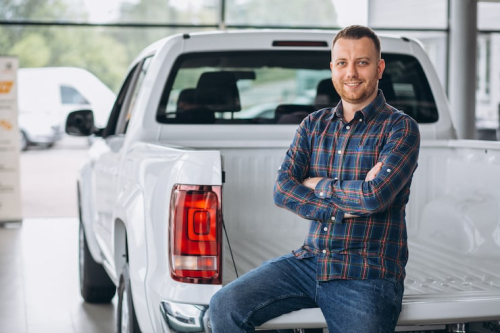
In the vast expanse of Texas, where pickup trucks serve as essential companions for labor, exploration, and daily life, discerning purchasers are increasingly opting for pre-owned vehicles that offer dependability minus the hefty initial cost. Within the dynamic roadways of the Dallas-Fort Worth area, spanning from Garland’s quiet neighborhoods to Dallas’s vibrant core, the Chevrolet Silverado 1500 emerges as a timeless choice. What truly distinguishes it in the current landscape? Its remarkable ability to maintain value year after year positions it as a wise selection amid the financial fluctuations of 2025. Delving deeper into why pre-owned Silverado models retain strong resale value across DFW, it becomes evident how this legendary truck consistently benefits North Texas motorists.
Feeling stuck in the stressful car-buying process? At Jupiter Chevrolet in Garland, TX, we’ve reimagined how buying a car should feel. With transparent pricing, online deal-building tools, and the benefits of our Jupiter Advantage program, we ensure every step is straightforward and satisfying. Skip the hassle. From purchase, to certified service and parts, to collision repair and body shop. Our team puts your convenience, safety, and confidence first. Turn your dreams of finding your ideal Chevrolet into reality with us. Visit Jupiter Chevrolet today!
What Establishes Pre-Owned Chevrolet Silverado 1500 as a Wise Choice in North Texas?
Envision navigating Interstate 635 through Richardson, transporting equipment for a lakeside escape at Grapevine, with your reliable Silverado performing flawlessly. These pre-owned Chevrolet Silverado 1500 trucks transcend mere second-hand status; they are battle-tested machines that preserve their market worth exceptionally in a locale demanding robust functionality alongside routine usability. Fundamentally, the Silverado 1500’s robust resale stems from its sturdy construction and broad popularity, particularly in zones susceptible to harsh weather and demanding hauls.
North Texas’s climate, as erratic as congestion on the Dallas North Tollway, highlights these truck’s strengths through slower-than-anticipated value loss. Data indicates that a Chevrolet Silverado 1500 undergoes a 46% depreciation after five years, yielding a resale figure of $34,064, calculated from an initial $62,617 purchase price and yearly mileage of 13,500. This stands out for extended ownership; by the decade mark, resale settles at $24,214, demonstrating sustained competitiveness. For residents in Plano or Frisco, this translates to preserved capital, offering greater leverage during upgrades or sales compared to faster-depreciating alternatives.
To illustrate the trajectory, consider the projected depreciation over the coming decade for well-maintained units averaging those miles annually:
| Years Old | Depreciation | Residual Value | Resale Value | Mileage | Resale Year |
|---|---|---|---|---|---|
| 1 | $18,685 | 70.16% | $43,932 | 13,500 | 2025 |
| 2 | $24,527 | 60.83% | $38,090 | 27,000 | 2026 |
| 3 | $25,842 | 58.73% | $36,775 | 40,500 | 2027 |
| 4 | $26,781 | 57.23% | $35,836 | 54,000 | 2028 |
| 5 | $28,553 | 54.40% | $34,064 | 67,500 | 2029 |
| 6 | $29,430 | 53.00% | $33,187 | 81,000 | 2030 |
| 7 | $33,575 | 46.38% | $29,042 | 94,500 | 2031 |
| 8 | $35,103 | 43.94% | $27,514 | 108,000 | 2032 |
| 9 | $36,437 | 41.81% | $26,180 | 121,500 | 2033 |
| 10 | $38,403 | 38.67% | $24,214 | 135,000 | 2034 |
This structured outlook underscores the truck’s enduring appeal, making it a strategic asset for long-term holders in the region.
Market trends reinforce this narrative. The North American used truck sector reached $18.25 billion in 2024 and is forecasted to expand to $25.15 billion by 2030, advancing at a 5.54% compound annual growth rate. This expansion arises from escalating needs for economical transport, inflated costs of fresh commercial rigs, persistent supply interruptions, and extended waits for new deliveries, steering operators and enterprises toward preloved options. Moreover, established resale channels, accessible loans, and warranted certified pre-owned units bolster the appeal. Stricter eco-rules promote newer, efficient second-hand trucks over outdated, polluting ones.
Focusing on pickups, the North American used pickup truck arena stood at $17.1 billion in 2024, poised for a 5.9% CAGR from 2025 to 2034. Full-size variants, such as the Silverado, lead with $13.5 billion captured last year, owing to their adaptability in Forney’s building zones or Rockwall-Heath’s recreational pursuits. The United States holds over 85% dominance, fueled by affection for trucks in scenarios like Frisco gatherings or Grapevine boating. Demand surges, evidenced by certified pre-owned sales climbing 21.2% to 246,800 units in March 2025 alone.
Locally, at Jupiter Chevrolet in Garland, this manifests as tangible advantages. Boasting a century-plus legacy as a family-managed entity, they provide pre-owned Silverados with a lifetime powertrain guarantee, differentiating from vast corporate rivals. While stock may not match giants, emphasis lies on premium picks tailored for DFW motorists, from Dallas workers to Plano households. Their offerings encompass new and used vehicles, financing varieties, online test drive bookings, and expert assistance, streamlining acquisitions.
How Does Used Silverado Resale Stack Up Against Competitors, and What Economies Await Purchasers?
Cutting to essentials: in DFW’s pre-owned truck hunt, contrasts are crucial. The Silverado 1500 surpasses peers like the Ford F-150 in retention, particularly at five years, where it leads marginally, with the F-150 trailing by three positions. Though close, Chevy’s prolonged sturdiness suits owners enduring Texas’s extremes, from arid spells to torrents.
Purchasers reap substantial economies via pre-owned routes. Forgoing $60,000-plus for new, a five-year specimen could cost near $34,000, trimming 30-50% while retaining near-new vibe if preserved. Amid swelling new costs from tech and compliance, savings amplify. Consider Texas’s typical hail claims around $3,000 to $4,000; selecting a resilient used Silverado minimizes insurance and fix burdens, especially post-storms battering Dallas County in March 2025 and June 2025.
The used pickup landscape magnifies perks. Gasoline-fueled types command 87% share, ensuring affordable refueling throughout North Texas. Four-wheel-drive editions, favored for terrain in Rockwall-Heath, boast superior retention via haul strength. Personal usage dominates segments, merging ease with power for Richardson or Mesquite routines.
Tackling reservations, concerns over pricing at family outfits like Jupiter Chevrolet versus conglomerates persist. Yet, their clear pricing, digital deal builders, and Jupiter Advantage initiative alleviate pressures, fostering superior enduring worth. Extending to components, crash fixes, and Garland collision services, coverage surpasses mere transactions contrasting ephemeral bargains from bulk vendors.
Evolving patterns, including digital marketplaces and subscriptions, simplify acquisitions. Browsing Facebook Marketplace or Jupiter Chevrolet’s Instagram reveals treasures, while YouTube and TikTok deliver upkeep advice to safeguard resale.
What Elements Might Influence Pre-Owned Silverado Resale in DFW?
No asset is impervious, including pre-owned Silverados. Despite excellence in value hold, intense weather impacts can erode it. North Texas hail events like June 1, 2025, necessitate mends, though certified warrantied models soften blows. Major repair records may trim value, but market vigor from farming, recreation, to builds sustains interest.
Shifts in economics matter; fuel hikes nudge toward hybrids, yet gasoline’s prevalence keeps classics viable. Eco-consciousness rises, favoring low-polluters, with the sector adjusting via sustainable entries. Personalizations like elevations enhance allure for individuals but could narrow resale if excessive.
Tech progress broadens scopes. AI valuations and digital logs accelerate worth assessments, aiding Frisco or McKinney hunters. Jupiter Chevrolet’s adept team navigates this, offsetting prior big-store encounters through bespoke care.
Drawbacks arise with elevated-mileage or non-CPO units, accelerating drops. Nevertheless, Silverado’s toughness guarantees most endure robustly in truck-vital territories.
Why Venture to Jupiter Chevrolet for Pre-Owned Silverados?
As dusk envelops DFW’s horizon, clarity emerges: pre-owned Chevrolet Silverado 1500s not merely sustain value they forge enduring tales on Texan paths. From sector expansion to intrinsic durability, committing to one yields ongoing returns. Be it Garland’s traffic evasion or Forney’s rigorous tasks, these trucks excel.
Jupiter Chevrolet embodies this assurance with centennial family stewardship, perpetual warranty, and dedication to effortless purchases. Bypass corporate rigors; visit their Garland site proximate to Dallas, Richardson, Mesquite, peruse inventory, and grasp why multitudes select pre-owned Silverados. Arrange online drives, probe funding, or inspect collision facilities for assurance. Amid transient fads, this represents persistent merit.
Frequently Asked Questions
How well do used Chevrolet Silverado 1500 trucks hold their value in the Dallas-Fort Worth area?
Used Chevrolet Silverado 1500 trucks demonstrate excellent value retention in DFW, depreciating only 46% after five years with a resale value of $34,064 from an original $62,617 purchase price. This outperforms many competitors including the Ford F-150, making the Silverado a smart financial choice for North Texas buyers who need reliable trucks for both work and recreation.
What makes buying a pre-owned Silverado 1500 a better investment than purchasing new in 2025?
Purchasing a pre-owned Silverado 1500 can save buyers 30-50% compared to new truck prices, with five-year-old models available around $34,000 versus $60,000+ for new ones. Given the booming used pickup truck market expected to reach $25.15 billion by 2030 and rising new vehicle costs due to technology and compliance requirements, pre-owned Silverados offer near-new performance at significant savings while maintaining strong resale potential.
Are there any risks to consider when buying a used Silverado 1500 in North Texas?
While used Silverados generally retain value well, North Texas weather events like hail storms can impact resale value if repairs are needed, with typical hail damage claims ranging $3,000-$4,000. However, certified pre-owned models with warranties help mitigate these risks, and the strong local demand from farming, construction, and recreational users helps sustain market interest even for trucks with minor weather-related repairs.
Disclaimer: The above helpful resources content contains personal opinions and experiences. The information provided is for general knowledge and does not constitute professional advice.
You may also be interested in: Jupiter Chevrolet Blog | News, Updates, and Info – Jupiter Chevrolet
Feeling stuck in the stressful car-buying process? At Jupiter Chevrolet in Garland, TX, we’ve reimagined how buying a car should feel. With transparent pricing, online deal-building tools, and the benefits of our Jupiter Advantage program, we ensure every step is straightforward and satisfying. Skip the hassle. From purchase, to certified service and parts, to collision repair and body shop. Our team puts your convenience, safety, and confidence first. Turn your dreams of finding your ideal Chevrolet into reality with us. Visit Jupiter Chevrolet today!
Powered by flareAI.co

Envision yourself navigating the vibrant highways of Dallas, where your reliable Chevrolet has faithfully served for years but now hints at retirement. Residents in Garland, Richardson, and Plano once faced prolonged negotiations at dealerships to determine their vehicle’s worth. Today, however, online trade-in tools transform this ordeal, providing swift valuations through simple mobile interactions that seem remarkably efficient.
Online trade-in systems are revolutionizing the vehicle sales experience across Dallas, Garland, Richardson, and surrounding North Texas areas, enabling customers to conserve time and build assurance in dealer proposals. With the automotive sector accelerating toward technological advancements, these instruments prove essential for individuals exploring the dynamic pre-owned car market in locales such as McKinney and Frisco.
Feeling stuck in the stressful car-buying process? At Jupiter Chevrolet in Garland, TX, we’ve reimagined how buying a car should feel. With transparent pricing, online deal-building tools, and the benefits of our Jupiter Advantage program, we ensure every step is straightforward and satisfying. Skip the hassle. From purchase, to certified service and parts, to collision repair and body shop. Our team puts your convenience, safety, and confidence first. Turn your dreams of finding your ideal Chevrolet into reality with us. Visit Jupiter Chevrolet today!
The Relevance of Trade-In Tools in Today’s Market
At the core of Garland stands Jupiter Chevrolet, a pillar of the community for more than a hundred years. This family-run establishment, deeply embedded in local life, recognizes the aggravations tied to conventional trade-ins the persistent haggling and lingering uncertainties regarding equitable offers. Digital tools dispel these complications by delivering prompt assessments grounded in current market data, odometer readings, vehicle state, and prevailing tendencies.
Consider a harried guardian in Richardson managing career and household duties, or an ambitious worker in Plano contemplating a vehicle enhancement. Such platforms permit inputting specifics remotely, yielding an approximate value sans dealership visits. This approach transcends mere ease; it empowers users. For Jupiter Chevrolet, it harmonizes with their dedication to openness, supported by a lifetime powertrain warranty that guarantees purchasers commit to dependable assets.
Operating as a family business for a century equips them with perspective on evolving patterns, yet this technological surge appears distinctive. It centers on fostering reliability amid a time when buyers prioritize rapidity and integrity. It’s unsurprising that additional North Texas inhabitants embrace these developments to clarify the procedure, reflecting a broader shift toward consumer-centric automotive practices.
These tools not only expedite transactions but also align with modern lifestyles, where time efficiency is paramount. In bustling urban environments like Dallas, where commutes can be lengthy, the ability to initiate a trade-in from one’s couch represents a significant leap forward in customer service.
Developing Patterns in Dallas Vehicle Appraisals
The expansive Dallas metropolitan region, including areas like Rockwall-Heath and Forney, thrives amid the surge in digital automotive sales. Local consumers exhibit growing technological proficiency, employing applications and sites to evaluate opportunities prior to decisions. Immediate appraisal instruments, frequently driven by advanced computations, lead this movement, echoing worldwide transformations in the automobile domain.
On a global scale, the vehicle trade-in platforms sector was valued at $38.2 billion in 2024 and anticipates expansion to $92.5 billion by 2033, advancing at a CAGR of 10.2%. This progression arises from swift digitization in car sales, heightened buyer desires for ease and clarity, and expanded utilization of digital platforms, bolstered by pervasive mobile devices and web connectivity. The amalgamation of innovations like artificial intelligence, machine learning, and extensive data analysis refines appraisals and elevates client contentment.
An alternative analysis positions the market at USD 63.1 billion in 2024, projecting USD 164.2 billion by 2033 with a CAGR of 11.2% commencing 2025. Emphasis here lies on digital systems revamping unclear costing and protracted discussions, affording users prompt assessments and extensive market entry. Progressions in AI, machine learning, and analytics assume pivotal functions, facilitating instantaneous valuations and protected exchanges, while regulatory shifts advocate eco-friendly transport.
Locally, this manifests as increased motorists in Mesquite and Grapevine accessing utilities via mobiles during perusals of Instagram or TikTok streams. Dealerships capitalize on these mediums Facebook for neighborhood news, YouTube for tutorials to direct patrons to digital appraisals. This tactic suits a territory where congestion and schedules demand priority, incorporating insights from Texas Department of Transportation records indicating consistent rises in vehicle enrollments.
Moreover, these instruments intertwine with eco-conscious initiatives, prompting exchanges for greener variants during variable new-vehicle costs. For purchasers in Dallas vicinities, efficiency reigns in a marketplace as vigorous as the urban horizon. North America commands a 38% portion in 2024, propelled by established frameworks and elevated digital acumen, whereas Asia Pacific foresees the swiftest CAGR owing to urban expansion and digital service proliferation. In Dallas, this global dominance underscores the region’s leadership in adopting such technologies.
Trends further highlight online segments claiming over 65% revenue in 2024, with passenger vehicles contributing nearly 58%, and dealerships maintaining 47% share. The B2C framework encompasses over 54% of dealings, illustrating a pivot toward direct consumer engagements that resonate with local preferences for personalized, efficient services.
Practical Uses and Regional Examples
Examine a typical situation in Garland: a household considering swapping their maturing SUV for a novel Chevrolet variant. They activate a digital utility, enter particulars, and receive an approximation incorporating regional requisites. This readies them for an effortless dealership encounter, redirecting emphasis to finalizing agreements instead of foundational debates.
Within Richardson and Plano, integrations with assets like Kelley Blue Book alter dynamics. Motorists there recount curtailing bargaining durations, equipped with information that equalizes negotiations. In Grapevine and Frisco, discourse centers on alleviated tension; a solitary online engagement aligns anticipations upon arrival.
Patron anecdotes inundate social platforms Instagram displays depicting pre- and post-exchanges, TikTok clips dissecting methodologies. These accounts underscore how utilities cultivate assurance, particularly in a rivalrous North Texas arena brimming with choices.
At Jupiter Chevrolet, these implementations fortify their familial principles, converting prospective frustrations into fluid encounters. It surpasses mere figures; it embodies serenity derived from assured appraisals. Such narratives not only humanize the process but also demonstrate tangible benefits, encouraging wider adoption among diverse demographics.
Major Hurdles and Buyer Reservations
Naturally, obstacles persist. Doubts endure does the virtual approximation correspond to onsite evaluations? Amid arenas ruled by expansive rivals boasting extensive stocks, concerns arise over pricing disparities. Historical encounters may tinge views, rendering individuals wary of electronic numerals.
Fears encompass restricted inventories at compact dealerships constraining selections, or conglomerates underbidding arrangements. Confidence in sustaining those appraisals at counters poses additional barriers.
Nevertheless, Jupiter Chevrolet confronts these directly. Their candid methodology guarantees citations supported by comprehensive verifications, harnessing that centennial familial repute. It avoids overpowering major entities; instead, it emphasizes bespoke assistance forging enduring bonds, mitigating worries via sincerity and the supplementary safeguard of a lifetime warranty.
Addressing these objections requires ongoing education and demonstration of value, ensuring that digital promises translate into real-world reliability.
Prospects and Commercial Effects
Advantages manifest evidently: abbreviated transaction periods reduce administrative durations universally. Across Garland, Dallas, and Richardson, outlets embracing these utilities secure advantages against conglomerates, attracting technologically inclined patrons.
In marketing, aligning with Facebook promotions or TikTok drives channels prospects directly to appraisal interfaces, heightening involvement. For Jupiter Chevrolet, this magnifies their centennial heritage, interlacing numerical proficiency with established confidence.
A contemporary Cox Automotive inquiry illuminates disparities: 83% of buyers posit AI and tech will redefine acquisitions within the forthcoming decade, contrasted with 37% of vendors deeming AI vital to functional evolutions. Nonetheless, 54% of vendors concede AI’s temporal economies and productivity boosts. Additionally, 65% of auto seekers desire partial or majority online procurements, with utilities conserving an average 42 minutes at outlets.
These prospects situate regional venues like Jupiter Chevrolet for prosperity, merging virtual expertise with communal connections. The survey further notes that 57% of patrons engaging AI chatbots deemed experiences enhanced, underscoring potential for deeper integrations.
Final Thoughts and Prospective Views
As dealerships in Dallas environs integrate digital trade-in utilities, they transcend mere adaptation they cultivate devotion. The amalgamated paradigm of virtual lucidity and personal cordiality appears custom-fitted for North Texas, where affiliations rival vehicular quality.
Forward-looking, anticipate refined amalgamations, potentially via AI assistants augmenting interactions, with 57% of study participants finding them advantageous. For motorists in Rockwall-Heath, Forney, and further, this signifies equitable, expedited transactions.
Thus, should you reside in the Dallas expanse contemplating an exchange, consider exploring? Visit Jupiter Chevrolet’s digital appraisal utility presently preserve duration, affirm worth, and depart assured. In an accelerating digital realm, it’s the astute method to advance.
Frequently Asked Questions
How do online trade-in tools work for Dallas car owners?
Online trade-in tools allow Dallas drivers to get instant vehicle valuations by simply entering their car’s details like mileage, condition, and model through a mobile app or website. These digital platforms use current market data and advanced algorithms to provide accurate estimates without requiring a dealership visit. The process takes just minutes and gives you a baseline value before negotiating with dealers in areas like Garland, Richardson, and Plano.
Are online car trade-in estimates accurate compared to in-person dealership appraisals?
Online trade-in estimates are increasingly accurate thanks to AI technology and real-time market data, though some variation from final dealer offers may occur based on actual vehicle inspection. Most digital platforms factor in local market conditions, vehicle history, and current demand to provide reliable baseline valuations. Established dealers like Jupiter Chevrolet back their online estimates with transparent verification processes, helping bridge any gaps between digital and in-person assessments.
What are the benefits of using online trade-in tools in the Dallas area?
Online trade-in tools save Dallas customers significant time by eliminating lengthy dealership negotiations and providing instant valuations from home. These platforms empower buyers with market knowledge before visiting dealers, leading to more efficient transactions and better-informed decisions. For busy Dallas residents juggling work and family commitments, digital trade-in tools can save an average of 42 minutes at dealerships while ensuring fair, transparent pricing based on current market conditions.
Disclaimer: The above helpful resources content contains personal opinions and experiences. The information provided is for general knowledge and does not constitute professional advice.
You may also be interested in: Herb’s Paint & Body Sale Signals Growth in Local Collision Market
Feeling stuck in the stressful car-buying process? At Jupiter Chevrolet in Garland, TX, we’ve reimagined how buying a car should feel. With transparent pricing, online deal-building tools, and the benefits of our Jupiter Advantage program, we ensure every step is straightforward and satisfying. Skip the hassle. From purchase, to certified service and parts, to collision repair and body shop. Our team puts your convenience, safety, and confidence first. Turn your dreams of finding your ideal Chevrolet into reality with us. Visit Jupiter Chevrolet today!
Powered by flareAI.co

In the expansive suburbs of North Texas, where endless highways pulse with the rhythm of daily commuters, an understated evolution is transforming the automotive service landscape. Drivers from the vibrant core of Dallas to the welcoming communities of Frisco are increasingly turning to repair shops with a primary emphasis on brakes and tires. These essential components of vehicle upkeep have emerged as the cornerstone of service demands, mirroring the realities faced by motorists tackling the area’s jammed roadways and extended travels.
This surge in focus on routine upkeep across Garland, Dallas, “noreferrer external noopener”, Plano, Rockwall-Heath, Forney, Mesquite, McKinney, Grapevine, and Frisco represents a fundamental change in how both vehicle owners and dealerships manage car maintenance. A key driver behind this growth is the maturing fleet of vehicles nationwide, prompting more frequent interventions to combat deterioration. The U.S. automotive repair and maintenance service market, which stood at USD 183.4 billion in 2023, is forecasted to expand at a 10.1% compound annual growth rate from 2024 through 2032. This expansion is largely attributed to the increasing average age of cars in the United States, necessitating heightened servicing and fixes as components succumb to regular use. Older automobiles typically encounter more mechanical issues and demand greater upkeep compared to their newer counterparts, fueling market progression as owners seek to maximize their investments and prolong vehicle longevity.
What makes brakes and tires such critical focal points? Primarily, they bear the heaviest burden from the region’s characteristic stop-start traffic patterns. In locales like Garland and “noreferrer external noopener”, where interstates such as I-635 and US-75 experience perpetual bottlenecks, brake components degrade more rapidly than in quieter zones. Tires similarly endure intense strain from blistering summer asphalt and sporadic road imperfections. Service providers are witnessing a notable uptick in calls for evaluations, swaps, and calibrations, indicative of a wider movement toward anticipatory care to avert major breakdowns.
Delving deeper into the mechanics of wear, North Texas’s infrastructure plays a pivotal role. For instance, I-635 in Dallas handles an average daily traffic volume of up to 230,000 vehicles, ranking it among Texas’s most congested corridors according to recent assessments. This heavy usage accelerates brake pad erosion through frequent braking in dense flows. Congestion in the Dallas-Fort Worth area has risen by 12% since 2019, exacerbating vehicle stress and prompting more regular tire checks to maintain traction and safety. Such conditions underscore why preventive measures are gaining traction among local drivers.
Feeling stuck in the stressful car-buying process? At Jupiter Chevrolet in Garland, TX, we’ve reimagined how buying a car should feel. With transparent pricing, online deal-building tools, and the benefits of our Jupiter Advantage program, we ensure every step is straightforward and satisfying. Skip the hassle. From purchase, to certified service and parts, to collision repair and body shop. Our team puts your convenience, safety, and confidence first. Turn your dreams of finding your ideal Chevrolet into reality with us. Visit Jupiter Chevrolet today!
Local Trends Paint a Clear Picture
In hubs like Dallas and Plano, brake assessments lead the pack in service inquiries. Technicians observe that city commuters, contending with persistent jams, are growing more vigilant in examining pads and rotors to nip potential problems in the bud before they escalate into expensive overhauls. Concurrently, in Frisco and McKinney, tire-related work surges amid warmer months and festive periods. Households preparing for excursions insist on rotations, alignments, and new sets to guarantee secure journeys. Observations from Frisco highlight the popularity of combined tire-brake offerings, delivering both ease and economic benefits to suburban users.
Garland stands out as a nexus for expressway travelers, exhibiting distinct behaviors. The intense flow on I-635 has triggered a notable increase in tire balancing needs, stemming from irregular degradation caused by repeated speeding up and slowing down. Local outlets have responded by introducing expedited programs to accommodate hurried patrons. In Grapevine, facilities are harnessing the family-oriented market by advancing integrated packages that merge tire adjustments with brake inspections, resonating with those prioritizing streamlined operations.
Further bolstering this demand is the robust trajectory of the Texas Auto Parts Market, poised for a 5.3% compound annual growth rate spanning 2025 to 2034. Starting from a projected USD 1.3 billion valuation in 2025, it is expected to ascend to USD 2.1 billion by the decade’s end. This vigor stems from producers embracing intelligent production methods, artificial intelligence for streamlining operations, and Internet of Things integrations for superior logistics oversight, all enhancing productivity and output standards. Such advancements foster better synergy among automotive, tech, and building industries, ensuring a steady supply of high-caliber elements like brake systems and tires.
Moreover, the global automotive aftermarket is navigating fluctuations influenced by evolving trade dynamics and duties worldwide. A prominent development sees participants enhancing capabilities via sophisticated brake materials. These substitutes mirror the performance of factory originals and serve as viable alternatives in upkeep scenarios. Core offerings encompass tires, power sources, braking elements, purifiers, exterior panels, illumination and tech modules, rims, emission systems, and superchargers, all integral to vehicular restoration processes.
Recent policy shifts in Texas add another layer to these trends. The state has discontinued mandatory annual safety inspections for most non-commercial vehicles, replacing them with a nominal fee during registration. While this eases administrative burdens, it places greater responsibility on drivers to maintain brakes and tires voluntarily. Studies indicate minimal links between compulsory checks and accident reductions, yet experts warn that without prompts, some may postpone essential services, potentially heightening road hazards. In counties like those in North Texas, emissions testing persists, but the absence of broad inspections could indirectly boost demand for proactive brake and tire work as awareness of safety grows.
Challenges on the Road
Amid this escalating interest, hurdles remain. In areas such as Forney and Mesquite, budget-aware motorists frequently choose economical tire variants over high-end ones, posing a challenge for providers striving to uphold standards while aligning with fiscal constraints. Persistent logistical bottlenecks in Dallas and Plano sporadically constrain tire stocks, compelling operations to manage reserves adeptly against client expectations. In Rockwall-Heath, postponed upkeep emerges as a significant worry, with cost-averse individuals delaying interventions, resulting in aggravated complications and inflated expenses later.
Safety implications loom large. Deteriorated brakes and worn tires invite calamity, especially on the bustling arterials of North Texas. Reports from Mesquite indicate a rise in urgent fixes linked to overlooked care, serving as a stark caution against delay. Facilities are countering this by prioritizing awareness initiatives, encouraging timely evaluations to sidestep failures or mishaps.
Cost factors also play into these challenges. In the Dallas-Fort Worth vicinity, brake pad replacements average around USD 384, with ranges from USD 129 to over USD 1,000 based on vehicle specifics and service types. Nationally, a full brake job including pads and rotors typically runs USD 250 to USD 400 per axle, influenced by usage like towing or heavy loads. For tires, while specific Frisco figures are sparse, general affordability drives choices, with installations varying by provider but emphasizing value in competitive markets. These expenses can deter some, yet they underscore the investment in safety amid rising congestion.
Environmental factors compound wear. Texas’s extreme heat, rugged terrains, and alignment issues are prime culprits for tire degradation, necessitating vigilant monitoring to prevent blowouts or hydroplaning. With urban mobility reports highlighting persistent bottlenecks, vehicle miles traveled in Dallas and surrounding areas contribute to accelerated component fatigue, demanding robust maintenance strategies.
Opportunities for Dealerships
For establishments in Garland, Dallas, and adjacent locales, the influx of brake and tire requests presents a prime avenue for growth. These standard appointments yield consistent income, particularly when augmented with add-ons such as wheel straightening or lubricant refreshments. In “noreferrer external noopener” and McKinney, digital booking platforms are surging in use, enabling seamless reservations and sustaining operational capacity. Outlets are leveraging these interactions as entry points to larger transactions, where a simple rotation might evolve into deliberations over pre-owned certified options, amplified by targeted incentives.
The overarching U.S. automotive service market, pegged at USD 199.38 billion for 2025, is anticipated to climb to USD 266.56 billion by 2030, registering a 5.98% compound annual growth rate. With a dispersed competitive landscape, both standalone garages and franchised dealers are contending for shares. In North Texas, emphasis on rapid turnaround facilities and retention schemes positions them advantageously.
Employment trends in the sector further illuminate opportunities. Texas projects a 10% yearly job vacancy rate for automotive technicians, equating to over 62,000 positions, reflecting the burgeoning need for skilled labor in repairs. Initiatives like workforce grants, such as a nearly USD 314,000 allocation to expand training programs, address shortages amid a 3% job increase through 2033. This growth in the workforce supports enhanced service capabilities, ensuring dealerships can meet escalating demands efficiently.
The Road Ahead
As motorists in North Texas accumulate mileage exceeding national averages on thoroughfares and urban paths, brake and tire services will continue as the vital pulse of the local repair domain. Outlets in Garland, Dallas, Frisco, and environs are well-placed to exploit this momentum, augmenting express options and adopting tech for optimized interactions. Yet, the true potential resides in enlightenment efforts. Equipping owners with insights on forward-thinking care fosters confidence, mitigates dangers, and sustains mobility long-term.
The resonant purr of a meticulously serviced automobile along I-635 or US-75 transcends mere acoustics it’s evidence of the area’s dedication to secure transit and dynamic lifestyles. With the sector advancing, a certainty prevails: in North Texas, brakes and tires transcend mere elements; they form the bedrock of an energetic, mobile existence.
Frequently Asked Questions
Why are brake and tire services in such high demand in North Texas?
Brake and tire services dominate repair requests in North Texas due to the region’s heavy traffic congestion and challenging driving conditions. Major highways like I-635 handle up to 230,000 vehicles daily, causing accelerated brake pad wear from frequent stop-and-start traffic. Additionally, Texas’s extreme heat, rough road surfaces, and the aging vehicle fleet nationwide (driving the $183.4 billion U.S. automotive repair market) contribute to increased maintenance needs for these critical safety components.
How much do brake repairs typically cost in the Dallas-Fort Worth area?
In the Dallas-Fort Worth area, brake pad replacements average around $384, with costs ranging from $129 to over $1,000 depending on your vehicle type and service requirements. Nationally, a complete brake job including pads and rotors typically costs $250 to $400 per axle, with prices varying based on driving habits like towing or heavy-duty use. While these costs may seem significant, they represent a crucial investment in safety given North Texas’s congested roadways.
What impact did Texas ending mandatory vehicle inspections have on brake and tire maintenance?
As of January 2025, Texas discontinued mandatory annual safety inspections for most non-commercial vehicles, replacing them with a nominal registration fee. While this reduces administrative burdens, it places greater responsibility on drivers to voluntarily maintain their brakes and tires. Experts warn that without inspection prompts, some drivers may postpone essential services, potentially increasing road hazards. This change is expected to boost demand for proactive brake and tire services as safety-conscious drivers seek preventive maintenance.
Disclaimer: The above helpful resources content contains personal opinions and experiences. The information provided is for general knowledge and does not constitute professional advice.
You may also be interested in: Jupiter Chevrolet Blog | News, Updates, and Info – Jupiter Chevrolet
Feeling stuck in the stressful car-buying process? At Jupiter Chevrolet in Garland, TX, we’ve reimagined how buying a car should feel. With transparent pricing, online deal-building tools, and the benefits of our Jupiter Advantage program, we ensure every step is straightforward and satisfying. Skip the hassle. From purchase, to certified service and parts, to collision repair and body shop. Our team puts your convenience, safety, and confidence first. Turn your dreams of finding your ideal Chevrolet into reality with us. Visit Jupiter Chevrolet today!
Powered by flareAI.co

In the expansive suburbs of North Texas, where daily routines revolve around school runs, extracurricular activities, and family outings, a significant shift in vehicle choices is taking place. More families in Garland and “noreferrer external noopener” are trading in their compact sedans for the expansive comfort of three-row SUVs. Dealerships along the bustling routes of I-635 and US-75 are alive with activity as parents explore options like the Chevrolet Traverse and Tahoe, attracted by their ample space, robust safety features, and adaptability. This transition reflects not just a preference for larger vehicles but a response to the demands of modern family life, including room for children, gear, and trips to nearby spots like Grapevine or Frisco.
Feeling stuck in the stressful car-buying process? At Jupiter Chevrolet in Garland, TX, we’ve reimagined how buying a car should feel. With transparent pricing, online deal-building tools, and the benefits of our Jupiter Advantage program, we ensure every step is straightforward and satisfying. Skip the hassle. From purchase, to certified service and parts, to collision repair and body shop. Our team puts your convenience, safety, and confidence first. Turn your dreams of finding your ideal Chevrolet into reality with us. Visit Jupiter Chevrolet today!
Why Three-Row SUVs Are Capturing the Hearts of North Texas Families
The rise of three-row SUVs in areas like Garland and “noreferrer external noopener” stems from practical needs tied to local lifestyles. School districts such as Garland ISD and “noreferrer external noopener” ISD cater to tens of thousands of students, necessitating vehicles capable of managing carpools, commutes, and after-school shuttles. Recent dealership reports indicate a marked increase in SUV sales throughout Dallas, Plano, and McKinney, with three-row variants at the forefront. According to market insights, the North America E-SUV market stood at approximately USD 32.82 billion in 2024 and is anticipated to expand at a compound annual growth rate of 15.80% from 2025 to 2034, culminating in a value close to USD 142.31 billion by the end of that period. This growth underscores a wider movement toward vehicles that combine spaciousness with advanced technology. In the United States, the ambition to have half of all new vehicle sales electric by 2030 is influencing families to consider hybrid and electric options that blend utility with environmental responsibility.
Local infrastructure further bolsters this trend. Maneuvering through the heavy traffic on I-635 or the President George Bush Turnpike requires a vehicle that offers stability and responsiveness. Three-row SUVs provide elevated seating for better visibility and incorporate safety technologies such as lane-keeping assistance and adaptive cruise control, instilling assurance for parents on these busy North Texas roadways. In communities like Frisco and Plano, characterized by vast residential areas and vibrant commercial zones, these SUVs have evolved from optional luxuries to essential tools for daily life. Families here often cite the need for versatile seating arrangements that can accommodate growing children, sports equipment, and even pets during weekend excursions.
Moreover, the economic landscape plays a role. With rising costs in housing and education, families are seeking vehicles that offer long-term value. Three-row models like the Chevrolet Suburban provide durability and resale potential, making them smart investments. Recent data shows Chevrolet SUVs leading the North Texas market, outperforming competitors in sales volume. This dominance is attributed to their reliability and feature-rich designs, which resonate with budget-conscious yet quality-seeking buyers in the region.
Real-Life Experiences from Garland and “noreferrer external noopener” Residents
In Garland, one family recently upgraded from an older midsize sedan to a Chevrolet Traverse, driven by the impending arrival of their third child. The vehicle’s third-row seating comfortably fits older kids, while its expansive cargo area handles everything from sports bags to groceries for tournaments in McKinney. Similarly, in “noreferrer external noopener”, a household chose the Chevrolet Tahoe for its seamless integration of passenger comfort and storage needs, ideal for daily errands and family gatherings. Dealerships in Frisco and McKinney echo these sentiments, noting that models like the Traverse, Tahoe, and Suburban are surpassing sales of compact crossovers and sedans as priorities shift toward space and efficiency.
Supporting these anecdotes are solid sales figures. In the Dallas-Fort Worth area, three-row SUV demand continues to outpace smaller vehicles. For instance, Chevrolet Tahoe and Suburban sales surged 26% to 46,611 units in the second quarter of 2025 nationwide, with similar trends reflected locally. The Traverse saw an even more impressive 52% increase, reaching 36,448 units in the same period. These numbers highlight a preference for vehicles that offer versatility for urban and suburban use. Even in Canada, where 86,032 electric vehicles were registered in 2021 representing 5.3% of total registrations the push toward family-sized SUVs parallels the North Texas experience, emphasizing larger, more capable options.
Social media buzz reinforces this. On X, users discuss the challenges of accommodating multiple children, with one parent noting the limitations of standard SUVs beyond three kids and suggesting larger vans or SUVs as necessities. Another highlights the Acura MDX as a top-selling three-row SUV, underscoring the appeal of premium family haulers.
Navigating the Challenges of Larger Vehicles
Despite their advantages, adopting three-row SUVs isn’t without hurdles. Families in Mesquite and Rockwall-Heath often grapple with the elevated costs, where monthly payments for equipped models like the Tahoe or Suburban exceed those for compact alternatives, compounded by fluctuating interest rates. Fuel consumption remains a concern; although hybrids are emerging, gas-powered versions consume more than efficient sedans, impacting budgets for regular commutes between Garland, Dallas, and “noreferrer external noopener”. Urban parking in areas like Downtown Dallas or “noreferrer external noopener”‘s business districts poses additional difficulties, as these larger vehicles require more space.
However, solutions are emerging. Dealerships in Plano and Frisco are introducing attractive financing options, including low-rate loans and rebates, to enhance accessibility. Certified pre-owned three-row SUVs are surging in popularity in McKinney and Forney, providing dependable choices at lower prices. A 2025 guide on CPO financing in North Texas notes resilient demand despite flat national projections at 2.5 million units, with local interest driven by affordability. For those traversing the Dallas North Tollway or I-30, features like automatic emergency braking and blind-spot detection tip the scales in favor of these SUVs, prioritizing safety over minor inconveniences.
Broader market trends support this adaptability. Used car prices are declining, with average listings at $25,512 in September 2025, easing entry into the segment. Young buyers, in particular, are drawn to CPO vehicles amid a projected 6.70% growth rate from 2025, influenced by high new vehicle costs.
How Dealerships Are Responding to Market Shifts
The escalating demand for three-row SUVs is transforming operations at dealerships across Garland, Dallas, and surrounding areas. Stock focuses are shifting toward popular models such as the Chevrolet Traverse and Toyota Highlander, while competitors like the Ford Explorer and Honda Pilot compete for showroom space in Grapevine and Frisco. Digital tools are revolutionizing the process; residents in “noreferrer external noopener” and Garland can now virtually explore specifications, book test drives, and secure financing, aligning with a desire for efficiency alongside utility.
Competition intensifies, with Chevrolet’s lineup challenged by the Highlander’s fuel-efficient hybrids and the Explorer’s innovative interiors. Nonetheless, local reports affirm Chevrolet’s edge in the DFW market through affordability, safety, and customer loyalty. The ability to compare and drive various models at dealerships in Plano or McKinney proves invaluable for discerning families. In the Texas automotive scene, mergers and acquisitions are active, with larger groups acquiring independents amid strong sales for brands like Hyundai and Genesis, up 10.3% in Q2 2025.
Looking Ahead: The Future of Family Vehicles in North Texas
Automotive experts in the Dallas-Fort Worth region anticipate sustained growth in the three-row SUV category. Projections for 2026 and 2027 foresee an influx of hybrid and electric variants in Garland and “noreferrer external noopener” showrooms, supporting the national target of 50% electric sales by 2030. Dealerships are gearing up by featuring models like the Chevrolet Equinox EV and devising affordability strategies. Currently, traditional engines prevail, prized for their dependability and range in vehicles like the Tahoe and Suburban.
Online car buying is also expanding, with the market expected to reach USD 370.70 billion in 2025 and grow at 12.7% to USD 856.57 billion by 2032. This digital shift complements the physical dealership experience, offering more options for families. Insights from X reveal evolving preferences, with reviews praising vehicles like the Hyundai Palisade for family-friendly designs and rugged appeal. Discussions on costs for larger families emphasize the need for incentives, such as tax breaks for those with multiple children, to make bigger vehicles more feasible.
As families in North Texas increasingly adopt three-row SUVs, local dealerships are positioned as key advisors. Offering everything from tailored financing to state-of-the-art safety innovations, these vehicles transcend mere mobility they support the dynamic lives of parents managing education, errands, and leisure. In Garland, “noreferrer external noopener”, and the wider region, the three-row SUV represents more than a passing fad; it’s a reflection of adapting to contemporary family demands, one journey at a time.
Frequently Asked Questions
Why are families in Garland and “noreferrer external noopener” choosing three-row SUVs over sedans?
Families in North Texas are switching to three-row SUVs primarily due to practical needs like managing school carpools, accommodating growing children, and storing sports equipment. With school districts like Garland ISD and “noreferrer external noopener” ISD serving tens of thousands of students, parents need vehicles that can handle multiple passengers and gear. These SUVs also offer better visibility and safety features for navigating busy highways like I-635 and the President George Bush Turnpike.
Which three-row SUVs are most popular in the Dallas-Fort Worth area?
Chevrolet models dominate the North Texas market, with the Tahoe and Suburban seeing a 26% sales increase to 46,611 units in Q2 2025, while the Traverse surged 52% to 36,448 units. Other popular options include the Toyota Highlander for its fuel-efficient hybrids and the Ford Explorer for innovative interiors. Local dealerships report that Chevrolet maintains an edge through affordability, safety features, and strong customer loyalty in the DFW region.
What are the main challenges of owning a three-row SUV in North Texas?
The primary challenges include higher monthly payments compared to compact cars, increased fuel consumption, and parking difficulties in urban areas like Downtown Dallas. However, dealerships in Plano and Frisco are addressing these concerns with attractive financing options, low-rate loans, and certified pre-owned programs. Additionally, declining used car prices (averaging $25,512 in September 2025) are making three-row SUVs more accessible to families.
Disclaimer: The above helpful resources content contains personal opinions and experiences. The information provided is for general knowledge and does not constitute professional advice.
You may also be interested in: Jupiter Chevrolet Blog | News, Updates, and Info – Jupiter Chevrolet
Feeling stuck in the stressful car-buying process? At Jupiter Chevrolet in Garland, TX, we’ve reimagined how buying a car should feel. With transparent pricing, online deal-building tools, and the benefits of our Jupiter Advantage program, we ensure every step is straightforward and satisfying. Skip the hassle. From purchase, to certified service and parts, to collision repair and body shop. Our team puts your convenience, safety, and confidence first. Turn your dreams of finding your ideal Chevrolet into reality with us. Visit Jupiter Chevrolet today!
Powered by flareAI.co

In the sprawling suburbs of North Texas, where pickup trucks and hulking SUVs have long ruled the roads, a quieter shift is taking place. Compact SUVs are carving out a growing slice of the market, and one vehicle is turning heads in dealerships from Garland to Plano: the Chevrolet Trailblazer. With fuel prices creeping up and urban parking at a premium, buyers in Dallas, “noreferrer external noopener”, and beyond are rethinking what they want from their next ride. The Trailblazer, with its sleek design, tech-forward cabin, and wallet-friendly price tag, is hitting the sweet spot for a new wave of drivers.
Feeling stuck in the stressful car-buying process? At Jupiter Chevrolet in Garland, TX, we’ve reimagined how buying a car should feel. With transparent pricing, online deal-building tools, and the benefits of our Jupiter Advantage program, we ensure every step is straightforward and satisfying. Skip the hassle. From purchase, to certified service and parts, to collision repair and body shop. Our team puts your convenience, safety, and confidence first. Turn your dreams of finding your ideal Chevrolet into reality with us. Visit Jupiter Chevrolet today!
Chevrolet’s Trailblazer Gains Ground With Compact SUV Buyers in North Texas
Affordable, agile, and packed with features, the Trailblazer is resonating with North Texas drivers navigating the region’s blend of city streets and suburban sprawl. In places like Frisco and McKinney, where young professionals and growing families juggle commutes and budgets, the compact SUV market is booming. According to Precedence Research, the global small SUVs market, valued at USD 553.52 billion in 2024, is projected to reach USD 590 billion by 2034, growing at a steady CAGR of 0.64% from 2025 to 2034. Customers, the report notes, are gravitating toward vehicles that combine SUV functionality with the maneuverability of smaller cars a trend that’s playing out vividly in the Dallas-Fort Worth metroplex.
Dealerships across Garland and Mesquite have reported a surge in Trailblazer test drives since summer 2025, a sign that buyers are responding to its practicality. Unlike the gas-guzzling behemoths that once dominated Texas highways, the Trailblazer offers fuel efficiency without sacrificing the elevated ride height and cargo space that SUV fans crave. In Plano, where sleek sedans once ruled, compact SUVs are now outpacing larger models, driven by a mix of affordability and urban appeal.
A Shift in the North Texas Market
The numbers tell a clear story. Dealership data from Dallas and Garland shows compact SUVs gaining ground over traditional sedans and larger SUVs. In Frisco, where tech workers and young families flock to master-planned communities, the Trailblazer’s compact footprint is a draw for navigating crowded retail centers. Local DMV registration data from the Dallas-Fort Worth metro area confirms the trend: compact SUV ownership has spiked in suburbs like “noreferrer external noopener” and McKinney, where buyers prioritize vehicles that fit both their lifestyles and their budgets.
The broader SUV market, too, is on an upward trajectory. Mordor Intelligence reports that the global SUV market, valued at USD 890 billion in 2025, is expected to climb to USD 1.23 trillion by 2030, with a robust CAGR of 6.66%. While larger SUVs still hold sway in rural pockets, compact models like the Trailblazer are driving growth in urban and suburban hubs like North Texas. For buyers in Plano and Grapevine, the Trailblazer’s blend of modern tech think touchscreen infotainment and advanced safety features makes it a compelling choice over pricier competitors.
Real Stories from the Road
At a Garland dealership, managers describe a steady stream of buyers requesting Trailblazer test drives, drawn by its sub-$30,000 starting price and customizable trims. In Mesquite, a young couple recently traded in their aging sedan for a Trailblazer, citing its nimble handling and parking-friendly size. Over in Plano, families are gravitating toward the Trailblazer’s safety features, like lane-keeping assist and automatic emergency braking, which appeal to parents shuttling kids to soccer practice or school.
In Grapevine and Rockwall-Heath, where retail centers and residential zones are increasingly congested, the Trailblazer’s compact dimensions are a practical advantage. One buyer in Rockwall-Heath, a nurse who commutes to Dallas, praised the vehicle’s ability to slip into tight parking spots at medical centers. Meanwhile, in McKinney, first-time buyers are drawn to the Trailblazer’s accessible financing options, which dealers have tailored to fit budget-conscious households.
Navigating Challenges in a Competitive Market
The Trailblazer isn’t without competition. In “noreferrer external noopener” and Dallas, models like the Toyota Corolla Cross, Honda HR-V, and Hyundai Tucson are vying for the same buyers. These rivals offer similar features, and some boast slightly better fuel economy or brand loyalty. In McKinney and Forney, where household budgets are stretched by rising interest rates, financing remains a hurdle. Dealerships report that some buyers hesitate when monthly payments climb, even for affordable models like the Trailblazer.
Perception is another challenge. In Rockwall-Heath, where pickup trucks and larger SUVs remain cultural staples, some buyers view compact SUVs as less rugged or versatile. Dealerships in these areas are working to shift that narrative, emphasizing the Trailblazer’s off-road-inspired styling and all-wheel-drive options. Still, for every skeptic, there’s a convert: a Plano tech worker who swapped their gas-hungry SUV for a Trailblazer and hasn’t looked back.
Opportunities for Dealerships and Buyers
For North Texas dealerships, the Trailblazer represents a golden opportunity. In Dallas, first-time buyers many of them recent college graduates are flocking to the model’s low starting price and modern tech. Digital retailing tools, increasingly popular in Frisco and Plano, are making it easier for shoppers to browse Trailblazer inventory online, schedule test drives, and even finalize purchases from their phones. This tech-driven approach is boosting sales and drawing younger buyers who value convenience.
In Garland and Mesquite, the Trailblazer’s popularity is having a ripple effect. Dealerships report higher trade-in volumes as buyers swap older vehicles for compact SUVs. Local businesses, from auto repair shops to detailing services, are seeing a bump as the compact SUV market grows. For buyers in “noreferrer external noopener”, the Trailblazer’s affordability and tech features make it a standout choice in a crowded field.
A Memorable The Road Ahead
As North Texas evolves, so do the vehicles that define its roads. The Chevrolet Trailblazer, with its blend of affordability, style, and practicality, is carving out a niche in a region long dominated by bigger-is-better thinking. Analysts predict that compact SUVs will continue to gain traction in the Dallas-Fort Worth suburbs through 2026, fueled by economic pressures and changing lifestyles. Dealerships in Garland, Plano, and Dallas are doubling down on Trailblazer promotions, offering financing incentives to capture value-conscious buyers.
For now, the Trailblazer’s rise is a story of adaptation of a vehicle meeting the moment in a region where practicality and style increasingly go hand in hand. Whether it’s a young professional weaving through Frisco’s rush-hour traffic or a family loading up for a weekend in Grapevine, the Trailblazer is proving it has what it takes to thrive in North Texas. As one Plano dealer put it, “This isn’t just a car it’s the right car for right now.”
Frequently Asked Questions
Why is the Chevrolet Trailblazer popular among North Texas buyers?
The Chevrolet Trailblazer is gaining popularity in North Texas due to its combination of affordability (starting under $30,000), fuel efficiency, and compact size that’s perfect for navigating crowded urban areas like Dallas and Plano. With rising fuel prices and limited parking in suburban areas, buyers are choosing the Trailblazer for its SUV functionality without the bulk of larger vehicles.
How does the Trailblazer compare to other compact SUVs in the Dallas market?
The Trailblazer competes directly with models like the Toyota Corolla Cross, Honda HR-V, and Hyundai Tucson in the Dallas-Fort Worth area. While some competitors may offer slightly better fuel economy, the Trailblazer stands out with its modern tech features, customizable trims, advanced safety features like lane-keeping assist, and competitive financing options that appeal to budget-conscious buyers.
What’s driving the compact SUV market growth in Texas?
The compact SUV market is booming in Texas due to changing buyer preferences toward vehicles that combine SUV versatility with car-like maneuverability. According to market research, the global small SUVs market is projected to grow from $553.52 billion in 2024 to $590 billion by 2034, with Texas buyers particularly drawn to models that offer elevated ride height, cargo space, and fuel efficiency for both city commuting and suburban family needs.
Disclaimer: The above helpful resources content contains personal opinions and experiences. The information provided is for general knowledge and does not constitute professional advice.
You may also be interested in: Multi-Brand Collision Centers Add Flexibility for Local Drivers
Feeling stuck in the stressful car-buying process? At Jupiter Chevrolet in Garland, TX, we’ve reimagined how buying a car should feel. With transparent pricing, online deal-building tools, and the benefits of our Jupiter Advantage program, we ensure every step is straightforward and satisfying. Skip the hassle. From purchase, to certified service and parts, to collision repair and body shop. Our team puts your convenience, safety, and confidence first. Turn your dreams of finding your ideal Chevrolet into reality with us. Visit Jupiter Chevrolet today!
Powered by flareAI.co

In the sprawling suburbs of North Texas, where pickup trucks and SUVs rule the roads, a quiet crisis is unfolding at local dealerships. From Garland to Grapevine, buyers hunting for affordable used cars are finding slim pickings. The lots, once brimming with pre-owned Chevrolets and crossovers, are thinning out as demand surges and supply tightens. For families in Plano, McKinney, and Frisco, the dream of snagging a reliable used vehicle under $25,000 feels increasingly out of reach. This isn’t just a local quirk it’s a symptom of a broader shift in the automotive market, where rising new car prices and economic pressures are reshaping how North Texans shop for wheels.
Feeling stuck in the stressful car-buying process? At Jupiter Chevrolet in Garland, TX, we’ve reimagined how buying a car should feel. With transparent pricing, online deal-building tools, and the benefits of our Jupiter Advantage program, we ensure every step is straightforward and satisfying. Skip the hassle. From purchase, to certified service and parts, to collision repair and body shop. Our team puts your convenience, safety, and confidence first. Turn your dreams of finding your ideal Chevrolet into reality with us. Visit Jupiter Chevrolet today!
North Texas Buyers Drive Demand as Used Vehicle Inventories Tighten
Dealerships across Garland, Dallas, and surrounding cities are grappling with a shrinking supply of used vehicles, a trend driven by affordability concerns. According to a recent market analysis, the global used car market was valued at $1.90 trillion in 2024 and is projected to hit $2.70 trillion by 2030, growing at a compound annual growth rate (CAGR) of 6.0%. North America, including Texas, holds a commanding 32.8% share of this market, with SUVs leading the charge as the most sought-after vehicle type. In North Texas, this demand is palpable. Finance managers in Plano and McKinney report a spike in interest for certified pre-owned (CPO) vehicles, which offer warranty protection at a lower cost than new models. “Buyers want value, but they also want peace of mind,” one Plano dealership manager noted, gesturing to a lot with noticeably fewer cars than last year.
The numbers tell a stark story. The average transaction price for a three-year-old used vehicle has climbed to $30,522, up 2.3% from last year, according to a recent Edmunds report. This marks the first time since mid-2023 that prices have crossed the $30,000 threshold. Many expected used car prices to cool as new vehicle production rebounded post-pandemic, but limited supply continues to drive costs upward. In Dallas and Collin Counties, transportation reports show a year-over-year uptick in used vehicle registrations, reflecting a consumer shift toward pre-owned options as new car prices soar.
Local Dealerships Adapt to a Changing Market
In Garland, dealerships are getting creative to keep their lots stocked. Trade-in programs are expanding, with some offering appraisal bonuses to entice sellers. At Dallas-area auctions, competition is fierce, with local dealers outbidding each other for quality used vehicles. In Mesquite and Forney, buyers are increasingly delaying new car purchases, opting for pre-owned models to sidestep rising interest rates. One Grapevine dealer shared how they’ve turned to out-of-state wholesale markets to bolster inventory, a costly but necessary move to meet demand. “We’re pulling from as far as Oklahoma and Louisiana,” the dealer said, shaking their head at the added expense.
The rise of digital platforms has also transformed the game. Dealerships in Garland and Dallas are leveraging online retailing tools to promote trade-ins, helping to replenish local stock. These platforms make the process more transparent, allowing buyers to browse inventory from the comfort of their homes in Frisco or Rockwall-Heath. Meanwhile, the growing popularity of CPO programs is a bright spot. In Plano, McKinney, and Frisco, these certified vehicles are flying off lots, offering buyers a compromise between affordability and reliability. “It’s like getting a new car without the sticker shock,” a McKinney finance manager explained, citing the extended warranties and rigorous inspections that come with CPO models.
Challenges on the Ground
Despite these adaptations, challenges abound. In Dallas and “noreferrer external noopener”, the shortage of late-model vehicles is leading to longer wait times, frustrating customers eager to drive off the lot. In Collin County, where Plano and McKinney are seeing used car prices surpass pre-pandemic levels, first-time buyers are feeling the pinch. A market report projects the used car market to grow from $1.90 trillion in 2025 to $2.95 trillion by 2032, with a CAGR of 6.5%, driven by the rising average age of vehicles and increasing new car costs. Yet, this growth comes with growing pains. Dealerships in Garland and Mesquite struggle to balance affordability with profit margins, while buyers in Frisco and Rockwall-Heath face fierce competition for limited inventory, sometimes resorting to overbidding to secure a vehicle.
Stringent emission regulations pose another hurdle. As noted in a Technavio report, restrictions on non-compliant used cars are limiting sales, particularly for older models. This is especially relevant in urban hubs like Dallas, where environmental standards are tightening. For dealers, it’s a delicate dance: maintaining a diverse inventory while adhering to regulations and meeting consumer demand for affordable options.
Opportunities Amid the Squeeze
Yet, where there are challenges, there are also opportunities. The surge in CPO demand across Plano, McKinney, and Frisco is opening doors for higher-margin sales, as buyers value the added security of warranties. Dealerships are also collaborating with local lenders in Mesquite and Forney to offer financing packages that ease the burden of higher prices. Inventory management tools are becoming a lifeline, helping dealers in North Texas monitor turnover and optimize acquisition strategies. “It’s about staying ahead of the curve,” a Garland dealer said, pointing to real-time data dashboards that track which models are moving fastest.
The U.S. used car market is projected to grow from $1.05 trillion in 2025 to $1.20 trillion by 2030, with a CAGR of 2.71%. In North Texas, this growth is fueled by a preference for personal vehicles over public transportation, a trend amplified by lingering pandemic concerns. SUVs and crossovers, in particular, are dominating the market, with families in Frisco and Rockwall-Heath prioritizing spacious, versatile vehicles for their daily commutes and weekend adventures.
Navigating a Tight Used-Car Market”
As the sun sets over the sprawling lots of North Texas dealerships, the message for buyers is clear: act fast or risk missing out. Local experts in Dallas and Garland predict that pressure on used inventories will persist through the year, especially for budget-friendly models under $25,000. Economists at regional universities like UT Dallas and UNT warn that new vehicle affordability will remain strained, pushing more buyers toward the used market. For dealerships in Grapevine, Plano, and Garland, the path forward lies in educating customers about the long-term value of certified pre-owned vehicles and leveraging digital tools to stay competitive. For North Texans from Garland to Frisco, Mesquite to McKinney the hunt for a reliable used car is a race against a tightening market. The smart move? Explore CPO programs, shop early, and keep an eye on local lots before the next SUV rolls away.
Frequently Asked Questions
Why are used car prices rising in 2025?
Used car prices are climbing due to limited inventory and high demand, with the average price for a three-year-old used vehicle reaching $30,522 – up 2.3% from last year. This marks the first time since mid-2023 that prices have crossed the $30,000 threshold, driven by consumers seeking affordable alternatives to expensive new cars and ongoing supply chain constraints affecting vehicle availability.
What are certified pre-owned (CPO) vehicles and are they worth it?
Certified pre-owned vehicles are used cars that undergo rigorous inspections and come with extended warranties, offering a middle ground between new and standard used cars. CPO programs are increasingly popular in markets like North Texas because they provide “new car” reliability without the sticker shock, making them an attractive option as buyers seek value and peace of mind in today’s tight inventory market.
How can I find affordable used cars under $25,000 in today’s market?
Finding budget-friendly used vehicles requires acting quickly and exploring multiple options, including certified pre-owned programs, expanded trade-in opportunities, and digital platforms that offer transparent inventory browsing. Dealerships are pulling inventory from out-of-state markets and offering financing packages with local lenders, but experts warn that pressure on sub-$25,000 inventory will persist throughout the year, making early shopping essential.
Disclaimer: The above helpful resources content contains personal opinions and experiences. The information provided is for general knowledge and does not constitute professional advice.
You may also be interested in: Certified Technicians Gain Recognition for Complex Repair Expertise
Feeling stuck in the stressful car-buying process? At Jupiter Chevrolet in Garland, TX, we’ve reimagined how buying a car should feel. With transparent pricing, online deal-building tools, and the benefits of our Jupiter Advantage program, we ensure every step is straightforward and satisfying. Skip the hassle. From purchase, to certified service and parts, to collision repair and body shop. Our team puts your convenience, safety, and confidence first. Turn your dreams of finding your ideal Chevrolet into reality with us. Visit Jupiter Chevrolet today!
Powered by flareAI.co

Quick Listen:
In the vibrant outskirts of North Texas, where daily drives weave through bustling areas like Garland and Plano, imagine a driver easing into a dealership, ready to exchange their trusty but tired vehicle for an upgrade. Yet, what ought to be a straightforward part of the purchasing adventure frequently morphs into a prolonged hassle, with customers fidgeting impatiently as time slips away. Amid the booming U.S. used car market which generated USD 393,786.4 million in revenue during 2024 and is forecasted to climb to USD 519,050.4 million by 2030 consumers are increasingly insistent on streamlined trade-in evaluations.
Feeling stuck in the stressful car-buying process? At Jupiter Chevrolet in Garland, TX, we’ve reimagined how buying a car should feel. With transparent pricing, online deal-building tools, and the benefits of our Jupiter Advantage program, we ensure every step is straightforward and satisfying. Skip the hassle. From purchase, to certified service and parts, to collision repair and body shop. Our team puts your convenience, safety, and confidence first. Turn your dreams of finding your ideal Chevrolet into reality with us. Visit Jupiter Chevrolet today!
Dallas Car Buyers Demand Faster Trade-In Appraisals as Dealerships Race to Adapt
Residents across Garland, Plano, and Frisco are voicing that the rapidity and clarity of trade-in assessments are pivotal in selecting a dealership. Gone are the days when decisions hinged solely on price tags or flashy displays; now, it’s crucial how promptly a dealer can evaluate your current car and present a reasonable proposal. In this dynamic area, where every moment on the highway counts, such changes are fundamentally altering local car-shopping habits.
Envision a scenario: A “noreferrer external noopener” local steps into a showroom amid a flurry of notifications, only to endure an appraisal that drags on for hours. Contrast that with a McKinney shopper who breezes through a efficient procedure and departs content. This disparity underscores an expanding gap in the Dallas-Fort Worth automotive landscape, where operational swiftness can seal or shatter a transaction.
Why Appraisal Speed Matters in North Texas
Trade-in valuations have transformed from simple routines into essential elements of the purchasing journey in locales such as Dallas, Garland, Plano, and Frisco. Extended delays or murky propositions drive shoppers to rivals, undermining allegiance in a fierce arena. In regions where trips to Grapevine for employment or leisure in Rockwall-Heath require dependable transport, patrons refuse to accept interruptions that throw off their routines.
This evolution dovetails with the principles of family-run establishments like Jupiter Chevrolet, prioritizing customer satisfaction above all. Boasting a hundred years of operation and a familial management style, they foster reliability cultivated across eras. The inclusion of a Lifetime Powertrain Warranty further bolsters confidence, converting potentially tense dealings into fluid experiences.
What’s fueling this immediacy? The global used car market, which stood at USD 1.90 trillion in 2024 and is anticipated to expand to USD 2.02 trillion in 2025 before reaching USD 2.70 trillion by 2030 with a 6.0% compound annual growth rate from 2025 onward, illustrates the immense turnover of automobiles at dealerships. North America’s commanding 32.8% portion in 2024 is propelled by economic transformations and digitally adept buyers craving immediate results.
Within Texas, the motor vehicle sales tax is levied at 6.25 percent of the purchase amount, reduced by any trade-in credit. Achieving an accurate and rapid valuation not only conserves time but also guarantees precise tax assessments, preventing unwelcome shocks during finalization. For private-party transactions involving used vehicles, the standard presumptive value serves as the basis for sales tax computations, and it’s similarly applied for use tax on cars imported from out-of-state private sales.
Moreover, Texas inhabitants acquiring vehicles externally must pay a 6.25 percent use tax on the price, offset by taxes remitted elsewhere. New arrivals to the state incur a $90 new resident fee instead of use tax if the car was registered in their name previously in another jurisdiction. Gifted automobiles attract a modest $10 gift tax, while even swaps trigger a $5 levy. These fiscal nuances emphasize why expeditious appraisals are vital they directly influence the financial outcome for buyers navigating these regulations.
Emerging Trends in Dallas–Fort Worth Dealerships
Expectations for digital solutions are escalating among purchasers in McKinney, Grapevine, and “noreferrer external noopener”, who now routinely seek web-based appraisal instruments prior to visiting premises. These AI-enhanced systems deliver preliminary figures swiftly, paving the way for on-site engagements.
Large corporate entities in Dallas and Plano promote “10-minute” evaluations to attract visitors, leveraging the area’s energetic pace. However, in Frisco and Rockwall-Heath, populated by youthful, technology-inclined individuals, velocity equates to reliability. The emphasis shifts from intense bargaining to accommodations that honor the customer’s timetable.
The expansion of the U.S. used car sector, where conventional models captured a 41.05% revenue portion in 2024 and hybrids emerge as the swiftest-expanding category, mirrors this vitality. Those exchanging gasoline-fueled SUVs which led the global size classification in 2024 contribute to this surge, compelling dealers to evolve or falter.
Regional congestion heightens the imperative: Jammed routes linking Forney and Mesquite render additional dealership time intolerable. Outlets introducing express appraisal zones or on-the-go evaluators are securing advantages, morphing aggravation into satisfaction. Broader influences, like soaring new vehicle costs steering folks toward pre-owned options, amplify these trends. Post-pandemic adjustments, including remote employment and altered lifestyles, alongside online marketplaces offering transparency via history checks and virtual tours, further propel the market’s momentum.
Sustainability considerations also play a role; opting for used cars prolongs their usability, aligning with eco-conscious preferences. Key industry figures such as CarMax, AutoNation, and Hendrick Automotive Group are at the forefront, innovating to meet these demands.
Case Studies and Real-World Examples
A certain dealership in the Dallas vicinity has trialed rapid-throughput appraisals, concluding assessments in less than 20 minutes through immediate scans. This method strikes a chord in Plano, where buyers with pre-approvals recount abandoning sluggish rivals following lengthy holds.
Over in McKinney, entrepreneurs exchanging company fleets stress how prompt valuations curb operational halts, maintaining productivity. Such narratives reverberate throughout, encompassing harried guardians in Frisco managing drop-offs and executives in “noreferrer external noopener” fitting sessions into breaks.
Connecting to this, Jupiter Chevrolet’s Lifetime Powertrain Warranty excels after the appraisal, delivering enduring assurance that transcends the exchange. It calms any reservations from the valuation phase, affirming the new acquisition’s longevity.
With petrol’s preeminence in 2024 and SUVs topping size categories, numerous North Texas swaps match this archetype. As the sector advances at a 4.6% CAGR to 2030, involving entities like eBay and Lithia Motors, area independents are urged to pioneer.
Consider the broader implications: In a market segmented by hybrid, conventional, and electric types with conventionals leading revenue generation appraisal efficiency aids in handling diverse inventories. Historical insights from 2018 to 2023 inform forecasts, basing projections on 2024 data for the 2025-2030 span.
Key Challenges and Limitations
Stock limitations present substantial obstacles. Compact inventories at family-centric venues contend with expansive arrays from bigger players, rendering each appraisal critical. Patrons may sense restricted haggling scope, heightening the call for velocity to offset.
Pricing views persist: Dominant corporate chains frequently slash rates, luring cost-aware individuals from spots like Mesquite or Forney. For Jupiter Chevrolet, mitigating this involves championing openness forthright figures that instill assurance even if not the cheapest.
Tech deficiencies worsen slowdowns. Not every outlet has integrated AI appraisers, resulting in labor-intensive methods that prolong. In an environment where SPV directs tax for private deals, postponements can cascade into fiscal complications for shoppers.
Nevertheless, these hurdles are navigable. Prioritizing proficient appraisals enables shifts, converting drawbacks into assets. Additional pressures include late payment fines 5% for 1-30 days overdue, 10% beyond underscoring timeliness in all facets, including tax submissions within 30 days for private buys or imports.
Opportunities and Business Impacts
Openness cultivates faith, particularly when valuations are brisk and direct. This tactic tackles pricing qualms head-on, demonstrating equitable transactions sans tricks.
On the operations side, accelerated methods liberate personnel for vital duties like funding arrangements, essential for hurried residents in Forney and Mesquite. It fosters a cascade: Swift appraisals yield rapid closures, elevating volume in an ascending market.
Jupiter Chevrolet, fusing a storied legacy with contemporary agility, emerges as a blend of tradition and progress. Their familial essence, paired with solid guarantees, sets them apart amid conglomerates.
Social avenues magnify reach: Crisp clips on Instagram, dynamic TikTok segments on quick appraisals, instructional YouTube pieces on swaps, or Facebook narratives of triumphs captivate tech enthusiasts. In a locale where buzz travels via Garland discussions or Frisco networks, these mediums transform pleased patrons into promoters.
As the pre-owned vehicle domain swells, bolstered by North America’s substantial stake and Texas’s tax incentives for trade deductions, prospects flourish for pace-prioritizers. Military members enjoy extended 60-day windows for payments, offering tailored flexibility.
Looking ahead, the integration of digital tools and sustainable practices will likely define winners, with hybrid’s growth signaling shifts toward greener options.
Future Outlook
Valuation swiftness has ascended from optional to indispensable in Dallas outlets, where each tick matters in captivating selective consumers. In the ensuing 12 to 18 months, entities melding just propositions with adept operations will prosper, as the sector’s ascent necessitates nimbleness.
Jupiter Chevrolet is well-positioned to spearhead, uniting familial principles, enduring reliability, and novel appraisals. Amid this developing panorama, as explored in the perceptive article Shoppers Look for Faster Trade-In Appraisal Processes in Dallas Dealerships, the path forward privileges the prompt and genuine. For North Texas motorists, this promises silkier transitions from exchange to embarkation, one expeditious assessment after another.
Frequently Asked Questions
How long should a car trade-in appraisal take at Dallas dealerships?
Modern Dallas dealerships are moving toward rapid trade-in appraisals that take 20 minutes or less, with some offering “10-minute” evaluations using AI-enhanced systems and immediate scanning technology. Extended appraisal times that drag on for hours are increasingly driving customers to competitors, as North Texas residents prioritize efficiency in their busy schedules. The most successful dealerships now offer express appraisal zones or mobile evaluators to streamline the process.
Why are faster trade-in appraisals important for car buyers in North Texas?
Quick trade-in appraisals are crucial for Dallas-area buyers because they directly impact the overall car-buying experience and financial outcomes, especially with Texas’s 6.25% motor vehicle sales tax that’s reduced by trade-in credits. In bustling areas like Garland, Plano, and Frisco where every moment counts, delays in appraisals can disrupt daily routines and drive customers to competitors. Faster valuations also ensure accurate tax assessments and prevent unwelcome surprises during deal finalization.
What technology are Dallas dealerships using to speed up trade-in appraisals?
Dallas-Fort Worth dealerships are implementing AI-enhanced appraisal systems and web-based valuation tools that provide preliminary trade-in estimates before customers visit the lot. These digital solutions use immediate scanning technology to complete assessments in under 20 minutes, with some dealerships offering mobile apps and online calculators for instant preliminary valuations. The technology allows customers to get pre-appraisal estimates online, making the in-person process much more efficient.
Disclaimer: The above helpful resources content contains personal opinions and experiences. The information provided is for general knowledge and does not constitute professional advice.
You may also be interested in: Jupiter Chevrolet Blog | News, Updates, and Info – Jupiter Chevrolet
Feeling stuck in the stressful car-buying process? At Jupiter Chevrolet in Garland, TX, we’ve reimagined how buying a car should feel. With transparent pricing, online deal-building tools, and the benefits of our Jupiter Advantage program, we ensure every step is straightforward and satisfying. Skip the hassle. From purchase, to certified service and parts, to collision repair and body shop. Our team puts your convenience, safety, and confidence first. Turn your dreams of finding your ideal Chevrolet into reality with us. Visit Jupiter Chevrolet today!
Powered by flareAI.co
Connect with us


