




TL;DR: Texas summer heat puts extra strain on your Chevrolet’s cooling system, tires, battery, and fluids. Check coolant, A/C performance, tire pressure (monthly, when cold), and battery health before peak heat hits, and shorten oil change intervals since severe summer driving conditions typically call for it. Proactive checks now help prevent breakdowns on long stretches of I-35 or I-10 later.
As the Texas sun climbs higher each day and temperatures routinely surge past 100 degrees, the highways and backroads of the Lone Star State become a demanding arena for any vehicle. Chevrolet owners know that routine maintenance shifts from optional to essential when summer heat bears down. Preparing your Chevy for these conditions helps prevent unexpected breakdowns, protects your investment, and keeps road trips and daily commutes comfortable rather than exhausting.
Texas summers stress engines, tires, batteries, and cooling systems alike. Minor issues can escalate quickly on long stretches of I-35 or I-10. Proactive checks and timely service help most Chevrolets handle the season reliably. Here’s a practical guide to getting your vehicle summer-ready.
How Texas Heat Affects Your Chevrolet
High temperatures accelerate wear on vital components. Fluids evaporate faster, rubber degrades more rapidly, and batteries face extra strain during starts. Overheating risk rises on extended drives, and cabin comfort can vanish without proper preparation. Many owners underestimate how quickly tire pressure changes or how heat affects overall performance.
Addressing these challenges early improves reliability and reduces the chance of costly roadside surprises.
Prioritizing Your Cooling System Before Summer Hits
Your vehicle’s cooling system is the primary shield against extreme Texas heat. Start with a visual inspection of the radiator, hoses, and belts, watching for cracks, leaks, or brittleness. Coolant should register between the minimum and maximum lines on the reservoir; top it off with the proper mixture if low.
Consider a professional flush and refill every few years to maintain efficient heat dissipation, and schedule a pressure test during routine service rather than waiting for the temperature warning light to appear. This simple step helps avert one of the most common heat-related failures in hot climates.
Ensuring Reliable Air Conditioning Performance
In Texas, effective air conditioning is a practical necessity. Test your Chevy’s A/C system well before peak heat arrives to confirm it delivers consistently cold air. Reduced cooling often stems from low refrigerant, a dirty cabin filter, or minor compressor concerns that a trained technician can resolve efficiently.
Regular attention to the A/C system improves passenger comfort and eases engine workload during scorching afternoons.
Tire Maintenance for Hot Roads
Heat causes tire air to expand, raising pressure and heightening blowout risk on sun-baked asphalt. Check pressure monthly while tires are cold, following the specifications in your owner’s manual, including the spare.
Use the penny test for tread depth: place a penny with Lincoln’s head facing down in the groove; if the top of his head remains visible, it’s time for new tires. Check sidewalls for cracks or bulges and schedule regular rotations to promote even wear. These habits support handling, fuel efficiency, and safety in extreme heat.
Battery Health and Electrical System Checks
Intense heat shortens battery lifespan by accelerating chemical activity and fluid loss. Have your battery tested for charge and overall condition, particularly if it’s a few years old. Clean any terminal corrosion and verify secure connections.
It’s worth extending the inspection to the alternator and wiring harness, since heat can worsen existing vulnerabilities and potentially cause starting difficulties or electrical issues. Routine service helps minimize the risk of getting stranded during a heat wave.
Managing Fluids, Filters, and Engine Bay Essentials
Engine oil thins in high temperatures, reducing its protective qualities. Follow manufacturer guidelines for oil type and intervals, and consider shortening them for severe Texas summer driving conditions, which typically bring the recommended interval down. Replace the oil filter at the same time.
Brake, transmission, and power steering fluids also degrade faster in heat. Fresh replacements preserve system performance and help avoid expensive repairs. Swap out dirty engine and cabin air filters to restore proper airflow, supporting both efficiency and interior comfort.
Brake, Wiper, and Exterior Care for Summer Driving
Summer often brings sudden stops in heavy traffic or unexpected thunderstorms. Inspect brake pads and rotors for wear and listen for unusual sounds. Fresh brake fluid supports confident stopping power when needed most.
Wiper blades harden and crack under prolonged heat, impairing visibility during brief but intense rains. Replace them ahead of time. For exterior protection, a quality wax or ceramic coating shields paint from UV rays and simplifies cleanup after dusty drives.
Choosing Professional Service for Your Chevrolet
Authorized Chevrolet service centers offer technicians trained on your specific model, genuine parts, and diagnostic equipment matched to your vehicle. Whether you drive a Silverado pickup, Equinox crossover, or Tahoe SUV, a summer service visit can address multiple maintenance points efficiently.
Practical Benefits of Proactive Summer Preparation
Drivers who prepare in advance typically experience fewer interruptions, better fuel economy, and more confidence on the road. A well-maintained Chevy retains value longer and delivers more comfort during extended family outings or daily travel across Texas.
Taking action now lowers the odds of heat-related issues. Modest maintenance efforts yield real gains in dependability and safety.
Get Your Chevrolet Summer-Ready
Schedule a service appointment with Jupiter Chevrolet in Garland to check your cooling system, tires, battery, and A/C before the heat peaks.
Frequently Asked Questions
How do I prepare my Chevrolet for extreme Texas summer heat?
Check your cooling system (radiator, hoses, coolant level), air conditioning performance, tire pressure, battery health, and essential fluids before peak heat arrives. Proactive maintenance reduces the risk of breakdowns on long stretches of Texas highways and keeps your vehicle running reliably when temperatures exceed 100°F.
How does Texas summer heat affect my Chevy’s tires and battery?
High temperatures cause tire air to expand, increasing blowout risk on hot asphalt, so check tire pressure monthly while tires are cold and inspect tread depth using the penny test. Your battery is equally vulnerable, since intense heat accelerates chemical activity and fluid loss, shortening its lifespan. Have the battery tested if it’s a few years old, and clean any terminal corrosion to avoid getting stranded during a heat wave.
How often should I change the oil and fluids in my Chevrolet during Texas summers?
Engine oil thins in high temperatures, reducing its ability to protect your engine, so it’s worth shortening oil change intervals during severe Texas summer driving conditions compared to standard guidelines. Brake, transmission, and power steering fluids also degrade faster in the heat and should be refreshed to maintain system performance. Replacing engine and cabin air filters at the same time improves airflow, fuel efficiency, and interior comfort.
About the Author
Eric Fussell is the General Manager of Jupiter Chevrolet in Garland, Texas. With years of experience in Chevrolet sales and service, Eric focuses on helping North Texas drivers keep their vehicles ready for whatever the season brings.
Sources & Further Reading
- Jupiter Service Center
- Free Alignment & Tire Check
- Electric Vehicle Adoption Grows Among Families in the Dallas Suburbs
Maintenance needs vary by vehicle, age, and driving conditions. Ask a Jupiter Chevrolet service advisor for recommendations specific to your Chevrolet.
Published: May 12, 2026 | Last updated: July 20, 2026
TL;DR: Used Chevrolet trucks and SUVs remain in high demand near Richardson and Plano, with buyers drawn to the Silverado, Colorado, Tahoe, Suburban, Equinox, and Trax. Every pre-owned vehicle at Jupiter Chevrolet goes through the dealership’s own 151-point inspection, and many vehicles across makes also carry CarBravo certification for added warranty coverage. That combination gives North Texas buyers a dependable, budget-friendly alternative to new-vehicle prices.
In the heart of North Texas, where suburban life meets open roads and weekend adventures, used Chevrolet inventory near Richardson and Plano is drawing in families, tradespeople, and outdoor enthusiasts alike. Shoppers scanning lots and online listings are finding a balance of value, reliability, and choice that fits the region’s practical needs. Whether you need a powerful truck for work or a spacious SUV for family outings, the local selection reflects real-world demand shaped by North Texas lifestyles.
The Steady Demand for Used Pickup Trucks
Pickup trucks continue to dominate conversations around used inventory near Richardson and Plano, where trucks serve as workhorses for construction crews, landscape businesses, and weekend warriors hauling boats to Lake Ray Hubbard or gear to nearby state parks. Chevrolet’s lineup, think Silverado and Colorado models, features prominently in local lots because these trucks strike a balance between capability and comfort.
Buyers here appreciate the towing power for weekend projects and the comfortable ride for the morning commute. More late-model examples with modern safety features continue to enter the used market, giving buyers access to that utility without the cost of a new truck.
Why Chevrolet Holds Strong Appeal Locally
Chevrolet’s popularity in North Texas stems from its reputation for building vehicles that last. In a region where miles add up quickly on expansive freeways and service roads, drivers want trucks and SUVs that can handle everything from grocery runs in Plano’s shopping districts to early-morning drives outside city limits.
Inventory trends show a healthy mix of crew-cab pickups, SUVs like the Tahoe and Suburban, and Trax and Equinox crossovers that appeal to growing families. This variety covers nearly every lifestyle, whether you need serious hauling capacity for work or efficient family transport for school runs and weekend getaways.
What Actually Backs a Used Vehicle at Jupiter Chevrolet
Every pre-owned vehicle at Jupiter Chevrolet goes through the dealership’s own 151-point inspection before it’s offered for sale, covering mechanical systems and interior and exterior condition. Many vehicles across makes, not just Chevrolets, also carry CarBravo certification, a GM-backed program that adds a Standard Limited Warranty (a 12-month/12,000-mile Bumper-to-Bumper Limited Warranty for vehicles labeled CarBravo, or a 30-day/1,000-mile Powertrain Limited Warranty for BravoBudget-labeled vehicles, whichever comes first), access to more than 3,800 certified service centers nationwide, and 24-hour roadside assistance.
Qualifying pre-owned Chevrolets purchased at Jupiter also include the Lifetime Powertrain Warranty, with no mileage cap and no expiration date, provided maintenance is completed at Jupiter within 5,000-mile intervals. For Richardson and Plano buyers, that combination of Jupiter’s own inspection process and CarBravo’s added coverage brings real peace of mind, especially for first-time truck buyers or those moving from a sedan.
Factors Driving Local Demand Near Richardson and Plano
Several practical forces shape inventory availability. Proximity to major employment hubs in Dallas means commuters value reliable, low-maintenance vehicles that won’t leave them stranded. The area’s love for outdoor recreation, camping at Dinosaur Valley State Park, fishing at Lewisville Lake, or tailgating at Cowboys games, keeps demand high for versatile trucks that can carry gear and people comfortably.
With new vehicle prices remaining elevated for many households, used Chevrolets offer an accessible entry point into truck ownership or SUV practicality. Population growth in these suburbs has only added to the need for practical, dependable vehicles that fit busy North Texas lives, from expanding families to small business owners who depend on their trucks every day.
Smart Strategies for Shopping Used Chevrolet Inventory
Navigating the local market doesn’t have to feel overwhelming. Start by checking current listings from dealerships serving Richardson and Plano, paying close attention to service history and mileage that aligns with your driving habits.
- Focus on model years known for reliability within Chevrolet’s lineup, especially those with updated safety features for North Texas traffic.
- Consider your actual needs: do you need heavy towing capacity for work projects, or would a midsize pickup like the Colorado serve just as well for weekend use?
- Ask whether a vehicle carries CarBravo certification in addition to Jupiter’s own 151-point inspection, and understand what each covers.
- Factor in local conditions: Texas heat and occasional hail events make it wise to inspect paint and undercarriage carefully during any test drive.
- Review a detailed vehicle history report to confirm the truck or SUV has been properly maintained under Texas driving conditions.
- Compare pricing across nearby dealerships to secure the best value without compromising on quality.
A little research goes a long way toward finding a used Chevrolet that fits your life in North Texas. Taking time to test drive several options and ask detailed questions about maintenance records can help you drive away confident in your choice.
A Market Built for North Texas Lives
The story of used Chevrolet inventory in this corner of Texas is less about numbers and more about people finding vehicles that fit their lives without compromise. Whether you’re after a work-ready Silverado or a family-friendly Tahoe, the local inventory reflects a market built around what North Texas drivers actually need: practical, dependable vehicles backed by real inspection and warranty coverage.
Ready to Find Your Next Used Chevrolet?
Browse Jupiter Chevrolet’s inspected pre-owned inventory near Richardson and Plano, and ask about CarBravo certification.
Frequently Asked Questions
What types of used Chevrolet vehicles are available near Richardson and Plano, TX?
Used Chevrolet inventory near Richardson and Plano includes a range of models, from full-size crew-cab pickups like the Silverado and midsize Colorado trucks to family-friendly SUVs such as the Tahoe, Suburban, Equinox, and Trax. This selection covers heavy towing needs, spacious family SUVs, and efficient crossovers for daily commuting along the Dallas North Tollway.
What backs a used vehicle purchased at Jupiter Chevrolet?
Every pre-owned vehicle at Jupiter Chevrolet goes through the dealership’s own 151-point inspection. Many vehicles across makes also carry CarBravo certification, a GM-backed program with a Standard Limited Warranty, access to more than 3,800 certified service centers nationwide, and 24-hour roadside assistance. Qualifying pre-owned Chevrolets also include the Lifetime Powertrain Warranty, provided maintenance is completed at Jupiter within 5,000-mile intervals.
Why are used Chevrolet trucks so popular in the Richardson and Plano, TX area?
Used Chevrolet trucks like the Silverado and Colorado are sought after near Richardson and Plano because they balance work-ready capability with everyday comfort, ideal for drivers who commute on busy freeways and also haul boats, gear, or equipment on weekends. With new vehicle prices remaining elevated, pre-owned Chevrolets offer an accessible entry point into truck ownership, backed by Jupiter’s own inspection process and CarBravo coverage where available.
About the Author
Eric Fussell is the General Manager of Jupiter Chevrolet in Garland, Texas. With years of experience in Chevrolet sales, Eric focuses on helping Richardson and Plano area buyers find the right pre-owned vehicle for their needs.
Sources & Further Reading
- Shop All Pre-Owned Vehicles at Jupiter Chevrolet
- About CarBravo
- How to Evaluate a Used Car Before Purchase in Garland
Vehicle availability and CarBravo eligibility vary by individual vehicle. Confirm details with a Jupiter Chevrolet sales advisor.
Published: May 12, 2026 | Last updated: July 20, 2026
TL;DR: Chevrolet dealership collision centers in North Texas follow manufacturer-approved repair standards using GM Genuine Parts, precision measuring equipment, and post-repair ADAS calibration. Jupiter Chevrolet’s Collision Center in Garland is a member of the GM Collision Repair Network, which matters most for late-model vehicles with sensors, crumple zones, and EV battery systems that need to be restored exactly to factory specification.
Imagine merging onto a bustling North Texas interstate only to have another vehicle sideswipe your Chevrolet. The impact crumples sheet metal, triggers safety systems, and leaves you wondering whether the upcoming repair will truly return your vehicle to its engineered condition or leave hidden weaknesses that could surface later.
Chevrolet drivers throughout the Dallas-Fort Worth area increasingly turn to authorized dealership collision centers that follow manufacturer-approved standards. These facilities go beyond basic bodywork, delivering repairs meant to protect occupant safety, preserve vehicle performance, and support long-term reliability.
Why Factory Collision Repair Standards Make a Difference in North Texas
The region experiences everything from daily traffic incidents to sudden hail events that can damage dozens of vehicles at once. When your Chevrolet requires collision repair, the chosen facility directly affects structural integrity, how the vehicle handles on the road, and its future resale value. Dealership body shops aim to repair strictly to General Motors specifications rather than relying on generic aftermarket methods.
Technicians work with genuine GM components designed for each model year and variant, from heavy-duty Silverado pickups and spacious Tahoe SUVs to electric models. This approach protects energy-absorbing crumple zones, sensor arrays, and the high-voltage architecture found in electrified vehicles.
Trained Technicians and Ongoing Specialized Training
Collision repair technicians increasingly pursue credentials like I-CAR training and ASE certifications to build a deeper understanding of modern vehicle architectures, including aluminum body structures, composite panels, and integrated electronic control systems. When evaluating a collision center, it’s worth asking directly what certifications its technicians hold.
Beyond conventional body repair, well-trained technicians follow manufacturer-specific procedures covering frame straightening, approved welding methods, and techniques that preserve original crash performance. Electric and hybrid models call for additional training focused on safe high-voltage handling, battery module protection, and powertrain integrity.
The Advantage of Genuine OEM Parts
A defining feature of dealership-level collision repair is the use of GM Genuine Parts, guaranteed for form, fit, and finish. Independent facilities sometimes use lower-cost substitutes, but authorized centers use parts built to the same safety and performance standards as the original vehicle. Aftermarket alternatives can fall short in matching exact material properties or designed deformation characteristics.
Choosing OEM parts can streamline the insurance process and helps protect the vehicle’s remaining factory warranty coverage.
Precision Equipment and Technology-Enhanced Repair
Modern collision work uses computerized diagnostic and measuring platforms, precision frame alignment systems, and climate-controlled paint facilities capable of matching factory color, finish, and texture. Digital documentation gives clear visibility into the scope of work and how it aligns with GM guidelines.
Vehicles with advanced driver assistance technologies require careful post-repair calibration of cameras, radar units, and other sensors. Proper recalibration helps ensure features like forward collision warning, lane departure warning, and adaptive cruise control continue operating as designed.
Managing Major and Cosmetic Repairs Across the DFW Metroplex
Whether addressing structural damage from a collision or restoring vehicles affected by widespread hail, North Texas Chevrolet body shops handle the full range of repair scenarios. They work with insurance representatives to support the claims process and reduce unexpected costs for owners.
Warranties That Support Long-Term Confidence
Quality collision repair extends beyond the day you get your keys back. Many dealership collision centers back structural repairs completed with genuine parts with a workmanship warranty, and GM Genuine Parts themselves typically come with their own limited warranty for added assurance. Ask your collision center directly what warranty coverage applies to your specific repair.
Navigating Your Collision Repair Choices in North Texas
Chevrolet owners facing repairs have a real decision between independent shops and dealership-based centers. While some independent facilities advertise attractive rates, dealership collision centers offer access to manufacturer repair data, specialized tools, and OEM parts. Many drivers find that choosing certified service pays off through better results, fewer repeat visits, and stronger preservation of vehicle value.
Jupiter Chevrolet’s Collision Center in Garland is a member of the GM Collision Repair Network, using GM Genuine Parts and factory-approved repair procedures. Look for that kind of network affiliation when comparing collision repair options in North Texas.
Addressing Frequent Owner Questions
Prospective customers often ask whether dealership collision repair costs noticeably more. Costs differ by situation, but the combination of OEM components and trained technicians frequently results in smoother claim experiences and fewer complications over time. Turnaround time is another common question; efficient digital systems and focused teams help control schedules, though extensive structural work naturally requires more time to meet exacting standards.
Questions also come up about service for electric and hybrid Chevrolets. Specialized training equips technicians to handle unique battery systems and electrical architectures responsibly, protecting both safety and long-term performance.
The Future of Collision Repair for Chevrolet Vehicles
As Chevrolet expands its lineup of electric vehicles and models rich in advanced safety technology, collision repair protocols continue advancing alongside them. Dealerships across North Texas invest in technician development and equipment upgrades to keep pace, which ultimately serves local drivers who depend on professional expertise following an unforeseen collision.
Effective collision repair is more than cosmetic restoration. It rebuilds trust in your Chevrolet and confidence for every future mile.
Need Collision Repair in Garland?
Jupiter Chevrolet’s Collision Center is a member of the GM Collision Repair Network and uses GM Genuine Parts on every repair.
Frequently Asked Questions
Are Chevrolet dealership collision repairs in the DFW area more expensive, and is the cost worth it?
Costs vary depending on the extent of damage, but choosing a collision center affiliated with the GM Collision Repair Network often leads to a smoother insurance claims process and fewer complications down the road. The use of genuine OEM parts and trained technicians reduces the likelihood of repeat repairs and better preserves your vehicle’s resale value.
Can Chevrolet dealerships in North Texas properly repair electric and hybrid vehicles after a collision?
Yes, collision centers with dedicated EV training equip technicians to safely handle high-voltage systems, protect battery modules, and restore powertrain integrity. This specialized training is important for electric models like the Bolt EV or Equinox EV, where improper repairs could compromise safety performance and long-term efficiency. Owners of electric or hybrid Chevrolets should ask specifically about EV-focused training when choosing a repair facility.
What makes a Chevrolet dealership collision center different from an independent body shop in North Texas?
Authorized Chevrolet dealership collision centers, like Jupiter Chevrolet’s, follow manufacturer-approved repair standards as members of the GM Collision Repair Network and use GM Genuine Parts engineered for each model year. Unlike some independent shops that may rely on lower-cost aftermarket components, dealership centers have access to manufacturer repair data, specialized tools, and trained technicians. This combination helps preserve structural integrity, maintain factory warranty coverage, and ensure advanced driver assistance systems are properly recalibrated after repairs.
About the Author
Zach Preddy is the Collision Center Manager at Jupiter Chevrolet in Garland, Texas. He oversees the Collision Center’s repair operations and works to keep every vehicle restored to manufacturer standards for North Texas drivers.
Sources & Further Reading
Repair timelines, warranty terms, and insurance processes can vary by claim. Contact Jupiter Chevrolet’s Collision Center directly for specifics on your vehicle.
Published: May 12, 2026 | Last updated: July 20, 2026
How Dealership Service Centers in the Dallas Region Support Long-Term Chevrolet Reliability
TL;DR: Dallas-area Chevrolets face intense heat, heavy highway mileage, and loaded family duty that accelerate wear on cooling systems, brakes, and suspension. Factory-trained technicians using genuine Chevrolet parts and manufacturer-specific diagnostic tools help catch these issues early. Jupiter Chevrolet’s service department pairs with a Collision Center that’s a member of the GM Collision Repair Network, so mechanical care and collision repair both follow the same factory standards.
In the heart of the Dallas region, where intense summer heat, relentless interstate traffic, and occasional road imperfections push vehicles to their limits, maintaining long-term Chevrolet reliability calls for consistent, expert care. Local dealership service centers serve as essential partners for owners who expect their trucks, SUVs, and family vehicles to perform reliably year after year.
The Demanding Driving Conditions in North Texas
Dallas-area motorists encounter a combination of environmental and road challenges that accelerate normal wear. Scorching temperatures strain cooling systems and batteries, while heavy mileage on major routes like I-635 and I-75 increases the need for timely fluid services and brake attention. Potholes from infrequent freezes can affect alignment, and vehicles loaded with family gear or work equipment take added stress on suspension and tires.
Chevrolet dealership service centers throughout the region see these patterns regularly. Technicians address the same real-world issues, whether on a Silverado tackling job sites or a Tahoe loaded for family outings, and customize maintenance plans to match. That local knowledge helps keep small issues from escalating.
Factory-Trained Technicians and Genuine Parts
What sets authorized service apart is factory-trained technicians who specialize in Chevrolet and GM vehicles. Equipped with manufacturer-specific diagnostic tools, they can identify subtle problems that might escape notice elsewhere. Combined with genuine Chevrolet parts, every repair or scheduled service supports the vehicle’s original design integrity and performance standards.
Owners who choose consistent dealership care often notice smoother operation over time: responsive brakes, efficient engines, and properly calibrated electronic systems. As advanced infotainment and connectivity features become standard, keeping these systems working through expert maintenance matters for ongoing safety and satisfaction.
Structured Maintenance Programs Designed for Durability
Beyond basic oil changes, dealership service centers offer multi-point inspections covering fluid levels, belts, suspension components, and software updates. These checks catch early signs of wear, like brake wear from stop-and-go traffic or tire degradation from Texas heat, before they lead to roadside trouble.
Regular fluid exchanges protect critical systems like transmissions and engines, while proper alignments and tire rotations help extend the lifespan of costly components. Owners who follow these schedules often see vehicles that keep performing well beyond high mileage thresholds, with fewer significant repairs.
Supporting Family Vehicles Through Dedicated Care
Families in the Dallas region frequently depend on spacious Chevrolets for daily routines and longer journeys. Service centers understand the demands placed on these vehicles, from school drop-offs to highway travel, and maintenance programs tailored for three-row SUVs and similar models help keep comfort features, safety technologies, and connectivity systems working as intended.
Technicians focus on family-relevant details: reliable air conditioning for hot summers, secure child seat anchor points, and calibration of driver-assistance systems. Addressing these regularly supports the confidence that comes with knowing your vehicle is ready for daily needs.
Advanced Diagnostics That Prevent Costly Surprises
Modern Chevrolets carry complex electronics and sensor networks. While independent facilities may not always have the newest GM-specific tools, dealership centers keep up with factory updates, which supports accurate interpretation of diagnostic codes and quicker application of software solutions.
In practice, that can mean catching a developing sensor issue before it affects fuel efficiency or triggers a dashboard warning during peak traffic. For drivers racking up substantial miles in the Dallas metro area, that kind of targeted attention can mean fewer unplanned service visits.
Coordinated Collision Repair and Mechanical Service
True reliability covers more than mechanical health. Following the inevitable fender bender on busy North Texas roads, a dealership body shop like Jupiter Chevrolet’s Collision Center, a member of the GM Collision Repair Network, restores structural strength with GM Genuine Parts and factory-approved methods, helping ensure safety systems like airbags and sensors operate correctly after repair.
Vehicles repaired to Chevrolet specifications tend to retain their capabilities and resale value better than those repaired with non-OEM alternatives. For owners planning to keep their Chevy for years, having service and body work available through the same dealership streamlines the process.
Ready Parts Access and Transparent Guidance
A well-stocked genuine parts inventory distinguishes dealership service. Technicians can often complete repairs without extended delays, minimizing downtime. Service advisors offer straightforward recommendations on what needs immediate attention versus what can be monitored, helping owners manage costs.
That transparency supports lasting confidence: Chevrolet owners in Dallas can expect maintenance aligned with manufacturer guidelines, which helps preserve any remaining warranty coverage and consistent performance across seasons.
Maximizing the Value of Local Chevrolet Service
Arranging regular maintenance has never been simpler. Many dealerships in the Dallas area offer online scheduling, upfront pricing, and convenient options to work around busy schedules. From rugged trucks built for work to versatile family SUVs, local Chevrolet service centers stand ready to help your vehicle maintain strong performance through the miles ahead.
Ready for Factory-Trained Chevrolet Service?
Schedule a service appointment with Jupiter Chevrolet’s team in Garland to keep your Chevy running strong.
Frequently Asked Questions
Why should Dallas-area Chevrolet owners use a dealership service center instead of an independent mechanic?
Dealership service centers employ factory-trained technicians who specialize in Chevrolet and GM vehicles, with access to manufacturer-specific diagnostic tools that independent shops may not have. This helps them accurately interpret diagnostic codes, apply the latest software updates, and use genuine Chevrolet parts that preserve original performance standards. For Dallas drivers dealing with intense heat, heavy highway mileage, and loaded family vehicles, this specialized care helps prevent small issues from becoming costly repairs.
How does regular dealership maintenance help extend the life of a Chevrolet in North Texas driving conditions?
North Texas presents unique challenges: scorching summer temperatures strain cooling systems and batteries, while heavy traffic on routes like I-635 and I-75 accelerates brake and fluid wear. Dealership service centers offer multi-point inspections that catch early signs of wear, including tire degradation from Texas heat and suspension stress from potholes. Owners who follow these maintenance schedules often find their vehicles performing reliably well beyond high mileage thresholds.
Do Chevrolet dealership service centers in Dallas handle collision repair in addition to routine maintenance?
Many Chevrolet dealership locations in the Dallas region, including Jupiter Chevrolet, offer collision repair alongside standard mechanical maintenance. Jupiter Chevrolet’s Collision Center is a member of the GM Collision Repair Network, using GM Genuine Parts and factory-approved methods to restore structural integrity and help ensure safety systems like airbags and sensors function correctly after an accident.
About the Author
Eric Fussell is the General Manager of Jupiter Chevrolet in Garland, Texas. With years of experience in Chevrolet sales and service, Eric focuses on helping Dallas-area drivers keep their vehicles reliable for the long haul.
Sources & Further Reading
- Jupiter Service Center
- Jupiter Chevrolet Collision Center
- How to Compare Lease vs. Buy Options in the Dallas Area
Maintenance needs vary by vehicle, age, and driving conditions. Ask a Jupiter Chevrolet service advisor for recommendations specific to your Chevrolet.
Published: May 11, 2026 | Last updated: July 20, 2026
TL;DR: The 2026 Chevrolet Silverado 1500 keeps its proven powertrain lineup (2.7L TurboMax, 5.3L and 6.2L EcoTec3 V8, 3.0L Duramax Turbo-Diesel, up to 13,300 lbs of towing when properly equipped) while adding refreshed styling, a new RST Select Package, an expanded Realtree Appearance Package, and Chevy Safety Assist as standard equipment across every trim. For current owners weighing a trade-in or first-time truck buyers, these are evolutionary updates rather than a full redesign.
Truck owners across communities nationwide have long trusted the Chevrolet Silverado as more than mere transportation. It serves as a workhorse for hauling equipment to job sites, towing recreational boats on weekend trips, and handling everyday commutes. For the 2026 model year, Chevrolet has rolled out a thoughtful set of updates to the Silverado lineup that refine an already proven platform without reinventing it.
The core strengths remain intact, but the updates focus on styling, practical convenience, and targeted improvements that respond to owner feedback. Whether you’ve owned a Silverado for years and are weighing an upgrade, or you’re shopping for your first full-size pickup, these changes could meaningfully shape how the truck fits into your daily life.
Fresh Exterior Styling
The 2026 Silverado 1500 gains subtle exterior updates, including new LED headlamps and a redesigned grille for a bolder front fascia. Chevrolet has also introduced two new color choices, White Sands and Polar White Tricoat, giving buyers more flexibility in personalizing their truck’s appearance.
These aren’t drastic overhauls, but they refresh the truck’s visual appeal. For owners splitting time between work duties and family outings, the upgraded lighting can help with visibility during predawn departures or after-dark returns.
New Packages and Trim-Level Improvements
A notable newcomer for 2026 is the RST Select Package, offered on the RST trim. It brings together 20-inch high-gloss black wheels, all-terrain tires, a spray-on bedliner, and assist steps, elements that add both style and everyday function like simpler cargo loading and easier cab entry.
The Realtree Appearance Package, previously a factory-installed special edition available only on Custom Trail Boss, is now a dealer-installed option available on both Custom and Custom Trail Boss models, appealing to hunters and drivers who spend time off paved surfaces. Certain previously available options, like premium floor mats with removable carpet inserts, have been discontinued, which may push owners toward aftermarket choices or genuine Chevrolet parts for customization.
Capability and Technology Refinements
Powertrain selections largely carry forward for 2026: the 2.7L TurboMax, 5.3L and 6.2L EcoTec3 V8 engines, and the 3.0L Duramax Turbo-Diesel. Properly equipped models, including those with the Max Trailering Package, remain capable of towing up to 13,300 pounds.
The Multi-Flex Tailgate now offers additional configurations, adding flexibility for oversized loads or an impromptu job-site workspace. The infotainment system gets a larger touchscreen display, and Super Cruise’s hands-free driving assistance now includes lane-centering on unmapped roads with visible lane markings, available on the High Country trim. On the ZR2 off-road trim, the Technology Package shifts to standard equipment, adding a rear camera mirror and a color head-up display.
Interior Comfort, Connectivity, and Standard Safety
Inside the cabin, the 13.4-inch diagonal touchscreen paired with the 12.3-inch reconfigurable Driver Information Center continues to provide intuitive controls, now with better integration for trailer-specific cameras and monitoring tools.
Chevy Safety Assist, a package of six safety and driver assistance features including forward collision alert with automatic emergency braking, is now standard across the entire 2026 Silverado lineup. Certain trims have also shifted select configurations from 2WD to 4WD availability, which can help with traction on snow-covered routes, muddy job sites, or routine paved commuting.
Practical Impact on Local Truck Owners
For shoppers looking at a new or refreshed Silverado in 2026, the updates represent steady evolution rather than a complete redesign. The new packages and styling elements make it easier to match a configuration to specific needs, whether that’s off-road readiness for trail weekends or added daily-work convenience.
Current Silverado owners may notice the changes most when evaluating trade-in values. The updated exterior and standard safety technology can support healthy resale value, while discontinued factory options may mean a stop at the parts and service department for personalized replacements.
Choosing Your 2026 Silverado
Entry-level WT and Custom trims remain strong foundations for cost-conscious buyers who value core capability. Higher-end choices like the LTZ and High Country emphasize upscale comfort and refined details, while the ZR2 and Trail Boss variants appeal to those drawn to off-road performance, where many desirable features now come standard.
- Compare your typical payload and towing tasks against the full range of available engine options.
- Consider how Super Cruise availability and other technology features align with your usual driving routes.
- Plan ahead for aftermarket accessories that can replace any discontinued factory items through your local service center.
Scheduling test drives of a few configurations at a nearby dealership is the clearest way to see how these 2026 updates translate to real driving, whether that’s the pull of available V8 power or the improved tailgate during a real loading scenario.
Why the 2026 Silverado Continues to Matter
The 2026 Chevrolet Silverado lineup balances familiar reliability with meaningful, focused progress. Through refinements in styling, packaging, and technology, Chevrolet reinforces the truck’s role as an essential tool for owners who rely on it for work, family responsibilities, and everything in between.
See the 2026 Silverado at Jupiter Chevrolet
Browse Jupiter Chevrolet’s 2026 Silverado inventory in Garland and find the trim that fits how you actually use your truck.
Frequently Asked Questions
What are the key changes to the 2026 Chevrolet Silverado lineup?
The 2026 Silverado gets updated exterior styling with new LED headlamps, a redesigned grille, and two new color options: White Sands and Polar White Tricoat. A new RST Select Package and an expanded Realtree Appearance Package offer more customization, and Chevy Safety Assist is now standard across every trim. Super Cruise gains lane-centering on unmapped roads with visible lane markings, available on the High Country trim.
How do the 2026 Silverado updates affect towing and work capability?
The 2026 Silverado keeps its proven powertrain lineup, including the 2.7L TurboMax, 5.3L and 6.2L EcoTec3 V8s, and the 3.0L Duramax Turbo-Diesel, with properly equipped models capable of towing up to 13,300 pounds. The Multi-Flex Tailgate now offers additional configurations, making it easier to manage oversized loads or set up a job-site workspace.
Is the 2026 Chevrolet Silverado a good choice for local truck owners considering an upgrade?
For current Silverado owners, the 2026 updates, including refreshed styling, standard safety technology, and new package options, can support strong trade-in values. Whether you prioritize off-road performance with the ZR2 or Trail Boss, everyday work utility with the WT or Custom, or premium comfort with the LTZ or High Country, the lineup offers a configuration to match most driving needs and budgets.
About the Author
Eric Fussell is the General Manager of Jupiter Chevrolet in Garland, Texas. With years of experience in Chevrolet sales and service, Eric focuses on helping Dallas-Fort Worth truck owners understand how each model year’s updates fit their real driving needs.
Sources & Further Reading
- Shop New Chevy Trucks at Jupiter Chevrolet
- 2026 Chevrolet Silverado 1500 (Chevrolet.com)
- How Chevrolet’s Parts Network Supports DFW Dealers
Trim availability, packages, and specifications can vary. Confirm exact configuration details with a Jupiter Chevrolet sales advisor.
Published: May 11, 2026 | Last updated: July 20, 2026
What Garland and Dallas Area Buyers Should Know About Certified Pre-Owned Chevrolet Vehicles
TL;DR: Garland and Dallas-area buyers looking for pre-owned peace of mind don’t need to chase a generic “certified pre-owned” label. Every used vehicle at Jupiter Chevrolet goes through the dealership’s own 151-point inspection, and many vehicles across makes also carry CarBravo certification, a GM-backed program with its own warranty coverage, nationwide service access, and roadside assistance. Qualifying pre-owned Chevrolets purchased at Jupiter also include the Lifetime Powertrain Warranty.
In the heart of the Dallas-Fort Worth metroplex, where I-635 traffic tests patience and families in Garland juggle school runs with weekend getaways, choosing the right vehicle carries real weight. For many North Texas buyers, a well-inspected pre-owned Chevrolet offers an appealing middle ground: much of the reliability and peace of mind associated with a new car, at a more approachable price.
What Actually Backs a Pre-Owned Chevrolet at Jupiter
Every pre-owned vehicle at Jupiter Chevrolet goes through the dealership’s own 151-point inspection before it’s offered for sale, covering mechanical systems, electrical components, and interior and exterior condition. Necessary repairs use genuine Chevrolet parts, bringing the vehicle back toward its original standard.
For commuters navigating North Texas highways daily or families heading out for lake weekends, this structured inspection process often means fewer surprises and greater confidence behind the wheel.
What CarBravo Certification Adds
Many pre-owned vehicles at Jupiter Chevrolet, across makes and not just Chevrolets, also carry CarBravo certification, a GM-backed used vehicle program. CarBravo vehicles come with a Standard Limited Warranty (a 12-month/12,000-mile Bumper-to-Bumper Limited Warranty for vehicles labeled CarBravo, or a 30-day/1,000-mile Powertrain Limited Warranty for BravoBudget-labeled vehicles, whichever comes first), access to more than 3,800 certified service centers nationwide, and 24-hour roadside assistance.
Because CarBravo coverage is backed by GM, service can be handled at any of those thousands of certified centers, not just the selling dealer, which is a practical safety net for busy professionals commuting into Dallas or families based in Garland.
The Lifetime Powertrain Warranty on Qualifying Purchases
Beyond CarBravo, qualifying pre-owned Chevrolets purchased at Jupiter Chevrolet also include the Lifetime Powertrain Warranty, covering the engine, transmission, and drivetrain with no mileage cap and no expiration date. Coverage applies to the original owner and requires maintenance to be completed at Jupiter Chevrolet within 5,000-mile intervals.
Why This Approach Fits the Dallas-Fort Worth Lifestyle
Buyers across North Texas face distinct needs: vehicles that handle daily commutes, weekend adventures, and everything in between while staying within a realistic budget. Popular pre-owned Chevrolet models like the Silverado, Equinox, and Tahoe often match these preferences well.
Compared with an unverified used vehicle, a Chevrolet backed by Jupiter’s 151-point inspection and, where available, CarBravo certification, typically comes with lower risk and stronger documentation, while still offering meaningful savings relative to a new vehicle.
Practical Advantages for Local Drivers
- Meaningful cost savings: A substantial reduction compared with new models, while still preserving many modern safety and convenience systems.
- Documented history: A detailed vehicle history report covering prior ownership, service records, and notable events.
- Nationwide service access: CarBravo-certified vehicles can be serviced at any of more than 3,800 certified centers nationwide, not just Jupiter.
- Roadside assistance: 24-hour roadside assistance is included with CarBravo certification.
Comparing Your Options in the Garland-Dallas Market
An unverified used vehicle from a private seller may carry a lower initial price, but it typically lacks a documented inspection process, verified history reporting, or added warranty coverage. That gap can translate into greater uncertainty and potentially higher repair expenses shortly after purchase.
A new vehicle brings the latest technology and full factory coverage from day one, but comes with a higher purchase price and faster early depreciation. For many local buyers balancing family needs and transportation budgets, a thoroughly inspected pre-owned Chevrolet, backed by CarBravo where available, bridges that gap.
Addressing Common Questions from Dallas-Area Shoppers
Buyers often ask whether Jupiter’s inspection and CarBravo certification are worth the modest premium over an unverified used vehicle. In most cases, the added inspection rigor, warranty protection, and history transparency reduce the odds of unexpected maintenance issues and support better resale value later.
Availability is another common question. Jupiter Chevrolet typically stocks a range of pre-owned sedans, crossovers, and trucks, and buying from a local authorized dealer means ready access to trained technicians equipped to handle Chevrolet-specific systems right in the neighborhood.
Making a Confident Decision in North Texas
Navigating pre-owned vehicle options in the Dallas-Fort Worth area doesn’t need to feel overwhelming. Jupiter Chevrolet’s 151-point inspection, combined with CarBravo certification where available and the Lifetime Powertrain Warranty on qualifying purchases, gives buyers a clear, documented path to a dependable vehicle.
Ready to Find Your Next Pre-Owned Chevrolet?
Browse Jupiter Chevrolet’s inspected pre-owned inventory in Garland and ask about CarBravo certification.
Frequently Asked Questions
What does Jupiter Chevrolet’s inspection process for pre-owned vehicles involve?
Every pre-owned vehicle at Jupiter Chevrolet goes through the dealership’s own 151-point inspection, covering mechanical components, electrical systems, and interior and exterior condition. Necessary repairs use genuine Chevrolet parts. Buyers also receive a detailed vehicle history report documenting prior ownership, service records, and notable events.
What warranty coverage comes with a pre-owned Chevrolet from Jupiter?
Many pre-owned vehicles at Jupiter Chevrolet carry CarBravo certification, a GM-backed program that includes a Standard Limited Warranty (12-month/12,000-mile Bumper-to-Bumper, or 30-day/1,000-mile Powertrain for BravoBudget-labeled vehicles), access to more than 3,800 certified service centers nationwide, and 24-hour roadside assistance. Qualifying pre-owned Chevrolets also include the Lifetime Powertrain Warranty, provided maintenance is completed at Jupiter within 5,000-mile intervals.
Is a thoroughly inspected pre-owned Chevrolet worth it compared to a standard used car in the Garland or Dallas market?
An unverified used vehicle typically lacks a documented inspection, verified history report, or added warranty coverage, which can mean greater risk of unexpected repair costs after purchase. Jupiter’s 151-point inspection, combined with CarBravo certification where available, offers stronger documentation and warranty protection, often making it the more cost-effective choice long-term.
About the Author
Eric Fussell is the General Manager of Jupiter Chevrolet in Garland, Texas. With years of experience in Chevrolet sales and service, Eric focuses on helping Dallas-Fort Worth drivers get straightforward, accurate information about buying pre-owned vehicles with confidence.
Sources & Further Reading
- About CarBravo
- Shop All Pre-Owned Vehicles at Jupiter Chevrolet
- Garland’s Most Popular Used Cars of 2025
Warranty terms and vehicle certification can vary by specific vehicle. Confirm details on any individual vehicle with a Jupiter Chevrolet sales advisor.
Published: May 11, 2026 | Last updated: July 20, 2026

In the sprawling suburbs and bustling highways of North Texas, families constantly balance school runs, weekend escapes to the lakes, and the occasional hauling needs. Amid this active lifestyle, full-size Chevrolet SUVs continue to command attention. Models such as the Tahoe and Suburban have secured a strong position in the local market by combining impressive capability with the everyday comfort that Texas drivers value.
Feeling stuck in the stressful car-buying process? At Jupiter Chevrolet in Garland, TX, we’ve reimagined how buying a car should feel. With transparent pricing, online deal-building tools, and the benefits of our Jupiter Advantage program, we ensure every step is straightforward and satisfying. Skip the hassle. From purchase, to certified service and parts, to collision repair and body shop. Our team puts your convenience, safety, and confidence first. Turn your dreams of finding your ideal Chevrolet into reality with us. Visit Jupiter Chevrolet today!
Why Full-Size SUVs Remain a Top Choice Across North Texas
North Texas has always favored vehicles that match the scale of the region itself. From the open stretches near Garland and Plano to family neighborhoods extending toward Fort Worth, drivers require transport that manages carpool responsibilities, weekend outings, and more demanding tasks with equal ease. The Chevrolet Tahoe and Suburban meet these expectations through roomy interiors that accommodate large groups, robust towing capacity for boats or trailers, and dependable performance that withstands the area’s variable weather and heavy daily use.
Local dealerships note consistent interest in these full-size models, especially from expanding families and individuals who rely on their vehicles for both personal errands and light work-related duties. The appeal goes beyond mere space it centers on the confidence these SUVs inspire, whether maneuvering through busy Dallas streets or venturing into less populated areas.
The Lasting Strengths of the Chevrolet Tahoe and Suburban
Several key attributes keep these vehicles highly regarded. Their substantial dimensions provide genuine versatility in daily scenarios. The Suburban earns its reputation as an outstanding family hauler with extensive cargo room that simplifies road trips involving sports gear, luggage, or pets. Meanwhile, the Tahoe offers a more nimble feel while retaining three rows of seating and potent engine options.
Current versions incorporate modern safety technologies, user-friendly connectivity features, and enhancements that appeal to drivers who appreciate innovation alongside the traditional toughness associated with Chevrolet trucks. The combination delivers a smooth highway experience and the power needed for heavier loads, quietly addressing the practical demands of life in the DFW metroplex.
Broader Market Dynamics Favoring Family-Oriented Vehicles
Across the automotive world, interest in practical family vehicles persists, influenced significantly by shifting consumer lifestyles. The global family car market benefits from growing demand for options that blend utility with forward-thinking features. Full-size SUVs like the Tahoe and Suburban maintain their distinct role by delivering capacities that smaller crossovers cannot replicate.
In the United States, the automotive industry shows ongoing expansion supported by preferences for vehicles that balance style, usefulness, and value. This setting has enabled full-size Chevrolet models to sustain their relevance, particularly in regions such as North Texas where larger vehicles naturally suit the prevailing needs and driving habits.
Real-World Benefits for Families in the DFW Area
Picture a standard weekend in North Texas. A household might pack the Suburban for an outing to a local reservoir, fitting coolers, fishing equipment, and bicycles effortlessly. Alternatively, the Tahoe could tow a trailer to a ranch gathering, thanks to its engineered strength and stability.
These SUVs also prioritize safety and reassurance. Features like advanced driver assistance, solid construction, and established longevity make them popular among parents focused on safeguarding their families during commutes on congested roadways. Ready access to service, parts, and collision repair through nearby Chevrolet dealerships further enhances long-term ownership, minimizing downtime and supporting consistent performance.
- Generous seating and storage ideal for large families and group activities
- Capable towing suited to common Texas pursuits
- Dependable operation across diverse road and weather conditions
- Convenient local options for routine service and major repairs
New and Pre-Owned Options to Fit Different Needs
New full-size Chevrolet SUVs draw buyers eager for the newest advancements, yet the used market presents strong alternatives. Carefully maintained earlier models frequently deliver comparable utility at more approachable prices, appealing to families mindful of their budgets.
Area dealerships reinforce this cycle with dedicated service centers and body shops prepared for everything from regular upkeep to significant collision work. This integrated support from initial purchase through ongoing maintenance and repairs enables owners to maximize their investment, whether in a brand-new Tahoe or a reliable previously owned Suburban. Such comprehensive care contributes to both new car sales and sustained used vehicle value in the region.
Evolving Capabilities Aligned with Contemporary Demands
With consumer interests moving toward vehicles that unite durability and modern efficiencies, Chevrolet’s full-size SUVs adapt steadily. Updates in powertrain technology and onboard systems help these models stay competitive while preserving the fundamental qualities that have built their loyal following.
In North Texas, where sensible choices frequently outweigh fleeting fashions, the solid standing of the Tahoe and Suburban underscores a clear reality: when a vehicle must handle demanding family routines alongside occasional larger responsibilities, these full-size choices perform reliably. They connect routine obligations with less frequent but important tasks, offering comfort and assurance throughout.
Consistent Reasons Drivers in the DFW Region Select Chevrolet
From Arlington through Plano and surrounding communities, the pattern holds steady. Full-size Chevrolet SUVs do more than achieve solid sales they integrate into the rhythm of North Texas family life. Their mix of interior volume, overall capability, and trustworthiness complements the area’s blend of city energy and expansive highway freedom.
Whether evaluating a fresh purchase, reviewing certified pre-owned possibilities, or arranging maintenance for an existing vehicle, the local Chevrolet network provides knowledgeable assistance across sales, parts, service, and collision repair. This complete backing transforms ownership into a dependable, long-term relationship with the road.
Closing Perspective on Full-Size Chevrolet SUVs in North Texas
Within a crowded field of options, the continued prominence of Chevrolet’s full-size SUVs highlights their practical value. They demonstrate that the most effective solution often lies in a vehicle designed to handle real demands with plenty of room and proven dependability. For households and individuals throughout North Texas, these models repeatedly validate their role, journey after journey.
Those considering their next vehicle or simply interested in understanding these SUVs better can gain valuable perspective by visiting a local dealership. Experiencing the space, power, and features firsthand often reveals precisely why full-size Chevrolet models continue to occupy such a prominent place in the regional market.
Frequently Asked Questions
Why are full-size Chevrolet SUVs like the Tahoe and Suburban so popular in North Texas?
Full-size Chevrolet SUVs thrive in North Texas because they match the region’s active, high-demand lifestyle from school runs and city commutes to towing boats and hauling gear for weekend lake trips. The Tahoe and Suburban offer roomy three-row interiors, robust towing capacity, and dependable performance suited to DFW’s busy highways and variable weather. Their blend of modern safety technology, connectivity features, and traditional Chevrolet durability makes them a top choice for growing families across communities like Plano, Garland, and Arlington.
What are the main differences between the Chevrolet Tahoe and Suburban for North Texas families?
The Chevrolet Suburban is the go-to choice for maximum cargo space and passenger capacity, making it ideal for large families tackling road trips with sports gear, luggage, or pets. The Tahoe offers a slightly more manageable size while still providing three rows of seating and powerful engine options, giving drivers a nimbler feel without sacrificing capability. Both models deliver the towing strength and safety features North Texas drivers rely on, so the choice typically comes down to how much interior space and cargo room a family needs day-to-day.
Is it worth buying a used Chevrolet Tahoe or Suburban in the DFW area?
Yes pre-owned Chevrolet Tahoes and Suburbans are a strong value in the DFW market, as well-maintained earlier models offer comparable utility and capability at a more budget-friendly price point. The robust local Chevrolet dealer network provides dedicated service centers and body shops, making long-term upkeep straightforward and minimizing ownership downtime. Whether purchasing new or certified pre-owned, buyers benefit from the same comprehensive dealer support covering sales, parts, routine maintenance, and collision repair.
Disclaimer: The above helpful resources content contains personal opinions and experiences. The information provided is for general knowledge and does not constitute professional advice.
You may also be interested in: How to Spot Quality in a Used Chevrolet Equinox
Feeling stuck in the stressful car-buying process? At Jupiter Chevrolet in Garland, TX, we’ve reimagined how buying a car should feel. With transparent pricing, online deal-building tools, and the benefits of our Jupiter Advantage program, we ensure every step is straightforward and satisfying. Skip the hassle. From purchase, to certified service and parts, to collision repair and body shop. Our team puts your convenience, safety, and confidence first. Turn your dreams of finding your ideal Chevrolet into reality with us. Visit Jupiter Chevrolet today!
Powered by flareAI.co
Chevrolet Introduces Updated 2026 Models With Enhanced Safety Features for Texas Drivers

Texas highways stretch long and wide, carrying everything from bustling city traffic in Houston to endless rural stretches near San Antonio and heavy commercial flows around Dallas. For drivers navigating these varied conditions, safety stands as a fundamental priority rather than an optional luxury. Chevrolet has responded with meaningful updates across its 2026 lineup, equipping models with enhanced safety technologies that deliver greater confidence on the road.
In Chevrolet Introduces Updated 2026 Models, the automaker makes advanced protection more accessible by integrating key systems as standard equipment on most vehicles. This approach reflects a clear focus on helping Texas drivers handle everyday challenges with less worry and more assurance.
Feeling stuck in the stressful car-buying process? At Jupiter Chevrolet in Garland, TX, we’ve reimagined how buying a car should feel. With transparent pricing, online deal-building tools, and the benefits of our Jupiter Advantage program, we ensure every step is straightforward and satisfying. Skip the hassle. From purchase, to certified service and parts, to collision repair and body shop. Our team puts your convenience, safety, and confidence first. Turn your dreams of finding your ideal Chevrolet into reality with us. Visit Jupiter Chevrolet today!
Chevy Safety Assist Sets a New Standard
Chevy Safety Assist now serves as the foundation for safety in the 2026 Chevrolet lineup. This comprehensive suite includes six essential technologies that operate seamlessly in the background to support drivers and help prevent incidents before they develop.
The package features Automatic Emergency Braking, which works alongside Forward Collision Alert to detect potential front-end hazards and intervene if needed. Front Pedestrian and Bicyclist Braking adds critical awareness in areas with increased foot or bike traffic, such as school zones or urban neighborhoods. Lane Keep Assist with Lane Departure Warning provides gentle steering corrections to help maintain lane position, while the Following Distance Indicator monitors spacing to the vehicle ahead. Finally, IntelliBeam automatically adjusts high beams for optimal visibility without distracting other drivers.
These systems combine to create a vigilant support network that feels natural rather than intrusive, making them especially valuable during long hauls or in unpredictable Texas weather.
Why Enhanced Safety Features Resonate in Texas
Texas roads present distinct demands from sudden rainstorms that reduce visibility on interstates to heavy truck traffic along major corridors and open rural routes where unexpected obstacles can appear. The 2026 Chevrolet models address these realities by making core safety technologies available from base trims onward, broadening access for a wide range of drivers.
The Silverado 1500, a longtime favorite for both work and recreation across the state, benefits significantly from the full Chevy Safety Assist suite. Higher trims build on this foundation with options like Super Cruise for compatible hands-free highway driving. Family-oriented SUVs such as the Tahoe and Traverse incorporate similar protections, aiding everything from highway merges to maneuvering in large parking areas. Even compact choices like the Trax and Equinox receive these thoughtful upgrades, appealing to commuters seeking reliable modern safety without premium pricing.
Practical Advantages That Extend Beyond Alerts
Advanced safety systems deliver benefits that reach well past collision avoidance. Many drivers experience reduced mental fatigue on the road, leading to more relaxed and focused journeys. In a state where road trips form part of the cultural fabric, this added layer of support can transform routine drives into more enjoyable experiences.
Chevrolet has designed these features to remain user-friendly. Alerts provide clear information without constant interruptions, and customization options through the infotainment system allow drivers to fine-tune sensitivity to match personal preferences and typical driving patterns.
Overview of the Updated 2026 Lineup
The safety enhancements span nearly every segment Chevrolet offers. Pickup buyers will value how the Silverado pairs its renowned capability with modern protection technologies. SUV enthusiasts, particularly those considering the Tahoe or Suburban, gain family-focused refinements that emphasize rear-seat monitoring and improved low-speed handling.
Crossover models including the Equinox and Blazer maintain their competitive edge through style paired with the same standard safety foundation. The consistent message across the lineup is straightforward: meaningful protection should come as a standard expectation rather than an upcharge.
Additional Available Safety Technologies
- HD Surround Vision for comprehensive low-speed visibility during parking or towing
- Rear Cross Traffic Braking to assist when reversing from busy spots
- Blind Zone Steering Assist for smoother and safer lane changes
- Teen Driver Mode to help families promote safer habits among younger motorists
These optional systems complement the standard suite, offering flexibility for specific needs whether towing across the Panhandle, navigating Austin traffic, or managing daily family logistics.
Real-World Value for Texas Drivers and Businesses
Across Texas households, Chevrolet vehicles often fulfill multiple purposes: reliable daily transportation, spacious family hauling, and capable weekend adventure partners. The 2026 safety updates ease the driver’s workload, allowing greater focus on the road itself. This proves particularly helpful for parents balancing busy schedules and for fleet operators seeking technologies that may contribute to fewer incidents over time.
While many buyers continue exploring the used car market for solid value in established models, new 2026 Chevrolets provide immediate access to the latest safety advancements. These systems continue to evolve rapidly, so selecting a current-year vehicle ensures drivers benefit from the most recent protections available.
Industry observations indicate that Americans purchase millions of second-hand vehicles each year, with many buyers investing extra time in research to ensure reliability and transparency. For those prioritizing cutting-edge safety, however, new models deliver factory-fresh innovations that older vehicles may lack.
Addressing Common Questions About 2026 Safety Features
Prospective buyers frequently ask whether these technologies require costly packages or complex activation. For most 2026 models, Chevy Safety Assist comes standard at no extra charge on the majority of trims, simplifying the decision process.
Another common concern involves suitability for Texas-specific driving conditions. The systems undergo engineering for diverse scenarios, including high-speed highways, stop-and-go urban traffic, and towing applications that remain popular throughout the state.
Chevrolet’s Commitment to Driver Confidence
With the 2026 updates, Chevrolet reinforces a practical philosophy: meaningful safety assistance belongs in every vehicle, not only flagship versions. By standardizing these driver aids, the brand supports Texas motorists in managing daily commutes, family outings, and longer journeys with increased peace of mind.
Whether drawn to the capable Silverado for demanding tasks, the roomy Tahoe for group travel, or the efficient Equinox for everyday use, these refinements provide concrete improvements that extend beyond technical specifications. They foster a quieter sense of security that aligns naturally with the independent, horizon-focused spirit of Texas driving.
Ultimately, the most effective way to appreciate these advancements remains a hands-on test drive. Visiting a local Chevrolet dealer allows you to experience how the 2026 safety features perform under real Texas conditions, turning advanced technology into a trusted everyday companion.
Frequently Asked Questions
What safety features come standard on 2026 Chevrolet models?
The 2026 Chevrolet lineup includes the Chevy Safety Assist suite as standard equipment on most trims at no extra charge. This package covers six technologies: Automatic Emergency Braking, Forward Collision Alert, Front Pedestrian and Bicyclist Braking, Lane Keep Assist with Lane Departure Warning, Following Distance Indicator, and IntelliBeam automatic high beams. These systems work seamlessly in the background to support drivers without feeling intrusive.
Are the 2026 Chevrolet safety features suitable for Texas driving conditions?
Yes the 2026 Chevrolet safety systems are engineered for the diverse scenarios Texas drivers face, including high-speed interstates, stop-and-go urban traffic in cities like Houston and Austin, sudden rainstorms, heavy commercial corridors, and towing applications. Models like the Silverado 1500 also offer higher-trim options such as Super Cruise for hands-free highway driving on compatible roads. The broad availability across trims means drivers in both rural and urban Texas can access these protections.
Which 2026 Chevrolet models have enhanced safety features for families?
Family-focused SUVs like the Tahoe, Suburban, and Traverse all receive the standard Chevy Safety Assist suite, along with family-oriented refinements such as rear-seat monitoring and improved low-speed handling. Optional upgrades like Teen Driver Mode, HD Surround Vision, and Rear Cross Traffic Braking are also available to support everyday family logistics. Even more affordable options like the Trax and Equinox include these core safety upgrades, making modern protection accessible across a wide budget range.
Disclaimer: The above helpful resources content contains personal opinions and experiences. The information provided is for general knowledge and does not constitute professional advice.
You may also be interested in: How Customer Reviews Influence Auto Repair Decisions
Feeling stuck in the stressful car-buying process? At Jupiter Chevrolet in Garland, TX, we’ve reimagined how buying a car should feel. With transparent pricing, online deal-building tools, and the benefits of our Jupiter Advantage program, we ensure every step is straightforward and satisfying. Skip the hassle. From purchase, to certified service and parts, to collision repair and body shop. Our team puts your convenience, safety, and confidence first. Turn your dreams of finding your ideal Chevrolet into reality with us. Visit Jupiter Chevrolet today!
Powered by flareAI.co

Walking into a local Chevrolet dealership often feels less like a simple transaction and more like connecting with a trusted community partner. From the first spark of interest in a new or pre-owned vehicle through years of routine care and the occasional unexpected repair, these dealers focus on delivering a consistent, reliable experience that puts customer needs first.
Feeling stuck in the stressful car-buying process? At Jupiter Chevrolet in Garland, TX, we’ve reimagined how buying a car should feel. With transparent pricing, online deal-building tools, and the benefits of our Jupiter Advantage program, we ensure every step is straightforward and satisfying. Skip the hassle. From purchase, to certified service and parts, to collision repair and body shop. Our team puts your convenience, safety, and confidence first. Turn your dreams of finding your ideal Chevrolet into reality with us. Visit Jupiter Chevrolet today!
The Comprehensive Customer Journey at Local Chevrolet Dealers
Modern vehicle buyers seek more than competitive pricing. They look for advice tailored to real-life demands, whether that means a versatile SUV for growing families or an efficient model for daily commutes. Local Chevrolet dealers meet these expectations by combining digital convenience with personalized guidance, transforming the ownership path into one of ongoing support rather than isolated sales moments.
This philosophy acknowledges that choosing a vehicle is just the starting point of a longer relationship. Dealers take time to understand local driving conditions, from seasonal weather challenges to typical urban or suburban routes, helping match each buyer with the most suitable Chevrolet.
Building Trust in New and Used Vehicle Sales
On the sales side, experienced teams guide customers through available options with clear, pressure-free explanations of safety technologies, engine efficiency, and practical features. While online configurators allow preliminary research, most buyers still value an unhurried test drive on familiar roads to confirm how a vehicle feels in everyday use.
Used vehicle shoppers benefit from detailed inspections, verified history reports, and straightforward discussions about remaining warranty coverage and financing options. The consistent priority remains finding the right fit for each customer’s budget and lifestyle instead of simply moving inventory.
Seamless Transition to Ownership and Routine Service
After purchase, the partnership deepens through dedicated service departments. Factory-trained technicians rely on genuine parts for everything from standard oil changes and brake service to comprehensive diagnostics. This approach applies equally to everyday light-duty vehicles and more robust trucks, helping maintain performance and dependability over time.
Convenience remains central. Flexible appointment scheduling, loaner vehicles when needed, and transparent updates about recommended work help owners stay informed and avoid minor concerns escalating into larger expenses. Regular maintenance visits keep Chevrolets operating at peak efficiency mile after mile.
Expert Collision Repair When It Matters Most
Accidents are never planned, yet local Chevrolet dealers stand ready with professional collision repair and body shop services. These centers manage the full spectrum of damage, from cosmetic dents to significant structural repairs, employing specialized tools calibrated for today’s vehicles that incorporate advanced materials and safety systems.
Technicians emphasize returning vehicles to original factory specifications, with particular attention to recalibrating sensors, cameras, and other components critical for modern driver assistance features. High-quality repairs not only restore appearance and safety but also help protect long-term resale value. Customers appreciate the streamlined process of handling insurance claims, repairs, and follow-up all in one trusted location.
The U.S. automotive collision repair market, valued at approximately USD 36.66 billion in 2023, reflects the steady demand for skilled work in this area, with light-duty vehicles representing a major share of activity.
The Importance of Genuine Parts and Dedicated Service
Access to authentic Chevrolet parts plays a vital role in sustaining vehicle performance. Dealerships maintain strong inventories of frequently needed components while efficiently sourcing others, minimizing wait times for owners.
Service teams blend advanced diagnostic technology with experienced human judgment to deliver accurate assessments and effective solutions. These visits often evolve into valuable conversations about vehicle health, upcoming needs, and even future ownership plans. Many drivers return regularly not only for technical expertise but because they feel genuinely supported throughout their ownership journey.
Strengthening Community Ties Through Localized Support
Many local dealers distinguish themselves by deeply engaging with the areas they serve. By staying attuned to regional driving patterns and common challenges, they can provide practical recommendations, such as suitable tire choices for local conditions or vehicles with appropriate capability for towing or cargo needs. This knowledge fosters stronger customer loyalty and contributes positively to the local economy.
Loyalty programs, service specials, and referral opportunities further demonstrate commitment to ongoing relationships. Owners often respond by viewing their dealership as a dependable neighbor rather than a distant business, leading to higher satisfaction and continued patronage.
Addressing Typical Questions and Concerns
Potential buyers and owners frequently raise valid questions about costs, processes, and service quality. Transparent pricing, itemized estimates, and clear timelines help alleviate worries about hidden fees or unexpected complications, especially in collision repair scenarios.
Common inquiries about warranty protections or comparisons between dealership service and independent shops receive straightforward answers. Teams highlight the advantages of certified technicians and OEM parts while respecting individual preferences, always framing the discussion around informed decision-making and long-term vehicle care.
A Forward-Looking Commitment to Customer Care
As automotive technology advances with more sophisticated electronics, lighter materials, and enhanced safety features local Chevrolet dealers continue investing in training and equipment. This evolution ensures they can handle emerging repair needs effectively while upholding the same core promise of practical, trustworthy support from initial purchase through many years of service.
Ultimately, the real strength of these dealerships lies in their ability to see each customer as an individual with distinct requirements and circumstances. Whether assisting with the selection of a practical family vehicle, delivering precise collision repairs after an incident, or maintaining a reliable daily driver, the emphasis stays on building enduring confidence on the road.
This thoughtful, human-centered method elevates a vehicle purchase from a one-time event into a lasting partnership one that grows stronger with every mile and every thoughtful service interaction.
Frequently Asked Questions
What services do local Chevrolet dealers offer beyond just selling vehicles?
Local Chevrolet dealers provide a full ownership experience that extends well past the initial sale. This includes routine maintenance like oil changes and brake service, comprehensive diagnostics using genuine OEM parts, collision repair and body shop services, and insurance claim assistance. Factory-trained technicians handle everything from light-duty vehicles to heavy trucks, ensuring consistent performance and long-term dependability.
How do Chevrolet dealers make the car-buying process easier for new and used vehicle shoppers?
For new car buyers, dealers offer pressure-free guidance on safety features, engine efficiency, and real-world test drives, while online configurators allow research before visiting in person. Used vehicle shoppers benefit from thorough inspections, verified history reports, and transparent discussions about warranty coverage and financing. The focus throughout is on matching each buyer to the right vehicle for their budget and lifestyle, rather than simply moving inventory.
How do local Chevrolet dealerships handle collision repair, and why should I choose them over an independent shop?
Local Chevrolet dealers offer professional collision repair that restores vehicles to original factory specifications, including the recalibration of sensors, cameras, and advanced driver assistance systems that independent shops may lack the tools to address. Their certified technicians use specialized equipment designed for modern vehicles built with advanced materials and safety technology. Handling repairs, insurance claims, and follow-up all in one location also simplifies the process significantly for customers.
Disclaimer: The above helpful resources content contains personal opinions and experiences. The information provided is for general knowledge and does not constitute professional advice.
You may also be interested in: What Makes Chevrolet Dealerships in Garland Different
Feeling stuck in the stressful car-buying process? At Jupiter Chevrolet in Garland, TX, we’ve reimagined how buying a car should feel. With transparent pricing, online deal-building tools, and the benefits of our Jupiter Advantage program, we ensure every step is straightforward and satisfying. Skip the hassle. From purchase, to certified service and parts, to collision repair and body shop. Our team puts your convenience, safety, and confidence first. Turn your dreams of finding your ideal Chevrolet into reality with us. Visit Jupiter Chevrolet today!
Powered by flareAI.co
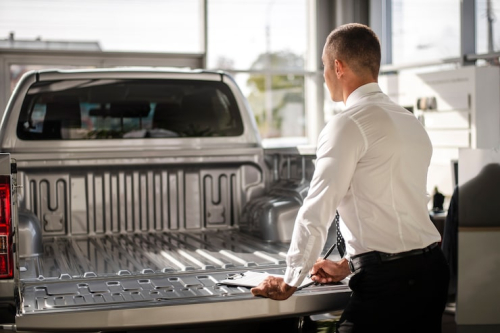
When Chevrolet unveils refinements to its flagship truck lineup, both dedicated enthusiasts and hardworking professionals sit up and take notice. For the 2026 model year, the Silverado family benefits from a series of thoughtful enhancements that sharpen its already strong appeal. These updates emphasize fresh styling choices, more standard equipment on popular trims, and practical upgrades that improve everyday usability without disrupting the reliable formula that has made these trucks staples on job sites and open roads nationwide.
Central to the discussion is the widely admired 2026 Chevrolet Silverado 1500, which builds on its solid foundation while introducing enough fresh elements to maintain strong interest among buyers.
Feeling stuck in the stressful car-buying process? At Jupiter Chevrolet in Garland, TX, we’ve reimagined how buying a car should feel. With transparent pricing, online deal-building tools, and the benefits of our Jupiter Advantage program, we ensure every step is straightforward and satisfying. Skip the hassle. From purchase, to certified service and parts, to collision repair and body shop. Our team puts your convenience, safety, and confidence first. Turn your dreams of finding your ideal Chevrolet into reality with us. Visit Jupiter Chevrolet today!
New Exterior Colors and Styling Details That Stand Out
Chevrolet has added two eye-catching exterior colors to the 2026 Silverado 1500 palette : White Sands and Polar White Tricoat. These selections replace outgoing shades and provide owners with additional ways to customize their trucks, whether they favor a crisp, contemporary appearance or a finish that commands attention on the highway.
The changes extend beyond paint. The capable ZR2 off-road model now includes the versatile Multi-Flex tailgate as standard equipment. Previously an option on this trim, the Multi-Flex design offers multiple configurations for easier loading, unloading, and even creating a convenient work surface at the jobsite. This practical upgrade proves especially valuable for users who regularly transport equipment or need added flexibility during daily tasks.
Further personalization comes through new packages. The RST Select package, available on the RST trim, bundles 20-inch high-gloss black wheels, all-terrain tires, a spray-on bedliner, and assist steps. The combination delivers a sportier, more rugged presence straight from the showroom. For those who enjoy the outdoors, the Realtree Appearance Package remains available as a dealer-installed option on Custom and Custom Trail Boss models, offering that distinctive camouflage styling without delay.
Enhanced Technology and Cabin Comfort Features
Driver-oriented technology remains a priority in the 2026 Silverado. On the ZR2 trim, the Technology Package now comes standard, incorporating helpful additions such as a rear camera mirror and a sizable color head-up display. These elements boost visibility and situational awareness, particularly useful during towing or when traversing demanding terrain.
Higher trims continue to showcase the large 13.4-inch touchscreen and 12.3-inch reconfigurable driver information center. The setup provides clear, intuitive access to navigation, entertainment, and vehicle information. Expanded availability of Super Cruise hands-free driving assistance on select models including LT, RST, LTZ, ZR2, and High Country delivers added convenience on compatible highways, including towing support where routes allow.
Subtle improvements to interior materials help create a quieter and more comfortable cabin environment, whether commuting through city traffic, running weekend errands, or embarking on longer journeys.
Proven Powertrain Choices Built for Real Demands
The 2026 Silverado 1500 retains its capable engine offerings to suit a wide range of needs. The efficient TurboMax powerplant delivers strong low-end torque, making it well-suited for daily driving and moderate towing. Drivers requiring serious hauling capacity can opt for the 3.0L Duramax Turbo-Diesel, which pairs impressive highway fuel economy with robust towing capability reaching up to 13,300 pounds in properly equipped models.
Traditional V8 options remain available, including the 5.3L and 6.2L EcoTec3 engines. The larger 6.2L now offers an optional sport exhaust calibration on dual-mode exhaust-equipped models, producing a richer, more engaging sound that heightens the driving experience while preserving overall refinement.
All powertrains mate with a responsive 10-speed automatic transmission, ensuring smooth performance whether traveling light or carrying a full load.
Targeted Refinements for Heavy-Duty Silverado Models
The heavy-duty Silverado 2500HD and 3500HD receive focused updates for 2026 as well. Many LT and LTZ configurations now prioritize four-wheel drive, aligning with strong customer preference for enhanced traction across different driving conditions. Chevrolet has also streamlined certain body-style offerings, such as the Double Cab on the LTZ, to concentrate on the most requested setups.
Consistent with the light-duty trucks, HD ZR2 variants gain the Multi-Flex tailgate and Technology Package as standard. Fresh wheel designs and subtle exterior touches, including updated grille inserts on select trims, give these robust machines an even stronger visual impact while preserving their renowned durability and towing strength.
Real-World Benefits for Different Types of Owners
These 2026 updates deliver tangible advantages for fleet managers, recreational users, and daily drivers alike. Increased standard content on popular trims helps control costs by reducing reliance on expensive add-ons, while the new colors and appearance packages allow greater self-expression. The emphasis stays firmly on capability towing a boat for a family outing, transporting materials for a renovation project, or simply enjoying a well-equipped, comfortable pickup for routine travel.
In a highly competitive full-size truck segment, such measured refinements help the Silverado stay relevant. Chevrolet has opted to enhance proven strengths rather than pursue radical overhauls, resulting in vehicles that feel noticeably fresher while staying true to their core purpose.
Service and Maintenance Considerations for Long-Term Ownership
As vehicles on American roads continue to age, dependable service and readily available parts play an increasingly important role in ownership. Chevrolet’s broad dealer network and genuine replacement components support extended vehicle life and help reduce unplanned downtime. Many owners discover that consistent maintenance, supported by modern diagnostic tools and durable construction, yields significant long-term value. Predictive maintenance systems, which analyze real-time data to anticipate potential issues rather than follow fixed schedules, are gaining prominence in the automotive world because they help prevent unexpected failures and deliver both time and cost savings.
Common Questions About the 2026 Silverado Updates
- Are the mechanical changes significant? The 2026 model year focuses primarily on equipment, styling, and convenience enhancements rather than major powertrain revisions, allowing the Silverado to build on its established reputation for reliability.
- Does the ZR2 feel more capable? Yes standard Multi-Flex tailgate and Technology Package features make the off-road-focused trim even more versatile for work and recreation.
- How do the new colors compare? White Sands and Polar White Tricoat offer clean, modern alternatives that complement the truck’s bold design language.
Final Thoughts on the Evolving Silverado Lineup
The 2026 model year stands as a clear evolution for the Silverado family . By incorporating customer input and making targeted improvements, Chevrolet continues to deliver trucks that address the varied requirements of today’s drivers. Whether the priority is serious off-road performance with the ZR2, premium comfort in the High Country, or straightforward work readiness in base trims, the latest variants combine strong performance, modern technology, and distinctive style.
In a market that demands both toughness and contemporary features, these updates solidify the Silverado’s standing as a versatile and trustworthy option. Buyers considering a new full-size pickup this year will likely find much to value in the polished 2026 offerings. Ultimately, the most meaningful advancements are often those that quietly enhance daily experiences while preserving the dependability that has defined these trucks for generations.
Frequently Asked Questions
What are the biggest updates to the 2026 Chevrolet Silverado 1500?
The 2026 Silverado 1500 introduces two new exterior colors White Sands and Polar White Tricoat along with increased standard equipment on popular trims. The ZR2 off-road model now includes the Multi-Flex tailgate and Technology Package as standard, adding features like a rear camera mirror and color head-up display. The RST Select package also debuts, bundling 20-inch high-gloss black wheels, all-terrain tires, a spray-on bedliner, and assist steps for a sportier, more rugged look from the factory.
What engine options are available on the 2026 Chevrolet Silverado 1500?
The 2026 Silverado 1500 offers a range of powertrains to match different driving needs. These include the TurboMax engine for everyday driving and moderate towing, the 3.0L Duramax Turbo-Diesel capable of towing up to 13,300 lbs with strong fuel economy, and traditional 5.3L and 6.2L EcoTec3 V8 options. The 6.2L V8 now supports an optional sport exhaust calibration for a more engaging driving sound, and all engines are paired with a 10-speed automatic transmission.
Does the 2026 Chevrolet Silverado support hands-free driving?
Yes Super Cruise hands-free driving assistance is available on select 2026 Silverado trims, including the LT, RST, LTZ, ZR2, and High Country. The system works on compatible highways and even supports hands-free towing on eligible routes. Higher trims also feature a large 13.4-inch touchscreen and a 12.3-inch reconfigurable driver information center for intuitive access to navigation and vehicle data.
Disclaimer: The above helpful resources content contains personal opinions and experiences. The information provided is for general knowledge and does not constitute professional advice.
You may also be interested in: Why Chevrolet’s 2025 Lineup Is Built for Texas Roads
Feeling stuck in the stressful car-buying process? At Jupiter Chevrolet in Garland, TX, we’ve reimagined how buying a car should feel. With transparent pricing, online deal-building tools, and the benefits of our Jupiter Advantage program, we ensure every step is straightforward and satisfying. Skip the hassle. From purchase, to certified service and parts, to collision repair and body shop. Our team puts your convenience, safety, and confidence first. Turn your dreams of finding your ideal Chevrolet into reality with us. Visit Jupiter Chevrolet today!
Powered by flareAI.co
Connect with us


