




In the heart of North Texas, where highways pulse with the rhythm of daily commutes and sudden stops, drivers are rethinking their approach to vehicle repairs after fender-benders and worse. Amid growing concerns over vehicle safety and durability, many are opting for factory-original components in their fixes. This shift underscores a broader trend captured in discussions around Dallas Drivers Choose OEM Parts for Collision Repairs Amid Rising Safety and Quality Concerns, where local preferences align with national patterns favoring quality over cut-rate alternatives.
Feeling stuck in the stressful car-buying process? At Jupiter Chevrolet in Garland, TX, we’ve reimagined how buying a car should feel. With transparent pricing, online deal-building tools, and the benefits of our Jupiter Advantage program, we ensure every step is straightforward and satisfying. Skip the hassle. From purchase, to certified service and parts, to collision repair and body shop. Our team puts your convenience, safety, and confidence first. Turn your dreams of finding your ideal Chevrolet into reality with us. Visit Jupiter Chevrolet today!
Dallas Drivers Demand Quality in Collision Repairs
The landscape of automotive fixes in the United States reflects a robust industry on the rise. Recent figures show the U.S. automotive collision repair sector reached a valuation of 36.66 billion dollars back in 2023, with expectations to climb steadily. Analysts project this market will expand at an annual compound growth rate of about 1.9 percent through 2030, potentially hitting 227.60 billion dollars globally by then. In the U.S. alone, growth stems from heightened vehicle numbers on roads and a spike in mishaps that demand professional attention.
Drivers navigating the busy streets of Garland or the expansive suburbs of Plano increasingly recognize the pitfalls of subpar parts. Generic replacements might tempt with lower prices, but they often fall short in safeguarding advanced features like emergency braking systems or collision avoidance tech. Industry insights reveal that advanced driver-assistance systems, or ADAS, now come standard in roughly 60 percent of new cars worldwide, a figure set to jump to 80 percent this year alone. This evolution demands precise repairs to maintain functionality, pushing consumers toward original equipment manufacturer options.
At the forefront in this region stands Jupiter Chevrolet, a staple in Garland with a legacy spanning more than a century. This family-run operation extends its certified repair services to communities from Richardson to Frisco, where trust forms the bedrock of customer relationships. Locals value the dealership’s commitment to excellence, especially when it comes to restoring Chevrolets to their peak condition after accidents.
Why OEM Parts Are Gaining Traction
Globally, the automotive collision repair arena continues to evolve, with current valuations pegged at 208.10 billion dollars for 2025, on track to surpass 247.17 billion dollars by 2034. This progression occurs at a steady compound annual growth rate of 1.93 percent over the next decade. Europe leads the pack, commanding over 41 percent of the market share last year, while Asia-Pacific emerges as the swiftest expander, potentially at four percent annually, fueled by surging passenger car sales and accident rates.
In North Texas hotspots like Dallas and Mesquite, this momentum translates to a preference for parts that promise reliability. Spare parts, including essentials like bumpers and headlights, captured a dominant 38.5 percent revenue slice in the U.S. market during 2024. This demand arises from the need to replace structural elements damaged in collisions, ensuring vehicles meet original safety benchmarks.
Consider the intricacies of modern vehicles: a Chevrolet Tahoe involved in a side-impact crash in McKinney might require sensor recalibration. Opting for Automotive OEM Market components guarantees compatibility, as these parts undergo rigorous testing by the manufacturer. The OEM sector itself anticipates growth from 40.98 billion dollars this year to nearly 60 billion by 2034, driven by electric vehicle adoption and tech innovations.
Insurance mandates play a pivotal role too. Across the U.S., laws require active auto policies to cover accident-related costs, bolstering the repair industry’s expansion. Telematics advancements further enhance this, providing real-time data that aids in swift, accurate diagnostics at certified centers.
Real Stories, Real Impact
Picture a bustling morning on the Dallas North Tollway: a sudden lane change leads to a crunch of metal. For one driver from Rockwall-Heath, bringing their Silverado to Jupiter Chevrolet meant choosing OEM parts for the grille and headlights. This decision not only restored the truck’s aesthetics but also preserved its advanced lighting systems, crucial for nighttime safety.
In another instance, a family in Forney faced a rear-end collision with their Traverse. By selecting factory originals, they safeguarded the vehicle’s structural integrity and upheld its Lifetime Powertrain Warranty a distinctive perk from Jupiter Chevrolet that extends coverage far beyond typical offerings. Such warranties underscore the dealership’s dedication, reassuring customers that their investments remain protected long-term.
These narratives echo throughout Grapevine and beyond. Business owners with fleets of work vehicles prioritize OEM to minimize disruptions, knowing precise fits accelerate repairs. In Frisco’s growing communities, EV owners insist on originals to maintain battery and sensor harmony, aligning with projections that see heavy-duty segments growing at 1.5 percent annually through 2030.
The ripple effects extend to resale values. Vehicles mended with OEM components fetch higher prices, as buyers scrutinize repair histories. This factor resonates in competitive markets like Plano, where discerning drivers weigh long-term ownership costs against immediate savings.
Navigating Challenges: Cost and Availability
Yet, the path to OEM adoption isn’t without hurdles. In Mesquite or Richardson, some hesitate over upfront expenses, as factory parts often command premiums compared to aftermarket counterparts. Insurance providers frequently advocate for economical options to curb claim payouts, sparking debates between cost efficiency and enduring quality.
Jupiter Chevrolet confronts these head-on, acknowledging that their inventory might not match the vast stocks of corporate giants. However, their family-operated model fosters personalized guidance, helping clients navigate options transparently. Pricing, while not the most aggressive, reflects a commitment to value, countering objections rooted in past experiences with less reliable repairs.
Industry-wide, the DIY segment shows promise, projected to expand at 2.5 percent CAGR through 2030, appealing to hands-on enthusiasts. But for most, professional services dominate, with OE channels holding sway due to their expertise in complex fixes involving paints and coatings, expected to grow at 2.7 percent annually.
Addressing availability, Jupiter leverages networks to source parts swiftly, minimizing wait times. This approach mitigates concerns over delays, ensuring drivers from Forney to McKinney regain mobility without prolonged inconvenience.
The Benefits of Choosing OEM
Embracing OEM yields multifaceted advantages. Safety tops the list: these parts integrate seamlessly with vehicle systems, upholding standards that generics might compromise. In an era where road fatalities claim 1.3 million lives yearly worldwide, per health organizations, such reliability proves invaluable.
Economically, OEM preserves vehicle worth. A Chevy Malibu repaired with originals in Garland maintains higher appraisal values, benefiting owners eyeing trades or sales. Efficiency in repairs also shines, as perfect fits reduce labor hours, a boon for time-strapped professionals in Dallas’s corporate corridors.
Jupiter Chevrolet’s heritage amplifies these perks. Over 100 years in operation, this family-owned entity instills confidence, differentiating from impersonal chains. Their Lifetime Powertrain Warranty further elevates appeal, offering unparalleled assurance in a market where trust is currency.
Regionally, services span Rockwall-Heath to Grapevine, catering to diverse needs from passenger cars dominating with high ownership to light-duty vehicles. As accident frequencies rise with urban sprawl, demand for advanced solutions like AI diagnostics and ADAS calibration surges, propelling market growth at 2.8 percent CAGR through 2031 globally.
A Future Built on Trust and Quality
Looking ahead, the automotive repair sphere braces for transformation. With vehicles incorporating more ADAS and electric elements, OEM becomes indispensable for compliance and performance. U.S. projections see the market ascending to 43.32 billion dollars by 2032, at a 2.80 percent annual rate, driven by tech integrations and accident upticks.
In North Texas, this translates to savvy drivers viewing OEM as strategic investments. Jupiter Chevrolet positions itself as a pillar, delivering certified repairs backed by decades of expertise. For those traversing Dallas’s dynamic roads, choosing quality at this trusted hub ensures safety, value, and peace of mind endure.
Frequently Asked Questions
Why are Dallas drivers choosing OEM parts over aftermarket parts for collision repairs?
Dallas drivers are increasingly selecting OEM (Original Equipment Manufacturer) parts because they ensure compatibility with advanced safety systems like emergency braking and collision avoidance technology. With 60% of new cars now featuring ADAS (Advanced Driver Assistance Systems), OEM parts guarantee proper functionality and maintain vehicle safety standards that generic replacements often compromise.
How do OEM parts affect my vehicle’s resale value after a collision repair?
Vehicles repaired with OEM parts maintain significantly higher resale values compared to those fixed with aftermarket components. Buyers scrutinize repair histories, and OEM repairs demonstrate quality workmanship that preserves the vehicle’s original integrity, making it more attractive in competitive markets like Plano and Dallas where discerning drivers weigh long-term ownership costs.
Are OEM collision repair parts worth the extra cost in North Texas?
Yes, OEM parts provide superior value despite higher upfront costs through enhanced safety, perfect compatibility, and reduced repair time due to precise fitment. In North Texas’s busy traffic conditions, the reliability of OEM parts is crucial for maintaining advanced safety systems, and many dealerships like Jupiter Chevrolet offer lifetime powertrain warranties that further protect your investment long-term.
Disclaimer: The above helpful resources content contains personal opinions and experiences. The information provided is for general knowledge and does not constitute professional advice.
You may also be interested in: The Role of Parts Sales in Vehicle Maintenance
Feeling stuck in the stressful car-buying process? At Jupiter Chevrolet in Garland, TX, we’ve reimagined how buying a car should feel. With transparent pricing, online deal-building tools, and the benefits of our Jupiter Advantage program, we ensure every step is straightforward and satisfying. Skip the hassle. From purchase, to certified service and parts, to collision repair and body shop. Our team puts your convenience, safety, and confidence first. Turn your dreams of finding your ideal Chevrolet into reality with us. Visit Jupiter Chevrolet today!
Powered by flareAI.co

In the heart of Dallas, where highways hum with a symphony of engines from every make and model imaginable, the fender-bender no longer spells a scavenger hunt for brand-specific repair shops. Drivers here, navigating a mosaic of Chevrolets, Fords, Toyotas, and more in their household fleets, are finding solace in a new breed of service centers. These hubs promise efficiency amid the chaos of post-collision recovery, blending expertise across manufacturers to keep North Texas roads rolling smoothly.
Feeling stuck in the stressful car-buying process? At Jupiter Chevrolet in Garland, TX, we’ve reimagined how buying a car should feel. With transparent pricing, online deal-building tools, and the benefits of our Jupiter Advantage program, we ensure every step is straightforward and satisfying. Skip the hassle. From purchase, to certified service and parts, to collision repair and body shop. Our team puts your convenience, safety, and confidence first. Turn your dreams of finding your ideal Chevrolet into reality with us. Visit Jupiter Chevrolet today!
Embracing Versatility in Auto Repairs
As the automotive landscape evolves, multi-brand collision centers are emerging as a vital response to the diverse vehicle ownership patterns in Dallas and beyond. These facilities, often anchored by dealerships specializing in Chevrolet’s lineup including new and pre-owned sales, financing, routine service, genuine parts, and dedicated collision repairs are broadening their scope to accommodate vehicles from various original equipment manufacturers (OEMs). This adaptation meets the rising call for streamlined, reliable solutions in a market where convenience reigns supreme. Recent data indicates that the worldwide automotive collision repair sector stood at an estimated $199.56 billion in 2023, with expectations to climb to $227.60 billion by 2030 at a compound annual growth rate (CAGR) of 1.9% starting from 2024. Factors like surging auto insurance enrollments and breakthroughs in vehicle technology are key catalysts propelling this expansion. Notably, North America held a substantial portion of the global revenue in 2023, while the U.S. segment alone was pegged at $36.66 billion that year.
The allure of these centers lies in their ability to cater to mixed-brand households, a common sight in suburban Dallas where families might own a rugged Chevrolet truck for hauling, a fuel-efficient Honda for commutes, and an electric vehicle for urban errands. By extending services beyond a single brand, these shops eliminate the need for multiple visits, fostering trust and loyalty among drivers who prioritize hassle-free experiences. Dealerships are leveraging this trend to enhance their offerings, ensuring that whether it’s a minor dent or a major overhaul, the repair process feels integrated and efficient.
Industry Trends Driving the Change
The pivot to multi-brand repair strategies reflects broader shifts in the U.S. automotive scene, where dealerships are increasingly adopting certifications from multiple OEMs to stay competitive. In regions like North Texas, urban sprawl and diverse economic activities contribute to a vehicle mix that demands versatile repair capabilities. Technological upgrades, such as advanced diagnostic scanners and precision alignment tools, empower these centers to handle the intricacies of modern automobiles, from Chevrolet’s robust frames to the sensor-laden systems in competitor’s models.
Insurance providers play a pivotal role, often steering policyholders toward facilities equipped to manage claims across brands swiftly. This collaboration not only accelerates repairs but also optimizes costs, benefiting both consumers and insurers. Market analysis reveals that in 2023, the spare parts category led with a commanding 64.0% of global revenue, underscoring the demand for replacements in collision scenarios. Meanwhile, the OEM-managed service channel dominated revenue shares, highlighting the preference for manufacturer-backed repairs that ensure quality and warranty compliance.
Looking closer at regional dynamics, North America’s market was valued at $45.4 billion in 2023, poised to grow to $49.04 billion by 2030 at a 1.1% CAGR. Stringent safety regulations, the rise of advanced driver-assistance systems (ADAS), and the influx of electric vehicles are fueling this steady ascent. In the U.S., which captured 80.7% of the North American share in 2023, the focus on light-duty vehicles holding 56.8% of revenue mirrors consumer preferences for everyday cars and SUVs. These insights emphasize how multi-brand centers are positioning themselves to capitalize on these trends, investing in training that spans aluminum welding for lightweight bodies to software recalibrations for hybrid powertrains.
Yet, this evolution isn’t without its nuances. As vehicles become more complex, repair shops must navigate a web of OEM-specific protocols, ensuring that a Chevrolet’s collision repair adheres to GM standards while a Toyota’s follows its own rigorous guidelines. This requires ongoing education for technicians, who must master diverse systems to maintain safety and performance integrity.
Dallas in Focus: Local Adaptations and Success Stories
In Dallas, multi-brand collision centers are not just adapting they’re thriving by tailoring services to the city’s unique driving culture. A Chevrolet dealership in the area, for instance, has upgraded its collision bay to include certifications for non-GM brands, allowing it to service everything from dented Fords to scratched Hyundais. This expansion draws on shared resources, like universal frame machines and eco-friendly paint booths, to deliver consistent results.
Local drivers appreciate the one-stop approach, especially in a metropolis where time is as precious as fuel. Consider the efficiency gains: a family with a Chevrolet Malibu and a Volkswagen Jetta involved in separate incidents can now resolve both at the same facility, minimizing downtime and coordination efforts. Feedback from the community highlights this value, with many praising the seamless integration of services that extend from initial assessments to final touch-ups.
Diving into U.S.-specific projections, the national market is set to edge up from $36.66 billion in 2023 to $38.95 billion by 2030, advancing at a modest 0.8% CAGR. This growth, influenced by mandatory insurance coverage and rising vehicle miles traveled, underscores the resilience of the sector amid economic fluctuations. Within this, the light-duty vehicle segment’s 56.5% dominance in 2023 reflects the prevalence of passenger cars in daily life, while the paints and coatings category is slated for the quickest expansion, driven by aesthetic demands and regulatory pushes for low-VOC products.
These centers also bolster local economies by creating jobs for skilled technicians and supporting supply chains for parts. In Dallas, where traffic congestion often leads to minor collisions, the ability to handle volume across brands positions these shops as indispensable community assets.
Overcoming Hurdles in Multi-Brand Operations
Transitioning to a multi-brand model presents formidable challenges that demand strategic foresight. Foremost is reconciling disparate OEM certification demands, each with unique tools, materials, and procedures. A shop must invest significantly in versatile equipment think laser-guided measuring systems and brand-agnostic scanners to uphold repair standards without compromise.
Quality consistency across platforms is another tightrope walk. Vehicles vary widely in construction; a Chevrolet’s steel-heavy build differs from an aluminum-intensive Audi, requiring tailored techniques to avoid structural weaknesses. Technicians face steep learning curves, often undergoing cross-brand training programs that can strain budgets and schedules.
Consumer skepticism adds a layer of complexity. Drivers loyal to one brand might hesitate to entrust their vehicle to a Chevrolet-affiliated center, fearing subpar attention to non-GM models. Overcoming this requires transparent communication, showcasing certifications, and delivering exemplary results to build credibility.
Economic pressures, including the cost of specialized tools and ongoing education, further test resolve. Yet, data from North America shows that the OE segment’s leadership in 2023, coupled with the DIFM (Do It For Me) channel’s anticipated rapid growth, suggests that professional, multi-brand services are aligning with consumer shifts toward convenience over DIY efforts.
Unlocking Growth and Future Prospects
For dealerships, embracing multi-brand repairs unlocks substantial opportunities. By diversifying services, they retain existing Chevrolet customers while attracting owners of other makes, expanding their market footprint in competitive Dallas. Shared infrastructure enhances operational efficiency, allowing for higher throughput and better resource allocation.
Cross-training workforces not only builds versatility but also fosters innovation, as technicians apply insights from one brand to another, improving overall repair methodologies. Streamlined parts procurement, often through consolidated suppliers, reduces overhead and accelerates turnaround times critical in a city where mobility is key.
This model elevates dealerships to regional frontrunners in collision services, particularly as the Asia Pacific region eyes a 3.5% CAGR through 2030, hinting at global influences that could trickle into U.S. practices. In North America, Canada’s projected fastest growth underscores the potential for cross-border learnings, especially in handling weather-related repairs.
Ultimately, multi-brand centers enhance customer satisfaction by offering comprehensive solutions that prioritize safety, value, and speed. As electric vehicles proliferate, these shops are gearing up for battery-specific repairs, ensuring relevance in an electrified future.
Charting the Road Ahead
As Dallas drivers continue to demand more from their repair experiences, multi-brand collision centers stand ready to deliver. With industry projections painting a picture of measured growth global figures climbing at 1.9% CAGR, North America at 1.1%, and the U.S. at 0.8% these facilities are not merely responding to trends but shaping them. By fostering innovation, efficiency, and trust, they reinforce community bonds and brand allegiance. In a world where the next bump in the road is inevitable, these centers ensure that recovery is swift, seamless, and supremely capable, paving the way for safer journeys ahead.
Frequently Asked Questions
What are multi-brand collision centers and how do they benefit Dallas drivers?
Multi-brand collision centers are auto repair facilities that can service vehicles from multiple manufacturers, not just one brand. For Dallas drivers with mixed-brand households like owning a Chevrolet truck, Honda sedan, and electric vehicle these centers eliminate the need to visit separate brand-specific shops for collision repairs. This saves time and provides convenient one-stop service for all your vehicles.
Can a Chevrolet dealership collision center properly repair non-GM vehicles?
Yes, many Chevrolet dealerships now obtain certifications from multiple OEMs (original equipment manufacturers) to properly service non-GM brands. These multi-brand certified centers invest in universal diagnostic equipment, brand-specific tools, and cross-training for technicians to meet each manufacturer’s repair standards. They follow the same rigorous protocols whether repairing a Chevrolet, Ford, Toyota, or other brand vehicle.
How much is the automotive collision repair market expected to grow?
The global automotive collision repair market was valued at $199.56 billion in 2023 and is projected to reach $227.60 billion by 2030, growing at a 1.9% compound annual growth rate. In North America specifically, the market is expected to grow from $45.4 billion in 2023 to $49.04 billion by 2030. This growth is driven by increasing auto insurance enrollment, advanced vehicle technology, and the rise of electric vehicles requiring specialized repair services.
Disclaimer: The above helpful resources content contains personal opinions and experiences. The information provided is for general knowledge and does not constitute professional advice.
You may also be interested in: Jupiter Chevrolet Blog | News, Updates, and Info – Jupiter Chevrolet
Feeling stuck in the stressful car-buying process? At Jupiter Chevrolet in Garland, TX, we’ve reimagined how buying a car should feel. With transparent pricing, online deal-building tools, and the benefits of our Jupiter Advantage program, we ensure every step is straightforward and satisfying. Skip the hassle. From purchase, to certified service and parts, to collision repair and body shop. Our team puts your convenience, safety, and confidence first. Turn your dreams of finding your ideal Chevrolet into reality with us. Visit Jupiter Chevrolet today!
Powered by flareAI.co

The Dallas Fort Worth skyline hums with the rhythm of a city on the move, its roads teeming with vehicles that embody both freedom and complexity. Amid this automotive pulse, a seismic shift has occurred: Herb’s Paint & Body, a Dallas institution for over six decades, has been acquired by Caliber Collision. This isn’t just a local business changing hands it’s a signal of a broader transformation in the collision repair industry, where advanced technology and rising consumer expectations are reshaping the market. As vehicles evolve, so too must the shops that mend them, and Dallas is at the forefront of this change.
Feeling stuck in the stressful car-buying process? At Jupiter Chevrolet in Garland, TX, we’ve reimagined how buying a car should feel. With transparent pricing, online deal-building tools, and the benefits of our Jupiter Advantage program, we ensure every step is straightforward and satisfying. Skip the hassle. From purchase, to certified service and parts, to collision repair and body shop. Our team puts your convenience, safety, and confidence first. Turn your dreams of finding your ideal Chevrolet into reality with us. Visit Jupiter Chevrolet today!
Herb’s Paint & Body Sale Signals Growth in Local Collision Market
Since 1956, Herb’s Paint & Body has been a cornerstone of Dallas’s automotive community. Founded by Herb Walne at a modest service station on Northwest Highway and Easton Road, the company grew to eight locations, earning trust through quality repairs. Now led by Herb’s son, Alan, as chairman and CEO, and grandson, Robert, as president and COO, the family’s legacy is etched into the city’s fabric. The recent acquisition by Caliber Collision, a national leader, marks a new chapter, reflecting the growing demand for sophisticated collision repair services in North Texas.
The global automotive collision repair market, valued at $208.10 billion in 2025, is on track to reach $247.17 billion by 2034, with a steady compound annual growth rate (CAGR) of 1.93%. This expansion is driven by the global surge in vehicle ownership and the increasing complexity of modern cars, which require specialized repair expertise. Europe held a commanding 41.69% market share in 2024, but North America, particularly the U.S., remains a significant player, with the U.S. market alone valued at $36.66 billion in 2023.
The Changing Face of Collision Repair
Gone are the days when a collision repair meant hammering out dents and slapping on a fresh coat of paint. Today’s vehicles are rolling computers, equipped with advanced driver-assistance systems (ADAS) like adaptive cruise control and lane departure warnings. These systems demand precision repairs, including sensor and camera recalibration, which require high-tech equipment and trained technicians. According to a market analysis, the global collision repair market is projected to grow from $190.8 billion in 2025 to $279.2 billion by 2034, at a CAGR of 4.3%, fueled by the need to service complex electronics and lightweight materials like aluminum and composites.
In Dallas, this evolution is amplified by market consolidation. Large chains like Caliber are acquiring local stalwarts like Herb’s, capitalizing on the region’s robust automotive market. The U.S. collision repair sector, valued at $36.66 billion in 2023, sees spare parts dominating with a 64% revenue share, while original equipment manufacturer (OEM) service channels lead in revenue, per industry research. This consolidation reflects investor confidence in a market driven by technological advancements and growing consumer demand for certified repairs.
Herb’s Sale: A Local Legacy Meets Industry Trends
Herb’s Paint & Body wasn’t just a business it was a Dallas institution. For 63 years, the Walne family built a reputation for reliability, serving generations of drivers. The sale to Caliber Collision, announced in 2019, underscores the strategic moves shaping the industry. With eight locations across Dallas–Fort Worth, Herb’s was a prime target for Caliber, which aims to expand its footprint in high-growth markets. This acquisition signals not only the strength of the local collision repair sector but also the increasing value of established brands in a consolidating industry.
For Dallas drivers, the sale raises questions about continuity. Will Caliber maintain the personalized service that defined Herb’s? For the broader market, it highlights a shift toward certified repair centers. Consumers increasingly prefer dealerships or OEM-affiliated shops for their expertise in handling modern vehicles, especially those with ADAS or electric vehicle (EV) components. As the automotive landscape evolves, businesses that adapt to these demands will thrive.
Navigating Challenges in a High-Tech Market
The collision repair industry faces significant hurdles. A shortage of skilled technicians trained in ADAS and EV repairs is a growing concern, as shops struggle to keep pace with vehicle complexity. The cost of new equipment diagnostic scanners, calibration tools, and specialized welding systems can be prohibitive, particularly for smaller shops. Independent repair centers also face fierce competition from dealership-affiliated services, which benefit from manufacturer certifications and insurance partnerships.
Customer trust remains a critical issue. With repair costs rising due to advanced materials and technologies, transparency in pricing and repair timelines is paramount. Digital estimating platforms, which enhance accuracy and streamline claims, are gaining traction, but their adoption varies. Shops that prioritize clear communication and efficient processes will stand out in a crowded market, fostering loyalty among discerning consumers.
Opportunities for Dallas Dealerships
For Chevrolet dealerships in Dallas, the collision repair boom is a call to action. Manufacturer certification programs, such as GM’s certified collision repair network, offer a competitive edge. These programs ensure shops are equipped to handle EVs and ADAS-equipped vehicles, meeting the needs of modern drivers. As EVs become more common, expertise in battery repair and high-voltage systems will be a game-changer, attracting customers seeking specialized care.
The numbers tell a compelling story. The global collision repair market is expected to reach $227.60 billion by 2030, with a CAGR of 1.9%, driven by technological advancements and increased insurance subscriptions. Dealerships that invest in certified facilities and digital tools, like streamlined claims processing, can position themselves as trusted one-stop shops. By offering end-to-end services from sales to collision repair dealerships can build lasting relationships with customers, ensuring repeat business in a competitive market.
The Road Ahead for Dallas
As Dallas Fort Worth grows, its automotive sector is evolving in lockstep. The sale of Herb’s Paint & Body to Caliber Collision is more than a transaction it’s a marker of an industry at a crossroads. With vehicles growing ever more complex and consumers demanding certified, transparent repairs, the collision repair market is set for sustained growth. Dealerships that embrace this shift investing in training, technology, and customer-centric processes will lead the charge. In a city where the open road is a way of life, those who keep drivers moving safely and confidently will define the future of collision repair.
Frequently Asked Questions
Why did Herb’s Paint & Body sell to Caliber Collision after 63 years in Dallas?
Herb’s Paint & Body, a Dallas institution since 1956, was acquired by Caliber Collision in 2019 as part of broader industry consolidation trends. The sale reflects the growing demand for sophisticated collision repair services and the need for shops to invest in advanced technology to handle modern vehicles with complex systems like ADAS and electric components. Caliber’s acquisition of Herb’s eight locations positions them strategically in the high-growth Dallas-Fort Worth market.
How is the collision repair industry changing with modern vehicle technology?
Today’s collision repair industry has evolved far beyond traditional bodywork, as modern vehicles are essentially “rolling computers” equipped with advanced driver-assistance systems (ADAS), sensors, and cameras. These complex systems require specialized equipment for recalibration, trained technicians familiar with lightweight materials like aluminum and composites, and high-tech diagnostic tools. The global collision repair market is projected to grow from $190.8 billion in 2025 to $279.2 billion by 2034, driven by these technological demands.
What opportunities does the collision repair market growth create for Dallas automotive dealerships?
The expanding collision repair market, valued at $208.10 billion globally in 2025, presents significant opportunities for Dallas Chevrolet dealerships through manufacturer certification programs. GM’s certified collision repair network ensures dealerships can properly handle EVs and ADAS-equipped vehicles, positioning them as trusted specialists for complex repairs. By investing in certified facilities, digital estimating platforms, and technician training, dealerships can offer comprehensive services from sales to collision repair, building lasting customer relationships in a competitive market.
Disclaimer: The above helpful resources content contains personal opinions and experiences. The information provided is for general knowledge and does not constitute professional advice.
You may also be interested in: Garland Chevrolet Dealer in Garland TX | Dallas Plano Frisco
Feeling stuck in the stressful car-buying process? At Jupiter Chevrolet in Garland, TX, we’ve reimagined how buying a car should feel. With transparent pricing, online deal-building tools, and the benefits of our Jupiter Advantage program, we ensure every step is straightforward and satisfying. Skip the hassle. From purchase, to certified service and parts, to collision repair and body shop. Our team puts your convenience, safety, and confidence first. Turn your dreams of finding your ideal Chevrolet into reality with us. Visit Jupiter Chevrolet today!
Powered by flareAI.co

In the vast expanse of North Texas, where endless highways connect bustling hubs like Dallas and Plano, motorists are turning their attention to cars that promise not only reliable transport but also smarter ways to sip fuel and curb emissions. With congestion climbing and climate worries intensifying, the demand for fuel-thrifty sedans is surging particularly in a metro area that stands third worldwide in transportation-related greenhouse gases.
Against the backdrop of escalating gas prices and stricter environmental rules in the Dallas-Fort Worth region, Chevrolet’s concluding refinements to its sedan range, especially the Malibu, demonstrate significant progress in fuel efficiency that strikes a chord with drivers spanning from Garland to Frisco.
Operating as a Chevrolet dealership in Garland, catering to neighborhoods throughout Dallas, Richardson, Plano, Rockwall-Heath, Forney, Mesquite, McKinney, Grapevine, and Frisco, Jupiter Chevrolet has observed directly how these fuel-saving enhancements meet the demands of our clientele. From browsing new or pre-owned cars to sourcing parts, scheduling repairs, or arranging financing, grasping these innovations empowers better choices in a landscape prioritizing cost-effective fueling and eco-friendliness. Here, we explore the Efficiency Gains Highlight Latest Chevrolet Sedan Iterations, leveraging regional patterns and verified insights to underscore their importance right here in North Texas.
Feeling stuck in the stressful car-buying process? At Jupiter Chevrolet in Garland, TX, we’ve reimagined how buying a car should feel. With transparent pricing, online deal-building tools, and the benefits of our Jupiter Advantage program, we ensure every step is straightforward and satisfying. Skip the hassle. From purchase, to certified service and parts, to collision repair and body shop. Our team puts your convenience, safety, and confidence first. Turn your dreams of finding your ideal Chevrolet into reality with us. Visit Jupiter Chevrolet today!
Emerging Trends and Recent Developments in Vehicle Efficiency
The car industry in the Dallas-Fort Worth vicinity is transforming swiftly, propelled by regulatory demands and a rising appetite for sustainable choices among consumers. Regional fleets are pushing to lower fuel intake and pollutants, aligning with broader shifts toward greener mobility.
For example, initiatives in the area have spotlighted the adoption of alternative fuel vehicles, contributing to modest gains in fleet performance. This mirrors a wider drive for efficiency, evident in efforts to trim consumption and emissions across various vehicle classes.
The Chevrolet Malibu, in its final versions prior to halting production in late 2024, captures these developments with its turbocharged 1.5-liter engine offering EPA-rated 28 mpg in city driving and 36 mpg on highways for several trims. For the 2024 lineup, the Malibu held steady at around 27 mpg city and 35 mpg highway in many configurations, positioning it as a strong contender for those mindful of fuel use in jammed zones like Richardson and Plano. As Chevrolet pivots toward SUVs and electric models, these sedan enhancements featured cutting-edge elements like variable valve timing and direct fuel injection, enhancing gas management while preserving drivability.
On a local level, monitoring of roadway emissions in the DFW ozone nonattainment zones, encompassing spots like Garland and Mesquite, involves tracking travel patterns and fuel characteristics. Studies examining gasoline from North-Central Texas stations have yielded data that refine emission calculations and bolster modeling for better efficiency.
In comparison to nationwide patterns, where new vehicle CO2 emissions and fuel economy are advancing thanks to expanded electric vehicle output, the DFW emphasis on real-world inventories highlights a local commitment to cutting nitrogen oxides and volatile organic compounds. Auto makers are deploying diverse electrification methods, influencing overall trends in emissions and efficiency through tech upgrades and market changes. Mean fuel economy for fresh vehicles, along with power, mass, and size, is on the upswing. Over recent years, most producers have bettered their CO2 outputs and mileage, with all major ones compliant through 2023 under light-duty greenhouse gas rules. Sedans such as the Malibu contribute to daily travel by easing the emission load in routine drives.
Furthermore, Chevrolet’s prowess in efficiency extends to other segments, like models equipped with the Duramax 3.0L Turbo-Diesel in two-wheel-drive setups, or even four-wheel-drive variants paired with the 5.3L EcoTec3 V8, showcasing the brand’s commitment to optimizing performance across its portfolio.
Real-World Examples and Applications in North Texas
To illustrate these efficiency boosts, picture the everyday hustle in the Dallas metropolitan zone, where cars rack up approximately 85 million miles each day across roughly 11,500 lane miles. At Jupiter Chevrolet in Garland, patrons frequently share stories of deploying their Malibu sedans for extended trips to Frisco or McKinney, capitalizing on the car’s highway prowess to counter elevated local fuel expenses.
Practical uses emerge from municipal operations too. Surveys in the region reveal how cities in Plano and Richardson are integrating higher-efficiency vehicles to achieve pollution cutback targets. Such moves, akin to the Malibu’s features, yield tangible savings in fuel through advanced gas and hybrid options.
In areas like Rockwall-Heath and Forney, blending suburban growth with countryside paths, the Malibu’s up to 36 mpg highway figure becomes essential for households juggling job travels and leisure outings. Insights from emission tracking in DFW illustrate how the mix of vehicle ages and diesel shares affects total efficiency, with modern gasoline sedans like the Malibu aiding reduced emissions per mile in counties such as Rockwall and Kaufman.
Academic institutions nearby are propelling pertinent studies. At UT Dallas in Richardson, investigations into electric vehicle optimization and AI-powered autonomous systems signal a move toward more intelligent, fuel-sparing setups that might shape forthcoming sedan concepts, despite Chevrolet’s reorientation. Meanwhile, SMU in Dallas has delved into wireless charging for electric cars, which could boost efficiency in networked vehicles along routes in Grapevine and Frisco. These university endeavors not only advance technology but also inform local dealerships like ours about emerging trends, helping us advise customers on vehicles that align with future mobility needs. For instance, SMU’s work on in-motion wireless charging addresses urban challenges by enabling seamless energy transfer, potentially reducing downtime and enhancing overall system efficiency in high-traffic corridors.
Key Challenges, Limitations, and Risks
Yet, amid these progresses, hurdles remain in the North Texas arena. The DFW locale’s substantial transport emissions pegged at 23.8 million metric tons of CO2 equivalent back in 2021 underscore the constraints of gasoline sedans, including top performers like the Malibu. Given that merely 3.8 percent of Dallas workers opt for public transit, the heavy dependence on private autos heightens the danger of plateauing efficiency amid expanding road use.
Upkeep problems can erode fuel performance, as highlighted by dealer observations: sporadic maintenance or aggressive habits in packed spots like Mesquite may push the Malibu’s actual mileage under EPA figures. Drivers in urban settings often note variances due to stop-and-go conditions dominant in Dallas.
Regulatory pressures from enhanced vehicle checks in impacted counties, such as Plano and McKinney, imply that aging, less thrifty sedans incur steeper adherence expenses, nudging consumers to fresher units while exposing the sedan’s drawbacks in a shifting market favoring SUVs for their adaptability over sheer economy, as observed in statewide preferences.
Additionally, the broader climate context amplifies risks; with Texas leading in CO2 from transport nationally, local efforts must contend with statewide figures like 215 million metric tons in 2021, demanding ongoing innovation to mitigate impacts. These challenges remind us that while efficiency gains are vital, they operate within a complex ecosystem of behavior, infrastructure, and policy.
Opportunities, Efficiencies, and Business Impacts
For outlets like Jupiter Chevrolet in Garland, these mileage improvements unlock fresh commercial paths. Marketing the Malibu’s concluding editions as second-hand options delivers affordable, gas-saving picks for value-seeking shoppers in Forney and Rockwall-Heath, elevating transactions in a fierce sector.
Such efficiencies manifest in business effects via loan perks for green autos and maintenance geared toward sustaining peak mileage. Regional emphases on enduring transport foster chances for dealers to collaborate on group purchases, where better fuel use slashes running expenses for enterprises in Frisco and Grapevine.
What’s more, as the DFW area advances alternative energies, Chevrolet’s heritage in capable sedans smooths the path for guiding clients to electrics, bolstering enduring allegiance and upkeep income in a territory fixated on slashing pollutants. This transition not only aligns with environmental goals but also positions dealerships as key players in sustainable mobility, offering comprehensive services from sales to long-term care.
Opportunities extend to partnerships with local research hubs; insights from UT Dallas and SMU can inform inventory strategies, emphasizing vehicles with AI integration or wireless features that appeal to tech-oriented buyers. In essence, these developments enable businesses to thrive by addressing both economic and ecological imperatives.
A Forward-Looking
As North Texas grapples with its ecological hurdles, the mileage advancements in Chevrolet’s latest sedan versions, such as the Malibu’s notable 28/36 mpg marks, provide a stepping stone to a greener horizon. Specialists from area schools like UT Dallas posit that merging artificial intelligence with electrification will magnify these advantages, possibly revolutionizing travel in Dallas, Richardson, and further afield.
Peering forward, although sedans might recede from Chevrolet’s array, the efficiency teachings will mold future offerings. For leaders at auto lots and savvy motorists, adopting these leaps signifies more than pump savings it’s about fostering purer skies in our locales. At Jupiter Chevrolet, we stand ready to steer you through these evolutions drop in at Garland to discover how efficiency can propel your upcoming buy.
Frequently Asked Questions
What is the fuel economy of the 2024 Chevrolet Malibu?
The 2024 Chevrolet Malibu achieves EPA-rated fuel economy of approximately 27 mpg city and 35 mpg highway in many configurations, with some trims reaching up to 28 mpg city and 36 mpg highway. These efficiency gains come from advanced features like variable valve timing and direct fuel injection in the turbocharged 1.5-liter engine. The Malibu’s strong highway performance makes it particularly appealing for North Texas drivers dealing with long commutes and higher fuel costs.
Why is fuel efficiency important for Dallas-Fort Worth area drivers?
The Dallas-Fort Worth metropolitan area ranks third worldwide in transportation-related greenhouse gas emissions, with approximately 23.8 million metric tons of CO2 equivalent produced in 2021. With only 3.8% of Dallas workers using public transit and cars traveling roughly 85 million miles daily across 11,500 lane miles, fuel-efficient vehicles like the Chevrolet Malibu help reduce both fuel costs and environmental impact. The region’s heavy traffic congestion and strict environmental regulations make efficient sedans essential for cost-effective and eco-friendly transportation.
What are the challenges of owning fuel-efficient sedans in North Texas?
While fuel-efficient sedans like the Malibu offer significant benefits, North Texas drivers face challenges including stop-and-go traffic conditions that can reduce actual MPG below EPA estimates, particularly in urban areas like Dallas and Mesquite. Additionally, irregular maintenance and aggressive driving habits can erode fuel performance over time. Enhanced vehicle inspections in affected counties and the region’s shift toward SUVs over sedans also present obstacles, though proper maintenance and driving techniques can help maximize efficiency gains.
Disclaimer: The above helpful resources content contains personal opinions and experiences. The information provided is for general knowledge and does not constitute professional advice.
You may also be interested in: Jupiter Chevrolet Blog | News, Updates, and Info – Jupiter Chevrolet
Feeling stuck in the stressful car-buying process? At Jupiter Chevrolet in Garland, TX, we’ve reimagined how buying a car should feel. With transparent pricing, online deal-building tools, and the benefits of our Jupiter Advantage program, we ensure every step is straightforward and satisfying. Skip the hassle. From purchase, to certified service and parts, to collision repair and body shop. Our team puts your convenience, safety, and confidence first. Turn your dreams of finding your ideal Chevrolet into reality with us. Visit Jupiter Chevrolet today!
Powered by flareAI.co
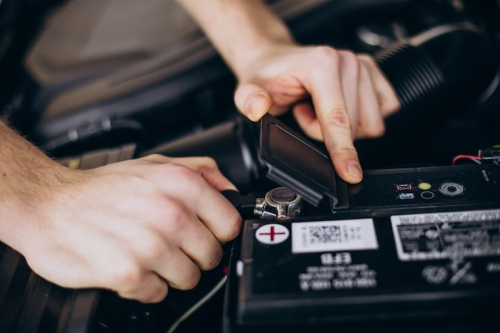
The streets of Dallas–Fort Worth hum with the quiet power of electric vehicles, a testament to a city embracing the future of driving. But when these high-tech machines meet the chaos of a collision, the repair process demands a new kind of expertise. Local Chevrolet service centers are rising to the challenge, equipping themselves with advanced tools and specialized training to handle the complexities of EV battery repairs. This isn’t just about fixing dents it’s about mastering the art and science of restoring electric vehicles to their full potential.
Feeling stuck in the stressful car-buying process? At Jupiter Chevrolet in Garland, TX, we’ve reimagined how buying a car should feel. With transparent pricing, online deal-building tools, and the benefits of our Jupiter Advantage program, we ensure every step is straightforward and satisfying. Skip the hassle. From purchase, to certified service and parts, to collision repair and body shop. Our team puts your convenience, safety, and confidence first. Turn your dreams of finding your ideal Chevrolet into reality with us. Visit Jupiter Chevrolet today!
Dallas Service Centers Expand EV and Battery Collision Repair Capabilities
The surge in electric vehicle adoption across Dallas–Fort Worth has sparked a revolution in automotive repair. As more drivers switch to EVs like the Chevrolet Bolt, service centers are investing heavily to meet the growing demand for specialized maintenance. This shift is critical, not just for new EV owners but also for those driving pre-owned models needing expert collision care. Dealerships like Jupiter Chevrolet are leading the charge, positioning themselves as trusted hubs for EV owners seeking certified repairs. The CCC Crash Course Report underscores this trend, noting that the rise of electric vehicles is driving up repair costs and complexity, based on data from 300 million claims-related transactions processed in 2024.
Why does this matter? Electric vehicles aren’t just cars with batteries they’re intricate systems requiring precision and care. A fender-bender involving an EV can involve high-voltage components, demanding a level of expertise far beyond traditional auto repair. Dallas dealerships are stepping up, ensuring they’re equipped to handle everything from minor bodywork to complex battery diagnostics.
The Unique Demands of EV Collision Repair
Repairing an electric vehicle after a crash is no small feat. Unlike gas-powered cars, EVs come with high-voltage batteries that pose unique safety risks. A damaged battery, if mishandled, can ignite, release toxic chemicals, or deliver a dangerous shock. This reality has pushed Chevrolet to enforce stringent safety protocols, with GM-certified technicians trained to navigate these hazards. The Crash Course Report highlights how vehicle complexity, combined with inflation and labor shortages, is increasing repair costs, making certified expertise more valuable than ever.
As EV adoption grows, so does the volume of collision work. Dallas roads, buzzing with electric models, are seeing more accidents involving these vehicles. Repair shops must adapt to handle not just body damage but also the intricate electronics and battery systems that define EVs. This requires specialized tools insulated equipment, battery isolation chambers, and advanced diagnostics that are becoming standard in forward-thinking service centers.
Inside the Modern EV Repair Shop
Step into a Chevrolet service center in Dallas, and you’ll find a facility that feels more like a high-tech laboratory than a traditional garage. Technicians wield cutting-edge diagnostic tools, working in reinforced workstations designed for EV safety. One recent case at Jupiter Chevrolet involved a Chevrolet Bolt with front-end damage from a collision. The repair wasn’t just about smoothing out dents it required isolating the high-voltage battery, running detailed diagnostics to confirm its stability, and reassembling the system to meet GM’s rigorous standards. This level of precision underscores the expertise needed in today’s repair shops.
These advancements come with significant investment. Dealerships are upgrading facilities with specialized equipment and training programs to ensure technicians can handle EV-specific challenges. The result? A repair process that instills confidence in customers, knowing their vehicles are in the hands of certified professionals. As the Caliber Collision network emphasizes, their 1,800 centers across 41 states back every repair with a limited lifetime warranty, a commitment that resonates with Dallas drivers seeking reliability.
Navigating Challenges in EV Repair
The path to EV repair excellence isn’t without obstacles. A critical challenge is the shortage of technicians trained in high-voltage systems. The Crash Course Report points to labor shortages as a major hurdle, particularly as vehicles grow more complex. Training a technician to safely handle EV batteries takes months of specialized education, and the demand for skilled workers far outstrips supply. Dealerships like Jupiter Chevrolet are investing in ongoing certification programs, but the industry as a whole struggles to keep pace.
Safety is another concern. Damaged EV batteries can be volatile, requiring strict protocols to prevent fires or chemical leaks. Repair shops must use insulated tools and store batteries in secure isolation chambers, adding layers of complexity to the process. Insurance companies are also grappling with the fallout, as EV repairs often take longer and cost more than those for traditional vehicles. The Crash Course Report notes that these factors are driving up claim costs, creating challenges for both repairers and insurers.
Turning Challenges into Opportunities
Yet, where there are challenges, there are also opportunities. By embracing EV repair capabilities, Dallas dealerships are gaining a competitive edge over smaller, less-equipped body shops. Certified repairs not only build trust with customers but also create new revenue streams through specialized services, battery replacements, and parts sales. In a region like Dallas–Fort Worth, where EV adoption is accelerating, this positions dealerships as indispensable partners for electric vehicle owners.
The regional impact is significant. Texas is emerging as a hotspot for EV growth, and Dallas is at the forefront. Dealerships that offer comprehensive EV services, backed by warranties like those from Caliber Collision, are setting a new standard for customer care. This not only strengthens customer loyalty but also cements Dallas as a hub for automotive innovation.
The Road Ahead for EV Repairs
The demand for EV services is set to soar. As more electric vehicles hit the roads, service centers will need to scale up their capabilities to keep up. Dealerships like Jupiter Chevrolet are already ahead of the curve, partnering with GM to expand technician training and refine repair processes. The Crash Course Report predicts that as workflows become standardized, repair times could decrease, making EV maintenance more efficient and cost-effective.
Early investment in these capabilities is a strategic move. Dealerships that prioritize EV repair now will be well-positioned to lead the market as electric vehicles become the norm. For Dallas, a city known for its bold embrace of progress, this is an opportunity to shine as a leader in the electric automotive landscape.
A New Era of Automotive Expertise
In Dallas, the future of driving is electric, and the future of repair is specialized. Dealerships like Jupiter Chevrolet are not just keeping pace they’re setting the pace, transforming service centers into high-tech hubs for EV care. With every battery repaired and every vehicle restored, they’re proving that Dallas is ready for the electric age. For drivers, that means more than just a fixed car it’s the confidence to charge forward, knowing their ride is in expert hands.
Frequently Asked Questions
What makes EV collision repair different from traditional car repair in Dallas?
EV collision repair requires specialized expertise due to high-voltage battery systems that pose unique safety risks. Unlike traditional vehicles, damaged EV batteries can ignite, release toxic chemicals, or deliver dangerous electrical shocks if mishandled. Dallas service centers like Jupiter Chevrolet now use specialized tools including insulated equipment, battery isolation chambers, and advanced diagnostics to safely handle these complex repairs.
How much more expensive are EV collision repairs compared to gas-powered vehicles?
EV collision repairs typically cost significantly more than traditional vehicle repairs due to increased complexity and specialized requirements. According to the CCC Crash Course Report, the rise of electric vehicles is driving up repair costs across the industry, with factors including vehicle complexity, specialized training needs, and longer repair times contributing to higher claim costs for insurance companies.
Where can I find certified EV collision repair services in the Dallas-Fort Worth area?
Several Dallas-area service centers now offer certified EV collision repair, including Jupiter Chevrolet, which employs GM-certified technicians trained in high-voltage system safety protocols. The Caliber Collision network also provides EV and hybrid repair services across their 1,800 centers in 41 states, backing every repair with a limited lifetime warranty for added peace of mind.
Disclaimer: The above helpful resources content contains personal opinions and experiences. The information provided is for general knowledge and does not constitute professional advice.
You may also be interested in: First-Time EV Buyer’s Guide: What Dallas Drivers Need to Know
Feeling stuck in the stressful car-buying process? At Jupiter Chevrolet in Garland, TX, we’ve reimagined how buying a car should feel. With transparent pricing, online deal-building tools, and the benefits of our Jupiter Advantage program, we ensure every step is straightforward and satisfying. Skip the hassle. From purchase, to certified service and parts, to collision repair and body shop. Our team puts your convenience, safety, and confidence first. Turn your dreams of finding your ideal Chevrolet into reality with us. Visit Jupiter Chevrolet today!
Powered by flareAI.co

Picture this: a bustling highway in the heart of North Texas, where a sudden fender-bender unfolds amid the daily rush from Garland to Frisco. In that moment, the true value of skilled hands emerges not just any mechanic, but certified experts who can restore a vehicle’s intricate systems to perfection. This scenario underscores the growing acclaim for these professionals in an industry evolving at breakneck speed.
Feeling stuck in the stressful car-buying process? At Jupiter Chevrolet in Garland, TX, we’ve reimagined how buying a car should feel. With transparent pricing, online deal-building tools, and the benefits of our Jupiter Advantage program, we ensure every step is straightforward and satisfying. Skip the hassle. From purchase, to certified service and parts, to collision repair and body shop. Our team puts your convenience, safety, and confidence first. Turn your dreams of finding your ideal Chevrolet into reality with us. Visit Jupiter Chevrolet today!
Certified Technicians Recognized for Expertise in Complex Vehicle Repairs Across North Texas
At the forefront of this recognition stands Jupiter Chevrolet, a family-owned staple in Garland that’s been serving the Dallas-Fort Worth area for a century. With communities like Plano, Richardson, and McKinney relying on reliable transportation, the dealership’s commitment to excellence shines through its team of certified technicians. These specialists, often holding credentials from the National Institute for Automotive Service Excellence (ASE), embody a blend of rigorous training and hands-on prowess that sets them apart in a competitive landscape.
The ASE, established in 1972 as an independent nonprofit, has certified over 247,000 service professionals as of recent counts, ensuring they meet high standards through exams and practical experience. This certification isn’t just a badge it’s a gateway to careers where employers demand proven competency, from basic maintenance to advanced diagnostics. In regions like Rockwall-Heath and Forney, where drivers navigate everything from urban commutes to rural hauls, such expertise translates to safer roads and longer-lasting vehicles.
The Rising Complexity of Today’s Vehicles
Modern automobiles have transformed into rolling computers, brimming with advanced driver-assistance systems (ADAS), electric powertrains, and lightweight composites. A minor collision might disrupt sensors crucial for automatic emergency braking or adaptive cruise control, demanding precise recalibration. Electric vehicles (EVs) add another layer, with battery systems requiring specialized handling to avoid hazards and maintain efficiency.
Industry reports highlight this shift. The global automotive repair and service market hit $714.51 billion in 2024, poised to climb to $1,052.50 billion by 2033 at a compound annual growth rate (CAGR) of 4.18%. Driving this expansion are surging vehicle sales, longer vehicle lifespans, and heightened awareness of routine upkeep. Advancements in EVs and hybrids necessitate tailored services, from battery diagnostics to electric motor overhauls, creating fresh avenues for skilled labor.
In Asia Pacific, which commands over 34.3% of the market share, innovations like AI-integrated inspections such as those slashing time and costs by half through cloud computing partnerships exemplify the tech infusion. Closer to home, in the U.S., the push for specialized repairs aligns with a fleet where EVs made up 7% of new sales in 2023, demanding expertise that traditional mechanics might lack. For North Texas residents in Mesquite or Grapevine, this means seeking out centers equipped for these complexities to preserve safety and warranty integrity.
Yet, the story doesn’t end with technology. The broader automotive repair market valued at $1.1 trillion in 2024, eyes $2.4 trillion by 2034 with a 7.6% CAGR. Factors include consumer cravings for safety upgrades and routine replacements, alongside expansions by providers. Mechanical repairs dominate, fueled by essentials like brakes and suspensions, while local garages thrive on affordability and convenience. Passenger cars lead the charge, reflecting everyday reliance in bustling areas like Frisco.
Jupiter Chevrolet’s Distinctive Approach
Jupiter Chevrolet distinguishes itself not through sheer size but through unwavering dedication. As a family-operated business celebrating 100 years, it offers a Lifetime Powertrain Warranty that covers core components indefinitely, fostering loyalty among customers wary of fleeting corporate promises. In a market where objections arise such as slimmer inventories compared to mega-dealers or perceptions of higher pricing Jupiter counters with personalized service and unyielding quality.
Certified technicians here undergo continuous training, mastering OEM-specific protocols and ASE standards. This ensures repairs align with manufacturer specs, safeguarding warranties and vehicle value. Imagine a Chevrolet Equinox from Plano involved in a side-impact crash: the team recalibrates ADAS sensors, realigns structures, and verifies electrical integrity, all while addressing customer concerns transparently. Such precision mitigates past negative experiences, building a reputation that spreads through word-of-mouth in tight-knit communities like Forney.
Globally, the repair and maintenance sector, pegged at $779.3 billion in 2024, anticipates a 5.7% CAGR through 2034. Key catalysts include vehicle sophistication networking, telematics, and semi-autonomy demanding investments in diagnostics and training. EV adoption surges, with China’s market alone generating massive revenues, but the U.S. follows suit, expecting 8% annual growth in EV maintenance. Independent garages, holding 55% share, adapt by upskilling for ADAS and EVs, mirroring Jupiter’s strategy.
In the U.S. specifically, the repair market stood at $183.4 billion in 2023, forecasting a 10.1% CAGR to 2032. Aging vehicles, averaging 12.6 years, amplify needs for frequent fixes, as owners extend lifespans amid high new-car costs. Passenger cars claim 34.4% share, growing fastest at 11.6% CAGR, while maintenance services like oil changes dominate revenue. Economic pressures encourage retention over replacement, boosting demand in states like Texas.
Overcoming Industry Hurdles
Challenges abound. Smaller outfits like Jupiter grapple with hefty investments in tools and education, especially against corporate behemoths offering cutthroat prices. Volatile material costs steel, rubber add strain, yet opportunities emerge in customization and tech features. Shared mobility increases wear, heightening service volume, but EVs promise savings: 40% lower maintenance than internal combustion engines, though repairs can cost 29% more on average.
Customer skepticism lingers, particularly around pricing and inventory. Jupiter addresses this by emphasizing value certified repairs that prevent costly future issues. In Dallas or Richardson, where options proliferate, the dealership’s family ethos reassures, countering perceptions of aggression from larger chains. By focusing on mechanical dominance and local accessibility, it carves a niche, proving that expertise trumps volume.
Fostering Trust and Community Engagement
Recognition elevates trust. ASE-certified pros receive insignias and credentials, symbolizing competence that resonates with consumers. Entry-level programs groom students in brakes, electronics, and light repairs, seeding the next generation. In North Texas, this builds confidence, especially as social platforms amplify stories.
Jupiter leverages Instagram, Facebook, YouTube, and TikTok to showcase technician triumphs videos of intricate collision fixes or EV overhauls. These glimpses demystify processes, engaging Frisco’s tech-savvy crowd and dispelling doubts. The right to repair movement bolsters this, advocating affordability and sustainability against planned obsolescence. Born in automotive roots, it expanded amid e-waste surges, with over half of Western populations hoarding broken devices due to repair barriers.
Historic milestones, like Massachusett’s 2012 law and the 2020 pandemic’s ventilator shortages, highlight access needs. Proponents champion property rights, moral justice, and eco-benefits, challenging monopolies that inflate costs. In Europe, repairability indices and EU rules push easier fixes, echoing global shifts toward circular economies.
A Roadmap for Excellence
As vehicles advance, certified technicians will anchor the industry. Projections paint robust growth, from Asia-Pacific’s dominance to U.S. expansions in mobile services and online bookings. For Jupiter Chevrolet, this means continued innovation, blending heritage with cutting-edge skills.
In Garland, Plano, and beyond, choosing certified expertise isn’t optional it’s essential. It safeguards investments, enhances safety, and sustains communities. As roads fill with smarter cars, these professionals ensure no driver is left behind, turning repairs into stories of resilience and reliability. With every calibrated system and honored warranty, they drive not just vehicles, but trust itself forward.
Frequently Asked Questions
What makes ASE-certified automotive technicians different from regular mechanics?
ASE-certified technicians have passed rigorous exams and met practical experience requirements set by the National Institute for Automotive Service Excellence, which has certified over 247,000 professionals. These specialists undergo continuous training to master OEM-specific protocols and advanced diagnostics, ensuring they can handle today’s complex vehicle systems like ADAS sensors and electric powertrains. This certification guarantees proven competency beyond basic maintenance, especially crucial for modern vehicles that function as “rolling computers.”
Why do modern vehicle repairs cost more and require specialized expertise?
Today’s vehicles feature advanced driver-assistance systems (ADAS), electric powertrains, and sophisticated sensors that require precise recalibration after even minor collisions. Electric vehicles add complexity with specialized battery systems that demand expert handling for safety and efficiency. While EV maintenance costs 40% less than traditional engines, repairs can cost 29% more on average due to the specialized equipment and training required, making certified expertise essential for warranty protection and safety.
How is the automotive repair industry growing to meet modern vehicle complexity?
The global automotive repair market reached $714.51 billion in 2024 and is projected to grow to $1.05 trillion by 2033, driven by increasing vehicle sophistication and longer lifespans. In the U.S. alone, the market stood at $183.4 billion in 2023 with a forecasted 10.1% growth rate through 2032. This expansion reflects the industry’s adaptation to handle advanced technologies like AI-integrated inspections, EV maintenance, and ADAS recalibration, requiring continuous investment in training and diagnostic equipment.
Disclaimer: The above helpful resources content contains personal opinions and experiences. The information provided is for general knowledge and does not constitute professional advice.
You may also be interested in: Jupiter Chevrolet Blog | News, Updates, and Info – Jupiter Chevrolet
Feeling stuck in the stressful car-buying process? At Jupiter Chevrolet in Garland, TX, we’ve reimagined how buying a car should feel. With transparent pricing, online deal-building tools, and the benefits of our Jupiter Advantage program, we ensure every step is straightforward and satisfying. Skip the hassle. From purchase, to certified service and parts, to collision repair and body shop. Our team puts your convenience, safety, and confidence first. Turn your dreams of finding your ideal Chevrolet into reality with us. Visit Jupiter Chevrolet today!
Powered by flareAI.co
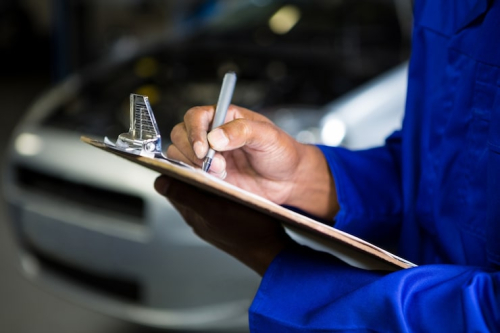
In North Texas, where highways stretch wide and commutes are a way of life, a minor collision can throw a wrench into daily routines. For Chevrolet owners in cities like Garland, Plano, or Frisco, the challenge isn’t just finding a repair shop it’s finding one that can handle the intricate technology packed into modern vehicles. Advanced driver-assistance systems (ADAS), sensors, and lightweight materials demand expertise beyond the average garage. That’s where Jupiter Chevrolet, a family-owned dealership with a century-long legacy, steps in, expanding its certified collision repair services to keep drivers across Dallas, Richardson, Rockwall-Heath, Forney, Mesquite, McKinney, Grapevine, and Frisco on the road with confidence.
Feeling stuck in the stressful car-buying process? At Jupiter Chevrolet in Garland, TX, we’ve reimagined how buying a car should feel. With transparent pricing, online deal-building tools, and the benefits of our Jupiter Advantage program, we ensure every step is straightforward and satisfying. Skip the hassle. From purchase, to certified service and parts, to collision repair and body shop. Our team puts your convenience, safety, and confidence first. Turn your dreams of finding your ideal Chevrolet into reality with us. Visit Jupiter Chevrolet today!
The Evolution of Collision Repair
Today’s vehicles are marvels of engineering, but their complexity has transformed collision repair into a high-stakes craft. A 2025 industry analysis highlights a robust recovery in the personal auto insurance sector, with the net combined operating ratio (NCOR) dropping to 95.3% in 2024 a 9.6-point improvement from 2023. This turnaround, driven by 14.4% premium growth in 2023 and 12.8% in 2024, alongside stronger loss ratios in auto physical damage (APD), signals a stabilizing market. APD now performs 16 points better than liability, a stark contrast to the 112.2% NCOR seen in 2022. Yet, commercial auto remains a sore spot, with a 107.2% combined ratio in 2024, improved by 2.1 points but projected to stay unprofitable through 2026. For drivers, this underscores the need for repairs that preserve safety and value in an increasingly complex landscape.
Jupiter Chevrolet is meeting this challenge head-on. Their certified collision centers, equipped with OEM-approved tools and staffed by specially trained technicians, are designed to tackle the intricacies of modern Chevrolets. From recalibrating ADAS to ensuring factory-standard repairs, Jupiter’s expansion reflects a broader industry shift toward precision and accountability, giving North Texas drivers the assurance they need after an accident.
Jupiter Chevrolet’s Strategic Growth
Jupiter Chevrolet’s investment in certified collision repair isn’t just about fixing cars it’s about reinforcing trust across North Texas. Serving communities from Dallas to McKinney, their expanded facilities feature cutting-edge diagnostic equipment and a commitment to OEM certification, ensuring every repair aligns with Chevrolet’s exacting standards. What makes Jupiter stand out? A Lifetime Powertrain Warranty on qualifying vehicles, a testament to their confidence in quality workmanship. With over 100 years in business and a family-owned ethos, Jupiter prioritizes personal connections over corporate profits, offering a level of care that resonates in places like Forney and Grapevine.
For North Texas families, this expansion translates to practical benefits: faster repair times and less disruption to daily life. Whether it’s a minor scrape in Mesquite or a major collision in Plano, Jupiter’s certified centers are equipped to handle it all, keeping vehicles safe and road-ready. This focus on community-driven service sets them apart in a region where reliability matters as much as results.
Addressing Market Challenges
Expansion doesn’t come without obstacles. Jupiter Chevrolet faces fierce competition from larger corporate dealerships, which often advertise lower prices or boast larger parts inventories. Some customers express concerns about pricing, wondering if a family-owned operation can compete with the aggressive discounts of market leaders. Others cite past experiences or worry about parts availability, a valid concern given industry-wide supply chain constraints. Yet, Jupiter counters these challenges with clarity and commitment. Their OEM-certified repairs ensure vehicles maintain their warranty and resale value, a long-term benefit that outweighs short-term savings from non-certified shops.
The car body shop market, valued at $73.9 billion in 2025, remains robust despite a slight 0.2% dip in growth. Jupiter’s strong relationship with Chevrolet helps mitigate inventory challenges, ensuring access to OEM parts even in a strained supply chain. While pricing may not always undercut corporate giants, the value of certified repairs backed by a century of expertise offers a compelling case for choosing Jupiter over cheaper alternatives.
Building Loyalty Through Service and Storytelling
Jupiter’s expansion is more than a business strategy; it’s a way to deepen ties with North Texas drivers. Certified collision repair creates a ripple effect, encouraging customers to return for new and pre-owned vehicle sales, financing, or routine maintenance. By offering a comprehensive suite of services, Jupiter becomes a trusted partner for life’s automotive needs. Their active presence on Instagram, Facebook, YouTube, and TikTok amplifies this connection, bringing repair processes to life through engaging content. Picture a YouTube video showcasing a technician in Richardson recalibrating a Chevrolet’s blind-spot monitoring system or a TikTok clip highlighting a family’s restored SUV in Frisco. These stories authentic, transparent, and relatable build trust and keep Jupiter top-of-mind.
This digital strategy aligns with modern consumer habits, where social media drives decisions. By sharing customer testimonials, safety tips, and behind-the-scenes looks at their collision centers, Jupiter not only educates but also fosters a sense of community. In a region as diverse and dynamic as North Texas, this approach turns one-time customers into lifelong advocates.
A Future Built on Trust
As vehicles grow more sophisticated, the demand for certified collision repair will only intensify. Jupiter Chevrolet, with its deep roots in North Texas, is poised to lead this evolution. Their expansion across Dallas, Garland, Rockwall-Heath, and beyond reflects a commitment to keeping drivers safe and mobile in an era of rapid technological change. Unlike corporate chains focused on market dominance, Jupiter’s family-owned legacy offers a rare blend of expertise and empathy. For North Texas drivers, the choice is clear: when the unexpected happens, trust a dealership that’s been part of the community for over a century. At Jupiter Chevrolet, certified repairs aren’t just about fixing cars they’re about restoring peace of mind and keeping the region moving forward.
Frequently Asked Questions
What makes certified collision repair different from regular auto body shops in North Texas?
Certified collision repair centers use OEM-approved tools and specially trained technicians to handle modern vehicle complexities like advanced driver-assistance systems (ADAS) and lightweight materials. Unlike regular shops, certified centers like Jupiter Chevrolet’s facilities ensure repairs meet manufacturer standards, preserving your vehicle’s warranty and resale value while properly recalibrating safety systems.
Why should I choose Jupiter Chevrolet for collision repair in Dallas, Plano, or Frisco?
Jupiter Chevrolet offers certified collision repair with over 100 years of family-owned expertise, serving communities across North Texas including Dallas, Richardson, McKinney, and Frisco. Their certified centers feature cutting-edge diagnostic equipment, OEM certification, and a Lifetime Powertrain Warranty on qualifying vehicles, ensuring faster repair times and factory-standard quality that larger corporate dealerships often can’t match.
How does the current auto insurance market affect collision repair costs in 2025?
The personal auto insurance sector has stabilized significantly, with the net combined operating ratio improving to 95.3% in 2024 from previous year’s challenges. This recovery, driven by premium growth and better loss ratios in auto physical damage, means more predictable repair coverage. However, the complexity of modern vehicles still requires certified repair facilities to ensure proper handling of advanced safety systems and maintain insurance compliance.
Disclaimer: The above helpful resources content contains personal opinions and experiences. The information provided is for general knowledge and does not constitute professional advice.
You may also be interested in: Jupiter Chevrolet Blog | News, Updates, and Info – Jupiter Chevrolet
Feeling stuck in the stressful car-buying process? At Jupiter Chevrolet in Garland, TX, we’ve reimagined how buying a car should feel. With transparent pricing, online deal-building tools, and the benefits of our Jupiter Advantage program, we ensure every step is straightforward and satisfying. Skip the hassle. From purchase, to certified service and parts, to collision repair and body shop. Our team puts your convenience, safety, and confidence first. Turn your dreams of finding your ideal Chevrolet into reality with us. Visit Jupiter Chevrolet today!
Powered by flareAI.co
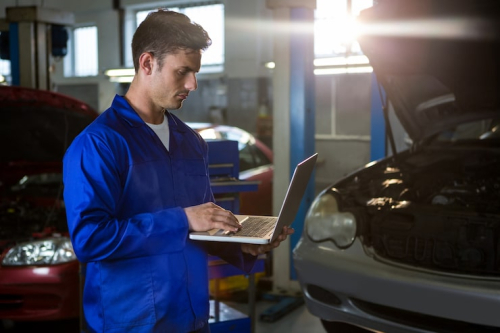
A tow truck growls through the dawn haze in Minnetonka, Minnesota, hauling a battered Porsche Cayenne to LaMettry’s Collision shop. This isn’t just a dented fender job. The SUV, scarred from a deer collision in South Dakota, demands a blend of cutting-edge technology and specialized skill to restore its advanced systems. Today’s vehicles bristling with sensors, lightweight materials, and complex electronics are transforming collision repair, pushing shops to evolve or risk obsolescence.
The automotive collision repair market, valued at $190.8 billion in 2025, is on track to hit $279.2 billion by 2034, growing at a steady 4.3% annually. This growth reflects the aftermarket industry’s critical role in restoring damaged vehicles, a task growing ever more complex as cars integrate advanced driver-assistance systems (ADAS), lightweight materials like aluminum, and intricate electronics. For Chevrolet owners, this evolution means collision repair is no longer about patching panels it’s about ensuring a vehicle’s digital and structural integrity meets factory standards.
Modern vehicles, from the Chevrolet Silverado to the Corvette, rely on ADAS for features like lane-keeping, adaptive cruise control, and automatic braking. A front-end collision, even a minor one, can disrupt these systems, requiring precise recalibration of cameras, radar, and sensors. A misstep here isn’t just inconvenient it’s a safety hazard. Shops are pouring resources into high-tech equipment and technician training to master these recalibrations, ensuring vehicles leave the shop as safe as they were on the assembly line.
Feeling stuck in the stressful car-buying process? At Jupiter Chevrolet in Garland, TX, we’ve reimagined how buying a car should feel. With transparent pricing, online deal-building tools, and the benefits of our Jupiter Advantage program, we ensure every step is straightforward and satisfying. Skip the hassle. From purchase, to certified service and parts, to collision repair and body shop. Our team puts your convenience, safety, and confidence first. Turn your dreams of finding your ideal Chevrolet into reality with us. Visit Jupiter Chevrolet today!
The High-Tech Hurdle
The Cayenne’s journey to Minnetonka illustrates the industry’s growing pains. As reported in a Wired article, the first shop it reached lacked the tools and training to handle Porsche’s advanced systems, forcing the vehicle to travel hundreds of miles to a certified facility. LaMettry’s, equipped with Porsche’s parts catalog and specialized training, could tackle the job, but the added transport time stretched the repair process. This divide between shops with resources and those without is widening as vehicles grow more sophisticated.
Lightweight materials like aluminum and high-strength steel, staples in models like the Chevrolet Equinox, demand new repair techniques. Traditional welding won’t cut it; shops need specialized bonding methods and 3D measuring systems to restore a vehicle’s frame to exact specifications. Without these, repairs risk compromising structural safety or voiding warranties. The cost of this equipment is steep, and the learning curve is steeper still, as technicians must stay current with ever-evolving vehicle designs.
Digital diagnostics are another game-changer. Advanced scan tools now detect hidden damage in a vehicle’s electronic systems, ensuring repairs align with manufacturer standards. In Edison, New Jersey, the president of Ultimate Collision Repair has noted a shift away from traditional appraisers, who once relied on visual inspections. As detailed in a Wired piece, insurance companies now lean on digital estimating platforms to boost accuracy and customer trust, replacing guesswork with data-driven precision.
Challenges and Risks
The road to mastering high-tech repairs is fraught with obstacles. Training technicians to handle ADAS or lightweight materials requires constant updates, as vehicle technology advances rapidly. A single certification course can cost thousands, and shops must repeat this process regularly to stay compliant. Equipment costs are another hurdle ADAS calibration systems and 3D measuring tools carry hefty price tags, often out of reach for smaller operations. For these shops, the choice is stark: invest heavily or lose business to certified competitors.
Liability is a looming concern. A poorly calibrated sensor could fail to detect an obstacle, leading to accidents and potential lawsuits. This risk underscores the need for precision, especially in safety-critical systems. Meanwhile, customers often struggle to grasp why repairs now take longer or cost more. Explaining that a bumper replacement involves recalibrating a radar system isn’t always intuitive, leading to frustration and mistrust. Shops must bridge this gap, balancing technical expertise with clear communication.
Seizing New Opportunities
Yet, these challenges come with significant opportunities. For Chevrolet dealerships and GM-certified repair centers, investing in advanced tools opens lucrative revenue streams. A shop capable of handling complex repairs like restoring a Silverado’s ADAS after a collision can charge premium rates, reflecting the specialized nature of the work. These capabilities also build customer loyalty, as owners trust certified shops to preserve their vehicle’s safety and value.
Collaboration with manufacturers like General Motors is a key advantage. Certified shops gain access to OEM parts and repair protocols, ensuring vehicles like the Chevrolet Malibu meet factory standards post-repair. This partnership protects warranties and resale value, giving customers peace of mind. Insurance companies, too, are aligning with tech-savvy shops, streamlining claims for complex vehicles. Digital diagnostics and AI-driven estimating tools further boost efficiency, cutting repair times and minimizing errors.
A Greener Approach
Sustainability is also reshaping the industry. Repair shops are adopting eco-friendly paints, recycling materials, and optimizing energy use to reduce their environmental footprint. These practices resonate with environmentally conscious Chevrolet owners, who value shops that align with broader sustainability goals. A certified repair center that combines high-tech expertise with green practices offers a compelling draw, blending performance with responsibility.
A Future in Focus
As vehicles like the Chevrolet Bolt EV and next-generation Silverado integrate more autonomous and electric systems, collision repair shops face a pivotal moment. Those that embrace advanced tools, rigorous training, and OEM partnerships will lead the industry, while others risk falling behind. The market’s projected growth to $279.2 billion by 2034 signals a robust future, but only for those ready to adapt. For Chevrolet owners, the takeaway is clear: choose a certified repair center to ensure safety, value, and performance. The tow truck may still rumble through the morning mist, but the shops it serves are no longer just fixing cars they’re safeguarding the future of mobility, one precise repair at a time.
Frequently Asked Questions
How has advanced vehicle technology changed collision repair costs and time?
Modern vehicles with ADAS (Advanced Driver-Assistance Systems) and lightweight materials like aluminum require specialized equipment and training, making repairs more complex and expensive. What used to be a simple bumper replacement now involves recalibrating radar systems and sensors, extending repair time but ensuring safety-critical systems function properly. The collision repair market has grown to $190.8 billion in 2025, reflecting these increased complexities and costs.
Why do some collision repair shops refuse to work on high-tech vehicles like Porsche or advanced Chevrolet models?
Many traditional repair shops lack the specialized tools, training, and certification required to handle modern vehicles equipped with ADAS, lightweight materials, and complex electronics. The investment in equipment like 3D measuring systems and ADAS calibration tools can cost thousands of dollars, while technician certification requires ongoing training. Shops without these capabilities risk compromising vehicle safety or voiding warranties, forcing customers to travel to certified facilities.
What should I look for when choosing a collision repair shop for my modern vehicle?
Choose a certified repair center that has manufacturer partnerships (like GM-certified shops for Chevrolet vehicles), specialized ADAS calibration equipment, and trained technicians experienced with your vehicle’s technology. Look for shops that use OEM parts, have digital diagnostic tools, and can provide proper documentation of sensor recalibration. Certified shops ensure your vehicle’s safety systems work correctly post-repair and maintain warranty coverage and resale value.
Disclaimer: The above helpful resources content contains personal opinions and experiences. The information provided is for general knowledge and does not constitute professional advice.
You may also be interested in: How Remote Work Trends Are Influencing Car Buying Preferences
Feeling stuck in the stressful car-buying process? At Jupiter Chevrolet in Garland, TX, we’ve reimagined how buying a car should feel. With transparent pricing, online deal-building tools, and the benefits of our Jupiter Advantage program, we ensure every step is straightforward and satisfying. Skip the hassle. From purchase, to certified service and parts, to collision repair and body shop. Our team puts your convenience, safety, and confidence first. Turn your dreams of finding your ideal Chevrolet into reality with us. Visit Jupiter Chevrolet today!
Powered by flareAI.co

In the bustling suburbs of North Texas, where commutes stretch from Garland to Dallas and beyond, owning a reliable vehicle isn’t just a convenience it’s a necessity. As economic pressures mount and consumer preferences shift toward smarter spending, dealerships like Jupiter Chevrolet are stepping up, offering a comprehensive suite of options that cater to every stage of vehicle ownership. From sleek new models rolling off the line to certified pre-owned gems with flexible financing, and even expert collision repairs and routine service, this family-owned staple with over a century in business is redefining what it means to drive with confidence in regions like Plano, Mesquite, and Frisco.
Feeling stuck in the stressful car-buying process? At Jupiter Chevrolet in Garland, TX, we’ve reimagined how buying a car should feel. With transparent pricing, online deal-building tools, and the benefits of our Jupiter Advantage program, we ensure every step is straightforward and satisfying. Skip the hassle. From purchase, to certified service and parts, to collision repair and body shop. Our team puts your convenience, safety, and confidence first. Turn your dreams of finding your ideal Chevrolet into reality with us. Visit Jupiter Chevrolet today!
Navigating the New Car Market: Fresh Options for Garland Drivers
The new car sales landscape in 2025 pulses with innovation, drawing buyers who crave the latest technology and warranties straight from the manufacturer. At Jupiter Chevrolet, the showroom brims with models like the Chevrolet Silverado 1500, boasting advanced features such as enhanced fuel efficiency and cutting-edge safety systems. Buyers in Richardson or Rockwall-Heath often find themselves weighing the allure of zero-mileage vehicles against their budgets, and Jupiter makes it accessible with competitive pricing and incentives.
Globally, the automotive industry continues to evolve, but new car sales remain a cornerstone for dealerships aiming to capture forward-thinking customers. Jupiter’s approach emphasizes transparent dealings, allowing shoppers to explore options online before stepping foot in the Garland lot. For instance, families in McKinney might opt for a new Chevrolet Traverse, drawn by its spacious interior and family-friendly tech. The dealership’s staff, knowledgeable and unhurried, guide buyers through customization choices, ensuring each purchase aligns with lifestyle needs.
What sets Jupiter apart is its integration of new car sales with long-term value. With a lifetime powertrain warranty on select models, buyers gain peace of mind that extends beyond the initial drive-off. In a market where new vehicles command premium prices, Jupiter counters with financing plans that include low-interest rates and flexible terms, making high-end features attainable. This strategy not only boosts sales but fosters loyalty, as customers return for upgrades knowing they’re backed by a century-old family operation.
As demand surges in emerging areas like Forney and Grapevine, Jupiter leverages digital tools think virtual tours on Instagram and TikTok to showcase new arrivals. These platforms, alongside Facebook and YouTube, amplify reach, turning casual browsers into committed buyers. The result? A vibrant new car segment that accounts for a significant portion of Jupiter’s business, blending excitement with practicality for North Texas drivers.
Certified Pre-Owned Financing: Smart Choices in a Shifting Market
Shifting gears to the used side, certified pre-owned vehicles offer a bridge between novelty and affordability, especially as market dynamics evolve. The used cars market, valued at $1,063.90 billion in 2024, is set to expand from $1,159.31 billion this year to $1,879.43 billion by 2032, growing at a 7.1% CAGR, driven by escalating new vehicle prices and the rise of online platforms.
Jupiter Chevrolet excels here, providing CPO options like the Chevrolet Malibu or Equinox, each rigorously inspected and backed by extended warranties. Financing these vehicles has become more accessible, with the used car financing market reaching $263.6 billion in 2024 and projected to hit $428.9 billion by 2031 at a 7.2% CAGR. Factors like urbanization and middle-class growth in developing regions fuel this, but in Garland, it’s about practical solutions for everyday commuters.
Comparing plans, traditional bank loans offer stability but slower approvals, while dealership financing at Jupiter delivers speed and tailored rates. Manufacturer programs sweeten the deal with lower APRs and incentives, often tying into lifetime warranties. However, challenges loom: CPO sales dipped 3.6% in 2024 to 2.5 million units, per Cox Automotive, and are expected to stay flat this year amid supply shortages. Jupiter mitigates this with a focused inventory, using online tools for deal-building that resonate with tech-savvy buyers in Plano.
Despite perceptions of higher costs versus non-certified used cars, Jupiter’s transparent pricing and family ethos address objections head-on, emphasizing value through certified inspections and reduced long-term risks.
Collision Repair Excellence: Restoring Confidence After the Unexpected
When accidents strike on busy Dallas highways or quiet Mesquite streets, Jupiter Chevrolet’s collision center stands ready, transforming wreckage into roadworthy rides. This Garland body shop handles everything from minor dents to major repairs, using state-of-the-art equipment and certified technicians to ensure vehicles meet factory standards.
In a market where pre-owned vehicles dominate due to affordability generally much cheaper than new, as noted in the pre-owned vehicles market report growing from $311.96 billion in 2024 to $328.29 billion in 2025 at 5.2% CAGR collision services play a pivotal role in extending vehicle life. Jupiter’s team excels in frame straightening, paint matching, and structural integrity checks, often coordinating with insurance for seamless claims.
Buyers from Frisco to Forney appreciate the convenience: drop off a damaged Chevrolet, and emerge with a restored gem, backed by warranties on repairs. This service not only salvages investments but prevents the need for premature replacements, aligning with economic trends where consumers favor repairs over new purchases amid inflation.
Jupiter addresses common objections like wait times by prioritizing efficiency, using digital scheduling via their website or social channels. Their family-owned status ensures personalized care, turning stressful situations into opportunities for trust-building. As tariffs and trade shifts influence global outlooks, local expertise like Jupiter’s keeps North Texas moving, with collision repairs forming a crucial safety net for the community.
Service and Parts: Keeping Your Ride Running Smoothly
Beyond sales, Jupiter Chevrolet’s service department shines as the heartbeat of ongoing ownership, offering everything from oil changes to complex diagnostics. In Garland and surrounding areas like Richardson and Rockwall-Heath, routine maintenance prevents breakdowns, and Jupiter’s genuine parts ensure compatibility and longevity.
The used car financing market, growing from $461.84 billion in 2024 to $600 billion by 2035 at 2.41% CAGR, underscores the demand for affordable upkeep, as buyers extend vehicle lifespans. Jupiter stocks OEM parts for models like the Silverado 1500, with technicians trained on the latest Chevy tech, from hybrid systems to advanced infotainment.
Services range from tire rotations to brake overhauls, all performed in a modern facility. Customers in McKinney or Grapevine can schedule online, browse parts via Marketplace FB, or catch tips on YouTube. This holistic approach counters objections about corporate giant’s impersonal service, emphasizing Jupiter’s 100-year legacy for reliable, community-oriented care.
As sustainability gains traction, Jupiter promotes eco-friendly options like recycled parts, aligning with broader trends. Their collision integration means one-stop solutions: repair, service, and parts under one roof, saving time and money for busy North Texas families.
Driving Forward with Jupiter Chevrolet
In a dynamic auto world, Jupiter Chevrolet emerges as a beacon for Garland buyers, blending new car excitement, CPO savvy, collision resilience, and service reliability. With projections like a 1.6% dip in CPO sales for 2025 per Auto Finance News, adaptability is key, and Jupiter’s family values deliver just that.
Whether eyeing a new model, financing a CPO, fixing a fender-bender, or tuning up, this dealership turns challenges into triumphs. Head to their Garland location or explore online your next drive awaits, smoother and more assured than ever.
Frequently Asked Questions
What are the benefits of certified pre-owned financing compared to traditional used car loans in Garland?
Certified pre-owned financing at Jupiter Chevrolet offers faster approvals and tailored rates compared to traditional bank loans, which provide stability but slower processing. CPO vehicles come with extended warranties and rigorous inspections, while manufacturer financing programs often include lower APRs and incentives. Despite CPO vehicles typically costing more upfront than non-certified used cars, the reduced long-term risks and certified inspections provide better value for Garland buyers.
How is the used car financing market performing in 2025, and what does this mean for North Texas buyers?
The used car financing market reached $263.6 billion in 2024 and is projected to grow to $428.9 billion by 2031 at a 7.2% CAGR, driven by rising new vehicle prices and increased online platforms. However, CPO sales dipped 3.6% in 2024 to 2.5 million units and are expected to remain flat in 2025 due to supply shortages. This creates opportunities for Garland buyers to find competitive financing deals at dealerships like Jupiter Chevrolet that maintain focused inventory and transparent pricing.
Why should Garland drivers choose Jupiter Chevrolet for certified pre-owned vehicles over other dealerships?
Jupiter Chevrolet stands out as a family-owned dealership with over a century in business, offering lifetime powertrain warranties on select models and transparent pricing that addresses cost objections head-on. They provide comprehensive services including collision repair, routine maintenance, and genuine parts under one roof, creating convenience for busy North Texas families. Their integration of digital tools and personalized service combines the reliability of a established local business with modern accessibility for buyers in Garland, Plano, and surrounding areas.
Disclaimer: The above helpful resources content contains personal opinions and experiences. The information provided is for general knowledge and does not constitute professional advice.
You may also be interested in: Jupiter Chevrolet Blog | News, Updates, and Info – Jupiter Chevrolet
Feeling stuck in the stressful car-buying process? At Jupiter Chevrolet in Garland, TX, we’ve reimagined how buying a car should feel. With transparent pricing, online deal-building tools, and the benefits of our Jupiter Advantage program, we ensure every step is straightforward and satisfying. Skip the hassle. From purchase, to certified service and parts, to collision repair and body shop. Our team puts your convenience, safety, and confidence first. Turn your dreams of finding your ideal Chevrolet into reality with us. Visit Jupiter Chevrolet today!
Powered by flareAI.co
Certified Pre-Owned Vehicle Lease Options Explained

In the heart of the Dallas–Fort Worth area, where vast highways connect bustling suburbs like Garland and Plano, drivers face a constant balancing act between reliability, cost, and convenience. Amid rising vehicle prices and economic uncertainties, a smart alternative is emerging for those eyeing a Chevrolet without the sticker shock of a brand-new model. Delving into Certified Pre-Owned Vehicle Lease Options Explained, we uncover how this approach delivers affordability and peace of mind, particularly at longstanding dealerships like Jupiter Chevrolet, a family-owned institution with over a century of service to communities from Richardson to Frisco.
Feeling stuck in the stressful car-buying process? At Jupiter Chevrolet in Garland, TX, we’ve reimagined how buying a car should feel. With transparent pricing, online deal-building tools, and the benefits of our Jupiter Advantage program, we ensure every step is straightforward and satisfying. Skip the hassle. From purchase, to certified service and parts, to collision repair and body shop. Our team puts your convenience, safety, and confidence first. Turn your dreams of finding your ideal Chevrolet into reality with us. Visit Jupiter Chevrolet today!
The Surge in Used Vehicle Demand
The global used car market continues to expand rapidly, reflecting broader shifts in consumer behavior. Valued at $1,747.95 billion in 2024, it is set to climb to $1,933.76 billion this year, with projections reaching $4,338.97 billion by 2033 at a robust compound annual growth rate of 10.63% from now through the end of the decade. This growth stems from the soaring costs of owning and maintaining new automobiles, which have pushed many, especially younger buyers, toward pre-owned options to cut expenses without sacrificing functionality. In regions like North Texas, where daily commutes from Mesquite to McKinney can strain budgets, this trend resonates deeply.
High new-car prices deter potential buyers, bolstering demand for vehicles that have been previously owned but remain in excellent condition. Factors such as inflated auto-loan rates and structural inflation from supply chain disruptions further fuel this shift. Meanwhile, the rise of leasing and subscription services adds another layer, as off-lease cars re-enter the market, often in prime shape for resale. At Jupiter Chevrolet in Garland, this means a steady influx of quality inventory, allowing drivers in Rockwall-Heath and Forney to access reliable rides through innovative financing.
Complementing this, the broader used cars market stood at $1,063.90 billion last year and anticipates growth to $1,159.31 billion in 2025, expanding to $1,879.43 billion by 2032 with a 7.1% CAGR. Asia Pacific leads with a 34.21% share, but North American trends mirror global ones, driven by affordability issues, residual value strategies, and digital platforms. Recent developments, such as Bosch’s Vehicle Health Certificate in September 2024 and Hyundai’s certified used car launch in Korea earlier that year, highlight industry innovations enhancing trust in pre-owned vehicles.
Understanding Certified Pre-Owned Basics
A certified pre-owned vehicle represents a bridge between the uncertainty of standard used cars and the premium of new ones. Manufacturers or dealers acquire, inspect, and refurbish these items primarily automobiles before offering them with an extended warranty. Sold at a slight premium over uncertified used models, CPOs appeal to buyers seeking reduced risk through manufacturer-backed assurances. This certification process involves rigorous checks, ensuring the vehicle meets high standards for resale.
At Jupiter Chevrolet, CPO options like the Silverado 1500 or Equinox undergo multi-point inspections, aligning with their commitment to quality. This not only covers sales but ties into their comprehensive services, including parts sales and collision repair. For instance, any minor dings discovered during certification can be addressed at their Garland body shop, ensuring vehicles leave the lot in top form. This integration of sales with maintenance underscores Jupiter’s family-operated model, fostering long-term customer relationships across Dallas and beyond.
Leasing a CPO adds flexibility. Unlike outright purchases, leases offer lower monthly payments, customizable terms, and built-in protections. Drivers in Grapevine or Frisco appreciate this, as it allows testing a vehicle before committing long-term, potentially upgrading to a new Chevrolet later. Jupiter’s Lifetime Powertrain Warranty enhances this, providing coverage that extends well into the lease period, a differentiator rooted in their 100-year history.
Profiles of North Texas Buyers
Consider the diverse needs across the region. A professional commuting from Plano to Dallas might opt for a CPO lease on a fuel-efficient Malibu, valuing low payments and warranty-backed reliability amid traffic snarls. Families in Rockwall-Heath, meanwhile, lean toward SUVs like the Traverse, where CPO leasing balances space with budget constraints. These choices often lead to future new car sales, as satisfied lessees return for upgrades, contributing to Jupiter’s 30% focus on new vehicle transactions.
In Mesquite or McKinney, where wear from daily use is common, CPO vehicles shine through their service history. Jupiter’s experts guide buyers, addressing objections like limited inventory by highlighting curated selections over volume. This approach counters perceptions of less aggressive pricing, emphasizing value through transparency and family trust.
Expanding beyond sales, Jupiter integrates CPO leasing with their robust service department. Regular maintenance, parts replacements, and even major repairs become seamless, with 25% of business dedicated to these areas. A leased CPO might require oil changes or brake work, all handled in-house, building loyalty.
Addressing Market Challenges
Despite the appeal, challenges persist in the CPO sector. Certified pre-owned sales totaled 2.5 million units in 2024, a 3.6% drop from 2023, underperforming the broader used market due to scarce nearly-new inventory and affordability hurdles. Forecasts for this year hold steady at 2.5 million, with growth elsewhere in automotive metrics.
Industry trends suggest a slight slowdown in Certified Pre-Owned (CPO) vehicle sales in 2025, even as the overall used car market continues to grow. Dealers face challenges from limited supply caused by past production shortfalls and higher acquisition costs. While some major brands anticipate flat performance due to inventory constraints, others are expected to see moderate growth, reflecting variations in regional demand, model popularity, and dealer strategies.
Jupiter Chevrolet navigates these by focusing on quality acquisitions and their Jupiter Advantage program. They address inventory concerns with targeted sourcing, ensuring options for Dallas-area buyers. Pricing objections fade through transparent tools, online calculators, and financing that rivals corporate competitors.
Collision repair forms a critical pillar, comprising 25% of operations. For CPO lessees, any accident major or minor receives expert attention at their Garland collision center. This includes frame straightening, paint matching, and insurance coordination, all backed by certified technicians. Such services not only restore vehicles but prevent lease-end penalties, enhancing overall value.
Opportunities and Integrated Services
CPO leasing opens doors for growth at dealerships like Jupiter. It attracts price-sensitive customers, funneling them into used sales (20% of business) while paving paths to new Chevrolets. Post-lease, many upgrade, boosting new car volumes. Service and parts sales thrive as lessees return for routine care, from tire rotations to engine diagnostics.
The collision aspect cannot be overstated. In a region prone to fender-benders on I-635 or Highway 75, Jupiter’s body shop stands ready. They handle everything from dent removal to full reconstructions, using genuine Chevrolet parts for seamless integration. This holistic approach sales, leasing, service, repair differentiates Jupiter, leveraging their family-owned ethos and century-long expertise.
Digital engagement amplifies this. Active on Instagram, Facebook, YouTube, and TikTok, Jupiter showcases CPO deals, service tips, and repair stories. Their Facebook Marketplace presence draws local buyers from Richardson to Grapevine, blending online convenience with in-person trust.
A Reliable Path Forward
As the used market stabilizes, CPO leasing emerges as a cornerstone for savvy drivers. In Dallas–Fort Worth, where choices abound, Jupiter Chevrolet offers a compelling blend of affordability, warranty protection, and comprehensive support. Whether leasing a certified Silverado or scheduling collision repairs, their transparent, customer-first model ensures satisfaction. Explore their inventory today online or in Garland and discover how this family legacy turns vehicle ownership into a seamless journey.
Frequently Asked Questions
What are the benefits of leasing a certified pre-owned vehicle instead of buying new?
Leasing a certified pre-owned (CPO) vehicle offers significantly lower monthly payments compared to new car purchases, while still providing manufacturer-backed warranties and rigorous quality inspections. CPO leases combine the reliability of certified vehicles with the flexibility to upgrade later, making them ideal for budget-conscious drivers who want peace of mind. This option allows you to test a vehicle before committing long-term while avoiding the steep depreciation that comes with new car ownership.
How does the certified pre-owned inspection process work at dealerships?
Certified pre-owned vehicles undergo comprehensive multi-point inspections where manufacturers or authorized dealers thoroughly examine, refurbish, and certify each vehicle before sale. The process includes checking major systems, addressing any minor repairs or cosmetic issues, and ensuring the vehicle meets strict quality standards for resale. At established dealerships, this often includes integrated services like collision repair and parts replacement, ensuring CPO vehicles leave the lot in top condition with extended warranty coverage.
Why is the used car market growing so rapidly, and how does it affect CPO availability?
The global used car market is experiencing explosive growth, valued at $1,747.95 billion in 2024 and projected to reach $4,338.97 billion by 2033, driven primarily by rising new vehicle costs and economic pressures. High auto loan rates, supply chain disruptions, and younger buyers seeking affordable alternatives have fueled demand for quality pre-owned vehicles. However, this growth has created challenges for CPO inventory, with industry sales dropping 3.6% in 2024 due to limited nearly-new vehicle availability, making quality CPO options more valuable for consumers.
Disclaimer: The above helpful resources content contains personal opinions and experiences. The information provided is for general knowledge and does not constitute professional advice.
You may also be interested in: Jupiter Chevrolet Blog | News, Updates, and Info – Jupiter Chevrolet
Feeling stuck in the stressful car-buying process? At Jupiter Chevrolet in Garland, TX, we’ve reimagined how buying a car should feel. With transparent pricing, online deal-building tools, and the benefits of our Jupiter Advantage program, we ensure every step is straightforward and satisfying. Skip the hassle. From purchase, to certified service and parts, to collision repair and body shop. Our team puts your convenience, safety, and confidence first. Turn your dreams of finding your ideal Chevrolet into reality with us. Visit Jupiter Chevrolet today!
Powered by flareAI.co
Connect with us


