






Quick Listen:
The Dallas skyline glows under a fading summer sun, its highways alive with the rumble of engines that echo the city’s bold spirit. Here, a car is more than a machine it’s an extension of identity, a declaration of freedom. The Chevrolet Camaro, with its sharp lines and unapologetic power, has held a special place in this narrative since its 1966 debut. But as Dallas drivers navigate a crowded field of high-performance vehicles, does the Camaro still reign supreme? Let’s dive into its legacy, performance, and unique appeal to find out if it’s the ultimate sports car for this dynamic city.
The Camaro’s Allure in Dallas
In Dallas, where sprawling interstates meet urban sophistication, sports cars are a cultural staple. A 2024 Zion Market Research report pegs the global sports car market at $37.82 billion, forecasting growth to $46.86 billion by 2034 with a 2.1% CAGR. Dallas, with its blend of affluence and enthusiasm for performance, fuels this trend. The Camaro’s muscular design and commanding V8 engine make it a natural fit, whether weaving through Frisco’s tech corridors or cruising Garland’s open roads.
Why does the Camaro resonate so deeply? It’s the marriage of raw power and unmistakable style. Dallas drivers young professionals in McKinney, families in Rockwall-Heath, or entrepreneurs in Forney crave vehicles that reflect their ambition. At Jupiter Chevrolet, serving regions like Plano, Richardson, and Mesquite, the Camaro is more than inventory; it’s a symbol of exhilaration. From daily commutes to weekend escapes, it delivers a driving experience that’s as bold as the city itself.
A Muscle Car Renaissance
The muscle car is enjoying a revival, and the Camaro leads the charge. Market Research Future reports the sports car market, valued at $27.68 billion in 2023, is set to climb to $32.95 billion by 2032, propelled by rising wealth and a thirst for adrenaline. Since its 1966 unveiling hinted at through cryptic telegrams sent to journalists, as noted in historical accounts the Camaro has embodied American automotive pride.
Far from a relic, today’s Camaro integrates advanced technology, from responsive infotainment to handling that tames Dalla’s twisting highways. While some competitors pivot to hybrid powertrains, the Camaro remains a purist’s dream, with V6 and V8 engines that roar with authority. Chevrolet has teased future electrified models, but for now, the Camaro’s gas-powered heart delivers thrills that transform a drive through Grapevine into a moment of triumph.
Stories from the Road
Imagine a Mesquite small-business owner pulling into a meeting, their Camaro SS gleaming under the Texas sun, its exhaust note commanding attention. Or a Plano couple escaping for a sunset drive along Lake Ray Hubbard, their ZL1 hugging the curves. These are the stories Jupiter Chevrolet collects real drivers embracing the Camaro’s dual nature as both urban showpiece and open-road warrior.
The Camaro excels in Dalla’s varied conditions. Its rear-wheel-drive dynamics and optional magnetic ride control conquer highways, while its agile frame slips into downtown parking spots. Engineered to withstand Texa’s punishing heat, its cooling systems ensure reliability, whether commuting from Richardson to Dallas or exploring Rockwall-Heath’s scenic routes. Jupiter’s social media active on Instagram, Facebook, YouTube, and TikTok captures this passion, with locals sharing everything from burnout clips to showroom tours.
Navigating Challenges
No vehicle is without flaws, and the Camaro faces notable hurdles. Inventory is a persistent issue. Compared to corporate-owned dealerships with vast lots, Jupiter Chevrolet’s smaller stock can frustrate buyers in McKinney or Forney. Pricing is another sticking point. While the Camaro’s cost is fair, larger competitors often undercut prices to capture market share, forcing family-owned dealers like Jupiter to emphasize value over discounts.
Practicality poses further questions. With real-world fuel economy hovering between 16 and 20 MPG, the Camaro isn’t a budget-friendly commuter. Its cramped rear seats limit its appeal for families or carpoolers. Yet, as Business Research Insights projects the sports car market to grow from $65.43 billion in 2025 to $95 billion by 2034 at a 4.23% CAGR, it’s evident that buyers prioritize excitement over efficiency. The Camaro’s strength lies in its relentless focus on performance, a trade-off many Dallas drivers willingly accept.
Jupiter’s Distinct Advantage
Jupiter Chevrolet stands out not just for its inventory but for its ethos. Chevrolet’s century-long legacy over 100 years of innovation lends unmatched credibility. As a family-owned dealership, Jupiter builds on this with a personal touch corporate giants can’t replicate. Step onto their Garland lot, and you’re greeted as a neighbor, whether you’re from Plano or Grapevine.
The Lifetime Powertrain Warranty is a cornerstone of their appeal. Unlike standard warranties, this lifelong coverage ensures confidence for buyers in Richardson or Frisco, promising a vehicle as durable as their passion for driving. Jupiter’s digital presence amplifies this connection. Their TikTok videos highlight Camaro customizations, while YouTube reviews break down performance specs, engaging a community that spans Dallas and beyond.
The Road Ahead
Is the Chevrolet Camaro the best sports car for Dallas drivers? It’s a formidable contender. Its fusion of heritage, power, and charisma aligns seamlessly with the city’s vibrant pulse. Challenges like limited inventory and less aggressive pricing exist, but Jupiter Chevrolet counters with unmatched trust and value. The Lifetime Powertrain Warranty and family-owned service model elevate the ownership experience, setting them apart in a competitive market.
As the sports car market races toward a $95 billion horizon, the Camaro remains a beacon for those who live for the drive. For Dallas drivers whether navigating Frisco’s tech scene or Mesquite’s quiet streets it’s more than a car; it’s a statement of freedom. Visit Jupiter Chevrolet, where passion meets possibility, and the Camaro waits to ignite your next journey. The road is yours. Will you seize it?
Disclaimer: The above helpful resources content contains personal opinions and experiences. The information provided is for general knowledge and does not constitute professional advice.
You may also be interested in: Garland Chevrolet Dealer in Garland TX | Dallas Plano Frisco
Feeling stuck in the stressful car-buying process? At Jupiter Chevrolet in Garland, TX, we’ve reimagined how buying a car should feel. With transparent pricing, online deal-building tools, and the benefits of our Jupiter Advantage program, we ensure every step is straightforward and satisfying. Skip the hassle. From purchase to certified service, our team truly puts your choice and convenience first. Turn your dreams of finding your ideal Chevrolet into reality with us. Visit Jupiter Chevrolet today!
Powered by flareAI.co

Quick Listen:
Imagine it’s a sunny weekend in Garland, Texas, and your Chevrolet Tahoe needs a new alternator. You could spend hours driving to an auto parts store, sifting through shelves, and hoping they stock the right component. Or you could relax at home, browse an online catalog, and have the exact part shipped to your door. For drivers across Dallas, Frisco, Plano, and surrounding areas, Jupiter Chevrolet offers a smarter way to shop for genuine Chevrolet parts online, with unmatched ease and reliability.
The Surge in Online Auto Parts Shopping
The automotive aftermarket is thriving, fueled by a digital revolution. A 2024 study from Precedence Research reports that the global e-commerce automotive aftermarket, valued at $250.39 billion, is on track to reach $745.90 billion by 2034, with an impressive 11.53% compound annual growth rate. North America led the charge in 2023, capturing 33% of the market share, driven by the growing preference for online shopping. For residents of Richardson, McKinney, or Rockwall-Heath, this shift isn’t just convenient it’s transforming how they maintain and upgrade their vehicles.
Jupiter Chevrolet, a family-owned dealership with a century-long legacy, is at the forefront of this trend. Serving communities from Mesquite to Grapevine, they’ve built a robust online platform that makes purchasing authentic Chevrolet parts as effortless as streaming a movie. What distinguishes them? A lifetime powertrain warranty, a commitment to quality, and a personal touch that corporate competitors struggle to replicate.
What’s Fueling the Digital Transformation?
The online auto parts landscape is evolving rapidly, driven by customer demand for smarter solutions. Modern shoppers expect intuitive websites with real-time inventory updates, detailed catalogs, and tools like virtual parts advisors. In Forney and Mesquite, DIY mechanics are capitalizing on the surge of online repair videos, boosting demand for components like brake pads, filters, and steering parts. According to Coherent Market Insights, the global aftermarket parts market is projected to grow from $502.61 billion in 2025 to $756.25 billion by 2032, at a 6% annual growth rate, fueled by the rise of DIY repairs and vehicle customization.
Jupiter Chevrolet embraces these trends with a user-friendly online store tailored for efficiency. Whether you’re enhancing a Corvette in Frisco or replacing a worn-out part on a Traverse in Dallas, their platform delivers a seamless shopping experience, saving you time and frustration.
How to Shop for Chevrolet Parts Online
Shopping at Jupiter Chevrolet’s online store is straightforward, even for those who aren’t tech experts. Begin by visiting their parts section, where a clean interface offers filters for vehicle make, model, and year. Enter terms like “spark plugs” or “oil filter” into the search bar, and you’ll find a curated selection with detailed specifications and transparent pricing.
Adding items to your cart takes a single click. Then, choose delivery ideal for busy professionals in Plano or opt for pickup at their Garland dealership, a convenient choice for locals. The checkout process is secure, supporting major credit cards and digital payment methods, ensuring a smooth transaction. For customers in McKinney or Grapevine, this system eliminates the need for time-consuming trips, letting you focus on what matters keeping your Chevy in top shape.
Real-World Success Stories
Jupiter Chevrolet’s online platform shines in its ability to serve a diverse region. A mechanic in Rockwall-Heath recently ordered OEM brake rotors, lauding the real-time inventory system that confirmed stock before purchase. In Frisco, a Chevy Equinox owner found a replacement battery using the site’s precise filters, avoiding the hassle of incompatible parts. These examples underscore how the dealership caters to drivers from bustling Dallas to quieter Forney with reliability and care.
High-demand parts like air filters, batteries, and transmission components are especially popular, particularly among customers who value Jupiter Chevrolet’s lifetime powertrain warranty. This standout feature offers peace of mind, distinguishing the dealership from larger chains that often prioritize volume over quality.
Overcoming Common Challenges
Online parts shopping has its challenges, but Jupiter Chevrolet addresses them head-on. A frequent issue is selecting the wrong part a 2020 Malibu may need a different filter than a 2021 model. The dealership counters this with comprehensive product descriptions and a responsive customer service team available via phone or chat. Shipping delays, another potential hurdle, are minimized through trusted logistics partners, though customers in outlying areas like Forney should plan accordingly.
Returns can also be a concern, but Jupiter Chevrolet’s transparent exchange policy simplifies the process. If a part doesn’t fit, their team facilitates quick returns, a relief for DIYers in Mesquite tackling complex repairs. While their inventory may be smaller than that of corporate giants, their focus on genuine Chevrolet parts ensures superior quality a priority for customers in Richardson and Plano.
Why This Matters for Drivers
For drivers in Jupiter Chevrolet’s target regions Garland, Dallas, Plano, Frisco, Richardson, Rockwall-Heath, Forney, Mesquite, McKinney, and Grapevine online shopping is a game-changer. No more navigating traffic or settling for subpar components. The dealership’s real-time inventory system guarantees you know what’s available before you buy, unlike the uncertainty of big-box retailers. This efficiency, combined with their family-owned ethos, builds trust in a market where reliability is paramount.
Social media amplifies their reach. Follow Jupiter Chevrolet on Instagram, Facebook, YouTube, or TikTok for maintenance tips, exclusive promotions, and engaging tutorials. These platforms resonate with younger drivers in Frisco and McKinney, blending informative content with a modern shopping experience.
Looking to the Future
The future of online auto parts shopping is poised for innovation, with advancements like AI-powered parts identification and augmented reality repair guides on the horizon. Jupiter Chevrolet is well-positioned to lead, merging a century of expertise with cutting-edge technology. As the e-commerce automotive aftermarket continues its rapid growth expected to nearly triple by 2034 dealerships like this one are redefining customer service for drivers across Garland, Dallas, and beyond.
When your Chevrolet needs maintenance, bypass the inconvenience and explore Jupiter Chevrolet’s online store. With a few clicks, you’ll access the parts you need, backed by a dealership that’s been family-operated for 100 years. Visit their website today, browse their catalog, and discover why drivers from Rockwall-Heath to Grapevine rely on Jupiter Chevrolet to keep their vehicles performing at their best.
Disclaimer: The above helpful resources content contains personal opinions and experiences. The information provided is for general knowledge and does not constitute professional advice.
You may also be interested in: Garland Chevrolet Dealer in Garland TX | Dallas Plano Frisco
Feeling stuck in the stressful car-buying process? At Jupiter Chevrolet in Garland, TX, we’ve reimagined how buying a car should feel. With transparent pricing, online deal-building tools, and the benefits of our Jupiter Advantage program, we ensure every step is straightforward and satisfying. Skip the hassle. From purchase to certified service, our team truly puts your choice and convenience first. Turn your dreams of finding your ideal Chevrolet into reality with us. Visit Jupiter Chevrolet today!
Powered by flareAI.co

Quick Listen:
The horizon glows amber over Frisco, Texas, where rows of Chevrolets gleam under the fading sun at Jupiter Chevrolet, a family-owned dealership woven into the fabric of this community for 100 years. In a region where trucks and SUVs are as iconic as Friday night football, securing the perfect vehicle at the right price is both an art and a science. The U.S. auto market is thriving, with new-vehicle sales reaching a seasonally adjusted annual rate of 15.3 million units in June 2025, per Cox Automotive. For Frisco buyers, the challenge lies not just in choosing a car but in finding a deal that feels trustworthy, tailored, and enduring. Here’s how to navigate the vibrant Frisco market and land the best Chevrolet deal.
Unlock the Best Chevrolet Deals in Frisco: Key Factors to Consider
Frisco’s auto scene mirrors global trends. The worldwide auto dealership market, valued at $5.6 billion in 2024, is expected to climb to $7.4 billion by 2034, with a steady 2.8% annual growth rate. In this dynamic North Texas hub, Chevrolet’s blend of rugged performance and cutting-edge technology makes it a local favorite. Yet, smaller dealerships like Jupiter Chevrolet compete against corporate giants, grappling with limited inventory and less aggressive pricing. Their edge? A century of trust, a family-run ethos, and a Lifetime Powertrain Warranty that sets them apart. For buyers in Garland, Dallas, Plano, and beyond, understanding the market’s nuances is the first step to a smart purchase.
The process begins with tapping into Frisco’s digital pulse. Dealerships are embracing a tech-driven world, using Instagram, Facebook, YouTube, and TikTok to showcase vehicles and connect with buyers. Virtual showrooms and online tools let you explore options from home, but the heart of the experience remains on the lot, where personal service transforms a sale into a partnership.
Frisco’s Auto Market: A Surge of Opportunity
Frisco’s car market is red-hot. In March 2025, new light-vehicle sales hit a seasonally adjusted annual rate of 17.8 million units, the strongest pace since April 2021, fueled by concerns over impending tariffs on imported vehicles. Chevrolet’s lineup Silverado, Equinox, Tahoe, and more strikes a chord with locals who demand durability and versatility. Pricing, however, is fluid. Incentives, financing options, and trade-in deals fluctuate with market demand, rewarding buyers who time their purchases around seasonal promotions or loyalty programs.
Technology is revolutionizing the buying process. Jupiter Chevrolet leverages social media to engage, posting videos of happy customers driving off in new Traverses or explaining the Lifetime Powertrain Warranty’s benefits. These platforms foster connection, not just promotion. A TikTok clip might highlight a Silverado’s towing power, while an Instagram post could detail financing options. Online configurators further empower buyers, letting them build their ideal Chevy before visiting the lot. This blend of digital innovation and personal touch marks a new era for car shopping, far removed from the high-pressure sales tactics of the past.
The broader automotive industry is also evolving. Forecasted to grow from $4.54 trillion in 2025 to $7.46 trillion by 2034 at a 5.66% annual rate, the market is driven by demand for mid-range hatchbacks, electric vehicle investments, and advancements in solid-state batteries and ADAS technology. For Frisco buyers, this growth translates to more choices but also fiercer competition.
Local Success Stories: Trust in Action
Frisco residents know the value of a good deal. One buyer, thrilled with a 2025 Blazer, praised Jupiter Chevrolet’s clear pricing and seamless trade-in process. Another, skeptical about limited stock, was won over when a sales rep sourced a fully equipped Silverado from a regional partner. These stories underscore a truth: family-owned dealerships like Jupiter can rival larger competitors by prioritizing service and transparency.
Social media amplifies these experiences. On Facebook, Jupiter earns glowing reviews for its low-pressure approach and dedication to finding the right vehicle, whether it’s a Camaro for a weekend warrior or a Suburban for a growing family. These testimonials guide buyers, offering insights into deals that balance upfront cost with long-term value. In a market where trust is currency, Jupiter’s community roots shine.
Overcoming Obstacles in a Competitive Landscape
Challenges persist. Limited inventory, a lingering issue in 2025, frustrates buyers accustomed to the vast selections of corporate dealerships. Larger competitors, leveraging scale, often offer sharper discounts, intensifying pressure on family-run lots. Some Frisco shoppers also carry baggage from past experiences, wary that smaller dealerships can’t match the pricing firepower of market leaders.
Jupiter Chevrolet turns these hurdles into strengths. A smaller lot means a curated inventory, with staff who know every vehicle’s specs and history. While pricing may not always beat the giants, the Lifetime Powertrain Warranty covering critical components for the vehicle’s life adds unmatched value. It’s a commitment grounded in 100 years of integrity, reassuring buyers from Mesquite to McKinney that their investment is protected.
The Jupiter Advantage: Legacy and Loyalty
What makes Jupiter Chevrolet stand out? It’s the human element. A century in business reflects a legacy of loyalty, from handshakes in Rockwall-Heath to repeat customers in Richardson. As a family-owned dealership, Jupiter treats every buyer like kin. Step onto the lot, and you’ll likely meet a veteran staffer eager to share expertise on financing, maintenance, or the nuances of a Corvette’s performance.
The Lifetime Powertrain Warranty is a game-changer, rare in an industry where warranties often come with strings. It signals Jupiter’s confidence in every Chevy sold, offering peace of mind that resonates with buyers in Forney and Grapevine. Add to that a reputation for personalized service, and it’s clear why Jupiter remains a trusted name in a crowded market.
Community ties further set Jupiter apart. Serving 10 key regions Garland, Dallas, Richardson, Plano, Rockwall-Heath, Forney, Mesquite, McKinney, Grapevine, and Frisco Jupiter isn’t just a dealership; it’s a neighbor. This local focus, paired with a digital presence across Instagram, Facebook, YouTube, and TikTok, ensures buyers feel connected, whether they’re browsing online or walking the lot.
Your Chevy, Your Future: A Roadmap to Success
Frisco’s growth mirrors its appetite for vehicles that match its energy. Chevrolet delivers, and Jupiter Chevrolet makes ownership feel personal. The market faces headwinds Cox Automotive forecasts a dip to 15.7 million units in 2025 but opportunity abounds. Buyers should start online, using social media to track offers and reviews. Then, visit Jupiter’s lot, where a century of expertise awaits. From the Silverado’s grit to the Equinox’s efficiency, the right Chevy is within reach.
Picture this: you’re behind the wheel, cruising Frisco’s streets, the hum of a new Chevrolet under you. That’s not just a purchase it’s a partnership, forged with trust and backed by a warranty that lasts. Whether you’re in Plano or Dallas, Jupiter Chevrolet is ready to make your next deal as timeless as a Texas sunset. Take the first step, and drive into a future built on value and reliability.
Disclaimer: The above helpful resources content contains personal opinions and experiences. The information provided is for general knowledge and does not constitute professional advice.
You may also be interested in: Why To Choose Our Chevrolet Dealership Serving Dallas – Jupiter
Feeling stuck in the stressful car-buying process? At Jupiter Chevrolet in Garland, TX, we’ve reimagined how buying a car should feel. With transparent pricing, online deal-building tools, and the benefits of our Jupiter Advantage program, we ensure every step is straightforward and satisfying. Skip the hassle. From purchase to certified service, our team truly puts your choice and convenience first. Turn your dreams of finding your ideal Chevrolet into reality with us. Visit Jupiter Chevrolet today!
Powered by flareAI.co
The Best Deals on Used Chevrolet Trucks in Mckinney

Quick Listen:
In the heart of McKinney, Texas, where suburban sprawl meets wide-open plains, the glow of a family-owned dealership’s lot draws in truck buyers from across the region. For those hunting for a used Chevrolet truck, it’s not just about raw power or towing capacity it’s about securing a vehicle that’s as dependable as a lifelong friend, ready for everything from hauling construction materials to tailgating at a high school football game. Amid a competitive market, one dealership rises above, blending a century of trust with unmatched value.
Top Used Chevrolet Truck Deals in McKinney: Your Perfect Ride Awaits
McKinney, a dynamic city just north of Dallas, is a prime destination for used truck shoppers. Its blend of urban expansion and rural roots fuels demand for tough, reliable vehicles across nearby communities like Garland, Plano, Frisco, and Mesquite. Buyers here gravitate toward Chevrolet’s iconic models the Silverado and Colorado for their durability and cost-effectiveness. At Jupiter Chevrolet, a family-owned dealership with 100 years of history, customers discover deals that pair competitive pricing with a rare lifetime powertrain warranty, setting a high bar in the industry.
The used truck market is thriving, with McKinney at its epicenter. Market research shows the global used truck market was worth $55.14 billion in 2024, with North America commanding 37.21% of the share. Forecasted to climb to $84.17 billion by 2032 at a 5.4% compound annual growth rate, this growth is driven by industries like logistics, construction, and agriculture all active in McKinney’s region. Small businesses and individuals, facing rising fuel costs and booming e-commerce, find used trucks a budget-friendly alternative to new models, according to a recent analysis.
McKinney’s Passion for Chevy Trucks
Cruise through McKinney’s target regions Richardson, Rockwall-Heath, Forney, or Grapevine and Chevrolet trucks dominate the landscape, parked at worksites and family driveways alike. The Silverado 1500, a local staple, blends strength with everyday utility. For instance, a 2011 Silverado 1500 listed nearby boasts 123,615 miles, a 315 hp 5.3L V8 flex-fuel engine, and a price of $14,716 a fair deal for its 18 MPG combined rating and four-star NHTSA safety score. It’s the kind of truck that suits McKinney’s blend of hard work and hometown pride.
Beyond performance, McKinney buyers value dealerships that feel personal, not corporate. Jupiter Chevrolet, a family-run operation, embodies this. Unlike mega-dealers, they prioritize relationships, delivering service that feels like a neighborly handshake. Their active presence on Instagram, Facebook, YouTube, and TikTok keeps them connected, sharing videos of Silverados towing heavy loads or Colorados navigating rugged trails, alongside customer testimonials that highlight their community focus.
This local loyalty is no accident. Jupiter’s 100-year legacy spanning a century of service to McKinney and beyond builds trust that larger chains struggle to match. Their lifetime powertrain warranty, a standout feature, ensures buyers drive away with confidence, knowing their investment is protected for the long term.
A Competitive Edge in a Bustling Market
Jupiter Chevrolet’s strength lies in its distinct advantages. Their lifetime powertrain warranty is a bold promise, offering long-term savings and reliability that sets them apart. Coupled with their century-long history, this family-owned dealership brings a level of accountability and warmth that corporate competitors rarely achieve. A recent buyer, ecstatic about their Silverado purchase, praised the warranty’s peace of mind, knowing repairs wouldn’t drain their wallet years down the road.
Trade-in deals sweeten the pot. Many McKinney residents arrive with older vehicles, and Jupiter offers strong trade-in values, easing the transition to a used Chevy truck. This customer-centric approach has cultivated a loyal base, even as the dealership faces challenges like smaller inventory compared to larger rivals. While corporate lots may overflow, Jupiter focuses on quality, ensuring each truck meets stringent standards a commitment that resonates with buyers valuing reliability over sheer volume.
Overcoming Market Challenges
Every dealership faces obstacles, and Jupiter Chevrolet is no exception. Their inventory, while carefully curated, is smaller than that of corporate giants, a common hurdle for family-owned businesses. Yet, their lifetime warranty and focus on quality offset this, ensuring buyers get dependable trucks. Pricing can also spark debate some perceive Jupiter’s deals as less aggressive than those from market leaders. However, loyal customers argue that the added value of personalized service and long-term protection far outweighs minor price differences.
Past experiences with impersonal corporate dealerships can color buyer expectations. Some arrive wary, accustomed to high-pressure sales or opaque pricing. Jupiter counters this with transparency: clear pricing, detailed vehicle histories, and a no-pressure approach. This strategy is steadily winning over McKinney’s truck buyers, building trust one sale at a time.
Regulatory pressures add another layer. Industry insights note that global trade shifts and emissions regulations affect truck availability and costs. Jupiter navigates this by offering a range of fuel types gasoline, diesel, and flex-fuel ensuring compliance while meeting diverse buyer needs.
Embracing Digital and Local Opportunities
The shift to online car buying is transforming the industry, and Jupiter Chevrolet is adapting swiftly. Digital platforms empower buyers in McKinney, Dallas, or McKinney to explore listings, view virtual tours, and initiate purchases from anywhere. This aligns with market trends showing digital tools boosting transparency and confidence. Jupiter’s robust social media presence enhances this, showcasing inventory and reinforcing their community ties through engaging content.
Their family-oriented identity is a powerful asset. In a region where local pride runs deep, Jupiter’s 100-year McKinney roots strike a chord. They’re not just selling trucks they’re forging connections. With U.S. freight volumes surpassing 18 billion tons in 2024, demand for used trucks is soaring, and Jupiter is poised to lead by blending tradition with innovation.
E-commerce growth further amplifies opportunities. As logistics and construction thrive in McKinney’s region, small businesses and contractors seek affordable trucks. Jupiter’s curated selection and lifetime warranty make them a go-to choice, especially for those prioritizing long-term value over upfront savings.
Your Next Truck Awaits in McKinney
As McKinney’s economy expands and its roads pulse with activity, the appetite for used Chevrolet trucks remains insatiable. Jupiter Chevrolet, with its century of service and relentless focus on quality, stands as a trusted guide for buyers seeking more than just a vehicle. Their lifetime powertrain warranty, family-run ethos, and digital savvy distinguish them in a crowded market. Whether you’re in Plano, Richardson, or McKinney’s core, a reliable Chevy truck awaits one built to endure, backed by a dealership that feels like family. Visit Jupiter Chevrolet today, test-drive a Silverado or Colorado, and see why McKinney’s truck buyers trust them to deliver.
Disclaimer: The above helpful resources content contains personal opinions and experiences. The information provided is for general knowledge and does not constitute professional advice.
You may also be interested in: Garland Chevrolet Dealer in Garland TX | Dallas Plano Frisco
Feeling stuck in the stressful car-buying process? At Jupiter Chevrolet in Garland, TX, we’ve reimagined how buying a car should feel. With transparent pricing, online deal-building tools, and the benefits of our Jupiter Advantage program, we ensure every step is straightforward and satisfying. Skip the hassle. From purchase to certified service, our team truly puts your choice and convenience first. Turn your dreams of finding your ideal Chevrolet into reality with us. Visit Jupiter Chevrolet today!
Powered by flareAI.co

Quick Listen:
In Dallas, a city where highways pulse with ambition and families thrive amidst a dynamic economy, selecting the ideal vehicle is about more than transportation it’s about aligning with a lifestyle that demands safety, versatility, and a nod to Texas-sized pride. Dallas families need cars that can navigate morning carpools, weekend escapes to the Hill Country, and the inevitable gridlock on I-635, all while ensuring comfort and connectivity. Chevrolet rises to this challenge, delivering vehicles that marry innovation, affordability, and dependability. What sets Chevy apart as the premier choice for families in this vibrant North Texas metropolis? Let’s explore the reasons.
Chevrolet: Dallas Familie’s Top Choice
Dallas boasts a multifaceted economy, excelling in sectors like technology, finance, and transportation, as detailed in a comprehensive Wikipedia profile. The auto industry is a pillar of Texa’s economic landscape, supporting 685,100 jobs statewide, with 3.9% of the workforce tied to automotive roles, according to Autos Innovate. This robust market creates a competitive arena where Chevrolet excels, offering family-oriented vehicles that combine spacious designs, advanced safety features, and budget-friendly pricing. Chevy’s ability to cater to Dalla’s practical yet proud ethos makes it a standout.
The family vehicle market is undergoing a transformation, and Dallas is at its epicenter. A global study defines a family car as a vehicle crafted to meet the unique demands of a household unit. Chevrolet embraces this vision, offering models like the capacious Traverse and the economical Trax, tailored for expanding families, tech-forward parents, and those prioritizing sustainability. This alignment with diverse needs positions Chevy as a leader in Dalla’s evolving automotive landscape.
Prioritizing Safety in Every Mile
Imagine navigating the bustling Dallas North Tollway, your children’s laughter filling the backseat, when a wayward driver drifts too close. Chevrolet’s Safety Assist suite, standard on many models, acts as a vigilant co-pilot, equipped with automatic emergency braking, lane-keeping assistance, and forward collision warnings. These technologies are more than features they’re essential safeguards for parents tackling Dalla’s congested arteries. The growing adoption of advanced driver assistance systems (ADAS) reflects a broader industry shift, and Chevy’s integration of these tools underscores its commitment to safety-conscious families.
Beyond collision avoidance, Chevrolet engineers vehicles to shield what matters most. The Traverse, for example, earns high crash-test ratings, bolstered by robust frames and comprehensive airbag systems. For Dallas families, where commutes stretch across sprawling suburbs and road trips to destinations like San Antonio are routine, this reliability offers unmatched reassurance.
Powering a Sustainable Future
Electric vehicles are gaining traction in Dallas, and Chevrolet is at the forefront with models like the Bolt EV, which offers a compelling range and sleek design for eco-minded families. General Motor’s 2024 performance underscores this push, reporting a 4% sales increase to 2.7 million vehicles and a 16.5% market share, driven by a refreshed portfolio of electric and gas-powered options. This growth reflects Chevrolet’s mission to provide sustainable choices without compromising on family needs.
For those who prefer traditional power, Chevy’s Equinox and Tahoe deliver efficiency alongside the muscle needed for towing or long-distance travel. This balance offering electric, hybrid, and conventional options ensures Chevrolet meets the varied demands of Dallas families, from urban commuters to rural adventurers.
Technology That Empowers Parents
In an era where children are digital natives, Chevrolet transforms the family car into a connected hub. The MyLink infotainment system, paired with optional Wi-Fi hotspots, keeps passengers engaged, whether streaming playlists en route to the Dallas Arboretum or accessing maps for a spontaneous game night. For parents, this connectivity is a lifeline, with Apple CarPlay and Android Auto ensuring seamless smartphone integration, even during rush-hour dashes on the Woodall Rodgers Freeway.
Chevrolet’s technology extends beyond entertainment. Its mobile app enables remote locking, tire pressure monitoring, and engine startup features that streamline the hectic schedules of Dallas parents. These innovations don’t just add convenience; they redefine the driving experience for families on the go.
Space for Every Adventure
Family life demands room, and Chevrolet delivers with precision. The Traverse shines with its third-row seating, accommodating adults comfortably and offering a cargo hold that effortlessly stows strollers, camping gear, or shopping hauls ideal for outings to Fair Park or weekend getaways. The Equinox provides a nimble yet spacious option for smaller households, balancing maneuverability with versatility.
For those embracing Dalla’s larger-than-life spirit, the Tahoe is a powerhouse, perfect for families needing towing capacity for lake-bound boats or space for tailgating at AT&T Stadium. With available leather interiors and noise-dampening cabins, Chevy ensures every journey feels luxurious, whether it’s a daily commute or a cross-state trek.
Navigating the Challenges
Chevrolet’s strengths are undeniable, but challenges persist. Affordability, a key concern, varies across its lineup. The Trax, highlighted in an AP News report, thrives in the $20,000-$30,000 range, fueling the fastest-growing segment of the market. Yet, premium models like the Tahoe can strain budgets, positioning Chevy as a value-driven alternative to luxury brands, though some families may miss high-end flourishes.
Fuel economy poses another hurdle. Larger SUVs like the Suburban consume more gas than compact competitors, a consideration for cost-conscious drivers. Additionally, advanced safety and tech features often require higher trims, potentially limiting access for budget-focused buyers. Nevertheless, Chevrolet’s robust warranties and proven longevity mitigate these drawbacks, reinforcing its value proposition.
Dalla’s Enduring Bond with Chevrolet
In Dallas, loyalty runs deep, and Chevrolet’s longstanding presence resonates. With a 54-day inventory, as noted in GM’s sales report, Chevy ensures families can drive off without delays. Strong resale values and a network of trusted dealerships further cement its appeal. As Dalla’s population surges and families prioritize dependability, Chevrolet’s blend of innovation and affordability positions it to lead the family vehicle market.
The brand’s opportunity in Dallas is vast. The city’s growth, coupled with a demand for vehicles that balance safety, technology, and value, aligns perfectly with Chevy’s offerings. From urban professionals to suburban parents, Chevrolet’s vehicles are engineered for the way Dallas lives, fostering a legacy of trust and performance.
Driving Dallas Forward
As you cruise through Dallas, past its shimmering skyline and vibrant neighborhoods, the city’s energy is palpable. For families, Chevrolet captures this spirit, delivering vehicles that fuse safety, space, and intelligence with pricing that respects financial realities. From the eco-friendly Bolt EV to the family-centric Traverse and the commanding Tahoe, Chevy offers a vehicle for every chapter of a Dallas family’s story. As the city evolves and its roads grow busier, Chevrolet remains a steadfast partner, driving families forward with confidence and care.
Disclaimer: The above helpful resources content contains personal opinions and experiences. The information provided is for general knowledge and does not constitute professional advice.
You may also be interested in: Jupiter Chevrolet Blog | News, Updates, and Info – Jupiter Chevrolet
Feeling stuck in the stressful car-buying process? At Jupiter Chevrolet in Garland, TX, we’ve reimagined how buying a car should feel. With transparent pricing, online deal-building tools, and the benefits of our Jupiter Advantage program, we ensure every step is straightforward and satisfying. Skip the hassle. From purchase to certified service, our team truly puts your choice and convenience first. Turn your dreams of finding your ideal Chevrolet into reality with us. Visit Jupiter Chevrolet today!
Powered by flareAI.co
The Ultimate Guide to Chevrolet Silverados in Dallas

Quick Listen:
Dusk settles over Dallas, painting the sky in hues of amber as a Chevrolet Silverado gleams under the neon lights of a local diner. This isn’t just any truck it’s a testament to Texas grit, a vehicle that embodies the spirit of a city where urban hustle meets wide-open possibility. In Dallas, the Silverado is more than a mode of transport; it’s a trusted companion for contractors, adventurers, and families alike. With the rise of electric models and a rapidly evolving pickup market, choosing a Silverado in 2025 requires careful consideration. This guide offers an authoritative roadmap, diving into the trends, applications, challenges, and opportunities shaping Silverado ownership in Dallas, ensuring you make a decision rooted in clarity and confidence.
The Ultimate Guide to Chevrolet Silverados in Dallas: Your Complete Buying and Ownership Resource
Pickup trucks are woven into the fabric of Dallas, and the Chevrolet Silverado stands tall as a market leader. A 2025 Technavio report projects the U.S. pickup truck market will expand by $51.6 billion from 2025 to 2029, boasting a 4.6% compound annual growth rate. Dallas, a powerhouse in construction, agriculture, and outdoor recreation, drives this surge. Whether you’re a business owner managing a fleet or an enthusiast towing gear to Lake Texoma, the Silverado’s blend of durability, technology, and versatility makes it a top choice. Its legacy, now electrified with the Silverado EV, meets the demands of a city that values both tradition and innovation.
The Silverado’s strength lies in its adaptability. From gas-powered models to electric variants assembled at Detroit’s Hamtramck plant, it caters to diverse needs. Yet, the path to ownership isn’t without obstacles supply chain delays, rising costs, and the choice between gas and electric models can complicate decisions. This guide unpacks the market dynamics, offering Dallas buyers a clear lens on trends, practical uses, challenges, and opportunities to maximize value.
Trends Fueling Silverado Demand in Dallas
The pickup truck market is transforming, and Dallas is a key player. According to Straits Research, the global pickup truck market, valued at $219.94 billion in 2024, is expected to reach $353.07 billion by 2033, growing at a 5.4% CAGR. The Silverado EV, launched in 2023, is a standout, built on GM’s BT1 platform alongside the GMC Hummer EV. It features a 205 kWh Ultium battery, delivering an EPA-certified 450-mile range for the 4WT trim, 350 kW fast charging, and up to 10.2 kW of vehicle-to-load power. This electric powerhouse appeals to environmentally conscious buyers without compromising capability.
Customization is a major draw. Dallas buyers gravitate toward trims like the rugged ZR2 for off-road escapades or the upscale High Country for luxury, often adding bed covers, tow hitches, or chrome accents. Advanced technology think infotainment with Apple CarPlay and safety features like lane-keeping assist elevates the driving experience. The city’s passion for outdoor pursuits, from fishing at White Rock Lake to tailgating at local stadiums, fuels demand for off-road models with robust suspensions and skid plates. These trends reflect a market where utility meets sophistication.
Dealerships report strong interest in hybrid and electric options, driven by rising fuel costs and Dallas’s growing charging network. The Silverado EV’s ability to switch from 400 V to 800 V during charging ensures quick top-ups, making it practical for long hauls across Texas. As consumer preferences shift toward sustainability and tech, the Silverado remains a step ahead, blending innovation with its storied reliability.
Practical Applications: Silverado at Work and Play
In Dallas, the Silverado is both a workhorse and a lifestyle icon. Businesses in construction, logistics, and landscaping depend on its towing prowess up to 13,300 pounds for select gas models and versatile payload capacity. Imagine a Dallas paving company, its Silverado fleet moving asphalt across booming suburbs, minimizing downtime with rugged durability. For residents, the truck is a gateway to adventure. Families pack it for camping in Palo Duro Canyon, while off-roaders haul dirt bikes to Cedar Hill trails. The Silverado EV’s 145.7-inch wheelbase and roomy four-door cab ensure comfort on commutes or cross-state road trips.
The multifunction tailgate and PowerBase system, delivering up to 10.2 kW, shine at tailgates, juicing up everything from electric coolers to sound systems. Grand View Research highlights North America’s dominance in the 2024 global pickup market, generating $225.47 billion, with Dallas’s urban-rural mix sustaining Silverado demand. From hauling lumber to ferrying kids to soccer practice, this truck seamlessly bridges work and leisure.
Overcoming Ownership Challenges
Purchasing a Silverado in Dallas comes with its share of hurdles. Supply chain disruptions persist, with full Silverado EV production at Orion Assembly delayed until mid-2026. Costs are a concern new models often exceed $60,000, and trade-in values can be unpredictable. Gas-powered Silverados face scrutiny for fuel efficiency in a city of long commutes, while the EV’s 8,532-pound curb weight and $70,000-plus price for premium trims challenge budgets. Maintenance adds another layer; older models see rising parts costs, and Dallas’s harsh summers and rare freezes strain components.
Still, these issues are manageable. Dealerships offer extended warranties to ease maintenance worries, and the Silverado EV’s lower fuel costs over time offset its upfront price. Buyers must carefully assess needs gas for heavy towing, electric for efficiency and budget for long-term ownership. Researching trim options and financing deals can mitigate sticker shock, ensuring a purchase that aligns with both wallet and lifestyle.
Seizing Opportunities in the Silverado Market
Challenges aside, the Silverado market offers significant upside. Dallas dealerships are rolling out trade-in incentives and loyalty discounts, particularly for repeat Chevy buyers. Leasing the Silverado EV allows testing electric ownership without full commitment, ideal for those wary of range anxiety. P&S Market Research forecasts the U.S. trucks market reaching $1,091.6 billion by 2032 at a 4.1% CAGR, suggesting strong resale potential for maintained Silverados. Electric models, with Dallas’s expanding charging stations, promise fuel savings over gas counterparts.
Local buying has distinct advantages. Dallas dealers provide tailored service and regional promotions, often bundling maintenance plans or accessory discounts. For businesses, fleet purchases unlock bulk savings, making the Silverado a cost-efficient choice. The U.S. trucks market’s growth underscores the Silverado’s value proposition, blending durability with long-term economies.
Your Roadmap to Silverado Ownership in Dallas
The Silverado’s trajectory in Dallas is promising. Industry forecasts point to robust growth in electric and hybrid pickups, with new models expected by 2027. Technavio highlights the role of AI-driven features and automaker collaborations, like those between Chevrolet and Rivian, in shaping the market. For buyers, success hinges on preparation. Evaluate trims Work Truck for utility, RST for style, or EV for sustainability. Compare financing, from zero-interest loans to cash rebates, and test-drive on Dallas’s diverse roads, from congested I-635 to winding country lanes.
Visiting a local Chevrolet dealership is the next step. Explore the lineup, ask about promotions, and feel the Silverado’s power firsthand. This truck isn’t just a vehicle it’s a partner for Dallas’s vibrant, multifaceted lifestyle. Whether you’re navigating jobsites, chasing Texas sunsets, or towing a trailer, the Silverado delivers. Take the wheel, and let Dallas’s open roads guide your journey.
Disclaimer: The above helpful resources content contains personal opinions and experiences. The information provided is for general knowledge and does not constitute professional advice.
You may also be interested in: Why To Choose Our Chevrolet Dealership Serving Dallas – Jupiter
Feeling stuck in the stressful car-buying process? At Jupiter Chevrolet in Garland, TX, we’ve reimagined how buying a car should feel. With transparent pricing, online deal-building tools, and the benefits of our Jupiter Advantage program, we ensure every step is straightforward and satisfying. Skip the hassle. From purchase to certified service, our team truly puts your choice and convenience first. Turn your dreams of finding your ideal Chevrolet into reality with us. Visit Jupiter Chevrolet today!
Powered by flareAI.co

Quick Listen:
The sun dips low over Dallas, casting a golden glow on the sprawling highways where pickup trucks and sleek sedans weave through the evening traffic. For drivers in this vibrant city, a car is more than just a mode of transport it’s a statement, a partner in the daily grind, and, for some, a ticket to adventure. With so many options vying for attention, narrowing down the perfect vehicle can feel like searching for a needle in a haystack. But Chevrolet, a brand synonymous with American grit and innovation, has a lineup that’s turning heads in Dallas. From rugged trucks to eco-conscious electrics, these vehicles are built to match the city’s diverse pulse. Let’s dive into the Top 5 Chevrolet Models You Should Test Drive in Dallas and discover why they’re worth a spin.
Why Chevrolet Shines in Dallas
Dallas drivers demand versatility. Whether it’s hauling gear for a weekend at Cedar Hill State Park or navigating the urban jungle of Deep Ellum, a vehicle needs to keep up. Chevrolet has leaned into this, blending rugged capability with cutting-edge tech. The industry is buzzing with what analysts call an “affordability shift,” as buyers like Michelle Chumley, a 56-year-old nurse from Ohio, opt for compact, cost-effective models like the Chevrolet Trax over pricier SUVs. According to the Associated Press, vehicles in the $20,000-to-$30,000 range are the fastest-growing segment of the new-auto market, a trend Chevrolet is capitalizing on with style.
Beyond affordability, Chevrolet is pushing boundaries with electric vehicles (EVs) and hybrid options, catering to a growing eco-conscious crowd. The brand’s tech game is strong, too, with Google-powered infotainment systems and driver-assistance features that make every drive smoother. Customization is another draw buyers can tweak trims and features to match their personality, whether they’re after a sleek city cruiser or an off-road beast.
The Top 5 Chevrolet Models to Test Drive
So, which Chevrolet models deserve a spot on your test-drive list? Here are five that stand out in Dallas, each offering something unique for the city’s diverse drivers.
1. Chevrolet Silverado 1500: The Silverado 1500 is a Texas icon, and for good reason. This full-size pickup is a workhorse, boasting a range of engines and an impressive towing capacity that can handle everything from construction equipment to a boat for Lake Ray Hubbard. As noted by Pegasus Chevrolet in Ennis, TX, its cabin feels like home, blending comfort with durability. Whether you’re a contractor or a weekend warrior, the Silverado’s advanced safety features and rugged design make it a must-drive. Take it for a spin to feel the power and versatility that make it a Dallas favorite.
2. Chevrolet Traverse: Families in Dallas need space, and the Traverse delivers. This three-row SUV offers ample cargo room for soccer gear, groceries, or road-trip essentials. Its stellar safety ratings and user-friendly infotainment system keep parents and kids happy, whether cruising to the Dallas Zoo or tackling a cross-state haul. The Traverse balances comfort and functionality, making it a practical choice for those who want a vehicle that grows with their needs. Test it out to see why it’s a go-to for Dallas families.
3. Chevrolet Malibu: For commuters darting between downtown Dallas and the suburbs, the Malibu is a sleek, fuel-efficient option. This midsize sedan pairs a smooth ride with a modern design, turning heads on I-35. Its advanced driver-assist tech, like lane-keeping assist and adaptive cruise control, takes the stress out of rush hour. The Malibu’s affordability and style make it ideal for young professionals or anyone seeking a reliable daily driver. A test drive will reveal why it’s a smart pick for navigating the city’s hustle.
4. Chevrolet Corvette Stingray: If speed is your thing, the Corvette Stingray is calling your name. This iconic sports car is a showstopper, with a powerful engine and track-ready handling that make every drive a thrill. Its head-turning aesthetics draw stares at Dallas hotspots like Klyde Warren Park, and its performance is unmatched for the price. For those craving an adrenaline rush, the Stingray is a bucket-list test drive. Feel the roar of the engine and see why it’s a legend in Chevrolet’s lineup.
5. Chevrolet Bolt EV: As Dallas embraces greener living, the Bolt EV is gaining traction. This compact electric vehicle offers an impressive range and fast charging, perfect for zipping around the city or venturing further afield. Its spacious interior defies its small footprint, and its eco-friendly credentials appeal to drivers looking to reduce their carbon footprint. With the North America Automotive Market projected to grow to $1.36 trillion by 2030, EVs like the Bolt are leading the charge. Test drive it to experience the future of driving.
Real Drivers, Real Stories
At dealerships across Dallas, from Pegasus Chevrolet in Ennis to urban showrooms, drivers are sharing their love for these models. A recent buyer at a local dealership raved about the Silverado 1500’s towing power, which made hauling a trailer for a family camping trip a breeze. Another driver, drawn to the Bolt EV’s zero-emission promise, said it transformed their daily commute into a guilt-free joyride. Dealerships are stepping up, too, offering tailored experiences like extended test drives and virtual tours to meet the demand for these standout models.
Challenges to Consider
No vehicle is without trade-offs. Price is a big one while the Malibu and Bolt EV are budget-friendly, premium trims of the Silverado or Corvette can stretch wallets, especially with new-car prices climbing. Fuel efficiency is another factor; the Silverado’s power comes at the cost of higher gas bills, a concern for budget-conscious buyers. Supply chain hiccups, as noted in the Mordor Intelligence report, may also limit availability, so calling ahead to confirm stock is wise.
Opportunities on the Horizon
Chevrolet’s focus on EVs like the Bolt and the upcoming Silverado EV taps into a growing demand for sustainable transport. The Market Research Future report projects the U.S. automotive market to hit $2.29 trillion by 2034, driven partly by eco-friendly innovations. Customization is another win buyers can personalize everything from paint to tech packages, making their Chevy truly theirs. These trends position Chevrolet to capture Dallas’s evolving market, from green commuters to style-savvy enthusiasts.
A Road Worth Taking
As Dallas hums with energy, Chevrolet’s lineup offers something for every driver. From the Silverado’s raw power to the Bolt EV’s quiet efficiency, these vehicles blend tradition with innovation, ready to tackle the city’s highways and backroads. The automotive world is shifting toward affordability, sustainability, and tech and Chevrolet is steering the way. So, next time you’re in Dallas, swing by a dealership, slide behind the wheel, and take one of these models for a spin. You might just find the ride that feels like it was built for you.
Disclaimer: The above helpful resources content contains personal opinions and experiences. The information provided is for general knowledge and does not constitute professional advice.
You may also be interested in: New & Used Dealership in GARLAND, TX – Jupiter Chevrolet
Feeling stuck in the stressful car-buying process? At Jupiter Chevrolet in Garland, TX, we’ve reimagined how buying a car should feel. With transparent pricing, online deal-building tools, and the benefits of our Jupiter Advantage program, we ensure every step is straightforward and satisfying. Skip the hassle. From purchase to certified service, our team truly puts your choice and convenience first. Turn your dreams of finding your ideal Chevrolet into reality with us. Visit Jupiter Chevrolet today!
Powered by flareAI.co

Quick Listen:
The sun dips low over the sprawling Dallas-Fort Worth metroplex, casting a golden glow on the highways where pickup trucks and sleek sedans carve their paths. For many, owning a vehicle here feels like a rite of passage, but a growing number of drivers are turning to a smarter, more flexible option: leasing. At Jupiter Chevrolet, a family-owned dealership with roots stretching back a century, leasing isn’t just a transaction it’s a way to connect with the community, offering a tailored path to driving a Chevrolet without the weight of ownership. In a region where independence and practicality reign, Understanding Chevrolet Lease Deals at Jupiter Chevrolet feels like a conversation worth having.
Why Leasing is Taking Over the Metroplex
In places like Garland, Plano, and Frisco, where the pulse of urban life meets suburban sprawl, leasing has become a go-to for drivers craving flexibility. According to a 2024 report from IMARC Group, the global car leasing market hit $627.3 billion and is projected to soar to $1,014.8 billion by 2033, growing at a steady 5.22% annually. What’s fueling this? For one, younger drivers millennials and Gen Z alike are drawn to the lower monthly payments and the chance to swap cars every few years, keeping pace with their evolving lives. Add to that the rise of digital platforms, where leasing apps make the process as easy as ordering takeout, and it’s no wonder the trend is booming.
At Jupiter Chevrolet, this shift is palpable. The dealership, serving communities from McKinney to Grapevine, has leaned into the leasing surge with a focus on personalized deals. Unlike the faceless corporate giants, Jupiter’s team knows the area’s rhythm its families, its professionals, its small businesses and crafts lease terms that fit like a glove. Whether it’s a young couple in Richardson eyeing a Chevy Equinox or a Forney entrepreneur needing a Silverado for weekend hauls, the dealership’s approach feels less like a sales pitch and more like a neighborly chat.
The Jupiter Edge: Reliability That Lasts
What sets Jupiter Chevrolet apart in this crowded market? It’s not just their shiny inventory or competitive rates it’s their promise of long-term reliability. Every lease comes with a Lifetime Powertrain Warranty, a rare gem in the automotive world. This isn’t just a marketing tagline; it’s a commitment that your Chevy will keep humming long after the lease papers are signed. For drivers in Rockwall-Heath or Mesquite, where daily commutes and weekend road trips are a way of life, that kind of assurance is worth its weight in gold.
Then there’s the dealership’s legacy. With 100 years in business, Jupiter Chevrolet isn’t some fly-by-night operation. Family-owned and operated, it carries a sense of pride that corporate chains can’t replicate. Walk into their showroom, and you’re not just a customer you’re part of a story that’s been unfolding since the Model T era. That history, paired with a forward-thinking approach to leasing, makes Jupiter a standout in a sea of sameness.
Real Stories, Real Impact
Picture a small business owner in Dallas, running a catering company that thrives on reliability. Last year, they leased a fleet of Chevy Express vans through Jupiter Chevrolet, drawn by the dealership’s flexible terms and local know-how. The result? Lower overhead costs, updated vehicles with top-notch safety features, and a partnership with a dealership that feels like an extension of their team. Stories like these aren’t outliers they’re the norm at Jupiter, where leasing is tailored to fit the unique needs of the metroplex’s diverse drivers.
Or consider the young professional in Frisco, juggling a new job and a growing family. A leased Chevy Blazer, with its sleek design and manageable payments, fits their budget and lifestyle perfectly. Jupiter’s team walked them through mileage caps and maintenance plans, ensuring no surprises down the road. These real-world examples show how leasing at Jupiter isn’t just about driving it’s about building trust and delivering value.
Navigating the Challenges
Of course, no dealership is without its hurdles. One concern some prospects raise is Jupiter’s inventory, which can feel leaner compared to larger competitors. But what Jupiter lacks in sheer volume, it makes up for in curation. Their team handpicks vehicles that suit the needs of their target regions think practical SUVs for Plano families or rugged trucks for Rockwall-Heath ranchers. Plus, their personalized service means you’re not just another number in a queue; you’re getting a deal built for you.
Pricing is another sticking point. Corporate-owned dealerships often slash prices to dominate market share, leaving smaller players like Jupiter to compete on value. Yet Jupiter counters this with unique perks like that Lifetime Powertrain Warranty and a customer-first ethos that corporate giants can’t match. As one longtime customer put it, “I’d rather pay a bit more for a lease from a place that knows my name than haggle with a soulless chain.” It’s a sentiment that resonates across the Dallas-Fort Worth area, where loyalty still matters.
Seizing Opportunities in a Changing Market
Jupiter Chevrolet’s strength lies in its hyper-local focus. From free consultations to lease packages designed for specific communities, the dealership builds relationships that last. In Garland, they’re known for working with first-time lessees, demystifying the process with clear terms and no hidden fees. In McKinney, they cater to growing families who need roomy SUVs without breaking the bank. This localized approach, combined with a strong presence on platforms like Instagram, Facebook, YouTube, and TikTok, keeps Jupiter top-of-mind for tech-savvy drivers.
Leasing also opens doors for specific groups. Young professionals in Richardson love the low overhead costs, letting them drive a new Chevy without draining their savings. Families in Grapevine appreciate the ability to upgrade to safer, more efficient models every few years. Even businesses in Mesquite benefit, with fleet leasing options that keep operations humming. As the global automotive fleet leasing market grows projected to hit $35.2 billion by 2030, per GlobeNewswire Jupiter is poised to capture this demand with deals that balance cost and quality.
A Roadmap for the Future
As the sun sets on another day in the metroplex, the road ahead for leasing looks bright. Industry experts see the trend only accelerating, with digital tools and eco-friendly vehicles like electric Chevys driving demand. Jupiter Chevrolet, with its century of experience and customer-first mindset, is ready to lead the charge. Their blend of tradition and innovation think family values meets modern leasing apps makes them a beacon for drivers seeking more than just a car.
So, if you’re in Plano, Dallas, or any of the vibrant communities Jupiter serves, swing by their lot. Explore their latest lease deals, ask about that Lifetime Powertrain Warranty, and see why a century of trust still matters. In a world of fleeting trends, Jupiter Chevrolet offers something timeless: a deal you can count on, a ride you’ll love, and a partnership that feels like home.
Disclaimer: The above helpful resources content contains personal opinions and experiences. The information provided is for general knowledge and does not constitute professional advice.
You may also be interested in: Jupiter Chevrolet
Feeling stuck in the stressful car-buying process? At Jupiter Chevrolet in Garland, TX, we’ve reimagined how buying a car should feel. With transparent pricing, online deal-building tools, and the benefits of our Jupiter Advantage program, we ensure every step is straightforward and satisfying. Skip the hassle. From purchase to certified service, our team truly puts your choice and convenience first. Turn your dreams of finding your ideal Chevrolet into reality with us. Visit Jupiter Chevrolet today!
Powered by flareAI.co

Quick Listen:
In Frisco, Texas, where suburban sprawl meets wide-open highways, the quest for a dependable, budget-conscious vehicle is a 2025 reality. With new car prices soaring and economic headwinds persisting, used SUVs have emerged as the smart choice for families, commuters, and adventurers. Chevrolet’s lineup shines brightest, offering a potent mix of durability, versatility, and affordability. These vehicles are a common sight on Frisco’s roads, and their reputation for longevity and value explains why.
The used car market is surging, with SUVs at the forefront. A comprehensive study highlights the global SUV market’s strength, fueled by vehicles that merge passenger-car comfort with off-road prowess, like higher ground clearance and four-wheel drive. In the U.S., the used car market reached 37.36 million units in 2024 and is forecast to climb to 50.92 million by 2033, growing at a 3.36% annual rate. Frisco, blending urban energy with Texa’s open terrain, reflects this trend. Chevrolet SUVs, prized for their dependability and adaptability, perfectly suit the region’s diverse drivers.
Why SUVs Dominate Texas Roads
Texas and SUVs go hand in hand. Whether shuttling kids to school or embarking on weekend escapes, these vehicles are tailored for the state’s expansive geography and varied lifestyles. A market forecast projects the global used car market to hit $1.97 trillion by 2028, with SUVs like Chevrolet’s models driving significant growth. In Frisco, where value meets necessity, used SUVs are a logical pick. Rising new-car costs and inflation have steered buyers toward pre-owned vehicles, and SUV’s stronger resale value compared to sedans cements their appeal.
Sustainability is another draw. Opting for a used SUV reduces the environmental toll of new vehicle production, and Chevrolet’s fuel-efficient models, like the Equinox and Trax, balance cost savings with eco-conscious driving. For Frisco residents, these SUVs aren’t just transport they’re a practical, forward-thinking choice.
Prime Chevrolet SUVs for Frisco Buyers
Frisco’s dealerships are stocked with Chevrolet SUVs that blend affordability with features worth celebrating. Here’s a closer look at the top contenders.
Chevrolet Equinox: A compact SUV that’s a perennial favorite, the Equinox excels in fuel efficiency, roominess, and tech. Models from 2020 to 2022 are budget-friendly, often priced far below new versions. Its smooth handling and top-tier safety ratings make it ideal for families seeking practicality without compromise. As Technavio notes, its enduring popularity in the used market stems from its reliability and strong value retention.
Chevrolet Traverse: Built for bigger crews, the Traverse offers three-row seating, perfect for large families or those needing ample cargo space. The 2018-2020 models deliver the best deals, combining power, comfort, and exceptional safety scores. It’s a full-size SUV that skips the luxury price tag, making it a standout in Frisco’s competitive used-car landscape.
Chevrolet Trax: Compact yet capable, the Trax is a city driver’s dream, navigating Frisco’s busy streets with ease. Its 2019-2021 models are kind to wallets, and despite its size, it’s packed with tech like Apple CarPlay and Android Auto, appealing to commuters and younger buyers. Low maintenance costs and affordability make it a standout for budget shoppers.
Chevrolet Blazer: For those who want style with substance, the Blazer delivers. Its bold design and off-road capability suit both city cruises and rugged adventures. Mid-range 2019-2021 models offer the best value, blending power with eye-catching aesthetics. From Frisco’s highways to backcountry trails, the Blazer commands attention.
Real-World Frisco Experiences
Frisco’s drivers bring these SUVs to life, and their stories underscore their appeal. A local family recently traded up to a 2021 Equinox, drawn to its spacious cabin and gas-saving efficiency. With a packed schedule of school runs and road trips, they praised its reliability and lower maintenance costs compared to flashier rivals. The Equinox’s user-friendly infotainment system was a deciding factor.
Meanwhile, a Frisco commuter relies on a 2020 Trax for daily drives, praising its agility and fuel economy. They noted its affordability and low repair costs. These accounts reveal why Chevrolet SUVs connect with real people they deliver reliability and value in everyday scenarios.
Challenges to Consider
Buying a used SUV comes with caveats. Depreciation, though less severe than with sedans, remains a factor. A market report emphasizes that new vehicle’s rapid value drop fuels used-car demand, but buyers must still weigh long-term resale potential. Maintenance is another concern while Chevrolet SUVs are built to last, older models, like certain Trax variants, may require costly fixes for issues like transmissions or electronics.
Availability poses its own challenge. High-demand models like the Equinox or Blazer may have limited trims or colors, forcing buyers to act quickly or expand their search to Dallas-area dealerships. Patience and flexibility are key to landing the right vehicle.
Seizing the Opportunities
The upsides, however, are substantial. Certified Pre-Owned (CPO) programs offer peace of mind with warranties and thorough inspections, making used Chevrolet SUVs even more attractive. Frisco’s dealerships are expanding their inventories, providing buyers with more choices and better negotiating power. With proper care, models like the Equinox or Traverse can deliver years of dependable service, outpacing many competitors in long-term value.
Technology is reshaping the buying process. Platforms like Bumper.com’s Smart Insights, launched in June 2024, use AI to analyze vehicle histories, offering detailed data on accidents, maintenance, and mileage. This transparency empowers buyers to make confident, informed decisions.
A Journey Worth Taking
As Frisco’s roads pulse with life, Chevrolet’s used SUVs stand as a testament to reliability, style, and affordability. Their track record of durability and innovation sets them apart in a crowded market. Looking to 2025, the used car market is poised for growth, with electric and hybrid SUVs gaining ground. For now, the Equinox, Traverse, Trax, and Blazer remain unbeatable for their blend of practicality and appeal.
Ready to find your next ride? Visit Frisco’s trusted dealerships or explore online platforms to uncover the best deals on these Chevrolet standouts. With sales events on the horizon and inventories growing, your ideal SUV is within reach. In an era of passing fads, a used Chevrolet SUV is a choice that endures, mile after mile.
Disclaimer: The above helpful resources content contains personal opinions and experiences. The information provided is for general knowledge and does not constitute professional advice.
You may also be interested in: Garland Chevrolet Dealer in Garland TX | Dallas Plano Frisco
Feeling stuck in the stressful car-buying process? At Jupiter Chevrolet in Garland, TX, we’ve reimagined how buying a car should feel. With transparent pricing, online deal-building tools, and the benefits of our Jupiter Advantage program, we ensure every step is straightforward and satisfying. Skip the hassle. From purchase to certified service, our team truly puts your choice and convenience first. Turn your dreams of finding your ideal Chevrolet into reality with us. Visit Jupiter Chevrolet today!
Powered by flareAI.co
How Reliable Is the 2026 Chevy Equinox?
At Jupiter Chevrolet in Garland, TX, we know many drivers want a dependable SUV that balances performance, safety, and comfort. The 2026 Chevy Equinox delivers on those expectations with updated features, proven engineering, and Chevrolet’s strong warranty coverage. Let’s take a closer look at how reliable it is, what’s new for 2026, and what you can expect in ownership.
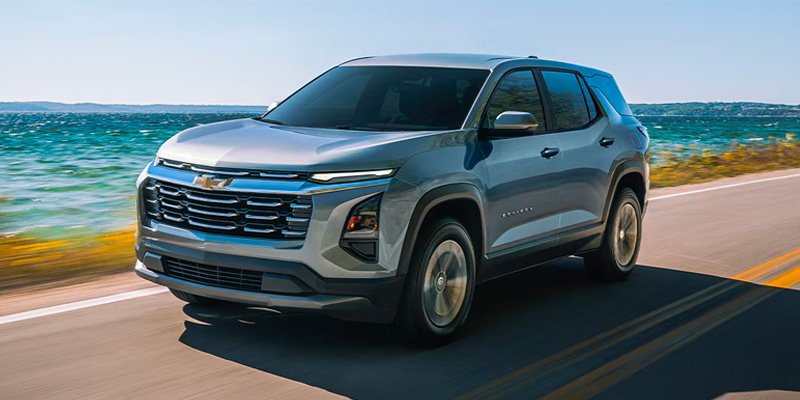
Is the Chevy Equinox a Good Reliable Car?
The 2026 Chevy Equinox is considered a reliable choice for drivers who need a compact SUV they can count on. It comes equipped with a 1.5L turbocharged engine that has been tested and refined for everyday performance. The available drivetrains, including both front-wheel drive and all-wheel drive, give drivers flexibility in different road conditions. Chevrolet backs the Equinox with comprehensive warranty coverage, which reflects confidence in its dependability and provides peace of mind for owners.
Read the rest of this entry »Connect with us


