





Quick Listen:
Your browser does not support the audio element.
Texas is known for its hot, unpredictable weather, which can pose serious challenges for keeping your devices, vehicles, and equipment running smoothly, especially when it comes to battery-powered technology. From extreme summer heat to sudden cold snaps in the winter, Texas temperatures can significantly impact the lifespan and performance of batteries in everything from smartphones and laptops to vehicles, solar panels, and outdoor equipment. Proper battery maintenance is crucial to ensure that your power sources continue to work reliably in harsh conditions. In this article, we will explore essential tips for maintaining batteries in extreme Texas temperatures.
1. Understand How Heat Affects Batteries
Heat is the most significant enemy of battery health, particularly in the Texas climate. High temperatures accelerate chemical reactions inside batteries, leading to faster wear and tear. For lead-acid, lithium-ion, and other rechargeable batteries, excessive heat can reduce their overall lifespan by causing irreversible damage to the cells, leading to a loss of capacity, shorter run times, or even failure to charge at all.
In vehicles, for instance, the combination of high heat and continuous use can result in a weak or dead battery if proper precautions aren’t taken. Similarly, batteries in home appliances, mobile devices, and even solar systems can lose efficiency and power more quickly when exposed to high temperatures.
2. Choose the Right Battery for Texas Heat
One of the best ways to ensure battery longevity in extreme temperatures is to choose the right type of battery for the environment. Certain battery types are more resistant to high heat than others, and selecting temperature-resistant models can greatly improve performance in Texa’s sweltering conditions.
For vehicles, especially in places like Texas, opt for batteries designed to withstand heat, such as AGM (Absorbent Glass Mat) or gel batteries. These are more durable than traditional flooded lead-acid batteries and can handle the heat better, ensuring longer service life. For other devices like smartphones, laptops, and power tools, choosing lithium-ion batteries with built-in thermal management systems will help prevent overheating and extend battery life.
3. Regular Charging and Maintenance
Maintaining a consistent charging routine is essential for battery longevity. Extreme temperatures, especially the intense heat of a Texas summer, can strain your battery’s charging cycle. To avoid damage, make sure to charge your batteries regularly, but avoid overcharging. Overcharging can cause excessive heat buildup, damaging the battery. For devices like smartphones and laptops, avoid letting the battery run down completely before recharging. Try to keep the charge level between 20% and 80% for optimal health.
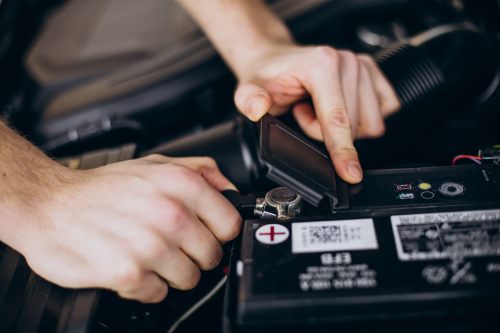
For vehicles, regular charging and maintenance are vital to prevent battery discharge and degradation. For instance, if you know you won’t be using your car for an extended period during the summer months, consider using a trickle charger to maintain the battery’s charge without overloading it.
4. Protect Batteries from Extreme Heat
In Texas, the summer sun can turn vehicles, outdoor equipment, and devices into miniature ovens. Exposing batteries to direct sunlight can raise the internal temperature of the battery, leading to overheating. This is particularly problematic for outdoor equipment like lawnmowers, RVs, boats, and solar power systems.
To protect your batteries from the extreme heat, always store them in shaded or cool areas. If you need to store a vehicle or piece of equipment outside, use a reflective cover or battery insulation to shield the battery from direct sunlight. For cars, try to park in the shade or use windshield sunshades to keep the interior cooler. For devices like laptops or power banks, store them in well-ventilated, cool environments, and avoid leaving them in hot cars or direct sunlight for extended periods.
5. Proper Storage of Batteries
When not in use, storing your batteries properly can extend their lifespan. The temperature at which you store batteries matters significantly in hot climates. Storing a battery in an excessively warm environment, even when not in use, can cause the internal components to deteriorate. If you’re storing equipment or vehicles for an extended period, such as during the off-season, make sure to place the battery in a cool, dry location, preferably indoors or in a climate-controlled area.
For smaller batteries, such as those used in electronics, place them in a cool, dry space away from heat sources. Avoid storing them in humid environments, as moisture can cause corrosion and leakage, further damaging the battery.
6. Monitor Battery Voltage and Temperature
Regularly monitoring the voltage and temperature of your batteries is a simple yet effective way to ensure they are in good condition. Many modern devices, vehicles, and home systems have built-in battery monitoring that can alert you if there’s a problem, such as a drop in voltage or excessive heat buildup.
For instance, vehicle owners can invest in a battery monitoring system that tracks battery health in real time, helping to identify early signs of wear. For home solar power systems, certain models come with monitoring features that allow you to check the battery temperature and charge level remotely.
Monitoring your battery regularly is essential in the extreme Texas heat to prevent unexpected failures when you need the device or vehicle the most.
7. Insulate Batteries in Extreme Conditions
In addition to protecting batteries from direct heat, insulating them can help prevent temperature fluctuations that may occur throughout the day. While heat can be damaging, extreme cold temperatures can also have a negative effect on battery life, especially during winter months when temperatures can dip below freezing in certain parts of Texas.
Insulating your batteries can help maintain a stable temperature, reducing the stress on the battery. For example, thermal wraps or insulative covers can be used on vehicle batteries to shield them from both heat and cold. Some RVs and boats also come with built-in battery insulation kits to protect batteries from the elements.
8. Avoid Fast Charging During Hot Weather
While fast charging can be convenient, it generates significant heat and puts additional strain on the battery. During periods of extreme heat, such as in Texas summer months, it’s best to avoid fast charging when possible, as it can cause the battery to overheat and degrade more rapidly.
Whenever possible, charge your devices and vehicles using a slower, standard charging method. This gives the battery more time to absorb power without generating excessive heat. If you’re in a hurry, consider charging your device in a cool room or air-conditioned space to help counterbalance the heat generated during the process.
9. Ensure Proper Ventilation
Ventilation plays a key role in maintaining battery health in hot climates. Batteries need to dissipate heat to prevent overheating, and proper ventilation helps to keep the temperature in check. If you’re using large equipment or vehicles that rely on batteries, ensure that the battery compartments are well-ventilated. For example, in cars, regular maintenance of the ventilation system can help ensure that the battery stays cool.
For home solar power systems, ensure that the batteries are housed in a cool, ventilated area, away from direct heat or sun exposure. This is particularly important for large battery banks or backup power systems.
Reduce the Risks
In Texas, where temperatures can soar to extreme levels during the summer, protecting and maintaining your batteries is essential to prolonging their lifespan and ensuring reliable performance. By understanding how heat affects batteries, choosing the right type of battery, regularly charging, and employing protective strategies such as proper storage and insulation, you can significantly improve your battery’s longevity and reduce the risk of unexpected failure. Whether you’re caring for a vehicle, electronic device, or solar energy system, these battery maintenance tips will help you combat Texa’s harsh temperatures and keep your equipment running smoothly for years to come.
Disclaimer: This Helpful Resources content contains personal opinions and experiences. The information provided is for general knowledge and does not constitute professional advice.
You may also be interested in: Chevrolet EV Test Drive
Feeling stuck in the stressful car-buying process? At Jupiter Chevrolet in Garland, TX, we’ve reimagined how buying a car should feel. With transparent pricing, online deal-building tools, and the benefits of our Jupiter Advantage program, we ensure every step is straightforward and satisfying. Skip the hassle. From purchase to certified service, our team truly puts your choice and convenience first. Turn your dreams of finding your ideal Chevrolet into reality with us. Visit Jupiter Chevrolet today!
Connect with us


