





Quick Listen:
Your browser does not support the audio element.
As the monsoon season approaches, North Texas drivers must prepare for the sudden, intense rainfall and thunderstorms that can turn roadways into dangerous and unpredictable environments. Heavy downpours can drastically reduce visibility, create slick roads, and even cause flash flooding, leading to increased risks for motorists. Understanding how to drive safely during these conditions is essential to avoid accidents and ensure the safety of yourself, your passengers, and other road users. Here are some crucial driving safety tips for navigating the monsoon season in North Texas.
The Challenges of Monsoon Season in North Texas
The monsoon season in North Texas, typically spanning from May to September, is characterized by heavy rains, thunderstorms, and high winds. While these storms are vital for the region’s ecosystem, they can also create hazardous driving conditions.
Monsoon rains can fall quickly and heavily, with some areas receiving several inches of rain in a short period. This rapid accumulation of water can overwhelm drainage systems, causing roads to flood in a matter of minutes. Additionally, North Texas drivers may encounter issues such as reduced visibility, hydroplaning, and the risk of driving into flooded areas. The combination of these factors makes monsoon season driving particularly dangerous.
1. Maintain Proper Visibility
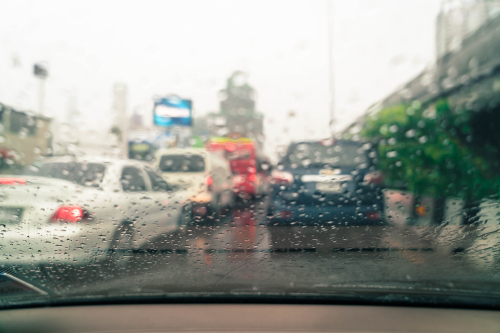
During heavy rainfall, visibility can drop to dangerously low levels, making it harder to see other vehicles, road signs, and potential hazards. Ensuring that your vehicle’s visibility is as clear as possible is the first step in staying safe during a monsoon.
Use Your Headlights: In North Texas, state law requires drivers to turn on their headlights whenever it’s raining, even if it’s not dark outside. Properly functioning headlights allow other drivers to see your vehicle and help you spot potential hazards like puddles or debris on the road. Avoid using high beams, as they can reflect off the rain and make it even harder to see.
Wipers and Defoggers: Ensure your windshield wipers are working properly before the rainy season begins. Replace any worn-out wiper blades and check that the wiper fluid is full. Use your vehicle’s defroster or air conditioner to prevent fogging on the windows, which can obstruct visibility further.
Keep Windows Clear: As rainwater tends to accumulate on the outside of the windshield, make sure your windows are free of debris like leaves or mud, which can block your view. If your vehicle has automatic wipers, take advantage of the rain-sensing feature to adjust wiper speed according to the rain intensity.
2. Reduce Your Speed
One of the most critical safety measures when driving during a monsoon is to adjust your speed. Rain and wet roads can cause your vehicle to lose traction, making it more difficult to stop or control the car.
Slow Down: Drive at a speed that’s comfortable for the conditions, even if it’s below the posted speed limit. If visibility is poor or the roads are wet, reduce your speed to allow more reaction time. Be aware that slick roads can lead to hydroplaning, where your vehicle’s tires lose contact with the road, which can cause you to lose control.
Increase Following Distance: Tailgating is always dangerous, but during monsoon rains, it’s particularly risky. Give yourself more space between you and the vehicle in front of you to account for stopping distances. Wet roads can increase the time it takes to come to a complete stop, and you’ll need extra space to react in case the vehicle ahead of you brakes suddenly.
Drive Slowly Through Puddles: If you encounter a large puddle, avoid speeding through it. Driving too quickly through water can cause your car to hydroplane or become stuck. If you’re unsure of the depth of a puddle, it’s safer to slow down and proceed with caution.
3. Avoid Flooded Roads
Flash floods are one of the most dangerous aspects of monsoon season driving. They can occur very quickly, even if it hasn’t rained in your immediate area. Floodwaters can sweep away vehicles, wash out roads, and create treacherous conditions.
Know Flood-Prone Areas: Familiarize yourself with areas in North Texas that are prone to flooding, such as low-lying areas, underpasses, and bridges. Local news outlets and weather apps often provide real-time flood alerts, so be sure to check these resources before heading out.
Don’t Drive Through Flooded Areas: The most crucial tip for avoiding flood-related accidents is to never drive through a flooded area, even if the water doesn’t appear deep. It can be difficult to judge the strength and depth of floodwaters. Just six inches of water can cause you to lose control of your vehicle, while a foot of water is enough to float most cars.
Avoid Dips and Low-Lying Roads: When driving through areas with heavy rainfall, avoid roads with dips or depressions that can quickly accumulate water. Even if you think a road is passable, the depth of the water may change in a short amount of time. Turn around and find an alternate route if you see water covering the road.
4. Prepare Your Vehicle for Monsoon Season
Before the monsoon season hits, take steps to ensure your vehicle is prepared for heavy rainfall and stormy conditions. Proper vehicle maintenance can make a significant difference in your safety on the road.
Check Tires: Worn-out tires with low tread depth are more likely to hydroplane during heavy rain. Before the monsoon season begins, check your tire tread and replace any tires that are worn out. Ensure that all tires are inflated to the manufacturer’s recommended pressure.
Inspect Brakes and Suspension: Your vehicle’s brakes and suspension system play a crucial role in keeping you safe during the wet conditions of monsoon season. Have a mechanic check your brakes and suspension to ensure they are functioning correctly.
Maintain Fluid Levels: Make sure your car’s fluids, including engine oil, brake fluid, and transmission fluid, are at proper levels. A vehicle that’s well-maintained will perform better in challenging weather conditions.
Carry Emergency Supplies: It’s always a good idea to carry emergency supplies in your car, especially during monsoon season. Include items such as a flashlight, extra batteries, a first-aid kit, non-perishable snacks, and bottled water. If you become stranded in heavy rain, these supplies can keep you safe until help arrives.
5. Stay Informed and Avoid Distractions
Staying informed about the weather conditions is essential during monsoon season. Severe storms can develop quickly, and being prepared is key to staying safe on the roads.
Monitor Weather Alerts: Use weather apps or listen to local radio stations for updates on storm forecasts, flood warnings, and other advisories. If conditions worsen, consider delaying your trip or finding shelter until the storm passes.
Avoid Distractions: Distracted driving is always a danger, but it’s even more hazardous during monsoon season. Put away your phone, avoid eating while driving, and focus on the road ahead. A momentary lapse in attention can be the difference between avoiding an accident or not.
Get Your Vehicle Ready
Driving during the monsoon season in North Texas requires extra caution, patience, and preparation. By following these safety tips—maintaining visibility, reducing speed, avoiding flooded roads, preparing your vehicle, and staying informed—you can significantly reduce your risk of accidents. While the rain may be an inconvenience, with the right precautions, you can stay safe and navigate North Texas’s monsoon season without incident. Safe driving is about being proactive, so be sure to get your vehicle ready for the season and take the necessary steps to keep yourself and others safe on the road.
Disclaimer: This Helpful Resources content contains personal opinions and experiences. The information provided is for general knowledge and does not constitute professional advice.
You may also be interested in: Teacher of the Month | Jupiter Chevrolet | Serving the Garland …
Feeling stuck in the stressful car-buying process? At Jupiter Chevrolet in Garland, TX, we’ve reimagined how buying a car should feel. With transparent pricing, online deal-building tools, and the benefits of our Jupiter Advantage program, we ensure every step is straightforward and satisfying. Skip the hassle. From purchase to certified service, our team truly puts your choice and convenience first. Turn your dreams of finding your ideal Chevrolet into reality with us. Visit Jupiter Chevrolet today!
Connect with us


