





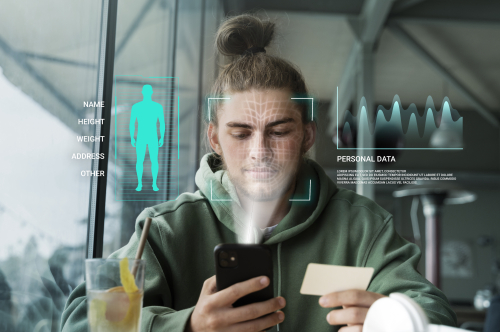
Biometric technology is changing two distinct parts of the car ownership experience: how dealerships verify buyer identity to prevent fraud, and how some vehicles let drivers unlock and start the car without a key. These are separate trends, and it’s worth understanding what’s actually available today versus what’s still emerging.
Identity Verification Is a Growing Priority at Dealerships
A survey of dealers found that nearly 80% have seen growth in fraud-related activity, including identity fraud, over the past two years, with 48% reporting the loss of four or more vehicles to identity fraud in that span. Nearly a quarter of dealers reported losing 10 or more vehicles to fraud over the same period. As more of the car-buying process moves online, including credit applications, document uploads, and remote deal-building, verifying that a buyer is who they claim to be has become a real operational concern for dealerships, not a hypothetical one. Biometric UpdateBiometric Update
This has led to growing use of identity verification tools that combine document scanning (driver’s licenses and other government IDs) with liveness detection, a check to confirm a live person is present rather than a photo or video being used to spoof the system. These tools are primarily used in finance offices to confirm identity before extending credit or finalizing a sale, helping protect both the dealership and legitimate buyers from fraud.
Biometric Vehicle Access: Where the Technology Stands
Inside the vehicle itself, biometric access is real but still limited to a small number of manufacturers and models. Some Genesis models use a facial recognition system to unlock the door, paired with a fingerprint reader to start the engine. Cadillac has introduced similar facial authentication on select 2025 and 2026 models. These systems use infrared sensors and depth mapping to recognize an authorized driver’s face, even in low light, and are designed to resist simple spoofing attempts like holding up a photo.
This technology is not yet standard, and most vehicles, including Chevrolet’s current lineup, continue to rely on traditional key fobs and keyless entry rather than biometric access. For buyers interested in this kind of technology, it remains a premium feature found mostly on luxury models for now, though that’s likely to change as costs come down over the next several years.
What This Means for Buyers
For most car buyers today, the practical takeaway isn’t about facial recognition unlocking your car door, it’s about understanding that dealerships, including Jupiter Chevrolet, take identity verification seriously during the financing and purchase process. This protects buyers from having their information used fraudulently and protects the dealership from losses that ultimately affect pricing and service for everyone.
If you’re specifically interested in biometric vehicle access as a feature, it’s worth discussing current options directly with a sales consultant, since manufacturer offerings in this space are changing quickly.
Frequently Asked Questions
Do Chevrolet vehicles have facial recognition or fingerprint entry?
Not currently as a standard or widely available feature. Biometric vehicle access, such as facial recognition door unlock or fingerprint ignition start, is available on select models from manufacturers like Genesis and Cadillac, but it is not yet part of Chevrolet’s current lineup.
Why do dealerships verify buyer identity during the purchase process?
Identity fraud has increased significantly across the auto industry, with surveyed dealers reporting substantial losses to fraud-related vehicle theft over the past two years. Verifying a buyer’s identity through document checks and other authentication methods helps prevent fraudulent purchases and protects both the dealership and legitimate customers.
Is biometric data collected during the car buying process at Jupiter Chevrolet?
Standard identity verification during financing typically involves document checks like a driver’s license, not biometric data collection such as facial scans or fingerprints. Buyers with specific questions about what information is collected during the purchase process should ask the finance team directly.
Disclaimer: This content is provided for general informational purposes and does not constitute professional advice. Technology availability varies by manufacturer and model and may change as new vehicles are released.
Buy With Confidence at Jupiter Chevrolet in Garland, TX
Jupiter Chevrolet is located at 11611 LBJ Freeway in Garland and serves buyers across the Dallas metro, including Plano, Frisco, McKinney, Rockwall-Heath, Forney, Richardson, Mesquite, and Grapevine. Our finance team is happy to answer questions about the purchase process, including how your information is verified and protected. Use the “Build My Deal” tool at jupiterchev.com to get started.
Connect with us


