





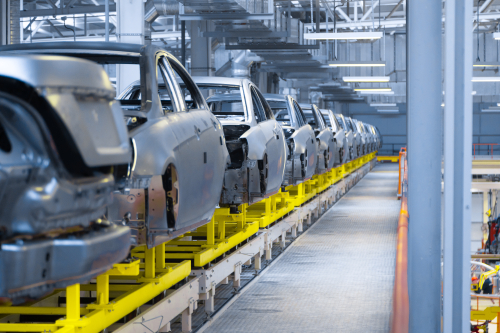
The automotive industry has undergone an extraordinary transformation in the last century. From the first assembly lines to today’s electric vehicles (EVs), the evolution of cars reflects not only technological innovation but also a profound shift in consumer behavior and expectations. A century of experience has provided invaluable lessons in adapting to change, and as we reflect on this journey, one thing is clear: experience matters. Over the years, manufacturers have reshaped the way cars are built, bought, and driven. But what’s next? The future of the industry hinges on what we’ve learned and how we apply those lessons to the challenges of tomorrow.
Milestones that Defined the Industry
The story of the automotive industry is a story of reinvention. In the early 20th century, the introduction of the assembly line revolutionized car manufacturing, making vehicles affordable for the average person. This innovation laid the foundation for the rise of major brands and established the automobile as a symbol of freedom and progress. As decades passed, technological advancements such as the development of air conditioning, safety features, and fuel efficiency shaped the market.
But the transformation didn’t stop with the cars themselves. The consumer experience also evolved. With the rise of the internet, customers gained the ability to research vehicles online, changing the dynamics of car buying forever. The introduction of online car buying platforms provided an unprecedented level of convenience and transparency. As highlighted in Cox Automotive’s Car Buyer Journey Study, the level of satisfaction among new car buyers continues to rise, with online tools playing a pivotal role in shaping the modern car-buying process.
Customer-Centric Evolution
The automotive industry has always been driven by consumer needs. As cars evolved, so did the demands of car buyers. Today’s consumer is not just looking for a vehicle; they seek transparency, convenience, and personalization in the buying process. These demands have driven the development of new sales channels, such as digital car buying, which allows consumers to complete much of the car-buying process from the comfort of their homes.
This shift has been accelerated by changing consumer preferences. A report by Cox Automotive reveals that customers today are more knowledgeable than ever before, using digital tools to make more informed decisions. The rise of electric vehicles (EVs) further reflects the growing emphasis on sustainability and innovation, with EVs offering not only an eco-friendly alternative but also a new approach to vehicle ownership.
The focus on consumer experience is evident across the industry, and it is this emphasis on personalization and customer satisfaction that has helped define the modern automotive landscape.
The Role of Data and Technology
As we look toward the future, data and technology are playing an increasingly central role in shaping the automotive experience. The use of big data analytics allows manufacturers to better understand consumer preferences, optimize production processes, and create more personalized products. Additionally, the integration of AI and IoT into modern vehicles has transformed them into smart devices that can connect to the internet and offer real-time data to consumers.
The rise of AI-powered tools also extends to the sales process. Dealerships are using machine learning algorithms to recommend vehicles based on consumer behavior, while AI-driven chatbots are providing instant customer support on websites and social media platforms. As Ascentt points out, big data and AI are enabling brands to not only improve operational efficiency but also to deliver a more tailored, relevant experience for buyers.
Furthermore, cloud technology has allowed manufacturers and dealerships to better manage inventory, track consumer behavior, and streamline their operations. By integrating these technological tools, the automotive industry is able to offer faster, more efficient, and more consumer-friendly experiences.
Adapting to a Sustainable Future
The push toward sustainability is one of the most significant trends reshaping the automotive industry today. While gasoline-powered vehicles once dominated the market, the rise of electric vehicles (EVs) signals a major shift toward more sustainable alternatives. As governments and consumers alike place greater emphasis on reducing emissions, automakers are racing to innovate and produce more eco-friendly cars.
The adoption of EVs has been rapid, driven by advances in battery technology and a growing demand for green alternatives. According to Cars Commerce, the shift toward EVs has been accelerated by the increasing affordability of these vehicles, as well as the expanding charging infrastructure that is making them more convenient to own.
The rise of EVs also reflects a broader shift in the automotive industry’s approach to sustainability. Beyond just the cars themselves, manufacturers are looking at every aspect of production, from the sourcing of materials to the overall environmental impact of manufacturing plants. For instance, recyclable materials and energy-efficient manufacturing practices are now a key focus for many automakers.
The automotive industry is embracing sustainability not just because it is good for the environment but because it’s what consumers demand. Today’s buyers are more informed and environmentally conscious, and they are increasingly choosing brands that align with their values.
The Next Century: What Lies Ahead?
Looking ahead, the next 100 years of the automotive industry will be shaped by new technologies, evolving consumer demands, and an ever-increasing focus on sustainability. Autonomous vehicles and connected car technologies are just the beginning of what promises to be a revolution in the way we drive and interact with vehicles.
The next century will likely see even greater advancements in AI and machine learning, making cars not only smarter but safer. In the coming decades, we may also see the development of fully autonomous vehicles, which will radically alter the transportation landscape and redefine how we think about car ownership.
As Deloitte suggests, the industry will need to stay ahead of the curve by continuing to innovate and adapt to these emerging technologies. But it’s not just about creating new technologies; it’s about using these advancements to create more seamless, personalized, and customer-focused experiences.
Experience as the Foundation
A century of experience in the automotive industry has taught us that innovation is key, but it must be grounded in the lessons of the past. From the first assembly lines to the rise of electric vehicles and digital platforms, the industry has always adapted to meet the needs of consumers.
As we look to the future, the automotive industry will continue to evolve, driven by technology, sustainability, and an ever-growing focus on the consumer experience. The next century will be defined by new innovations that blend autonomous driving, connected vehicles, and eco-friendly practices to create a more sustainable, efficient, and customer-centric industry. By honoring the lessons learned from the past and embracing the challenges of the future, the automotive industry will continue to thrive, offering consumers the best in innovation, experience, and quality.
Disclaimer: The above helpful resources content contains personal opinions and experiences. The information provided is for general knowledge and does not constitute professional advice.
You may also be interested in: Jupiter Chevrolet Blog | News, Updates, and Info – Jupiter Chevrolet
Feeling stuck in the stressful car-buying process? At Jupiter Chevrolet in Garland, TX, we’ve reimagined how buying a car should feel. With transparent pricing, online deal-building tools, and the benefits of our Jupiter Advantage program, we ensure every step is straightforward and satisfying. Skip the hassle. From purchase to certified service, our team truly puts your choice and convenience first. Turn your dreams of finding your ideal Chevrolet into reality with us. Visit Jupiter Chevrolet today!
Powered by flareAI.
Connect with us


