





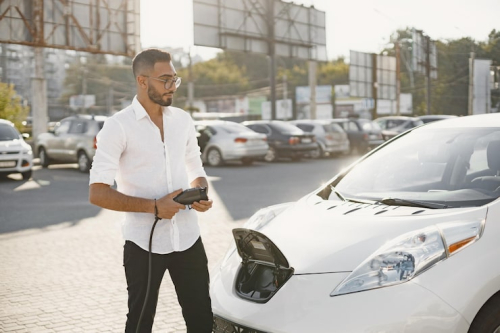
The roar of traffic along I-635 never quite fades in North Texas, yet a quieter sound is steadily weaving into the mix: the gentle click and hum of electric vehicles connecting to chargers at malls, corporate lots, and roadside stops. Once a novelty for early adopters, EVs have shifted into everyday life for drivers in Garland, Dallas, Richardson, Plano, Rockwall-Heath, Forney, Mesquite, McKinney, Grapevine, and Frisco. The real question now centers on whether the charging network can match the accelerating pace of adoption.
Recent data from the Dallas-Fort Worth Clean Cities Coalition and NCTCOG show strong momentum. As of early 2026, Texas statewide registrations exceed 463,000 EVs, with the Dallas-Fort Worth region accounting for a substantial share over 122,000 EVs reported in 2024 regional updates, plus significant additions since. Growth remains robust in suburban pockets of Dallas and Collin counties, where places like Frisco, McKinney, and Plano draw buyers seeking lower fuel costs and cleaner driving. That wave extends to outer communities such as Rockwall-Heath and Forney, where extended drives demand dependable public options.
Globally, the push for charging infrastructure reflects similar urgency. Home charging dominates for those who can install it, but public networks must expand to include apartment dwellers, renters, and travelers. In 2024 alone, more than 1.3 million public charging points were added worldwide a 30% rise over the prior year bringing the total to levels that rival the entire global stock in 2020. China leads with roughly 65% of recent growth, while Europe saw public points climb more than 35% in 2024 to surpass 1 million. These trends underscore why regions like North Texas cannot afford to lag: without accessible public chargers, broader adoption stalls.
Closer to home, the local landscape reveals clear divides. In denser areas of Dallas and Garland, public Level 2 and DC fast chargers cluster in municipal garages, near transit stops, and at major retailers along corridors like I-30 and I-635. Efforts coordinated through NCTCOG have focused on placing these near workplaces and multifamily housing to serve daily needs.
Northward in Plano, Richardson, and Frisco, the emphasis falls on seamless integration. Corporate campuses and mixed-use developments Legacy West in Plano, The Star in Frisco now treat charging as a baseline feature. Research from UT Dallas and Collin County planning reports highlight how overnight home charging combined with daytime workplace access smooths routines for commuters.
In outer rings McKinney, Grapevine, Mesquite, Forney, and Rockwall-Heath coverage thins but improves along highways (US-75, SH-121) and in new subdivisions. Grapevine gains from DFW Airport proximity and visitor traffic, yet range concerns persist for longer errands or weekend getaways without reliable fast options nearby.
Feeling stuck in the stressful car-buying process? At Jupiter Chevrolet in Garland, TX, we’ve reimagined how buying a car should feel. With transparent pricing, online deal-building tools, and the benefits of our Jupiter Advantage program, we ensure every step is straightforward and satisfying. Skip the hassle. From purchase, to certified service and parts, to collision repair and body shop. Our team puts your convenience, safety, and confidence first. Turn your dreams of finding your ideal Chevrolet into reality with us. Visit Jupiter Chevrolet today!
EV Charging Push Accelerates Across North Texas
Recent developments signal acceleration. NCTCOG secured $15 million in federal Charging and Fueling Infrastructure grants to deploy up to 100 publicly accessible ports across the 16-county region, prioritizing underserved communities. A 2025 call for projects closed late last year, with recommendations advancing toward implementation. Oncor continues grid evaluations and hardening measures to handle added load without risking peak-season disruptions. Targeted expansions focus on routes like SH-121 through Frisco and McKinney, US-75 connecting Plano and Richardson, and I-30 spanning Mesquite to Forney, where private operators and retailers help close gaps.
Zoning adjustments in several municipalities now favor EV-ready buildings, and dealerships plus fleet managers in Dallas and Mesquite test depot charging setups. The network remains patchwork stronger in cores, patchier outward but connections tighten steadily.
Real-world examples bring the progress into focus. Downtown Dallas showcases effective partnerships, with chargers in city garages supported by agreements ensuring availability. Plano and Frisco embed charging in new developments: Level 2 stalls for residents overnight, fast chargers at retail hubs. Grapevine capitalizes on airport adjacency, installing stations that serve locals and regional travelers alike.
Challenges persist. Distribution skews toward urban density, leaving Forney and Rockwall-Heath waiting for fuller coverage. Summer peaks strain grids in Garland and Mesquite, where cooling demands already test capacity. Uptime issues plague some public units, and smaller towns face permitting delays plus installation expenses.
These changes carry direct implications for the auto sector. Service centers encounter growing needs for battery diagnostics, software updates, and cooling system maintenance. Dealerships position themselves as knowledge centers offering guided test drives, charging route planning, and ownership reassurance. Fleet operators in Dallas and Richardson weigh electrification for operational savings, while facilities in Plano and McKinney stand out with tailored EV service offerings. Sustained customer relationships increasingly depend on robust after-sale backing.
EV Infrastructure Takes Shape
Looking ahead, NCTCOG planners and sustainability offices in Dallas and Plano anticipate ongoing fast-charger additions in the next two to three years, with improved suburban reach. Grid upgrades form the longer-term priority, shaping whether EV ownership becomes as straightforward here as in leading markets.
Ultimately, communities from Garland to Frisco advance at varied tempos toward shared infrastructure goals. This evolution transcends environmental aims or technological novelty it’s about sustaining mobility, economic edge, and readiness for North Texas’s future on the move.
Frequently Asked Questions
How many electric vehicles are currently registered in the Dallas-Fort Worth area?
As of early 2026, the Dallas-Fort Worth region accounts for over 122,000 EVs out of Texas’s statewide total exceeding 463,000 registered electric vehicles. Growth remains particularly strong in suburban areas of Dallas and Collin counties, including cities like Frisco, McKinney, Plano, and extending to communities such as Rockwall-Heath and Forney where residents seek lower fuel costs and cleaner driving options.
Where can I find public EV charging stations in North Texas?
Public EV charging stations are concentrated in denser areas like Dallas and Garland, with Level 2 and DC fast chargers available at municipal garages, transit stops, and major retailers along I-30 and I-635. Corporate campuses and mixed-use developments in Plano, Richardson, and Frisco such as Legacy West and The Star now include charging as a standard feature. Coverage is improving along highways like US-75, SH-121, and I-30, though outer communities like McKinney, Grapevine, Mesquite, Forney, and Rockwall-Heath still have thinner but growing networks.
What improvements are coming to EV charging infrastructure in North Texas?
NCTCOG has secured $15 million in federal Charging and Fueling Infrastructure grants to deploy up to 100 publicly accessible charging ports across the 16-county region, prioritizing underserved communities. Targeted expansions focus on key routes including SH-121 through Frisco and McKinney, US-75 connecting Plano and Richardson, and I-30 spanning Mesquite to Forney. Grid upgrades by Oncor and new zoning adjustments favoring EV-ready buildings are also underway, with planners anticipating significant fast-charger additions over the next two to three years.
Disclaimer: The above helpful resources content contains personal opinions and experiences. The information provided is for general knowledge and does not constitute professional advice.
You may also be interested in: Collision Service From the Experts
Feeling stuck in the stressful car-buying process? At Jupiter Chevrolet in Garland, TX, we’ve reimagined how buying a car should feel. With transparent pricing, online deal-building tools, and the benefits of our Jupiter Advantage program, we ensure every step is straightforward and satisfying. Skip the hassle. From purchase, to certified service and parts, to collision repair and body shop. Our team puts your convenience, safety, and confidence first. Turn your dreams of finding your ideal Chevrolet into reality with us. Visit Jupiter Chevrolet today!
Powered by flareAI.co
Connect with us


