





Quick Listen:
In the bustling expanse of North Texas, where vast interstates crisscross vibrant communities, an intriguing transformation is taking root in the automotive sector. Enthusiasts and everyday drivers alike are clinging to their cherished Chevrolet legacy models the timeless Camaros, robust Silverados, and sleek Impalas that have long defined the region’s roadways in places like Garland, Dallas, and Frisco. This isn’t merely a wave of sentimentality; it’s fueled by a marked increase in the pursuit of original equipment manufacturer (OEM) parts, which are redefining how owners approach vehicle maintenance. These parts, crafted by the same manufacturers that built the vehicles, promise unmatched quality, precision, and longevity. As a result, the local aftermarket is evolving, blending tradition with modern demands for reliability and performance. This narrative goes beyond mere mechanics it’s a tale of enduring loyalty to iconic brands, skilled craftsmanship, and North Texas’s profound ties to its automotive roots, all set against a backdrop of industry growth that underscores the economic vitality of the area.
Feeling stuck in the stressful car-buying process? At Jupiter Chevrolet in Garland, TX, we’ve reimagined how buying a car should feel. With transparent pricing, online deal-building tools, and the benefits of our Jupiter Advantage program, we ensure every step is straightforward and satisfying. Skip the hassle. From purchase, to certified service and parts, to collision repair and body shop. Our team puts your convenience, safety, and confidence first. Turn your dreams of finding your ideal Chevrolet into reality with us. Visit Jupiter Chevrolet today!
Chevrolet Legacy Models Drive Resurgence in Demand for OEM Parts in North Texas
The global automotive aftermarket industry was valued at USD 468.91 billion in 2024 and is anticipated to expand to USD 589.01 billion by 2030, achieving a compound annual growth rate (CAGR) of 3.8% over the period from 2025 to 2030. This expansion is largely propelled by driver’s desires to upgrade their vehicle’s acoustics, velocity, and aesthetics, alongside the rise of digital platforms for part distribution. In the United States, the aftermarket demonstrates even stronger momentum, reaching USD 228.19 billion in 2024 and projected to exceed USD 350.64 billion by 2034, with a CAGR of 4.39% from 2025 onward. North Texas, encompassing dynamic hubs such as Dallas and Plano, is actively participating in this upward trajectory, with Chevrolet’s classic models leading the charge. These automobiles, many of which hail from eras past, transcend the label of antiques; they serve as reliable commuters, hobbyist restorations, and emblems of America’s engineering prowess. Vehicle proprietors are progressively favoring OEM components produced by the vehicle’s original maker to safeguard optimal functionality, security, and genuineness.
This pivot toward OEM parts stems from multiple factors. Chevrolet’s heritage lineup boasts a devoted fanbase, drawn to the elegant lines of a 1969 Camaro or the steadfast utility of a 1990s Silverado. Engineered for durability, these models inspire owners to invest in preservation rather than replacement. Data from Dallas County vehicle registries reveals a consistent presence of vintage Chevrolets in circulation, with numerous individuals electing to refurbish or upkeep their rides. This behavior mirrors a wider inclination toward OEM solutions, which are engineered to precise vehicle standards, guaranteeing flawless compatibility and sustained dependability unlike generic aftermarket substitutes. Moreover, as vehicles age and accumulate mileage, the need for high-caliber replacements intensifies, particularly in a region where long commutes and diverse terrains test automotive resilience.
Delving deeper, the global aftermarket automotive parts market stands at an estimated USD 502.61 billion in 2025, poised to climb to USD 756.25 billion by 2032, reflecting a CAGR of 6.0% throughout the forecast years. Within this landscape, engine components are set to command the largest share at 27.4% in 2025, underscoring their pivotal function in vehicle operation and the regularity of their upkeep. Passenger cars, meanwhile, are expected to hold a dominant 59% market share in the same year, attributed to their ubiquity and rigorous utilization. These figures highlight why North Texas, with its heavy reliance on personal vehicles, is witnessing such fervor for OEM parts among Chevrolet loyalists.
The Heartbeat of North Texas: Chevrolet’s Enduring Appeal
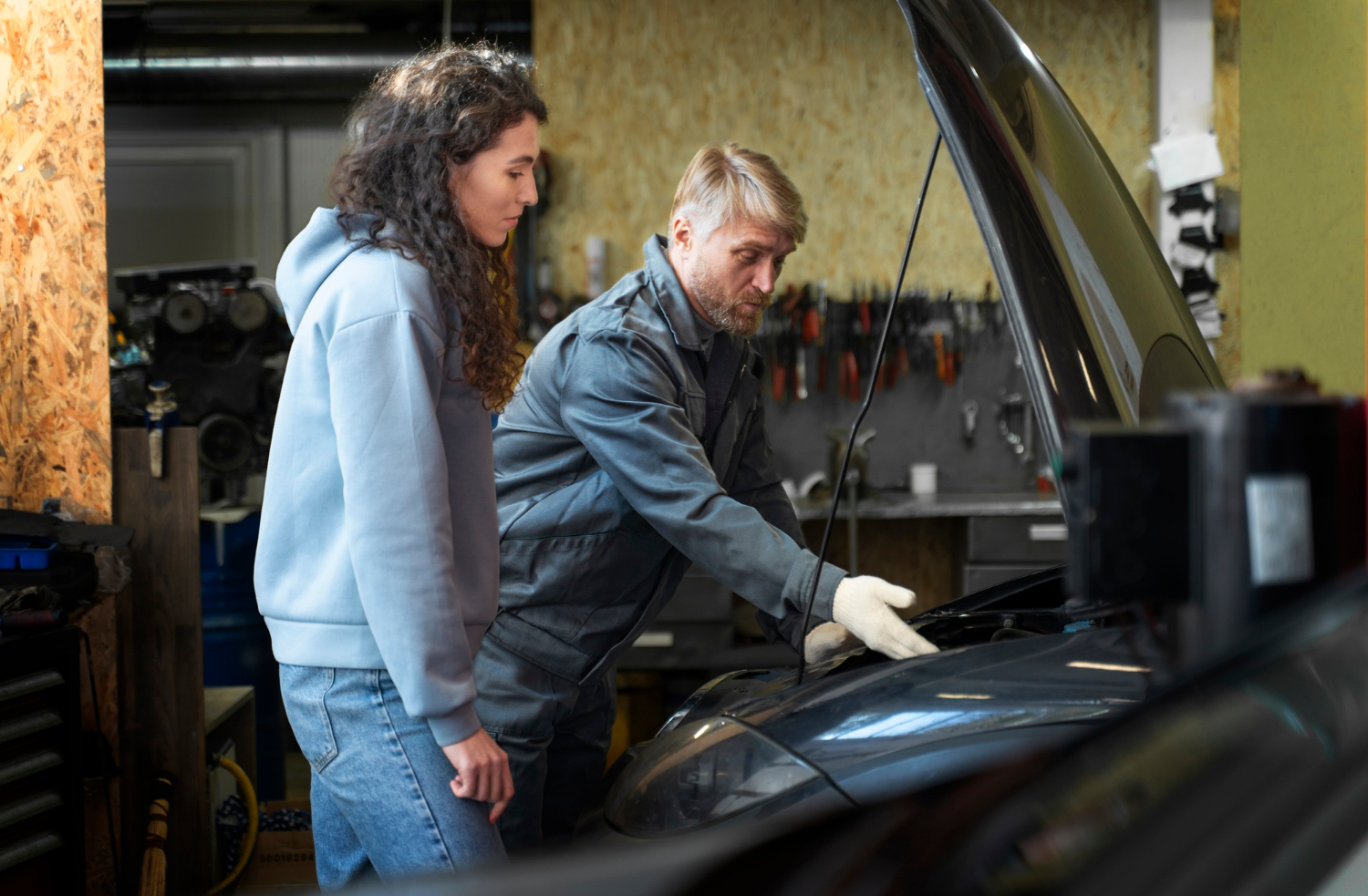
In Plano, a thriving Chevrolet dealership stands as a testament to this burgeoning trend. Staff in the service department have observed a substantial rise in OEM component transactions, especially for vital elements like engine assemblies and electrical setups, which are indispensable for sustaining the vitality of older models. The electrical components segment is experiencing notable expansion in the U.S. aftermarket, spurred by the intricacies of contemporary automotive electronics and the shift toward electric vehicles. Patrons, ranging from avid tinkerers to routine motorists, repeatedly emphasize the exceptional alignment and robustness of OEM parts as their primary motivation for eschewing more affordable options. A service representative at the dealership remarked, “Folks arrive with heirloom Impalas passed down from family or Silverados they’ve owned since their younger days. They’re seeking components that respect the vehicle’s heritage, not mere stopgaps.”
This sentiment resonates across the area. In Rockwall-Heath, a modest, family-operated auto shop has flourished amid the influx of legacy Chevrolet owners hunting for OEM replacements, from braking systems to gearbox elements. The proprietor observed that clientele are more informed than ever, frequently conducting online investigations prior to consultations. This mirrors broader market dynamics: the online/offline retailers segment is forecasted to advance at a steady CAGR from 2025 to 2034, facilitated by digital convenience and competitive pricing. For these individuals, OEM parts deliver assurance that counterparts simply cannot match, ensuring their beloved Chevys remain roadworthy for years to come.
Furthermore, the U.S. pick-up trucks accessories market, valued at USD 2.4 billion in 2024, is slated to grow at a CAGR of 3.2% through 2034, with truck bed accessories capturing 29% of the share last year. This is particularly pertinent for Chevrolet Silverado owners in North Texas, where off-roading and utility demands amplify the need for authentic enhancements. The light-duty vehicle category, encompassing many legacy models, commanded 77% of the market in 2024, illustrating the segment’s relevance to everyday users who prioritize OEM for compatibility and performance.
Challenges on the Road Ahead
Nevertheless, the journey toward widespread OEM adoption encounters obstacles. Pricing emerges as a primary barrier; while OEM parts excel in quality, their premium cost often surpasses that of aftermarket equivalents. In locales like Frisco and McKinney, where financial constraints vary, this initial expenditure can deter some. A mechanic based in Dallas elaborated, “It’s an investment choice. You invest more initially, yet reap savings through fewer future fixes, thanks to the superior longevity and fit of OEM components.”
Logistical hurdles compound the issue. Worldwide supply interruptions and delays have complicated the procurement of specific OEM items, especially for vintage models. Outlets in Dallas and Frisco note intermittent stock shortages, compelling customers to endure waits for essential items such as electronic control units (ECUs) or refurbished drivetrains. Insights from the automotive remanufactured parts market reveal that doubts regarding the dependability and caliber of remanufactured elements particularly for EVs or advanced driver-assistance systems (ADAS) continue to impede wider acceptance, introducing further intricacies for providers striving to fulfill needs. This market, pegged at US$70.2 billion in 2025, is expected to attain US$110.0 billion by 2032, growing at a CAGR of 6.6%, with Europe leading at 32.0% share due to robust frameworks and eco-conscious policies.
Additionally, the remanufactured automotive parts market globally was worth USD 69.8 billion in 2024, with a projected CAGR of 7.4% to 2034, and North America holding over 35% share. Electrical and electronic segments dominated at more than 30% revenue, while passenger vehicles accounted for 54.6%. These remanufactured options, often OEM-backed, offer sustainable alternatives but face skepticism, particularly in regions like North Texas where authenticity is paramount.
Opportunities in the Fast Lane
Amid these hurdles, the escalating call for OEM parts unlocks substantial prospects for North Texas enterprises. Dealerships and workshops are leveraging this momentum by curating bespoke services for heritage Chevrolet aficionados. In Garland, a repair facility has rolled out OEM-centric upkeep bundles, incorporating thorough diagnostics and expedited sourcing. Such strategies not only elevate earnings but also cultivate enduring client allegiance. A manager in Frisco noted, “Supplying the precise component engineered for their Chevy builds trust. They return, and word spreads.”
The ripple effects on the economy are evident. Heightened OEM demand bolsters employment in mechanics, distribution, and related fields, invigorating the local landscape. With passenger vehicles commanding a 59% stake in the U.S. aftermarket for 2025, as per industry analyses, North Texas is primed to capitalize. Facilities in Plano and McKinney are proactively bolstering inventories, foreseeing sustained expansion as more proprietors opt to sustain their Chevrolets over upgrading.
Electrification adds another layer of opportunity. Trends in remanufactured EV components, including batteries and drive systems, are gaining traction, with EV battery remanufacturing drawing significant investment. This aligns with Chevrolet’s evolving lineup, offering North Texas owners pathways to modernize legacy models sustainably.
A Memorable The Road Forward
As twilight descends upon North Texas’s expansive suburbs, the resonant purr of a vintage Chevrolet motor lingers in the air of Garland, Dallas, and Frisco. These legacy vehicles transcend transportation; they embody resilience, artistry, and the timeless allure of U.S. motoring ethos. The revitalized interest in OEM parts encapsulates a deeper reality: proprietors are not simply servicing cars but safeguarding legacies. Experts foresee this momentum intensifying, with global aftermarkets ballooning to USD 756.25 billion by 2032. For regional outlets, the strategy is straightforward amass OEM stock, deliver customized offerings, and perpetuate Chevrolet’s essence for future motorists. In an era of transient fads, North Texas affirms that certain icons, like a masterfully constructed Chevy, endure eternally.
Frequently Asked Questions
Why are Chevrolet owners choosing OEM parts over aftermarket alternatives for legacy models?
Chevrolet owners are increasingly choosing OEM (Original Equipment Manufacturer) parts because they offer unmatched quality, precision, and longevity compared to generic aftermarket substitutes. OEM parts are engineered to exact vehicle specifications, ensuring perfect compatibility and sustained reliability, which is especially crucial for vintage models like classic Camaros and Silverados. While OEM parts cost more upfront, they provide long-term savings through fewer future repairs and better durability.
What is driving the growth in the automotive aftermarket parts industry in North Texas?
The automotive aftermarket industry is experiencing significant growth, with the global market valued at $468.91 billion in 2024 and projected to reach $589.01 billion by 2030. In North Texas, this growth is driven by owners of Chevrolet legacy models who prefer to restore and maintain their vehicles rather than replace them. The region’s heavy reliance on personal vehicles, long commutes, and diverse terrains create strong demand for high-quality replacement parts, particularly engine components and electrical systems.
Are OEM parts worth the higher cost for older Chevrolet models?
Yes, OEM parts are generally worth the investment for older Chevrolet models despite their premium pricing. While aftermarket parts may be cheaper initially, OEM components deliver superior longevity, perfect fit, and maintain the vehicle’s authenticity and performance standards. As one Dallas mechanic explained, “You invest more initially, yet reap savings through fewer future fixes, thanks to the superior longevity and fit of OEM components.” This makes them particularly valuable for heritage vehicles that owners want to preserve for years to come.
Disclaimer: The above helpful resources content contains personal opinions and experiences. The information provided is for general knowledge and does not constitute professional advice.
You may also be interested in: Jupiter Chevrolet Blog | News, Updates, and Info – Jupiter Chevrolet
Feeling stuck in the stressful car-buying process? At Jupiter Chevrolet in Garland, TX, we’ve reimagined how buying a car should feel. With transparent pricing, online deal-building tools, and the benefits of our Jupiter Advantage program, we ensure every step is straightforward and satisfying. Skip the hassle. From purchase, to certified service and parts, to collision repair and body shop. Our team puts your convenience, safety, and confidence first. Turn your dreams of finding your ideal Chevrolet into reality with us. Visit Jupiter Chevrolet today!
Powered by flareAI.co
Connect with us


