





Quick Listen:
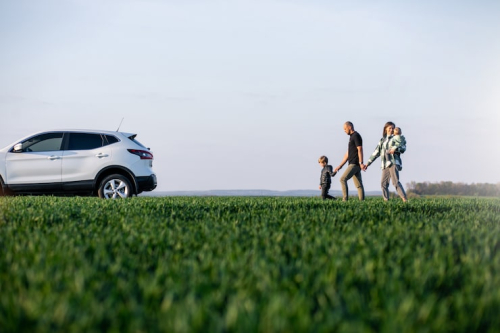
In the sprawling suburbs of Dallas, where minivans once ruled the school runs and weekend barbecues, a quiet revolution is humming along the charging stations. Families in places like Plano and Frisco are ditching the gas pump for the electric outlet, drawn by promises of cheaper runs to soccer practice and a lighter footprint on the planet. This shift isn’t just a blip on the radar it’s reshaping the way local dealerships stock their lots, service bays hum with new routines, and even body shops gear up for the peculiarities of high-voltage repairs. As Dallas EV adoption rises, electric vehicle growth trends point to a future where the hum of batteries becomes as familiar as the roar of engines in these family-friendly enclaves.
Feeling stuck in the stressful car-buying process? At Jupiter Chevrolet in Garland, TX, we’ve reimagined how buying a car should feel. With transparent pricing, online deal-building tools, and the benefits of our Jupiter Advantage program, we ensure every step is straightforward and satisfying. Skip the hassle. From purchase, to certified service and parts, to collision repair and body shop. Our team puts your convenience, safety, and confidence first. Turn your dreams of finding your ideal Chevrolet into reality with us. Visit Jupiter Chevrolet today!
Uptake of EVs in DFW Suburbs – Recent Data and Drivers
Picture this: a year ago, the roads of Garland and Richardson were dotted with the usual suspects SUVs guzzling gas on commutes to downtown Dallas. Fast forward to late 2025, and the North Texas Council of Governments reports a staggering surge. More than 145,000 electric vehicles now zip through the region, a 34 percent jump from August 2024 to August 2025 alone. That’s not abstract policy talk; it’s real wheels on the ground, from the tree-lined streets of McKinney to the bustling highways edging Forney.
What’s fueling this? Start with the numbers that hit home for families. In Texas, new-vehicle EV market share nudged just under 7 percent in early 2025, per insights from local automotive trackers. Zoom out to the U.S., and the picture gets even brighter: the electric vehicle market, valued at $24.03 billion in 2020, is barreling toward $137.43 billion by 2028, growing at a compound annual rate of 25.4 percent. Government incentives, like federal tax credits that can shave thousands off a sticker price, are sweetening the deal for suburban buyers eyeing models with room for car seats and cargo haulers.
But it’s not all Washington D.C. decrees. Locally, the Dallas-Fort Worth metro ranks high in Texas for EV adoption, thanks to a cocktail of state infrastructure plans and regional air quality pushes. The Texas Department of Transportation’s EV charging blueprint lays out a roadmap for stations sprouting like wildflowers along I-35 and beyond, easing range anxiety for those longer hauls to Rockwall-Heath or Grapevine. Families aren’t blind to the math: EVs promise lower fuel costs potentially half of what you’d shell out for gas and maintenance that sidesteps oil changes altogether. In Plano’s dealership showrooms, salespeople nod knowingly when parents ask about total ownership costs over five years. It’s these everyday calculations, not futuristic hype, that are packing the lots.
Yet this growth ripples into new car sales in ways retailers can’t ignore. With 30 percent of the market pie now tilting toward fresh-off-the-line EVs, dealers in Mesquite and Frisco are recalibrating inventories. Hybrid crossovers and all-electric sedans are flying off shelves faster than the old reliables, forcing a pivot from stocking endless rows of V8 trucks to showcasing battery-powered family haulers. It’s a boon, sure, but one that demands agility training sales teams on range specs, rebate paperwork, and the subtle sell of silent acceleration.
Suburban Retailer and Household Experiences in Garland, Plano, Frisco and Beyond
Drive through Garland on a crisp fall morning, and you might spot it: a dealership lot where the Tesla shadows outnumber the F-150s. Local reports from the first quarter of 2025 paint a vivid scene families piling in, test-driving crossovers that whisper rather than rumble, drawn by the allure of plugging in overnight instead of hunting for pumps. One retailer there clocked a noticeable uptick in family inquiries, all circling back to the same refrain: “How much will this save us on the monthly budget?”
It’s not isolated. Across Collin and Dallas counties, EV registrations spiked more than 50 percent year-over-year, according to Dallas-Fort Worth Clean Cities data. Community Impact chronicled this in a September 2023 snapshot that feels prescient now, with 2023’s 63 percent regional increase looking like a prelude to today’s boom. In Frisco’s growing master-planned neighborhoods, where new homes come wired for Level 2 chargers, the trend accelerates. Parents aren’t just buying; they’re integrating mapping routes around emerging public stations, debating solar tie-ins for garages.
Municipal moves amplify the buzz. Dallas proper is leading by example, swapping gas-guzzling fleet vehicles for electric ones, a transition that’s trickling awareness into suburbs like Richardson and McKinney. GovTech highlighted this shift, noting how city hall’s green fleet sparks conversations at PTA meetings and backyard fences. For used car sales, which claim about 20 percent of the action here, it’s opening doors too. As early adopters trade up, certified pre-owned EVs are trickling into inventories think a three-year-old Model Y with warranty intact, priced to lure budget-conscious families in Grapevine. Dealerships are certifying these birds with vigor, checking batteries like jewelers eyeing diamonds, ensuring they’re road-ready for the next chapter.
Even collision repair shops, often the unsung heroes of automotive retail, are feeling the voltage. EVs demand a different dance post-fender-bender: high-voltage disconnects before any wrench turns, specialized scans for battery integrity. In Mesquite’s body shops, techs are upskilling on these protocols, turning potential headaches into high-margin gigs. A minor scrape on an ICE vehicle might run $2,000; on an EV, add diagnostics and it’s closer to $3,500, with parts sourced from denser supply chains. It’s 25 percent of the business evolving overnight, pulling in revenue while underscoring the need for certified EV repair bays.
What’s Holding Back Broader Family Adoption in Suburban Dallas Markets?
For all the forward momentum, the road isn’t smooth. EVs still hover at just 1.21 percent of registered vehicles in the DFW region a foothold, not a takeover. Families in Forney or Rockwall-Heath might love the idea, but the reality check hits hard: that 200-mile range sounds great until you’re plotting a road trip to Austin. The Federal Reserve Bank of Dallas unpacked this in a 2022 analysis that echoes today price tags linger high, charging spots feel sparse on rural fringes, and the upfront hit can sting even with incentives.
Service readiness lags too. In suburbs like Mesquite, independent shops are scrambling to stock EV-specific tools think insulated gloves and diagnostic software that reads battery health like a doctor’s chart. Parts sales, another 25 percent slice of the pie, face bottlenecks: a replacement module for a Chevy Bolt isn’t as plug-and-play as a brake pad for a Camry. And for multi-family setups in older Richardson complexes, home charging means navigating landlord approvals and electrician bills that climb into four figures.
Then there’s the hybrid pull those middle-ground rides that sip gas but promise EV-lite perks. Many families, eyeing the $10,000 price gap, stick with them, forcing dealers into a balancing act. It’s a risk: overstock EVs and watch them sit, or lean ICE and miss the wave. Collision pros whisper about another wrinkle batteries in wrecks complicate salvage, hiking insurance premiums and deterring some buyers. These hurdles aren’t deal-breakers, but they slow the sprint to electric normalcy.
How Automotive Retailers and Service Providers in the Dallas Suburbs Can Capitalize
Challenges breed opportunity, and savvy operators in Plano and Garland are leaning in. For new car sales, it’s about storytelling: frame that EV as the smart family upgrade, with demos that let kids “drive” via apps. Retailers pushing certified used EVs warrantied, inspected, priced 20-30 percent below new can capture the value hunters in McKinney, turning trade-ins into a steady pipeline of ICE castoffs.
Service and parts? That’s where the real gold lies. Shops in Frisco are carving out EV lanes, training techs on software updates that keep batteries humming for 10 years. Bundle in charger installs partner with utilities for rebates and you’ve got a service package that locks in loyalty. Collision centers, too, are pivoting: investing in frame machines that handle aluminum bodies, marketing “EV-safe” repairs to insurers. It’s not cheap upfront, but recurring visits for tire rotations (EVs wear them faster) and software tweaks build a 25 percent revenue bump.
Marketing gets a jolt here billboards in Grapevine touting “EV Family Ready,” email blasts to Mesquite zip codes with savings calculators. Tie in community events: host charging station unveilings or eco-drive days. For used sales, curate “family fleets” EVs with third-row space, vetted for kid-hauling durability. The payoff? Retailers who adapt don’t just survive the surge; they steer it, turning suburban garages into showcases of tomorrow’s drive.
Expert Insights: What’s Next for EV Adoption in Dallas-Area Suburbs and What Retailers Should Watch
As the sun sets over Frisco’s soccer fields, it’s clear: EV adoption among Dallas families is no flash in the pan. It’s a steady build, from 145,000 regional registrations today toward projections that could double by 2029, per analyses from the Electric Reliability Council of Texas and the Brattle Group. Transportation emissions still choke the air here road vehicles top the list, as Greensource DFW notes so policy tailwinds, from subsidies to station mandates, will only strengthen.
For retailers, the playbook is straightforward yet urgent: diversify inventories with a 40-30-30 split of ICE, hybrid, EV to match family whims. Beef up service with EV certifications high-voltage training isn’t optional anymore. Forge alliances: utilities for installs, cities for fleet tie-ins. And market sharp target Garland moms with tales of $500 annual fuel savings, Frisco dads with torque stats that thrill.
In this multi-year pivot, early movers win big. The suburbs that once echoed with exhaust now pulse with possibility. Automotive pros who plug in now won’t just sell cars they’ll power a cleaner, quieter Dallas tomorrow. One charge at a time.
Frequently Asked Questions
Why are families in Dallas suburbs like Plano and Frisco increasingly choosing electric vehicles?
Families in Dallas suburbs like Plano and Frisco are adopting electric vehicles due to lower fuel and maintenance costs, with EVs potentially halving expenses compared to gas-powered cars. Federal tax credits and Texas’s expanding EV charging infrastructure, as outlined by the Texas Department of Transportation, ease concerns about range and accessibility. The promise of a reduced environmental footprint also appeals to family-oriented communities prioritizing sustainability.
How are Dallas-area car dealerships adapting to the rise in EV demand?
Dealerships in places like Garland and Mesquite are shifting inventories to include more electric and hybrid vehicles, with EVs now comprising about 30% of new car sales. They’re training staff on EV-specific features like range specs and rebates, while also expanding certified pre-owned EV options to attract budget-conscious buyers. Service departments are investing in specialized tools and training for high-voltage repairs to meet the growing demand.
What challenges do families face when considering EVs in the Dallas-Fort Worth area?
Despite the growth, EV adoption in the DFW area faces hurdles like limited charging stations in rural suburbs like Forney, higher upfront costs, and a current EV registration rate of just 1.21%. Families also worry about range limitations for longer trips and the availability of EV-specific repair services, as many shops are still adapting to handle battery diagnostics and parts sourcing.
Disclaimer: The above helpful resources content contains personal opinions and experiences. The information provided is for general knowledge and does not constitute professional advice.
You may also be interested in: How After-Sales Service and Parts Sales Drive Loyalty at Full-Service Auto Dealers
Feeling stuck in the stressful car-buying process? At Jupiter Chevrolet in Garland, TX, we’ve reimagined how buying a car should feel. With transparent pricing, online deal-building tools, and the benefits of our Jupiter Advantage program, we ensure every step is straightforward and satisfying. Skip the hassle. From purchase, to certified service and parts, to collision repair and body shop. Our team puts your convenience, safety, and confidence first. Turn your dreams of finding your ideal Chevrolet into reality with us. Visit Jupiter Chevrolet today!
Powered by flareAI.co
Connect with us


