





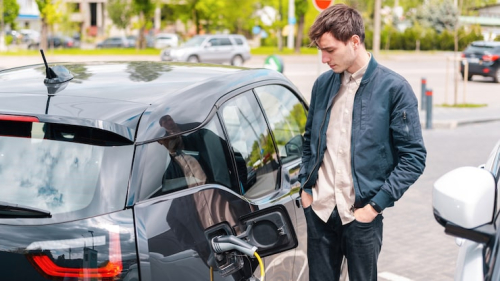
In the vast expanse of North Texas, where wide highways and truck culture have defined mobility for generations, a subtle yet transformative shift is underway. Electric vehicles are gaining ground, weaving into the daily rhythms of suburbs like Garland, Plano, and Frisco. Local Chevrolet dealerships report a noticeable uptick in interest for electric models, as buyers weigh the promise of lower fuel costs against the realities of an evolving infrastructure. This trend reflects broader changes in consumer behavior, but it also spotlights the region’s readiness or lack thereof to support a plugged-in future.
Feeling stuck in the stressful car-buying process? At Jupiter Chevrolet in Garland, TX, we’ve reimagined how buying a car should feel. With transparent pricing, online deal-building tools, and the benefits of our Jupiter Advantage program, we ensure every step is straightforward and satisfying. Skip the hassle. From purchase, to certified service and parts, to collision repair and body shop. Our team puts your convenience, safety, and confidence first. Turn your dreams of finding your ideal Chevrolet into reality with us. Visit Jupiter Chevrolet today!
Electric Vehicles Gain Momentum in Dallas
The evidence of this momentum is clear in the registration figures. North Texas has seen a sharp increase in electric vehicle registrations, with more than 145,000 EVs on the road as of August 2025, up by over 36,000 from the previous year a 34% growth rate. This builds on earlier gains; in 2023 alone, the region added over 30,000 new EVs, pushing the total past 90,000. Suburban areas in Dallas and Collin counties, including hotspots like Frisco and McKinney, are at the forefront, driven by affluent households embracing the technology for its efficiency and environmental perks. Statewide, the story aligns. In the first quarter of 2025, electric vehicles made up just under 7% of the state’s new light-duty vehicle sales, reflecting a nearly 7% increase from the previous quarter and more than 6% from a year earlier, according to data from the Alliance for Automotive Innovation. This positions Texas as the 22nd state in EV market share, a respectable standing for a place deeply tied to fossil fuels. Beyond the statistics, the shift signals a cultural evolution. Residents in Plano and Frisco, often from higher-income brackets, are drawn to EVs for their modern aesthetics, reduced operating expenses, and contribution to cleaner air factors that resonate in a region grappling with urban sprawl and pollution concerns. Chevrolet dealerships in the area are adapting swiftly. Showrooms in Dallas and Garland see growing foot traffic from diverse groups: families inquiring about spacious options, retirees focused on reliability, and business owners calculating long-term savings. The Equinox EV, with its versatile design and up to 319 miles of range, has become a popular choice, while the Silverado EV now available in the 2025 model year with an impressive 440-mile range appeals to those who need towing capability without sacrificing sustainability. Dealership strategies are evolving too, emphasizing education on federal incentives that can offset costs significantly.
Charging Up the Infrastructure
Infrastructure development is keeping pace, albeit unevenly. The Dallas-Fort Worth region boasts over 2,800 Level 2 and direct current fast chargers, making it easier for drivers to top up on the go. Initiatives led by Dallas County and the North Central Texas Council of Governments are accelerating this expansion. NCTCOG recently secured $15 million from the Federal Highway Administration to install up to 100 new public charging ports across its 16-county area, prioritizing underserved communities. The Texas Department of Transportation is also rolling out its EV Charging Plan, adding 50 stations along major highways, each with at least four fast-charging ports. In Plano and Richardson, utility rebates from providers like Oncor encourage home installations, turning garages into convenient overnight stations. These efforts are crucial for suburban commuters who rely on predictable access. Meanwhile, school districts across Texas are contributing to awareness. For instance, Cy-Fair ISD near Houston introduced 10 electric buses in 2023, reducing emissions and sparking discussions among parents about EV benefits. In North Texas, similar moves by districts help normalize the technology, showing how quiet, zero-emission vehicles can integrate into community life. Yet, the network isn’t flawless. Gaps in public charging persist in outlying areas like Rockwall-Heath and Forney, where only a handful of stations serve growing populations. Rockwall County, for example, has just 16 public ports, leaving drivers vulnerable to range limitations on longer trips. NCTCOG’s interactive surveys and tools, like the TxDOT EV Charging Station Map, are gathering input to pinpoint ideal locations, ensuring future builds address real needs.
Grid Strains and Consumer Hesitations
Beneath the optimism lie significant hurdles, starting with the power grid. Managed by the Electric Reliability Council of Texas, the system is already stretched thin. Texas shattered daily power consumption records six times during May 2024, fueled by soaring temperatures and a burgeoning population. ERCOT expects this pressure to persist, with forecasts of unusually warm weather and scant rainfall exacerbating demands from air conditioning and economic expansion. As more EVs plug in, questions arise about capacity. Projections indicate that by 2029, ERCOT’s territory could see 770,000 electric light-duty vehicles and 225,000 medium- and heavy-duty ones, adding 6.7 terawatt-hours to the annual load equivalent to 1.36% of the forecast. This could bump peak demand by 1,110 megawatts, challenging a grid prone to weather-related strains. Oncor, the region’s primary utility, echoes these concerns in its sustainability reports, highlighting the need for resilient infrastructure amid rapid EV growth. Consumer doubts compound the issue. In Mesquite and Garland, range anxiety remains prevalent, with worries about charger availability on highways or during outages. Initial purchase prices, though mitigated by financing, can deter buyers despite long-term savings. Dealerships counter this through demos, mapping apps, and emphasis on tax credits up to $7,500 federally that make the math more appealing.
Dealerships Seize the Opportunity
Chevrolet outlets view this as prime territory for innovation. Tailored financing in Plano and McKinney includes leases bundling warranties for battery health, easing fears over longevity. Service bays are upgrading too, with technicians certified for EV diagnostics and repairs a sector poised for expansion as fleets grow. Beyond sales, dealerships partner with local incentives, aligning with Dallas County’s push for more stations. These align with global trends. The electric vehicle market worldwide stood at approximately USD 1.33 trillion in 2024, set to climb to USD 6.52 trillion by 2030 with a 32.5% compound annual growth rate from 2025 onward. Government incentives and battery innovationsare key drivers, from subsidies to enhanced lithium-ion tech that boosts range and cuts costs. In North America, moderate growth is anticipated, fueled by emission rules and consumer perks. Local test drives at dealerships bring this home, illustrating how models like the Blazer EV suit everything from Frisco errands to Dallas commutes.
A Bright Future, If the Grid Can Keep Up
Peering forward, North Texas’s EV landscape looks promising. ERCOT projections suggest millions of EVs statewide by the 2030s, with NCTCOG’s plans including $60 million for heavy-duty zero-emission vehicles and resilient charging strategies laying groundwork. Energy research at institutions like UT Dallas advances battery efficiency and charging speed, supporting regional forecasts of doubled adoption by 2030. Chevrolet’s lineup, from the Equinox EV to the Silverado EV, stands ready to capture this market, blending tradition with innovation for eco-minded Texans. Still, success demands action on gaps: bolstering the grid against extremes, filling charging voids, and sustaining incentives. Dealerships in Garland, Plano, and Frisco are stepping up as educators and facilitators, demystifying the transition. As electric hums replace engine roars across North Texas, the path ahead is charged with potential provided the infrastructure rises to meet it. With strategic planning, this could power a more sustainable, efficient era for the region.
Frequently Asked Questions
How many electric vehicles are currently on the road in North Texas?
As of August 2025, North Texas has more than 145,000 electric vehicles registered, representing a significant 34% growth with over 36,000 new EVs added from the previous year. This growth is particularly strong in affluent suburban areas like Frisco, McKinney, and Plano in Dallas and Collin counties, where residents are embracing EVs for their efficiency and environmental benefits.
What charging infrastructure is available for electric vehicles in the Dallas-Fort Worth area?
The Dallas-Fort Worth region currently has over 2,800 Level 2 and DC fast chargers available for public use. The North Central Texas Council of Governments recently secured $15 million in federal funding to install up to 100 new public charging ports across 16 counties, with priority given to underserved communities. However, gaps still exist in outlying areas like Rockwall-Heath and Forney, where charging options remain limited.
Will Texas’s power grid be able to handle the growing number of electric vehicles?
ERCOT projections indicate that by 2029, Texas could have nearly one million electric vehicles, adding 6.7 terawatt-hours to annual electricity demand and potentially increasing peak demand by 1,110 megawatts. While this represents only 1.36% of forecast electricity consumption, it poses challenges for a grid already strained by record-breaking power demands from extreme weather and population growth. Utilities like Oncor emphasize the need for resilient infrastructure to support rapid EV adoption.
Disclaimer: The above helpful resources content contains personal opinions and experiences. The information provided is for general knowledge and does not constitute professional advice.
You may also be interested in: Jupiter Chevrolet Blog | News, Updates, and Info – Jupiter Chevrolet
Feeling stuck in the stressful car-buying process? At Jupiter Chevrolet in Garland, TX, we’ve reimagined how buying a car should feel. With transparent pricing, online deal-building tools, and the benefits of our Jupiter Advantage program, we ensure every step is straightforward and satisfying. Skip the hassle. From purchase, to certified service and parts, to collision repair and body shop. Our team puts your convenience, safety, and confidence first. Turn your dreams of finding your ideal Chevrolet into reality with us. Visit Jupiter Chevrolet today!
Powered by flareAI.co
Connect with us


