





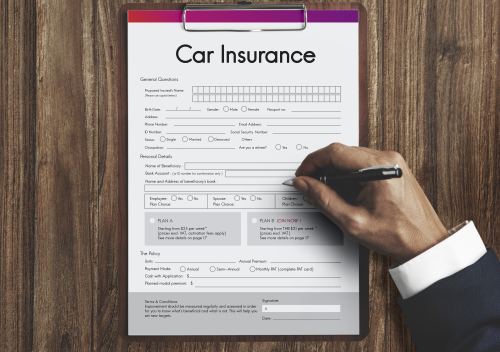
Before diving into the details of why warranties matter, let’s establish what they are. In simplest terms, a vehicle warranty is a promise from the manufacturer or a third-party provider that certain repairs and services will be covered under specific conditions, usually for a defined period or mileage limit. There are typically two types of warranties:
- Factory Warranty: This comes with the vehicle when purchased new and covers a set of repairs for a specified time (e.g., 3 years or 36,000 miles). Factory warranties often cover major components such as the engine, transmission, and electrical systems. These warranties are provided by the manufacturer and are automatically included in the cost of the vehicle.
- Extended Warranty: This type of warranty is purchased separately and extends the coverage beyond the standard factory warranty. Extended warranties can offer protection for parts not covered by the factory warranty or cover maintenance and service after the factory warranty expires.
Understanding these basic types is key to realizing why warranty coverage is a vital part of the car-buying process.
Financial Security and Peace of Mind
One of the primary reasons car owners invest in warranties is the financial security they provide. Unexpected repair costs can quickly turn a smooth driving experience into a stressful, expensive ordeal. For instance, a simple mechanical failure or malfunction of key components like the engine or transmission can cost thousands of dollars to repair. This is where a warranty becomes invaluable, offering protection against these unforeseen costs.
A warranty protects the car owner by covering the costs of major repairs or services. Whether it’s a mechanical breakdown or an electrical issue, having a warranty means that the repair bills are likely covered, eliminating the financial burden that often accompanies car repairs. Without warranty coverage, the cost of repairs falls entirely on the car owner, potentially putting a significant dent in their finances.
Beyond peace of mind, warranties also help enhance the resale value of a vehicle. Potential buyers are often more willing to pay a premium for a used car if it still has warranty coverage, as it gives them confidence that they won’t face costly repairs in the near future. For example, a warranty-backed vehicle can make it more attractive to buyers, increasing its overall value. As stated by Obvi, a vehicle’s warranty is a major selling point when it comes time to resell or trade-in.
Choosing the Right Warranty for Your Needs
Not all warranties are created equal. When purchasing a new car, it’s important to consider which warranty option best fits your needs. The decision may seem straightforward, but several factors can influence your choice. These include the duration of coverage, the types of repairs covered, and the warranty provider.
For new car owners, the first decision is often whether to stick with the factory warranty or opt for an extended warranty. Factory warranties generally offer coverage for a limited time and mileage but may leave gaps in coverage after the warranty expires. An extended warranty, however, provides protection for a longer period, often covering both mechanical and electrical components, sometimes even covering things like roadside assistance and rental car reimbursement.
When evaluating a warranty, it’s crucial to consider factors like how long you plan to keep the car, the types of repairs the vehicle may need over time, and the overall cost of the warranty. While an extended warranty might seem like an added expense, it could be a worthwhile investment, especially if you intend to keep the car for an extended period. For example, as noted by Cars.com, extended warranties often become a good option for those who plan to keep their vehicle for a long time, offering a safety net once the factory warranty expires.
Best Practices for Warranty Management
Maintaining a warranty typically involves adhering to the manufacturer’s maintenance schedule, using authorized repair centers, and keeping all receipts and service records. Many warranties require that you follow specific service intervals (e.g., oil changes, tire rotations) to maintain the coverage. Skipping these crucial steps could lead to voiding your warranty, leaving you unprotected in the event of a breakdown.
To help you navigate warranty requirements, experts recommend reviewing the terms carefully and keeping a detailed log of all repairs and services performed. This will not only protect your warranty but also prove invaluable should you need to make a claim. For more guidance, Nolo.com provides essential advice on managing warranties and understanding the legalities involved.
The Pros and Cons of Extended Warranties
Extended warranties often stir up debate among car buyers. Some argue that they’re unnecessary, while others see them as a must-have investment. Understanding the pros and cons can help you make an informed decision.
On the positive side, an extended warranty can provide peace of mind by covering repairs that the factory warranty doesn’t. For example, some warranties cover things like wear and tear on interior components, while others may include a variety of optional add-ons. Additionally, extended warranties may include perks like roadside assistance or rental car coverage, which can be beneficial during unexpected repairs.
However, extended warranties aren’t without their downsides. They can be costly, and depending on your vehicle’s reliability, you may never use them. As explained by Consumer Reports, some buyers find that the cost of the extended warranty outweighs the benefits, especially for vehicles with low repair rates.
How Warranties Benefit New Vehicle Owners
For new vehicle owners, the warranty serves as both a practical and psychological benefit. It provides financial protection against expensive breakdowns, but it also allows car owners to drive without the constant worry of the unknown.
For instance, if your new car breaks down unexpectedly, and you’re still under warranty, you’re spared from the shock of a large repair bill. This peace of mind is one of the most significant advantages of warranty coverage. It also means that new vehicle owners can take their car to the dealership or authorized service center without hesitation, knowing they’ll be protected from significant out-of-pocket costs.
Moreover, a warranty gives buyers the confidence to enjoy their vehicle to the fullest, knowing that they won’t face major financial surprises down the road. As highlighted by Cars.com, some car brands offer exceptional warranties that go above and beyond, offering protection for a much longer period than the industry standard.
Safeguarding Your Investment
In conclusion, warranty coverage is not just a formality when buying a new car it’s a vital part of ensuring the longevity and protection of your investment. Warranties offer financial security, peace of mind, and enhanced resale value, making them an essential component of vehicle ownership. Whether it’s the factory warranty that comes with your new car or an extended warranty purchased later, understanding how these protections work is crucial to getting the most value out of your vehicle.
Disclaimer: The above helpful resources content contains personal opinions and experiences. The information provided is for general knowledge and does not constitute professional advice.
You may also be interested in: Chevrolet Protection
Feeling stuck in the stressful car-buying process? At Jupiter Chevrolet in Garland, TX, we’ve reimagined how buying a car should feel. With transparent pricing, online deal-building tools, and the benefits of our Jupiter Advantage program, we ensure every step is straightforward and satisfying. Skip the hassle. From purchase to certified service, our team truly puts your choice and convenience first. Turn your dreams of finding your ideal Chevrolet into reality with us. Visit Jupiter Chevrolet today!
Powered by flareAI.
Connect with us


