






The modern car buyer is more informed, more connected, and more demanding than ever. Gone are the days when a glossy brochure and a test drive were enough to seal the deal. In today’s automotive landscape, customer support has become the linchpin of the entire sales journey.
With inventory rebounding, prices stabilizing, and digital tools reshaping the process, dealerships are under growing pressure to deliver not just vehicles but confidence, clarity, and care. In 2025, the most successful dealerships are those that understand that a buyer isn’t just purchasing a car they’re buying into an experience.
The Evolving Marketplace
After years of turbulence driven by supply chain disruptions, chip shortages, and soaring prices, the auto industry is beginning to find its equilibrium. According to Bankrate, inventory levels are back up, and while average transaction prices remain historically high, the rapid increases have slowed. Buyers now have more options and, with it, higher expectations.
Add to that the increasing prevalence of digital research and virtual car shopping tools, and it’s clear that consumers are entering showrooms better prepared and more empowered than ever. Many already know the MSRP, the dealer cost, and how much their trade-in is worth. What they still need is guidance.
This is where customer support becomes indispensable not as a reactive service, but as a proactive partner throughout the buyer journey.
A Market Defined by Incentives and Innovation
Recent insights from Investopedia indicate that automakers are ramping up incentives, including cash rebates, special lease terms, and loyalty bonuses, especially for electric vehicles. The goal? To make vehicles more affordable without slashing MSRP. And it’s working: manufacturers are seeing improved conversion rates when incentives are paired with clear, transparent explanations.
Dealership staff play a pivotal role in communicating the value of these deals. A promotion only works when a customer truly understands its terms and trusts the person presenting it. Support teams, therefore, must be knowledgeable about pricing strategies, flexible financing, and eligibility requirements.
Even the CareEdge 2025 outlook emphasizes how market complexity makes informed assistance more crucial than ever. With so many variables trade-ins, APRs, warranties buyers rely on support staff not just for transactions, but for translation.
The Satisfaction Gap: Digital Convenience, Human Connection
The modern dealership must blend efficiency with empathy. Consumers increasingly use online platforms to begin their journey, yet they still crave human interaction before making a final decision.
According to a Cox Automotive study, customer satisfaction among new and EV buyers hit record highs when their dealership experience included a mix of digital convenience and personal engagement. Those who were able to handle initial paperwork online but complete the process with a knowledgeable sales or support representative reported the highest levels of trust and confidence.
Digital tools can streamline but they cannot replace the value of personalized support. Whether it’s walking a buyer through the pros and cons of different trims, helping them understand a credit report, or explaining warranty exclusions, real people still drive real relationships.
Support as a Strategic Advantage
Customer support isn’t just about avoiding complaints it’s increasingly a competitive differentiator. Forward-thinking dealerships understand that high-touch service can directly influence purchase decisions and long-term loyalty.
Firms like CallSlipstream are helping transform dealership operations by putting customer communication at the core of the buying journey. Their systems prioritize timely follow-ups, consistent messaging, and relationship-building turning leads into buyers and buyers into repeat customers.
The impact is measurable. Buyers who feel respected and understood are significantly more likely to return for future purchases, according to Recall Masters. That’s not just a feel-good stat; it’s a direct driver of revenue.
Financing: Where Support Becomes Essential
As average interest rates remain elevated particularly for used vehicles the financing conversation is more important than ever. The latest research from CareEdge shows that buyers are acutely aware of the financial implications of small rate changes. For a customer with a mid-tier credit score, a 1% APR difference could mean thousands of dollars over the life of a loan.
Yet, financing is one of the most opaque and confusing parts of the car buying process. A dealership’s customer support team often becomes the translator decoding loan structures, breaking down lease-versus-buy comparisons, and helping buyers choose the path that fits their budget.
And when shoppers hit snags errors in credit reports, confusion over co-signer rules, or questions about zero-percent offers responsive support can turn frustration into loyalty.
As noted in Cox Automotive’s 2025 Outlook, high-quality customer engagement is directly linked to repeat business. Dealerships that prioritize financing transparency and responsive support see higher close rates and stronger word-of-mouth referrals.
The Post-Sale Touchpoints
The car leaves the lot but the customer journey doesn’t end there.
After-sale support is one of the most overlooked yet impactful aspects of customer experience. Scheduling the first service, checking in on satisfaction, and reminding customers about warranty activation are all opportunities to show ongoing care.
In an age of online reviews and social media visibility, one delayed service appointment or ignored voicemail can spark public complaints. Conversely, a simple thank-you email or a call to follow up on a trade-in can generate loyalty that money can’t buy.
In fact, according to Recall Masters, over 70% of buyers say follow-up communication played a role in their decision to return for service or future purchases. Post-sale support, when done right, isn’t an expense it’s a retention strategy.
Looking Ahead: Excellence as the Standard
The road ahead for car dealerships isn’t paved with aggressive sales tactics it’s built on trust, consistency, and clarity. The buyers of 2025 are savvier, more empowered, and more selective. They expect not only product knowledge but also empathy, follow-through, and clear answers.
Customer support, once an afterthought, is now central to success. It’s what turns browsers into buyers and one-time customers into brand advocates. It shapes not just individual experiences, but dealership reputations.
In this increasingly competitive environment, those who invest in better training, stronger communication platforms, and deeper customer empathy won’t just survive they’ll lead.
Because at the end of the day, it’s not just about selling cars. It’s about earning trust and that’s the true engine driving the modern car buying experience.
Disclaimer: The above helpful resources content contains personal opinions and experiences. The information provided is for general knowledge and does not constitute professional advice.
You may also be interested in: Jupiter Chevrolet Blog | News, Updates, and Info – Jupiter Chevrolet
Feeling stuck in the stressful car-buying process? At Jupiter Chevrolet in Garland, TX, we’ve reimagined how buying a car should feel. With transparent pricing, online deal-building tools, and the benefits of our Jupiter Advantage program, we ensure every step is straightforward and satisfying. Skip the hassle. From purchase to certified service, our team truly puts your choice and convenience first. Turn your dreams of finding your ideal Chevrolet into reality with us. Visit Jupiter Chevrolet today!
Powered by flareAI.
Used Car Market Trends: What Buyers Need to Know

Walk into any dealership this spring, and you’ll sense it: the used car market is in transition. Shoppers are more informed, digital tools are doing the heavy lifting, and pricing after years of sticker shock is starting to make sense again. But beneath the surface of this seemingly straightforward evolution lies a more nuanced story.
The 2025 used car landscape is shaped by cooling prices, elevated interest rates, and a surge in online platforms offering convenience and competitive edges. For buyers, this presents both new opportunities and hidden risks. Whether you’re trading in, upgrading, or buying your first vehicle, understanding this shifting terrain could save you thousands and help you avoid missteps that others are still making.
A Market on the Mend
After years of soaring prices fueled by pandemic-era supply shortages and chip delays, the U.S. used car market is finally finding its footing. According to analysts at CarEdge, used vehicle prices began softening in late 2024 and are expected to gradually decline throughout 2025. That correction follows several quarters of volatile pricing that left many would-be buyers sitting on the sidelines.
Meanwhile, the overall inventory of used vehicles has increased, giving shoppers more choices and more room to negotiate. Bankrate notes that the return to pre-pandemic inventory levels is making the car-buying process less chaotic and significantly more competitive for sellers.
However, while prices have eased, they remain high compared to pre-pandemic benchmarks. So, while it’s no longer a seller’s market, it’s not quite a buyer’s paradise either.
The Digital Dealership Era
If you haven’t browsed for cars on your smartphone lately, you may be behind the curve. More than ever, the used car search is taking place online, where platforms like Carvana, Vroom, and dealer-backed listings offer side-by-side comparisons, loan calculators, and delivery options.
The rise of digital retailing has made the car-buying journey more streamlined and transparent. According to a Cox Automotive study, customer satisfaction was high in 2024 among buyers who completed most or all of their transactions digitally. Shoppers cited ease, speed, and reduced pressure from sales staff as major benefits of the new model.
In 2025, this trend is only accelerating. Companies are embracing AI-powered personalization to match buyers with the right vehicles faster. Online platforms now offer predictive tools to estimate pricing trends and vehicle demand in real-time.
Still, the shift doesn’t come without caveats. Critics warn that not all digital marketplaces are equal, and that poorly disclosed fees, delivery mishaps, and vague warranties can still catch buyers off guard.
CPO Vehicles: A Safe Middle Ground
One of the most popular trends in the used car space is the rise of certified pre-owned (CPO) vehicles. These are typically late-model used cars that pass manufacturer-mandated inspections and include extended warranties, vehicle history reports, and often, complimentary maintenance plans.
As dealerships and automakers compete for budget-conscious buyers, the CPO segment has become a key differentiator. The Consumer Reports guide explains that CPO programs provide peace of mind and significant value, especially compared to standard used cars purchased through private sellers.
Buyers get the benefit of lower prices than new vehicles, but without the worry of unseen mechanical issues. Bobby Rahal Acura emphasizes that their CPO vehicles undergo rigorous checks and often include perks like 24/7 roadside assistance.
That said, not all CPO programs are created equal. It’s critical to examine what each certification includes some are factory-backed, others are dealer-backed, and coverage can vary widely.
Financing Realities in a High-Rate Economy
Even if the car is priced right, financing it may feel like a hurdle. Rising interest rates have added pressure to an already expensive process. In early 2025, average used car loan rates are elevated for buyers with varying credit scores.
According to CarEdge, elevated rates have led many buyers to delay purchases or switch to lower-priced models. For buyers entering the market now, understanding your credit score and pre-qualifying for loans is essential.
Bankrate offers a regularly updated comparison of top lenders, including APR ranges and term flexibility. For those with fair or bad credit, tools like NerdWallet’s loan comparison can help identify financing options without triggering multiple hard inquiries.
Many buyers also find success by arranging financing before stepping into a dealership. This allows for more negotiating power and prevents the all-too-common upsell during closing.
Incentives and Dealer Competition
One positive development for shoppers is the return of financing incentives and special dealer promotions. After disappearing during the inventory crunch, interest-free or low-APR offers are once again cropping up though primarily for newer models and high-credit customers.
A Cox Automotive forecast notes that improving inventory and lower OEM costs are prompting manufacturers and dealers to offer better terms. That includes cashback offers, extended warranties, and bonus trade-in credits.
For used car buyers, while 0% APR deals remain rare, longer loan terms and deferred payment options are becoming more common. However, buyers should be cautious: stretching a loan to lower monthly payments can increase the total cost of ownership, especially if the car depreciates faster than the loan is paid down.
The Smart Buyer’s Playbook
So what does a savvy buyer do in this climate?
Start by researching vehicle pricing history and comparing similar models across multiple platforms. Leverage tools like Carfax’s Used Car Index to understand whether a listed price is fair and whether the vehicle’s history raises any red flags.
Next, get pre-approved for financing. Knowing your budget and APR range arms you with the confidence to walk away from a bad deal. Use calculators from Consumer Financial Protection Bureau or your preferred bank to estimate monthly payments and total costs.
Then, explore CPO options, particularly if you’re eyeing a car under five years old. The added warranty and certification process can be worth the slight markup in price.
Finally, don’t rush. With more inventory available and new incentives rolling out monthly, patience can often lead to better deals.
A Market Maturing And So Are Buyers
The used car marketplace of 2025 is more balanced than it has been in years but that doesn’t mean it’s simple. Price shifts, evolving online platforms, and financial volatility create a landscape where knowledge is power.
Fortunately, today’s buyers have more resources, more transparency, and more leverage than ever. Those who take the time to prepare, vet their options, and stay flexible will find the process smoother and the results more rewarding.
As the Cox Automotive 2025 outlook put it best: “The year ahead signals a return to a more normalized market, where affordability and buyer satisfaction will finally begin to rise together.” It’s no longer just about getting from point A to B. In 2025, buying a used car is about getting there smart.
Disclaimer: The above helpful resources content contains personal opinions and experiences. The information provided is for general knowledge and does not constitute professional advice.
You may also be interested in: Jupiter Chevrolet Blog | News, Updates, and Info – Jupiter Chevrolet
Feeling stuck in the stressful car-buying process? At Jupiter Chevrolet in Garland, TX, we’ve reimagined how buying a car should feel. With transparent pricing, online deal-building tools, and the benefits of our Jupiter Advantage program, we ensure every step is straightforward and satisfying. Skip the hassle. From purchase to certified service, our team truly puts your choice and convenience first. Turn your dreams of finding your ideal Chevrolet into reality with us. Visit Jupiter Chevrolet today!
Powered by flareAI.
The Advantages of Leasing a Vehicle Over Buying

The question of whether to lease or buy a car has hovered over showrooms and loan offices across America. It’s a decision shaped by financial circumstances, lifestyle preferences, and increasingly by technological shifts in the automotive market. But in 2025, as vehicle prices plateau and digital tools redefine how we shop for cars, leasing has emerged not just as an alternative, but as a strategic option for many drivers.
The benefits of leasing aren’t just financial they represent a shift in how consumers think about access, ownership, and value. In a world of constant upgrades and evolving transportation technology, leasing offers a gateway to flexibility, affordability, and the luxury of staying up to date.
Why Leasing Is Attracting Attention
Leasing a car is, at its core, about paying for the part of the vehicle’s life when it’s newest and most reliable. Rather than investing in long-term ownership, lessees are paying for usage over a defined period typically two to three years often with lower monthly payments and smaller down payments than purchasing a car with an auto loan. As outlined by experts at Chase Auto, this makes leasing attractive for budget-conscious consumers who still want access to newer models.
In today’s market, where interest rates remain relatively high, and auto loan terms can stretch to 72 months or more, leasing provides a financial path with fewer upfront costs and a shorter horizon of financial commitment.
Cost Savings, Predictability, and Peace of Mind
One of leasing’s most underrated strengths is predictability. Since most lease terms fall under a manufacturer’s basic warranty coverage, lessees can often avoid surprise repair bills that typically appear in a vehicle’s fourth or fifth year. A recent report by Consumer Reports emphasized how warranty coverage during the lease term reduces the cost and complexity of ownership, making leasing especially appealing to those who prioritize hassle-free transportation.
Additionally, lessees are usually not responsible for the declining value of the vehicle an issue that has become increasingly relevant as market volatility and used-car pricing fluctuate more than in previous years. Rather than wondering what the car will be worth down the road, lessees return it at the end of the lease and move on, or roll into a new lease with a fresh vehicle.
Tax Incentives and Business Advantages
Leasing isn’t just for individual consumers it also appeals to businesses and self-employed professionals. In many cases, a portion of the monthly lease payments may be tax deductible when the vehicle is used for business purposes, offering potential savings compared to buying a vehicle outright.
For professionals who need a reliable car for frequent travel such as sales representatives, consultants, or executives the predictability of leasing and the opportunity for frequent vehicle upgrades is not just convenient, but economically rational.
Access to the Latest Technology
The pace of change in automotive technology has accelerated. New vehicles now come equipped with features like advanced driver assistance systems (ADAS), over-the-air software updates, and enhanced electric powertrains. By leasing, drivers get access to the latest innovations every few years without being locked into outdated systems.
A detailed analysis by Investopedia notes that leasing can be particularly advantageous for those entering the electric vehicle (EV) market, where technology continues to evolve rapidly. Rather than owning a vehicle that may feel obsolete in a few short years, lessees enjoy the freedom to adopt new tech on a rolling basis.
This model of mobility aligns with consumer expectations shaped by other industries where smartphones, software, and even housing are increasingly accessed as services rather than assets. Leasing fits neatly into this broader cultural shift.
The Mileage Question
Of course, leasing isn’t without its limitations. One of the most common concerns is mileage. Most leases include annual mileage limits, typically between 10,000 and 15,000 miles per year. Exceeding these limits can lead to penalties at the end of the lease term, making it less ideal for high-mileage drivers.
However, for urban commuters, professionals with short daily drives, or families with a second car, this isn’t always a concern. In fact, these limits can encourage more efficient vehicle use and planning an increasingly relevant consideration as Americans become more conscious of fuel consumption and environmental impact.
Ownership vs. Use: A Philosophical Shift
Ownership has long been considered the gold standard of financial responsibility. But for a growing number of Americans, use may matter more than ownership. Leasing offers a kind of freedom freedom from long-term commitments, freedom from the uncertainty of resale value, and freedom to change vehicles based on evolving needs.
Consumers who lease often focus on the total cost of usage over a short period, rather than long-term value accumulation, reflecting broader trends toward flexibility in various aspects of life.
Market Trends Point to Leasing Growth
There’s also evidence that leasing is poised to grow in market share. With manufacturers offering attractive lease incentives and financial institutions providing favorable terms to qualified applicants, more consumers are exploring this option in 2025. The rise of digital leasing platforms, such as online applications and vehicle delivery services, has further simplified the process and expanded its appeal.
According to a leasing comparison by Cars US News, leasing’s popularity has remained relatively stable despite economic headwinds, suggesting that its appeal goes beyond temporary market dynamics.
Who Benefits Most from Leasing?
Leasing is best suited for consumers with strong credit, predictable driving habits, and a desire to drive newer vehicles regularly. It also favors those who value simplicity no resale negotiations, minimal maintenance worries, and fewer long-term risks.
On the flip side, consumers who prefer to customize their vehicles, drive high annual mileage, or keep cars for 7 to 10 years may find buying more economical in the long run. Ownership builds equity. Leasing, however, minimizes obligations.
As noted by NerdWallet, the decision ultimately comes down to lifestyle. There’s no one-size-fits-all answer. But with clear financial and practical advantages, leasing deserves serious consideration from any consumer stepping into the 2025 car market.
A More Informed Choice
The car market is evolving fast. Between electrification, software-driven upgrades, changing consumer expectations, and financing innovations, the very notion of “owning” a car is being redefined.
Leasing offers a smart, adaptable solution for those who prioritize lower upfront costs, the ability to change vehicles frequently, and protection from depreciation and unexpected repairs. It doesn’t replace ownership but in many ways, it complements the modern consumer mindset.
Before you make your next car decision, take the time to assess your driving habits, financial situation, and preferences. You might discover that leasing is not just an alternative to buying it’s a better fit altogether.
Disclaimer: The above helpful resources content contains personal opinions and experiences. The information provided is for general knowledge and does not constitute professional advice.
You may also be interested in: Jupiter Chevrolet Blog | News, Updates, and Info – Jupiter Chevrolet
Feeling stuck in the stressful car-buying process? At Jupiter Chevrolet in Garland, TX, we’ve reimagined how buying a car should feel. With transparent pricing, online deal-building tools, and the benefits of our Jupiter Advantage program, we ensure every step is straightforward and satisfying. Skip the hassle. From purchase to certified service, our team truly puts your choice and convenience first. Turn your dreams of finding your ideal Chevrolet into reality with us. Visit Jupiter Chevrolet today!
Powered by flareAI.
How to Get the Best Deal on a New Chevrolet

Imagine sliding into the driver’s seat of a sleek, brand-new Chevrolet, the engine humming with promise, and the satisfaction of knowing you secured a deal that didn’t break the bank. Chevrolet’s reputation for reliability, innovation, and style has made it a favorite among American drivers, with over 1.4 million vehicles sold in the U.S. in 2023, according to industry data. Yet, in a market where car prices average $48,000 and interest rates can climb above 7%, per the Consumer Financial Protection Bureau, getting the best deal requires more than a test drive. It demands strategy, research, and a clear-eyed approach to financing. This guide equips you with the tools to navigate the car-buying process with confidence, ensuring you drive away with both your dream Chevy and your financial goals intact. Let’s explore how to make that happen.
Timing Is Everything: Seasonal Promotions
When it comes to buying a car, timing can be as critical as the vehicle you choose. Dealerships and manufacturers like Chevrolet strategically offer their most compelling incentives during specific periods to boost sales and clear inventory. According to Consumer Reports, late summer and early fall August through October are prime months for discounts, as dealers make room for incoming model-year vehicles. Year-end holidays, particularly Black Friday and December, also bring significant rebates, with Chevrolet often providing cashback or 0% APR financing for qualified buyers, as noted on their special offers page.
Smaller windows, like Memorial Day and Labor Day weekends, can yield substantial savings. For example, Chevrolet has offered significant bonus cash on select models during these periods, according to Kelley Blue Book. To capitalize on these opportunities, monitor Chevrolet’s current deals and subscribe to dealer newsletters for real-time updates. Regional factors, such as local market competition or economic conditions, can also influence promotions, so check with multiple dealerships. By aligning your purchase with these seasonal trends, you can shave thousands off the sticker price before negotiations even begin. Timing isn’t just a tactic it’s a competitive edge.
Master the Art of Negotiation
Negotiating for a new Chevrolet doesn’t have to feel like a high-stakes showdown. With the right preparation, you can approach the process with authority and walk away with a deal that reflects your research. Start by understanding the invoice price the amount the dealer paid for the vehicle using resources like Edmunds. “Buyers who know the invoice price have a stronger position to negotiate a fair deal,” according to auto experts. This figure, typically $1,000 to $3,000 below the MSRP, serves as your baseline.
When negotiating, focus on the out-the-door price, which includes taxes, registration, and fees, rather than the monthly payment. Dealers may extend loan terms to lower monthly costs, but this can inflate the total price, warns the Federal Trade Commission. Be polite but assertive, and don’t be afraid to walk away if the offer doesn’t meet your expectations. With multiple Chevrolet dealerships in most regions, competition is your ally. Request quotes from at least three dealers to leverage better terms.
Avoid common pitfalls, such as agreeing to add-ons like extended warranties or gap insurance without evaluating their value. The FTC notes that these can significantly increase your cost. If a dealer pushes unnecessary extras, politely decline or take your business elsewhere. Negotiation is about control control of the numbers, the conversation, and your decision. By entering the dealership armed with data and a clear budget, you’ll steer the deal in your favor.
Special Offers: Who Qualifies?
Chevrolet’s array of special offers can significantly reduce your purchase price, but eligibility is key. These programs target specific groups, such as military personnel, students, or first responders, and often require documentation. For instance, Chevrolet’s military discount provides $500 off for active-duty members, veterans, and their spouses, as outlined on their offers page. Similarly, college students and recent graduates may qualify for discounts on select models, according to U.S. News.
Other programs include discounts for Costco members or loyalty bonuses for returning Chevy owners, though these are less widely advertised. “Always ask about every possible incentive,” advises an auto industry analyst. “Dealers may not volunteer information on niche programs.” Bring proof of eligibility such as a military ID, student transcript, or membership card to streamline the process. Before visiting, review Chevrolet’s current offers to confirm which programs apply to your situation. These targeted incentives can stack with other promotions, amplifying your savings. Don’t leave money on the table do the legwork to claim what’s yours.
Compare and Conquer: Financing Options
Financing is the backbone of most car purchases, and choosing the right option can save you thousands over the life of your loan. Begin by securing pre-approval from a bank, credit union, or online lender. “Pre-approval gives you leverage and helps you stick to a budget,” according to financial advisors. Credit unions often provide rates 1-2% lower than banks, per the Consumer Financial Protection Bureau, with some offering competitive APRs for buyers with strong credit.
Dealership financing, while convenient, requires scrutiny. Chevrolet’s promotional rates, such as 0% APR for 36 months, are attractive but typically reserved for buyers with credit scores above 700, according to Wells Fargo. If your score is lower, you may face higher rates, increasing your total cost. Compare at least three financing offers, factoring in the APR, loan term, and total interest paid. For example, a $30,000 loan at 5% APR over 60 months costs $5,645 in interest, while the same loan at 7% costs $7,927 a difference of over $2,000.
Leasing is another viable option, particularly for models like the Chevy Equinox, with competitive payments, per Edmunds. However, leasing suits drivers who stay under 12,000 miles annually and prefer upgrading every few years. If you plan to keep your Chevy long-term, buying is often the better choice, as lease payments don’t build equity. Before signing any agreement, request a detailed breakdown of fees. The FTC warns that hidden costs, like documentation or destination charges, can inflate your loan significantly. By comparing offers and reading the fine print, you’ll secure terms that align with your financial goals.
Drive Smart, Save Big
Purchasing a new Chevrolet is a significant investment, but it doesn’t have to strain your finances. By strategically timing your purchase, mastering negotiation, tapping into special offers, and carefully comparing financing options, you can drive away with confidence and savings. The process requires diligence researching incentives, gathering quotes, and scrutinizing loan terms but the payoff is worth it. A well-executed deal feels like a victory, transforming your new Chevy into more than a vehicle. It’s a testament to your savvy, a reward for your effort, and a ticket to the open road. So, take the wheel, do your homework, and make your next Chevrolet purchase a masterclass in smart buying.
Disclaimer: The above helpful resources content contains personal opinions and experiences. The information provided is for general knowledge and does not constitute professional advice.
You may also be interested in: The Future of Used Car Pricing: Will Costs Stabilize in 2025?
Feeling stuck in the stressful car-buying process? At Jupiter Chevrolet in Garland, TX, we’ve reimagined how buying a car should feel. With transparent pricing, online deal-building tools, and the benefits of our Jupiter Advantage program, we ensure every step is straightforward and satisfying. Skip the hassle. From purchase to certified service, our team truly puts your choice and convenience first. Turn your dreams of finding your ideal Chevrolet into reality with us. Visit Jupiter Chevrolet today!
Powered by flareAI.
The Impact of Technology on Car Buying and Ownership

A quiet revolution is underway in the world of car buying and ownership. With digital tools becoming increasingly sophisticated, and online platforms reshaping how buyers search, select, and finance vehicles, the automotive industry is moving fast into a future where efficiency, personalization, and data-driven experiences are the norm.
Whether you’re shopping for your first car or looking to trade in a lease, the 2025 landscape presents a fundamentally different experience from years past. Consumers are not just adapting they’re demanding smarter solutions, faster decisions, and more transparent pricing. And thanks to tech, they’re getting it.
From Showroom Floors to Online Portals
Just a few years ago, shopping for a car meant weekend visits to multiple dealerships, long test drives, and back-and-forth haggling in windowless finance offices. Today, much of that experience has migrated online. According to a recent analysis by Bankrate, the traditional car-buying process has undergone a digital transformation, with buyers completing more steps online than ever before.
Inventory levels, which had been volatile due to global supply chain disruptions, are beginning to stabilize. And as supply returns, so do manufacturer incentives. Dealerships, long seen as the gatekeepers of information, now share the spotlight with comparison platforms and virtual showrooms. Buyers are no longer walking onto the lot with questions they’re arriving with screenshots, pre-approved financing, and detailed pricing breakdowns.
Understanding the 2025 Market
The 2025 car market is stabilizing in surprising ways. After a period of historically high prices, the trend appears to be leveling off. As highlighted by Investopedia, new car prices are plateauing, and in some cases, dipping slightly due to increased inventory and competitive financing offers.
Incentives are also becoming more common again. These include cash rebates, special financing rates, and loyalty programs that aim to recapture consumer attention. Meanwhile, the used car market remains active, driven by affordability concerns and rising demand from first-time buyers and budget-conscious households.
Electric vehicles (EVs) continue their steady climb into the mainstream. As EV infrastructure expands and public charging stations become more accessible, consumers are warming up to the idea of going electric. A Cox Automotive study found record-high satisfaction among EV buyers in 2023 and early 2024 a trend expected to continue through 2025 as battery range improves and Sticker prices normalize.
Why Digital Is No Longer Optional
The shift from analog to digital is not a novelty it’s a necessity. Car shoppers are increasingly choosing omnichannel experiences that blend online research with in-person interaction. According to the Cox Automotive 2025 Outlook, digital tools like online trade-in estimators, real-time inventory search, and financing calculators are no longer optional they’re essential parts of the consumer journey.
One major driver of satisfaction is the ability to compare vehicles, view actual prices, and begin the financing process all from a phone or laptop. What used to take a weekend now takes an hour. Buyers no longer have to rely on dealer-supplied numbers or visit multiple locations to get a sense of the market they carry the entire dealership in their pocket.
Even so, human interaction still plays a key role. Many buyers still want to test drive the vehicle or talk to a live person before signing. The difference today is that those touchpoints happen after a majority of the legwork is done digitally. It’s a new rhythm, and consumers prefer it.
Financing in a High-Rate Climate
While inventory and pricing trends are moving in consumer’s favor, interest rates remain a key challenge. Financing a car in 2025 requires greater attention to creditworthiness. As outlined by Caredge, high interest rates have made monthly payments steeper, particularly for buyers with average or below-average credit.
But there’s good news: many dealerships and lenders are rolling out targeted financing incentives. For those with strong credit scores, low APR promotions or low down-payment options can still be found. And for those looking to improve affordability, certified pre-owned (CPO) programs offer a middle ground between new and used providing manufacturer-backed warranties with lower price tags.
The best way to navigate financing in this climate? Preparation. Know your credit score before shopping. Use online tools to simulate loan terms. And shop around many buyers find better deals through credit unions or online lenders than traditional dealership financing.
The EV Equation
Electric vehicles are no longer niche. In 2025, EVs are carving out serious space in driveways across the country. The turning point isn’t just climate consciousness it’s practicality. Battery ranges now exceed 300 miles for many mid-market models, and public charging infrastructure is expanding across urban and suburban areas.
EV buyers are also more likely to report satisfaction with their purchase journey. The Cox buyer journey report suggests this is partly because EV buyers are typically more research-driven, making full use of digital tools before making a decision.
Federal and state incentives for EV purchases continue to sweeten the deal. Between tax credits, rebates, and reduced fuel and maintenance costs, the long-term value proposition of EVs is stronger than ever.
Ownership, Reimagined
Technology’s influence doesn’t end when you drive off the lot. Today’s vehicles come equipped with software updates, remote diagnostics, and connected apps that track everything from tire pressure to battery health.
Vehicle ownership now involves interacting with the car digitally almost as often as physically. Automakers are investing in these connected experiences because they deepen brand loyalty and provide ongoing touchpoints for service, upgrades, and renewals.
Still, this shift comes with trade-offs. Cars are becoming more like consumer electronics upgradable, yes, but also dependent on subscriptions and software ecosystems. For owners, this means weighing new kinds of value: Is access to real-time traffic worth a monthly fee? Will a software update affect resale value?
Putting It All Together: Smarter, Faster, More Personalized
The big picture is clear: buying and owning a car is no longer a transaction it’s a tech-enabled journey. From your first Google search to syncing your mobile app with your new vehicle, every step of the process has been shaped by digital innovation.
For consumers, this is mostly good news. More transparency, more tools, and more choice. But the pace of change also demands greater savviness. Shoppers must compare more than just sticker prices they need to weigh interest rates, software costs, connectivity options, and even subscription features.
As digital and physical experiences continue to merge, dealerships are adapting to play a new role not as gatekeepers, but as guides. The winners in this landscape will be the buyers who take full advantage of every tool available, and the sellers who put convenience and clarity front and center.
In 2025, car buying isn’t just about the vehicle anymore it’s about the experience. And in that arena, technology is not just enhancing the ride. It’s reinventing the road.
Disclaimer: The above helpful resources content contains personal opinions and experiences. The information provided is for general knowledge and does not constitute professional advice.
You may also be interested in: Jupiter Chevrolet Blog | News, Updates, and Info – Jupiter Chevrolet
Feeling stuck in the stressful car-buying process? At Jupiter Chevrolet in Garland, TX, we’ve reimagined how buying a car should feel. With transparent pricing, online deal-building tools, and the benefits of our Jupiter Advantage program, we ensure every step is straightforward and satisfying. Skip the hassle. From purchase to certified service, our team truly puts your choice and convenience first. Turn your dreams of finding your ideal Chevrolet into reality with us. Visit Jupiter Chevrolet today!
Powered by flareAI.

In Garland, Texas, a city of 240,000 nestled in the Dallas-Fort Worth metroplex, the automotive industry is more than a business it’s a cornerstone of community life. Dealerships here don’t just sell cars; they fuel dreams, forge relationships, and anchor local identity. With a market as dynamic as the city itself, Garland’s auto scene offers a compelling study in trust, service, and civic pride. This exploration delves into the dealerships driving the market, the customer experiences shaping reputations, and the community ties that make these businesses indispensable. Buckle up for a deep dive into what makes Garland’s automotive landscape thrive.
The Market Leaders: Dealerships Setting the Pace
Garland’s auto dealerships are a microcosm of the city’s diversity, each carving out a distinct niche. Garland Auto Sales, a fixture on Broadway Boulevard, is known for its straightforward approach. Its inventory think reliable sedans, family-friendly SUVs, and the occasional rugged pickup caters to practical buyers seeking value without gimmicks. The dealership’s no-haggle pricing model, detailed on its website, eliminates the stress of negotiation, a rarity in an industry often criticized for opacity. With a focus on late-model vehicles, Garland Auto Sales ensures buyers drive away with confidence, backed by transparent vehicle history reports.
In contrast, Cowboys Auto Sales embraces a bolder persona. Its sprawling lot, just off Interstate 30, boasts an eclectic mix: sleek sports cars, heavy-duty trucks, and everything in between. The dealership’s mission, as stated online, is to “match people with their dreams,” a promise reflected in its diverse inventory and vibrant atmosphere. Cowboys hosts regular events think live music and food trucks that transform car shopping into a community affair. Such experiential marketing is boosting customer loyalty across the state, and Cowboys is a prime example. Both dealerships, though distinct, share a commitment to trust, ensuring Garland’s auto market remains competitive and customer-focused.
The numbers underscore their impact. The U.S. auto industry saw significant vehicle sales in recent years, and Texas, with its car-centric culture, is a major contributor. In Garland, dealerships like these are capitalizing on the state’s appetite for vehicles while tailoring their offerings to local needs whether it’s a fuel-efficient commuter car for daily drives or a truck built for Texas-sized tasks.
Customer Voices: Trust Behind the Sale
Customer experiences are the heartbeat of Garland’s auto scene, revealing what sets great dealerships apart. At Parys Auto Sales, a smaller player with a big reputation, service is personal and deliberate. Online reviews praise Parys for its low-pressure environment. A Garland resident wrote, “They listened to my needs and didn’t push me into a car I couldn’t afford.” This sentiment is echoed across forums, where buyers highlight Pary’s clear financing explanations and upfront vehicle histories. A study found that transparency in pricing and vehicle condition is a key driver of customer satisfaction in auto sales, and Parys exemplifies this principle.
Not every experience is flawless, however. Larger dealerships in the area sometimes face criticism for high-pressure tactics or unexpected fees, as noted in reviews on Cars.com. These hiccups underscore the importance of due diligence checking contracts, verifying financing terms, and researching vehicle histories. Yet, the best dealerships in Garland, like Parys, turn potential pitfalls into opportunities. By prioritizing trust, they build lasting relationships. “You’re not just a sale here,” said a longtime customer in a review. “They treat you like family.” That sense of connection is why Parys, despite its smaller size, commands outsized loyalty.
Surveys show that many car buyers value a dealership’s reputation for honesty over price alone. In Garland, where word-of-mouth travels fast, this trust is currency. Dealerships that invest in customer care like offering extended warranties or free maintenance checks are reaping the rewards in repeat business and referrals.
Community Anchors: Beyond the Showroom
Garland’s dealerships do more than sell cars; they strengthen the city’s social fabric. Randall Reed’s Planet Ford 635, one of the area’s largest players, is a leader in this arena. Its community initiatives, from sponsoring youth sports to hosting charity drives, are a point of pride. The dealership’s annual “Ford Drives the Community” event supports local schools and draws significant attendance. “Our role goes beyond sales,” a Planet Ford spokesperson said. “We’re invested in Garland’s future.”
Smaller dealerships also contribute. Cowboys Auto Sales partners with local businesses for events that boost foot traffic and economic activity. These efforts resonate in a city where community ties run deep. When a tornado devastated parts of Garland in 2015, dealerships like Planet Ford stepped up, donating vehicles and funds for relief, as documented by the City of Garland. Such actions cement their status as more than businesses they’re neighbors. Polls show that many Americans prefer to support businesses with strong community ties, and Garland’s dealerships are living proof of why.
This civic engagement also drives economic impact. The auto industry employs millions nationwide, and in Garland, dealerships are a significant source of jobs and tax revenue. Their sponsorships and events further amplify this, creating a virtuous cycle of growth and goodwill.
The Road Ahead: Trends and Challenges
Garland’s auto market is at a crossroads, shaped by national trends and local realities. Electric vehicles (EVs) are gaining traction, with Planet Ford stocking models like the Ford Mustang Mach-E. EV sales have grown significantly in recent years, and Texas is catching up, with charging stations popping up across Garland. Yet, challenges persist. Rising interest rates and supply chain disruptions are squeezing budgets and inventories. Dealerships are responding with innovation: virtual showrooms, flexible financing, and even subscription-based ownership models that let buyers “rent” vehicles short-term.
For consumers, knowledge is power. Researching vehicle histories on platforms like Carfax, comparing rates, and reading reviews on Cars.com can prevent costly missteps. Garland’s dealerships, with their blend of traditional service and modern adaptability, are well-positioned to navigate this shifting landscape. Industry experts note that dealers who embrace technology and transparency will lead the industry’s future.
A Lasting Legacy
Garland’s automotive scene is a testament to the power of trust and community. From the no-nonsense lots of Garland Auto Sales to the civic heart of Planet Ford, these dealerships are more than places to buy a car they’re where lives change. A new vehicle can mean a fresh start, a family adventure, or a hard-earned reward, and Garland’s dealers understand that weight. As the city drives toward a future of electric vehicles and digital sales, its auto market remains grounded in human connection. For buyers, the journey starts with informed choices and ends with a key in hand, ready to hit the open road. In Garland, that road is paved with integrity, service, and a shared sense of home.
Disclaimer: The above helpful resources content contains personal opinions and experiences. The information provided is for general knowledge and does not constitute professional advice.
You may also be interested in: Best Drive-In Movies Around DFW: Family Entertainment Guide
Feeling stuck in the stressful car-buying process? At Jupiter Chevrolet in Garland, TX, we’ve reimagined how buying a car should feel. With transparent pricing, online deal-building tools, and the benefits of our Jupiter Advantage program, we ensure every step is straightforward and satisfying. Skip the hassle. From purchase to certified service, our team truly puts your choice and convenience first. Turn your dreams of finding your ideal Chevrolet into reality with us. Visit Jupiter Chevrolet today!
Powered by flareAI.
Exploring the Benefits of Collision Repair Services
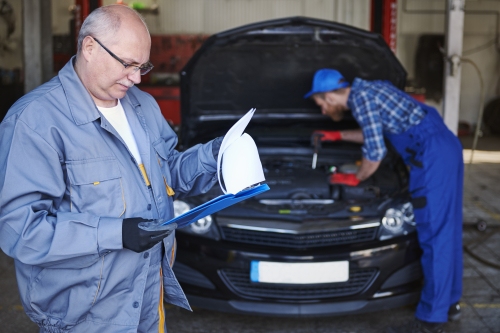
A momentary lapse in traffic, a misjudged turn, a distracted driver and suddenly, your vehicle is in need of repair. But while many drivers think of collision repair as a cosmetic fix, industry professionals and safety experts see it differently. In today’s automotive landscape, repairing a damaged vehicle is less about removing dents and more about restoring engineering integrity, preserving resale value, and protecting you and your passengers on the road.
With rising complexity in vehicle systems, from embedded sensors to structural reinforcements, relying on uncertified or budget repair shops can put your safety and investment at risk. The decision to go with a certified collision center isn’t just about aesthetics it’s about long-term peace of mind and financial prudence.
Safety Starts with Certified Repairs
At the heart of any vehicle lies its safety systems. Crumple zones, radar-based sensors, and airbag modules are designed to work in tandem, absorbing impact and reducing injury during a crash. But those systems are only as effective as their post-collision repair. Even minor structural damage, if improperly addressed, can disable advanced safety features or delay airbag deployment potentially with deadly consequences.
According to data from the National Highway Traffic Safety Administration (NHTSA), approximately 2.2 million injuries were linked to vehicle crashes in 2022. That makes it critical for repairs to meet manufacturer specifications. Certified auto body shops, like those discussed on AnchorAB, employ technicians trained to follow OEM (Original Equipment Manufacturer) procedures and use factory-approved parts.
These aren’t just preferences they’re requirements for safety-critical components. As modern vehicles integrate advanced driver-assistance systems (ADAS), even recalibrating a windshield camera or lane-keeping sensor requires factory-level precision.
Reclaiming Resale Value And Buyer Confidence
Think collision repairs only matter while you own the vehicle? Think again. In today’s used car market, a professional repair job can make or break a sale. Buyers are more discerning, and digital platform like CARFAX or AutoCheck make it easy to trace a vehicle’s accident history.
Yet there’s a significant difference between a professionally repaired vehicle and one that’s hastily patched up. A detailed invoice from a certified shop assures buyers that the damage was properly corrected and that safety and performance were fully restored.
According to industry experts, repairs done by factory-certified technicians can help preserve resale value and attract higher buyer offers. That’s because dealerships and individual buyers alike are willing to pay more for a vehicle with well-documented, professionally handled repairs than one with visible or undocumented flaws. It’s not just about the value it’s about trust.
Streamlining the Insurance Maze
One of the most frustrating aspects of post-collision recovery is often not the damage itself, but the logistics of filing claims, navigating insurance adjusters, and coordinating repair timelines. Fortunately, many certified repair centers have refined this process to a science.
Professional body shops that work closely with insurers can significantly reduce turnaround time. Shops like those profiled by D&H Collision have dedicated staff to manage the paperwork, handle insurer approvals, and even set up rental cars while your vehicle is being repaired.
This streamlined experience isn’t just more convenient it’s also less stressful. Having direct repair agreements with major insurers means many shops can begin work faster and with greater transparency, avoiding delays and miscommunications. It’s one more reason many drivers find certified shops worth the investment.
Why Certification Matters More Than Ever
In the past, a good collision repair meant a smooth paint job and aligned panels. Today, it requires diagnostic tools, recalibration equipment, and access to proprietary repair data. That’s why certification has become a hallmark of high-quality auto body work.
Programs like I-CAR Gold Class, manufacturer-backed certifications (e.g., GM, Honda, Toyota), and OEM-specific training ensure that repair professionals know how to safely restore today’s complex vehicles. Choosing a shop without these credentials could mean subpar materials, incorrect repair procedures, or even ignored safety recalibrations.
The industry consensus is clear: certified repair isn’t a luxury it’s the standard of care required to meet today’s automotive demands.
Properly performed repairs can bring vehicles back to pre-accident condition and extend the vehicle’s useful life, especially when rust prevention, frame alignment, and paint protection are factored in.
Beyond Metal and Paint: Your Confidence on the Line
What truly makes collision repair important isn’t just the steel and paint it’s the assurance that you and your loved ones are protected. That your investment is preserved. That the vehicle you trust to get your child to school or your family to work is ready for the road again.
This emotional side of repair work is often overlooked, but drivers who’ve been in an accident know the feeling. Until that vehicle is repaired and repaired right there’s a persistent discomfort, a silent question: “Is it really safe?”
Professional repair answers that question with a definitive yes.
And as collision centers evolve with technology, many now offer lifetime warranties on repairs, giving customers long-term confidence in both the workmanship and materials used.
Knowing When to Repair and When to Walk Away
While professional repairs can restore most vehicles to pre-accident condition, there are limits. In some cases particularly with frame distortion, airbag module damage, or substantial electrical failures the cost or feasibility of safe repairs may outweigh the value of the car.
This is another reason why working with certified repair shops matters. These professionals are equipped to deliver honest assessments, backed by digital frame measurement, structural analysis, and insurance-approved estimates. A good repair center won’t just say “we can fix it” they’ll tell you whether it’s wise to.
And when repairs do make sense, their work isn’t just about parts it’s about preserving the story of your vehicle and protecting your daily routine.
The Road Ahead: Collision Repair in a High-Tech Future
As electric vehicles (EVs), connected cars, and AI-assisted driving systems continue to expand across the market, the role of certified collision repair becomes even more specialized. High-voltage battery containment, sensor diagnostics, ADAS recalibration these aren’t traditional skills.
Shops that have kept up with these changes are quickly distinguishing themselves in the industry, offering services many general repair shops simply can’t match. From Tesla to Toyota, from minor scrapes to serious impact, the future of repair is digital, data-driven, and deeply technical.
Drivers, meanwhile, must navigate this new reality with eyes wide open. The cheapest quote may not deliver the safest outcome. And when it comes to driving a vehicle that has your family inside, few corners are worth cutting.
Invest in the Repair, Protect the Ride
In the collision aftermath, drivers face a choice: get by with the bare minimum or invest in a repair that truly restores what was lost. Safety. Value. Peace of mind.
Professional collision repair isn’t just about fixing damage. It’s about protecting your investment, your safety, and your sense of confidence every time you take the wheel.
When choosing a repair path, go beyond the estimate. Ask about certifications. Inquire about parts. Look for a shop that treats your vehicle and your safety with the respect it deserves.
Disclaimer: The above helpful resources content contains personal opinions and experiences. The information provided is for general knowledge and does not constitute professional advice.
You may also be interested in: The Importance of Structural Pre and Post Measuring at Jupiter
Feeling stuck in the stressful car-buying process? At Jupiter Chevrolet in Garland, TX, we’ve reimagined how buying a car should feel. With transparent pricing, online deal-building tools, and the benefits of our Jupiter Advantage program, we ensure every step is straightforward and satisfying. Skip the hassle. From purchase to certified service, our team truly puts your choice and convenience first. Turn your dreams of finding your ideal Chevrolet into reality with us. Visit Jupiter Chevrolet today!
Powered by flareAI.
Tips for First-Time Car Buyers in the Dallas Area

By the time Maya C, a recent UT Dallas grad, began hunting for her first car, she had done her homework. She knew her credit score, browsed dealership inventory online, and ran side-by-side comparisons of loan terms. Yet, walking onto the lot still felt like stepping into a different world.
For thousands of buyers across Dallas-Fort Worth, Maya’s story is increasingly common. The car-buying process has changed dramatically in recent years. First-time buyers now face not only traditional concerns like budgeting and loan approvals, but also the reality of a digitized, post-pandemic marketplace with evolving inventory, price trends, and customer expectations.
If you’re in the market for your first vehicle in the Dallas area, here’s what the data and real experience say you should know.
The New Landscape: Inventory Is Up, and So Is Consumer Power
Thanks to a rebound in global manufacturing and easing supply chain constraints, the number of new and used cars on Dallas lots is significantly higher than it was even two years ago. According to Bankrate, this surge in inventory means buyers are finally regaining leverage after years of dealer-friendly conditions.
More vehicles mean more competition among dealerships. Buyers can now take advantage of expanded options, better negotiation room, and perhaps most importantly digital tools that have simplified much of the process.
In fact, shoppers who use both online and in-person channels commonly referred to as an “omnichannel experience” report high levels of satisfaction, according to automotive industry studies.
2025 Car Buying Trends: What to Expect
Market analysts predict price stabilization in both the new and used car sectors. That’s welcome news for buyers, especially those watching every dollar. According to Investopedia, automakers are offering more incentives, rebates, and special financing deals to attract first-time buyers and compete in a cooling market.
Meanwhile, electric vehicles (EVs) are gaining traction, thanks to improved range, broader availability, and government incentives. With more EV models entering the market and local infrastructure expanding across North Texas, EVs are no longer just a coastal trend they’re a viable, and increasingly attractive, option for Dallas-area buyers.
Satisfaction with EV purchases is also rising. According to automotive industry reports, EV buyers reported high satisfaction rates in 2024, and that momentum is expected to continue.
Digital Tools Are Now Essential, Not Optional
Before you visit a dealership, you’re likely going to spend hours online. And that’s a good thing. A significant majority of buyers now start their journey digitally, researching models, comparing prices, checking inventory, and even calculating estimated monthly payments.
What’s changed is how these tools are being integrated directly into dealership platforms. Sites now offer real-time credit pre-approvals, trade-in estimates, and even the ability to reserve vehicles with a few clicks. Dallas-area dealers, including names like Freedom Chevrolet, have invested in digital infrastructure to make the buying process smoother, faster, and more transparent.
These tools also reduce the stress of in-person negotiations. Many allow you to arrive at the dealership with a firm offer already in hand an advantage especially important for first-time buyers who may feel vulnerable in high-pressure sales environments.
Your Financing Matters More Than Ever
While inventory is up and prices are plateauing, interest rates remain relatively high compared to pre-2020 levels. That makes financing a crucial part of the car-buying equation. First-time buyers must pay close attention to their credit scores, as even a few points can dramatically impact the interest rate and, by extension, the total cost of the vehicle.
According to CarEdge, strong credit can open the door to dealership incentives such as 0% APR for qualified buyers, or cash-back bonuses on select models. For those with fair or developing credit, platforms like NerdWallet list competitive lenders that cater specifically to first-timers and credit rebuilders.
One increasingly popular route: certified pre-owned (CPO) vehicles. These manufacturer-backed used cars often come with extended warranties, thorough inspections, and financing incentives. And they’re gaining popularity for good reason offering a mix of affordability and peace of mind. A Consumer Reports analysis outlines the pros and cons of going CPO vs. used, noting the added reliability as a major draw for cautious buyers.
What’s Hot in Dallas? Think Chevy, Trucks, and Compact SUVs
Dallas has its favorites, and right now Chevrolet is among the top contenders. Models like the 2025 Chevrolet Equinox and Silverado 1500 continue to draw attention from new buyers looking for durability, capability, and value.
Chevy’s 2025 lineup is packed with new tech features and redesigned interiors, yet many models are priced competitively within reach for first-time owners. For example, several entry-level trims of the Equinox remain under $30,000, a key affordability threshold in today’s market.
Local dealerships are also seeing increased interest in compact crossovers, hybrids, and trucks that balance utility with fuel efficiency. With Dallas traffic and unpredictable weather patterns, these vehicles offer the ride height, traction, and comfort many buyers demand.
Test Drives Still Matter Even in the Digital Age
Despite the rise of online research, there’s no substitute for getting behind the wheel. Test drives help you assess visibility, ride quality, seating comfort, and intuitive tech features things no spec sheet can fully convey.
Many dealerships now let you schedule test drives directly online or offer at-home delivery options. This hybrid model has made it easier for buyers to explore vehicles without committing to a dealership visit. Sites like Consumer Reports offer detailed test-drive checklists to help you make the most of your time.
Don’t rush the process. Test multiple models, bring a friend, and evaluate how the car feels on local roads especially if you’ll be commuting in Dallas traffic daily.
Timing Is Key, But Personal Readiness Matters More
You’ll hear plenty of advice about the “best time to buy” year-end clearances, holiday weekends, or during model changeovers. While those can be helpful, your personal financial readiness is far more important. Rushing into a purchase just because of a promotion could cost you more in the long run.
Instead, focus on getting pre-approved, understanding your needs, and narrowing down your shortlist. Then, watch for incentives and timing opportunities on models that match your criteria.
Confidence Is Your Best Asset
Buying your first car in Dallas isn’t just a financial decision it’s a rite of passage. With the right information, tools, and a bit of patience, it can also be an empowering and satisfying experience.
Begin with research, lean into digital tools, and don’t hesitate to ask questions. Whether you’re shopping for an efficient commuter car or a capable weekend truck, the Dallas market offers both variety and value for first-time buyers who come prepared.
As Maya C. reflected weeks after signing her loan, “The car is great, but what I really feel good about is how I handled the process. I didn’t let it overwhelm me I owned it.”
Disclaimer: The above helpful resources content contains personal opinions and experiences. The information provided is for general knowledge and does not constitute professional advice.
You may also be interested in: Jupiter Chevrolet Blog | News, Updates, and Info – Jupiter Chevrolet
Feeling stuck in the stressful car-buying process? At Jupiter Chevrolet in Garland, TX, we’ve reimagined how buying a car should feel. With transparent pricing, online deal-building tools, and the benefits of our Jupiter Advantage program, we ensure every step is straightforward and satisfying. Skip the hassle. From purchase to certified service, our team truly puts your choice and convenience first. Turn your dreams of finding your ideal Chevrolet into reality with us. Visit Jupiter Chevrolet today!
Powered by flareAI.

Quick Listen:
There was a time when buying a car meant walking into a showroom, kicking a few tires, and sitting across from a salesperson with a calculator. The deal was made face to face, sealed with a handshake or, more often, hours of back-and-forth negotiation.
But the showroom is no longer the center of gravity in the auto industry.
Today’s car buyers are taking control comparing, customizing, financing, and even finalizing purchases from their phones or laptops. As more shoppers embrace digital platforms and virtual experiences, traditional dealerships are adapting to survive and thrive in a hybrid world that blends brick-and-mortar reliability with online convenience.
The Tipping Point
The shift didn’t happen overnight. But in recent years, a confluence of factors pandemic-era restrictions, supply chain disruptions, and rapid advancements in digital tools has dramatically altered the car-buying experience.
As reported by Bankrate, the industry has seen a surge in consumers using digital tools for everything from browsing inventory to applying for financing. Buyers now spend less time in dealerships and more time researching online. Transparency is no longer optional it’s expected.
At the same time, dealerships have been expanding their online presence, offering remote test drives, digital paperwork, and real-time inventory updates. The result is a rebalanced relationship between consumers and retailers one defined by speed, access, and customization.
What the 2025 Market Reveals
Looking ahead, the U.S. auto market in 2025 reflects the growing sophistication of both buyers and dealers. While supply constraints have eased and dealer inventories have stabilized, buyers are still contending with historically high vehicle prices.
According to Investopedia, the average transaction price for a new vehicle remains high, but manufacturers have begun offering more cash incentives and financing deals to stay competitive. This return to promotional pricing, after years of tight margins, is creating new leverage for consumers willing to shop around.
And then there’s the electric vehicle (EV) surge. Sales of EVs are climbing steadily thanks to better charging infrastructure, expanded model offerings, and generous tax incentives. In its latest findings, Cox Automotive reported a record-high satisfaction rate among EV buyers a sign that electric is not just a niche trend, but a mainstream shift.
Omnichannel Car Shopping Is the New Normal
The biggest shift in consumer behavior is happening before anyone steps onto a lot. The modern car buyer often begins their journey online filtering vehicles by price, features, and availability well before deciding whether to visit a showroom. Many never do.
The majority of consumers now expect a seamless experience that spans mobile, desktop, and physical interaction. That’s where the omnichannel model comes in an integrated approach where online and in-store systems sync effortlessly. As Cox Automotive notes, buyers who use both digital and physical channels report higher satisfaction levels and greater trust in the process.
This isn’t a tech gimmick. Digital retailing is saving time, improving decision-making, and making car buying more transparent. From AI-powered loan calculators to virtual test drives, dealerships are beginning to operate more like tech companies than traditional retailers.
The New Financial Landscape
Despite the convenience, affordability remains a major concern. High interest rates have reshaped the financing landscape, especially for first-time buyers or those with limited credit history. Consumers are having to look more closely at financing terms than ever before.
In 2025, financing decisions are just as important as model selection. As documented by CarEdge, loan rates remain elevated, prompting buyers to shop more aggressively for zero-percent or low-APR deals, often facilitated through dealership partnerships with banks and credit unions.
Many dealerships have responded by beefing up their online prequalification tools and rate comparison platforms allowing buyers to secure offers before ever stepping into the store. For dealers, this increases trust. For customers, it reduces surprise.
Increased transparency has also led to better-informed decisions around trade-ins, extended warranties, and insurance bundles. The financial conversation, once reserved for the last hour of a dealership visit, now happens early and often entirely online.
Digital Doesn’t Mean Dehumanized
While the transformation has been digital, the best dealerships haven’t lost sight of the human element. Consumers still value trust, responsiveness, and relationship-building just delivered in new formats.
Text updates on trade-in values, FaceTime vehicle walkthroughs, chat support for post-sale follow-up these small touches now define the customer experience. Successful dealerships understand that technology should enhance, not replace, human connection.
In fact, according to the Cox Automotive 2025 outlook, consumers are gravitating toward retailers that combine speed and empathy those who know when to automate, and when to pick up the phone.
The Dealer’s Next Chapter
The evolution of the car dealership isn’t just about adapting to digital tools it’s about reimagining the entire business model. Some dealerships are transitioning to boutique-style customer experiences, focusing on hospitality, curated showrooms, and high-touch services. Others are investing heavily in remote delivery, AI-powered CRM systems, and subscription models.
Even the physical layout of dealerships is changing. Showrooms are being redesigned to function more like consultation spaces rather than inventory warehouses. Customers can now test-drive models delivered to their home, complete contracts via e-signature, and schedule vehicle service with a single app.
This transformation is being led by a new generation of retail leaders who view digital fluency as table stakes. For them, the question isn’t whether digital retailing works it’s how to refine it further.
What Consumers Should Do Next
So what does all of this mean for the modern car buyer?
First, research is more powerful than ever. With access to live inventory feeds, market pricing tools, and third-party reviews, shoppers should come to the table prepared not just with a budget, but with competitive quotes and a financing strategy.
Second, it’s worth seeking out dealers who embrace transparency and flexibility. The best experiences today are the ones that let you pivot between online and in-store interaction with ease.
Finally, take advantage of timing and incentives. With manufacturer promotions on the rise and more vehicles entering the market, buyers in 2025 have leverage. Knowing when and where to apply that leverage can save thousands of dollars.
The Road Ahead
Car buying is no longer a single-day event it’s an extended, multi-platform journey shaped by data, technology, and customer expectations.
While the nostalgia of dealership negotiations may linger for some, the digital transformation has made the process more efficient, informed, and in many ways, empowering. Whether you’re a first-time buyer, an EV enthusiast, or someone trading up, the experience is more on your terms than it’s ever been.
Dealerships haven’t disappeared. They’ve evolved. And if 2025 is any indication, they’ll continue to change driven not by the cars on the lot, but by the customers behind the screens.
Disclaimer: The above helpful resources content contains personal opinions and experiences. The information provided is for general knowledge and does not constitute professional advice.
You may also be interested in: Jupiter Chevrolet Blog | News, Updates, and Info – Jupiter Chevrolet
Feeling stuck in the stressful car-buying process? At Jupiter Chevrolet in Garland, TX, we’ve reimagined how buying a car should feel. With transparent pricing, online deal-building tools, and the benefits of our Jupiter Advantage program, we ensure every step is straightforward and satisfying. Skip the hassle. From purchase to certified service, our team truly puts your choice and convenience first. Turn your dreams of finding your ideal Chevrolet into reality with us. Visit Jupiter Chevrolet today!
Powered by flareAI.
Understanding the Process of Trading in Your Vehicle

Quick Listen:
Trading in your car can be one of the most practical ways to reduce the cost of your next vehicle. But for many drivers, the process remains murky. What determines your trade-in value? How can you avoid lowball offers? And when is the best time to make the move?
In a fast-evolving auto market marked by digital retailing, economic fluctuations, and shifting buyer preferences, understanding how trade-ins work isn’t just helpful; it’s essential.
Whether you’re looking to upgrade to a newer model, switch to an EV, or simply downsize, this guide walks you through every step of the trade-in journey grounded in real facts, practical tips, and the latest market insights.
The Basics: What Is a Trade-In?
A trade-in involves offering your current vehicle to a dealership as part of a transaction toward a new or used car. The dealer assesses your vehicle’s value and subtracts that amount from the price of the car you’re buying.
According to an analysis by MarketWatch, trade-ins remain one of the most popular options among car buyers, in part because they streamline the process. Rather than negotiating with private buyers or handling paperwork solo, trading in shifts the burden to the dealership.
However, ease comes with trade-offs. Without preparation and insight, many consumers accept offers far below their car’s actual worth.
Step 1: Do Your Homework
Before even stepping foot on a dealership lot, the most powerful tool in your pocket is knowledge.
Begin by researching the approximate value of your vehicle. Trusted sites like Kelley Blue Book and Edmunds provide instant appraisals based on year, make, model, mileage, condition, and regional demand. This gives you a benchmark for negotiations.
Remember that your car’s value isn’t just about age or mileage. Its service history, accident reports, cleanliness, tire condition, and even color can influence its market appeal. A well-maintained, accident-free vehicle with popular features may command a higher value than the same model in lesser condition.
Step 2: Prep Your Car Like It’s on Display
Treat your car like it’s going on a job interview.
According to Progressive Insurance, detailing your vehicle before a trade-in can boost its appraised value. This means removing personal items, vacuuming the interior, washing the exterior, and taking care of minor cosmetic repairs like small dents or scuffs.
It’s also a smart move to gather relevant documentation: maintenance records, the vehicle title (if paid off), current registration, and all keys or remotes. If there’s a loan balance, bring the payoff amount from your lender.
Step 3: Shop Your Trade-In Offer
Many car buyers make the mistake of accepting the first offer they get. But trade-in values can vary significantly between dealers even for the exact same car.
Experts at NerdWallet recommend getting at least three quotes. Online retailers like CarMax, Carvana, and AutoNation now allow you to submit your vehicle information and receive near-instant offers. These quotes can serve as leverage at a traditional dealership.
More importantly, keep your car purchase negotiations separate from the trade-in conversation. Dealers may bundle the two to blur the financial details. Ask to see both figures clearly and independently.
Step 4: Understand Dealer Evaluation Criteria
Dealerships will typically inspect your car onsite. They’ll evaluate interior condition, tire wear, paint quality, and listen for abnormal engine noises. They’ll also check its history via tools like CARFAX or AutoCheck.
Mileage plays a major role; cars with higher-than-average miles are often valued lower. However, in 2025’s used car market, even higher-mileage vehicles can retain strong value due to market conditions, according to CarEdge.
Another factor? Demand. If your vehicle is a make or model that sells quickly in your area or fills a gap in a dealership’s inventory, it may fetch a stronger offer.
Step 5: Timing Is Strategic
Believe it or not, when you trade in your car matters just as much as how.
Trading in early in the year when tax refund season spikes demand or at the end of a model year when dealers are looking to clear older stock can tilt the numbers in your favor. If a new model of your car is about to launch, your current model’s value may drop. Time it right, and you could save significantly.
According to Investopedia, 2025 may offer unique advantages for buyers and sellers alike as incentives increase and inventories recover from pandemic-era shortages.
Step 6: Don’t Fall for Common Pitfalls
One of the most damaging mistakes is failing to understand your vehicle’s equity.
If your loan balance exceeds the trade-in offer, you have “negative equity.” In this case, dealers may roll the remaining balance into your new car loan, creating a larger loan and potentially a longer term. This can make your next car more expensive in the long run.
Another common blunder is assuming that modifications add value. A custom exhaust, aftermarket rims, or tinted windows may appeal to you, but they don’t always appeal to buyers. Dealers often deduct for modifications due to limited resale appeal and warranty complications.
As outlined by Exit5 Auto, failing to negotiate, rushing the process, or not reviewing the final purchase agreement in full can also lead to regret.
Step 7: Weigh Your Alternatives
Trade-ins aren’t your only option. If your vehicle is in good shape and you’re willing to put in the time, selling it privately can net you more cash. Just be prepared for more paperwork, DMV coordination, and vetting potential buyers.
There are also growing options for selling directly to online marketplaces or listing your vehicle on platforms like Craigslist or Facebook Marketplace. Just proceed cautiously and securely.
If you’re not ready to buy another vehicle right away, it might make sense to sell your car outright and wait for a better market moment, a strategy more Americans are adopting amid economic uncertainty.
Empower Your Next Move
Trading in your car isn’t just a step in the car-buying process; it’s a financial decision that deserves strategy and attention.
The tools to succeed are out there. With online appraisal platforms, transparent trade-in calculators, and increased competition among dealerships, today’s consumers hold more power than ever. But knowledge is the difference between convenience and compromise.
So, before you surrender your keys, take time to research your car’s value, prep your paperwork, and get multiple offers. Ask questions. Walk away if the deal doesn’t make sense. And remember: just because it’s easy doesn’t mean you should leave money on the table.
After all, a car is often your second-most valuable asset; treating the trade-in like a transaction, not an afterthought, could save you more than just dollars.
Disclaimer: The above helpful resources content contains personal opinions and experiences. The information provided is for general knowledge and does not constitute professional advice.
You may also be interested in: Jupiter Chevrolet Blog | News, Updates, and Info – Jupiter Chevrolet
Feeling stuck in the stressful car-buying process? At Jupiter Chevrolet in Garland, TX, we’ve reimagined how buying a car should feel. With transparent pricing, online deal-building tools, and the benefits of our Jupiter Advantage program, we ensure every step is straightforward and satisfying. Skip the hassle. From purchase to certified service, our team truly puts your choice and convenience first. Turn your dreams of finding your ideal Chevrolet into reality with us. Visit Jupiter Chevrolet today!
Powered by flareAI.
Connect with us


