






Quick Listen:
There was a time when buying a car meant walking into a showroom, kicking a few tires, and sitting across from a salesperson with a calculator. The deal was made face to face, sealed with a handshake or, more often, hours of back-and-forth negotiation.
But the showroom is no longer the center of gravity in the auto industry.
Today’s car buyers are taking control comparing, customizing, financing, and even finalizing purchases from their phones or laptops. As more shoppers embrace digital platforms and virtual experiences, traditional dealerships are adapting to survive and thrive in a hybrid world that blends brick-and-mortar reliability with online convenience.
The Tipping Point
The shift didn’t happen overnight. But in recent years, a confluence of factors pandemic-era restrictions, supply chain disruptions, and rapid advancements in digital tools has dramatically altered the car-buying experience.
As reported by Bankrate, the industry has seen a surge in consumers using digital tools for everything from browsing inventory to applying for financing. Buyers now spend less time in dealerships and more time researching online. Transparency is no longer optional it’s expected.
At the same time, dealerships have been expanding their online presence, offering remote test drives, digital paperwork, and real-time inventory updates. The result is a rebalanced relationship between consumers and retailers one defined by speed, access, and customization.
What the 2025 Market Reveals
Looking ahead, the U.S. auto market in 2025 reflects the growing sophistication of both buyers and dealers. While supply constraints have eased and dealer inventories have stabilized, buyers are still contending with historically high vehicle prices.
According to Investopedia, the average transaction price for a new vehicle remains high, but manufacturers have begun offering more cash incentives and financing deals to stay competitive. This return to promotional pricing, after years of tight margins, is creating new leverage for consumers willing to shop around.
And then there’s the electric vehicle (EV) surge. Sales of EVs are climbing steadily thanks to better charging infrastructure, expanded model offerings, and generous tax incentives. In its latest findings, Cox Automotive reported a record-high satisfaction rate among EV buyers a sign that electric is not just a niche trend, but a mainstream shift.
Omnichannel Car Shopping Is the New Normal
The biggest shift in consumer behavior is happening before anyone steps onto a lot. The modern car buyer often begins their journey online filtering vehicles by price, features, and availability well before deciding whether to visit a showroom. Many never do.
The majority of consumers now expect a seamless experience that spans mobile, desktop, and physical interaction. That’s where the omnichannel model comes in an integrated approach where online and in-store systems sync effortlessly. As Cox Automotive notes, buyers who use both digital and physical channels report higher satisfaction levels and greater trust in the process.
This isn’t a tech gimmick. Digital retailing is saving time, improving decision-making, and making car buying more transparent. From AI-powered loan calculators to virtual test drives, dealerships are beginning to operate more like tech companies than traditional retailers.
The New Financial Landscape
Despite the convenience, affordability remains a major concern. High interest rates have reshaped the financing landscape, especially for first-time buyers or those with limited credit history. Consumers are having to look more closely at financing terms than ever before.
In 2025, financing decisions are just as important as model selection. As documented by CarEdge, loan rates remain elevated, prompting buyers to shop more aggressively for zero-percent or low-APR deals, often facilitated through dealership partnerships with banks and credit unions.
Many dealerships have responded by beefing up their online prequalification tools and rate comparison platforms allowing buyers to secure offers before ever stepping into the store. For dealers, this increases trust. For customers, it reduces surprise.
Increased transparency has also led to better-informed decisions around trade-ins, extended warranties, and insurance bundles. The financial conversation, once reserved for the last hour of a dealership visit, now happens early and often entirely online.
Digital Doesn’t Mean Dehumanized
While the transformation has been digital, the best dealerships haven’t lost sight of the human element. Consumers still value trust, responsiveness, and relationship-building just delivered in new formats.
Text updates on trade-in values, FaceTime vehicle walkthroughs, chat support for post-sale follow-up these small touches now define the customer experience. Successful dealerships understand that technology should enhance, not replace, human connection.
In fact, according to the Cox Automotive 2025 outlook, consumers are gravitating toward retailers that combine speed and empathy those who know when to automate, and when to pick up the phone.
The Dealer’s Next Chapter
The evolution of the car dealership isn’t just about adapting to digital tools it’s about reimagining the entire business model. Some dealerships are transitioning to boutique-style customer experiences, focusing on hospitality, curated showrooms, and high-touch services. Others are investing heavily in remote delivery, AI-powered CRM systems, and subscription models.
Even the physical layout of dealerships is changing. Showrooms are being redesigned to function more like consultation spaces rather than inventory warehouses. Customers can now test-drive models delivered to their home, complete contracts via e-signature, and schedule vehicle service with a single app.
This transformation is being led by a new generation of retail leaders who view digital fluency as table stakes. For them, the question isn’t whether digital retailing works it’s how to refine it further.
What Consumers Should Do Next
So what does all of this mean for the modern car buyer?
First, research is more powerful than ever. With access to live inventory feeds, market pricing tools, and third-party reviews, shoppers should come to the table prepared not just with a budget, but with competitive quotes and a financing strategy.
Second, it’s worth seeking out dealers who embrace transparency and flexibility. The best experiences today are the ones that let you pivot between online and in-store interaction with ease.
Finally, take advantage of timing and incentives. With manufacturer promotions on the rise and more vehicles entering the market, buyers in 2025 have leverage. Knowing when and where to apply that leverage can save thousands of dollars.
The Road Ahead
Car buying is no longer a single-day event it’s an extended, multi-platform journey shaped by data, technology, and customer expectations.
While the nostalgia of dealership negotiations may linger for some, the digital transformation has made the process more efficient, informed, and in many ways, empowering. Whether you’re a first-time buyer, an EV enthusiast, or someone trading up, the experience is more on your terms than it’s ever been.
Dealerships haven’t disappeared. They’ve evolved. And if 2025 is any indication, they’ll continue to change driven not by the cars on the lot, but by the customers behind the screens.
Disclaimer: The above helpful resources content contains personal opinions and experiences. The information provided is for general knowledge and does not constitute professional advice.
You may also be interested in: Jupiter Chevrolet Blog | News, Updates, and Info – Jupiter Chevrolet
Feeling stuck in the stressful car-buying process? At Jupiter Chevrolet in Garland, TX, we’ve reimagined how buying a car should feel. With transparent pricing, online deal-building tools, and the benefits of our Jupiter Advantage program, we ensure every step is straightforward and satisfying. Skip the hassle. From purchase to certified service, our team truly puts your choice and convenience first. Turn your dreams of finding your ideal Chevrolet into reality with us. Visit Jupiter Chevrolet today!
Powered by flareAI.
Understanding the Process of Trading in Your Vehicle

Quick Listen:
Trading in your car can be one of the most practical ways to reduce the cost of your next vehicle. But for many drivers, the process remains murky. What determines your trade-in value? How can you avoid lowball offers? And when is the best time to make the move?
In a fast-evolving auto market marked by digital retailing, economic fluctuations, and shifting buyer preferences, understanding how trade-ins work isn’t just helpful; it’s essential.
Whether you’re looking to upgrade to a newer model, switch to an EV, or simply downsize, this guide walks you through every step of the trade-in journey grounded in real facts, practical tips, and the latest market insights.
The Basics: What Is a Trade-In?
A trade-in involves offering your current vehicle to a dealership as part of a transaction toward a new or used car. The dealer assesses your vehicle’s value and subtracts that amount from the price of the car you’re buying.
According to an analysis by MarketWatch, trade-ins remain one of the most popular options among car buyers, in part because they streamline the process. Rather than negotiating with private buyers or handling paperwork solo, trading in shifts the burden to the dealership.
However, ease comes with trade-offs. Without preparation and insight, many consumers accept offers far below their car’s actual worth.
Step 1: Do Your Homework
Before even stepping foot on a dealership lot, the most powerful tool in your pocket is knowledge.
Begin by researching the approximate value of your vehicle. Trusted sites like Kelley Blue Book and Edmunds provide instant appraisals based on year, make, model, mileage, condition, and regional demand. This gives you a benchmark for negotiations.
Remember that your car’s value isn’t just about age or mileage. Its service history, accident reports, cleanliness, tire condition, and even color can influence its market appeal. A well-maintained, accident-free vehicle with popular features may command a higher value than the same model in lesser condition.
Step 2: Prep Your Car Like It’s on Display
Treat your car like it’s going on a job interview.
According to Progressive Insurance, detailing your vehicle before a trade-in can boost its appraised value. This means removing personal items, vacuuming the interior, washing the exterior, and taking care of minor cosmetic repairs like small dents or scuffs.
It’s also a smart move to gather relevant documentation: maintenance records, the vehicle title (if paid off), current registration, and all keys or remotes. If there’s a loan balance, bring the payoff amount from your lender.
Step 3: Shop Your Trade-In Offer
Many car buyers make the mistake of accepting the first offer they get. But trade-in values can vary significantly between dealers even for the exact same car.
Experts at NerdWallet recommend getting at least three quotes. Online retailers like CarMax, Carvana, and AutoNation now allow you to submit your vehicle information and receive near-instant offers. These quotes can serve as leverage at a traditional dealership.
More importantly, keep your car purchase negotiations separate from the trade-in conversation. Dealers may bundle the two to blur the financial details. Ask to see both figures clearly and independently.
Step 4: Understand Dealer Evaluation Criteria
Dealerships will typically inspect your car onsite. They’ll evaluate interior condition, tire wear, paint quality, and listen for abnormal engine noises. They’ll also check its history via tools like CARFAX or AutoCheck.
Mileage plays a major role; cars with higher-than-average miles are often valued lower. However, in 2025’s used car market, even higher-mileage vehicles can retain strong value due to market conditions, according to CarEdge.
Another factor? Demand. If your vehicle is a make or model that sells quickly in your area or fills a gap in a dealership’s inventory, it may fetch a stronger offer.
Step 5: Timing Is Strategic
Believe it or not, when you trade in your car matters just as much as how.
Trading in early in the year when tax refund season spikes demand or at the end of a model year when dealers are looking to clear older stock can tilt the numbers in your favor. If a new model of your car is about to launch, your current model’s value may drop. Time it right, and you could save significantly.
According to Investopedia, 2025 may offer unique advantages for buyers and sellers alike as incentives increase and inventories recover from pandemic-era shortages.
Step 6: Don’t Fall for Common Pitfalls
One of the most damaging mistakes is failing to understand your vehicle’s equity.
If your loan balance exceeds the trade-in offer, you have “negative equity.” In this case, dealers may roll the remaining balance into your new car loan, creating a larger loan and potentially a longer term. This can make your next car more expensive in the long run.
Another common blunder is assuming that modifications add value. A custom exhaust, aftermarket rims, or tinted windows may appeal to you, but they don’t always appeal to buyers. Dealers often deduct for modifications due to limited resale appeal and warranty complications.
As outlined by Exit5 Auto, failing to negotiate, rushing the process, or not reviewing the final purchase agreement in full can also lead to regret.
Step 7: Weigh Your Alternatives
Trade-ins aren’t your only option. If your vehicle is in good shape and you’re willing to put in the time, selling it privately can net you more cash. Just be prepared for more paperwork, DMV coordination, and vetting potential buyers.
There are also growing options for selling directly to online marketplaces or listing your vehicle on platforms like Craigslist or Facebook Marketplace. Just proceed cautiously and securely.
If you’re not ready to buy another vehicle right away, it might make sense to sell your car outright and wait for a better market moment, a strategy more Americans are adopting amid economic uncertainty.
Empower Your Next Move
Trading in your car isn’t just a step in the car-buying process; it’s a financial decision that deserves strategy and attention.
The tools to succeed are out there. With online appraisal platforms, transparent trade-in calculators, and increased competition among dealerships, today’s consumers hold more power than ever. But knowledge is the difference between convenience and compromise.
So, before you surrender your keys, take time to research your car’s value, prep your paperwork, and get multiple offers. Ask questions. Walk away if the deal doesn’t make sense. And remember: just because it’s easy doesn’t mean you should leave money on the table.
After all, a car is often your second-most valuable asset; treating the trade-in like a transaction, not an afterthought, could save you more than just dollars.
Disclaimer: The above helpful resources content contains personal opinions and experiences. The information provided is for general knowledge and does not constitute professional advice.
You may also be interested in: Jupiter Chevrolet Blog | News, Updates, and Info – Jupiter Chevrolet
Feeling stuck in the stressful car-buying process? At Jupiter Chevrolet in Garland, TX, we’ve reimagined how buying a car should feel. With transparent pricing, online deal-building tools, and the benefits of our Jupiter Advantage program, we ensure every step is straightforward and satisfying. Skip the hassle. From purchase to certified service, our team truly puts your choice and convenience first. Turn your dreams of finding your ideal Chevrolet into reality with us. Visit Jupiter Chevrolet today!
Powered by flareAI.

Quick Listen:
Car buying in 2025 feels less like a transaction and more like navigating a tech ecosystem. With sleek digital showrooms, AI-powered recommendations, and customizable builds, consumers now approach the dealership not with curiosity but with strategy. Chevrolet, a longstanding giant in the American auto industry, is not only adapting to this evolution it’s helping define it.
Across the brand’s 2025 lineup, Chevrolet blends engineering precision with digital accessibility and next-generation performance. From the family-ready Traverse to the electrified Blazer EV and the powerhouse Silverado 1500, the company is positioning its models for both contemporary needs and emerging buyer expectations.
An Automotive Market in Transition
The auto industry has rebounded from recent supply-chain disruptions with a surge in new inventory and incentives. Dealers have more to offer and more to prove. According to insights from Bankrate, this abundance is helping stabilize prices while giving buyers renewed leverage in negotiations.
This is a crucial pivot point. As the new vehicle market matures post-pandemic, shoppers are no longer just hoping to find a car they’re selecting from vehicles that meet increasingly complex expectations: affordability, reliability, tech features, and environmental responsibility.
That’s where Chevrolet’s latest models come in. For example, the refreshed 2025 Equinox integrates more digital interfaces and advanced safety systems without significantly increasing the base price. Meanwhile, the Silverado continues its reign among light-duty pickups, but now with tech-forward trims that appeal to both fleet buyers and weekend adventurers.
EVs and New Incentive Structures
One of the most notable shifts in the automotive landscape is the rise of electric vehicles. It’s not just about environmental consciousness anymore it’s about satisfaction. The latest Cox Automotive research confirms that EV buyers report high satisfaction rates among new car purchasers. Chevrolet’s entry into this space, with the Blazer EV and the Bolt EUV, is gaining strong traction.
EV buyers today benefit from a blend of federal tax credits, dealership-specific incentives, and longer manufacturer warranties. Moreover, with range anxiety diminishing and charging infrastructure growing across urban and suburban zones, the practical case for EVs has never been stronger. Investopedia notes that EV adoption is expected to grow significantly by the end of 2025, placing models like the Blazer EV in high demand.
Beyond EVs, traditional gas models also benefit from current incentive programs. Recent data from CarEdge highlights how automakers, including Chevrolet, are introducing attractive financing options on select trims, making it more feasible for buyers to afford top-tier models without overextending themselves financially.
The Digital Buying Experience
Gone are the days of spending entire Saturdays hopping between dealerships. Buyers are now spending more time researching, configuring, and even signing deals from home. According to Cox Automotive, a majority of new car shoppers now use multiple digital tools before making a purchase.
Chevrolet dealers have embraced this transformation. Shoppers can use digital platforms to compare trims, assess trade-in value, estimate monthly payments, and schedule test drives all before speaking to a salesperson. These omnichannel experiences blending online precision with in-person interaction have significantly raised consumer satisfaction levels, especially for buyers who dislike pressure tactics or time-consuming paperwork.
The redesigned Chevy website and dealership portals reflect this shift, offering interactive build-and-price tools, augmented-reality views of interiors, and real-time inventory updates. As more buyers demand convenience and customization, Chevrolet is poised to deliver both without sacrificing the human element that builds long-term brand loyalty.
Financing in the Current Economic Climate
Even as vehicle inventories increase and incentives become more generous, interest rates remain a significant concern for many buyers. As Bankrate reports, the average APR on a new car loan varies based on creditworthiness.
For buyers with strong credit, Chevrolet is offering targeted programs such as attractive financing rates on select models. But for those with moderate or rebuilding credit, understanding financing tools is essential. Online calculators, lender pre-approvals, and credit score checkers have become standard parts of the buying journey. Buyers who prepare thoroughly by comparing loan offers and securing their financing before visiting the dealer are finding more negotiating power on both the financing and the purchase price.
It’s also worth noting that CarEdge projects modest price adjustments for mid-size SUVs by late 2025, giving buyers further incentive to wait or negotiate strategically.
What Buyers Are Looking For
Whether it’s the tech-packed Equinox, the brawny Tahoe, or the rugged Colorado, Chevrolet continues to innovate across multiple segments. Safety features like adaptive cruise control, blind spot monitoring, and automatic emergency braking now come standard on most models, while infotainment systems are increasingly intuitive with voice control, seamless smartphone integration, and larger touchscreens.
Yet, it’s not just about gadgets. Buyers today are asking bigger questions: How fuel-efficient is the model? How much cargo space does it offer? What’s the long-term maintenance cost? How does depreciation compare across trims?
The answers are increasingly transparent. Sites like Cox Automotive and Bankrate provide buyers with objective data, while tools from Chevrolet’s own digital showroom help compare warranties, service intervals, and fuel economy all in one place.
Test Drives Still Matter
For all the convenience digital platforms offer, the test drive remains an essential part of the process. There’s still no substitute for getting behind the wheel. Chevrolet dealerships are increasingly making this easier through online scheduling and mobile-friendly confirmations.
Some even offer at-home test drives a service that surged during the pandemic and remains popular with busy families and professionals. By removing friction and adding flexibility, test drives become not a hurdle, but a highlight.
Buyers considering vehicles like the Silverado Trail Boss or the Blazer RS often find that ride comfort, visibility, and cabin noise levels vary greatly by trim and configuration. A short drive tells more than specs ever could.
Looking Ahead
As the 2025 model year unfolds, Chevrolet appears well-positioned to meet the needs of a transformed marketplace. The brand is combining affordability with forward-thinking design, and traditional reliability with digital savvy.
Buyers, meanwhile, are coming to the process more informed than ever. With access to real-time pricing data, transparent financing tools, and streamlined shopping experiences, they’re equipped to navigate complexity with confidence.
For those considering a new vehicle, now is the time to pay close attention to both incentives and innovation. Whether opting for an electric SUV or a gas-powered pickup, the tools are there, the models are refined, and the experience finally is built around the buyer.
Disclaimer: The above helpful resources content contains personal opinions and experiences. The information provided is for general knowledge and does not constitute professional advice.
You may also be interested in: Jupiter Chevrolet is a GARLAND Chevrolet dealer and a new car
Feeling stuck in the stressful car-buying process? At Jupiter Chevrolet in Garland, TX, we’ve reimagined how buying a car should feel. With transparent pricing, online deal-building tools, and the benefits of our Jupiter Advantage program, we ensure every step is straightforward and satisfying. Skip the hassle. From purchase to certified service, our team truly puts your choice and convenience first. Turn your dreams of finding your ideal Chevrolet into reality with us. Visit Jupiter Chevrolet today!
Powered by flareAI.

Quick Listen:
The used car lot sparkled under a late summer sun, each vehicle a gleaming promise of freedom and reliability. For Sarah Thompson, a 32-year-old teacher from Queens, the 2018 sedan in midnight blue was love at first sight low mileage, pristine interior, and a price that didn’t strain her savings. She pictured weekend getaways, the open road stretching before her, the thrill of her first car. But beneath the polished surface hid a costly secret: a frame warped by flood damage, invisible to all but a trained eye. Without a vehicle inspection, Sarah nearly drove off with a $15,000 disaster.
Purchasing a used car is a high-stakes decision, blending excitement with uncertainty. In 2023, over 36 million used vehicles were sold in the U.S., fueling dreams of independence and adventure. Yet, experts estimate that a significant portion of these cars conceal serious defects faulty transmissions, worn brakes, or structural damage from accidents or floods. A thorough pre-purchase inspection isn’t just prudent; it’s a critical defense against financial loss and safety risks. Skipping this step can turn a dream car into a nightmare. Here’s why an inspection is the most important stop on your road to ownership.
The High Cost of Blind Trust
Picture yourself cruising down I-95, music blaring, when a subtle vibration becomes a full-blown breakdown. The cause? A failing alternator that a $150 inspection could have flagged. The National Highway Traffic Safety Administration reports that unaddressed mechanical issues contribute to thousands of accidents each year, with defective brakes and tires leading the pack. A 2022 study revealed that a notable percentage of used cars on the market carries an open safety recall flaws severe enough to prompt manufacturer action, yet often undisclosed by sellers.
The risks extend beyond the road. Financially, a bad purchase can be catastrophic. “I’ve seen buyers lose thousands because they trusted a seller’s handshake over a mechanic’s report,” says a certified mechanic with years of experience at a reputable dealership in New York. “One client bought a pickup that looked flawless but had a cracked engine block. The repair cost more than the truck itself.” A standard inspection, priced between $100 and $200, can uncover issues that prevent repair bills averaging $1,500 to $5,000, according to AAA’s estimates. For the cost of a few tanks of gas, you gain clarity that could save you from a lemon.
What Lies Beneath: The Power of Inspection
A professional vehicle inspection is like a diagnostic scan for a car’s health, revealing truths that glossy paint and a charming seller can’t hide. Certified mechanics examine over 100 components, from the engine and transmission to the suspension, brakes, and electrical systems. They look for leaks, wear, or signs of tampering evidence that a car’s history isn’t as spotless as claimed. Uneven tire tread might point to alignment issues; a mismatched VIN could indicate a stolen or rebuilt vehicle.
Modern technology amplifies an inspection’s value. Diagnostic tools connect to a car’s onboard computer, retrieving error codes that signal problems like a misfiring engine or a failing catalytic converter. “These tools are brutally honest,” a seasoned mechanic says. “Sellers can spin stories, but the computer doesn’t.” Beyond the mechanic’s bay, vehicle history reports from services like Carfax or AutoCheck provide a paper trail, flagging accidents, title issues, or odometer fraud. These reports, costing $25 to $40, are a small price for peace of mind in a market rife with deception Dupe.
Real Lives, Real Lessons
The consequences of skipping an inspection can be brutal, as Mike Rivera, a Brooklyn chef, learned the hard way. In 2021, Mike bought a used SUV from a private seller who swore it was “like new.” Pressed for time and eager to close the deal, he bypassed an inspection. Three months later, the transmission failed, costing thousands to repair. A belated report revealed the SUV had been totaled in a prior accident. “I felt betrayed and stupid,” Mike says. “That $150 inspection would’ve saved me a fortune.”
Flood-damaged cars pose another insidious threat one that’s surged in storm-prone regions. After Hurricane Ida in 2021, thousands of flooded vehicles were cleaned, polished, and resold, often without disclosure. “These cars might look perfect, but water destroys electronics and corrodes engines,” a mechanic warns. An inspection can detect subtle clues musty smells, rusted wiring, or silt in the engine bay that signal a vehicle’s watery past. In a market where appearances deceive, a mechanic’s scrutiny is your best ally.
A Growing Problem: The Rise of Title Washing
Title washing where sellers obscure a car’s history by transferring its title through states with lax regulations has become a rampant issue. A 2023 investigation found that a significant number of vehicles with salvaged or rebuilt titles are resold annually, often masquerading as clean. These cars, frequently rebuilt after accidents or floods, can appear pristine but harbor structural weaknesses. An inspection, paired with a history report, can expose discrepancies in a car’s title status, saving buyers from a purchase that’s both unsafe and overpriced.
The problem is particularly acute in urban markets like New York, where high demand and fast-paced sales create pressure to act quickly. Sellers may exploit this urgency, using tactics like “another buyer is waiting” to discourage inspections. But haste is the enemy of due diligence. A car that seems too good to be true often is.
How to Protect Yourself
Navigating the used car market requires strategy and skepticism. Start by hiring a trusted, independent mechanic certified by the National Institute for Automotive Service Excellence. Dealership service centers or reputable shops offer pre-purchase inspections, but steer clear of mechanics suggested by the seller they may prioritize the sale over your interests. During a test drive, stay alert: Does the car pull to one side? Are there unusual noises or vibrations? These are red flags that demand further investigation.
Always request a vehicle history report. Carfax and AutoCheck reveal critical details accidents, title transfers, service records that corroborate or contradict a seller’s claims. If a seller resists providing a report or pressures you to skip an inspection, walk away. Legitimate sellers welcome transparency; reluctance is a warning sign.
Don’t overlook the power of negotiation. If an inspection uncovers minor issues, use them to bargain for a lower price or request repairs before closing the deal. Knowledge is leverage, and an inspection arms you with facts to drive a hard bargain.
The Bigger Picture: Safety and Savings
Vehicle inspections aren’t just about avoiding lemons; they’re about protecting lives. A car with faulty brakes or worn tires isn’t just a financial burden it’s a potential tragedy. The NHTSA’s data underscores this: mechanical failures play a role in thousands of crashes annually, many preventable with proper maintenance. For families, commuters, and new drivers, a reliable car is a lifeline, not a luxury.
The financial argument is equally compelling. The average used car price in 2023 hovered around $27,000, per Cox Automotive. An inspection costing $100-$200 is less than 1% of that investment, yet it can prevent repair costs that dwarf the purchase price. In a volatile economy, where every dollar counts, this is a safeguard no buyer can afford to skip.
A Lesson Worth Learning
Sarah Thompson narrowly escaped disaster. At a friend’s urging, she had the blue sedan inspected before signing the papers. The mechanic found flood damage in the undercarriage a dealbreaker that saved her $15,000. Disappointed but relieved, Sarah later bought a reliable hatchback with a clean history. “I’ll never skip an inspection again,” she says. “It’s like reading the fine print on a contract you just do it.”
The used car market is a landscape of opportunity and peril, where 36 million vehicles change hands each year. An inspection is your compass, guiding you past hidden dangers to a purchase you can trust. It’s not just a step in the process; it’s the foundation of a smart buy. Before you turn the key, let a mechanic lift the hood. Your safety, your savings, and your peace of mind depend on it.
Disclaimer: The above helpful resources content contains personal opinions and experiences. The information provided is for general knowledge and does not constitute professional advice.
You may also be interested in: Jupiter Chevrolet Blog | News, Updates, and Info – Jupiter Chevrolet
Feeling stuck in the stressful car-buying process? At Jupiter Chevrolet in Garland, TX, we’ve reimagined how buying a car should feel. With transparent pricing, online deal-building tools, and the benefits of our Jupiter Advantage program, we ensure every step is straightforward and satisfying. Skip the hassle. From purchase to certified service, our team truly puts your choice and convenience first. Turn your dreams of finding your ideal Chevrolet into reality with us. Visit Jupiter Chevrolet today!
Powered by flareAI.
Financing for Used Cars: Options and Considerations

Quick Listen:
Buying a used car is more than a transaction; it’s a commitment to your mobility, budget, and peace of mind. Picture yourself standing on a dealership lot, eyeing a sleek, pre-owned SUV that promises years of reliable service. The excitement is palpable, but so is the reality: most buyers need financing to make that vehicle theirs. Financing isn’t just about covering the cost it’s about making informed decisions that ensure you drive away with a car that fits your life without derailing your finances. A misstep here could lead to crushing monthly payments or unexpected repair bills. Done right, financing empowers you to own a quality vehicle while keeping your financial goals on track. Let’s navigate the key steps to make that happen, from choosing the right loan to avoiding hidden pitfalls.
The used car market is booming, with millions of pre-owned vehicles sold annually in the U.S. For most buyers, loans are the backbone of these purchases, covering a significant portion of used car transactions. But financing isn’t one-size-fits-all. Interest rates, loan terms, and lender policies vary widely, and the wrong choice can cost you thousands over the life of the loan. Understanding your options and preparing thoroughly can mean the difference between a smart investment and a costly regret. This guide will equip you with the knowledge to secure a loan that works for you, protect your investment with a pre-purchase inspection, and anticipate the true cost of ownership.
Navigating Loan Options: Banks, Credit Unions, and Dealerships
When it comes to financing, you have three main avenues: banks, credit unions, and dealerships. Each offers distinct advantages, but choosing the best fit requires careful comparison. Banks are a go-to for many, especially if you already have an account with them. They often provide competitive rates and streamlined applications, particularly for customers with strong credit. However, their terms can be rigid, and approval may take longer than at other lenders.
Credit unions, by contrast, are member-focused institutions that frequently outshine banks on rates and flexibility. In 2024, credit union auto loan rates for used cars were generally lower than those at banks. Their nonprofit structure allows them to prioritize borrowers, often offering lower fees and more lenient credit requirements. If you’re eligible to join a credit union, it’s worth exploring their offerings before committing elsewhere.
Dealerships offer convenience, handling financing in-house while you’re already shopping for a car. Some provide promotional rates, especially for certified pre-owned vehicles. But convenience comes with a catch: dealers may mark up interest rates to boost profits. “Always shop for loans before visiting the dealer,” advises automotive expert Lauren Fix in an Edmunds article. “A pre-approved loan gives you negotiating power.” Compare loan terms interest rates, repayment periods, and total costs across all three sources. A 48-month loan might have higher monthly payments than a 72-month one, but it’ll save you significantly on interest. Get quotes from multiple lenders to secure the best deal.
Inspect Before You Invest: The Critical Safety Net
No matter how shiny a used car looks, don’t let appearances fool you. A pre-purchase inspection is non-negotiable, serving as your safeguard against hidden defects that could turn your dream car into a money pit. Conducted by a qualified mechanic, this thorough checkup examines critical systems brakes, suspension, engine, and frame for issues that aren’t visible during a test drive. “A pre-purchase inspection is like a health screening for your car,” says John Nielsen, AAA’s automotive director. “It’s a small upfront cost that can prevent major expenses.”
The stakes are high. Some used cars have serious, non-obvious issues, from faulty transmissions to prior accident damage. An inspection, typically costing $100–$200, can uncover problems that might cost thousands to fix. For example, a worn timing belt might seem minor but could lead to a $2,000 engine repair if it fails. Beyond saving money, inspections ensure safety. Faulty brakes or bald tires could put you and your passengers at risk. If the inspection reveals issues, use the findings to negotiate repairs or a lower price. Skipping this step is like buying a house without a home inspection don’t take the risk.
Credit Scores and Down Payments: Keys to Better Rates
Your credit score is the linchpin of your financing terms. It determines not only whether you qualify for a loan but also the interest rate you’ll pay. A score of 700 or higher typically unlocks the best rates, while lower scores mean higher costs. In 2024, buyers with excellent credit secured used car loan rates significantly lower than those with subprime scores. A single percentage point can add hundreds to your loan’s total cost. If your score needs work, take steps like paying down credit card balances or disputing errors on your credit report before applying.
A substantial down payment is another way to strengthen your position. Putting down 10–20% of the car’s price reduces the amount you need to borrow, lowering both your monthly payments and total interest. For a $25,000 car, a $5,000 down payment could save you $1,000 in interest over a five-year loan. Even if your budget is tight, aim for at least 5% to show lenders you’re serious. Be cautious, though: low or zero-down loans often come with higher rates, stretching your finances thin. Balance your upfront cash with long-term affordability to find the right mix.
Hidden Costs: Beyond the Sticker Price
The price on the car’s window is just the starting point. Owning a used car involves expenses that can catch unprepared buyers off guard. Upfront costs like sales tax, registration, and title fees can add $1,000 or more, depending on your state. Insurance is another factor older cars may have lower premiums, but high-risk models or drivers could face steep costs. Then there’s maintenance. A five-year-old vehicle requires regular upkeep, according to Kelley Blue Book. Fuel costs also matter, especially for less efficient models in an era of fluctuating gas prices.
Financing itself can hide traps. Dealerships may push add-ons like extended warranties, gap insurance, or rustproofing, which inflate your loan and accrue interest. “Scrutinize every line item,” advises a financial planner. “Some add-ons are unnecessary, and you’re paying interest on them for years.” Request a detailed breakdown of all fees and question anything unclear. Budgeting for the full cost of ownership not just the loan payment ensures you’re prepared for the road ahead.
Drive Smart: Confident Choices for the Long Haul
Financing a used car is a journey that rewards preparation and diligence. Start by researching loan options from banks, credit unions, and dealers, securing pre-approval to set a clear budget. Insist on a pre-purchase inspection to confirm the car’s condition and avoid costly surprises. Boost your credit score and save for a down payment to lock in favorable terms. And always account for taxes, insurance, maintenance, and other ownership costs to avoid stretching your budget too thin.
Imagine standing on that lot again, keys to that SUV in hand. You’ve done the work: compared loans, vetted the car with an inspection, and planned for every expense. You’re not just buying a vehicle you’re investing in reliability, safety, and financial stability. The used car market offers incredible opportunities, but only for those who navigate it wisely. Take charge, ask the right questions, and drive into ownership with the confidence of a well-informed buyer. Your journey starts now make it a smooth ride.
Disclaimer: The above helpful resources content contains personal opinions and experiences. The information provided is for general knowledge and does not constitute professional advice.
You may also be interested in: The Impact of Tariffs on Car Prices and Supply Chains in the Auto Industry
Feeling stuck in the stressful car-buying process? At Jupiter Chevrolet in Garland, TX, we’ve reimagined how buying a car should feel. With transparent pricing, online deal-building tools, and the benefits of our Jupiter Advantage program, we ensure every step is straightforward and satisfying. Skip the hassle. From purchase to certified service, our team truly puts your choice and convenience first. Turn your dreams of finding your ideal Chevrolet into reality with us. Visit Jupiter Chevrolet today!
Powered by flareAI.

Quick Listen:
In a city where pickup trucks are as common as football rivalries, Garland, Texas, has become a surprisingly clear window into how car buying in America is changing. At dealerships like Jupiter Chevrolet, consumers are finding that the age-old tradition of haggling on the lot is being reimagined thanks to a blend of increased inventory, smarter digital tools, and more competitive financing offers.
Buyers are increasingly walking into showrooms with detailed research, pre-approvals, and greater confidence.
An Industry in Motion
The auto industry is recovering after years of supply challenges and fluctuating pricing. A growing number of vehicles are hitting dealer lots again, and prices are starting to stabilize. For new car shoppers, this means more incentives are available, especially for brands aiming to attract buyers in a competitive market.
As investigated by Investopedia, vehicle prices that once soared due to high demand and production slowdowns are now stabilizing. Dealerships are responding with attractive financing packages and loyalty bonuses to keep buyers engaged and on their turf.
One of the most noticeable trends? A rising interest in electric vehicles. With infrastructure expanding and performance improving, EVs have gained traction among Texans. The latest Cox Automotive report shows customer satisfaction among EV owners reaching high levels, indicating that concerns about range are decreasing.
Technology Is Now the Sales Floor
Buyers no longer wander from lot to lot unsure of prices, inventory, or financing terms. In 2025, most arrive at dealerships after conducting extensive online research. Tools that allow consumers to compare cars, check credit scores, and estimate monthly payments are now widely used. As Bankrate highlights, this digital transformation has empowered buyers to negotiate with greater confidence.
This evolution is not just cosmetic it’s structural. Today’s omnichannel retailing experience allows buyers to start the process online and complete it in person. Dealerships in Garland are adapting by offering intuitive apps, responsive websites, and digital trade-in evaluations that prioritize service over traditional sales tactics.
According to Cox Automotive, consumers who use both online and in-store tools report high satisfaction levels, a trend that dealerships are leveraging.
Financing in Focus
Even with more cars on lots and advanced shopping tools, financing remains a critical part of the transaction. Interest rates remain elevated compared to pre-pandemic levels, making monthly payment calculations more significant.
Creditworthiness is increasingly important. Buyers with strong credit scores are often eligible for promotional deals, including low or zero-percent financing offers. These zero-percent APR deals, outlined by CarEdge, are typically limited to specific models or promotional periods but can significantly reduce loan costs.
Dealerships are offering financing through a variety of lenders, including banks, credit unions, and digital platforms. Some provide prequalification tools on their websites, allowing buyers to explore loan terms without impacting their credit scores.
This approach offers buyers greater transparency, reduced pressure, and more opportunities to align financing with their financial goals.
Garland’s Local Edge
While national trends provide context, local dealerships like Jupiter Chevrolet demonstrate how these changes are implemented. Their strategy focuses on accessibility, whether through in-person visits, phone consultations, or digital platforms.
The aim is to build lasting customer relationships rather than focusing solely on sales. As a finance officer at a Garland dealership noted, the initial transaction is the beginning of an ongoing relationship, not the end. This approach helps retain customers who are more informed and selective than ever.
Garland benefits from being part of a broader economic and cultural shift in the Dallas area. With regional growth accelerating, infrastructure projects like EV charging networks and road expansions are making it easier for residents to invest in vehicles that align with their needs and values.
How to Be a Smart Buyer in 2025
For prospective buyers, particularly first-timers or those with expiring leases, the 2025 market offers both opportunities and challenges. Navigating this complexity can determine the quality of the deal.
Start by using digital tools to research vehicles and loan terms. Know your credit score before visiting a dealership. Compare rates across platforms like Bankrate or Capital One Auto Navigator to secure the best terms.
Focus on the total loan cost, not just the monthly payment. Lower monthly payments may involve longer terms, leading to higher overall interest costs. Use online calculators to evaluate different financing scenarios before committing.
Always review the fine print. Attractive offers, such as zero-down or cash-back deals, often have specific eligibility requirements. Ask detailed questions or consult a trusted third party to understand the terms fully.
It’s Still About the Experience
Despite the technological transformation of car buying, the human element remains central. Test-driving a vehicle, asking questions, or discussing options with a knowledgeable representative are experiences that digital tools cannot replicate.
For many Garland buyers, the ideal purchase combines digital convenience with personal interaction. That’s the balance Garland’s Chevy dealerships strive for: high-tech, high-trust.
With prices stabilizing, financing options expanding, and new tools available, the car-buying process is more accessible than it has been in years. For those ready to engage, the opportunity to drive away in their ideal vehicle is within reach.
Disclaimer: The above helpful resources content contains personal opinions and experiences. The information provided is for general knowledge and does not constitute professional advice.
You may also be interested in: Jupiter Chevrolet Blog | News, Updates, and Info – Jupiter Chevrolet
Feeling stuck in the stressful car-buying process? At Jupiter Chevrolet in Garland, TX, we’ve reimagined how buying a car should feel. With transparent pricing, online deal-building tools, and the benefits of our Jupiter Advantage program, we ensure every step is straightforward and satisfying. Skip the hassle. From purchase to certified service, our team truly puts your choice and convenience first. Turn your dreams of finding your ideal Chevrolet into reality with us. Visit Jupiter Chevrolet today!
Powered by flareAI.
The Benefits of Buying from a Local Car Dealership

Quick Listen:
For decades, buying a car meant heading to the nearest dealership, chatting with a sales rep, and taking a test drive before shaking hands on a deal. But in 2025, the car-buying process looks very different. Consumers can browse thousands of models online, apply for financing from their phone, and even get a trade-in offer all before stepping foot in a showroom.
Yet despite this digital transformation, local car dealerships are experiencing a quiet resurgence. They’re not just surviving the rise of online car sales they’re adapting, offering hybrid experiences that combine convenience, trust, and service in a way national platforms often can’t match.
A Market in Transition
The auto industry has undergone major changes in recent years. Following supply chain disruptions and chip shortages that rocked the market in 2020–2022, inventory levels have finally begun to normalize. That means shoppers now have more vehicles to choose from, and pricing has started to stabilize.
According to Bankrate, buyers are taking advantage of digital tools to compare models, secure financing, and schedule appointments all before interacting with a salesperson. These tools empower consumers to make informed decisions while streamlining the purchase process.
Meanwhile, Investopedia reports that prices for new vehicles are beginning to level off, and automakers are once again offering promotions and incentives something that was rare during the post-pandemic supply crunch. With more options on the table, shoppers are regaining their leverage.
EVs and Customer Satisfaction on the Rise
Perhaps the most notable shift in recent years is the rapid adoption of electric vehicles. Once niche offerings, EVs are now an essential part of every dealership’s inventory. Charging infrastructure has expanded, battery technology has improved, and prices have started to come down especially with federal and state incentives in play.
Consumers are responding. A recent Cox Automotive study found that satisfaction among EV buyers hit an all-time high in 2024, thanks in part to improved dealership support during the purchase process.
“Electric buyers want to know what they’re getting into,” said a local sales manager in Garland, Texas. “They ask about battery warranties, service availability, charging costs. We’re able to walk them through it in a way an online FAQ can’t.”
This desire for knowledgeable, personalized service is one reason many buyers are choosing to stick with local dealers even when they begin their shopping journey online.
Digital Tools with a Human Touch
It’s not that consumers want to avoid technology they just want it paired with human guidance. Today’s most successful dealerships offer what industry experts call “omnichannel experiences,” where shoppers can start online, then seamlessly transition to an in-person visit or the reverse.
A 2025 outlook from Cox Automotive highlighted the increasing demand for this hybrid model. Digital features like online credit checks, trade-in calculators, and appointment scheduling tools save time. But when it comes to closing a deal, most buyers still want to look someone in the eye.
“Buyers like flexibility,” the Garland manager added. “But they also like talking to someone who knows their name, remembers their preferences, and will be there for their first oil change.”
Financing in a High-Rate Economy
Even with prices stabilizing, affordability remains a concern. High interest rates continue to challenge buyers especially those with limited credit history. In this climate, getting the best financing deal can mean the difference between driving home in a new vehicle or settling for a used one.
This is another area where local dealerships have a clear edge. While national platforms may promise low rates, local dealers often have relationships with regional banks and credit unions, giving them access to better terms for a wider range of customers.
According to CarEdge, dealer incentives and financing promotions are expected to increase throughout 2025. Local dealerships are well-positioned to offer tailored financing options something online marketplaces may struggle to match.
Some buyers report being turned down by online lenders, only to be approved at a neighborhood dealership with partnerships with local financial institutions. “They got me a better rate than I’d seen anywhere else,” one buyer said. “And they helped me understand every step.”
The Value of Ongoing Support
Beyond the sale, many customers cite aftercare as a reason for choosing a local dealership. When something goes wrong or when routine service is needed it’s comforting to know help is just a few miles away.
That level of support is hard to replicate through an app. According to Recall Masters, buyers are more likely to return to a dealership that offers dependable follow-up services, including maintenance, recall notifications, and warranty repairs.
This ongoing relationship builds trust and encourages brand loyalty. It’s also one of the most underappreciated aspects of the dealership experience until you need it.
Smarter Shoppers, More Complex Choices
Today’s car buyers are more informed than ever. They’re checking interest rates, researching resale value, comparing features, and reading reviews all from their phones. But while this access to information is empowering, it can also be overwhelming.
That’s where a knowledgeable dealer can cut through the noise. The best dealerships don’t just push a sale they act as advisors, helping customers match their needs to a vehicle they’ll be happy with for years.
A growing number of platforms, including the Cox Automotive buyer journey system, now offer tools that allow shoppers to complete most of the process online. But they also emphasize the importance of in-person interactions at key moments, like the test drive and final paperwork review.
The Local Advantage
Ultimately, buying a car is more than a transaction. It’s a significant decision financially and emotionally. And while technology has made the process faster and more transparent, it hasn’t replaced the value of trust.
Local dealerships offer that trust. They know the community. They understand the local economy. They build relationships that go beyond a single sale.
So before you finalize a purchase from a national online retailer, ask yourself: Who’s going to answer your call when the check engine light comes on? Who’s going to explain the warranty when your touchscreen stops working? Who’s going to help your teen buy their first car?
Chances are, it won’t be an algorithm. It’ll be a neighbor behind the counter at your local dealership.
Disclaimer: The above helpful resources content contains personal opinions and experiences. The information provided is for general knowledge and does not constitute professional advice.
You may also be interested in: Jupiter Chevrolet Blog | News, Updates, and Info – Jupiter Chevrolet
Feeling stuck in the stressful car-buying process? At Jupiter Chevrolet in Garland, TX, we’ve reimagined how buying a car should feel. With transparent pricing, online deal-building tools, and the benefits of our Jupiter Advantage program, we ensure every step is straightforward and satisfying. Skip the hassle. From purchase to certified service, our team truly puts your choice and convenience first. Turn your dreams of finding your ideal Chevrolet into reality with us. Visit Jupiter Chevrolet today!
Powered by flareAI.
New Trends in Car Service and Maintenance
Quick Listen:
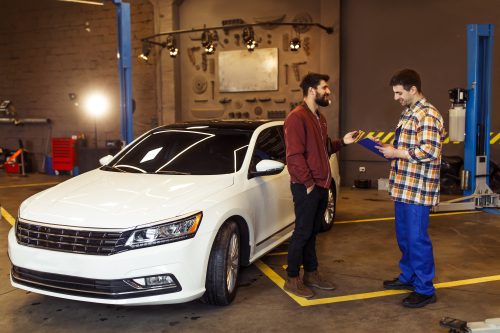
Jeff Martin didn’t step into the dealership looking for options. He had already chosen his make, model, and financing terms all before setting foot on the lot in Garland, Texas. The only thing left to do was test drive the car and sign the paperwork.
“It felt like I was checking out at an online store,” he said. “Smooth, quick, and no back-and-forth negotiations.”
His experience reflects a broader trend in the automotive world. In 2025, the car buying journey is increasingly shaped by digital convenience, improved inventory, and better-informed consumers. A far cry from the drawn-out visits of previous decades, today’s process is more data-driven and personalized and buyers are responding with higher levels of satisfaction.
A Calmer Market Landscape
After years of pandemic-induced disruptions, new car inventories are on the rise, and price hikes are finally tapering off. According to Investopedia, new vehicle prices are leveling, and consumers can expect more manufacturer incentives. The increased availability has taken pressure off buyers, allowing for more thoughtful decisions rather than rushed purchases based on supply scarcity.
Meanwhile, the electric vehicle segment continues to accelerate. A recent Cox Automotive study found that EV buyers report some of the highest satisfaction scores on record. The reasons go beyond environmental impact. Drivers cite reduced maintenance, advanced features, and smoother driving experiences as key benefits.
Market watchers at Caredge agree: prices for both new and used vehicles are expected to stabilize throughout the year. That offers welcome relief for shoppers who spent the past few years navigating a volatile market.
The Rise of Digital Dealerships
What’s driving satisfaction even more than the cars themselves? The tools used to buy them.
A growing number of buyers now research vehicles online, calculate financing, evaluate trade-ins, and schedule test drives before ever speaking with a salesperson. In a recent survey, many respondents reported using multiple digital platforms in their purchase process.
This movement toward a fully digital or hybrid model is reshaping dealerships. Buyers engaging in “omnichannel” shopping a mix of online research and in-store visits reported notably higher satisfaction, according to Cox Automotive. These consumers appreciate the efficiency, transparency, and control offered by digital platforms while still valuing test drives and human interaction.
Tools that allow potential buyers to pre-qualify for financing or see real-time inventory make it easier to compare options and avoid surprises. In effect, these platforms are helping customers become more strategic and confident in their decisions.
Credit Matters More Than Ever
Despite tech-driven conveniences, one major barrier remains: financing.
Interest rates remain historically high, and for many, securing a competitive auto loan depends heavily on credit score. As Caredge notes, buyers with strong credit can often access low APR promotions, while those with fair or poor credit may face interest rates that push monthly payments out of reach.
This makes pre-approval and lender comparison critical. Fortunately, digital tools are making that process simpler. Many automakers now offer their own financing calculators, and third-party services help compare multiple lenders quickly.
At the same time, dealerships are sweetening the deal. As Investopedia reports, manufacturer rebates, trade-in bonuses, and low-APR financing offers are more plentiful in 2025, particularly for those willing to act quickly during promotional periods.
Smarter Shoppers, Smarter Strategies
The modern car buyer isn’t just savvy they’re tactical. Consumers today track seasonal trends, compare dealership incentives, and leverage trade-in values with precision. This strategic approach to buying is supported by platforms that simplify market research.
Dealers are adapting, too. Many now offer customized shopping portals that remember customer preferences, send alerts about matching inventory, and tailor finance offers to personal profiles. These features, once the domain of luxury retailers, are now becoming standard across major brands.
“Buyers are walking in with spreadsheets,” said a customer experience manager at a Garland dealership. “They’re not just looking at colors or trim anymore they know APR ranges, depreciation curves, and warranty tiers.”
This shift has made the entire process more efficient for both parties. Dealerships can match buyers with vehicles and terms more quickly, while customers benefit from transparency and fewer surprise fees.
The Path Forward
Looking ahead, industry insiders expect the line between digital and physical car shopping to blur further. While full online purchases are still a minority, hybrid models that combine online research with in-person evaluation are fast becoming the norm.
Buyers are advised to embrace this flexibility. Taking the time to research online, check your credit standing, and compare dealership offers can result in significant savings and a smoother transaction overall.
The key lesson for 2025? Patience pays. Those who understand market trends, leverage the latest tools, and prepare financially are best positioned to drive away with value and peace of mind.
In an industry that once felt slow to evolve, the pace of change is now unmistakable. Car buying is no longer a one-day affair it’s a guided journey, and in 2025, it’s a journey that finally puts the buyer in the driver’s seat.
Disclaimer: The above helpful resources content contains personal opinions and experiences. The information provided is for general knowledge and does not constitute professional advice.
You may also be interested in: Jupiter Chevrolet Blog | News, Updates, and Info – Jupiter Chevrolet
Feeling stuck in the stressful car-buying process? At Jupiter Chevrolet in Garland, TX, we’ve reimagined how buying a car should feel. With transparent pricing, online deal-building tools, and the benefits of our Jupiter Advantage program, we ensure every step is straightforward and satisfying. Skip the hassle. From purchase to certified service, our team truly puts your choice and convenience first. Turn your dreams of finding your ideal Chevrolet into reality with us. Visit Jupiter Chevrolet today!
Powered by flareAI.
How to Choose the Right Vehicle for Your Needs

Quick Listen:
Buying a car meant walking into a dealership, hoping the vehicle you needed was in stock, and bracing for a drawn-out negotiation. Fast-forward to 2025, and the experience is nearly unrecognizable. Today’s consumers are navigating an evolving market powered by data, digital tools, and expanded inventories.
The process is still complex but it’s also more transparent and customer-centric than ever before. Whether you’re a first-time buyer or a seasoned car owner looking to upgrade, understanding the current market landscape can help you make smarter, more confident choices.
A New Era of Availability and Incentives
After years of tight inventory and soaring prices, the tides are shifting. According to analysts at Investopedia, new car prices in 2025 are starting to stabilize, thanks in part to improved production and competition among manufacturers.
Incentives are making a quiet comeback. Automakers are offering rebates, discounts, and loyalty bonuses to attract buyers. If you’ve been waiting for prices to settle before purchasing, this year may offer the opportunity you’ve been looking for.
Electric vehicles (EVs) are also commanding more attention than ever before. The Cox Automotive Buyer Journey Study reveals a marked increase in customer satisfaction among EV buyers, driven by new models, improved battery range, and expanding infrastructure. The report suggests that not only are people buying more EVs they’re happier once they do.
Meanwhile, the overall market outlook remains strong, with expectations for continued growth and improving affordability across multiple vehicle segments.
Digital Tools and the Rise of Omnichannel Buying
The most noticeable shift in the car-buying experience isn’t on the showroom floor it’s on your screen. Nearly every step of the process, from research to financing, has moved online. According to Bankrate, digital platforms are transforming how buyers explore options, compare prices, and even schedule test drives.
Omnichannel shopping a blend of online convenience and in-person interaction is becoming the norm. Dealerships are responding with virtual showrooms, online trade-in evaluations, and secure financing portals, allowing customers to complete much of the transaction from their couch. This model not only reduces time spent at the dealership but also puts buyers in greater control of the process.
And that control matters. According to the same Cox Automotive report, consumers who leverage digital tools report higher satisfaction levels than those relying on traditional methods. Transparency, personalization, and speed are proving to be key drivers of positive experiences.
Money Matters: Financing in a High-Rate Environment
One aspect of car buying that remains a challenge in 2025 is financing. Interest rates are still higher than pre-pandemic levels, which can significantly impact your monthly payment and overall loan cost. That said, more lenders are introducing flexible financing options, particularly for buyers with solid credit.
Before walking into a dealership, it pays to check your credit score and get pre-approved for a loan. Comparing rates between banks, credit unions, and online lenders can save hundreds or even thousands over the life of a loan. As CareEdge notes, automakers are increasingly offering low-interest financing incentives on select models, particularly to well-qualified buyers.
It’s also essential to consider the total cost of ownership. Insurance, maintenance, fuel efficiency, and depreciation all play a role in a car’s long-term affordability. Use cost calculators and vehicle comparison tools to evaluate how different models stack up based on your needs and lifestyle.
Certified Pre-Owned: A Smart Middle Ground?
New cars aren’t the only game in town. Certified pre-owned (CPO) vehicles are becoming an attractive alternative, especially for value-conscious buyers. CPO programs typically include rigorous inspections, extended warranties, and perks like roadside assistance offering peace of mind without the new-car price tag.
According to Consumer Reports, CPO cars bridge the gap between used and new, delivering both reliability and savings. They’re particularly beneficial in markets where new inventory remains tight or when buyers want higher-end features at a more affordable price.
Timing, Trade-Ins, and Test Drives
Even in a more digital world, the timing of your purchase still matters. Dealerships tend to offer their best incentives near the end of the month, quarter, or model year as they work to hit sales targets. Shopping during these periods can lead to better pricing or added features.
If you’re trading in a vehicle, preparation is key. Clean it thoroughly, fix minor issues, and research your car’s market value using tools from sites like Kelley Blue Book. These steps can increase your trade-in offer and improve your negotiating position.
And don’t skip the test drive. As digital as car buying has become, there’s no substitute for getting behind the wheel. Pay attention to comfort, visibility, noise, and how the vehicle handles in real-world conditions. Test drives are still the most reliable way to confirm whether a car truly fits your expectations.
Local Market Dynamics: What Buyers in Texas Should Know
If you’re shopping in markets like Texas, particularly in areas such as Garland or Dallas, availability of Chevrolet models like the Silverado or Equinox remains strong. Many local dealers are offering promotions on 2025 models, and the region is seeing a noticeable uptick in customer demand and sales volume.
With competitive pricing and a wide range of trims available, shoppers in these markets may find that regional incentives especially on in-stock inventory make now a strategic time to buy.
A Personalized Path Forward
The automotive industry has never been more responsive to consumer behavior. Dealerships are adopting AI-powered recommendation tools, interactive websites, and customer-first policies that prioritize flexibility and transparency.
But in the end, choosing the right car isn’t just about tech or trends it’s about you. Think deeply about what matters most: daily commute efficiency, road trip readiness, eco-conscious driving, or rugged utility. Consider how long you plan to keep the vehicle and whether leasing or buying better fits your budget and lifestyle.
Use the tools available, consult trusted sources, and don’t be afraid to ask questions whether from a salesperson or via live chat on a dealer’s website.
You’re in the Driver’s Seat
With stabilizing prices, expanding inventories, and more robust buying tools, 2025 is shaping up to be a favorable year for car shoppers. The market is no longer tilted in favor of sellers. Armed with the right information and a clear understanding of your goals, you can enter the dealership or the digital showroom with confidence.
Disclaimer: The above helpful resources content contains personal opinions and experiences. The information provided is for general knowledge and does not constitute professional advice.
You may also be interested in: Jupiter Chevrolet Blog | News, Updates, and Info – Jupiter Chevrolet
Feeling stuck in the stressful car-buying process? At Jupiter Chevrolet in Garland, TX, we’ve reimagined how buying a car should feel. With transparent pricing, online deal-building tools, and the benefits of our Jupiter Advantage program, we ensure every step is straightforward and satisfying. Skip the hassle. From purchase to certified service, our team truly puts your choice and convenience first. Turn your dreams of finding your ideal Chevrolet into reality with us. Visit Jupiter Chevrolet today!
Powered by flareAI.
The Role of Parts Sales in Vehicle Maintenance

Quick Listen:
Imagine it’s a brisk Sunday morning in suburban America. You slide into your car, turn the key, and nothing. The engine coughs, the dashboard flickers, and a sinking feeling hits. For millions of drivers, this moment of automotive betrayal leads to one place: the world of auto parts sales. Far from a mere retail transaction, parts sales form the backbone of vehicle maintenance, ensuring cars remain safe, reliable, and road-ready. This intricate ecosystem of spark plugs, brake pads, and expert advice is more than a supply chain it’s a lifeline for drivers, mechanics, and communities. Let’s explore why parts sales are the unsung heroes of our daily drives, delving into their mechanics, their human touch, and their broader impact.
The Foundation of Every Repair
Vehicle maintenance hinges on one truth: no repair happens without the right part. Whether it’s a squeaky belt or a failing alternator, the solution starts with a component designed to restore a car’s performance. Jupiter Chevrolet, a respected dealership in Garland, Texas, underscores this reality. Their parts department stocks thousands of OEM (Original Equipment Manufacturer) parts, each engineered to match a vehicle’s precise specifications. “We prioritize OEM parts for their quality and reliability,” their website states, emphasizing that these components ensure repairs last longer and perform better than many aftermarket alternatives.
The scale of this industry is substantial. The U.S. auto parts sector is a significant economic contributor, with replacement parts driving a large portion of its revenue. This reflects the critical role parts sales play in maintaining America’s vehicles on the road. From a $10 air filter to a $500 transmission component, every sale contributes to safer, more efficient driving. But beyond the numbers lies a deeper story: parts sales are about precision and trust, ensuring that each repair restores a vehicle to its peak condition.
Consider the stakes. A worn-out timing belt, if ignored, can cause catastrophic engine failure, costing thousands in repairs. A faulty brake pad can compromise safety, putting lives at risk. OEM parts, designed by the vehicle’s manufacturer, minimize these risks. Parts specialists at dealerships like Jupiter Chevrolet ensure customers receive the correct components. Their role isn’t just about handing over a box it’s about ensuring the part fits, functions, and keeps the driver safe.
The Human Element in Parts Sales
Parts sales thrive on expertise and connection. Walk into a dealership or an auto parts store like Advance Auto Parts, and you’re not just buying a product you’re tapping into knowledge. Parts specialists act as problem-solvers, listening to a customer describe a clunking noise or sluggish acceleration and helping identify the exact part needed. This diagnostic skill transforms parts sales into a collaborative effort, bridging the gap between a driver’s frustration and a solution.
For DIY enthusiasts, parts sales are a gateway to empowerment. Many drivers undertake their own repairs, relying on parts specialists for guidance. This trend reflects a growing interest in DIY automotive work, fostering a sense of accomplishment among vehicle owners.
Even for those who shy away from wrenches, parts sales offer reassurance. Dealerships and retailers frequently pair parts with professional installation or advice. A significant portion of drivers prefer certified technicians for repairs, citing trust in quality parts and expertise. This trust is hard-earned. Parts specialists use tools like VIN lookups to ensure compatibility, preventing costly mistakes. They take the time to ask questions and make sure customers leave with the right solution.
Navigating a Complex Landscape
The auto parts world can feel like a maze. Shelves brim with filters, sensors, and gaskets, each with cryptic part numbers. For the uninitiated, it’s daunting. This is where skilled staff shine. At Jupiter Chevrolet, their online parts portal streamlines the process, allowing customers to order OEM parts with ease while offering phone support for personalized help. Parts specialists are here to demystify the process, ensuring DIYers and professional mechanics get exactly what they need.
Technology is transforming parts sales, too. Real-time inventory systems have become standard, with many dealerships adopting digital tools. These systems reduce wait times for rare components, ensuring repairs happen faster. Yet, technology doesn’t replace the human touch. No app can replicate the confidence inspired by a parts specialist’s assurance: “This is the right part, and we’ve got your back.”
The rise of e-commerce has added another layer. Online platforms let customers browse parts from home, but they often lack the nuanced guidance of in-person service. While online parts sales are growing, many consumers still prefer brick-and-mortar stores for complex purchases, valuing expert advice over convenience. This balance blending digital efficiency with human expertise defines the modern parts sales landscape.
The Broader Impact
Parts sales do more than fix cars they sustain communities. In a country where most Americans rely on personal vehicles for daily travel, a functioning car is non-negotiable. It’s the ride to work, the school pickup, the weekend getaway. In rural areas, where public transit is often nonexistent, a broken vehicle can disrupt lives. Every part sold, from a $5 fuse to a $1,000 catalytic converter, keeps this ecosystem moving.
There’s an environmental dimension, too. Quality parts extend a vehicle’s lifespan, reducing the demand for new cars and the resources they consume. “OEM parts are built for durability,” Jupiter Chevrolet’s website notes. By keeping vehicles operational longer, parts sales align with sustainability goals. Extending vehicle lifespans contributes to reduced automotive emissions, a significant win for the planet.
Economically, parts sales are a powerhouse. The auto parts industry supports millions of jobs, from manufacturing to retail. Dealerships like Jupiter Chevrolet and chains like Advance Auto Parts employ thousands, while local garages depend on parts sales to serve their customers. This ripple effect underscores the industry’s role as a cornerstone of the American economy.
Challenges and Opportunities
Parts sales aren’t without hurdles. Supply chain disruptions have exposed vulnerabilities in recent years, frustrating customers and mechanics alike. Counterfeit parts also pose a risk, with substandard components undermining safety, a problem combated through stricter regulations and consumer education.
Yet, opportunities abound. Advances in electric vehicle (EV) technology are reshaping parts sales, with batteries and charging components becoming increasingly important. The growing adoption of EVs is expected to drive demand for specialized parts in the coming years. Dealerships and retailers are adapting, training staff to handle these new demands and expanding inventories to include EV-specific components.
A Legacy of Reliability
As I leave Jupiter Chevrolet, a parts specialist hands me a business card with a nod. “If your car ever gives you trouble, we’re here,” she says. Her words capture the essence of parts sales: dependable, approachable, and essential. Behind every repair, every journey, every uneventful commute, there’s a part and a person who made it possible.
Parts sales are more than a cog in the automotive machine. They’re the spark that reignites an engine, the brake that ensures safety, the filter that keeps things humming. They empower DIYers, support professionals, and sustain communities. The next time your car needs a fix, pause to appreciate the intricate dance of parts sales. It’s a world where precision meets passion, keeping America’s roads alive, one component at a time.
Disclaimer: The above helpful resources content contains personal opinions and experiences. The information provided is for general knowledge and does not constitute professional advice.
You may also be interested in: The Impact of Tariffs on Car Prices and Supply Chains in the Auto Industry
Feeling stuck in the stressful car-buying process? At Jupiter Chevrolet in Garland, TX, we’ve reimagined how buying a car should feel. With transparent pricing, online deal-building tools, and the benefits of our Jupiter Advantage program, we ensure every step is straightforward and satisfying. Skip the hassle. From purchase to certified service, our team truly puts your choice and convenience first. Turn your dreams of finding your ideal Chevrolet into reality with us. Visit Jupiter Chevrolet today!
Powered by flareAI.
Connect with us


