





The Benefits of Live Streaming for Car Dealerships

Quick Listen:
The automotive retail industry is currently navigating a seismic shift, with digital platforms at the heart of this transformation. With consumers demanding more transparency, convenience, and personalized experiences, live streaming has emerged as a pivotal tool for car dealerships looking to adapt and thrive. This innovative solution is reshaping the way dealerships engage with customers, offering a more dynamic, real-time connection that merges the benefits of both virtual and physical car-buying experiences.
The trend toward online platforms has already begun to revolutionize how vehicles are purchased. As noted by Motor Finance Online, platforms are increasingly becoming the go-to spaces for car buying, blending technology with consumer expectations. Live streaming aligns seamlessly with this digital evolution, offering a direct and engaging approach to consumer interaction.
Virtual Showrooms: Bringing the Dealership to Customers
In the past, car buyers had to visit dealerships in person to see vehicles, test drive them, and negotiate prices. But with the advent of live streaming, dealerships are now able to bring their showrooms directly to the customer, no matter where they are. Virtual tours via live streams provide customers with a comprehensive, real-time view of the dealership’s inventory without leaving their homes.
This approach is not only convenient for customers but also cost-effective for dealerships. Instead of investing in expensive physical showrooms and staffing them with personnel, dealerships can conduct live virtual tours, saving money while offering an experience that appeals to today’s consumer. According to CarStudio, virtual showrooms are becoming an integral part of the car-buying journey, offering an opportunity for dealerships to enhance customer experience without the overhead costs.
Real-Time Customer Engagement
What truly distinguishes live streaming in the automotive retail space is its ability to facilitate real-time interaction. Live streams allow customers to ask questions, request specific details, and get immediate feedback all while experiencing the vehicle as if they were standing right in front of it. This dynamic engagement fosters a sense of trust and transparency, something that traditional, static advertising simply cannot achieve.
Real-time Q&A sessions also allow dealerships to provide personalized service at scale, offering information on car features, pricing, availability, and even financing options in an interactive and engaging manner. As highlighted by AutoXloo, this form of engagement creates a direct line of communication between customers and dealerships, fostering deeper connections and a greater sense of trust. For example, many dealerships now host live Q&A sessions on social media platforms, where customers can interact with the dealership’s team, ask questions about inventory, and even schedule test drives all in real time.
Expanding Audience Reach
Live streaming is also an excellent tool for expanding the reach of car dealerships beyond their immediate geographic area. By utilizing platforms like Facebook Live or YouTube Live, dealerships can attract a global audience, breaking down traditional barriers associated with in-person visits. This expanded reach is particularly important as it opens up new customer segments for dealerships, enabling them to tap into markets they may not have previously considered.
The ability to reach a wider audience is invaluable in today’s competitive automotive market. Dealerships no longer need to rely solely on local foot traffic or word-of-mouth referrals. Instead, they can broadcast their inventory, special deals, and unique offers to a much larger pool of potential buyers. As discussed by Channelize.io, live streaming allows dealerships to cast a wider net, creating opportunities to engage with customers on a much broader scale.
Boosting Sales Through Interactive Demonstrations
When it comes to convincing customers to make a purchase, showing them is often better than telling them. Live streaming allows dealerships to conduct interactive demonstrations that showcase the vehicles in real time, giving potential buyers a more comprehensive understanding of the product than static images or descriptions can provide. This interactive format helps to build confidence, as customers can see the vehicle in motion, ask about specific features, and even request additional demonstrations on demand.
Live demonstrations are particularly effective for showcasing a vehicle’s unique features, such as its interior, safety features, or performance capabilities. Industry insights suggest that these demonstrations allow customers to engage directly with the product and gain a clearer picture of how it will fit into their lifestyle. By offering this level of engagement, dealerships are able to reduce the time customers spend in the decision-making process, speeding up the overall sales cycle.
Enhancing Brand Trust and Transparency
In an era where trust is a critical component of consumer relationships, live streaming offers dealerships a unique opportunity to build and maintain long-term customer loyalty. Live streaming provides an unedited, transparent look at the dealership’s operations, vehicles, and team, which can be more authentic than traditional, polished promotional videos.
Transparency is vital in building trust, particularly when it comes to car buying. Live-streaming sessions allow dealerships to show the actual condition of the vehicles, walk potential buyers through the car-buying process, and even highlight features like warranties or service options in a live setting. This level of openness fosters trust and builds credibility. As discussed by Whisbi, dealerships that embrace live streaming stand out for their authenticity, which helps to strengthen relationships with customers and establish long-term loyalty.
Future Trends in Live Streaming for Dealerships
Looking ahead, the future of live streaming in the automotive industry is closely tied to technological advancements, particularly artificial intelligence (AI). AI-driven tools could enhance the live-streaming experience by offering personalized vehicle recommendations during broadcasts based on viewer behavior or preferences. This would allow dealerships to tailor their broadcasts in real time, creating a more relevant and engaging experience for each customer.
Additionally, hybrid models that combine in-person and digital experiences will likely continue to evolve. This integration could mean that customers can experience a live stream of a vehicle while also scheduling a physical test drive later. As noted in Deloitte’s Global Automotive Study, hybrid experiences that combine both digital and physical elements will be key in providing a seamless customer experience.
These advancements promise to make live streaming even more interactive and personalized, ensuring that dealerships stay competitive in an increasingly digital marketplace.
Driving Success in the Digital Age
Live streaming has proven itself to be a transformative tool for car dealerships, providing a unique opportunity to enhance customer engagement, broaden reach, and accelerate sales. From offering virtual showrooms and interactive demonstrations to fostering real-time customer engagement and building brand trust, live streaming allows dealerships to adapt to the evolving demands of the modern consumer.
Dealerships that leverage this technology will not only stay ahead of the curve but will also be better positioned to thrive in an increasingly competitive automotive market. The ability to connect with customers in a more personal, authentic, and efficient manner is no longer just a luxury it’s a necessity. By embracing live streaming, dealerships can drive success in the digital age and build long-lasting relationships with their customers.
Disclaimer: The above helpful resources content contains personal opinions and experiences. The information provided is for general knowledge and does not constitute professional advice.
You may also be interested in: Chevrolet Protection
Feeling stuck in the stressful car-buying process? At Jupiter Chevrolet in Garland, TX, we’ve reimagined how buying a car should feel. With transparent pricing, online deal-building tools, and the benefits of our Jupiter Advantage program, we ensure every step is straightforward and satisfying. Skip the hassle. From purchase to certified service, our team truly puts your choice and convenience first. Turn your dreams of finding your ideal Chevrolet into reality with us. Visit Jupiter Chevrolet today!
Powered by flareAI.

On a sunlit morning in Garland, Texas, Jupiter Chevrolet buzzes with life. A young family test-drives a minivan, a mechanic chats with a regular about his trusty sedan, and the owner hands a scholarship check to a beaming high school senior. This isn’t just a car lot it’s a cornerstone of the community, where trust is forged through decades of personal connections. In an automotive landscape dominated by corporate giants and digital platforms, family-owned dealerships like Jupiter Chevrolet stand out, not for their size but for their unwavering commitment to their neighbors. What makes these businesses so resilient, and why do they continue to inspire loyalty in an era of fleeting transactions?
Roots That Anchor Communities
Family-owned dealerships are more than places to buy cars they’re woven into the fabric of local life. They sponsor little league games, fund food drives, and turn up at chamber of commerce meetings, not as faceless corporations but as familiar faces. A 2015 Harvard Business Review study found that customers trust family businesses more than corporate entities, citing their deep community ties and personalized approach. At Jupiter Chevrolet, three generations of the same family have backed local causes, from school programs to veteran support, building a reputation that transcends sales.
This community engagement isn’t just altruism; it’s a strategic advantage. By hosting car shows, charity events, or scholarship programs, dealerships create bonds that foster loyalty. A Forbes Business Council report notes that dealerships acting as community anchors see higher customer retention, as buyers gravitate toward businesses they encounter at local festivals or fundraisers. “We’re not just selling cars; we’re investing in the people who trust us,” says a Jupiter Chevrolet spokesperson, a sentiment echoed by family dealerships nationwide. These efforts turn customers into advocates, ensuring repeat business and word-of-mouth referrals that no billboard can match.
The economic impact is tangible. Family dealerships often partner with local suppliers, hire from within the community, and reinvest profits locally, creating a ripple effect. A NADA report highlights how these businesses serve as economic engines, supporting jobs and sustaining small-town vitality. When a customer chooses a family dealership, they’re not just buying a vehicle they’re bolstering the community they call home.
The Human Touch in Every Transaction
Step into a corporate dealership, and the experience can feel like navigating a machine: scripted pitches, rigid protocols, and a focus on closing the deal. Family-owned dealerships offer something different a human touch that prioritizes relationships over quotas. At Jupiter Chevrolet, staff often greet customers by name, spend extra time explaining features, or throw in a free service for a loyal client. A WardsAuto analysis underscores this, noting that family dealerships excel at going beyond the sale, whether through flexible financing or checking in on a customer’s car years later.
This approach contrasts sharply with the transactional nature of larger chains. Where corporate dealerships lean on standardized processes and high-budget ads, family businesses bank on authenticity. “Customers want to feel valued, not processed,” an industry expert observes in an AutoNews report. That value shines through in small gestures a salesman remembering a customer’s upcoming vacation or a manager resolving a service issue without red tape. These moments build trust that keeps buyers returning, often across generations.
The emphasis on relationships also shapes how family dealerships handle challenges. When a customer has a complaint, they’re not shuffled through a call center; they’re likely speaking to someone with decision-making power, often a family member. This directness fosters accountability and reinforces trust. As one long-time Jupiter Chevrolet customer put it, “They treat you like family, not a paycheck.” That sentiment, echoed in countless testimonials, is the bedrock of their success.
A Legacy Forged Across Generations
What sets family dealerships apart is their longevity. Many, like Jupiter Chevrolet, have operated for decades, passing from one generation to the next. This continuity breeds confidence customers know the family behind the business isn’t vanishing overnight. The NADA report notes that multi-generational dealerships enjoy higher repeat business because buyers trust their long-term commitment. When you buy from a family lot, you’re investing in a name that’s been a fixture since your grandparent’s first car.
This legacy influences every facet of operations. Family dealerships aren’t chasing quarterly profits; they’re building for the future. That’s why they invest in community initiatives, offer deals to local teachers, or mentor young employees. It’s not about today’s sale it’s about ensuring the next generation walks through their doors. “We’re here for the long haul,” says a Jupiter Chevrolet manager, a sentiment shared by many family-run businesses. This forward-thinking mindset creates a cycle of loyalty, where trust begets trust, and customers become part of the dealership’s extended family.
The generational aspect also lends credibility. Buyers perceive family businesses as more authentic, a perception backed by the Harvard study, which found that customers view them as less likely to prioritize profit over ethics. This trust is hard-earned, built through years of consistent service and community involvement. For family dealerships, every transaction is a chance to uphold a legacy, not just close a deal.
Adapting to a Digital Era
The rise of digital platforms has reshaped the automotive industry, and family dealerships aren’t immune to the challenges. Online reviews on platforms like X can make or break reputations, amplifying customer voices in real time. A single negative post can deter potential buyers, while glowing reviews can draw crowds. Family dealerships are adapting, using social media to share their stories whether it’s a video of a charity car wash or a customer’s five-star testimonial. A CBT News article highlights how dealerships leverage platforms to showcase community involvement, turning digital engagement into real-world loyalty.
Yet, their strength remains rooted in the physical world. While corporate giants invest heavily in digital ads, family dealerships focus on what they’ve always done: showing up. They’re at the local diner, the high school football game, the town festival. This blend of old-school values and modern tools keeps them competitive. By posting about local events or responding to online feedback with transparency, they bridge the gap between digital and personal, maintaining trust in an increasingly virtual landscape.
The Road Forward
As the automotive industry evolves, family-owned dealerships face mounting pressures. Online car-buying platforms like Carvana and corporate consolidations threaten to erode their market share. Rising costs and supply chain disruptions add to the strain. Yet, their resilience lies in something no algorithm can replicate: trust forged through human connection. Jupiter Chevrolet and its peers remind us that in a world of automation and anonymity, people still crave businesses that feel like home.
The path ahead requires balance. Family dealerships must embrace digital tools social media, online reviews, targeted content while staying true to their roots. Their playbook, honed over generations, offers a roadmap: invest in the community, prioritize relationships, and adapt without losing sight of what makes them unique. Data backs their staying power: the NADA report notes that family dealerships account for a significant share of U.S. auto sales, a testament to their enduring appeal.
For consumers, the choice is clear. A car is more than a purchase it’s a commitment. When you buy from a family dealership, you’re not just getting a vehicle; you’re gaining a partner who knows your name, supports your town, and stands by their word. As Jupiter Chevrolet’s lot fills with customers on another busy morning, it’s a reminder that trust, built one handshake at a time, remains the ultimate currency. In an industry racing toward the future, family dealerships prove that some things loyalty, community, humanity never go out of style.
Disclaimer: The above helpful resources content contains personal opinions and experiences. The information provided is for general knowledge and does not constitute professional advice.
You may also be interested in: Jupiter Chevrolet Blog | News, Updates, and Info – Jupiter Chevrolet
Feeling stuck in the stressful car-buying process? At Jupiter Chevrolet in Garland, TX, we’ve reimagined how buying a car should feel. With transparent pricing, online deal-building tools, and the benefits of our Jupiter Advantage program, we ensure every step is straightforward and satisfying. Skip the hassle. From purchase to certified service, our team truly puts your choice and convenience first. Turn your dreams of finding your ideal Chevrolet into reality with us. Visit Jupiter Chevrolet today!
Powered by flareAI.

In an age where a single tap on a smartphone can summon a meal, a ride, or a new pair of sneakers, the car-buying process once a slog of haggling and paperwork is undergoing a radical transformation. Social media platforms like Instagram, TikTok, and X are no longer just spaces for selfies and viral dances; they’re powerful tools reshaping how dealerships connect with customers. At Jupiter Chevrolet in Garland, Texas, social media has become the linchpin of a customer experience that feels personal, transparent, and surprisingly human. This isn’t just a marketing gimmick it’s a seismic shift in an industry long plagued by skepticism. Here’s how dealerships are leveraging these platforms to rebuild trust, foster relationships, and meet modern buyers where they live: online.
Breaking Down the Trust Barrier
Car dealerships have historically ranked low on the trust scale. A 2023 Gallup survey revealed that only 8% of Americans view car salespeople as highly honest or ethical, placing them just above telemarketers. Social media offers a way to rewrite this narrative. By pulling back the curtain on their operations, dealerships like Jupiter Chevrolet are humanizing an industry often seen as cold and calculating. Their Instagram page is a vibrant mix of polished vehicle showcases and unfiltered moments: a mechanic walking through an oil change, a salesperson handing keys to a beaming customer, or a TikTok of staff tackling a trending dance challenge.
“Social media lets us show our face before a customer walks through the door,” says Amanda Rodriguez, Jupiter Chevrolet’s marketing director. “People want to buy from people they feel connected to.” Rodriguez’s team posts daily, responding to comments and direct messages with a speed that rivals a pit crew. When a customer asked about electric vehicle incentives on X, Jupiter’s team provided a detailed breakdown, complete with links to federal tax credit guidelines. This openness is more than good PR it’s a trust-building strategy that resonates in an era of consumer wariness.
The data underscores the impact. Social media plays a significant role in how car buyers research dealerships, with many checking online presence before visiting. For Jupiter Chevrolet, this translates to tangible results: in 2024, a notable portion of their sales leads originated from social media inquiries, a rise from previous years. By meeting customers in the digital spaces they already inhabit, dealerships are dismantling decades-old stereotypes one post at a time.
From Transactions to Connections
What makes social media unique in the automotive world is its ability to foster dialogue. Unlike traditional ads think glossy billboards or radio jingles platforms like X and TikTok allow dealerships to listen as much as they speak. Consider Sarah, a 32-year-old nurse shopping for a pickup truck. Scrolling Instagram, she spots a Jupiter Chevrolet post featuring a Silverado with a no-haggle trade-in offer. She sends a quick DM to ask about financing, and within an hour, a salesperson responds with tailored options. By the time Sarah arrives for her test drive, she feels less like a stranger and more like a valued guest.
This relational approach shines brightest on TikTok, where Jupiter’s short, engaging videos garner thousands of views. One clip, showing a young woman picking up her first car a cherry-red Camaro complete with a balloon arch and confetti, went viral with over 50,000 likes. The comments section overflowed with congratulations, amplifying the dealership’s role in a life-changing moment. “We’re not just selling cars,” Rodriguez says. “We’re helping people celebrate milestones.” These moments resonate because they tap into the emotional weight of car ownership, transforming a transaction into a story worth sharing.
Social media also enables dealerships to anticipate customer needs. Jupiter’s team monitors local X conversations to spot emerging trends. When posts about soaring gas prices spiked in early 2024, the dealership pivoted to promote its hybrid models, sharing videos that highlighted fuel efficiency and cost savings. A 2024 HubSpot report notes that 68% of consumers expect brands to engage with them in real time on social platforms. Dealerships that master this like Jupiter don’t just close sales; they build loyalty that lasts.
Personalization Without Losing Scale
The magic of social media lies in its ability to feel intimate while reaching thousands. Jupiter Chevrolet uses targeted ads to deliver content that hits the mark: a young family might see a post about spacious SUVs, while a retiree is served a video on low-maintenance sedans. These ads aren’t random; they’re powered by platform data that tracks user interests, from search histories to liked posts. Yet, it’s the human touch that seals the deal. When Marcus, a frustrated car buyer, vented on X about hidden fees at a rival dealership, Jupiter’s team reached out directly, inviting him to discuss pricing transparently. He ended up purchasing a Traverse and later tweeted praise for Jupiter Chevrolet’s transparency.
This kind of word-of-mouth is invaluable. A 2023 Nielsen study found that 81% of car buyers rely on peer recommendations when choosing a dealership. Social media amplifies these voices, turning satisfied customers into organic advocates. Jupiter’s quick responses to online inquiries often within minutes further enhance this trust. Their website, prominently linked in their Instagram bio, allows customers to schedule test drives, apply for financing, or even initiate purchases online, catering to a growing demand for digital convenience. A 2024 Cox Automotive survey revealed that 61% of buyers want to complete at least part of the car-buying process online, and dealerships with strong social media presences are uniquely equipped to deliver.
Overcoming the Pitfalls
Social media’s power comes with risks. A single misstep a tone-deaf post or an ignored complaint can spiral into a public relations nightmare. Jupiter Chevrolet learned this lesson in 2023 when a customer’s X post about a delayed repair went unanswered for days, triggering a wave of negative comments. The dealership issued a swift apology, resolved the issue, and implemented a 24/7 social media monitoring team to prevent future lapses. “You can’t just set it and forget it,” Rodriguez admits. “Social media demands constant vigilance.”
There’s also the challenge of over-reliance. While younger buyers flock to TikTok and Instagram, older customers may still prefer traditional channels like phone calls or in-person visits. Jupiter balances this by maintaining a robust website and a well-staffed call center, ensuring accessibility for all. Additionally, the fast-paced nature of social media requires dealerships to stay nimble, adapting to new platforms and trends. When TikTok briefly faced a potential U.S. ban in 2024, Jupiter diversified its presence on X and YouTube, safeguarding its reach.
The Future of Car Buying
As social media continues to evolve, its role in the automotive industry will only grow. Emerging technologies like augmented reality could soon allow dealerships to offer virtual test drives via Instagram filters, while AI-driven chatbots might handle routine inquiries on X. For now, though, the focus remains on human connection. At Jupiter Chevrolet, every post, DM, and video is a chance to make the car-buying process less daunting and more delightful.
For buyers like Sarah, who’s now cruising her Silverado down a Texas highway, the impact is clear. Social media didn’t just help her find a car it made her feel seen, heard, and valued. Dealerships that embrace this approach aren’t just selling vehicles; they’re redefining an industry. As platforms multiply and customer expectations soar, one thing is certain: the road to the future of car buying runs straight through social media.
Disclaimer: The above helpful resources content contains personal opinions and experiences. The information provided is for general knowledge and does not constitute professional advice.
You may also be interested in: Jupiter Chevrolet Blog | News, Updates, and Info – Jupiter Chevrolet
Feeling stuck in the stressful car-buying process? At Jupiter Chevrolet in Garland, TX, we’ve reimagined how buying a car should feel. With transparent pricing, online deal-building tools, and the benefits of our Jupiter Advantage program, we ensure every step is straightforward and satisfying. Skip the hassle. From purchase to certified service, our team truly puts your choice and convenience first. Turn your dreams of finding your ideal Chevrolet into reality with us. Visit Jupiter Chevrolet today!
Powered by flareAI.
Quick Listen:
The automotive industry is undergoing a profound shift, driven largely by the influence of social media. Traditional car buying methods are evolving as consumers increasingly rely on digital tools and platforms to guide their purchasing decisions. Social media has become a pivotal channel for dealerships to connect with customers, offering a blend of transparency, convenience, and personalization that today’s buyers expect.
This transition is more than a passing trend. Cox Automotive’s Car Buyer Journey Study reveals record-high satisfaction among new and electric vehicle (EV) buyers, highlighting how digital transparency is becoming a key factor in customer satisfaction. Meanwhile, reports on the online car-buying market illustrate a steady shift toward digital platforms, indicating that more consumers are buying cars online. Social media is no longer just an advertising tool; it has become an integral part of the customer journey.
1. Video Content: Driving Engagement
One of the most significant shifts in automotive marketing is the rise of video content, especially through platforms like TikTok and Instagram Reels. These short-form video platforms have proven to be powerful for showcasing vehicle features, customer testimonials, and promotional content in ways that traditional ads simply cannot match. Their format demands creativity, engaging viewers quickly and effectively.
TikTok, in particular, has emerged as a game-changer for automotive brands. Its ability to connect with a younger demographic, especially Gen Z, has forced brands to rethink their marketing strategies. Adweek covers how automotive ads on TikTok are leveraging the platform’s engaging format to promote cars through dynamic, personalized ads. Video content allows car brands to show their vehicles in action, engage with potential buyers, and create a sense of authenticity that’s difficult to achieve with static images.
Beyond TikTok, Instagram Reels and other video-centric platforms allow for the same type of interactive engagement. Videos have proven to be far more engaging than traditional image-based posts, especially when showcasing the car-buying experience. These visual experiences provide potential buyers with a closer look at what the vehicle offers, which ultimately drives higher engagement rates.
2. Influencer Marketing: Building Trust Through Authenticity
In the digital age, the influence of trusted voices has never been more important. Automotive influencers, many with dedicated followings, serve as essential connectors between brands and younger audiences. Through social media platforms, influencers share car reviews, behind-the-scenes content, and personal experiences that make them relatable to their followers.
Research indicates that influencer recommendations are far more impactful than traditional advertising. Consumers are far more likely to trust influencers who share their experiences and opinions in an authentic, transparent manner. Platforms like InBeat explain how automotive brands can tap into the growing popularity of influencer marketing to reach younger generations who value real opinions over corporate advertisements. This authenticity builds trust, allowing influencers to sway their follower’s purchasing decisions in favor of a particular brand.
Influencers can offer an unparalleled level of credibility, and as a result, many dealerships are now forming long-term relationships with influencers who specialize in automotive content. This strategy has become one of the most effective ways to build brand awareness and customer loyalty. Automotive World notes how influencer marketing is no longer a niche tactic but a mainstream strategy, with automotive brands increasingly relying on influencers to connect with their audiences.
3. AR and VR: Virtual Showrooms Redefined
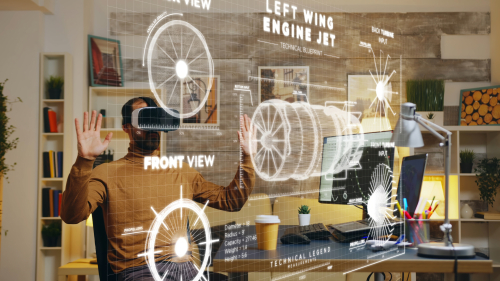
The digital revolution in the automotive industry extends beyond social media platforms and into the realm of augmented reality (AR) and virtual reality (VR). These technologies are reshaping how potential car buyers interact with vehicles, creating immersive experiences that allow customers to explore cars in greater detail than ever before.
Through VR and AR, car buyers can now step into virtual showrooms from the comfort of their homes. They can examine vehicles from every angle, see color and trim options, and even simulate test drives all without ever setting foot in a dealership. This ability to experience a car before visiting a physical showroom is a significant step forward in the car-buying journey.
Think with Google highlights how these technologies are enhancing the decision-making process, giving consumers more control over their purchases. Reports further explore how online vehicle purchases are being augmented by virtual tools, which not only streamline the shopping process but also allow customers to engage with the brand in new and meaningful ways.
4. Gamification: Engaging Through Play
Another innovative trend emerging in automotive marketing is the use of gamification. By incorporating elements of play, dealerships can increase engagement and build stronger customer relationships. From interactive quizzes to online challenges and contests, gamification turns the car-buying process into an enjoyable experience rather than a transactional one.
Gamification fosters deeper engagement with potential customers by allowing them to actively participate in the marketing process. Quizzes help consumers identify the right vehicle for their needs, while challenges or contests keep them engaged and invested in the brand. Marketing sources discuss how these interactive tools help create stronger emotional connections with consumers, while others highlight how gamification can be an effective strategy for turning leads into sales.
This trend has proven successful not only in increasing consumer engagement but also in gathering valuable insights about customer preferences. By tracking responses to gamified elements, brands can refine their marketing strategies and further personalize the customer experience.
5. User-Generated Content (UGC): Authentic Advocacy
When it comes to building trust, there’s no substitute for real customer experiences. User-generated content (UGC) such as reviews, testimonials, and social media posts has become an invaluable asset for automotive brands. UGC allows brands to amplify authentic voices and create a more relatable, transparent image.
Car buyers increasingly seek out real-world experiences from other customers before making a purchase. Omni Advertising notes how UGC helps dealerships build trust by showcasing real customer stories and experiences. Social media platforms like Instagram and Facebook have become powerful tools for sharing UGC, with satisfied customers posting photos and videos of their new vehicles, contributing to the brand’s authenticity.
Leveraging UGC not only strengthens a brand’s credibility but also improves its search engine optimization (SEO). Positive reviews and social media mentions contribute to higher rankings on search engines, making it easier for potential buyers to find information about the dealership. Marketing sources explain how UGC can play a significant role in improving SEO performance and driving organic traffic to dealership websites.
6. Analytics and AI: Data-Informed Decisions
Marketing sources highlight the growing importance of AI in the automotive industry, particularly in its ability to analyze consumer behavior and refine marketing strategies. By utilizing analytics, dealerships can optimize their social media campaigns, improving targeting and engagement efforts. AI can also predict consumer preferences, allowing brands to tailor their content to meet customer needs more effectively.
Accelerating into the Future
The automotive industry is on the verge of a digital revolution, with social media playing a crucial role in shaping the future of car buying and selling. From video content and influencer partnerships to AR/VR experiences and gamification, these trends are not just reshaping marketing they are redefining the customer journey itself.
For automotive brands, staying ahead of these trends is essential to remain competitive. By embracing these innovations, brands can meet the growing demand for personalized, transparent, and convenient experiences that today’s car buyers expect. As social media continues to evolve, so too will the ways in which consumers engage with brands, making it imperative for dealerships to stay agile and adaptive in the face of change.
Disclaimer: The above helpful resources content contains personal opinions and experiences. The information provided is for general knowledge and does not constitute professional advice.
You may also be interested in: Jupiter Chevrolet Blog | News, Updates, and Info – Jupiter Chevrolet
Feeling stuck in the stressful car-buying process? At Jupiter Chevrolet in Garland, TX, we’ve reimagined how buying a car should feel. With transparent pricing, online deal-building tools, and the benefits of our Jupiter Advantage program, we ensure every step is straightforward and satisfying. Skip the hassle. From purchase to certified service, our team truly puts your choice and convenience first. Turn your dreams of finding your ideal Chevrolet into reality with us. Visit Jupiter Chevrolet today!
Powered by flareAI.

Success in social media starts with the right metrics. Key performance indicators (KPIs) like click-through rates, shares, and lead generation form the backbone of any campaign. Likes are nice, but they don’t pay the bills conversions do. A 2022 study found that user-generated content (UGC) on platforms like Instagram can increase purchase intent in the automotive sector. Dealerships need to focus on metrics that reveal customer behavior, not just vanity stats.
Consider Jupiter Chevrolet, a Texas dealership that uses data to fine-tune its campaigns. By analyzing click-through rates on Facebook ads, they gauge interest in models like the Equinox. A recent post about a lease deal garnered significant clicks but fewer leads, prompting the team to refine their call-to-action and target a younger demographic. Shares are another critical metric when a customer reposts a video of a new Corvette, it extends the dealership’s reach organically, often outperforming paid ads. Industry insights suggest that posts with high share rates can significantly boost brand visibility compared to static content.
Lead generation is the ultimate goal. A well-crafted campaign should drive users to book test drives or submit inquiries. Jupiter Chevrolet tracks leads through CRM software, linking each form submission to a specific post or ad. This granular approach ensures they know which content resonates. Dealerships must balance these metrics carefully, ensuring likes and shares feed into tangible outcomes like showroom visits or sales.
The Power of Authentic Engagement
In a world skeptical of slick advertising, authenticity is king. User-generated content photos of a family’s road trip in a Suburban, a TikTok of a teen’s first car builds trust in ways no billboard can. Research shows that many consumers trust peer reviews over brand ads, making UGC a cornerstone of modern marketing. When a dealership reposts a customer’s glowing review or a video of their new ride, it’s not just content it’s a conversation that resonates.
Jupiter Chevrolet leans heavily on UGC, encouraging buyers to share their stories with hashtags like #JupiterJoyride. These posts spark organic engagement, with comments like “Love my new Blazer!” or “How’s the gas mileage?” creating a sense of community. This two-way dialogue keeps the dealership top-of-mind, turning casual followers into advocates. Experts note that UGC amplifies trust and interaction, functioning as the digital equivalent of word-of-mouth.
Engagement, however, requires more than reposting. Dealerships must monitor comments and respond thoughtfully. A generic “Thanks for sharing!” feels robotic, while a personalized “Congrats on the Tahoe, Sarah! How’s it handling?” shows genuine care. Speed matters too responding quickly can significantly boost engagement rates, according to social media analytics. Jupiter Chevrolet assigns a dedicated team to manage interactions, ensuring no comment goes unanswered. This human touch transforms passive followers into active participants, fostering a loyal online community.
Calculating ROI with Precision
Social media isn’t a free ride. Ad budgets, content creation, and staff time demand a clear return on investment. Calculating ROI involves subtracting campaign costs from revenue generated, then dividing by costs. A $5,000 Instagram campaign that drives $50,000 in sales yields a 900% ROI. But tying a post to a sale isn’t always straightforward customers might see an ad, browse the website, and buy weeks later. Dealerships need robust tools to track these journeys.
Jupiter Chevrolet uses Google Analytics and CRM software to map customer paths. By assigning unique tracking codes to campaigns, they can trace a sale back to a specific ad, like a Twitter post about a Camaro. A spring campaign featuring UGC of happy buyers led to an increase in showroom visits compared to non-UGC ads, proving the value of authenticity. These insights allow dealerships to allocate budgets effectively, doubling down on what works.
ROI isn’t just about immediate sales. Brand awareness, measured through impressions and reach, builds long-term value. A viral video might not close a deal today but can plant the dealership’s name in a buyer’s mind for tomorrow. For example, a TikTok of a Jupiter Chevrolet employee handing keys to a first-time buyer garnered significant views, boosting local brand recognition. Balancing short-term revenue with long-term visibility ensures campaigns deliver sustained impact.
Accelerating Brand Loyalty
Social media doesn’t just drive sales it builds relationships that last. Loyal customers don’t just buy one car; they return for their next, and their kids’. Dealerships foster loyalty by creating content that feels personal and inclusive. Live Q&A sessions with mechanics, polls about favorite car colors (“Red or Blue? Vote now!”), or spotlighting local charities create touchpoints that resonate. These efforts make followers feel like part of a family, not just a sales funnel.
Jupiter Chevrolet’s loyalty strategy includes rewarding UGC creators with perks, like a free oil change for the best #JupiterJoyride post each month. This gamification sparks engagement while strengthening ties. Surveys suggest that many car buyers are more likely to return to dealerships that engage them online. Consistency is key posting regularly, responding promptly, and showcasing real customer stories build trust over time.
Loyalty also extends offline. Dealerships can use social media to promote events like car care workshops or community drives, deepening ties with local audiences. Jupiter Chevrolet’s annual “Cruisin’ for a Cause” event, promoted heavily on Instagram, drew significant attendees, with many later booking service appointments. These efforts create a virtuous cycle: engaged followers become loyal customers, who then share more UGC, amplifying the dealership’s reach.
Full Speed Ahead
Social media success for car dealerships is a high-stakes race, but the finish line is clear: measurable results and lasting relationships. By prioritizing KPIs like click-through rates and lead generation, harnessing the trust of user-generated content, calculating ROI with precision, and nurturing loyalty, dealerships can turn digital platforms into revenue engines. The road isn’t without challenges algorithm shifts, audience fatigue, and rising ad costs demand constant adaptation. Yet, dealerships like Jupiter Chevrolet show that a data-driven, authentic approach can deliver outsized impact.
The numbers tell a compelling story. UGC can significantly boost purchase intent, engagement, and showroom visits. But beyond the stats, it’s the human moments a customer’s proud post, a thoughtful reply, a shared laugh over a poll that make social media transformative. For dealerships willing to invest in strategy and soul, the digital highway offers endless opportunities. So, the next time you see a post about a shiny new Chevy, don’t just scroll past. It’s not just a photo it’s a connection, a conversation, and maybe even the start of a lifelong journey with a brand.
Disclaimer: The above helpful resources content contains personal opinions and experiences. The information provided is for general knowledge and does not constitute professional advice.
You may also be interested in: Jupiter Chevrolet is a GARLAND Chevrolet dealer and a new car
Feeling stuck in the stressful car-buying process? At Jupiter Chevrolet in Garland, TX, we’ve reimagined how buying a car should feel. With transparent pricing, online deal-building tools, and the benefits of our Jupiter Advantage program, we ensure every step is straightforward and satisfying. Skip the hassle. From purchase to certified service, our team truly puts your choice and convenience first. Turn your dreams of finding your ideal Chevrolet into reality with us. Visit Jupiter Chevrolet today!
Powered by flareAI.

Quick Listen:
The open road stretching ahead, your car’s engine purring with confidence. Now imagine the dread of a sudden breakdown an engine failure that could drain your savings. For millions of drivers, that fear looms large. But for those with a lifetime powertrain warranty, it’s a worry that fades into the distance. These warranties, which cover critical components like the engine, transmission, and drivetrain for as long as you own the vehicle, are transforming car ownership. In an age of skyrocketing repair costs and economic uncertainty, they offer a rare promise: peace of mind that lasts. This isn’t just a perk it’s a revolution in how we think about owning a car.
What Lies Beneath: Decoding the Warranty
At its core, a lifetime powertrain warranty is a manufacturer’s pledge to stand behind the heart of your vehicle. It typically covers the engine, transmission, and drivetrain components that are both essential and expensive to repair. According to Capital One, these warranties ensure that “major mechanical failures are covered for the life of the vehicle,” provided owners adhere to a strict maintenance schedule. This means regular oil changes, tire rotations, and inspections are non-negotiable to keep the coverage active.
But don’t mistake this for a blanket guarantee. The fine print is critical. Some warranties mandate servicing at the dealership, while others allow certified mechanics. Skip a scheduled maintenance, and you risk voiding the coverage entirely. For owners like a teacher from Ohio, the structure is a small price to pay. “I’m not a car person,” she says. “I just want to know I won’t be hit with a major repair bill if something goes wrong. This warranty gives me that.” For diligent owners, it’s a safety net that can last decades, offering protection that aligns with the lifespan of the vehicle.
The scope of coverage varies by manufacturer. Some include parts like the differential or transfer case, while others are more restrictive. Understanding these details upfront is crucial. A warranty that seems generous on paper might have limitations that affect its value. Yet for those who follow the rules, the payoff is undeniable: a car that’s protected against the most catastrophic mechanical failures.
The Financial Shield: Saving Thousands Over Time
The financial benefits of a lifetime powertrain warranty are stark. A single engine repair can cost thousands of dollars, while a transmission replacement can also be a significant expense. For many households, these are budget-shattering costs. A lifetime warranty erases those risks, replacing unpredictable repair costs with the manageable expense of routine maintenance. As noted by Innovatte Leaders, these warranties “can save owners significant expenses over the vehicle’s lifespan,” particularly for those who keep their cars for a decade or longer.
This financial security is especially valuable in today’s economy, where inflation and rising costs have stretched household budgets thin. For young professionals, families, or retirees, avoiding a major repair bill can mean the difference between financial stability and distress. Consider a contractor from Texas who bought a pickup truck with a lifetime warranty. “I use my truck for work every day,” he says. “Knowing I’m covered if the engine or transmission fails means I can focus on my business, not my bank account.”
Beyond immediate savings, these warranties enhance a vehicle’s long-term value. Cars with lifetime powertrain warranties often command higher resale prices, as buyers recognize the added reliability and protection. Diamond Buick GMC highlights that such warranties “can increase a vehicle’s resale value,” making them a selling point in a competitive market. Whether you’re trading in at a dealership or selling privately, that extra value can translate to hundreds or even thousands of dollars a tangible return on the warranty’s promise.
Confidence in Every Mile
Money aside, there’s a deeper benefit to a lifetime powertrain warranty: the confidence it instills. When you know your car’s most critical components are protected, every drive feels lighter. A flickering check-engine light becomes a minor annoyance, not a harbinger of doom. For long-term owners, this peace of mind is transformative. “I plan to keep my SUV for many years,” says a nurse from North Carolina. “This warranty means I can actually do that without worrying about a major failure.”
That confidence extends to the used-car market. A vehicle with a transferable lifetime warranty is a rare gem, attracting buyers who value reliability. Industry experts note that such cars can fetch a premium, especially among budget-conscious shoppers who prioritize dependability. It’s a cycle of trust: owners feel secure, buyers feel enticed, and manufacturers build loyalty through a promise that endures.
This trust also strengthens the relationship between dealerships and customers. Owners return for regular maintenance to keep their warranties valid, fostering connections that can span years. “A warranty like this isn’t just about the car,” says a general manager at a Chevrolet dealership. “It’s about building trust in us as a business.” For dealerships, it’s a strategy that pays dividends in repeat business and customer loyalty.
The Catch: Is It Too Good to Be True?
No warranty is without caveats, and lifetime powertrain coverage is no exception. Critics argue that the maintenance requirements can feel burdensome, particularly for owners who prefer independent mechanics over dealerships. Some warranties aren’t transferable, limiting their resale benefits. Others point out that modern engines and transmissions are increasingly reliable, reducing the likelihood of needing major repairs. For skeptics, the warranty’s value may seem overstated.
Yet the numbers tell a different story. While powertrain failures are less common than they were decades ago, they’re far from extinct. A recent study found that a notable percentage of vehicles experience a major mechanical issue within the first decade, with repair costs often being substantial. For owners who keep their cars beyond the standard warranty period, a lifetime powertrain warranty is a hedge against those odds.
The maintenance rules, while strict, are a fair trade for most. Routine servicing costs far less than a single major repair, and many owners find the schedule aligns with their existing habits. “I was already getting my oil changed regularly,” says a teacher from Ohio. “The warranty just gives me a reason to stay on top of it.”
The Bigger Picture: Redefining Ownership
Lifetime powertrain warranties are more than a marketing gimmick they’re a shift in the automotive industry’s approach to customer trust. By offering protection that lasts as long as the vehicle, manufacturers signal confidence in their engineering while addressing buyer’s fears of unexpected costs. For dealerships, these warranties are a tool to build loyalty in a competitive market. For owners, they’re a lifeline that makes car ownership less daunting.
The impact goes beyond individual drivers. In communities where dealerships are economic anchors, these warranties strengthen ties between businesses and customers. A 2024 Forbes article underscores the role of dealerships as “the last true Main Street business,” noting their contributions to local economies. By offering lifetime warranties, they reinforce their commitment to the people they serve.
A Promise Worth Keeping
As you weigh your next car purchase, consider the road ahead not just the miles, but the moments. A lifetime powertrain warranty isn’t a guarantee of perfection, but it’s a pledge that the journey will be smoother. It’s financial security, confidence, and value wrapped into one. For drivers across the country, it’s the difference between owning a car and truly trusting it.
Before you sign on the dotted line, dig into the details. Ask about maintenance requirements, transferability, and what’s covered. Compare warranties across brands. The right choice could save you thousands and spare you countless headaches. In a world where reliability is everything, a lifetime powertrain warranty isn’t just a feature it’s a companion for the long haul. Drive on, knowing you’re covered.
Disclaimer: The above helpful resources content contains personal opinions and experiences. The information provided is for general knowledge and does not constitute professional advice.
You may also be interested in: Jupiter Chevrolet Blog | News, Updates, and Info – Jupiter Chevrolet
Feeling stuck in the stressful car-buying process? At Jupiter Chevrolet in Garland, TX, we’ve reimagined how buying a car should feel. With transparent pricing, online deal-building tools, and the benefits of our Jupiter Advantage program, we ensure every step is straightforward and satisfying. Skip the hassle. From purchase to certified service, our team truly puts your choice and convenience first. Turn your dreams of finding your ideal Chevrolet into reality with us. Visit Jupiter Chevrolet today!
Powered by flareAI.

On a quiet stretch of highway, a small car dealership’s lot sparkles with a modest row of vehicles, each one a carefully chosen bet in a high-stakes game. Inside, the owner, a veteran of the trade, pores over a laptop screen, grappling with a persistent challenge: inventory shortages that threaten to erode profits and customer trust. For smaller dealerships, managing stock in today’s volatile automotive market is like navigating a maze with moving walls. Yet, armed with data-driven strategies, transparent communication, and cutting-edge digital tools, these nimble players are not just surviving they’re rewriting the rules of success. Here’s how they’re doing it.
Betting on Data to Win
In an industry where the wrong inventory can tie up capital for months, smaller dealerships are turning to analytics as their North Star. Predictive tools analyze local sales trends, seasonal demand, and even competitor moves to guide stock decisions with surgical precision. According to a 2021 report, dealerships using predictive analytics reduced overstock by up to 15%, freeing up funds to chase high-demand models. This isn’t guesswork it’s a calculated edge.
Consider a small dealership in rural Michigan, where the owner noticed a surge in demand for hybrid SUVs during tax season. By leveraging data to stock these models, the dealership sold out in weeks, while competitors sat on unsold sedans. Data-driven decisions don’t require a corporate budget, just a willingness to embrace insights over intuition. For smaller dealers, analytics transform inventory from a liability into a strategic asset, ensuring they have the right vehicles at the right time.
This approach also mitigates the risks of overstock, a silent killer for small businesses with limited cash flow. Overstocked lots mean tied-up capital, higher storage costs, and discounted sales to clear space. By contrast, understocking risks losing customers to competitors with fuller lots. Analytics bridges this gap, offering a roadmap to balance supply and demand. Dealerships that master this balance don’t just survive market fluctuations they capitalize on them.
Transparency: The Trust Factor
When inventory runs thin, trust becomes a dealership’s currency. Smaller dealers, often woven into the fabric of their communities, have a unique advantage: they can speak to customers with the candor of a neighbor. Transparent communication about shortages whether due to global chip shortages or supply chain snarls builds loyalty even when the lot looks sparse. A 2022 study found that dealerships addressing shortages openly saw customer retention climb by 10%.
Take the case of a family-owned dealership in Texas during the 2021 chip crisis. Rather than deflecting customer inquiries, they launched a social media campaign with weekly updates on incoming stock and pre-order options. The result? Customers stayed loyal, and sales held steady despite a lean inventory. While specific quotes from the owner are unavailable, the approach reflects a broader trend of transparency fostering trust. Offering pre-orders or waitlists can turn a potential walkaway into a committed customer, proving that transparency isn’t just ethical it’s profitable.
This trust extends beyond individual sales. Smaller dealerships often rely on repeat business and word-of-mouth referrals, which hinge on reputation. A single negative experience, amplified on platforms like X, can deter dozens of potential buyers. By addressing inventory challenges head-on, dealers reinforce their credibility, fostering a loyal customer base that weathers market storms. In an era of skepticism, straight talk is a competitive advantage.
Digital Tools: The Great Equalizer
For smaller dealerships, technology isn’t a luxury it’s a lifeline. Inventory management software, like solutions from Cox Automotive, delivers real-time insights into stock levels, demand forecasts, and pricing strategies. These tools empower dealers to act swiftly, whether it’s ordering a hot-selling crossover or discounting a slow-moving truck. A recent study showed that dealerships using digital inventory tools improved stock turnover by 20%, a critical metric for businesses with tight margins.
These platforms do more than track numbers they optimize decisions. For example, software can flag when a particular model is trending in a dealer’s region, prompting a timely order. Conversely, it can warn against stocking vehicles with declining demand, preventing costly missteps. This level of precision allows smaller dealerships to compete with larger chains, which often rely on sheer volume to offset errors. Technology levels the playing field, giving underdogs the agility to outmaneuver their rivals.
Digital marketing amplifies this advantage. A well-crafted social media post showcasing a newly arrived vehicle can draw buyers from beyond the local area. One dealership in Maine used a Facebook Live video to unveil a shipment of pickup trucks, generating 50 leads in 24 hours. Platforms like Instagram and X allow dealers to highlight inventory in real time, creating urgency and excitement. These efforts don’t demand a big budget just creativity and consistency. For smaller dealers, digital tools are about working smarter, not richer.
The rise of e-commerce platforms further empowers smaller players. Online inventory listings, integrated with management software, let customers browse stock from home, reserve vehicles, or even initiate purchases. This seamless experience builds confidence, especially when inventory is limited. Dealerships that invest in these tools not only streamline operations but also enhance customer satisfaction, a key driver of long-term success.
Overcoming Obstacles with Innovation
Inventory challenges aren’t new, but their stakes are higher in today’s market. Global supply chain disruptions, from semiconductor shortages to shipping delays, have hit smaller dealerships hardest, as they lack the purchasing power of corporate chains. Yet, these constraints are sparking innovation. By combining data, transparency, and technology, smaller dealers are turning scarcity into opportunity.
One overlooked strategy is building partnerships with other local businesses. Some dealerships have teamed up with auto repair shops or rental agencies to share inventory insights, creating a mini-network that buffers against shortages. Others are diversifying their offerings, such as focusing on certified pre-owned vehicles, which often face less supply volatility. These creative approaches, grounded in community ties, underscore the resilience of smaller players.
Education also plays a role. Dealerships that train staff to use analytics and digital tools effectively see faster adoption and better results. A knowledgeable team can translate data into action, whether it’s adjusting pricing or targeting marketing to specific buyer segments. Investing in people, not just technology, ensures that strategies are sustainable.
A Roadmap to Resilience
The inventory maze is daunting, but smaller dealerships are proving they can navigate it with ingenuity and grit. Data-driven stock selection keeps them lean and focused. Transparent communication turns customers into allies. Digital tools amplify their reach and efficiency. Together, these strategies transform challenges into stepping stones, allowing small dealers to thrive in a market that rewards adaptability.
As the owner of that highway dealership closes her laptop, the numbers tell a story of progress. A pre-order is confirmed, a data-driven stock order is placed, and a social media post is gaining traction. The lot may be modest, but the vision is bold. For smaller dealerships, the future isn’t about outmuscling the competition it’s about outsmarting it, one strategic move at a time. In an industry defined by change, their ability to adapt ensures they’re not just part of the game they’re rewriting its rules.
Disclaimer: The above helpful resources content contains personal opinions and experiences. The information provided is for general knowledge and does not constitute professional advice.
You may also be interested in: Jupiter Chevrolet Blog | News, Updates, and Info – Jupiter Chevrolet
Feeling stuck in the stressful car-buying process? At Jupiter Chevrolet in Garland, TX, we’ve reimagined how buying a car should feel. With transparent pricing, online deal-building tools, and the benefits of our Jupiter Advantage program, we ensure every step is straightforward and satisfying. Skip the hassle. From purchase to certified service, our team truly puts your choice and convenience first. Turn your dreams of finding your ideal Chevrolet into reality with us. Visit Jupiter Chevrolet today!
Powered by flareAI.

Quick Listen:
The appeal of these dealerships lies in their ability to make customers feel seen and valued. Unlike the high-pressure environments of corporate chains, where sales quotas often dictate interactions, family-owned dealers operate with a long-term perspective. Their success hinges on reputation, not just revenue, which fosters a culture of transparency and care. Whether it’s a first-time buyer navigating financing or a retiree seeking a reliable sedan, these dealerships excel at meeting individual needs with a level of service that feels more like a partnership than a transaction. Let’s examine why this model resonates so deeply with car buyers today.
Building Trust Through Relationships
At the heart of every family-owned dealership is a commitment to building lasting relationships. These businesses thrive on personal connections, often forged over decades of serving the same community. “Our customers become like family,” says Ahmad Shabana, owner of Shabana Motors in Houston. “We’re here for them through every car, every milestone.” This ethos is more than a tagline; it’s a business imperative. Because their family name is on the sign, owners have a direct stake in ensuring every customer leaves satisfied, knowing that a single negative experience could ripple through their tight-knit community.
This stands in stark contrast to the anonymity of corporate dealerships, where high staff turnover and rigid sales scripts often create a transactional atmosphere. Family-owned dealers, by contrast, rely heavily on word-of-mouth and repeat business. Independent dealerships often report higher customer satisfaction due to personalized service, as seen in industry surveys. This is no accident. At places like Fair Oaks Motors in Virginia, staff take the time to understand a customer’s needs, often recommending vehicles that prioritize budget over profit margins. The result is a level of trust that’s hard to replicate in a corporate setting.
This trust manifests in tangible ways. Customers often deal directly with owners or senior staff, bypassing the layers of bureaucracy common at larger dealers. Issues like pricing disputes or service concerns are resolved faster because decision-makers are on-site, not in a distant corporate office. For example, a customer at Shabana Motors might find the owner personally walking them through a car’s history report, ensuring complete transparency. This hands-on approach not only builds confidence but also creates loyal customers who return for their next purchase and bring their friends along.
Tailored Financing Solutions
Buying a car is as much a financial decision as it is a practical one, and family-owned dealerships excel at crafting financing solutions that fit diverse needs. Unlike corporate dealers, which often adhere to rigid lending protocols, family-owned businesses have the flexibility to think outside the box. “We work with customers to find terms that fit their lives, not just our spreadsheets,” explains a manager at Chapman Motor Sales in Texas. This might mean adjusting payment schedules, securing loans for those with imperfect credit, or offering in-house financing options that larger dealers rarely provide.
This adaptability is a lifeline for buyers who feel marginalized by traditional lending systems. A 2022 report from the Consumer Financial Protection Bureau found that smaller dealerships were 15% more likely to offer customized financing plans than national chains. This flexibility stems from their ability to partner with local credit unions or smaller banks, which often provide more competitive rates than the large financial institutions favored by corporate dealers. For a single parent needing a reliable minivan but struggling with credit, a family-owned dealer might propose a lower down payment or a co-signer option, turning a potential rejection into a workable deal.
This approach isn’t just about closing sales; it’s about building long-term relationships. By prioritizing the customer’s financial reality, these dealerships create goodwill that pays dividends. A buyer who feels respected during the financing process is more likely to return for future purchases or recommend the dealership to others. It’s a pragmatic strategy rooted in empathy, one that corporate dealers, with their focus on volume, often overlook.
Community Roots, Local Impact
Perhaps the most compelling reason to choose a family-owned dealership is their deep connection to the communities they serve. These businesses aren’t just places to buy cars; they’re integral parts of the local fabric. Unlike corporate chains that funnel profits to distant shareholders, family-owned dealers reinvest in their neighborhoods. They sponsor youth sports teams, contribute to food banks, and hire local talent. “When you buy from us, you’re supporting the community you live in,” says a spokesperson for VW St. Augustine, a family-run dealership in Florida. This isn’t just rhetoric; it’s backed by data. A 2021 study by the Institute for Local Self-Reliance found that small businesses, including family-owned dealerships, recirculate 52% of their revenue back into the local economy, compared to just 14% for national chains.
This community focus shapes every aspect of the customer experience. At Junge Automotive in Iowa, staff often know customers by name not because they’re trained to, but because they’ve coached their kids or shopped at the same grocery store. This familiarity creates a warmth that’s hard to replicate in a corporate showroom. Events like customer appreciation days, free car washes, or holiday toy drives further strengthen these ties, fostering a sense of belonging that goes beyond the transaction.
The economic impact is significant, too. By hiring locally and partnering with nearby businesses, family-owned dealerships create jobs and stimulate growth. A 2020 report from the U.S. Small Business Administration noted that small businesses account for 44% of U.S. economic activity, with family-owned enterprises playing a key role. When you buy a car from a family dealer, you’re not just getting a vehicle you’re contributing to a cycle of local prosperity.
Why Choose Family-Owned?
Family-owned car dealerships aren’t without their limitations. Smaller inventories and fewer brand options can be drawbacks compared to the sprawling lots of corporate giants. But their strengths trust, flexibility, and community impact far outweigh these constraints. They offer a car-buying experience that feels personal, not transactional, grounded in relationships rather than quotas. Their financing solutions are tailored to real-world needs, not corporate benchmarks. And their commitment to local economies creates a ripple effect that benefits everyone.
In a world where impersonal service is the norm, these dealerships remind us of the value of human connection. They’re not just selling cars; they’re building legacies. As Ahmad Shabana of Shabana Motors puts it, “We’re here for the long haul, for our customers and our community.” Next time you’re in the market for a car, consider a family-owned dealership. You might find more than a vehicle you might find a partner who values you as much as you value your new ride.
Disclaimer: The above helpful resources content contains personal opinions and experiences. The information provided is for general knowledge and does not constitute professional advice.
You may also be interested in: Jupiter Chevrolet Blog | News, Updates, and Info – Jupiter Chevrolet
Feeling stuck in the stressful car-buying process? At Jupiter Chevrolet in Garland, TX, we’ve reimagined how buying a car should feel. With transparent pricing, online deal-building tools, and the benefits of our Jupiter Advantage program, we ensure every step is straightforward and satisfying. Skip the hassle. From purchase to certified service, our team truly puts your choice and convenience first. Turn your dreams of finding your ideal Chevrolet into reality with us. Visit Jupiter Chevrolet today!
Powered by flareAI.

Quick Listen:
The decision to purchase a vehicle with a long-term warranty is one that can provide significant financial benefits, especially when it comes to the cost of maintenance and unexpected repairs. With the increasing complexity of modern vehicles, long-term warranties have become an essential tool for both manufacturers and consumers to manage and mitigate costs. By offering coverage for various types of repairs and maintenance over extended periods, long-term warranties can effectively reduce the overall cost of ownership.
Understanding Long-Term Warranties: What’s Included?
A long-term warranty typically extends beyond the standard factory warranty, offering coverage for a longer period, often 5 to 10 years. These warranties are designed to cover a range of repair costs, including the engine, transmission, and sometimes even electrical systems. Depending on the warranty plan, other aspects such as roadside assistance, rental cars, and service visits may also be included.
The main appeal of these extended plans is the peace of mind they offer. While new vehicles are generally reliable, unforeseen breakdowns can occur, particularly as cars age and the complexity of their components increases. Long-term warranties help to offset the high costs of repairs that can arise as a vehicle’s systems wear out or malfunction over time.
The Rising Cost of Maintenance in Modern Vehicles
As technology advances, so do the costs associated with maintaining and repairing vehicles. Modern vehicles, particularly those with hybrid or electric powertrains, feature sophisticated systems such as advanced driver-assistance systems (ADAS), complex infotainment units, and intricate battery systems. While these systems provide improved safety and comfort, they also increase the potential for expensive repairs.
For instance, replacing a vehicle’s battery in an electric car can be very costly, depending on the model. Similarly, repairing or replacing components related to ADAS, such as sensors and cameras, can significantly increase a repair bill. In such cases, a long-term warranty that covers these high-cost repairs can result in significant savings over the life of the vehicle.
How Long-Term Warranties Help Reduce Repair and Maintenance Costs
One of the primary benefits of a long-term warranty is its ability to significantly lower the cost of vehicle repairs. Without a warranty, vehicle owners may face high repair costs that would otherwise be covered under warranty. Long-term warranties provide coverage for both major repairs and routine maintenance. This can include things like oil changes, brake pad replacements, and air filter changes, which can add up quickly over time.
For example, an oil change typically costs between $35 and $125, depending on the vehicle and location. If your car requires regular oil changes every 5,000 miles, over the course of a few years, this cost can accumulate. A long-term warranty that includes such basic maintenance tasks as part of its coverage can effectively reduce these costs, offering savings that can justify the initial investment in the warranty itself.
Peace of Mind for Consumers
In addition to the direct financial benefits, long-term warranties offer peace of mind. Vehicle owners no longer need to worry about sudden, unexpected repair costs that can disrupt their budgets. For consumers who rely on their vehicles for daily transportation, the assurance that repairs will be covered under a warranty can alleviate much of the stress associated with car ownership.
This peace of mind extends not only to the vehicle owner but also to their family. As vehicles become more complex and integral to our daily lives, the ability to avoid costly surprises is an attractive feature. With a long-term warranty in place, a driver can drive with the confidence that the repair costs are already taken care of.
What to Look for in a Long-Term Warranty
When considering a long-term warranty, it’s important to evaluate the details of what is covered. Not all warranties are created equal, and the specific components covered can vary greatly. Here are a few key factors to consider:
- Duration and Mileage Limits: The length of the warranty is a significant factor. While some warranties last up to 10 years, others may have shorter durations. It’s essential to consider your vehicle’s expected lifespan and how long you plan to keep it before choosing the right warranty.
- Transferability: Some warranties are transferable to a new owner, which can increase the resale value of the vehicle. If you plan to sell the car before the warranty expires, a transferable warranty can be a selling point.
- Roadside Assistance and Additional Perks: Many long-term warranties include roadside assistance, rental car coverage, or other added benefits that enhance the overall value of the plan.
The Financial Benefits: Is the Warranty Worth the Investment?
When considering a long-term warranty, one of the most common questions consumers ask is whether the cost of the warranty is worth the potential savings. While long-term warranties come with an upfront cost, the savings on repairs and maintenance can far outweigh this initial investment.
For example, if a major component like the transmission fails, it can be very expensive to repair. A long-term warranty could save the vehicle owner the entire amount. Even if the warranty has an upfront cost, the consumer may still come out ahead financially. The warranty provides protection against costly repairs and, in many cases, provides coverage for services that would normally incur separate fees.
Additionally, when factoring in the rising cost of vehicle repairs and parts, the price of a long-term warranty may appear modest by comparison. In some instances, the cost of repairs can increase significantly over time, making the warranty an even more valuable financial tool.
Considerations for Used Cars
For those buying used vehicles, long-term warranties can be even more critical. Used cars often come with unknown histories and higher chances of requiring repairs. Many manufacturers offer extended warranties for pre-owned vehicles, which can offer the same benefits as new car warranties. A long-term warranty for a used car can help protect the buyer from significant repair costs, making it a valuable investment for consumers looking to purchase pre-owned vehicles with peace of mind.
Impact on Resale Value
Another overlooked benefit of long-term warranties is their potential impact on resale value. Vehicles with active warranties, especially transferable warranties, often command higher resale prices. Buyers are more inclined to purchase a car that has a warranty still in effect, as it offers them protection against future repairs.
Moreover, as buyers become more informed and aware of the costs associated with maintaining vehicles, a long-term warranty can become a significant selling point. A warranty can help a car retain its value over time, making it a smarter financial decision for both the original owner and any future buyers.
A Smart Investment for the Future
In the ever-evolving automotive landscape, long-term warranties offer a strategic solution for managing the rising costs of maintenance and repairs. By providing comprehensive coverage and reducing the financial burden of unexpected repairs, these warranties allow vehicle owners to enjoy peace of mind and greater long-term savings.
For consumers, purchasing a long-term warranty is not just an added cost but a smart investment that can protect against future financial strain. Whether purchasing a new or used car, the value of a long-term warranty cannot be overstated. As automotive technology continues to advance, these warranties will likely become even more valuable in helping owners manage the complex and expensive nature of modern vehicles.
Disclaimer: The above helpful resources content contains personal opinions and experiences. The information provided is for general knowledge and does not constitute professional advice.
You may also be interested in: Jupiter Chevrolet Blog | News, Updates, and Info – Jupiter Chevrolet
Feeling stuck in the stressful car-buying process? At Jupiter Chevrolet in Garland, TX, we’ve reimagined how buying a car should feel. With transparent pricing, online deal-building tools, and the benefits of our Jupiter Advantage program, we ensure every step is straightforward and satisfying. Skip the hassle. From purchase to certified service, our team truly puts your choice and convenience first. Turn your dreams of finding your ideal Chevrolet into reality with us. Visit Jupiter Chevrolet today!
Powered by flareAI.

The automotive industry is increasingly dominated by a digital marketplace, where tools like CarGurus and Edmunds offer consumers a wealth of information about vehicle history, market pricing, and customer reviews. With this wealth of information at their fingertips, buyers are no longer simply browsing dealerships; they are conducting extensive research and making informed decisions before even stepping foot on the lot. As a result, dealerships must adapt their pricing strategies to remain competitive in this new online-driven environment.
Traditional methods of pricing, such as setting a price based on dealer cost plus a markup, are becoming increasingly outdated. Today’s dealerships must not only consider their own costs but also analyze competitor prices, market demand, and the vehicle’s perceived value. Price transparency has become a key factor in gaining consumer trust, with buyers expecting to find fair and honest prices across multiple platforms.
Understanding Customer Perception: Value Beyond Price Tags
It’s crucial for dealerships to understand that price is only one part of the equation. While consumers are more price-sensitive than ever, they are also increasingly discerning when it comes to the overall value a dealership provides. To truly resonate with today’s buyers, dealerships must offer more than just competitive prices; they must deliver value that aligns with customer expectations.
Certified Pre-Owned (CPO) programs, for example, offer significant value by providing peace of mind through warranties, thorough inspections, and a promise of quality. CPO vehicles offer buyers a dependable alternative to new cars at a lower cost. By offering vehicles that come with these assurances, dealerships position themselves as trusted providers of quality, further enhancing the perceived value of their vehicles. In addition to CPO offerings, dealerships that provide comprehensive service packages, personalized financing options, and transparent pricing models further cement their value in the eyes of consumers.
In fact, transparency in pricing something as simple as clearly displaying the price and explaining any additional fees has become a major factor in building customer trust. Customers are far more likely to choose a dealership that openly communicates the total cost of ownership, rather than one that hides fees or uses deceptive pricing tactics.
AI and Data Analytics: The New Price-Setting Tools
Gone are the days when pricing decisions were made based on a hunch or by simply matching competitor’s prices. In today’s market, AI-driven pricing tools are transforming how dealerships set prices. These tools allow dealerships to gather vast amounts of data from various sources online marketplace trends, competitor prices, consumer demand, and inventory levels and use this data to set competitive prices for each vehicle in real time.
By utilizing AI, dealerships can also anticipate price fluctuations based on market trends and consumer behavior. For instance, AI can predict which vehicles will be in demand at certain times of the year, allowing dealerships to adjust pricing strategies accordingly. Similarly, predictive analytics can help identify when a particular vehicle might need a price reduction to stay competitive.
Hybrid Pricing Models: Blending Online and In-Person Strategies
One of the most significant shifts in automotive retail is the rise of hybrid models, where online research and pricing tools are combined with the traditional in-person sales experience. Consumers today can easily browse cars, check prices, and even arrange financing online. However, many still value the opportunity to test drive the vehicle and interact with a salesperson before making a final purchase decision.
Dealerships are responding to this shift by offering more personalized online experiences, such as allowing customers to get an instant price quote online and then complete the deal in person. These hybrid models offer the convenience of online browsing with the trust-building elements of physical interactions.
By combining virtual showrooms with in-person consultations and test drives, dealerships can deliver a seamless, flexible shopping experience that meets the needs of both tech-savvy buyers and those who prefer traditional methods. The key to success with this model is ensuring that the pricing remains competitive both online and in-store, and that the online price matches what customers will find when they walk through the door.
Customer Loyalty: Beyond Competitive Pricing
While setting competitive prices is crucial, retaining customers and building loyalty are equally important. Dealerships that focus solely on pricing are likely to find themselves in a race to the bottom. To stand out in a crowded market, dealerships must cultivate customer loyalty through exceptional service and ongoing engagement.
One way to foster loyalty is by offering personalized customer experiences. This could include tailored financing options, loyalty rewards programs, or after-sales support like free maintenance for a certain period. When customers feel valued and appreciated, they are more likely to return for future purchases and recommend the dealership to friends and family.
The Future of Pricing Strategies in Automotive Retail
The automotive industry is evolving rapidly, and dealerships must adapt to the changing landscape by employing pricing strategies that balance competitiveness with value. The key to success lies in embracing technology, offering transparent pricing, and focusing on delivering value that goes beyond the price tag.
By integrating AI-driven pricing models, providing exceptional customer service, and adopting hybrid pricing strategies that combine digital tools with in-person experiences, dealerships can thrive in this new era of automotive retail. The future of pricing in the automotive industry will not just be about who has the lowest price but who can offer the best overall experience to the consumer.
Dealerships that embrace these changes will not only remain competitive but will also build long-lasting relationships with their customers, ensuring success in the years to come.
Disclaimer: The above helpful resources content contains personal opinions and experiences. The information provided is for general knowledge and does not constitute professional advice.
You may also be interested in: Connected Car Features: Making the Most of Your Chevrolet in McKinney
Feeling stuck in the stressful car-buying process? At Jupiter Chevrolet in Garland, TX, we’ve reimagined how buying a car should feel. With transparent pricing, online deal-building tools, and the benefits of our Jupiter Advantage program, we ensure every step is straightforward and satisfying. Skip the hassle. From purchase to certified service, our team truly puts your choice and convenience first. Turn your dreams of finding your ideal Chevrolet into reality with us. Visit Jupiter Chevrolet today!
Powered by flareAI.
Connect with us


