






In an industry once defined by handshakes, shiny showrooms, and glossy brochures, the automotive sales journey has taken a dramatic detour. These days, a dealership’s digital presence especially across social media platforms is often the first interaction a customer has with a brand. And in a market where trust is currency, that first impression can shape everything that follows.
For dealerships across the country, social media is no longer optional. It’s essential. It’s where shoppers research, engage, and decide whether a dealership earns their time, much less their business. Platforms like Instagram, Facebook, and TikTok aren’t just marketing tools they’ve become trust-building engines.
Transparency Is the New Test Drive
Transparency has emerged as a cornerstone of trust in the modern car-buying process. According to a study by Bankrate, shoppers are increasingly relying on digital tools to research vehicles and dealerships before ever stepping foot on a lot. With inventory and pricing now accessible from any smartphone, the expectation for clarity has never been higher.
Dealerships that showcase their team, process, and policies on social media offer customers something powerful: a sense of honesty. Walkthrough videos, behind-the-scenes content, and direct answers to frequently asked questions reveal a business that isn’t hiding behind corporate polish. It’s this sense of authenticity that builds rapport before a word is ever exchanged in person.
The Cox Automotive Buyer Journey Study shows that satisfaction levels are highest among customers who engage in omnichannel experiences those that blend online and offline interactions. Social media plays a critical role in that blend. Dealerships sharing information on financing, maintenance, and vehicle features in digestible social posts help demystify what has traditionally been a stressful process.
From Sales Pitches to Conversations
Gone are the days when automotive ads could simply shout prices and promotions. Today’s most effective social strategies are less about broadcasting and more about conversation. Dealerships that engage with followers answering comments, responding to reviews, and spotlighting customer stories build emotional connections.
This evolution is supported by insights from Investopedia, which highlights the growing demand for customer-centric buying experiences. People want to feel known, not targeted. They want information, not a sales pitch. By leaning into content that prioritizes education and community, dealerships demonstrate that their relationship with the customer doesn’t end at the point of sale.
Photos from local events, partnerships with community organizations, and employee appreciation posts further cement a dealership’s identity as a neighbor not just a business. That matters, especially in regional markets where word-of-mouth still carries significant weight.
Real Stories, Real Results
Nothing builds trust like hearing from someone who has already walked the path. Dealerships leveraging customer testimonials shared authentically, without overly curated polish stand out in a space that often feels too slick. Whether it’s a photo of a family picking up their first SUV or a short clip of a buyer explaining their financing journey, these narratives give future customers something tangible to connect with.
One dealership in North Texas, for example, saw a significant increase in social media engagement after launching a video series during the pandemic. The posts featured technicians explaining basic maintenance, offering tips, and sharing insights from the service department. Viewers responded with increased interaction and appointment bookings, with some mentioning the videos directly when they arrived at the service counter.
Another group of dealerships in the Midwest began highlighting customer reviews on their social media platforms. Even less-than-perfect comments were addressed publicly, with follow-up explanations and resolutions. The result was an increase in review volume and improved positive sentiment across platforms.
Buyers want to see how a dealership handles real situations not just the best-case scenario. It’s this vulnerability, paired with responsiveness, that Greenwich loyalty.
Bridging the Trust Gap in Financing
While vehicle availability and price remain crucial factors, financing has become one of the most significant sticking points for modern buyers. Rising interest rates, credit score anxiety, and misinformation online contribute to buyer hesitation. Here again, social media provides a pathway to clarity.
According to CarEdge, more dealerships are offering incentives and promotions to counter financing challenges in 2025. Sharing those offers via short-form videos or simple infographics on social channels helps demystify the process. Even more impactful are posts that walk through the financing experience with real customers, showing the steps and explaining the options.
This level of transparency isn’t just appreciated it’s expected. A dealership that provides information proactively reduces friction during the sales process. And in an era where younger buyers may be shopping for their first vehicle, education equals empowerment.
Future-Proofing the Showroom
As car buyers continue to shift their attention from the lot to the link, the role of social media will only deepen. A dealership’s social feed is now a litmus test for its customer service, values, and credibility. In that sense, platforms are no longer marketing tools they’re trust signals.
A recent Cox Automotive Outlook anticipates stronger affordability and increased buyer satisfaction throughout 2025. But alongside economic recovery comes a sharper eye from consumers. Dealerships that continue to operate with opaque policies or outdated customer service tactics will struggle to maintain relevance.
Conversely, those investing in honest communication, authentic storytelling, and digital responsiveness are poised to thrive. Even as EV adoption accelerates and inventory management becomes more complex, the human element remains constant: people want to buy from people they trust.
The Human Side of Technology
Digital tools can never replace empathy, but they can extend its reach. Social media allows dealers to scale trust engaging not just with one buyer at a time, but with communities. This doesn’t mean every dealership needs a polished influencer strategy. It simply means showing up with sincerity, consistency, and a willingness to engage.
Buyers remember the dealership that helped them understand their credit, celebrated their vehicle milestone, or responded to their complaint with empathy not the one that posted generic sales graphics twice a week.
In today’s competitive market, the strongest sales pitch may not come from the sales floor at all. It might come from a well-timed Instagram reply, a heartfelt testimonial, or a video explaining how to set up Apple CarPlay. Trust doesn’t just close the deal it opens the door.
Disclaimer: The above helpful resources content contains personal opinions and experiences. The information provided is for general knowledge and does not constitute professional advice.
You may also be interested in: Jupiter Chevrolet Blog | News, Updates, and Info – Jupiter Chevrolet
Feeling stuck in the stressful car-buying process? At Jupiter Chevrolet in Garland, TX, we’ve reimagined how buying a car should feel. With transparent pricing, online deal-building tools, and the benefits of our Jupiter Advantage program, we ensure every step is straightforward and satisfying. Skip the hassle. From purchase to certified service, our team truly puts your choice and convenience first. Turn your dreams of finding your ideal Chevrolet into reality with us. Visit Jupiter Chevrolet today!
Powered by flareAI.

Quick Listen:
In the not-so-distant past, car shopping meant hours spent pacing showrooms, flipping through brochures, and negotiating beneath fluorescent lights. Today, a growing number of Americans are clicking their way through vehicle selections, loan approvals, and delivery options all from the comfort of home. What was once a test of stamina has become a journey of convenience and control, thanks to the digital transformation of the car-buying experience.
This shift isn’t just anecdotal. It’s reshaping an entire industry.
From Sticker Shock to Stabilizing Prices
After years of volatile pricing, 2025 brings a cautious sigh of relief for consumers. According to a recent Investopedia report, the once-relentless rise in new car prices has finally begun to level off. Automakers, keen to reignite demand, are rolling out incentives and deals particularly in the electric vehicle (EV) space.
Satisfaction among EV buyers is also on the rise. A Cox Automotive study noted high satisfaction scores among both new and EV car buyers, a sign that manufacturers and dealers are meeting expectations in quality and value.
The Click-and-Buy Revolution
At the center of this evolution lies the digital showroom. Tools like instant loan calculators, AI-powered chatbots, and 360-degree vehicle tours have turned what was once an opaque transaction into a transparent experience.
More than ever, buyers are embracing the omnichannel model one that blends online research and transactions with real-world interactions. And the payoff? Greater satisfaction. According to Cox Automotive, car buyers using a mix of digital and in-person tools reported higher satisfaction rates.
The shift isn’t limited to convenience. It’s about empowerment. Online platforms now let shoppers compare trims, scan reviews, and even schedule at-home test drives all without stepping foot in a dealership.
Financing: A New Battlefield
Still, the move online hasn’t erased old concerns it’s just reframed them. Interest rates remain high, making financing more strategic than ever. As Bankrate reports, buyers are focused on credit scores and down payments, often seeking promotional APR offers or low-interest deals to stretch their budget.
“Even though prices are stabilizing, financing can significantly impact a deal,” says an auto industry analyst. With dealerships more transparent about rates and lenders increasingly offering prequalification tools online, consumers are better equipped to shop smart.
For many, the answer lies in incentives. As detailed in CareEdge’s 2025 price forecast, rebate.Concurrent and special finance offers are expected to expand, particularly in the first half of the year as automakers push to move inventory.
The Buyer’s Advantage
For today’s shoppers, timing and tools matter. The modern car buyer has access to a vast suite of digital resources: price trend guides, vehicle comparison apps, and financing preapproval platforms. It’s no longer about who can haggle harder but who can research smarter.
And dealerships are adjusting accordingly. “Dealers who resist the digital shift risk being left behind,” said a recent consumer study. Those embracing online experiences from live inventory updates to paperless financing are not just staying afloat, but thriving.
That includes innovations like real-time trade-in appraisals and interactive loan customization technologies that put negotiation power directly into the hands of consumers.
The Road Ahead
The industry continues to move toward a hybrid model where online convenience meets personalized, in-person service. Buyers are no longer asking whether they can purchase a car online they’re asking how much of the process they can control, and how quickly they can do it.
In the words of Bankrate, “Digital transformation is no longer a trend it’s the new normal.” From EV demand to financing innovations and digital tools, the car-buying experience is being redefined at every turn.
For consumers who are ready to navigate this evolving landscape, the message is clear: the tools are here. Use them wisely, and the road to your next car might just start with a click.
Disclaimer: The above helpful resources content contains personal opinions and experiences. The information provided is for general knowledge and does not constitute professional advice.
You may also be interested in: Jupiter Chevrolet Blog | News, Updates, and Info – Jupiter Chevrolet
Feeling stuck in the stressful car-buying process? At Jupiter Chevrolet in Garland, TX, we’ve reimagined how buying a car should feel. With transparent pricing, online deal-building tools, and the benefits of our Jupiter Advantage program, we ensure every step is straightforward and satisfying. Skip the hassle. From purchase to certified service, our team truly puts your choice and convenience first. Turn your dreams of finding your ideal Chevrolet into reality with us. Visit Jupiter Chevrolet today!
Powered by flareAI.

The automotive industry is undergoing a profound transformation, driven by digital innovation. While traditional methods of marketing and customer engagement still hold value, social media has rapidly emerged as a crucial tool for car dealerships looking to build lasting brand loyalty. With the advent of platforms like Facebook, Instagram, TikTok, and Twitter, dealerships now have the ability to connect with consumers on a more personal level. These platforms provide an unprecedented level of transparency, convenience, and personalization, elements that resonate deeply with today’s digitally-savvy buyers. According to the Cox Automotive Market Insights, the move towards digital is reshaping the car-buying journey, and dealerships that embrace these changes are better positioned to foster long-term customer loyalty.
Personalized Storytelling: Building Emotional Connections
At the core of social media’s power is the ability to craft and share compelling stories. For car dealerships, storytelling is not just about selling a product it’s about creating an emotional connection with potential buyers. By sharing authentic, relatable narratives that resonate with customer’s values and aspirations, dealerships can move beyond the traditional transactional relationship. Whether it’s highlighting local community involvement, sharing behind-the-scenes content, or featuring customer success stories, personalized storytelling humanizes the brand. These stories help buyers feel seen, understood, and valued. Take, for instance, dealerships that use social media to spotlight community events or charitable endeavors, positioning themselves as not just businesses but active participants in their local ecosystems. As emphasized by T3 Marketing, when these stories strike a chord, they transform customers into loyal advocates.
User-Generated Content: Amplifying Authenticity
In the digital age, consumers are increasingly looking for authenticity and transparency in the brands they support. One of the most powerful ways to achieve this is through user-generated content (UGC). UGC content created and shared by customers, such as reviews, photos, and social media posts adds a layer of credibility that traditional advertising simply cannot match. When customers share their experiences with a dealership’s services or showcase their new vehicles on platforms like Instagram or Facebook, it creates a sense of community and trust. Reposting customer photos, videos, and testimonials not only acknowledges the customer but also amplifies the authenticity of the brand. The more organic the content, the more likely it is to resonate with potential buyers. As Sendible Insights highlights, UGC serves as a powerful tool for fostering trust and strengthening the bond between dealerships and their customers.
Interactive Engagement: Strengthening Relationships
One of the most compelling features of social media is its ability to facilitate two-way communication. Unlike traditional advertising methods, where businesses push content out to the public, social media allows for real-time engagement. Dealerships can interact directly with customers through live Q&A sessions, polls, and interactive campaigns, creating a dialogue that builds trust. These interactions, whether they involve answering customer inquiries or hosting virtual showroom tours, make customers feel heard and valued. Real-time communication is a critical factor in building brand loyalty, as it demonstrates a dealership’s commitment to providing top-notch customer service. Interactive content also enhances the overall user experience, making it more personalized and engaging. The Automated Marketing Group emphasizes that dealerships that leverage these interactive features foster stronger, more enduring customer relationships.
Targeted Advertising: Reaching the Right Audience
Social media advertising has come a long way, offering dealerships highly targeted and cost-effective ways to reach potential customers. Unlike traditional advertising methods that cast a wide net, social media platforms allow dealerships to hone in on specific demographics, interests, and behaviors. With the vast amount of data available on these platforms, dealerships can craft hyper-targeted ads that speak directly to the needs and desires of their audience. Whether it’s Facebook’s advanced ad targeting options or Instagram’s influencer partnerships, the ability to tailor content to a specific audience is invaluable for driving conversions. More importantly, these platforms provide measurable results, so dealerships can track the return on investment (ROI) of their campaigns in real time. According to Kelley Blue Book B2B Resources, the precision of social media ads makes them one of the most effective tools for driving sales while maximizing marketing spend.
Virtual Showrooms and AI-Powered Tools: Enhancing the Online Experience
The rise of digital tools in the car-buying journey has made it easier than ever for consumers to shop for vehicles online. Virtual showrooms and AI-powered tools are enhancing the online experience, providing customers with the ability to explore inventory, view detailed vehicle features, and even make purchases without stepping foot in a physical dealership. Virtual showrooms offer an immersive experience that replicates the in-person browsing experience, but from the comfort of home. AI-powered recommendation systems further personalize the shopping experience by suggesting vehicles based on a customer’s browsing history, preferences, and previous interactions. By integrating these advanced tools with social media campaigns, dealerships can create a seamless omnichannel experience that drives customer satisfaction. As discussed by Tomorrow’s Journey Insights, these technologies help bridge the gap between online convenience and in-person interaction, making the buying process more efficient and enjoyable.
Building Trust through Transparency
In an era where misinformation and fake news are rampant, building and maintaining trust is more important than ever. Dealerships face the challenge of ensuring that the content they share on social media is accurate, transparent, and aligns with their brand values. Misleading or overly-sales-driven content can quickly alienate customers, damaging a dealership’s reputation. On the other hand, consistent, truthful content fosters loyalty by showing customers that the dealership is honest and reliable. Transparency goes beyond just the accuracy of information; it also includes how a dealership responds to customer complaints, reviews, and feedback on social platforms. Dealerships that engage with customers in an authentic and transparent way by acknowledging concerns and offering solutions are more likely to build long-term relationships. As CBT News highlights, trust is at the core of customer loyalty, and social media offers an opportunity for dealerships to strengthen that trust by staying accountable and open.
The Power of Social Media in Building a Community
Building a community around a brand is one of the most effective ways to nurture long-term customer loyalty. Social media provides a platform where customers can engage not only with the dealership but also with other like-minded individuals. Whether it’s through branded hashtags, customer events, or community-driven campaigns, social media creates a space where customers feel a sense of belonging. By fostering this sense of community, dealerships can turn one-time buyers into lifelong advocates. These advocates are more likely to return for future purchases and recommend the dealership to others. As emphasized by T3 Marketing, the sense of belonging created by these social media communities strengthens brand loyalty and contributes to a dealership’s success in a competitive market.
Challenges and Risks: Navigating the Social Media Landscape
While the benefits of social media are undeniable, there are also risks and challenges that dealerships must navigate. One of the primary concerns is the spread of misinformation, either through misleading content or negative reviews. The sheer volume of content on social media makes it difficult for dealerships to maintain control over their brand narrative. Additionally, negative feedback, if not addressed properly, can quickly damage a dealership’s reputation. To mitigate these risks, dealerships must remain vigilant and proactive in monitoring their social media presence. Responding quickly to customer complaints, clarifying any misconceptions, and maintaining a positive online presence are essential strategies for protecting the dealership’s reputation. According to CBT News, staying authentic and transparent is key to overcoming these challenges.
Disclaimer: The above helpful resources content contains personal opinions and experiences. The information provided is for general knowledge and does not constitute professional advice.
You may also be interested in: Jupiter Chevrolet Blog | News, Updates, and Info – Jupiter Chevrolet
Feeling stuck in the stressful car-buying process? At Jupiter Chevrolet in Garland, TX, we’ve reimagined how buying a car should feel. With transparent pricing, online deal-building tools, and the benefits of our Jupiter Advantage program, we ensure every step is straightforward and satisfying. Skip the hassle. From purchase to certified service, our team truly puts your choice and convenience first. Turn your dreams of finding your ideal Chevrolet into reality with us. Visit Jupiter Chevrolet today!
Powered by flareAI.

Quick Listen:
Facebook’s advertising platform is renowned for its ability to deliver highly targeted content. For car dealerships, this means reaching potential buyers who have shown specific interest in automotive-related topics, whether through browsing behaviors or interaction with previous ads. The key to success lies in utilizing Facebook’s detailed targeting tools, which include demographic, behavioral, and location-based filters. This enables dealerships to create personalized ads tailored to the interests and needs of individual buyers.
The flexibility of Facebook ads also allows dealerships to experiment with different formats, such as carousel ads, video ads, and dynamic ads. These formats help capture attention and engage users, making it easier for car brands to showcase their vehicles in creative and compelling ways.
Facebook Marketplace: The Digital Showroom
Facebook Marketplace has evolved from a simple classified ad platform into a thriving digital showroom for automotive sales. With millions of active users browsing Marketplace each month, dealerships can list their vehicles and provide detailed descriptions, photos, and pricing all within Facebook’s ecosystem. This offers potential buyers an easy way to browse vehicles from the comfort of their homes.
For used car dealerships, Facebook Marketplace is particularly impactful. A case study by 9Clouds highlights how dealerships that listed their vehicles on Facebook Marketplace saw a noticeable increase in both online inquiries and in-person visits. The platform’s vast reach, coupled with its user-friendly interface, makes it an indispensable tool for automotive sales.
In addition to listing vehicles for sale, dealerships can engage with buyers through comments, direct messages, and even Facebook Groups, where they can provide additional information and answer questions in real-time. This level of interaction helps build trust with prospective buyers, creating a more personalized experience and increasing the likelihood of a sale.
Engaging Content: Building Community
While paid ads and Marketplace listings are important, the true power of Facebook lies in the ability to create engaging, interactive content that resonates with consumers. Today’s car buyers are looking for more than just advertisements they want to connect with brands on a deeper level. This shift has prompted automotive marketers to move away from traditional sales-focused content and toward stories, customer testimonials, and behind-the-scenes glimpses of the brand.
User-generated content (UGC) plays a significant role in this strategy. Car buyers often trust reviews and shared experiences from other consumers more than traditional advertising. By encouraging customers to share their experiences through photos, videos, and reviews, dealerships can create a sense of community that fosters brand loyalty. As highlighted by Sendible, dealerships that actively engage with their customers through UGC experience higher levels of trust and consumer loyalty.
Additionally, Facebook offers various tools for interactive content, such as live events, polls, and Q&A sessions. Dealerships can use these features to host virtual car tours, answer questions in real-time, and showcase new models to a wide audience. By maintaining consistent engagement, brands can keep their audience interested and invested in their offerings.
The Numbers Behind Facebook’s Impact
The real power of Facebook lies not just in its reach but in its ability to generate measurable results. Facebook provides marketers with access to comprehensive performance data, including metrics like engagement rates, click-through rates, and conversion statistics. This level of tracking allows dealerships to fine-tune their campaigns and optimize their ad spend for maximum ROI.
One key statistic demonstrating Facebook’s effectiveness in automotive marketing is that a significant portion of car buyers report interacting with social media ads during their decision-making process, according to industry studies. Of those who interacted with an ad, many ultimately visited the dealership in person, showcasing the tangible impact that Facebook ads can have on driving foot traffic.
Moreover, Facebook’s advertising tools allow dealerships to track the entire customer journey from the first interaction with an ad to the final purchase. This helps automotive brands understand which campaigns are most effective, which ad formats perform best, and where to allocate resources for optimal results.
Challenges for Automotive Brands
While Facebook offers significant opportunities for automotive marketers, it also presents a unique set of challenges. One of the most pressing concerns is the need for authenticity. Today’s car buyers, especially Millennials and Gen Z, are highly attuned to inauthentic or overly promotional content. To connect with these audiences, dealerships must focus on creating content that feels genuine and transparent.
Additionally, Facebook’s algorithms and ad policies are constantly evolving, making it essential for marketers to stay up-to-date with the latest changes. Algorithm updates can impact the visibility of content, and changes in ad policies can affect targeting options and ad format availability. To overcome these challenges, automotive brands should focus on building long-term relationships with their audience through organic content and consistent engagement.
As noted by Econsultancy, automotive brands that rely solely on paid ads risk losing the trust of their audience. Instead, brands should focus on creating a balance between paid campaigns and organic, community-driven content that resonates with their followers.
Shifting into High Gear
Facebook has cemented its place as one of the most powerful platforms in automotive marketing. From targeted advertising and Marketplace listings to engaging content and community-building efforts, Facebook offers a multifaceted approach to reaching car buyers. However, to succeed in the ever-changing digital landscape, automotive marketers must stay ahead of trends, continually optimize their strategies, and embrace innovation.
Looking to the future, Facebook’s role in automotive marketing is only expected to grow. As more consumers turn to social media to research and purchase vehicles, dealerships that adapt to the platform’s evolving tools and audience expectations will be best positioned to succeed. By embracing Facebook’s vast potential, automotive brands can continue to rev up engagement and drive sales in an increasingly competitive market.
Disclaimer: The above helpful resources content contains personal opinions and experiences. The information provided is for general knowledge and does not constitute professional advice.
You may also be interested in: Jupiter Chevrolet Blog | News, Updates, and Info – Jupiter Chevrolet
Feeling stuck in the stressful car-buying process? At Jupiter Chevrolet in Garland, TX, we’ve reimagined how buying a car should feel. With transparent pricing, online deal-building tools, and the benefits of our Jupiter Advantage program, we ensure every step is straightforward and satisfying. Skip the hassle. From purchase to certified service, our team truly puts your choice and convenience first. Turn your dreams of finding your ideal Chevrolet into reality with us. Visit Jupiter Chevrolet today!
Powered by flareAI.
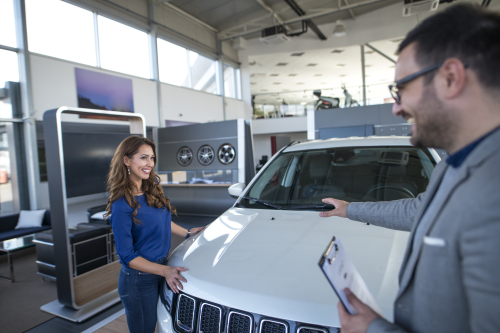
Trust is the cornerstone of any car purchase, a decision often fraught with financial and emotional weight. Yet, in an era of skepticism toward traditional advertising, consumers are turning to their peers for guidance. Authentic customer reviews raw, unscripted accounts of real experiences have become a linchpin for building that trust. Unlike curated marketing campaigns, these reviews offer a window into the lived reality of owning a car, from the practicality of a minivan’s storage to the thrill of a sports car’s acceleration.
A study on purchase intent conducted in Sri Lanka revealed that user-generated reviews significantly sway buyer’s decisions, particularly when they are detailed and relatable. The findings align with broader trends: a Nielsen report found that a significant portion of consumers trust online reviews as much as personal recommendations from friends or family. This statistic underscores a critical shift buyers value authenticity over perfection. A glowing five-star review with vague praise raises eyebrows, but a four-star review detailing a dealership’s transparent pricing or responsive service team resonates deeply.
Jupiter Chevrolet has capitalized on this trend by actively encouraging customers to share their stories on platforms like Google, Yelp, and X. One Google review from a young couple in Garland, Texas, captures the impact: “We were nervous about buying our first car, but the team at Jupiter listened and didn’t push. We drove away feeling confident.” This isn’t scripted poetry; it’s the kind of real-world feedback that sways hesitant buyers. By showcasing such reviews on their website and social channels, Jupiter transforms individual experiences into a collective narrative of trust. Dealerships that prioritize these authentic voices don’t just attract customers they build lasting credibility in a competitive market.
Moreover, reviews serve as a feedback loop for improvement. Negative reviews, when handled transparently, can be as powerful as positive ones. A study by BrightLocal found that a majority of consumers read responses to negative reviews to gauge a business’s accountability. Jupiter’s approach acknowledging criticism and outlining solutions demonstrates a commitment to customer satisfaction, further reinforcing trust. In an industry where a single bad experience can go viral, this proactive stance is a strategic necessity.
Social Media: Amplifying the Conversation
If reviews lay the groundwork for trust, social media is the engine that amplifies it. Platforms like Instagram, TikTok, and X have turned car shopping into a dynamic, visual experience, where buyers don’t just read about cars they see them in action. A quick search for #ChevyLife reveals a vibrant ecosystem of user-generated content: owners showcasing custom paint jobs on their Silverados, families documenting road trips in their Equinoxes, or commuters praising their Bolt’s electric range. These posts aren’t ads they’re stories, and they’re reshaping how dealerships connect with buyers.
According to GIADA’s marketing strategies, dealerships can harness social media by reposting customer content, provided they secure permission. This approach has proven effective for Jupiter Chevrolet, which regularly shares customer photos and videos on its Instagram and X accounts. A recent post a time-lapse of a family unpacking their new Traverse at a Texas campsite garnered significant views, each one a potential customer. Data from Sprout Social supports this strategy, noting that UGC-driven posts generate higher engagement than brand-created content. The reason is simple: consumers trust content from their peers over polished corporate campaigns.
But amplification is only half the equation. Engagement is where dealerships truly stand out. Jupiter’s social media team doesn’t just repost content they interact with it. When a customer tweeted about their Chevy Bolt’s 259-mile EPA-estimated range, the dealership responded, “Glad you’re loving the Bolt! How’s it handling those Texas hills?” This small exchange humanizes the brand, fostering a sense of community. A Hootsuite report found that a majority of consumers feel more connected to brands that respond to their social media posts. For dealerships, these interactions are a low-cost, high-impact way to keep their brand top-of-mind.
Social media also offers a platform for real-time storytelling. During a recent Chevy truck event, Jupiter encouraged attendees to post photos with #JupiterChevyTrucks, curating a live feed of customer experiences. The campaign generated hundreds of posts, from tailgate selfies to videos of test drives, creating a digital scrapbook of community engagement. This approach not only boosts visibility but also taps into the emotional connection buyers feel with their vehicles a connection that drives loyalty and referrals.
Influencer Partnerships: Trust at Scale
While reviews and social media posts resonate with everyday buyers, influencer partnerships take UGC to the next level. Unlike traditional celebrity endorsements, today’s automotive influencers are often micro-influencers local enthusiasts, lifestyle bloggers, or niche content creators with followings in the thousands. Their authenticity and relatability make them powerful allies for dealerships aiming to reach targeted audiences.
A report from Influencer Marketing Hub found that a majority of consumers trust influencer recommendations over conventional ads. This trust stems from the personal connection influencers cultivate with their followers. For example, a Dallas-based overlanding enthusiast with 20,000 Instagram followers partnered with Jupiter Chevrolet to showcase a Chevy Blazer’s off-road capabilities. Their posts gritty shots of muddy trails and detailed captions about the Blazer’s 308 horsepower drew thousands of likes and comments from local adventure seekers. This wasn’t a hard sell; it was a story that resonated with a specific audience.
Jupiter has strategically embraced these partnerships, focusing on influencers who align with their brand values. A recent campaign featured a local automotive vlogger test-driving a Corvette Stingray, highlighting its 0-60 mph sprint in 2.9 seconds. The video, shared across X and YouTube, amassed over 50,000 views and sparked dozens of inquiries at the dealership. By giving influencers creative freedom to tell their own stories, Jupiter ensures the content feels genuine, not scripted. This authenticity is critical: a Edelman Trust Barometer report noted that a significant portion of consumers are skeptical of overly polished influencer content.
Influencer partnerships also offer measurable returns. A study by HubSpot found that businesses partnering with micro-influencers see a higher conversion rate than those relying solely on traditional ads. For dealerships, this translates into showroom visits and test drives. By carefully selecting influencers whose audiences match their target demographics, Jupiter maximizes the impact of every campaign, proving that trust can be scaled without sacrificing authenticity.
UGC as the Future of Automotive Sales
The automotive industry has always thrived on connection between a driver and their car, between a buyer and a brand. User-generated content is the catalyst that makes these connections deeper, more authentic, and more impactful. From the single mom posting about her reliable Malibu on Google to the influencer tearing up a trail in a Tahoe on Instagram, these voices don’t just sell cars they build trust, spark engagement, and foster communities.
For dealerships like Jupiter Chevrolet, UGC is more than a marketing trend; it’s a paradigm shift. By prioritizing authentic reviews, amplifying social media conversations, and forging strategic influencer partnerships, they’re not just adapting to the digital age they’re leading it. The numbers tell the story: many consumers trust peer reviews, UGC generates higher engagement, and influencer recommendations are trusted by many. But beyond the data lies a deeper truth: in an industry built on trust, the most powerful voice is the one that feels real.
As car buyers continue to demand transparency and authenticity, dealerships that embrace UGC will thrive. The next time you’re scrolling through X and see a post about a Chevy that speaks to you, pay attention. It’s not just a car it’s a story, and it might just lead you to the driver’s seat.
Disclaimer: The above helpful resources content contains personal opinions and experiences. The information provided is for general knowledge and does not constitute professional advice.
You may also be interested in: Jupiter Chevrolet Blog | News, Updates, and Info – Jupiter Chevrolet
Feeling stuck in the stressful car-buying process? At Jupiter Chevrolet in Garland, TX, we’ve reimagined how buying a car should feel. With transparent pricing, online deal-building tools, and the benefits of our Jupiter Advantage program, we ensure every step is straightforward and satisfying. Skip the hassle. From purchase to certified service, our team truly puts your choice and convenience first. Turn your dreams of finding your ideal Chevrolet into reality with us. Visit Jupiter Chevrolet today!
Powered by flareAI.

Quick Listen:
The automotive industry is undergoing a digital transformation that is reshaping how dealerships engage with customers. Social media, once seen as a platform for casual interactions, has now become a pivotal channel in the automotive sales process. Customers today are more inclined toward transparency, convenience, and personalization when making purchasing decisions. According to a Cox Automotive study, consumer satisfaction is at an all-time high, especially among new car and electric vehicle (EV) buyers, thanks to the increasing reliance on digital tools throughout the buying journey. This shift places social media analytics at the heart of dealership strategies to understand and anticipate consumer needs and behaviors.
Why Social Media Analytics Matter
Social media analytics are more than just numbers they are the foundation for data-driven decision-making. These tools offer dealerships critical insights into customer behavior, preferences, and engagement patterns. By analyzing social media interactions, dealerships can fine-tune their marketing strategies and gain an edge in a highly competitive market. AI-powered platforms, such as those used in the automotive industry, help streamline this process by providing real-time data that drives more informed decision-making. A report from Think with Google emphasizes how consumers increasingly rely on digital platforms for car research, often turning to social media for initial impressions of brands and vehicles. This trend highlights the growing importance of using social media analytics to create marketing campaigns that resonate with today’s digital-first consumers.
Success Stories: Dealerships Winning with Analytics
Many dealerships have already seen the positive effects of integrating social media analytics into their marketing strategies. For example, dealerships that actively use data to track social media trends and consumer engagement often find themselves ahead of the curve in terms of meeting consumer expectations. Successful campaigns that utilize user-generated content (UGC) and targeted ads are especially effective at building trust and loyalty. These strategies not only increase customer engagement but also foster a sense of community among buyers. While specific case studies exist, such as those discussed in industry webinars, dealerships have successfully increased sales and customer retention by leveraging social media analytics to fine-tune their marketing campaigns. By focusing on customer-generated content and making real-time adjustments based on social media feedback, dealerships enhance their credibility and build stronger relationships with their audience.
Future Trends in Social Media Analytics
The landscape of social media analytics is continually evolving, especially with the rapid advancements in technology. Emerging trends such as artificial intelligence (AI), predictive analytics, and virtual showrooms are set to revolutionize the way dealerships connect with consumers. AI and predictive analytics, for example, enable dealerships to forecast trends, anticipate customer needs, and offer highly personalized recommendations. As a result, these technologies empower dealerships to create more targeted campaigns that resonate with consumers on a deeper level. A Urban Science report suggests that as younger generations increasingly enter the car-buying market, dealerships must be ready to adapt to new expectations for digital-first experiences. As younger consumers demand more tech-savvy solutions, the role of social media analytics in anticipating and meeting these demands will only become more critical.
Building Consumer Trust with Social Media
Trust is one of the most valuable currencies in the automotive industry. With the growing emphasis on online research and the role of social media in shaping consumer opinions, dealerships must be mindful of the content they share. Transparency is key. As consumers turn to social media platforms for information, they expect brands to be open, honest, and responsive. This transparency is vital not just for driving immediate sales, but for building long-term customer relationships. By actively engaging with consumers and addressing their questions or concerns in real-time, dealerships can foster a sense of community and trust. The need for credibility in the digital age cannot be overstated, especially with platforms like Facebook, Instagram, and TikTok increasingly serving as first points of contact between dealerships and potential buyers.
Overcoming Challenges in Social Media Marketing
While social media offers immense opportunities, it also presents its own set of challenges. Misinformation, misleading content, and the spread of negative reviews can erode trust if not managed properly. Dealerships must be vigilant in monitoring their social media presence and addressing any issues before they escalate. In addition, creating consistent, high-quality content that resonates with diverse audiences can be a time-consuming task. To mitigate these challenges, dealerships can implement content moderation strategies and establish clear guidelines for community engagement. CBT News suggests that by maintaining a proactive approach to social media management, dealerships can protect their reputation and continue to build customer trust in an ever-changing digital environment.
Driving Success Through Data
In the digital age, data-driven decision-making is essential for any dealership looking to thrive in an increasingly competitive market. Social media analytics provide valuable insights that help dealerships understand customer behavior, optimize marketing campaigns, and enhance the customer experience. As technology continues to advance, the role of social media analytics will only become more integral to dealership success. By embracing these tools and adapting to emerging trends, dealerships can stay ahead of the curve and deliver the personalized, seamless experiences that modern car buyers demand. The future of automotive sales is data-driven, and dealerships that leverage the power of social media analytics will be the ones leading the charge toward greater customer satisfaction and business growth.
Disclaimer: The above helpful resources content contains personal opinions and experiences. The information provided is for general knowledge and does not constitute professional advice.
You may also be interested in: Jupiter Chevrolet Blog | News, Updates, and Info – Jupiter Chevrolet
Feeling stuck in the stressful car-buying process? At Jupiter Chevrolet in Garland, TX, we’ve reimagined how buying a car should feel. With transparent pricing, online deal-building tools, and the benefits of our Jupiter Advantage program, we ensure every step is straightforward and satisfying. Skip the hassle. From purchase to certified service, our team truly puts your choice and convenience first. Turn your dreams of finding your ideal Chevrolet into reality with us. Visit Jupiter Chevrolet today!
Powered by flareAI.

The automotive industry is in the midst of a dramatic transformation. In a market where consumers are increasingly turning to online platforms to browse, compare, and purchase vehicles, the traditional car-buying experience is being reshaped by technology. This digital revolution is being driven by a demand for convenience, transparency, and a more personalized shopping experience. Social media plays a pivotal role in this shift, allowing dealerships to build stronger relationships with their customers, increase visibility, and drive sales. As the lines between the digital and physical worlds continue to blur, local car dealerships must embrace social media as a crucial tool in their marketing strategies to stay competitive in this rapidly evolving landscape.
Why Social Media is Essential for Dealerships
Social media has fundamentally changed the way businesses interact with their customers, and the automotive industry is no exception. Platforms like Facebook, Instagram, and YouTube offer dealerships a unique opportunity to engage with potential buyers in real-time, showcase their inventory, and build a sense of trust and transparency. Unlike traditional advertising, social media enables direct, two-way communication between dealerships and consumers. This real-time engagement is crucial in a competitive market where trust is a key driver of purchase decisions.
For local dealerships, social media offers the perfect avenue for connecting with customers beyond just selling vehicles. It provides a space to share behind-the-scenes content, highlight customer stories, and show off the dealership’s personality. The ability to tell stories through compelling visuals, videos, and user-generated content (UGC) fosters a deeper connection between the dealership and its community. Customers are more likely to trust a brand that is transparent, engaging, and responsive to their needs.
Building Your Strategy
To craft a successful social media strategy, dealerships must first define their goals. Are they aiming to increase brand awareness, drive foot traffic to their dealership, or build a loyal community of customers? Once these goals are set, it is essential to identify the target audience. Social media analytics tools can provide valuable insights into the demographics, interests, and behaviors of potential customers. This data allows dealerships to create highly targeted campaigns that speak directly to the needs and preferences of their audience.
Next, dealerships should select the right platforms based on their goals and audience. Facebook is ideal for running targeted ads and engaging with a broad audience, while Instagram is perfect for visually showcasing inventory and lifestyle content. YouTube offers a platform for longer-form videos, such as virtual showrooms and customer testimonials, which can have a significant impact on building trust and credibility. By understanding where their target audience spends the most time, dealerships can focus their efforts on the platforms that will yield the best results.
Content Creation That Converts
Creating content that resonates with potential buyers is crucial to converting social media followers into customers. The key is to focus on authenticity and engagement. One of the most effective ways to build credibility is through user-generated content (UGC). By encouraging customers to share their experiences whether through photos, videos, or reviews dealerships can showcase real-life testimonials that will resonate with other buyers. UGC acts as a powerful form of social proof, which is highly influential in the decision-making process for many consumers.
Live streaming is another tool that dealerships should consider integrating into their content strategy. Platforms like Facebook Live, Instagram Live, and YouTube Live allow dealerships to host virtual showroom tours, real-time Q&A sessions, and product demonstrations. This format allows customers to interact with the dealership, ask questions, and view cars up close, all from the comfort of their own homes. Live streaming is particularly effective in building trust and demonstrating transparency, as it allows dealerships to show unedited, authentic content.
Short-form videos are also a highly effective content type for social media. Platforms like TikTok and Instagram Stories allow dealerships to quickly capture attention with eye-catching visuals and engaging messaging. Whether it’s a fun car walkaround or a quick behind-the-scenes glimpse into dealership life, these bite-sized pieces of content can quickly grab the attention of potential buyers and encourage them to take action.
Engaging the Community
While social media provides a global platform for dealerships to showcase their inventory, community engagement is what drives long-term loyalty. Local car dealerships have the unique opportunity to build strong, meaningful relationships with their communities, which can translate to increased brand affinity and customer retention. Hosting community events, supporting local charities, or engaging with schools and nonprofits are great ways to demonstrate a dealership’s commitment to the local area.
Social media serves as an amplifier for these community-building efforts. By sharing photos and videos from events, promoting local initiatives, and highlighting charitable efforts, dealerships can strengthen their connection with local customers. This not only helps to build a positive reputation but also establishes the dealership as a community-centered business that cares about more than just making sales.
Moreover, showcasing customer stories and testimonials on social media adds a personal touch to the dealership’s brand. These stories humanize the business and create a sense of belonging among followers. When customers feel emotionally connected to a brand, they are more likely to return and recommend the dealership to others.
Analytics: The Roadmap to Improvement
Analytics also offer insights into customer preferences and behaviors. For example, if a particular type of post such as a video showcasing a vehicle generates more engagement than a static photo, dealerships can use this data to inform future content creation. Tracking ROI on social media ads is also crucial to understanding which campaigns are driving the most sales or traffic, helping dealerships allocate their marketing budgets more effectively.
Embracing the Future
The future of car buying is digital, and dealerships that embrace social media as a central part of their marketing strategy are well-positioned to thrive in this new landscape. From engaging content to real-time customer interactions, social media offers numerous opportunities to build trust, drive sales, and strengthen community ties. However, success on social media requires more than just posting content it requires a well-thought-out strategy, consistent engagement, and a commitment to measuring and improving performance.
As the automotive industry continues to evolve, dealerships must remain adaptable and responsive to the changing needs of their customers. By leveraging the power of social media, dealerships can not only survive but thrive in a rapidly evolving market. The key is to remain authentic, transparent, and committed to creating meaningful connections with customers. By doing so, dealerships can establish themselves as trusted pillars in their local communities, ensuring long-term success in the digital age.
Disclaimer: The above helpful resources content contains personal opinions and experiences. The information provided is for general knowledge and does not constitute professional advice.
You may also be interested in: Jupiter Chevrolet Blog | News, Updates, and Info – Jupiter Chevrolet
Feeling stuck in the stressful car-buying process? At Jupiter Chevrolet in Garland, TX, we’ve reimagined how buying a car should feel. With transparent pricing, online deal-building tools, and the benefits of our Jupiter Advantage program, we ensure every step is straightforward and satisfying. Skip the hassle. From purchase to certified service, our team truly puts your choice and convenience first. Turn your dreams of finding your ideal Chevrolet into reality with us. Visit Jupiter Chevrolet today!
Powered by flareAI.

Quick Listen:
In the heart of Garland, Texas, Jupiter Chevrolet’s lot gleams with rows of polished vehicles, but its real showroom thrives in the glow of smartphone screens. A customer scrolls through Instagram, pausing on a video of a Corvette’s engine purring, then taps a poll: “Which Chevy color turns heads?” This isn’t just marketing it’s reputation management in real time, where every post, comment, and share shapes how buyers perceive a dealership. Social media has transformed the automotive industry, turning platforms like X, TikTok, and Instagram into critical battlegrounds for trust, loyalty, and sales. For dealerships, mastering this digital landscape is no longer optional; it’s the key to thriving in a hyper-connected world.
The Stakes of Digital Presence
Social media is the modern equivalent of a dealership’s front door, welcoming or repelling potential buyers before they ever set foot on the lot. A 2023 study revealed that a significant portion of car buyers research dealerships online, with social media heavily influencing their trust in a brand. A single unanswered complaint on X can erode confidence, while a viral customer testimonial can elevate a dealership’s standing overnight. For Jupiter Chevrolet, platforms like Instagram and TikTok amplify its reach, leveraging targeted ads and influencer collaborations to connect with local car enthusiasts.
The numbers tell a compelling story. Dealerships with active social media presences see higher customer retention rates, as consistent engagement fosters loyalty. Yet, the digital spotlight is unforgiving. A poorly handled review or an outdated post can signal neglect, pushing buyers to competitors. In this high-stakes environment, social media isn’t just about visibility it’s about crafting a reputation that resonates with a discerning, digitally savvy audience.
The Art of Visual Storytelling
If a picture is worth a thousand words, a well-crafted car photo is worth a thousand clicks. Jupiter Chevrolet’s Instagram feed is a masterclass in visual storytelling: a Silverado framed against a Texas sunset, a family beaming beside their new Traverse, a slow-motion video of a Camaro’s wheels spinning. These images don’t just showcase inventory they sell a lifestyle. “Visuals drive engagement,” notes Ben Labs, reporting that a single high-quality photo can generate twice the interaction of a text-only post.
Consistency is the backbone of this strategy. Jupiter Chevrolet maintains a unified aesthetic crisp lighting, bold colors, and subtle logo placement to ensure every post feels like part of a cohesive brand. Videos, too, are indispensable. A 30-second clip highlighting a car’s tech features or a technician’s maintenance tip can humanize the dealership, building trust. Friendemic’s 2023 infographic found that 64% of car buyers say social media videos swayed their purchase decisions, underscoring the need for dealerships to invest in professional-grade visuals.
Creating this content requires more than a smartphone and a filter. Dealerships must prioritize quality, training staff to capture compelling shots or hiring photographers to elevate their feeds. The payoff is clear: visually rich posts not only attract attention but also reinforce a dealership’s reputation as a premium, trustworthy brand.
Engaging the Digital Driver
Social media thrives on interaction, and Jupiter Chevrolet doesn’t just post it converses. A recent Instagram poll asking, “Which Chevy SUV matches your vibe?” sparked hundreds of responses, while a “Guess the Model” quiz kept followers engaged for days. Behind-the-scenes content, like a timelapse of a new Equinox rolling into the showroom, invites followers into the dealership’s world, fostering a sense of insider connection.
User-generated content (UGC) is a particularly potent tool. When a customer posts a photo of their new Malibu with JupiterChevy, the dealership reposts it, celebrating the buyer and building community. “UGC is authenticity in action,” says Reputation.com, noting that it can boost engagement by 25%. Customers trust peer stories over polished ads, making UGC a digital equivalent of word-of-mouth marketing.
Interactive content also drives measurable results. Polls and quizzes not only entertain but also provide data on customer preferences, helping dealerships tailor their offerings. For instance, Jupiter Chevrolet noticed that posts about family-friendly SUVs outperformed sports car content, prompting a shift in focus. This agility listening to the audience and adapting sets top dealerships apart in a crowded digital landscape.
The Power of Narrative
Buying a car is rarely just a transaction; it’s a milestone. The thrill of a first drive, the pride of a new family vehicle, the freedom of a road trip these are the emotions that social media can amplify through storytelling. Jupiter Chevrolet excels here, sharing customer stories that resonate. A recent video featured a young couple picking up their first Chevy, their joy palpable as they drove off. Such posts don’t just sell cars; they sell trust.
Strategic narratives also highlight a dealership’s values. When Jupiter Chevrolet posted about sponsoring a local car show, it wasn’t just promotion it was a statement of community commitment. “Stories forge emotional connections,” explains CBT News, with 55% of buyers saying a dealership’s story influenced their decision. These narratives elevate a brand from a business to a trusted partner, fostering loyalty that outlasts a single sale.
Storytelling requires finesse. Dealerships must balance authenticity with strategy, ensuring posts feel genuine without veering into overt sales pitches. Jupiter Chevrolet’s approach highlighting real customers and local ties strikes this balance, creating a narrative that feels both personal and purposeful.
Navigating Feedback with Care
Social media’s immediacy is a double-edged sword. A glowing review can bolster a dealership’s reputation, but a complaint about a botched oil change can spread like wildfire. Jupiter Chevrolet monitors its platforms vigilantly, responding to feedback with professionalism and speed. A 2023 Friendemic study found that 71% of customers trust dealerships more when they address negative comments promptly.
This proactive stance can turn critics into champions. When a customer tweeted about a billing error, Jupiter Chevrolet responded publicly, apologized, and resolved the issue privately. The customer later posted a glowing follow-up, praising the service. Ignoring feedback, by contrast, is perilous: Reputation.com reports that 68% of customers expect a response within 24 hours, and silence can alienate them.
Effective reputation management also involves encouraging positive reviews. Jupiter Chevrolet invites satisfied customers to share their experiences on social media, amplifying praise while addressing criticism head-on. This balanced approach builds credibility, showing buyers that the dealership values transparency.
Measuring Success, Optimizing Impact
A like is nice, but a lead is better. Jupiter Chevrolet tracks metrics like engagement rates, click-throughs, and conversion rates to assess its social media performance. Tools like Instagram Insights reveal which posts resonate say, a video tour of a new Blazer versus a static service ad enabling data-driven refinements. “Analytics are the roadmap,” says Vista Social, noting that dealerships using data-driven strategies see higher conversion rates.
Optimization is ongoing. If polls outperform photos, Jupiter Chevrolet leans into interactive content. If X drives more leads than TikTok, resources shift accordingly. This adaptability ensures that every post maximizes impact, turning digital impressions into showroom visits. Dealerships that fail to analyze their performance risk wasting resources on ineffective content, underscoring the need for a strategic, metrics-focused approach.
The Road Ahead
Social media has redefined the car-buying journey, transforming how customers discover, evaluate, and trust dealerships. For Jupiter Chevrolet, every post is an opportunity to build a reputation that drives loyalty and sales. From stunning visuals to heartfelt stories, the dealership curates a digital presence as compelling as the vehicles it sells. Yet, the work is never done. As platforms evolve and customer expectations rise, dealerships must stay agile, balancing creativity with strategy to remain relevant.
In this digital age, a dealership’s reputation is only as strong as its last interaction. For Jupiter Chevrolet, social media is more than a tool it’s the engine of trust, powering connections that keep customers coming back, one post at a time.
Disclaimer: The above helpful resources content contains personal opinions and experiences. The information provided is for general knowledge and does not constitute professional advice.
You may also be interested in: Jupiter Chevrolet Blog | News, Updates, and Info – Jupiter Chevrolet
Feeling stuck in the stressful car-buying process? At Jupiter Chevrolet in Garland, TX, we’ve reimagined how buying a car should feel. With transparent pricing, online deal-building tools, and the benefits of our Jupiter Advantage program, we ensure every step is straightforward and satisfying. Skip the hassle. From purchase to certified service, our team truly puts your choice and convenience first. Turn your dreams of finding your ideal Chevrolet into reality with us. Visit Jupiter Chevrolet today!
Powered by flareAI.

Quick Listen:
The car buying experience has transformed dramatically over the past decade, propelled by digital innovations and changing consumer expectations. With platforms like Facebook, Instagram, and YouTube now central to the buying journey, car dealerships have been forced to rethink how they engage with customers online. As the automotive industry moves away from traditional showroom interactions and embraces the digital-first environment, one crucial aspect remains unchanged: the need for consistency in branding. Dealerships that maintain a cohesive, unified presence across their social media platforms are far more likely to foster trust, build customer loyalty, and ultimately drive sales.
Why Consistency Matters in Social Media Branding
Consistency in social media branding is fundamental for several reasons. First, it builds trust with customers. In a digital space flooded with noise and distractions, customers are more likely to engage with and return to brands that present a unified message. A consistent brand voice and visual identity on platforms like Facebook, Instagram, and Twitter allows dealerships to communicate reliability and professionalism. When customers encounter the same logo, tone, and messaging across various platforms, it reinforces the dealership’s commitment to quality and customer service.
For modern consumers, a seamless online experience is not just a luxury; it’s an expectation. Dealerships that provide this consistency in messaging across social media channels are more likely to meet consumer expectations for transparency and reliability. According to Dealer Marketing, dealerships that prioritize consistency across their digital platforms stand to benefit from a more engaged and loyal customer base.
Key Elements of Consistent Social Media Branding
To successfully implement a consistent social media strategy, dealerships must focus on several key elements: visual cohesion, messaging, and a regular posting schedule.
- Visual Cohesion
Maintaining a consistent visual identity across platforms is one of the easiest ways to build recognition. This includes using the same logo, color scheme, and design templates, ensuring that whether a customer is browsing your Instagram profile or viewing your Facebook ads, they immediately recognize your brand. Visual consistency helps reinforce the identity of your dealership, making it instantly identifiable in a sea of competing posts. - Unified Messaging
The tone of your posts should reflect your dealership’s core values. Whether you’re sharing vehicle promotions, customer testimonials, or community involvement initiatives, your messaging should remain consistent. A clear, relatable tone helps potential customers connect with your dealership on a personal level. Your social media posts should tell a coherent story about who you are as a business and what your values represent. According to Sendible, dealerships that align their messaging with their audience’s interests and needs tend to experience higher levels of customer interaction and engagement.
Real-Life Success Stories: Consistency in Action
Many dealerships have successfully implemented consistent social media branding strategies, reaping tangible benefits in terms of engagement, loyalty, and sales. For instance, some dealership groups in the U.S. have adopted a consistent content strategy across their social media platforms. By utilizing cohesive design templates, messaging, and regular posting schedules, these dealerships have improved brand recognition and seen an increase in online inquiries and test drives.
Challenges and Solutions
While the benefits of consistent branding are clear, there are challenges, especially for smaller dealerships with limited resources. Maintaining a unified social media presence can be resource-intensive, requiring significant time and effort to produce high-quality content. However, there are solutions. Automation tools like Sendible allow dealerships to schedule posts in advance, ensuring that content is published consistently without requiring a dedicated team for daily updates. Additionally, tools like Canva or Adobe Spark can help create professional visuals without a graphic designer.
Another challenge is adapting content to fit the unique requirements of each social media platform. While the messaging and visuals should remain consistent, the format and tone may need to be adjusted to suit the platform. For instance, Instagram may be more focused on high-quality images and short-form videos, while Facebook can accommodate longer-form content and customer reviews. Dealerships should tailor their content to the unique audience expectations of each platform, while still ensuring that the overall brand voice remains consistent. According to Digital2Dealer, customizing content without straying from the core brand identity is essential for maintaining consistency across multiple channels.
Driving Long-Term Success Through Consistency
As the digital landscape continues to evolve, so too will the expectations of consumers. Dealerships must stay ahead of these changes by regularly auditing their social media presence and adapting their strategies to maintain consistency. This approach isn’t just about maintaining a unified appearance; it’s about fostering genuine connections with customers, making them feel valued and heard. Consistency in social media branding is not just a strategy it’s an investment in long-term success and sustainable growth.
For dealerships looking to thrive in today’s digital-first environment, it’s clear: maintaining a consistent brand presence on social media is the key to unlocking new opportunities and achieving lasting success.
Disclaimer: The above helpful resources content contains personal opinions and experiences. The information provided is for general knowledge and does not constitute professional advice.
You may also be interested in: Jupiter Chevrolet is a GARLAND Chevrolet dealer and a new car
Feeling stuck in the stressful car-buying process? At Jupiter Chevrolet in Garland, TX, we’ve reimagined how buying a car should feel. With transparent pricing, online deal-building tools, and the benefits of our Jupiter Advantage program, we ensure every step is straightforward and satisfying. Skip the hassle. From purchase to certified service, our team truly puts your choice and convenience first. Turn your dreams of finding your ideal Chevrolet into reality with us. Visit Jupiter Chevrolet today!
Powered by flareAI.
The car-buying journey has changed drastically, with social media becoming an essential tool for dealerships. Twitter, in particular, has proven to be a game-changer in automotive sales, offering a direct line of communication between dealerships and potential customers. As the automotive industry continues to evolve, social media platforms like Twitter are pivotal in driving real-time engagement and building long-lasting relationships with customers.
1. Building Brand Awareness on Twitter
One of the most immediate benefits of Twitter for automotive sales is its potential to build brand awareness. With its fast-paced nature and millions of active users worldwide, Twitter offers car dealerships a unique opportunity to connect with a broad audience. By using trending hashtags and Twitter Moments, dealerships can significantly amplify their visibility and reach customers who might otherwise be out of sight. Participating in popular trends or creating custom hashtags tied to your dealership or a promotional campaign can organically increase traffic to your profile.
Additionally, posting visually compelling content such as high-quality images or videos of vehicles can attract attention and highlight the key selling points of specific models. Tweets showcasing inventory in creative and engaging ways featuring new arrivals, special editions, or limited-time offers can quickly capture the attention of potential buyers.
As a best practice, using branded hashtags not only helps in improving your dealership’s visibility but also fosters a sense of community around your brand. It encourages customers to share their own experiences or promotions using the same hashtags, further enhancing your outreach and organic marketing efforts.
2. Engaging Customers in Real Time
Real-time engagement is where Twitter truly shines for automotive sales. The platform allows for instant interaction with potential buyers, fostering a sense of accessibility and personalization. Whether responding to a simple question or addressing a customer’s concern, the ability to provide immediate feedback makes Twitter an invaluable tool for building trust.
A highly effective way to engage with potential customers is by hosting live Q&A sessions on Twitter. These sessions allow customers to ask questions about specific vehicles, financing options, or features, which can be answered instantly. This not only increases transparency but also builds credibility with buyers who might be hesitant about the car-buying process.
Moreover, leveraging Twitter’s interactive features like polls and tweets that ask for customer feedback can help dealerships gather valuable insights while keeping their audience engaged. These simple interactions make customers feel involved and valued, which can help increase loyalty and boost conversion rates.
3. Promoting Inventory and Special Offers
Twitter is an excellent platform for sharing updates on inventory, special promotions, and limited-time offers. By tweeting about exclusive deals or new arrivals, dealerships can generate interest and create urgency among potential buyers. For example, announcing a flash sale or a price reduction on a particular vehicle can prompt immediate action from consumers.
Using Twitter’s video and image features to showcase vehicles is especially effective. Videos or carousel posts that highlight key features of a car such as the interior design, fuel efficiency, or safety features can grab attention and help customers visualize themselves driving the vehicle. The engaging nature of multimedia content on Twitter can be a powerful tool to increase both awareness and interest in your dealership’s inventory.
4. Leveraging Influencer Partnerships
Another powerful strategy for using Twitter in automotive sales is collaborating with influencers in the automotive space. Influencers have built trust with their followers, and when they share their experiences or review vehicles, they can significantly extend the reach of your dealership.
Working with automotive influencers on Twitter can also help establish your dealership’s credibility. Influencers can post about test drives, car reviews, or even customer stories. This third-party endorsement boosts trust and credibility, making it easier for potential buyers to consider your dealership.
5. Utilizing Analytics for Continuous Improvement
A key to optimizing any social media strategy is the use of analytics. Twitter’s built-in analytics tool provides insights into how well your tweets are performing, including engagement rates, impressions, and interactions. These metrics can be used to refine your strategies and determine what content resonates most with your audience.
For example, analyzing engagement metrics for different types of content whether it’s text-based tweets, image posts, or videos can help you understand which formats generate the most interaction. By tracking audience demographics, dealerships can better tailor their content to target the most relevant customer segments.
Driving Sales Through Social Media Innovation
Twitter provides a powerful, real-time platform for automotive dealerships to engage with customers, promote their inventory, and ultimately drive sales. The ability to interact with potential buyers instantly, promote exclusive offers, and showcase inventory through interactive content sets Twitter apart from other social media platforms. By adopting real-time engagement strategies and leveraging influencer partnerships, dealerships can elevate their social media presence and increase customer loyalty.
However, the key to success on Twitter lies in continuous optimization. By using Twitter’s analytics tools and tracking the success of different content formats, dealerships can improve their approach and stay ahead of industry trends. In a competitive automotive market, embracing Twitter as a central part of your marketing strategy can create valuable, lasting connections with customers and drive sales well into the future.
Twitter is not just about quick updates it’s a comprehensive tool for building relationships, amplifying your brand’s presence, and closing sales in the digital age.
Disclaimer: The above helpful resources content contains personal opinions and experiences. The information provided is for general knowledge and does not constitute professional advice.
You may also be interested in: Jupiter Chevrolet Blog | News, Updates, and Info – Jupiter Chevrolet
Feeling stuck in the stressful car-buying process? At Jupiter Chevrolet in Garland, TX, we’ve reimagined how buying a car should feel. With transparent pricing, online deal-building tools, and the benefits of our Jupiter Advantage program, we ensure every step is straightforward and satisfying. Skip the hassle. From purchase to certified service, our team truly puts your choice and convenience first. Turn your dreams of finding your ideal Chevrolet into reality with us. Visit Jupiter Chevrolet today!
Powered by flareAI.
Connect with us


