






Quick Listen:
The automotive industry is no stranger to change. But over the last decade, one shift has proven to be a game-changer: social media’s impact on customer service. Once a one-way street, the road to customer engagement is now a dynamic, real-time exchange. Automotive brands are increasingly turning to platforms like Facebook, Instagram, and Twitter to not just promote products, but to build lasting, personalized relationships with their customers. As transparency, convenience, and immediacy become the expectations, how is social media reshaping customer service in the automotive world?
Real-Time Communication: Bridging the Gap
A decade ago, the typical car-buying experience involved a lot of waiting: waiting for a salesperson to answer a call, waiting for email replies, or waiting for a visit to a dealership. Fast-forward to today, and the rise of social media has transformed that static interaction into a fluid, real-time conversation.
Platforms like Facebook, Instagram, and Twitter have become the go-to channels for immediate customer inquiries. Whether it’s a question about a vehicle’s features or an urgent need for after-sales support, automotive brands now provide real-time communication. Customers value quick responses more than ever. This immediacy not only boosts satisfaction but also strengthens trust between customers and brands. The ability to respond instantly shows customers that their concerns matter and that the brand is not just a business, but a partner in their automotive journey.
Feedback and Insights: Driving Innovation
It’s no longer just about responding to inquiries; social media is also an invaluable tool for gathering feedback. Customers are vocal about their experiences, and automotive brands are paying attention. Social media provides a platform where buyers can share their opinions, suggest improvements, or express their concerns, creating a constant feedback loop.
This dialogue doesn’t just benefit customer service; it drives innovation. Brands can glean valuable insights into consumer needs and preferences, often well before they’re captured in surveys or focus groups. Understanding what customers want in real-time helps companies adapt more quickly, whether it’s refining a car’s design or enhancing the customer service experience.
Virtual Showrooms and AI: Enhancing Experiences
Innovation doesn’t stop at customer interaction; it extends to the entire car-buying process. With the rise of virtual showrooms and AI-powered tools, social media is also helping shape the future of automotive retail. Virtual reality (VR) and augmented reality (AR) have become central to offering customers a rich, interactive experience online.
Imagine browsing a car showroom from the comfort of your home, exploring every detail of a vehicle in 3D or through an immersive VR experience. Through these technological advancements, brands are not just selling a product but delivering an experience one that blends digital and physical interactions seamlessly. As B2B Autotrader highlights, these technologies aren’t just enhancing the customer journey; they’re streamlining decision-making, making it easier for customers to find the right vehicle, right from their phones.
Challenges: Navigating Misleading Content
However, not all that glitters on social media is gold. Alongside the positive aspects of social media, there’s a growing concern about misleading content. Whether it’s inflated promises, edited photos, or fake reviews, misinformation is becoming more prevalent, and it can undermine trust in automotive brands.
Building Customer-Centric Relationships
As we look to the future, it’s clear that social media is more than just a promotional tool; it’s a key pillar of customer service. By enabling real-time communication, fostering valuable feedback loops, and offering innovative, immersive experiences, social media has become the linchpin of modern automotive service. However, the industry must remain vigilant about the challenges, from misleading content to maintaining authenticity.
Automotive brands that leverage social media effectively are those that can create meaningful, personalized relationships with customers. As the industry moves toward a more digital-first future, one thing is certain: customer service will never be the same again. It’s now an omnichannel experience, where trust is built not just through transactions, but through real, human connections. And for brands that get it right, the road ahead is paved with opportunity.
Disclaimer: The above helpful resources content contains personal opinions and experiences. The information provided is for general knowledge and does not constitute professional advice.
You may also be interested in: Jupiter Chevrolet Blog | News, Updates, and Info – Jupiter Chevrolet
Feeling stuck in the stressful car-buying process? At Jupiter Chevrolet in Garland, TX, we’ve reimagined how buying a car should feel. With transparent pricing, online deal-building tools, and the benefits of our Jupiter Advantage program, we ensure every step is straightforward and satisfying. Skip the hassle. From purchase to certified service, our team truly puts your choice and convenience first. Turn your dreams of finding your ideal Chevrolet into reality with us. Visit Jupiter Chevrolet today!
Powered by flareAI.
Why Transparency Matters in Online Car Sales

Quick Listen:
Not long ago, buying a car meant a full day at the dealership walking rows of sun-baked inventory, test-driving models with a clipboard-wielding salesperson beside you, then sitting through a drawn-out negotiation session at a cubicle. But that familiar ritual is disappearing fast.
Today, many car buyers start and finish their purchase entirely online. They explore options on their phones, compare financing offers, and even arrange delivery all without setting foot in a showroom. But as the process grows more virtual, the demand for transparency has never been greater.
According to a Cox Automotive study, a significant number of car buyers reported higher satisfaction with digital buying experiences, largely due to increased access to information. The ease of online research has empowered consumers, but it has also placed immense pressure on dealers and platforms to present honest, comprehensive, and up-to-date data. In the absence of in-person assurances, transparency has become the cornerstone of trust.
A Market in Transition
The automotive landscape is evolving rapidly. After years of inventory shortages due to global supply chain disruptions, dealerships are finally seeing their lots refill. This increased supply is giving customers more negotiating power. As Bankrate reports, not only are buyers benefiting from greater selection, but they’re also making use of digital tools pre-qualification apps, loan comparison platforms, and trade-in calculators that make the process less overwhelming and more data-driven.
And there’s another shift happening beneath the surface: expectations. Today’s buyers don’t just want convenience they expect clarity. “The digital experience is only as good as the honesty behind it,” says an industry analyst. “Consumers are willing to make big-ticket purchases online, but they need to know they’re not being misled.”
Online car listings now often include high-resolution images, video walkarounds, repair history, and third-party inspection reports. It’s not just about selling a car it’s about earning trust before the first call or click.
Price Trends and Buyer Behavior
Heading into 2025, the U.S. auto market is at a tipping point. According to Investopedia, new car prices are stabilizing after sharp spikes in recent years, and dealers are reintroducing incentives to entice hesitant shoppers. For the first time in a while, buyers are seeing discounts reappear on vehicles that had been marked up during shortages.
Electric vehicles (EVs) are also reshaping the market. EV adoption continues to rise, fueled by federal incentives and improved charging infrastructure. EV buyers, often early tech adopters, are more likely to engage with digital retail tools and more likely to expect full transparency from dealers. According to Cox Automotive’s 2025 outlook, EV purchasers report high levels of satisfaction, in part because they encounter fewer surprises during the sales process.
Whether buying electric or gas-powered cars, modern consumers are doing their homework and they expect sellers to meet them with clear, reliable information.
Technology as a Double-Edged Sword
It’s true that automation, AI, and digital platforms have transformed car buying. Features like instant trade-in evaluations, credit pre-approval, and even virtual reality showroom experiences are now available to many buyers. But technology alone doesn’t guarantee confidence.
According to Cox Automotive insights, buyers feel most confident when digital research is paired with human validation such as a quick email reply, a transparent phone conversation, or a smooth in-person test drive. These “omnichannel” interactions blend convenience with credibility.
Dealers who publish third-party inspections, offer detailed reconditioning records, and clearly state return policies are more likely to earn repeat business. As noted in industry research, dealerships that lead with transparency see not only higher conversion rates but also higher long-term customer satisfaction.
Without that transparency, buyers are left wondering what’s hiding behind the photos.
The Cost of Confusion
Even as digital tools simplify browsing, financing remains one of the most confusing and sometimes opaque parts of car buying. Interest rates have risen over the past year, making loan terms a critical part of the decision-making process. That’s where financial transparency becomes especially vital.
As CarEdge’s 2025 predictions point out, savvy buyers are increasingly comparing financing options from banks, credit unions, and online lenders rather than defaulting to dealership-provided loans. This shift demands clearer presentation of interest rates, fees, and repayment terms.
For example, the difference between a lower and a higher APR can amount to thousands of dollars over a five-year term. Yet many listings gloss over those distinctions. Worse still are cases where buyers are surprised by add-on charges, such as extended warranties, anti-theft packages, or documentation fees none of which were disclosed until closing.
“The most important thing for consumers is knowing the true cost of ownership,” one financial advisor told Investopedia. “It’s not just the sticker price it’s financing, insurance, maintenance, and resale value.”
With a few clicks, consumers can uncover average costs, depreciation rates, and vehicle histories. If dealerships try to withhold that data, buyers will find it elsewhere and they’ll remember who was honest and who wasn’t.
What Buyers Can Do
For consumers, navigating the online car-buying landscape means knowing what questions to ask. Is the price listed inclusive of all fees? Has the vehicle passed a certified inspection? Are there any conditions on return or exchange?
Buyers should also rely on third-party platforms and tools. Websites like CarEdge and others provide side-by-side comparisons, recall data, ownership cost calculators, and loan offer aggregators. Using multiple sources to verify information especially when financing or trading in is now standard practice.
It’s also important to document all conversations and digital agreements. Screenshots, saved email chains, and printed loan terms can protect buyers if the deal doesn’t go as planned.
A Transparent Future
If 2024 was the year digital car shopping became mainstream, then 2025 is shaping up to be the year transparency becomes mandatory. Dealers who embrace openness who clearly disclose pricing, histories, warranties, and financing are seeing better customer retention and stronger reviews. Those who don’t are losing ground to platforms and competitors that do.
As the Cox Automotive market outlook shows, consumer satisfaction is closely tied to the buying journey not just the final price. In this environment, information is more than a sales tool. It’s the product. Buyers don’t just want a good car. They want a good experience getting it.
The future of auto sales belongs to those who tell the full story upfront. Transparency isn’t just an ethical obligation it’s the clearest path to loyalty in an era defined by screens, scrolls, and digital deals.
Disclaimer: The above helpful resources content contains personal opinions and experiences. The information provided is for general knowledge and does not constitute professional advice.
You may also be interested in: Jupiter Chevrolet Blog | News, Updates, and Info – Jupiter Chevrolet
Feeling stuck in the stressful car-buying process? At Jupiter Chevrolet in Garland, TX, we’ve reimagined how buying a car should feel. With transparent pricing, online deal-building tools, and the benefits of our Jupiter Advantage program, we ensure every step is straightforward and satisfying. Skip the hassle. From purchase to certified service, our team truly puts your choice and convenience first. Turn your dreams of finding your ideal Chevrolet into reality with us. Visit Jupiter Chevrolet today!
Powered by flareAI.
The Benefits of Personalized Content for Car Buyers
Quick Listen:
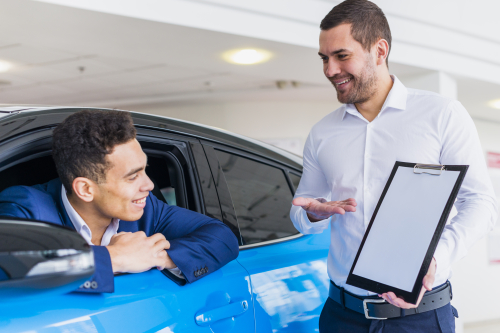
Once a rigid, dealership-bound ritual, the car-buying journey has undergone a quiet revolution. Thanks to expanded vehicle inventories and the integration of digital tools, today’s buyers are navigating a more transparent and personalized landscape than ever before. According to a recent analysis by Bankrate, this evolution is reshaping how Americans buy vehicles, with more consumers researching and even closing deals online well before they ever step foot on a showroom floor.
Personalization has quickly gone from perk to prerequisite. Customers expect more than inventory they want insight. More than service they want solutions.
Reading the Road Ahead: What to Expect in 2025
The auto industry is bracing for a pivotal year. According to Investopedia, vehicle prices are stabilizing after recent increases. With more inventory on lots and less pressure on supply chains, dealerships are expected to introduce new incentives and promotional pricing to remain competitive.
There’s also a pronounced shift toward electric vehicles. A recent Cox Automotive study reports high satisfaction among both new and EV buyers. But that satisfaction isn’t just about the cars themselves it’s about how they’re purchased. The journey, not just the destination, is what’s changing.
From Showroom to Smartphone: The Digital Turn
Gone are the days when buying a car meant blocking off an entire Saturday. Today, the process begins with a smartphone, not a test drive. As car buyers weave between websites, dealership portals, and social media reviews, the omnichannel experience is rapidly becoming the standard.
Those who blend online research with in-person visits report the highest satisfaction, according to Cox Automotive. Dealerships that successfully integrate digital tools such as real-time inventory lookups, online financing, and even virtual test drives aren’t just keeping pace; they’re pulling ahead.
Bankrate also emphasizes how these innovations are giving consumers more control over their purchase. Buyers are empowered to compare prices, explore financing, and even secure approvals without ever leaving home. In short, tech is turning the buyer into the boss.
Affordability in Focus
Even with all these advances, one thing remains constant: cost. High interest rates are a sticking point, and they’re shaping how buyers approach financing. As reported by CareEdge, many dealers are countering economic pressures with creative solutions offering financing incentives, loyalty-based programs, and flexible payment plans.
That doesn’t mean every deal is created equal. In this environment, credit scores carry more weight than ever. Buyers who come to the table prepared with a strong credit profile and knowledge of what incentives are available have a clear advantage. The financing conversation is no longer one-size-fits-all. It’s becoming part of the personalization package.
A Buyer-Centric Ecosystem
Personalized content isn’t just about recommending vehicles. It’s about anticipating needs and eliminating friction. Digital platforms now analyze browsing habits, location data, and user preferences to curate inventory and deliver real-time messaging. This type of customization, once confined to e-commerce giants, is now embedded in the car-buying process.
As a recent Cox Automotive outlook suggests, this shift toward personalization is now industry standard. It’s expected, not exceptional. Dealers embracing these tools are seeing increased loyalty and higher satisfaction scores.
But personalization extends beyond digital. Sales staff armed with customer insights can tailor conversations, follow-ups, and offers based on real preferences not generic scripts. It’s no longer about selling the most cars. It’s about selling the right car to the right customer at the right moment.
Navigating the Information Overload
With so many options, platforms, and financing paths, buyers can feel overwhelmed. That’s where personalized content plays a vital role not just in suggesting vehicles, but in simplifying the path to ownership.
Imagine browsing a dealership site and being guided through a streamlined path that highlights vehicles in your budget, with financing tools matched to your credit tier, and availability confirmed in real time. No repetitive forms. No unnecessary detours. Just a clean, responsive path from interest to ownership.
This level of intelligent design is no longer futuristic it’s functional. And it’s being adopted rapidly by forward-thinking dealers who understand that ease is just as important as inventory.
Data-Driven Trust
One of the biggest hurdles in car buying has always been trust. Transparency builds credibility, and personalized content when rooted in real data helps bridge the trust gap. Consumers don’t want to feel like targets of marketing; they want to feel understood.
That’s why modern dealerships are moving away from blanket promotions and toward audience-specific messaging. The customer who’s browsing family SUVs shouldn’t be hit with luxury sedan ads. The first-time buyer shouldn’t be overwhelmed with leasing options meant for high-income professionals.
This level of precision isn’t just appreciated it’s expected. And when it’s done right, it deepens engagement and accelerates decision-making.
The Takeaway: Precision Matters
The narrative around car buying has changed and for good reason. Today’s consumers are savvier, more empowered, and less patient with outdated sales tactics. They want relevance. They want speed. And above all, they want control.
Dealerships that adapt to these expectations by deploying personalized content, streamlining digital workflows, and offering transparent financing aren’t just surviving in 2025. They’re thriving.
As the market continues to evolve, personalization won’t be a luxury. It’ll be the price of entry. And the winners will be those who treat it not as a marketing tactic, but as a guiding principle.
Car buying is no longer just a transaction. It’s an experience. And for dealerships willing to invest in that experience, the road ahead looks promising and personal.
Disclaimer: The above helpful resources content contains personal opinions and experiences. The information provided is for general knowledge and does not constitute professional advice.
You may also be interested in: Jupiter Chevrolet Blog | News, Updates, and Info – Jupiter Chevrolet
Feeling stuck in the stressful car-buying process? At Jupiter Chevrolet in Garland, TX, we’ve reimagined how buying a car should feel. With transparent pricing, online deal-building tools, and the benefits of our Jupiter Advantage program, we ensure every step is straightforward and satisfying. Skip the hassle. From purchase to certified service, our team truly puts your choice and convenience first. Turn your dreams of finding your ideal Chevrolet into reality with us. Visit Jupiter Chevrolet today!
Powered by flareAI.
How to Leverage Instagram for Automotive Marketing
Quick Listen:
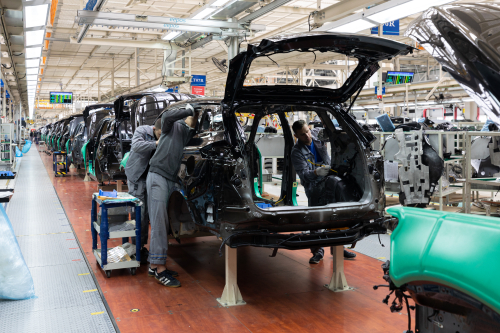
Buying a car often meant spending a Saturday afternoon at a dealership, test-driving a few models, then bracing for the negotiation marathon with a clipboard-wielding salesperson. But the landscape has shifted. In 2025, the car buying experience is less about pressure and more about precision a consumer-centric process powered by digital innovation, smarter financing options, and improved inventory.
This transformation isn’t cosmetic. It reflects fundamental changes in how Americans approach one of their most expensive, emotionally charged purchases.
A Smoother Road Ahead
The modern car market is being reshaped by a combination of increased vehicle availability and widespread adoption of digital retailing platforms. According to a detailed report from Bankrate, the days of empty lots and sky-high dealer markups are waning. Dealerships now have more stock, and shoppers have more leverage especially those using online tools to compare models, lock in financing, and even complete purchases without setting foot in a showroom.
This shift is more than a convenience upgrade. It’s a redefinition of how trust and transparency are built in an industry long criticized for lacking both.
Market Conditions in 2025: A Welcome Recalibration
While affordability remains a challenge, there are encouraging signs for buyers. Investopedia notes that new car prices are finally stabilizing after years of volatility. Automakers and dealers are once again offering cash-back deals, interest rate promotions, and seasonal incentives tools that had all but vanished during the post-pandemic supply crunch.
This rebalancing is critical, as it signals a return to more traditional market dynamics where consumers can make decisions based on value, rather than scarcity.
Meanwhile, one segment continues to accelerate: electric vehicles. A Cox Automotive study found that EV buyers are reporting high satisfaction. Improved range, broader infrastructure, and greater model variety are finally aligning with consumer expectations.
Technology Is Changing More Than Just the Cars
We often focus on the high-tech features of modern vehicles adaptive cruise control, touchscreens, over-the-air updates. But some of the most dramatic tech-driven changes are happening off the road.
Digital tools are not only streamlining the buying process; they’re enhancing trust and personalization. Buyers can now explore vehicles through virtual test drives, use AI-powered platforms to get trade-in appraisals, and receive real-time notifications about deals on preferred models. As Cox Automotive reports, these technologies are directly contributing to faster transactions and more confident decisions.
The omnichannel experience beginning online, continuing in person, and finishing via smartphone is becoming the gold standard. Consumers expect seamless transitions between digital and physical touchpoints. Dealers who fail to adapt risk being left behind.
Financing in a High-Rate Environment
Even as prices level out, interest rates remain elevated. For many consumers, this means financing is the most difficult and consequential part of the buying process.
Lenders are scrutinizing credit more closely than ever. According to CareEdge, buyers with strong credit can still access favorable loan terms, especially when combined with promotional financing from manufacturers. But for those with fair or poor credit, monthly payments can stretch budgets to the breaking point.
That’s why pre-approval, comparison shopping, and a deep understanding of one’s credit profile have become essential. Dealerships, in response, are offering more flexible structures including longer loan terms and deferred payments though consumers must weigh those trade-offs carefully.
Shoppers can gain an edge by timing their purchase strategically. Investopedia notes that end-of-quarter sales pushes and year-end clearance events remain the best times to secure a deal.
Electric Vehicles: A Bright Spot for Buyers and Sellers
EVs continue to be a focal point for both automakers and consumers. With federal incentives still in place for many models, and more budget-friendly options entering the market, 2025 may be the year when electric goes mainstream.
Satisfaction among EV buyers isn’t just about the vehicles it’s about the experience. According to a Cox Automotive study, those who purchased EVs reported shorter buying timelines, better transparency, and higher trust in dealership staff. It appears the dealers selling EVs are adapting faster to the new customer expectations than their traditional counterparts.
EV ownership also dovetails with another powerful trend: buyers want their vehicles and their buying experience to reflect personal values, including environmental sustainability and technological sophistication.
The Role of Information in Empowering Buyers
Information access has become the great equalizer in the automotive marketplace. Today’s consumers are arriving at dealerships armed with side-by-side comparisons, invoice pricing, and reviews from both experts and peers. They’re more informed, more prepared, and far less willing to be rushed or upsold.
Tools that were once exclusive to insiders such as trade-in value estimators, financing calculators, and inventory locators are now available on any smartphone. As Bankrate explains, this shift has given rise to a more empowered buyer, one who expects transparency and efficiency from the first click to the final signature.
Dealerships: Adapting or Disappearing
The dealership model isn’t going away, but it’s under pressure to evolve. Successful dealerships are embracing a consultative, tech-enhanced approach. They’re focusing on speed, personalization, and customer education not just closing the deal.
Physical locations still matter, especially for test drives, trade-ins, and service. But their role is shifting from sales hub to experience center. According to Recall Masters, dealers who offer hybrid sales models and maintain strong post-sale support are gaining a competitive edge.
The future may not be fully online, but it is certainly digital-first.
What It All Means for You
The road to a new vehicle is no longer paved with guesswork. With the right tools and timing, shoppers can secure better prices, financing, and overall satisfaction.
What does that look like in practice? It means checking your credit before visiting the dealership. It means researching models and comparing prices across platforms. It means understanding the value of your trade-in, getting pre-approved for a loan, and knowing when to walk away from a bad deal.
In 2025, the most powerful asset in the car buying process isn’t horsepower it’s information.
Driving Financial Futures
Buying a car has always been a major financial decision. But today, it’s also an opportunity an opportunity to leverage technology, incentives, and transparency in ways previous generations never could.
Whether you’re a first-time buyer or a seasoned car enthusiast, there’s no question the experience is evolving. By staying informed and embracing the tools available, you can steer the process and your financial future in the right direction.
Disclaimer: The above helpful resources content contains personal opinions and experiences. The information provided is for general knowledge and does not constitute professional advice.
You may also be interested in: Jupiter Chevrolet Blog | News, Updates, and Info – Jupiter Chevrolet
Feeling stuck in the stressful car-buying process? At Jupiter Chevrolet in Garland, TX, we’ve reimagined how buying a car should feel. With transparent pricing, online deal-building tools, and the benefits of our Jupiter Advantage program, we ensure every step is straightforward and satisfying. Skip the hassle. From purchase to certified service, our team truly puts your choice and convenience first. Turn your dreams of finding your ideal Chevrolet into reality with us. Visit Jupiter Chevrolet today!
Powered by flareAI.

Where a smartphone swipe can replace a showroom stroll, the rules of customer engagement are being rewritten. Dealerships that once relied on flashy commercials and foot traffic are now navigating a world where engagement happens in real-time, and where every post, comment, and story can make or break a sale. Social media isn’t a peripheral tool anymore it’s the primary avenue through which relationships are built, trust is earned, and business grows.
A Market in Motion
The automotive market has undergone a significant shift in recent years. The days of relying solely on weekend walk-ins and paper brochures are long gone. According to a recent report, increased inventory levels and an influx of digital platforms have radically altered how people approach car buying. Now, customers research, compare, and even initiate financing all before stepping foot into a dealership. That transformation has also extended to how dealerships must now present themselves to be relevant.
The Digital Buying Mindset
Customers today are armed with information and expectations. They’re not just looking for a car; they’re looking for a streamlined, transparent experience. As Cox Automotive revealed in its buyer journey study, satisfaction levels have reached record highs among both new and electric vehicle buyers. This rise isn’t accidental it correlates directly with dealerships adopting digital tools that simplify the path to purchase.
Meanwhile, market data shows a leveling of new car prices and a notable rise in promotional incentives. Consumers are responding positively, especially in segments like electric vehicles where satisfaction is driven by both innovation and access to relevant, easy-to-digest information.
The lesson? Engagement starts early, often before customers know which car they want. And social media is where they’re looking for answers.
Where First Impressions Are Made
Today’s first handshake is likely to happen online. Whether through a quick Instagram Reel of a new model, a Facebook message about availability, or a live-streamed walkaround, these digital interactions are shaping opinions long before a test drive is scheduled. This makes omnichannel fluency a necessity, not a luxury.
The same study from Cox Automotive emphasized the value of omnichannel experiences integrated journeys that span online browsing, in-person interactions, and post-sale follow-up. Customers expect to start their journey on their phone and continue it seamlessly in the dealership. When that flow is disrupted, so is their trust.
Building Engagement That Converts
It’s no longer enough for dealerships to post occasional promotions or holiday sales. To truly engage, content must be relevant, responsive, and human. Stories that showcase a customer picking up their first EV, behind-the-scenes glimpses of the service team, or tips for navigating financing during high-rate periods these are the pieces that foster community and brand affinity.
Yet, there’s also a technical side to engagement. Social media algorithms favor interaction. The more likes, comments, and shares a post generates, the more visibility it gets. That means dealerships must create content that not only informs but invites conversation. Ask questions. Post polls. Respond to comments like you would to someone standing at your counter.
Financial Transparency Matters
Even as inventory increases and pricing stabilizes, financing remains a key hurdle for buyers. In 2025, many consumers are still contending with elevated interest rates. In this context, clear, informative financial communication is essential.
Resources like CarEdge highlight that incentives are playing a larger role in helping buyers manage affordability. On platforms like Instagram and Facebook, short videos or carousels explaining dealership-specific promotions or demystifying credit score impact can build goodwill and reduce friction later in the sales funnel.
Gone are the days when financing was discussed only in an office, post-sale. Today, smart dealers surface those conversations early on social media where customers are already engaging.
Trust Is the Currency
In a saturated content landscape, what stands out isn’t the flashiest video or the boldest discount it’s credibility. The Cox Outlook emphasizes improving affordability and satisfaction as key trends. Dealerships that embrace transparency posting real customer stories, responding candidly to reviews, sharing accurate pricing build reputations that last.
Trust also requires consistency. A customer who gets an answer via TikTok DMs in 10 minutes but hears nothing back through email for three days won’t feel valued. Brands that standardize communication across channels send a powerful message: “We see you. We’re here. We’re consistent.”
Best Practices for Social Media Success
So what does effective engagement actually look like for dealerships?
- Respond Promptly and Personally: Automated responses are useful but limited. Human follow-up makes the difference.
- Diversify Content: Mix videos, carousels, testimonials, Q&As, and live streams. Let your audience see your team, not just your inventory.
- Educate More Than You Promote: A post about interest rates or EV maintenance will often perform better than a generic sale post.
- Feature Real People: Showcase your customers, technicians, and sales staff. Authenticity fosters loyalty.
- Track What Resonates: Use platform analytics to understand which posts drive engagement and adapt accordingly.
Preparing for What’s Next
The coming years will continue to test how well dealerships can blend digital agility with traditional service. Those that adapt quickly will find themselves not just surviving but leading.
It’s worth remembering that every social media interaction every story view, every comment reply, every shared testimonial is a moment of influence. In the automotive world, where purchases are high-stakes and infrequent, building trust through these micro-moments isn’t just smart. It’s essential.
Connection Drives Sales
As the 2025 market continues to evolve, so too must the strategies dealerships use to connect with buyers. Social media is no longer a side task delegated to interns it’s the digital front line of automotive retail. And while the platforms may change, the principles don’t: Be honest. Be helpful. Be human.
Disclaimer: The above helpful resources content contains personal opinions and experiences. The information provided is for general knowledge and does not constitute professional advice.
You may also be interested in: Jupiter Chevrolet Blog | News, Updates, and Info – Jupiter Chevrolet
Feeling stuck in the stressful car-buying process? At Jupiter Chevrolet in Garland, TX, we’ve reimagined how buying a car should feel. With transparent pricing, online deal-building tools, and the benefits of our Jupiter Advantage program, we ensure every step is straightforward and satisfying. Skip the hassle. From purchase to certified service, our team truly puts your choice and convenience first. Turn your dreams of finding your ideal Chevrolet into reality with us. Visit Jupiter Chevrolet today!
Powered by flareAI.
Quick Listen:
The average car buyer doesn’t begin their journey at a dealership they begin on their smartphone. And more often than not, that journey starts on YouTube. What was once a platform for cat videos and vlogs has evolved into one of the most powerful tools in the auto industry’s arsenal. From consumer education to brand storytelling, YouTube now shapes how millions research, compare, and ultimately buy vehicles.
The New Front Door to the Car-Buying Journey
Gone are the days when buyers relied on newspaper listings or impromptu showroom visits. Today’s consumers expect knowledge at their fingertips, and YouTube delivers. Platforms like Bankrate report a dramatic shift in how people research vehicles with video content leading the charge.
From model walkthroughs to comparison tests, prospective buyers are watching hours of content long before they even think about scheduling a test drive. Influencers like Doug DeMuro and established media brands such as Kelley Blue Book have created entire ecosystems of content that meet customers at every stage of their decision-making process. These creators aren’t just selling cars they’re building trust and demystifying the process.
YouTube as a Tool for Dealers and Brands
This shift hasn’t gone unnoticed by the automotive industry. Dealerships and OEMs are investing more in YouTube content than ever before. What started as a space for consumer reviews has become a strategic marketing channel. Dealerships are now creating in-house videos vehicle walkarounds, Q&A sessions, explainer guides that connect with potential buyers early and often.
According to a Cox Automotive study, customer satisfaction rises significantly when digital content is part of the buying journey. Consumers are more confident and informed, leading to quicker decisions and more positive experiences overall.
OEMs like Chevrolet and Toyota have fully embraced this medium, launching YouTube series around new models, safety features, and even behind-the-scenes engineering. These campaigns don’t just build excitement they build credibility. By offering transparency into how their vehicles are designed and tested, brands become more approachable and trustworthy.
Building Trust Through Authenticity
That’s what makes YouTube different from traditional advertising. A commercial might tell you what to think. A good YouTube video shows you what’s real. And that’s what modern consumers want: proof, not promises. This authenticity keeps videos relevant for years. According to Investopedia, evergreen content has become a strategic advantage, allowing videos from years past to continue influencing today’s buyers.
Consider this: A customer researching hybrid SUVs may stumble upon a dealership’s 2022 walkthrough of the Toyota RAV4 Hybrid. The specs may be slightly outdated, but the video still offers valuable insights on comfort, storage, and ride quality answers that still matter.
Marrying Data with Real Voices
YouTube’s power lies in its ability to bridge data-driven marketing with authentic human experiences. Brands can target audiences with precision based on viewing history, location, and even life stage. But algorithms alone aren’t enough. What converts a viewer into a buyer is trust, and that’s where authenticity returns to the spotlight.
Dealerships that feature real employees salespeople, technicians, managers tend to outperform those that rely solely on corporate gloss. Buyers want to hear directly from the people they’ll be working with. It turns a business into a relationship.
As shown in the 2025 Caredge market guide, shoppers increasingly look for peer-like voices they can relate to. The comment sections on popular auto videos are filled with real-time feedback questions, suggestions, personal experiences. For marketers, this isn’t just chatter; it’s a goldmine of insights.
Shortform Content with Long-Term Impact
One of YouTube’s most overlooked strengths is the longevity of its content. Unlike social media posts that vanish from view in a matter of days or even hours, YouTube videos can rank high on Google search results for months or even years. This persistence means that the return on investment for a single high-quality video can be substantial.
And in a time when attention is fractured across countless channels, YouTube remains a rare space where viewers voluntarily engage with longform content. A 10-minute review video? That’s an eternity on social, but a sweet spot on YouTube.
The Role of Visual Education in Car Buying
Cars are tactile products people want to see them, hear them, understand how they feel on the road. YouTube brings that sensory exploration into a viewer’s living room. Through careful camera work and honest narration, a dealership can replicate much of the showroom experience digitally.
This is particularly valuable for complex subjects like electric vehicles. What does regenerative braking feel like? How do I charge at home? YouTube videos answer these questions in ways that spec sheets simply cannot. Many EV buyers report watching multiple YouTube videos before test driving a vehicle. It’s a classroom, not just a catalog.
YouTube in the Broader Automotive Ecosystem
YouTube doesn’t exist in a vacuum it works best when integrated into a broader digital strategy. Dealership websites, CRM tools, and social media campaigns can all benefit from embedded videos. Email follow-ups with links to explainer content can reduce friction and increase engagement.
Even in-person sales benefit. Many dealers report that customers walk in referencing specific videos they watched in advance. That changes the entire dynamic. Instead of starting from zero, the salesperson is continuing a conversation the customer began online. This shortens the sales cycle and increases conversion rates.
YouTube as Industry Infrastructure
The takeaway is clear: YouTube is no longer optional for auto brands it’s essential. As buyers grow more tech-savvy, the businesses that thrive will be those that adapt their messaging to meet consumers in digital spaces. And among those spaces, YouTube stands tall as the most versatile and effective.
The future of auto sales will not be defined by foot traffic, but by click-throughs and watch time. Whether it’s a teen learning to jumpstart a car or a family deciding between two SUVs, they’ll likely turn to YouTube first.
And when they do, the brands that show up authentically, helpfully, consistently will be the ones that win not just clicks, but loyalty.
Disclaimer: The above helpful resources content contains personal opinions and experiences. The information provided is for general knowledge and does not constitute professional advice.
You may also be interested in: Smart Safety Tech: Latest Innovations in the 2025 Chevrolet Lineup
Feeling stuck in the stressful car-buying process? At Jupiter Chevrolet in Garland, TX, we’ve reimagined how buying a car should feel. With transparent pricing, online deal-building tools, and the benefits of our Jupiter Advantage program, we ensure every step is straightforward and satisfying. Skip the hassle. From purchase to certified service, our team truly puts your choice and convenience first. Turn your dreams of finding your ideal Chevrolet into reality with us. Visit Jupiter Chevrolet today!
Powered by flareAI.

The automotive industry has always been driven by traditional advertising methods: TV ads, print campaigns, and in-person sales events. However, as social media continues to dominate the digital landscape, platforms like TikTok are revolutionizing how car buyers, particularly younger ones, make purchasing decisions.
TikTok, the video-sharing platform known for its quick, engaging content, is gaining ground as a major influence on Gen Z’s car-buying habits. While traditional channels are still important, TikTok is rapidly challenging their effectiveness. The shift toward social media platforms, especially TikTok, signifies a fundamental change in how cars are marketed. Gen Z, accustomed to browsing TikTok for everything from fashion trends to life hacks, is now turning to it for car-related content. Whether it’s exploring car reviews or getting insights on the best deals, TikTok is shaping how this generation approaches buying their next vehicle. As Autotrader explains, the tech-first mindset of this generation makes TikTok an ideal space for automakers to tap into.
Gen Z’s Digital Preferences: Why TikTok Matters
Gen Z’s relationship with technology is more than just a casual affair it’s a defining characteristic of their lifestyle. Unlike older generations that grew up with traditional TV or even early digital platforms, Gen Z is the first generation to grow up in a fully connected, digital-first world. TikTok fits seamlessly into this landscape, offering quick, bite-sized videos that are perfect for a generation accustomed to fast-paced, mobile-first content.
For young buyers, TikTok’s short-form videos serve as a key source of information when researching products, including cars. These videos are often both entertaining and informative, providing reviews, features, and user experiences in a format that is easily consumable. This format is especially effective in a world where Gen Z values speed, convenience, and personalization. TikTok’s combination of creativity, visual appeal, and direct engagement makes it an ideal platform for automotive marketing.
As noted by Strategic Vision, the platform’s unique content style is increasingly influential in car-buying decisions. With TikTok, Gen Z gets to experience a product beyond a static advertisement. Instead, they see real-life applications and user-generated content, which helps them feel more connected to the product.
Content That Drives Decisions
What kind of content influences car buyers on TikTok? The answer is more diverse than one might expect. While traditional automotive advertising usually revolves around high-budget, highly polished commercials, TikTok thrives on authentic, unfiltered content. Videos featuring car reviews, unboxing, and behind-the-scenes looks at dealerships or vehicle test drives often get more attention than a commercial with a well-known celebrity.
This shift in consumer preference has paved the way for user-generated content (UGC) to take center stage. Car enthusiasts, influencers, and everyday buyers alike are posting their experiences, giving an inside look into what it’s like to own a particular vehicle. For many, these personal accounts are more trustworthy than a scripted commercial. The viral nature of TikTok allows for these stories to spread far beyond the initial audience, often resulting in increased awareness and sales.
An example of this is the success of campaigns featuring car owners sharing their unfiltered reviews and experiences. Many automakers are now partnering with influencers to create content that resonates with younger audiences. Inspira Marketing details how campaigns that rely on organic user interaction often see a higher return on investment than those relying on traditional media.
The Numbers Behind the Trend
TikTok’s influence on vehicle purchases is not just anecdotal there are hard numbers backing up the claim that the platform is reshaping car buying. A study revealed that TikTok has a 2.2% influence on car-buying decisions. While this may seem like a small percentage, in the context of social media marketing, it is incredibly significant. For comparison, other social media platforms like Instagram or Facebook have a lesser impact on car buying behavior. This statistic highlights the growing relevance of TikTok as a key player in automotive marketing.
Beyond influencing brand perception, TikTok helps drive sales by providing a space where brands can showcase their vehicles in real-world settings. From showcasing features to displaying the lifestyle associated with a particular car model, TikTok allows brands to reach their target audience in a way that feels less like an advertisement and more like an extension of their daily lives. According to Auto Connected Car, TikTok’s influence in automotive decisions is expected to continue to grow, with Gen Z becoming an increasingly important market segment.
Challenges for Automotive Brands
While the opportunities for car brands on TikTok are clear, there are significant challenges. The first major obstacle is maintaining authenticity. TikTok thrives on content that feels real and relatable, but for many automotive brands, that’s difficult to achieve. Traditional car ads tend to be highly polished, focusing on sleek visuals and perfect editing. But this style clashes with TikTok’s emphasis on raw, unedited videos.
Additionally, TikTok’s algorithm, which favors content that’s engaging, creative, and authentic, can be unpredictable. What works today might not work tomorrow. This creates an ongoing challenge for automotive marketers who need to continuously adapt to new trends and changes in user behavior. To succeed on the platform, brands must embrace a more agile approach, focusing on building relationships with their audience rather than pushing a hard sell.
As discussed in Econsultancy, car brands can overcome these challenges by investing in influencer partnerships, creating organic content, and focusing on authentic user experiences. The key to success is blending creativity with transparency, ensuring that content resonates with Gen Z’s values and lifestyle.
What Lies Ahead for TikTok and Car Buying
Looking ahead, the future of car buying will continue to be shaped by platforms like TikTok. As TikTok becomes a more integral part of the car-buying journey for Gen Z, it’s clear that automakers and dealerships must adapt to this new digital landscape. Brands that fail to embrace the platform risk missing out on a key market segment, while those that succeed will reap the rewards of greater engagement, loyalty, and sales.
In this rapidly evolving digital space, the car-buying process will become more personalized, interactive, and social. For automakers and dealerships, understanding and leveraging TikTok’s influence will be critical in connecting with the next generation of car buyers. The digital future of car buying is here and it’s TikTok-powered.
Disclaimer: The above helpful resources content contains personal opinions and experiences. The information provided is for general knowledge and does not constitute professional advice.
You may also be interested in: Connected Car Features: Making the Most of Your Chevrolet in McKinney
Feeling stuck in the stressful car-buying process? At Jupiter Chevrolet in Garland, TX, we’ve reimagined how buying a car should feel. With transparent pricing, online deal-building tools, and the benefits of our Jupiter Advantage program, we ensure every step is straightforward and satisfying. Skip the hassle. From purchase to certified service, our team truly puts your choice and convenience first. Turn your dreams of finding your ideal Chevrolet into reality with us. Visit Jupiter Chevrolet today!
Powered by flareAI.
Imagine a crimson sports car tearing through a mountain pass, its engine roaring as a drone captures the scene in vivid detail. Now picture that video exploding across Instagram, amassing thousands of likes and comments from car enthusiasts. For automotive brands, social media is no mere marketing channel it’s the high-octane fuel that drives customer loyalty and sales. In a digital era where attention is fleeting, crafting content that captivates requires precision, creativity, and strategy. This is how dealerships and manufacturers can harness stunning visuals, interactive posts, and authentic storytelling to build communities and accelerate growth.
The Power of Digital Driveways: Why Social Media Matters
Social media has reshaped how consumers interact with automotive brands. Platforms like Instagram, TikTok, and X are virtual showrooms where car lovers whether performance junkies or practical buyers converge. A 2023 Statista report reveals that 60% of U.S. car buyers research vehicles on social media before stepping into a dealership. This shift underscores a critical truth: a strong online presence isn’t optional it’s essential.
Unlike static billboards, social media fosters dialogue. A single post can spark conversations, answer questions, or showcase a brand’s personality. “Authentic, engaging content builds a community that feels personally invested,” notes a Vista Social analysis. For dealerships, this means transforming followers into advocates who don’t just buy cars but champion the brand. Whether highlighting a new model’s tech or sharing a customer’s joyride, every post is a chance to forge lasting connections.
The stakes are high. With competitors vying for the same audience, brands must deliver content that’s not just seen but remembered. This requires a strategic blend of visual excellence, interactive engagement, and narratives that resonate a formula that, when executed well, can turn casual scrollers into loyal customers.
Visual Horsepower: Crafting Imagery That Stops the Scroll
Cars are inherently visual, their sleek lines and polished finishes begging to be showcased. A single, well-composed image a pickup truck parked against a golden prairie or a sedan’s grille glinting under city lights can halt a viewer mid-scroll. High-quality visuals are the bedrock of automotive social media, demanding investment in professional photography, drone footage, and cinematic video.
Consistency is equally critical. A cohesive visual identity, from color schemes to logo placement, reinforces brand recognition. Luxury brands like BMW exemplify this, their Instagram feeds a seamless blend of elegance and precision. For smaller dealerships, the focus should be quality over quantity. A single, meticulously shot video of a car’s panoramic sunroof can outshine a dozen lackluster posts. Details matter too: close-ups of a steering wheel’s stitching or a rim’s chrome can evoke the sensory thrill of ownership.
Lighting and composition are non-negotiable. A 2022 study by Hootsuite found that posts with high-resolution images garner 38% more engagement than low-quality ones. Avoid cluttered backgrounds or amateur filters; instead, opt for clean, dynamic shots that highlight the vehicle’s design. For video, short, punchy clips think 15-second tours of a car’s interior perform best on platforms like TikTok. The goal is simple: make every visual a showcase of aspiration and craftsmanship.
Accelerating Engagement: Interactive Content That Sparks Dialogue
Great visuals draw eyes, but interaction keeps audiences hooked. The most effective automotive brands don’t just broadcast they invite participation. Polls, such as “Coupe or SUV: What’s your vibe?” or quizzes testing follower’s knowledge of car history, are lightweight yet powerful tools for engagement. They’re fun, shareable, and reveal audience preferences, providing data to refine future content.
Behind-the-scenes posts offer another avenue. A timelapse of a technician tuning an engine or a glimpse into a factory assembly line humanizes the brand, fostering trust. “Transparency builds credibility,” notes Ben Labs, which found that behind-the-scenes content can boost engagement by 22%. Similarly, live events like streaming a test drive on YouTube or hosting a Q&A with a designer on X create real-time excitement and exclusivity.
User-generated content (UGC) is a goldmine. Encourage customers to post photos of their new cars with a branded hashtag, then amplify the best submissions. UGC not only builds community but also serves as authentic endorsement. Ben Labs reports that UGC increases engagement by up to 28% compared to standard posts. A customer’s snapshot of their sedan parked at a scenic overlook, paired with a caption about their weekend getaway, carries more weight than any scripted ad. The key is variety: mix polls, live streams, and UGC to keep the content fresh and followers engaged.
Stories That Steer Emotion: Narratives That Resonate
Cars are more than metal and rubber they’re conduits for life’s moments. The cross-country move, the late-night cruise, the family’s first minivan adventure every vehicle carries a story. Savvy brands tap this emotional vein to create content that lingers. Share customer narratives, like the retiree who bought a convertible for a bucket-list road trip, or highlight your dealership’s legacy, from its founding to its community impact.
Video is a storytelling powerhouse. A 30-second clip of a customer grinning as they collect their keys can evoke joy and aspiration. Vista Social reports that video content generates 12 times more shares than text or images alone. Short documentaries, like a feature on a technician restoring a vintage Mustang, can also captivate. The key is authenticity overly polished or scripted stories risk feeling hollow.
Emotional resonance drives loyalty. A post about a family’s road trip in their new SUV can spark nostalgia; a tribute to a brand’s heritage can inspire pride. These narratives don’t need to be grandiose. A simple caption about a customer’s first drive can strike a chord if it’s genuine. By weaving stories that reflect shared values and experiences, brands transform followers into advocates who feel personally connected.
Fine-Tuning for Impact: Measuring and Optimizing Success
Content is only as good as its results. To gauge effectiveness, brands must track engagement metrics likes, comments, shares, and click-through rates. Tools like Sprout Social or Buffer provide granular insights, revealing which posts resonate and why. For instance, if polls outperform product shots, it’s a signal to lean into interactive formats.
Vanity metrics, like raw like counts, aren’t enough. A viral post is meaningless if it doesn’t drive showroom visits or website traffic. Set specific goals brand awareness, lead generation, or foot traffic and align content accordingly. A 2023 HubSpot report found that brands adjusting strategies based on analytics see a 20% increase in ROI. If a video series underperforms, experiment with new formats, like 360-degree car tours, and re-evaluate.
Social media’s strength is its adaptability. Unlike print ads, campaigns can pivot in real time. Test bold ideas, like a virtual reality showroom experience, and let data guide the way. Regular audits ensure consistency cross-check that visuals align with branding and narratives stay authentic. The process is iterative: create, measure, refine, repeat.
Building a Legacy of Connection
Automotive social media is a journey, not a race. Each post, from a jaw-dropping drone shot to a customer’s heartfelt story, is a step toward a loyal, engaged community. By blending visual excellence, interactive creativity, and authentic storytelling, brands can transcend transactional relationships to become part of their customer’s lives.
The path forward demands courage and curiosity. Embrace new platforms, experiment with formats, and stay attuned to audience desires. With data as your compass and passion as your fuel, the possibilities are endless. In the dynamic world of automotive social media, those who connect authentically don’t just lead the pack they redefine the destination.
Disclaimer: The above helpful resources content contains personal opinions and experiences. The information provided is for general knowledge and does not constitute professional advice.
You may also be interested in: Jupiter Chevrolet Blog | News, Updates, and Info – Jupiter Chevrolet
Feeling stuck in the stressful car-buying process? At Jupiter Chevrolet in Garland, TX, we’ve reimagined how buying a car should feel. With transparent pricing, online deal-building tools, and the benefits of our Jupiter Advantage program, we ensure every step is straightforward and satisfying. Skip the hassle. From purchase to certified service, our team truly puts your choice and convenience first. Turn your dreams of finding your ideal Chevrolet into reality with us. Visit Jupiter Chevrolet today!
Powered by flareAI.

Quick Listen:
Imagine pulling into a dealership, your car’s check-engine light glowing ominously. You brace for a long wait, vague explanations, or a bill that feels like a punch. Instead, a service advisor greets you by name, listens to your concerns, and has you back on the road before lunch. That experience isn’t luck it’s the result of dealerships like Jupiter Chevrolet in Garland, Texas, leaning hard into customer feedback. In an industry once defined by high-pressure sales and spotty service, feedback has become the linchpin for transformation, turning transactional hubs into trusted partners. The numbers back it up: a 2023 J.D. Power study found that 78% of car buyers said post-purchase service heavily influenced their decision to return to a dealership. For dealerships, ignoring that voice isn’t just risky it’s a one-way ticket to obsolescence.
The Mechanics of Listening
At its core, feedback is about closing the gap between expectation and reality. Jupiter Chevrolet collects it through multiple channels: online surveys sent post-service, social media platforms like X, and face-to-face chats at the service desk. General Manager Sarah Thompson emphasizes accessibility. “Some customers want to click a star rating on their phone; others need to tell you their whole story in person,” she says. “We meet them where they are.” That approach pays dividends. When customers flagged long wait times for routine maintenance like oil changes, Jupiter overhauled its scheduling system, slashing average wait times by 25% within six months.
The impact goes beyond quick fixes. A 2024 Automotive News report revealed that dealerships actively leveraging feedback saw a 15% increase in customer retention compared to those that didn’t. Retention isn’t just a feel-good metric; it’s the lifeblood of a dealership’s bottom line. In an era where a bad Yelp review or a scathing post on X can deter dozens of potential buyers, listening isn’t optional it’s survival. Feedback also sparks innovation. At Jupiter, a customer’s frustration with dense financing paperwork led to a streamlined, plain-language guide for buyers. Another suggestion a kid’s play area in the waiting lounge made service visits less of a chore for parents. These aren’t flashy overhauls; they’re practical, customer-driven improvements that signal a dealership is paying attention.
But it’s not just about collecting comments it’s about acting on them. Too many businesses treat feedback as a formality, letting surveys pile up unread or dismissing negative reviews as one-offs. Jupiter takes a different tack. Every piece of feedback, from a glowing five-star review to a heated complaint, is logged and reviewed. Urgent issues, like safety concerns, get immediate action; longer-term ideas, like facility upgrades, are prioritized for future planning. This disciplined approach ensures feedback doesn’t vanish into a void but becomes a blueprint for better service.
The Human Element in a Digital World
Technology has revolutionized how dealerships gather feedback. Customer relationship management (CRM) systems track sentiment in real time, while automated surveys deliver instant insights. But the real magic happens when humans take the wheel. At Jupiter, service advisors are trained to dig deeper than a numerical rating. A customer might give a “7 out of 10” but mention a technician’s curt response or a confusing invoice. “We don’t chase perfect scores,” Thompson says. “We want to understand the ‘why’ behind the feedback.” That mindset builds trust. A 2023 Harvard Business Review study found that customers who felt emotionally connected to a brand were 52% more likely to stay loyal. For dealerships, that connection often hinges on a service advisor who listens or a manager who follows up on a complaint.
Social media amplifies the stakes. Platforms like X give customers a megaphone, and dealerships ignore them at their peril. Jupiter Chevrolet monitors posts diligently, responding publicly to both praise and criticism. When a customer vented on X about a delayed repair, the dealership not only resolved the issue but threw in a complimentary car wash. The customer’s follow-up post was effusive, turning a potential PR disaster into a win. “It’s not about dodging criticism,” Thompson explains. “It’s about showing we’re accountable and we’ll make it right.” This transparency resonates in an industry often seen as opaque, where a single positive interaction can ripple across a customer’s social network.
Yet technology, for all its power, has limits. Automated systems can’t replicate the empathy of a human response, and generic surveys risk alienating customers. A 2024 CustomerThink study noted that 60% of consumers ignore follow-up surveys if they feel impersonal. Jupiter counters this with personalized outreach think an email signed by a familiar service advisor, not a faceless “Your Opinion Matters” blast. It’s a small but deliberate choice that keeps customers engaged.
Navigating the Challenges
Listening sounds simple, but it’s not. Negative feedback can bruise egos, especially in an industry where pride runs deep. A customer might demand an unrealistic same-day fix for a complex repair or complain about a bill without grasping the labor involved. Dealerships must balance empathy with pragmatism. Jupiter uses a triage system to sort feedback: critical issues, like a faulty brake repair, trigger immediate action, while suggestions like adding a coffee bar are weighed against budget and feasibility.
Then there’s the issue of “survey fatigue.” Bombarded with requests for feedback across industries, customers can tune out. The CustomerThink study highlighted this, noting that overly frequent or generic surveys erode participation. Jupiter mitigates this by timing its outreach surveys go out after a service visit, not after every oil change and keeping questions concise. They also vary the medium, mixing email surveys with in-person follow-ups to avoid monotony.
The biggest hurdle is cultural. Dealerships, historically sales-driven, aren’t always wired to prioritize service feedback. Shifting that mindset requires leadership. At Jupiter, Thompson holds weekly meetings to dissect customer comments and brainstorm solutions. “Collecting feedback is easy,” she says. “Acting on it consistently that’s where the real work is.” This top-down commitment ensures feedback isn’t just heard but embedded in the dealership’s DNA.
The Road Ahead
The automotive industry is at an inflection point. Electric vehicles, online car-buying platforms, and subscription-based ownership models are rewriting the rules. Dealerships can’t afford to coast. Feedback is their compass, guiding them toward what customers value most: faster service, clearer communication, or a waiting room that doesn’t feel like a bus station. Jupiter Chevrolet’s example turning complaints into solutions and suggestions into innovations shows what’s possible when a dealership listens.
For customers, the message is clear: your voice matters. That survey you almost skipped or the review you meant to write could spark a change that makes your next visit better. For dealerships, the challenge is to keep listening, even when it’s uncomfortable. In a world of algorithms and automation, the human connection remains the ultimate differentiator. As Thompson puts it, “Feedback isn’t just data it’s a conversation.” And in that conversation lies the future of an industry striving to earn trust, one customer at a time.
Disclaimer: The above helpful resources content contains personal opinions and experiences. The information provided is for general knowledge and does not constitute professional advice.
You may also be interested in: Jupiter Chevrolet Blog | News, Updates, and Info – Jupiter Chevrolet
Feeling stuck in the stressful car-buying process? At Jupiter Chevrolet in Garland, TX, we’ve reimagined how buying a car should feel. With transparent pricing, online deal-building tools, and the benefits of our Jupiter Advantage program, we ensure every step is straightforward and satisfying. Skip the hassle. From purchase to certified service, our team truly puts your choice and convenience first. Turn your dreams of finding your ideal Chevrolet into reality with us. Visit Jupiter Chevrolet today!
Powered by flareAI.

In the heart of a small town, a car dealership’s lot sparkles under the morning sun, rows of vehicles gleaming with promise. A decade ago, a quiet showroom might have signaled a struggling business, reliant on walk-ins and newspaper ads. Today, that same dealership can command an audience of thousands without a single customer crossing its threshold. Social media has transformed platforms like Instagram, TikTok, and X into vibrant digital showrooms, amplifying the visibility of local car dealerships and reshaping how they connect with buyers. This is no fleeting trend it’s a seismic shift in automotive marketing, backed by data and driven by strategy. For local dealerships, mastering social media is not just an option; it’s the engine of modern success.
Igniting Brand Presence with Precision
Social media’s reach is a game-changer for local dealerships, offering tools to project their brand far beyond the lot. Targeted advertising, for instance, allows dealers to pinpoint specific audiences think young professionals eyeing electric vehicles or retirees seeking reliable sedans. According to a CBT News report, these precision campaigns can increase dealership visibility by connecting with buyers who might never discover them through traditional channels. The result? A broader reach without the scattershot waste of old-school billboards.
Influencer partnerships add another layer of credibility. A local car enthusiast with a loyal TikTok following can showcase a dealership’s inventory with authenticity that glossy ads can’t match. “Influencers bring a level of trust that resonates deeply with audiences,” notes a Ben Labs analysis. When a trusted voice highlights a dealership’s latest model, it’s not just promotion it’s a recommendation. For smaller dealerships, a single viral post can translate into hundreds of inquiries, turning digital buzz into tangible leads.
This isn’t about chasing vanity metrics like follower counts. It’s about building a presence that feels human and local, even in a digital space. Dealerships that lean into their community roots sharing posts about local events or featuring staff members create a brand identity that stands out. The data backs this up: brands with consistent, authentic social media voices see higher engagement rates, per a Sprout Social study. For a dealership, that’s the difference between being a faceless lot and a trusted neighbor.
Fueling Engagement Through Visuals and Interaction
Visibility alone isn’t enough engagement is where the rubber meets the road. Stunning visuals are the first step. A drone shot of a pickup truck tearing through a mountain trail or a close-up of a car’s sleek dashboard can stop a scrolling finger in its tracks. These aren’t just pretty pictures; they’re invitations to imagine life behind the wheel. High-quality visual content can significantly boost engagement, a statistic that underscores the power of a well-crafted post.
But visuals are only half the equation. Interactive content polls, quizzes, and behind-the-scenes glimpses turns passive viewers into active participants. A poll asking “Hybrid or gas for your next car?” or a quiz testing follower’s knowledge of classic models sparks conversation and keeps audiences engaged. Ben Labs emphasizes that such posts not only drive likes but also foster a sense of community, crucial for building long-term loyalty.
User-generated content is another potent tool. When a customer shares a photo of their new SUV parked at a scenic lookout, reposting it with a shoutout shows appreciation and builds trust. This approach can amplify a dealership’s reach while reinforcing its role as a community hub. Behind-the-scenes content, like a video of a mechanic explaining a car’s safety features, adds transparency and relatability. These efforts create a feedback loop: the more customers feel seen, the more they engage, and the cycle continues.
Storytelling That Resonates and Sells
Cars are more than machines they’re vessels for dreams, milestones, and adventures. Smart dealerships tap into this emotional core through storytelling. A post about a young couple’s road trip in their new crossover or a retiree’s pride in his restored muscle car doesn’t just showcase a vehicle; it crafts a narrative that resonates. “Stories forge emotional connections that traditional ads can’t replicate,” says a Vista Social analysis. By sharing customer experiences, dealerships humanize their brand and invite followers to see themselves in the driver’s seat.
Consider a dealership in upstate New York that posted a short video of a teenager receiving her first car a used compact purchased with her own earnings. The caption told her story: late nights studying, early mornings at a summer job, and the joy of independence. The post garnered significant attention and inquiries from parents seeking similar deals. That’s storytelling at work: a single narrative that not only sells a car but also builds a community of aspiring buyers.
These stories don’t need to be grand. A photo of a family piling into their new minivan for a school drop-off or a customer’s testimonial about reliable service can be just as powerful. The key is authenticity real people, real moments. Dealerships that master this approach don’t just move inventory; they create advocates who spread the word, amplifying visibility further.
Reshaping the Buyer’s Journey
Social media isn’t just a marketing tool it’s redefining how customers shop for cars. A decade ago, buyers might have visited multiple lots, kicking tires and haggling over prices. Now, they’re researching on social platforms, watching YouTube reviews, and messaging dealerships directly. A CBT News study found that 59% of car buyers use social media to research vehicles, a shift that demands dealerships adapt or risk being left behind.
This digital-first journey streamlines the sales process. A targeted ad can catch a buyer’s eye, a quick response to a comment can secure a test drive, and a well-timed DM can close a deal. Dealerships that prioritize responsiveness and consistency see measurable results. Optimized social strategies can significantly increase lead generation, a figure that highlights the tangible impact of a robust online presence.
The shift also empowers buyers. Platforms like X allow customers to ask questions publicly, compare deals, and share experiences, creating a transparent marketplace. Dealerships that embrace this by posting detailed vehicle specs, answering queries promptly, and showcasing customer reviews build trust and credibility. It’s a far cry from the opaque sales tactics of the past, and it’s paying dividends for those who adapt.
Measuring Success and Staying Ahead
Social media success isn’t a set-it-and-forget-it proposition. Dealerships must track metrics like engagement rates, click-throughs, and follower growth to gauge what’s working. A video series on car maintenance might underperform, but a weekly “Deal of the Day” post could drive traffic. Ben Labs advises using analytics to refine strategies, ensuring every post maximizes impact.
Experimentation is key. A dealership might test short-form TikTok videos against longer Instagram Reels, or compare the reach of paid ads versus organic posts. The data guides the way, revealing which formats and messages resonate most. Data-driven strategies can significantly improve ROI on social media efforts, a compelling reason to invest in analytics.
For local dealerships, the stakes are clear: a strong social media presence can mean the difference between obscurity and prominence. But it’s not about mimicking corporate giants or chasing viral fame. It’s about consistency, authenticity, and a commitment to meeting customers where they are. A dealership that posts regularly, engages sincerely, and tells compelling stories isn’t just visible it’s unforgettable.
The Road Forward
As the sun dips below the horizon, that small-town dealership’s lot grows quiet, but its digital presence hums with life. A new Instagram post, featuring a customer’s joyride in a sleek sedan, racks up likes. Comments roll in, and a few DMs inquire about financing. This is the new reality for local dealerships: a world where visibility is no longer bound by geography, and every post is a chance to connect. Social media has handed them the keys to a broader audience, and those who drive it strategically are racing toward a future of growth and opportunity. The road is open, and the journey has just begun.
Disclaimer: The above helpful resources content contains personal opinions and experiences. The information provided is for general knowledge and does not constitute professional advice.
You may also be interested in: Jupiter Chevrolet Blog | News, Updates, and Info – Jupiter Chevrolet
Feeling stuck in the stressful car-buying process? At Jupiter Chevrolet in Garland, TX, we’ve reimagined how buying a car should feel. With transparent pricing, online deal-building tools, and the benefits of our Jupiter Advantage program, we ensure every step is straightforward and satisfying. Skip the hassle. From purchase to certified service, our team truly puts your choice and convenience first. Turn your dreams of finding your ideal Chevrolet into reality with us. Visit Jupiter Chevrolet today!
Powered by flareAI.
Connect with us


