






Picture yourself navigating the busy highways near Dallas or merging smoothly onto the tollway in Frisco when another vehicle suddenly swerves into your path. In that critical instant, the advanced safety systems engineered into the 2026 Chevrolet lineup spring into action delivering timely alerts, automatic braking, and steering assistance to help protect you and your passengers. For residents across Garland, Plano, McKinney, Richardson, and the surrounding North Texas communities, these enhancements represent far more than optional technology; they have become vital tools for confident driving amid growing traffic demands.
Feeling stuck in the stressful car-buying process? At Jupiter Chevrolet in Garland, TX, we’ve reimagined how buying a car should feel. With transparent pricing, online deal-building tools, and the benefits of our Jupiter Advantage program, we ensure every step is straightforward and satisfying. Skip the hassle. From purchase, to certified service and parts, to collision repair and body shop. Our team puts your convenience, safety, and confidence first. Turn your dreams of finding your ideal Chevrolet into reality with us. Visit Jupiter Chevrolet today!
What Sets Chevrolet Safety Apart in the 2026 Models
Chevrolet has long prioritized protection, evolving well past traditional restraints like airbags and seatbelts. The 2026 lineup draws on extensive real-world testing and driver insights to introduce features that actively help avoid collisions instead of merely mitigating their effects. Many of these innovations come standard, underscoring a clear dedication to delivering sophisticated safety to families, daily commuters, and everyone who relies on their vehicle in the region.
Central to this progress is Chevrolet Safety Assist, a thoughtfully assembled group of six core features now available on most 2026 models. Cameras, sensors, and user-friendly alerts work together seamlessly, fostering a calmer and more assured driving experience. Whether tackling rush-hour congestion in Richardson or enjoying a weekend drive toward Rockwall-Heath, the systems operate discreetly in the background, allowing you to concentrate on the journey ahead.
Essential Components of Chevy Safety Assist
Automatic Emergency Braking ranks among the most valuable upgrades. It continuously scans the road ahead and can apply the brakes independently if a collision with another vehicle or obstacle appears imminent, thereby lessening impact force or preventing it entirely. This capability pairs effectively with Forward Collision Alert, which issues prominent visual and audible notifications, granting drivers those crucial extra seconds to respond.
Lane Keep Assist with Lane Departure Warning provides subtle corrective steering to guide the vehicle back into its lane should it begin to drift a practical safeguard during extended highway stretches or moments of fatigue on commutes from Forney or Mesquite. The Following Distance Indicator helps maintain a safe gap to the vehicle ahead, while IntelliBeam automatically manages high and low beams to improve visibility at night without dazzling oncoming traffic.
Front Pedestrian Braking delivers an additional safeguard, proving especially useful in bustling pedestrian zones around downtown Dallas or lively suburban shopping areas in Grapevine and Plano. Together, these elements form a balanced protective framework that feels intuitive rather than overpowering.
Advanced Available Technologies for Greater Peace of Mind
Beyond the standard suite, numerous 2026 Chevrolet models provide optional sophisticated enhancements for drivers seeking even higher levels of confidence. Adaptive Cruise Control, for instance, sustains a preset following distance and automatically modulates speed in response to changing traffic flow particularly beneficial amid the variable pacing of North Texas freeways.
Blind Zone Steering Assist intervenes during lane changes by offering gentle steering correction when a vehicle occupies your blind spot. Rear Cross Traffic Braking combined with HD Surround Vision cameras simplifies reversing from confined spaces or handling trailers, delivering notable relief for growing families in expanding areas such as McKinney and Frisco.
Additional available systems include Intersection Automatic Emergency Braking and refined detection for pedestrians and cyclists. These advancements demonstrate Chevrolet’s sustained focus on confronting the genuine hazards motorists encounter daily, whether at congested crossroads or on multi-lane thoroughfares.
Addressing Real-World Driving Conditions in North Texas
The roads of North Texas impose distinctive pressures, including swift traffic streams, abrupt weather shifts, and a blend of personal, family, and commercial vehicles. The enhanced safety technologies in 2026 Chevrolets confront these conditions head-on. Lower collision severity translates to fewer visits to the collision repair center and greater opportunities to spend quality time with family.
Parents particularly value Teen Driver technology, which enables oversight of driving behaviors and the establishment of boundaries to promote responsible habits. For buyers who hesitate due to limited inventory selection or pricing differences compared with larger corporate dealerships, Jupiter Chevrolet provides steady reassurance. As a family-owned and operated business with more than 100 years of service, the dealership emphasizes personalized guidance to match each customer with the right vehicle, supported by a lifetime powertrain warranty on qualifying models.
- Automatic Emergency Braking paired with Forward Collision Alert proves invaluable in dense traffic patterns typical around Dallas and Garland.
- Lane Keep Assist eases fatigue on extended routes toward Rockwall and beyond.
- Surround vision systems and blind-zone assistance enhance safety during routine errands and school runs in Plano or Frisco.
- Pedestrian detection builds extra assurance in walkable community settings.
The Practical Difference These Features Make
Accounts from drivers nationwide illustrate the meaningful difference these systems deliver. A sudden highway slowdown loses some of its terror when technology stands ready to assist. Nighttime travel grows less demanding thanks to intelligent beam management. Everyday maneuvers such as parallel parking or backing out of crowded lots become noticeably easier and less stressful.
The automotive landscape continues to advance, particularly in areas related to electric vehicles, where market expansion reflects growing interest driven by practical benefits like improved range, faster charging, and reduced operating expenses. Yet the fundamental strength of Chevrolet’s 2026 safety features lies in their grounded, driver-focused design. These technologies do not claim to eliminate all risk, but they effectively diminish common dangers, granting families and individuals greater freedom to savor every mile.
Responding to Typical Hesitations About Modern Vehicle Technology
Certain drivers express concern that complex safety systems may feel confusing or inconsistent. Chevrolet has engineered these features for straightforward operation, complete with transparent warnings and straightforward overrides when desired. Most activate selectively, only when genuinely warranted, thereby preserving the authentic enjoyment of driving a Chevrolet.
Others wonder whether a locally owned dealership can rival the resources or selection of larger corporate competitors. Jupiter Chevrolet counters such doubts through attentive, individualized service, open communication, and unwavering commitment to every vehicle sold. This community-rooted philosophy transforms potential concerns into informed, confident choices for shoppers throughout the Dallas-Fort Worth metroplex.
Embracing Enhanced Protection on Your Next Drive
With 2026 Chevrolet models reaching showrooms in Garland and neighboring communities, the spotlight on superior safety features presents strong motivation to discover the latest offerings. From comprehensive standard packages that safeguard routine commuters to optional innovations that elevate overall driving assurance, these developments embody deliberate engineering shaped by actual driver requirements.
Whether exploring new vehicle purchases, certified pre-owned selections, routine service appointments, parts needs, or collision repair and body shop services, the professionals at Jupiter Chevrolet blend deep expertise with authentic dedication to the region. Their family-owned legacy and focus on excellence distinguish them in a demanding marketplace.
In the end, the true advantage of Chevrolet’s 2026 safety advancements boils down to a straightforward yet powerful outcome: heightened peace of mind every time you sit behind the wheel. In a fast-paced world, the knowledge that intelligent, reliable technology supports you can prove transformative for yourself, your passengers, and fellow travelers sharing the roads of North Texas.
Discover these advancements through a personal test drive. The team at Jupiter Chevrolet stands ready to help you find the model that best aligns with your lifestyle and priorities.
Frequently Asked Questions
What safety features come standard on 2026 Chevrolet models?
The 2026 Chevrolet lineup includes Chevrolet Safety Assist, a suite of six core features available on most models. These include Automatic Emergency Braking, Forward Collision Alert, Lane Keep Assist with Lane Departure Warning, Following Distance Indicator, IntelliBeam automatic headlight control, and Front Pedestrian Braking. Many of these features come standard, making advanced safety accessible without premium upgrades.
How do 2026 Chevrolet safety features help drivers in heavy North Texas traffic?
The 2026 Chevrolet safety systems are well-suited to the unique driving conditions across the Dallas-Fort Worth metroplex, including highways near Dallas, Plano, Garland, and Frisco. Automatic Emergency Braking and Forward Collision Alert help manage dense stop-and-go traffic, while Lane Keep Assist reduces fatigue on longer commutes. Optional features like Adaptive Cruise Control and Blind Zone Steering Assist add further protection on busy multi-lane freeways.
What advanced safety technologies are available as upgrades on 2026 Chevrolet vehicles?
Beyond the standard Chevrolet Safety Assist package, 2026 models offer optional technologies like Adaptive Cruise Control, Blind Zone Steering Assist, Rear Cross Traffic Braking, HD Surround Vision cameras, and Intersection Automatic Emergency Braking. Enhanced pedestrian and cyclist detection systems are also available. These upgrades are especially valuable for families and drivers seeking a higher level of confidence in both urban environments and suburban areas.
Disclaimer: The above helpful resources content contains personal opinions and experiences. The information provided is for general knowledge and does not constitute professional advice.
You may also be interested in: Chevrolet Parts Stores Report High Demand for EV-Compatible Components
Feeling stuck in the stressful car-buying process? At Jupiter Chevrolet in Garland, TX, we’ve reimagined how buying a car should feel. With transparent pricing, online deal-building tools, and the benefits of our Jupiter Advantage program, we ensure every step is straightforward and satisfying. Skip the hassle. From purchase, to certified service and parts, to collision repair and body shop. Our team puts your convenience, safety, and confidence first. Turn your dreams of finding your ideal Chevrolet into reality with us. Visit Jupiter Chevrolet today!
Powered by flareAI.co

In the bustling showrooms and online searches across North Texas, one question keeps coming up from families, commuters, and weekend adventurers alike: why do so many drivers keep choosing Chevrolet? The answer runs deeper than flashy ads or the latest model year. It’s rooted in a reputation for reliability that has been earned over generations of tough roads, daily commutes, and long family hauls.
Feeling stuck in the stressful car-buying process? At Jupiter Chevrolet in Garland, TX, we’ve reimagined how buying a car should feel. With transparent pricing, online deal-building tools, and the benefits of our Jupiter Advantage program, we ensure every step is straightforward and satisfying. Skip the hassle. From purchase, to certified service and parts, to collision repair and body shop. Our team puts your convenience, safety, and confidence first. Turn your dreams of finding your ideal Chevrolet into reality with us. Visit Jupiter Chevrolet today!
The Enduring Appeal of Chevrolet Reliability
Chevrolet has built its name on vehicles that simply keep going. From the hardworking Silverado pickup to the versatile Equinox crossover and the efficient Malibu sedan, Chevy models consistently deliver dependable performance where it matters most getting you where you need to be, year after year, with fewer unexpected trips to the shop.
This isn’t just brand loyalty talking. Drivers in Garland, Dallas, Richardson, Plano, Rockwall-Heath, Forney, Mesquite, Mckinney, Grapevine, and Frisco know the feeling. When life throws curveballs whether it’s a sudden Texas downpour, a long highway stretch to the lake, or the daily school-and-work grind a reliable Chevrolet provides peace of mind that few other choices can match.
What Sets Chevrolet Apart in a Crowded Market
In an era when new cars seem to pack more technology than ever, reliability can feel like an old-fashioned virtue. Yet Chevrolet has modernized that virtue without losing its core. Advanced engineering, rigorous testing, and a focus on durable components mean today’s Chevys are built to handle real-world demands better than many realize.
Consider the everyday realities North Texans face. Hot summers that test air conditioning and electronics. Highway speeds that reveal any weakness in a powertrain. Suburban errands that rack up stop-and-go miles. Chevrolet’s reputation holds strong because the vehicles are engineered for exactly these conditions.
Family-Owned Care Meets a Century of Expertise
At Jupiter Chevrolet, that reputation gets personal attention. As a family owned and operated dealership with 100 years in business, the team understands that buying a car is about more than metal and glass it’s about trust. This local heritage aligns perfectly with Chevrolet’s legacy of building vehicles that families can count on for the long haul.
One standout benefit that reflects this commitment is the lifetime powertrain warranty available on many models. It’s a tangible way the dealership backs the brand’s reliability story, giving buyers extra confidence that their investment is protected well beyond the standard factory coverage.
Addressing Common Concerns Head-On
Shoppers sometimes hesitate when comparing a local dealership like Jupiter Chevrolet to larger corporate outlets. Concerns about minimal inventory, past experiences, or less aggressive pricing can surface. Yet these objections often fade once drivers experience the difference firsthand.
While big-box competitors may boast vast lots, Jupiter Chevrolet focuses on quality over quantity curating vehicles that match the needs of North Texas families rather than overwhelming buyers with endless choices. Pricing remains competitive without the aggressive tactics that sometimes erode trust. And as for past experiences? Many customers discover that a family-run operation delivers more attentive service and straightforward dealings than they expected.
How Modern Technology Reinforces Reliability
Reliability today isn’t just about mechanical toughness; it’s increasingly supported by smart data and predictive insights. The automotive world is embracing big data to anticipate issues before they become problems. Industry analysis shows the global big data market in the automotive sector was valued at USD 6.10 billion in 2023 and is expected to reach USD 27.15 billion by 2033.
These powerful tools help manufacturers refine designs, improve maintenance schedules, and deliver vehicles that stay on the road longer. Chevrolet benefits from this evolution, turning data-driven engineering into everyday dependability that drivers in Plano, Frisco, and beyond can feel every time they turn the key. Big data in the automotive industry
Real-World Benefits for North Texas Drivers
Picture a typical week in the Dallas area. Morning traffic on 635. Afternoon pickup at the school in McKinney. Weekend trips to Rockwall or Forney. A Chevrolet that starts reliably, handles predictably, and requires minimal unscheduled service makes all the difference.
Owners often share stories of hitting high mileage with original components still performing well. That kind of longevity translates into lower ownership costs, fewer headaches, and more time enjoying the drive rather than worrying about it.
Balancing New and Pre-Owned Choices
Whether you’re shopping for a brand-new model loaded with the latest safety features or a carefully inspected used vehicle that still has plenty of reliable miles ahead, Chevrolet’s reputation carries through both sides of the lot. New car buyers appreciate the peace of mind that comes with fresh engineering, while used car shoppers find models that continue to prove their worth long after the first owner.
Service and Maintenance That Extend Reliability
Even the most dependable vehicles benefit from expert care. Jupiter Chevrolet’s service and parts departments are equipped to keep your Chevy running at its best. From routine maintenance to collision repair and body shop work after life’s unexpected bumps, the team approaches every job with the same commitment to quality that defines the brand.
This full-circle support sales, service, and genuine parts helps ensure that the reliability you buy into lasts for years to come.
Why Reliability Matters More Than Ever
In uncertain times, people crave certainty. A vehicle you can depend on delivers exactly that. Chevrolet’s long-standing reputation isn’t marketing hype; it’s the result of engineering that prioritizes durability, safety, and real-world performance.
For residents across Garland, Dallas, Richardson, and the surrounding communities, choosing a Chevrolet often feels less like buying a car and more like making a practical, confident decision for the family’s future.
Final Thoughts on Choosing with Confidence
The next time you find yourself comparing options, look past the short-term shine and consider what will still be working reliably years from now. Chevrolet’s reputation for reliability has earned it a place as a top pick for car buyers who value dependability, smart engineering, and lasting value.
At a family-owned dealership with deep roots in the community and a century of experience, that choice becomes even more reassuring. Whether you’re in the market for new or used vehicles, need expert collision repair, or simply want reliable service and parts, Jupiter Chevrolet stands ready to help you drive away with confidence.
After all, in a world full of uncertainties, a dependable Chevrolet might be one of the smartest decisions you can make on four wheels.
Frequently Asked Questions
Why is Chevrolet considered a reliable car brand for everyday drivers?
Chevrolet has built its reliability reputation through advanced engineering, rigorous testing, and durable components designed for real-world conditions. Models like the Silverado, Equinox, and Malibu are engineered to handle demanding environments from extreme heat to high-mileage highway driving with fewer unexpected repairs. Many owners report hitting high mileage with original components still performing well, resulting in lower long-term ownership costs.
What makes Jupiter Chevrolet different from larger corporate dealerships in North Texas?
Jupiter Chevrolet is a family-owned and operated dealership with over 100 years in business, offering a more personalized and trustworthy buying experience than big-box competitors. Rather than overwhelming buyers with endless inventory, they focus on curating vehicles that match the specific needs of North Texas families. They also offer a lifetime powertrain warranty on many models, providing long-term protection well beyond standard factory coverage.
Does modern technology improve the reliability of new Chevrolet vehicles?
Yes today’s Chevrolet vehicles benefit from data-driven engineering powered by the rapidly growing automotive big data industry, which was valued at $6.10 billion in 2023 and is projected to reach $27.15 billion by 2033. This technology helps manufacturers anticipate issues before they occur, refine vehicle designs, and optimize maintenance schedules. The result is a more dependable, longer-lasting vehicle that drivers across the Dallas–Fort Worth area can count on daily.
Disclaimer: The above helpful resources content contains personal opinions and experiences. The information provided is for general knowledge and does not constitute professional advice.
You may also be interested in: The Benefits of Online Car Buying Tools and Transparent Pricing
Feeling stuck in the stressful car-buying process? At Jupiter Chevrolet in Garland, TX, we’ve reimagined how buying a car should feel. With transparent pricing, online deal-building tools, and the benefits of our Jupiter Advantage program, we ensure every step is straightforward and satisfying. Skip the hassle. From purchase, to certified service and parts, to collision repair and body shop. Our team puts your convenience, safety, and confidence first. Turn your dreams of finding your ideal Chevrolet into reality with us. Visit Jupiter Chevrolet today!
Powered by flareAI.co
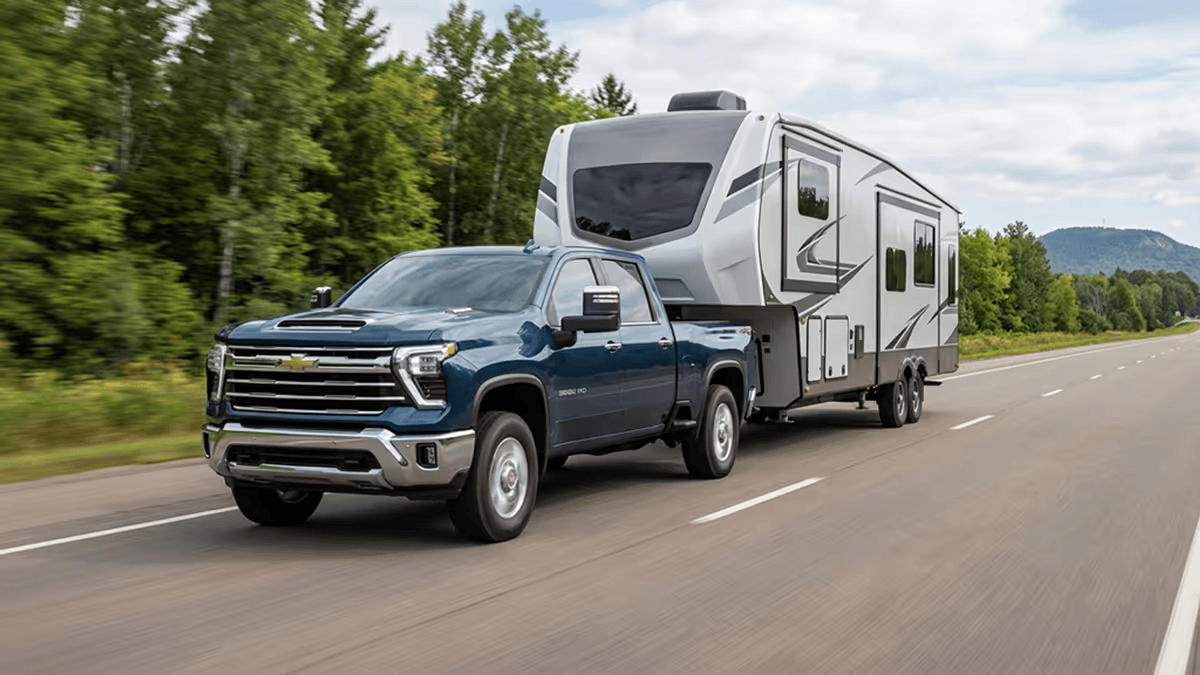
The Chevrolet Silverado has earned its place as one of America’s most trusted full-size pickups, and the 2026 model reinforces that legacy for anyone who regularly needs serious towing power. From boat owners heading to the lakes around Garland or Plano, to contractors moving gear through Frisco and McKinney job sites, to families in the expanding Dallas and Richardson suburbs who pull travel trailers on weekends, the Silverado combines brute strength with real-world refinement that makes heavy-duty work feel far less daunting.
What truly distinguishes the 2026 Silverado isn’t merely impressive numbers on paper it’s how intelligently that capability is delivered through engine selection, trailering technology, chassis engineering, and long-term dependability. When properly equipped, this truck can confidently tow up to 13,300 pounds, giving owners the versatility to handle large fifth-wheel campers, heavy equipment trailers, enclosed car haulers, and more without second-guessing stability or control.
Feeling stuck in the stressful car-buying process? At Jupiter Chevrolet in Garland, TX, we’ve reimagined how buying a car should feel. With transparent pricing, online deal-building tools, and the benefits of our Jupiter Advantage program, we ensure every step is straightforward and satisfying. Skip the hassle. From purchase, to certified service and parts, to collision repair and body shop. Our team puts your convenience, safety, and confidence first. Turn your dreams of finding your ideal Chevrolet into reality with us. Visit Jupiter Chevrolet today!
Engine Lineup Engineered for Real Towing Demands
Every great towing experience begins under the hood, and Chevrolet offers a carefully curated range of powertrains designed to match different priorities whether maximum torque for steep grades, strong gasoline performance, or balanced efficiency for mixed daily driving and occasional heavy pulls.
The available Duramax 3.0L Turbo-Diesel inline-six remains a favorite among serious towers. Its 495 lb-ft of torque arrives early and stays strong, allowing the truck to get heavy loads rolling smoothly with minimal drama. Mated to a responsive 10-speed automatic, the combination excels on long highway stretches think I-30 toward Rockwall-Heath or the open roads near Forney while delivering noticeably better fuel economy than older diesel platforms when cruising unloaded.
Gasoline buyers aren’t shortchanged. The 6.2L EcoTec3 V8 delivers 420 horsepower and pairs beautifully with the Max Trailering Package to reach the truck’s peak conventional towing rating. For many owners, the familiar 5.3L EcoTec3 V8 strikes an ideal balance of capability, refinement, and cost of ownership for everyday towing tasks. Meanwhile, the efficient TurboMax 2.7L four-cylinder handles lighter trailers and work duties with surprising composure.
Regardless of engine choice, Chevrolet tunes suspension geometry, axle ratios, and cooling systems to ensure the Silverado remains composed and predictable even when weight distribution approaches maximum limits.
Trailering Technology That Reduces Stress
Modern pickups must do more than simply pull weight they need to help drivers manage that weight safely and confidently. The 2026 Silverado incorporates several trailering-focused features that work seamlessly in the background.
Available multi-camera trailering views give clear sightlines to the hitch, sides of the trailer, and rear blind spots. An integrated trailer brake controller provides proportional braking feel, while Trailer Sway Control intervenes subtly when crosswinds or passing trucks create instability. These systems, combined with a rigid boxed frame and carefully calibrated suspension, help maintain composure on winding two-lane roads or during sudden lane changes on crowded North Texas freeways.
Practical Towing Strengths in Everyday North Texas Use
Towing capacity ratings tell only part of the story. What matters most is how the truck behaves in real situations drivers actually encounter.
- Large recreational trailers and fifth-wheels Many owners in the region pull 30- to 40-foot travel trailers or toy haulers to popular destinations; the Silverado’s rating and stability systems handle these confidently.
- Commercial and contractor duties Landscape trailers, equipment haulers, and enclosed cargo trailers are common sights around Richardson, Plano, and Frisco; the truck’s payload and towing balance make repeated loaded trips less taxing.
- Versatile configuration choices Crew Cab, Double Cab, various bed lengths, 2WD or 4WD drivetrains, and multiple axle ratios let buyers match the truck precisely to their typical loads and driving conditions.
That flexibility is one reason the Silverado remains a go-to choice across so many different lifestyles in the communities we serve.
Addressing the Most Common Towing Worries
Prospective buyers often raise the same practical questions before committing to a heavy-duty truck. Fuel economy while towing tops the list for many. The Duramax diesel option helps here by producing abundant low-rpm torque, which reduces the need for frequent downshifts and keeps engine revs lower during steady highway pulls resulting in noticeably better efficiency compared with older designs.
Long-term durability is another frequent concern. Chevrolet has spent decades refining its full-size truck platform, and that experience shows in the Silverado’s ability to withstand years of demanding use without major issues. Owners who maintain the truck properly frequently report reaching high mileage with minimal unexpected repairs.
Ownership Benefits Beyond the Specifications
While capability draws people to the Silverado, ownership experience keeps them coming back. At Jupiter Chevrolet we back every new Silverado with our Lifetime Powertrain Warranty, offering long-term peace of mind for the components that matter most when towing regularly.
As a family-owned dealership with 100 years of continuous operation, we prioritize straightforward pricing, transparent service, and genuine relationships with customers in Garland, Dallas, Richardson, Plano, Rockwall-Heath, Forney, Mesquite, McKinney, Grapevine, and Frisco. Larger corporate stores may advertise bigger inventories or deeper discounts, but many buyers ultimately value the personal attention, quicker service turnaround, and sense of partnership that come with a family-run operation.
Why the 2026 Silverado Remains a Smart Towing Choice
Today’s used-car market continues to grow steadily, driven largely by affordability and the desire for value. According to recent industry analysis, the global used car market is expanding because pre-owned vehicles allow buyers to access higher-trim levels and desirable features at a significantly lower cost than new models. That same principle applies when considering a new truck: buyers want maximum capability without unnecessary expense.
The 2026 Chevrolet Silverado delivers exactly that balance serious towing strength, thoughtful technology, proven durability, and ownership advantages that extend well beyond the first few years. It isn’t the loudest or flashiest truck on the lot, but it consistently earns trust from people who actually use their pickup for work and adventure year after year.
If you’re in North Texas and need a truck that tows with confidence, rides comfortably when empty, and holds up over the long haul, the Silverado deserves your attention. Visit Jupiter Chevrolet to sit behind the wheel, walk through the trailering features, and experience why so many neighbors rely on this truck for their toughest jobs. The road is waiting and so is whatever you’re ready to pull.
Frequently Asked Questions
What is the maximum towing capacity of the 2026 Chevrolet Silverado?
When properly equipped, the 2026 Chevrolet Silverado can tow up to 13,300 pounds, making it capable of handling large fifth-wheel campers, heavy equipment trailers, and enclosed car haulers. Reaching the peak rating requires pairing the 6.2L EcoTec3 V8 engine with the Max Trailering Package. This combination of engine choice and optional equipment gives owners the flexibility to match their specific towing needs.
Which engine is best for towing with the 2026 Chevrolet Silverado?
The best engine depends on your towing priorities. The Duramax 3.0L Turbo-Diesel inline-six is a top choice for serious towers, delivering 495 lb-ft of torque at low RPMs for smooth, efficient heavy hauling especially on long highway stretches. Gasoline drivers can opt for the 6.2L EcoTec3 V8 for maximum power, the 5.3L EcoTec3 V8 for an everyday balance of capability and cost, or the TurboMax 2.7L four-cylinder for lighter-duty towing tasks.
What trailering safety features does the 2026 Chevrolet Silverado offer?
The 2026 Silverado includes several integrated trailering technologies designed to improve safety and driver confidence. These include available multi-camera trailering views for hitch and blind-spot visibility, an integrated trailer brake controller with proportional braking, and Trailer Sway Control that automatically intervenes when crosswinds or passing vehicles create instability. Combined with a rigid boxed frame and tuned suspension, these systems help the truck stay composed in real-world driving conditions.
Disclaimer: The above helpful resources content contains personal opinions and experiences. The information provided is for general knowledge and does not constitute professional advice.
You may also be interested in: Why Jupiter Chevrolet’s Collision Repair Center is Trusted by Garland Drivers
Feeling stuck in the stressful car-buying process? At Jupiter Chevrolet in Garland, TX, we’ve reimagined how buying a car should feel. With transparent pricing, online deal-building tools, and the benefits of our Jupiter Advantage program, we ensure every step is straightforward and satisfying. Skip the hassle. From purchase, to certified service and parts, to collision repair and body shop. Our team puts your convenience, safety, and confidence first. Turn your dreams of finding your ideal Chevrolet into reality with us. Visit Jupiter Chevrolet today!
Powered by flareAI.co
How to Get Financing Approval for Your Chevrolet

Securing financing for a Chevrolet can feel daunting, especially when you’re eyeing that new Silverado for weekend projects around Frisco or a reliable Trax for daily drives through Richardson. Yet for countless drivers across the Dallas-Fort Worth metroplex, the approval process turns out far smoother than expected particularly when you partner with a dealership that understands local needs and has spent nearly a century building trust in North Texas. At Jupiter Chevrolet in Garland, we walk buyers through every step, turning what could be a stressful hurdle into a confident stride toward the keys.
Feeling stuck in the stressful car-buying process? At Jupiter Chevrolet in Garland, TX, we’ve reimagined how buying a car should feel. With transparent pricing, online deal-building tools, and the benefits of our Jupiter Advantage program, we ensure every step is straightforward and satisfying. Skip the hassle. From purchase, to certified service and parts, to collision repair and body shop. Our team puts your convenience, safety, and confidence first. Turn your dreams of finding your ideal Chevrolet into reality with us. Visit Jupiter Chevrolet today!
Understanding Today’s Financing Landscape for Chevrolet Buyers
American vehicles are staying on the road longer than ever before. Many owners choose to maintain and repair their current cars rather than replace them quickly, a trend that makes thoughtful financing increasingly valuable. Whether you’re upgrading to the latest model or selecting a gently used Chevrolet that fits your budget, solid approval terms help balance monthly obligations with long-term ownership satisfaction.
Lenders evaluate applications based on straightforward criteria: consistent income, responsible credit management, and overall financial stability. Dealerships with established lender relationships like ours can present multiple competitive offers from banks, credit unions, and Chevrolet Financial, often securing terms that reflect your real-world circumstances rather than a one-size-fits-all approach.
Preparing Your Credit Profile Before You Visit
The foundation of strong approval starts well before you step onto the lot. Obtain free copies of your credit reports and examine them carefully for inaccuracies. An erroneous late payment notation or an account that should have closed years ago can unnecessarily lower your score. Correcting these issues promptly often yields noticeable improvements.
Focus next on actionable steps that demonstrate reliability. Reduce balances on credit cards so utilization stays below 30 percent. Refrain from applying for new credit lines in the weeks leading up to your purchase. Consistent, on-time payments across existing accounts carry significant weight. Shoppers we serve in communities from Plano to Mesquite frequently find that these modest adjustments open doors to more favorable rates and higher approval amounts.
What Lenders Prioritize Most
- Payment history consistently meeting obligations matters more than any other single factor.
- Credit utilization ratio keeping balances low relative to limits signals prudent management.
- Length and mix of credit a longer, varied history generally inspires greater confidence.
- Recent credit inquiries clustering multiple applications can suggest financial strain.
Different lenders emphasize these elements in varying degrees. Some focus on helping individuals rebuild credit, while others cater to excellent profiles. That diversity allows us to match you with the most suitable partner.
Essential Documents That Speed the Process
Arriving prepared saves time and reduces friction. Gather the following before submitting an application:
- Recent pay stubs or alternative income verification (tax returns for self-employed individuals).
- Proof of address (utility bill, rental agreement, or similar).
- Government-issued photo ID and Social Security number.
- Trade-in details if applicable (title, registration, and current payoff figure).
- Additional financial statements that strengthen your position, when relevant.
Many customers from Forney to Grapevine tell us that organizing these items ahead of time transforms the experience from rushed to relaxed, allowing focus on vehicle selection instead of paperwork.
Comparing Financing Offers Effectively
One clear advantage of working with a family-owned operation like Jupiter Chevrolet lies in our ability to shop your application across a broad network without you lifting a finger. We submit details once, then return with side-by-side comparisons of rates, terms, monthly payments, and any manufacturer incentives tied to specific Chevrolet models.
Factory-supported financing frequently includes promotional rates or bonus cash on trucks and SUVs. Local credit unions sometimes provide especially competitive fixed-rate options. The critical task is evaluating total cost rather than monthly payment alone. Longer terms reduce the immediate burden but increase interest paid over time choose the shortest duration that aligns with your budget.
We routinely hear concerns about inventory size compared with massive corporate lots. Our philosophy prioritizes curated, high-quality selections that truly match customer lifestyles over overwhelming volume. Shoppers occasionally reference less-than-ideal experiences elsewhere; our continuous service to the region since 1925 has earned enduring trust through honest communication and follow-through. While large chains may tout headline-grabbing prices, our approach combining competitive deals, a lifetime powertrain warranty on qualifying vehicles, and genuine small-town attentiveness delivers stronger long-term value for families and professionals throughout the area.
Avoiding the Most Common Financing Mistakes
Even savvy buyers occasionally fall into predictable traps. The most frequent involves locking onto the lowest possible monthly payment by extending the loan term excessively. While that strategy eases cash flow today, it can add substantial interest expense over 72 or 84 months. Whenever possible, select the briefest term you can sustain comfortably.
Another misstep is bypassing pre-qualification. This soft-pull process reveals realistic expectations without impacting your credit score. We make pre-qualification available online or in person so you arrive informed and empowered.
Always review every document line by line before signing. Confirm the annual percentage rate, itemized fees, prepayment provisions, and any conditions attached to special offers. Clarity at this stage prevents surprises later.
Leveraging Approval for Long-Term Chevrolet Ownership
With financing secured, attention naturally shifts to maximizing enjoyment and reliability. Pair your purchase with our comprehensive service and collision repair capabilities to protect your investment. Routine maintenance in Dallas or major bodywork following an incident in Rockwall-Heath becomes far less stressful when monthly payments remain predictable and manageable.
Customers frequently remark that the relationship feels more like collaboration than a simple sale. We view our role as helping neighbors across Garland, McKinney, and surrounding communities select and sustain transportation that supports daily life for years to come.
Your Next Move Toward Driving Home Confidently
Approval for Chevrolet financing need not be shrouded in uncertainty. Thorough preparation, organized documentation, and guidance from an experienced, locally rooted dealership turn the entire process into an achievable and often rewarding step. If you’re considering a new or pre-owned Chevrolet and value clear, personalized support, we invite you to contact Jupiter Chevrolet today, either online or at our Garland location. We look forward to assisting you just as we have thousands of other North Texas drivers over the decades.
Frequently Asked Questions
What documents do I need to get approved for Chevrolet financing?
To speed up the financing process, you’ll want to bring recent pay stubs or tax returns (if self-employed), a government-issued photo ID, your Social Security number, and proof of address such as a utility bill or rental agreement. If you’re trading in a vehicle, also have the title, registration, and current payoff amount on hand. Having these organized before your dealership visit helps shift your focus to choosing the right vehicle rather than scrambling through paperwork.
How can I improve my credit score before applying for a Chevrolet auto loan?
Start by pulling free copies of your credit reports and disputing any errors, such as incorrect late payments or outdated accounts, since fixing these can meaningfully boost your score. Next, pay down credit card balances to keep your utilization below 30%, and avoid applying for any new lines of credit in the weeks leading up to your purchase. Consistent on-time payments across all existing accounts carry the most weight with lenders and can unlock more favorable rates and higher approval amounts.
What are the most common mistakes to avoid when financing a Chevrolet?
One of the biggest pitfalls is focusing solely on a low monthly payment by stretching your loan term to 72 or 84 months while this eases short-term cash flow, it significantly increases the total interest paid over time. Another common mistake is skipping pre-qualification, which is a soft-credit-pull process that gives you realistic expectations without affecting your credit score. Always review your financing documents line by line before signing, confirming the APR, all fees, prepayment terms, and any conditions tied to special promotional offers.
Disclaimer: The above helpful resources content contains personal opinions and experiences. The information provided is for general knowledge and does not constitute professional advice.
You may also be interested in: How to Maximize Your Trade-In Value at Jupiter Chevrolet
Feeling stuck in the stressful car-buying process? At Jupiter Chevrolet in Garland, TX, we’ve reimagined how buying a car should feel. With transparent pricing, online deal-building tools, and the benefits of our Jupiter Advantage program, we ensure every step is straightforward and satisfying. Skip the hassle. From purchase, to certified service and parts, to collision repair and body shop. Our team puts your convenience, safety, and confidence first. Turn your dreams of finding your ideal Chevrolet into reality with us. Visit Jupiter Chevrolet today!
Powered by flareAI.co

In the demanding driving conditions of North Texas where summer heat, heavy traffic on I-635, and occasional severe weather push vehicles to their limits routine maintenance becomes far more than a checklist item. It directly influences reliability, safety, and long-term ownership costs. For Chevrolet owners across Garland, Dallas, Richardson, Plano, Rockwall-Heath, Forney, Mesquite, McKinney, Grapevine, and Frisco, Jupiter Chevrolet’s Service Department offers a compelling combination of manufacturer expertise, genuine components, exceptional warranty protection, and personalized attention that has earned trust over more than a century.
Feeling stuck in the stressful car-buying process? At Jupiter Chevrolet in Garland, TX, we’ve reimagined how buying a car should feel. With transparent pricing, online deal-building tools, and the benefits of our Jupiter Advantage program, we ensure every step is straightforward and satisfying. Skip the hassle. From purchase, to certified service and parts, to collision repair and body shop. Our team puts your convenience, safety, and confidence first. Turn your dreams of finding your ideal Chevrolet into reality with us. Visit Jupiter Chevrolet today!
Factory-Trained Technicians Who Specialize in Chevrolet
Every Chevrolet model, from the hardworking Silverado to the family-oriented Traverse, has unique engineering details that general repair shops may encounter infrequently. At Jupiter Chevrolet, technicians complete ongoing manufacturer training programs and work exclusively with GM vehicles day in and day out. This focused experience translates into precise diagnostics, quicker identification of issues, and repairs performed to factory specifications.
When a dashboard warning appears or an unusual noise develops during a commute through busy Plano streets, that depth of knowledge often means the difference between a minor adjustment and a costly repeat visit. Customers consistently report shorter diagnostic times and greater confidence that the root cause not just the symptom has been addressed.
Why Genuine GM Parts Make a Measurable Difference
Aftermarket parts can appear attractive on price alone, yet they frequently fall short in fit, durability, and compatibility with modern Chevrolet electronics and powertrains. Jupiter Chevrolet installs ACDelco and GM Genuine Parts engineered to match the original equipment standards your vehicle left the factory with.
For components under constant stress brakes, suspension bushings, cooling system elements, or transmission fluid filters the right part preserves performance and helps avoid premature wear. In a market where large SUVs and trucks remain extremely popular for their towing capability, spacious interiors, and commanding road presence, especially across North America, using parts designed specifically for your model protects both capability and resale value.
Lifetime Powertrain Warranty: Protection That Encourages Proactive Care
Few dealerships stand behind their work as confidently as Jupiter Chevrolet does with its Lifetime Powertrain Warranty. This coverage protects the engine, transmission, and drivetrain for as long as you own the vehicle, provided recommended maintenance is completed at the dealership.
The program changes the calculus for many owners. Instead of shopping around for the lowest quote on an oil change or tire service, they return to the place that has skin in the game for the long term. Regular visits keep the warranty active while allowing trained eyes to spot emerging issues small leaks, worn belts, or software updates before they escalate into major repairs. For families relying on their Chevrolet for daily school runs in McKinney or weekend towing in Forney, that ongoing safeguard delivers substantial peace of mind.
Service Designed Around Real North Texas Schedules
Convenience matters when every minute counts. Jupiter Chevrolet offers extended weekday hours, Saturday service, and an easy-to-use online appointment system that lets you select a slot without waiting on hold. For those who prefer to stay on site, comfortable waiting areas and complimentary Wi-Fi help the time pass productively.
Loaner vehicles and shuttle service are available when repairs require more time, minimizing disruption for drivers in Mesquite, Richardson, or Grapevine. The express maintenance lane handles fast-turnaround services oil and filter changes, tire rotations, fluid top-offs, and multi-point inspections often in under an hour, so busy professionals and parents can stay on schedule.
Keeping Up with High-Mileage Demands
Many Chevrolet owners in the region easily accumulate 15,000–20,000 miles annually. Regular synthetic oil changes, brake inspections, and alignment checks at recommended intervals prevent uneven tire wear, extend component life, and maintain fuel efficiency practical benefits that add up quickly on Dallas-area highways.
Family-Owned Heritage Delivers a Different Kind of Experience
With more than 100 years of continuous family ownership and operation, Jupiter Chevrolet operates on principles that larger corporate chains sometimes struggle to replicate: personal accountability, long-term relationships, and community investment. Service advisors explain recommendations clearly, answer questions thoroughly, and never pressure customers into unneeded work.
This approach fosters loyalty. Owners return not because they feel obligated, but because they feel respected. In an industry where trust can erode quickly after one disappointing experience, that consistency stands out.
Responding to Common Hesitations with Transparency
Some drivers assume larger dealerships with bigger inventories automatically offer better pricing or faster turnaround. In practice, Jupiter Chevrolet focuses on delivering superior value through transparent flat-rate pricing, published service specials, and the financial protection provided by the lifetime warranty.
Concerns rooted in previous negative encounters at other facilities are understandable. The team at Jupiter Chevrolet counters those doubts through consistent courtesy, detailed explanations, and follow-up calls after major repairs to confirm satisfaction. Quality service does not require corporate scale; it requires commitment to doing things right every time.
- Upfront pricing with no hidden fees
- Service specials updated regularly on the website
- Post-repair courtesy checks and follow-up
- Technicians available to discuss findings in person
Why Consistent Dealership Care Pays Dividends Long-Term
Selecting a service provider shapes far more than today’s repair bill it influences vehicle reliability, unexpected downtime, and total cost of ownership over tens of thousands of miles. Jupiter Chevrolet brings together factory-level technical expertise, authentic GM parts, industry-leading warranty coverage, and the attentive care that only a family-run business with deep local roots can provide.
Whether your Chevrolet handles construction-site hauls in Garland, family road trips from Frisco, or daily commutes through Richardson, entrusting it to a team that has served North Texas faithfully for over a century ensures every journey starts and ends with confidence. When your next service interval approaches, consider the dealership where longevity, expertise, and genuine customer focus have always come first.
Frequently Asked Questions
What makes Jupiter Chevrolet’s Service Department better than a general repair shop for Chevrolet owners in North Texas?
Jupiter Chevrolet employs factory-trained technicians who specialize exclusively in GM vehicles, enabling faster and more accurate diagnostics compared to general repair shops. They use ACDelco and GM Genuine Parts engineered to match original factory specifications, which helps preserve performance, compatibility, and resale value. For Chevrolet owners across Garland, Dallas, Plano, McKinney, and surrounding areas, this combination of specialized expertise and authentic components means the root cause of any issue gets resolved correctly the first time.
What is Jupiter Chevrolet’s Lifetime Powertrain Warranty and how does it work?
Jupiter Chevrolet offers a Lifetime Powertrain Warranty that covers the engine, transmission, and drivetrain for as long as you own your vehicle. To keep the warranty active, owners simply need to complete recommended maintenance services at the dealership. This creates a built-in incentive for proactive care, as trained technicians can catch small issues like minor leaks or worn belts before they become costly repairs, giving long-term peace of mind to families and daily commuters alike.
Does Jupiter Chevrolet offer convenient service options for busy North Texas drivers?
Yes Jupiter Chevrolet provides extended weekday hours, Saturday service, and an online appointment scheduler so customers can book without waiting on hold. An express maintenance lane handles fast-turnaround services like oil changes, tire rotations, and multi-point inspections, often in under an hour. For repairs that take longer, loaner vehicles and shuttle service are available to minimize disruption for drivers throughout Mesquite, Richardson, Grapevine, and the greater Dallas area.
Disclaimer: The above helpful resources content contains personal opinions and experiences. The information provided is for general knowledge and does not constitute professional advice.
You may also be interested in: The Ultimate Guide to Financing Your Next Chevrolet at Jupiter Chevrolet
Feeling stuck in the stressful car-buying process? At Jupiter Chevrolet in Garland, TX, we’ve reimagined how buying a car should feel. With transparent pricing, online deal-building tools, and the benefits of our Jupiter Advantage program, we ensure every step is straightforward and satisfying. Skip the hassle. From purchase, to certified service and parts, to collision repair and body shop. Our team puts your convenience, safety, and confidence first. Turn your dreams of finding your ideal Chevrolet into reality with us. Visit Jupiter Chevrolet today!
Powered by flareAI.co
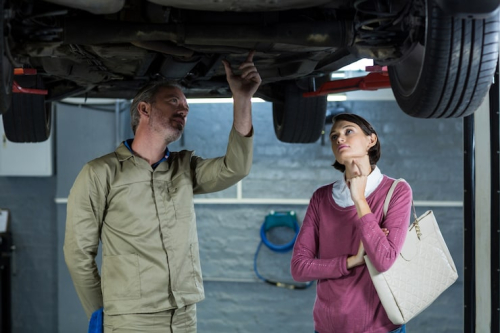
The North America automotive collision repair industry continues to show steady demand, with the market valued at approximately USD 46.17 billion in 2025 and projected to grow toward USD 54.22 billion by the end of the decade. This consistent expansion underscores the real-world need for dependable collision repair and quality maintenance services as vehicles age and roadways stay busy.
At Jupiter Chevrolet, a family-owned dealership proudly serving North Texas communities Garland, Dallas, Richardson, Plano, Rockwall-Heath, Forney, Mesquite, McKinney, Grapevine, and Frisco for more than 100 years, we encounter these maintenance patterns every day. Our factory-trained technicians address them with precision and integrity, always standing behind our work with the dealership’s renowned Lifetime Powertrain Warranty.
Feeling stuck in the stressful car-buying process? At Jupiter Chevrolet in Garland, TX, we’ve reimagined how buying a car should feel. With transparent pricing, online deal-building tools, and the benefits of our Jupiter Advantage program, we ensure every step is straightforward and satisfying. Skip the hassle. From purchase, to certified service and parts, to collision repair and body shop. Our team puts your convenience, safety, and confidence first. Turn your dreams of finding your ideal Chevrolet into reality with us. Visit Jupiter Chevrolet today!
Transmission Concerns Chevrolet Owners Frequently Face
Transmission complaints remain near the top of the list for many Chevrolet drivers. Owners describe harsh shifts, slipping between gears, hesitation when accelerating, or outright refusal to engage properly often appearing between 80,000 and 120,000 miles, though heavy use can bring problems sooner.
Root causes typically include overdue fluid and filter changes, repeated overheating during towing or heavy traffic, and gradual wear on internal components such as solenoids, valve bodies, and torque converters. Drivers usually notice warning signs first: odd grinding or whining noises during gear changes, a distinct burnt odor from the transmission fluid, or an illuminated check engine or transmission warning light.
Proactive steps make a significant difference:
- Adhere strictly to the manufacturer-recommended transmission service intervals commonly every 30,000 to 60,000 miles depending on driving habits and conditions.
- Install an auxiliary transmission cooler if the vehicle frequently tows trailers or operates in stop-and-go urban traffic.
- Act immediately on early symptoms by obtaining a professional diagnostic scan and fluid inspection to catch small issues before they become expensive repairs.
Using authentic Chevrolet parts and detailed diagnostics, our service team routinely restores crisp, reliable shifting and helps protect long-term drivetrain health.
Engine Performance Problems That Appear Over Time
Engine-related concerns rank high among Chevrolet owners, particularly those driving popular V8-powered trucks and SUVs. Drivers report symptoms such as rough idle, noticeable misfires under load, unexpected power loss, higher-than-normal oil consumption, or occasional stalling at stoplights.
Frequent contributors include worn spark plugs and ignition coils, failing oxygen sensors or mass airflow sensors, clogged fuel injectors, and in some model years issues related to active fuel management or cylinder deactivation hardware.
Effective prevention includes:
- Scheduling tune-ups at the factory-specified intervals, replacing plugs, wires, filters, and related sensors before problems escalate.
- Checking oil levels monthly and investigating any rapid consumption or blue exhaust smoke promptly.
- Addressing check engine lights without delay; modern diagnostic tools can often identify the exact cause before secondary damage occurs.
Consistent attention to these details keeps engines running smoothly and efficiently for many more miles.
Electrical Gremlins That Leave Drivers Stranded
Electrical issues frustrate Chevrolet owners across model years. Problems range from batteries that fail prematurely and alternators that stop charging, to intermittent power window operation, non-responsive door locks, dashboard warning lights that flicker, or parasitic battery drain that leaves the vehicle dead after sitting overnight.
Common sources include corroded ground connections, aging wiring harnesses, faulty body control modules, and software glitches that require dealer-level reprogramming.
Smart maintenance habits reduce the likelihood of surprises:
- Test the battery and charging system at least once a year especially important before summer heat or winter cold arrives.
- Have parasitic draw testing performed if the battery repeatedly dies despite normal use.
- Keep battery terminals clean and tightly secured during every oil change or routine visit.
Our technicians specialize in tracing these elusive faults efficiently, saving time and preventing repeat repairs.
Cooling System Failures and Overheating Risks
Overheating episodes and coolant-related failures continue to appear regularly. Drivers notice the temperature gauge climbing quickly, steam from under the hood, a sweet antifreeze smell inside the cabin, or visible puddles beneath the vehicle after parking.
Typical failure points include leaking water pumps, stuck thermostats, cracked plastic intake manifolds, deteriorating radiator hoses, and neglected coolant that leads to internal corrosion.
Practical safeguards involve:
- Inspecting hoses, clamps, radiator cap, and coolant condition during every service appointment.
- Performing a complete cooling system flush and refill according to the maintenance schedule to remove debris and maintain proper anti-corrosion protection.
- Considering thermostat replacement around 100,000 miles as preventive maintenance on many Chevrolet models.
Quick response to cooling concerns prevents catastrophic engine damage and preserves resale value.
Additional Maintenance Items Worth Watching
Several other areas deserve regular attention to avoid bigger expenses later:
- Suspension and steering components clunking sounds over potholes, uneven tire wear, or loose steering feel often point to worn shocks, struts, control arm bushings, or tie rods.
- Brake system health squealing pads, grinding metal-on-metal noise, vibration during braking, or a soft pedal require immediate inspection of pads, rotors, calipers, and brake fluid condition.
- Fuel delivery concerns hard starting, hesitation during acceleration, or declining fuel economy can stem from failing fuel pumps (common in certain older models) or malfunctioning fuel pressure sensors.
Routine inspections catch these items early, keeping repair costs manageable and safety high.
The Real Value of Consistent Maintenance
Most Chevrolet maintenance challenges trace back to deferred service rather than fundamental design shortcomings. Staying current with factory-recommended intervals not only prevents many failures but frequently keeps components within warranty coverage periods.
As a family-operated dealership with deep roots in North Texas, Jupiter Chevrolet combines honest diagnostics, OEM-quality repairs, and our exclusive Lifetime Powertrain Warranty to deliver genuine peace of mind. We know the daily drives our neighbors face whether navigating Dallas traffic or heading out from McKinney and we tailor every recommendation accordingly.
From a simple oil change to resolving persistent concerns, our team remains committed to keeping your Chevrolet reliable and enjoyable for years to come. Contact our service department today to schedule an appointment and discover why generations of local drivers continue to trust us.
Frequently Asked Questions
How often should I service my Chevrolet’s transmission to avoid costly repairs?
Chevrolet transmission service is generally recommended every 30,000 to 60,000 miles, depending on your driving habits and conditions. Vehicles used for towing or frequent stop-and-go city driving may benefit from more frequent fluid and filter changes, as well as an auxiliary transmission cooler. Addressing early warning signs such as grinding noises, a burnt fluid smell, or a check engine light with a professional diagnostic scan can prevent minor issues from escalating into major repairs.
What are the most common Chevrolet maintenance issues owners should watch out for?
The most frequent Chevrolet maintenance issues include transmission problems (such as harsh shifts or slipping gears), engine performance concerns like misfires and rough idling, electrical faults ranging from premature battery failure to parasitic drain, and cooling system failures that can lead to overheating. Suspension wear, brake system deterioration, and fuel delivery problems are also worth monitoring regularly. Most of these issues can be prevented or caught early through consistent, factory-recommended service intervals.
Why does my Chevrolet battery keep dying, and how can I fix parasitic battery drain?
Repeated battery failure in Chevrolet vehicles is often caused by parasitic battery drain, where an electrical component continues drawing power even when the car is off. Common culprits include corroded ground connections, aging wiring harnesses, faulty body control modules, or software glitches. Having a certified technician perform parasitic draw testing, keeping battery terminals clean, and testing the battery and charging system at least once a year are the most effective steps to diagnose and prevent this issue.
Disclaimer: The above helpful resources content contains personal opinions and experiences. The information provided is for general knowledge and does not constitute professional advice.
You may also be interested in: Available Plans/Help Protect Your Investment
Feeling stuck in the stressful car-buying process? At Jupiter Chevrolet in Garland, TX, we’ve reimagined how buying a car should feel. With transparent pricing, online deal-building tools, and the benefits of our Jupiter Advantage program, we ensure every step is straightforward and satisfying. Skip the hassle. From purchase, to certified service and parts, to collision repair and body shop. Our team puts your convenience, safety, and confidence first. Turn your dreams of finding your ideal Chevrolet into reality with us. Visit Jupiter Chevrolet today!
Powered by flareAI.co
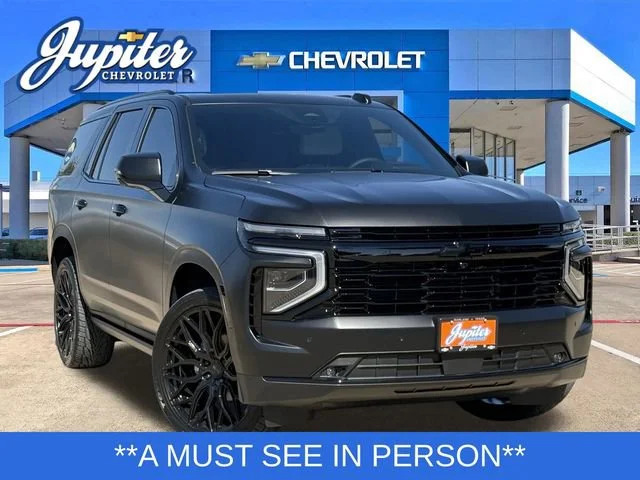
The Chevrolet Tahoe stands as one of the most trusted names in the full-size SUV segment, particularly among families searching for a vehicle that combines generous interior volume, composed handling, and advanced safety systems. In today’s fast-paced households where daily commutes blend into weekend adventures and occasional heavy-duty tasks the Tahoe continues to deliver a well-rounded package that feels purpose-built for real-world demands. From the busy corridors of Dallas to quieter drives through Frisco and McKinney, this SUV has earned a loyal following across North Texas communities.
Its enduring appeal stems not merely from sheer size but from Chevrolet’s ongoing efforts to balance capability with refinement. Parents and caregivers in growing suburbs such as Plano, Richardson, and Rockwall-Heath frequently choose vehicles that simplify life without sacrificing security or comfort, and the Tahoe meets those expectations consistently.
Feeling stuck in the stressful car-buying process? At Jupiter Chevrolet in Garland, TX, we’ve reimagined how buying a car should feel. With transparent pricing, online deal-building tools, and the benefits of our Jupiter Advantage program, we ensure every step is straightforward and satisfying. Skip the hassle. From purchase, to certified service and parts, to collision repair and body shop. Our team puts your convenience, safety, and confidence first. Turn your dreams of finding your ideal Chevrolet into reality with us. Visit Jupiter Chevrolet today!
Exceptional Interior Space Designed Around Family Needs
One of the Tahoe’s strongest attributes remains its thoughtfully engineered cabin. Three-row seating accommodates up to eight passengers in many configurations, with sufficient legroom and headroom to ensure comfort even for taller adults in the back rows. The second-row bench or available captain’s chairs provide flexibility ideal for installing multiple child seats or creating an easier pathway to the third row.
Even with a full passenger load, usable cargo area exists behind the third row for school bags, groceries, or sports equipment. Folding the rear seats reveals expansive storage that easily swallows luggage, camping gear, or larger items picked up in Garland or Mesquite. Soft-touch materials, available heated and ventilated front seats, and climate-controlled rear vents help make scorching Texas summers and chilly mornings far more tolerable for everyone on board.
Smooth, Quiet Ride That Elevates Daily Driving
Large SUVs sometimes sacrifice ride quality for ruggedness, yet Chevrolet has invested heavily in technologies that tame the Tahoe’s dynamics. Optional adaptive suspensions such as Magnetic Ride Control and Air Ride Adaptive Suspension continuously monitor road surfaces and adjust damping accordingly. The result is noticeably reduced body motion over uneven pavement and a more planted feel during highway merging or cornering.
Extensive sound-deadening materials keep wind and tire noise to a minimum, creating a serene environment where conversations flow naturally and rear-seat entertainment systems can be enjoyed without raised voices. On longer trips toward Forney, Grapevine, or beyond, the Tahoe transforms what could be tiring travel into relaxed family time.
Comprehensive Safety Technologies for Greater Peace of Mind
Modern family buyers place safety at the forefront, and the Tahoe responds with an extensive suite of driver-assistance features. Standard Chevrolet Safety Assist includes Automatic Emergency Braking, Forward Collision Alert, Lane Keep Assist with Lane Departure Warning, and Front Pedestrian Braking tools designed to help avoid or mitigate potential collisions.
Available upgrades further strengthen protection: Rear Cross Traffic Braking, Blind Zone Steering Assist (effective even while towing), Intersection Automatic Emergency Braking, and HD Surround Vision with multiple camera perspectives. These systems prove especially valuable in crowded parking lots throughout Richardson or busy intersections in Dallas, offering tangible assistance when visibility is limited.
Versatile Capability That Supports Active Lifestyles
The Tahoe excels beyond routine family errands. Strong towing capacity and available trailering technologies make it suitable for weekend boating, camping excursions, or hauling equipment activities popular among residents in Heath, McKinney, and surrounding areas. Hands-free Super Cruise, when equipped and used on compatible roadways, reduces driver workload during extended highway travel, allowing more focus on the journey itself.
Multiple powertrain choices deliver responsive performance while incorporating efficiency improvements that help manage fuel costs on daily drives and longer outings alike.
Addressing Typical Hesitations About Full-Size SUVs
Prospective buyers sometimes express concern about fuel consumption or the challenges of maneuvering a larger vehicle. Although no full-size SUV matches the efficiency of smaller crossovers, recent engineering advancements particularly with available diesel variants have brought meaningful gains in real-world driving. Parking assistance features, surround-view cameras, and precise steering make urban and suburban navigation far less daunting than the exterior dimensions might suggest.
Long-term dependability represents another frequent question. Chevrolet’s rigorous durability testing and widespread service network contribute to the Tahoe’s reputation for holding up reliably through years of varied family use.
Standing Apart in a Truck-Dominated Market
Pickup trucks maintain a commanding presence across much of the United States, with the U.S. pickup trucks market reaching USD 77.6 billion in 2024, fueled by consumer appreciation for their versatility in both work and recreational settings such as hiking, fishing, and camping. Yet families that place higher priority on enclosed passenger space, three rows of comfortable seating, and a smoother, more car-like ride often find the Tahoe better aligned with their requirements.
In North Texas where outdoor recreation and family road trips form an integral part of daily life the Tahoe offers a compelling middle ground between raw utility and everyday refinement. Local dealerships such as Jupiter Chevrolet focus on these practical advantages, helping buyers identify the configuration that best matches their routines.
Why the Tahoe Remains a Compelling Family Choice
Selecting the right family vehicle ultimately rests on confidence: confidence that the SUV will protect occupants, provide genuine comfort, and adapt to changing needs over time. The Chevrolet Tahoe builds that trust through intelligent design, forward-looking safety features, and a driving character that feels reassuring rather than imposing.
For shoppers exploring options in Dallas, Plano, Frisco, Richardson, or neighboring communities, a test drive quickly demonstrates why the Tahoe continues to rank among the most respected choices in its class. It goes beyond transportation delivering room to grow, technology that safeguards, and the steady assurance that comes from a vehicle engineered with families at its core. In a market filled with alternatives, the Tahoe consistently delivers on what matters most.
Frequently Asked Questions
What safety features does the Chevrolet Tahoe offer for families?
The Chevrolet Tahoe comes standard with the Chevrolet Safety Assist package, which includes Automatic Emergency Braking, Forward Collision Alert, Lane Keep Assist with Lane Departure Warning, and Front Pedestrian Braking. Available upgrades add Rear Cross Traffic Braking, Blind Zone Steering Assist (even while towing), Intersection Automatic Emergency Braking, and HD Surround Vision with multiple camera angles making it one of the most safety-equipped full-size SUVs in its class.
Is the Chevrolet Tahoe a good SUV for large families with kids?
Yes, the Chevrolet Tahoe is an excellent choice for large families, offering three-row seating for up to eight passengers with ample legroom and headroom even for taller adults in the back rows. The flexible second-row configuration supports multiple child seat installations, while rear climate vents, available heated and ventilated front seats, and extensive sound-deadening materials keep everyone comfortable on both short commutes and long road trips.
How does the Chevrolet Tahoe compare to a pickup truck for everyday family use?
While pickup trucks are popular for their utility, the Chevrolet Tahoe offers advantages that better suit family needs including enclosed three-row seating, a smoother car-like ride, and advanced passenger comfort features. For families who prioritize interior space, safety technology, and refinement alongside towing capability, the Tahoe strikes a compelling balance between everyday practicality and the versatility needed for weekend adventures like boating or camping.
Disclaimer: The above helpful resources content contains personal opinions and experiences. The information provided is for general knowledge and does not constitute professional advice.
You may also be interested in: CHEVY SPECIAL OFFERS | Jupiter Chevrolet in Garland TX
Feeling stuck in the stressful car-buying process? At Jupiter Chevrolet in Garland, TX, we’ve reimagined how buying a car should feel. With transparent pricing, online deal-building tools, and the benefits of our Jupiter Advantage program, we ensure every step is straightforward and satisfying. Skip the hassle. From purchase, to certified service and parts, to collision repair and body shop. Our team puts your convenience, safety, and confidence first. Turn your dreams of finding your ideal Chevrolet into reality with us. Visit Jupiter Chevrolet today!
Powered by flareAI.co

North Texas drivers count on their Chevrolet to handle everything from intense Dallas freeway commutes to weekend escapes toward the lakes near Rockwall-Heath. Reliability remains a cornerstone expectation, yet even the sturdiest models require consistent care beyond basic fueling and cleaning. Chevrolet’s comprehensive service packages combine manufacturer-supported extended protection, structured maintenance programs, and dependable roadside assistance delivering genuine assurance for owners across Garland, Richardson, Mesquite, McKinney, Forney, Grapevine, Plano, Frisco, and the broader Dallas area. These thoughtfully designed plans frequently transform potential repair disruptions into routine, budget-friendly appointments.
Feeling stuck in the stressful car-buying process? At Jupiter Chevrolet in Garland, TX, we’ve reimagined how buying a car should feel. With transparent pricing, online deal-building tools, and the benefits of our Jupiter Advantage program, we ensure every step is straightforward and satisfying. Skip the hassle. From purchase, to certified service and parts, to collision repair and body shop. Our team puts your convenience, safety, and confidence first. Turn your dreams of finding your ideal Chevrolet into reality with us. Visit Jupiter Chevrolet today!
Breaking Down Chevrolet’s Protection Plan Tiers
At the core of Chevrolet’s extended coverage stands the Chevrolet Protection Plan, a GM-endorsed suite available in three progressive levels: Powertrain, Silver, and Platinum. Each tier extends protection once the original factory warranties expire.
The entry-level Powertrain plan secures critical driveline components engine, transmission, transaxle, transfer case, drive axles, plus hybrid and electric-specific systems. The Silver tier broadens coverage considerably, adding steering, braking systems, suspension, electrical components, climate control, and more. Platinum provides the most extensive shield, encompassing approximately 1,500 parts and components against covered mechanical failures (with clearly defined exclusions noted in the contract). Nearly all plans incorporate meaningful everyday benefits: rental-vehicle reimbursement (commonly $40 per day up to 10 days), trip-interruption support, and round-the-clock roadside assistance covering towing, battery jumps, flat-tire service, lockouts, and emergency fuel delivery.
Pre-Paid Maintenance Plans: Predictable Ownership Costs
Complementing repair coverage, Chevrolet Pre-Paid Maintenance agreements remove uncertainty from routine servicing. These plans include factory-recommended tasks such as oil and filter changes, tire rotations, cabin and engine air filter replacements, fluid level inspections and top-offs, brake inspections, and multi-point vehicle evaluations all completed exclusively at Chevrolet Certified Service facilities utilizing GM Genuine Parts.
Flexibility stands out: the programs accommodate brand-new vehicles, Chevrolet Certified Pre-Owned models, and certain lease agreements. Owners of electric Chevrolet models can select EV-specific Pre-Paid Maintenance that addresses battery health monitoring and other EV-unique service points. The primary advantage remains financial clarity customers pay upfront or through convenient installments, then enjoy scheduled services without monitoring due dates or bracing for variable invoices.
Practical Value in North Texas Driving Conditions
Regional climate and traffic patterns accelerate component wear. Prolonged summer heat stresses cooling systems and batteries, while frequent stop-and-go driving in suburban corridors taxes brakes, tires, and transmission fluid. Service packages enable proactive care, allowing technicians to identify and correct minor concerns during routine visits before they escalate into major repairs.
Well-documented maintenance history also strengthens long-term vehicle value. Prospective buyers place significant weight on consistent service records when evaluating used Chevrolet models. In communities where personal transportation underpins daily life school drop-offs, work commutes, family errands the predictability these plans offer proves especially valuable.
Standout Advantages Owners Experience
- 24/7 roadside assistance that responds promptly whether you’re stalled on I-35E or far from home in Forney.
- Nationwide service availability through Chevrolet Certified centers, ensuring coverage remains effective during travel.
- Technician training and GM Genuine Parts engineered specifically for Chevrolet vehicles.
- Transferable coverage that increases resale appeal when the time comes to upgrade.
Leveraging Jupiter Chevrolet’s Century of Family Ownership
Jupiter Chevrolet contributes more than factory-backed plans alone. Operating as a family-owned dealership for over 100 years, the team possesses intimate familiarity with both Chevrolet vehicles and the unique driving demands of North Texas communities. Their lifetime powertrain warranty on qualifying purchases adds another layer of long-term confidence, reinforcing the value of Chevrolet’s protection and maintenance offerings.
Larger corporate dealerships frequently emphasize volume-driven pricing, yet Jupiter Chevrolet prioritizes personalized relationships, generational trust, and attentive service. Combining Chevrolet’s structured service packages with this established local presence typically yields superior overall ownership satisfaction for drivers seeking dependability without an impersonal corporate atmosphere.
Answering Frequent Questions About Coverage
Many owners ask about optimal purchase timing. Protection plans generally offer the most favorable terms when acquired during initial vehicle delivery or within the active factory warranty window. Flexible term lengths and mileage allowances allow customization to individual driving patterns.
Another common consideration involves cost justification. While an initial investment is required, a single qualifying major repair often exceeds the plan’s price. Beyond major coverage, included roadside assistance and rental reimbursement deliver tangible daily convenience even for owners who never file a significant claim.
Service location flexibility also reassures drivers. The extensive Chevrolet Certified Service network ensures coverage travels with you, whether staying local in McKinney or venturing across state lines.
Making the Smart Choice for Long-Term Confidence
Chevrolet’s comprehensive service packages ultimately empower owners with greater control, reduced stress, and sustained vehicle performance. Whether selecting essential Powertrain protection, expanded Silver coverage, or near-bumper-to-bumper Platinum security paired with pre-paid maintenance the objective remains consistent: reliable transportation through everyday routines and unforeseen challenges alike.
Across Garland, Dallas, Plano, Frisco, Richardson, Mesquite, and neighboring areas, the synergy between meticulously engineered Chevrolet plans and the trusted expertise of a 100-year family dealership creates a compelling path to lasting peace of mind. When you next visit Jupiter Chevrolet, explore how a tailored service package can align precisely with your vehicle, driving habits, and priorities. In an era where dependable mobility remains essential, thoughtful coverage represents one of the most intelligent investments you can make behind the wheel.
Frequently Asked Questions
What does Chevrolet’s Protection Plan include, and what are the different coverage tiers?
Chevrolet’s Protection Plan comes in three tiers: Powertrain, Silver, and Platinum. The Powertrain plan covers essential driveline components like the engine and transmission, Silver adds steering, brakes, suspension, and electrical systems, while Platinum covers approximately 1,500 parts for near-bumper-to-bumper protection. All plans include valuable everyday benefits such as 24/7 roadside assistance, rental vehicle reimbursement, and trip-interruption support.
Are Chevrolet Pre-Paid Maintenance plans worth it for North Texas drivers?
Yes Chevrolet Pre-Paid Maintenance plans are especially valuable in North Texas, where extreme summer heat and heavy stop-and-go traffic accelerate wear on cooling systems, brakes, and tires. These plans cover factory-recommended services like oil changes, tire rotations, and multi-point inspections using GM Genuine Parts at Chevrolet Certified facilities. Paying upfront locks in predictable costs and eliminates surprise invoices, making long-term budgeting much easier.
When is the best time to purchase a Chevrolet extended warranty or service package?
The best time to purchase a Chevrolet Protection Plan is at initial vehicle delivery or while the factory warranty is still active, as this typically unlocks the most favorable terms and pricing. Plans are available for new vehicles, Certified Pre-Owned Chevrolets, and select lease agreements, offering flexibility for a range of buyers. Keep in mind that a single major qualifying repair can often exceed the plan’s total cost, making early enrollment a smart financial decision.
Disclaimer: The above helpful resources content contains personal opinions and experiences. The information provided is for general knowledge and does not constitute professional advice.
You may also be interested in: The Jupiter Advantage
Feeling stuck in the stressful car-buying process? At Jupiter Chevrolet in Garland, TX, we’ve reimagined how buying a car should feel. With transparent pricing, online deal-building tools, and the benefits of our Jupiter Advantage program, we ensure every step is straightforward and satisfying. Skip the hassle. From purchase, to certified service and parts, to collision repair and body shop. Our team puts your convenience, safety, and confidence first. Turn your dreams of finding your ideal Chevrolet into reality with us. Visit Jupiter Chevrolet today!
Powered by flareAI.co
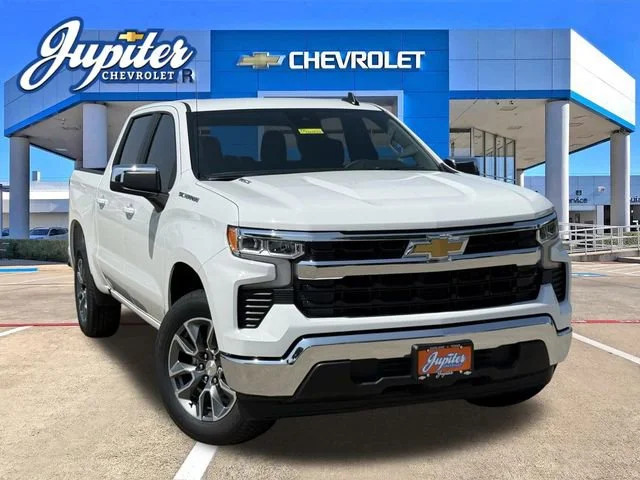
Imagine pulling up to the light in a capable Chevrolet Silverado, the kind of truck that handles everything from highway hauls around Dallas to weekend jobs in Frisco. Yet that sticker price gives even confident buyers a moment of hesitation. The real question becomes how to bring it home on terms that respect your budget and still deliver the strength you need on Texas roads.
At Jupiter Chevrolet, a family-owned and operated business with a century of experience serving local communities, we help drivers from Garland to McKinney turn that vision into ownership without unnecessary strain. Manufacturer-backed programs through GM Financial frequently open doors to attractive rates, particularly for those who qualify, making a new Silverado more attainable than many expect in today’s market.
Feeling stuck in the stressful car-buying process? At Jupiter Chevrolet in Garland, TX, we’ve reimagined how buying a car should feel. With transparent pricing, online deal-building tools, and the benefits of our Jupiter Advantage program, we ensure every step is straightforward and satisfying. Skip the hassle. From purchase, to certified service and parts, to collision repair and body shop. Our team puts your convenience, safety, and confidence first. Turn your dreams of finding your ideal Chevrolet into reality with us. Visit Jupiter Chevrolet today!
Understanding Chevrolet Silverado Financing Basics
Financing options for a Silverado give you clear paths to ownership or flexibility. A traditional loan builds equity month by month as you pay toward full ownership. Leasing, by contrast, typically brings lower monthly commitments and the chance to step into a newer model down the line an approach that resonates with busy families in suburbs like Plano and Richardson who value staying current.
Well-qualified buyers can currently access competitive low APR financing through GM Financial. For example, the 2026 Chevrolet Silverado 1500 offers 1.9% APR for 36 months in many cases. That translates to roughly $28.60 per month for every $1,000 financed. On a well-equipped truck, such terms help keep payments practical while you enjoy the Silverado’s proven capability and long-term durability.chevrolet.com
Current Promotional Financing Opportunities for Silverado
Special incentives evolve regularly, yet strong opportunities remain available on popular Silverado models. The 2026 Silverado 2500HD, for instance, comes with 3.9% APR for 60 months for qualified buyers. These programs often combine with cash allowances or other benefits that ease the upfront cost in a segment where heavy-duty trucks retain strong value over time.
Qualified buyers may also take advantage of deferred payments. Some can enjoy up to 90 days with no monthly payments after purchase, providing welcome breathing room particularly helpful for contractors in Mesquite or Grapevine who need their truck on the job right away. First-time buyers without negative credit history sometimes qualify to finance up to 105% of the MSRP, removing another common barrier.
How Jupiter Chevrolet Simplifies the Financing Process
A local, family-run dealership brings advantages that larger corporate operations often cannot match. With 100 years in business and a commitment to treating every customer like a neighbor, Jupiter Chevrolet works closely with GM Financial and trusted local lenders to explore the best available rates and structures tailored to your situation.
We meet common hesitations directly. While our selection emphasizes quality vehicles suited to the DFW area rather than overwhelming volume, this focus allows for genuinely personalized guidance when building your deal. We compete through value, transparency, and lasting relationships rather than pressure tactics. Our standout Lifetime Powertrain Warranty further safeguards your investment well beyond the financing period, delivering confidence that extends for years.
Financing Versus Leasing: Which Path Fits Your Needs?
Choosing between buying and leasing comes down to how you intend to use the truck. Financing works well for higher-mileage drivers, those who customize heavily, or anyone planning to keep the vehicle long-term and build equity. Leasing often appeals through reduced initial outlays and predictable costs, suiting drivers who stay within mileage limits and appreciate driving a fresh truck every couple of years.
Across the Dallas region from Forney to Rockwall-Heath many households lean toward leasing for its adaptability as life changes with growing families or shifting work demands. Others in Dallas or McKinney prefer ownership for the equity and peace of mind that comes with Silverado’s respected resale strength. Our experienced advisors review real numbers specific to you, helping the decision feel straightforward and right.
Practical Tips to Secure the Strongest Silverado Deal
Preparation sets the stage for success. Getting pre-approved upfront strengthens your position and clarifies a realistic budget before you visit the lot. Review your credit, assemble recent income documentation, and evaluate any trade-in its equity can meaningfully reduce the financed amount.
- Compare offers from multiple sources, including credit unions serving the Dallas area that occasionally surpass manufacturer financing.
- Inquire about stacking current incentives, which can amplify overall savings when combined with favorable rates.
- Share your actual budget and intended usage openly our team crafts packages around real-life needs rather than generic templates.
- Consider the full picture of ownership, from fuel economy and routine maintenance to the added security of our Lifetime Powertrain Warranty.
Some buyers arrive concerned about prior experiences or the scale of bigger dealerships. Here, straightforward communication remains the standard. We walk through every detail of the agreement in clear terms so you leave informed and at ease.
Clear Answers to Frequent Financing Questions
Many ask whether the lowest advertised APR applies universally. These rates target well-qualified credit profiles, yet flexible alternatives exist for a broader range of situations. Others wonder about extended loan terms. While longer periods lower monthly obligations, shorter durations typically reduce total interest paid substantially something we discuss candidly to support informed choices.
Why Local Drivers Choose Jupiter Chevrolet for Silverado Financing
We do more than move vehicles. We partner with families and businesses throughout Garland, Dallas, Richardson, Plano, Rockwall-Heath, Forney, Mesquite, McKinney, Grapevine, and Frisco to match them with trucks that genuinely serve their daily realities. A full century as a family-operated dealership brings consistent, honest counsel that national chains frequently struggle to replicate.
Whether you seek a new Silverado for its impressive towing capacity or a dependable daily work partner, our process centers on your priorities. Smaller focused inventory? We stock what our community actually needs. More measured pricing approach? We build loyalty through superior service and trustworthiness instead.
Take the Next Step Toward Your Chevrolet Silverado
Financing a truck need not feel overwhelming or rushed. With the proper guidance, it becomes a clear, confident move toward dependable transportation built for the long haul. Stop by in person or begin exploring possibilities online our team stands prepared to guide you toward the most suitable arrangement.
Ultimately, the strongest deal reaches beyond the interest rate alone. It lies in departing with assurance that the choice supports your finances, your family, and your future travels across Texas. At Jupiter Chevrolet, that level of outcome is what we consistently provide, reinforced by our Lifetime Powertrain Warranty and a longstanding dedication to integrity in this region.
Frequently Asked Questions
What are the current financing rates for a 2026 Chevrolet Silverado?
The 2026 Chevrolet Silverado 1500 currently offers as low as 1.9% APR for 36 months through GM Financial for well-qualified buyers, which works out to approximately $28.60 per month per $1,000 financed. The 2026 Silverado 2500HD is available at 3.9% APR for 60 months for qualified buyers. These promotional rates are subject to change, so it’s worth checking with your local Chevrolet dealer for the most up-to-date offers.
Is it better to finance or lease a Chevrolet Silverado?
The right choice depends on how you plan to use the truck. Financing is ideal for high-mileage drivers, those who want to customize their Silverado, or buyers looking to build equity and keep the vehicle long-term. Leasing typically offers lower monthly payments and the flexibility to upgrade to a newer model every few years, making it a popular choice for families or drivers with predictable, lower-mileage needs.
Can I get Chevrolet Silverado financing with bad credit or as a first-time buyer?
Yes while the lowest advertised APR rates are reserved for well-qualified credit profiles, flexible financing alternatives exist for a wider range of credit situations. First-time buyers with no negative credit history may even qualify to finance up to 105% of the MSRP, helping remove common upfront barriers. Working with a dealership that partners with both GM Financial and local lenders like credit unions in the Dallas area can open additional options tailored to your specific financial situation.
Disclaimer: The above helpful resources content contains personal opinions and experiences. The information provided is for general knowledge and does not constitute professional advice.
You may also be interested in: Steps To Trade-In Your Car
Feeling stuck in the stressful car-buying process? At Jupiter Chevrolet in Garland, TX, we’ve reimagined how buying a car should feel. With transparent pricing, online deal-building tools, and the benefits of our Jupiter Advantage program, we ensure every step is straightforward and satisfying. Skip the hassle. From purchase, to certified service and parts, to collision repair and body shop. Our team puts your convenience, safety, and confidence first. Turn your dreams of finding your ideal Chevrolet into reality with us. Visit Jupiter Chevrolet today!
Powered by flareAI.co

In a world where family road trips blend seamlessly with daily commutes and weekend adventures, finding an SUV that truly feels like an extension of home has never mattered more. The Chevrolet Equinox enters 2026 as that rare vehicle practical, tech-forward, and surprisingly refined making it a standout choice for growing families across North Texas.
Feeling stuck in the stressful car-buying process? At Jupiter Chevrolet in Garland, TX, we’ve reimagined how buying a car should feel. With transparent pricing, online deal-building tools, and the benefits of our Jupiter Advantage program, we ensure every step is straightforward and satisfying. Skip the hassle. From purchase, to certified service and parts, to collision repair and body shop. Our team puts your convenience, safety, and confidence first. Turn your dreams of finding your ideal Chevrolet into reality with us. Visit Jupiter Chevrolet today!
Why Families Are Turning to the Equinox in 2026
The Equinox has quietly evolved into one of Chevrolet’s most family-friendly offerings. With its balanced size, it sidesteps the bulk of larger three-row SUVs while still delivering generous interior space, intuitive technology, and a smooth ride that keeps everyone comfortable mile after mile. For parents juggling school runs, soccer practice, and grocery hauls in communities like Garland, Dallas, Richardson, Plano, and Frisco, this SUV strikes the perfect balance between capability and everyday ease.
Modern families expect more than basic transportation. They seek safety features that work seamlessly, connectivity that entertains without distracting the driver, and ample cargo room for strollers, sports gear, and the occasional spontaneous getaway. The 2026 Equinox meets these expectations, combining Chevrolet’s longstanding reputation for durability with thoughtful updates that address real-life family needs.
Spacious Interior Designed for Real Family Life
Step inside the Equinox and the thoughtful cabin layout immediately stands out. Rear-seat passengers enjoy ample legroom and easy access, while the available hands-free power liftgate turns loading sports bags or weekend luggage into an effortless task. Flat-folding rear seats create a versatile cargo area that adapts quickly whether hauling lumber for a home project or packing for a family vacation with maximum cargo volume reaching an impressive 63.5 cubic feet.
Soft-touch materials and available heated seats bring welcome comfort on longer drives through the DFW metroplex. The elevated seating position offers excellent visibility, a meaningful detail when navigating busy streets in Mesquite, Forney, or McKinney. Hidden storage under the rear cargo floor adds another layer of convenience, keeping belongings secure and out of sight.
Advanced Safety Features That Give Parents Peace of Mind
Safety ranks as a top priority for any family vehicle, and the 2026 Equinox comes equipped with Chevrolet’s latest driver-assistance technologies. Available adaptive cruise control, lane-keeping assist, and automatic emergency braking work together to ease tension during highway merges or stop-and-go traffic common on North Texas roads.
These systems feel supportive rather than intrusive, stepping in only when truly needed. For families with young children, the available rear-seat reminder and robust structure provide additional reassurance. This thoughtful engineering transforms daily drives into less stressful experiences and makes long trips genuinely relaxing.
Technology That Connects and Entertains the Whole Family
Today’s families live in a connected world, and the Equinox embraces it thoughtfully. The standard infotainment system features a crisp 11.3-inch touchscreen with wireless Apple CarPlay and Android Auto compatibility, delivering seamless access to maps, music, and messages. Available wireless charging keeps devices powered, while multiple USB ports ensure everyone stays connected without hassle.
Chevrolet invests steadily in connected-car capabilities that enhance the overall driving experience. The broader industry mirrors this direction, with the global connected car market showing strong momentum as vehicles incorporate advanced driver assistance systems, intelligent navigation, and immersive digital cockpit technologies aimed at improving performance and user experience. North America continues to play a leading role in this space. These advancements deliver practical benefits real-time traffic updates, remote vehicle monitoring through a smartphone app, and over-the-air updates that keep the Equinox feeling current year after year.
Infotainment systems continue evolving to meet family demands for better integration of navigation, entertainment, and smartphone connectivity. In the Equinox, this results in clear, responsive interfaces that entertain passengers on extended drives while helping the driver maintain full attention on the road ahead.
Fuel Efficiency and Everyday Affordability
Fuel prices remain a constant consideration for families, and the Equinox’s efficient powertrain options make it a smart, budget-friendly choice. The available 1.5L turbocharged engine provides responsive performance with competitive mileage, whether cruising local streets in Rockwall-Heath or embarking on longer highway journeys. Front-wheel-drive models achieve strong efficiency ratings that help stretch every dollar.
Lower overall ownership costs, paired with Chevrolet’s well-earned reputation for reliability, ease the financial pressures many families face. It’s not about bold promises it’s about a vehicle that simply performs reliably day after day, year after year, supporting busy North Texas lifestyles without unnecessary complications.
Addressing Common Concerns About Buying from a Family-Owned Dealership
Some shoppers hesitate over the perception that a family-owned dealership like Jupiter Chevrolet may offer limited inventory compared with large corporate outlets. In practice, the team at Jupiter carefully curates a strong selection of Equinox models in popular configurations, so customers frequently find the exact vehicle they need without prolonged waits.
Pricing questions also arise. While corporate competitors sometimes highlight aggressive discounts, Jupiter Chevrolet responds with transparent, competitive offers supported by a century of local trust. The dealership’s lifetime powertrain warranty on qualifying vehicles delivers confidence that many larger players cannot match. Being family owned and operated for 100 years means every decision emphasizes long-term customer relationships over short-term sales pressure a meaningful difference that families notice right away.
Why the Equinox Feels Like the Right Fit for North Texas Families
From the leafy suburbs of Plano to the growing communities around Forney and Grapevine, North Texas families share similar priorities: dependable transportation that handles daily errands as comfortably as weekend getaways. The 2026 Chevrolet Equinox addresses these needs with a thoughtful blend of comfort, technology, safety, and value that feels genuinely practical rather than overly engineered.
This SUV grows alongside your family spacious enough for car seats and sports equipment today, versatile enough for evolving lifestyles tomorrow. When you partner with a dealership deeply rooted in the community, the entire journey from test drive through ongoing service feels more personal and trustworthy.
Final Thoughts: A Smart Choice Worth Considering
The Chevrolet Equinox does not aim to be the largest or most extravagant SUV available. Instead, it concentrates on being genuinely useful, comfortable, and reassuring for the people who matter most your family. In 2026, this focused approach positions it as one of the most compelling options for families seeking an SUV they can rely on for years ahead.
Whether replacing an older vehicle or upgrading to something more modern, the Equinox merits serious attention. Its combination of practical space, intuitive technology, and proven reliability paired with the attentive service of a longtime local dealership creates a compelling package that many North Texas families continue to discover and appreciate.
Frequently Asked Questions
What makes the 2026 Chevrolet Equinox a good family SUV?
The 2026 Chevrolet Equinox stands out as a family SUV thanks to its spacious interior, advanced safety features, and intuitive technology. It offers up to 63.5 cubic feet of cargo space, flat-folding rear seats, and a hands-free power liftgate making it well-suited for school runs, sports gear, and weekend getaways. Its balanced size avoids the bulk of larger three-row SUVs while still delivering comfort and versatility for everyday family life.
What safety features does the 2026 Chevrolet Equinox offer for families?
The 2026 Equinox comes equipped with a suite of Chevrolet driver-assistance technologies designed to reduce stress on busy roads. These include available adaptive cruise control, lane-keeping assist, automatic emergency braking, and a rear-seat reminder for families with young children. The systems are designed to feel supportive rather than intrusive, stepping in only when genuinely needed.
Is the 2026 Chevrolet Equinox fuel-efficient for daily commuting?
Yes the Equinox offers a 1.5L turbocharged engine that delivers responsive performance alongside competitive fuel economy, making it a budget-friendly choice for families managing daily commutes and longer road trips. Front-wheel-drive models achieve particularly strong efficiency ratings, helping stretch every dollar at the pump. Combined with Chevrolet’s reputation for reliability, the Equinox keeps overall ownership costs manageable over time.
Disclaimer: The above helpful resources content contains personal opinions and experiences. The information provided is for general knowledge and does not constitute professional advice.
You may also be interested in: Collision Service From the Experts
Feeling stuck in the stressful car-buying process? At Jupiter Chevrolet in Garland, TX, we’ve reimagined how buying a car should feel. With transparent pricing, online deal-building tools, and the benefits of our Jupiter Advantage program, we ensure every step is straightforward and satisfying. Skip the hassle. From purchase, to certified service and parts, to collision repair and body shop. Our team puts your convenience, safety, and confidence first. Turn your dreams of finding your ideal Chevrolet into reality with us. Visit Jupiter Chevrolet today!
Powered by flareAI.co
Connect with us


