






Owning a Chevrolet delivers reliable performance and thoughtful modern features, yet the costs of keeping it running smoothly can quietly accumulate without a clear strategy. Drivers throughout the Dallas metro area and nearby communities such as Garland, Richardson, Plano, Rockwall-Heath, Forney, Mesquite, McKinney, Grapevine, and Frisco are discovering that a well-structured service plan transforms routine maintenance into one of the smartest investments they can make for their vehicle. The right plan safeguards your Chevrolet while delivering tangible savings and genuine peace of mind mile after mile.
Feeling stuck in the stressful car-buying process? At Jupiter Chevrolet in Garland, TX, we’ve reimagined how buying a car should feel. With transparent pricing, online deal-building tools, and the benefits of our Jupiter Advantage program, we ensure every step is straightforward and satisfying. Skip the hassle. From purchase, to certified service and parts, to collision repair and body shop. Our team puts your convenience, safety, and confidence first. Turn your dreams of finding your ideal Chevrolet into reality with us. Visit Jupiter Chevrolet today!
Why a Chevrolet Service Plan Matters More Than Ever
Modern Chevrolets incorporate sophisticated technology that performs best with consistent, professional care. Postponing scheduled maintenance may feel like an immediate savings, but it frequently results in more expensive repairs later. A carefully selected service plan establishes predictable costs and guarantees that your vehicle receives authentic Chevrolet parts and skilled attention from technicians intimately familiar with these models.
Family-owned and operated dealerships with generations of community involvement place lasting customer relationships ahead of high-volume transactions. This philosophy becomes especially evident in service departments that prioritize transparency, clear communication, and genuine long-term value qualities that distinguish them from larger corporate operations.
Understanding the Main Types of Chevrolet Service Plans
Chevrolet provides flexible options tailored to varied driving needs and budgets. Pre-paid maintenance plans, officially endorsed by Chevrolet and supported by General Motors, typically cover essential services including oil changes, filter replacements, tire rotations, and comprehensive multi-point inspections. These plans usually carry no deductible and often allow transfer or cancellation, offering welcome flexibility for many owners.
Electric vehicle drivers benefit from specialized EV pre-paid maintenance plans that focus on battery system health while bundling standard care. From hard-working Silverado trucks and versatile Equinox crossovers to forward-looking Bolt models, matching the plan to your annual mileage and specific vehicle helps eliminate unwelcome financial surprises.
Benefits That Extend Well Beyond Basic Coverage
- Locked-in pricing that protects against future rate increases
- Convenient scheduling supported by personalized vehicle reminders
- Exclusive use of genuine Chevrolet parts that preserve factory-level performance and resale value
- Potential complimentary first oil change and inspection on qualifying newer models
How Service Plans Deliver Real Savings on Repairs
The greatest advantage of any service plan lies in proactive prevention. Performing oil changes and tire rotations at recommended intervals minimizes wear on vital components and identifies minor concerns before they escalate into major expenses. Owners who adhere to factory schedules commonly experience fewer unplanned service visits and noticeably lower overall cost of ownership.
Many new Chevrolets include a lifetime powertrain warranty when maintained according to guidelines an especially valuable safeguard for families who depend on their vehicle every day. When paired with a comprehensive service plan, this protection creates multiple layers of coverage that volume-focused corporate dealerships may sometimes de-emphasize.
Local technicians understand the unique demands of Texas roads, from intense summer heat and occasional winter storms to heavy highway commuting. Their familiarity with regional conditions ensures your Chevrolet receives precisely the care it needs to remain dependable season after season.
Addressing Common Concerns About Service Plans
Some drivers hesitate due to perceptions of limited inventory or less aggressive pricing compared with large corporate competitors. In practice, however, the personalized attention and straightforward recommendations provided by experienced local teams more than offset these differences. Rather than suggesting unneeded services, these professionals concentrate on recommendations that truly match your vehicle and driving habits.
Previous encounters at high-volume shops can create lingering doubt, yet community-oriented dealerships actively address this through patient education. They take time to explain each step, helping you understand exactly why a particular maintenance task matters for your specific Chevrolet.
Practical Tips for Choosing and Getting the Most from Your Plan
Begin by consulting your owner’s manual and noting your current mileage to anticipate upcoming needs. Next, evaluate plan coverage against your typical driving routine. Whether you travel frequently between Dallas and McKinney or manage daily family responsibilities around Plano and Richardson, a more inclusive plan frequently recovers its cost quickly through prevented repairs.
Watch for seasonal service specials and bundled offers. Combining an oil change with a tire rotation or full inspection maximizes both savings and thoroughness. Following the dealership’s presence on Instagram, Facebook, YouTube, and TikTok keeps you informed about timely promotions created specifically for local Chevrolet owners.
Consider inquiring about programs like the Jupiter Advantage that stress clear pricing and individualized service planning. These resources help you create a maintenance schedule that aligns comfortably with your budget while maintaining the highest standards of care.
The Evolving Role of Technology and Incentives in Vehicle Maintenance
As electric vehicles continue to grow in popularity, service plans adapt to meet their distinctive requirements. Government policies and incentives around the world are encouraging the transition to cleaner transportation. In North America, the electric vehicle market is experiencing moderate but steady expansion supported by these measures, along with meaningful advancements in battery technology that improve range, performance, and overall affordability.
Even traditional gasoline models benefit from sophisticated diagnostic equipment at certified centers, making maintenance more accurate and efficient and thereby increasing the overall value of your chosen service plan.
Real-World Impact: Turning Potential Expenses into Predictable Costs
Picture approaching the hottest months of the year confident that your air conditioning has been thoroughly inspected and all fluids are fresh. Or embarking on extended holiday drives without the anxiety of unexpected brake work. A solid Chevrolet service plan converts these situations from potential sources of stress into routine, budgeted parts of ownership.
Over the years, the combined effect of avoided major repairs and preserved resale value makes the initial investment in a quality plan worthwhile for the great majority of Chevrolet owners in the region.
Final Thoughts on Protecting Your Chevrolet Investment
Selecting the appropriate service plan is ultimately less about immediate spending and more about preserving the reliability and satisfaction you expect from your Chevrolet. By emphasizing prevention, drawing on trusted local expertise, and utilizing structured coverage, drivers across Garland, Dallas, Richardson, and surrounding communities ensure their vehicles continue performing at their best for many years ahead.
Whether you are new to the Chevrolet family or a longtime enthusiast, exploring service options at a family-operated dealership with more than a century of experience provides a refreshing contrast to impersonal corporate alternatives. The powerful combination of lifetime powertrain protection, dedicated regional service, and practical financial benefits creates an ownership experience grounded in trust and lasting value the very outcome thoughtful drivers seek.
Frequently Asked Questions
What does a Chevrolet pre-paid maintenance plan typically cover?
A Chevrolet pre-paid maintenance plan generally covers essential services such as oil changes, filter replacements, tire rotations, and multi-point inspections. These plans are officially endorsed by Chevrolet and backed by General Motors, typically carry no deductible, and may be transferable or cancellable for added flexibility. EV owners can also find specialized plans focused on battery system health bundled with standard care.
How can a Chevrolet service plan save me money on repairs in the long run?
A service plan saves money by keeping your Chevrolet on a proactive maintenance schedule, which minimizes wear on critical components and catches small issues before they become costly repairs. Owners who follow factory-recommended intervals typically experience fewer unplanned service visits and lower overall ownership costs. Additionally, many new Chevrolets include a lifetime powertrain warranty when maintenance guidelines are followed a significant financial safeguard when paired with a comprehensive service plan.
Is a Chevrolet service plan worth it if I drive frequently in the Dallas–Fort Worth area?
Yes drivers in the Dallas metro area and surrounding cities like Plano, McKinney, and Frisco face demanding road conditions, including intense summer heat and heavy highway commuting, which accelerate vehicle wear. A structured service plan ensures your Chevrolet receives consistent, regionally informed care using genuine parts, helping it stay reliable through every season. Over time, the combination of avoided major repairs and preserved resale value makes the upfront plan investment worthwhile for most DFW-area Chevrolet owners.
Disclaimer: The above helpful resources content contains personal opinions and experiences. The information provided is for general knowledge and does not constitute professional advice.
You may also be interested in: Chevrolet Service Deals Attract Dallas Drivers to Garland Location
Feeling stuck in the stressful car-buying process? At Jupiter Chevrolet in Garland, TX, we’ve reimagined how buying a car should feel. With transparent pricing, online deal-building tools, and the benefits of our Jupiter Advantage program, we ensure every step is straightforward and satisfying. Skip the hassle. From purchase, to certified service and parts, to collision repair and body shop. Our team puts your convenience, safety, and confidence first. Turn your dreams of finding your ideal Chevrolet into reality with us. Visit Jupiter Chevrolet today!
Powered by flareAI.co

Imagine pulling away from the dealership in your brand-new Chevrolet, the open road ahead filled with promise and adventure. Then the dashboard reminder for your first service appears, prompting the inevitable questions: What will this cost? How much time will it take? Is it truly necessary so soon after purchase?
For new vehicle owners throughout the Dallas-Fort Worth area, these concerns hit close to home. Chevrolet’s complimentary maintenance program addresses them directly, transforming an early ownership task into a seamless, no-cost benefit that sets the foundation for reliable performance.
Feeling stuck in the stressful car-buying process? At Jupiter Chevrolet in Garland, TX, we’ve reimagined how buying a car should feel. With transparent pricing, online deal-building tools, and the benefits of our Jupiter Advantage program, we ensure every step is straightforward and satisfying. Skip the hassle. From purchase, to certified service and parts, to collision repair and body shop. Our team puts your convenience, safety, and confidence first. Turn your dreams of finding your ideal Chevrolet into reality with us. Visit Jupiter Chevrolet today!
What Chevrolet’s Covered Maintenance Program Includes
Every new 2024 or newer Chevrolet comes with one complimentary maintenance visit during the first 12 months of ownership. This covered maintenance visit features an oil and filter change, a thorough multi-point vehicle inspection, and a four-tire rotation performed according to the manufacturer’s schedule. On diesel models, technicians also top off the diesel exhaust fluid tank, up to four gallons.
The program applies to both purchased and leased vehicles and can be redeemed at any participating Chevrolet, Buick, or GMC dealership. It reflects Chevrolet’s confidence in its engineering by ensuring owners start strong without additional expense.
The Practical Advantages of Starting Maintenance Right
Buying a new vehicle brings joy, yet the reality of scheduled upkeep can feel burdensome at first. Delaying that initial service risks accelerated wear, reduced efficiency, and potentially larger repairs later. Chevrolet removes the cost barrier, making it easy to follow factory recommendations from the very beginning.
This approach delivers genuine peace of mind. Certified technicians, trained specifically on Chevrolet models, use genuine parts and adhere to precise guidelines. The result is consistent care that helps preserve performance, safety, and long-term value benefits that matter especially in a region known for demanding driving conditions.
Real Savings and Protection for North Texas Drivers
Daily commutes between Garland, Plano, Frisco, McKinney, and surrounding communities quickly accumulate miles. Routine services like oil changes and tire rotations, while seemingly small, protect your investment over time. By covering the first visit, Chevrolet helps families avoid an early expense that might otherwise strain budgets.
Even more valuable is the multi-point inspection, which identifies minor issues before they escalate into costly problems. For households balancing work, school activities, and weekend outings to Rockwall, Forney, or Mesquite, this proactive step reduces the chance of unexpected roadside trouble.
How the Program Complements Chevrolet Ownership Benefits
The complimentary service forms part of a broader commitment that includes comprehensive warranty coverage and roadside assistance. Together, these elements create a reliable support network that extends far beyond the initial purchase.
At a family-owned and operated dealership celebrating more than 100 years in business, this continuity feels personal. Technicians develop lasting relationships with both vehicles and owners, delivering consistent expertise backed by a lifetime powertrain warranty on qualifying purchases. Such stability stands in welcome contrast to the sometimes impersonal experience at larger corporate outlets.
Overcoming Common Hesitations About Dealership Service
Many prospective buyers express concern that a smaller inventory or less aggressive pricing might signal limitations compared with big-box competitors. When it comes to service and maintenance, however, specialized knowledge and authentic parts frequently prove more important than volume alone.
The free maintenance program further equalizes the experience by guaranteeing that critical early care comes at no charge, no matter where the vehicle was acquired. Past service disappointments or worries about value quickly diminish once owners experience the difference that dedicated, factory-aligned care can make.
Who Gains the Greatest Value from This Benefit?
First-time Chevrolet buyers, expanding families, and drivers who prioritize straightforward ownership all benefit significantly. In high-traffic areas such as Dallas, Richardson, and Mesquite, where reliable transportation is essential, the program stretches resources while maintaining high standards of care.
Long-term keepers appreciate how the complimentary visit establishes positive maintenance habits with trusted professionals. Lessees find it helps protect residual value by keeping the vehicle in excellent condition throughout the term.
- Busy parents who need dependable family haulers
- Daily commuters seeking maximum efficiency and minimal downtime
- Enthusiasts who value factory-trained service for their performance models
Tips for Getting the Most from Your Complimentary Visit
Scheduling could not be simpler: contact your preferred participating dealership within the first year and reference the covered maintenance benefit. Feel free to bring questions about your specific model, driving patterns, or local conditions such as North Texas heat, occasional winter weather, or heavy highway use.
Many owners use the appointment as an opportunity to learn about additional Chevrolet owner resources, from extended protection plans to genuine accessories that enhance daily driving.
Building Strong Maintenance Habits Beyond the First Year
While the program covers only the initial visit, its true power lies in fostering early trust between owner and service team. Customers who complete the complimentary service often continue with prepaid maintenance options or routine care, confident they are working with experts who understand their Chevrolet thoroughly.
This ongoing relationship typically results in fewer surprises, stronger resale or trade-in values, and a more satisfying ownership journey particularly when the vehicle serves as the family’s main transportation in a dynamic metropolitan region.
Why Chevrolet’s Approach to Ownership Stands Out
North America continues to lead in SUV popularity, making programs that support long-term reliability especially relevant for local drivers. Chevrolet’s complimentary maintenance quietly demonstrates a commitment to customer satisfaction by investing in proper care from day one.
Combined with the personal attention of a century-old family business, lifetime powertrain protection on eligible vehicles, and a focus on genuine service, the program reinforces why many in the area choose Chevrolet with confidence.
Your new Chevrolet deserves an excellent beginning. Redeeming the covered maintenance visit represents a straightforward step toward years of dependable, worry-free driving in the communities you call home.
Frequently Asked Questions
What does Chevrolet’s complimentary maintenance program include for new car owners?
Every new 2024 or newer Chevrolet comes with one free maintenance visit within the first 12 months of ownership. The visit covers an oil and filter change, a multi-point vehicle inspection, and a four-tire rotation. Diesel models also receive a diesel exhaust fluid top-off of up to four gallons. The benefit applies to both purchased and leased vehicles and can be redeemed at any participating Chevrolet, Buick, or GMC dealership.
Is Chevrolet’s free first-year maintenance available if I didn’t buy my car from a specific dealership?
Yes Chevrolet’s covered maintenance program can be redeemed at any participating Chevrolet, Buick, or GMC dealership, regardless of where the vehicle was originally purchased or leased. This makes it a flexible benefit for all new Chevrolet owners. Simply contact your preferred participating dealership within the first year and reference the covered maintenance benefit when scheduling.
Why is it important to use Chevrolet’s complimentary maintenance visit early in ownership?
Completing the first scheduled service on time helps prevent accelerated engine wear, reduced fuel efficiency, and potentially costly repairs down the road. The included multi-point inspection is especially valuable, as it can catch minor issues before they become major problems. By removing the cost barrier, Chevrolet makes it easy for new owners to follow factory maintenance guidelines from day one, protecting both vehicle performance and long-term resale value.
Disclaimer: The above helpful resources content contains personal opinions and experiences. The information provided is for general knowledge and does not constitute professional advice.
You may also be interested in: Tire Services at Jupiter Chevrolet Enhance Safety for Richardson Commuters
Feeling stuck in the stressful car-buying process? At Jupiter Chevrolet in Garland, TX, we’ve reimagined how buying a car should feel. With transparent pricing, online deal-building tools, and the benefits of our Jupiter Advantage program, we ensure every step is straightforward and satisfying. Skip the hassle. From purchase, to certified service and parts, to collision repair and body shop. Our team puts your convenience, safety, and confidence first. Turn your dreams of finding your ideal Chevrolet into reality with us. Visit Jupiter Chevrolet today!
Powered by flareAI.co

Picture yourself driving along a busy North Texas highway, hands resting lightly on the wheel. Suddenly, the vehicle ahead slams on its brakes. In that split second, a gentle chime sounds, and your Chevrolet responds with precise braking assistance to help prevent a close call. This isn’t chance or luck it’s the intelligent engineering of advanced safety features operating seamlessly in the background.
Chevrolet has earned its reputation for building vehicles that deliver reliable transportation while prioritizing protection for drivers and passengers. For residents across Garland, Dallas, Richardson, Plano, Rockwall-Heath, Forney, Mesquite, McKinney, Grapevine, and Frisco, mastering these technologies can turn routine commutes into journeys filled with greater confidence. From crowded freeways to peaceful suburban roads, these systems provide valuable support without taking control away from the driver.
Feeling stuck in the stressful car-buying process? At Jupiter Chevrolet in Garland, TX, we’ve reimagined how buying a car should feel. With transparent pricing, online deal-building tools, and the benefits of our Jupiter Advantage program, we ensure every step is straightforward and satisfying. Skip the hassle. From purchase, to certified service and parts, to collision repair and body shop. Our team puts your convenience, safety, and confidence first. Turn your dreams of finding your ideal Chevrolet into reality with us. Visit Jupiter Chevrolet today!
Understanding Chevrolet’s Advanced Safety Features
Many recent Chevrolet models include Chevy Safety Assist, a comprehensive package that bundles six essential safety technologies. Cameras, sensors, and smart software work together to monitor surroundings, identify potential dangers, and offer assistance precisely when it counts always with the driver remaining in command. These features complement attentive driving rather than replace it, offering critical extra seconds during unexpected moments.
Forward Collision Alert continuously scans the road ahead and delivers clear visual and audible warnings when closing distance on another vehicle becomes concerning. When paired with Automatic Emergency Braking, the system can actively help reduce impact speed or avoid a collision if the situation demands immediate action. It functions like an additional vigilant observer focused on forward hazards.
Enhancing Protection for Pedestrians and Lane Discipline
Urban routes through Mesquite or Plano frequently involve sharing space with pedestrians, particularly near schools and retail areas. Front Pedestrian Braking activates in daylight at lower speeds, detecting people ahead and applying brakes automatically to help mitigate or prevent a collision.
Lane Keep Assist with Lane Departure Warning provides another layer of confidence. The system delivers a subtle steering correction if the vehicle begins drifting from the lane without a turn signal especially useful on long stretches of I-635 where driver fatigue can set in unnoticed. The Following Distance Indicator adds practicality by showing the time gap to the vehicle ahead, promoting safer spacing without constant mental calculation.
Improved Visibility and Personalized Settings
Driving at night in the DFW metroplex presents unique challenges, whether facing glare from wet pavement after a sudden Texas downpour or navigating dimly lit roads near Forney. IntelliBeam® technology automatically manages high and low beams based on real-time conditions, improving sightlines while preventing dazzle for oncoming traffic. Drivers often discover its true value only after experiencing it on familiar routes.
Most of these systems allow customization through the vehicle’s intuitive settings menu. Sensitivity can be adjusted, specific alerts toggled, or behaviors fine-tuned to align with individual driving preferences. Spending a short time exploring these options ideally during a routine service appointment helps ensure the technology integrates smoothly with personal habits.
Practical Advantages in Everyday North Texas Driving
Consider merging onto the Dallas North Tollway amid peak-hour traffic. Available blind-spot monitoring alerts drivers to vehicles that might otherwise remain hidden in conventional mirrors. Rear Cross Traffic Alert reduces anxiety when reversing from crowded parking areas in Frisco by warning of approaching traffic or pedestrians from either side.
These technologies prove most valuable in ordinary situations rather than rare dramatic events. They quietly help minimize everyday risks that accumulate over many miles, giving families added reassurance whether traveling to youth sports in McKinney or handling daily errands in Richardson.
Addressing Common Concerns About Advanced Safety Systems
Many drivers initially worry that such features might feel overly intrusive or trigger too frequently. Chevrolet designs most safety technologies to remain unobtrusive until genuinely required, ensuring the driver stays fully responsible for vehicle operation. Should any alert seem excessive, straightforward adjustments in the settings menu typically resolve the issue quickly.
Maintenance questions also arise regularly. Keeping cameras and sensors clear particularly after exposure to Texas dust or heavy rain supports optimal performance. Scheduled service at an experienced dealership helps maintain proper calibration and functionality over time.
Supporting New Drivers and Family Security
Families in areas like Rockwall-Heath or Grapevine with teenage drivers benefit from Teen Driver Technology, which promotes safer practices through feedback on speed, seatbelt usage, and other behaviors. It can even produce a simple report for review together. Select restrictions, such as maximum audio volume, remain active until seatbelts are fastened, fostering responsible habits from the earliest drives.
The Growing Importance of These Technologies
The automotive landscape continues advancing as dealerships respond to evolving expectations with improved tools and customer-focused services. At its core, the mission stays constant: enabling greater enjoyment of the road with heightened confidence. Chevrolet’s advanced safety suite achieves this balance through thoughtful innovation rooted in practical, driver-centered design.
Family-owned and operated dealerships with long-standing community ties in the Dallas-Fort Worth region bring additional value. Experienced teams dedicate time to thorough demonstrations and back every vehicle with dedicated long-term support, including lifetime powertrain warranty coverage on qualifying models.
Maximizing the Value of Your Chevrolet Safety Systems
Begin with the fundamentals. Review the owner’s manual or explore official Chevrolet instructional videos. Then conduct a relaxed test drive on a low-traffic road to become familiar with features such as Lane Keep Assist. Observe how alerts feel and how systems respond under real conditions.
- Maintain clean sensors and keep them free from obstructions.
- Customize settings early to match your typical driving style.
- Practice in comfortable environments before depending on them in dense traffic.
- Always combine these tools with fundamental safe-driving practices eyes forward, hands on the wheel, attention fully engaged.
With consistent use, the systems integrate naturally into the driving experience, enhancing every trip quietly and effectively.
Looking Ahead to Safer Journeys
Today’s Chevrolet advanced safety features reflect extensive engineering dedicated to one clear purpose: helping drivers and passengers reach their destinations securely on every trip. While no technology can remove every risk responsible driving remains essential these systems deliver meaningful assistance precisely when fractions of a second matter most.
Whether considering a new Chevrolet or a certified pre-owned model in the North Texas area, invest time in experiencing these capabilities during a test drive. Many owners report that the intuitive nature and genuine reassurance quickly become appreciated parts of daily travel. As roadways grow more demanding, that additional margin of confidence proves invaluable.
Drive with awareness, remain actively engaged, and allow your Chevrolet’s advanced safety features to support a more confident and enjoyable experience on the road. The highways and streets of Garland, Dallas, and surrounding communities await and modern Chevrolet technology helps ensure you meet them prepared.
Frequently Asked Questions
What safety features are included in Chevy Safety Assist?
Chevy Safety Assist is a comprehensive package bundling six essential safety technologies, including Forward Collision Alert, Automatic Emergency Braking, Front Pedestrian Braking, Lane Keep Assist with Lane Departure Warning, Following Distance Indicator, and IntelliBeam® automatic high/low beam management. These systems use cameras, sensors, and smart software to monitor your surroundings and provide assistance when needed all while keeping the driver in full control.
Can I customize the safety alert settings on my Chevrolet?
Yes, most of Chevrolet’s advanced safety systems can be personalized through the vehicle’s settings menu, allowing you to adjust sensitivity levels, toggle specific alerts, or fine-tune behaviors to match your driving style. It’s recommended to explore these options during a routine service appointment to ensure the technology works seamlessly with your personal habits.
How does Chevrolet’s Teen Driver Technology help keep young drivers safe?
Chevrolet’s Teen Driver Technology promotes safer habits by tracking and reporting on behaviors such as speed, seatbelt usage, and more generating a simple report parents can review together with new drivers. It also enforces select restrictions, like keeping audio volume limited until seatbelts are fastened, helping build responsible driving habits from the very first time behind the wheel.
Disclaimer: The above helpful resources content contains personal opinions and experiences. The information provided is for general knowledge and does not constitute professional advice.
You may also be interested in: Garland Service Center Expands Diagnostic Tools for Chevrolet EVs
Feeling stuck in the stressful car-buying process? At Jupiter Chevrolet in Garland, TX, we’ve reimagined how buying a car should feel. With transparent pricing, online deal-building tools, and the benefits of our Jupiter Advantage program, we ensure every step is straightforward and satisfying. Skip the hassle. From purchase, to certified service and parts, to collision repair and body shop. Our team puts your convenience, safety, and confidence first. Turn your dreams of finding your ideal Chevrolet into reality with us. Visit Jupiter Chevrolet today!
Powered by flareAI.co

Picture this: you’re cruising along the tollway near Plano after a long week when your dashboard lights up with a warning you’d rather ignore. Or maybe you’re halfway to Mesquite when a tire gives out on a rainy evening. Moments like these test any driver’s patience, but for Chevrolet owners in the Dallas area, there’s a built-in safety net designed to turn panic into progress. Here’s how Chevrolet’s roadside assistance program works and why it’s one of the most practical, often-overlooked benefits of owning a Chevrolet.
The Basics: Help That Travels With You
Chevrolet’s roadside assistance isn’t a flashy add-on or a complicated subscription. It’s straightforward help available 24 hours a day, seven days a week. Whether you’re driving a new Silverado 1500 or a used Chevrolet from our lot here in Garland, the program covers the common roadside situations every driver eventually faces.
The service connects you directly to trained professionals who coordinate everything from a jump-start to a tow, no negotiating with strangers on the side of the road, no guessing which shop will treat you right. For families in Richardson or commuters crossing Frisco, that reliability matters, especially during the unpredictable weather that moves through Dallas-Fort Worth.
What the Program Covers
The coverage is practical and addresses the breakdowns that happen most often:
- Towing to the closest Chevrolet dealer – Direct transport when you can’t drive yourself, from any legal roadway.
- Flat tire change – Using the spare already in your vehicle.
- Battery jump-start – Quick power when the battery or alternator gives out.
- Vehicle unlock service – No charge for key fabrication if you’re locked out.
- Emergency fuel delivery – Enough gas to reach the next station.
The program works whether or not you have an active OnStar or Chevrolet Connected Services plan, though it pairs well with both.
How Long Does Coverage Last?
Most new Chevrolet vehicles include five years or 60,000 miles of roadside assistance, whichever comes first, aligning with the Powertrain Limited Warranty. Diesel and fleet vehicles typically extend to 5 years or 100,000 miles. Chevrolet’s electric and hybrid vehicles carry an 8-year/100,000-mile warranty covering the high-voltage battery and related propulsion components.
Used-car buyers aren’t left out either. If your Chevrolet is still within its original coverage window, roadside assistance transfers with the vehicle. Our team can help you confirm exactly how much coverage remains on a specific used model.
Getting Help: Phone, App, or the Blue Button
Reaching assistance is straightforward. Call 1-800-243-8872 (1-800-CHEV-USA) and a live advisor takes it from there. EV drivers have a dedicated line at 1-888-811-1926. The myChevrolet app also lets you request help directly, and if your vehicle has the right infotainment system, you can request assistance from the screen itself.
OnStar subscribers get an added layer of convenience: pressing the blue OnStar button inside the vehicle connects you to an advisor who already has your location and vehicle details. The OnStar Guardian app offers the same functionality from a phone.
Why This Matters for Dallas-Area Drivers
Living and driving around Dallas, Richardson, and Mesquite means dealing with sudden Texas thunderstorms and heavy rush-hour traffic. Chevrolet’s program gives you national coverage with a local option, a tow straight to a dealership that knows your vehicle.
Jupiter Chevrolet has served Garland and the surrounding area as a family-owned dealership since 1925, making us the oldest Chevrolet dealership in Dallas County. When a roadside event sends your vehicle to our service center, you’re working with technicians who use genuine Chevrolet parts and factory training, not a distant call center. Our lifetime powertrain warranty on qualifying vehicles adds another layer of protection alongside the factory roadside program.
Frequently Asked Questions
What does Chevrolet’s roadside assistance program cover?
Chevrolet’s roadside assistance covers five core services: towing to the nearest authorized Chevrolet dealer, flat tire changes using your spare, battery jump-starts, vehicle unlock service with no key fabrication charge, and emergency fuel delivery. The program is available 24/7 for both new and used Chevrolet vehicles still within the original coverage window.
How long does Chevrolet roadside assistance coverage last on a new vehicle?
Most new Chevrolet vehicles include five years or 60,000 miles of roadside assistance, whichever comes first, aligning with the Powertrain Limited Warranty. Diesel and fleet vehicles typically extend to 100,000 miles. Electric and hybrid vehicles carry extended coverage for battery and propulsion components under an 8-year/100,000-mile warranty.
How do I contact Chevrolet roadside assistance when I need help?
Call 1-800-243-8872 (1-800-CHEV-USA) anytime, day or night. EV drivers have a dedicated line at 1-888-811-1926. You can also request help through the myChevrolet app, your vehicle’s infotainment screen, or, for OnStar subscribers, by pressing the blue OnStar button for instant, location-aware support.
Disclaimer: This content is provided for general informational purposes. Coverage terms vary by vehicle model year and trim; confirm specific details for your vehicle with your owner’s manual or our service team.
Jupiter Chevrolet: Family-Owned Service Since 1925
Jupiter Chevrolet is located at 11611 LBJ Freeway in Garland and serves the Dallas metro, including Plano, Frisco, McKinney, Richardson, and Mesquite. As Dallas County’s oldest Chevrolet dealership, our service team is ready to help confirm your vehicle’s roadside assistance coverage, schedule maintenance, or handle collision repair through our certified body shop.
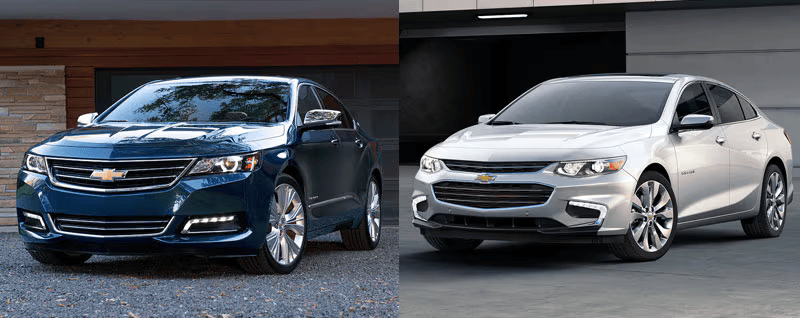
When it comes to choosing between a midsize and full-size Chevrolet sedan, the decision often comes down to the Malibu and the Impala. Both deliver comfortable rides, dependable performance, and the trusted Chevy value that North Texas drivers have come to expect. Yet each model speaks to different needs whether you’re navigating daily commutes through the busy streets of Dallas, enjoying family outings in Frisco and Plano, or seeking a reliable everyday vehicle around Garland, Richardson, Rockwall-Heath, Forney, Mesquite, Mckinney, or Grapevine. Understanding their real-world differences helps you select the sedan that truly fits your lifestyle and saves you from second-guessing later.
Feeling stuck in the stressful car-buying process? At Jupiter Chevrolet in Garland, TX, we’ve reimagined how buying a car should feel. With transparent pricing, online deal-building tools, and the benefits of our Jupiter Advantage program, we ensure every step is straightforward and satisfying. Skip the hassle. From purchase, to certified service and parts, to collision repair and body shop. Our team puts your convenience, safety, and confidence first. Turn your dreams of finding your ideal Chevrolet into reality with us. Visit Jupiter Chevrolet today!
Size, Space, and Everyday Comfort
The Chevrolet Malibu offers a nimble midsize design that glides effortlessly into tight parking spots and maneuvers confidently through urban traffic. Its well-balanced cabin provides ample room for four adults on longer trips while remaining compact enough for solo drives. The generous trunk easily accommodates groceries, sports equipment, or weekend luggage.
In contrast, the Impala steps into full-size territory, delivering noticeably more shoulder and leg room particularly in the rear seat. Passengers can stretch out comfortably, making it an excellent choice for growing families or frequent group travel. Its larger dimensions also contribute to a smoother, more composed ride over Texas highways, quietly absorbing road imperfections.
Performance and Driving Feel
Both sedans showcase Chevrolet’s signature balance of efficiency and responsive power. The Malibu’s available turbocharged engines deliver lively acceleration ideal for stop-and-go Metroplex traffic while maintaining strong fuel economy for daily driving.
The Impala, however, presents a more relaxed, highway-focused character. Its optional V6 provides effortless torque for confident merging and passing, supported by a composed suspension that keeps the interior remarkably quiet even at highway speeds. For those who regularly travel longer stretches on routes like I-635 or I-35, the Impala’s stable handling makes the journey feel more serene and enjoyable.
Fuel Economy and Long-Term Ownership Costs
In today’s environment, real-world efficiency plays a major role. The Malibu typically leads in city and combined driving, appealing to drivers who prioritize budget-friendly operation during heavy urban use. The Impala offers a slight trade-off in exchange for superior space and highway refinement, yet it still provides competitive fuel numbers that keep costs manageable at the pump.
Both models benefit from Chevrolet’s well-earned reputation for durability. At Jupiter Chevrolet, many vehicles come supported by a Lifetime Powertrain Warranty, providing exceptional peace of mind and setting us apart from many larger corporate dealerships.
Technology and Interior Features
Today’s Chevrolets excel at keeping drivers connected and comfortable. Both the Malibu and Impala feature intuitive infotainment systems with seamless Apple CarPlay and Android Auto integration, along with available advanced driver-assistance technologies such as forward collision alert and lane-keep assist.
The Malibu presents a sleek, modern cockpit with clean lines and straightforward controls that feel right at home for everyday use. The Impala counters with a more spacious and upscale ambiance, incorporating softer materials and a layout designed to enhance comfort on extended drives. Options like leather seating, heated and ventilated front seats, and premium audio systems allow you to tailor either sedan to your preference for luxury or practicality.
Safety Ratings and Driver Confidence
Chevrolet continues to prioritize safety throughout its lineup. Both models generally receive strong ratings from independent evaluators and include standard features like automatic emergency braking, blind-zone monitoring, and rear cross-traffic alert. The Impala’s larger stature can instill additional confidence on the road, while the Malibu’s more compact size enhances maneuverability in congested areas such as downtown Dallas or bustling Frisco intersections.
Which Sedan Best Matches Your Lifestyle?
Think about your typical week. If agility, superior fuel efficiency, and easy handling in suburban settings or crowded parking areas around Richardson and Mesquite matter most, the Malibu stands out as an intelligent daily companion nimble yet still roomy enough for most family needs.
Opt for the Impala when rear-seat passenger comfort, a commanding road presence, and effortless long-distance cruising rise to the top of your priorities. It suits carpools, weekend escapes, or anyone who appreciates arriving in a refined, substantial vehicle.
Addressing Common Shopper Concerns
Many buyers wonder about inventory availability at independent dealerships versus massive corporate operations. At Jupiter Chevrolet, our targeted selection focuses on the vehicles our North Texas customers actually seek, supported by efficient access to additional units when required. As a family owned and operated business for 100 years, we build relationships through straightforward, pressure-free conversations.
Pricing transparency remains another frequent topic. While some larger competitors promote aggressive discounts, our emphasis on long-term value including comprehensive warranty protection often results in a more satisfying overall ownership experience. Customers frequently find that the true cost of owning a Chevrolet purchased here proves lower when factoring in service reliability and warranty benefits.
The Evolving Chevrolet Experience in North Texas
Deciding between the Malibu and Impala represents just one part of the journey. The broader U.S. automotive dealership market continues to develop as buyers look for dependable, technology-rich vehicles that align with everyday realities. Jupiter Chevrolet blends this industry progress with the personalized attention that larger networks sometimes find difficult to deliver.
Our team resides and serves in the very communities you call home from Plano to Forney and surrounding areas. We understand local driving challenges, including intense summer heat and occasional winter conditions, and remain prepared to support your Chevrolet through our dedicated service and parts operations for years ahead.
Making Your Choice and Taking the Next Step
In the end, the best selection depends on how you envision your time behind the wheel. Test drive both models. Experience the variation in ride quality firsthand, notice the cabin tranquility at speed, and picture how each sedan would handle your next family adventure or work commute.
When you feel ready, visit Jupiter Chevrolet. With more than a century of family-owned expertise dedicated to the Dallas-Fort Worth region, we stand ready to address every question openly and honestly. Whether the efficient Malibu or the spacious Impala feels right for you, we will guide you toward the Chevrolet that matches your life protected by a Lifetime Powertrain Warranty and supported by the genuine, community-focused service that has earned customer loyalty across generations.
Your next rewarding chapter on the road can begin with a no-obligation test drive. We look forward to earning your confidence, just as we have for countless families throughout Garland, Dallas, McKinney, and every neighborhood in between.
Frequently Asked Questions
What is the main difference between the Chevrolet Malibu and the Chevrolet Impala?
The Chevrolet Malibu is a midsize sedan best suited for drivers who prioritize agility, fuel efficiency, and easy maneuverability in urban or suburban settings. The Chevrolet Impala is a full-size sedan that offers noticeably more rear-seat legroom, a smoother highway ride, and a more refined interior making it ideal for families, carpools, or long-distance commuters.
Which Chevrolet sedan gets better gas mileage the Malibu or the Impala?
The Chevrolet Malibu generally leads in fuel economy, especially in city and combined driving, thanks to its turbocharged engine options and lighter midsize build. The Impala trades a bit of efficiency for greater space and highway refinement, though it still delivers competitive fuel numbers that keep ownership costs reasonable at the pump.
Is the Chevrolet Impala or Malibu a better choice for families in the Dallas-Fort Worth area?
Both sedans work well for North Texas families, but the right choice depends on your priorities. The Impala’s larger cabin and generous rear-seat room make it a strong pick for growing families or frequent group travel across DFW highways like I-635 or I-35. The Malibu, however, is a smart everyday companion for families who need a balance of practicality, fuel savings, and easy parking in busy areas like Frisco, Plano, or Richardson.
Disclaimer: The above helpful resources content contains personal opinions and experiences. The information provided is for general knowledge and does not constitute professional advice.
You may also be interested in: GM Launches Digital Service Booking for Chevrolet Owners in Garland
Feeling stuck in the stressful car-buying process? At Jupiter Chevrolet in Garland, TX, we’ve reimagined how buying a car should feel. With transparent pricing, online deal-building tools, and the benefits of our Jupiter Advantage program, we ensure every step is straightforward and satisfying. Skip the hassle. From purchase, to certified service and parts, to collision repair and body shop. Our team puts your convenience, safety, and confidence first. Turn your dreams of finding your ideal Chevrolet into reality with us. Visit Jupiter Chevrolet today!
Powered by flareAI.co

In the bustling suburbs of Dallas, Plano, and McKinney, families load up their Chevrolets every morning for school runs, weekend errands, and the occasional trip out to Rockwall or Forney. That daily reliance often grows into something stronger real confidence that the vehicle will simply be there when needed, mile after mile. Chevrolet has built its strong reputation for dependability through vehicles engineered to endure real life, frequently staying on the road long after many owners begin considering a trade-in.
Feeling stuck in the stressful car-buying process? At Jupiter Chevrolet in Garland, TX, we’ve reimagined how buying a car should feel. With transparent pricing, online deal-building tools, and the benefits of our Jupiter Advantage program, we ensure every step is straightforward and satisfying. Skip the hassle. From purchase, to certified service and parts, to collision repair and body shop. Our team puts your convenience, safety, and confidence first. Turn your dreams of finding your ideal Chevrolet into reality with us. Visit Jupiter Chevrolet today!
Why Long-Term Owners Stay Loyal to Chevrolet
Imagine a Silverado that has pulled boats and trailers season after season, or a Tahoe that has carried several generations of children to practices and games across North Texas. These stories are common in communities like Garland, Richardson, and Frisco. Many Chevrolet owners comfortably see their trucks and SUVs pass 200,000 miles when maintained properly. The brand emphasizes durable powertrains and practical designs built to withstand Texas heat, highway miles, and everyday demands.
Consistency is what truly distinguishes Chevrolet for those who keep their vehicles for years. From reliable daily drivers to hardworking trucks, these models prioritize lasting value and predictable performance, easing the worry of surprise mechanical issues that can disrupt busy lives.
Proven Reliability Across Key Models
Chevrolet excels in the segments where dependability counts most for North Texas drivers. Full-size trucks like the Silverado and large SUVs such as the Tahoe regularly earn top marks in independent studies. In the latest J.D. Power Vehicle Dependability Study, both the Silverado and Tahoe claimed segment leadership, highlighting their ability to serve families and professionals with fewer problems over time.
Even more compact options deliver. Models like the Trax and certain Equinox variants earn solid owner feedback for everyday reliability. The Corvette adds high performance while maintaining competitive dependability scores. This range ensures that whether you need a capable truck for work around Mesquite or a comfortable crossover for commutes in Grapevine, Chevrolet provides choices focused on long-term ownership.
- Durable engines in trucks and SUVs that routinely exceed 200,000 miles with scheduled care
- Strong frames and suspensions engineered for local roads and varying loads
- High owner satisfaction with fewer major repairs than many expect
Everyday Ownership Costs and Smart Maintenance
A major benefit of choosing Chevrolet for the long run is reduced ownership stress. Repair costs often remain manageable, and unplanned service visits tend to be less frequent than with some alternatives. As vehicles across the country stay on the road longer, dependable choices like Chevrolet help turn maintenance into routine care instead of costly emergencies.
The U.S. automotive service market continues to reflect this trend of extended vehicle life. Chevrolet owners in the Dallas area frequently handle standard services oil changes, fluid checks, and timely replacements rather than facing unexpected overhauls. These habits, supported by trusted local technicians, deliver real savings and confidence over the years.
Addressing Concerns About Selection and Value
Shoppers sometimes hesitate, wondering if a family-owned dealership can offer the broad inventory or sharpest pricing of bigger corporate operations. At Jupiter Chevrolet, the emphasis remains on quality selections rather than sheer volume. Vehicles are thoughtfully chosen for their reliability and long-term appeal, each supported by a genuine commitment to customer relationships in the local community.
Discussions about price occur with honesty and without pressure. The aim is to pair the right Chevrolet with each driver’s lifestyle and budget, creating a purchase that supports years of dependable driving instead of a rushed transaction. This straightforward approach appeals to those who prioritize trust and lasting satisfaction.
The Advantage of Lifetime Powertrain Protection and Local Heritage
Jupiter Chevrolet distinguishes itself by offering a lifetime powertrain warranty on qualifying vehicles. This coverage provides valuable extra security for owners planning extended use, protecting key components like the engine, transmission, and drivetrain for as long as they own the car.
That protection pairs with more than 100 years in business as a family-owned and operated dealership. The experienced team understands the roads, driving conditions, and vehicle needs across Plano, McKinney, Forney, and surrounding areas. Customers become part of a community-focused tradition where the priority is helping each Chevrolet deliver reliable service for the long haul.
Moving Past Past Experiences with Modern Chevrolet
Some drivers approach Chevrolet with reservations based on older stories or general perceptions about domestic brands. Yet recent independent data shows strong competitive performance, particularly in the trucks and SUVs popular with North Texas families and professionals. Modern Chevrolets incorporate years of engineering improvements that translate into better everyday reliability.
When matched with consistent maintenance at a knowledgeable local service center, many owners find the vehicles surpass their expectations. Success comes down to selecting the model that fits your needs and following recommended service schedules simple steps that unlock years of confident driving.
Common Questions About Long-Term Chevrolet Ownership
Drivers often ask how to maximize reliability. Regular maintenance is key, along with choosing models proven in real-world conditions. Many wonder about high-mileage potential well-cared-for Silverados and Tahoes frequently reach impressive totals while continuing to perform.
Another frequent question involves service access. Jupiter Chevrolet’s team provides expert care tailored to local conditions, helping owners stay ahead of potential issues and keep costs predictable.
Final Thoughts on Choosing Chevrolet for the Long Road Ahead
In a world where vehicles face constant demands, Chevrolet stands out for those who value dependability and peace of mind. From the sturdy Silverado earning top dependability honors to the family-friendly Tahoe leading its class, these vehicles are built to serve for the long term. Backed by Jupiter Chevrolet’s lifetime powertrain warranty, century of family tradition, and deep roots in the Dallas area communities, the choice becomes clear.
Whether you’re in Richardson, Frisco, or anywhere nearby, a Chevrolet from Jupiter Chevrolet offers more than transportation it delivers reliable partnership on every journey. When you’re ready for a vehicle that earns your trust mile after mile, the local experts are here to help you find the right fit and support it for years to come.
Frequently Asked Questions
How many miles can a Chevrolet Silverado or Tahoe last with proper maintenance?
With consistent, scheduled maintenance, Chevrolet Silverados and Tahoes commonly surpass 200,000 miles while continuing to perform reliably. Owners who follow recommended service intervals including regular oil changes, fluid checks, and timely part replacements tend to avoid costly unexpected repairs. This long-term durability is a key reason North Texas drivers in communities like Plano, Frisco, and McKinney remain loyal to the Chevrolet brand.
How does Chevrolet rank in vehicle dependability studies compared to other brands?
Chevrolet earns strong marks in independent reliability assessments, with the Silverado and Tahoe both claiming segment leadership in the J.D. Power Vehicle Dependability Study. These results reflect fewer owner-reported problems over time, making Chevrolet a competitive choice among full-size trucks and large SUVs. Modern engineering improvements have also helped address older perceptions about domestic brands, with recent models consistently outperforming expectations.
What is the lifetime powertrain warranty offered by Jupiter Chevrolet, and what does it cover?
Jupiter Chevrolet offers a lifetime powertrain warranty on qualifying vehicles, providing long-term protection for critical components such as the engine, transmission, and drivetrain for as long as the original owner keeps the vehicle. This coverage adds significant peace of mind for buyers planning extended ownership, reducing the financial risk of major mechanical issues down the road. Combined with over 100 years of family-owned dealership experience, it reinforces Jupiter Chevrolet’s commitment to lasting customer relationships in the Dallas area.
Disclaimer: The above helpful resources content contains personal opinions and experiences. The information provided is for general knowledge and does not constitute professional advice.
You may also be interested in: Chevrolet Parts Stores Report High Demand for EV-Compatible Components
Feeling stuck in the stressful car-buying process? At Jupiter Chevrolet in Garland, TX, we’ve reimagined how buying a car should feel. With transparent pricing, online deal-building tools, and the benefits of our Jupiter Advantage program, we ensure every step is straightforward and satisfying. Skip the hassle. From purchase, to certified service and parts, to collision repair and body shop. Our team puts your convenience, safety, and confidence first. Turn your dreams of finding your ideal Chevrolet into reality with us. Visit Jupiter Chevrolet today!
Powered by flareAI.co

Trading in your current vehicle doesn’t have to feel like a guessing game. In the bustling communities stretching from Garland to Frisco, drivers who prepare thoughtfully often discover their old ride is worth more than they imagined especially when working with a trusted local partner like Jupiter Chevrolet.
Feeling stuck in the stressful car-buying process? At Jupiter Chevrolet in Garland, TX, we’ve reimagined how buying a car should feel. With transparent pricing, online deal-building tools, and the benefits of our Jupiter Advantage program, we ensure every step is straightforward and satisfying. Skip the hassle. From purchase, to certified service and parts, to collision repair and body shop. Our team puts your convenience, safety, and confidence first. Turn your dreams of finding your ideal Chevrolet into reality with us. Visit Jupiter Chevrolet today!
Why Trade-Ins Matter in Today’s North Texas Market
Your trade-in equity can dramatically reshape the cost of your next vehicle, whether you’re eyeing a new Chevrolet truck for weekend adventures or a reliable used model for daily commutes around Dallas and Richardson. With over 100 years in business as a family-owned and operated dealership, Jupiter Chevrolet focuses on delivering straightforward value rather than chasing volume like larger corporate outlets.
In a market where convenient financing options continue to make vehicle ownership more accessible across North America, smart trade-ins help families stretch their budgets further while stepping into newer, safer rides.
What Actually Influences Your Trade-In Offer
Dealers evaluate age, mileage, mechanical condition, appearance, and local demand. In the Dallas-Fort Worth area, trucks and SUVs frequently command stronger numbers due to regional needs. Service records make a noticeable difference, as do timely repairs and a clean history free of major issues.
Even vehicles with higher miles from areas like Mesquite or Forney can bring solid returns when properly maintained. The appraisal team at Jupiter Chevrolet explains each factor clearly so you understand exactly how the offer is built.
Simple Steps to Prepare Your Vehicle and Boost Its Value
Start with a thorough cleaning inside and out. Vacuum carpets, wipe surfaces, and wash the exterior until it shines. Address small fixes replacing worn wiper blades, fixing minor dents, or touching up scratches because these details signal care and often increase the final number.
- Gather all maintenance records, repair receipts, and the vehicle title
- Remove personal belongings and empty the trunk
- Check and note any recent service work done at a reputable shop
Customers from Plano, McKinney, and Rockwall-Heath who arrive organized consistently report smoother experiences and stronger offers. A well-presented vehicle tells its own story of responsible ownership.
Timing Your Trade-In for the Best Results
Market conditions shift throughout the year. Periods of stronger wholesale activity can create opportunities for better valuations. Local demand in North Texas often favors practical vehicles suited to suburban and highway driving.
At Jupiter Chevrolet, the family-owned structure allows for quicker, more flexible decisions compared to larger competitors with heavier inventory and rigid processes. This approach helps turn your trade-in into meaningful equity toward your next purchase, whether through new car sales or quality used options.
Overcoming Common Trade-In Hesitations
Some drivers worry their vehicle won’t stack up against the vast lots at bigger dealerships. Jupiter Chevrolet counters this with transparent appraisals and a commitment to long-term customer relationships. The dealership’s lifetime powertrain warranty on qualifying purchases adds extra confidence when applying your trade value.
Pricing concerns are natural too. While corporate stores may push aggressive advertised numbers, Jupiter Chevrolet emphasizes total ownership experience including dependable service, expert collision repair when needed, and the reassurance of dealing with a business rooted in the community for a century.
The Trade-In Process at Jupiter Chevrolet
Getting started is straightforward. You can request a preliminary estimate online or by phone, then bring the vehicle in for a no-obligation appraisal. The team performs a professional inspection, takes a quick test drive if needed, and presents a clear offer with full explanations.
Making the Numbers Work for You
Once the trade value is set, the conversation naturally turns to your next Chevrolet. Whether exploring new car sales, certified pre-owned options, or quality used vehicles, strong trade equity helps lower payments and opens more choices tailored to life in Grapevine, Frisco, or nearby towns.
Flexible financing solutions available through the dealership make the transition even smoother, reflecting broader trends where convenient options continue to expand access for families and individuals alike.
Service and Collision Repair History Add Real Value
Regular maintenance performed at Jupiter Chevrolet’s service department strengthens your position. Documented oil changes, brake service, and any body work from their on-site collision repair center demonstrate consistent care. The body shop handles major accident repairs with factory-level precision, helping preserve both safety and resale appeal for future trades.
This integrated approach combining sales, service, and collision repair sets Jupiter Chevrolet apart and directly benefits customers when it’s time to maximize trade-in value.
Turning Your Trade-In into Your Next Drive
The goal is simple: help you drive away in a vehicle that fits your needs without unnecessary stress. From Garland and Dallas to Richardson and beyond, local families appreciate the straightforward process and the focus on genuine value rather than high-pressure tactics.
Whether upgrading for growing families in McKinney or replacing a work truck in Forney, the right trade-in strategy puts more control back in your hands.
Final Thoughts on Maximizing Your Trade
Approaching your trade-in with preparation and the right dealership partner transforms the experience from uncertain to empowering. Jupiter Chevrolet combines deep local market knowledge with a family-owned philosophy that puts customers first, delivering results that respect both your time and your investment.
When you’re ready for your next chapter on the road, start close to home. The difference in how you’re treated and the value you receive often exceeds expectations across the entire Dallas-Fort Worth area.
Ready to see what your current vehicle is worth? Visit Jupiter Chevrolet today and let their experienced team guide you through a process designed to put more in your pocket and more confidence behind the wheel.
Frequently Asked Questions
What factors affect my trade-in value at a dealership in the Dallas-Fort Worth area?
Dealers evaluate several key factors including your vehicle’s age, mileage, mechanical condition, appearance, and local market demand. In the DFW area, trucks and SUVs typically command stronger trade-in offers due to regional preferences. Having complete service records, a clean vehicle history, and addressing minor repairs before your appraisal can all noticeably increase your final offer.
How can I prepare my car to get the best trade-in offer at Jupiter Chevrolet?
Start by thoroughly cleaning the interior and exterior, vacuuming carpets, and washing the outside until it shines. Take care of small fixes like worn wiper blades, minor dents, or paint touch-ups, as these details signal responsible ownership. Arrive organized with your maintenance records, repair receipts, and vehicle title to help streamline the appraisal process and support a stronger offer.
What makes trading in a vehicle at a family-owned dealership like Jupiter Chevrolet different from a large corporate lot?
Family-owned dealerships like Jupiter Chevrolet with over 100 years in business offer more flexible, transparent appraisals compared to larger corporate outlets with rigid processes. Their integrated approach combining sales, service, and on-site collision repair means a well-maintained vehicle history directly strengthens your trade-in position. Customers also benefit from a lifetime powertrain warranty on qualifying purchases, adding extra confidence when applying trade equity toward their next vehicle.
Disclaimer: The above helpful resources content contains personal opinions and experiences. The information provided is for general knowledge and does not constitute professional advice.
You may also be interested in: The Benefits of Online Car Buying Tools and Transparent Pricing
Feeling stuck in the stressful car-buying process? At Jupiter Chevrolet in Garland, TX, we’ve reimagined how buying a car should feel. With transparent pricing, online deal-building tools, and the benefits of our Jupiter Advantage program, we ensure every step is straightforward and satisfying. Skip the hassle. From purchase, to certified service and parts, to collision repair and body shop. Our team puts your convenience, safety, and confidence first. Turn your dreams of finding your ideal Chevrolet into reality with us. Visit Jupiter Chevrolet today!
Powered by flareAI.co

In the bustling showrooms across Garland, Dallas, and the surrounding communities, many drivers walk in seeking reliable transportation without the hefty price tag of a brand-new vehicle. Yet one lingering question often surfaces: what truly sets a certified pre-owned Chevrolet apart from an ordinary used car? The answer lies in a carefully structured warranty program designed to deliver factory-backed peace of mind that extends well beyond a typical purchase.
Feeling stuck in the stressful car-buying process? At Jupiter Chevrolet in Garland, TX, we’ve reimagined how buying a car should feel. With transparent pricing, online deal-building tools, and the benefits of our Jupiter Advantage program, we ensure every step is straightforward and satisfying. Skip the hassle. From purchase, to certified service and parts, to collision repair and body shop. Our team puts your convenience, safety, and confidence first. Turn your dreams of finding your ideal Chevrolet into reality with us. Visit Jupiter Chevrolet today!
What Makes a Chevrolet Certified Pre-Owned Vehicle?
Certified pre-owned, or CPO, vehicles from Chevrolet undergo a rigorous multi-point inspection process before they ever reach the sales floor. Only models meeting strict criteria typically those less than six model years old with limited mileage qualify. This certification isn’t just a label; it represents a commitment to quality that addresses common buyer hesitations about purchasing used.
At family-owned dealerships like Jupiter Chevrolet, serving Plano, Frisco, Richardson, and nearby areas, this process ensures every vehicle has a clean history and has been thoroughly vetted. The result? Buyers gain confidence that their chosen Chevy has been held to the same high standards as when it first rolled off the assembly line.
Breaking Down the Chevrolet CPO Warranty Coverage
At the heart of the program are two key factory-backed warranties that work together seamlessly. First comes the 12-month/12,000-mile bumper-to-bumper limited warranty. This comprehensive coverage kicks in at purchase and protects nearly every component of the vehicle, offering real protection against unexpected repairs during those critical early months of ownership.
Complementing this is the 6-year/100,000-mile powertrain limited warranty, measured from the vehicle’s original in-service date. It safeguards the engine, transmission, and drivetrain some of the most expensive components to repair. Both warranties carry a $0 deductible, making them straightforward and customer-friendly.
These terms provide substantial added value, especially when compared to purchasing a non-certified used vehicle where coverage often ends abruptly after the original factory warranty expires.
Additional Benefits That Enhance Ownership
Beyond the core warranties, Chevrolet’s CPO program includes practical perks that make daily driving smoother. Roadside assistance stands ready to help with towing, flat tires, lockouts, or fuel delivery, available throughout the powertrain warranty period. Courtesy transportation options, such as shuttle service or loaner vehicles during covered repairs, further reduce inconvenience.
Many CPO buyers also receive two complimentary scheduled maintenance visits in the first two years or 24,000 miles, helping keep the vehicle in top condition without extra cost. And because the warranties are transferable to future owners at no charge, the certification can boost resale value down the road an important consideration for families in Rockwall-Heath, Forney, Mesquite, McKinney, and Grapevine who often keep vehicles for years.
Addressing Common Concerns About Certified Pre-Owned Purchases
Shoppers sometimes worry that limited inventory at independent or family-run dealerships might mean fewer choices or less competitive pricing. However, the structured certification process and factory backing help offset these perceptions by delivering proven reliability. While corporate giants may advertise aggressive deals, the personalized service and long-term support at a community-focused dealership often create greater overall value.
Another frequent hesitation involves past experiences with used cars that developed issues shortly after purchase. The Chevrolet CPO inspection and extended coverage directly tackle this by minimizing surprises and providing clear protection from day one.
How the CPO Program Fits Into Today’s Used Car Market
The used car market continues to attract buyers seeking smart value amid economic realities. In the United States, the market reached 38.6 million units in 2025, reflecting strong demand as drivers prioritize affordability and dependability. Certified programs like Chevrolet’s respond to this demand by combining transparency with tangible safeguards, driven in part by the growth of certified pre-owned options that emphasize reliability.
Rather than navigating private sales or basic used lots with minimal assurances, CPO buyers enjoy a middle ground that blends the savings of pre-owned with many advantages of new-vehicle ownership. This approach has helped countless families in the Dallas-Fort Worth area find vehicles they can trust for daily commutes, weekend adventures, and everything in between.
Why Choose Jupiter Chevrolet for Your Certified Pre-Owned Needs
With over 100 years in business as a family-owned and operated dealership, Jupiter Chevrolet brings a level of experience and community connection that larger chains often lack. Serving primary markets including Garland, Dallas, Richardson, Plano, Rockwall-Heath, Forney, Mesquite, McKinney, Grapevine, and Frisco, the team focuses on building lasting relationships rather than quick transactions.
Shoppers here appreciate the lifetime powertrain warranty offered on many pre-owned purchases, which goes beyond standard CPO coverage to provide even greater long-term security. This differentiator, paired with transparent pricing and dedicated service, helps overcome typical objections about inventory size or perceived aggressiveness in the market.
Whether browsing in person or exploring online, the emphasis remains on helping each customer drive away confident in their choice.
Common Questions About Chevrolet Certified Pre-Owned Warranties
- How long does the powertrain coverage last? It extends up to 6 years or 100,000 miles from the original in-service date, whichever comes first.
- Is there a deductible? No the program features $0 deductible on both the bumper-to-bumper and powertrain warranties.
- Are the warranties transferable? Yes, they transfer to subsequent owners at no additional cost, enhancing long-term value.
- What inspections are performed? Vehicles must pass a detailed multi-point check focusing on mechanical, electrical, and safety systems.
Making an Informed Decision
Understanding Chevrolet’s Certified Pre-Owned Vehicle Warranty removes much of the uncertainty that can accompany buying used. It transforms a potential risk into a calculated, protected investment backed by the manufacturer itself.
For drivers across the Dallas area who value reliability, savings, and genuine support, exploring CPO options at a trusted local dealership opens doors to quality vehicles without compromise. The combination of rigorous standards, extended coverage, and dedicated service creates ownership experiences that last.
In the end, a Chevrolet CPO isn’t merely a used car it’s a vehicle engineered for confidence, ready to become part of your family’s story for years to come. When you’re ready to experience the difference, the knowledgeable team at Jupiter Chevrolet stands prepared to guide you every mile of the way.
Frequently Asked Questions
What warranty coverage comes with a Chevrolet Certified Pre-Owned vehicle?
Chevrolet CPO vehicles come with two factory-backed warranties: a 12-month/12,000-mile bumper-to-bumper limited warranty and a 6-year/100,000-mile powertrain limited warranty measured from the original in-service date. Both warranties feature a $0 deductible, making repairs straightforward and cost-predictable. The powertrain warranty covers the engine, transmission, and drivetrain some of the most expensive components to fix.
What are the eligibility requirements for a Chevrolet Certified Pre-Owned vehicle?
To qualify for Chevrolet’s CPO program, a vehicle must typically be less than six model years old and have limited mileage. Each vehicle must also pass a rigorous multi-point inspection covering mechanical, electrical, and safety systems before it can be certified and listed for sale. This strict vetting process ensures every CPO Chevy meets factory-level quality standards.
Are Chevrolet CPO warranties transferable if I sell my vehicle?
Yes, both the bumper-to-bumper and powertrain warranties on a Chevrolet CPO vehicle transfer to subsequent owners at no additional cost. This transferability can meaningfully boost the vehicle’s resale value, since future buyers benefit from the remaining factory-backed coverage. It’s a key advantage that sets CPO vehicles apart from standard used cars with expired or non-transferable warranties.
Disclaimer: The above helpful resources content contains personal opinions and experiences. The information provided is for general knowledge and does not constitute professional advice.
You may also be interested in: Why Jupiter Chevrolet’s Collision Repair Center is Trusted by Garland Drivers
Feeling stuck in the stressful car-buying process? At Jupiter Chevrolet in Garland, TX, we’ve reimagined how buying a car should feel. With transparent pricing, online deal-building tools, and the benefits of our Jupiter Advantage program, we ensure every step is straightforward and satisfying. Skip the hassle. From purchase, to certified service and parts, to collision repair and body shop. Our team puts your convenience, safety, and confidence first. Turn your dreams of finding your ideal Chevrolet into reality with us. Visit Jupiter Chevrolet today!
Powered by flareAI.co

The automotive market continues to evolve, with drivers in the Dallas-Fort Worth area from bustling Plano and Frisco to growing spots like McKinney, Garland, and Richardson carefully weighing new vehicle purchases against leasing trends. For many, financing a new Chevrolet stands out as the preferred route, especially when low promotional rates make ownership feel achievable and rewarding over the long haul.
At Jupiter Chevrolet, our family-owned operation with more than a century of service frequently fields questions about how today’s Chevrolet financing rates compare across options. The core decision often comes down to finding the most favorable terms that align with your budget, driving habits, and goals for the road ahead in North Texas.
In an era where flexibility drives many choices, financing a new Chevrolet still delivers clear advantages for those ready to commit to ownership. Lower promotional rates directly reduce the total cost, leaving more room in your monthly budget for everyday expenses or weekend escapes to Rockwall or Forney. Understanding these rates empowers smarter decisions, particularly when manufacturer-backed offers outpace typical market borrowing costs.
The passenger car leasing segment remains prominent, reflecting widespread appeal for those prioritizing variety and lower initial commitments. Yet a significant number of buyers favor the direct path of financing, drawn by equity buildup and the freedom that comes with full ownership benefits amplified by competitive Chevrolet incentives.
Feeling stuck in the stressful car-buying process? At Jupiter Chevrolet in Garland, TX, we’ve reimagined how buying a car should feel. With transparent pricing, online deal-building tools, and the benefits of our Jupiter Advantage program, we ensure every step is straightforward and satisfying. Skip the hassle. From purchase, to certified service and parts, to collision repair and body shop. Our team puts your convenience, safety, and confidence first. Turn your dreams of finding your ideal Chevrolet into reality with us. Visit Jupiter Chevrolet today!
Why Financing Rates Carry Such Weight Today
The interest rate on your new Chevrolet financing shapes everything from monthly payments to the vehicle’s lifetime cost. Favorable terms translate to substantial savings, especially over 36 to 72 months. In today’s environment, where many seek cost-effective mobility without long-term ties, pinpointing the right rate helps determine whether buying edges out leasing for your situation.
Chevrolet’s captive financing through GM Financial frequently provides rates well below broader averages, particularly for qualified buyers. This edge makes new models from capable trucks to efficient crossovers more attainable for families and professionals across our primary service areas.
Exploring Today’s Chevrolet Financing Offers
Chevrolet consistently introduces attractive APR promotions via GM Financial, customized for strong-credit applicants. These limited-time specials often beat standard market rates, with examples including 1.9% APR for 36 months on popular choices like the Silverado 1500, Equinox, and Blazer. Other models see 2.9% for 48 months or 3.9% over 60 months, particularly on trucks such as the Colorado and Silverado HD series.
Electric options shine brightly too, with select EVs qualifying for 0% APR over 60 months, making the shift to electric more approachable. These offers commonly include perks like deferred payments for up to 90 days, helping ease the transition into new-vehicle ownership. Availability hinges on credit approval, model selection, and promotional deadlines typically running through the end of the month so timing plays a key role.
Compared to typical new-car loan rates that hover higher for many borrowers, Chevrolet’s targeted promotions deliver real relief, especially when paired with regional incentives suited to Texas buyers.
How Jupiter Chevrolet Secures the Strongest Terms for You
We simplify the process at Jupiter Chevrolet by reviewing your needs first no unnecessary credit pulls until you’re set to move forward. Our team matches you with the latest GM Financial promotions, layering in any applicable local adjustments for the Dallas metro and nearby communities like Mesquite and Grapevine.
As a family-run dealership with deep roots in the area, we emphasize straightforward, relationship-focused guidance. We spotlight Chevrolet’s lifetime powertrain warranty on qualifying new purchases, offering extended confidence that outlasts the loan term. This enduring coverage, combined with our 100-year track record, reassures buyers concerned about future reliability and costs.
Tackling Typical Concerns Head-On
Shoppers sometimes hesitate over inventory depth or pricing intensity versus larger chains. Our focused selection caters directly to local demands whether a versatile SUV for daily commutes or a rugged truck for work around McKinney while keeping pricing sharp through factory-backed incentives. The low-pressure atmosphere encourages thorough exploration without haste.
Financing Compared to Leasing: The Practical Breakdown
Leasing attracts with modest upfront costs, easy model swaps, and flexibility trends fueled by appealing terms and growing interest in electric and hybrid vehicles. However, financing creates ownership equity, sidesteps mileage caps and excess wear charges, and grants unrestricted use, including modifications.
For numerous Jupiter Chevrolet customers, the long-view math supports buying, bolstered by Chevrolet’s solid resale performance and that lifetime powertrain safeguard. When promotional rates align, ownership frequently proves the more economical, empowering choice.
- Promotional low rates cut overall interest significantly
- Full ownership eliminates mileage limits and customization restrictions
- Equity growth aids future trades or sales
- Built-in manufacturer protection extends security at no added expense
Practical Steps to Evaluate and Secure Your Best Rate
Begin by reviewing current Chevrolet promotions online or visiting our showroom. Prepare key details your credit overview, preferred down payment, and ideal term length so our finance specialists can model accurate scenarios. We transparently compare GM Financial offers against external lenders, giving you complete visibility.
Rates evolve monthly, so prompt action often captures superior terms. Come prepared with questions on trade values, additional coverage, or warranty integration we address them clearly and directly.
Wrapping Up: Choosing Wisely in Today’s Market
Financing a new Chevrolet presents strong value right now, driven by targeted low-APR incentives that balance affordable payments with true ownership advantages. At Jupiter Chevrolet, our century-long commitment as a family-owned business centers on building trust and delivering results that last. Serving drivers throughout Plano, Frisco, Garland, and surrounding areas, we stand ready to guide you toward a confident decision on your next vehicle.
Curious how these rates could work for your situation? Stop in or connect with us we’ll crunch the numbers together and identify the option that best matches your lifestyle and priorities.
Frequently Asked Questions
What are the current Chevrolet financing rates for new vehicle purchases?
Chevrolet, through GM Financial, regularly offers promotional APR deals for qualified buyers. Current examples include 1.9% APR for 36 months on models like the Silverado 1500, Equinox, and Blazer, 2.9% for 48 months, and 3.9% over 60 months on trucks like the Colorado and Silverado HD. Select electric vehicles may qualify for 0% APR over 60 months. These offers typically run through the end of each month, so timing your purchase is important.
Is it better to finance or lease a new Chevrolet in the Dallas-Fort Worth area?
Whether financing or leasing a new Chevrolet is better depends on your driving habits and long-term goals. Leasing offers lower upfront costs and the flexibility to switch models, but financing builds ownership equity, eliminates mileage restrictions, and allows vehicle customization. For many DFW buyers, the long-term math often favors financing especially when low promotional APR rates are available and Chevrolet’s lifetime powertrain warranty is factored in.
How can I get the best financing rate on a new Chevrolet purchase?
To secure the best Chevrolet financing rate, start by reviewing current GM Financial promotions online or at your local dealership. Having your credit overview, preferred down payment, and desired loan term ready allows finance specialists to model accurate payment scenarios. Acting promptly is key, since promotional rates change monthly and working with a dealership like Jupiter Chevrolet, which compares GM Financial offers against outside lenders, ensures full transparency and the most competitive terms.
Disclaimer: The above helpful resources content contains personal opinions and experiences. The information provided is for general knowledge and does not constitute professional advice.
You may also be interested in: How to Maximize Your Trade-In Value at Jupiter Chevrolet
Feeling stuck in the stressful car-buying process? At Jupiter Chevrolet in Garland, TX, we’ve reimagined how buying a car should feel. With transparent pricing, online deal-building tools, and the benefits of our Jupiter Advantage program, we ensure every step is straightforward and satisfying. Skip the hassle. From purchase, to certified service and parts, to collision repair and body shop. Our team puts your convenience, safety, and confidence first. Turn your dreams of finding your ideal Chevrolet into reality with us. Visit Jupiter Chevrolet today!
Powered by flareAI.co
Why a Chevrolet is the Right Choice for Texas Roads

When the Texas sun beats down on endless highways stretching from the Dallas skyline to the open plains beyond, drivers need more than just a vehicle they need a trusted companion built for the long haul. From scorching summers and sudden thunderstorms to the daily grind of urban commutes and weekend adventures, Texas roads test every machine. For generations, one name has risen to the challenge: Chevrolet. At Jupiter Chevrolet in Garland, serving families and businesses across Dallas, Richardson, Plano, Rockwall-Heath, Forney, Mesquite, McKinney, Grapevine, and Frisco, we’ve seen firsthand why a Chevrolet feels like the right choice for Texas life.
Feeling stuck in the stressful car-buying process? At Jupiter Chevrolet in Garland, TX, we’ve reimagined how buying a car should feel. With transparent pricing, online deal-building tools, and the benefits of our Jupiter Advantage program, we ensure every step is straightforward and satisfying. Skip the hassle. From purchase, to certified service and parts, to collision repair and body shop. Our team puts your convenience, safety, and confidence first. Turn your dreams of finding your ideal Chevrolet into reality with us. Visit Jupiter Chevrolet today!
Texas Roads Demand Toughness and Chevy Delivers
Texas isn’t a one-size-fits-all state. You’ve got bustling city streets in Frisco and Plano, wide-open ranch roads near Forney and Mesquite, and everything in between. Chevrolet vehicles are engineered to handle it all with confidence. Whether you’re navigating construction zones in McKinney or towing a boat to Lake Ray Hubbard from Rockwall-Heath, Chevy’s legendary durability shines through.
Consider the Silverado pickup. Its strong frame and proven powertrains are made for real Texas work hauling materials for home projects in Garland or powering through flooded low-water crossings after a spring storm in Dallas. Drivers here don’t just want transportation; they want reliability that lasts through years of tough conditions.
Built for Everyday Texas Driving
Daily life in North Texas means long commutes, school runs, and weekend errands. Chevrolet’s lineup offers smooth-riding sedans, versatile crossovers, and spacious SUVs that make every mile more comfortable. Models like the Equinox and Traverse provide ample room for growing families in Richardson or Plano while delivering efficient performance that helps keep costs in check at the pump.
Advanced safety features come standard on most new Chevrolets, including automatic emergency braking, lane-keeping assist, and rear vision cameras. In heavy traffic around Grapevine or unpredictable weather in Mesquite, these technologies give drivers peace of mind without feeling intrusive.
Power and Capability for Texas Lifestyles
Texans love to get things done. Whether you’re a contractor loading up tools in Forney or a weekend warrior heading out from Frisco, Chevrolet trucks and SUVs offer impressive towing and payload capacities. The Silverado stands ready with robust engine options that tackle heavy loads without breaking a sweat.
Even in the heat of a Texas summer, Chevy’s cooling systems and durable components keep performing. Families appreciate the quiet, comfortable cabins that make road trips to the Hill Country or Gulf Coast feel like a vacation from the moment you buckle up.
Why Choose a Family-Owned Dealership Like Jupiter Chevrolet
At Jupiter Chevrolet, we’re not just another dealership we’re a family-owned and operated business with over 100 years of combined experience serving the community. That heritage brings a different approach: honest conversations, no high-pressure tactics, and a genuine commitment to helping you find the right vehicle.
We understand the objections some shoppers face. Larger corporate stores might seem to have endless inventory, but our focused selection means we stock what actually sells well in North Texas. Aggressive pricing from big-box dealers can look tempting at first, but we stand behind every sale with a Lifetime Powertrain Warranty that larger competitors often can’t match. It’s our way of saying we’re in this for the long haul together.
Service and Maintenance That Keeps You Moving
Owning a Chevrolet in Texas means occasional service, and that’s where our team excels. Genuine Chevrolet parts and factory-trained technicians ensure your vehicle stays in top shape, whether it’s routine maintenance or more significant repairs. We know Texas roads can be hard on vehicles, so we focus on preventive care that catches small issues before they become big problems.
Our collision repair and body shop handles everything from minor dents picked up in parking lots around Dallas to major accident repairs after those rare but serious highway incidents. Using original equipment standards, we restore your Chevy to like-new condition so you can get back on the road with confidence.
Extended Protection for Peace of Mind
Modern vehicles are sophisticated, and repair costs can add up quickly. That’s why many Texans appreciate the added security of extended coverage options. Consumers across the United States continue to show strong interest in protection plans, particularly for automobiles, as they seek to safeguard their investments and gain financial security against unexpected expenses.
At Jupiter Chevrolet, we help customers explore these options alongside our own Lifetime Powertrain Warranty, providing layers of confidence tailored to real-world Texas driving. This approach reflects the broader trend of drivers looking for practical ways to protect against rising repair costs and keep their vehicles running reliably for years.
Addressing Common Concerns Head-On
Some buyers worry about inventory selection compared to massive corporate lots. At Jupiter Chevrolet, we intentionally focus on the models and trims that matter most to local drivers in Garland, Plano, McKinney, and surrounding areas. This means better availability of popular configurations without the overwhelm of endless choices that don’t fit Texas needs.
Past experiences with other dealerships can leave a sour taste, but our family-operated model emphasizes transparency and follow-through. We’re here long after the sale, building relationships that span years.
Pricing is always a consideration. While some market leaders push aggressive discounts, we believe in fair value backed by superior ownership benefits. The combination of competitive pricing, exceptional service, and that standout Lifetime Powertrain Warranty often makes the total ownership experience more satisfying and more affordable over time.
A Smart Choice for Today’s Texas Driver
Choosing a Chevrolet isn’t just about buying a vehicle; it’s about investing in reliability that matches the independent spirit of Texas. From the hardworking Silverado to comfortable family SUVs and efficient daily drivers, the lineup offers something for nearly every lifestyle in our region.
At Jupiter Chevrolet, we take pride in helping drivers from Dallas to Frisco, Richardson to Rockwall-Heath, and everywhere in between discover why Chevy feels right at home on Texas roads. Our team is ready to answer questions, offer test drives, and provide straightforward guidance without the usual dealership pressure.
Whether you’re shopping for a new car, a capable truck, a quality used vehicle, or simply need trusted service and collision repair, we invite you to experience the Jupiter Chevrolet difference. Stop by or reach out we’re here to help you drive with confidence on every Texas mile ahead.
Frequently Asked Questions
Why is Chevrolet a good choice for Texas roads and weather conditions?
Chevrolet vehicles are engineered to handle the diverse demands of Texas driving from urban city streets in Frisco and Plano to ranch roads near Forney and flooded low-water crossings after spring storms. Models like the Silverado feature strong frames and proven powertrains built for tough conditions, while advanced safety features like automatic emergency braking and lane-keeping assist provide added confidence in heavy traffic or unpredictable weather. Chevy’s cooling systems and durable components are also designed to keep performing through intense Texas summers.
What makes Jupiter Chevrolet in Garland different from larger corporate dealerships?
Jupiter Chevrolet is a family-owned and operated dealership with over 100 years of combined experience serving the Dallas-area community, including Richardson, Plano, McKinney, Frisco, and Rockwall-Heath. Unlike large corporate lots, Jupiter Chevrolet focuses on honest, no-pressure conversations and stocks the models and trims that actually suit North Texas drivers. They also back every sale with a Lifetime Powertrain Warranty a benefit many larger competitors cannot match.
Does Jupiter Chevrolet offer service, repairs, and extended vehicle protection plans?
Yes Jupiter Chevrolet provides full-service maintenance using genuine Chevrolet parts and factory-trained technicians, helping Texas drivers stay ahead of issues before they become costly repairs. Their on-site collision and body shop handles everything from minor parking lot dents to major accident restorations using original equipment standards. Customers can also explore extended coverage options alongside Jupiter’s Lifetime Powertrain Warranty for additional financial protection against unexpected repair costs.
Disclaimer: The above helpful resources content contains personal opinions and experiences. The information provided is for general knowledge and does not constitute professional advice.
You may also be interested in: The Ultimate Guide to Financing Your Next Chevrolet at Jupiter Chevrolet
Feeling stuck in the stressful car-buying process? At Jupiter Chevrolet in Garland, TX, we’ve reimagined how buying a car should feel. With transparent pricing, online deal-building tools, and the benefits of our Jupiter Advantage program, we ensure every step is straightforward and satisfying. Skip the hassle. From purchase, to certified service and parts, to collision repair and body shop. Our team puts your convenience, safety, and confidence first. Turn your dreams of finding your ideal Chevrolet into reality with us. Visit Jupiter Chevrolet today!
Powered by flareAI.co
Connect with us


