






Quick Listen:
In the sprawling suburbs of North Texas, where pickup trucks and SUVs navigate bustling highways, a quiet transformation is unfolding in the auto repair industry. From Garland to Frisco, collision shops are humming with activity, driven by a surge in demand for cosmetic repairs dent removal, paint touch-ups, and bumper refinishing. This isn’t about major collisions or totaled vehicles; it’s about keeping cars looking pristine in a region where vehicle ownership is a way of life.
Feeling stuck in the stressful car-buying process? At Jupiter Chevrolet in Garland, TX, we’ve reimagined how buying a car should feel. With transparent pricing, online deal-building tools, and the benefits of our Jupiter Advantage program, we ensure every step is straightforward and satisfying. Skip the hassle. From purchase, to certified service and parts, to collision repair and body shop. Our team puts your convenience, safety, and confidence first. Turn your dreams of finding your ideal Chevrolet into reality with us. Visit Jupiter Chevrolet today!
Garland Collision Shops Report Surge in Cosmetic Repair Demand Across North Texas Suburbs
At Jupiter Chevrolet in Garland, the service bays tell a story of a shifting automotive market. The dealership, a fixture in Dallas County, is seeing a steady stream of customers seeking quick fixes for dings, scratches, and scuffed bumpers. It’s not just about aesthetics drivers are increasingly focused on maintaining their vehicle’s resale value in a competitive used-car market. Across the region, from Plano to McKinney, independent shops and dealership-affiliated centers are reporting similar trends, fueled by rising traffic density and minor accidents.
According to the 2025 Crash Course report, the personal auto insurance sector is rebounding, with a net combined operating ratio (NCOR) of 95.3% in 2024, a 9.6-point improvement from the previous year. This reflects a broader stabilization in the industry, driven by 12.8% net written premium growth in 2024. But while insurance metrics improve, the reality on the ground in North Texas is a spike in claims for cosmetic work, as fender-benders and parking lot mishaps become more common in urbanizing suburbs like Richardson and Frisco.
Why the Surge in Cosmetic Repairs?
North Texas is growing, and so is its traffic. Garland, Plano, and Richardson are grappling with increased vehicle congestion, leading to a rise in minor collisions. Texas Department of Transportation data for 2024 shows a noticeable uptick in low-impact accidents in Dallas and Collin Counties, with many resulting in cosmetic damage rather than structural issues. For drivers, a scratched bumper or dented door isn’t just an eyesore it’s a hit to their car’s market value.
In Frisco and McKinney, where per-capita vehicle ownership is among the highest in the state, households are investing heavily in cosmetic repairs. “People here see their cars as an extension of their lifestyle,” says a manager at a McKinney collision shop, who notes a 20% increase in paint and bumper jobs since 2023. Dealerships like Jupiter Chevrolet are capitalizing on this trend, offering bundled cosmetic repair packages that cater to customers buying new or certified pre-owned vehicles.
Insurance companies are also playing a role. Dallas-area insurers report a growing number of claims for non-structural work, reflecting a shift in consumer behavior. Drivers are more likely to file claims for minor damage, knowing that repairs can preserve their car’s value. Meanwhile, innovations like paintless dent repair (PDR) are gaining traction. As noted in a global market analysis, PDR is expected to grow at a 7.28% CAGR, reaching $2.89 billion by 2030, thanks to its eco-friendly approach that avoids chemicals and repainting.
Local Shops Adapt to Demand
In Garland, independent collision shops are seeing a 20–25% rise in demand for bumper and paint jobs compared to 2023. In Plano and Richardson, quick-turnaround services like PDR are thriving, with shops investing in advanced tools to handle complex panel geometries. Frisco’s collision centers are expanding service bays and adopting cutting-edge paint-matching technology to keep up with customer expectations. Even in Grapevine, shops are forming partnerships with local dealerships to streamline referrals, ensuring a steady flow of business.
But it’s not all smooth sailing. Labor shortages are a persistent challenge, with collision centers in Dallas and Mesquite struggling to hire skilled technicians. Supply chain delays for paint and spare parts are also hitting shops in Rockwall-Heath and Forney, slowing turnaround times. Smaller operations in Mesquite face additional hurdles, as many lack the resources to adopt AI-based repair estimation software, putting them at a disadvantage compared to larger players like Jupiter Chevrolet.
Opportunities in a Competitive Market
Despite these challenges, cosmetic repairs are proving to be a high-margin revenue stream for dealerships and independent shops alike. In Plano and Frisco, shops are boosting efficiency with digital scheduling and automated damage assessment tools, reducing wait times and improving customer satisfaction. Dealerships in Grapevine are taking it a step further, integrating repair services with loyalty programs to encourage repeat business.
Regional collaboration is also emerging as a solution. In McKinney and Richardson, body shops are pooling resources to share technician training programs, helping to address labor shortages. For dealerships like Jupiter Chevrolet, bundling certified collision services with new and used car sales is a winning strategy, positioning them to capture a larger share of the growing market.
A Bright Future for North Texas Collision Shops
As North Texas continues to grow, so does the demand for cosmetic auto repairs. Local trade associations in Dallas County project an 8–10% annual growth in this sector through 2026, driven by rising vehicle ownership and urban expansion. Frisco and Plano, with their affluent populations and high car ownership rates, are expected to lead the charge.
For shops and dealerships, the opportunity is clear: adapt to the demand, invest in technology, and prioritize customer experience. Jupiter Chevrolet in Garland is already setting the pace, leveraging its certified service center to meet the needs of a style-conscious, value-driven clientele. As the region’s roads grow busier and its drivers grow savvier, the collision repair industry is poised to shine, one dent at a time.
Frequently Asked Questions
Why are cosmetic auto repairs becoming more popular in Garland and North Texas?
The surge in cosmetic repairs across North Texas suburbs like Garland, Plano, and Frisco is driven by increased traffic congestion leading to more minor accidents, plus driver’s growing focus on maintaining vehicle resale value. With urbanizing suburbs experiencing higher vehicle density, fender-benders and parking lot mishaps are more common, prompting car owners to invest in dent removal, paint touch-ups, and bumper refinishing to preserve their car’s market value.
What types of cosmetic collision services are most in demand at Garland area shops?
The most popular cosmetic services include paintless dent repair (PDR), bumper refinishing, paint touch-ups, and scratch removal. PDR is particularly growing in popularity due to its eco-friendly approach that avoids chemicals and repainting, with the global market expected to reach $2.89 billion by 2030. Local shops report a 20-25% increase in bumper and paint jobs compared to 2023, with quick-turnaround services being especially sought after.
How much can I expect cosmetic auto repair demand to grow in the Dallas-Garland area?
Local trade associations in Dallas County project 8-10% annual growth in the cosmetic repair sector through 2026, driven by rising vehicle ownership and continued urban expansion. Affluent suburbs like Frisco and Plano, with their high per-capita vehicle ownership rates, are expected to lead this growth trend as North Texas continues its rapid development and traffic density increases.
Disclaimer: The above helpful resources content contains personal opinions and experiences. The information provided is for general knowledge and does not constitute professional advice.
You may also be interested in: Jupiter Chevrolet Blog | News, Updates, and Info – Jupiter Chevrolet
Feeling stuck in the stressful car-buying process? At Jupiter Chevrolet in Garland, TX, we’ve reimagined how buying a car should feel. With transparent pricing, online deal-building tools, and the benefits of our Jupiter Advantage program, we ensure every step is straightforward and satisfying. Skip the hassle. From purchase, to certified service and parts, to collision repair and body shop. Our team puts your convenience, safety, and confidence first. Turn your dreams of finding your ideal Chevrolet into reality with us. Visit Jupiter Chevrolet today!
Powered by flareAI.co

In the bustling showrooms of North Texas dealerships, where the hum of engines and the scent of fresh leather mingle, a quiet revolution is underway. Buyers aren’t just kicking tires anymore; they’re scrutinizing fine print on warranties, seeking that extra layer of security in an era of skyrocketing repair costs and increasingly complex vehicles. It’s a shift that’s reshaping how people approach car ownership, turning what was once an afterthought into a deal-breaker.
Feeling stuck in the stressful car-buying process? At Jupiter Chevrolet in Garland, TX, we’ve reimagined how buying a car should feel. With transparent pricing, online deal-building tools, and the benefits of our Jupiter Advantage program, we ensure every step is straightforward and satisfying. Skip the hassle. From purchase, to certified service and parts, to collision repair and body shop. Our team puts your convenience, safety, and confidence first. Turn your dreams of finding your ideal Chevrolet into reality with us. Visit Jupiter Chevrolet today!
Warranty Confidence Fuels Buyer Decisions
Picture this: a family in Garland, eyeing a sleek Chevrolet Silverado 1500, pauses not over the horsepower or fuel efficiency, but over the promise of long-term protection. Extended warranties, once dismissed as unnecessary upsells, are now gaining serious traction among new car buyers in North Texas. This isn’t just anecdotal chatter from sales floors; it’s backed by broader industry movements where consumers demand more from their investments.
At dealerships like Jupiter Chevrolet, nestled in Garland near Dallas, Richardson, and Mesquite, this trend plays out daily. The dealership, a family-owned staple that’s been in business for 100 years, offers a wide selection of new and used vehicles, from the Chevrolet Dallas lineup to pre-owned options that draw shoppers from Plano, Rockwall-Heath, Forney, Mckinney, Grapevine, and Frisco. What sets them apart? A lifetime powertrain warranty on many models, which speaks directly to the growing appetite for extended coverage. This isn’t about flashy gimmicks; it’s about building trust in a market where vehicles are packed with tech that can fail expensively.
Jupiter Chevrolet’s approach mirrors a larger regional dynamic. In the competitive automotive retail scene of North Texas, where used cars for sale near me dominate searches alongside new Chevrolet for sale, buyers are prioritizing peace of mind. The dealership facilitates this with transparent pricing, online deal-building tools, and the Jupiter Advantage program, making the car-buying process feel less like a battle and more like a partnership. Their staff, knowledgeable and customer-focused, helps Dallas Chevrolet shoppers schedule test drives online or drop in for a chat, ensuring everyone leaves satisfied.
Emerging Trends in Extended Warranty Adoption
Dig deeper, and the data paints a compelling picture. Recent industry insights reveal a surge in interest for vehicle protection plans, driven by concerns over repair costs and the push for vehicle longevity. For instance, as of Q3 2024, the U.S. car parc that’s the total fleet of vehicles on the road remains dominated by internal combustion engine (ICE) vehicles, accounting for nearly 95% of all light-duty vehicles, including passenger cars, trucks, and SUVs. This dominance underscores why warranties are crucial; these vehicles, while reliable, face rising maintenance needs as they age.
The report from CCC Intelligent Solutions, detailed in their Crash Course Q1 2025, highlights how the aging fleet is intersecting with tech-driven repairs, leading to higher costs. Consumer spending in the auto care industry is projected to surpass $400 billion within the next two years, with owners visiting service centers more frequently an average of 2.5 times a year in 2023, up from 2.3 in 2021 but down from 2.8 pre-pandemic. Franchised dealerships like Jupiter Chevrolet hold about 30% of service visits, down from 35% in 2021, as general repair shops and chains gain ground.
In North Texas, this trend amplifies. Buyers here, influenced by the region’s sprawling suburbs and heavy reliance on personal vehicles, show higher adoption rates for warranty add-ons compared to national averages. The influence of increased vehicle technology think advanced driver-assistance systems (ADAS) and electric vehicle (EV) components fuels this. Even as EVs and hybrids introduce new repair challenges, with the car parc growing due to population increases and a shift away from public transport or ride-sharing, warranties provide a buffer against unexpected expenses.
Affordability plays a role too. According to the Cox Automotive/Moody’s Analytics Vehicle Affordability Index for May 2025, new-vehicle affordability stayed steady at its worst level of the year, with average auto loan rates at 9.88%, down 77 basis points year-over-year. Yet, stubbornly high interest rates and stagnant prices neutralize gains from incentives and income growth, making extended warranties a smart hedge. In April 2024, affordability dipped further, with loan rates at 10.22% the lowest in nine months but offset by a 2.2% rise in transaction prices and declining incentives.
Texas-specific regulations add another layer. Under Texas Occupations Code, Chapter 1304, service contracts like drive-by-owner maintenance plans (DBOMP) come with clear refund rules: full refund within 30 days without fees, or pro-rata after, with a cap on cancellation fees at $50. These protections, as outlined by the Texas Department of Licensing and Regulation, make warranties more appealing, ensuring providers can’t deduct paid claims from refunds.
Real-World Examples and Case Studies
Zoom in on Chevrolet models, and the story gets vivid. Shoppers flocking to Jupiter Chevrolet for the Silverado 1500 often bundle lifetime powertrain warranties, especially when financing. One common scenario: a buyer from Mesquite, drawn by the dealership’s collision repair services and Garland body shops expertise, opts for extended coverage after learning about potential tech failures in modern trucks.
Service departments at places like Jupiter Chevrolet report higher warranty usage for routine maintenance and unexpected repairs. With the U.S. vehicle fleet transforming longer life spans, cost inflation, and changing ownership models like subscriptions for EVs buyers are holding onto cars longer. Shared mobility like Uber hasn’t dented ownership as much as expected; most states limit Uber vehicles to no older than 15 years, pushing more into personal buys with warranties.
Insights from the field show Chevrolet vehicles with ADAS features see elevated warranty claims due to repair complexity. EVs and hybrids, while a smaller slice, bring unique challenges, as noted in Crash Course, emphasizing why North Texas buyers, navigating highways from Dallas to Frisco, value that extra assurance.
Key Challenges and Limitations
Of course, it’s not all smooth roads. Common objections bubble up: Are these warranties truly worth the cost? Buyers worry about fine print, especially with third-party providers versus manufacturer-backed ones like those at Jupiter Chevrolet. Minimal inventory compared to larger competitors can make options feel limited, and past experiences perhaps a less-than-stellar repair linger as hesitations.
Then there’s pricing. Corporate-owned giants often undercut with aggressive deals, putting family operations like Jupiter Chevrolet at a perceived disadvantage. Balancing upfront warranty costs against long-term benefits requires education; some see it as an extra expense in an already tight budget, especially with high loan rates persisting.
Risks abound too. Not all plans cover everything, and restrictions on DBOMP offerings mean buyers must vet providers carefully. In a market where service chains are eroding dealership shares, overcoming these hurdles demands transparency.
Opportunities and Business Impacts
Yet, herein lies the opportunity. Dealerships like Jupiter Chevrolet turn warranties into trust-builders, differentiating in the Dallas-Fort Worth fray. Their lifetime powertrain warranty, paired with 100 years of family-operated reliability, fosters retention. Service, parts sales, and collision repairs see boosts as warranty holders return regularly.
In a digital age, tools like online scheduling and financing bundles help. Social media Instagram, Facebook, YouTube, TikTok amplifies this, sharing testimonials and tips. Even Marketplace FB listings draw in used car seekers, converting them to warranty advocates.
The business ripple? Increased engagement, repeat visits, and loyalty. By addressing objections head-on through education and reviews dealerships position warranties as essentials, not extras. In North Texas, where used cars for sale in Dallas dominate alongside new models, this strategy shines.
Expert Outlook on Warranty Growth
As the sun sets over the North Texas horizon, one thing’s clear: warranty extensions are here to stay, especially for first-time and tech-savvy buyers. Dealer experts predict bundled packages warranties, financing, service as the norm, driven by an evolving car parc and consumer demands.
Jupiter Chevrolet stands committed to this future, offering transparent, customer-first programs that turn stressful buys into satisfying journeys. In a world of uncertainties, that extra coverage isn’t just protection it’s empowerment, ensuring every mile ahead feels secure.
Frequently Asked Questions
Why are extended warranties becoming more popular with new car buyers in North Texas?
Extended warranties are gaining traction in North Texas due to rising repair costs and increasingly complex vehicle technology. With the average auto loan rate at 9.88% and vehicles packed with advanced driver-assistance systems (ADAS), buyers are seeking peace of mind against expensive tech failures. The region’s heavy reliance on personal vehicles and sprawling suburbs also contribute to higher adoption rates compared to national averages.
What makes Jupiter Chevrolet’s lifetime powertrain warranty different from other dealership warranties?
Jupiter Chevrolet offers a lifetime powertrain warranty on many models, backed by 100 years of family-operated reliability in the Dallas-Garland area. Unlike third-party warranty providers, their manufacturer-backed coverage provides transparent pricing and is integrated with their Jupiter Advantage program. This warranty covers major engine and transmission components for the life of the vehicle, offering superior protection compared to standard factory warranties.
Are extended car warranties worth the cost for Chevrolet vehicles in Texas?
Extended warranties can be worthwhile for Chevrolet vehicles in Texas, especially given the state’s consumer-friendly regulations under Texas Occupations Code Chapter 1304. These laws provide full refunds within 30 days and cap cancellation fees at $50, making warranties less risky for buyers. With modern Chevrolet vehicles featuring complex ADAS technology and the average vehicle being held longer due to high interest rates, extended coverage helps offset potential repair costs that can exceed $400 billion industry-wide.
Disclaimer: The above helpful resources content contains personal opinions and experiences. The information provided is for general knowledge and does not constitute professional advice.
You may also be interested in: Jupiter Chevrolet Blog | News, Updates, and Info – Jupiter Chevrolet
Feeling stuck in the stressful car-buying process? At Jupiter Chevrolet in Garland, TX, we’ve reimagined how buying a car should feel. With transparent pricing, online deal-building tools, and the benefits of our Jupiter Advantage program, we ensure every step is straightforward and satisfying. Skip the hassle. From purchase, to certified service and parts, to collision repair and body shop. Our team puts your convenience, safety, and confidence first. Turn your dreams of finding your ideal Chevrolet into reality with us. Visit Jupiter Chevrolet today!
Powered by flareAI.co
Garland Collision Centers Add Loaner Car Programs

In the bustling suburbs of Garland, Texas, where daily commutes weave through sprawling neighborhoods and family schedules hinge on reliable transportation, a quiet revolution is reshaping the auto repair landscape. Picture this: your car, sidelined by a collision, sits in a shop awaiting intricate repairs. Instead of scrambling for rides or relying on a friend’s spare vehicle, you drive away in a loaner car, your routine uninterrupted. This isn’t a distant dream it’s the reality being crafted by Garland’s collision repair centers, including Chevrolet-certified facilities. As drivers demand more than just technical expertise, these shops are responding with innovative programs to keep customers moving. This shift signals a broader trend in the automotive industry, where convenience is now a cornerstone of customer satisfaction.
The automotive repair industry is evolving rapidly, driven by rising consumer expectations and technological advancements. A 2023 market analysis estimates the global collision repair market at $199.56 billion, with projections to reach $227.60 billion by 2030, growing at a 1.9% CAGR from 2024 to 2030. Factors like increased auto insurance subscriptions and innovations in vehicle technology are fueling this growth. In Garland, this translates into a push for customer-centric services. Chevrolet-certified collision centers are leading the way, offering loaner cars to ensure drivers aren’t left stranded during repairs. These programs address the growing complexity of modern vehicles, where advanced systems and specialized parts often extend repair timelines.
The U.S. market, valued at $36.66 billion in 2023, underscores the dominance of light-duty vehicles sedans, SUVs, and pickups as the primary revenue drivers, according to industry insights. With a projected CAGR of 0.9% through 2030, the focus on light-duty vehicles reflects their ubiquity in places like Garland. Meanwhile, the rise of advanced driver-assistance systems (ADAS) and lightweight materials has made repairs more intricate, as noted in a 2024 report. This complexity drives demand for specialized software, with the collision repair management software market expected to soar from $4.43 billion in 2025 to $21.48 billion by 2034, at a 19.16% CAGR. For customers, this means longer wait times unless shops provide solutions like loaner vehicles.
Feeling stuck in the stressful car-buying process? At Jupiter Chevrolet in Garland, TX, we’ve reimagined how buying a car should feel. With transparent pricing, online deal-building tools, and the benefits of our Jupiter Advantage program, we ensure every step is straightforward and satisfying. Skip the hassle. From purchase, to certified service and parts, to collision repair and body shop. Our team puts your convenience, safety, and confidence first. Turn your dreams of finding your ideal Chevrolet into reality with us. Visit Jupiter Chevrolet today!
Keeping Drivers on the Road
In Garland, loaner car programs are more than a perk; they’re a lifeline. Imagine a local teacher whose Chevy Malibu is in the shop after a minor accident. With a loaner SUV, they can still make it to early-morning classes and afternoon carpools. Or consider a small-business owner whose Silverado needs sensor recalibration. A temporary truck keeps their deliveries on schedule. These programs, offered by Chevrolet-certified shops, ensure mobility for commuters, families, and professionals alike. By prioritizing customer needs, these centers are redefining what it means to deliver exceptional service in a competitive market.
The data backs this up. In 2023, spare parts accounted for 64% of the collision repair market’s revenue, per industry research, highlighting the critical role of parts in repairs. Yet, it’s the service channels particularly OE (original equipment manufacturer) shops that dominate revenue share, as noted in a global market report. These OEM-affiliated shops, like those in Garland, leverage brand trust to offer seamless experiences, including loaner cars. By providing newer models as loaners, dealerships also create subtle sales opportunities. A customer driving a 2025 Chevy Trax during a repair might start envisioning it in their driveway.
Overcoming Operational Hurdles
Implementing loaner car programs isn’t without challenges. Maintaining a fleet demands significant investment vehicles require regular maintenance, insurance, and fuel. Liability is a constant concern; a damaged loaner can lead to disputes or added costs. Availability is another hurdle. If demand exceeds supply, customers may face delays, undermining the program’s purpose. A market analysis points to rising operational costs, driven by tariffs on imported parts like tires and engine components, which already strain shop margins. For smaller collision centers, the cost of a loaner fleet can feel daunting.
Yet, the benefits often outweigh these risks. In a market where light-duty vehicles drive the fastest growth, as per U.S. market data, shops that invest in customer-focused services gain a competitive edge. The key lies in execution: ensuring loaners are reliable, well-maintained, and matched to customer needs. A family needing a minivan won’t be satisfied with a compact, just as a contractor requires a vehicle capable of handling heavy loads. Garland’s Chevrolet shops are tailoring their fleets to reflect the diverse needs of local drivers, from urban professionals to rural workers.
A Strategic Advantage
In the crowded Dallas–Fort Worth market, differentiation is everything. Loaner car programs set Garland’s collision centers apart, signaling a commitment to customer care that extends beyond the repair bay. These initiatives align with broader dealership offerings new and pre-owned vehicle sales, financing, and parts services creating a holistic customer experience. A driver who receives a loaner during a repair is more likely to return for routine maintenance or even their next vehicle purchase. The collision estimating software market, projected to reach $5.17 billion by 2034, highlights how technology streamlines these processes, from accurate repair estimates to efficient loaner coordination.
Moreover, these programs generate goodwill. In a tight-knit community like Garland, word-of-mouth travels fast. A shop that goes the extra mile offering a clean, reliable loaner earns loyalty and referrals. This is especially critical in an industry where trust is paramount, and customers seek assurance that their vehicles are in capable hands.
Shaping the Future of Collision Repair
As Garland’s collision centers refine their loaner car programs, they’re setting a new standard for the industry. Experts predict that such customer-centric amenities will become commonplace, much like digital repair tracking or pickup and drop-off services. For Chevrolet dealerships, the path forward is clear: combine technical precision with unparalleled convenience to build lasting customer relationships. In a market poised for steady growth through 2030, shops that prioritize the driver’s experience will lead the way. For Garland’s residents, these programs offer more than just a temporary vehicle they provide the freedom to keep life on track, no matter what the road throws their way.
Frequently Asked Questions
Do collision repair centers in Garland offer loaner cars while my vehicle is being repaired?
Yes, many collision repair centers in Garland, particularly Chevrolet-certified facilities, now offer loaner car programs to keep customers mobile during repairs. These programs have become increasingly popular as modern vehicle repairs take longer due to advanced driver-assistance systems and specialized parts. The loaner vehicles are typically well-maintained and matched to customer needs, whether you need a compact car for commuting or a truck for work purposes.
How long do collision repairs typically take, and why do I need a loaner car?
Modern collision repairs often take longer than in the past due to the complexity of today’s vehicles, which feature advanced systems like ADAS (Advanced Driver-Assistance Systems) and specialized lightweight materials. The global collision repair market is growing partly because of these technological complexities, with spare parts accounting for 64% of repair costs. Loaner car programs ensure you can maintain your daily routine whether it’s getting to work, school pickups, or running your business while your vehicle undergoes these intricate repairs.
What are the benefits of choosing a Chevrolet-certified collision center in Garland for my repair needs?
Chevrolet-certified collision centers in Garland offer several advantages, including access to original equipment manufacturer (OEM) parts, specialized training for Chevrolet vehicles, and customer-focused amenities like loaner car programs. These OEM-affiliated shops dominate revenue share in the collision repair market because they provide seamless experiences and build brand trust. Additionally, driving a newer Chevrolet model as a loaner might give you a preview of your next potential vehicle purchase.
Disclaimer: The above helpful resources content contains personal opinions and experiences. The information provided is for general knowledge and does not constitute professional advice.
You may also be interested in: Jupiter Chevrolet Blog | News, Updates, and Info – Jupiter Chevrolet
Feeling stuck in the stressful car-buying process? At Jupiter Chevrolet in Garland, TX, we’ve reimagined how buying a car should feel. With transparent pricing, online deal-building tools, and the benefits of our Jupiter Advantage program, we ensure every step is straightforward and satisfying. Skip the hassle. From purchase, to certified service and parts, to collision repair and body shop. Our team puts your convenience, safety, and confidence first. Turn your dreams of finding your ideal Chevrolet into reality with us. Visit Jupiter Chevrolet today!
Powered by flareAI.co
Certified Pre-Owned Vehicle Lease Options Explained

In the heart of the Dallas–Fort Worth area, where vast highways connect bustling suburbs like Garland and Plano, drivers face a constant balancing act between reliability, cost, and convenience. Amid rising vehicle prices and economic uncertainties, a smart alternative is emerging for those eyeing a Chevrolet without the sticker shock of a brand-new model. Delving into Certified Pre-Owned Vehicle Lease Options Explained, we uncover how this approach delivers affordability and peace of mind, particularly at longstanding dealerships like Jupiter Chevrolet, a family-owned institution with over a century of service to communities from Richardson to Frisco.
Feeling stuck in the stressful car-buying process? At Jupiter Chevrolet in Garland, TX, we’ve reimagined how buying a car should feel. With transparent pricing, online deal-building tools, and the benefits of our Jupiter Advantage program, we ensure every step is straightforward and satisfying. Skip the hassle. From purchase, to certified service and parts, to collision repair and body shop. Our team puts your convenience, safety, and confidence first. Turn your dreams of finding your ideal Chevrolet into reality with us. Visit Jupiter Chevrolet today!
The Surge in Used Vehicle Demand
The global used car market continues to expand rapidly, reflecting broader shifts in consumer behavior. Valued at $1,747.95 billion in 2024, it is set to climb to $1,933.76 billion this year, with projections reaching $4,338.97 billion by 2033 at a robust compound annual growth rate of 10.63% from now through the end of the decade. This growth stems from the soaring costs of owning and maintaining new automobiles, which have pushed many, especially younger buyers, toward pre-owned options to cut expenses without sacrificing functionality. In regions like North Texas, where daily commutes from Mesquite to McKinney can strain budgets, this trend resonates deeply.
High new-car prices deter potential buyers, bolstering demand for vehicles that have been previously owned but remain in excellent condition. Factors such as inflated auto-loan rates and structural inflation from supply chain disruptions further fuel this shift. Meanwhile, the rise of leasing and subscription services adds another layer, as off-lease cars re-enter the market, often in prime shape for resale. At Jupiter Chevrolet in Garland, this means a steady influx of quality inventory, allowing drivers in Rockwall-Heath and Forney to access reliable rides through innovative financing.
Complementing this, the broader used cars market stood at $1,063.90 billion last year and anticipates growth to $1,159.31 billion in 2025, expanding to $1,879.43 billion by 2032 with a 7.1% CAGR. Asia Pacific leads with a 34.21% share, but North American trends mirror global ones, driven by affordability issues, residual value strategies, and digital platforms. Recent developments, such as Bosch’s Vehicle Health Certificate in September 2024 and Hyundai’s certified used car launch in Korea earlier that year, highlight industry innovations enhancing trust in pre-owned vehicles.
Understanding Certified Pre-Owned Basics
A certified pre-owned vehicle represents a bridge between the uncertainty of standard used cars and the premium of new ones. Manufacturers or dealers acquire, inspect, and refurbish these items primarily automobiles before offering them with an extended warranty. Sold at a slight premium over uncertified used models, CPOs appeal to buyers seeking reduced risk through manufacturer-backed assurances. This certification process involves rigorous checks, ensuring the vehicle meets high standards for resale.
At Jupiter Chevrolet, CPO options like the Silverado 1500 or Equinox undergo multi-point inspections, aligning with their commitment to quality. This not only covers sales but ties into their comprehensive services, including parts sales and collision repair. For instance, any minor dings discovered during certification can be addressed at their Garland body shop, ensuring vehicles leave the lot in top form. This integration of sales with maintenance underscores Jupiter’s family-operated model, fostering long-term customer relationships across Dallas and beyond.
Leasing a CPO adds flexibility. Unlike outright purchases, leases offer lower monthly payments, customizable terms, and built-in protections. Drivers in Grapevine or Frisco appreciate this, as it allows testing a vehicle before committing long-term, potentially upgrading to a new Chevrolet later. Jupiter’s Lifetime Powertrain Warranty enhances this, providing coverage that extends well into the lease period, a differentiator rooted in their 100-year history.
Profiles of North Texas Buyers
Consider the diverse needs across the region. A professional commuting from Plano to Dallas might opt for a CPO lease on a fuel-efficient Malibu, valuing low payments and warranty-backed reliability amid traffic snarls. Families in Rockwall-Heath, meanwhile, lean toward SUVs like the Traverse, where CPO leasing balances space with budget constraints. These choices often lead to future new car sales, as satisfied lessees return for upgrades, contributing to Jupiter’s 30% focus on new vehicle transactions.
In Mesquite or McKinney, where wear from daily use is common, CPO vehicles shine through their service history. Jupiter’s experts guide buyers, addressing objections like limited inventory by highlighting curated selections over volume. This approach counters perceptions of less aggressive pricing, emphasizing value through transparency and family trust.
Expanding beyond sales, Jupiter integrates CPO leasing with their robust service department. Regular maintenance, parts replacements, and even major repairs become seamless, with 25% of business dedicated to these areas. A leased CPO might require oil changes or brake work, all handled in-house, building loyalty.
Addressing Market Challenges
Despite the appeal, challenges persist in the CPO sector. Certified pre-owned sales totaled 2.5 million units in 2024, a 3.6% drop from 2023, underperforming the broader used market due to scarce nearly-new inventory and affordability hurdles. Forecasts for this year hold steady at 2.5 million, with growth elsewhere in automotive metrics.
Industry trends suggest a slight slowdown in Certified Pre-Owned (CPO) vehicle sales in 2025, even as the overall used car market continues to grow. Dealers face challenges from limited supply caused by past production shortfalls and higher acquisition costs. While some major brands anticipate flat performance due to inventory constraints, others are expected to see moderate growth, reflecting variations in regional demand, model popularity, and dealer strategies.
Jupiter Chevrolet navigates these by focusing on quality acquisitions and their Jupiter Advantage program. They address inventory concerns with targeted sourcing, ensuring options for Dallas-area buyers. Pricing objections fade through transparent tools, online calculators, and financing that rivals corporate competitors.
Collision repair forms a critical pillar, comprising 25% of operations. For CPO lessees, any accident major or minor receives expert attention at their Garland collision center. This includes frame straightening, paint matching, and insurance coordination, all backed by certified technicians. Such services not only restore vehicles but prevent lease-end penalties, enhancing overall value.
Opportunities and Integrated Services
CPO leasing opens doors for growth at dealerships like Jupiter. It attracts price-sensitive customers, funneling them into used sales (20% of business) while paving paths to new Chevrolets. Post-lease, many upgrade, boosting new car volumes. Service and parts sales thrive as lessees return for routine care, from tire rotations to engine diagnostics.
The collision aspect cannot be overstated. In a region prone to fender-benders on I-635 or Highway 75, Jupiter’s body shop stands ready. They handle everything from dent removal to full reconstructions, using genuine Chevrolet parts for seamless integration. This holistic approach sales, leasing, service, repair differentiates Jupiter, leveraging their family-owned ethos and century-long expertise.
Digital engagement amplifies this. Active on Instagram, Facebook, YouTube, and TikTok, Jupiter showcases CPO deals, service tips, and repair stories. Their Facebook Marketplace presence draws local buyers from Richardson to Grapevine, blending online convenience with in-person trust.
A Reliable Path Forward
As the used market stabilizes, CPO leasing emerges as a cornerstone for savvy drivers. In Dallas–Fort Worth, where choices abound, Jupiter Chevrolet offers a compelling blend of affordability, warranty protection, and comprehensive support. Whether leasing a certified Silverado or scheduling collision repairs, their transparent, customer-first model ensures satisfaction. Explore their inventory today online or in Garland and discover how this family legacy turns vehicle ownership into a seamless journey.
Frequently Asked Questions
What are the benefits of leasing a certified pre-owned vehicle instead of buying new?
Leasing a certified pre-owned (CPO) vehicle offers significantly lower monthly payments compared to new car purchases, while still providing manufacturer-backed warranties and rigorous quality inspections. CPO leases combine the reliability of certified vehicles with the flexibility to upgrade later, making them ideal for budget-conscious drivers who want peace of mind. This option allows you to test a vehicle before committing long-term while avoiding the steep depreciation that comes with new car ownership.
How does the certified pre-owned inspection process work at dealerships?
Certified pre-owned vehicles undergo comprehensive multi-point inspections where manufacturers or authorized dealers thoroughly examine, refurbish, and certify each vehicle before sale. The process includes checking major systems, addressing any minor repairs or cosmetic issues, and ensuring the vehicle meets strict quality standards for resale. At established dealerships, this often includes integrated services like collision repair and parts replacement, ensuring CPO vehicles leave the lot in top condition with extended warranty coverage.
Why is the used car market growing so rapidly, and how does it affect CPO availability?
The global used car market is experiencing explosive growth, valued at $1,747.95 billion in 2024 and projected to reach $4,338.97 billion by 2033, driven primarily by rising new vehicle costs and economic pressures. High auto loan rates, supply chain disruptions, and younger buyers seeking affordable alternatives have fueled demand for quality pre-owned vehicles. However, this growth has created challenges for CPO inventory, with industry sales dropping 3.6% in 2024 due to limited nearly-new vehicle availability, making quality CPO options more valuable for consumers.
Disclaimer: The above helpful resources content contains personal opinions and experiences. The information provided is for general knowledge and does not constitute professional advice.
You may also be interested in: Jupiter Chevrolet Blog | News, Updates, and Info – Jupiter Chevrolet
Feeling stuck in the stressful car-buying process? At Jupiter Chevrolet in Garland, TX, we’ve reimagined how buying a car should feel. With transparent pricing, online deal-building tools, and the benefits of our Jupiter Advantage program, we ensure every step is straightforward and satisfying. Skip the hassle. From purchase, to certified service and parts, to collision repair and body shop. Our team puts your convenience, safety, and confidence first. Turn your dreams of finding your ideal Chevrolet into reality with us. Visit Jupiter Chevrolet today!
Powered by flareAI.co
Key Updates in Chevrolet’s 2025 SUV Lineup

Quick Listen:
In Texas, where highways stretch endlessly and backroads beckon adventurers, SUVs are more than vehicles they’re a way of life. Chevrolet’s 2025 SUV lineup lands with authority, delivering a potent mix of power, innovation, and reliability tailored for the Lone Star State’s diverse drivers. From electrified options to rugged family haulers, these updated models aim to dominate a crowded market. But with bold advancements come real challenges: can Chevy balance cutting-edge tech, affordability, and the service needs of Texas buyers? Here’s a deep dive into what makes the 2025 Chevrolet SUV lineup a game-changer.
Feeling stuck in the stressful car-buying process? At Jupiter Chevrolet in Garland, TX, we’ve reimagined how buying a car should feel. With transparent pricing, online deal-building tools, and the benefits of our Jupiter Advantage program, we ensure every step is straightforward and satisfying. Skip the hassle. From purchase, to certified service and parts, to collision repair and body shop. Our team puts your convenience, safety, and confidence first. Turn your dreams of finding your ideal Chevrolet into reality with us. Visit Jupiter Chevrolet today!
A Lineup Crafted for Texas Terrain
Chevrolet knows Texas drivers demand versatility. Whether navigating Dallas rush hour, towing a trailer to Lake Buchanan, or exploring Hill Country trails, the 2025 SUV range from the nimble Trax to the commanding Suburban delivers. A comprehensive guide by CityGM highlights how Chevy’s 2025 models cater to every lifestyle, offering compact crossovers for city dwellers and full-size SUVs built for heavy-duty tasks. This lineup isn’t just about new looks; it’s about meeting the practical needs of Texas drivers with smarter tech and tougher builds.
The global SUV market is surging, particularly in electrified models. According to Fortune Business Insights, the electric SUV market, valued at $208.50 billion in 2023, is expected to soar to $617.57 billion by 2032, growing at a 13.6% compound annual rate. While Asia Pacific led with a 51.24% share in 2023, Texas buyers are increasingly drawn to e-SUVs fully electric or hybrid vehicles powered by electricity instead of gas, often equipped with all-wheel or four-wheel drive for tackling rough terrain. Chevrolet’s 2025 lineup leans into this trend, offering hybrid and electric trims that don’t skimp on the power Texas roads require.
Power Meets Progress: Electrification and Tech
Electrification is reshaping the SUV landscape, and Chevrolet is all in. The 2025 lineup introduces hybrid and fully electric options, balancing eco-conscious engineering with the muscle Texas drivers expect. These e-SUVs, as noted by Fortune Business Insights, rely on electric powertrains, with hybrids offering a bridge for those hesitant to go fully electric. Many models feature all-wheel or four-wheel drive systems, making them as capable on muddy ranch roads as they are on Houston’s highways. This versatility ensures Chevy’s SUVs remain practical for Texas’s varied landscapes.
Technology is another standout. The 2025 models boast upgraded infotainment systems with AI-driven navigation and over-the-air updates, keeping vehicles current without dealership visits. Safety, a top priority, is now standard across many trims. A Parents magazine report underscores how General Motors has prioritized safety, equipping SUVs with advanced driver-assistance systems like automatic emergency braking and lane-keeping assist. For urban commuters, compact models like the Equinox offer intuitive touchscreens and seamless connectivity, transforming daily drives into tech-savvy experiences.
Designed for Every Driver
Chevrolet’s 2025 SUVs are built with precision for distinct needs. Families will gravitate toward the redesigned Chevrolet Traverse, a midsize three-row SUV updated in 2024 with expansive cargo space and safety features ideal for car seats and road trips. For larger clans or those towing boats to Galveston, the Tahoe and Suburban offer unmatched space and capability, with refreshed exteriors and interiors that blend comfort with durability. These full-size models are built to handle Texas’s toughest challenges, from long hauls to family adventures.
Outdoor enthusiasts will find the Trailblazer and Trax compelling. CityGM notes that these compact SUVs, while similar, differ in key ways: the Trailblazer’s towing capacity and off-road trims make it a favorite for weekend warriors hitting Texas trails, while the Trax suits city drivers with its nimble handling. Urban professionals in Austin or San Antonio will appreciate the Equinox’s sleek design and tech-heavy cabin, perfect for navigating traffic or long commutes. Chevy’s ability to tailor its lineup to such varied demands cements its leadership in the SUV market.
Navigating Challenges in a Competitive Market
Despite the promise, hurdles loom. Texas’s limited EV charging infrastructure outside major cities poses a barrier for electric SUV adoption, particularly in rural areas. Affordability is another concern rising vehicle prices and financing costs could deter buyers in a state where budgets are stretched. Advanced tech, while impressive, complicates service. Dealerships must invest in specialized diagnostics and certified technicians to maintain these high-tech SUVs, potentially raising repair costs. Meanwhile, competitors like Ford, Toyota, and Honda are pushing their own updated SUVs, intensifying market pressure.
General Motor’s strategic shifts add complexity. The company’s decision to end production of Cadillac’s XT6, a three-row SUV, by late 2025, as reported by The Sun, reflects a pivot toward smaller, electrified models. While this streamlines production, it risks losing buyers loyal to larger luxury SUVs. Chevrolet must ensure its 2025 lineup fills these gaps to maintain market share.
Opportunities for Growth and Loyalty
For Texas dealerships, the 2025 lineup is a boon. New car sales, making up 30% of focus per dealership guidelines, are set to rise with demand for updated models. Used car sales (20%) benefit from certified pre-owned SUVs, appealing to budget-conscious buyers. Service and parts sales (25%) will grow as advanced tech requires specialized diagnostics and OEM accessories for customization a Texas favorite. Collision repair (25%) is another opportunity, as larger SUVs with complex safety systems drive demand for expert body shop services. Dealerships equipped for these needs can capitalize on steady revenue streams.
Chevrolet’s emphasis on long-term ownership through robust warranties, certified parts, and trained technicians sets it apart. In Texas, where drivers expect vehicles to endure, dealerships that prioritize service and reliability will foster lasting customer loyalty. This holistic approach ensures buyers see value beyond the showroom.
Driving into the Future
Chevrolet’s 2025 SUV lineup is a testament to innovation and adaptability, blending electrification, advanced tech, and rugged capability to meet Texas’s unique demands. From the family-friendly Traverse to the trail-ready Trailblazer, these vehicles are built for every road, from city streets to backcountry paths. Yet, choosing the right SUV goes beyond the purchase price. Texas drivers should consider long-term factors service, parts availability, and collision support when selecting their next vehicle. Visit a Chevy dealership, test-drive these bold new models, and explore their comprehensive support options. In a state where the journey matters as much as the destination, Chevrolet’s 2025 SUVs are ready to lead the way.
Frequently Asked Questions
What are the main updates in Chevrolet’s 2025 SUV lineup?
Chevrolet’s 2025 SUV lineup features significant electrification upgrades with new hybrid and fully electric options, advanced AI-driven infotainment systems with over-the-air updates, and enhanced safety features like automatic emergency braking and lane-keeping assist as standard across many trims. The lineup spans from the compact Trax and Trailblazer to the full-size Tahoe and Suburban, all designed to meet diverse driving needs while incorporating cutting-edge technology.
Which 2025 Chevrolet SUV is best for families?
The redesigned Chevrolet Traverse stands out as the top family choice in the 2025 lineup, offering three rows of seating with expansive cargo space and comprehensive safety features ideal for car seats and road trips. For larger families or those needing maximum towing capacity, the Tahoe and Suburban provide unmatched space and capability with refreshed interiors that blend comfort with durability. All family-focused models include advanced driver-assistance systems and tech features to keep everyone safe and entertained.
Are there electric or hybrid options in Chevrolet’s 2025 SUV lineup?
Yes, Chevrolet’s 2025 SUV lineup includes both hybrid and fully electric e-SUV options across multiple models, reflecting the growing electric SUV market that’s expected to reach $617.57 billion by 2032. These electrified SUVs maintain the power and capability Texas drivers expect, with many featuring all-wheel or four-wheel drive systems for tackling various terrains. The hybrid options serve as a bridge for buyers hesitant to go fully electric while still offering improved fuel efficiency and reduced emissions.
Disclaimer: The above helpful resources content contains personal opinions and experiences. The information provided is for general knowledge and does not constitute professional advice.
You may also be interested in: Jupiter Chevrolet Blog | News, Updates, and Info – Jupiter Chevrolet
Feeling stuck in the stressful car-buying process? At Jupiter Chevrolet in Garland, TX, we’ve reimagined how buying a car should feel. With transparent pricing, online deal-building tools, and the benefits of our Jupiter Advantage program, we ensure every step is straightforward and satisfying. Skip the hassle. From purchase, to certified service and parts, to collision repair and body shop. Our team puts your convenience, safety, and confidence first. Turn your dreams of finding your ideal Chevrolet into reality with us. Visit Jupiter Chevrolet today!
Powered by flareAI.co

In the heart of North Texas, where the sun beats down on endless highways stretching from Dallas to Frisco, pre-owned vehicles represent a smart, economical choice for countless drivers. Families in Garland juggle school commutes, professionals in Plano tackle daily gridlock, and small-business owners in McKinney rely on dependable trucks for their livelihoods. Yet, beneath the appeal of affordability lurks a persistent concern: the unpredictability of repairs. As cars age and technology advances, a single breakdown can turn into a financial headache. This is where extended warranties step in, transforming uncertainty into assurance and making pre-owned purchases a confident investment for savvy buyers.
Feeling stuck in the stressful car-buying process? At Jupiter Chevrolet in Garland, TX, we’ve reimagined how buying a car should feel. With transparent pricing, online deal-building tools, and the benefits of our Jupiter Advantage program, we ensure every step is straightforward and satisfying. Skip the hassle. From purchase, to certified service and parts, to collision repair and body shop. Our team puts your convenience, safety, and confidence first. Turn your dreams of finding your ideal Chevrolet into reality with us. Visit Jupiter Chevrolet today!
Why Extended Warranties Strengthen Confidence in Pre-Owned Chevrolet Purchases
The landscape of the used car market has evolved dramatically, particularly in bustling regions like Richardson and Rockwall-Heath. Buyers now demand more than just a good deal they seek reliability amid rising complexity in vehicle design. The global auto extended warranty market stood at $34.19 billion in 2020, with projections reaching $60.82 billion by 2030 at a compound annual growth rate of 5.9%. This growth stems from escalating repair costs, sophisticated technologies in modern vehicles, prolonged ownership periods, the expanding electric vehicle sector, heightened consumer awareness, and the rise of online sales channels. In North America, which dominated the market in 2020, these factors resonate strongly, especially as drivers hold onto their cars longer to maximize value.
At Jupiter Chevrolet, a cornerstone in Garland with roots dating back a century, this trend aligns perfectly with their family-owned ethos. They offer a Lifetime Powertrain Warranty that covers essential components like engines and transmissions indefinitely, as long as the owner keeps the vehicle. This isn’t just a perk; it’s a testament to their commitment in a market where larger competitors boast bigger inventories but often fall short on personalized trust. For North Texas residents facing scorching summers that strain engines or heavy traffic in Mesquite that wears on brakes, such warranties provide a buffer against the inevitable wear and tear.
Diving deeper, the broader extended warranty industry reveals even more momentum. The global extended warranty market was valued at $126.79 billion in 2021, anticipated to surge to $256.82 billion by 2030 with a 7.30% CAGR. Warranties function much like mechanical breakdown insurance, repairing or replacing failed components under contract. In the automotive realm, they’re increasingly vital for both new and used cars, with manufacturer warranties typically spanning three to four years or 36,000 to 50,000 miles. Extended options, available from original equipment manufacturers or third parties, fill the gap, covering breakdowns and mechanical issues. The popularity of auto warranties drives overall market expansion, though challenges like COVID-19’s impact on sales and costs have introduced hurdles, potentially increasing warranty claims.
A Shift in Buyer Priorities
Today’s consumers, especially younger demographics in tech-forward areas like Grapevine and Forney, prioritize longevity over flash. Vehicles aren’t mere transportation; they’re investments in daily life. The global auto extended warranty market hit $36.5 billion in 2023, set to climb to $59.0 billion by 2032 at a 6.20% CAGR from 2024 onward. Key catalysts include vehicle’s growing intricacy, extended holding times, and skyrocketing repair expenses. For instance, fuel pump fixes range from $900 to $2,000, while gearbox repairs can hit $3,000 to $5,000. With global vehicle production at 85.4 million in 2022 a 5.7% jump from the prior year demand for protection surges. North America leads with a 45.80% share in 2023, while Asia-Pacific promises the fastest growth, fueled by economic booms and superior customer experiences.
Social media plays a pivotal role in this evolution. On platforms such as Instagram, Facebook, YouTube, and TikTok, where Jupiter Chevrolet connects with its audience, narratives of warranty successes spread rapidly. Videos from Dallas-area drivers showcase how coverage averted disaster, turning potential repair nightmares into seamless resolutions. This digital dialogue heightens expectations, positioning extended warranties as essential for pre-owned buys. In a region where commutes can span hours and weather extremes test durability, these stories resonate, encouraging shoppers to seek dealerships that prioritize long-term support.
Moreover, the US market specifically underscores this trajectory. The US extended warranty market is poised to grow from $49.8 million in 2025 to $89.3 million by 2032, achieving an 8.8% CAGR. Booming consumer electronics sales and greater awareness of protection plans propel this, with automobiles highlighted for covering high-cost issues like engine or electrical failures. As cars incorporate advanced features, repair bills escalate, making warranties indispensable. Trends toward AI integration and e-commerce further enhance accessibility, allowing tailored options based on usage and data.
Real Stories, Real Savings
Picture a family in Rockwall-Heath depending on their pre-owned Chevy Tahoe for weekend outings and daily errands. When an electrical glitch arises post-standard warranty, costs could spiral. But with Jupiter’s Lifetime Powertrain Warranty, the repair is handled efficiently, preserving their finances and routine. Similarly, a contractor in Mesquite might face transmission woes in their Silverado after rigorous use; warranty intervention keeps their business rolling without interruption. These scenarios illustrate the tangible benefits in North Texas, where diverse lifestyles demand reliable vehicles.
Backing these anecdotes, industry data paints a clear picture. Auto dealers and manufacturers dominate distribution, holding over half the global revenue in 2023, while exclusionary coverage and used vehicles lead segments. Personal applications drive growth, reflecting individual buyer’s needs. As repair costs for complex parts soar evidenced by polls showing many Americans unprepared for $600+ fixes warranties emerge as a strategic shield. Jupiter Chevrolet, with its century of family-operated service, embodies this by offering warranties that foster enduring relationships.
Addressing the Skeptics
Despite the advantages, doubts persist. Some view extended warranties as superfluous, arguing that durable products rarely fail post-manufacturer coverage. The likelihood of needing one is low for reliable items, and costs might exceed potential repairs. With the global market eyeing $286.4 billion by 2032, critics contend many pay for unused protection. Alternatives like emergency funds or credit card perks suffice for some, especially for brands built to last.
In competitive North Texas, objections also include Jupiter’s smaller inventory compared to corporate behemoths, potentially limiting choices, or less aggressive pricing. Past experiences might deter buyers wary of fine print. However, these concerns overlook Jupiter’s strengths: unparalleled service and trust from 100 years in business. Their warranties aren’t one-size-fits-all; they’re customized to counter high repair risks in advanced vehicles. By transparently explaining terms and emphasizing savings avoiding bills that dwarf warranty fees Jupiter converts hesitation into loyalty.
Building Loyalty and Reputation
Extended warranties transcend mere coverage; they cultivate enduring bonds. In markets like Frisco and Grapevine, where options abound, Jupiter’s offerings distinguish them, promising savings and security. Flexible pricing, informed by vehicle history and usage, enhances appeal. Social campaigns on Facebook and Instagram spotlight testimonials, boosting visibility and trust. As digital platforms expand, dealerships like Jupiter leverage them to showcase how warranties mitigate risks in an era of EV growth and tech integration.
The future holds personalization, with businesses using data for bespoke plans. In North Texas, this means warranties attuned to local driving habits long hauls in Dallas traffic or rural routes in Forney. Jupiter’s family-owned model ensures authenticity, setting them apart from inventory-focused rivals.
A Future-Proof Investment
As automotive innovation accelerates, from autonomous features to electrification, warranties will become indispensable. Projections indicate sustained growth, with North America maintaining dominance and Asia-Pacific accelerating. For North Texas drivers, embracing extended coverage means safeguarding against tomorrow’s uncertainties today.
Ultimately, pre-owned Chevrolet purchases at Jupiter Chevrolet aren’t just transactions they’re partnerships in reliability. With their Lifetime Powertrain Warranty and legacy of trust, they empower buyers to drive with unwavering confidence. Explore their Garland inventory or connect online; in a world of variables, certainty awaits.
Frequently Asked Questions
Are extended warranties worth it for pre-owned Chevrolet vehicles?
Yes, extended warranties provide significant value for pre-owned Chevrolet purchases, especially as repair costs continue to rise. With fuel pump repairs ranging from $900-$2,000 and transmission repairs reaching $3,000-$5,000, extended warranties act as financial protection against unexpected breakdowns. Jupiter Chevrolet’s Lifetime Powertrain Warranty covers essential components like engines and transmissions indefinitely, making it particularly valuable for North Texas drivers facing extreme weather conditions and heavy traffic.
How much is the extended warranty market expected to grow?
The global auto extended warranty market is experiencing substantial growth, valued at $36.5 billion in 2023 and projected to reach $59.0 billion by 2032 with a 6.20% compound annual growth rate. This growth is driven by increasingly complex vehicle technology, longer ownership periods, and escalating repair costs. North America leads the market with a 45.80% share, reflecting strong consumer demand for warranty protection on both new and pre-owned vehicles.
What does Jupiter Chevrolet’s Lifetime Powertrain Warranty cover?
Jupiter Chevrolet’s Lifetime Powertrain Warranty covers essential vehicle components including engines and transmissions for as long as you own the vehicle. This comprehensive coverage provides peace of mind for pre-owned Chevrolet buyers, protecting against costly mechanical failures that could otherwise result in thousands of dollars in repair bills. The warranty reflects Jupiter Chevrolet’s century-long commitment to customer service and helps distinguish them from larger competitors focused primarily on inventory volume.
Disclaimer: The above helpful resources content contains personal opinions and experiences. The information provided is for general knowledge and does not constitute professional advice.
You may also be interested in: Understanding Your Lifetime Powertrain Warranty: Benefits
Feeling stuck in the stressful car-buying process? At Jupiter Chevrolet in Garland, TX, we’ve reimagined how buying a car should feel. With transparent pricing, online deal-building tools, and the benefits of our Jupiter Advantage program, we ensure every step is straightforward and satisfying. Skip the hassle. From purchase, to certified service and parts, to collision repair and body shop. Our team puts your convenience, safety, and confidence first. Turn your dreams of finding your ideal Chevrolet into reality with us. Visit Jupiter Chevrolet today!
Powered by flareAI.co
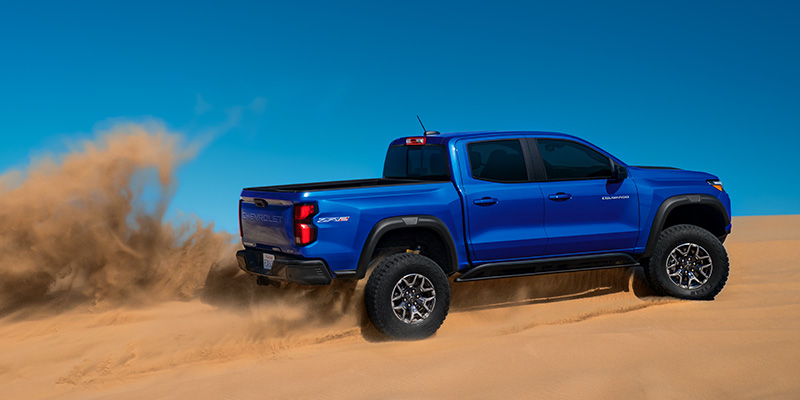
Imagine the 2025 Chevrolet Colorado arriving at Jupiter Chevrolet in Garland—not just as a pickup, but as a statement of refined capability. Sleek, confident, and crafted with precision, the Colorado blends upscale performance with rugged resilience. Whether hauling gear through East Dallas or making an impression around the iconic Garland downtown square, this truck delivers both presence and substance. Search our Colorado inventory now online!
Sophisticated Power Beneath the Hood
Under the sculpted hood lies the 2.7L TurboMax™ I-4, offering a commanding 310 horsepower and 430 lbs.-ft. of torque. This refined powerhouse pairs with a smooth-shifting 8-speed automatic and optionally endows you with 4WD—tailored for both boulevard commutes and weekend hill-country explorations.
Read the rest of this entry »
Quick Listen:
In the heart of Mesquite, Nevada, where the desert sun glints off chrome and the hum of engines mingles with laughter, a beloved annual tradition is gearing up to roll into town. This weekend, Mesquite Chevrolet is transforming its lot into a vibrant celebration of cars, community, and family fun. Picture rows of gleaming vehicles classic muscle cars parked beside sleek new models while kids dart between bounce houses and food trucks dish out local flavors. It’s not just a car show; it’s a snapshot of a community coming together, a moment where horsepower meets heart.
Feeling stuck in the stressful car-buying process? At Jupiter Chevrolet in Garland, TX, we’ve reimagined how buying a car should feel. With transparent pricing, online deal-building tools, and the benefits of our Jupiter Advantage program, we ensure every step is straightforward and satisfying. Skip the hassle. From purchase, to certified service and parts, to collision repair and body shop. Our team puts your convenience, safety, and confidence first. Turn your dreams of finding your ideal Chevrolet into reality with us. Visit Jupiter Chevrolet today!
A Showcase of Chrome and Community
Mesquite Chevrolet’s annual car show, set to take place this weekend, promises to be a family-friendly spectacle that draws gearheads and casual visitors alike. With over 700 vehicles expected to shine under the Nevada sky, the event is a testament to the enduring allure of automobiles and the power of local gatherings. From vintage Chevys with curves that tell stories of decades past to the latest electric models humming with modern promise, the show offers something for everyone. It’s a chance to marvel at automotive craftsmanship while soaking in the festive atmosphere, complete with live music, kid’s activities, and partnerships with local vendors.
Car shows like this one are more than just a display of metal and rubber. They’re a strategic move for dealerships like Mesquite Chevrolet, which are increasingly leaning into experiential marketing to forge stronger ties with their communities. According to industry insights from Cars Commerce, the automotive market in 2024 saw new-car sales climb 2.2% to 15.9 million units, signaling a return to pre-pandemic vigor. Events like these tap into that momentum, offering a tangible way for dealerships to connect with customers in a market that’s not just recovering but evolving. By creating spaces where families can engage with vehicles in a relaxed setting, dealerships are building brand loyalty that lasts far beyond the event itself.
Riding the Wave of Experiential Marketing
The automotive industry is in the midst of a transformation, and dealerships are at the forefront of reimagining how they reach customers. Gone are the days when a glossy ad or a handshake at the showroom was enough. Today, it’s about creating experiences that resonate. As noted in a Market Research Future report, the global automotive dealership market, valued at $5.49 billion in 2024, is projected to grow to $7.21 billion by 2034, with a compound annual growth rate (CAGR) of 2.76%. This growth is fueled by trends like the rise of electric vehicles and the adoption of digital tools, but also by a shift toward immersive, customer-centric events.
Mesquite Chevrolet’s car show is a prime example of this trend. By blending the tactile thrill of exploring vehicles with family-friendly entertainment, the dealership is tapping into what industry experts call “experiential marketing.” These events don’t just showcase cars; they create memories. Interactive displays, virtual test drives, and even augmented reality setups are becoming staples at modern car shows, allowing visitors to engage with vehicles in new ways. At Mesquite, attendees can expect to see digital kiosks highlighting the latest Chevy features, alongside classic cars that evoke nostalgia. It’s a blend of old and new that mirrors the industry’s own evolution.
A Track Record of Community Connection
Mesquite Chevrolet has a history of turning its car show into a community cornerstone. Past events have drawn crowds of local families, boosting foot traffic and sparking a measurable uptick in sales and service appointments. This year, the dealership is doubling down, showcasing a diverse lineup that includes family-friendly SUVs and eco-conscious electric vehicles, aligning with the industry’s push toward sustainability. The Business Research Insights report notes that the global automotive market, valued at $2,203.79 billion in 2024, is expected to reach $2,823.1 billion by 2033, with a CAGR of 2.79%. Events like Mesquite’s car show help dealerships ride this wave by appealing to buyers who value both performance and environmental responsibility.
Other dealerships have seen similar success with family-oriented events. Take the Dallas Motor Show, which paired automotive displays with local entertainment and children’s activities, resulting in a 15% surge in new car inquiries. Mesquite Chevrolet is following suit, partnering with local food trucks and vendors to create a festival-like atmosphere. These collaborations do more than feed hungry attendees; they weave the dealership into the fabric of the community, fostering goodwill and encouraging cross-promotion with local businesses.
Navigating Challenges with Care
Organizing a car show of this scale isn’t without its hurdles. Weather is a perennial concern for outdoor events in the desert, where a sudden storm can dampen spirits and turnout. Mesquite Chevrolet has contingency plans in place, including indoor spaces to keep the show running smoothly. Safety is another priority, especially for an event designed to welcome families. With hundreds of attendees expected, the dealership is working closely with local authorities to ensure proper crowd control and compliance with health regulations.
Then there’s the cost. Staging a car show involves significant investment think logistics, staffing, and promotional efforts. Yet, as the Mordor Intelligence report highlights, the U.S. automotive dealership market is expected to grow at a CAGR of over 4% through 2030, suggesting that such investments can pay dividends. For Mesquite Chevrolet, the expense is justified by the opportunity to connect with customers in a way that digital ads or traditional sales pitches can’t match.
A Lasting Impact on Community and Commerce
The true magic of Mesquite Chevrolet’s car show lies in its ability to bring people together. It’s a place where a parent can admire a restored ‘67 Camaro while their kids enjoy a bounce house, where a first-time buyer can explore a Chevy Bolt without the pressure of a sales pitch. These interactions build trust, turning casual visitors into loyal customers. The event also strengthens community ties, creating a ripple effect of positive word-of-mouth that’s invaluable for a local dealership.
Looking ahead, the future of dealership events is bright. As consumer preferences shift toward experiences over transactions, car shows are poised to become even more central to automotive marketing. Experts predict a rise in hybrid events that blend in-person and virtual elements, allowing dealerships to reach broader audiences. For now, Mesquite Chevrolet is leading the charge, proving that a car show can be more than a display of vehicles it can be a celebration of community, a bridge between past and future, and a reminder that in a world of algorithms and automation, there’s still nothing like the roar of an engine and the warmth of a shared moment.
Frequently Asked Questions
What can families expect at the Mesquite Chevrolet car show this weekend?
The Mesquite Chevrolet car show features over 700 vehicles ranging from classic muscle cars to modern electric models, creating a diverse automotive showcase. Families can enjoy bounce houses, live music, food trucks with local flavors, and interactive displays including digital kiosks highlighting the latest Chevy features. The event combines automotive appreciation with community entertainment, making it an engaging experience for visitors of all ages.
How do car shows benefit automotive dealerships and local communities?
Car shows serve as powerful experiential marketing tools that help dealerships build stronger community connections and brand loyalty beyond traditional sales approaches. These events create memorable experiences that foster trust between dealerships and potential customers, often resulting in increased sales inquiries and service appointments. Additionally, they strengthen local economies by partnering with food trucks and vendors, creating a festival-like atmosphere that benefits the entire community.
What trends are driving the growth of dealership car shows and automotive events?
The automotive dealership market is experiencing significant growth, with the global market projected to reach $7.21 billion by 2034, driven by experiential marketing trends and the rise of electric vehicles. Modern car shows are evolving to include interactive displays, virtual test drives, and augmented reality setups that allow visitors to engage with vehicles in innovative ways. This shift toward immersive, customer-centric events reflects changing consumer preferences for experiences over traditional transactions in the automotive industry.
Disclaimer: The above helpful resources content contains personal opinions and experiences. The information provided is for general knowledge and does not constitute professional advice.
You may also be interested in: Best Drive-In Movies Around DFW: Family Entertainment Guide
Feeling stuck in the stressful car-buying process? At Jupiter Chevrolet in Garland, TX, we’ve reimagined how buying a car should feel. With transparent pricing, online deal-building tools, and the benefits of our Jupiter Advantage program, we ensure every step is straightforward and satisfying. Skip the hassle. From purchase, to certified service and parts, to collision repair and body shop. Our team puts your convenience, safety, and confidence first. Turn your dreams of finding your ideal Chevrolet into reality with us. Visit Jupiter Chevrolet today!
Powered by flareAI.co
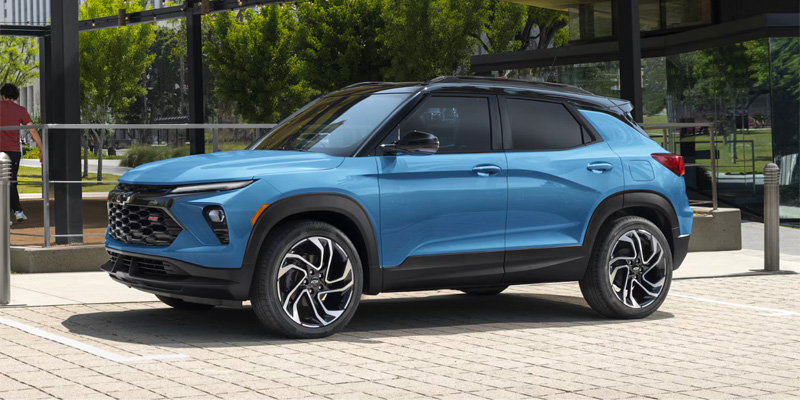
At Jupiter Chevrolet in Garland, TX, we know families want a vehicle that offers safety, comfort, and value. The 2026 Chevrolet Trailblazer is designed to meet those needs, making it a strong choice in the compact SUV segment. With updated technology, advanced driver-assist systems, and flexible interior space, the Trailblazer is built for everyday family life.
Is a Chevy Trailblazer a Family Car?
Yes, the 2026 Chevrolet Trailblazer is a family-friendly SUV. Its compact size makes it easy to maneuver in city traffic and parking lots, while still offering a spacious interior with seating for up to five passengers. Families benefit from its versatile cargo space, modern infotainment system with smartphone connectivity, and available all-wheel drive for added confidence in different driving conditions.
Read the rest of this entry »
The lot at Jupiter Chevrolet in Garland hums with possibility, where the latest Chevrolet models shine under the expansive Texas sky. For over a century, this family-owned dealership has stood as a pillar of the Dallas-Fort Worth community, offering more than just vehicles it delivers trust, reliability, and a legacy of care. In an industry increasingly dominated by corporate giants, Jupiter Chevrolet distinguishes itself with a personal touch, a commitment to innovation, and an inventory that meets the demands of modern drivers. As the automotive sector accelerates toward electric vehicles and advanced technology, this dealership is not just keeping up it’s leading the way, serving regions from Dallas to Frisco with vehicles that inspire confidence and excitement.
Discover New Chevrolet Inventory at Jupiter Chevrolet: Exceptional Vehicles, Unmatched Value
Walking onto the lot at Jupiter Chevrolet feels like stepping into the future of driving. The dealership’s inventory, featuring everything from the rugged Silverado 1500 to the eco-friendly Bolt EV, caters to the diverse needs of drivers across Plano, Richardson, McKinney, Rockwall-Heath, and beyond. This isn’t just about selling cars; it’s about forging lasting connections with customers. With a 100-year legacy as a family-operated business, Jupiter Chevrolet blends tradition with forward-thinking innovation, earning its reputation as a trusted name in the Dallas-Fort Worth automotive market.
The automotive industry is undergoing a seismic shift, and Jupiter Chevrolet is positioned at the forefront. A 2023 report from Spherical Insights projects the global automotive market to grow from $3,564.67 billion in 2023 to $6,861.45 billion by 2033, driven by a robust 6.77% compound annual growth rate. North America is poised for the fastest growth, fueled by demand for cutting-edge vehicles. For Jupiter Chevrolet, this underscores the importance of maintaining a dynamic inventory that aligns with evolving consumer preferences in a rapidly changing market.
Driving the Future: Key Trends in Chevrolet’s Latest Lineup
The rise of electric and hybrid vehicles is reshaping the automotive landscape, and Chevrolet is leading the charge. Models like the Bolt EV and Equinox EV are attracting environmentally conscious drivers from Mesquite to Grapevine, offering impressive range and efficiency tailored for the sprawling Dallas-Fort Worth region. At Jupiter Chevrolet, knowledgeable staff guide customers through the advantages of electric driving lower operating costs, reduced emissions, and a smoother ride making the transition to green vehicles both accessible and appealing.
Advanced technology is another hallmark of today’s Chevrolets. From intuitive touch-screen infotainment systems to voice-activated assistants and safety features like automatic emergency braking, the latest models are designed to elevate every drive. Whether it’s the family-oriented Traverse or the performance-driven Camaro, Jupiter Chevrolet’s inventory showcases these innovations. A customer from Forney recently praised the seamless connectivity in their new Blazer, noting how its user-friendly interface transformed their daily commute into a tech-savvy experience.
Since the pandemic, consumer preferences have tilted heavily toward trucks and SUVs, reflecting a craving for versatility and adventure. Jupiter Chevrolet’s lot is brimming with options like the Silverado 1500 and the spacious Suburban, perfect for work, play, or long road trips. These vehicles resonate with buyers in Frisco, Plano, and McKinney, where practicality meets a passion for exploration. A McKinney resident shared, “I needed a truck that could handle my contracting business and my family’s weekend getaways. Jupiter Chevrolet delivered exactly what I wanted.”
Navigating Challenges with Expertise and Care
The automotive industry faces significant hurdles, particularly in supply chain logistics. As noted in a report by IBISWorld, global car manufacturing revenue is estimated to reach $2.9 trillion in 2025, growing at a modest 1.0% CAGR over the past five years. However, disruptions from conflicts in the Middle East have impacted Red Sea shipping lanes, which handle over 30% of global container trade and 10% of all global trade, per the United Nations. Rerouting materials like steel and plastic around the Cape of Good Hope extends transit times by 30%, according to JP Morgan, tightening inventory for dealers. For a family-owned dealership like Jupiter Chevrolet, this can result in a smaller stock compared to corporate competitors. Yet, Jupiter turns this challenge into a strength by offering pre-order options and personalized service that larger dealers often can’t match.
Pricing remains a concern for some buyers, as corporate dealerships with greater resources can offer aggressive discounts. Jupiter Chevrolet counters this with unmatched value, most notably through its Lifetime Powertrain Warranty a rarity in the industry that ensures long-term peace of mind. A Richardson customer remarked, “The warranty was a game-changer. It showed me Jupiter stands behind every vehicle they sell.” Coupled with deep community ties, this commitment makes Jupiter a compelling choice over impersonal corporate alternatives.
Balancing supply and demand is an ongoing challenge, but Jupiter Chevrolet excels by maintaining a fresh, appealing inventory despite industry constraints. By prioritizing customer needs and leveraging strong relationships with Chevrolet, the dealership ensures that buyers in Garland, Dallas, and Forney find vehicles that meet their expectations, even in a volatile market.
Capitalizing on Opportunities in a Connected World
Jupiter Chevrolet is embracing the digital age with a robust presence on social media platforms like Instagram, TikTok, YouTube, and Facebook. These channels allow the dealership to connect with customers across Dallas-Fort Worth, showcasing new inventory through engaging content. TikTok videos highlight the sleek designs and advanced features of models like the Equinox, while Instagram reels offer glimpses into the dealership’s daily operations, fostering transparency and trust. This strategy resonates particularly with younger buyers in Frisco and Plano, who value authenticity and interactivity.
The dealership’s 100-year legacy is a powerful asset in an industry where trust is paramount. By emphasizing its family-owned roots, Jupiter Chevrolet builds loyalty among customers, from first-time buyers in Mesquite to lifelong patrons in Garland. This heritage, combined with a forward-looking approach, positions the dealership as a beacon of reliability in a competitive market.
Expansion is another key opportunity. By targeting fast-growing regions like McKinney, Rockwall-Heath, and Forney, Jupiter Chevrolet aims to extend its reach, bringing its unique blend of tradition and innovation to new audiences. With a focus on customer satisfaction and a knack for anticipating industry trends, the dealership is well-equipped to thrive in an increasingly dynamic market.
A Legacy of Excellence, A Future of Innovation
In a rapidly evolving automotive landscape, Jupiter Chevrolet stands as a testament to the power of tradition and adaptability. Its latest inventory, featuring everything from the eco-conscious Bolt EV to the workhorse Silverado, reflects a dealership that anticipates and exceeds customer expectations. Serving communities from Dallas to Richardson, Jupiter Chevrolet offers more than vehicles it provides confidence, connection, and a commitment to quality backed by a Lifetime Powertrain Warranty and a century of family-owned excellence.
For drivers in the Dallas-Fort Worth area, a visit to Jupiter Chevrolet is more than a transaction it’s an experience. Explore the latest Chevrolet models, take a test drive, and discover why this dealership has been a regional favorite for over 100 years. With exclusive offers and a team dedicated to treating every customer like family, Jupiter Chevrolet is your destination for finding the perfect vehicle. Swing by the Garland lot today, and drive away with a car and a story that you’ll cherish for years to come.
Disclaimer: The above helpful resources content contains personal opinions and experiences. The information provided is for general knowledge and does not constitute professional advice.
You may also be interested in: Garland Chevrolet Dealer in Garland TX | Dallas Plano Frisco
Feeling stuck in the stressful car-buying process? At Jupiter Chevrolet in Garland, TX, we’ve reimagined how buying a car should feel. With transparent pricing, online deal-building tools, and the benefits of our Jupiter Advantage program, we ensure every step is straightforward and satisfying. Skip the hassle. From purchase to certified service, our team truly puts your choice and convenience first. Turn your dreams of finding your ideal Chevrolet into reality with us. Visit Jupiter Chevrolet today!
Powered by flareAI.co
Connect with us


