





Quick Listen:
Picture this: you’re navigating the lively avenues of Garland, Texas, when your car’s engine falters unexpectedly. In that instant of annoyance, the question arises who can you rely on to restore your mobility swiftly and reliably? It’s the certified experts, armed with deep knowledge of your vehicle’s intricacies, who transform such disruptions into seamless resolutions. This scenario encapsulates the evolving automotive landscape in the region, where professional expertise is not merely advantageous but indispensable.
Feeling stuck in the stressful car-buying process? At Jupiter Chevrolet in Garland, TX, we’ve reimagined how buying a car should feel. With transparent pricing, online deal-building tools, and the benefits of our Jupiter Advantage program, we ensure every step is straightforward and satisfying. Skip the hassle. From purchase, to certified service and parts, to collision repair and body shop. Our team puts your convenience, safety, and confidence first. Turn your dreams of finding your ideal Chevrolet into reality with us. Visit Jupiter Chevrolet today!
Certified Technicians Drive Quality and Trust in Garland Service Centers
Garland, positioned centrally in North Texas, serves as a vital center for both passionate car owners and routine commuters. Surrounded by dynamic locales such as Dallas, Richardson, Plano, and Frisco, the area experiences a surging need for dependable automotive maintenance. Central to this framework are certified technicians, professionals who guarantee vehicles operate with peak efficiency and safety. Their contributions extend far beyond basic fixes; they cultivate enduring customer bonds, promoting allegiance in a market rife with dominant conglomerates.
This focus on accreditation arrives during a critical era. With automobiles incorporating increasingly sophisticated electronics and hybrid mechanisms, the demand for targeted expertise intensifies. Across Garland and adjacent zones like Mesquite, McKinney, and Grapevine, maintenance facilities are evolving by favoring technicians with endorsements from esteemed organizations. This evolution not only boosts service standards but also mitigates typical patron apprehensions, including prior unsatisfactory encounters or apprehensions regarding stock limitations at compact outlets.
The automotive sector in this vicinity thrives on a blend of tradition and innovation. Local drivers, from families in Rockwall-Heath to professionals in Forney, depend on these skilled individuals to keep their daily lives uninterrupted. As the industry shifts, the role of these experts becomes even more pronounced, ensuring that every repair aligns with the highest benchmarks of quality and reliability.
Emerging Trends in Garland Service Centers
Step inside a thriving workshop in Garland, and the energy surrounding accredited personnel is unmistakable. Modern consumers are more informed, frequently conducting thorough online investigations prior to scheduling repairs. They gravitate toward establishments featuring technicians with Automotive Service Excellence (ASE) certifications or brand-specific instruction, markers of unwavering dedication to superior performance.
Consider the escalating interest in electric vehicle (EV) maintenance, a movement accelerating as additional motorists in Rockwall-Heath and Forney embrace eco-friendly alternatives. Recent data indicates that repairable battery electric vehicle (BEV) claims rose to 3.8% in 2024, underscoring the expanding footprint of EVs on Texas roads. Certified specialists lead the charge, proficient in managing battery assessments and firmware enhancements that less experienced individuals might mishandle. Likewise, digital assessments are now commonplace, enabling technicians to convey immediate insights to clients through mobile applications, thereby bolstering openness and confidence.
Accreditation initiatives are pivotal in this context. To qualify as a Recognized Emissions Repair Technician in Texas, candidates must accumulate no less than three years of dedicated full-time experience in automotive servicing. They are required to maintain up-to-date qualifications from the National Institute for Automotive Service Excellence (ASE) across designated domains: Engine Repair via Test A1, Electrical/Electronic Systems through Test A6, Engine Performance with Test A8, and Advanced Engine Performance Specialist under Test L1. Moreover, employment at a Recognized Emissions Repair Facility of Texas is mandatory. These stringent criteria guarantee proficient handling of emissions concerns prevalent in metropolitan settings like Dallas, thereby diminishing ecological footprints and operational interruptions.
However, the essence transcends mere adherence; it’s about forging ahead. Industry forecasts reveal a requirement for over 100,000 new auto technicians annually through 2026 to satisfy escalating needs. Facilities in Garland are committing to perpetual learning to combat this gap. This forward-thinking strategy confronts the sector’s labor deficit, projected to attain a shortage of 642,000 technicians by 2024 should patterns endure.
These trends reflect a broader transformation in how service centers operate. By integrating advanced diagnostic tools and continuous professional development, they not only meet current demands but anticipate future ones, ensuring sustainability in a rapidly changing field.
Real-World Examples & Case Studies
Within Garland, independently managed enterprises demonstrate the tangible rewards of certification. Jupiter Chevrolet, an enduring fixture in the locale spanning a century, illustrates this through its cadre of Chevrolet-accredited specialists. These authorities engage in targeted preparation to excel in tasks ranging from standard lubricant replacements to intricate gearbox overhauls, employing authentic General Motors components for superior outcomes. Patrons commend the comprehensive multi-point evaluations that identify problems prematurely, averting expensive malfunctions.
A notable attribute at Jupiter is the lifetime powertrain assurance, a unique offering that instills confidence among purchasers in an arena where expansive rivals may dominate via voluminous stockpiles. Testimonials underscore how accredited professionals convert doubtful guests into steadfast supporters. For example, clients value the transparent cost estimates and swift analyses, which alleviate reservations concerning pricing that’s less competitive than those of expansive corporations. Narratives abound of technicians unraveling perplexing motor dilemmas that baffled competitors, reinstating automobiles to optimal states and garnering top ratings on sites such as Yelp and DealerRater.
Extending past singular resolutions, these hubs utilize digital platforms Instagram, Facebook, YouTube, and TikTok to exhibit their accredited squads at work. Concise clips of specialists elucidating procedures demystify operations, attracting commuters from distant Frisco who prioritize clarity over minimal expenses.
Envision a scenario involving a household from Plano presenting their Chevrolet afflicted with inconsistent electrical anomalies. The accredited expert at a neighborhood Garland establishment identified a defective sensor utilizing cutting-edge instruments, rectifying it promptly while instructing the proprietors on upkeep strategies. Interactions of this nature not only rectify pressing matters but also forge a standing for dependability, vital for surmounting reservations rooted in previous encounters.
Such case studies highlight the practical advantages, where certification translates into real-world efficiency and customer satisfaction, reinforcing the value of skilled labor in everyday operations.
Key Challenges in Maintaining Certified Technicians
Nevertheless, obstacles persist. Securing elite talent continues to pose a significant impediment for numerous Garland maintenance hubs. The widespread sectoral scarcity intensifies this dilemma, with establishments finding it arduous to entice emerging talent owing to views of arduous labor and moderate initial compensation. In 2025, issues such as locating qualified technicians rank highest at 7.8% among repair facilities, whereas adapting to advancing technology concerns an additional 4.8%.
For independently owned venues like Jupiter Chevrolet, vying with colossal enterprises heightens the strain. Vast networks frequently entice specialists with superior remunerations or comprehensive perks, rendering retention contentious. Factor in the imperative for ongoing instruction amid swift progressions in vehicular innovations, and the rationale for elevated attrition becomes evident. Operational expenses escalate as facilities allocate resources to equipment and curricula to sustain accreditations, all whilst balancing patron anticipations for economical rates.
Stockpile restrictions present yet another barrier. Compact dealerships may lack the breadth of mega-rivals, resulting in postponements that irk clientele. Nonetheless, accredited specialists alleviate this through accurate evaluations, reducing superfluous component requisitions and converting possible drawbacks into assets via proficiency.
Addressing these challenges requires strategic approaches, including partnerships with educational institutions and incentive programs, to build a resilient workforce capable of meeting future demands.
Opportunities and Business Impacts
In the midst of these hurdles, promising prospects emerge. Certified technicians amplify patron assurance, an invaluable asset in Garland’s interconnected neighborhoods. When motorists recognize their automobile is under proficient care, recurrence rates climb, enhancing fidelity and organic endorsements throughout districts like Forney and Rockwall-Heath.
The commercial advantages are concrete. Establishments with accredited groups document superior analytical precision, yielding reduced revisits and diminished enduring expenditures. For patrons, this equates to economies in upkeep and elevated resale figures, given that meticulously serviced automobiles command superior valuations. Indeed, ASE-certified professionals are esteemed for their compliance with sectoral norms, affording facilities a distinct advantage.
At Jupiter Chevrolet, a century of familial stewardship magnifies this effect. Their accredited maintenance authorities not only mend vehicles but also enlighten proprietors, nurturing collaborative alliances. This methodology directly confronts reservations, demonstrating that excellence surpasses abundance in stockpile or pricing contests.
Furthermore, these opportunities extend to economic growth, as skilled technicians contribute to safer roads and reduced vehicle emissions, benefiting the broader community.
Expert Insights
As the automotive domain progresses, Garland’s maintenance hubs will progressively depend on certified technicians to tackle intricacies such as EV assimilation and digital apparatuses. Authorities anticipate consistent occupational expansion, with 67,700 openings annually through 2032, emphasizing the necessity for adept professionals.
For enterprise proprietors, the guidance is unequivocal: Allocate resources to instruction and promote your accredited ensemble vigorously. Employ digital avenues to spotlight achievements, transmuting potential reservations into endorsements. Through such measures, establishments like Jupiter Chevrolet can flourish, affirming that in Garland and environs, authentic proficiency constitutes the paramount distinction. Ultimately, in a territory where thoroughfares link societies from Dallas to Frisco, trustworthy maintenance transcends convenience it’s the cornerstone of assurance. As elaborated in this examination of Certified Technicians Drive Quality and Trust in Garland Service Centers, the horizon favors those who emphasize competence and patron welfare.
Frequently Asked Questions
What makes certified technicians in Garland service centers more reliable than regular mechanics?
Certified technicians in Garland possess specialized credentials like ASE (Automotive Service Excellence) certifications and brand-specific training, ensuring they meet the highest industry standards. They undergo rigorous qualification requirements, including at least three years of full-time automotive experience and continuous education on emerging technologies like electric vehicles and advanced diagnostics. This expertise translates to more accurate diagnoses, reduced return visits, and superior service quality compared to uncertified mechanics.
How are Garland service centers adapting to the growing demand for electric vehicle maintenance?
Garland service centers are investing heavily in certified technicians trained specifically for electric vehicle maintenance, as repairable battery electric vehicle claims rose to 3.8% in 2024. These certified specialists are proficient in managing battery assessments, firmware updates, and complex electrical systems that require specialized knowledge. Service centers are also implementing digital diagnostic tools and mobile applications to provide real-time updates to customers, ensuring transparency and building trust in this rapidly evolving automotive sector.
Why is there a shortage of certified automotive technicians in Garland, and how does it affect service quality?
The automotive industry faces a projected shortage of 642,000 technicians by 2024, with over 100,000 new technicians needed annually through 2026 to meet growing demand. In Garland, this shortage is intensified by perceptions of demanding work conditions and modest starting wages, making it difficult for service centers to attract new talent. However, establishments with certified technicians maintain higher service quality through superior diagnostic accuracy, reduced callbacks, and better customer satisfaction, making certification a crucial differentiator in the competitive market.
Disclaimer: The above helpful resources content contains personal opinions and experiences. The information provided is for general knowledge and does not constitute professional advice.
You may also be interested in: Jupiter Chevrolet Blog | News, Updates, and Info – Jupiter Chevrolet
Feeling stuck in the stressful car-buying process? At Jupiter Chevrolet in Garland, TX, we’ve reimagined how buying a car should feel. With transparent pricing, online deal-building tools, and the benefits of our Jupiter Advantage program, we ensure every step is straightforward and satisfying. Skip the hassle. From purchase, to certified service and parts, to collision repair and body shop. Our team puts your convenience, safety, and confidence first. Turn your dreams of finding your ideal Chevrolet into reality with us. Visit Jupiter Chevrolet today!
Powered by flareAI.co
Quick Listen:
Imagine barreling down I-635 in Dallas amid a blistering North Texas heatwave, only for your Chevrolet’s air conditioning to sputter and fail. Faced with a repair, do you shell out for the original factory component or scout for a more affordable substitute? This quandary resonates deeply with motorists in Garland, Richardson, and Plano, where rugged potholes and relentless sun push every car to its breaking point.
Feeling stuck in the stressful car-buying process? At Jupiter Chevrolet in Garland, TX, we’ve reimagined how buying a car should feel. With transparent pricing, online deal-building tools, and the benefits of our Jupiter Advantage program, we ensure every step is straightforward and satisfying. Skip the hassle. From purchase, to certified service and parts, to collision repair and body shop. Our team puts your convenience, safety, and confidence first. Turn your dreams of finding your ideal Chevrolet into reality with us. Visit Jupiter Chevrolet today!
OEM vs Aftermarket Parts: What North Texas Drivers Should Know for Their Chevrolet
In the vibrant expanse of North Texas, from the hectic Dallas interstates to the serene lanes of Mesquite and McKinney, upkeep for your Chevrolet transcends mere functionality it’s about guaranteeing peak performance in an area plagued by harsh climates and congested roadways. At Jupiter Chevrolet, a cherished family-run establishment in Garland boasting more than a century of operation, we’ve witnessed innumerable drivers wrestle with the decision between Original Equipment Manufacturer (OEM) parts and aftermarket substitutes. Such choices influence budgets, warranties, and overall vehicle health, especially as the U.S. automotive aftermarket surges hitting USD 228.19 billion in 2024, projected to exceed USD 350.64 billion by 2034 with a CAGR of 4.39% from 2025 to 2034, and anticipated at USD 238.4 billion for 2025 alone.
To demystify this, consider the fundamentals. OEM parts originate from the very manufacturer behind your vehicle, such as General Motors for a Silverado 1500. Engineered to rigorous standards, they promise impeccable integration and operation akin to the factory original. Conversely, aftermarket parts hail from independent makers, delivering expansive selections that may elevate or personalize your drive far beyond stock configurations.
Understanding OEM and Aftermarket Parts
OEM components excel in dependability. Tailored to your Chevrolet’s exact requirements, they assure flawless compatibility and frequently include warranties that safeguard the car’s core value. Take brake replacements on a Silverado: An OEM kit delivers consistent, predictable stopping force, free from unexpected glitches. This exactitude explains why numerous North Texas motorists, navigating from Rockwall-Heath’s countryside paths to Frisco’s expanding neighborhoods, favor them for vital elements.
Independent firms craft aftermarket parts, introducing diversity and typically reduced expenses. The car parts aftermarket market, pegged at USD 264.65 billion in 2024 and forecasted to climb to nearly USD 363.58 billion by 2032 at a CAGR of 4.05%, encompasses vital substitutes like brakes, batteries, and filters; boosts such as exhaust systems and turbochargers; stylistic add-ons including custom wheels and body kits; plus tech enhancements like GPS units and dash cams. These enable tailoring envision amplifying your exhaust for superior output on extended jaunts to Grapevine. That said, quality fluctuates, and some aftermarket items fall short of OEM benchmarks, a crucial factor for Chevrolet enthusiasts prioritizing endurance.
Diverging from OEM’s adherence to original designs, aftermarket emphasizes ingenuity. Innovations in areas like navigation or cameras attract gadget-oriented commuters in innovation centers like Plano. Nevertheless, drawbacks could encompass fitting mismatches or nullified warranties sans proper setup.
Key Considerations for North Texas Drivers
North Texas presents unique challenges: Summers soaring past 100 degrees Fahrenheit, interspersed with abrupt hail, demand parts resilient to regional strains. OEM often outperforms in heat resistance, averting breakdowns in electrical components a category experiencing notable expansion in the aftermarket amid vehicle maturation and electric vehicle integration. Yet, for cost-aware residents in Forney or Mesquite, aftermarket yields economies, particularly for secondary items like filters or extras, without major compromises.
The perennial debate pits expense against excellence. OEM may demand more initially but yields dividends via diminished future fixes. Aftermarket leverages the North America automotive aftermarket’s expansion, valued at USD 108.73 billion in 2024, set to hit USD 112.52 billion in 2025 and USD 127.51 billion by 2030 with a CAGR of 2.5%, propelled by aging fleets and online sales. Proximity matters as well Jupiter Chevrolet maintains inventories of both, facilitating swift access for Dallas-region operators, bypassing e-commerce wait times.
Road conditions amplify concerns: From urban craters to freeway hauls, they hasten degradation on shocks and rubber. The tire segment leads with a 23.0% revenue portion in 2024, providing choices like all-weather or high-performance variants suited to local weather. Smart selections here distinguish effortless travels from repeated halts, underscoring the need for informed decisions in this dynamic environment.
Benefits of OEM Parts
For enduring trustworthiness, OEM stands unrivaled. They mesh seamlessly, upholding your Chevrolet’s efficacy and security essential on crowded arteries in Richardson. Moreover, Jupiter Chevrolet’s Lifetime Powertrain Warranty instills confidence, enveloping qualifying autos indefinitely under ownership. This pledge reinforces our dedication to superiority, notably for fresh or pre-owned Chevrolets acquired here.
Installation is effortless with impeccable alignment, curtailing headaches and optimizing utility. North Texas operators benefit through superior management of erratic elements, spanning arid gusts to sudden deluges. Resale implications loom large too: Autos mended with OEM command premium tags in zones like McKinney or Frisco, where purchasers value provenance and upkeep records.
Within the passenger vehicles category, which commanded the U.S. aftermarket in 2024, OEM bolsters extended ownership and personalization shifts. They remain preferred for individuals treating their conveyance as a lasting asset, beyond simple mobility.
Advantages of Aftermarket Parts
Cost-effectiveness headlines aftermarket’s appeal. Frequently undercutting OEM rates, it’s optimal for vintage rides or slight modifications, aiding thrift in constrained locales like Garland. The North American arena’s emphasis on eco-consciousness, featuring green alternatives like efficient tires, resonates with escalating ecological priorities regionally.
Personalization excels herein. Craving amplified torque for your Silverado or aesthetic tweaks? Aftermarket supplies upgrades like exhausts or kits, adapting autos to North Texas pursuits from rugged trails in Rockwall-Heath to daily treks in Plano. Such adaptability spurs advancement in arenas like turbochargers, surging for fuel economy and power boosts.
Drawbacks persist, though. Variability in standards necessitates procurement from trusted outlets like our components division to secure dependable choices, mitigating potential pitfalls.
Real-World Examples & Case Studies
Reflect on a Plano dweller who embraced aftermarket enhancements for their Chevrolet’s vigor. Ecstatic at first with the surge, subsequent service revealed integration hurdles, inflating expenses. Tales like this abound in our facility, stressing professional guidance’s value.
By comparison, a Dallas patron adhered to OEM via Jupiter Chevrolet. Fixes not only resolved woes but prolonged the auto’s span, warranty-inclusive. These narratives depict decision impacts on North Texas thoroughfares, where steadfastness averts failures in gridlock or swelter.
Addressing Common Concerns
OEM deters some via elevated tags or assumed scarcity versus mega-chains. Jupiter Chevrolet rebuts with equitable rates and familial ethos, favoring client necessities over conglomerate targets. Lingering qualms from impersonal encounters elsewhere? Our centennial heritage affirms enduring presence.
Aftermarket anxieties over guarantees or congruence hold merit. We alleviate via vetted selections and expert fitting, tempering hazards akin to the DIFM segment‘s commanding 2024 stake, prized for specialist allure.
Opportunities and Business Impact for North Texas
Our operational prowess distinguishes rapid parts and mend cycles minimize interruptions. Stocking OEM and aftermarket alike, coupled with crash restoration proficiency, positions us as a comprehensive hub for Garland collision centers and vicinities.
This profoundly shapes encounters. As kin-operated, we champion clarity and ease, spanning digital bookings to funding avenues. Amid a sector veering to electrics and virtual aids evident in EV part demands and e-commerce surges we evolve, preserving authentic North Texas warmth.
Further, innovations like 3D printing, as demonstrated by Autentica’s 2023 entry slashing idle costs by 70% and emissions by 40%, revolutionize customization. Ride-sharing’s upkeep mandates and regulatory eco-thrusts amplify opportunities, ensuring aftermarket vitality aligns with regional evolutions.
Steering Toward Excellence
In essence, selecting OEM for supreme steadfastness or aftermarket for thrift and panache hinges on harmonizing with your North Texas motoring demands. OEM delivers assurance, fortified by protections like ours, whereas aftermarket affords versatility in an expanding sphere. Seek counsel for clarity drop into Jupiter Chevrolet in Garland for discourse, arrange an online trial run, or peruse proximate pre-owned autos. Track us on Facebook, Instagram, YouTube, and TikTok for insights and offers. Your Chevrolet merits excellence; together, we’ll deliver it.
Frequently Asked Questions
What’s the difference between OEM and aftermarket parts for my Chevrolet?
OEM (Original Equipment Manufacturer) parts are made by the same company that built your vehicle, like General Motors for Chevrolet, ensuring exact compatibility and reliability. Aftermarket parts are manufactured by independent companies and offer more variety and customization options, often at lower prices. While OEM parts guarantee seamless integration and maintain warranties, aftermarket parts provide flexibility for upgrades and personalization but may vary in quality standards.
Are aftermarket parts worth it for North Texas weather conditions?
For North Texas’s extreme conditions including 100+ degree summers and sudden hailstorms the choice depends on the specific part and your priorities. OEM parts typically offer superior heat resistance and durability for critical components like electrical systems and brakes, which is crucial for harsh regional conditions. However, aftermarket parts can be cost-effective for secondary items like filters or aesthetic upgrades, and the aftermarket tire segment offers specialized options like all-weather variants suited to local climate challenges.
Will using aftermarket parts void my Chevrolet warranty?
Using aftermarket parts doesn’t automatically void your entire vehicle warranty, but it can affect coverage for related components if improper installation causes damage. OEM parts maintain full warranty protection and preserve your vehicle’s resale value, which is particularly important in competitive markets like McKinney and Frisco. If you choose aftermarket parts, ensure they’re installed by qualified professionals and sourced from reputable suppliers to minimize warranty risks and ensure proper fitment.
Disclaimer: The above helpful resources content contains personal opinions and experiences. The information provided is for general knowledge and does not constitute professional advice.
You may also be interested in: The Role of Parts Sales in Vehicle Maintenance
Feeling stuck in the stressful car-buying process? At Jupiter Chevrolet in Garland, TX, we’ve reimagined how buying a car should feel. With transparent pricing, online deal-building tools, and the benefits of our Jupiter Advantage program, we ensure every step is straightforward and satisfying. Skip the hassle. From purchase, to certified service and parts, to collision repair and body shop. Our team puts your convenience, safety, and confidence first. Turn your dreams of finding your ideal Chevrolet into reality with us. Visit Jupiter Chevrolet today!
Powered by flareAI.co

Quick Listen:
In the vast expanse of the Dallas-Fort Worth metroplex, where traffic pulses like a living entity along miles of interconnected highways, an under-the-radar challenge is testing the resilience of the automotive industry. Collision repair facilities are grappling with a persistent shortage of qualified technicians capable of mending not just bodywork but the intricate electronic and mechanical systems of today’s vehicles. Yet, amid this strain, a surge of targeted training initiatives is emerging, backed by collaborations between local enterprises, educational bodies, and national organizations, all aimed at fortifying the workforce and closing the expertise divide.
Feeling stuck in the stressful car-buying process? At Jupiter Chevrolet in Garland, TX, we’ve reimagined how buying a car should feel. With transparent pricing, online deal-building tools, and the benefits of our Jupiter Advantage program, we ensure every step is straightforward and satisfying. Skip the hassle. From purchase, to certified service and parts, to collision repair and body shop. Our team puts your convenience, safety, and confidence first. Turn your dreams of finding your ideal Chevrolet into reality with us. Visit Jupiter Chevrolet today!
The collision repair sector stands at a pivotal juncture, confronted by the escalating complexity of modern automobiles. Features such as advanced driver-assistance systems (ADAS), electric vehicle (EV) powertrains, and advanced composite materials demand a level of proficiency that traditional skills alone can no longer suffice. The U.S. automotive collision repair market amassed $36,660.6 million in revenue during 2023, with projections indicating growth to $38,950.3 million by 2030 at a compound annual growth rate (CAGR) of 0.9%. Light-duty vehicles dominated as the largest segment, capturing 56.53% of the revenue share that year, and they are poised to remain the most lucrative, exhibiting the swiftest expansion over the forecast period. This data underscores a steady, albeit modest, market evolution, drawing from historical figures spanning 2017 to 2022, with 2023 serving as the baseline.
In the Dallas-Fort Worth area, one of America’s most dynamic urban hubs, this national trend manifests with heightened intensity. Job listings abound, with over 100 collision repair technician positions available in Dallas alone and dozens more in Fort Worth, reflecting ongoing demand despite recent dips in openings. A 2023 report highlighted a national mechanic shortage exacerbating repair backlogs, a situation echoed locally where seasoned professionals are retiring faster than new talent enters the field. Earlier assessments from 2022 pointed to roughly 30% of repair bays sitting idle due to staffing shortfalls, with nearly 2,000 job postings signaling acute needs in the region. While a recent survey notes a decline in vacancies to their lowest since 2020 with only 30% of shops seeking technicians the underlying shortage persists, fueling longer wait times and elevated labor costs.
The root causes are multifaceted. Contemporary vehicles transcend mere mechanical assemblies; they are sophisticated integrations of sensors, computing units, and high-voltage components. A routine collision might necessitate ADAS recalibration or meticulous EV battery handling, tasks that require specialized knowledge beyond basic tools. Shops in locales like Garland, Plano, and Richardson face mounting pressure to adapt, as the Texas Department of Licensing and Regulation (TDLR) oversees a broad array of occupations without specific licensing for collision repair, yet the demand for certified expertise continues to climb.
A Region Steps Up
Dallas-Fort Worth is positioning itself as a vanguard in workforce cultivation, with a tapestry of partnerships weaving together businesses and academia to nurture emerging technicians. For instance, Collin College’s Collision Technology program equips students for high-demand roles through hands-on training in repair and refinishing techniques. Offering Associate of Applied Science (AAS) degrees and certificates, including pathways with guided work experience, the curriculum covers metal repair, painting, and structural alignment, often in collaboration with industry partners like Toyota for specialized certifications. Graduates emerge prepared to restore vehicles post-accident, blending classroom theory with practical lab sessions.
In Plano, establishments like Speedy Collision Repair and Crash Champions exemplify innovative approaches, emphasizing mentorship and on-site training to integrate novices with veteran experts. Caliber Collision’s Technician Apprentice Program (TAP) stands out, providing free, hands-on mentoring in live repair environments, fostering skills in bodywork and refinishing while addressing the talent pipeline. “It’s about instilling confidence in handling intricate repairs,” a program representative might note, highlighting how such initiatives not only bolster internal teams but inspire broader industry adoption.
On a larger scale, the General Motors Collision Repair Network enforces stringent standards, mandating I-CAR Gold Class designation for all participating facilities to guarantee technicians deliver efficient, safe, and superior repairs. This includes specialized training in EV courses, aluminum welding, and stationary glass handling, with GM approving only select I-CAR programs. Complementing this, I-CAR’s national Registered Apprenticeship Program (RAP), unveiled on July 24, 2025, offers a two-year blend of compensated workplace learning and technical education, culminating in a U.S. Department of Labor credential. Anchored by I-CAR’s Academy curriculum and supported by a federal grant, it targets the technician deficit by equipping shops particularly Gold Class holders with incentives and streamlined implementation. As Kyle Thompson, I-CAR’s President and CEO, stated, “This program marks a significant milestone in solving the industry’s talent shortage and supporting shops in building their future workforce.” Dara Goroff, Vice President of Planning and Industry Talent Programming, added that it equalizes opportunities for employers, enhancing recruitment via dedicated job boards.
Challenges on the Horizon
Progress notwithstanding, formidable barriers persist. Enticing younger demographics into collision repair proves arduous in a landscape where tech and healthcare sectors offer alluring prospects with competitive salaries and prestige. Retention woes compound the issue, as even proficient technicians may depart for superior compensation elsewhere, leaving shops in a perpetual cycle of turnover. For smaller operations in Forney or Mesquite, the financial burden of advanced training and certifications looms large, with courses on EV maintenance or ADAS demanding substantial outlays for tools and faculty.
Technological advancement outpaces curriculum updates, rendering last year’s training obsolete against tomorrow’s innovations. Shops must perpetually evolve, a daunting task for resource-strapped entities chasing an ever-shifting benchmark.
Turning Challenges into Opportunities
Nevertheless, the Dallas-Fort Worth collision repair landscape is adept at converting obstacles into advantages. At Precision Collision Center, commitments to ongoing education yield a competitive superiority, enabling adept handling of sophisticated fixes that enhance operational flow and client loyalty. “Clients place their faith in us due to our investment in personnel,” a shop leader could affirm, illustrating the mutual benefits of skilled labor.
Technological integrations are revolutionizing training paradigms. Institutions like Tarrant County College incorporate AI diagnostics and virtual simulations, permitting risk-free practice that translates to expedited, precise real-world applications. Such advancements curtail downtime and amplify output, as seen in programs at Universal Technical Institute (UTI) Dallas, where collision repair training emphasizes refinishing and structural work.
Wider ramifications include job generation and economic vitality. Dallas College’s Auto Body Technology offerings, spanning certificates in metalwork and painting, fortify the workforce while mitigating unemployment. The North Texas Automobile Dealer’s Auto Tech Competition, an annual event pitting high school teams in skill-based challenges, cultivates early interest and scholarships, bolstering regional talent pools. As an instructor at Collin College might observe, “We’re constructing not merely technicians but enduring careers and vibrant communities.”
A Memorable Driving Toward a Skilled Future
As twilight descends upon the expansive roadways of Dallas-Fort Worth, the collision repair sector readies for an era of profound evolution. Spanning from Grapevine to Plano, repair centers and academies unite to forge a cadre of technicians adept at mastering vehicular intricacies. With trailblazers like I-CAR and GM establishing benchmarks, alongside regional endeavors such as the North Texas Automobile Dealer’s initiatives, the area is primed to pioneer talent development. The path forward harbors obstacles recruitment struggles, rapid tech shifts, and fiscal pressures but unwavering dedication to ingenuity and learning propels the field toward luminescence. In Dallas-Fort Worth, the momentum of advancement surges, promising a collision repair future not merely mended but robustly reconstructed.
Frequently Asked Questions
What is causing the collision repair technician shortage in Dallas-Fort Worth?
The shortage stems from multiple factors including the increasing complexity of modern vehicles with advanced driver-assistance systems (ADAS), electric vehicle components, and sophisticated electronics that require specialized training beyond traditional skills. Additionally, seasoned professionals are retiring faster than new talent enters the field, while younger demographics are often drawn to tech and healthcare sectors that offer competitive salaries and prestige.
What training programs are available for collision repair technicians in the Dallas-Fort Worth area?
Several comprehensive programs serve the region, including Collin College’s Collision Technology program offering Associate of Applied Science degrees and certificates with hands-on training in metal repair, painting, and structural alignment. I-CAR’s new Registered Apprenticeship Program launched in 2025 provides a two-year blend of paid workplace learning and technical education, while local shops like Caliber Collision offer their Technician Apprentice Program (TAP) with free, hands-on mentoring in live repair environments.
How much is the automotive collision repair market expected to grow?
The U.S. automotive collision repair market generated $36,660.6 million in revenue during 2023 and is projected to reach $38,950.3 million by 2030, representing a compound annual growth rate (CAGR) of 0.9%. Light-duty vehicles dominated the market with 56.53% of revenue share in 2023 and are expected to remain the most lucrative segment with the fastest expansion over the forecast period.
Disclaimer: The above helpful resources content contains personal opinions and experiences. The information provided is for general knowledge and does not constitute professional advice.
You may also be interested in: Jupiter Chevrolet Blog | News, Updates, and Info – Jupiter Chevrolet
Feeling stuck in the stressful car-buying process? At Jupiter Chevrolet in Garland, TX, we’ve reimagined how buying a car should feel. With transparent pricing, online deal-building tools, and the benefits of our Jupiter Advantage program, we ensure every step is straightforward and satisfying. Skip the hassle. From purchase, to certified service and parts, to collision repair and body shop. Our team puts your convenience, safety, and confidence first. Turn your dreams of finding your ideal Chevrolet into reality with us. Visit Jupiter Chevrolet today!
Powered by flareAI.co

Quick Listen:
In the sprawling suburbs of North Texas, where pickup trucks and SUVs navigate bustling highways, a quiet transformation is unfolding in the auto repair industry. From Garland to Frisco, collision shops are humming with activity, driven by a surge in demand for cosmetic repairs dent removal, paint touch-ups, and bumper refinishing. This isn’t about major collisions or totaled vehicles; it’s about keeping cars looking pristine in a region where vehicle ownership is a way of life.
Feeling stuck in the stressful car-buying process? At Jupiter Chevrolet in Garland, TX, we’ve reimagined how buying a car should feel. With transparent pricing, online deal-building tools, and the benefits of our Jupiter Advantage program, we ensure every step is straightforward and satisfying. Skip the hassle. From purchase, to certified service and parts, to collision repair and body shop. Our team puts your convenience, safety, and confidence first. Turn your dreams of finding your ideal Chevrolet into reality with us. Visit Jupiter Chevrolet today!
Garland Collision Shops Report Surge in Cosmetic Repair Demand Across North Texas Suburbs
At Jupiter Chevrolet in Garland, the service bays tell a story of a shifting automotive market. The dealership, a fixture in Dallas County, is seeing a steady stream of customers seeking quick fixes for dings, scratches, and scuffed bumpers. It’s not just about aesthetics drivers are increasingly focused on maintaining their vehicle’s resale value in a competitive used-car market. Across the region, from Plano to McKinney, independent shops and dealership-affiliated centers are reporting similar trends, fueled by rising traffic density and minor accidents.
According to the 2025 Crash Course report, the personal auto insurance sector is rebounding, with a net combined operating ratio (NCOR) of 95.3% in 2024, a 9.6-point improvement from the previous year. This reflects a broader stabilization in the industry, driven by 12.8% net written premium growth in 2024. But while insurance metrics improve, the reality on the ground in North Texas is a spike in claims for cosmetic work, as fender-benders and parking lot mishaps become more common in urbanizing suburbs like Richardson and Frisco.
Why the Surge in Cosmetic Repairs?
North Texas is growing, and so is its traffic. Garland, Plano, and Richardson are grappling with increased vehicle congestion, leading to a rise in minor collisions. Texas Department of Transportation data for 2024 shows a noticeable uptick in low-impact accidents in Dallas and Collin Counties, with many resulting in cosmetic damage rather than structural issues. For drivers, a scratched bumper or dented door isn’t just an eyesore it’s a hit to their car’s market value.
In Frisco and McKinney, where per-capita vehicle ownership is among the highest in the state, households are investing heavily in cosmetic repairs. “People here see their cars as an extension of their lifestyle,” says a manager at a McKinney collision shop, who notes a 20% increase in paint and bumper jobs since 2023. Dealerships like Jupiter Chevrolet are capitalizing on this trend, offering bundled cosmetic repair packages that cater to customers buying new or certified pre-owned vehicles.
Insurance companies are also playing a role. Dallas-area insurers report a growing number of claims for non-structural work, reflecting a shift in consumer behavior. Drivers are more likely to file claims for minor damage, knowing that repairs can preserve their car’s value. Meanwhile, innovations like paintless dent repair (PDR) are gaining traction. As noted in a global market analysis, PDR is expected to grow at a 7.28% CAGR, reaching $2.89 billion by 2030, thanks to its eco-friendly approach that avoids chemicals and repainting.
Local Shops Adapt to Demand
In Garland, independent collision shops are seeing a 20–25% rise in demand for bumper and paint jobs compared to 2023. In Plano and Richardson, quick-turnaround services like PDR are thriving, with shops investing in advanced tools to handle complex panel geometries. Frisco’s collision centers are expanding service bays and adopting cutting-edge paint-matching technology to keep up with customer expectations. Even in Grapevine, shops are forming partnerships with local dealerships to streamline referrals, ensuring a steady flow of business.
But it’s not all smooth sailing. Labor shortages are a persistent challenge, with collision centers in Dallas and Mesquite struggling to hire skilled technicians. Supply chain delays for paint and spare parts are also hitting shops in Rockwall-Heath and Forney, slowing turnaround times. Smaller operations in Mesquite face additional hurdles, as many lack the resources to adopt AI-based repair estimation software, putting them at a disadvantage compared to larger players like Jupiter Chevrolet.
Opportunities in a Competitive Market
Despite these challenges, cosmetic repairs are proving to be a high-margin revenue stream for dealerships and independent shops alike. In Plano and Frisco, shops are boosting efficiency with digital scheduling and automated damage assessment tools, reducing wait times and improving customer satisfaction. Dealerships in Grapevine are taking it a step further, integrating repair services with loyalty programs to encourage repeat business.
Regional collaboration is also emerging as a solution. In McKinney and Richardson, body shops are pooling resources to share technician training programs, helping to address labor shortages. For dealerships like Jupiter Chevrolet, bundling certified collision services with new and used car sales is a winning strategy, positioning them to capture a larger share of the growing market.
A Bright Future for North Texas Collision Shops
As North Texas continues to grow, so does the demand for cosmetic auto repairs. Local trade associations in Dallas County project an 8–10% annual growth in this sector through 2026, driven by rising vehicle ownership and urban expansion. Frisco and Plano, with their affluent populations and high car ownership rates, are expected to lead the charge.
For shops and dealerships, the opportunity is clear: adapt to the demand, invest in technology, and prioritize customer experience. Jupiter Chevrolet in Garland is already setting the pace, leveraging its certified service center to meet the needs of a style-conscious, value-driven clientele. As the region’s roads grow busier and its drivers grow savvier, the collision repair industry is poised to shine, one dent at a time.
Frequently Asked Questions
Why are cosmetic auto repairs becoming more popular in Garland and North Texas?
The surge in cosmetic repairs across North Texas suburbs like Garland, Plano, and Frisco is driven by increased traffic congestion leading to more minor accidents, plus driver’s growing focus on maintaining vehicle resale value. With urbanizing suburbs experiencing higher vehicle density, fender-benders and parking lot mishaps are more common, prompting car owners to invest in dent removal, paint touch-ups, and bumper refinishing to preserve their car’s market value.
What types of cosmetic collision services are most in demand at Garland area shops?
The most popular cosmetic services include paintless dent repair (PDR), bumper refinishing, paint touch-ups, and scratch removal. PDR is particularly growing in popularity due to its eco-friendly approach that avoids chemicals and repainting, with the global market expected to reach $2.89 billion by 2030. Local shops report a 20-25% increase in bumper and paint jobs compared to 2023, with quick-turnaround services being especially sought after.
How much can I expect cosmetic auto repair demand to grow in the Dallas-Garland area?
Local trade associations in Dallas County project 8-10% annual growth in the cosmetic repair sector through 2026, driven by rising vehicle ownership and continued urban expansion. Affluent suburbs like Frisco and Plano, with their high per-capita vehicle ownership rates, are expected to lead this growth trend as North Texas continues its rapid development and traffic density increases.
Disclaimer: The above helpful resources content contains personal opinions and experiences. The information provided is for general knowledge and does not constitute professional advice.
You may also be interested in: Jupiter Chevrolet Blog | News, Updates, and Info – Jupiter Chevrolet
Feeling stuck in the stressful car-buying process? At Jupiter Chevrolet in Garland, TX, we’ve reimagined how buying a car should feel. With transparent pricing, online deal-building tools, and the benefits of our Jupiter Advantage program, we ensure every step is straightforward and satisfying. Skip the hassle. From purchase, to certified service and parts, to collision repair and body shop. Our team puts your convenience, safety, and confidence first. Turn your dreams of finding your ideal Chevrolet into reality with us. Visit Jupiter Chevrolet today!
Powered by flareAI.co

Quick Listen:
In the sprawling metroplex of Dallas–Fort Worth, where pickup trucks and SUVs have long reigned supreme, a quiet shift is unfolding. The demand for affordable used sedans is surging, driven by a potent mix of economic pragmatism and evolving consumer tastes. From the bustling streets of Dallas to the family-friendly suburbs of Plano and Frisco, buyers are turning to reliable, budget-friendly sedans like the Honda Civic and Toyota Camry, seeking value without sacrificing quality. This isn’t just a fleeting trend it’s a reflection of a broader transformation in the automotive market, where affordability and practicality are taking center stage.
Feeling stuck in the stressful car-buying process? At Jupiter Chevrolet in Garland, TX, we’ve reimagined how buying a car should feel. With transparent pricing, online deal-building tools, and the benefits of our Jupiter Advantage program, we ensure every step is straightforward and satisfying. Skip the hassle. From purchase, to certified service and parts, to collision repair and body shop. Our team puts your convenience, safety, and confidence first. Turn your dreams of finding your ideal Chevrolet into reality with us. Visit Jupiter Chevrolet today!
The Rise of the Used Sedan in Dallas–Fort Worth
The used car market in North America is booming, with a reported revenue of $654.6 billion in 2024, according to a recent analysis by Grand View Research. The market is projected to grow at a steady 5% CAGR from 2025 to 2030, with conventional vehicles leading the charge in revenue generation. In Dallas–Fort Worth, this growth is particularly pronounced in the sedan segment. Local dealerships report a 12% year-over-year increase in used sedan sales, per data from the National Automobile Dealers Association (NADA). What’s driving this shift? For many, it’s the skyrocketing cost of new vehicles, coupled with a desire for fuel efficiency and lower maintenance costs.
In suburbs like McKinney and Richardson, where sprawling commutes are a way of life, sedans offer a compelling alternative to gas-guzzling SUVs. Take the Toyota Camry, a perennial favorite in the region, known for its reliability and wallet-friendly fuel economy. Or the Honda Civic, a compact yet versatile option that’s become a go-to for young professionals in Frisco and families in Rockwall-Heath. These vehicles aren’t just practical they’re a lifeline for budget-conscious buyers navigating an uncertain economy.
Local Dealerships Feel the Shift
Dealerships across the DFW metroplex are capitalizing on this trend, with some reporting significant upticks in sedan sales. A Plano-based dealership, for instance, saw a 20% increase in pre-owned sedan sales over the past year, with brands like Ford, Hyundai, and Toyota leading the pack. In Garland, another dealership has found success by offering certified pre-owned (CPO) options, complete with extended warranties that give buyers peace of mind. These programs are resonating with consumers who want assurance that their used vehicle won’t become a money pit.
Digital platforms are also playing a pivotal role. Sites like CarGurus and Autotrader have become indispensable tools for DFW residents, who use them to compare prices, check vehicle histories, and make informed decisions. A young couple in Plano might spend evenings scrolling through listings, weighing the pros and cons of a 2018 Nissan Altima versus a 2020 Kia Forte. This transparency has leveled the playing field, empowering buyers to demand fair pricing and quality vehicles.
Challenges in a Hot Market
But it’s not all smooth sailing. The used car market, while thriving, faces significant challenges. Supply chain disruptions and production delays for new vehicles have created a ripple effect, tightening the inventory of quality used sedans. In areas like Richardson and Plano, this scarcity has driven prices up, with some models commanding 15% more than they did a year ago. A used Toyota Corolla, for example, might now fetch a premium in Frisco, where demand is outpacing supply.
There’s also the risk of overpricing. Some dealerships, sensing the heightened demand, are listing used sedans above market value, which could alienate price-sensitive buyers. In Frisco, customers have voiced frustration over the inflated costs of popular models like the Honda Accord. “I love the car, but the price feels like a stretch,” one shopper remarked at a local lot, echoing a sentiment shared by many in the region. Dealerships must tread carefully to avoid pricing themselves out of this competitive market.
Opportunities for Growth
Despite these challenges, the used sedan market presents significant opportunities. Certified pre-owned programs are a bright spot, offering buyers the reliability of a new car at a fraction of the cost. Dealerships in Plano and Grapevine are leaning into this trend, providing pre-sale inspections and extended service plans to differentiate themselves. These offerings are particularly appealing to first-time buyers and families who want the assurance of a thoroughly vetted vehicle.
Financing is another key driver. With flexible loan terms and low-interest rates, dealerships are making used sedans more accessible than ever. In McKinney and Rockwall-Heath, buyers are increasingly opting for longer-term loans to keep monthly payments manageable. This shift is reshaping the market, enabling dealerships to capture a larger share of cost-conscious consumers. One Grapevine dealer noted, “We’re seeing more families come in, ready to drive off in a reliable sedan without breaking the bank. It’s a win-win.”
A Memorable The Road Ahead
As the Dallas–Fort Worth metroplex continues to grow, so too does its appetite for affordable used sedans. Industry experts predict this trend will accelerate, with the local used sedan market expected to grow at a robust 7% CAGR over the next five years. This growth is fueled by a potent combination of economic realities and shifting consumer priorities, as DFW residents seek vehicles that balance cost, reliability, and efficiency.
For dealerships, the path forward is clear: embrace transparency, invest in digital platforms, and offer flexible financing to meet the needs of this evolving market. For buyers, the rise of used sedans offers a chance to own a reliable vehicle without the sticker shock of a new car. In a region known for its wide-open roads and vibrant communities, the humble sedan is carving out a new legacy one driven by practicality, value, and the promise of the open road.
Frequently Asked Questions
Why are used sedan sales increasing in Dallas-Fort Worth?
Used sedan sales in the DFW metroplex have increased by 12% year-over-year due to rising new car prices and consumers seeking fuel-efficient, budget-friendly alternatives. Popular models like the Honda Civic and Toyota Camry offer reliable transportation with lower maintenance costs, making them attractive to families and young professionals facing long commutes in suburbs like Plano, Frisco, and McKinney.
What challenges are buyers facing in the Dallas used sedan market?
The main challenges include limited inventory due to supply chain disruptions and inflated prices, with some used sedans commanding 15% more than last year. Popular models like the Honda Accord and Toyota Corolla are particularly affected by this scarcity, leading to premium pricing in high-demand areas like Frisco and Richardson that can frustrate price-sensitive buyers.
Are certified pre-owned sedans worth buying in the Dallas area?
Yes, certified pre-owned (CPO) sedans are increasingly popular in DFW dealerships, offering the reliability of a new car at a fraction of the cost. These programs include pre-sale inspections, extended warranties, and service plans that provide peace of mind for buyers. Dealerships in Plano and Grapevine report strong success with CPO programs, especially among first-time buyers and families seeking thoroughly vetted vehicles.
Disclaimer: The above helpful resources content contains personal opinions and experiences. The information provided is for general knowledge and does not constitute professional advice.
You may also be interested in: Jupiter Chevrolet Blog | News, Updates, and Info – Jupiter Chevrolet
Feeling stuck in the stressful car-buying process? At Jupiter Chevrolet in Garland, TX, we’ve reimagined how buying a car should feel. With transparent pricing, online deal-building tools, and the benefits of our Jupiter Advantage program, we ensure every step is straightforward and satisfying. Skip the hassle. From purchase, to certified service and parts, to collision repair and body shop. Our team puts your convenience, safety, and confidence first. Turn your dreams of finding your ideal Chevrolet into reality with us. Visit Jupiter Chevrolet today!
Powered by flareAI.co
Local Market Trends in Used Chevrolet Pickup Sales

Quick Listen:
In the expansive landscapes of the Dallas-Fort Worth metroplex, where vast highways intersect with a deep-rooted appreciation for durable functionality, the market for used Chevrolet pickups continues to flourish. Spanning from the vibrant dealership scenes in Garland to the sophisticated outlets in Frisco, these trucks transcend mere transportation they embody a lifestyle. Picture a farmer in Rockwall-Heath loading supplies or a family in Plano preparing for a weekend escape to the lake; used Chevrolet pickups remain indispensable. Yet, what fuels this ongoing momentum, and what obstacles lie hidden in this vibrant sector?
Feeling stuck in the stressful car-buying process? At Jupiter Chevrolet in Garland, TX, we’ve reimagined how buying a car should feel. With transparent pricing, online deal-building tools, and the benefits of our Jupiter Advantage program, we ensure every step is straightforward and satisfying. Skip the hassle. From purchase, to certified service and parts, to collision repair and body shop. Our team puts your convenience, safety, and confidence first. Turn your dreams of finding your ideal Chevrolet into reality with us. Visit Jupiter Chevrolet today!
Navigating the Local Market Trends in Used Chevrolet Pickup Sales: Insights from Garland to Frisco
The Dallas-Fort Worth region, blending dynamic city life with serene countryside appeal, has consistently served as a prime territory for pickup trucks. Chevrolet, emblematic of sturdy American engineering, resonates deeply with area motorists. A recent analysis reveals that the North American used pickup truck market was valued at USD 17.1 billion in 2024, poised for a 5.9% compound annual growth rate, reaching USD 28.6 billion by 2034. This surge stems from the rising prominence of Certified Pre-Owned options, delivering reassurance through meticulous checks, extended warranties, and assurances that rival new models. Consequently, shoppers increasingly favor used trucks for their comparable dependability. In locales such as McKinney and Mesquite, this evolution is transforming dealership practices and buyer habits.
These vehicles form the core of professional duties and recreational endeavors throughout the area. In Forney, agricultural workers depend on them for hauling essentials, while adventurers in Grapevine employ them for outings involving camping and angling. The adaptability of Chevrolet pickups, paired with their cost-effectiveness in the pre-owned segment, cements their status as essentials. Amid varying fuel costs and financial strains directing consumers toward economical choices, the allure of a trustworthy, second-hand Silverado or Colorado persists strongly.
Furthermore, the broader used truck market underscores this appeal. Second-hand trucks, designed for cargo conveyance with impressive dimensions, potency, and setups, represent savvy acquisitions owing to their merits and economic advantages. The introduction of potent vehicles boasting sophisticated capabilities has amplified their role in logistics operations. As truck numbers rise, so does accumulated mileage, especially fueling applications in production and building industries, thereby accelerating market expansion ahead.
Emerging Trends: Affordability and Digital Disruption
Affordability stands as a primary catalyst in the sales of used Chevrolet pickups. As prices for new models escalate, numerous buyers in the Dallas-Fort Worth vicinity pivot to pre-owned alternatives for fiscal prudence. Insights emphasize that the substantial build, strength, and innovative attributes of trucks render them intelligent investments for value seekers. In thriving suburbs like Plano and Richardson, amid escalating commercial vitality, individuals gravitate toward used trucks that harmonize performance with reasonable costs.
Globally, the used truck sector, valued at USD 46.8 billion in 2024, is anticipated to advance at a 9.6% CAGR from 2025 to 2034, propelled by booming construction, farming, and online retail sectors demanding efficient transport. Affordability for smaller enterprises, minimal depreciation, lower insurance costs, easy funding, and CPO initiatives further invigorate this growth. In Texas specifically, the used car dealers industry commands a $18.9 billion market size in 2025, encompassing 14,830 enterprises, with a 3.6% average annual growth from 2020 to 2025 and a 2.7% rise in business count over the same span.
However, the transformation extends beyond pricing. Purchasing methods are evolving rapidly. Digital marketplaces such as Carvana and AutoTrader are reshaping the landscape by providing comprehensive vehicle backgrounds and rivalrous rates. Outlets in Garland and McKinney are acclimating, merging conventional in-person interactions with electronic aids. Features like virtual inspections, digital loan requests, and doorstep deliveries are now commonplace. This transition is especially evident in Frisco, where digitally adept consumers demand effortless online engagements. The outcome is a more inclusive yet fiercely contested arena, compelling dealers to pioneer new approaches.
Recent data from July 2025 illustrates this resilience: Class 8 used truck retail sales climbed 5.5% month-over-month, surpassing the expected 0.5% increment, though preliminary figures dipped 10%, with auctions and wholesale down 27% and 26% respectively. Prices ascended 2.3% month-over-month and 12% year-over-year, reflecting supply-demand recalibrations amid a contracting freight environment.
Local Stories: Plano and Rockwall-Heath Lead the Way
Plano exemplifies the thriving used Chevrolet pickup scene, propelled by escalating property ownership and entrepreneurial zeal. The locale’s economic dynamism, spurred by business migrations and outward growth, heightens the call for multifaceted vehicles. Area dealers counter with vigorous promotion and customized funding, appealing to those requiring trucks for commerce and downtime. A notable upswing in pre-owned Silverados underscores this, with purchasers emphasizing enduring reliability and worth.
Similarly, Rockwall-Heath’s prosperous demographics and swift development mirror this narrative. The community’s outward expansion necessitates trucks capable of managing construction endeavors and leisure pursuits. Dealers exploit this by offering incentives like prolonged guarantees and favorable loans. These regional vignettes demonstrate how local forces mold the wider marketplace, with sectors like building and agriculture intensifying demand.
In Garland, 2025 projections indicate a stabilization of used car prices post-pandemic upheavals, with slight declines forecasted by sources like Edmunds, albeit not reverting to earlier lows. Influences include novel vehicle promotions easing supply strains, elevated borrowing rates curbing enthusiasm, and enhanced stock levels affording greater choices and marginally improved pricing. Shoppers are encouraged to strategize buys, notably in colder seasons, and utilize analytical resources for comparisons and monitoring.
Challenges: Supply Chains and Rising Prices
Notwithstanding the positivity, hurdles persist in the used Chevrolet pickup domain. Lingering supply disruptions from the pandemic and semiconductor deficits have constricted stock across Dallas-Fort Worth. Establishments in Mesquite and Grapevine grapple with sustaining inventories, prompting price hikes on extant units. This dearth ripples outward, imposing extended delays and elevated expenses on consumers in Forney and Richardson.
Volatility in pricing poses additional worries. While used pickup demand escalates, so do costs, potentially dissuading frugal buyers. In Dallas, intense dealer rivalry sharpens consumer acumen, fostering tougher bargaining. This interplay compels vendors to reassess tactics, equilibrating earnings with patron contentment. Presently, the sector endures, yet these impediments highlight the imperative for flexibility.
In Texas at large, buyers acclimate to this shifted paradigm: new vehicle costs have fallen 3-5% via boosted output and enticements, while used prices steady, enhancing accessibility. Policy shifts, including abolished safety checks for non-commercial cars and updated registration protocols, streamline acquisitions. Consumers lean on adaptable financing reduced initials and extended durations and digital platforms for due diligence, prompting dealers to emphasize clarity and superior assistance.
Opportunities: CPO Programs and Customer Loyalty
Opportunities emerge amid adversities. Certified Pre-Owned schemes revolutionize the experience, instilling assurance in McKinney and Grapevine patrons akin to acquiring fresh stock at diminished rates. Encompassing stringent evaluations and lengthened protections, these gain momentum regionally. Mesquite dealers broaden CPO selections, capitalizing on the appetite for premium, trustworthy pre-owned rides. Reports affirm CPO as pivotal to the forecasted ascent to USD 28.6 billion by 2034.
Funding avenues shine brightly too. In Forney and Richardson, outlets introduce pliable schemes to entice returnees. Minimal upfronts and attractive rates allure novices and devoted Chevrolet enthusiasts. Cultivating confidence and economy, these tactics forge enduring allegiance, vital in a saturated field. Dealers heed: nurturing bonds yields sustained transactions.
Local guides advocate for CPO pursuits for bolstered dependability, online history scrutinies, and alliances with trusted vendors offering lifetime safeguards. Competitive pricing prevails, though larger entities might undercut independents. Advanced traits, even in vintage models like infotainment screens and haul tech augment allure.
A Road Ahead: The Future of Used Chevrolet Pickups
The used Chevrolet pickup arena in Dallas-Fort Worth stands at a pivotal juncture. Escalating demand, underpinned by economic progression and vehicular multifunctionality, sketches an optimistic vista. Conversely, logistical snags and cost strains could temper pace. Nevertheless, regional dealers exhibit tenacity, harnessing tech, CPO, and inventive funding to forge ahead. From Garland’s robust yards to Frisco’s refined venues, the tale unfolds as one of evolution and prospect.
Forward glances from experts foresee persistent expansion, notably with agricultural and leisure upticks. Dealer’s success hinges on agility adopting innovations, honing stock oversight, and elevating service. For purchasers, the cue is evident: seize the moment in this value-reliability nexus. In a vibrant expanse like Dallas-Fort Worth, these trucks signify more than conveyance they herald boundless journeys, primed for ensuing exploits.
Frequently Asked Questions
What is driving the growth in the used Chevrolet pickup truck market in Dallas-Fort Worth?
The used Chevrolet pickup market in Dallas-Fort Worth is experiencing strong growth due to several key factors. Rising prices for new vehicles are pushing more buyers toward pre-owned alternatives for cost savings, while Certified Pre-Owned (CPO) programs are providing buyers with reliability comparable to new trucks at reduced prices. The region’s thriving construction, agricultural, and recreational activities also create consistent demand for versatile pickup trucks that can handle both work and leisure needs.
How are digital platforms changing the way people buy used Chevrolet pickups in Texas?
Digital marketplaces like Carvana and AutoTrader are revolutionizing the used truck buying experience by offering comprehensive vehicle histories, competitive pricing, and convenient features. Dealerships across the Dallas-Fort Worth area, from Garland to Frisco, are adapting by integrating virtual inspections, online financing applications, and doorstep delivery services. This digital transformation is creating a more accessible but competitive market, especially appealing to tech-savvy consumers who prefer seamless online transactions.
What challenges are affecting used Chevrolet pickup inventory and pricing in 2025?
The used Chevrolet pickup market faces ongoing supply chain disruptions stemming from pandemic effects and semiconductor shortages, which have constrained inventory levels across Dallas-Fort Worth dealerships. These supply constraints are driving up prices on available units and creating longer wait times for buyers. However, the market is showing signs of stabilization, with new vehicle incentives helping ease supply pressures and providing buyers with more choices and slightly improved pricing compared to peak pandemic levels.
Disclaimer: The above helpful resources content contains personal opinions and experiences. The information provided is for general knowledge and does not constitute professional advice.
You may also be interested in: Jupiter Chevrolet Blog | News, Updates, and Info – Jupiter Chevrolet
Feeling stuck in the stressful car-buying process? At Jupiter Chevrolet in Garland, TX, we’ve reimagined how buying a car should feel. With transparent pricing, online deal-building tools, and the benefits of our Jupiter Advantage program, we ensure every step is straightforward and satisfying. Skip the hassle. From purchase, to certified service and parts, to collision repair and body shop. Our team puts your convenience, safety, and confidence first. Turn your dreams of finding your ideal Chevrolet into reality with us. Visit Jupiter Chevrolet today!
Powered by flareAI.co

Quick Listen:
Imagine navigating the bustling lanes of I-35E in Dallas, with the skyline gleaming under the Texas sun, as you effortlessly tow a boat toward Lake Lewisville for a family outing. In a state where trucks aren’t just vehicles but extensions of lifestyle handling everything from ranch work to urban commutes the perfect pickup can elevate everyday adventures. A powerhouse that marries timeless durability with cutting-edge innovation, perfectly suited to meet the demands of Dallas-area drivers.
Delve into the standout features, performance metrics, and local relevance that position the 2025 Chevrolet Silverado as an exceptional option for motorists in Garland, Dallas, and neighboring communities.
Feeling stuck in the stressful car-buying process? At Jupiter Chevrolet in Garland, TX, we’ve reimagined how buying a car should feel. With transparent pricing, online deal-building tools, and the benefits of our Jupiter Advantage program, we ensure every step is straightforward and satisfying. Skip the hassle. From purchase, to certified service and parts, to collision repair and body shop. Our team puts your convenience, safety, and confidence first. Turn your dreams of finding your ideal Chevrolet into reality with us. Visit Jupiter Chevrolet today!
The Enduring Appeal of the Chevrolet Silverado in the Dallas Region
The Chevrolet Silverado has cemented its status as a favorite among pickup aficionados, transforming from a basic utility vehicle into a multifaceted companion for modern life. Launched in August 1998 as 1999 models under the GMT800 platform for the Silverado/Sierra 1500 and 2500, these trucks boasted enhanced aerodynamics through sharply angled windshields and minimized panel gaps, boosting fuel efficiency over earlier versions. By 2014, a complete overhaul introduced in Detroit featured Chevrolet’s MyLink infotainment system on many trims, a robust fully boxed frame using hydroforming and high-strength steel, and a roll-formed steel bed for reduced weight and increased durability outpacing competitor’s stamped steel designs.
In the vibrant Dallas landscape, where city energy meets expansive suburbs, the Silverado excels. For folks in Garland, Richardson, or Plano, it serves as more than transportation; it’s essential for tasks like pulling watercraft to nearby lakes in Forney or maneuvering through Mesquite’s congested streets. With over 12 million units sold since inception, it stands tall against rivals like the Ford F-Series and Ram trucks, offering reliability that resonates in a region known for its love of robust vehicles.
The model upholds its formidable engine lineup. The entry-level turbocharged 2.7-liter four-cylinder, now dubbed TurboMax, produces 310 horsepower and up to 430 lb-ft of torque leading its class in standard torque paired with an 8-speed automatic transmission and features like Active Fuel Management for optimized efficiency. Higher trims offer the 5.3-liter EcoTec3 V8 with 355 horsepower and 383 lb-ft, or the potent 6.2-liter V8 delivering 420 horsepower and 460 lb-ft, both with 10-speed automatics and Dynamic Fuel Management. The Duramax 3.0L Turbo-Diesel stands out with 305 horsepower, 495 lb-ft, and class-leading 28 mpg highway, ideal for heavy loads in Rockwall-Heath or McKinney.
Fuel economy varies by setup, with some configurations achieving 15 mpg city and 20 mpg highway, providing a practical mix of power and thrift for extended trips to Grapevine or Frisco. Towing peaks at 13,300 lbs with the diesel, supported by advanced tech like up to 14 camera views and a Trailering App. Off-road enthusiasts will appreciate variants like the ZR2 with a 2-inch lift, Multimatic DSSV dampers, and locking differentials.
Don’t forget the Silverado EV, General Motor’s innovative battery-electric full-size pickup, manufactured in Detroit at Detroit/Hamtramck Assembly and set for additional production in Orion Township by mid-2026. Built on the GM BT1 platform shared with the GMC Hummer EV, it features dual permanent magnet motors for e-4WD, with battery packs of 119 kWh for standard range or 205 kWh for max. EPA-certified ranges include 450 miles for the 4WT and 393 miles for the 3WT, with GM estimates of 440 miles for the RST. Charging supports 350 kW DC fast charging (switching to 800V series) and 19.2 kW AC, plus vehicle-to-load capabilities up to 10.2 kW. At 8,532 lbs curb weight for the 4WT, it offers up to 760 horsepower and 775 lb-ft in Wide Open Watts mode, accelerating 0-60 mph under 4.5 seconds, with towing up to 12,500 lbs and ranges reaching 493 miles on select trims appealing to environmentally aware Dallas buyers seeking capability without emissions.
Current Trends in Automotive Retail and Buyer Preferences
The pickup truck market is thriving globally, with a valuation of USD 218.51 billion in 2024, anticipated to expand from USD 229.85 billion in 2025 to USD 333.34 billion by 2032 at a 5.5% CAGR. North America commands a dominant 64.41% share, driven by the versatility of these light-duty vehicles for freight, passenger transport, and commercial applications in countries like the U.S. and Mexico, where vast cargo areas make them indispensable.
According to another analysis, the sector was pegged at USD 225,476.7 million in 2024, forecasted to climb to USD 269,516.6 million by 2030 with a 3.2% CAGR from 2025 onward, fueled by tech advancements and rising disposable incomes. North America leads in revenue, with Mexico poised for the swiftest growth. Diesel segments generated USD 219,935.1 million in 2024, while electric variants show the most promise.
A pickup truck, as defined, is a light- or heavy-duty vehicle with a closed cabin and open bed, excelling in payload, towing, and ruggedness for commercial, industrial, and personal uses. Market expansion stems from booming construction, agriculture, and logistics, plus adoption in developing regions. Innovations in electric pickup trucks like the Ford F-150 Lightning and Tesla Cybertruck, alongside hybrids, lure eco-conscious consumers and fleets, bolstered by enhanced towing, luxury amenities, and government incentives.
In Dallas, this means heightened interest in resilient, multipurpose trucks amid infrastructure growth. Shoppers lean toward sustainable choices, with the Silverado EV’s 664 horsepower in RST guise and 350 kW charging addressing these shifts. Gas model’s efficiency gains, integrated with Apple CarPlay, Android Auto, and Wi-Fi, appeal to Frisco’s tech crowd. Durability is paramount; the 2025 Silverado HD’s 6.6-liter engine yields 401 horsepower for Texa’s tough landscapes.
The U.S. automotive industry, birthplace of icons like the 1908 Model T that revolutionized affordability, has seen over 1,900 companies produce more than 3,000 American makes since 1895. World War II shifted focus to military production, but postwar, the Big Three General Motors, Ford, and Chrysler, all Detroit-based dominated, manufacturing 8 million of the world’s 10.6 million vehicles in 1950. Market shares have evolved with foreign factories in the U.S.; by 2012, Toyota employed 31,000 Americans versus Ford’s 80,000 and Chrysler’s 71,100. As GM targets full electrification by 2035, the Silverado embodies this transition, blending heritage with forward-thinking elements.
Practical Applications and Local Insights
Across the Dallas metropolitan area, the Silverado demonstrates its prowess in real scenarios. Envision a Plano contractor gearing up for a build, utilizing the truck’s enhanced crew cab payload up 14% in some models for tools and materials. Or a Mesquite family en route to a Texas Rangers matchup, benefiting from the roomy interior and adaptive cruise for secure highway travel.
Community input underscores its adaptability. Enthusiasts laud the EV’s 12,500-pound towing for trailering to Grapevine’s Lake Lewisville, while Forney’s farming community favors diesel’s torque for agricultural hauls. In downtown Dallas, safety aids like automatic emergency braking and lane alerts navigate peak traffic effectively.
Aligned with market surges from e-commerce and leisure off-roading, North America’s 77.5% revenue dominance places Dallas at the forefront, where Silverados facilitate deliveries and escapades alike. Recent figures show U.S. Silverado deliveries at 156,481 units in Q2 2025, a 5% rise, with year-to-date totals hitting 284,038 including light-duty, heavy-duty, and EV variants affirming its popularity.
Addressing Key Challenges and Potential Drawbacks
Every vehicle has its hurdles, and buyers may pause over stock levels. At Jupiter Chevrolet, the inventory might not rival massive competitor’s volumes, yet it excels with handpicked selections geared toward regional queries like “new Chevrolet for sale” or “used cars in Dallas.”
Prices could seem steeper against corporate discounts, but true worth emerges through superior perks. Lingering memories of subpar interactions at other spots fade here, where family ownership fosters genuine care.
To counter these, the dealership provides clear pricing, digital deal builders, and streamlined processes, alleviating purchase anxiety for Garland locals hunting Chevrolet Dallas specials.
Seizing Opportunities and Their Business Implications
Jupiter Chevrolet distinguishes itself with a lifetime powertrain warranty, ensuring enduring confidence for McKinney drives. Marking a century in operation as a family-run enterprise, it cultivates loyalty missing from impersonal chains.
The Jupiter Advantage initiative streamlines financing, maintenance, parts, and collision services at their Garland facilities. Dallas Chevrolet patrons enjoy adaptable plans and seasoned advisors for test drives and queries.
Amid a market projected to USD 269,516.6 million by 2030, prospects flourish for quality-focused consumers. Electric incentives, aligned with EPA zero-emission goals, render the Silverado EV an astute selection.
Why Opt for the 2025 Chevrolet Silverado at Jupiter Chevrolet
Industry experts concur: in an area prizing performance and support, the 2025 Silverado from Jupiter Chevrolet stands out. Its fusion of might, technology, and green alternatives readies it for Dallas’s dynamic pathways.
Forward, as America’s auto sector embraces EVs and hybrids, buyers will seek steadfastness and client-centric ethos core to Jupiter’s ethos. From scouting used cars for sale in Dallas to fresh arrivals, this outlet guarantees fulfillment.
Eager to dive in? Swing by Jupiter Chevrolet in Garland for a hands-on test. Dive into financing, peruse their Instagram, Facebook, YouTube, or TikTok for insights, or browse Facebook Marketplace for offers. Your forthcoming journey begins in a Silverado.
Frequently Asked Questions
What makes the 2025 Chevrolet Silverado ideal for Dallas-area drivers?
The 2025 Silverado excels in the Dallas region due to its versatility for both urban commutes and recreational activities like towing boats to Lake Lewisville. With powerful engine options including a class-leading 430 lb-ft of torque from the TurboMax 2.7L and up to 13,300 lbs towing capacity with the Duramax diesel, it handles everything from navigating Mesquite’s congested streets to ranch work in surrounding areas.
What are the engine options and fuel economy for the 2025 Silverado?
The 2025 Silverado offers multiple powertrains including the standard TurboMax 2.7L four-cylinder (310 hp, 430 lb-ft), the 5.3L EcoTec3 V8 (355 hp, 383 lb-ft), and the 6.2L V8 (420 hp, 460 lb-ft). The standout Duramax 3.0L Turbo-Diesel delivers 305 horsepower, 495 lb-ft of torque, and class-leading 28 mpg highway, making it perfect for heavy-duty tasks while maintaining efficiency for longer trips around the Dallas metroplex.
Is there an electric version of the 2025 Silverado available in Dallas?
Yes, the Silverado EV offers an eco-friendly option for environmentally conscious Dallas buyers. Built on GM’s BT1 platform, it provides up to 450 miles of EPA-certified range, 760 horsepower in Wide Open Watts mode, and 12,500 lbs towing capacity. With 350 kW DC fast charging capability and zero emissions, it addresses the growing demand for sustainable vehicles without sacrificing the performance Texas drivers expect.
Disclaimer: The above helpful resources content contains personal opinions and experiences. The information provided is for general knowledge and does not constitute professional advice.
You may also be interested in: Jupiter Chevrolet Blog | News, Updates, and Info – Jupiter Chevrolet
Feeling stuck in the stressful car-buying process? At Jupiter Chevrolet in Garland, TX, we’ve reimagined how buying a car should feel. With transparent pricing, online deal-building tools, and the benefits of our Jupiter Advantage program, we ensure every step is straightforward and satisfying. Skip the hassle. From purchase, to certified service and parts, to collision repair and body shop. Our team puts your convenience, safety, and confidence first. Turn your dreams of finding your ideal Chevrolet into reality with us. Visit Jupiter Chevrolet today!
Powered by flareAI.co
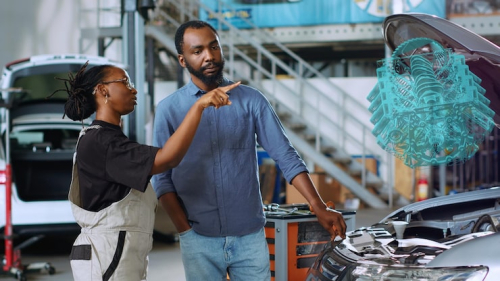
The hum of hydraulic lifts and the steady rhythm of wrenches turning echo through the service bays of Chevrolet dealerships across Dallas–Fort Worth. In a region where sprawling highways and daily commutes define life, drivers are rethinking their relationship with their vehicles. With new car prices climbing and economic pressures mounting, North Texans are choosing to extend the life of their cars rather than replace them. This shift is driving a surge in service and parts sales, transforming dealerships into vital hubs for vehicle longevity and customer loyalty.
Feeling stuck in the stressful car-buying process? At Jupiter Chevrolet in Garland, TX, we’ve reimagined how buying a car should feel. With transparent pricing, online deal-building tools, and the benefits of our Jupiter Advantage program, we ensure every step is straightforward and satisfying. Skip the hassle. From purchase, to certified service and parts, to collision repair and body shop. Our team puts your convenience, safety, and confidence first. Turn your dreams of finding your ideal Chevrolet into reality with us. Visit Jupiter Chevrolet today!
Dallas–Fort Worth Service and Parts Sales Surge as Drivers Extend Vehicle Lifespans
The average age of vehicles on American roads has reached an all-time high, creeping toward 12 years. In Dallas–Fort Worth, this trend is reshaping the automotive landscape. Skyrocketing new car prices often exceeding $50,000 for a fully loaded Chevrolet Silverado or Equinox coupled with rising interest rates, have made trading in a vehicle less appealing. Instead, drivers are investing in maintenance, from routine oil changes to complex engine repairs, to keep their cars running reliably for a decade or more. This shift has fueled a boom in service and parts departments at local Chevrolet dealerships, where revenue is climbing even as the number of repair orders dips.
Data from Cox Automotive’s Xtime metrics paints a clear picture: in 2024, service activity at franchised U.S. dealerships saw a 1.7% year-over-year decline in the Repair Order Volume Index. Yet, the Repair Order Revenue Index rose by 5.2% compared to 2023, driven by higher labor rates and parts prices. This trend is particularly pronounced in North Texas, where dealerships report packed service schedules and growing parts counters. By early 2025, the Xtime Repair Order Revenue Index hit a record high, reflecting dealer’s strong pricing power for both labor and parts, even as repair order volume showed signs of a slight recovery after a year-end dip.
A Shift in Ownership Mindset
Why are North Texans holding onto their vehicles longer? It’s a matter of economics and practicality. The cost of a new car, combined with financing challenges, has pushed many to prioritize maintenance over replacement. A Dallas-area Chevy owner might opt for a $1,500 brake and suspension overhaul rather than a $600 monthly payment on a new SUV. This decision is not just about saving money it’s about trust in vehicles that have proven their worth over years of commutes, road trips, and daily errands.
Dealerships are seeing a surge in demand for preventive maintenance. Tire rotations, fluid flushes, and battery replacements are now routine for vehicles approaching their tenth birthday. OEM parts, prized for their reliability and warranty coverage, are outselling cheaper aftermarket alternatives in Dallas–Fort Worth, where drivers value longevity and resale potential. One local dealership reported a 25% uptick in parts sales over the past year, with spark plugs, filters, and brake pads flying off the shelves. This reflects a broader cultural shift: cars are no longer fleeting purchases but long-term investments.
Navigating a Competitive Landscape
The service boom comes with its share of challenges. Independent repair shops and quick-lube chains are fierce competitors, often luring customers with lower prices. Supply chain disruptions, though less severe than during the pandemic, still cause occasional delays in parts availability, testing the patience of both service managers and customers. Rising repair costs fueled by pricier parts and skilled labor shortages also spark hesitation among some drivers, who weigh the cost of a major repair against the prospect of a new vehicle.
Dealerships are countering these challenges with education and transparency. Service advisors emphasize the long-term value of OEM parts, which offer better fitment and durability than aftermarket options. “We’re not just selling a part; we’re selling peace of mind,” one Fort Worth service manager explained. By highlighting warranties and performance benefits, dealerships are winning over customers who might otherwise turn to budget repair shops.
Seizing New Opportunities
Chevrolet dealerships are not just adapting they’re innovating. Many are introducing prepaid maintenance plans, which bundle services like oil changes and tire rotations into affordable packages, locking in customer loyalty for years. Digital tools are also transforming the service experience. Online booking platforms, text-based service reminders, and mobile apps allow customers to schedule appointments and track their vehicle’s maintenance history with ease. One Dallas dealership’s app even sends push notifications for upcoming service needs, boosting appointment rates by 15%.
The rise of electric vehicles (EVs) and hybrids presents another growth avenue. As Chevy Bolts and forthcoming electric Silverados gain traction, dealerships are training technicians to service high-voltage systems and complex battery packs. Collision repair is also a growing focus, with some dealerships expanding body shops to handle everything from fender-benders to major accident repairs. These services not only drive revenue but also deepen customer relationships, turning dealerships into comprehensive automotive hubs.
A Financial Anchor for Dealerships
In an industry where new car sales can be as unpredictable as Texas weather, service and parts departments offer stability. Unlike the cyclical nature of vehicle sales, repair and maintenance provide a consistent revenue stream. The Xtime Repair Order Revenue Index underscores this, with its record-breaking performance in early 2025 signaling the financial strength of these operations. For dealerships, this translates to higher profitability and a chance to build lasting connections with customers.
The impact extends beyond the balance sheet. By offering comprehensive services from routine maintenance to collision repair dealerships are redefining their role in the community. They’re no longer just places to buy a car but trusted partners in the journey of vehicle ownership. This shift is especially critical in Dallas–Fort Worth, where long commutes and heavy traffic demand vehicles that can go the distance.
A Road Ahead Defined by Durability
As the sun dips below the horizon, casting a warm glow over the service bays of Dallas–Fort Worth’s Chevrolet dealerships, the future comes into focus. Vehicles are staying on the road longer, and drivers are investing in their care with a renewed sense of purpose. Industry experts predict this trend will only accelerate, with service facilities expanding to meet demand and EV-related services carving out a new niche. “Service and parts are the backbone of modern dealerships,” one analyst noted. “In North Texas, they’re not just a revenue stream they’re the key to customer loyalty.” With a growing focus on sustainability and reliability, these dealerships are poised to thrive, ensuring that every Chevy on the road remains a faithful companion for years to come.
Frequently Asked Questions
Why are Dallas-Fort Worth drivers keeping their cars longer instead of buying new vehicles?
High new car prices (often exceeding $50,000 for vehicles like the Chevrolet Silverado) combined with rising interest rates have made vehicle replacement less appealing. Many North Texas drivers are choosing to invest in maintenance and repairs rather than take on monthly payments of $600 or more, viewing their current vehicles as long-term investments rather than fleeting purchases.
How much have service and parts sales increased at Dallas-Fort Worth dealerships?
While repair order volume declined by 1.7% in 2024, repair order revenue increased by 5.2% compared to 2023, driven by higher labor rates and parts prices. Local dealerships report a 25% uptick in parts sales, with the Xtime Repair Order Revenue Index hitting record highs in early 2025, reflecting strong pricing power for both labor and OEM parts.
What services are Dallas-Fort Worth Chevrolet dealerships adding to meet growing maintenance demand?
Dealerships are expanding beyond traditional maintenance by introducing prepaid maintenance plans, digital booking platforms, and mobile apps for service scheduling. They’re also training technicians for electric vehicle servicing (like Chevy Bolts), expanding collision repair capabilities, and offering comprehensive automotive services to become one-stop hubs for vehicle ownership needs.
Disclaimer: The above helpful resources content contains personal opinions and experiences. The information provided is for general knowledge and does not constitute professional advice.
You may also be interested in: Jupiter Chevrolet Blog | News, Updates, and Info – Jupiter Chevrolet
Feeling stuck in the stressful car-buying process? At Jupiter Chevrolet in Garland, TX, we’ve reimagined how buying a car should feel. With transparent pricing, online deal-building tools, and the benefits of our Jupiter Advantage program, we ensure every step is straightforward and satisfying. Skip the hassle. From purchase, to certified service and parts, to collision repair and body shop. Our team puts your convenience, safety, and confidence first. Turn your dreams of finding your ideal Chevrolet into reality with us. Visit Jupiter Chevrolet today!
Powered by flareAI.co

In the bustling showrooms of North Texas dealerships, where the hum of engines and the scent of fresh leather mingle, a quiet revolution is underway. Buyers aren’t just kicking tires anymore; they’re scrutinizing fine print on warranties, seeking that extra layer of security in an era of skyrocketing repair costs and increasingly complex vehicles. It’s a shift that’s reshaping how people approach car ownership, turning what was once an afterthought into a deal-breaker.
Feeling stuck in the stressful car-buying process? At Jupiter Chevrolet in Garland, TX, we’ve reimagined how buying a car should feel. With transparent pricing, online deal-building tools, and the benefits of our Jupiter Advantage program, we ensure every step is straightforward and satisfying. Skip the hassle. From purchase, to certified service and parts, to collision repair and body shop. Our team puts your convenience, safety, and confidence first. Turn your dreams of finding your ideal Chevrolet into reality with us. Visit Jupiter Chevrolet today!
Warranty Confidence Fuels Buyer Decisions
Picture this: a family in Garland, eyeing a sleek Chevrolet Silverado 1500, pauses not over the horsepower or fuel efficiency, but over the promise of long-term protection. Extended warranties, once dismissed as unnecessary upsells, are now gaining serious traction among new car buyers in North Texas. This isn’t just anecdotal chatter from sales floors; it’s backed by broader industry movements where consumers demand more from their investments.
At dealerships like Jupiter Chevrolet, nestled in Garland near Dallas, Richardson, and Mesquite, this trend plays out daily. The dealership, a family-owned staple that’s been in business for 100 years, offers a wide selection of new and used vehicles, from the Chevrolet Dallas lineup to pre-owned options that draw shoppers from Plano, Rockwall-Heath, Forney, Mckinney, Grapevine, and Frisco. What sets them apart? A lifetime powertrain warranty on many models, which speaks directly to the growing appetite for extended coverage. This isn’t about flashy gimmicks; it’s about building trust in a market where vehicles are packed with tech that can fail expensively.
Jupiter Chevrolet’s approach mirrors a larger regional dynamic. In the competitive automotive retail scene of North Texas, where used cars for sale near me dominate searches alongside new Chevrolet for sale, buyers are prioritizing peace of mind. The dealership facilitates this with transparent pricing, online deal-building tools, and the Jupiter Advantage program, making the car-buying process feel less like a battle and more like a partnership. Their staff, knowledgeable and customer-focused, helps Dallas Chevrolet shoppers schedule test drives online or drop in for a chat, ensuring everyone leaves satisfied.
Emerging Trends in Extended Warranty Adoption
Dig deeper, and the data paints a compelling picture. Recent industry insights reveal a surge in interest for vehicle protection plans, driven by concerns over repair costs and the push for vehicle longevity. For instance, as of Q3 2024, the U.S. car parc that’s the total fleet of vehicles on the road remains dominated by internal combustion engine (ICE) vehicles, accounting for nearly 95% of all light-duty vehicles, including passenger cars, trucks, and SUVs. This dominance underscores why warranties are crucial; these vehicles, while reliable, face rising maintenance needs as they age.
The report from CCC Intelligent Solutions, detailed in their Crash Course Q1 2025, highlights how the aging fleet is intersecting with tech-driven repairs, leading to higher costs. Consumer spending in the auto care industry is projected to surpass $400 billion within the next two years, with owners visiting service centers more frequently an average of 2.5 times a year in 2023, up from 2.3 in 2021 but down from 2.8 pre-pandemic. Franchised dealerships like Jupiter Chevrolet hold about 30% of service visits, down from 35% in 2021, as general repair shops and chains gain ground.
In North Texas, this trend amplifies. Buyers here, influenced by the region’s sprawling suburbs and heavy reliance on personal vehicles, show higher adoption rates for warranty add-ons compared to national averages. The influence of increased vehicle technology think advanced driver-assistance systems (ADAS) and electric vehicle (EV) components fuels this. Even as EVs and hybrids introduce new repair challenges, with the car parc growing due to population increases and a shift away from public transport or ride-sharing, warranties provide a buffer against unexpected expenses.
Affordability plays a role too. According to the Cox Automotive/Moody’s Analytics Vehicle Affordability Index for May 2025, new-vehicle affordability stayed steady at its worst level of the year, with average auto loan rates at 9.88%, down 77 basis points year-over-year. Yet, stubbornly high interest rates and stagnant prices neutralize gains from incentives and income growth, making extended warranties a smart hedge. In April 2024, affordability dipped further, with loan rates at 10.22% the lowest in nine months but offset by a 2.2% rise in transaction prices and declining incentives.
Texas-specific regulations add another layer. Under Texas Occupations Code, Chapter 1304, service contracts like drive-by-owner maintenance plans (DBOMP) come with clear refund rules: full refund within 30 days without fees, or pro-rata after, with a cap on cancellation fees at $50. These protections, as outlined by the Texas Department of Licensing and Regulation, make warranties more appealing, ensuring providers can’t deduct paid claims from refunds.
Real-World Examples and Case Studies
Zoom in on Chevrolet models, and the story gets vivid. Shoppers flocking to Jupiter Chevrolet for the Silverado 1500 often bundle lifetime powertrain warranties, especially when financing. One common scenario: a buyer from Mesquite, drawn by the dealership’s collision repair services and Garland body shops expertise, opts for extended coverage after learning about potential tech failures in modern trucks.
Service departments at places like Jupiter Chevrolet report higher warranty usage for routine maintenance and unexpected repairs. With the U.S. vehicle fleet transforming longer life spans, cost inflation, and changing ownership models like subscriptions for EVs buyers are holding onto cars longer. Shared mobility like Uber hasn’t dented ownership as much as expected; most states limit Uber vehicles to no older than 15 years, pushing more into personal buys with warranties.
Insights from the field show Chevrolet vehicles with ADAS features see elevated warranty claims due to repair complexity. EVs and hybrids, while a smaller slice, bring unique challenges, as noted in Crash Course, emphasizing why North Texas buyers, navigating highways from Dallas to Frisco, value that extra assurance.
Key Challenges and Limitations
Of course, it’s not all smooth roads. Common objections bubble up: Are these warranties truly worth the cost? Buyers worry about fine print, especially with third-party providers versus manufacturer-backed ones like those at Jupiter Chevrolet. Minimal inventory compared to larger competitors can make options feel limited, and past experiences perhaps a less-than-stellar repair linger as hesitations.
Then there’s pricing. Corporate-owned giants often undercut with aggressive deals, putting family operations like Jupiter Chevrolet at a perceived disadvantage. Balancing upfront warranty costs against long-term benefits requires education; some see it as an extra expense in an already tight budget, especially with high loan rates persisting.
Risks abound too. Not all plans cover everything, and restrictions on DBOMP offerings mean buyers must vet providers carefully. In a market where service chains are eroding dealership shares, overcoming these hurdles demands transparency.
Opportunities and Business Impacts
Yet, herein lies the opportunity. Dealerships like Jupiter Chevrolet turn warranties into trust-builders, differentiating in the Dallas-Fort Worth fray. Their lifetime powertrain warranty, paired with 100 years of family-operated reliability, fosters retention. Service, parts sales, and collision repairs see boosts as warranty holders return regularly.
In a digital age, tools like online scheduling and financing bundles help. Social media Instagram, Facebook, YouTube, TikTok amplifies this, sharing testimonials and tips. Even Marketplace FB listings draw in used car seekers, converting them to warranty advocates.
The business ripple? Increased engagement, repeat visits, and loyalty. By addressing objections head-on through education and reviews dealerships position warranties as essentials, not extras. In North Texas, where used cars for sale in Dallas dominate alongside new models, this strategy shines.
Expert Outlook on Warranty Growth
As the sun sets over the North Texas horizon, one thing’s clear: warranty extensions are here to stay, especially for first-time and tech-savvy buyers. Dealer experts predict bundled packages warranties, financing, service as the norm, driven by an evolving car parc and consumer demands.
Jupiter Chevrolet stands committed to this future, offering transparent, customer-first programs that turn stressful buys into satisfying journeys. In a world of uncertainties, that extra coverage isn’t just protection it’s empowerment, ensuring every mile ahead feels secure.
Frequently Asked Questions
Why are extended warranties becoming more popular with new car buyers in North Texas?
Extended warranties are gaining traction in North Texas due to rising repair costs and increasingly complex vehicle technology. With the average auto loan rate at 9.88% and vehicles packed with advanced driver-assistance systems (ADAS), buyers are seeking peace of mind against expensive tech failures. The region’s heavy reliance on personal vehicles and sprawling suburbs also contribute to higher adoption rates compared to national averages.
What makes Jupiter Chevrolet’s lifetime powertrain warranty different from other dealership warranties?
Jupiter Chevrolet offers a lifetime powertrain warranty on many models, backed by 100 years of family-operated reliability in the Dallas-Garland area. Unlike third-party warranty providers, their manufacturer-backed coverage provides transparent pricing and is integrated with their Jupiter Advantage program. This warranty covers major engine and transmission components for the life of the vehicle, offering superior protection compared to standard factory warranties.
Are extended car warranties worth the cost for Chevrolet vehicles in Texas?
Extended warranties can be worthwhile for Chevrolet vehicles in Texas, especially given the state’s consumer-friendly regulations under Texas Occupations Code Chapter 1304. These laws provide full refunds within 30 days and cap cancellation fees at $50, making warranties less risky for buyers. With modern Chevrolet vehicles featuring complex ADAS technology and the average vehicle being held longer due to high interest rates, extended coverage helps offset potential repair costs that can exceed $400 billion industry-wide.
Disclaimer: The above helpful resources content contains personal opinions and experiences. The information provided is for general knowledge and does not constitute professional advice.
You may also be interested in: Jupiter Chevrolet Blog | News, Updates, and Info – Jupiter Chevrolet
Feeling stuck in the stressful car-buying process? At Jupiter Chevrolet in Garland, TX, we’ve reimagined how buying a car should feel. With transparent pricing, online deal-building tools, and the benefits of our Jupiter Advantage program, we ensure every step is straightforward and satisfying. Skip the hassle. From purchase, to certified service and parts, to collision repair and body shop. Our team puts your convenience, safety, and confidence first. Turn your dreams of finding your ideal Chevrolet into reality with us. Visit Jupiter Chevrolet today!
Powered by flareAI.co
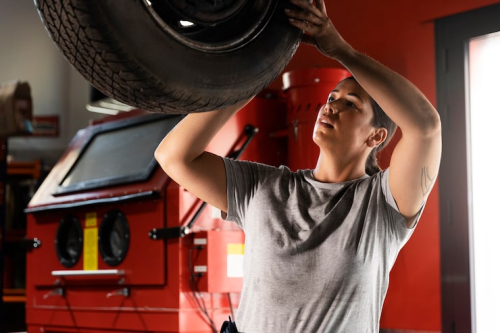
Picture a crisp morning, your car humming along a winding road, the world blurring past. What keeps you grounded? Four patches of rubber, each the size of a small pizza, gripping the pavement. Tires are a vehicle’s only contact with the road, yet too many drivers overlook their care. Misaligned wheels or worn treads can transform a smooth drive into a perilous one. Across the nation, dealerships and safety advocates are sounding the alarm, championing tire alignment and rotation as vital for safety, savings, and performance.
Feeling stuck in the stressful car-buying process? At Jupiter Chevrolet in Garland, TX, we’ve reimagined how buying a car should feel. With transparent pricing, online deal-building tools, and the benefits of our Jupiter Advantage program, we ensure every step is straightforward and satisfying. Skip the hassle. From purchase, to certified service and parts, to collision repair and body shop. Our team puts your convenience, safety, and confidence first. Turn your dreams of finding your ideal Chevrolet into reality with us. Visit Jupiter Chevrolet today!
Tire Alignment and Rotation Take Center Stage in Local Campaigns
Dealerships, automakers, and safety organizations are uniting to elevate tire care as a cornerstone of road safety. Campaigns like National Tire Safety Week, driven by the U.S. Tire Manufacturers Association, spotlight essential maintenance steps: monthly tire pressure checks, regular tread inspections, and routine rotations and alignments. Tires, the sole point of contact with the road, are critical to safe driving. The National Lieutenant Governors Association reinforced this in its 2025 resolution, urging drivers to prioritize tire maintenance to prevent accidents and extend tire life. Routine checks by professionals ensure tires perform optimally, keeping drivers safe and vehicles efficient.
The demand for tire services is surging, reflecting broader trends in vehicle ownership. According to Dataintelo’s market analysis, the global tire installation market, valued at $32 billion in 2023, is projected to reach $48 billion by 2032, growing at a 4.5% annual rate. This growth stems from rising vehicle numbers, fueled by urbanization and higher disposable incomes. As cars last longer, tires require multiple replacements over a vehicle’s life, driving demand for maintenance services. Dealerships are seizing this moment, offering expert care to meet the needs of a growing driver base.
A Growing Focus on Safety
From coast to coast, tire care is gaining urgency in safety campaigns. In suburban Dallas, dealerships have teamed up with local safety groups to host workshops, teaching drivers to spot signs of tire wear or misalignment. These efforts go beyond service sales they’re about fostering trust. Social media amplifies the message, with dealerships sharing quick tips on tire care through engaging videos and posts. The goal? To make preventive maintenance a habit, not an afterthought.
Automakers are also doubling down, emphasizing alignment’s role in modern vehicles. Advanced alignment machines, equipped with features like wireless connectivity, have revolutionized the process, cutting inspection times while boosting precision, per Allied Market Research. These tools adjust wheel angles toe, camber, and caster to manufacturer standards, ensuring safety and efficiency. Proper alignment not only extends tire life but also improves fuel economy, a win for drivers and the environment alike.
Wheel balancing, another critical service, is also in focus. As noted in Research and Markets, the wheel balancing market is shaped by technological advancements and economic factors like inflation and trade policies. Balanced wheels reduce vibrations, enhancing ride comfort and preventing premature tire wear. Together, alignment and balancing form a powerful duo in vehicle maintenance.
Stories from the Front Lines
In Plano, Texas, a dealership’s tire safety event led to a 25% surge in service appointments. Drivers who committed to regular rotations saw tire life extended by up to 12,000 miles, saving hundreds on replacements. A fleet of delivery vans in the area reported a 6% boost in fuel efficiency after consistent alignments, proving small adjustments yield big results. These stories highlight the tangible benefits of proactive care, from cost savings to safer roads.
One driver’s experience underscores the stakes. During a free tire check at a local dealership, technicians spotted a severely misaligned wheel on a family minivan. The driver, unaware of the issue, avoided a potential blowout that could have caused a serious accident. “I had no idea my tires were that bad,” the driver admitted. “That inspection changed how I think about maintenance.” Such moments drive home why dealerships are investing in community education, partnering with safety organizations to spread awareness.
The Cost of Neglect
Despite the push, misconceptions persist. Many drivers view alignment as a minor chore, easily postponed. The truth is sobering: misaligned wheels can slash tire life by 30%, forcing replacements years early. Uneven wear also weakens braking performance, lengthening stopping distances and raising crash risks. The U.S. Tire Manufacturers Association warns that neglected tires can become a safety hazard, turning a routine drive into a gamble.
Cost concerns add another layer. Some drivers balk at spending $80–$120 on an alignment, fearing it’s an unnecessary expense. Yet, skipping it can lead to replacing a $600 set of tires far sooner than needed. Dealerships are countering this by bundling services pairing alignments with oil changes or brake inspections to make maintenance more affordable. Transparent pricing and clear explanations help demystify the process, encouraging drivers to act before small issues become costly problems.
Seizing Opportunities
For dealerships, tire care is a gateway to deeper customer relationships. Service centers, armed with cutting-edge alignment and balancing equipment, are positioning themselves as go-to hubs for vehicle care. These services open doors to cross-selling opportunities, like suspension checks or brake maintenance, which enhance safety and performance. Data shows that dealerships using automated service reminders see up to 20% higher return visits, building loyalty through consistent care.
Beyond the bottom line, tire safety campaigns strengthen community ties. Dealerships that champion road safety through free inspections or safety workshops earn trust that translates into long-term business. A service manager in Arlington, Texas, summed it up: “When we show we’re about keeping people safe, not just selling tires, drivers remember us.” This trust fuels repeat visits, from routine maintenance to major purchases like new or used cars.
The broader automotive industry is also adapting. As vehicles grow more complex, precise alignment becomes critical to maintaining advanced safety systems like lane-keeping assist. The Transparency Market Research report projects steady growth in the wheel alignment market through 2031, driven by demand across vehicle types and service providers. Dealerships that invest in skilled technicians and modern equipment are well-placed to lead this shift.
Driving Toward a Safer Future
Tire alignment and rotation may lack the allure of a shiny new car, but their impact is undeniable. They save money, boost efficiency, and, most importantly, keep drivers safe. As campaigns like National Tire Safety Week gain momentum, dealerships are stepping up, blending technology, education, and service to make tire care a priority. The message is simple: a few minutes at the service bay can prevent hours of trouble on the road. Next time you’re behind the wheel, consider your tires. A quick alignment or rotation might just be the key to a safer, smoother journey.
Frequently Asked Questions
How often should I get my tires aligned and rotated for optimal safety?
While the blog emphasizes regular maintenance, most safety experts recommend tire rotation every 5,000-7,500 miles and alignment checks annually or when you notice uneven wear patterns. Regular maintenance can extend tire life by up to 12,000 miles and improve fuel efficiency by 6%, making it a cost-effective investment in both safety and savings.
What are the warning signs that my car needs a tire alignment?
Key indicators include uneven tire wear patterns, your vehicle pulling to one side while driving, or a crooked steering wheel when driving straight. The blog highlights a real case where a family minivan had severely misaligned wheels that could have caused a dangerous blowout, demonstrating why regular professional inspections are crucial for road safety.
How much does tire alignment cost and is it worth the investment?
Tire alignment typically costs $80-$120, but skipping this service can be far more expensive in the long run. Misaligned wheels can reduce tire life by 30%, potentially forcing you to replace a $600 set of tires years early. Many dealerships now offer bundled services with oil changes or brake inspections to make maintenance more affordable while preventing costly premature tire replacement.
Disclaimer: The above helpful resources content contains personal opinions and experiences. The information provided is for general knowledge and does not constitute professional advice.
You may also be interested in: Chevrolet Service & Parts Specials in Garland | Jupiter Chevrolet
Feeling stuck in the stressful car-buying process? At Jupiter Chevrolet in Garland, TX, we’ve reimagined how buying a car should feel. With transparent pricing, online deal-building tools, and the benefits of our Jupiter Advantage program, we ensure every step is straightforward and satisfying. Skip the hassle. From purchase, to certified service and parts, to collision repair and body shop. Our team puts your convenience, safety, and confidence first. Turn your dreams of finding your ideal Chevrolet into reality with us. Visit Jupiter Chevrolet today!
Powered by flareAI.co
Connect with us


