





Quick Listen:
The car-buying process has transformed dramatically in recent years, with shoppers in the Dallas-Fort Worth area and across the country now arriving at dealerships armed with extensive knowledge gathered from screens rather than showroom floors. What once involved impulsive visits and on-the-spot decisions has evolved into a deliberate, research-heavy journey. Buyers pore over specifications, compare prices, read reviews, and scrutinize inventory long before scheduling a test drive. This shift isn’t a passing fad; it’s a fundamental change driven by accessible digital tools, persistent supply chain challenges, and a desire for transparency in an industry where major purchases demand confidence.
Feeling stuck in the stressful car-buying process? At Jupiter Chevrolet in Garland, TX, we’ve reimagined how buying a car should feel. With transparent pricing, online deal-building tools, and the benefits of our Jupiter Advantage program, we ensure every step is straightforward and satisfying. Skip the hassle. From purchase, to certified service and parts, to collision repair and body shop. Our team puts your convenience, safety, and confidence first. Turn your dreams of finding your ideal Chevrolet into reality with us. Visit Jupiter Chevrolet today!
Digital Research and Financing Are Transforming Metroplex Car Buying Habits
In the sprawling metroplex of Garland, Dallas, Richardson, Plano, and Frisco, this trend feels particularly pronounced. Tech-savvy residents, many commuting through traffic-clogged highways or working remotely, turn to their phones and laptops as the first stop in car shopping. Recent industry data underscores how widespread this behavior has become. For instance, studies show that 95% of car buyers now research online, dedicating an average of around 14 hours to the process before committing to a purchase. Buyers arrive more informed, often having narrowed choices to a handful of models and even pre-checked pricing or trade-in values.
This extended research phase ties directly to broader market dynamics. The lingering effects of semiconductor shortages and global supply disruptions have kept new vehicle inventories tight and prices elevated, pushing many toward the used market. According to industry analysis from IBISWorld, the used car dealers sector saw revenue grow at a CAGR of 2.9% over the past five years, reaching an estimated $147.4 billion in 2025. These shortages, worsened by factors like extreme weather, the neon supply crunch tied to geopolitical events, and competing demand from sectors such as cryptocurrency mining, created longer wait times for new cars and drove up per-unit revenue across both new and pre-owned segments.
Meanwhile, financing has become more digitized, smoothing the path for research-oriented buyers. Auto financing companies increasingly rely on online platforms to streamline applications, approvals, and paperwork, cutting processing times and boosting convenience. IBISWorld reports that the auto leasing, loans, and sales financing industry grew at a CAGR of 3.1% over recent years, hitting around $180.7 billion in 2025, with digital tools playing a key role in handling higher volumes and meeting modern expectations. This ease of access encourages shoppers to explore loan options, lease terms, and total costs early, often before ever speaking to a dealer.
How Digital Tools Are Shaping DFW Buyer’s Car Shopping Experience
The result? Shoppers in areas like Plano and Frisco frequently complete significant portions of their journey digitally. Third-party sites like Edmunds, Kelley Blue Book, and others dominate early research, with many also checking dealership websites for inventory and transparent pricing. In the DFW region, where younger buyers aged 25-35 form a growing segment of sales, this online groundwork allows them to bypass traditional haggling and focus on fit whether it’s fuel efficiency, tech features, or alignment with sustainability goals, as interest in hybrids and EVs rises.
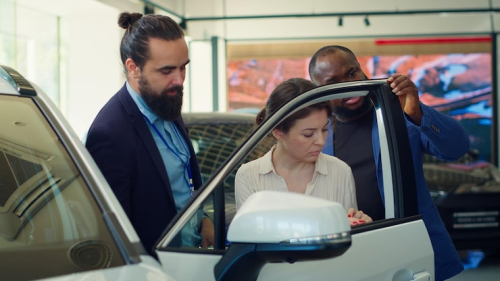
Local dealerships have felt this shift acutely. At places like Jupiter Chevrolet in Garland, adaptation has meant rolling out virtual consultations, interactive online displays, and streamlined digital scheduling for test drives. These tools bridge the gap between extensive home research and the in-person experience buyers still crave for final validation touching the interior, hearing the engine, or confirming ride quality. Dealerships that embrace transparency, posting clear pricing, vehicle histories, and real-time availability, tend to attract these prepared buyers more effectively. In contrast, those lagging with outdated or clunky online systems risk frustration, as some reports indicate customer dissatisfaction when digital experiences fall short.
Yet challenges persist amid the opportunities. Information overload can overwhelm shoppers, with conflicting reviews, varying valuations, and endless options creating decision paralysis. Many still harbor some distrust of purely online data, preferring the tactile reassurance of a physical visit for the biggest decisions. Even as digital adoption surges smartphone usage for car shopping jumped notably in recent years buyers often blend channels: starting online for research and migrating in-person for negotiation, test drives, and closing.
Tech Drives Dealer Growth
For dealerships, the research trend opens clear paths to growth. By enhancing engagement through online booking, detailed virtual tours, and personalized follow-ups, dealers can convert well-informed leads efficiently. In Frisco and McKinney, some have seen sales lifts by integrating platforms that let customers handle preliminary steps remotely, reducing friction and building trust. Focusing on eco-friendly options in online displays also resonates with Dallas-area consumers eyeing lower emissions and long-term savings.
Looking ahead, the trajectory points to even greater integration of technology. As AI-powered tools refine recommendations and streamline comparisons, buyers in Garland, Plano, and beyond will expect increasingly tailored experiences. Dealerships that invest in seamless digital-to-physical transitions combining robust online resources with welcoming, efficient in-person service stand to thrive. The era of walking in cold is fading; today’s car buying rewards preparation, transparency, and adaptability.
Frequently Asked Questions
How much time do car buyers typically spend researching online before visiting a dealership?
Studies show that approximately 95% of car buyers now research online, dedicating an average of around 14 hours to the process before making a purchase decision. This research involves comparing specifications, reading reviews, checking inventory, and evaluating pricing and trade-in values. Buyers in tech-savvy areas like the Dallas-Fort Worth metroplex often arrive at dealerships having already narrowed their choices to a handful of models.
What factors are driving the shift toward more online car research?
Several key factors have contributed to this shift, including accessible digital tools that make comparison shopping easier, persistent supply chain challenges and semiconductor shortages that have kept inventories tight, and increased demand for transparency in major purchase decisions. Additionally, the growth of digital financing platforms has made it easier for buyers to explore loan options and lease terms early in the process, with the auto financing industry reaching approximately $180.7 billion in 2025. These factors have transformed car buying from an impulsive activity into a deliberate, research-heavy journey.
How are dealerships in the Dallas-Fort Worth area adapting to more informed car buyers?
Dealerships in cities like Garland, Plano, and Frisco are adapting by offering virtual consultations, interactive online displays, and streamlined digital scheduling for test drives. Successful dealers are embracing transparency by posting clear pricing, detailed vehicle histories, and real-time inventory availability on their websites. Those that invest in seamless digital-to-physical transitions combining robust online resources with efficient in-person service are seeing better conversion rates from well-informed leads who complete significant portions of their buying journey online before visiting the showroom.
Disclaimer: The above helpful resources content contains personal opinions and experiences. The information provided is for general knowledge and does not constitute professional advice.
You may also be interested in: Chevrolet Service Deals Attract Dallas Drivers to Garland Location
Feeling stuck in the stressful car-buying process? At Jupiter Chevrolet in Garland, TX, we’ve reimagined how buying a car should feel. With transparent pricing, online deal-building tools, and the benefits of our Jupiter Advantage program, we ensure every step is straightforward and satisfying. Skip the hassle. From purchase, to certified service and parts, to collision repair and body shop. Our team puts your convenience, safety, and confidence first. Turn your dreams of finding your ideal Chevrolet into reality with us. Visit Jupiter Chevrolet today!
Powered by flareAI.co
Connect with us


