



Blog

All Auto News Garland Chevrolet Dealer 2026 Chevrolet Models Jupiter Chevrolet Dealer SUVs Trucks 2026 Chevy Silverado Chevrolet Silverado EV in Garland, TX 2026 Chevrolet Silverado EV Chevrolet Silverado 2500HD Chevy Equinox Chevy EVs Chevy Trailblazer Garland Chevrolet Collision Center Garland Chevrolet Service
People looking at a document

Addressing Common Car Buying Concerns for North Texas Consumers

Buying a car in North Texas has become an increasingly complex process. With fluctuating prices, hidden dealership fees, and concerns about fair treatment, many consumers feel overwhelmed. Add to that the risk of scams and misleading sales tactics, and purchasing a vehicle can feel more like a high-stakes negotiation than an exciting milestone. However, with the right knowledge, buyers can navigate the market with confidence, securing fair deals and avoiding common pitfalls. Wheels of Change: The Evolving Car Market Over the past few years, the car market has seen significant fluctuations. Supply chain disruptions, rising interest rates, and shifting consumer demand have driven up vehicle prices. According to NBC DFW, inventory levels are improving, but pricing remains unpredictable. The microchip shortage that once crippled the automotive industry has started to ease, allowing more vehicles to reach dealership lots. However, experts warn that pricing remains volatile, and hidden fees continue to inflate costs for unsuspecting buyers. Sticker Shock: Decoding Dealership Pricing For many North Texas consumers, the biggest surprise isn't just the price of a car it's the additional costs that appear when finalizing the deal. Dealerships often add destination fees, documentation charges, and dealer markups, significantly increasing the final price. A report from the Texas Attorney General's Office warns that some dealerships impose unnecessary add-ons like nitrogen-filled tires or extended warranties without fully disclosing these costs. To avoid overpaying, buyers should request a detailed cost breakdown and challenge any questionable fees. Car buyers who research average vehicle prices and secure pre-approved financing before heading to a dealership often have greater leverage. Platforms like CoPilot allow consumers to compare market prices and ensure they're not overpaying. Equal Opportunity on the Lot: Addressing Bias in Car Sales While purchasing a car should be a straightforward process, discrimination remains an issue. A KERA News investigation found that some North Texas dealerships charged minority buyers higher interest rates or steered them toward unfavorable loan terms. The Federal Trade Commission (FTC) warns that certain dealership practices disproportionately affect Black and Latino buyers. To protect themselves, consumers should secure pre-approved financing from a bank or credit union before visiting a dealership and compare multiple loan offers. If discrimination is suspected, buyers can file a complaint with the Texas Department of Motor Vehicles or the FTC. Steering Clear of Lemon Deals: Protecting Yourself from Auto Scams Car-buying scams are on the rise. From odometer fraud to title washing, unscrupulous sellers continue to deceive unsuspecting customers. A recent NBC DFW investigation revealed cases where North Texas consumers unknowingly purchased vehicles with falsified VINs, preventing them from verifying past accidents or legal issues. To avoid becoming a victim, buyers should: Check vehicle history through services like Carfax or AutoCheck. Request a pre-purchase inspection from an independent mechanic. Be cautious of private sellers who avoid providing documentation or rush the transaction. If fraud is suspected, buyers should report the issue to the Texas DMV's consumer protection division. Your Rights on the Road: Understanding Texas Auto Laws Texas law offers several protections for car buyers, but many consumers are unaware of their rights. The Texas Lemon Law, overseen by the Texas Department of Motor Vehicles, helps consumers who purchase defective new vehicles. If a car has repeated mechanical failures that a dealership fails to resolve, the law allows buyers to seek a refund or replacement. Additionally, the FTC's CARS Rule requires dealerships to disclose critical details about used vehicles, including prior accidents and outstanding recalls. Buyers should always review the Buyers Guide sticker posted on a used car's window, as it outlines warranty coverage and potential risks. For additional legal assistance, consumers can consult Texas Law Help for guidance on vehicle purchase disputes. Driving a Hard Bargain: Insider Tips for Car Buying Success For those ready to purchase a car, experts recommend a strategic approach: Shop at the right time: End-of-month and end-of-year sales often yield the best discounts. Secure financing in advance: Pre-approved loans generally offer better interest rates than dealership financing. Be willing to walk away: Buyers who stand firm and refuse to be pressured into a deal often secure better offers. Organizations like the National Consumer Law Center provide additional resources to help buyers make informed decisions. Confident Car Buying Navigating the North Texas car market doesn't have to be overwhelming. With proper research, consumers can avoid unnecessary fees, protect themselves from fraud, and secure fair deals. By understanding their rights and using available consumer protections, North Texans can drive off the lot with confidence knowing they made an informed and strategic purchase. Disclaimer: The above helpful resources content contains personal opinions and experiences. The information provided is for general knowledge and does not constitute professional advice. You may also be interested in: Teacher of the Month | Jupiter Chevrolet | Serving the Garland Feeling stuck in the stressful car-buying process? At Jupiter Chevrolet in Garland, TX, we've reimagined how buying a car should feel. With transparent pricing, online deal-building tools, and the benefits of our Jupiter Advantage program, we ensure every step is straightforward and satisfying. Skip the hassle. From purchase to certified service, our team truly puts your choice and convenience first. Turn your dreams of finding your ideal Chevrolet into reality with us. Visit Jupiter Chevrolet today!


Couple receiving car keys

The Future of Car Dealership Loyalty Programs and Their Benefits

The automotive industry is undergoing a dramatic transformation, and at the heart of this evolution lies the shift toward customer loyalty. Car dealerships are no longer simply places to purchase vehicles; they are becoming hubs for long-term relationships between brands and consumers. As we approach 2025, the future of automotive loyalty programs is becoming a crucial topic. These programs are no longer about offering generic discounts or points but about providing personalized, meaningful experiences that keep customers engaged long after the initial sale. Let's explore how car dealerships are evolving their loyalty strategies to meet the needs of modern consumers. The Shifting Gears of Customer Loyalty The Digital Revolution in Automotive Retail In the past decade, digital transformation has reshaped many industries, and the automotive sector is no exception. The shift from traditional brick-and-mortar showrooms to online platforms is already well underway. According to Turbo Marketing Solutions, more consumers are relying on digital tools for car research and even vehicle purchases. As online car buying becomes the norm, dealerships need to rethink their customer loyalty programs. These programs must now seamlessly integrate with digital platforms to provide a consistent and efficient experience for customers. Virtual showrooms, mobile apps, and e-commerce platforms are paving the way for a future where customers can engage with brands from anywhere, at any time. Changing Consumer Expectations The expectations of today's consumers have fundamentally shifted. With access to endless information online, car buyers are no longer just seeking the best deal; they are looking for a personalized, hassle-free experience. A study by Better Car People reveals that more than 70% of consumers prefer personalized offers and incentives tailored to their specific needs. Loyalty programs that simply reward customers for repeat business are no longer enough. Dealerships must offer incentives that speak directly to each customer's preferences, whether it's personalized service reminders or exclusive discounts on future purchases. This shift in consumer behavior calls for a much more sophisticated approach to loyalty programs. Turbocharging Rewards: The New Face of Loyalty Programs Personalization: The Key to Customer Hearts In 2025, the hallmark of an effective loyalty program will be its ability to personalize the customer experience. Gone are the days of one-size-fits-all rewards; today's buyers expect brands to know them by name and cater to their unique preferences. Personalized rewards such as tailored discounts, exclusive services, or even personalized vehicle maintenance plans are becoming the new standard. As noted by CBT News, personalized loyalty programs don't just make customers feel valued; they also drive retention by making customers more likely to return for service visits, upgrades, and even their next vehicle purchase. When customers feel personally understood, they are more inclined to build long-term loyalty with a brand. Digital Integration: Seamless Experiences Across Platforms The future of loyalty programs lies in digital integration. Today's consumers expect a consistent experience across multiple touchpoints, whether they are browsing vehicles online, scheduling service appointments through an app, or purchasing parts in-store. A seamless, integrated experience ensures that customers can interact with dealerships in whatever way is most convenient for them. For example, a customer could earn loyalty points for browsing a car on a mobile app, schedule a test drive through the website, and redeem their points for a discount at the dealership all without any friction. Autosuccess Online emphasizes that delivering such a unified, omni-channel experience is critical for increasing customer engagement and satisfaction. As car dealerships continue to evolve, digital integration will remain a driving force in fostering loyalty. Sustainability Initiatives: Green Rewards for Eco-Conscious Buyers The rise of eco-conscious consumers has led to the integration of sustainability into loyalty programs. Consumers are increasingly seeking brands that align with their values, including a commitment to environmental responsibility. In response, many dealerships are incorporating "green rewards" into their loyalty programs. These rewards might include discounts on electric vehicle (EV) purchases or exclusive services for environmentally-friendly car maintenance. According to Performance Loyalty Group, sustainability is not just a trend but a growing movement that car dealerships can leverage to attract and retain environmentally-conscious buyers. This shift to green rewards reflects broader industry changes, where sustainability is becoming not only a customer preference but also a competitive advantage. Under the Hood: Benefits for Dealerships Revving Up Sales Through Repeat Business One of the primary benefits of loyalty programs is the ability to drive repeat business. Studies consistently show that it costs significantly more to acquire a new customer than to retain an existing one. For dealerships, this means that loyalty programs are not just a way to reward customers; they are a strategic tool for maintaining a steady stream of revenue. When customers return for service visits, upgrades, or their next car purchase, they help boost dealership sales. Brady Martz notes that loyalty programs can significantly increase the lifetime value of a customer by encouraging repeat transactions. By offering customers value beyond their initial purchase, dealerships can establish long-term relationships that benefit both parties. Tuning In to Customer Satisfaction Loyalty programs also provide dealerships with valuable insights into customer preferences and behaviors. By analyzing customer data, dealerships can gain a deeper understanding of what drives satisfaction and tailor their offerings accordingly. Whether it's adjusting service offerings, refining communication strategies, or personalizing promotions, these insights are crucial for enhancing the customer experience. According to Recall Masters, a strong customer loyalty program directly correlates with improved satisfaction levels, which in turn leads to higher retention rates. When customers feel that a brand is attuned to their needs, they are more likely to remain loyal over time. Data-Driven Insights: The Fuel for Strategic Decisions Data is increasingly the lifeblood of modern business strategies, and car dealerships are no exception. The information gathered through loyalty programs provides dealerships with valuable insights that inform everything from marketing strategies to inventory management. By analyzing spending habits, preferred vehicle types, and service history, dealerships can create more targeted promotions and predict future buying trends. As Brady Martz points out, data-driven decision-making allows dealerships to respond more effectively to customer demands and market shifts. By leveraging the data generated through loyalty programs, dealerships can optimize their offerings and stay ahead of the competition. The Road Ahead: Future Trends in Loyalty Programs AI-Powered Personalization: Predictive Recommendations Looking toward 2025 and beyond, artificial intelligence (AI) will play a crucial role in shaping the future of loyalty programs. AI's ability to analyze large volumes of data and predict customer behavior will enable dealerships to offer highly personalized experiences. Imagine a scenario where a customer receives a personalized vehicle recommendation based on their browsing history, or a special offer is sent just before their car's service due date. AI-powered systems will be able to offer predictive recommendations that not only anticipate customer needs but also enhance their overall experience. As the technology advances, AI will make loyalty programs more intuitive and effective, fostering even deeper connections between dealerships and their customers. Augmented Reality: Virtual Test Drives and Customization Augmented reality (AR) is another exciting development that promises to revolutionize the car buying and loyalty experience. With AR, customers will be able to take virtual test drives or explore vehicle customization options from the comfort of their homes. Through AR apps or in-store displays, customers will be able to interact with vehicles in entirely new ways, from visualizing how a specific model will look in their driveway to seeing how different features can enhance their driving experience. This immersive technology will not only engage customers but also strengthen loyalty by offering a more interactive and personalized experience. Omni-Channel Integration: A Unified Customer Journey As consumers continue to demand seamless, integrated experiences across platforms, omni-channel loyalty programs will become increasingly important. The future of automotive loyalty programs lies in ensuring that customers can earn and redeem rewards across multiple touchpoints whether it's through a mobile app, on the website, or in the dealership itself. A cohesive, omni-channel loyalty program ensures that the customer journey remains smooth and uninterrupted, regardless of how or where customers interact with the brand. This integration is key to ensuring that customers feel valued at every stage of their relationship with a dealership. Navigating the Future of Automotive Loyalty The future of automotive loyalty programs is undeniably exciting. As we approach 2025, dealerships will be tasked with not only adapting to changing consumer expectations but also leveraging new technologies to create deeper, more personalized connections with customers. From AI-powered recommendations to sustainable green rewards, the possibilities for innovation are endless. By embracing these trends and continuously evolving their loyalty strategies, dealerships can ensure that they remain competitive in an increasingly digital world. Building lasting relationships with customers is no longer optional; it's essential for long-term success in the automotive industry. For a deeper dive into the trends shaping automotive dealerships in 2025, explore resources like Better Car People and Brady Martz. Disclaimer: The above helpful resources content contains personal opinions and experiences. The information provided is for general knowledge and does not constitute professional advice. You may also be interested in: Jupiter Chevrolet is a GARLAND Chevrolet dealer and a new car Feeling stuck in the stressful car-buying process? At Jupiter Chevrolet in Garland, TX, we've reimagined how buying a car should feel. With transparent pricing, online deal-building tools, and the benefits of our Jupiter Advantage program, we ensure every step is straightforward and satisfying. Skip the hassle. From purchase to certified service, our team truly puts your choice and convenience first. Turn your dreams of finding your ideal Chevrolet into reality with us. Visit Jupiter Chevrolet today!
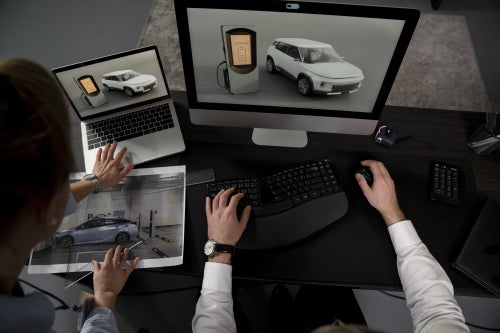
People using a laptop and computer

How Garland Chevrolet Buyers Are Adapting to a More Digital Car Market

In Garland, Texas, a quiet but powerful shift is transforming the car-buying experience. Gone are the days of spending entire weekends hopping from dealership to dealership, negotiating deals in person. Instead, a growing number of buyers are leveraging digital tools, browsing virtual showrooms, and finalizing purchases from the comfort of their homes. The automotive industry is undergoing a digital transformation, and Garland's Chevrolet buyers are leading the way. The Digital Revolution Hits the Dealership The Rise of Online Research and Virtual Showrooms Car buyers have never been more informed. Before visiting a dealership, most have already researched models, read reviews, and compared prices online. According to a report by Think with Google, 95% of vehicle buyers use digital channels to gather information before making a purchase. Virtual showrooms, detailed online inventories, and AI-driven recommendations have changed the way consumers shop for cars. AI-Powered Tools Reshaping the Buying Experience Artificial intelligence is enhancing the car-buying journey. AI-powered chatbots assist customers in real-time, answering queries about features, pricing, and financing. Predictive analytics help dealerships tailor offers based on a buyer's preferences, browsing history, and past purchases. These innovations make the process more efficient for both buyers and sellers, eliminating unnecessary steps and enhancing customer satisfaction. From Tire-Kicking to Click-and-Buy: The New Car Shopping Journey Convenience at Your Fingertips: 24/7 Access to Inventory One of the biggest advantages of digital car shopping is the ability to browse inventory anytime, anywhere. Buyers no longer need to adjust their schedules to visit multiple dealerships. Instead, platforms like Dealer.com provide detailed listings with high-resolution images, full specifications, and side-by-side comparisons, making the decision-making process more streamlined and informed. Transparency in Pricing and Financing Options The rise of digitalization has brought a new level of transparency to car pricing and financing. Gone are the days of opaque negotiations buyers now have access to real-time pricing data, competitive financing offers, and lease options, all available with a few clicks. A study by Allied Market Research found that price transparency is a key factor driving online car purchases, as consumers demand clear, upfront costs with no hidden fees. Personalization in the Digital Realm AI-Driven Recommendations for the Perfect Ride Just as streaming services suggest movies based on viewing habits, AI is now helping car buyers find the perfect vehicle. Platforms use machine learning to analyze browsing behavior, recommending models that match the buyer's needs, budget, and lifestyle. Personalized search filters make the process even more efficient, ensuring buyers see relevant options instead of an overwhelming number of listings. Virtual Test Drives and 360-Degree Vehicle Tours To bridge the gap between the digital and physical worlds, many dealerships, including those in Garland, are introducing virtual test drives and 360-degree vehicle tours. These tools, as highlighted in a McKinsey & Company report, allow buyers to explore the interiors and exteriors of vehicles online, offering an immersive experience before they visit a dealership. The Evolving Role of Physical Dealerships Showrooms as Experience Centers Despite the rise of digital tools, physical dealerships are far from obsolete. Instead, they are evolving into experience centers where customers can interact with vehicles, test out new technologies, and receive in-person consultation on financing and trade-ins. Some Chevrolet dealerships are integrating interactive displays, augmented reality tools, and smart kiosks to enhance the in-person experience, complementing the convenience of online browsing. Seamless Integration of Online and Offline Interactions A hybrid model is emerging, where buyers start their journey online and complete it in person. Some customers prefer to finalize paperwork, test-drive their chosen vehicle, or negotiate final terms in a dealership setting. Recognizing this trend, industry leaders are investing in tools that create a smooth transition between online and offline touchpoints, ensuring a consistent experience across channels. Challenges and Opportunities in the Digital Transition Addressing Consumer Privacy Concerns With more digital interactions, data privacy has become a major concern. Buyers appreciate AI-driven personalization but remain wary of how their data is collected and used. Dealerships must navigate these concerns carefully, implementing transparent data policies and secure transaction methods to build trust among digital consumers. Enhancing Digital Literacy Among Buyers and Sellers Not all buyers or dealers are comfortable with digital tools. While younger generations embrace AI-powered recommendations and online financing, older customers might prefer traditional methods. Bridging this gap through customer education, user-friendly interfaces, and in-store digital assistance will be key to making digital car buying more accessible to all demographics. The Road Ahead: Future Trends in Digital Car Buying Augmented Reality for At-Home Car Customization Looking ahead, augmented reality (AR) is set to revolutionize the car-buying experience even further. Some manufacturers are already testing AR tools that allow buyers to visualize different car colors, trims, and features in their own driveways before making a purchase decision. This innovation could make online car shopping feel even more immersive and personalized. Blockchain Technology in Vehicle History and Transactions Another emerging trend is the use of blockchain to secure vehicle history and transactions. By creating tamper-proof digital records of a vehicle's history, blockchain can eliminate fraud and increase buyer confidence. Companies exploring this technology aim to bring more transparency to the used car market, ensuring buyers receive accurate and verifiable information about a vehicle's past ownership and maintenance. Digital Drives Garland The shift toward digital car buying is no longer a prediction it's happening now. Garland Chevrolet buyers are embracing this evolution, leveraging AI-driven tools, virtual showrooms, and personalized online experiences to make smarter purchasing decisions. While physical dealerships still play a role, their function is changing to meet the needs of tech-savvy consumers. As the industry continues to innovate, one thing is clear: the future of car shopping is digital, and Garland is driving full speed ahead into that future. Disclaimer: The above helpful resources content contains personal opinions and experiences. The information provided is for general knowledge and does not constitute professional advice. You may also be interested in: New White 2024 Chevrolet Silverado EV RST | Dallas, Richardson Feeling stuck in the stressful car-buying process? At Jupiter Chevrolet in Garland, TX, we've reimagined how buying a car should feel. With transparent pricing, online deal-building tools, and the benefits of our Jupiter Advantage program, we ensure every step is straightforward and satisfying. Skip the hassle. From purchase to certified service, our team truly puts your choice and convenience first. Turn your dreams of finding your ideal Chevrolet into reality with us. Visit Jupiter Chevrolet today!

Person holding out a set of car keys

The Future of Car Warranties: How They Impact Long-Term Costs

Car warranties have long been a safety net for vehicle owners, but in recent years, they've transformed from standard manufacturer coverage into a complex, tech-driven industry. As cars become smarter, so do the warranties that protect them. The rise of extended warranty providers and AI-driven predictive maintenance is changing how drivers think about long-term vehicle costs. For many buyers, factory warranties have remained a key selling point, with manufacturers competing on the length and coverage of their guarantees. Extended coverage options, once considered a niche add-on, are now mainstream as car owners look to shield themselves from unpredictable repair costs. According to Forbes, automakers are expanding their warranty terms, with some offering up to 10 years of powertrain protection. Under the Hood: Understanding Modern Warranties Smart Protection: AI-Powered Warranty Services Artificial intelligence is reshaping how warranties function. Companies now use predictive analytics to assess a vehicle's wear and tear, allowing insurers and manufacturers to tailor coverage to an individual car's usage. This shift is designed to cut costs for both providers and consumers by preventing breakdowns before they happen. According to AI-driven warranty services, predictive analytics are already reducing claim costs by detecting early warning signs of mechanical failure. Data-Driven Diagnostics: How OEMs Are Cutting Costs Original equipment manufacturers (OEMs) are increasingly using vehicle telemetry data to manage warranty expenses. By tracking real-time engine performance and component durability, automakers can predict failures and optimize maintenance schedules. This shift not only helps manufacturers reduce their warranty claim liabilities but also ensures that consumers face fewer unexpected repair bills. A report from connected vehicle data highlights how manufacturers are improving reliability while lowering costs. The Long Road Ahead: Financial Implications for Car Owners Shielding Your Savings: Extended Warranties vs. Out-of-Pocket Repairs A common debate among car owners is whether extended warranties are worth the investment. On one hand, these plans provide financial predictability, covering major repairs that could otherwise cost thousands. On the other, they come with upfront fees that may exceed the cost of potential repairs, particularly for drivers of reliable vehicles. A study on warranty costs found that while some warranties provide peace of mind, others contain exclusions that limit their actual value. Understanding the fine print is crucial to ensuring a warranty pays off in the long run. Resale Revolution: How Warranties Boost Your Car's Value A transferable extended warranty can significantly increase a vehicle's resale value. Used car buyers are more likely to pay a premium for a vehicle that comes with a remaining warranty, knowing they won't face immediate repair costs. A report by car warranty and resale value indicates that cars with extended warranties often sell faster and at higher prices than those without coverage. Navigating the Warranty Landscape Decoding the Fine Print: What to Look for in 2025's Best Warranties When choosing an extended warranty, it's essential to read beyond the marketing claims. Some warranties cover only specific components, while others offer bumper-to-bumper protection. The best policies include coverage for labor costs, roadside assistance, and rental car reimbursement. A recent car warranty guide analysis breaks down the differences between factory, extended, and third-party warranties, highlighting key considerations for buyers. The Reliability Factor: When Warranties Make (or Don't Make) Sense Not all warranties are created equal. For owners of high-mileage or luxury vehicles, an extended warranty may be a wise investment due to the high cost of repairs. Conversely, for those driving reliable models with a strong maintenance record, paying out-of-pocket for occasional repairs may be more cost-effective. A study on warranty cost savings suggests that warranties should be tailored to individual driving habits rather than applied as a one-size-fits-all solution. The Future in the Rearview: What's Next for Car Warranties? Green Guarantees: Eco-Friendly Vehicles and Their Unique Coverages With the rise of electric and hybrid vehicles, warranty structures are evolving. Battery coverage, for instance, is becoming a critical component of warranty offerings, with some manufacturers extending battery warranties up to 8 years or 100,000 miles. A report from EV warranty trends highlights how electric vehicle warranties are influencing residual values and consumer adoption rates. Custom Coverage: Tailoring Warranties to Individual Driving Habits Personalized warranty plans are becoming the new standard. Instead of fixed-term warranties, some providers are offering pay-as-you-drive protection, where coverage is based on mileage and driving conditions. This approach allows drivers to pay only for the coverage they need, reducing unnecessary costs. Flexible warranty policies explain how these adaptable solutions are gaining traction among cost-conscious consumers. The Balancing Act of Extended Warranties Car warranties are no longer just a safeguard against mechanical failures they're a strategic financial tool. While extended warranties can offer valuable protection, they're not always the right choice for every driver. The key is understanding your vehicle's reliability, expected repair costs, and warranty terms before committing to coverage. With automakers and third-party providers introducing more personalized, data-driven solutions, the future of car warranties is shifting toward flexibility and smarter protection. For consumers, that means more choices, better coverage, and ultimately, a clearer road ahead. Disclaimer: The above helpful resources content contains personal opinions and experiences. The information provided is for general knowledge and does not constitute professional advice. You may also be interested in: New White 2025 Chevrolet Traverse Z71 | Dallas, Richardson Feeling stuck in the stressful car-buying process? At Jupiter Chevrolet in Garland, TX, we've reimagined how buying a car should feel. With transparent pricing, online deal-building tools, and the benefits of our Jupiter Advantage program, we ensure every step is straightforward and satisfying. Skip the hassle. From purchase to certified service, our team truly puts your choice and convenience first. Turn your dreams of finding your ideal Chevrolet into reality with us. Visit Jupiter Chevrolet today!

Chevy vehicle

How North Texas Dealerships Are Adapting to New Emission Standards

Starting January 1, 2025, Texas will implement significant changes to vehicle inspection laws, and North Texas dealerships are at the heart of this transition. While routine safety inspections for non-commercial vehicles will be eliminated, emissions testing remains mandatory in certain counties. This shift compels dealerships to rethink their operations, ensuring compliance while continuing to serve customers effectively. For many, the upcoming regulations represent a balancing act between state mandates and federal emission goals. The Texas Department of Public Safety (DPS) confirms that vehicles registered in 17 Texas counties including those in the Dallas-Fort Worth area will still require emissions testing, even as other parts of the state see these inspections phased out. DPS announcement. Understanding the Regulatory Landscape The new rules stem from efforts to streamline vehicle inspections while maintaining environmental standards. In counties where emissions testing persists, dealerships must navigate a complex regulatory environment to ensure compliance. Texa's new policy aligns with broader federal initiatives aimed at reducing carbon emissions and transitioning to greener transportation. Federal regulations continue to set ambitious targets for vehicle manufacturers and dealerships alike, reinforcing the urgency of these changes. McKinsey's auto industry insights highlight the growing role of sustainability in shaping dealership strategies. Dealerships Rising to the Challenge For North Texas dealerships, adapting to these changes is not just about regulatory compliance it's also an opportunity to modernize operations. Many are upgrading emissions testing equipment and providing additional training for staff to ensure seamless inspections. "We've invested in new diagnostic tools and are working closely with regulators to stay ahead of compliance requirements," said a spokesperson from a Dallas-based dealership. Their proactive approach reflects a broader industry trend, where dealerships are moving swiftly to incorporate the latest testing protocols and keep customers informed. Texas Tribune reports that local dealers are working with state officials to navigate these shifts effectively. While some dealerships view these changes as logistical hurdles, others see them as opportunities to reinforce their role as trusted advisors for customers navigating new policies. Ensuring compliance goes beyond merely following regulations it requires a deep understanding of how these rules impact daily operations and long-term business strategies. Educating Customers for a Smooth Transition One of the biggest challenges in implementing these changes is customer awareness. Dealerships are launching educational initiatives to ensure drivers understand the new requirements and avoid surprises when bringing in their vehicles. Digital platforms, social media campaigns, and in-person workshops are key tools in this effort. "A lot of people assume that all inspections are going away, but that's not the case in certain counties," noted an emissions specialist at a Fort Worth dealership. To counter misinformation, dealerships are using online resources and personalized customer outreach. The North Texas Council of Governments also provides up-to-date guidance on regional compliance measures. Texas residents who are unfamiliar with the changes may also struggle to find clear answers about their obligations. To address this, some dealerships are partnering with state agencies to provide easily accessible resources that explain how these new standards affect individual drivers. Transparent communication is essential in preventing confusion and ensuring compliance. Opportunities in the EV Market As Texas tightens emissions oversight, dealerships are seeing a parallel rise in demand for electric vehicles (EVs). With federal incentives and growing consumer interest, many North Texas dealerships are expanding their EV inventories and charging infrastructure. "We're embracing this as a pivotal moment," said a dealership owner in Plano. "More buyers are looking at EVs as a long-term investment." The push toward cleaner vehicles is further reinforced by new fuel economy standards set by federal agencies, which are expected to accelerate EV adoption across the country. Marten Law highlights how these regulations are shaping the future of automotive sales. For dealerships, the transition to EVs is both a challenge and an opportunity. Many have begun investing in new sales strategies and service departments tailored to electric vehicles. Service technicians are undergoing training to handle EV-specific maintenance, while sales teams are working to educate customers on tax incentives and total cost-of-ownership benefits. As more manufacturers roll out electric models, dealerships must ensure they are prepared to meet changing consumer expectations. For example, charging infrastructure remains a key concern for potential buyers, and dealerships that provide solutions such as on-site charging stations and home charger installation partnerships are likely to have a competitive edge. The Road Ahead: What's Next for Texas Dealerships? With evolving emission regulations, North Texas dealerships are being pushed to innovate and rethink traditional business models. The industry is at an inflection point, balancing compliance with emerging trends in sustainability and consumer demand. Looking ahead, dealerships will likely continue expanding their service offerings, including maintenance programs tailored to hybrid and electric vehicles. Partnerships with EV manufacturers and infrastructure providers will become increasingly common as Texas pushes toward a cleaner transportation landscape. Additionally, industry experts predict that further policy changes at both the state and federal levels could impact dealership operations in the coming years. By staying ahead of these changes, North Texas dealerships can position themselves as leaders in an evolving marketplace. A New Era for Auto Dealerships For North Texas dealerships, these evolving emission standards mark the beginning of a new era one that demands agility, innovation, and a strong commitment to sustainability. By investing in compliance measures, enhancing customer education, and tapping into the growing EV market, dealerships are positioning themselves as key players in Texa's automotive future. As regulatory landscapes shift, one thing is clear: dealerships are not just adapting to change they're driving it. Disclaimer: The above helpful resources content contains personal opinions and experiences. The information provided is for general knowledge and does not constitute professional advice. You may also be interested in: New White 2024 Chevrolet Silverado EV RST | Dallas, Richardson Feeling stuck in the stressful car-buying process? At Jupiter Chevrolet in Garland, TX, we've reimagined how buying a car should feel. With transparent pricing, online deal-building tools, and the benefits of our Jupiter Advantage program, we ensure every step is straightforward and satisfying. Skip the hassle. From purchase to certified service, our team truly puts your choice and convenience first. Turn your dreams of finding your ideal Chevrolet into reality with us. Visit Jupiter Chevrolet today!

Documents and calculator

Auto Insurance Costs in Texas: How They Affect Car Buying Decisions

Texas drivers are feeling the pinch as car insurance premiums continue to rise. The average cost of auto insurance in the state has reached a staggering $1,700 per year, well above the national average. This increase is not just a passing trend but a reflection of a deeper, more complex set of factors at play. Among the primary drivers of these rising premiums are severe weather events, such as hailstorms and flooding, as well as the ongoing supply chain disruptions affecting vehicle repairs. The aftermath of natural disasters, especially in a state as large as Texas, means higher repair costs, which in turn drive up insurance premiums. Beyond this, a national shortage of semiconductor chips has led to a scarcity of new vehicles, causing the prices of both new and used cars to rise. These cost increases naturally affect insurance rates, as newer, more expensive vehicles are often more costly to repair and replace in the event of an accident. Additionally, the growing number of uninsured drivers in Texas only compounds the problem, forcing those who do carry insurance to shoulder the added financial burden. As rates climb, many Texans are left grappling with the impact on their finances. Understanding why these increases are happening is crucial for drivers who want to make informed decisions about their coverage. For a detailed look at the average insurance costs, you can refer to Bankrate. The Ripple Effect: How Insurance Costs Shape Car Buying When it comes to buying a car, consumers are increasingly factoring insurance premiums into the equation. While most people are accustomed to considering the upfront cost of the vehicle, the long-term financial implications of car insurance are often overlooked. However, in Texas, where insurance rates are notably high, this is becoming a central point of consideration for car buyers. A study by Nerdwallet suggests that many Texans are now opting for more affordable, practical cars over luxury models or high-performance vehicles, as the cost of insuring them could push the total price of ownership well beyond their budget. Consumers are finding themselves in a situation where they have to balance their desire for a specific vehicle with the reality of how much it will cost to insure. In particular, buyers are more likely to lean toward sedans or compact SUVs, as these tend to come with lower premiums compared to sportier, high-end models like sports cars and SUVs. The decision to purchase a car based on insurance costs is especially prominent among younger drivers and those with families. With the average insurance cost for a family vehicle hovering around $1,800 to $2,000 per year, families are opting for vehicles that offer both lower upfront costs and more reasonable insurance premiums. This shift in consumer behavior is reshaping the Texas auto market and affecting car sales trends, pushing manufacturers to offer more affordable, practical options to meet this demand. Navigating the Factors: What Influences Your Premium? Insurance premiums are not set in stone; they are influenced by a wide variety of factors. Understanding these variables can help consumers make more informed decisions when choosing both a vehicle and an insurance provider. One of the most obvious factors affecting your premium is the type of vehicle you drive. Luxury cars, sports cars, and trucks are often more expensive to insure due to their higher repair and replacement costs. On the other hand, more common vehicles, such as sedans or compact cars, typically come with lower premiums due to their lower market value and less expensive repair needs. Driver demographics also play a critical role in determining insurance rates. Young drivers, especially those under the age of 25, tend to face higher premiums due to their perceived higher risk on the road. Similarly, older drivers may also experience rate fluctuations based on their driving history. In addition to age, insurers will look at driving history and past claims. A clean driving record will typically result in lower premiums, while a history of accidents or moving violations will lead to higher rates. Lastly, credit scores are another key factor influencing premiums. Insurers in Texas, as well as in many other states, often consider a driver's credit score when calculating premiums. Drivers with higher credit scores tend to pay lower rates, as they are viewed as less risky. Conversely, those with lower credit scores can expect to pay more. The logic behind this is that people with poor credit may be more likely to file claims. The Texas Difference: Why Rates Are Higher Here Why is car insurance in Texas more expensive compared to other states? The answer lies in several key factors unique to the state. First, Texas is prone to severe weather, including hailstorms, tornadoes, and flooding, which regularly cause significant damage to vehicles. These weather events result in costly insurance claims, which insurers must account for when determining rates. According to Dallas News, the high frequency of these natural disasters has made the state one of the highest-risk areas for car insurers in the country. Additionally, Texas has one of the highest rates of uninsured drivers in the U.S., with nearly 14% of drivers on the road uninsured. This situation forces those who do carry insurance to cover the costs of accidents caused by uninsured motorists. As a result, Texas drivers are left paying higher premiums to offset the financial risks associated with uninsured drivers. When compared to the national average, Texas car insurance rates are notably higher. This discrepancy highlights the challenges drivers face in the state, making it essential for consumers to shop around and find the best possible coverage for their unique circumstances. Smart Shopping: Balancing Car Choice and Insurance Costs As insurance premiums continue to rise, it's more important than ever for consumers to approach their car purchase with a clear understanding of how insurance costs will impact their overall budget. Fortunately, there are several ways to navigate these rising costs and find a balance between car choice and affordable insurance. One of the most effective strategies is to research insurance premiums before purchasing a car. Many online tools, such as those provided by The Zebra, allow consumers to compare insurance rates for different vehicles, enabling them to make informed decisions about which cars offer the best value in terms of both upfront costs and long-term insurance expenses. Additionally, opting for cars with modern safety features can lead to lower premiums. Insurers often provide discounts for vehicles equipped with advanced safety technologies, such as lane departure warnings, automatic emergency braking, and adaptive cruise control. These safety features are designed to reduce the likelihood of accidents, making the car less risky to insure. For those looking to reduce their premiums, consider adjusting your coverage options. While it may be tempting to opt for full coverage, higher deductibles and liability-only policies may be more appropriate for certain drivers, particularly those with older vehicles. Looking Ahead: Future Trends in Texas Auto Insurance While the outlook for car insurance in Texas remains uncertain, several emerging trends could change the way rates are determined in the future. One of the most significant developments is the rise of telematics and driving data collection. Insurers are increasingly using data collected from driver's vehicles to personalize insurance premiums. By tracking driving habits such as speed, braking, and mileage insurance companies can offer more accurate pricing based on an individual's behavior. Safe drivers who exhibit good habits can expect lower rates, while riskier drivers may face higher premiums. However, this technology has raised privacy concerns. Many Texans are wary of insurers collecting and using their driving data without their explicit consent. The state has seen growing debates over the balance between personalized insurance rates and individual privacy rights. As this technology continues to evolve, it will be interesting to see how the market and regulators respond to these concerns. To learn more about these privacy concerns, visit Farmonaut. Making Informed Decisions in a Challenging Market The rising cost of car insurance in Texas is a complex issue, influenced by a combination of natural disasters, the growing number of uninsured drivers, and the increasing cost of repairs and replacement parts. As premiums continue to climb, it is crucial for consumers to make informed decisions when purchasing a car. By understanding the factors that influence insurance costs and taking steps to mitigate them, drivers can navigate the challenges of the Texas insurance market and find coverage that suits their needs and budget. For more tips on lowering your car insurance rates, check out the resources from the Texas Department of Insurance. Disclaimer: The above helpful resources content contains personal opinions and experiences. The information provided is for general knowledge and does not constitute professional advice. You may also be interested in: Jupiter Chevrolet Collision Center - Premier Auto Body Repair in Feeling stuck in the stressful car-buying process? At Jupiter Chevrolet in Garland, TX, we've reimagined how buying a car should feel. With transparent pricing, online deal-building tools, and the benefits of our Jupiter Advantage program, we ensure every step is straightforward and satisfying. Skip the hassle. From purchase to certified service, our team truly puts your choice and convenience first. Turn your dreams of finding your ideal Chevrolet into reality with us. Visit Jupiter Chevrolet today!

Money and calculator

The Benefits of In-House Auto Financing for Budget-Conscious Buyers

For many Americans, owning a car is a necessity, not a luxury. But rising vehicle prices and stringent bank loan requirements have made it increasingly difficult for budget-conscious buyers to secure financing. Enter in-house auto financing, a dealership-backed solution that is gaining traction among those who might struggle to obtain a traditional bank loan. By eliminating the middleman, in-house financing provides a streamlined, accessible path to car ownership. Understanding In-House Financing Unlike conventional bank loans, in-house financing means the dealership itself extends the loan, allowing buyers to finance their vehicle directly through the seller. This approach differs significantly from external financing, where banks and credit unions dictate lending terms. With in-house financing, dealerships can approve loans based on a broader set of criteria, often making it a viable option for buyers with less-than-perfect credit Investopedia. Fast Lane to Approval: Easier Access for Credit-Challenged Buyers One of the primary advantages of in-house financing is the higher approval rate for those with low or no credit history. Traditional lenders rely heavily on credit scores, leaving many potential buyers locked out of the car market. In-house financing offers an alternative route by evaluating other factors such as employment status and income stability Car and Driver. For buyers recovering from past financial challenges, this flexibility can be life-changing. "Many of our customers come to us after being turned down by banks," says a representative from 5 Star Car. "We look at their entire financial picture, not just a three-digit credit score" 5 Star Car. Flexible Rides: Tailored Payment Plans for Every Budget Another major draw of in-house financing is its customizable payment options. Unlike rigid bank loans, which often require set monthly payments, dealerships can offer tailored plans based on an individual's income and cash flow. Buyers may also benefit from lower down payments, making car ownership possible without a hefty upfront investment NE Auto Credit. This adaptability is particularly beneficial for gig workers and self-employed individuals whose income fluctuates monthly. "We understand that income isn't always the same every month," says a financing manager from Beechmont Toyota. "That's why we work with buyers to structure payments that align with their financial realities" Beechmont Toyota. One-Stop Shop: Simplifying the Car-Buying Experience Time is money, and in-house financing provides a one-stop solution that speeds up the car-buying process. Instead of visiting multiple lenders, buyers can secure financing and purchase a vehicle in the same place. This streamlined experience eliminates the hassle of third-party approvals and extensive paperwork LendingTree. For those balancing work and family responsibilities, this convenience is invaluable. "I didn't have to wait weeks for bank approval," says Maria, a recent buyer. "The dealership handled everything in one afternoon, and I drove off the lot the same day." Why More Dealerships Are Offering In-House Financing From the dealership's perspective, offering in-house financing isn't just about helping buyers it's also good business. Dealerships that finance their own sales can expand their customer base, attracting individuals who might otherwise be unable to buy a vehicle. Additionally, long-term relationships with customers lead to repeat business and referrals Entrepreneur. "When we finance our own customers, we build trust and loyalty," explains a representative from Stanley Direct Auto. "Many of our buyers return for their next vehicle because they know we're willing to work with them" Stanley Direct Auto. Navigating Potential Pitfalls: What to Watch Out For While in-house financing offers undeniable benefits, buyers should remain aware of potential downsides. One common concern is higher interest rates compared to traditional bank loans. Since dealerships take on greater lending risks, they often charge more to compensate. However, some buyers find this trade-off acceptable, given the easier approval process Carfect. Another crucial factor is reading the fine print. Buyers should carefully review loan terms, especially regarding late fees, prepayment penalties, and refinancing options. Transparency is key working with reputable dealerships that disclose all costs upfront can prevent surprises down the road CarsDirect. Is In-House Financing Right for You? For many budget-conscious buyers, in-house financing provides a realistic path to vehicle ownership without the strict requirements of traditional lenders. It offers higher approval odds, flexible payment structures, and a more efficient car-buying experience. However, understanding the trade-offs especially regarding interest rates and loan terms is essential. Before signing, potential buyers should compare financing options, ask questions, and ensure they fully understand the terms. With the right approach, in-house financing can be a powerful tool for turning car ownership dreams into reality. Disclaimer: The above helpful resources content contains personal opinions and experiences. The information provided is for general knowledge and does not constitute professional advice. You may also be interested in: Forney's Antique Trail: Best SUV-Friendly Shopping Routes Feeling stuck in the stressful car-buying process? At Jupiter Chevrolet in Garland, TX, we've reimagined how buying a car should feel. With transparent pricing, online deal-building tools, and the benefits of our Jupiter Advantage program, we ensure every step is straightforward and satisfying. Skip the hassle. From purchase to certified service, our team truly puts your choice and convenience first. Turn your dreams of finding your ideal Chevrolet into reality with us. Visit Jupiter Chevrolet today!

Person using a laptop

Car Subscriptions vs. Buying or Leasing in Texas: What's Actually Available

Car subscription services, which bundle a vehicle, insurance, and maintenance into one monthly payment, have generated industry buzz over the past several years. Globally, the car subscription market was valued at roughly $6.6 billion to $11.8 billion depending on the source, with growth projections in the 30%+ CAGR range through the early 2030s. But the reality on the ground, including in Texas, is more limited than the broader market hype suggests, and it's worth understanding the actual tradeoffs before assuming a subscription is the easier or cheaper path. What Happened to Automaker Subscription Programs Several major automakers have tested subscription models over the past decade, with mixed results. Care by Volvo, one of the most prominent manufacturer-backed subscription programs and an early industry bellwether, ended in August 2024 after Volvo suspended the service "for the foreseeable future" to refocus on core sales and leasing. Existing subscribers were allowed to finish their terms, but no new enrollments have been accepted since the program closed. This matters because Care by Volvo was frequently cited as proof that subscription models could work at scale for a traditional automaker. Its discontinuation doesn't mean subscriptions are gone entirely, smaller third-party operators and some EV-focused startups still offer them, but it's a clear signal that the model has struggled to prove durable profitability even for companies with significant resources behind it. Where Subscriptions Still Exist A handful of independent companies continue to offer car subscriptions, generally targeting urban markets where parking and short-term flexibility are bigger concerns than in suburban or rural areas. These services tend to work best for people who need a vehicle for a limited time, want to try an EV without committing to ownership, or live somewhere that car ownership genuinely is impractical. For most Texas drivers, particularly in the Dallas-Fort Worth metro where long commutes and regular vehicle use are the norm, the math tends to favor traditional financing or leasing over a subscription. Subscription pricing is built to cover the provider's overhead, including fleet maintenance and rapid vehicle turnover, which generally makes the effective cost per mile higher than a standard loan or lease once you're driving consistently rather than occasionally. Why Buying or Leasing Through a Dealership Still Makes Sense for Most Buyers Traditional financing and leasing through a franchised dealership like Jupiter Chevrolet offer advantages that subscription models generally can't match. Buyers can negotiate pricing and take advantage of manufacturer incentives, something fixed-rate subscriptions don't allow. Financing builds equity in a vehicle, while subscription payments build none. And buyers who keep a vehicle long-term benefit from programs like Jupiter Chevrolet's Jupiter Advantage, which includes a lifetime powertrain warranty, a form of long-term value that a short-term subscription simply isn't designed to provide. For buyers who want payment flexibility without full subscription pricing, traditional leasing remains a middle ground: lower monthly payments than financing, the ability to drive a new vehicle every few years, and predictable terms, without the premium pricing that subscription services typically carry. Frequently Asked Questions Is Care by Volvo still available? No. Volvo suspended Care by Volvo in August 2024 and has not resumed new enrollments. Existing subscribers at the time were allowed to complete their contract terms. Are car subscriptions a good option in Texas? Subscriptions can make sense for short-term needs or for trying an EV without committing to ownership, particularly in dense urban areas. For most Texas drivers with regular, long-distance commuting needs, traditional financing or leasing typically offers better value over time. What's the difference between leasing and a car subscription? Leasing typically involves a fixed term (often 24 to 36 months), lower monthly payments than buying, and the option to purchase the vehicle at the end. Subscriptions are usually shorter-term, bundle insurance and maintenance into the payment, and carry a higher monthly cost in exchange for added flexibility and the ability to swap vehicles more frequently. Does Jupiter Chevrolet offer a subscription program? No. Jupiter Chevrolet offers traditional financing and leasing options, including the Jupiter Advantage program with a lifetime powertrain warranty on qualifying purchases. Our finance team can help determine whether financing or leasing better fits your driving needs and budget. Disclaimer: This content is provided for general informational purposes and does not constitute financial advice. Program availability is subject to change; confirm current options directly with manufacturers or dealers. Talk to Jupiter Chevrolet About Financing and Leasing Options Jupiter Chevrolet is located at 11611 LBJ Freeway in Garland and serves buyers across the Dallas metro, including Plano, Frisco, McKinney, Rockwall-Heath, Forney, Richardson, Mesquite, and Grapevine. Our finance team can walk you through financing, leasing, and the Jupiter Advantage program. Use the "Build My Deal" tool at jupiterchev.com to get started.

Person handing a couple keys

How Dealerships Are Helping First-Time Buyers Navigate Auto Loans

Purchasing a car for the first time can be an exciting yet daunting experience. Many first-time buyers are stepping into a world of unfamiliar terminology, complex financing options, and the daunting prospect of taking on significant debt. The journey to car ownership, however, has become less intimidating in recent years thanks to dealership programs specifically designed for newcomers to the auto market. These programs, tailored to first-time buyers, are transforming the car-buying experience, offering both guidance and flexibility that help ease the financial burden and the uncertainty. The Challenges First-Time Buyers Face For many first-time buyers, credit history or the lack thereof is a major obstacle. High down payments, inflated interest rates, and limited knowledge of how auto loans work can make the process feel overwhelming. However, car dealerships across the nation are responding by offering innovative financing solutions and educational resources, paving the way for a smoother transition into car ownership. Keys to Success: Unlocking Flexible Financing Options One of the most significant barriers to entry for first-time buyers is securing financing. Without an established credit history, many newcomers struggle to find reasonable loan terms. To address this challenge, many dealerships have rolled out specialized financing programs that focus on offering flexibility and accessibility to first-time buyers. Lower Credit Requirements and Their Impact Traditionally, securing a car loan with limited or no credit history meant higher interest rates or outright denial. Today, more dealerships are offering financing options with lower credit score requirements, understanding that first-time buyers may not have an extensive financial history. These programs are designed to make auto loans more accessible to younger buyers or those new to credit. According to Chevrolet's First-Time Buyer Program, lower credit thresholds provide opportunities for buyers who would otherwise struggle to secure financing. Examples of Dealerships Offering These Options Dealerships like Chevrolet and Nissan are among those leading the charge with specialized programs aimed at helping first-time buyers. These programs offer competitive rates, often without the sky-high interest rates that traditionally accompany first-time car purchases. This approach not only benefits buyers, but it also opens the door for dealerships to build long-term customer relationships. Roadmap to Ownership: Navigating the Auto Loan Landscape While securing financing is the first step, understanding how auto loans work is equally important. First-time buyers often find themselves unsure about loan terms, interest rates, and how to evaluate different loan offers. Educational Resources Provided by Dealerships In addition to offering flexible financing options, many dealerships provide educational resources that simplify the loan process. These resources range from online loan calculators to personalized consultations, giving buyers a comprehensive understanding of their options. Chase's Auto Buyer Education Program offers a wealth of information on understanding credit scores, how loans are structured, and how to compare loan terms to ensure buyers make the best choice. By providing these resources, dealerships are not just selling cars they are empowering customers to make educated decisions about their financial future. Understanding Credit Scores and Their Importance Your credit score plays a pivotal role in the financing process. Lenders use it to determine the interest rates, terms, and overall approval of a loan. However, first-time buyers may not fully grasp the weight of their credit score and its implications. Dealerships like PNC provide tools that help first-time buyers understand their credit scores and provide advice on how to improve them. A solid understanding of credit is essential in securing the best loan terms, and with educational programs, first-time buyers are now better equipped to navigate this often complex terrain. Tips for Securing the Best Loan Terms Beyond understanding your credit score, first-time buyers can take several steps to secure the best loan terms. For example, shopping around for the best interest rates, considering a co-signer, and being mindful of the loan term's impact on monthly payments are all critical strategies. By working closely with dealerships and using available resources, buyers can optimize their financing options and secure loans that align with their budget and financial goals. Shifting Gears: How Dealerships Are Adapting to Young Buyers Millennials and Gen Z are rapidly becoming the largest demographic of car buyers. These groups, raised in the digital age, have different expectations when it comes to the car-buying process. Dealerships are adapting to these changes by embracing digital tools, online platforms, and personalized experiences. Focus on Digital Tools and Online Resources Today's young buyers prefer a seamless, tech-driven experience. Many dealerships have responded by incorporating digital financing tools, virtual showrooms, and online loan applications into their services. Dealerships like Kia of Wesley Chapel have embraced these tools to offer virtual consultations, online car selection, and direct loan applications. This approach caters to the digital preferences of younger buyers and makes it easier to complete much of the car-buying process from the comfort of home. Tailoring the Car-Buying Experience for Millennials and Gen Z The preferences of millennials and Gen Z go beyond digital tools. These buyers often value transparency, speed, and customization. Dealerships are responding by offering programs that provide clear pricing, flexible financing options, and an overall personalized experience. Nissan's First-Time Car Buyers Program is one example of how dealerships are tailoring their approach to meet the expectations of young buyers. By offering competitive financing and digital-first solutions, dealerships are making it easier for millennials and Gen Z to take ownership of their first car. Case Studies of Successful First-Time Buyer Programs Several dealerships have set the bar for first-time buyer programs, particularly through the use of digital tools and educational resources. Programs such as PNC's First-Time Car Buyer Guide offer online resources that explain the steps to car ownership, credit score management, and how to apply for a loan. These programs have been successful not only in attracting younger buyers but in fostering long-term customer loyalty. Steering Clear of Pitfalls: Common Mistakes and How to Avoid Them Even with the best financing options, first-time buyers can fall victim to common mistakes that can have long-term financial consequences. Hidden Fees and Long-Term Financial Implications One of the most significant pitfalls for first-time buyers is failing to account for hidden fees. Additional costs, such as insurance premiums, taxes, and vehicle maintenance, can make the overall financial commitment more expensive than initially expected. First-time buyers should carefully review all contracts and be aware of any hidden fees or charges that may arise. The Importance of Budgeting and Affordability Creating a realistic budget is crucial for first-time buyers. Buyers should factor in not just the monthly loan payment, but also ongoing expenses such as fuel, insurance, and maintenance. This broader view of car ownership helps ensure that the purchase remains affordable in the long term. Programs like Bankrate's First-Time Car Buyer Program offer budgeting tools and financial advice to help buyers make smarter financial decisions. Advice from Industry Experts on Smart Car-Buying Decisions Financial experts recommend that first-time buyers take the time to understand the full scope of their financial commitment. This includes reviewing loan terms, considering potential prepayment penalties, and weighing the long-term costs of car ownership. By being proactive, first-time buyers can avoid common mistakes and make more informed decisions that align with their financial goals. Empowering First-Timers The future of first-time car buyer programs is bright. Dealerships are continuously refining their approaches, offering flexible financing, educational resources, and digital tools that make car ownership more accessible than ever before. By tailoring their services to meet the needs of young buyers and providing valuable information, dealerships are reshaping the car-buying experience and helping more individuals achieve the dream of owning their first car. As these programs continue to evolve, the auto industry is poised for a transformation. Dealerships are no longer simply places to purchase cars they are becoming trusted advisors in the financial and educational journey of car ownership. With the continued growth of first-time buyer programs, the future looks promising for young buyers and dealerships alike. Disclaimer: The above helpful resources content contains personal opinions and experiences. The information provided is for general knowledge and does not constitute professional advice. You may also be interested in: Jupiter Chevrolet is a GARLAND Chevrolet dealer and a new car Feeling stuck in the stressful car-buying process? At Jupiter Chevrolet in Garland, TX, we've reimagined how buying a car should feel. With transparent pricing, online deal-building tools, and the benefits of our Jupiter Advantage program, we ensure every step is straightforward and satisfying. Skip the hassle. From purchase to certified service, our team truly puts your choice and convenience first. Turn your dreams of finding your ideal Chevrolet into reality with us. Visit Jupiter Chevrolet today!

People in a car looking at a phone

The Growing Popularity of Mobile Service Options for Busy Car Owners

Convenience is key, with people's time being more valuable than ever, many are turning to mobile mechanic services for car repairs. The traditional model of taking your car to the shop is being replaced by a more modern, flexible option: having a mechanic come directly to you. This shift is a response to the increasing demand for services that align with busy lifestyles. Car owners no longer need to take time off work or rearrange their schedules to get their cars fixed. Instead, a mechanic arrives at their doorstep, providing the same professional service without the inconvenience of visiting a garage. Mobile mechanic services have grown exponentially in recent years, with a significant increase in demand as consumers seek ways to streamline their routines. The rise of this trend is reflective of broader changes in consumer behavior, which increasingly prioritize convenience, accessibility, and personalized experiences. Whether it's a minor repair or regular maintenance, mobile mechanics are becoming an integral part of the automotive service landscape. Mechanics at Your Doorstep: The New Normal Mobile mechanic services are making car repairs more accessible than ever before. Mechanics can now provide the same services that you would expect at a traditional auto shop, but with the added convenience of bringing the garage to you. Whether it's fixing a flat tire, replacing brakes, or performing a routine oil change, mobile mechanics offer a wide range of services that can be performed at your location, whether at home or at work. For busy professionals and families, this service model is particularly appealing. It eliminates the need to schedule appointments and disrupt daily routines. As mobile mechanics become more commonplace, car owners find that they can take care of their vehicle maintenance without stepping foot in a shop. This convenience factor is one of the primary reasons for the rising popularity of these services. Time is Money: The Economics of Mobile Auto Care The economics of mobile mechanic services is another key driver behind their popularity. When comparing the cost of a mobile mechanic to a traditional auto repair shop, many consumers find the former to be a more affordable option. Mobile mechanics often operate with lower overhead costs, which can result in savings for the customer. This cost advantage, combined with the ability to receive service at home or work, makes mobile mechanic services a financially attractive option. Moreover, the costs associated with traditional auto shops such as towing fees, transportation costs, and time spent driving to and from the shop are eliminated when using a mobile mechanic. This saves car owners both time and money, which is especially beneficial in situations where the car has broken down or needs emergency repairs. In fact, many mobile mechanic services offer competitive pricing structures, which further contributes to their growing popularity among consumers. For those who want to keep their car running without the added hassle and expense of a traditional shop, a mobile mechanic is a smart choice. Tech-Driven Repairs: The Mobile Mechanic's Toolkit One of the reasons mobile mechanic services are so effective is the use of advanced technology in their operations. Gone are the days when a mechanic relied solely on basic tools and experience. Today's mobile mechanics are equipped with state-of-the-art diagnostic tools that allow them to perform accurate repairs and maintenance on a wide range of vehicles. These tools include advanced scanners and mobile apps that enable mechanics to diagnose vehicle issues quickly and efficiently. With these diagnostic systems, mobile mechanics can pinpoint the root cause of problems that would otherwise require a visit to a specialized auto shop. This tech-driven approach ensures that repairs are both efficient and high-quality, giving car owners peace of mind knowing that their vehicles are in good hands. The integration of these cutting-edge technologies has made it possible for mobile mechanics to offer an increasing range of services that were once only available in a garage setting. In addition, these advancements in diagnostic tools allow for more personalized service. Mechanics can tailor their approach based on the specific needs of the vehicle, rather than relying on a one-size-fits-all approach. This personalized service has contributed to the growing trust in mobile mechanics, as consumers value the attention to detail and precision that technology enables. From Oil Changes to Engine Overhauls: The Scope of Mobile Services Mobile mechanics offer a wide range of services, from the most basic maintenance to more complex repairs. Routine services such as oil changes, tire rotations, and brake inspections are regularly performed by mobile mechanics. These are the types of repairs that car owners often put off due to busy schedules, but mobile mechanics make it easier to get them done without taking time out of the day. However, when it comes to more complex repairs such as engine overhauls or transmission replacements mobile mechanics may be limited by the tools and space available on-site. While many mobile mechanics are capable of performing a variety of intricate repairs, some tasks still require the specialized equipment found in a full-service garage. It's important for car owners to understand the scope of services that can be provided by a mobile mechanic before booking an appointment. However, for the majority of common repairs, mobile mechanics are fully equipped to handle the job efficiently and at a competitive cost. For car owners who need a quick fix or routine maintenance, mobile mechanics are an excellent choice. They provide much-needed flexibility for those who want to get their car repaired without interrupting their day. The ability to have your vehicle serviced at home or work also means that you can continue with your day while your car is being repaired, allowing you to maximize your time. Customer Satisfaction in the Fast Lane The success of mobile mechanic services hinges largely on customer satisfaction. For many car owners, the decision to use a mobile mechanic is based on the personalized service and convenience these professionals offer. Unlike traditional auto shops, which may feel impersonal or even intimidating, mobile mechanics often provide a more tailored, one-on-one experience. Testimonials and customer reviews consistently highlight the value of this personalized service. Many customers appreciate the transparency in pricing and the professionalism of mobile mechanics. Repeat business is common, as satisfied customers often return for future maintenance and repairs. For busy car owners, knowing they can rely on a trustworthy mechanic who arrives at their convenience is a key factor in ensuring customer loyalty. Platforms like Yelp show that mobile mechanic services are highly rated by users who appreciate the quick response times and quality service. Whether it's for routine maintenance or emergency repairs, mobile mechanics are becoming the go-to solution for many people who value time and reliability. This growing customer satisfaction is fueling the expansion of the mobile mechanic industry. The Future of Automotive Maintenance The rise of mobile mechanic services represents a fundamental shift in how automotive maintenance is approached. As consumers increasingly demand more convenient and cost-effective ways to care for their vehicles, mobile mechanics are well-positioned to meet this need. The incorporation of advanced diagnostic technology, competitive pricing, and flexible service options makes mobile mechanic services a viable and attractive alternative to traditional auto shops. Looking ahead, the demand for mobile mechanics is expected to continue growing. As technology advances and service offerings expand, mobile mechanics will be able to perform even more complex repairs on-site, further cementing their place in the automotive industry. For car owners seeking a faster, more efficient, and cost-effective way to maintain their vehicles, mobile mechanics are not just a passing trend they're the future of automotive care. Disclaimer: The above helpful resources content contains personal opinions and experiences. The information provided is for general knowledge and does not constitute professional advice. You may also be interested in: History of Chevrolet | Jupiter Chevrolet | Garland, TX Feeling stuck in the stressful car-buying process? At Jupiter Chevrolet in Garland, TX, we've reimagined how buying a car should feel. With transparent pricing, online deal-building tools, and the benefits of our Jupiter Advantage program, we ensure every step is straightforward and satisfying. Skip the hassle. From purchase to certified service, our team truly puts your choice and convenience first. Turn your dreams of finding your ideal Chevrolet into reality with us. Visit Jupiter Chevrolet today!

Person signing documents

Why More Buyers in Rockwall-Heath Are Choosing Extended Warranties

In Rockwall-Heath, a growing trend is sweeping through the local automotive market, with more car buyers than ever opting for extended warranties. This surge in interest is not just a passing phase; it's a shift driven by a combination of rising repair costs, advancements in vehicle technology, and a desire for financial security. For local dealerships, this growing demand has become an integral part of the sales process. But what is behind the extended warranty boom, and why are so many drivers in Rockwall-Heath choosing to invest in this added protection? The Complexity Conundrum: Why Modern Cars Need Extra Protection Modern vehicles have transformed from simple transportation machines into high-tech marvels. With advanced infotainment systems, sophisticated engine diagnostics, and enhanced safety features, today's cars are more complex than ever before. While this technological evolution offers a wealth of benefits, it also means that repairs are becoming more intricate and more expensive. For example, many of today's vehicles come equipped with electronic systems that control everything from airbag deployment to the operation of the brakes. Fixing or replacing these systems requires specialized knowledge and expensive parts. According to the National Automobile Dealers Association, a simple repair can now cost several hundred dollars, and more complicated repairs can quickly run into the thousands. As a result, car owners are increasingly turning to extended warranties as a safeguard against these rising costs. These warranties cover repairs for a specified period, ensuring that drivers can avoid the high costs associated with these complex systems. The Cost Crunch: A Financial Safety Net for Drivers The rising costs of car repairs have become a major concern for many consumers. Data from Consumer Reports suggests that repair prices have jumped significantly over the past decade, driven by the growing complexity of car parts and labor. For many car owners, a single breakdown can lead to a hefty repair bill, sometimes costing more than a few month's worth of car payments. In this context, extended warranties serve as a vital financial safety net. By covering the cost of repairs for a fixed time frame, these warranties ensure that car owners can avoid the shock of unexpected expenses. This is particularly appealing in Rockwall-Heath, where families and professionals are often managing tight budgets. With the added protection of an extended warranty, drivers can drive with confidence, knowing that they won't face financial ruin if their vehicle breaks down unexpectedly. In fact, a study by Consumer Reports highlighted that the cost of repairs for common vehicle components, such as the powertrain, can easily exceed $1,000. Extended warranties often cover these types of repairs, ensuring that drivers won't have to dip into their savings or rely on credit cards to pay for necessary fixes. Long-Term Financial Protection: The Appeal of Predictability For many car buyers, one of the most attractive aspects of extended warranties is the predictability they offer. When purchasing a new or used vehicle, the last thing most buyers want to think about is the potential for costly repairs down the road. Extended warranties provide a solution by locking in repair costs for an extended period. This long-term financial protection allows car owners to budget with confidence, knowing exactly what their vehicle will cost them for the duration of the warranty. This desire for predictable expenses is especially prevalent in Rockwall-Heath, where families are increasingly looking for ways to manage their finances with a sense of control. By opting for an extended warranty, car owners can essentially “set it and forget it,” avoiding the stress of unexpected repair bills and enjoying peace of mind on the road. Extended warranties not only reduce the unpredictability of car ownership but also help buyers plan for the future without fearing surprise expenses. Local Dealerships Riding the Wave: A Growing Trend in Rockwall-Heath As more car buyers in Rockwall-Heath opt for extended warranties, local dealerships are seeing a significant uptick in sales of these products. Dealerships have long offered extended warranties as an option for buyers, but the current market climate is different. In an era where financial security is top of mind for many consumers, extended warranties have become an integral part of the car-buying experience. For local dealerships like Rockwall Ford, extended warranties have become a key selling point. According to a representative from the dealership, “We've seen an increase in demand from our customers who are looking for added protection. It's not just about the vehicle's price tag; it's about knowing they won't have to face unexpected repair costs in the future.” This sentiment is echoed by many car buyers in the area, who are eager to safeguard their investment. At Rockwall Kia, another local dealership, extended warranties have become a vital part of their offerings. “For us, it's about providing value to our customers. We understand that unexpected repairs can be financially burdensome, so offering an extended warranty is one way we ensure that our customers are fully protected,” explains the dealership's sales manager. As a result, the dealership has seen a noticeable uptick in extended warranty sales, with many buyers opting for these products as part of their purchase decision. A National Trend: Extended Warranties on the Rise Across the U.S. While Rockwall-Heath is experiencing its own surge in extended warranty sales, this trend is not isolated to the area. Across the country, extended warranties are becoming an increasingly popular choice for car buyers. According to a report by Grand View Research, the extended warranty market is projected to reach $198.99 billion by 2030, driven by factors like rising repair costs, longer vehicle lifespans, and growing consumer awareness of warranty options. This national trend is reflective of a broader shift in consumer behavior. As the costs of car ownership continue to rise, more buyers are seeking ways to protect themselves from unforeseen financial burdens. Extended warranties provide a viable solution, offering long-term coverage that allows drivers to maintain their vehicles without the fear of expensive repairs. Whether in Rockwall-Heath or elsewhere, consumers are increasingly looking for peace of mind through extended protection. The Road Ahead: What the Future Holds for Extended Warranties Looking ahead, the extended warranty market shows no signs of slowing down. As the complexity of vehicles continues to increase, and as repair costs show little sign of decreasing, extended warranties will likely remain a critical offering for dealerships. For buyers in Rockwall-Heath, the trend toward extended warranties reflects a broader desire for financial predictability and protection against the uncertainties of car ownership. Local dealerships are expected to continue emphasizing the value of these warranties, as more and more customers recognize the peace of mind they offer. Moreover, with advancements in technology making cars more durable and long-lasting, extended warranties may become an even more essential part of the car-buying experience. A Wise Investment for Car Owners in Rockwall-Heath The surge in extended warranty purchases in Rockwall-Heath speaks volumes about the evolving needs of today's car buyers. As vehicle technology becomes more sophisticated and repair costs continue to climb, extended warranties are emerging as a critical safety net for consumers. For those in Rockwall-Heath, these warranties offer not just financial protection but also peace of mind, allowing drivers to navigate the road ahead with confidence. As the market for extended warranties continues to grow, it's clear that this trend is more than a passing fad it's a reflection of the changing landscape of car ownership in the modern era. Disclaimer: The above helpful resources content contains personal opinions and experiences. The information provided is for general knowledge and does not constitute professional advice. You may also be interested in: New & Used Dealership in GARLAND, TX - Jupiter Chevrolet Feeling stuck in the stressful car-buying process? At Jupiter Chevrolet in Garland, TX, we've reimagined how buying a car should feel. With transparent pricing, online deal-building tools, and the benefits of our Jupiter Advantage program, we ensure every step is straightforward and satisfying. Skip the hassle. From purchase to certified service, our team truly puts your choice and convenience first. Turn your dreams of finding your ideal Chevrolet into reality with us. Visit Jupiter Chevrolet today!

Person getting out of a car

How AI Is Changing the Car Buying Process for Garland Residents

The car-buying process in Garland is undergoing a digital revolution, and at the heart of it is artificial intelligence (AI). Gone are the days of haggling with salespeople or spending hours at the dealership. AI is transforming every aspect of how residents shop for cars, bringing transparency, convenience, and tailored experiences. As technology evolves, Garland residents are discovering new ways to make smarter, faster, and more enjoyable car-buying decisions. Virtual Showrooms: Test Driving from Your Couch In the past, shopping for a car meant spending hours visiting multiple dealerships, test driving vehicles, and enduring long waits. Now, thanks to AI-powered 360-degree vehicle tours Garland residents can explore their next car from the comfort of their own home. These virtual showrooms offer an immersive, interactive experience that replicates a real-world showroom. You can rotate the car, explore every detail, and even customize it to your exact preferences. Dealerships in Garland are embracing this technology, allowing customers to take virtual test drives and experience cars in a way that was previously unthinkable. AI isn't just about showing off a car it's about creating a personalized, hassle-free shopping experience that fits into the busy lives of modern consumers. For example, Spyne offers dealerships an AI-powered virtual showroom, allowing customers to browse vehicles with unprecedented depth and personalization. 24/7 AI Assistants: Your Round-the-Clock Car Consultant Gone are the days of waiting for dealership hours to get a simple answer. With AI chatbots, Garland residents can interact with virtual assistants at any time of day or night. These assistants are equipped to answer questions, provide detailed information about vehicles, and even guide users through the car-buying process without the pressure of a sales pitch. The result? Customers receive the information they need, when they need it, from the comfort of their own homes. A few dealerships in Garland are already implementing AI assistants, allowing buyers to explore car features, compare prices, and even schedule test drives all through a simple chat interface. Tailored Recommendations: Finding Your Perfect Match One of the most powerful aspects of AI in car buying is its ability to learn about individual preferences. AI algorithms analyze a customer's search history, preferences, and even their social media activity to suggest the perfect car match. This results in a highly personalized shopping experience that feels more like a recommendation from a trusted friend than a generic sales pitch. For Garland residents, this means that finding the right vehicle has never been easier. Whether you're a first-time buyer or looking to upgrade, AI helps match you with cars that suit your style, needs, and budget. Success stories from Garland show that this technology is already making a difference, with many customers finding their ideal car faster than ever before. Transparent Pricing: No More Haggling Headaches For many, negotiating car prices is one of the most stressful parts of the buying process. But with AI-driven pricing models, the days of haggling over price are behind us. Real-time market analysis allows dealerships to offer competitive, transparent pricing that reflects current market trends, ensuring fairness for both buyers and sellers. Garland dealerships are leveraging this AI technology to give buyers confidence in their purchases. No more wondering if you got the best deal AI ensures that the price is always fair, based on live data from the automotive market. This change not only streamlines the process but also builds trust between the dealership and the customer. Streamlined Operations: Efficiency Behind the Scenes AI's influence on the car-buying process goes beyond customer-facing interactions. In the back end, dealerships are using AI for inventory management, logistics, and even paperwork processing. This leads to faster service, with customers enjoying quicker financing approvals, streamlined paperwork, and smoother transactions. In Garland, these operational improvements are making a noticeable difference. Dealerships that adopt AI are seeing quicker turnarounds, more efficient staffing, and an overall better customer experience. With AI handling the logistical complexities, customers get what they want, faster. The Road Ahead for Garland Car Buyers The impact of AI on car buying in Garland is undeniable. From virtual showrooms and 24/7 AI assistants to tailored recommendations and transparent pricing, AI is reshaping the entire process. As more dealerships adopt AI-driven solutions, Garland residents can expect a future where buying a car is even easier, more enjoyable, and more personalized than ever. The future of car buying is here, and it's powered by AI. Garland residents are at the forefront of this revolution, and as the technology evolves, they'll continue to enjoy smarter, faster, and more seamless car-buying experiences. Embrace the change because the car-buying process is about to get a whole lot better. Disclaimer: The above helpful resources content contains personal opinions and experiences. The information provided is for general knowledge and does not constitute professional advice. You may also be interested in: Jupiter Chevrolet is a GARLAND Chevrolet dealer and a new car Feeling stuck in the stressful car-buying process? At Jupiter Chevrolet in Garland, TX, we've reimagined how buying a car should feel. With transparent pricing, online deal-building tools, and the benefits of our Jupiter Advantage program, we ensure every step is straightforward and satisfying. Skip the hassle. From purchase to certified service, our team truly puts your choice and convenience first. Turn your dreams of finding your ideal Chevrolet into reality with us. Visit Jupiter Chevrolet today!

Contact Us

Fill out this form below and we'll contact you shortly
*Required Fields