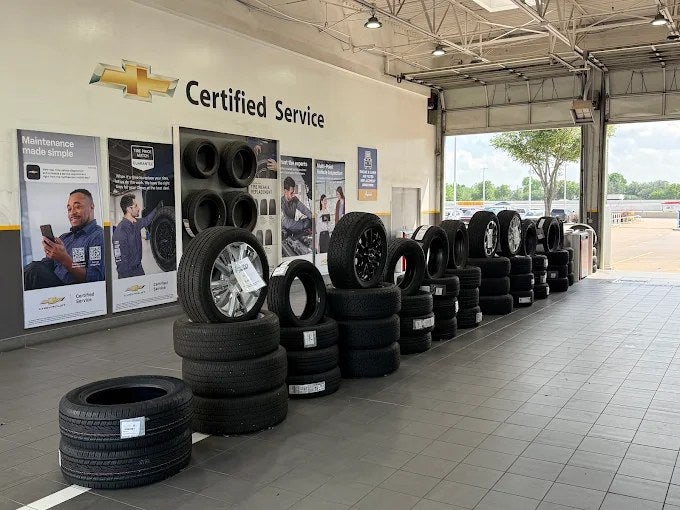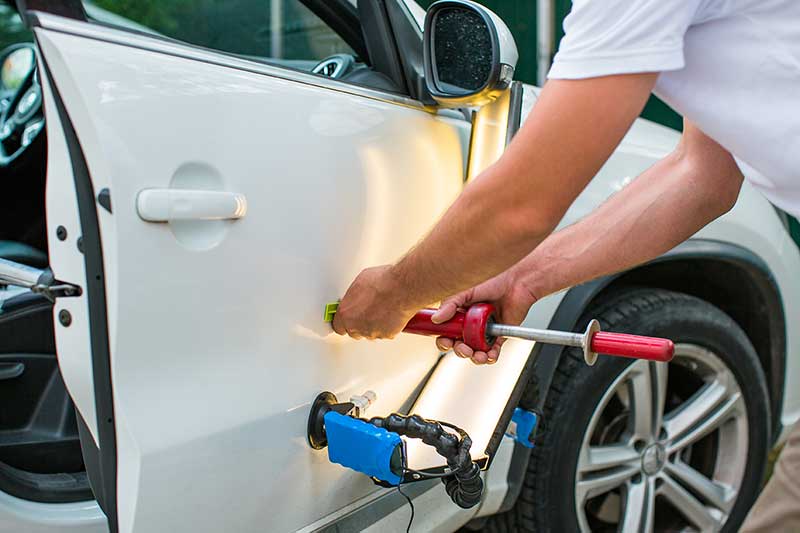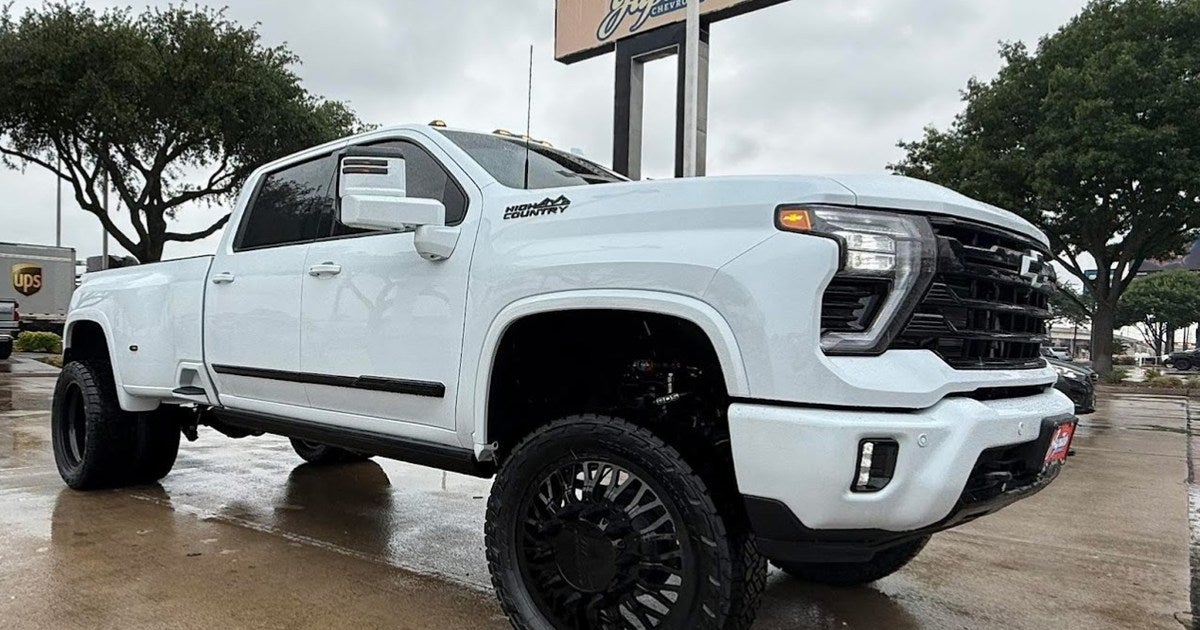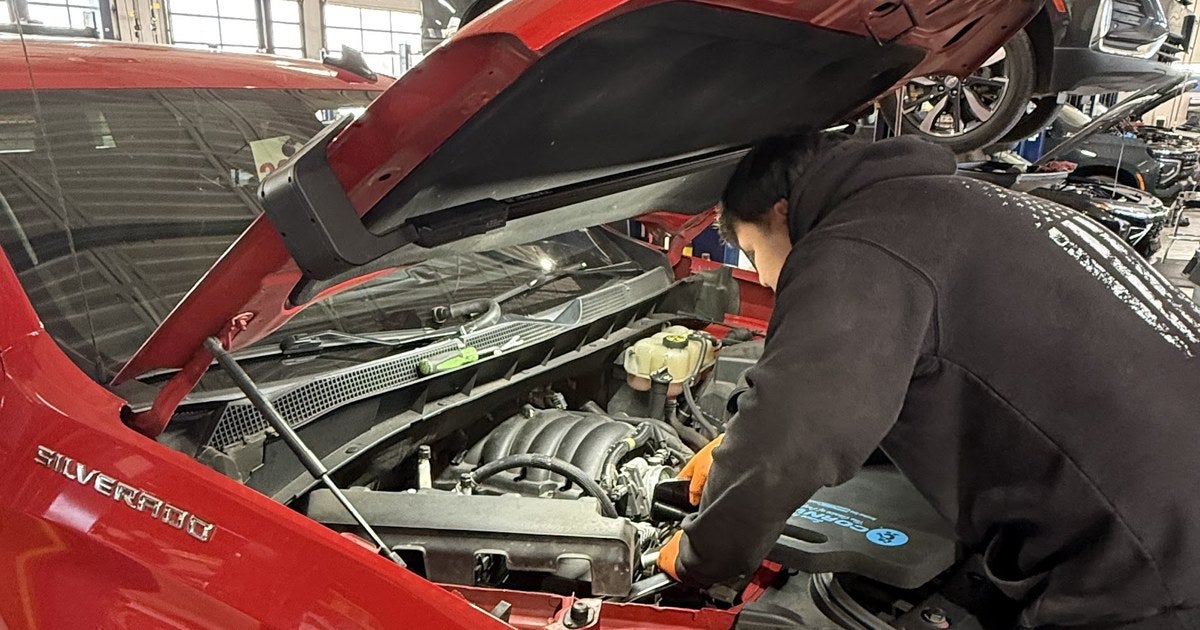



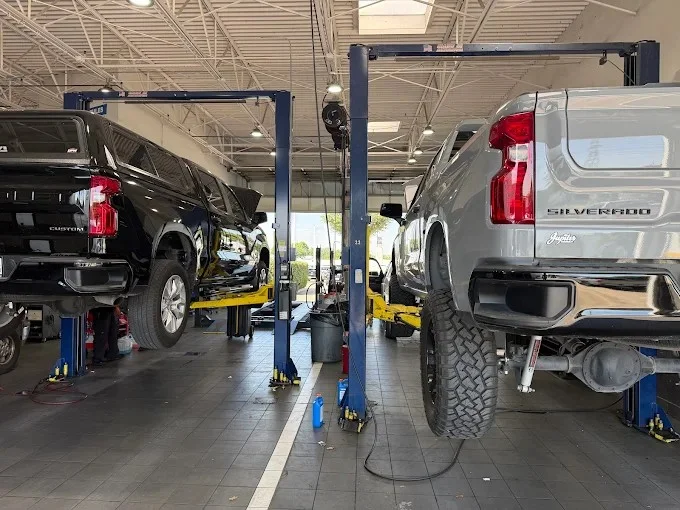
Summer in Texas is no joke. Temperatures regularly climb above 100 degrees, and that sustained heat does more than make your drive uncomfortable. If you’re wondering how Texas heat affects car batteries, the short answer is: significantly. Heat is actually harder on a car battery than cold weather, and understanding why can help you avoid a breakdown at the worst possible time or far beyond Garland. 

Read the rest of this entry »

TL;DR

Buying a vehicle at Jupiter Chevrolet generally involves five steps: finding the right vehicle, reviewing pricing and financing options, understanding any dealer-installed add-ons, reviewing the ownership benefits included with qualifying purchases, and completing a delivery walkthrough before you leave. The goal is to make the vehicle, numbers, and included protections clear before you finalize the purchase.

Buying a vehicle is easier when you know what the process will look like before you arrive. At Jupiter Chevrolet, that means understanding how vehicle selection, trade-in value, financing, dealer-installed accessories, included ownership benefits, and delivery fit together before the purchase is complete. This guide walks through each stage so you know what questions to ask and what to expect along the way.

Step One: Finding the Right Vehicle

Finding the right vehicle starts with more than choosing a model. Trim, drivetrain, color, packages, towing equipment, and other options can all affect which vehicles are currently available.

If the exact Equinox, Silverado, Tahoe, or other Chevrolet you’re looking for is in stock, the Jupiter Chevrolet team can walk you through that vehicle and its specific equipment. If it isn’t, the next step is looking at available inventory and discussing what other options may be available based on the features that matter most to you.

For example, two Silverado 1500s can differ significantly based on cab configuration, bed length, engine, drivetrain, trim, and towing equipment. An Equinox can vary by trim, drivetrain, packages, and other features. Knowing which features are priorities and which ones you’re flexible on can make the search much easier.

Jupiter Chevrolet regularly reviews inventory based on what customers in Garland and the greater Dallas area are shopping for. If you have a specific configuration in mind, ask whether it’s currently available, whether a comparable vehicle is in inventory, or what other options the team can explore.

Step Two: Understanding Your Trade-In and Financing Options

Once you’ve narrowed down the vehicle you’re interested in, the next step is understanding how the purchase may come together financially.

If you have a vehicle to trade, having it appraised can help establish your equity position. Your trade-in value and current loan payoff determine whether you have positive equity that may be applied toward the purchase or negative equity that needs to be accounted for in the transaction.

Financing is another part of the equation. The rate and terms you qualify for can depend on your credit profile, loan term, amount financed, down payment, lender requirements, and any Chevrolet incentives available at the time. Rather than focusing only on the monthly payment, compare the amount financed, loan term, interest cost, and overall cost of the available options.

At Jupiter Chevrolet, the team can walk you through how your trade-in, down payment, financing terms, applicable incentives, and any additional products or options affect the purchase before you sign the final paperwork. If an optional product or protection changes the amount financed or monthly payment, ask to see that cost separately and how it affects the overall transaction.

You can also begin the process before visiting the dealership by completing Jupiter Chevrolet’s online credit application or starting a trade-in valuation.

Step Three: Understanding Add-Ons and Vehicle Pricing

The price of a vehicle can include more than the vehicle itself, particularly when accessories or other products have already been installed. Before finalizing your purchase, it’s important to understand what’s included on the specific vehicle you’re considering and whether any additional items affect the price.

Some vehicles at Jupiter Chevrolet may have accessories or protection products already installed, such as window tint or a spray-in bed liner. Because equipment can vary from one vehicle to another, ask your sales advisor to review what’s included on the specific vehicle you’re considering and the cost of any dealer-installed items.

If you’re comparing vehicles online, don’t assume two vehicles with the same trim automatically have the same equipment or final pricing. Factory options, dealer-installed accessories, and other vehicle-specific items can create differences between otherwise similar vehicles.

Before you move forward, review the vehicle price and any additional products or accessories so you understand what you’re purchasing and what each item costs. If something isn’t clear, ask to have it explained separately before you sign.

Step Four: Understanding What Comes With Your Purchase

Buying a vehicle from Jupiter Chevrolet may also include ownership benefits beyond the vehicle itself. Before you complete the purchase, ask your sales advisor to review which Jupiter Chevrolet programs apply to your vehicle, what’s included at no additional cost, and any eligibility or maintenance requirements that come with the coverage.

Qualifying vehicles may include benefits through the Jupiter Advantage, including powertrain warranty coverage. Because eligibility and program terms can vary, review the current coverage details for the specific vehicle you’re purchasing rather than assuming every vehicle or purchase receives the same benefits.

Jupiter Chevrolet may also offer additional ownership protections or reimbursement programs with qualifying purchases. Your advisor can explain which programs apply, how long the benefits remain in effect, what they cover, and whether there are any requirements you need to follow after purchase.

Keep the documentation you receive at delivery. Warranty and protection programs can have specific terms, exclusions, maintenance requirements, and claims procedures, and those written terms should be your reference if you ever need to use the coverage.

Step Five: Review Your Vehicle Before You Leave

The buying process doesn’t end when the paperwork is signed. Before you leave Jupiter Chevrolet, take time to review the vehicle itself, the features you’ll use, and the documents and ownership benefits that come with your purchase.

Your delivery walkthrough is an opportunity to ask questions about the vehicle’s technology, driver-assistance features, infotainment system, and other equipment you may not be familiar with. Features vary by model and trim, so this is also a good time to make sure you understand what’s included on your specific vehicle and how to use it.

You should also leave with a clear understanding of the next steps after purchase. Review the maintenance schedule, warranty information, applicable Jupiter Chevrolet ownership benefits, and any protection products or additional coverage included in your transaction.

Before you drive away, make sure you have the documents, keys, and other items that belong with the vehicle, and ask any remaining questions while the sales team is there to walk through them with you.

Ready to Start Your Vehicle Search?
Browse Jupiter Chevrolet’s current new and pre-owned inventory, or contact the team if you have questions about a specific vehicle, trade-in, financing options, or what to expect during the buying process.

Frequently Asked Questions

How long does the car buying process take at Jupiter Chevrolet?

The amount of time can vary depending on the vehicle, whether you have a trade-in, your financing arrangements, and any documentation needed to complete the purchase. Starting your trade-in valuation or credit application before your visit can help get parts of the process underway ahead of time.

Can I start the car buying process online?

Yes. You can browse Jupiter Chevrolet’s current inventory online and begin parts of the purchase process before visiting the dealership, including submitting a credit application and starting a trade-in valuation. The steps required to complete the purchase will depend on your specific transaction.

What if the exact Chevrolet I want isn’t in stock?

Availability depends on current inventory and the specific model, trim, equipment, and configuration you’re looking for. If the exact vehicle isn’t currently available, ask Jupiter Chevrolet about available inventory and other options for finding a vehicle that fits what you’re looking for.

Can I trade in a vehicle I still owe money on?

Yes. Your vehicle can still be appraised if you have an outstanding loan. The difference between its appraised value and your current loan payoff determines whether you have positive or negative equity, which can then be accounted for as part of the purchase and financing process.

Will I know about accessories or additional products before I sign?

Ask your sales advisor to review the vehicle price, dealer-installed accessories, optional products, and any other charges that are part of your transaction before you sign. This gives you an opportunity to understand what is included and ask questions about individual items or costs.

What ownership benefits come with a vehicle from Jupiter Chevrolet?

Jupiter Chevrolet offers ownership benefits through programs such as the Jupiter Advantage on qualifying vehicles. Coverage, eligibility, and program terms can vary, so review the current benefits for the specific vehicle you’re purchasing and the written program terms provided with your purchase.

About the Author

Eric Fussell is the General Manager of Jupiter Chevrolet in Garland, TX. He oversees dealership operations across sales, service, and the customer experience.

Methodology

This post reflects Jupiter Chevrolet’s experience helping customers through the vehicle-buying process in Garland and the greater Dallas area, including vehicle selection, trade-ins, financing, dealer-installed accessories, ownership benefits, and vehicle delivery. Program availability, eligibility requirements, financing offers, and ownership benefits can change over time, so current terms should be confirmed at the time of purchase.

Sources & Further Reading

Process disclaimer: Steps, pricing, financing terms, and ownership benefits can vary by vehicle and transaction. Confirm current details with a Jupiter Chevrolet sales advisor before you purchase.

Published: August 21, 2026 | Last updated: August 21, 2026

TL;DR

Your vehicle’s trade-in value depends on factors including mileage, condition, equipment, vehicle history, and current market demand. What you still owe doesn’t change what the vehicle itself is worth, but it does determine whether you have positive or negative equity to apply toward your next purchase. A current appraisal gives you a much better picture than relying on an older online estimate.

Knowing what your current vehicle is worth can make every part of your next purchase easier to understand. A trade-in value gives you a starting point, but your vehicle’s actual equity depends on both its appraised value and how much you still owe.

Online valuation tools can be useful for getting a general estimate, but an actual trade appraisal can account for the specific vehicle, its condition, equipment, history, and current market demand. Here’s what affects the number and how to understand what it means for your next move.

What Determines What Your Trade Is Worth

Several factors can affect a vehicle’s trade-in value, and understanding them can help you make sense of why an appraisal may differ from an online estimate.

Mileage is one factor, but the odometer doesn’t tell the whole story. Mileage is considered alongside the vehicle’s age, condition, maintenance history, and other factors that can affect its resale value.

Condition and vehicle history matter because an appraisal is based on the specific vehicle, not simply its year, make, and model. Mechanical condition, tire wear, exterior and interior condition, accident history, and maintenance history can all affect what a dealer is willing to pay.

Trim, equipment, and configuration can also change the value. Two vehicles from the same model year with similar mileage may have different equipment, packages, drivetrains, or other features that affect their desirability and resale value.

Current market demand affects what a vehicle is worth at a particular point in time. Used-vehicle values can move as inventory and buyer demand change, and demand for a specific model or configuration can vary by market. That’s one reason an appraisal today may differ from an estimate you received several months ago.

Once the vehicle has been appraised, your loan payoff determines your equity position, not the vehicle’s value. If your vehicle is worth more than you owe, you have positive equity that may be applied toward another purchase. If you owe more than the vehicle is worth, you have negative equity that will need to be accounted for separately.

Why Two Similar Trade-Ins Can Get Different Offers

Two vehicles from the same model year with similar mileage can still receive different trade-in offers. The difference often comes down to details that aren’t obvious from the year, make, model, and odometer alone.

Trim level and equipment matter. Features, packages, drivetrain, towing equipment, and other options can affect how desirable a particular vehicle is in the used market. A higher trim doesn’t automatically guarantee a higher trade-in value, but the specific configuration can influence demand.

Condition and vehicle history can separate two otherwise similar vehicles. Tire and brake condition, exterior or interior damage, maintenance history, prior accidents, and other factors can affect an appraisal and what may be required to prepare the vehicle for resale.

Current market demand matters too. Dealers consider how a particular model and configuration is performing in the used market when determining what they’re willing to pay for it. Demand can change over time and can vary between vehicle segments and markets.

Used-vehicle values also move over time. Cox Automotive’s Manheim Used Vehicle Value Index tracks changes in wholesale used-vehicle pricing, and different vehicle segments don’t always move in the same direction or at the same rate. That’s one reason an appraisal performed today may differ from one you received several months ago, even if very little has changed about the vehicle itself.

The most useful comparison isn’t necessarily what another vehicle that looks similar received as a trade. It’s what your specific vehicle is worth based on its condition, equipment, history, and the current market when it’s appraised.

How Jupiter Chevrolet Uses AutoHub to Appraise Your Trade

An online trade-in estimate can give you a useful starting point, but an appraisal is designed to evaluate your specific vehicle and its current value.

Jupiter Chevrolet uses AutoHub as part of its trade-in appraisal process. The appraisal considers information about the individual vehicle along with current market conditions to help determine its trade value. Depending on how the appraisal is started, additional information or an in-person inspection may be needed before the final trade value is confirmed.

If you’re already at Jupiter Chevrolet for service or shopping for another vehicle, you can also ask about having your current vehicle appraised while you’re there. You don’t have to wait until you’ve selected your next vehicle to find out what your current one may be worth.

Knowing the trade value before you start comparing purchase and financing options can also help you understand your equity position. Once you know the appraised value and your current loan payoff, you can see whether you have positive equity to apply toward another vehicle or negative equity that would need to be accounted for in the transaction.

What a Trade Valuation Means for Your Next Move

Once you know what your vehicle is worth, you can make a more informed decision about whether to trade it now, keep it longer, or use its equity toward another vehicle.

If your vehicle is worth more than your current loan payoff, you have positive equity. That difference can generally be applied toward the purchase of your next vehicle, reducing the amount you need to finance.

If you owe more than the vehicle’s appraised value, you have negative equity. That doesn’t necessarily prevent you from trading the vehicle, but the remaining balance needs to be accounted for in the transaction and may affect the amount you need to finance, subject to lender approval.

A current appraisal can also help even if you’re not ready to buy. Knowing both your vehicle’s value and your equity position gives you a clearer starting point for deciding whether trading now makes sense or whether you’d rather continue driving your current vehicle.

Because used-vehicle values change with market conditions, an appraisal or online estimate from several months ago may not reflect what your vehicle is worth today. If you’re actively considering a trade, use a current valuation rather than an older estimate when comparing your options.

How to Prepare Your Vehicle for a Trade-In Appraisal

You don’t need to spend a lot of money preparing a vehicle for appraisal, but a few things can make the process easier and help ensure the appraiser has the information needed to evaluate your trade.

  1. Gather your service records. If you have maintenance or repair records that aren’t already available through the vehicle’s history, bring them with you. A documented maintenance history can provide useful context about how the vehicle has been cared for.
  2. Know your current loan payoff. If you still owe money on the vehicle, check with your lender for a current payoff amount. Your payoff doesn’t change the vehicle’s appraised value, but it is necessary to determine whether you have positive or negative equity.
  3. Clean out the vehicle, but don’t assume you need to make repairs first. Removing personal belongings and giving the interior a basic cleaning can make the appraisal easier. Before spending money on cosmetic or mechanical repairs specifically to increase the trade value, consider getting the vehicle appraised first. The cost of a repair doesn’t necessarily translate dollar-for-dollar into a higher trade-in offer.
  4. Bring both sets of keys and any equipment that belongs with the vehicle. If you still have the spare key, removable accessories, or other equipment originally included with the vehicle, have those available for the appraisal.
  5. Get the appraisal before building your next purchase around a monthly payment. Knowing your current vehicle’s value and equity position gives you a clearer starting point for comparing what you may need to finance on your next vehicle.

If you’re already visiting Jupiter Chevrolet for service or shopping for another vehicle, you can ask about having your vehicle appraised while you’re there.

Trading In an Equinox or Silverado in the Garland Market

Trade-in values aren’t based on the model name alone. The specific configuration of your Equinox, Silverado, or other vehicle can affect its appraisal, along with its condition, mileage, history, and current market demand.

For an Equinox, factors such as model year, trim, drivetrain, equipment, mileage, and condition can distinguish one vehicle from another. For a Silverado, the configuration can vary even more, with factors such as trim, cab and bed configuration, drivetrain, engine, towing equipment, mileage, and condition all helping define the specific truck being appraised.

Current demand matters as well. The market for a particular model or configuration can change over time, which is why a current appraisal is more useful than assuming your vehicle is worth the same as another Equinox or Silverado listed online.

Jupiter Chevrolet sells and services Chevrolet vehicles in Garland and the greater Dallas area, giving its team experience with the Equinox, Silverado, and other Chevrolet models customers regularly bring in for trade.

Want to Know What Your Vehicle Is Worth?
Get a current trade-in valuation from Jupiter Chevrolet to see what your vehicle may be worth and where you stand on equity before deciding what to do next. Start with Jupiter Chevrolet’s Value Your Trade tool, or ask about an appraisal when you visit the dealership.

Frequently Asked Questions

What’s my Chevy Equinox or Silverado worth right now in Garland, TX?

Your vehicle’s trade-in value depends on its model year, mileage, condition, trim and equipment, vehicle history, and current market demand. An online valuation can provide a useful starting point, but a current appraisal can evaluate the specific vehicle and provide a more up-to-date trade value.

What if I still owe money on my trade-in?

You can still have a vehicle appraised if you have an outstanding loan. Your loan payoff doesn’t change the vehicle’s appraised value, but it does determine your equity position. If the vehicle is worth more than your payoff, you have positive equity. If you owe more than the vehicle is worth, you have negative equity, which would need to be accounted for if you decide to trade the vehicle.

How is an AutoHub appraisal different from an online estimate?

Online valuation tools can provide a useful estimate based on the vehicle information you enter and available market data. Jupiter Chevrolet uses AutoHub as part of its appraisal process to evaluate the specific vehicle and determine its current trade value. Depending on how the appraisal is started, additional vehicle information or an in-person inspection may be needed before the final value is confirmed.

Does the color or trim of my trade really change the offer?

Trim, equipment, configuration, and other vehicle characteristics can affect trade-in value because they can influence demand for the specific vehicle. Color may also be considered as part of the overall vehicle and market, but it is only one factor among many. Mileage, condition, history, equipment, and current demand all contribute to the appraisal.

How often do trade-in values change?

Trade-in values can change as used-vehicle inventory, wholesale values, and buyer demand change. There isn’t a fixed schedule for those changes, which is why an appraisal or online estimate from several months ago may not reflect your vehicle’s current value. If you’re actively considering a trade, getting a current valuation gives you a better number to use when comparing your options.

About the Author

Eric Fussell is the General Manager of Jupiter Chevrolet in Garland, TX. He oversees dealership operations across sales, service, and the customer experience.

Methodology

This post reflects Jupiter Chevrolet’s experience appraising trade-in vehicles in Garland and the greater Dallas market, along with general factors commonly considered in vehicle valuation and publicly available wholesale used-vehicle market data from Cox Automotive’s Manheim Used Vehicle Value Index. Individual trade values vary based on the specific vehicle, its condition, equipment, history, and current market conditions.

Sources & Further Reading

Valuation disclaimer: Trade-in appraisals reflect the vehicle’s condition, equipment, history, and market conditions at the time of appraisal, and values can change over time. Contact Jupiter Chevrolet for a current trade-in valuation.

Published: August 20, 2026 | Last updated: August 20, 2026

TL;DR

Your Equinox financing deal depends on more than the advertised monthly payment. Credit profile, loan term, down payment, trade-in equity, and current Chevrolet incentives can all change the total cost of the loan. Promotional APRs and cash incentives also change over time, so the right comparison is the actual total cost of each available option, not whichever number looks best in an ad.

The biggest difference between two Equinox financing deals often isn’t the sticker price. It’s how the loan is structured. A lower monthly payment doesn’t necessarily mean a lower-cost loan, and an advertised incentive isn’t automatically the best option for every buyer. Understanding how the pieces work together makes it easier to compare your options before choosing a financing plan.

Current Chevrolet Equinox incentives change frequently. Check Chevrolet’s current offers page or contact Jupiter Chevrolet for the offers available on the exact Equinox you’re considering.

What Determines Your Equinox Financing Rate

Several factors can affect the rate and terms you’re offered, but a few are especially important to understand before comparing Equinox financing options.

Your credit profile is one of the biggest factors. Lenders consider your credit score and credit history when determining the rate and terms you’re offered, although different lenders may use different scoring models and approval criteria. Knowing where your credit generally stands before you shop can help you better understand the financing offers available to you.

Loan term changes both the monthly payment and the total cost of financing. A longer term can lower the monthly payment, but it also means making payments for a longer period and can increase the total interest paid. A shorter term generally means a higher monthly payment but lower total borrowing costs. Neither is automatically right or wrong. The important thing is comparing both the payment and total cost before choosing a term.

Current Chevrolet incentives can change the equation. Depending on the offer, eligible buyers may have different incentive options to compare, such as a promotional APR or a cash incentive. The option with the lowest advertised number isn’t necessarily the one that costs the least overall. The better choice depends on the specific offers available, amount financed, loan term, and rate you otherwise qualify for.

You don’t need to be a finance expert to compare Equinox financing options. The key is looking beyond the monthly payment and comparing the amount financed, term, interest cost, and available incentives together.

How to Check Current Equinox Financing Offers

Chevrolet Equinox financing offers can change throughout the year and may vary by model year, vehicle, term, or buyer eligibility. Rather than relying on a rate or rebate published in an article that may become outdated, check Chevrolet’s current offers page for advertised incentives and ask Jupiter Chevrolet which offers apply to the specific Equinox you’re considering.

At Jupiter Chevrolet, the finance team walks customers through the financing terms and contract before anything is signed, so you can see how the amount financed, loan term, interest, trade-in, down payment, and applicable incentives affect the deal. If more than one Chevrolet incentive or financing option is available to you, the team can also explain how the options compare using the actual numbers for your vehicle.

New Equinox purchases may also include Jupiter Chevrolet ownership benefits, such as its deductible reimbursement program. Ask the team for current program details and eligibility.

Special APR vs. a Cash Rebate: Which Is Better on an Equinox?

Neither option is automatically the better deal. A special APR can reduce how much interest you pay over the life of the loan, while a cash rebate reduces the vehicle price or amount you need to finance. Which one saves more depends on the specific offers available, the amount financed, your loan term, and the rate you would otherwise qualify for.

The best way to compare the two is to look at total cost rather than monthly payment alone. Ask to see the financing both ways using the same vehicle, down payment, trade-in, and loan term. One scenario should show the promotional APR and the other should show the cash incentive with the financing rate you qualify for. Then compare the total amount you would pay under each option.

The difference can be significant, which is why it’s worth running both scenarios with your actual numbers rather than relying on a general rule of thumb. Your credit profile can affect the financing rate you qualify for, and promotional APR offers may have separate eligibility requirements. Comparing the available options side by side shows you which one costs less.

How long you expect to keep the loan can matter too. A cash incentive reduces the purchase price up front, while the value of a promotional APR comes from interest savings over time. If you expect to pay the loan off early, ask how that changes the comparison.

Because incentive eligibility can vary by vehicle and buyer, the comparison should always be based on the exact Equinox you’re considering and the offers available when you’re ready to purchase.

At Jupiter Chevrolet, you can ask the finance team to show you the available scenarios side by side before you choose. That makes it easier to see which available option produces the lower total cost for your specific deal.

How Your Trade-In Affects Equinox Financing

A trade-in changes your Equinox deal in two ways, and only one of them is obvious.

The obvious one: positive trade-in equity can be applied toward your Equinox purchase, reducing the amount you need to finance. That can lower your monthly payment, reduce the total amount you borrow, or give you more flexibility when choosing a loan term. Jupiter appraises trade-ins as part of the same visit, so you can see how your trade-in value affects the amount you may need to finance.

The less obvious issue is negative equity. If you owe more on your current vehicle than it’s worth, the difference may be included in the amount financed on your next vehicle, subject to lender approval. That means you’re financing both the Equinox and the remaining balance from your previous vehicle, which increases the total amount you’re borrowing.

Before you agree to the financing, ask to see your trade-in value, current loan payoff, and any positive or negative equity separately. That makes it easier to understand exactly how your trade is affecting the amount you’re financing on the Equinox.

Can You Finance an Equinox With Less-Than-Perfect Credit?

Less-than-perfect credit doesn’t automatically mean you can’t finance a Chevrolet Equinox. Approval, interest rate, and loan terms depend on several factors, which can include your credit history, income, amount financed, down payment, existing debt, and the lender reviewing the application.

If your credit profile doesn’t qualify for a promotional Chevrolet financing offer, you may still have other financing options available. The important comparison is not just whether you can reach a certain monthly payment, but how the interest rate, loan term, and amount financed affect the total cost of the loan.

A down payment can reduce the amount you need to finance and may also affect the financing options available to you. If you’re considering putting more money down, ask the finance team to show you how different down-payment amounts change the loan rather than assuming more money down will automatically produce a particular rate.

A co-buyer or cosigner may also affect the financing options available, depending on the lender and both applicants’ credit profiles. If that’s an option you’re considering, ask to compare the financing scenarios so you can see the difference before making a decision.

At Jupiter Chevrolet, the finance team can review the options available based on your actual application and explain the rate, term, amount financed, and total cost before you decide how to proceed.

How to Start the Equinox Financing Process Before You Visit

You don’t have to wait until you’re at the dealership to start thinking through your Equinox financing. A few steps beforehand can give you better information to work with when you compare your options.

  • Start the credit application online. Jupiter Chevrolet’s online retail credit application lets you provide the information needed to begin reviewing financing options before you visit the dealership.
  • Get an idea of your trade-in value. An online estimate can give you a starting point before you visit, while your actual trade value will be determined after the vehicle is appraised.
  • Think about both term and monthly payment. A lower monthly payment can come from extending the loan over more months, so compare the term, monthly payment, and total cost together rather than focusing on payment alone.
  • Ask which current incentives apply to your Equinox. Chevrolet offers can have different eligibility requirements, so ask which financing or cash incentives apply to the specific vehicle you’re considering and whether any can be combined.
  • Compare the complete financing options. Once you know the vehicle, trade-in value, available incentives, and financing terms you qualify for, compare the scenarios based on the amount financed, loan term, monthly payment, and total cost.

Starting the process before your visit gives you more information to work with when it’s time to compare the financing options available on your Equinox.

Ready to Compare Equinox Financing Options?
Jupiter Chevrolet can help you compare available financing options, current Chevrolet incentives, trade-in equity, and loan terms based on the Equinox you’re considering. Start the credit application online or contact our finance team to review your options before you visit.

Frequently Asked Questions

What credit score do I need for the best Equinox financing rate?

There isn’t one credit score that guarantees the best Equinox financing rate. Lenders use their own approval criteria, and your credit history, amount financed, loan term, down payment, and other factors can affect the rate and terms you qualify for. Chevrolet promotional financing offers may also have separate eligibility requirements.

Is a special APR always better than a cash incentive on an Equinox?

No. A promotional APR can reduce interest costs, while a cash incentive can reduce the purchase price or amount financed. Which option costs less depends on the offers available, amount financed, loan term, and financing rate you otherwise qualify for. Ask to see the available options side by side and compare the total cost of each.

Can I combine a manufacturer rebate with a special APR offer on the same Equinox?

It depends on the specific Chevrolet offers available at the time you purchase. Some incentives may be combined while others may require you to choose between offers. Ask Jupiter Chevrolet which current incentives apply to the Equinox you’re considering and whether they can be combined.

How long does Equinox financing approval take at Jupiter Chevrolet?

Approval time varies depending on the lender, application, and whether additional information or documentation is needed. Starting Jupiter Chevrolet’s online credit application before your visit can begin the financing process ahead of time, but approval timing will depend on your individual application.

Does my trade-in affect my Equinox financing rate?

A trade-in can affect the amount you need to finance. Positive equity can reduce the amount borrowed, while negative equity may increase it if the remaining balance is included in the new loan. Your financing rate and terms are determined separately based on the lender’s approval criteria and the overall financing structure.

Can I finance an Equinox with less-than-perfect credit?

Potentially. Financing approval isn’t based on one credit score alone. Lenders may consider your credit history, income, amount financed, down payment, existing debt, and other factors when reviewing an application. If you don’t qualify for a Chevrolet promotional financing offer, other financing options may still be available.

About the Author

Eric Fussell is the General Manager of Jupiter Chevrolet in Garland, TX. He oversees dealership operations across sales, service, and the customer experience.

Methodology

This post reflects Jupiter Chevrolet’s experience helping Equinox buyers understand financing options in the Garland and greater Dallas market, along with general consumer auto-financing guidance from the Consumer Financial Protection Bureau. Chevrolet incentives, financing offers, eligibility requirements, and Jupiter Chevrolet ownership programs can change over time. Current offers and program terms should be confirmed at the time of purchase.

Sources & Further Reading

Financing disclaimer: Rates, terms, incentives, and eligibility requirements are subject to change and vary by lender, credit profile, and vehicle. Contact Jupiter Chevrolet’s finance team to confirm current offers and your specific terms.

Published: August 19, 2026 | Last updated: August 19, 2026

TL;DR

A standard visit at Jupiter Chevrolet includes an oil change, a complimentary tire rotation, and the 151-point inspection, priced by oil type and quantity, starting at $96.95 for a 6-quart ACDelco full synthetic oil change with tire rotation included. A free standalone multi-point inspection and other current rebates are also available. Every visit also counts toward keeping the Lifetime Powertrain Warranty active. Pricing reflects current offers as of publication and is subject to change.

What’s Included, in Brief

For drivers across Garland and Mesquite, getting an oil change done right, and done quickly, matters as much as what’s actually in it. Here’s the full scope of what’s included in a standard visit and what it costs.

A standard oil change at Jupiter Chevrolet takes about 45 minutes to an hour and includes a complimentary tire rotation, alignment check, tire tread-depth check, and immediate recall check. It also includes Jupiter’s 151-point inspection, built from GM’s factory inspection sheet and used across essentially every vehicle Jupiter services, new or pre-owned.

For the full walkthrough of what happens from scheduling to pickup, see What to Expect at Your First Service Appointment at Jupiter Chevrolet in Garland. For the mileage-by-mileage breakdown of what’s checked at each interval, see Your Chevy Maintenance Schedule by Mileage.

Not sure if you’re actually due? Modern Chevrolets use the GM Oil Life System rather than a flat mileage rule, and short commutes through Garland and Mesquite traffic can bring the indicator up sooner than the odometer suggests. See What Is Included in a Jupiter Chevrolet Oil Change Service for how the system works.

The Oil Options: What Your Vehicle Takes

Jupiter Chevrolet’s service team uses oil that meets GM’s requirements for your specific Chevrolet model: ACDelco Gold Conventional, ACDelco GM OE Dexos1 Full Synthetic, or Mobil 1 Full Synthetic, depending on what your vehicle calls for. For a full breakdown of each option, see What Is Included in a Jupiter Chevrolet Oil Change Service. Your service advisor will confirm which oil is correct for your vehicle. Pricing for the synthetic options is below; ask your advisor about conventional oil pricing for eligible vehicles.

What a Standard Oil Change Costs

Oil change pricing depends on the oil type and quantity your vehicle needs. Tire rotation is bundled into each of these, not billed separately:

  • 6-quart ACDelco GM OE dexos1 Full Synthetic oil change and tire rotation: $96.95
  • 8-quart ACDelco GM OE dexos1 Full Synthetic oil change and tire rotation: $109.95
  • 6-quart Mobil 1 Full Synthetic oil change and tire rotation: $129.95
  • 8-quart Mobil 1 Full Synthetic oil change and tire rotation: $149.95

Tire balancing, tax, and any oil beyond the listed quantity are additional. These prices exclude diesel engines and Corvettes. Your service advisor will confirm which oil grade your vehicle requires.

If You Just Need an Inspection or a Rotation

Jupiter Chevrolet also offers a standalone multi-point inspection at no cost, and a tire rotation with multi-point inspection for $24.95 for customers who aren’t due for an oil change but want tires or fluid levels checked. Availability and terms vary by offer.

What the 151-Point Inspection Covers

Jupiter’s 151-point inspection is built from General Motors’ 172-point factory checklist, trimmed down to what’s actually relevant on the vehicles Jupiter services today. It covers everything from tire wear and fluid levels to brakes and battery condition, and findings are reviewed with you before any additional work is discussed. See What Is Included in a Jupiter Chevrolet Oil Change Service for the full category-by-category breakdown.

Overnight Drop-Off

Can’t make it during service hours? Jupiter Chevrolet has an overnight drop box out front. Leave your keys and vehicle in the marked area the night before your appointment, and the team pulls it in first thing the next morning.

Pricing Changes, Here’s Where to Confirm It

Service specials and rebates at Jupiter Chevrolet are updated periodically and carry their own expiration dates. The prices in this post reflect current offers as of publication. Before booking, confirm current pricing with your service advisor or on Jupiter Chevrolet’s service and parts specials page.

Why This Visit Matters for Your Warranty

A standard visit isn’t just maintenance, it’s what keeps your Jupiter Chevrolet Lifetime Powertrain Warranty active. Coverage requires maintenance at Jupiter Chevrolet within 5,000-mile intervals; skip a visit or service elsewhere and you risk voiding it. See How to Keep Jupiter Chevrolet’s Lifetime Powertrain Warranty Valid for the full requirements.

Ready to Schedule Your Next Visit?
Call the Jupiter Chevrolet service team at 972-464-1093 or schedule online.

Frequently Asked Questions

How much does a standard oil change cost at Jupiter Chevrolet?

Pricing depends on oil type and quantity. As of publication, a 6-quart ACDelco full synthetic oil change with tire rotation starts at $96.95, and a 6-quart Mobil 1 full synthetic starts at $129.95. Tax, tire balancing, and extra oil quantity are additional.

Is tire rotation included in the oil change price?

Yes. Tire rotation is bundled into the oil change price at no separate charge.

Is the multi-point inspection free?

A standalone multi-point inspection is available at no cost as a current service special. A multi-point inspection is also included as part of every oil change visit.

Do these prices ever change?

Yes. Service specials are time-limited and updated periodically. Confirm current pricing with your service advisor or on Jupiter Chevrolet’s service and parts specials page before booking.

Does this visit affect my Lifetime Powertrain Warranty?

Yes. Maintenance has to happen at Jupiter Chevrolet on the required schedule for the warranty to stay active. A standard service visit satisfies that requirement when it’s due.

Can I drop my car off before the service department opens?

Yes. Jupiter Chevrolet has an overnight drop box out front for keys, so you can drop off the night before your appointment.

Can I schedule an oil change online?

Yes. Schedule online at jupiterchev.com/serviceapptform or call 972-464-1093.

About the Author

Eric Fussell is the General Manager of Jupiter Chevrolet in Garland, Texas. Jupiter Chevrolet has served the Garland community for over 100 years, reaching customers across Garland, Mesquite, Dallas, Plano, Richardson, Rockwall, Forney, McKinney, and Grapevine. Visit jupiterchev.com.

Sources & Further Reading

Pricing and service specials are subject to change without notice. Tax, tire balancing, and oil quantity beyond the listed amount are additional. See dealer for full details and current offers.

Published: August 18, 2026 | Last updated: August 18, 2026

TL;DR

Jupiter Chevrolet keeps a fleet of 50-plus loaner vehicles on-site, and your service advisor coordinates a loaner, concierge drop-off and pickup, or shuttle service when you schedule, so a service visit never means being stuck without a ride.

Service anxiety is usually less about the repair itself and more about logistics: how do you get to work, get the kids to practice, or just get through the day without your Chevy. Jupiter Chevrolet built its loaner program, along with concierge drop-off and pickup and shuttle service, specifically to take that question off your plate.

You Won’t Be Left Without a Car

A lot of drivers put off service because they picture losing a whole day without a vehicle. At Jupiter Chevrolet, that is not how a service visit has to go. The dealership maintains a full loaner fleet on-site, and your service advisor coordinates availability when you schedule your appointment.

That matters most on the visits that take longer than a same-day oil change: a warranty repair, a claim, or a diagnostic that needs a part ordered in. If your Chevy is going to be at the dealership for a while, you should not have to rearrange your whole week around it.

“There’s always an alternative. As long as you have an appointment, we’ll work to make sure you have transportation while your vehicle is here.”

Eric Fussell, GM, Jupiter Chevrolet

Inside the Loaner Fleet

Jupiter Chevrolet keeps more than 50 vehicles in its loaner fleet, spanning a mix of makes and models. A fleet that size gives the team the flexibility to accommodate many same-day and multi-day loaner requests while matching customers with an appropriate vehicle whenever possible, whether that’s something for a daily commute or a longer repair. Availability still depends on what’s already reserved, so requesting a loaner when you schedule gives you the best chance of securing one.

How to Reserve a Loaner When You Schedule Service

Reserving a loaner is part of the scheduling conversation, not a separate errand. When you book your appointment online or by phone, let your service advisor know you will need a vehicle while yours is in the shop.

Once a loaner is confirmed as available, expect a short amount of paperwork before you drive off:

  • A loaner agreement you will need to sign.
  • A valid driver’s license and proof of insurance.

Only the person who signs the agreement is eligible to drive the loaner, so plan for that if someone else in your household normally drives your Chevy.

Because the fleet is shared across every customer being serviced that week, availability is not guaranteed on demand. Booking ahead, and mentioning the loaner request when you schedule rather than when you arrive, is the simplest way to make sure one is waiting for you.

What Happens Before You Drive Off, and When You Bring It Back

Before you leave the dealership in a loaner, expect a walk-around inspection. Your service advisor will check the vehicle for existing damage, look over the wheels and tires, and note the fuel level, so both you and Jupiter Chevrolet have a clear record of the loaner’s condition before it leaves the lot.

The same thing happens in reverse. When you return the loaner to pick up your repaired Chevy, the vehicle goes through a return inspection before you settle your ticket. Inspecting the vehicle before and after your loaner period protects both you and the dealership by documenting its condition at each step.

Mileage, Distance, and What’s Expected of You

Loaner vehicles come with a few reasonable guardrails. Plan on roughly 150 miles a day as a general guideline for normal driving. Separately, loaners are meant to stay within about a 50-mile radius of the dealership. Taking one out of town isn’t standard practice, but your service advisor can authorize an exception in advance if your situation calls for it.

Most qualifying repairs keep a loaner in your hands for about 30 days, and longer repairs, like an extended parts wait, can be handled with dealer approval beyond that. If you are not sure whether your situation qualifies for an extension, ask your service advisor. As with most of the finer details here, the specifics can vary by circumstance, so when in doubt, confirm with your advisor before you count on an exception.

If a Loaner Isn’t Ready the Moment You Arrive

Because appointments are reserved in advance, this is rare. But if a loaner is not immediately available when you arrive, Jupiter Chevrolet will typically get you into a vehicle under a short-term agreement so you are not left waiting, then transition you into your official loaner as soon as one opens up, often the next day. Either way, the goal is the same: you leave with a vehicle.

Concierge Drop-Off, Pickup, and Shuttle Service

Not every customer needs a loaner. Depending on your schedule, concierge pickup and delivery or shuttle service may be the easier option.

A loaner car is not the only way to stay moving during a service visit. Jupiter Chevrolet also offers concierge drop-off and pickup, along with shuttle service, for customers who would rather not deal with a loaner at all, or whose schedule works better with a ride instead of a second vehicle to manage.

Concierge drop-off and pickup means a member of the team comes to you: they pick up your Chevy from your home or office and bring it back once service is complete, so you never have to build a trip to the dealership into your day. Shuttle service covers the shorter, one-way version of that same idea, getting you from the dealership to work or home after you drop off your vehicle, and back again once it’s ready.

Either option is worth asking about when you schedule, especially if a loaner is not the right fit for your day. Mention what would work best for your schedule, and your service advisor can build the visit around it.

Tolls and Incidentals

You will not need to put down a deposit just to reserve a loaner. Jupiter Chevrolet does typically keep a card on file while you have the vehicle, to cover incidentals and any tolls run during your loaner period. Texas has no shortage of toll roads, and tolls incurred while driving a loaner get passed along the same way they would in your own car.

Think of it the same way you would a rental car from any other company: normal driving is expected, and the card on file is there for tolls and incidentals rather than for the loan of the vehicle itself. Most drivers never see a charge beyond the occasional toll.

What This Means for Your Next Service Visit

None of this requires guesswork on your part. The loaner fleet, concierge drop-off and pickup, and shuttle service all exist so that a service visit does not cost you a day of being without a vehicle.

The only thing you need to do is let your service advisor know what works best for your schedule when you book your appointment. Whether that’s a loaner, concierge pickup and delivery, or shuttle service, planning ahead helps the team keep you moving while your Chevy is in the shop.

Ready to Schedule Your Next Visit?
Schedule your next service visit at Jupiter Chevrolet and let your service advisor know you will need a loaner, concierge drop-off and pickup, or shuttle service. Learn more about the full loaner car program.

Frequently Asked Questions

Does Jupiter Chevrolet offer a loaner car while my vehicle is in for service?

Yes. Jupiter Chevrolet maintains a full loaner fleet of more than 50 vehicles on-site, and your service advisor coordinates availability when you schedule your appointment.

How do I reserve a loaner car at Jupiter Chevrolet?

Mention your loaner request when you schedule service, either online or by phone, rather than waiting until you arrive. You will sign a loaner agreement and provide a valid driver’s license and proof of insurance, and only the person who signs is eligible to drive the vehicle.

What happens if a loaner isn’t available when I arrive?

This is rare since appointments are reserved in advance, but if it happens, Jupiter Chevrolet will typically get you into a vehicle under a short-term agreement and transition you into your official loaner as soon as one is available, often the next day. Concierge drop-off and pickup and shuttle service are also available as alternatives.

Can I take a loaner car out of town?

Loaners are generally intended to stay within about a 50-mile radius of the dealership, with a guideline of approximately 150 miles of driving per day. If you need to travel farther, speak with your service advisor in advance.

Is there a cost or deposit required for a loaner vehicle?

There is no deposit required to reserve a loaner. Jupiter Chevrolet typically keeps a card on file to cover tolls and incidentals during your loaner period.

Where is Jupiter Chevrolet’s service center located?

Jupiter Chevrolet’s service center is located at 11611 LBJ Freeway, Garland, TX 75041, serving drivers across Garland, Dallas, Plano, Richardson, Mesquite, and the surrounding North Texas area. You can schedule service online or call the service line at 972-464-1093.

About the Author

Eric Fussell is the General Manager of Jupiter Chevrolet in Garland, Texas. Jupiter Chevrolet has served the Garland community for over 100 years, reaching customers across Garland, Mesquite, Dallas, Plano, Richardson, Rockwall, Forney, McKinney, and Grapevine. Visit jupiterchev.com.

Methodology

This post reflects Eric Fussell’s professional experience as General Manager of Jupiter Chevrolet, informed by an internal July 2026 review of Jupiter Chevrolet’s loaner vehicle program and service department practices.

Sources & Further Reading

Availability disclaimer: Loaner vehicles, concierge drop-off and pickup, and shuttle service are subject to availability and may vary by service type. Contact a Jupiter Chevrolet service advisor to confirm options for your visit.

Published: August 17, 2026 | Last updated: August 17, 2026

TL;DR

The clearest signs your Chevy needs brake service are squealing (worn pads), grinding (metal on metal, act immediately), a soft or vibrating pedal, longer stopping distances, and any brake warning light on the dash. North Texas stop-and-go traffic tends to wear brakes faster than average, so knowing these signals matters here. Every service visit at Jupiter Chevrolet includes a multi-point inspection, making it easier to catch brake wear before it becomes a more expensive repair.

Brakes rarely fail without warning. They tell you they are wearing out through sounds, feelings, and dashboard lights. The trick is knowing which signals mean “soon” and which mean “now.” Here’s what each warning usually means, how urgent it is, and when it’s time to have your Chevy inspected.

The Squeal: Your Brakes’ Early Warning System

That high-pitched squeal when you brake is not random. It is a feature. Most brake pads include a small metal wear indicator designed to contact the rotor once the pad material gets thin. When you hear a consistent squeal during braking, that indicator is doing its job: telling you the pads are getting low and it is time to plan service.

The key word is consistent. A brief squeak on a cold or damp morning that goes away as you drive is usually harmless, often just moisture or light surface rust on the rotors. Dust, humidity, and certain pad materials can all make a little noise now and then.

What you want to pay attention to is a squeal that shows up regularly, every time you brake, and does not go away. That pattern points to worn pads. It is not an emergency, but it is a clear heads-up. Squealing means you have time to book service on your schedule rather than scrambling. Ignore it long enough, though, and the squeal turns into something much more expensive.

Squealing is the early warning: it gives you time to plan. Grinding does not.

The Grind: Stop Driving and Get It Checked

A harsh grinding or metallic scraping sound when you brake usually means the pad material is completely worn away and the metal backing plate is now pressing directly against the rotor.

This is the one sign on this list that means act now, not later. Grinding is serious for three reasons:

  • Your braking performance drops right when you need it most.
  • Metal on metal damages the rotors quickly, turning a pad replacement into a pad and rotor replacement.
  • What could have been a routine service becomes a much larger repair the longer you drive.

Continuing to drive even a short distance on grinding brakes can quickly damage components that otherwise might not have needed replacement. If your Chevy is grinding when you brake, the smart move is to stop driving it any more than necessary and get it inspected right away.

The good news is that grinding is entirely preventable. It is almost always what happens when a squeal goes unaddressed for too long. Catch the pads while they are simply worn, and you never reach the grind.

When the Pedal Feels Wrong: Soft, Spongy, or Vibrating

Your brake pedal communicates a lot, and changes in how it feels are some of the most reliable warning signs. Three specific sensations are worth knowing.

A soft or spongy pedal that sinks farther than usual can point to air in the brake lines, low or aging brake fluid, or a hydraulic issue. Braking should feel firm and responsive. If the pedal feels mushy or you have to push it closer to the floor to stop, that is a system worth inspecting soon.

A vibrating or pulsing pedal, or a shudder you feel through the steering wheel when braking, often signals warped rotors. Heat is usually the culprit, and heavy stop-and-go driving generates plenty of it. Warped rotors are common on vehicles that see a lot of hard braking.

Longer stopping distances are the third sensation. If it takes more road or more pedal pressure to bring your Chevy to a stop than it used to, the pads have likely lost their ability to grip the rotors effectively. That change often happens gradually, so it is easy to miss until you compare it to how the car used to feel.

Any one of these is a reason to have your brakes inspected. Together, they are your Chevy telling you the braking system needs attention before the next warning gets louder.

Why North Texas Driving Is Hard on Brakes

Brake wear is not the same everywhere, and how you drive around here works your brakes harder than a national average would suggest. If your pads seem to wear faster than you expected, your daily routine is probably the reason.

Stop-and-go traffic is the biggest factor. Every commute on LBJ Freeway or I-635, every crawl through Garland, Dallas, or Plano rush hour, means constant braking. Brakes convert motion into heat, and heavy stop-and-go driving generates a lot of both wear and heat. City-heavy driving simply eats brake pads faster than steady highway miles.

Heat compounds the problem. Texas summers push already-hot brake components even harder, and repeated heat cycles are exactly what warp rotors over time. Add hills, heavy loads, or towing, and the wear accelerates further.

None of this means your brakes are fragile. It means the “average” brake life you read online may not match your reality. A driver doing a long stop-and-go commute in the summer heat should expect to check brakes more often than someone cruising open highways in a mild climate. Knowing that helps you catch wear early instead of being surprised by it.

What to Do When You Notice a Warning Sign

Spotting a warning sign is only useful if you know what to do next. Here is a simple playbook:

  • If you hear grinding, treat it as urgent. Limit your driving and schedule an inspection right away, because rotor damage adds up fast.
  • If you hear a consistent squeal, book a brake inspection soon. You have some time, but the pads are telling you they are near the end.
  • If the pedal feels soft, spongy, or vibrates, have the system inspected. Pedal feel points to fluid, hydraulic, or rotor issues that should not wait.
  • If a brake warning light is on, do not ignore it. Get it checked, since it can indicate anything from low pads to a fluid or system fault.
  • If nothing is wrong yet, have your brakes inspected at your regular service intervals so problems get caught early.

The theme running through all of this is simple: brakes reward early attention and punish delay. A brake inspection is quick and inexpensive. A neglected brake job that takes out your rotors, or worse, is neither.

At Jupiter Chevrolet, brake inspections are part of the 151-point inspection included with every service visit, at no extra cost, so the team can tell you exactly where your pads and rotors stand every time your car is in the shop. If you have noticed any of the signs in this guide, that is your cue to book an appointment rather than wait and wonder.

What Actually Happens During Brake Service

Brake service sounds intimidating, but knowing what goes into it makes the whole thing less mysterious and helps you understand why an inspection matters before anyone quotes you a repair.

It starts with an inspection, not a sales pitch. A technician measures how much pad material is left, checks the rotors for wear and warping, and looks at the brake fluid and lines. That inspection is what separates a good brake job from an upsell. You should know exactly what your brakes need before any parts get replaced.

From there, the work depends on what the inspection finds:

  • Worn pads get replaced, and this is the most common brake service. Caught early, it is straightforward and relatively inexpensive.
  • Damaged or warped rotors may need to be resurfaced or replaced, which is more involved. This is often what grinding brakes lead to, and it is why catching wear early saves money.
  • Old or contaminated brake fluid may need to be flushed and replaced, since fluid absorbs moisture over time and affects how firm your pedal feels.
  • Genuine Chevrolet brake components matter here too. They are matched to your vehicle’s braking system, which supports consistent stopping performance and even wear. That is one more reason a Chevy dealership is a sensible place for brake work.

The single biggest thing to take away: the earlier a brake problem is caught, the smaller and cheaper the fix. A worn pad is routine. A worn pad ignored until it chews up the rotor is a bigger bill. An honest inspection is how you stay on the cheap side of that line.

Ready to Schedule Your Next Visit?
Schedule a service appointment at Jupiter Chevrolet. We’ll inspect your pads, rotors, and fluid as part of the 151-point inspection included with every visit.

Frequently Asked Questions

Why do my Chevy’s brakes squeal when I stop?

A consistent squeal during braking usually comes from the brake pad wear indicator, a small metal tab that contacts the rotor when the pads get thin. It is your Chevy’s early warning that the pads are getting low and service should be scheduled soon. A brief squeak on a cold or damp morning that goes away is typically harmless.

Is it safe to drive with grinding brakes?

No. Grinding usually means the pad material is worn away and metal is contacting the rotor, which reduces braking performance and damages the rotors quickly. You should limit driving and have the brakes inspected right away.

How long do brake pads last on a Chevy?

It varies widely based on driving style, load, and conditions. Heavy stop-and-go driving and Texas heat, common in the North Texas area, tend to wear pads faster than steady highway miles. Rather than relying on a fixed number, watch for the warning signs and have brakes inspected at your regular service intervals.

What does a soft or spongy brake pedal mean?

A pedal that feels mushy or sinks farther than usual can indicate air in the brake lines, low or aging brake fluid, or a hydraulic issue. Braking should feel firm, so a soft pedal is a reason to have the system inspected soon.

How much does brake service cost at Jupiter Chevrolet?

Cost depends on what the inspection finds, since pad replacement, rotor work, and fluid service are priced differently. Rather than guessing at a number, request an estimate or check Jupiter Chevrolet’s current service specials before booking.

Where can I get my Chevy’s brakes inspected in Garland?

Jupiter Chevrolet’s service center at 11611 LBJ Freeway, Garland, TX 75041 handles brake inspections and service for drivers across Garland, Dallas, Plano, Richardson, Mesquite, and surrounding North Texas communities. You can schedule online or call the service line at 972-464-1093.

About the Author

Eric Fussell is the General Manager of Jupiter Chevrolet in Garland, Texas. Jupiter Chevrolet has served the Garland community for over 100 years, reaching customers across Garland, Mesquite, Dallas, Plano, Richardson, Rockwall, Forney, McKinney, and Grapevine. Visit jupiterchev.com.

Methodology

This post reflects Eric Fussell’s professional experience as General Manager of Jupiter Chevrolet, informed by Jupiter Chevrolet’s own 151-point inspection standards and Chevrolet’s certified service guidance. It does not include original survey data or research studies.

Sources & Further Reading

Disclaimer: Coverage details may vary by vehicle. Review your warranty agreement at time of purchase for complete terms. Contact a Jupiter Chevrolet service advisor for details specific to your vehicle.

Published: August 14, 2026 | Last updated: August 14, 2026

TL;DR

Most Chevrolet vehicles follow a roughly 7,500-mile rhythm for oil changes and tire rotations, with larger inspection milestones at 30,000, 60,000, and 100,000 miles. Your Oil Life Monitor and owner’s manual are the final word for your exact model and driving conditions.

If you have ever stared at your dashboard wondering whether it is time for service, you are not alone. Chevrolet built the guesswork out of the process years ago, but the mileage milestones still matter. Here is what your vehicle actually needs, and when.

How Often Does a Chevy Really Need Service?

Your Chevrolet tells you when it needs an oil change. Every modern Chevy uses an Oil Life Monitoring System that tracks how you actually drive, engine temperature, trip length, load, and adjusts the timing instead of relying on a fixed number. When oil life gets low, you get a dashboard alert, usually within about 600 miles of the recommended change.

For most drivers and most models, that lands around every 7,500 miles, per Chevrolet’s certified service guidance. Short trips, heavy towing, stop-and-go traffic, and the North Texas summer heat can shorten that interval, which is exactly why the monitor exists. It reacts to your life, not a generic average.

Here is the simple rule: when the Oil Life Monitor says it is time, or when you hit 7,500 miles since your last visit, book service. Do not wait for a problem to announce itself. The whole point of a schedule is to catch small things before they become expensive ones.

One caution worth stating plainly. Recommendations vary by model, engine, and how you drive. The numbers in this guide are Chevrolet’s general guidance. Your owner’s manual and the myChevrolet app carry the exact schedule for your specific vehicle, and those always win over any blog, including this one.

What Your Chevy Needs at Every 7,500-Mile Interval

The 7,500-mile visit is the backbone of your maintenance schedule. It is short, routine, and it protects the systems that cost the most to fix.

At each interval, Chevrolet recommends your technician:

  • Change the engine oil and oil filter, following the Oil Life Monitor.
  • Rotate the tires so they wear evenly and last longer.
  • Inspect the brake pads, rotors, and lines.
  • Check the engine air filter and cabin air filter.
  • Run a multi-point inspection covering fluids, belts, hoses, and battery health.

At Jupiter Chevrolet, that multi-point check is the 151-point inspection, included automatically with every oil change, along with a complimentary tire rotation, alignment check, tire tread-depth check, and immediate recall check. None of this is glamorous. All of it matters. Even tire rotation, the step people skip most, has real payoff: tires that rotate on schedule wear evenly, grip better, and get replaced less often. In Texas heat, where tire wear accelerates, that is money back in your pocket.

Think of the 7,500-mile visit as the checkup that keeps the bigger milestones boring. When routine maintenance happens on time, the 60,000 and 100,000-mile services rarely hold surprises.

The 30,000-Mile Service: The First Real Milestone

At 30,000 miles, your Chevrolet gets more than an oil change. This is the first milestone where wear items start coming due, and skipping it is where a lot of avoidable repairs begin.

Along with the usual oil and tire rotation, the 30,000-mile service typically includes a closer look at:

  • The engine air filter and cabin air filter, which usually need replacement around this point.
  • Brake pads and rotors, since 30,000 miles is a common wear range depending on how you drive.
  • Fluid levels and condition, including brake fluid, coolant, and transmission fluid.
  • Tires, for tread depth and alignment, especially if you have noticed any pulling or uneven wear.

North Texas driving is hard on a few of these. Stop-and-go commutes on LBJ Freeway wear brakes faster. Summer heat stresses coolant and battery life. A thorough 30,000-mile inspection is where a good service team catches those patterns early.

Jupiter Chevrolet does not run a separate 30k package on top of this: the 151-point inspection that comes with every oil change already covers fluids, brakes, filters, and tires at this milestone, so nothing extra needs to be booked or paid for to get that closer look.

The 60,000-Mile Service: The Big One

The 60,000-mile service is the milestone drivers should plan for, not stumble into. By this point, several components that were fine at 30,000 miles are reaching the end of their useful life.

Depending on your model and engine, a 60,000-mile service can include:

  • Replacing brake pads and possibly rotors if they were not done earlier.
  • Flushing and replacing brake fluid and coolant.
  • Inspecting or replacing the transmission fluid on some models.
  • Checking spark plugs, belts, and hoses for wear.
  • A full battery and charging system test, which matters more in Texas heat than most people realize.

This is also the visit where honest guidance saves you money. Not every 60,000-mile car needs every service on the list. A skilled technician inspects first, then recommends only what your vehicle actually needs. If a shop wants to replace everything at once without inspecting, that is a red flag.

Because so many items converge here, the 60,000-mile service is worth scheduling ahead rather than squeezing in. Ask what your specific model calls for, and budget for it. A planned 60,000-mile service is routine. A neglected one becomes a breakdown.

The 100,000-Mile Service: Protecting the Long Haul

Hitting 100,000 miles is a milestone worth celebrating, and it is also when major maintenance keeps your Chevy on the road for another hundred thousand.

At this stage, service often addresses the components built to last the longest:

  • Spark plugs, if not already replaced, since many are rated for around 100,000 miles.
  • Transmission fluid and, on some models, a transmission service.
  • Coolant, if it has not been flushed recently.
  • Timing components, drive belts, and water pump, depending on the engine.
  • A comprehensive inspection of suspension, steering, and drivetrain components.

The exact list depends heavily on your engine and model, which is why the owner’s manual matters most here. Some Chevy engines are designed for very long service intervals on certain fluids and components, so a blanket 100,000-mile replacement of everything is neither necessary nor honest.

The goal at 100,000 miles is simple: keep the powertrain healthy. That is exactly what the Lifetime Powertrain Warranty is built to protect, provided you stay on schedule.

How the Maintenance Schedule Connects to Your Lifetime Powertrain Warranty

Staying on schedule is not just good practice at Jupiter Chevrolet. It is how you protect one of the most valuable things you own on that vehicle: the Lifetime Powertrain Warranty.

Jupiter Chevrolet offers a Lifetime Powertrain Warranty that covers core components like the engine, transmission, transfer case, and drive axles for the length of your ownership. That coverage is built on a condition set by the warranty’s insurer, not by Jupiter’s own policy: maintenance must be completed within 5,000-mile intervals, with records kept, to keep the warranty active.

That means the 7,500-mile oil changes, the 30,000-mile inspections, and the milestone services are not just protecting your car. They are protecting your coverage. Miss a 5,000-mile window, and you risk the exact benefit that made buying here worthwhile.

A quick note on eligibility, since it matters: the Lifetime Powertrain Warranty, part of the Jupiter Advantage program, now extends to qualifying used vehicles as well as new ones, subject to that same 5,000-mile maintenance requirement. Because used-vehicle eligibility depends on the specific vehicle, a Jupiter Chevrolet sales advisor can confirm whether yours qualifies.

The takeaway is straightforward. Follow the schedule, keep your service records, and you keep your coverage. That is the best return any maintenance dollar can earn.

How to Keep Track of Your Chevy’s Maintenance Schedule

Knowing the schedule is one thing. Actually keeping up with it is where good intentions tend to fall apart. The good news is that Chevrolet and Jupiter Chevrolet give you several ways to stay on top of it without doing math in your head.

Start with the tools built into your vehicle. Your Oil Life Monitor tells you when an oil change is due, so you never have to guess. The myChevrolet app goes further, tracking your mileage, showing your vehicle’s maintenance schedule, and letting you see what is coming up. For a lot of owners, that app alone removes most of the guesswork.

A few simple habits keep the rest on track:

  • Check your mileage against the milestones (30,000, 60,000, 100,000) so the big services never sneak up on you.
  • Keep every service record in one place, whether that is a folder, an email thread, or the app. This is the proof your warranty depends on.
  • Book your next visit before you leave, or set a reminder tied to mileage rather than a calendar date, since how much you drive matters more than how much time has passed.

When you service at Jupiter Chevrolet, the team logs each visit against your VIN, so your history builds itself. That record is what makes staying on schedule easy and what protects your coverage down the road. The system only works, though, if the visits actually happen, so let your vehicle and the app do the reminding for you.

Ready to Schedule Your Next Visit?
Schedule your next service visit at Jupiter Chevrolet. Every oil change includes the 151-point inspection, keeping your maintenance records, and your Lifetime Powertrain Warranty, on track.

Frequently Asked Questions

How often should I change the oil in my Chevy?

Follow your Oil Life Monitor, which alerts you when oil life is low, usually within about 600 miles of the recommended change. For most Chevrolet models and driving styles, that works out to roughly every 7,500 miles, though heavy towing, short trips, and extreme heat can shorten the interval.

What is the most important maintenance milestone?

The 60,000-mile service is the one drivers should plan for, because several wear items (brakes, fluids, spark plugs, belts) tend to come due around the same time. Staying ahead of it prevents the kind of neglect that turns routine maintenance into a repair.

Does skipping maintenance affect my Lifetime Powertrain Warranty?

Yes. The warranty’s insurer requires maintenance within 5,000-mile intervals, with records kept, to keep coverage active. Missing that window can put your coverage at risk, so staying on schedule protects both your vehicle and your warranty.

How do I know exactly what my specific Chevy needs?

Your owner’s manual and the myChevrolet app carry the precise maintenance schedule for your model, engine, and year. When in doubt, the Jupiter Chevrolet service team can pull up your vehicle’s schedule and tell you what is due.

Where is Jupiter Chevrolet’s service center?

Jupiter Chevrolet’s service center is located at 11611 LBJ Freeway, Garland, TX 75041, serving drivers across Garland, Dallas, Plano, Richardson, Mesquite, and the surrounding North Texas area. You can schedule service online or call the service line at 972-464-1093.

About the Author

Eric Fussell is the General Manager of Jupiter Chevrolet in Garland, Texas. Jupiter Chevrolet has served the Garland community for over 100 years, reaching customers across Garland, Mesquite, Dallas, Plano, Richardson, Rockwall, Forney, McKinney, and Grapevine. Visit jupiterchev.com.

Methodology

This post reflects Eric Fussell’s professional experience as General Manager of Jupiter Chevrolet, informed by Chevrolet’s certified service guidance and Jupiter Chevrolet’s own 151-point inspection standards. It does not include original survey data or research studies.

Sources & Further Reading

Disclaimer: Coverage details may vary by vehicle. Review your warranty agreement at time of purchase for complete terms. Contact a Jupiter Chevrolet service advisor for details specific to your vehicle.

Published: August 13, 2026 | Last updated: August 13, 2026

Chevrolet Car

Thinking about adding some extra height to your Chevy truck? Learning how to lift a truck yourself is a rewarding project, but it requires careful planning, the right parts, and a solid understanding of what’s involved. Whether you’re driving a Silverado 1500 or a Colorado around Garland, Texas, this guide walks you through the key steps and components before you pick up a wrench.

 What Type of Lift Is Right for Your Chevy Truck?

The first decision in how to lift a truck yourself is choosing the type of lift. The two most common options are a body lift and a suspension lift. A body lift raises the truck’s body itself off the frame using spacer blocks, which is a more straightforward and budget-friendly approach. A suspension lift modifies or replaces the entire suspension system, providing more ground clearance and better off-road performance.

For most DIYers, a body lift in the 2 to 3” range is a manageable starting point. A suspension lift delivers more dramatic results but comes with greater complexity and cost.

Read the rest of this entry »

TL;DR

For most Lake Ray Hubbard boat owners, a Chevrolet Silverado 1500 equipped with the 5.3L V8 and Max Trailering Package provides more than enough towing capacity while remaining comfortable as an everyday truck. Buyers towing larger wake boats or traveling longer distances may benefit from the available Duramax diesel or 6.2L V8. At Jupiter Chevrolet, qualifying new and pre-owned Silverados also include the Lifetime Powertrain Warranty when maintained according to program requirements.

A boat trip to Lake Ray Hubbard usually starts the night before: loading gear, checking the trailer lights, figuring out who’s driving. The truck matters more than people plan for, mostly at two specific moments, hooking up the trailer and backing it down the ramp. If most of your weekends involve Lake Ray Hubbard, here’s how to choose the Silverado that matches your boat, your budget, and how you actually use your truck.

For most buyers, choosing the right Silverado isn’t about finding the highest towing number. It’s about matching the truck to what you’ll actually tow. A fishing boat, pontoon, pair of jet skis, or wake boat all place different demands on your truck, and buying more capability than you need isn’t always the better decision.

How Much Can a Silverado Tow?

The best choice depends on the size of your boat, how often you tow, and whether your Silverado will spend most of its time at the boat ramp or on your daily commute. Chevrolet offers several engine options, each suited to different towing needs, from personal watercraft and fishing boats to larger pontoons and wake boats.

2.7L TurboMax

Towing capacity: up to 9,500 lbs. Ideal for personal watercraft, aluminum fishing boats, and many single-axle boat trailers.

5.3L EcoTec3 V8 with Max Trailering Package

Towing capacity: up to 11,300 lbs. A great choice for many bass boats, pontoons, and owners who tow regularly while still using their truck every day.

3.0L Duramax Turbo-Diesel or 6.2L V8 with Max Trailering Package

Towing capacity: up to 13,300 lbs. Best for larger wake boats, heavier pontoons, or buyers who frequently tow longer distances.

For many Lake Ray Hubbard boat owners, the 5.3L V8 with the Max Trailering Package offers the best balance of towing capability, everyday drivability, and value. Unless you’re regularly towing larger boats or making longer trips, the 5.3L V8 gives most Lake Ray Hubbard boat owners all the capability they need without paying for towing capacity they’re unlikely to use.

The Multi-Flex Tailgate and Trailering Camera Make Launch Day Easier

Boat ramps are where even experienced drivers appreciate a little extra confidence. Two Silverado features are designed to make launching and loading simpler. Loading coolers, tackle boxes, tow straps, and life jackets is a lot easier when you’re not climbing into the bed every five minutes. The Multi-Flex Tailgate’s six available configurations, including its built-in step and load stops, make loading and unloading gear much more convenient before and after a day on the lake.

The available trailering camera system and in-vehicle app help you monitor your trailer while backing down the ramp, making it easier to maneuver on a 10 to 15 degree incline with limited traction and giving drivers additional confidence during launch.

Choosing the Right Trim for Lake Weekends

  • WT and Custom: If your weekends revolve around fishing, kayaks, personal watercraft, or smaller boats, WT and Custom deliver the capability most buyers need without paying for premium features they may never use.
  • Trail Boss and ZR2: If your trips regularly take you beyond the paved parking lot, whether that’s gravel roads, uneven launch areas, campsites, or hunting property, Trail Boss and ZR2 add extra ground clearance and off-road capability while still providing strong towing performance.
  • LTZ and High Country: Buyers who want one truck to comfortably handle commuting during the week, family road trips, and weekends at Lake Ray Hubbard will appreciate the added comfort, technology, and premium interior found on LTZ and High Country.

That’s exactly how General Manager Eric Fussell encourages customers to approach the decision.

“Most of our customers are buying a vehicle they will drive every day for the next eight to ten years. The question is not just which one looks good today; it is which one fits the way you actually live and holds up through all of it.”

Eric Fussell, GM, Jupiter Chevrolet

The Drive From Jupiter Chevrolet to Lake Ray Hubbard

Jupiter Chevrolet is about 16 minutes and 11.3 miles from Lake Ray Hubbard via I-30 East, the fastest of the available routes. Whether you need an oil change before boating season, a tire inspection before towing, or accessories for your truck, Lake Ray Hubbard is close enough that stopping by Jupiter Chevrolet doesn’t have to add another errand to your weekend. It’s also close enough to stop in before boating season to make sure your Silverado is ready for another summer of towing.

What Comes With Your Silverado Purchase at Jupiter

A qualifying new or pre-owned Silverado purchased at Jupiter Chevrolet includes the Lifetime Powertrain Warranty, covering the engine, transmission, and drivetrain with no mileage cap and no expiration date, provided maintenance is completed at Jupiter on the manufacturer’s schedule. For a truck that’s going to spend years towing boats, campers, or trailers, long-term engine and drivetrain protection can provide additional peace of mind. Staying on the manufacturer’s recommended maintenance schedule at Jupiter Chevrolet also keeps your Lifetime Powertrain Warranty in effect.

Ready to See It in Person?
Ready to find the Silverado that fits the way you actually use your truck? Browse our current Silverado inventory or stop by Jupiter Chevrolet in Garland. Our team can help you choose the right engine, trim, and towing setup based on how you actually plan to use your truck.

Frequently Asked Questions

What is the towing capacity of a Chevy Silverado?

It depends on the engine and configuration:

  • 2.7L TurboMax: up to 9,500 lbs
  • 5.3L EcoTec3 V8 with Max Trailering Package: up to 11,300 lbs
  • 3.0L Duramax Turbo-Diesel or 6.2L V8 with Max Trailering Package (Crew Cab 2WD): up to 13,300 lbs when properly equipped

Your actual towing capacity depends on your Silverado’s cab configuration, drivetrain, payload, and installed equipment. If you’re planning to tow a specific boat or trailer, the team at Jupiter Chevrolet can help you choose the Silverado that’s properly equipped for your needs.

Which Silverado engine is best for towing a boat to Lake Ray Hubbard?

For most boats towed to a local lake like Lake Ray Hubbard, the 5.3L EcoTec3 V8 with the Max Trailering Package covers the job comfortably. The Duramax diesel and max-tow configuration make more sense for larger boats or longer-distance towing.

Does the Silverado have a camera to help back a trailer down a boat ramp?

Yes. The available trailering camera system and in-vehicle app help you monitor your trailer while backing down a boat ramp, making it easier to maneuver on an incline and position your trailer with confidence.

How far is Lake Ray Hubbard from Jupiter Chevrolet?

Jupiter Chevrolet is about 16 minutes and 11.3 miles from Lake Ray Hubbard via I-30 East, making it convenient to stop in before boating season for service, accessories, or to shop Silverado inventory.

Can a Silverado tow a pontoon boat?

Yes. Most pontoon boats fall well within the towing capability of a properly equipped Silverado 1500. The 5.3L EcoTec3 V8 with the Max Trailering Package is a popular choice because it comfortably handles many pontoon trailers while remaining practical as an everyday vehicle. Your exact towing capacity depends on the boat, trailer, passengers, cargo, and your Silverado’s configuration.

Does a new Silverado from Jupiter Chevrolet include the Lifetime Powertrain Warranty?

Yes. Qualifying new and pre-owned Silverado purchases include the Lifetime Powertrain Warranty, covering the engine, transmission, and drivetrain with no mileage cap, provided maintenance is completed at Jupiter Chevrolet on the manufacturer’s schedule.

What’s the difference between the Silverado trims for towing?

WT and Custom are lower-cost options that tow well within the standard range. Trail Boss and ZR2 add ground clearance and off-road capability for rougher launch access. LTZ and High Country add interior comfort for buyers who want one truck for both daily driving and towing.

About the Author

Eric Fussell is the General Manager of Jupiter Chevrolet in Garland, Texas. Jupiter Chevrolet has operated at the same location on LBJ Freeway since 1925, serving buyers across Dallas, Plano, Richardson, Frisco, Mesquite, Rockwall, Forney, McKinney, and Grapevine. Visit jupiterchev.com.

Sources & Further Reading

Disclaimer: Towing capacities vary by configuration and equipment. Confirm exact specifications for your specific build with a Jupiter Chevrolet advisor. Warranty coverage details may vary by vehicle; review your warranty agreement at time of purchase.

Published: July 13, 2026 | Last updated: July 13, 2026