




TL;DR
Triple-digit Texas heat makes both your Chevy's engine cooling system and air conditioning system work harder, especially in stop-and-go traffic. Watch for a temperature gauge running hotter than normal, coolant leaks or odors, reduced AC performance, or other changes from how your vehicle normally operates. Catching a cooling or AC problem early can help prevent an uncomfortable drive from becoming an overheating or breakdown issue.
Dallas doesn't do mild summers. When temperatures stay in the triple digits, your Chevy's engine cooling system and air conditioning system both have to manage more heat, especially during stop-and-go traffic, long drives, and extended periods of idling.
Most drivers notice an AC problem quickly. A cooling system problem can be easier to miss until the temperature gauge starts climbing or another warning sign appears. Here's what high Texas temperatures mean for both systems, the signs that something may be wrong, and when it's worth having your Chevy checked.
How 100-Degree Heat Stresses Your Chevy's Cooling System
Your Chevy's engine cooling system works by carrying heat away from the engine through the coolant and releasing that heat through the radiator. When the outside air is already 100 degrees or hotter, there's less temperature difference between the hot cooling system and the surrounding air, which makes shedding that heat more demanding.
Stop-and-go traffic can make those conditions even tougher. At highway speeds, outside air naturally moves through the front of the vehicle. At low speeds or while idling, the cooling fans play a bigger role in moving air through the radiator and AC condenser. A low coolant level, restricted airflow, or a fan that isn't working properly may therefore become more noticeable during a long summer commute.
Your AC is dealing with the same hot outside conditions from a different system. The AC condenser, typically located near the front of the vehicle ahead of the radiator, has to release heat from the refrigerant before the system can effectively cool the cabin. That's one reason AC performance problems can become especially noticeable during extreme heat or extended idling.
Signs Your Chevy's Cooling or AC System Needs Attention
Changes from how your Chevy normally operates are often the first clue that something needs attention. Watch for:
- The temperature gauge running hotter than normal, especially during traffic or extended idling.
- An engine temperature or overheating warning appearing on the instrument panel.
- A sweet or unusual odor inside or around the vehicle, which can be a sign of leaking coolant.
- Fluid underneath the vehicle after it's been parked, particularly if it's accompanied by a low-coolant warning or rising engine temperature.
- AC that isn't cooling as well as it normally does, especially if the change is sudden or continues after the vehicle has been running for several minutes.
A change in AC performance doesn't automatically mean there's a problem with the engine cooling system, but either system is worth checking when its normal behavior changes. If your Chevy displays an overheating warning or the temperature gauge moves into the hot range, don't continue driving and hope it cools down. Follow the guidance in your owner's manual and have the vehicle inspected before continuing to drive.
What Kind of Coolant Does Your Chevy Use
Many Chevrolet vehicles use GM-approved DEX-COOL coolant, but the correct coolant and service interval depend on your specific model and model year. The safest place to check is your Chevy's owner's manual or the coolant specification listed for your vehicle.
Don't rely on coolant color alone. Different coolant products can look similar, and color doesn't tell you whether a product meets the specification your Chevy requires. If the coolant level is low, avoid topping it off with whatever happens to be available unless you've confirmed it's compatible with your vehicle.
In extreme Texas heat, the coolant condition matters as much as the radiator and fans around it. Low coolant, contamination, or a leak can reduce the cooling system's ability to manage engine temperature. If you're repeatedly adding coolant or notice the level dropping again after a top-off, have the system inspected rather than continuing to refill it.
What's Involved in a Chevy AC and Cooling System Check
Diagnosing weak AC or an engine cooling problem starts with identifying the symptoms rather than simply adding refrigerant or coolant. Depending on what your Chevy is doing, a technician may check refrigerant pressure and look for leaks, inspect AC components such as the compressor and condenser, check cabin airflow and the cabin air filter, and test related electrical components.
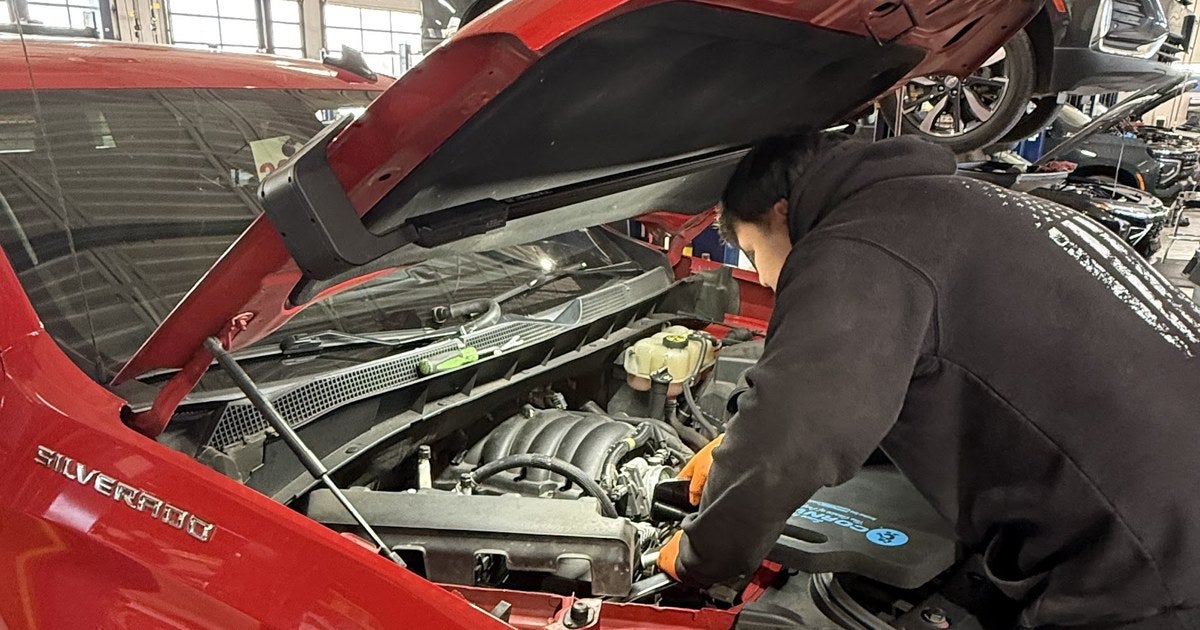
Engine cooling concerns call for a different set of checks. That may include inspecting coolant level and condition, looking for leaks, checking the radiator and hoses, and confirming that the cooling fans and other components are operating properly.
Refrigerant type also depends on the vehicle. Newer Chevrolet models may use R-1234yf, while older vehicles may use R-134a. The correct refrigerant and service procedure should always be determined by the specifications for your Chevy's model and model year.
Why Cooling System Problems Matter More in Texas Heat
Triple-digit temperatures don't cause every cooling system problem, but they can make an existing weakness more noticeable. Low coolant, a leak, restricted airflow, or a component that isn't working properly gives the cooling system less room to manage engine temperature when outside temperatures are already high.
That's why a temperature gauge running hotter than normal or an overheating warning isn't something to put off during a Texas summer. Continuing to drive an overheating vehicle can cause serious engine damage and turn a cooling system problem into a much larger repair.
That's also why Jupiter Chevrolet builds flexibility into how customers get service handled during the hottest months. Vehicles that need to stay overnight or longer can use the dealership's loaner and shuttle options, so a cooling system repair doesn't mean going without a vehicle in the middle of a Dallas summer.
What to Do If Your Chevy's AC Stops Working on a 100-Degree Day
Start by paying attention to what's changed. If airflow from the vents has become noticeably weaker, a dirty cabin air filter or another airflow restriction may be part of the problem. If airflow still feels strong but the air isn't getting cold, the AC system itself may need diagnosis.
AC performance can change for several reasons, including refrigerant leaks, electrical problems, or issues with components such as the compressor or condenser. Rather than guessing at the cause or adding refrigerant without knowing why the system is low, have the AC system checked if the problem continues.
One important distinction: warm AC isn't the same as an overheating engine. If your AC stops cooling but the engine temperature remains normal and there are no temperature warnings, that's generally an AC concern. If the temperature gauge climbs into the hot range or an overheating warning appears, follow your owner's manual guidance and stop driving when it's safe to do so.
Jupiter Chevrolet also offers an overnight drop-off option for customers who need to leave a vehicle outside regular service hours. Contact the service department for current drop-off instructions and to schedule your AC or cooling-system diagnosis.
How to Protect Your Chevy Before the Next Heat Wave
A few simple habits can help you spot problems before the next stretch of triple-digit temperatures. Check your coolant level according to the instructions in your Chevy's owner's manual, and only check or add coolant when the vehicle is cool enough to do so safely. If the coolant level keeps dropping or you notice fluid under the vehicle, have the system inspected rather than repeatedly topping it off.
Pay attention to how your Chevy normally behaves, too. A temperature gauge that begins running higher than usual, a new warning message, an unusual odor, or AC performance that suddenly changes can all be reasons to schedule a closer look.
For cabin comfort, parking in a garage or shade when possible can reduce how hot the interior gets while the vehicle is sitting. If the cabin has been baking in direct sun, letting some of that trapped hot air escape before asking the AC to cool the interior can also make the first few minutes of the drive more comfortable.
Preventive habits won't fix an existing mechanical problem. If your Chevy is overheating, losing coolant, or showing another persistent warning sign, have the cause diagnosed rather than trying to manage the symptoms through the rest of the summer.
Frequently Asked Questions
What should I do if my Chevy starts overheating?
If the temperature gauge moves into the hot range or an overheating warning appears, don't ignore it or continue driving in hopes that the temperature will come back down. Follow the instructions in your Chevy's owner's manual and stop driving when it's safe to do so. Continuing to operate an overheating engine can cause serious damage.
Why does my Chevy's AC blow warm air in extreme heat?
Warm AC can have several causes, including low refrigerant from a leak, electrical problems, or an issue with the compressor or condenser. If the problem continues after the vehicle has been running for several minutes, the AC system may need to be diagnosed rather than simply topped off with refrigerant.
Does warm AC mean my Chevy is overheating?
Not necessarily. Your Chevy's air conditioning system and engine cooling system perform different jobs, so weak or warm AC by itself doesn't mean the engine is overheating. Watch the temperature gauge and instrument-panel warnings separately. If the engine temperature rises into the hot range or an overheating warning appears, treat that as an engine cooling issue and follow the guidance in your owner's manual.
What refrigerant does my Chevy use?
Refrigerant type depends on your Chevrolet's model and model year. Newer vehicles may use R-1234yf, while older vehicles may use R-134a. Check the specifications for your vehicle before adding or servicing refrigerant.
How often should I have my Chevy's cooling system checked in Texas?
Follow the maintenance schedule for your specific Chevrolet model and model year. Have the system checked sooner if you notice the engine running hotter than normal, a coolant warning, a possible leak, or another change in how the cooling system is operating.
Why is the airflow from my Chevy's AC weaker than usual?
A dirty cabin air filter can restrict airflow through the vents, but weak airflow can have other causes as well. If replacing or inspecting the filter doesn't resolve the problem, the HVAC system may need a closer look.
Does Jupiter Chevrolet offer overnight drop-off for AC or cooling system service?
Yes. Jupiter Chevrolet offers an overnight drop-off option for customers who need to leave a vehicle outside regular service hours. Contact the service department for current drop-off instructions and appointment information.
Feeling the Heat?
If your Chevy's AC isn't cooling like it normally does or you've noticed a change in engine temperature, schedule a service appointment with Jupiter Chevrolet in Garland. Visit jupiterchev.com to schedule.
About the Author
Eric Fussell is the General Manager of Jupiter Chevrolet in Garland, TX. He oversees dealership operations across sales, service, and the customer experience. Jupiter Chevrolet has served the Garland community for over 100 years, reaching customers across Garland, Mesquite, Dallas, Plano, Richardson, Rockwall, Forney, McKinney, and Grapevine.
Sources & Further Reading
- Chevrolet Owner's Manuals and Vehicle Support — for model-specific coolant, refrigerant, warning-light, overheating, and maintenance guidance.
- The Jupiter Advantage — for Jupiter Chevrolet's qualifying service transportation and loaner benefits.
- Jupiter Chevrolet Service Center — for current service and scheduling information.
Disclaimer: This article is intended as a general guide. Cooling-system and AC specifications, maintenance requirements, and service procedures vary by Chevrolet model and model year. Refer to your owner's manual for vehicle-specific guidance. Diagnosis and repair recommendations depend on the condition of your vehicle.
Published: September 14, 2026 | Last updated: September 15, 2026