


Blog / Auto News

Blog

All Auto News Garland Chevrolet Dealer 2026 Chevrolet Models Jupiter Chevrolet Dealer SUVs Trucks 2026 Chevy Silverado Chevrolet Silverado EV in Garland, TX 2026 Chevrolet Silverado EV Chevrolet Silverado 2500HD Chevy Equinox Chevy EVs Chevy Trailblazer Garland Chevrolet Collision Center Garland Chevrolet Service
Local Dealerships & Community Engagement: Their Role

The Role of Local Dealerships in Enhancing Community Engagement

Quick Listen: Podcast A car dealership's relationship with its community often begins with strategic efforts to engage and support local initiatives. Through sponsorships and charity events, dealerships can build lasting connections. For instance, dealerships like Toyota of North Austin frequently sponsor youth sports leagues, charity runs, and health awareness campaigns. These initiatives not only elevate the dealership's local profile but also show the community that the business is invested in its welfare. Furthermore, dealerships are increasingly involved in charity events, where they host fundraising drives or donate portions of sales to support local causes. Whether it's organizing toy drives during the holidays or partnering with food banks for seasonal food donations, dealerships become indispensable partners in community welfare. The loyalty they generate through these initiatives helps them form strong emotional bonds with their customers, who feel a genuine connection to a business that gives back to their community. Educational Outreach: Empowering Communities with Knowledge Beyond social good, dealerships also play an educational role. Many local car dealerships go beyond traditional sales by offering workshops and training programs aimed at improving the skills of their community members. For example, some dealerships collaborate with schools and local organizations to provide automotive-related workshops. These workshops can range from teaching high school students about the automotive industry to offering guidance on how to manage personal finances, empowering individuals with valuable skills they can use throughout their lives. Such educational initiatives serve a dual purpose. They equip community members with practical knowledge and expose them to career opportunities in the automotive sector. In some cases, these efforts have led to partnerships with local job training programs or internships that help residents transition into stable careers. Dealerships thus play a crucial role in not just selling products but also fostering an environment where community members can learn and thrive. The Economic Power of Local Dealerships Local car dealerships also play a crucial economic role in their communities. As major employers, dealerships offer a wide range of jobs, from sales associates to service technicians, providing stable employment for residents. According to a Forbes Business Council article, dealerships are often among the largest employers in small to mid-sized communities. Beyond the jobs directly offered by the dealership itself, the influx of customers into these businesses helps support a myriad of nearby services from cafes to local shops. The benefits of dealerships extend to local economic stimulation, as these businesses help circulate money within their communities. When customers visit a dealership, they not only purchase cars but also spend money in the surrounding areas. For example, a local restaurant might see an increase in customers during a sales event, or a nearby retail store may experience a surge in foot traffic when dealership employees host an event. These ripple effects create a more vibrant local economy, ensuring that the impact of a dealership goes well beyond its own walls. Additionally, car dealerships can serve as economic stabilizers during times of uncertainty. In periods of economic downturn, dealerships often serve as stabilizing forces, providing essential goods and services that residents still require, such as reliable transportation. Furthermore, dealerships help local governments by contributing tax revenues, which are vital for funding public services like roads, schools, and law enforcement. Their role as tax contributors reinforces the importance of dealerships in maintaining and developing local infrastructure. Driving Change Through Customer Loyalty and Service In the world of sales, customer loyalty is hard to come by, but local dealerships have the distinct advantage of cultivating long-term relationships with their customers. By engaging in community-driven campaigns and providing personalized service, dealerships build trust with their clientele that extends beyond the initial sale. Customers who feel personally invested in the dealership's success are more likely to return for future vehicle purchases or recommend the business to others. Dealerships often implement loyalty programs to enhance customer retention. These programs might offer exclusive deals for repeat customers or allow customers to receive maintenance services at discounted rates. The value of these programs lies in their ability to foster continued relationships between the dealership and the community, ensuring that customers feel supported throughout the lifespan of their vehicle. Additionally, many dealerships are increasingly adopting social media platforms to promote their community engagement. This digital approach allows them to reach a broader audience while keeping their local efforts visible and accessible to a tech-savvy population. By showcasing their involvement in community events or sharing stories about local causes they support, dealerships deepen their connection to residents and demonstrate their ongoing commitment to the areas they serve. Local Dealerships: Pillars of Community Support and Development The influence of local car dealerships extends beyond just the business sector; it's about building a network of support for the entire community. Local dealerships are not just places to buy cars; they are vibrant hubs of interaction that help cultivate a sense of shared identity and pride. When a dealership actively engages in its community, it fosters a two-way relationship in which both the business and the community benefit. As noted by Dealer Authority, a dealership's success is closely linked to the trust and goodwill it earns from the local population. By establishing genuine connections through outreach, education, and service, dealerships contribute to a more cohesive and supportive community. In a broader sense, the role of local dealerships is often symbolic of a return to more localized and community-driven economies. Unlike large, impersonal corporate chains, local dealerships provide a unique blend of personal service and economic impact that truly makes a difference. For many, these dealerships are still seen as the last bastion of traditional Main Street business practices, where community engagement and customer relationships take center stage. A Lasting Legacy: Ensuring Continued Community Support The lasting legacy of a local dealership is one of engagement, empowerment, and economic contribution. As communities continue to evolve, so too will the role of these dealerships. In the future, they will likely expand their efforts in education, philanthropy, and economic stimulation, becoming even more integral to their neighborhoods. The businesses that can adapt to changing community needs and continue to foster strong local ties will be the ones that thrive. Disclaimer: The above helpful resources content contains personal opinions and experiences. The information provided is for general knowledge and does not constitute professional advice. You may also be interested in: Jupiter Chevrolet Blog | News, Updates, and Info - Jupiter Chevrolet Feeling stuck in the stressful car-buying process? At Jupiter Chevrolet in Garland, TX, we've reimagined how buying a car should feel. With transparent pricing, online deal-building tools, and the benefits of our Jupiter Advantage program, we ensure every step is straightforward and satisfying. Skip the hassle. From purchase to certified service, our team truly puts your choice and convenience first. Turn your dreams of finding your ideal Chevrolet into reality with us. Visit Jupiter Chevrolet today! Powered by flareAI.


Personalized Service: Key to a Better Car Buying Experience

The Importance of Personalized Service in the Car Buying Process

Quick Listen: Podcast Car buyers are no longer satisfied with a one-size-fits-all experience. As more consumers turn to online platforms for research, there's a growing demand for something more personal. Shoppers want experiences tailored to their unique needs, preferences, and circumstances. The shift from transactional to relational buying is now a dominant trend in the automotive industry. Dealerships that recognize and respond to this shift stand to build stronger, more loyal customer bases. Personalization in car buying is not just a buzzword; it's an essential strategy for creating value in a market flooded with choices. According to a study, many consumers prefer a personalized experience when making large purchases like cars. This expectation for personalization is reshaping the entire industry. Section 1: The Rise of Tailored Car Buying Gone are the days when car buyers would walk into a dealership and simply pick a vehicle off the lot. Today's buyers arrive informed and prepared, armed with knowledge about various makes, models, and even pricing. This shift in consumer behavior is fueled by the rise of digital platform that provide buyers with a wealth of information. But while online research and virtual showrooms can help buyers narrow their choices, they still crave the human touch a personalized service that helps them make the best choice for their specific needs. Car buyers today expect more than just a basic sales pitch. They want a dealership that understands their individual requirements, whether they are looking for an eco-friendly vehicle, a family car, or a high-performance sports car. For example, customers who purchase an electric vehicle (EV) are more likely to buy from a dealership that provides personalized information on available incentives, long-term savings, and charging infrastructure. In this context, personalization extends beyond just selecting the right car; it involves aligning the car-buying experience with the customer's lifestyle and goals. As the automotive market becomes more competitive, dealerships that invest in personalized services are seeing measurable benefits. Customers are increasingly loyal to brands that offer individualized experiences. This trend is particularly evident in online research, where many car buyers report being more satisfied when they have access to tailored information during the shopping process. As a result, it's no longer enough to simply offer a vehicle; dealerships must offer an experience that aligns with the buyer's personal preferences. Section 2: Technology Meets Human Interaction One of the most exciting developments in car buying is the integration of technology with personalized service. Innovations like virtual showrooms and artificial intelligence (AI)-powered tools are revolutionizing the way customers interact with dealerships. These tools allow consumers to explore a range of vehicles from the comfort of their homes and receive personalized recommendations based on their preferences. Dealers who master the integration of technology and personalized service create a customer experience that is both streamlined and emotionally satisfying. A recent report indicates that many buyers who use a combination of digital and in-person interactions feel more confident in their final decision. This hybrid approach not only boosts customer satisfaction but also increases the likelihood of referrals and repeat business. Section 3: Shifting Consumer Expectations The modern consumer is more informed and more selective than ever before. Today's car buyers are no longer looking for a simple transaction; they are seeking an experience that speaks to their specific needs and values. This shift is particularly evident among younger buyers, such as Millennials and Generation Z, who are not only tech-savvy but also highly engaged with brands that offer a personalized, transparent experience. For younger buyers, digital-first interactions are the norm. Generation Z, for instance, expects to begin their car-buying journey online, researching options, and making preliminary decisions before even stepping foot in a dealership. These buyers value transparency and expect dealerships to provide accurate, up-to-date information on everything from vehicle pricing to financing options. As a result, dealerships that offer personalized online experiences such as customized price quotes, personalized vehicle recommendations, and virtual test drives are more likely to win over this demographic. Moreover, personalization is no longer limited to the buying experience alone. Consumers are also looking for ongoing engagement after the sale. A recent study revealed that many car buyers prefer dealerships that maintain communication even after the purchase, offering service reminders, product updates, and customer loyalty programs. This continued engagement fosters deeper relationships and can turn first-time buyers into lifelong customers. Section 4: The Power of Building Relationships What truly sets a dealership apart in the modern automotive market is its ability to build relationships with customers. Personalized service isn't just about the initial sale; it's about creating a connection that lasts long after the transaction. Dealerships that focus on relationship-building whether through personalized follow-ups, tailored service plans, or exclusive promotions stand a far greater chance of fostering customer loyalty. One simple but effective way to build relationships is through personalized communications, such as thank-you emails, handwritten notes, or special discounts on future purchases. These small gestures can significantly enhance the customer experience and demonstrate that the dealership values its customers as individuals. Dealerships that go the extra mile to make customers feel valued are likely to reap the rewards in terms of repeat business and word-of-mouth referrals. Customer loyalty is vital in the automotive industry. A study found that many car buyers are more likely to return to a dealership where they had a personalized buying experience, with a significant portion recommending that dealership to others. Personalization, in this context, is a powerful tool not just for driving sales but for creating long-lasting, trust-based relationships. The Future of Car Buying is Personal The automotive industry is undergoing a major transformation, with personalization at the heart of this change. Consumers now demand experiences that are tailored to their specific needs and preferences, and dealerships that fail to meet these expectations risk falling behind. By embracing the power of personalized service, dealerships can not only enhance customer satisfaction but also build lasting relationships that drive long-term success. The key to thriving in this new era of car buying lies in balancing technology with the human touch. As the car-buying process continues to evolve, dealerships must leverage innovative tools such as virtual showrooms, AI-powered recommendations, and data-driven insights while maintaining personalized, transparent, and value-driven interactions with their customers. Dealerships that master the art of personalization will not only stand out in a crowded marketplace but will also pave the way for a more customer-centric, loyal future in the automotive industry. Disclaimer: The above helpful resources content contains personal opinions and experiences. The information provided is for general knowledge and does not constitute professional advice. You may also be interested in: Jupiter Chevrolet Blog | News, Updates, and Info - Jupiter Chevrolet Feeling stuck in the stressful car-buying process? At Jupiter Chevrolet in Garland, TX, we've reimagined how buying a car should feel. With transparent pricing, online deal-building tools, and the benefits of our Jupiter Advantage program, we ensure every step is straightforward and satisfying. Skip the hassle. From purchase to certified service, our team truly puts your choice and convenience first. Turn your dreams of finding your ideal Chevrolet into reality with us. Visit Jupiter Chevrolet today! Powered by flareAI.

Corporate Takeovers: Impact on Car Buyers in 2025

Big Brands, Big Changes: What Corporate Ownership Means for Car Shoppers

Quick Listen: Podcast The automotive industry is in the midst of a transformative shift. Major mergers and acquisitions are reshaping the corporate structure of the industry, significantly altering the way cars are bought, sold, and even perceived by consumers. As corporate giants consolidate, the relationship between the buyer and the brand is being redefined. Today, many of the car brands we know and trust are now under the umbrella of larger conglomerates, leaving car shoppers to reconsider what brand loyalty really means in this new landscape. The Corporate Landscape: Who Owns What? The evolution of corporate ownership in the automotive industry is undeniable. Once upon a time, car brands operated independently, each striving to carve out its own niche in the market. Today, however, many well-known car brands are part of vast, international conglomerates that operate across different segments and markets. Take Stellantis, for example this multinational corporation was formed from the merger of Fiat Chrysler and PSA Group and now oversees a broad portfolio of brands, including Chrysler, Jeep, Peugeot, and Fiat. Similarly, the Hyundai Motor Group controls Hyundai, Kia, Genesis, and even a stake in Rimac, a rising star in the electric vehicle space. This consolidation isn't simply about business strategy it's a response to broader economic pressures, including the growing demand for electric vehicles (EVs), stricter environmental regulations, and the need for more efficient manufacturing processes. Corporate mergers allow automakers to pool resources and share technology, which can drive down costs and foster innovation. However, this consolidation also means that familiar brands are no longer as independent as they once were, and car buyers must grapple with understanding which companies own which brands. For a detailed breakdown of the complex corporate structure behind the brands you know, Consumer Reports offers a comprehensive guide to the ownership of various car manufacturers. Trends Reshaping the Market The consolidation of car brands under larger corporate umbrellas is only one part of the story. A slew of trends are also reshaping how we think about cars and how we buy them. One of the most significant trends to emerge is the shift toward electrification. As more automakers invest in electric vehicle technology, consumers are increasingly looking for more sustainable, energy-efficient options. Companies like Stellantis and Hyundai Motor Group are investing heavily in EVs, with Stellantis planning to launch multiple electric models in the coming years, while Hyundai has established itself as a leader in affordable electric options. This shift toward electric vehicles isn't just a fleeting trend; it's a fundamental change in the automotive landscape. As the world moves toward cleaner energy, car buyers are expected to demand more EV options, pushing automakers to accelerate their investments in electric vehicle infrastructure. This change is not just about new technology but also about the future of mobility itself. Electric vehicles represent a long-term solution to environmental challenges, and consumers are increasingly recognizing this shift as part of their buying decision. Another key trend is the ongoing digital transformation of the car buying process. Traditionally, purchasing a car involved visiting multiple dealerships, haggling over prices, and spending hours in a showroom. Today, however, car buyers can access an entirely new experience through online platforms. More and more automakers are offering digital showrooms and allowing customers to complete the entire car-buying process from their computers or smartphones. The convenience of online shopping is reshaping the way we buy cars, making the process faster, more transparent, and, often, less stressful. This shift is largely driven by the need to adapt to changing consumer expectations. Younger generations, particularly Millennials and Gen Z, are less inclined to visit dealerships in person and more interested in a seamless, digital-first car buying experience. According to a study by Publicis Sapient, automakers are embracing these trends to provide a more personalized, user-friendly experience for their customers. The Rise of Usership: Changing Attitudes Toward Car Ownership One of the most profound changes in consumer behavior is the growing interest in “usership” over ownership. For decades, owning a car was seen as a rite of passage, a symbol of personal freedom, and an essential aspect of life in many parts of the world. However, as the cost of living rises, urbanization increases, and environmental concerns mount, more and more consumers are looking for alternatives to traditional car ownership. The rise of car-sharing programs, subscription services, and other forms of flexible vehicle access is evidence of this shift. Instead of purchasing a vehicle outright, consumers are now opting to pay for the use of a car on a short-term basis, whether it's through a subscription service or car-sharing platforms like Zipcar. This model is particularly attractive to younger buyers who prefer the flexibility to drive different cars without the long-term financial commitment that comes with traditional ownership. The growing popularity of electric vehicle subscription services further underscores this trend. Consumers can pay a monthly fee to drive an electric car, which often includes insurance, maintenance, and the use of charging infrastructure. This arrangement removes many of the headaches associated with traditional car ownership while offering the benefits of driving an eco-friendly vehicle. As the automotive industry continues to embrace these subscription-based models, it's clear that traditional ownership is no longer the only option. This shift in how we think about car ownership is well-explained in a Forbes article, which discusses how car manufacturers are pivoting to meet the needs of consumers who want access rather than ownership. Consumer Insights: What Do Today's Buyers Want? To fully understand the impact of these shifts, it's essential to take a look at what consumers want from their car-buying experience. Today's car buyers are more informed and discerning than ever before. According to a recent report by Cox Automotive, customer satisfaction with the car-buying process improved in 2023, marking the end of a two-year period of declining satisfaction. This improvement can be attributed to better online shopping experiences, more transparency in pricing, and an overall shift toward a more consumer-friendly approach to car sales. One of the key factors influencing consumer decisions is price sensitivity. As the cost of living rises, more buyers are looking for vehicles that offer good value for money. According to Urban Science, Gen Z buyers are especially focused on affordability, and they expect automakers to offer competitive pricing, financing options, and clear incentives. These consumers are also more likely to gravitate toward brands that align with their values, such as those offering sustainable or socially responsible products. Transparency has also become a key consideration. Consumers want to know exactly what they're paying for and expect dealerships to be upfront about pricing, fees, and financing terms. Car buyers are increasingly drawn to brands that offer a more straightforward, no-nonsense approach to purchasing. What's Next for Car Shoppers? As the automotive industry continues to evolve, the future of car shopping is becoming more dynamic and diverse. The consolidation of corporate ownership, the shift toward electrification, and the rise of usership models are all reshaping the market in ways that were once unimaginable. What does this mean for car shoppers in the coming years? Expect more choices, more flexibility, and more innovation. As the automotive industry adapts to changing consumer preferences, car buyers can look forward to a wider range of vehicles, from electric options to subscription-based services. The lines between car ownership, leasing, and sharing are increasingly blurred, and that means more opportunities for consumers to find the best fit for their needs. One thing is clear: the car buying process is becoming more personalized, convenient, and tailored to individual preferences. Whether you choose to buy a car outright, subscribe to a service, or share a ride, the future of car shopping is already here, and it's shaping up to be more exciting than ever. For a closer look at how corporate ownership is reshaping the automotive landscape, check out Business Insider and Cox Enterprises. Disclaimer: The above helpful resources content contains personal opinions and experiences. The information provided is for general knowledge and does not constitute professional advice. You may also be interested in: Jupiter Chevrolet Blog | News, Updates, and Info - Jupiter Chevrolet Feeling stuck in the stressful car-buying process? At Jupiter Chevrolet in Garland, TX, we've reimagined how buying a_pol car should feel. With transparent pricing, online deal-building tools, and the benefits of our Jupiter Advantage program, we ensure every step is straightforward and satisfying. Skip the hassle. From purchase to certified service, our team truly puts your choice and convenience first. Turn your dreams of finding your ideal Chevrolet into reality with us. Visit Jupiter Chevrolet today! Powered by flareAI.

Strategies for Smaller Dealerships to Compete Effectively

Strategies for Smaller Dealerships to Compete with Larger Competitors

Quick Listen: Podcast The automotive market is undeniably competitive, with large dealership chains dominating the scene. Smaller dealerships often find themselves struggling to compete with these behemoths, who have the upper hand in terms of inventory, marketing budgets, and brand recognition. However, despite these hurdles, smaller dealerships possess distinct advantages that, if leveraged properly, can allow them to thrive in a crowded market. By focusing on personalized service, building strategic partnerships, implementing innovative marketing strategies, and engaging deeply with the local community, smaller dealerships can carve out a successful niche for themselves. Personalized Service: The Key Differentiator For small dealerships, personalized customer service is a critical differentiator. While larger dealerships tend to operate on a more transactional level, smaller dealerships have the opportunity to build deeper, more meaningful relationships with their customers. Personalized service fosters trust and loyalty, key components for long-term success. Customers are more likely to return to a dealership that understands their needs and treats them as more than just a sale. Strategic Partnerships: Enhancing Inventory and Reach Inventory is a challenge for many small dealerships, especially when faced with the massive purchasing power of larger chains. However, strategic partnerships can provide a solution to this problem. By working closely with manufacturers, suppliers, and even other local businesses, smaller dealerships can secure better deals on inventory, improve stock variety, and increase their market reach. Partnerships allow small dealerships to tap into resources they may not have access to otherwise. For example, collaborating with suppliers can help secure exclusive vehicle models or better financing terms, which can make a dealership more attractive to customers. Furthermore, these partnerships can expand a dealership's ability to market and sell vehicles to a wider audience. In a competitive marketplace, building strong relationships with suppliers and partners can give smaller dealerships an edge in managing inventory and expanding their customer base. By forging strategic supply chain partnerships, dealerships can enhance their inventory management and gain valuable insights into automotive trends and consumer preferences. These partnerships help smaller dealerships remain competitive in a market where larger competitors have the financial advantage. Innovative Marketing Strategies In an era where digital marketing is increasingly crucial, smaller dealerships can use targeted marketing strategies to compete effectively with their larger counterparts. Though they may not have the massive advertising budgets that larger chains possess, smaller dealerships can focus their efforts on cost-effective and innovative marketing tactics to attract local customers. A strong social media presence can help dealerships build a more personal connection with potential customers, offering a platform for customer interaction, live vehicle demonstrations, and promotional offers. Leveraging platforms like Facebook, Instagram, and YouTube allows smaller dealerships to reach a larger audience, share content that resonates with local buyers, and drive traffic to their websites. Furthermore, smaller dealerships can engage in email marketing campaigns that target specific customer segments, offering tailored deals or updates on new inventory. This type of personalized, direct communication helps keep the dealership top-of-mind for potential buyers. By embracing innovative digital marketing strategies, smaller dealerships can effectively compete with larger players while maximizing their limited resources. Community Engagement: Building Local Loyalty For smaller dealerships, becoming an integral part of the local community is an invaluable strategy for building brand loyalty. Unlike larger, national chains, small dealerships can take advantage of their local presence to foster meaningful connections with customers. When customers feel like they are supporting a business that has a tangible impact on their community, they are more likely to return and recommend the dealership to others. Community engagement can take many forms, including hosting charity events, sponsoring local sports teams, or organizing community service days. These efforts demonstrate that the dealership is not just focused on sales, but on creating a positive impact within its community. This type of engagement strengthens the dealership's brand and encourages customers to forge a personal connection with the business. Another effective strategy is hosting educational workshops or informational events that help customers make informed decisions about vehicle purchases. For example, small dealerships can organize car maintenance clinics, financing workshops, or test-drive events, all of which help build trust and showcase the dealership's expertise. By investing in community engagement, smaller dealerships can build a loyal customer base that values their contribution to the local area. Moreover, by developing these strong relationships within the community, smaller dealerships can rely on word-of-mouth marketing and customer referrals. Local customers who have positive experiences with a dealership are likely to share their satisfaction with others, leading to an organic increase in sales. This grassroots approach to marketing can be more effective than expensive advertisements, as it leverages the trust and loyalty that local buyers have for businesses in their community. Flexible Financing and Value Propositions One of the challenges customers face when purchasing a vehicle is navigating financing options. While larger dealerships may offer a range of financing options, smaller dealerships have the flexibility to customize their offerings based on individual customer needs. This can be an appealing advantage for buyers who may have unique financial situations or are looking for more personalized financing solutions. Smaller dealerships can offer a range of financing options, from traditional loans to lease deals, or even explore creative solutions like buy-here-pay-here plans. These flexible financing options provide customers with the opportunity to find a solution that best suits their financial circumstances, which can be a major selling point. Offering customized financing options allows smaller dealerships to appeal to a broader range of customers, particularly those who may be turned away by the rigid financing structures of larger competitors. Thriving in a Competitive Market The automotive industry is undeniably competitive, but small dealerships can find success by focusing on their unique strengths. By offering personalized service, building strategic partnerships, utilizing innovative marketing techniques, and engaging deeply with their local communities, smaller dealerships can effectively compete with larger players. The key is not to try and match the larger competitors in every area but rather to leverage the personal advantages that come with being a smaller, more agile business. With the right strategies in place, smaller dealerships can create loyal customer bases, maximize their marketing budgets, and become pillars in their communities. The ability to adapt and innovate will allow small dealerships to not only survive but thrive in an industry dominated by much larger players. Through a combination of smart partnerships, personalized service, and community engagement, small dealerships can unlock their full potential and compete on equal footing with their larger competitors. Disclaimer: The above helpful resources content contains personal opinions and experiences. The information provided is for general knowledge and does not constitute professional advice. You may also be interested in: Jupiter Chevrolet Blog | News, Updates, and Info - Jupiter Chevrolet Feeling stuck in the stressful car-buying process? At Jupiter Chevrolet in Garland, TX, we’ve reimagined how buying a car should feel. With transparent pricing, online deal-building tools, and the benefits of our Jupiter Advantage program, we ensure every step is straightforward and satisfying. Skip the hassle. From purchase to certified service, our team truly puts your choice and convenience first. Turn your dreams of finding your ideal Chevrolet into reality with us. Visit Jupiter Chevrolet today! Powered by flareAI.

The Future of Automotive Sales: Trends for Dealerships

The Future of Automotive Sales: Trends for Family-Owned Dealerships

Quick Listen: Podcast The automotive sales industry is undergoing a profound transformation. The shift to digital platforms and the growing demand for personalization and convenience are reshaping how consumers purchase vehicles. Family-owned dealerships, often celebrated for their deep customer relationships and personalized service, are now faced with the task of adapting to these new realities while maintaining the values that have made them successful. As digital tools revolutionize the car-buying experience, these businesses have a unique opportunity to blend innovation with tradition, positioning themselves as trusted and relevant players in the future of automotive sales. Digital Transformation in Automotive Sales The impact of digital transformation on automotive sales is undeniable. Consumers no longer view the car-buying journey as a linear process that begins with a visit to the dealership and ends with a purchase. Instead, the entire journey is now increasingly digital, with consumers researching vehicles, comparing prices, and even completing financing applications online. Studies highlight high satisfaction among new and electric vehicle buyers, driven by the convenience and transparency that digital tools provide. For family-owned dealerships, this shift presents both challenges and opportunities. While larger corporate chains may have the resources to quickly adopt cutting-edge technologies, family-run businesses can leverage their smaller size to implement more flexible, customer-centric strategies. The key for family dealerships will be integrating digital tools into their operations while maintaining the human touch that has always been their hallmark. Virtual showrooms, online vehicle browsing, and AI-driven chatbots for customer service are all tools that can enhance the buying experience. However, it is the personal connections whether in-person or through virtual interactions that will continue to set family-owned dealerships apart in an increasingly digital marketplace. Consumer Preferences: The Rise of Personalization and Convenience The modern consumer expects more from their car-buying experience. They want not only a seamless online journey but also a personalized one. From tailored recommendations based on previous searches to offers that are specifically designed to meet individual needs, consumers are seeking a more customized approach to purchasing a vehicle. Family-owned dealerships are in a prime position to deliver this level of personalization. Their smaller size allows them to build stronger relationships with customers, gaining deeper insights into their preferences and needs. By using data-driven tools and AI to personalize recommendations, family dealerships can offer the kind of one-on-one attention that larger, corporate dealerships cannot. Another significant trend is the increased demand for electric vehicles (EVs). As more consumers prioritize sustainability, family-owned dealerships can stand out by offering expert advice on EV options and showcasing their knowledge of the latest technologies. A Deloitte Global Automotive Consumer Study emphasizes how important it is for dealerships to stay ahead of changing consumer preferences. Family dealerships, with their agility and close ties to local communities, can adapt quickly to this shift and become trusted advisers to consumers navigating the world of EVs. Omnichannel Experiences: The Future of Automotive Customer Satisfaction Omnichannel experiences are now a central component of customer satisfaction in the automotive industry. Today's consumers expect to interact with dealerships across multiple platforms whether through a website, social media, or in person without feeling that the experience is fragmented. Market insights suggest that the integration of digital tools with physical showrooms is essential for driving consumer satisfaction. Family-owned dealerships have a unique advantage in this regard. While larger dealerships may struggle to create seamless experiences across different channels, family-run businesses can offer an integrated journey that combines the convenience of digital tools with the warmth of personal service. For example, a customer might begin their car-buying journey by browsing online, then schedule a test drive at the dealership. When they arrive, they might be greeted by a familiar face and guided through the next steps with personalized assistance. Social Media and Customer Engagement: Building Trust in a Digital Age Social media has become a critical tool for family-owned dealerships looking to engage with modern consumers. Platforms like Facebook, Instagram, and TikTok provide opportunities to reach potential buyers, especially younger, tech-savvy generations who may never visit a traditional dealership. Social media also offers a platform for family-owned dealerships to showcase their unique values and differentiate themselves from larger competitors. The rise of platforms like TikTok has fundamentally changed how consumers research and make purchase decisions. Research indicates that younger generations are increasingly turning to social media platforms to research vehicles, making them valuable tools for dealerships to engage with younger buyers. Family-owned dealerships, with their ability to create authentic, relatable content, are uniquely positioned to connect with this demographic. For family dealerships, building a social media presence is not just about advertising it's about telling their story. Showcasing behind-the-scenes moments, customer testimonials, and community events can help humanize the brand and build trust. The more a dealership can engage with its community through social media, the stronger the bond it can create with its customers. Adapting to the Future: Overcoming Challenges and Embracing Innovation While digital tools offer significant advantages, they also present challenges for family-owned dealerships. Many smaller businesses are still navigating the complexities of digital transformation, from cybersecurity concerns to technology adoption gaps. Furthermore, the rapid pace of technological change means that dealerships must continually update their systems to stay competitive. However, these challenges should not be viewed as insurmountable obstacles. Instead, they present opportunities for innovation. By embracing emerging technologies such as AI-driven chatbots, predictive analytics, and virtual reality, family-owned dealerships can improve efficiency and enhance the customer experience. For example, AI-powered tools can help dealerships anticipate customer needs, offer personalized recommendations, and streamline the sales process. Similarly, virtual reality (VR) showrooms can provide an immersive experience for customers who prefer to browse from home. The key to success lies in striking a balance between embracing these innovations and retaining the personalized service that defines family-owned businesses. As technology evolves, family dealerships must continue to adapt while remaining true to the values that have made them successful. The Road Ahead for Family-Owned Dealerships The future of automotive sales is undeniably digital, but it is also deeply personal. Family-owned dealerships have a unique opportunity to navigate this digital transformation while continuing to offer the customer-centric service that has always set them apart. By embracing digital tools, offering personalized experiences, and staying ahead of consumer trends, these businesses can thrive in an increasingly competitive market. The road ahead is filled with opportunity for those who are willing to innovate while staying grounded in the values of trust, transparency, and community. Family-owned dealerships that succeed in this new landscape will not only survive they will lead the way in the future of automotive sales. Disclaimer: The above helpful resources content contains personal opinions and experiences. The information provided is for general knowledge and does not constitute professional advice. You may also be interested in: Jupiter Chevrolet Blog | News, Updates, and Info - Jupiter Chevrolet Feeling stuck in the stressful car-buying process? At Jupiter Chevrolet in Garland, TX, we've reimagined how buying a car should feel. With transparent pricing, online deal-building tools, and the benefits of our Jupiter Advantage program, we ensure every step is straightforward and satisfying. Skip the hassle. From purchase to certified service, our team truly puts your choice and convenience first. Turn your dreams of finding your ideal Chevrolet into reality with us. Visit Jupiter Chevrolet today! Powered by flareAI.

Navigating the Car Buying Process: Trends & Insights

Navigating the Car Buying Process: Trends and Insights

A few years ago, buying a car meant spending an entire afternoon at the dealership, sifting through paperwork, negotiating over coffee-stained desks, and hoping the salesperson didn't disappear for too long behind the manager's door. In 2025, the experience looks very different. Thanks to rising inventories, improved digital tools, and a changing economic landscape, today's car buyers are more informed, more empowered, and perhaps surprisingly more satisfied with the process. This shift hasn't happened overnight. It's been building slowly, accelerated by supply chain shocks, technological innovation, and shifting consumer expectations. Whether you're shopping for your first EV or trying to score a better lease on a traditional SUV, understanding the landscape is essential. Here's what's driving the change and what it means for your next purchase. A Market Reset: More Inventory, More Choices In the aftermath of pandemic-era shortages, automakers and dealerships are finding themselves in a new position: with more vehicles on lots, and a growing need to compete for customers. According to Bankrate, many dealers now have substantially more stock than they did just two years ago. As a result, buyers are seeing a greater variety of models, trims, and colors without the long wait times. That influx has also brought about a return of manufacturer incentives, previously rare during high-demand periods. As selection expands, so too does buyer leverage. The buyer no longer has to accept the one model left on the lot; instead, they can negotiate or walk away knowing there are comparable options nearby or online. Prices Leveling Off, But Caution Still Warranted After years of record-high prices, the new car market is starting to stabilize. As outlined by Investopedia, vehicle prices are still elevated, but the runaway increases of 2021–2023 have slowed. Experts say more incentives and dealer flexibility are helping to ease the sting though buyers should still prepare for a higher total cost than in pre-pandemic years. There's also a notable shift in demand. Gas-powered vehicles are losing some ground to EVs, which now represent a growing portion of total new car sales. The transition is being driven by a combination of policy incentives, infrastructure improvements, and shifting consumer priorities. According to a Cox Automotive survey, satisfaction among EV buyers reached record highs in 2024 and continues to trend upward in 2025. Reasons cited include a more transparent buying process, fewer moving parts in the transaction, and less time spent negotiating in person. Digital-First: The New Norm in Buying Behavior Gone are the days when a buyer walked into a showroom with a noted and a vague idea of what they wanted. Today's buyers start and often finish the process online. The rise of digital tools has radically reshaped the car-buying experience, transforming it into a data-driven journey that begins at home. Online configurators allow customers to build and compare vehicles before ever stepping foot in a dealership. Trade-in estimators, financing calculators, and live inventory tools help buyers plan and act with confidence. Platforms are increasingly offering end-to-end services, from selecting a car to securing financing, all without ever meeting a salesperson in person. What's more, this digital evolution is actually improving customer satisfaction. As Cox Automotive notes, buyers who complete at least half of their purchase process online report significantly higher satisfaction levels than those who complete the process traditionally. And the trend is expanding: omnichannel shopping where buyers toggle between digital and physical channels is now the norm, not the exception. Interest Rates and Financing: A Mixed Bag While inventory is improving and tools are making the process more accessible, affordability remains a challenge for many consumers. Interest rates, which spiked throughout 2023 and into early 2024, continue to affect monthly payments for both new and used vehicles. The role of credit scores has grown more pronounced, with lenders offering vastly different rates depending on a borrower's profile. Still, 2025 is bringing glimmers of relief. According to CarEdge, incentives on financing such as 0% APR offers or loyalty cash are making a comeback. Dealerships and manufacturers, eager to move metal, are offering creative deals for those with strong credit. Buyers with less-than-stellar credit, however, may find themselves facing longer terms, higher APRs, and fewer choices. It's more important than ever to shop around for financing before visiting the dealership. Getting pre-approved can not only help you stay within budget but also give you leverage when discussing rates. Timing Is (Still) Everything Even with more inventory and better tools, the timing of your purchase can make a meaningful difference. Seasonal patterns persist, and many dealerships reserve their best deals for quarter-end or year-end sales events. A recent report suggests that December remains a favorable time to buy a vehicle, followed closely by holiday weekends and model-year clearance events. Trust in Data: The Empowered Consumer One of the most profound changes in 2025 is the role of consumer data. Buyers no longer have to rely solely on a salesperson's word they can cross-reference offers using VIN-level pricing databases, dealer invoice tools, and real-time market analytics. This new transparency is leveling the playing field. Steering Ahead with Clarity The car-buying process in 2025 is no longer a game of guesswork and gut feelings. It's a sophisticated blend of technology, data, and consumer empowerment. While affordability concerns persist especially around financing the tools available to today's buyers are more powerful than ever before. Those who come prepared, armed with knowledge and a willingness to compare across platforms, will find themselves in a strong position. With inventory rebounding, digital platforms maturing, and satisfaction rates rising, this may be one of the most promising times in recent memory to shop for a new vehicle. Disclaimer: The above helpful resources content contains personal opinions and experiences. The information provided is for general knowledge and does not constitute professional advice. You may also be interested in: Jupiter Chevrolet Blog | News, Updates, and Info - Jupiter Chevrolet Feeling stuck in the stressful car-buying process? At Jupiter Chevrolet in Garland, TX, we've reimagined how buying a car should feel. With transparent pricing, online deal-building tools, and the benefits of our Jupiter Advantage program, we ensure every step is straightforward and satisfying. Skip the hassle. From purchase to certified service, our team truly puts your choice and convenience first. Turn your dreams of finding your ideal Chevrolet into reality with us. Visit Jupiter Chevrolet today! Powered by flareAI.
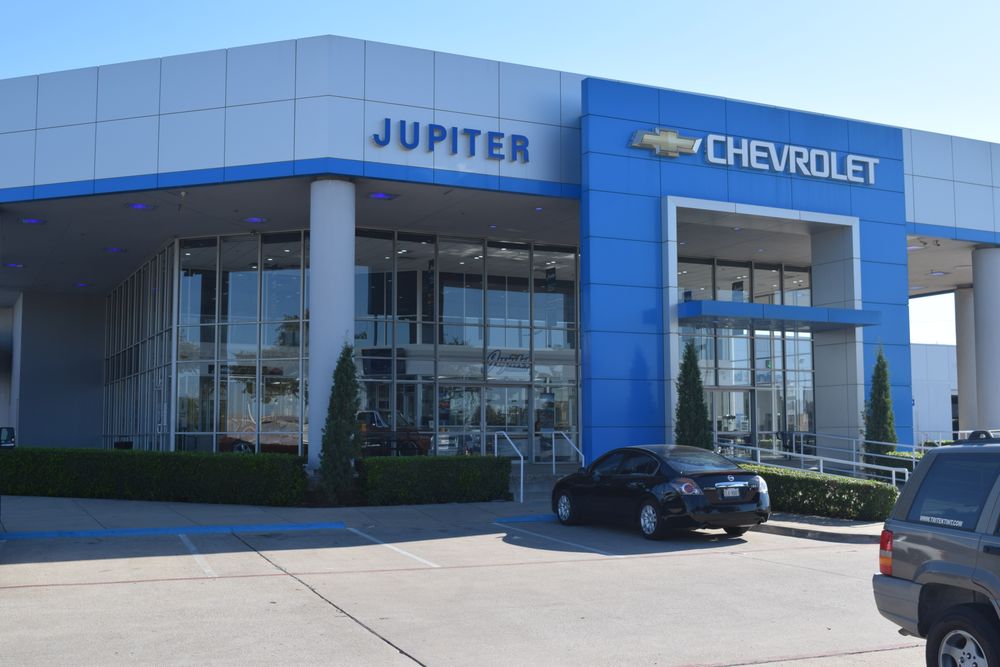
Jupiter Chevrolet dealership in Garland, TX

What Jupiter Chevrolet's Lifetime Powertrain Warranty Actually Covers

TL;DR Jupiter Chevrolet in Garland, TX offers a Lifetime Powertrain Warranty on new vehicle purchases for original owners. The warranty covers major powertrain components including the engine, transmission, and drivetrain systems, with no mileage cap and no time limit, as long as the vehicle is serviced at Jupiter Chevrolet on the manufacturer's recommended schedule. Most car warranties come with an expiration date. Jupiter Chevrolet's does not, and that distinction matters more over the life of a vehicle than most buyers realize when they sign the paperwork. This post covers exactly what the warranty includes, what it does not, and why a dealership that has been on the same lot in Garland since 1925 is the only kind of operation that can back a promise like this. What the Lifetime Powertrain Warranty Covers at Jupiter Chevrolet The powertrain is everything that makes the vehicle move. Jupiter Chevrolet's Lifetime Powertrain Warranty covers major powertrain components including the engine, transmission, and drivetrain systems. Full details are outlined in your warranty agreement at time of purchase. What makes Jupiter's warranty different from standard GM factory coverage is duration. The factory powertrain warranty covers 5 years or 60,000 miles. Jupiter's warranty continues past that point with no mileage cap, for as long as the original owner keeps the vehicle. At 60,001 miles, most Chevrolet owners are on their own. Jupiter owners are not. Jupiter Chevrolet has fulfilled warranty claims including complete engine and transmission replacements for original owners at no cost to the customer. That is what the warranty is for. What the Warranty Does Not Cover See your warranty agreement for the complete list of exclusions. Contact the Jupiter Chevrolet service team with any questions before purchase. The One Requirement: Servicing Your Vehicle at Jupiter Chevrolet To keep the Lifetime Powertrain Warranty valid, your vehicle must be serviced at Jupiter Chevrolet in Garland on the manufacturer's recommended maintenance schedule. Third-party service, including other GM dealerships, does not satisfy the compliance requirement. Jupiter Chevrolet must service the vehicle. Required maintenance includes: oil and filter changes, tire rotations, fluid inspections and replacements, transmission services, cooling system maintenance, and all other inspections per Chevrolet's factory maintenance schedule. Keep documentation of every service visit: date, mileage, services performed, and parts and fluids used. Missing required maintenance can jeopardize your warranty coverage. The most common reason customers lose coverage is failure to perform and document required maintenance. What to Avoid to Keep Your Coverage Active Address warning lights immediately. Ignoring check engine lights, transmission warnings, oil pressure warnings, or overheating conditions and continuing to drive with a known issue can lead to additional damage that may not be covered. Use manufacturer-recommended fluids and parts: engine oil, transmission fluid, coolant, and filters. Using incorrect fluids or failing to perform required services can affect powertrain performance and impact warranty coverage. Repair problems promptly. Engine knocking, excessive oil consumption, transmission slipping, drivetrain vibration, and unusual noises should be inspected immediately. Early diagnosis prevents minor issues from becoming major repairs. How Jupiter's Warranty Compares to What You Get Elsewhere GM Factory Jupiter Chevrolet Powertrain Coverage 5 yrs / 60,000 mi Lifetime, no mileage cap Included with purchase? Yes, all Chevy dealers Yes, Jupiter only Service requirement Any authorized dealer Jupiter Chevrolet, Garland only Transferable? No No Third-party extended warranty Sold separately N/A Why It Matters Most After 100,000 Miles The risk of a major mechanical failure increases as a vehicle accumulates mileage, particularly past the 100,000-mile mark. Without coverage, an unexpected transmission or engine failure at that stage means either a large unplanned repair bill or financing the repair at a high interest rate. Jupiter's warranty removes that risk entirely for drivers who plan to keep their vehicle well past the standard manufacturer warranty period. To put the numbers in context: transmission replacement typically runs $1,800 to $8,000 depending on the vehicle and whether a rebuilt, remanufactured, or new unit is used. A full engine replacement can run several thousand dollars higher, particularly for trucks. These are the exact costs Jupiter's warranty is designed to cover. Is the Warranty Worth It for You? The value of Jupiter's Lifetime Powertrain Warranty grows the longer you keep your vehicle. If you plan to drive your Chevrolet well past 100,000 miles, the warranty directly offsets the repair risk that increases with age and mileage. If you lease or trade in every two to three years, the long-term protection may never come into play — but for drivers who keep their vehicles, it's one of the strongest ownership benefits available at any dealership in North Texas. Why the Dealership Behind the Warranty Matters Jupiter Chevrolet has been family-owned and operated on the same lot in Garland since 1925. General Manager Eric Fussell has led the team and received the GMC Journeys Award. The service team includes a transmission technician with 28 years at the same location and a GM-certified EV specialist. A warranty is only as good as the dealership behind it. Jupiter has been honoring this warranty for decades: the same team, the same lot, the same service bays. Schedule Your Service Appointment at Jupiter Chevrolet → Frequently Asked Questions Does Jupiter Chevrolet's lifetime powertrain warranty cost extra? No. It is included with every qualifying new vehicle purchase at no additional cost. No enrollment form. No additional fee. What vehicles qualify? All qualifying new Chevrolet vehicles purchased from Jupiter Chevrolet in Garland, TX. Pre-owned lifetime powertrain warranty is not currently active. Ask a sales advisor about coverage options on pre-owned vehicles. Does the warranty transfer if I sell the car? No. The warranty applies to original purchasers only and does not transfer to a new owner when the vehicle is sold. Can I service my car at a different shop? No. To keep the warranty active, service must be performed at Jupiter Chevrolet in Garland. Third-party service, including other GM dealerships, does not satisfy the compliance requirement. What is the difference between Jupiter's warranty and GM's factory warranty? GM's factory warranty covers 5 years or 60,000 miles. Jupiter's warranty begins where the factory warranty ends and continues with no mileage cap or time limit for original owners who maintain service at Jupiter Chevrolet in Garland. About the Author Eric Fussell is the General Manager of Jupiter Chevrolet and has led the team, earning the GMC Journeys Award. Jupiter Chevrolet has operated on the same lot in Garland, Texas since 1925, serving buyers across Dallas, Plano, Richardson, Frisco, Mesquite, Rockwall-Heath, Forney, McKinney, and Grapevine. jupiterchev.com Sources & Further Reading Jupiter Chevrolet Lifetime Powertrain Warranty Jupiter Chevrolet Service Scheduling Jupiter Chevrolet About Us Warranty disclaimer: Coverage details may vary by vehicle. Review your warranty agreement at time of purchase for complete terms and conditions. Contact a Jupiter Chevrolet sales or service advisor for details specific to your vehicle. Published: January 10, 2025 | Last updated: June 23, 2026

Contact Us

Fill out this form below and we'll contact you shortly
*Required Fields