




Quick Listen:
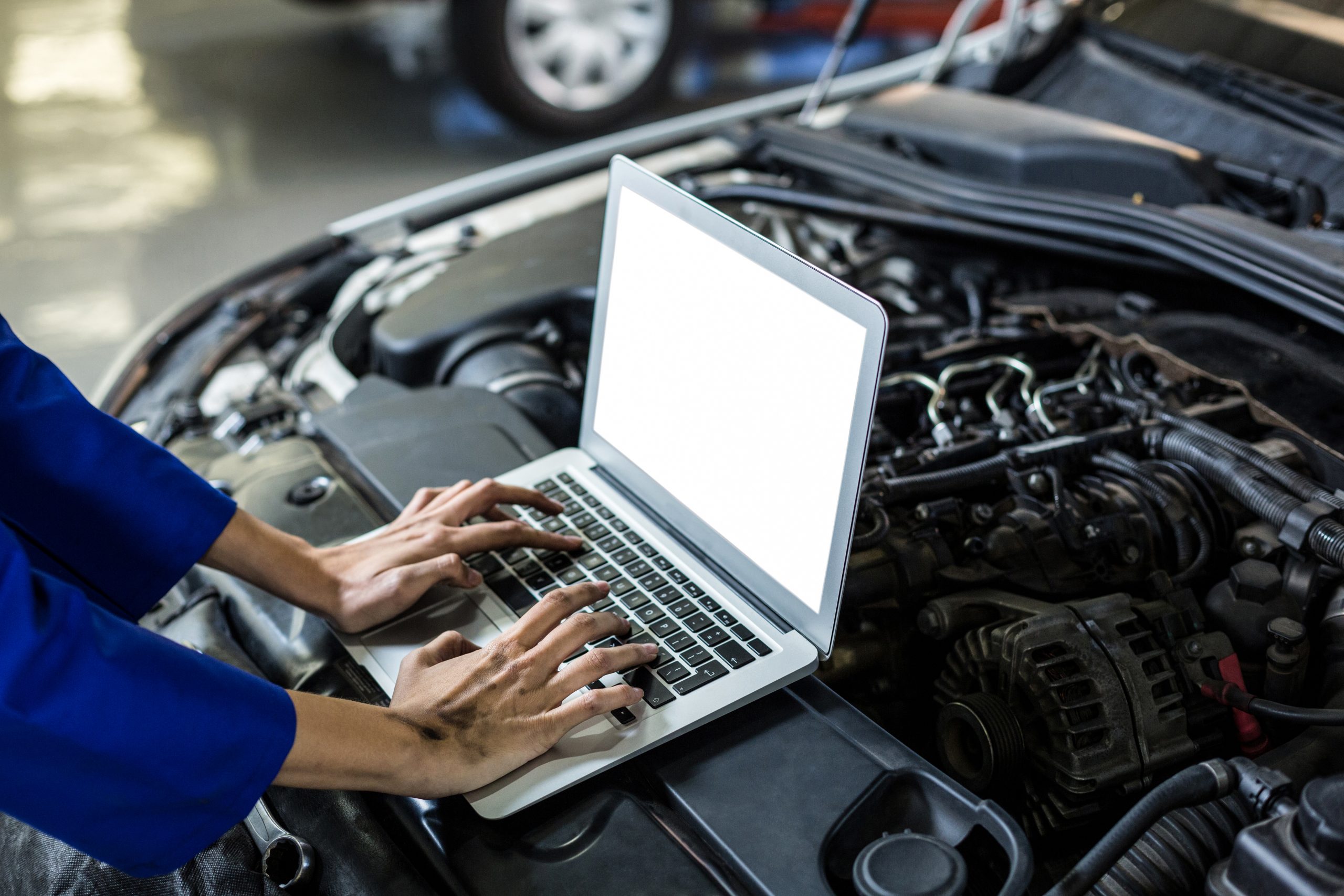
The steady hum of engines along North Texas highways like I-35E often masks a quieter revolution unfolding in local garages and dealerships. Artificial intelligence now powers diagnostic systems that detect faults with remarkable speed and accuracy, transforming how mechanics in Garland, Dallas, and beyond approach everything from routine service to major collision repairs. What once required hours of manual probing now begins with a scan that reveals issues before symptoms fully appear, delivering faster turnaround times and greater confidence for vehicle owners across Plano, Frisco, and McKinney.
Feeling stuck in the stressful car-buying process? At Jupiter Chevrolet in Garland, TX, we’ve reimagined how buying a car should feel. With transparent pricing, online deal-building tools, and the benefits of our Jupiter Advantage program, we ensure every step is straightforward and satisfying. Skip the hassle. From purchase, to certified service and parts, to collision repair and body shop. Our team puts your convenience, safety, and confidence first. Turn your dreams of finding your ideal Chevrolet into reality with us. Visit Jupiter Chevrolet today!
How AI Diagnostics Are Revolutionizing Auto Repair in North Texas
Today’s automobiles function as sophisticated networks of sensors, electronic control units, and software, far removed from the mechanical simplicity of earlier decades. In the Dallas-Fort Worth area, where extreme summer heat accelerates wear on batteries, tires, and cooling systems, shops increasingly rely on AI to interpret sensor data streams instantly. This capability proves especially valuable for newer models featuring hybrids, electric powertrains, and advanced driver-assistance features that demand precise troubleshooting to maintain performance and safety.
Industry data underscores the momentum behind this transition. The global automotive diagnostic scan tools market stood at USD 39.3 billion in 2024 and is projected to reach USD 61.3 billion by 2033, expanding at a CAGR of 5.1% from 2025 to 2033. Asia Pacific holds the leading position with a 45.0% share in 2024, fueled by robust manufacturing and aftermarket growth, yet North American shops benefit from similar technological advancements tailored to local driving conditions. Another analysis places the automotive diagnostics market at USD 40.01 billion in 2023, forecasting growth to USD 61.73 billion by 2031 at a CAGR of 5.57%, driven by mandatory on-board diagnostics regulations and the rise of connected vehicles.
AI elevates diagnostics from reactive to predictive. Systems examine historical patterns across vast fleets, identifying subtle anomalies that human eyes might miss. In service departments handling service and parts sales, this precision minimizes unnecessary part replacements and shortens diagnostic phases, allowing more vehicles through bays each day. For collision repair and body shops in Mesquite or Richardson, AI-powered imaging captures damage in detail, creates accurate 3D assessments, and recommends repair sequences that align with manufacturer specifications, reducing estimate times and improving insurance claim processing.
Tangible Benefits for Shops and Customers in the DFW Area
In high-traffic corridors around Grapevine and Forney, dealerships and independent facilities integrate AI scan tools to streamline workflows. Technicians receive prioritized fault codes with suggested fixes backed by real-world data, shifting focus from trial-and-error to efficient resolution. Owners receive transparent reports in straightforward terms, explaining why a brake caliper needs attention or how a software update addresses an intermittent issue. This clarity fosters repeat business for oil changes, tire services, and scheduled maintenance core elements of service and parts sales.
Collision centers gain equally from the technology. After incidents on congested routes such as the Dallas North Tollway, AI tools produce detailed visual documentation of structural damage, ensuring repairs restore safety features like airbags and ADAS calibration without excess labor or materials. Shops note improved customer satisfaction as clients see exactly what requires fixing, building trust essential in a market that balances new car sales, used car sales, and post-accident work.
Challenges remain, particularly for smaller operations in Rockwall-Heath or smaller outlying communities. Initial investments in hardware, subscriptions, and updated equipment strain budgets, while technicians in Garland and Plano often pursue additional training to master AI interfaces and validate outputs. Data privacy stands out as a concern; vehicles transmit usage patterns and location details, requiring robust cybersecurity to safeguard owner information.
Overcoming Obstacles While Capturing Advantages
The advantages frequently outweigh the drawbacks for forward-thinking facilities. Reduced diagnostic durations free capacity for additional jobs, directly boosting revenue in competitive North Texas markets. Predictive alerts notify drivers of emerging problems such as degrading suspension components or battery cell inconsistencies before failures strand them on remote stretches near McKinney. New vehicle owners maintain warranty compliance through documented, accurate repairs; pre-owned buyers avoid costly surprises, supporting confidence in used car sales.
In body shops managing major accident repairs, AI optimizes inventory orders and labor allocation, cutting waste and minimizing rework. This efficiency resonates across segments: quicker collision fixes keep insurance costs in check, while streamlined service bays handle more routine work, from brake jobs to transmission diagnostics. As electric and hybrid models proliferate in Frisco and surrounding suburbs, AI adapts to unique battery and motor diagnostics, ensuring these advanced vehicles receive appropriate care without specialized guesswork.
Industry projections point to continued expansion. The automotive diagnostic scan tool sector is expected to climb from USD 44.29 billion in 2025 to USD 84.02 billion by 2034, advancing at a CAGR of 7.4%, propelled by EV adoption, autonomous tech, and connected features. Meanwhile, the automotive diagnostic tools market anticipates reaching USD 49.24 billion by 2031 from USD 40.06 billion in 2026, at a CAGR of 4.19%, with Asia-Pacific showing the fastest regional pace. These figures highlight a sector where AI integration becomes standard rather than optional.
Looking Forward in North Texas Auto Care
Skilled technicians remain indispensable aligning frames after wrecks, performing delicate electrical work, or reassuring customers during stressful moments requires human judgment no algorithm replicates. Yet AI augments that expertise, delivering quicker, more reliable outcomes across North Texas. From dealerships emphasizing new car sales and post-purchase service to independent shops specializing in collision repair and everyday maintenance, facilities that adopt these tools gain an edge in efficiency, accuracy, and customer loyalty.
As vehicles continue incorporating smarter systems, the garages that invest thoughtfully in AI diagnostics will define the standard for auto repair in the region. Faster resolutions, fewer unexpected breakdowns, and transparent communication keep drivers on the road longer and shops thriving demonstrating that in the evolving landscape of automotive care, intelligence under the hood already drives meaningful change.
Frequently Asked Questions
How is AI improving auto repair diagnostics in North Texas?
AI-powered diagnostic systems analyze vehicle sensor data instantly, detecting faults with remarkable speed and accuracy before symptoms fully appear. This technology transforms routine service and collision repairs by shifting the approach from trial-and-error to efficient, data-backed solutions. Shops in Dallas, Garland, Plano, and surrounding areas now deliver faster turnaround times while minimizing unnecessary part replacements, benefiting both technicians and vehicle owners.
What are the cost benefits of AI diagnostics for auto repair shops?
AI diagnostics reduce labor time by streamlining troubleshooting processes, allowing shops to handle more vehicles per day and directly boosting revenue. The technology minimizes rework and optimizes parts inventory orders, cutting waste in both routine maintenance and collision repair. While initial investments in hardware and training exist, the efficiency gains including predictive maintenance alerts that prevent costly breakdowns typically outweigh these upfront costs for forward-thinking facilities.
Can AI diagnostics handle electric and hybrid vehicles?
Yes, AI diagnostic systems are specifically designed to adapt to the unique requirements of electric and hybrid vehicles, including specialized battery and motor diagnostics. As these advanced vehicles proliferate across North Texas communities like Frisco and McKinney, AI tools ensure they receive appropriate care without requiring specialized guesswork from technicians. This capability is particularly valuable given the projected growth of the automotive diagnostic market, driven largely by EV adoption and connected vehicle technology.
Disclaimer: The above helpful resources content contains personal opinions and experiences. The information provided is for general knowledge and does not constitute professional advice.
You may also be interested in: The Ultimate Guide to Financing Your Next Chevrolet at Jupiter Chevrolet
Feeling stuck in the stressful car-buying process? At Jupiter Chevrolet in Garland, TX, we’ve reimagined how buying a car should feel. With transparent pricing, online deal-building tools, and the benefits of our Jupiter Advantage program, we ensure every step is straightforward and satisfying. Skip the hassle. From purchase, to certified service and parts, to collision repair and body shop. Our team puts your convenience, safety, and confidence first. Turn your dreams of finding your ideal Chevrolet into reality with us. Visit Jupiter Chevrolet today!
Powered by flareAI.co
Connect with us


