





Quick Listen:
Buying a car, historically seen as one of life's more stressful experiences, has long been plagued by skepticism. From hidden fees to opaque financing terms, the process has frequently left consumers feeling uncertain and distrustful. But as consumer expectations evolve, so too does the car buying process. Transparency, a critical factor in the shift toward customer-centric practices, has now emerged as a pillar of trust between buyers and dealerships.
In the competitive automotive industry, dealerships are recognizing the need for transparency not just as a trend but as an essential strategy for long-term success. As regulatory frameworks and customer demands change, dealerships that embrace transparent practices are setting themselves up to thrive.
The Trust Gap
For many consumers, the car buying process has been synonymous with confusion. Negotiations, hidden fees, unclear pricing structures, and fine print often turn what should be an exciting purchase into a taxing ordeal. It is no surprise, then, that trust has historically been one of the most significant barriers to a successful sale. However, a growing focus on transparency is changing this narrative.
Consumers are now seeking clarity at every stage of the car buying journey. A recent Cox Automotive study revealed that transparency has become one of the key factors in driving customer satisfaction. When customers are provided with clear, unambiguous information from the vehicle's pricing to its history they are more likely to feel confident and, ultimately, make a purchase. For dealerships, embracing this transparency doesn't just increase sales; it builds lasting customer loyalty.
The significance of transparency extends far beyond the sales floor. It permeates the way dealerships engage with their customers across digital platforms. Online car buying platforms have transformed the landscape, with many dealerships recognizing that clear, easily accessible information is vital to standing out in a crowded digital marketplace.
The Power of Transparency
Transparency in car sales goes beyond simply listing prices. It involves offering complete and upfront information on a car's history, detailing financing options, and ensuring there are no hidden fees or surprise charges. By openly addressing the costs involved, dealerships are demonstrating a commitment to honesty, which in turn fosters trust.
Research supports the claim that when buyers are given clear pricing, they are more likely to complete a purchase. A key aspect of this shift is transparency in vehicle history. Services like Carfax provide buyers with detailed information about any accidents or repairs, helping them make informed decisions. This transparency reduces uncertainty and empowers consumers, ultimately fostering a deeper sense of trust.
Moreover, according to a FTC report, consumers are increasingly demanding clarity not only about the cars they are buying but also about the financing options available to them. Car buyers want to understand the full cost of their purchase, including monthly payments, interest rates, and the terms of any warranties. The Federal Trade Commission's introduction of the CARS Rule is a step toward ensuring that car buyers receive this crucial information in a format they can easily comprehend.
For dealerships, the benefits of transparency are clear. As consumers become more aware of their rights and more knowledgeable about the buying process, dealerships that prioritize transparency are positioning themselves as trustworthy and customer-focused a reputation that can lead to higher sales and greater brand loyalty.
Regulatory Frameworks: Clearing the Road
However, regulatory changes alone cannot guarantee transparency. Dealerships must actively embrace these standards, ensuring that they go above and beyond simply meeting minimum compliance requirements. By offering information in an accessible manner whether it's through digital platforms, mobile apps, or in-store resources dealerships can make the car buying process smoother and more transparent for their customers.
This shift toward greater transparency also has implications for the way dealerships market their vehicles. Rather than focusing on flashy advertisements or gimmicks, dealerships are finding success by showcasing the true value of their vehicles through clear, honest communication. This approach helps differentiate brands in a competitive market and builds trust with customers who are increasingly wary of hidden costs and unclear terms.
Case Studies: Success Stories in Transparency
Several dealerships have already adopted transparency as a core part of their business model, demonstrating the tangible benefits of this approach. A standout example is the family-owned dealership Sierrablancamotors. By providing customers with easy access to vehicle histories, clear pricing structures, and comprehensive warranties, the dealership has built a reputation for honesty and integrity. Customers who value transparency are more likely to return for future purchases, and word-of-mouth recommendations have further solidified the dealership's position in the market.
Another example comes from Fisher Honda, a dealership that has prioritized open communication about its vehicle's condition, pricing, and financing options. Fisher Honda's commitment to transparency extends beyond the sale itself; the dealership regularly updates customers on vehicle maintenance and service, ensuring that every touchpoint reinforces trust.
Looking Ahead: A Transparent Future
As we look toward the future of the automotive industry, it is clear that transparency will continue to play a critical role. With the rise of digital platforms and the increasing reliance on AI-driven tools, dealerships must find innovative ways to incorporate transparency into every aspect of their operations. This could mean offering more detailed online resources, implementing virtual showrooms, or using AI to provide real-time answers to customer questions.
Additionally, the growing popularity of online car-buying platforms means that dealerships can no longer rely solely on traditional marketing tactics. Instead, they must offer a seamless, transparent digital experience that mirrors the expectations consumers have in other online shopping environments. By doing so, dealerships can not only meet but exceed the demands of today's informed car buyer.
Building a Lasting Foundation of Trust
In the end, the key to success in the modern car sales landscape lies in transparency. Consumers today are empowered with more information than ever before, and they are choosing to do business with dealerships that provide clarity and honesty. By embracing transparent practices in pricing, vehicle history, and customer service, dealerships can foster trust, drive customer satisfaction, and build long-lasting relationships.
The future of car sales is not about flashy gimmicks or hidden fees. It's about offering customers the clarity they need to make informed, confident decisions. Dealerships that embrace this approach will not only survive in an increasingly competitive market they will thrive. With transparency at the forefront, the road to customer trust is clear.
Disclaimer: The above helpful resources content contains personal opinions and experiences. The information provided is for general knowledge and does not constitute professional advice.
You may also be interested in: Jupiter Chevrolet Blog | News, Updates, and Info - Jupiter Chevrolet
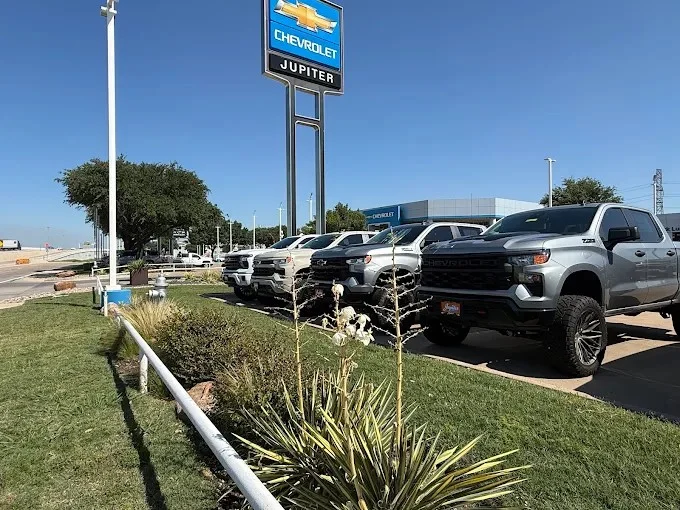
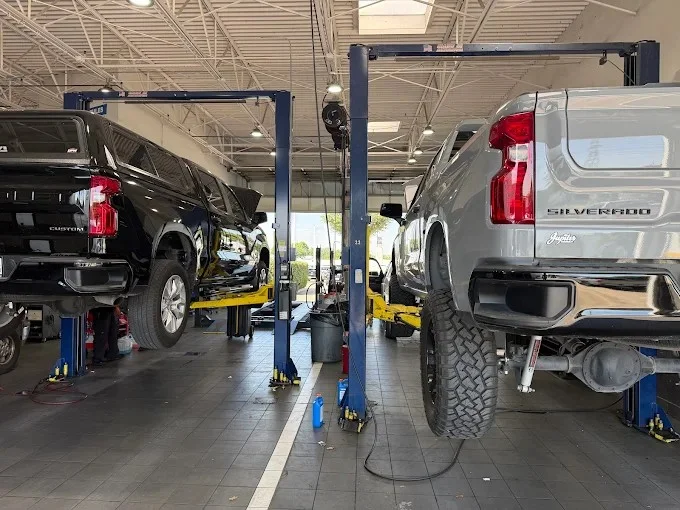
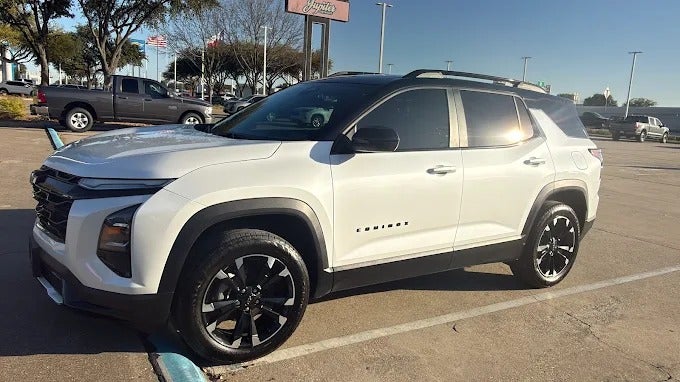
Feeling stuck in the stressful car-buying process? At Jupiter Chevrolet in Garland, TX, we've reimagined how buying a car should feel. With transparent pricing, online deal-building tools, and the benefits of our Jupiter Advantage program, we ensure every step is straightforward and satisfying. Skip the hassle. From purchase to certified service, our team truly puts your choice and convenience first. Turn your dreams of finding your ideal Chevrolet into reality with us. Visit Jupiter Chevrolet today!
Powered by flareAI.