




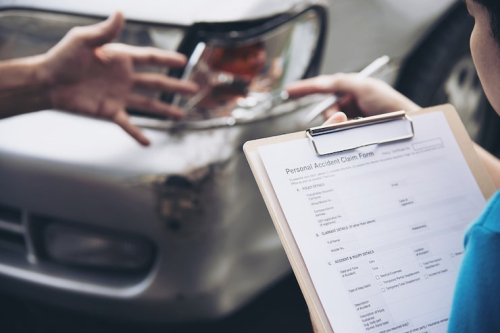
When your Chevrolet is damaged in a collision, the repair process often feels more complicated than it should. You file a claim expecting a straightforward fix, only to find your insurer steering you toward specific shops and parts to control costs. For Dallas-area drivers, this is worth understanding clearly: insurance companies have real influence over how your vehicle gets repaired, but Texas law gives you more control than many drivers realize.
Insurance Industry Trends Shape Repairs
The insurance industry has been managing significant cost pressure in recent years. Personal auto insurance has seen substantial improvement in profitability, driven by premium increases and improved loss ratios, while commercial auto insurance has continued to struggle with unprofitability. These financial pressures push insurers toward cost-saving measures, often directing customers to Direct Repair Programs (DRPs) and aftermarket parts to minimize claim expenses.
DRPs are networks of insurer-approved repair shops that promise efficiency but often limit your options. Insurers favor these shops for predictable costs and streamlined processes. Meanwhile, the push toward non-OEM (original equipment manufacturer) parts, cheaper alternatives like aftermarket or recycled components, can affect repair quality. For Chevrolet owners, the real question is whether your vehicle gets restored to its original standards or whether cost-cutting takes precedence.
Your Repair Rights in Texas
Texas law protects your ability to choose how your vehicle gets repaired. Insurance Code Article 5.07-1 prohibits insurers from restricting your choice of repair shop or dictating the brand, type, or condition of parts used in repairs. This applies to both policyholders and third-party claimants filing against another driver’s insurance. Insurers are required to notify you of these rights when you present a claim, under rules in 28 TAC §5.501.
There is an important limit to this right worth understanding: while you can choose your shop and your parts, Texas law does not require an insurer to pay more than a reasonable amount for the repair. In practice, this means you can insist on OEM parts and a certified shop, but you may need to cover the difference if your insurer’s reasonable-cost estimate falls short of the actual repair cost. Many drivers aren’t aware of either side of this, the right to choose, and the cost limitation, which is why understanding both matters before a claim happens, not during one.
Consider a North Texas driver with a damaged Chevrolet Equinox. Their insurer might suggest a DRP shop using aftermarket parts to save money. But those parts don’t always align with the vehicle’s advanced systems. A certified dealership collision center can negotiate with insurers on the buyer’s behalf to pursue OEM parts and proper repair procedures, which matters for both safety and resale value.
The Complexity of Modern Vehicle Repairs
Today’s vehicles include advanced driver-assistance systems (ADAS), electric vehicle batteries, and lightweight materials like aluminum, all of which demand specialized repair expertise. Collision claims for repairable battery electric vehicles rose to 2.71% in the U.S. in 2024, a 38% year-over-year increase. BEV total loss frequency also rose to 10.2%, up from 8% in 2023, driven by declining vehicle values and costly repairs. With BEVs and hybrids representing 20% of new U.S. vehicle sales in 2024 and projected to reach 25% in 2025, repair complexity across the industry is only increasing. Mitchell + 2
Insurers sometimes push back on the higher costs of EV and ADAS repairs, which can create friction when a repair shop insists on procedures that protect safety but raise the bill. A misaligned ADAS sensor or an improperly repaired EV battery can compromise safety even when the vehicle looks fine from the outside, which is exactly why proper certification and procedure matter more than ever.
What Certified Collision Repair Looks Like
Certified collision centers, including Jupiter Chevrolet’s, are trained to handle everything from EV battery repairs to ADAS recalibrations using OEM parts to restore vehicles to factory condition. Beyond the technical work, a certified shop with experience working alongside insurers can help you navigate the approval process, explain your rights under Texas law, and advocate for proper parts and procedures rather than the cheapest available option.
Frequently Asked Questions
Can my insurance company force me to use a specific auto body shop for collision repairs?
No. Under Texas Insurance Code Article 5.07-1, insurance companies cannot restrict your choice of repair shop or dictate the type of parts used in repairs. This applies to both policyholders and third-party claimants. Insurers may recommend Direct Repair Program shops to control costs, but you have the legal right to choose any certified repair facility, including dealership collision centers.
Does my insurer have to pay for OEM parts if I request them?
Not necessarily in full. You have the legal right to choose OEM parts and your preferred repair shop, but Texas law does not require insurers to pay more than a reasonable amount for repairs and parts. If the actual cost of OEM parts and certified labor exceeds what the insurer considers reasonable, you may be responsible for the difference.
What’s the difference between OEM parts and aftermarket parts in collision repairs?
OEM (Original Equipment Manufacturer) parts are made by your vehicle’s manufacturer to factory specifications, while aftermarket parts are made by third-party companies, typically at a lower cost. Insurance companies often favor aftermarket or recycled parts to reduce claim expenses, but these may not align as precisely with advanced systems like ADAS or EV components.
Why are electric vehicle collision repairs more expensive than traditional repairs?
EV repairs require specialized components and procedures, including high-voltage battery handling, ADAS recalibration, and lightweight materials that need specific tools and training. Collision claims for repairable BEVs increased 38% year-over-year in 2024, with total loss frequency rising to 10.2%. These repairs require certified technicians and proper safety protocols that many general repair shops aren’t equipped to provide. Mitchell
Disclaimer: This content is provided for general informational purposes and does not constitute legal advice. Consult the Texas Department of Insurance or a licensed attorney for guidance specific to your situation.
Jupiter Collision Center: Certified Repairs in Garland, TX
Jupiter Chevrolet’s collision center is located in Garland and serves the Dallas metro, including Plano, Frisco, McKinney, Richardson, and Mesquite. Our certified technicians work with OEM parts and proper repair procedures, and our team can help you understand your rights and options when filing an insurance claim. Schedule a free estimate or contact our collision center to learn more.
Connect with us


