






Quick Listen:
Imagine pulling into a dealership service bay in Plano, Texas, after a long day, only to be handed a bill laced with mysterious fees that weren’t mentioned upfront. It’s a scenario that’s all too familiar for many drivers in North Texas, where the hum of highways and the sprawl of suburbs demand reliable vehicles and trustworthy mechanics. But what if transparency in pricing could flip that script, turning skeptical customers into loyal advocates? In a market buzzing with competition, dealerships like Jupiter Chevrolet are betting on it.
Feeling stuck in the stressful car-buying process? At Jupiter Chevrolet in Garland, TX, we’ve reimagined how buying a car should feel. With transparent pricing, online deal-building tools, and the benefits of our Jupiter Advantage program, we ensure every step is straightforward and satisfying. Skip the hassle. From purchase, to certified service and parts, to collision repair and body shop. Our team puts your convenience, safety, and confidence first. Turn your dreams of finding your ideal Chevrolet into reality with us. Visit Jupiter Chevrolet today!
Transparent Service Pricing Builds Lasting Customer Trust in Plano Auto Market
Clear pricing practices at local dealerships are reshaping customer expectations in Plano and surrounding North Texas cities, driving stronger loyalty and repeat business. At the heart of this shift is a simple idea: honesty pays off. For drivers navigating the busy roads from Garland to Frisco, the frustration of hidden costs in auto repairs has long been a pain point. Yet, as the automotive service industry evolves, transparency is emerging as a key differentiator, especially for family-owned operations like Jupiter Chevrolet, which has served the region for over a century.
Jupiter Chevrolet, nestled in Garland and catering to nearby areas including Dallas, Richardson, Plano, Rockwall-Heath, Forney, Mesquite, McKinney, Grapevine, and Frisco, embodies this approach. As a family-owned and operated dealership with roots stretching back 100 years, it stands out by offering not just new and used Chevrolet vehicles like the popular Silverado 1500 but also comprehensive services, parts sales, and collision repairs. Their commitment to clear communication helps counter common objections, such as perceptions of minimal inventory compared to larger competitors or less aggressive pricing against corporate giants. Instead, they lean into unique strengths, including a Lifetime Powertrain Warranty, to foster trust.
Why Transparency Matters in Plano
In Plano, where tech-savvy residents juggle commutes to Dallas and family errands in McKinney, the demand for straightforward auto service is palpable. Drivers here aren’t just looking for a quick oil change; they want assurance that the price quoted is the price paid. This resonates deeply in a region where Chevrolet shoppers often search for “Chevrolet for Sale Near Me” or “Used Cars for Sale in Dallas,” only to extend that scrutiny to maintenance. Jupiter Chevrolet addresses this by reimagining the car-buying and servicing process, emphasizing transparent pricing through online tools and knowledgeable staff who guide customers from test drives to financing.
The broader industry backs this up. According to data from the global automotive repair and service market, which reached USD 714.51 Billion in 2024 and is expected to grow to USD 1,052.50 Billion by 2033 at a CAGR of 4.18%, transparency is a driving force. Asia Pacific leads with over 34.3% market share, but North America, including hotspots like North Texas, is catching up, fueled by rising vehicle sales, stringent regulations, and AI integration in services. In the U.S. specifically, the automotive service market stood at USD 199.38 Billion in 2025, projected to hit USD 266.56 Billion by 2030 with a 5.98% CAGR. These figures underscore how growing vehicle lifespans and awareness of timely maintenance are pushing dealerships to prioritize clarity to capture market share.
Plano’s drivers, much like those in Garland or Frisco, often voice concerns about past experiences with opaque billing. At Jupiter Chevrolet, the focus is on flipping that narrative. Their Garland collision center, for instance, provides itemized estimates for body shop work, helping customers avoid the sticker shock that plagues less forthcoming competitors. This isn’t just good manners it’s smart business in a competitive landscape where corporate chains dominate with bigger lots but sometimes falter on personal touch.
Emerging Trends in Service Pricing Across North Texas
Across North Texas, from the bustling streets of Dallas to the quieter suburbs of Richardson and Rockwall-Heath, trends in auto service are tilting toward digital transparency. Customers increasingly turn to platforms like Facebook Marketplace listed as a key marketplace for Jupiter Chevrolet to compare deals on used cars and services. This online savvy extends to social media, where the dealership engages on Instagram, Facebook, YouTube, and TikTok, sharing tips on maintenance costs and showcasing transparent processes to build community.
One notable trend is the rise of up-front estimates and online calculators. In Plano, where searches for “New Chevrolet for Sale” or “Service Parts and Sales” are common, drivers appreciate dealerships that post standardized rates for common repairs. Research from CDK Global highlights this: 77% of dealers see improving customer experience as their top strategy, with transparent pricing topping the list of shopper requests. A single pricing database streamlines the process, reducing errors and boosting productivity, while inconsistent prices can lead to overrides and lost trust.
Moreover, advancements in vehicle technology, including electric and hybrid models, demand specialized servicing that benefits from clear pricing. The automotive repair market’s growth is tied to these innovations, as noted in reports emphasizing how electric vehicles create new repair opportunities. In North Texas, where Chevrolet enthusiasts seek out models like the Silverado 1500, dealerships that demystify these costs through videos on YouTube or quick TikTok reels stand to gain. Jupiter Chevrolet leverages this by offering online deal-building tools, allowing Plano residents to customize their service packages without surprises.
Real-World Examples and Case Studies
Consider how transparency plays out in everyday scenarios. At Jupiter Chevrolet’s Garland location, serving Plano and Mesquite alike, the Jupiter Advantage program ensures customers get detailed breakdowns before any work begins. This has led to stories of families returning for multiple services, drawn back by the absence of hidden fees. In collision repairs, for example, their body shop provides clear labor and parts rates, turning what could be a stressful post-accident experience into a reliable one.
Beyond anecdotes, data from Cox Automotive’s 2025 study on car shopping satisfaction reveals an eight-percentage-point rise in buyer satisfaction from 60% in 2016 to 68% in 2024. Surveying over a thousand new- and used-vehicle buyers, it found 81% associating positive emotions like excitement and confidence with transparent experiences. For dealerships in Plano, this means embracing tools that facilitate clear communication, much like Jupiter Chevrolet does with its online scheduling for test drives and services.
Another insight comes from KPA’s survey of 2,000 consumers, where 86% worry about hidden fees, 76% expect lies about pricing, and 84% believe most dealerships lack transparency. Yet, only about one-third reported actual dishonest experiences 34% felt pressured on add-ons, 30% found hidden fees, and 28% encountered dishonest reps. This gap highlights an opportunity: by prioritizing transparency, dealerships like Jupiter Chevrolet can bridge distrust, encouraging Plano drivers to choose them over competitors in Dallas or Grapevine.
Key Challenges and Risks
Of course, transparency isn’t without hurdles. In a market dominated by larger competitors, Jupiter Chevrolet faces objections like minimal inventory or perceptions of less aggressive pricing. Corporate-owned chains in Dallas might undercut on deals, drawing budget-conscious shoppers from Forney or McKinney. Past experiences can linger, too, making some hesitant to trust even family-owned spots.
The risk of miscommunication looms large even a transparent estimate can backfire if not explained well, leading to disputes that erode loyalty. In Plano’s fast-paced environment, where drivers juggle work in tech hubs and family life, any snag in the process can send them searching elsewhere on platforms like Facebook Marketplace.
Opportunities, Efficiencies, and Business Impacts
Yet, these challenges open doors. Plano and its neighbors offer fertile ground for differentiation through integrity. Jupiter Chevrolet’s Lifetime Powertrain Warranty, paired with transparent service, creates a compelling package that larger chains struggle to match personally. This fosters repeat visits, from routine maintenance to major repairs at their collision center.
Efficiencies abound: clear pricing reduces back-and-forth, speeding approvals and minimizing errors, as CDK Global notes. For business, it means higher retention in the competitive Dallas-Fort Worth area. Plano drivers, known for valuing convenience, are more likely to recommend transparent dealerships, boosting market share through word-of-mouth on social channels like Instagram and TikTok.
Expert Insights and Future Outlook
Looking ahead, transparent pricing will likely become the norm in Garland, Plano, and beyond. As the U.S. automotive service market grows at 5.98% CAGR through 2030, family-owned dealerships like Jupiter Chevrolet can capitalize on their heritage to build enduring relationships. Experts point to how removing uncertainty transforms service centers into trusted hubs, not just transaction points.
In the end, for North Texas drivers scouring “Used Cars for Sale Near Me” or scheduling at Garland body shops, transparency isn’t a luxury it’s essential. Dealerships that embrace it, like Jupiter Chevrolet, aren’t just fixing cars; they’re mending the industry’s reputation, one clear bill at a time. As the market evolves, those prioritizing trust will drive the future, leaving opacity in the rearview mirror.
Frequently Asked Questions
How does transparent pricing at auto dealerships in Plano build customer trust?
Transparent pricing eliminates surprise fees and hidden costs that often frustrate drivers in North Texas. Dealerships like Jupiter Chevrolet provide itemized estimates and clear communication upfront, which helps counter common customer objections and builds lasting relationships. This approach has proven effective, with studies showing an 8-percentage-point rise in buyer satisfaction when transparency is prioritized.
What are the benefits of choosing a family-owned dealership over corporate chains in the Dallas-Plano area?
Family-owned dealerships like Jupiter Chevrolet offer personalized service and unique benefits such as Lifetime Powertrain Warranties that larger corporate competitors struggle to match. While corporate chains may have bigger inventories, family-owned operations focus on building long-term relationships through transparent practices, comprehensive collision services, and clear pricing that reduces back-and-forth negotiations.
Why is transparent auto service pricing becoming more important in North Texas?
With the U.S. automotive service market projected to grow from $199.38 billion in 2025 to $266.56 billion by 2030, competition is intensifying. Tech-savvy Plano residents increasingly demand straightforward pricing, especially as 86% of consumers worry about hidden fees according to recent surveys. Transparent pricing helps dealerships capture market share by addressing customer distrust and encouraging repeat business through clear, honest communication.
Disclaimer: The above helpful resources content contains personal opinions and experiences. The information provided is for general knowledge and does not constitute professional advice.
You may also be interested in: Jupiter Chevrolet Blog | News, Updates, and Info – Jupiter Chevrolet
Feeling stuck in the stressful car-buying process? At Jupiter Chevrolet in Garland, TX, we’ve reimagined how buying a car should feel. With transparent pricing, online deal-building tools, and the benefits of our Jupiter Advantage program, we ensure every step is straightforward and satisfying. Skip the hassle. From purchase, to certified service and parts, to collision repair and body shop. Our team puts your convenience, safety, and confidence first. Turn your dreams of finding your ideal Chevrolet into reality with us. Visit Jupiter Chevrolet today!
Powered by flareAI.co

Quick Listen:
In the early morning haze of Garland, Texas, the low rumble of heavy-duty trucks echoes through the streets, a sound as familiar as the cicadas in summer. Across the Dallas-Fort Worth metroplex, contractors are gearing up for a bustling construction season, and their weapon of choice? The pickup truck. From Plano’s sprawling suburbs to the bustling job sites of Mesquite, the demand for work-ready vehicles is surging, fueled by a construction boom that shows no signs of slowing. For local dealerships like those in Garland and Frisco, this isn’t just a seasonal uptick it’s a golden opportunity to meet the needs of a region building its future one project at a time.
Feeling stuck in the stressful car-buying process? At Jupiter Chevrolet in Garland, TX, we’ve reimagined how buying a car should feel. With transparent pricing, online deal-building tools, and the benefits of our Jupiter Advantage program, we ensure every step is straightforward and satisfying. Skip the hassle. From purchase, to certified service and parts, to collision repair and body shop. Our team puts your convenience, safety, and confidence first. Turn your dreams of finding your ideal Chevrolet into reality with us. Visit Jupiter Chevrolet today!
Truck Sales Surge in DFW as Construction Season Ramps Up
The Dallas-Fort Worth area is no stranger to growth. Over the past decade, Texas has catapulted to the second-largest state economy in the nation, with the construction industry serving as a visible pulse of that vigor. According to a recent report, the Texas Department of Transportation has nearly $40 billion in projects underway or slated to begin soon, spanning roads, bridges, and ports across the state. In DFW, this translates to a flurry of activity highway expansions in Dallas, commercial developments in Plano, and residential projects sprouting in McKinney and Rockwall-Heath. For contractors and small businesses, the right truck is the backbone of these endeavors, hauling materials, towing equipment, and navigating tight urban job sites.
At local dealerships, the numbers tell the story. The global used truck market, valued at $53.96 billion in 2025, is projected to grow at a compound annual growth rate (CAGR) of 9.12% through 2034, reaching $118.24 billion. While Asia Pacific led the market in 2024, North Texas is carving out its own slice of this demand. Heavy-duty trucks, like the Chevrolet Silverado 1500 and HD models, are flying off lots in Richardson and Frisco, where contractors are snapping up vehicles built for towing and payload. Meanwhile, the heavy-duty trucks market, valued at $230.11 billion in 2025, is expected to hit $467.71 billion by 2034 at a CAGR of 8.20%, with North America contributing a hefty 38% of revenue in 2024.
A Region in Motion: Construction Fuels Truck Demand
Drive through Garland or Forney, and you’ll see the signs of progress: cranes dotting the skyline, concrete mixers churning, and pickup trucks weaving through construction zones. In Dallas County, permits for new commercial and residential projects are piling up, signaling a robust season ahead. A Garland-based contractor recently expanded their fleet with several Silverado 1500s, citing their durability for hauling materials to DFW’s highway expansion projects. In Mesquite, fleet sales are climbing as small businesses gear up for infrastructure work, often opting for multiple trucks to equip their crews.
Not every buyer needs a brand-new behemoth. In McKinney, small businesses are increasingly turning to certified pre-owned trucks, a cost-effective choice in a market where affordability matters. The commercial truck market, projected to grow from $85.0 billion in 2025 to $167.2 billion by 2035 at a CAGR of 7.0%, underscores this trend. Landscaping companies in Dallas, for instance, favor mid-size trucks for their maneuverability in urban settings, where tight job sites demand precision over brute strength. In Rockwall-Heath and Grapevine, customization is king buyers are outfitting trucks with tow packages, utility racks, and enhanced bed storage to meet the demands of diverse projects.
Navigating Challenges in a Competitive Market
Yet, the road isn’t without its bumps. Rising interest rates are squeezing small contractors, particularly in Plano and Richardson, where financing a new or used truck can strain budgets. Inventory shortages for specific trims, like high-end heavy-duty models, have frustrated buyers in these areas, forcing some to delay purchases or settle for less ideal options. Fuel costs add another layer of complexity. A March 2025 market update noted diesel prices at $3.635 per gallon nationally, a slight uptick from the previous week, with analysts predicting a 5-10% increase in Q2 due to anticipated tariffs and seasonal refinery maintenance. For fleets in Mesquite and Forney, these costs are a critical factor in calculating total ownership expenses.
Competition is another hurdle. National chains and regional dealerships are vying for the same construction-driven customers, putting pressure on local players to differentiate. In Garland and Frisco, dealerships are countering with seasonal promotions, offering financing deals and discounts on popular models like the Silverado. Aftermarket services are also gaining traction Dallas and Grapevine buyers are increasingly seeking maintenance packages and upfitting options to keep their trucks job-ready.
Seizing Opportunities in a Booming Region
Despite these challenges, the opportunities are undeniable. The construction boom in DFW, fueled by suburban sprawl in McKinney and Rockwall-Heath, ensures sustained demand for trucks. Dealerships are capitalizing on this by enhancing their digital presence, allowing contractors to compare specs and financing options online before stepping onto the lot. In Frisco, where new commercial developments are reshaping the landscape, dealerships report a surge in inquiries for fleet packages tailored to construction needs.
The U.S. commercial vehicle market, valued at $638.47 billion in 2023 and projected to reach $1,276.0 billion by 2030 at a CAGR of 10.4%, reflects the broader momentum. In DFW, this translates to a market ripe for innovation dealerships that align inventory with the needs of contractors, from heavy-duty haulers to nimble mid-size trucks, are poised to thrive. Certified pre-owned models, in particular, are gaining ground among cost-conscious buyers in Forney and Mesquite, offering reliability without the sticker shock.
A Memorable The Road Ahead for DFW
As the sun sets over the construction sites of Dallas-Fort Worth, the hum of pickup trucks remains a constant. From the bustling streets of Garland to the expanding suburbs of Plano, these vehicles are more than just tools they’re the engines of a region on the move. With billions in infrastructure projects on the horizon and a construction industry that shows no signs of slowing, truck demand is set to stay strong well into the next quarter. For dealerships, the path forward is clear: offer the right trucks, tailored financing, and top-notch service to capture the heart of DFW’s builders. In a market this dynamic, those who keep pace with the region’s growth will drive away with the rewards.
Frequently Asked Questions
Why are truck sales increasing in the Dallas-Fort Worth area?
Truck sales are surging in DFW due to a major construction boom driven by billions in infrastructure projects across the region. With the Texas Department of Transportation managing nearly $40 billion in upcoming projects and rapid suburban development in cities like Plano, McKinney, and Rockwall-Heath, contractors and small businesses need reliable work trucks to handle materials, towing, and navigating job sites. The construction industry’s growth is creating sustained demand for both new and certified pre-owned pickup trucks.
What types of trucks are most popular with DFW contractors and construction companies?
Heavy-duty trucks like the Chevrolet Silverado 1500 and HD models are in high demand among DFW contractors for their towing capacity and payload capabilities. Mid-size trucks are popular with landscaping companies in urban Dallas areas due to their maneuverability in tight job sites, while many small businesses in McKinney and Mesquite are choosing certified pre-owned trucks as a cost-effective option. Fleet buyers often customize their trucks with tow packages, utility racks, and enhanced bed storage to meet specific project needs.
What challenges are affecting truck buyers in the Dallas-Fort Worth construction market?
Construction companies and contractors in DFW face several challenges when purchasing trucks, including rising interest rates that strain budgets for small contractors, especially in Plano and Richardson. Inventory shortages for high-end heavy-duty models are forcing some buyers to delay purchases or settle for less ideal options. Additionally, rising fuel costs with diesel at $3.635 per gallon nationally and expected to increase 5-10% in Q2 are impacting total ownership calculations for fleet operators in the region.
Disclaimer: The above helpful resources content contains personal opinions and experiences. The information provided is for general knowledge and does not constitute professional advice.
You may also be interested in: How Weather Conditions Affect Car Buying Trends in North Texas
Feeling stuck in the stressful car-buying process? At Jupiter Chevrolet in Garland, TX, we’ve reimagined how buying a car should feel. With transparent pricing, online deal-building tools, and the benefits of our Jupiter Advantage program, we ensure every step is straightforward and satisfying. Skip the hassle. From purchase, to certified service and parts, to collision repair and body shop. Our team puts your convenience, safety, and confidence first. Turn your dreams of finding your ideal Chevrolet into reality with us. Visit Jupiter Chevrolet today!
Powered by flareAI.co

Quick Listen:
Picture this: you’re lounging on your porch in Garland on a sticky summer night, thumbing through your phone, fixated on that rugged Chevrolet Silverado that’s been calling your name. In just a few taps, you’re in a conversation with a dealer through an AI-driven chat, locking in a test drive all without budging from your spot. This scenario isn’t pulled from a sci-fi novel; it’s the everyday reality for vehicle hunters throughout North Texas, as digital innovations redefine the way dealerships interact with customers in this dynamic region.
Feeling stuck in the stressful car-buying process? At Jupiter Chevrolet in Garland, TX, we’ve reimagined how buying a car should feel. With transparent pricing, online deal-building tools, and the benefits of our Jupiter Advantage program, we ensure every step is straightforward and satisfying. Skip the hassle. From purchase, to certified service and parts, to collision repair and body shop. Our team puts your convenience, safety, and confidence first. Turn your dreams of finding your ideal Chevrolet into reality with us. Visit Jupiter Chevrolet today!
Why Digital Engagement Matters in North Texas
The suburbs and city centers of North Texas from Plano’s welcoming family neighborhoods to Frisco’s lively enclaves are home to discerning car buyers who won’t settle for outdated showroom routines. They’re diving deep into online research, pitting prices against each other, and insisting on lightning-fast replies. A recent analysis indicates that the automotive retail software market stood at USD 13,191.83 million back in 2023, with expectations to climb to USD 23,823.21 million by 2031, achieving a compound annual growth rate of 7.75% between 2024 and 2031. This expansion stems from sweeping digital changes, such as virtual showrooms and external online platforms that are overhauling the worldwide automotive sales scene.
Dealerships in locales like Dallas and Richardson are acutely aware of this transformation. As vehicles speed along the arteries linking Mesquite to McKinney, potential buyers kick off their searches on mobile devices, scouring stock listings after hours or amid daily travels. The fierce rivalry in these parts means shoppers from Rockwall-Heath or Forney could flit between various dealer sites in pursuit of top bargains. Those slow to embrace digital strategies might find themselves outpaced by rivals delivering fluid online interactions, where a swift virtual inspection or loan estimator clinches the sale ahead of the pack.
More than mere ease, this shift fosters confidence in an area where recommendations spread rapidly via Grapevine social circles or Garland gatherings. With increasing numbers flocking to web-based avenues, dealerships are channeling resources into solutions that connect virtual interest with physical follow-through, making initial contacts feel tailored and prompt. This approach not only meets modern demands but also strengthens long-term relationships in a market where personal connections still hold sway.
Expanding on this, the global automotive retail software landscape offers dealerships a broad suite of instruments designed to elevate buyer interactions, optimize workflows, and amplify earnings. Comprehensive reports delve into essential categories, emerging patterns, motivators, obstacles, rival dynamics, and influential elements shaping the sector.
Emerging Trends in Digital Automotive Retail
Exploring the forces redefining the field reveals virtual showrooms at the forefront. In tech-forward zones like Plano and Frisco, patrons are turning to web-based catalogs to sort cars by hue, amenities, and cost right from home. These systems provide panoramic perspectives and in-depth specifications, minimizing repeat trips and turning the hunt into an invigorating experience rather than a chore.
The ascent of AI-enhanced communication tools follows closely. In Dallas and Richardson, time-strapped individuals value instant website chats or text notifications for fresh stock. Social channels heighten this effect, with Instagram, Facebook, TikTok, and YouTube serving as dealership appendages. A snappy TikTok clip highlighting a Chevy Equinox could rack up views in the thousands, attracting youthful crowds who then inquire via private messages. Insights from a Boston Consulting Group survey of over 160 dealers, spanning independents to major chains and held in late 2024 to early 2025, reveal how elevated borrowing costs and buyer budget strains are compelling outlets to pursue workflow improvements, notably through AI for query management and bespoke suggestions.
Portable financing applications represent yet another pivotal shift. In practical-minded spots like Garland and McKinney, programs that gauge exchange worths or grant preliminary loan nods while mobile are catching on. Leveraging analytics for immediate data, these aid users in staying knowledgeable and empowered. Research from IMIR indicates the worldwide auto dealer software market was worth USD 4,392.08 million in 2023, poised to hit USD 8,162.89 million come 2032, at a 6.2% CAGR from 2024 onward. This uptick is propelled by networked systems merging client relations, live monitoring, and forward-looking sales to refine the purchasing path amid rising virtual car commerce.
Far from standalone, these developments weave together into a cohesive online framework. A Facebook promotion could segue to a YouTube guided tour, ending in an AI-facilitated funding dialogue, all attuned to North Texas preferences. Innovations extend to embedding AI, learning algorithms, and data crunching for anticipatory guidance and individualized dealings, evolving beyond basic oversight to bolster stock control, sales predictions, and patron loyalty.
Moreover, cloud-hosted management setups have revolutionized dealership functions, enabling analytics-driven decisions, instant oversight, and sales forecasts that uplift the overall voyage. With e-commerce’s expansion, sophisticated tools facilitate fluid deals and robust client management, particularly vital in digitally maturing regions.
Real-World Applications Across North Texas
Focusing on Mesquite and Forney uncovers dealerships merging scheduling setups with precise promotions on Facebook and TikTok. An ad depicting a neighborhood clan’s excursion in a Chevy Tahoe might spur direct reservations, simplifying procedures and heightening visits. This tactic converts idle browsing to proactive involvement, vital in locales where communal happenings and chatter steer choices.
In Grapevine and Rockwall-Heath, YouTube’s simulated drives are indispensable. Filmed on recognizable routes, these aid visualization of daily integration be it Dallas commutes or Frisco chores. Digitally refining selections means arrivals are primed, accelerating transactions and contentment.
Central to Dallas and Plano, client systems align with retention schemes for uninterrupted journeys. Envision a Richardson regular getting a custom note with web offers tied to showroom savings, all via unified tech. This mixed method sustains clientele and spurs endorsements in cohesive spots like McKinney.
Such uses illustrate digital adaptations to local flavors Dallas’s hustle versus Forney’s ease, both gaining from respectful tech. Extending this, North America’s lead in adoption stems from tech proliferation and auto prominence, while Asia-Pacific surges with vehicle booms and digital investments.
Challenges and Risks for Dealerships
Every evolution brings barriers. Compact operations stressing familial roots often wrestle with stock visibility. In hotbeds like Dallas and Richardson, views of scant selections against giants may repel seekers, presuming broader arrays elsewhere.
Cost awareness layers on complexity. Patrons here, used to bold offers from dominants, might deem independent venues pricier. Lingering prior encounters like subpar maintenance complicate regaining faith in Garland or Mesquite, where allegiance builds gradually.
Uptake variances pose threats too. Not all in Rockwall-Heath or Forney embrace purely virtual means; many yearn for tangible affirmations, such as drive-time grips. Outlets must tread wisely, lest tech outlays estrange classics. BCG notes underscore preference shifts and supply rebounds compressing profits, urging strategic overhauls amid budget woes. High rates dented demand, with half reporting major local effects in 2024, while loan delinquencies spiked 63% from 2021 to mid-2024.
Consumers retain rides longer, aging fleets to 12.6 years overall, uplifting service income but complicating used sourcing. EV uptake lags, with model gaps in cost, distance, and dimensions; 38% hesitate as “next adopters.” M&A slows, deals dipping from 700 in 2021 to 500 in 2024, heightening rivalry.
Opportunities and Business Impacts
These obstacles unveil prospects for astute players. Capitalizing on hallmarks like enduring engine coverage, centennial heritage, and kin-managed ethos fortifies reliability. In reliability-prizing Frisco or Plano, showcasing longevity via Instagram narratives or TikTok endorsements sets apart from impersonal behemoths.
A blended digital-human framework tackles concerns directly. Online transparency counters slim stock myths, while custom chases affirm equitable costs. In McKinney or Grapevine, this yields swifter evaluations and claims, trimming delays and heightening journeys.
Locale-focused social drives excel, crafting resonant material on Dallas blocks or Garland occasions like YouTube charity hauls with Chevys. This elevates exposure and cultivates devotion, morphing singular buys to enduring backers.
Tangible efficiencies arise: refined processes free focus for interpersonal bonds. IMIR highlights management evolutions with AI and analytics yielding foresights for tailored dealings, spurring expansion. Key 2024 moves include GM’s SDVerse platform for software trades, and Reynold’s Xzilon buy for protection advances.
Over 80% plan AI outlays soon, eyeing stock, personalization, and efficiency; collaborations cut sell times 30% and lift margins over 5%. Yet, security, skill voids, ROI doubts, and upkeep loom, demanding education and trials.
Digital sales reshape, 80% leads online, with Amazon’s entry threatening finance unless enhanced. Diversifying via EV charges or mobile fixes emerges, sans uniform focus.
Future Outlook for North Texas Dealerships
Forward, specialists predict strong digital embrace, especially in cores like Dallas and Plano. Digital setups promise operational streamlining and profit boosts, aiding navigation of fiscal fluxes.
Serving Garland, Mesquite, McKinney, and Frisco demands harmonizing advanced tech with familial warmth. As outlined in this dive into Dealerships in North Texas Invest in Digital Tools to Enhance Customer Engagement, committing to fused systems uniting client management, funding, and promotion across avenues proves essential.
Ultimately, North Texas outlets adopting this synergy won’t merely endure they’ll flourish, converting each virtual encounter to enduring bonds. It underscores that automotive sale’s tomorrow favors innovators blending tech with sincerity.
Frequently Asked Questions
How are North Texas dealerships using digital tools to improve customer engagement?
North Texas dealerships are implementing AI-driven chat systems, virtual showrooms, and mobile financing applications to enhance customer interactions. They’re leveraging social media platforms like TikTok, Instagram, and YouTube for marketing, while using analytics-driven tools for personalized customer experiences. These digital solutions allow customers to research vehicles, schedule test drives, and even secure preliminary loan approvals from the comfort of their homes.
What are the benefits of virtual showrooms for car buyers in Dallas and surrounding areas?
Virtual showrooms enable customers in Dallas, Plano, Frisco, and other North Texas cities to browse vehicle inventory by color, features, and price from home, complete with panoramic views and detailed specifications. This technology reduces the need for multiple dealership visits and transforms car shopping from a chore into an engaging experience. Customers can make more informed decisions before visiting the physical lot, leading to faster transactions and higher satisfaction rates.
Why is the automotive retail software market growing so rapidly, and how does it impact local dealerships?
The automotive retail software market grew from $13.19 billion in 2023 to an expected $23.82 billion by 2031, with a 7.75% annual growth rate, driven by digital transformation in automotive sales. This growth impacts local dealerships by providing comprehensive tools for customer relationship management, inventory tracking, and sales forecasting. Dealerships that adopt these technologies can better compete with larger chains, offer personalized customer experiences, and streamline operations to improve profitability in an increasingly competitive market.
Disclaimer: The above helpful resources content contains personal opinions and experiences. The information provided is for general knowledge and does not constitute professional advice.
You may also be interested in: Jupiter Chevrolet Blog | News, Updates, and Info – Jupiter Chevrolet
Feeling stuck in the stressful car-buying process? At Jupiter Chevrolet in Garland, TX, we’ve reimagined how buying a car should feel. With transparent pricing, online deal-building tools, and the benefits of our Jupiter Advantage program, we ensure every step is straightforward and satisfying. Skip the hassle. From purchase, to certified service and parts, to collision repair and body shop. Our team puts your convenience, safety, and confidence first. Turn your dreams of finding your ideal Chevrolet into reality with us. Visit Jupiter Chevrolet today!
Powered by flareAI.co

Quick Listen:
In the blistering grip of a North Texas afternoon, where the asphalt shimmers like a mirage and the humidity clings like a second skin, a stalled car on the side of I-35 isn’t just an inconvenience it’s a stark reminder of how fragile our daily drives can be. As temperatures soar past 100 degrees Fahrenheit, batteries falter, leaving drivers from Garland to Frisco pondering their next vehicle’s resilience. This growing concern has elevated battery performance to a cornerstone of sales discussions at local Chevrolet dealerships, where trust hinges on promises of endurance amid the relentless heat.
Amid this shift, Car Battery Reliability Becomes a Key Selling Point in North Texas Dealership Market, transforming routine transactions into deep dives on warranties, technology, and long-term value. With electric vehicles accelerating into the mainstream, buyers are demanding more than ever, pushing dealers to highlight features that combat the region’s climatic challenges.
Feeling stuck in the stressful car-buying process? At Jupiter Chevrolet in Garland, TX, we’ve reimagined how buying a car should feel. With transparent pricing, online deal-building tools, and the benefits of our Jupiter Advantage program, we ensure every step is straightforward and satisfying. Skip the hassle. From purchase, to certified service and parts, to collision repair and body shop. Our team puts your convenience, safety, and confidence first. Turn your dreams of finding your ideal Chevrolet into reality with us. Visit Jupiter Chevrolet today!
Why Battery Reliability Is Front and Center in North Texas
The Dallas-Fort Worth metroplex, a sprawling network of suburbs like Richardson, Plano, and Mesquite, endures summers that test every component under the hood. Heat doesn’t merely discomfort drivers; it accelerates battery degradation by evaporating electrolytes and corroding internal structures, often halving expected lifespans. Local mechanics echo this, noting that while cold weather gets the blame for failures, scorching temperatures inflict faster, more insidious damage. In fact, experts emphasize that extreme heat impairs efficiency by harming vital parts, a phenomenon all too familiar in this sun-baked state.
For Chevrolet enthusiasts scanning lots in McKinney or Grapevine, this translates to pointed questions about dependability. New models like the Equinox EV or Silverado boast advanced systems, but buyers want assurances that they’ll withstand the daily grind. Warranties play a pivotal role here, with Chevrolet offering an 8-year or 100,000-mile coverage for EV batteries, safeguarding against defects and ensuring capacity retention. This protection extends to propulsion components, instilling confidence in a market where traditional lead-acid batteries might succumb after just two to three years in the heat.
The broader context amplifies this focus. Back in 2023, the worldwide market for automotive batteries stood at an estimated USD 69.1 billion, with projections eyeing USD 105.6 billion by 2030 at a steady 6.4% annual growth rate. This surge stems from the pivot to electric and hybrid options, bolstered by tech innovations and wider accessibility.Global automotive battery market trends show North America leading revenue generation that year, with lithium-ion variants dominating and poised for the swiftest expansion.
Yet, in North Texas, these global figures hit home through local lenses. Dealerships report buyers prioritizing vehicles with verified battery health, especially in certified pre-owned segments where tests confirm readiness for the region’s demands.
Emerging Trends Shaping the Region
Summer in Dallas and Mesquite brings a predictable wave of service calls, as batteries wilt under prolonged exposure to triple-digit temps. Replacement frequencies spike, with some garages seeing cycles as short as 24 months for unprotected units. This heat-driven demand fuels interest in resilient technologies, like those incorporating thermal management to preserve performance.
EV uptake adds another layer. Texas crossed the 300,000 registered electric vehicles mark in late 2024, with adoption accelerating nearly 50% yearly. Figures show around 230,000 EVs in the state, comprising about 6% of national totals. In hubs like Plano and McKinney, where tech professionals abound, this translates to heightened scrutiny of battery longevity a factor directly influencing ownership costs and resale values.
Consumer feedback from Garland and Richardson underscores this evolution. Dealership surveys reveal a 20-30% rise in inquiries about warranties and ratings, reflecting a savvier buyer base. Fleet operators in Rockwall-Heath and Forney, relying on trucks for daily operations, treat batteries as critical assets, often selecting models with enhanced protections to minimize disruptions.
Central to modern EVs is the battery management system, or BMS, which oversees operations like monitoring, balancing, and thermal safeguarding. Valued at USD 9.27 billion globally in 2023, this sector is on track to expand from USD 10.53 billion in 2024 to USD 38.13 billion by 2032, achieving a 17.5% growth rate. Asia Pacific commanded 47.25% of the market in 2023, but North American advancements are closing the gap.Automotive battery management system innovations ensure optimal EV range and lifespan, crucial in heat-prone areas.
Recent updates affirm this trajectory. The BMS market has reached approximately USD 6.53 billion, projected to hit USD 15.65 billion by 2030 at 19.1% CAGR. This growth mirrors the broader battery landscape, where 2025 estimates peg the automotive battery market at USD 130.42 billion, escalating to USD 298.97 billion by 2030.
Real-World Insights and Case Studies
In Frisco and Grapevine, Chevrolet outlets note a surge in first-time EV buyers opting for pre-owned models with documented battery inspections. One common draw is the comprehensive warranty, which includes towing and capacity guarantees, easing fears of unexpected failures.
Dallas campaigns spotlight these perks, bundling extended coverage with maintenance plans. Data from regional auto groups indicate average replacement intervals dipping to 3 years in high-heat zones, prompting proactive strategies. University studies in the area reinforce this, showing failure rates 40-60% higher than cooler climates due to thermal stress.
Social media buzz captures the human side. Texas users share tales of swapping batteries in sweltering conditions or fretting over EV packs in the sun, highlighting the need for robust designs. One post warns of heat expediting death in just 2-3 years, while another promotes free tests to beat the summer drain.
Challenges and Risks in the Heat
Heat’s dominance in failure causes persists, with Dallas mechanics citing it as the prime adversary, eroding components relentlessly. In Richardson and Plano, doubts about EV longevity versus conventional systems linger, fueled by perceptions of vulnerability in extreme weather.
Cost concerns weigh heavy in Frisco and McKinney, where initial investments clash with promised savings. Supply issues exacerbate this, delaying hybrid and EV deliveries amid global dependencies.
Hybrid owners note Texas summers quicken degradation, slashing efficiency and prompting calls for better insulation. Charging in heat can overtax systems, as users report cabin temps rising while prioritizing battery cooling.
Opportunities for Dealerships to Capitalize
Garland and Plano dealers position reliability as their edge, showcasing lithium-ion advantages and BMS prowess in sales demos. This approach not only closes deals but cultivates loyalty.
Service revenues climb in Forney and Mesquite through preventive checks, turning potential pitfalls into profit streams. Transparent reports build trust, as seen in McKinney and Rockwall-Heath.
Dallas and Grapevine leverage warranties to woo hesitants, offering bundles that cover the long haul. Community engagement, via educational sessions on heat mitigation, further solidifies reputations.
Tips abound: Park shaded, insulate terminals, test regularly simple steps that extend life in Katy-like conditions.
A Charged Future Awaits
Dealership leaders foresee battery reliability anchoring sales, especially as EVs claim 20% of new U.S. vehicles in 2024, with Texas rankings climbing. Innovations in heat-resistant tech promise reduced failures, benefiting the DFW scene.
For North Texas shoppers, opt for certified options with health verifications, and partner with dealers emphasizing education. In this fiery landscape, a steadfast battery isn’t mere convenience it’s the key to uninterrupted journeys, powering ahead with confidence.
Frequently Asked Questions
Why do car batteries fail faster in North Texas heat?
Extreme heat in North Texas, where temperatures regularly exceed 100°F, accelerates battery degradation by evaporating electrolytes and corroding internal structures. While cold weather often gets blamed for battery failures, scorching temperatures actually inflict faster and more insidious damage, often halving expected lifespans. Local mechanics report that traditional lead-acid batteries may only last 2-3 years in the Dallas-Fort Worth heat, compared to longer lifespans in cooler climates.
What battery warranty coverage should I look for when buying a Chevrolet in North Texas?
Chevrolet offers an 8-year or 100,000-mile warranty coverage for EV batteries, which protects against defects and ensures capacity retention crucial protection in North Texas’s harsh climate. This comprehensive warranty extends to propulsion components and includes benefits like towing coverage and capacity guarantees. For the extreme heat conditions in cities like Plano, McKinney, and Frisco, this extended warranty provides essential peace of mind that traditional 2-3 year coverage cannot match.
How is the growing EV market in Texas affecting battery reliability concerns?
Texas crossed 300,000 registered electric vehicles in late 2024 with adoption accelerating nearly 50% yearly, making battery reliability a top concern for buyers. In tech-heavy areas like Plano and McKinney, consumers are increasingly scrutinizing battery longevity as it directly impacts ownership costs and resale values. Dealerships report a 20-30% rise in inquiries about battery warranties and reliability ratings, reflecting a more informed buyer base that treats batteries as critical long-term investments rather than afterthoughts.
Disclaimer: The above helpful resources content contains personal opinions and experiences. The information provided is for general knowledge and does not constitute professional advice.
You may also be interested in: Jupiter Chevrolet Blog | News, Updates, and Info – Jupiter Chevrolet
Feeling stuck in the stressful car-buying process? At Jupiter Chevrolet in Garland, TX, we’ve reimagined how buying a car should feel. With transparent pricing, online deal-building tools, and the benefits of our Jupiter Advantage program, we ensure every step is straightforward and satisfying. Skip the hassle. From purchase, to certified service and parts, to collision repair and body shop. Our team puts your convenience, safety, and confidence first. Turn your dreams of finding your ideal Chevrolet into reality with us. Visit Jupiter Chevrolet today!
Powered by flareAI.co

Quick Listen:
In the expansive suburbs of Dallas-Fort Worth, where vast highways connect thriving communities and daily life revolves around reliable transportation for everything from morning commutes to family outings, a notable transformation is taking shape. Consumers who previously chased the allure of brand-new vehicles are now gravitating toward certified pre-owned options, enticed by their blend of quality assurance and cost efficiency. In Mesquite, a dynamic hub just east of Dallas, this preference is becoming especially evident, with shoppers favoring cars that undergo stringent checks and come with solid warranties. This isn’t merely a fleeting trend it’s a strategic response to economic pressures, where every purchase must deliver maximum value.
Dealerships across the region are witnessing a surge in demand for certified pre-owned (CPO) vehicles, as households in Mesquite and adjacent areas like Garland, Plano, and Forney weigh the benefits of affordability, reliability, and enduring worth. This local shift aligns with national patterns in the United States, where the used car market achieved a volume of 37.36 million units in 2024, with projections estimating growth to 50.92 million units by 2033 at a CAGR of 3.36% between 2025 and 2033. The momentum stems from enhanced CPO initiatives that ensure vehicle dependability, a growing appetite for sustainable choices such as electric and hybrid models, and the proliferation of digital platforms that foster transparency and ease in transactions.
Amid economic volatility and inflationary pressures, American consumers are increasingly prioritizing cost-effective alternatives to new cars. Innovations like detailed vehicle history reports and AI-driven tools, such as Bumper.com’s Smart Insights introduced in mid-2024, empower buyers with insights into past accidents, upkeep records, and odometer readings, streamlining the decision-making process.
In Mesquite, this evolution is strikingly apparent. The community’s diverse demographic, encompassing blue-collar workers and expanding families, has fueled a spike in CPO inquiries, particularly from neighboring locales including Richardson, Rockwall-Heath, and McKinney. Jupiter Chevrolet, a longstanding family-run dealership in Garland boasting a century of operation, embodies this change. Its lifetime powertrain warranty emerges as a compelling incentive, offering extended protection that surpasses typical industry standards. Here, purchasers aren’t simply seeking discounts; they’re committing to automobiles designed for sustained performance in the face of escalating expenses.
Feeling stuck in the stressful car-buying process? At Jupiter Chevrolet in Garland, TX, we’ve reimagined how buying a car should feel. With transparent pricing, online deal-building tools, and the benefits of our Jupiter Advantage program, we ensure every step is straightforward and satisfying. Skip the hassle. From purchase, to certified service and parts, to collision repair and body shop. Our team puts your convenience, safety, and confidence first. Turn your dreams of finding your ideal Chevrolet into reality with us. Visit Jupiter Chevrolet today!
Emerging Trends: CPO Sales Outpacing New Cars in Mesquite
On a broader scale, the used car sector is flourishing globally, valued at USD 1.90 trillion in 2024 and anticipated to expand to USD 2.70 trillion by 2030, advancing at a CAGR of 6.0% from 2025 forward. North America commands a substantial 32.8% portion, propelled by financial instabilities and a lean toward economical, trustworthy mobility. Conventional vehicles hold 41.7% by type, petrol leads in fuel categories, and SUVs dominate size segments.
In Texas, this vigor manifests through vigorous market activity. For instance, used vehicle sales are poised to rise in 2025, approaching 38 million units nationwide, marking a 1% uptick. In the Dallas-Fort Worth vicinity, stabilization in used car prices has been observed, with no sharp declines but rather a steadying trend as per July 2025 insights. Local reports emphasize how Dallas motorists are embracing CPO for its assurance and worth, underscoring the regional boom. Pre-owned sales growth year-over-year eclipses that of new vehicles, driven by persistent inflation and elevated borrowing rates that deter new model financing. The U.S. average used car listing price had settled at $25,512, enhancing the appeal of CPO as values moderate.
The buzz on social channels intensifies this phenomenon. Platforms such as Instagram and TikTok serve as venues for Mesquite locals to showcase their CPO acquisitions, with glowing reviews proliferating. Facebook communities dedicated to Dallas car aficionados debate warranty advantages, while YouTube content from area dealerships provides immersive virtual tours, aiding visualization of potential buys. The consumer mindset has shifted decisively toward preserving asset value why invest heavily in a rapidly depreciating new car when a CPO from Jupiter Chevrolet, fortified by a lifetime powertrain warranty, shields against unforeseen costs?
Hybrids and electrics are injecting further energy into the market. In the first quarter of approximately 22% of light-duty vehicle sales in the U.S. comprised hybrids, battery electrics, or plug-in hybrids. Hybrid sales specifically surged, with 172,049 units moved in August 2025 alone. In Mesquite, where eco-consciousness is on the rise, CPO hybrids present an accessible green alternative minus the steep cost of fresh electric vehicles.
Real-World Applications: Buyer Experiences in the Region
Envision a Garland household packing a CPO SUV for an excursion to Lake Ray Hubbard these cars transcend mere conveyance; they underpin everyday functionality. In Forney and Richardson, entrepreneurs opt for CPO trucks owing to their robustness and reduced initial outlay, freeing capital for business growth. Meanwhile, McKinney denizens value the comprehensive vetting inherent in certification, dispelling concerns over concealed flaws.
Trust is paramount. Jupiter Chevrolet’s 100-year legacy and family-centric approach cultivate enduring allegiance. Shoppers frequently reference the dealership’s standing as a pivotal factor in their decisions the familiarity with the sales team imparts a bespoke element lacking in corporate behemoths. Digital enhancements bolster this dynamic: would-be owners peruse stock digitally, view YouTube critiques, and interact via Instagram prior to showroom visits.
Social dialogues reveal a burgeoning affinity for almost-new CPO variants. Industry observations indicate that one-year-old certified cars are saturating inventories, delivering near-pristine condition at discounted rates. This strikes a chord in Mesquite, harmonizing fiscal prudence with ambition.
Key Challenges and Buyer Concerns
Naturally, obstacles persist. Prevalent issues encompass constrained stock at boutique outlets like Jupiter Chevrolet relative to colossal rivals in Plano or Frisco. Certain patrons harbor reservations from prior encounters maybe a dud from a non-certified vendor or view pricing as less cutthroat compared to conglomerates that aggressively discount.
Nationally, certified pre-owned sales fell to 2.5 million units in 2024, a 3.6% drop from 2023, with expectations of a flat or slight 1.6% decline in 2025 amid scarce near-new supplies and affordability hurdles. CPO sales are hampered by post-pandemic new car sale slumps and lease return shortages. In Dallas-Fort Worth, this necessitates swift action from buyers, yet it accentuates the merit of neighborhood establishments emphasizing excellence over volume.
Doubts endure regarding perks: new automobiles frequently boast rebates unmatched by CPO. Nevertheless, for residents in Rockwall-Heath or Grapevine, the compromise proves advantageous when accounting for warranties and minimized value loss.
Opportunities and Business Impacts for Mesquite Dealerships
Within these hurdles, prospects abound. CPO schemes function as entryways for novice buyers cautious of new auto financing. Jupiter Chevrolet’s lifetime assurances distinguish them, converting possible drawbacks into advantages. Family-managed entities shine in customized assistance envision bespoke guidance rather than forceful pitches.
Amplifying social media is crucial. TikTok clips highlighting CPO benefits or Facebook livestreams from the premises captivate younger cohorts in Mesquite and environs. As Texas’s economic landscape influences automotive demand with GDP expansion fortifying buyer assurance dealerships can leverage by stressing openness and merit. Moreover, North Texas has seen a sales uptick linked to anticipated tariffs, prompting preemptive purchases.
Trade-in valuations in Dallas stay resilient, with three-year-old vehicles averaging $30,522, reflecting a 2.3% increase and facilitating transitions to CPO. This loop bolsters regional economies, sustaining fund flows in places like Mesquite.
To illustrate key market comparisons, consider the following table:
| Metric | 2024 Value | 2025 Projection | Source |
|---|---|---|---|
| US Used Car Market (Units) | 37.36 Million | Nearing 38 Million | IMARC / NIADA |
| Global Used Car Market (USD) | 1.90 Trillion | Growth at 6.0% CAGR | Grand View Research |
| CPO Sales (US) | 2.5 Million | Flat or -1.6% | Cox Automotive |
| Average Used Car Price (Sept 2025) | $25,512 | CarEdge |
Outlook for Certified Pre-Owned Market in Mesquite
Gazing forward, analysts foresee continued CPO expansion in Mesquite, Garland, and peripheral suburbs, fueled by budgetary considerations and shifting tastes. Jupiter Chevrolet’s community ties and comprehensive packages equip it adeptly, notwithstanding stock limitations. The influx of hybrid and electric CPO variants may hasten this trajectory, merging thriftiness with ecological mindfulness.
Dealerships ought to bolster online footprints, uphold clear pricing, and emphasize warranties for prosperity. As articulated by experts, opting for pre-owned transcends compromise it’s a shrewd tactic for optimization in an expensive era. For Mesquite households, this equates to dependable transport sans fiscal strain, affirming that occasionally, the optimal route is one certified from yesteryear.
Frequently Asked Questions
Why are more buyers in Mesquite choosing certified pre-owned cars over new vehicles?
Buyers in Mesquite are increasingly choosing certified pre-owned (CPO) vehicles due to economic pressures, cost efficiency, and quality assurance. CPO cars offer the reliability of thorough inspections and solid warranties while providing significant savings compared to new vehicles. With inflation and elevated borrowing rates making new car financing less attractive, Mesquite residents find CPO vehicles deliver maximum value for their transportation needs.
What makes Jupiter Chevrolet’s certified pre-owned program stand out in the Dallas-Fort Worth area?
Jupiter Chevrolet distinguishes itself with a lifetime powertrain warranty on their certified pre-owned vehicles, offering extended protection that surpasses typical industry standards. As a family-run dealership with a century of operation in Garland, they provide personalized service and build lasting customer relationships. Their comprehensive warranty coverage gives buyers confidence in their CPO purchase and protects against unexpected repair costs.
How do certified pre-owned hybrid and electric vehicles benefit Mesquite car buyers?
CPO hybrid and electric vehicles in Mesquite offer an accessible path to eco-friendly transportation without the steep cost of new electric cars. With approximately 22% of light-duty vehicle sales in the U.S. comprising hybrids and electrics in early 2025, CPO versions provide environmental benefits at reduced prices. For eco-conscious Mesquite residents, these certified pre-owned green vehicles represent a smart compromise between sustainability and affordability.
Disclaimer: The above helpful resources content contains personal opinions and experiences. The information provided is for general knowledge and does not constitute professional advice.
You may also be interested in: Jupiter Chevrolet Blog | News, Updates, and Info – Jupiter Chevrolet
Feeling stuck in the stressful car-buying process? At Jupiter Chevrolet in Garland, TX, we’ve reimagined how buying a car should feel. With transparent pricing, online deal-building tools, and the benefits of our Jupiter Advantage program, we ensure every step is straightforward and satisfying. Skip the hassle. From purchase, to certified service and parts, to collision repair and body shop. Our team puts your convenience, safety, and confidence first. Turn your dreams of finding your ideal Chevrolet into reality with us. Visit Jupiter Chevrolet today!
Powered by flareAI.co

Quick Listen:
In the vast expanse of North Texas, where endless highways pulse with the steady flow of SUVs, trucks, and commuter cars, an understated transformation is unfolding within Chevrolet dealership service centers. Stretching from Garland to Frisco, motorists are increasingly seeking out not merely quick oil swaps but essential interventions: tire replacements and brake overhauls. These vital maintenance tasks, previously overshadowed by everyday upkeep, are now commanding a larger portion of service dockets. This evolution mirrors the area’s unyielding driving demands, heightened safety consciousness, and the natural aging of vehicle fleets. With commutes extending and roads growing more congested, dealerships throughout the Dallas–Fort Worth region are pivoting to accommodate this surge, establishing tire and brake expertise as a pivotal element of their operations and revenue streams.
Feeling stuck in the stressful car-buying process? At Jupiter Chevrolet in Garland, TX, we’ve reimagined how buying a car should feel. With transparent pricing, online deal-building tools, and the benefits of our Jupiter Advantage program, we ensure every step is straightforward and satisfying. Skip the hassle. From purchase, to certified service and parts, to collision repair and body shop. Our team puts your convenience, safety, and confidence first. Turn your dreams of finding your ideal Chevrolet into reality with us. Visit Jupiter Chevrolet today!
Tire and Brake Services Emerge as Priorities
The landscape of automotive repairs is undergoing significant change, and North Texas stands at the forefront of this shift. A detailed analysis reveals that the U.S. automotive repair and maintenance service market reached USD 183.4 billion in 2023, poised for expansion at a 10.1% compound annual growth rate from 2024 through 2032. Central to this growth is the escalating average age of vehicles nationwide, prompting more regular interventions to combat deterioration. In locales such as Garland, Plano, and McKinney where daily drives navigate expansive urban sprawls aging cars accumulate substantial mileage, intensifying wear on critical components. Tires suffer under the intense Texas heat, while brakes contend with the relentless stop-start of major thoroughfares like I-635 and US-75. Local dealerships observe that requests for tire swaps and brake evaluations are surpassing conventional services, propelled by practical needs and a sharper focus on preventive care among drivers.
Supporting data paints a vivid picture of this momentum. The global tires market stood at USD 143.06 billion in 2024, anticipated to climb to USD 147.44 billion by the close of 2025 and further to USD 173.93 billion by 2030, reflecting a steady 3.4% CAGR. Within North Texas, dominated by robust SUVs and trucks, the call for durable tires is especially pronounced. Service teams in Frisco and Rockwall-Heath highlight how these heftier vehicles, favored for their utility, necessitate routine rotations and renewals to manage substantial payloads and extended journeys. Concurrently, brake-related demands are ascending as motorists emphasize reliability amid crowded expressways. This trend aligns with broader industry movements, including the push toward electric vehicles, which require specialized low-rolling-resistance tires to optimize efficiency and range.
Delving deeper, the premium segment adds another layer of insight. Valued at USD 34.7 billion in 2024, the automotive premium tires market is forecasted to advance at a 6.1% CAGR through 2034. This growth stems from rising appetites for luxury rides equipped with advanced features like run-flat capabilities and enhanced grip, particularly in affluent suburbs. In North Texas, where high-end Chevrolet models mingle with daily commuters, such innovations are becoming staples, further elevating tire services in dealership priorities.
Local Conditions Fueling the Demand in North Texas
Regional driving realities are instrumental in amplifying this pattern. The Dallas–Fort Worth area, with its far-flung communities and traffic-laden corridors, imposes distinct strains on automobiles. In Mesquite and Forney, where gridlock is commonplace, braking systems endure constant punishment. The sweltering summer temperatures, often exceeding 100°F, exacerbate tire degradation as asphalt heats intensify. Garland’s service leads report spikes in tire assessments during peak heat months like July and August, when the threat of failures looms large. As one service coordinator observed, customers are proactive, arriving ahead of vacations to confirm their tires withstand the scorch and brakes deliver instant response.
This inclination toward bigger builds heightens the urgency. Chevrolet’s SUV offerings, including the Equinox and Traverse, resonate strongly in family-oriented hubs like Plano and McKinney. Weighing more than standard cars, these demand superior braking prowess. Dealerships are adapting by maintaining inventories of original equipment manufacturer pads and rotors, safeguarding warranties while addressing vigilant family needs. In Frisco’s burgeoning neighborhoods, service facilities witness consistent influxes for brake checks on SUVs, frequently combined with tire upgrades for optimal results. Recent web inquiries into North Texas Chevrolet trends reveal abundant specials on brake rotors and tire alignments, underscoring dealership’s response to this prevalent need offers like discounted ACDelco installations signal a competitive push to capture this growing segment.
Beyond weather and vehicle types, economic factors play a role. With new car prices soaring averaging over $45,000 many opt to prolong their current rides, aligning with national averages where vehicles now last 12.6 years. This retention boosts repair volumes, particularly for wear-prone items like tires and brakes, as owners invest in longevity rather than replacement.
How Dealerships Are Responding to the Shift
Throughout the region, Chevrolet outlets are overhauling their approaches to harness this uptick. In Plano and Dallas, dedicated fast-track lanes for tire and brake tasks are streamlining processes, minimizing downtime for time-strapped users. McKinney locations embrace online reservations, enabling swift entries and exits. A Frisco advisor emphasized convenience: ensuring vehicle safety without devouring daylight. These enhancements yield dividends, with tire and brake contributions swelling post-sale earnings. Projections indicate the U.S. automotive service market will attain USD 199.38 billion in 2025, escalating to USD 266.56 billion by 2030 at a 5.98% CAGR, bolstered by aging fleets and mileage rebounds.
Speed aside, education forms a core strategy. Campaigns in Grapevine and Rockwall-Heath spotlight hazards of degraded tires and waning brakes, advocating proactive upkeep. A Garland initiative for complimentary pressure verifications and brake scans drew crowds, filling slots for weeks. Such efforts foster trust, positioning dealerships as safety allies. Moreover, integrating tech like digital diagnostics aligns with industry strides toward AI and telematics, as noted in broader market overviews.
The rise of electrification introduces nuances. While EVs cut routine visits by 40% compared to internal combustion counterparts, repairs average 29% costlier, demanding specialized skills for batteries and regenerative braking. North Texas dealerships are upskilling staff and tooling up, preparing for this transition amid growing EV adoption.
Navigating Challenges in a Crowded Field
Opportunities abound, yet obstacles persist. Tire and brake jobs command higher fees than basic tunes, prompting some price sensitivity. In Mesquite, indie shops tout economical options, pressuring Chevrolet entities. Insights show that local garages dominate the repair arena for their proximity and affordability, with the global sector eyeing USD 2.4 trillion by 2034 at a 7.6% CAGR. Dealerships retort with installment plans and clear quotes, striking a fine equilibrium.
Logistics woes complicate matters further. Procuring factory-spec tires and brakes proves challenging in expanding zones like Forney and McKinney, where part shortages disrupt timelines. To mitigate, some amass popular stocks, an expensive yet vital tactic to sustain flow. Volatility in materials steel, rubber adds to cost fluctuations, as global chains grapple with disruptions.
Competition extends to aftermarket realms, where e-commerce and chains vie for shares. Yet, dealerships leverage OEM advantages, emphasizing authenticity and warranty preservation to retain loyalty.
Safety and Reliability Pave the Future Path
As North Texas surges forward, tire and brake service demands remain unabated. Outlets in Garland, Dallas, and environs aren’t merely reacting they’re reshaping service paradigms in a time of larger autos and prolonged travels. Merging innovation, client-centric tactics, and unwavering safety commitment, they’re elevating standard care to essential safeguarding. The automotive repair market globally is slated to hit USD 873.19 billion in 2025, surging to USD 1,536.72 billion by 2034 at 6.48% CAGR, highlighting the magnitude. For Chevrolet hubs, the directive is evident: champion safety, refine processes, and propel North Texas mobility. Echoing a Plano coordinator, these components transcend mechanics they embody assurance on every mile.
Frequently Asked Questions
Why are tire and brake services becoming more popular at Chevrolet dealerships in North Texas?
The surge in tire and brake service requests is driven by several factors unique to the Dallas-Fort Worth region. The extreme Texas heat, often exceeding 100°F, accelerates tire degradation, while heavy traffic on major highways like I-635 and US-75 puts constant strain on braking systems. Additionally, with new car prices averaging over $45,000, more drivers are keeping their vehicles longer (average 12.6 years), leading to increased maintenance needs for wear-prone components like tires and brakes.
How much is the automotive tire and brake service market expected to grow?
The automotive service industry is experiencing significant growth, with the U.S. automotive repair and maintenance service market reaching $183.4 billion in 2023 and projected to grow at 10.1% annually through 2032. The global tire market specifically stood at $143.06 billion in 2024 and is expected to reach $173.93 billion by 2030. This growth is fueled by aging vehicle fleets, increased vehicle usage, and growing emphasis on preventive maintenance among drivers.
What advantages do Chevrolet dealerships offer for tire and brake services compared to independent shops?
Chevrolet dealerships provide several key advantages including original equipment manufacturer (OEM) parts that maintain vehicle warranties, specialized knowledge of Chevrolet vehicles, and advanced diagnostic technology. Many North Texas locations now offer dedicated fast-track lanes for tire and brake services, online appointment scheduling, and educational programs about vehicle safety. While independent shops may offer lower prices, dealerships counter with financing options, authentic parts guarantees, and comprehensive service packages that ensure optimal performance for SUVs and trucks popular in the region.
Disclaimer: The above helpful resources content contains personal opinions and experiences. The information provided is for general knowledge and does not constitute professional advice.
You may also be interested in: Jupiter Chevrolet Blog | News, Updates, and Info – Jupiter Chevrolet
Feeling stuck in the stressful car-buying process? At Jupiter Chevrolet in Garland, TX, we’ve reimagined how buying a car should feel. With transparent pricing, online deal-building tools, and the benefits of our Jupiter Advantage program, we ensure every step is straightforward and satisfying. Skip the hassle. From purchase, to certified service and parts, to collision repair and body shop. Our team puts your convenience, safety, and confidence first. Turn your dreams of finding your ideal Chevrolet into reality with us. Visit Jupiter Chevrolet today!
Powered by flareAI.co

Quick Listen:
In the vibrant suburbs of Dallas–Fort Worth, where SUVs and minivans navigate bustling school zones and jammed freeways, a profound shift is transforming vehicle purchasing habits. Parents in Garland, Plano, and McKinney are increasingly treating safety ratings as their primary compass, often outweighing aesthetic appeal or financing deals. At dealerships like Jupiter Chevrolet, the conversation has evolved sales teams now routinely address inquiries about crash-test results and sophisticated driver-assistance technologies from discerning customers acutely aware of roadway perils.
Feeling stuck in the stressful car-buying process? At Jupiter Chevrolet in Garland, TX, we’ve reimagined how buying a car should feel. With transparent pricing, online deal-building tools, and the benefits of our Jupiter Advantage program, we ensure every step is straightforward and satisfying. Skip the hassle. From purchase, to certified service and parts, to collision repair and body shop. Our team puts your convenience, safety, and confidence first. Turn your dreams of finding your ideal Chevrolet into reality with us. Visit Jupiter Chevrolet today!
Garland Buyers Put Safety First When Choosing Family Vehicles
Throughout the expansive Dallas–Fort Worth region, families are honing in on safety as the paramount consideration when selecting SUVs, crossovers, and sedans. Establishments such as Jupiter Chevrolet in Garland are swiftly adjusting, filling their inventories with models earning high accolades from the Insurance Institute for Highway Safety. and the National Highway Traffic Safety Administration (NHTSA). A YouGov survey indicates that 82% of American drivers view safety ratings from entities like NHTSA as essential in car-buying decisions, though 59% are uncertain about their own car’s rating a disparity local dealers are actively addressing to educate consumers.
In communities like Plano and Richardson, where roads teem with daily commuters and family shuttles, buyers are delving into the nuances of those coveted five-star designations. They’re probing features such as automatic emergency braking, lane-keeping assistance, and alerts for rear passengers technologies that can avert disasters in mere moments. At Jupiter Chevrolet, staff observe that safety-related queries now lead most initial inspections, particularly from millennial parents accustomed to real-time data via mobile devices. This evolution is redefining dealership interactions, converting passive shoppers into empowered decision-makers.
Why Safety Matters More Than Ever in North Texas
The surge in safety emphasis stems from the stark realities of North Texas roadways. In Dallas County, urban and suburban thoroughfares from the packed I-635 to Frisco and Grapevine’s hectic crossroads pose elevated accident hazards, as evidenced by Texas Department of Transportation data. In 2024 alone, Dallas County reported 46,257 crashes, resulting in 34,467 injuries and 331 fatalities, with city streets accounting for 133 fatal incidents. Statewide, Texas experienced 4,150 traffic deaths that year, a 3.29% drop from 2023, yet rural areas claimed over half, underscoring persistent risks in mixed environments. This awareness is spurring interest in spacious three-row SUVs fitted with advanced safeguards.
Technologies like adaptive cruise control, which held the top spot in the automotive active safety systems market in 2023, and radar sensors, leading their category that year, have become essentials for families tackling these routes. At a McKinney sales gathering tailored for families, dealers spotlighted crash evaluations to attract attendees. Consider a Garland household opting for the Chevrolet Traverse over a budget alternative upon discovering its 5-star NHTSA overall vehicle score and inclusion of Teen Driver monitoring, which enables parental oversight of young drivers. “Price wasn’t the sole factor,” a salesperson reflected. “They sought reliability in protecting their children during minor collisions or graver scenarios.”
Expanding on this, the 2025 Chevrolet Traverse stands out with its IIHS Top Safety Pick designation in the midsize SUV class, reflecting robust performance in crash avoidance and mitigation tests. Such accolades reassure buyers, blending space for growing families with cutting-edge protections like forward collision warnings and blind-spot detection. In an area where daily drives involve unpredictable traffic, these elements provide invaluable peace of mind.
Navigating the Challenges of Safety-First Shopping
Yet, prioritizing safety presents obstacles. Buyers in Mesquite and Forney often grapple with the distinctions between NHTSA’s star system and IIHS’s tiered awards, leading sales experts to dedicate substantial time clarifying test protocols alongside payment options. The aforementioned YouGov poll highlights that over half of U.S. drivers lack full comprehension of the crash evaluations factoring into overall scores, a sentiment mirrored in Dallas showrooms. “Folks spot ‘five star’s and assume excellence, but grasping the details is key,” observed a Plano dealer.
Cost remains a hurdle too. Models laden with premium safety suites, including antilock braking systems projected for notable expansion and adaptive cruise controls, typically command steeper prices a worry for thrifty families in Garland and Rockwall-Heath. Market analyses project the global automotive active safety systems sector at USD 127.26 billion in 2025, climbing from USD 116.75 billion in 2024 to approximately USD 276.40 billion by 2034, at a 9% compound annual growth rate. North America, holding 33% share in 2023, is set for the swiftest ascent at 9.16% CAGR. This expansion underscores demand, but premiums can pit safety against budgetary constraints.
Online pitfalls add complexity. Richardson and Plano residents frequently consult independent review sites, yet these may disseminate obsolete or partial info. Dealers combat this by establishing credibility, distributing simplified guides and interactive exhibits demystifying ratings. “Our role extends beyond transactions,” a Forney associate stated. “We’re educators, helping decipher this vital data.”
To elaborate, NHTSA’s assessments encompass frontal, side, and rollover simulations, assigning stars based on injury likelihood, while IIHS evaluates crashworthiness, avoidance, and headlight efficacy. Misunderstandings can steer buyers astray, emphasizing dealer’s educational imperative.
Seizing Opportunities in a Safety-Conscious Market
Dealerships view this safety-centric ethos as a prime chance. Through seminars and localized comparison resources, Garland and Dallas outlets cultivate trust among transparency-seeking patrons. Jupiter Chevrolet, for example, introduced trade-in incentives centered on safety, urging upgrades from outdated models sans contemporary aids. These initiatives yield results: spotlighting safety accelerates purchases, instilling buyer assurance.
The commercial ramifications are evident. In trust-driven arenas, prioritizing education nurtures enduring allegiance. A McKinney operation noted higher return rates for maintenance and referrals from event participants. This tactic aligns with a locale where parents manage extensive travels, educational transports, and constant child safety concerns.
Broadly, the automotive safety systems market is valued at USD 140.48 billion in 2025, forecasted to hit USD 210.01 billion by 2030, growing at 8.45% CAGR, with Asia-Pacific dominating at nearly 40% share in 2024 and South America as the quickest expander. Passive systems, at USD 21.7 billion in 2023, anticipate over 4% CAGR through 2032, propelled by regulatory mandates like India’s 2024 safety norms.
A Safer Road Ahead
As North Texas households sustain their safety focus, experts foresee automatic braking and lane assists becoming standard. The influx of electric and hybrid SUVs in Frisco and Grapevine showrooms introduces fresh dynamics consumers demand ecological advantages alongside premier safety validations, compelling dealers to adapt.
Ultimately, Garland familie’s stance is unequivocal: safety forms trust’s bedrock. Outlets embracing this, via dependable insights and reassuring vehicles, are primed for success. Echoing a Plano parent’s words beside a polished Chevrolet Equinox: “Cupholders count little without family protection.” This resonates throughout Dallas–Fort Worth, a directive dealers must heed.
Diving deeper into prospects, with fatalities dipping statewide but urban hotspots persisting Dallas County’s 305 fatal crashes in 2024, predominantly on city streets and interstates initiatives like Vision Zero aim to eradicate severe incidents, bolstering safety tech’s role. As regulations tighten and awareness swells, the fusion of innovation and education will pave safer paths for generations.
Frequently Asked Questions
What safety ratings should I look for when buying a family vehicle in the Dallas-Fort Worth area?
When shopping for family vehicles in North Texas, focus on NHTSA’s 5-star overall safety rating and IIHS Top Safety Pick designations. These ratings evaluate crash test performance, including frontal, side, and rollover simulations. Models like the 2025 Chevrolet Traverse, which earned both accolades, offer essential features like automatic emergency braking, lane-keeping assistance, and blind-spot detection that are crucial for navigating busy Dallas-area roads.
Why are Garland and North Texas families prioritizing vehicle safety over price and aesthetics?
The emphasis on safety stems from harsh roadway realities in North Texas, where Dallas County alone reported 46,257 crashes in 2024, resulting in 331 fatalities. With busy routes like I-635 and heavy traffic in communities like Plano, McKinney, and Richardson, families recognize that advanced safety technologies like adaptive cruise control and forward collision warnings can prevent disasters in split seconds, making safety a higher priority than traditional factors like price or appearance.
What’s the difference between NHTSA and IIHS safety ratings, and which one matters more?
NHTSA uses a 5-star system based on injury likelihood in frontal, side, and rollover crash simulations, while IIHS evaluates crashworthiness, crash avoidance systems, and headlight effectiveness with tiered awards like Top Safety Pick. Both are important NHTSA provides overall crash protection scores, while IIHS offers more detailed assessments of specific safety technologies. According to YouGov surveys, 82% of drivers consider these ratings essential, though many don’t fully understand the distinctions, which is why consulting knowledgeable dealers is crucial.
Disclaimer: The above helpful resources content contains personal opinions and experiences. The information provided is for general knowledge and does not constitute professional advice.
You may also be interested in: Jupiter Chevrolet Blog | News, Updates, and Info – Jupiter Chevrolet
Feeling stuck in the stressful car-buying process? At Jupiter Chevrolet in Garland, TX, we’ve reimagined how buying a car should feel. With transparent pricing, online deal-building tools, and the benefits of our Jupiter Advantage program, we ensure every step is straightforward and satisfying. Skip the hassle. From purchase, to certified service and parts, to collision repair and body shop. Our team puts your convenience, safety, and confidence first. Turn your dreams of finding your ideal Chevrolet into reality with us. Visit Jupiter Chevrolet today!
Powered by flareAI.co

Quick Listen:
The rhythmic clatter of tools in a bustling garage, the subtle aroma of fresh lubricants mingling with exhaust, and the focused gaze of a technician under the hood these elements define the heartbeat of an automotive service department. In vibrant North Texas hubs such as Garland, Dallas, Richardson, Plano, and Frisco, where highways teem with commuters and families alike, these facilities transcend mere workshops. They serve as pivotal touchpoints for fostering enduring customer loyalty, where something as routine as a tire rotation or as intricate as an engine overhaul can solidify or shatter a dealership’s standing. With vehicles incorporating ever-more advanced technologies and drivers demanding unparalleled convenience, service departments across the region are accelerating their evolution, embracing trends that are fundamentally transforming the automotive service sector.
Feeling stuck in the stressful car-buying process? At Jupiter Chevrolet in Garland, TX, we’ve reimagined how buying a car should feel. With transparent pricing, online deal-building tools, and the benefits of our Jupiter Advantage program, we ensure every step is straightforward and satisfying. Skip the hassle. From purchase, to certified service and parts, to collision repair and body shop. Our team puts your convenience, safety, and confidence first. Turn your dreams of finding your ideal Chevrolet into reality with us. Visit Jupiter Chevrolet today!
How Automotive Service Departments Are Adapting to Evolving Customer Satisfaction Trends
The international landscape for automotive repair and maintenance services is experiencing robust expansion, having attained a valuation of USD 714.51 billion in 2024 and anticipated to climb to USD 1,052.50 billion by 2033, propelled by a compound annual growth rate of 4.18 percent over the 2025-2033 timeframe. This surge is fueled by escalating vehicle ownership globally, prolonged vehicle longevity, and heightened emphasis on regular upkeep. Innovations in automotive engineering, particularly in electric and hybrid variants, necessitate advanced repair expertise, opening avenues for specialized services. In the United States specifically, the automotive service sector is poised for significant growth, estimated at USD 199.38 billion in 2025 and forecasted to expand to USD 266.56 billion by 2030, achieving a CAGR of 5.98 percent. Updated analyses highlight an aging fleet averaging 12.6 years old, rebounding travel mileage, and heightened usage of light commercial vehicles as core contributors to this momentum. Meanwhile, the US market’s trajectory from 189.61 billion USD in 2024 to 367.68 billion USD by 2035 reflects a 6.205 percent CAGR, underscoring the persistent demand driven by over 270 million registered vehicles and the proliferation of electric models.
This expansion isn’t solely attributable to the sheer volume of vehicles traversing roads although fleets with numerous units exceeding ten years of age certainly amplify the need for maintenance and fixes. It signifies a profound evolution in consumer anticipations upon entrusting their automobiles to professionals. Modern motorists seek beyond mere mechanical resolutions; they crave fluid interactions, clear communication, and bespoke attention. In response, service operations are harnessing cutting-edge tools, prioritizing environmental responsibility, and reimagining engagement strategies. Within the competitive arena of North Texas, where dealerships vie intensely for patronage, these developments are indispensable for sustained viability and prosperity.
Personalization and Technology: The New Normal
Entering a service facility in Plano or Frisco today often reveals a transformed ambiance: the intake procedure resembles a tailored dialogue rather than a rote exchange. Automotive outlets are progressively deploying customer relationship management platforms to curate individualized encounters. These systems chronicle patron’s maintenance records, inclinations, and favored interaction methods, empowering advisors to deliver attentive, customized assistance. For instance, loyal clients might receive SMS alerts for impending fluid replacements, whereas others prefer detailed phone consultations on intricate diagnostics. This pivot to customization is cultivating confidence in a field historically plagued by skepticism.
At the forefront of this metamorphosis is technological integration. Solutions like appointment-booking applications and instantaneous repair monitoring are now commonplace. In Frisco locales, certain establishments have implemented artificial intelligence-based planners that anticipate maintenance requirements via analysis of usage behaviors. Patrons can reserve slots digitally, obtain progress notifications as vehicles advance through stages, and settle bills via handheld devices. Such advancements not only enhance ease but also curtail delays and elevate contentment. A Dallas-based operations overseer remarked, “Patrons desire not only restored vehicles but also empowerment throughout the journey.”
Expanding on this, the global arena for customer success platforms, which underpin many CRM initiatives, stood at USD 1.52 billion in 2023 and is slated to surge to USD 5.89 billion by 2030, boasting a 21.8 percent CAGR from 2024 onward. This boom stems from amplified commitments to superior client interactions and loyalty amid fierce rivalry, with North America commanding 36.01 percent of revenues in 2023. Cloud-based options, capturing 50.4 percent that year, facilitate seamless adoption in service settings, enabling data-informed decisions that refine experiences.
Hyper-personalization via AI as a paramount shift in automotive client interactions. Seamless multichannel engagements, virtual and augmented reality for remote consultations, eco-conscious approaches, and stringent data safeguards are also ascending priorities. The J.D. Power 2025 U.S. Customer Service Index Study reveals sustained robust satisfaction with dealership servicing for the second year running, yet protracted appointment queues and communication lapses persist as pain points. Similarly, the ACSI Automobile Study for 2025 notes a slight dip in overall sector satisfaction to 79, with premium brands like Lexus excelling.
Sustainability: A Growing Priority
Within progressively eco-aware locales like Richardson, sustainable methodologies are garnering substantial appeal. Consumers gravitate toward operations that champion green protocols, including biodegradable solvents and comprehensive recycling of fluids and components. Sector insights affirm that the ascent of electrified transport is compelling adaptations, mandating bespoke preparation and apparatus for intricate setups. This transition extends beyond fulfilling needs it’s about resonating with emerging driver demographic’s principles. Outlets committing to resource-efficient infrastructures or advocating green tactics are more adept at captivating environmentally attuned patrons, notably in Texas amid burgeoning sustainability drives.
The global automotive post-sale support domain, encompassing upkeep, diagnostics, and restorations, is projected to ascend from USD 1,117.83 billion in 2025 to USD 1,638.14 billion by 2034, at a 4.89 percent CAGR. This encompasses vital activities like lubricant swaps, wheel alignments, liquid verifications, and stopping system examinations to sustain functionality and prolong usability. Providers also tackle mechanical glitches, wiring malfunctions, and collision refurbishments, restoring units to original states via part swaps, indentation corrections, and refinishing.
Growth catalysts include vehicular intricacy escalation, swelling ownership figures worldwide, rigorous mandates on discharges and security, and tech progressions like EV proliferation, networked autos, and sophisticated aid mechanisms. Emerging patterns involve digitization uptake, prognostic servicing via analytics and IoT, and sustainability emphasis, with Asia-Pacific leading at 40 percent market value.
Challenges: Balancing Expectations and Reality
Nevertheless, hurdles abound. Service entities contend with formidable obstacles in fulfilling elevated patron anticipations. Foremost among these is queue management. As the U.S. service sphere burgeons toward USD 266.56 billion by 2030, service requests frequently surpass capabilities in densely populated zones. Drivers anticipate swift completions, forthright costing, and impeccable executions, yet harmonizing these proves arduous. Excessive commitments followed by shortfalls endure as recurrent pitfalls, intensified by component scarcities or unforeseen complications derailing timelines.
Labor deficits exacerbate matters. The domain wrestles with insufficient proficient mechanics, aggravated by contemporary vehicle’s sophistication. North Texas establishments are channeling resources into development curricula to elevate staff competencies, though advancements lag. A Plano overseer confessed, “Talent competition is fierce here, and shortfalls resonate with patrons.” Mitigation efforts include mechanization, such as rapid-fault identifiers, yet irreplaceable remains the expertise of veteran specialists.
Further, the Deloitte 2025 Global Automotive Consumer Study illuminates shifting preferences molding the market, while JM&A Group’s Q2 2025 report offers dealership tactics to navigate ahead. Affordability, post-election industry ripples, and inventory forecasts emerge as pivotal 2025 themes.
Real-World Examples and Case Studies
Concrete illustrations from Texas exemplify triumphant adaptations. Take Lotus of Dallas, which bolstered dependability by 90 percent and refined patron interactions via Nextiva’s unified platform, streamlining communications and elevating service caliber. Likewise, Moritz of Fort Worth, a family-run dealership cluster, enhanced servicing, productivity, and finances through DocuWare’s IoT for managing repair directives and add-ons, curtailing paper reliance and expediting procedures.
Fred Haas Toyota World in Spring leveraged Automotive Mastermind to amplify pre-owned stock and fidelity, vending additional units while enriching purchase journeys and maximizing earnings. Sewell Automotive in Dallas, under Carl Sewell’s guidance, redefines excellence by mastering internal processes to amplify satisfaction, illustrating that operational insight is key to superior outcomes. These North Texas instances demonstrate how tech assimilation and client-focused tactics yield tangible gains.
Opportunities: Building Loyalty and Efficiency
Amidst obstacles, prospects abound. Contented patrons evolve into proponents, yielding endorsements, recurrent patronage, and extended agreements that bolster income. The after-sales arena’s ascent to USD 1,638.14 billion by 2034 accentuates service unit’s potential as revenue hubs. Prioritizing fulfillment converts transient visitors into perpetual allies.
Technological strides foster operational streamlining. Self-service terminals and optimized sequences abbreviate durations, whereas analytics empower astute choices. Benchmarks like NPS and CSAT are indispensable for assessing efficacy and pinpointing enhancements. A Dallas outlet noted a 15 percent loyalty uptick post feedback-centric implementation. “Patron input is invaluable,” an overseer affirmed.
Moreover, AI propels lead cultivation in service realms, revolutionizing prognostic upkeep and timetabling. Entities like DAS Technology pioneer with AI-infused engagement, fracturing conventional norms via omnichannel and mobile solutions. In DFW, specialized IT aid from providers like BrevAll bolsters operations, inventory oversight, and patron interfaces. TVI MarketPro3 delivers bespoke software for service marketing, attuned to unique requirements.
A Memorable The Road Ahead
As the automotive servicing realm propels into a tech-infused, patron-oriented epoch, North Texas departments in Garland, Dallas, and Frisco confront a pivotal juncture. They may adhere to antiquated practices prolonged holds, obscure tariffs, detached aid or adopt redefining innovations. Metrics narrate an enthralling tale: a worldwide arena nearing trillions and a domestic one targeting 266.56 billion USD by 2030. Yet, transcending finances, it’s about individuals the motorists confiding their transports and squads laboring to merit that faith.
Forthcoming evolutions promise AI diagnostics, wholly virtual encounters, and amplified connectivity. Digital retailing’s role in sales augurs well for service synergies. Presently, thriving entities will merge avant-garde instruments with perennial patron nurture artistry. In a realm where each intervention matters, they’re not merely mending autos they’re forging bonds, one gratified driver per instance.
Frequently Asked Questions
What are the latest customer satisfaction trends in automotive service departments?
Modern automotive service departments are embracing personalization through CRM systems, integrating AI-powered scheduling and real-time repair tracking, and prioritizing sustainability with eco-friendly practices. Customers now expect seamless digital experiences, transparent communication, and customized service based on their vehicle history and preferences. These trends are driven by the growing automotive service market, projected to reach $266.56 billion by 2030 in the US alone.
How is technology improving the automotive service experience for customers?
Technology is revolutionizing automotive service through digital appointment booking, AI-based maintenance prediction systems, and mobile payment options. Service departments now use customer relationship management platforms to track service history and preferences, while real-time repair monitoring keeps customers informed throughout the process. These technological advances reduce wait times, improve communication, and empower customers with greater control over their service experience.
Why are automotive service departments focusing more on sustainability and eco-friendly practices?
Service departments are adopting sustainable practices to meet growing consumer demand for environmentally responsible businesses, particularly as electric and hybrid vehicles become more common. This includes using biodegradable solvents, implementing comprehensive recycling programs for fluids and parts, and investing in specialized equipment for electric vehicle maintenance. These green initiatives help attract environmentally conscious customers and align with emerging driver demographic’s values, especially in progressive markets like North Texas.
Disclaimer: The above helpful resources content contains personal opinions and experiences. The information provided is for general knowledge and does not constitute professional advice.
You may also be interested in: Jupiter Chevrolet Blog | News, Updates, and Info – Jupiter Chevrolet
Feeling stuck in the stressful car-buying process? At Jupiter Chevrolet in Garland, TX, we’ve reimagined how buying a car should feel. With transparent pricing, online deal-building tools, and the benefits of our Jupiter Advantage program, we ensure every step is straightforward and satisfying. Skip the hassle. From purchase, to certified service and parts, to collision repair and body shop. Our team puts your convenience, safety, and confidence first. Turn your dreams of finding your ideal Chevrolet into reality with us. Visit Jupiter Chevrolet today!
Powered by flareAI.co

Quick Listen:
Imagine cruising down a bustling Garland street, your car’s engine sputtering unexpectedly, and instead of panicking, you pull out your phone to scan reviews for the nearest reliable garage. This scenario isn’t just common it’s emblematic of how digital feedback has revolutionized decision-making in the automotive world. In regions like Dallas, Plano, Frisco, and beyond, where daily commutes demand dependable vehicles, online reviews have emerged as the ultimate guide for drivers seeking trustworthy service centers. They offer unfiltered insights into everything from pricing transparency to technician expertise, shaping choices in an industry where trust is everything. As we delve into this topic, we’ll explore why these virtual endorsements hold such sway and how they’re transforming local automotive services.
Feeling stuck in the stressful car-buying process? At Jupiter Chevrolet in Garland, TX, we’ve reimagined how buying a car should feel. With transparent pricing, online deal-building tools, and the benefits of our Jupiter Advantage program, we ensure every step is straightforward and satisfying. Skip the hassle. From purchase, to certified service and parts, to collision repair and body shop. Our team puts your convenience, safety, and confidence first. Turn your dreams of finding your ideal Chevrolet into reality with us. Visit Jupiter Chevrolet today!
How Customer Reviews Shape the Selection of Local Automotive Service Centers
The automotive repair sector is experiencing robust expansion, driven by evolving consumer needs and technological advancements. The global automotive repair market was valued at USD 1.1 trillion in 2024, with projections reaching USD 2.4 trillion by 2034 at a compound annual growth rate of 7.6% from 2025 onward. This growth underscores the increasing reliance on maintenance services amid rising vehicle ownership and an aging fleet, averaging 12.6 years in the U.S. last year. In thriving hubs like Garland and Dallas, local garages are capitalizing on this boom, but their success hinges on online reputations cultivated through platforms such as Google Reviews, Yelp, and Facebook. These sites serve as digital forums where experiences ranging from seamless repairs to frustrating delays are shared openly, influencing potential customers profoundly.
Reviews function as a form of social proof, a currency that builds or erodes trust swiftly. Consider that passenger vehicles, comprising a significant portion of the global fleet, fuel much of the repair demand. Local garages maintain dominance in the service provider landscape thanks to their affordability and convenience, outpacing franchised options. A positive review highlighting a shop’s efficient handling of routine maintenance can tip the scales for a hesitant driver, while a negative one might deter them entirely. This dynamic is amplified in competitive markets like Texas, where urbanization and higher disposable incomes heighten the need for reliable auto care.
Statistics reinforce this influence. Recent surveys indicate that a staggering 97% of consumers consult online reviews when evaluating local businesses, a trend that directly impacts automotive shops. In the automotive realm, 68% of customers specifically rely on these reviews to select repair facilities, emphasizing the critical role of digital feedback in fostering credibility. As the industry adapts to innovations like electric vehicles and advanced diagnostics, reviews often highlight a shop’s adaptability, further guiding consumer preferences.
The Rise of Review-Driven Decisions
The evolution toward review-centric choices marks a profound shift in consumer behavior. Aggregation tools, including Google My Business and industry-specific sites, enable effortless comparisons across Garland, Richardson, Mesquite, and neighboring areas. Users can sift through star ratings, narrative accounts, and visual evidence like before-and-after photos of repairs providing a comprehensive view of service quality. For a commuter in Dallas facing a brake issue, a review commending same-day turnaround could be decisive, especially in a region known for heavy traffic and long drives.
Beyond mere convenience, reviews address inherent skepticism in the repair industry. With costs on the rise the market anticipated to expand from USD 0.79 trillion in 2025 to USD 1.06 trillion by 2030 at a 6.13% CAGR drivers seek reassurance of value.Mordor Intelligence estimates this growth is propelled by stricter safety regulations and an expanding vehicle base. A detailed review praising honest assessments or competitive pricing acts as a safeguard, illuminating paths through potential pitfalls of overcharges or subpar work.
Emerging trends amplify this reliance. In 2025, reviews increasingly incorporate elements like empathy and verified experiences, moving beyond simple ratings to deeper narratives. For local services in Dallas, this means feedback on mobile mechanics or eco-friendly practices is gaining traction, aligning with broader shifts toward sustainability and convenience. The mobile segment, for instance, surged 15% in 2024, outpacing traditional shops, and reviews often spotlight these on-site options for their flexibility.
This trend is particularly evident in Texas, where rapid urbanization fuels demand. Service centers leveraging AI-powered tools for diagnostics find their innovations praised in reviews, attracting tech-savvy customers. As the automotive service market grows from USD 816.59 billion in 2025 to USD 1,323.49 billion by 2034 at a 5.51% CAGR, the integration of telematics and predictive analytics becomes a review highlight, signaling a shop’s forward-thinking approach.
Real Stories from the Garland-Dallas Area
In Garland, a longstanding family-operated garage exemplifies how robust online feedback can elevate a business. Patrons frequently commend its straightforward pricing and attentive staff, with comments like those emphasizing thorough explanations without upselling. Such endorsements have positioned it as a preferred destination for diverse services, from basic oil changes to intricate engine overhauls. This mirrors industry patterns where mechanical repairs command the largest share, thriving on customer confidence as noted in market analyses.Allied Market Research highlights this segment’s enduring lead.
Contrastingly, a Plano facility encountered turbulence from negative reviews stemming from timeline mishaps. Rather than dismissing them, management engaged publicly with apologies and compensatory offers, gradually shifting sentiments. Subsequent feedback lauded the improvements, illustrating resilience. This approach resonates with insights from Market Research Future, which projects market expansion from USD 873.19 billion in 2025 to USD 1,536.72 billion by 2034 at 6.48%, emphasizing feedback’s role in operational enhancements.
These local narratives underscore broader Texas trends, where EV adoption and ADAS systems are reshaping services. Reviews in Dallas often praise shops adapting to hybrid maintenance, aligning with a 8% annual growth in EV-related work.GMInsights reports the market at USD 779.3 billion in 2024, forecasting 5.7% CAGR through 2034, driven by such technological shifts.
Navigating the Challenges of Online Feedback
Positive reviews propel growth, but negatives pose significant hurdles. In Dallas environs, service centers wrestle with responding to critiques without fueling disputes. A lone one-star post can eclipse numerous accolades, particularly if amplified on social media. Experts advocate swift, professional resolutions perhaps via discounts or revisits to mitigate damage. A Mesquite outlet transformed a delay complaint into a win by offering a complimentary check-up, earning an upgraded rating.
Fake reviews compound these issues, with rivals or malcontents fabricating harm. Vigilance is key: spotting vague entries or abrupt surges signals foul play. Shops are adopting management software to detect anomalies, preserving integrity. Amid a projected 6.48% CAGR, addressing these threats is essential for sustained credibility.
Industry-wide, the average positive service review likelihood stands at 72%, highlighting the potential for goodwill but also the risk of dissatisfaction. In 2025, tools harnessing AI to craft responses are emerging, slashing creation time by 80% and aiding in talent retention amid labor shortages.
Opportunities to Shine
Yet, reviews present avenues for excellence. In Garland and Dallas, establishments foster loyalty by incentivizing feedback, such as minor discounts for shares. A Frisco shop’s strategy yielded consistent high ratings, enhancing Google visibility. Market Research Future notes how AI diagnostics and connected services open doors for impressive experiences, subsequently broadcast in reviews.
Feedback loops spur enhancements too. Rockwall-Heath customer’s wait-time gripes prompted one center to implement scheduling tech, yielding praise for efficiency. This virtuous cycle propels industry growth, echoing in emerging markets but equally pertinent in Texas amid rising incomes and urban sprawl.
Looking ahead, trends like hyper-personalization and mobile-first strategies in marketing amplify review importance. Shops embracing these can differentiate, turning satisfied clients into vocal advocates.
A Memorable The Road Ahead
As the automotive repair landscape hurtles toward valuations exceeding USD 2.4 trillion by 2034, review’s influence will intensify. In Garland, Dallas, and surrounding locales, a solid digital presence rivals essential tools in importance. By prioritizing transparency, engaging with input, and adopting innovations, service centers forge enduring trust. For motorists, the advice endures: peruse reviews before committing they could direct you to unparalleled service, ensuring smooth journeys ahead.
Frequently Asked Questions
How much do online reviews really influence people’s choice of auto repair shops?
Online reviews have a significant impact on automotive service center selection, with 97% of consumers consulting reviews when evaluating local businesses and 68% specifically relying on them to choose repair facilities. Reviews serve as social proof that builds or erodes trust quickly, making them a critical factor in the decision-making process for automotive services.
What should I look for in auto repair shop reviews to make the best choice?
Look for reviews that highlight pricing transparency, technician expertise, turnaround times, and honest assessments without upselling. Pay attention to detailed narratives with specific examples, before-and-after photos of repairs, and feedback about the shop’s adaptability to new technologies like electric vehicles or advanced diagnostics. Recent reviews mentioning empathy, verified experiences, and mobile service options are particularly valuable indicators.
How do local auto repair shops in the Dallas-Garland area handle negative reviews?
Successful local shops in the Dallas-Garland area address negative reviews by engaging publicly with professional apologies and compensatory offers, such as complimentary check-ups or discounts for revisits. The key is swift, professional resolution rather than dismissing complaints many shops have transformed negative experiences into positive outcomes by demonstrating genuine commitment to customer satisfaction and operational improvements.
Disclaimer: The above helpful resources content contains personal opinions and experiences. The information provided is for general knowledge and does not constitute professional advice.
You may also be interested in: Jupiter Chevrolet Blog | News, Updates, and Info – Jupiter Chevrolet
Feeling stuck in the stressful car-buying process? At Jupiter Chevrolet in Garland, TX, we’ve reimagined how buying a car should feel. With transparent pricing, online deal-building tools, and the benefits of our Jupiter Advantage program, we ensure every step is straightforward and satisfying. Skip the hassle. From purchase, to certified service and parts, to collision repair and body shop. Our team puts your convenience, safety, and confidence first. Turn your dreams of finding your ideal Chevrolet into reality with us. Visit Jupiter Chevrolet today!
Powered by flareAI.co
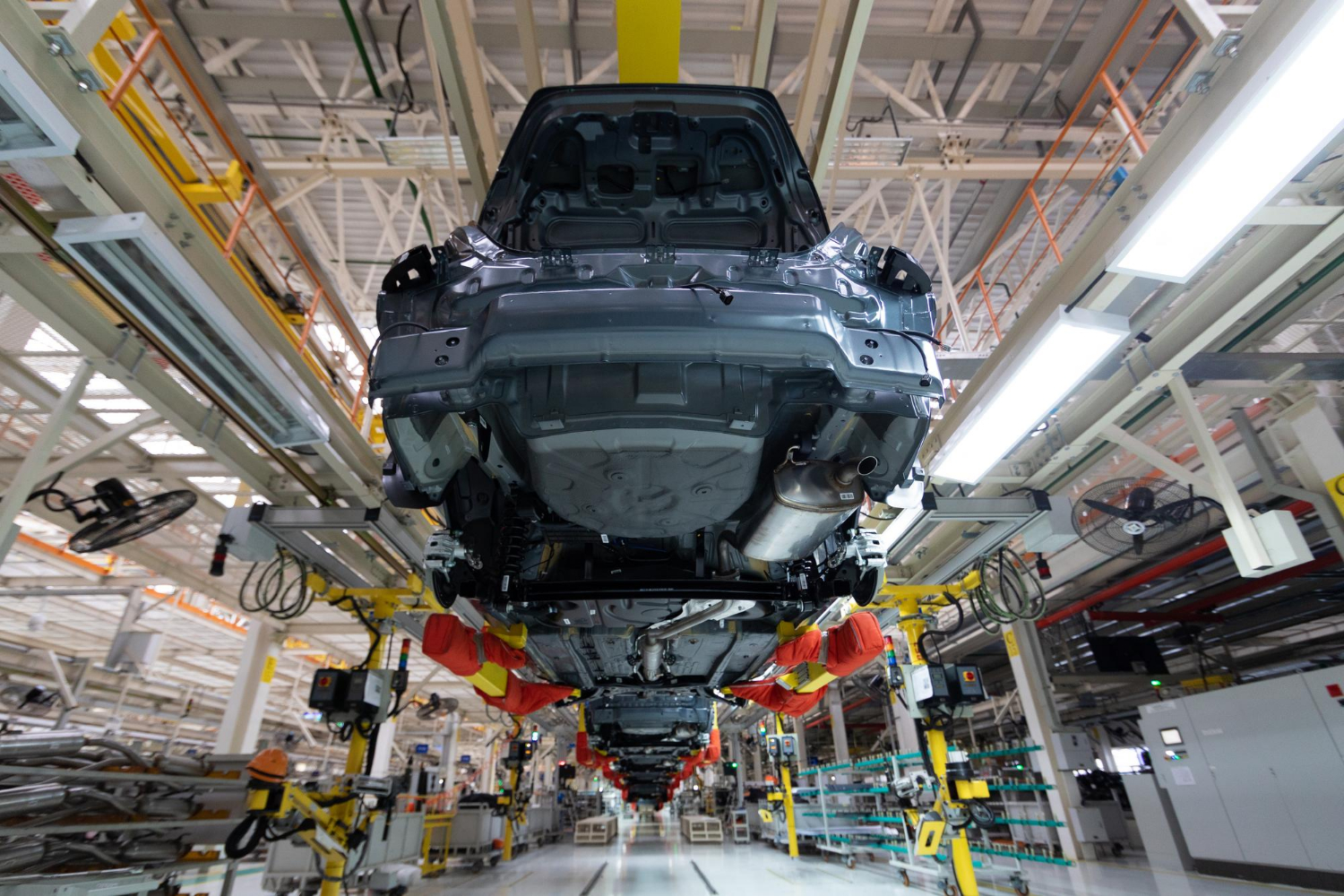
Quick Listen:
In the vibrant automotive hubs of Garland, Texas, where repair bays buzz with activity and roads teem with vehicles, parts departments are confronting a transformed landscape. Global supply chain upheavals, driven by everything from trade tensions to technological advancements, have forced these essential operations to rethink their strategies. No longer can they depend on steady international flows; instead, they’re pivoting to smarter, more resilient approaches. This evolution isn’t merely reactive it’s a proactive push toward efficiency that benefits mechanics, dealerships, and drivers across Garland, Dallas, Plano, and Rockwall-Heath. As the industry adapts, these local players are emerging stronger, ready to tackle whatever comes next.
Feeling stuck in the stressful car-buying process? At Jupiter Chevrolet in Garland, TX, we’ve reimagined how buying a car should feel. With transparent pricing, online deal-building tools, and the benefits of our Jupiter Advantage program, we ensure every step is straightforward and satisfying. Skip the hassle. From purchase, to certified service and parts, to collision repair and body shop. Our team puts your convenience, safety, and confidence first. Turn your dreams of finding your ideal Chevrolet into reality with us. Visit Jupiter Chevrolet today!
Driving Excellence: Innovations and Market Momentum in Automotive Parts
As supply chains continue to transform, automotive parts departments in Garland and surrounding areas like Dallas and Plano are adopting cutting-edge innovations and tactics to uphold top-tier service levels. This narrative highlights endurance, clever problem-solving, and a steadfast dedication to mobility for all.
The data paints a vivid picture of the sector’s scale and vitality. In 2024, the nation’s franchised light-vehicle dealers achieved remarkable benchmarks, as detailed in the latest full-year report. While specific figures for vehicle sales and repair volumes aren’t directly listed on the overview page, the report underscores the retail auto industry’s major accomplishments, with a focus on economic contributions and operational milestones. In regions like Garland, these national trends amplify the importance of robust parts supply, supporting commuters and commercial fleets that rely on prompt maintenance to stay operational.
Delving deeper, recent market beats from 2025 reveal ongoing momentum. For instance, August 2025 saw new light-vehicle sales hitting a seasonally adjusted annual rate of 16.1 million units, while July tallied 16.4 million surpassing expectations and signaling sustained demand. These updates reflect a resilient market, where parts departments play a pivotal role in sustaining vehicle longevity amid rising sales.
The Evolving Supply Chain Environment
The traditional supply chain model has undergone a profound overhaul. Parts departments can no longer count on consistent deliveries from distant suppliers; instead, they’re grappling with persistent issues like delayed shipments, escalating expenses, and variable consumer needs. Yet, this turbulence breeds innovation. In Garland, forward-thinking managers are harnessing technology to gain an edge. Tools such as predictive analytics enable precise forecasting of demand for essentials like brake components or filtration systems, minimizing shortages that could halt operations.
Automation in inventory control is revolutionizing workflows, allowing shops in Dallas or Plano to avoid costly downtime. By integrating these systems, departments ensure seamless access to components, enhancing overall productivity. Moreover, the shift toward regional sourcing is proving transformative. By partnering with nearby distributors, Garland’s operations reduce transit durations and buffer against international disruptions, such as congested ports or policy shifts. This localized strategy not only accelerates turnaround but also fosters economic ties within Texas communities.
The insistence on rapid service remains unyielding. Modern customers demand swift repairs be it for a suburban vehicle in Rockwall-Heath or a fleet truck in Dallas. Responding to this, some departments are innovating with expedited logistics, including trials of immediate delivery options for urgent parts. These efforts underscore a broader commitment to customer-centric operations in an increasingly competitive arena.
Garland’s Adaptive Strategies in Action
Within Garland, certain parts departments exemplify successful adaptation. Implementing advanced digital tracking has cut fulfillment times significantly by as much as 20% in some cases empowering technicians to resume work without unnecessary delays. This efficiency builds customer confidence, where every minute in the bay translates to satisfaction and repeat business. Extending beyond Garland, comparable initiatives thrive regionally. In Plano, collaborations with proximate suppliers have secured reliable access to popular items, sidestepping bottlenecks that previously disrupted service flows.
In Dallas, dealerships have overhauled their stocking methods, leveraging data analytics to anticipate patterns like heightened need for cooling system parts during Texas summers or batteries ahead of cooler months. Such foresight prevents shortages and optimizes resource allocation. Even smaller entities aren’t left behind; independent facilities in Rockwall-Heath are uniting to share logistics networks, curbing expenses while maintaining part availability. This cooperative ethos is cultivating a regional stronghold of supply chain fortitude, where collective ingenuity drives progress. As echoed by local operators, the focus extends beyond vehicle repairs to refining the entire procurement process.
Persistent Hurdles in Supply Management
Despite advancements, obstacles persist. Balancing inventory is akin to a high-stakes equilibrium act excess stock immobilizes funds, while deficiencies drive patrons elsewhere. A prime illustration comes from General Motor’s $23 million investment in its Charlotte Parts Distribution Center, now operational following its August 2025 rollout. This funding, augmenting a prior $120.5 million pledge, introduced automated storage systems boosting capacity by 11%, alongside robotics and mobile units to ease worker burdens. Stocking over 40,000 items in a compact space, the center exemplifies efforts to enhance storage, ergonomics, and processing speed mirroring pressures faced by Garland departments in managing diverse inventories efficiently.
Dependability of suppliers poses another critical concern. Worldwide strains, including chip scarcities and Asian export lags, compel diversification, albeit at added expense. Cost escalations further complicate matters, requiring departments to navigate price adjustments delicately to preserve client relations. Effective dialogue with vendors and customers is essential in this intricate balancing act, ensuring transparency amid economic fluxes.
Capitalizing on Emerging Prospects
Amidst these trials, promising avenues abound. Data analytics empowers intelligent stocking, aligning inventories with repair patterns for optimal readiness. The 2026 Auto Care Factbook, released in June 2025, forecasts a 5.1% expansion for the industry this year, following $414 billion in U.S. aftermarket sales last year. Projections extend to $664 billion by 2028, highlighting enduring demand that positions Garland’s operations for growth through strategic adaptation.
Elevating customer interactions offers further potential. Real-time tracking and adaptable timings can elevate standard services into loyalty enhancers. Embracing digital commerce, guided by the 2024 Joint E-commerce Trends report, reveals surging online sales 4.3% growth in 2024, with a 6.7% compound annual rate through 2027. By facilitating virtual browsing and purchases, Garland shops align with contemporary preferences, broadening reach and convenience.
Collaborative ventures amplify these gains. Dealerships and independents in Garland could establish joint distribution frameworks, pooling strengths for communal advantage. Such alliances not only streamline costs but also bolster regional resilience against disruptions.
A Robust Outlook for Garland’s Auto Industry
Looking forward, Garland’s parts departments demonstrate that flexibility is key to thriving. The light-duty aftermarket sector is poised to hit $435 billion this year, per the 2025 Joint Channel Forecast from Auto Care Association and MEMA Aftermarket Suppliers, with sustained growth anticipated through 2028. Local leaders advocate ongoing investments in tech and partnerships to maintain competitiveness.
The roadmap is evident: leverage insights, enhance user engagement, and fortify supply networks. From modest outfits in Rockwall-Heath to expansive sites in Dallas, agility amid change will dictate triumphs. In the words of seasoned professionals, while chains may fluctuate, proactive shifts ensure momentum.
To remain proactive, track evolving supply dynamics, participate in sector seminars, or implement these tactics locally. In Garland and its environs, automotive service’s tomorrow is crafted component by component, promising a dynamic, enduring future.
Frequently Asked Questions
How are automotive parts departments in Garland, Texas adapting to supply chain disruptions?
Parts departments in Garland are implementing advanced digital tracking systems, predictive analytics, and automation to overcome supply chain challenges. They’re also shifting toward regional sourcing partnerships with nearby distributors to reduce transit times and avoid international shipping delays. These strategies have helped some departments cut fulfillment times by up to 20%, ensuring faster service for customers across Dallas, Plano, and Rockwall-Heath.
What technology innovations are helping auto parts departments manage inventory more effectively?
Modern parts departments are leveraging predictive analytics to forecast demand for essential components like brake parts and filters, while automation in inventory control prevents costly downtime. Data analytics helps departments anticipate seasonal patterns, such as increased cooling system parts demand during Texas summers or battery needs before cooler months. Real-time digital tracking and mobile inventory management systems are also streamlining operations and improving customer service.
What is the outlook for the automotive aftermarket industry in 2025 and beyond?
The automotive aftermarket industry shows strong growth potential, with the light-duty aftermarket sector projected to reach $435 billion in 2025 according to industry forecasts. Online sales are growing at a 6.7% compound annual rate through 2027, and the overall auto care industry is expected to reach $664 billion by 2028. This sustained demand creates significant opportunities for Garland-area parts departments that invest in technology, customer engagement, and supply chain resilience.
Disclaimer: The above helpful resources content contains personal opinions and experiences. The information provided is for general knowledge and does not constitute professional advice.
You may also be interested in: Jupiter Chevrolet Blog | News, Updates, and Info – Jupiter Chevrolet
Feeling stuck in the stressful car-buying process? At Jupiter Chevrolet in Garland, TX, we’ve reimagined how buying a car should feel. With transparent pricing, online deal-building tools, and the benefits of our Jupiter Advantage program, we ensure every step is straightforward and satisfying. Skip the hassle. From purchase, to certified service and parts, to collision repair and body shop. Our team puts your convenience, safety, and confidence first. Turn your dreams of finding your ideal Chevrolet into reality with us. Visit Jupiter Chevrolet today!
Powered by flareAI.co
Connect with us


