





Quick Listen:
Life in Garland and the surrounding North Texas communities moves at a brisk pace, with school runs in the morning, weekend soccer games, lake trips, and the occasional big haul from the home improvement store. For many local families, the right vehicle is more than transportation it serves as the reliable partner that makes everyday adventures possible. Right now, the new Chevrolet inventory at Jupiter Chevrolet offers standout options that blend modern capability, family-friendly comfort, and the rugged versatility that Texas roads demand.
Whether you need a spacious SUV for carpool duty or a capable pickup that doubles as a weekend workhorse, today’s Chevy lineup delivers thoughtful features without unnecessary flash. Families here appreciate vehicles that work hard, stay safe, and still feel rewarding to drive.
Feeling stuck in the stressful car-buying process? At Jupiter Chevrolet in Garland, TX, we’ve reimagined how buying a car should feel. With transparent pricing, online deal-building tools, and the benefits of our Jupiter Advantage program, we ensure every step is straightforward and satisfying. Skip the hassle. From purchase, to certified service and parts, to collision repair and body shop. Our team puts your convenience, safety, and confidence first. Turn your dreams of finding your ideal Chevrolet into reality with us. Visit Jupiter Chevrolet today!
Why Families in Garland Are Turning to Chevrolet
North Texas families face a unique mix of needs: daily commuting on busy freeways like the LBJ, weekend getaways to East Texas lakes, and enough cargo space for everything from sports gear to gardening supplies. Chevrolet has long understood this balance, offering trucks and SUVs that prioritize real-world utility alongside modern safety and technology.
Local drivers value the brand’s reputation for durability in Texas heat and occasional rough weather. New models come equipped with advanced driver-assistance features that give parents extra peace of mind, while spacious interiors ensure everyone rides comfortably on longer family outings.
Pickup Trucks That Serve Double Duty for Busy Households
For families who need serious hauling power without sacrificing daily drivability, the Chevrolet Silverado 1500 stands out in current inventory. These full-size pickups handle everything from towing a boat to carrying lumber for weekend projects, yet many trims offer refined interiors suitable for school drop-off.
Pickup trucks have evolved far beyond basic work vehicles. Today’s models feature improved fuel efficiency, enhanced safety systems, and connectivity options that keep families linked on the go. The growing preference for off-road capability, spacious interiors, and higher payload capacity resonates strongly in communities where both urban errands and rural outings are common.
Across the broader market, pickup trucks continue to gain popularity for their multifunctional use in construction, agriculture, recreation, and family life. These vehicles have transitioned into sophisticated machines that blend advanced technology with versatility and power, offering enhanced safety features and seamless connectivity that make them ideal for both urban and rural markets.
Spacious SUVs Built for Growing Families
When the priority is moving people rather than payloads, Chevrolet’s SUV lineup shines. Models like the Traverse and Tahoe offer generous seating and cargo room, making them ideal for larger families or those who frequently travel with grandparents, sports teams, or camping gear.
The Traverse, in particular, strikes an appealing balance with three rows of comfortable seating and thoughtful storage solutions. Parents appreciate features like easy-access second-row seats and available rear-seat entertainment options that keep younger passengers content during longer drives through the Dallas-Fort Worth area.
Smaller crossovers such as the Trax and Equinox provide efficient alternatives for families who want maneuverability in tight suburban parking lots while still enjoying elevated seating and all-wheel-drive confidence when needed.
Key Family-Friendly Features in Today’s Chevrolet SUVs
- Advanced safety suites with automatic emergency braking and lane-keeping assistance
- Spacious third-row seating that adults can actually use on shorter trips
- Flexible cargo configurations that adapt from daily commuting to weekend adventures
- Modern infotainment systems with smartphone integration for navigation and entertainment
Balancing Capability and Comfort in Everyday Driving
One of the smartest aspects of the current Chevrolet inventory is how well these vehicles bridge the gap between work and family life. A Silverado can tow a trailer for a weekend lake trip and then comfortably transport the family to dinner without feeling out of place.
Many models now include hybrid or electric options that appeal to families mindful of fuel costs and environmental impact, especially with Texas’s growing network of charging infrastructure. These powertrains maintain the brand’s reputation for strong performance while offering quieter, smoother operation that passengers notice immediately.
Local families also benefit from Chevrolet’s focus on durability. Vehicles designed to handle tough conditions hold up well in the demanding Texas climate, potentially reducing long-term ownership costs and unexpected repair needs.
Service and Maintenance Support That Keeps Families Moving
Choosing the right vehicle is only part of the equation. Reliable service and parts availability matter just as much for busy households. Jupiter Chevrolet’s convenient location in Garland provides easy access to factory-trained technicians who understand the specific needs of local drivers.
Regular maintenance keeps these capable vehicles performing at their best, whether that means oil changes before a long road trip or collision repair after an unexpected fender bender. Having a trusted local body shop and parts department nearby means less downtime and more time spent enjoying family activities.
From routine service to major repairs, the support network behind Chevrolet vehicles helps ensure that families aren’t left stranded when life throws curveballs.
Practical Considerations for North Texas Buyers
When shopping for a new Chevrolet in Garland, families often weigh several practical factors:
- Space and versatility Will the vehicle comfortably fit car seats, sports equipment, and weekend luggage?
- Fuel efficiency and operating costs How will daily commutes and occasional longer trips affect the household budget?
- Safety ratings and features What built-in protections give parents confidence with precious cargo aboard?
- Resale value and longevity Will the vehicle retain value and serve reliably for years ahead?
Current inventory addresses these questions with a range of trims and options, allowing families to select the configuration that best matches their lifestyle without overspending on features they won’t use.
Addressing Common Questions About Family Vehicles
Many Garland families wonder whether a pickup truck can truly serve as a daily family hauler. The answer is yes modern Silverado models combine substantial towing and payload capacity with comfortable, quiet cabins that rival many SUVs. Others ask about the practicality of three-row SUVs in daily traffic; the Traverse delivers impressive maneuverability and efficiency while still providing the room growing families need.
Questions about long-term reliability often arise in Texas’s challenging climate. Chevrolet’s engineering focus on durability helps these vehicles stand up to heat, occasional storms, and heavy use, supported by accessible local service.
Making the Right Choice for Your Family
Ultimately, the best vehicle is the one that fits seamlessly into your family’s routine while offering room to grow. Whether you lean toward the bold capability of a Silverado pickup or the family-hauling comfort of a Traverse or Tahoe, today’s Chevrolet lineup provides thoughtful solutions tailored to North Texas life.
Visiting a local dealership like Jupiter Chevrolet allows families to see, touch, and test-drive these vehicles in real conditions. Experienced advisors can help match specific models to individual needs without high-pressure tactics.
As lifestyles evolve and technology advances, Chevrolet continues refining its offerings to meet the practical demands of modern families. For residents of Garland and nearby communities, that means access to capable, comfortable vehicles backed by local service expertise at Jupiter Chevrolet .
The next family adventure whether it’s a quiet evening drive or a weekend escape feels more attainable when you have the right vehicle waiting in the driveway. Exploring the current new Chevrolet inventory could be the first step toward finding that perfect match.
Frequently Asked Questions
What is the best new Chevrolet SUV for families in the Garland and Dallas-Fort Worth area?
The Chevrolet Traverse is one of the top choices for North Texas families, offering three rows of comfortable seating, flexible cargo configurations, and easy-access second-row seats ideal for carpools, sports gear, and weekend travel. Larger families may also consider the Tahoe for even more passenger space. For those who want a more compact and maneuverable option, the Trax and Equinox provide efficient alternatives with available all-wheel drive and elevated seating suited to suburban driving around the DFW metroplex.
Can a new Chevrolet Silverado 1500 work as an everyday family vehicle in Garland, TX?
Yes modern Silverado 1500 trucks are designed to do double duty as both a capable work truck and a comfortable family hauler. Higher trims feature refined interiors, advanced driver-assistance technology, and smartphone connectivity that make them as suitable for school drop-off as they are for towing a boat to an East Texas lake. With strong payload capacity and improved fuel efficiency compared to older models, the Silverado is a practical choice for North Texas families who need versatility in a single vehicle.
What safety features come standard on new Chevrolet vehicles at Jupiter Chevrolet in Garland?
New Chevrolet trucks and SUVs available at Jupiter Chevrolet come equipped with advanced safety suites designed to give parents extra confidence on busy North Texas roads. Features commonly included across the lineup are automatic emergency braking, lane-keeping assistance, and modern infotainment systems with smartphone integration. Chevrolet’s engineering focus on durability also helps these vehicles perform reliably in Texas’s demanding climate from summer heat to unexpected storms reducing long-term maintenance concerns for busy households.
Disclaimer: The above helpful resources content contains personal opinions and experiences. The information provided is for general knowledge and does not constitute professional advice.
You may also be interested in: Common Issues with Used Chevys and How to Avoid Them
Feeling stuck in the stressful car-buying process? At Jupiter Chevrolet in Garland, TX, we’ve reimagined how buying a car should feel. With transparent pricing, online deal-building tools, and the benefits of our Jupiter Advantage program, we ensure every step is straightforward and satisfying. Skip the hassle. From purchase, to certified service and parts, to collision repair and body shop. Our team puts your convenience, safety, and confidence first. Turn your dreams of finding your ideal Chevrolet into reality with us. Visit Jupiter Chevrolet today!
Powered by flareAI.co

Quick Listen:
As we move into 2026, Chevrolet owners face a collision repair landscape that has evolved dramatically. Today’s Chevy vehicles combine sophisticated advanced driver-assistance systems, lightweight and mixed materials, and in many cases electric powertrains. A collision, even a minor one, now demands far more than traditional bodywork to return the vehicle to its original safety and performance standards. Dealership service centers and certified collision partners are rising to meet these demands through specialized training, genuine parts, and precise procedures.
Feeling stuck in the stressful car-buying process? At Jupiter Chevrolet in Garland, TX, we’ve reimagined how buying a car should feel. With transparent pricing, online deal-building tools, and the benefits of our Jupiter Advantage program, we ensure every step is straightforward and satisfying. Skip the hassle. From purchase, to certified service and parts, to collision repair and body shop. Our team puts your convenience, safety, and confidence first. Turn your dreams of finding your ideal Chevrolet into reality with us. Visit Jupiter Chevrolet today!
The Growing Importance of ADAS in Chevrolet Collision Repairs
Advanced driver-assistance systems have become standard equipment across much of the Chevrolet lineup, from automatic emergency braking and lane-keeping assistance to adaptive cruise control and Super Cruise hands-free driving. These features depend on an intricate network of cameras, radars, and sensors. Even a light impact can misalign these components, making accurate post-repair calibration essential for restoring full functionality.
General Motors has released updated position statements that stress the use of genuine GM parts and approved repair procedures for any collision, structural, or system-dependent work. Non-OE parts in sensor-critical areas, such as bumpers, grilles, or headlamps, can compromise ADAS performance and void warranty coverage. For Chevrolet drivers, this underscores the value of choosing a facility experienced with factory specifications and equipped to handle these sensitive systems.
Special Considerations for Repairing Chevrolet Electric Vehicles
Chevrolet’s expanding EV portfolio, including the Equinox EV and Silverado EV, introduces high-voltage battery systems and unique structural designs that require careful handling during collision repair. Technicians must follow rigorous safety protocols to prevent electrical hazards and protect battery integrity, often incorporating additional diagnostic scans that extend the repair process.
Lightweight materials and mixed-material construction further complicate the work. Traditional welding methods may not be suitable, prompting shops to adopt new tools and techniques. Experience with Chevrolet’s specific EV platforms proves crucial, delivering better quality repairs and more reliable turnaround times while maintaining the vehicle’s advanced safety and efficiency features.
Why Calibration Has Become a Standard Step
Calibration is no longer an optional add-on but a routine part of many collision repairs on modern vehicles . Pre- and post-repair scans help identify hidden issues with electronic control units and sensors, while targeted calibrations ensure ADAS features operate exactly as engineered after bodywork is completed.
GM guidelines recommend limiting refinishing on ADAS-equipped components like bumpers and fascias to topcoat only, with strict controls on paint thickness. Exceeding these limits or performing improper substrate repairs can interfere with radar and camera accuracy. Certified Chevrolet collision centers possess the necessary equipment and expertise to meet these standards, giving owners peace of mind that safety systems will perform as intended.
The Critical Role of Genuine Parts and Authorized Networks
Access to original equipment manufacturer parts remains central to high-quality Chevrolet collision repairs. Dealership body shops and authorized partners benefit from direct supply chains for panels, sensors, and structural components engineered specifically for each model year. This approach minimizes compatibility problems that sometimes arise with aftermarket alternatives.
In today’s highly integrated vehicles, selecting the correct part goes beyond simple fitment. It preserves the precise engineering that supports both safety systems and overall performance. Chevrolet service networks emphasize this advantage, particularly for newer models where electronics and body structures function in tight coordination.
Adapting the Workforce and Technology for Modern Repairs
The collision repair sector continues to demand technicians skilled in both classic bodywork and cutting-edge vehicle technology. Facilities serving Chevrolet customers are investing in advanced diagnostic tools, precision alignment systems, and EV-specific equipment to stay current. This ongoing adaptation translates into more accurate repairs and improved long-term vehicle reliability for owners.
While the added complexity of contemporary vehicles can extend repair timelines, it also opens the door to superior outcomes when expert hands are involved. In regions with heavy traffic where fender benders remain frequent, collaborating with a well-equipped Chevrolet collision provider can simplify the entire claims and repair journey.
Embracing Sustainability in Collision Repair Practices
Sustainability is receiving increased focus within the collision repair industry. Whenever safe and structurally sound, prioritizing repair over full replacement aligns with environmental goals and helps extend vehicle lifespan. Chevrolet’s emphasis on durable, recyclable materials supports these efforts, encouraging repair techniques that reduce waste without compromising safety.
Many dealership service departments integrate collision repair with routine maintenance and parts service, creating a comprehensive ownership experience. This holistic approach can shorten overall downtime and assist Chevrolet owners in caring for their vehicles in a more responsible manner.
Practical Advice for Chevrolet Owners Facing Repairs in 2026
Selecting the right repair location has never been more consequential. Facilities holding GM certification, with ready access to genuine parts and proven experience handling ADAS and EV systems, consistently deliver restorations that match factory safety and performance levels. Clear communication regarding required calibrations, parts choices, and timelines helps set realistic expectations.
- Always request full documentation of pre- and post-repair scans as well as all calibrations performed.
- Verify that GM-approved procedures and OEM parts were used to protect your warranty coverage.
- Inquire about the technician’s specific training on your vehicle’s technology platform.
- Ask for confirmation of post-repair testing to ensure ADAS features operate correctly.
Looking Forward: Technology Driving Safer Repair Outcomes
The trends reshaping collision repair for Chevrolet vehicles mirror the rapid advancement of automotive technology overall. While vehicles gain greater ability to help prevent accidents, the repairs required when collisions occur have grown more technically demanding. This sophistication ultimately serves to protect drivers and passengers.
Chevrolet dealerships and their trusted collision partners are well-positioned to address these challenges with specialized knowledge, genuine components, and state-of-the-art resources. By staying informed and working with experienced providers, owners can feel confident that after an incident, their vehicle will return to the road performing as safely and capably as when it was new. The path ahead includes more sensors, software, and advanced systems, yet the core priority remains unchanged returning drivers safely behind the wheel with complete peace of mind.
Frequently Asked Questions
Why is ADAS calibration required after a Chevrolet collision repair in 2026?
Modern Chevrolet vehicles are equipped with advanced driver-assistance systems (ADAS) including automatic emergency braking, lane-keeping assistance, and adaptive cruise control that rely on a network of cameras, radars, and sensors. Even a minor impact can misalign these components, making post-repair calibration essential to restore full functionality. GM guidelines require pre- and post-repair diagnostic scans, along with targeted calibrations, to ensure all safety systems perform exactly as engineered after bodywork is completed.
What makes repairing a Chevrolet electric vehicle (EV) different from a traditional collision repair?
Chevrolet EVs like the Equinox EV and Silverado EV feature high-voltage battery systems and mixed-material construction that require specialized handling during collision repair. Technicians must follow strict safety protocols to prevent electrical hazards and protect battery integrity, often performing additional diagnostic scans that can extend repair timelines. Shops experienced with Chevrolet’s specific EV platforms are better equipped to deliver quality repairs while preserving the vehicle’s advanced safety and efficiency features.
Should I use OEM or aftermarket parts when repairing my Chevrolet after a collision?
GM strongly recommends using genuine OEM (original equipment manufacturer) parts for any collision repair, particularly in sensor-critical areas like bumpers, grilles, and headlamps. Non-OE parts in these areas can compromise ADAS performance and may void your warranty coverage. Because today’s Chevrolet vehicles rely on tight coordination between electronics and body structures, OEM parts ensure proper fitment, preserve safety system accuracy, and maintain the precise engineering built into each model year.
Disclaimer: The above helpful resources content contains personal opinions and experiences. The information provided is for general knowledge and does not constitute professional advice.
You may also be interested in: Why Chevrolet’s Lifetime Powertrain Warranty Offers Extra Peace of Mind
Feeling stuck in the stressful car-buying process? At Jupiter Chevrolet in Garland, TX, we’ve reimagined how buying a car should feel. With transparent pricing, online deal-building tools, and the benefits of our Jupiter Advantage program, we ensure every step is straightforward and satisfying. Skip the hassle. From purchase, to certified service and parts, to collision repair and body shop. Our team puts your convenience, safety, and confidence first. Turn your dreams of finding your ideal Chevrolet into reality with us. Visit Jupiter Chevrolet today!
Powered by flareAI.co

Quick Listen:
Imagine navigating the busy highways of the Dallas area, windows down with that signature Texas breeze flowing through, when a dashboard warning light suddenly appears or an unfamiliar sound emerges from beneath the hood. For countless drivers, such moments trigger immediate concern over costly repairs, lost time, and the uncertainty of what lies ahead. Yet for those driving a Certified Pre-Owned Chevrolet, the experience often shifts toward reassurance, supported by comprehensive warranty coverage designed to deliver lasting confidence.
In today’s competitive used vehicle landscape, Certified Pre-Owned programs from trusted manufacturers like Chevrolet distinguish themselves by combining the dependability associated with new cars and the accessibility of pre-owned options. These vehicles receive detailed factory inspections and benefit from manufacturer-backed protections that extend far beyond standard used-car transactions. Dallas-area motorists, whether handling daily commutes or weekend excursions to Fort Worth and surrounding regions, frequently find these warranty advantages particularly valuable.
Feeling stuck in the stressful car-buying process? At Jupiter Chevrolet in Garland, TX, we’ve reimagined how buying a car should feel. With transparent pricing, online deal-building tools, and the benefits of our Jupiter Advantage program, we ensure every step is straightforward and satisfying. Skip the hassle. From purchase, to certified service and parts, to collision repair and body shop. Our team puts your convenience, safety, and confidence first. Turn your dreams of finding your ideal Chevrolet into reality with us. Visit Jupiter Chevrolet today!
Understanding Certified Pre-Owned Chevrolet Vehicles
Not every pre-owned Chevrolet qualifies for certified status. Only those meeting rigorous manufacturer standards advance, beginning with an extensive multi-point inspection covering mechanical systems, safety components, and cosmetic elements. Vehicles that successfully pass earn the certified label, providing buyers with elevated assurance from the moment of purchase.
The inspection goes well beyond surface-level checks. Factory-trained technicians evaluate key systems, perform necessary reconditioning, and confirm adherence to original specifications. This thorough approach results in pre-owned models that often deliver performance and refinement remarkably close to newer vehicles, setting them apart from typical used options available in the market.
Core Warranty Protections Built for Peace of Mind
The foundation of Certified Pre-Owned Chevrolet appeal lies in its dual factory-backed limited warranties. Buyers generally receive a 12-month or 12,000-mile bumper-to-bumper limited warranty that safeguards numerous components outside the powertrain, including electrical systems and interior features. This initial coverage typically operates without deductibles, offering straightforward protection during early ownership.
Pairing this is an extended powertrain limited warranty spanning 6 years or 100,000 miles from the vehicle’s original in-service date. This coverage targets essential mechanical elements such as the engine, transmission, and drivetrain areas where repairs can escalate quickly in expense. For Dallas drivers accumulating substantial mileage on area interstates or in congested traffic, such extended safeguards help manage potential financial exposure tied to higher-mileage vehicles.
Collectively, these warranties establish a level of security uncommon among ordinary used cars. Whereas a conventional pre-owned purchase may leave owners vulnerable shortly after acquisition, a Chevrolet CPO model maintains active factory support across many additional miles of service.
Valuable Supplementary Benefits Included with CPO
Warranty coverage represents only part of the package. Certified Pre-Owned Chevrolet vehicles commonly incorporate 24/7 roadside assistance available for the duration of the powertrain warranty. From a flat tire along a quiet Texas backroad to a dead battery in a busy DFW parking facility, assistance arrives promptly without added charges while coverage remains active.
Courtesy transportation services provide further practicality, often including shuttle options or rental car reimbursements during warranty-related repairs. In the expansive Dallas metropolitan region, where dependable mobility supports work, education, and family responsibilities, these provisions help minimize disruptions from unforeseen maintenance needs.
Additionally, many programs supply a detailed vehicle history report, granting clear visibility into previous ownership, service records, and any documented events. This transparency empowers more confident purchasing decisions and reinforces trust in the vehicle’s documented background.
Why These Advantages Resonate Strongly in the Dallas Area
Local driving conditions in Texas including intense summer temperatures, periodic severe weather, and elevated annual mileage for many residents can hasten vehicle wear. The protections accompanying Certified Pre-Owned Chevrolet models directly address these challenges by extending coverage precisely where it proves most beneficial.
Area dealerships with dedicated CPO selections highlight how these programs deliver meaningful value while avoiding the higher investment required for brand-new vehicles. Shoppers gain access to recent-model cars featuring contemporary safety technologies, advanced features, and strong performance characteristics, all accompanied by manufacturer assurances that help control overall ownership expenses.
In a setting where vehicle dependability influences daily life and financial planning, the blend of stringent inspection protocols, layered warranties, and supportive services presents an attractive middle path between new-car purchases and unregulated used-vehicle acquisitions.
Addressing Common Inquiries About Chevrolet CPO Warranties
Prospective buyers often seek clarity on how coverage functions in real-world scenarios. The powertrain warranty, for example, references the vehicle’s original delivery date rather than the CPO sale date, so remaining eligibility depends on time and mileage already accumulated. Consulting directly with the dealership helps confirm precise terms for any specific vehicle.
The bumper-to-bumper warranty, while shorter in duration, delivers broader immediate protection following purchase. It addresses unexpected concerns that may surface early, allowing new owners comfortable adjustment to their vehicle.
Transferability questions arise frequently as well. Generally, these warranties travel with the vehicle itself, potentially enhancing future resale appeal should owners choose to transition to another model later.
How CPO Vehicles Compare to Standard Pre-Owned Options
Contrasted with non-certified used cars, the distinctions stand out clearly. Conventional pre-owned vehicles may retain only partial original factory coverage or none whatsoever exposing buyers to immediate repair costs. Certified programs, however, add professional reconditioning, supplemental warranties, and dedicated support that together reduce overall risk.
This distinction does not imply all standard used vehicles lack merit, yet for individuals who value predictability and reliability, the certified approach frequently justifies its modest additional cost through enhanced safeguards and quality verification.
Maximizing Value from Your Certified Pre-Owned Chevrolet
To optimize warranty advantages, adherence to recommended maintenance intervals remains essential. Many CPO Chevrolet vehicles include options for scheduled service programs or complimentary visits that support both ongoing performance and continued eligibility for coverage.
Consistent documentation of all authorized dealership service work facilitates smoother handling of any future claims. Dallas-area owners benefit from convenient proximity to trained technicians experienced with Chevrolet models, simplifying proper vehicle upkeep throughout the covered period.
The overarching objective centers on enjoying a dependable pre-owned Chevrolet free from persistent concerns about mechanical integrity. Integrated protections redirect attention toward enjoyable driving rather than potential interruptions.
Concluding Perspectives on Certified Pre-Owned Chevrolet in Dallas
Throughout the Dallas metro and neighboring communities, Certified Pre-Owned Chevrolet vehicles offer a balanced solution providing up-to-date features, dependable operation, and manufacturer-supported reliability at a more approachable price level. The associated warranty benefits extend beyond promotional language to furnish concrete safeguards against surprises, reliable assistance when required, and heightened satisfaction during ownership.
When evaluating your next vehicle choice, reflect on how these structured protections align with your typical driving patterns and financial considerations. Whether seeking a replacement daily driver or an additional reliable family vehicle, a CPO Chevrolet equipped with extensive coverage presents a thoughtful option that unites affordability, quality, and assurance within a single, well-supported selection.
The expansive roads of North Texas lie ahead. Equipped with appropriate protections, the journey becomes notably more secure and gratifying.
Frequently Asked Questions
What warranty coverage comes with a Certified Pre-Owned Chevrolet in the Dallas area?
CPO Chevrolet vehicles come with two factory-backed limited warranties: a 12-month/12,000-mile bumper-to-bumper warranty covering electrical systems, interior features, and more typically with no deductible plus an extended powertrain warranty spanning 6 years or 100,000 miles from the original in-service date. The powertrain coverage protects high-cost components like the engine, transmission, and drivetrain, making it especially valuable for Dallas drivers who log heavy mileage on local interstates. Together, these warranties provide a level of protection rarely found with standard used-car purchases.
How is a Certified Pre-Owned Chevrolet different from a regular used car?
Unlike standard pre-owned vehicles which may have little to no remaining factory coverage a Certified Pre-Owned Chevrolet must pass a rigorous multi-point inspection performed by factory-trained technicians before earning its certified status. Vehicles that qualify are reconditioned to meet original manufacturer specifications and come backed by layered warranties, 24/7 roadside assistance, and a detailed vehicle history report. This combination of verified quality and ongoing manufacturer support significantly reduces the financial risk typically associated with buying used.
Does a Certified Pre-Owned Chevrolet include roadside assistance, and is it transferable?
Yes CPO Chevrolet vehicles include 24/7 roadside assistance for the full duration of the powertrain warranty, covering situations like flat tires, dead batteries, and similar roadside emergencies at no additional charge. Many programs also offer courtesy transportation benefits, such as shuttle service or rental car reimbursement, during covered repairs. As for transferability, CPO warranties generally stay with the vehicle rather than the owner, which can boost resale value if you decide to sell later.
Disclaimer: The above helpful resources content contains personal opinions and experiences. The information provided is for general knowledge and does not constitute professional advice.
You may also be interested in: Collision Repair After a Major Accident: Why Quality Matters
Feeling stuck in the stressful car-buying process? At Jupiter Chevrolet in Garland, TX, we’ve reimagined how buying a car should feel. With transparent pricing, online deal-building tools, and the benefits of our Jupiter Advantage program, we ensure every step is straightforward and satisfying. Skip the hassle. From purchase, to certified service and parts, to collision repair and body shop. Our team puts your convenience, safety, and confidence first. Turn your dreams of finding your ideal Chevrolet into reality with us. Visit Jupiter Chevrolet today!
Powered by flareAI.co

Quick Listen:
Owning a Chevrolet in 2026 brings confidence on the road, whether you rely on a capable Silverado for work, a spacious Tahoe for family adventures, or an efficient Equinox for daily drives. These vehicles deliver impressive durability, yet even the strongest trucks and SUVs perform best with consistent attention. Chevrolet structures service intervals for its popular 2026 models around the intelligent Oil Life Monitoring System, which typically signals the need for care every 7,500 miles under normal conditions. Following this guidance protects performance, enhances safety, and supports long-term value.
Chevrolet Certified Service tailors maintenance to actual driving habits, from long highway stretches to congested city routes. Adhering to the recommended schedule prevents minor issues from escalating and keeps your Chevrolet operating at its peak.
Feeling stuck in the stressful car-buying process? At Jupiter Chevrolet in Garland, TX, we’ve reimagined how buying a car should feel. With transparent pricing, online deal-building tools, and the benefits of our Jupiter Advantage program, we ensure every step is straightforward and satisfying. Skip the hassle. From purchase, to certified service and parts, to collision repair and body shop. Our team puts your convenience, safety, and confidence first. Turn your dreams of finding your ideal Chevrolet into reality with us. Visit Jupiter Chevrolet today!
The Foundation: Why 7,500-Mile Intervals Matter for 2026 Chevrolets
Popular 2026 models such as the Silverado 1500, Tahoe, Suburban, Equinox, and Colorado share a practical service rhythm. The initial major checkpoint often arrives near 7,500 miles. Technicians usually replace the engine oil and filter with the correct dexos-approved full synthetic, rotate the tires for even wear, and complete a thorough multi-point inspection of brakes, fluids, belts, hoses, and suspension elements.
This cadence reflects modern engineering demands. Fresh oil maintains proper lubrication and guards against wear, especially vital for trucks that tow or SUVs that carry heavy loads. Neglecting early services can gradually affect efficiency or accelerate component stress, particularly with frequent short trips, harsh weather, or dusty roads prevalent across many regions.
Service Highlights for the 2026 Chevrolet Silverado 1500
The Silverado continues as a trusted workhorse, and its maintenance plan matches that reputation for toughness. Routine visits every 7,500 miles focus on essential oil and filter changes, tire rotations, and brake checks. Around 22,500 miles, many owners replace the cabin air filter to ensure clean interior air and efficient climate control.
Reaching the 45,000-mile milestone often calls for deeper attention. This typically includes an engine air filter replacement to sustain power and economy, along with a possible brake fluid exchange. Diesel versions may require fuel filter service at select points to protect the injection system. These actions help the truck handle demanding tasks reliably without surprise interruptions.
Adjusting for Severe Use Conditions
Drivers who tow regularly, venture off-road, or face extreme temperatures should consider a more frequent approach. Chevrolet advises earlier service for transmission and transfer case fluids potentially by 45,000 miles under tough conditions to preserve shifting smoothness and overall drivetrain health.
What 2026 Tahoe and Suburban Owners Should Expect
Full-size SUVs like the Tahoe and Suburban follow comparable timing while accounting for their size and family-oriented duties. The standard 7,500-mile service includes oil changes using dexos1 Gen 3 for gas engines or dexosD for the available Duramax diesel, tire rotations suited to larger wheels, and inspections of wiper blades and other wear items.
Every 22,500 miles brings a fresh cabin air filter, which maintains comfortable air quality inside the roomy cabin during extended trips. The 45,000-mile service commonly features an engine air filter change and, based on usage, transmission fluid attention. Gas models may see spark plug replacement closer to 97,500 miles to avoid misfires and keep efficiency strong.
Owners who occasionally tow or carry substantial cargo gain peace of mind by closely watching the Oil Life System and selecting severe-service recommendations when appropriate.
Everyday Reliability: The 2026 Equinox and Compact Models
Those prioritizing efficiency and nimble handling appreciate the Equinox’s balanced maintenance needs. Oil changes paired with tire rotations every 7,500 miles remain the cornerstone, while cabin air filter replacement often occurs near 22,500 miles to counter pollen and city pollutants.
Transmission fluid service frequently enters the picture around 45,000 miles, supporting consistent shifting in the automatic gearbox over many miles. This measured approach lets the Equinox deliver comfortable, reliable transportation without excessive shop visits. Comparable patterns apply to models like the Trailblazer, where timely oil and filter care stay central to dependable operation.
Common Questions About Chevrolet Service Intervals
- How can I tell when my 2026 model truly needs service? The vehicle’s Oil Life Monitoring System delivers personalized alerts driven by real operating conditions instead of fixed mileage alone.
- Does demanding driving truly alter the timetable? Absolutely frequent towing, severe weather, or rough roads speed up wear, making earlier fluid and filter services wise to safeguard your Chevrolet.
- Are there practical ways to manage service costs? Chevrolet dealers frequently provide prepaid maintenance packages or bundled services that streamline routine care and help control long-term expenses.
- What happens if an interval slips? A single delay seldom triggers immediate problems, but steady adherence prevents costly repairs later and helps preserve warranty protections.
Parts and Service: Keeping Your Chevrolet Genuine
Choosing genuine Chevrolet or ACDelco components during maintenance ensures exact fit and performance aligned with factory standards. Certified technicians apply approved procedures, which proves especially important for intricate systems in trucks and large SUVs. Consistent service also bolsters resale appeal in a market where buyers value vehicles with documented care histories.
In today’s environment, many consumers turn to pre-owned options for their strong value and lower entry cost compared with new vehicles. Well-maintained Chevrolets often stand out as smart choices for budget-conscious buyers seeking dependable transportation without compromise.
Looking Ahead: Staying on Track with Your 2026 Chevrolet
Chevrolet engineered the 2026 service intervals to fit everyday realities while delivering lasting benefits. Treating the 7,500-mile point as a dependable benchmark and addressing filters, fluids, and inspections on schedule positions your Silverado, Tahoe, Equinox, or similar model for extended, trouble-free years.
In the end, proper maintenance comes down to thoughtful stewardship rather than strict obligation. Respond promptly when reminders appear, discuss your unique driving patterns with your dealer, and build a relationship with a trusted Chevrolet service team. That steady commitment keeps your 2026 Chevrolet responsive, efficient, and prepared for every journey ahead.
Frequently Asked Questions
How often should I service my 2026 Chevrolet Silverado, Tahoe, or Equinox?
Most 2026 Chevrolet models, including the Silverado 1500, Tahoe, Suburban, and Equinox, follow a 7,500-mile service interval under normal driving conditions. At each visit, technicians typically perform an oil and filter change using dexos-approved full synthetic oil, rotate the tires, and complete a multi-point inspection. Chevrolet’s Oil Life Monitoring System also provides personalized alerts based on your actual driving habits, so intervals may vary.
What additional maintenance does a 2026 Chevrolet need beyond regular oil changes?
Beyond the standard 7,500-mile oil and tire rotation service, 2026 Chevrolet models have several key milestones to watch. Around 22,500 miles, a cabin air filter replacement is recommended to maintain air quality and climate control efficiency. At 45,000 miles, owners should expect an engine air filter change, possible brake fluid exchange, and transmission fluid service with diesel variants like the Silverado requiring fuel filter attention at select intervals as well.
Does towing or off-road driving affect the service schedule for a 2026 Chevrolet truck or SUV?
Yes severe use conditions such as frequent towing, off-road driving, extreme temperatures, or dusty environments can accelerate wear and require earlier servicing. Chevrolet recommends following its severe-service guidelines in these cases, which may include earlier transmission and transfer case fluid changes, potentially by 45,000 miles. Closely monitoring the Oil Life Monitoring System and consulting your dealer about your specific driving patterns helps ensure your vehicle stays protected between visits.
Disclaimer: The above helpful resources content contains personal opinions and experiences. The information provided is for general knowledge and does not constitute professional advice.
You may also be interested in: The Benefits of Financing Your Chevrolet Through Jupiter Chevrolet
Feeling stuck in the stressful car-buying process? At Jupiter Chevrolet in Garland, TX, we’ve reimagined how buying a car should feel. With transparent pricing, online deal-building tools, and the benefits of our Jupiter Advantage program, we ensure every step is straightforward and satisfying. Skip the hassle. From purchase, to certified service and parts, to collision repair and body shop. Our team puts your convenience, safety, and confidence first. Turn your dreams of finding your ideal Chevrolet into reality with us. Visit Jupiter Chevrolet today!
Powered by flareAI.co
Quick Listen:
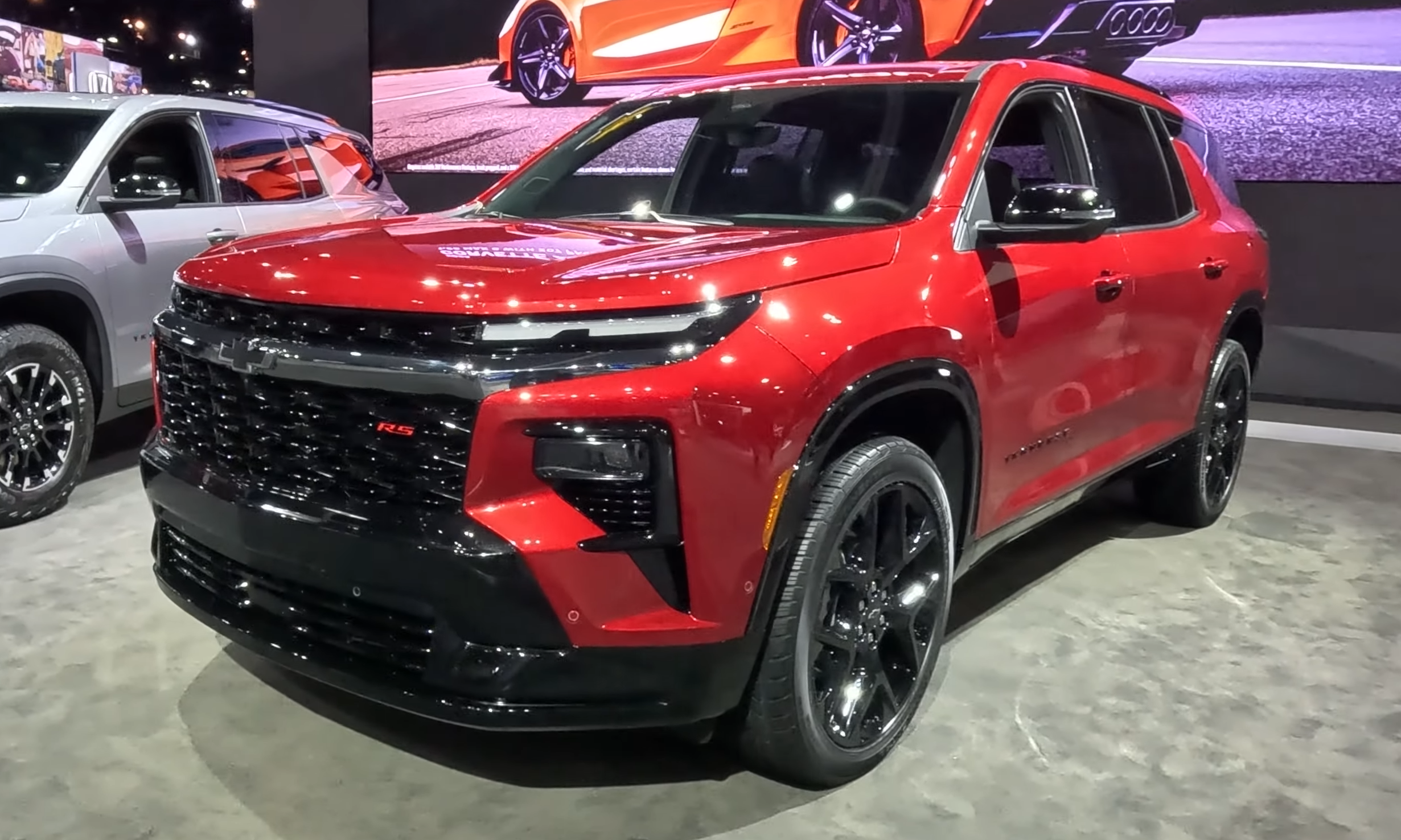
As the redesigned 2026 Chevrolet Traverse began building momentum with shoppers and dealers alike, General Motors quietly issued a limited stop-sale order affecting a small number of these popular three-row SUVs. The action touched roughly 92 vehicles across the Traverse, GMC Acadia, and Buick Enclave, all sharing the same platform and powertrain. For families considering this versatile hauler, the brief pause serves as a practical reminder that even strong new models can face minor early-production adjustments.
Feeling stuck in the stressful car-buying process? At Jupiter Chevrolet in Garland, TX, we’ve reimagined how buying a car should feel. With transparent pricing, online deal-building tools, and the benefits of our Jupiter Advantage program, we ensure every step is straightforward and satisfying. Skip the hassle. From purchase, to certified service and parts, to collision repair and body shop. Our team puts your convenience, safety, and confidence first. Turn your dreams of finding your ideal Chevrolet into reality with us. Visit Jupiter Chevrolet today!
What Triggered the Limited Stop-Sale Order?
In early July 2025, GM dealers received a service bulletin directing them to hold sales, deliveries, trades, auctions, and demonstration drives for specific VINs of the 2026 models. The company referred to the matter simply as a quality concern, prompting speculation about possible assembly or component issues while details remained limited at first.
The affected SUVs are built on GM’s C1 platform at the Lansing Delta Township plant in Michigan and equipped with the same 2.5-liter turbocharged inline-four engine. Subsequent information clarified that the issue involved radio software that had not yet received the final production release when those vehicles left the line. A straightforward reprogramming resolved it, with no replacement parts needed, and the stop-sale was lifted within weeks.
Assessing the Scope of the Issue
Measured against typical industry incidents, this stop-sale remained highly contained. Only about 92 units across the three related nameplates were involved, leaving the vast majority of 2026 Traverse inventory free to move normally to customers. GM acted promptly, and a company spokesperson indicated at the time that the matter would be addressed by the end of that week.
Placing this event in broader perspective, the U.S. automotive sector continues to show healthy expansion. The market is experiencing a shift toward greater electrification and deeper technology integration, with light trucks gaining favor for their versatility while internal combustion engines still lead overall sales and electric vehicles accelerate as the fastest-growing segment. Yet episodes like this underscore the importance of rigorous attention during initial production phases, even as the industry evolves.
The 2026 Traverse and Its Market Position
The third-generation Traverse brought meaningful enhancements, including increased interior room, updated styling, and a switch to the turbo four-cylinder engine lineup-wide. Buyers have welcomed its combination of comfort, capability, and sensible pricing, particularly within the strong passenger-car and light-truck segments where preferences lean toward practical, family-oriented vehicles.
Even with the temporary hold on select early units, the Traverse has maintained solid appeal. Owners frequently highlight the spacious cabin, composed ride, and thoughtful family features. The incident illustrates how quality oversight can identify matters after vehicles reach dealerships, allowing manufacturers to address them before widespread impact.
Early Owner Feedback Highlights
- High marks for generous cargo capacity and flexible seating arrangements in everyday driving.
- Appreciation for the turbo engine’s smooth power delivery and respectable efficiency on longer trips.
- Generally favorable comments on interior fit and technology, positioning the Traverse competitively among midsize SUVs.
Quality Expectations in Today’s Automotive Landscape
Concerns during new-vehicle launches are not uncommon, yet they resonate more deeply when customers commit substantial resources to family transportation. In this instance, the narrow focus and rapid resolution limited any lasting effect on the Traverse’s standing. GM’s proactive stop-sale followed established procedures, prioritizing caution over immediate distribution of potentially affected vehicles and thereby safeguarding both buyers and brand trust.
Practical Guidance for 2026 Traverse Shoppers
Prospective buyers searching for a 2026 Chevrolet Traverse today face very low odds of encountering one of the limited affected units. Dealers resumed standard operations some time ago, and any early software matters have been handled through routine updates.
Even so, a few straightforward steps can provide extra peace of mind:
- Review the specific vehicle’s production and service records directly with the dealership.
- Conduct a detailed test drive, focusing on infotainment performance, engine behavior, and overall build integrity.
- Inquire about any applicable service campaigns or pending software updates.
Those who value long-term reliability may also benefit from tracking owner experiences as additional 2026 models rack up real-world mileage. Current signs point to the Traverse fulfilling its role as a roomy, dependable choice for growing households.
Future Outlook for the Traverse Line and GM SUVs
The 2026 Chevrolet Traverse enters the market during a period when the U.S. automotive industry balances established strengths with emerging trends. While traditional powertrains continue to dominate, electric options are expanding quickly. Against this backdrop, vehicles like the Traverse deliver reliable everyday utility paired with contemporary features at an accessible price.
GM’s efficient management of the stop-sale reflected good responsiveness, despite the initial scarcity of specifics. With production now stabilized, attention naturally returns to the model’s core attributes: ample space for families, steady handling, and the versatile character that has defined the Traverse for years.
Wrapping Up: Perspective on a Minor Setback
A stop-sale touching only a small batch of 2026 Chevrolet Traverse SUVs rarely disrupts the trajectory of an entire model. Instead, it provides insight into the intricate realities of bringing sophisticated new vehicles to market. Unexpected quality matters can surface, but the manner in which a company handles them frequently carries greater weight than the issue alone.
The Traverse now stands on firm ground, poised to compete in a segment that continues to favor spacious, dependable, and well-equipped family SUVs. Shoppers who research carefully and partner with trusted dealers can proceed with confidence in the 2026 model. In the larger view, these occasional early adjustments form a normal part of the journey from concept to customer and they seldom eclipse the practical strengths the vehicle offers mile after mile.
Frequently Asked Questions
Why did the 2026 Chevrolet Traverse get a stop-sale order?
GM issued a limited stop-sale in early July 2025 after discovering that a small batch of 2026 Chevrolet Traverse, GMC Acadia, and Buick Enclave SUVs left the factory with radio software that hadn’t received its final production release. The fix required only a straightforward software reprogramming no replacement parts and the hold was lifted within weeks. Only about 92 vehicles across all three nameplates were affected.
Is it safe to buy a 2026 Chevrolet Traverse now that the stop-sale has been lifted?
Yes, prospective buyers today face very low odds of encountering one of the limited affected units, as dealers resumed normal operations shortly after the issue was identified and resolved. To be thorough, shoppers can ask the dealership to review the vehicle’s production and service records, inquire about any pending software updates, and conduct a detailed test drive covering infotainment performance and overall build quality.
How does the 2026 Chevrolet Traverse compare to other midsize SUVs despite the quality concern?
The 2026 Traverse remains a competitive option in the midsize SUV segment, offering a more spacious cabin, updated styling, and a turbocharged four-cylinder engine standard across the lineup. Early owner feedback highlights generous cargo capacity, smooth power delivery, and strong interior fit and technology. The stop-sale’s narrow scope and rapid resolution had little lasting impact on the model’s reputation or market standing.
Disclaimer: The above helpful resources content contains personal opinions and experiences. The information provided is for general knowledge and does not constitute professional advice.
You may also be interested in: How to Evaluate the True Cost of Owning a Chevrolet
Feeling stuck in the stressful car-buying process? At Jupiter Chevrolet in Garland, TX, we’ve reimagined how buying a car should feel. With transparent pricing, online deal-building tools, and the benefits of our Jupiter Advantage program, we ensure every step is straightforward and satisfying. Skip the hassle. From purchase, to certified service and parts, to collision repair and body shop. Our team puts your convenience, safety, and confidence first. Turn your dreams of finding your ideal Chevrolet into reality with us. Visit Jupiter Chevrolet today!
Powered by flareAI.co

Quick Listen:
In today’s fast-paced world, finding time for vehicle maintenance often feels like a luxury many drivers can’t afford. General Motors is addressing this challenge head-on by expanding its MobileService+ program. Starting in the second quarter of 2026, participating Chevrolet dealers will offer enhanced mobile service options for the 2026 Chevrolet Equinox, dispatching factory-trained technicians in fully equipped vans directly to customer’s homes, workplaces, or other convenient locations.
This initiative marks a meaningful evolution in how Chevrolet supports its owners, particularly for one of its most popular compact crossovers. Rather than requiring a trip to the dealership and hours spent in a waiting area, routine care can now fit seamlessly into busy schedules. The program emphasizes convenience while upholding the same high standards of service that Chevrolet customers expect.
Feeling stuck in the stressful car-buying process? At Jupiter Chevrolet in Garland, TX, we’ve reimagined how buying a car should feel. With transparent pricing, online deal-building tools, and the benefits of our Jupiter Advantage program, we ensure every step is straightforward and satisfying. Skip the hassle. From purchase, to certified service and parts, to collision repair and body shop. Our team puts your convenience, safety, and confidence first. Turn your dreams of finding your ideal Chevrolet into reality with us. Visit Jupiter Chevrolet today!
Understanding MobileService+ and Its Operation
MobileService+ represents GM’s commitment to on-demand, at-location vehicle care. Certified technicians arrive in purpose-built vans stocked with professional tools, genuine parts, and advanced diagnostic equipment. They handle a variety of planned maintenance tasks and select minor repairs right where the vehicle is parked, eliminating the need for customers to rearrange their day.
For the 2026 Chevrolet Equinox, this expansion brings these capabilities to more owners of gasoline-powered models. Services typically include oil changes, tire rotations, brake inspections, software updates, and targeted diagnostics. Importantly, the program focuses on scheduled preventive maintenance and does not extend to major collision repairs or emergency roadside assistance.
The Strategic Choice of the 2026 Equinox
The Equinox has earned its place as a longstanding bestseller in Chevrolet’s lineup, prized by families, daily commuters, and drivers seeking a practical yet capable crossover. Including it in the MobileService+ fleet alongside similar models like the GMC Terrain and Cadillac XT5 reflects a thoughtful response to dealer and customer feedback.
By extending mobile service to these more affordable, high-volume gasoline crossovers, GM broadens access beyond its earlier emphasis on electric and commercial vehicles. This shift acknowledges the diverse needs across its portfolio and responds to the reality that many owners still prefer or rely on traditional powertrains for their daily driving.
Key Benefits for Equinox Owners
The most immediate advantage is reclaimed time. Owners avoid the hassle of waiting rooms, coordinating transportation, or aligning schedules with dealership hours. A technician arrives at the appointed time, completes the work efficiently, and leaves the vehicle ready for the road.
Additional advantages include:
- Personalized convenience Maintenance happens on your terms, minimizing disruption to work, family routines, or personal plans.
- Factory-trained expertise Technicians rely on genuine GM parts and adhere to official service protocols for reliable results.
- Greater transparency Many appointments allow real-time updates or visibility through the myChevrolet app.
- Practical efficiency Reduced travel for service contributes to lower overall mileage dedicated solely to maintenance.
For Equinox drivers balancing commutes, school runs, or weekend getaways, this option removes a common source of inconvenience from vehicle ownership.
Typical Services Offered for the 2026 Equinox
Availability may vary by dealer and region, but common services for the 2026 Chevrolet Equinox through MobileService+ generally encompass:
- Oil and filter replacements
- Tire rotations along with pressure and tread checks
- Brake system inspections and feasible pad replacements
- Comprehensive multi-point vehicle inspections
- Software updates and over-the-air programming
- Battery testing and replacement when needed
- Replacement of air and cabin filters
- Fluid level checks and top-offs with minor diagnostic procedures
More involved repairs requiring heavy equipment or extensive disassembly remain best suited for the dealership service bay. Owners should discuss their specific requirements when booking to ensure the best approach.
Determining Eligibility and Scheduling
Access to MobileService+ depends on participation by local Chevrolet dealers. While rollout continues to grow, not every location currently offers the program. Drivers can verify availability through their dealership or Chevrolet’s service resources and typically schedule via the myChevrolet app or a direct call. The service is designed for planned appointments rather than unexpected needs.
Mobile Service in the Context of Evolving Chevrolet Support
GM’s investment in mobile options aligns with shifting customer expectations for flexibility and ease. Today’s drivers increasingly seek dealership-quality care delivered with the simplicity of on-demand services they use in other areas of life. Bringing the Equinox into this framework signals that such convenience is becoming more standard for mainstream models.
Participating dealers equip their vans and train staff to maintain consistent quality, reinforcing trust and encouraging long-term customer relationships. In turn, this approach helps Chevrolet strengthen loyalty by making ownership feel less burdensome and more rewarding.
Practical Effects on Everyday Equinox Use
Picture completing morning errands while a technician services your Equinox at the office parking lot, or arriving home to find routine maintenance already finished. These scenarios prove especially valuable for parents, remote professionals, and small business operators who value every hour.
Beyond immediate convenience, effortless maintenance encourages adherence to recommended schedules. Consistent care helps the Equinox deliver dependable performance and retain value over time, supporting owners who plan to keep their vehicles for many years.
Common Questions About Mobile Service Options
Drivers often raise valid concerns about quality and security when service occurs outside the dealership. GM mitigates these through thorough technician vetting, secure scheduling systems, detailed digital documentation, and full insurance coverage. All work remains backed by applicable Chevrolet warranties.
Cost is another frequent topic. While a modest convenience fee may apply, many owners discover that the hours saved more than justify the investment. Pricing details are provided clearly in advance, ensuring no unexpected charges.
Some wonder if the program is limited to brand-new vehicles. The 2026 Equinox introduction highlights newer models, yet participating dealers may accommodate recent Equinox examples based on local resources and capabilities.
The Future Direction of Chevrolet Service
As vehicles grow more sophisticated, service strategies must adapt accordingly. MobileService+ for the 2026 Chevrolet Equinox exemplifies this progression, blending established dealership knowledge with modern location flexibility. GM plans ongoing expansion, potentially adding more models and capabilities as demand evolves.
Currently, Equinox owners at participating dealers gain a practical new avenue for vehicle care one that respects real-world demands. It demonstrates that effective service can occur without requiring customers to leave their daily routines behind.
In an environment where every moment counts, Chevrolet continues to innovate ways to keep drivers moving forward with confidence and ease. Those interested in the 2026 Equinox or existing owners should contact their local participating dealer to explore MobileService+ availability and how it can simplify maintenance.
Ultimately, this development highlights Chevrolet’s dedication not only to engineering capable vehicles but also to delivering thoughtful, owner-centered support throughout every stage of ownership.
Frequently Asked Questions
What services are available through the MobileService+ program for the 2026 Chevrolet Equinox?
The MobileService+ program for the 2026 Chevrolet Equinox covers a range of routine maintenance tasks, including oil and filter changes, tire rotations, brake inspections, battery testing, software updates, and multi-point vehicle inspections. Technicians arrive in fully equipped vans with genuine GM parts and professional diagnostic tools. Note that major collision repairs and emergency roadside assistance are not included those still require a visit to the dealership service bay.
How do I schedule a MobileService+ appointment for my 2026 Chevrolet Equinox?
You can book a MobileService+ appointment through the myChevrolet app or by calling your local participating Chevrolet dealer directly. Availability depends on whether your dealer has enrolled in the program, so it’s worth confirming eligibility first. The program is designed for planned, scheduled maintenance rather than emergency or unexpected repairs, so booking in advance is recommended.
Is there an extra cost for Chevrolet’s mobile service, and is the quality the same as in-dealership service?
A modest convenience fee may apply for MobileService+ appointments, though many owners find the time savings well worth the cost and pricing is communicated clearly upfront with no surprise charges. Quality is maintained at dealership standards, as all technicians are factory-trained, use genuine GM parts, and follow official Chevrolet service protocols. All work is also fully covered by applicable Chevrolet warranties, giving owners the same peace of mind they’d get from an in-person dealership visit.
Disclaimer: The above helpful resources content contains personal opinions and experiences. The information provided is for general knowledge and does not constitute professional advice.
You may also be interested in: Which Chevrolet SUV is Right for Your Family in 2026?
Feeling stuck in the stressful car-buying process? At Jupiter Chevrolet in Garland, TX, we’ve reimagined how buying a car should feel. With transparent pricing, online deal-building tools, and the benefits of our Jupiter Advantage program, we ensure every step is straightforward and satisfying. Skip the hassle. From purchase, to certified service and parts, to collision repair and body shop. Our team puts your convenience, safety, and confidence first. Turn your dreams of finding your ideal Chevrolet into reality with us. Visit Jupiter Chevrolet today!
Powered by flareAI.co

Quick Listen:
In the sprawling North Texas metroplex, where endless highways carry commuters through Dallas, Fort Worth, and beyond, even a small collision can disrupt daily life. Drivers often ask themselves whether their vehicle will ever handle or feel quite the same. Dealership collision centers in the region have become trusted solutions, providing repairs that restore both appearance and function while strictly following original equipment manufacturer (OEM) standards. These centers blend factory-level expertise with deep local knowledge, delivering peace of mind that safety, performance, and long-term value stay protected.
Feeling stuck in the stressful car-buying process? At Jupiter Chevrolet in Garland, TX, we’ve reimagined how buying a car should feel. With transparent pricing, online deal-building tools, and the benefits of our Jupiter Advantage program, we ensure every step is straightforward and satisfying. Skip the hassle. From purchase, to certified service and parts, to collision repair and body shop. Our team puts your convenience, safety, and confidence first. Turn your dreams of finding your ideal Chevrolet into reality with us. Visit Jupiter Chevrolet today!
The Critical Role of OEM Standards in Modern Collision Repair
Today’s vehicles feature sophisticated safety systems, lightweight materials, and complex electronics that demand precision during repairs. Damage from a rear-end incident on I-635 or a sudden hailstorm in Dallas requires adherence to exact manufacturer procedures to maintain these elements. Dealership collision centers operate as direct extensions of automakers, ensuring every step aligns with factory specifications.
Technicians undergo brand-specific training to master structural repairs, sensor recalibrations, and proper material handling. This disciplined approach avoids risks such as misaligned frames that might affect airbag performance or driver-assistance technologies. The outcome is a vehicle that returns to the road behaving exactly as it did before the incident.
Immediate Access to Genuine OEM Parts and Cutting-Edge Tools
A standout advantage of dealership collision centers lies in their ready supply of genuine OEM parts. While some independent shops may turn to aftermarket options, these facilities prioritize components designed, tested, and validated by the original manufacturer for ideal fit, finish, and longevity whether replacing aluminum panels or reinforcing high-strength steel structures.
Advanced diagnostic and repair equipment further elevates the process. Computerized measuring systems detect damage with millimeter accuracy, and specialized tools manage composites, advanced alloys, and protective systems in electric vehicles. In North Texas dealerships, this technology enables technicians to recreate factory conditions, preserving structural integrity and overall reliability for years ahead.
Highly Certified Technicians Delivering Expert Craftsmanship
At the heart of quality repairs are teams of certified professionals who invest continuously in training. Dealership collision centers keep staff updated on rapidly evolving technologies, including electric and hybrid powertrains as well as advanced driver-assistance systems. Many technicians earn multiple OEM certifications tailored to specific vehicle makes and models.
This specialized knowledge proves especially valuable in major accident repairs, where concealed frame damage or compromised safety components may hide beneath surface-level issues. By meticulously following documented factory protocols, these experts restore vehicles to pre-accident condition. Local drivers value the assurance that their repair follows a proven, manufacturer-backed process rather than guesswork.
Smooth Collaboration with Insurance and Dedicated Customer Support
Handling a collision claim often brings stress, yet dealership centers streamline the experience. They frequently coordinate directly with insurers while championing OEM-compliant repairs for the vehicle owner. In Texas, drivers have the clear right to select their preferred repair facility and parts type, and these centers make the decision easier through open discussions about options and expected timelines.
Throughout the process from thorough damage assessment to final inspections clear communication remains central. Arrangements for loaner vehicles, consistent progress updates, and detailed explanations ease the burden for North Texas families juggling work and recovery. This attentive service distinguishes dealership centers in a region where reliability counts.
Compelling Reasons to Select a Dealership Collision Center
With independent body shops available in areas like Garland and Frisco, many wonder what sets dealership centers apart. The answer lies in a fully integrated operation that connects parts inventory, service networks, and technical support. Direct access to manufacturer supply chains reduces delays, while repairs performed to factory specifications help protect existing warranties.
These facilities commonly manage the full spectrum of work under one roof, from subtle paintless dent removal to comprehensive structural restoration. For owners of popular brands prevalent in North Texas such as Chevrolet in Richardson or other mainstream models this unified expertise provides consistent, trustworthy results and renewed confidence behind the wheel.
The Practical Benefits: Enhanced Safety, Retained Value, and Lasting Confidence
OEM-standard repairs contribute meaningfully to future safety by upholding structural performance and system functionality in any subsequent incidents. They also help sustain stronger resale values, as prospective buyers pay close attention to repair quality and history. In today’s market, where dependable transportation is essential, dealership collision centers offer tangible advantages that reach far beyond the immediate fix.
Many North Texas drivers report vehicles returning with flawless paint matches under bright Texas skies, fully operational electronics, and an overall refreshed feel. These satisfying results arise from disciplined adherence to manufacturer guidelines rather than cost-cutting measures.
Clearing Up Frequent Questions and Misconceptions
Vehicle owners sometimes hesitate over potential added costs or quality trade-offs when pursuing OEM repairs through insurance channels. Dealership centers address these concerns with straightforward transparency and respect for owner choice. They explain that while aftermarket parts may appear less expensive initially, genuine OEM components frequently deliver better long-term value through superior fit, durability, and warranty compatibility.
Turnaround time is another common point of discussion. Complex repairs naturally require more time, but efficient sourcing and focused teams help optimize the schedule. Multiple quality checkpoints throughout the workflow maintain high standards without unnecessary delays, striking an effective balance between speed and thorough execution.
The Road Forward for Collision Repair Excellence in North Texas
As automotive technology advances with greater adoption of innovative materials and electronic systems the expectations for collision repair continue to grow. Dealership centers throughout the region are equipped to rise to these demands through sustained investment in technician development and modern tools. For drivers across North Texas, this ongoing progress promises even stronger assurance that repairs will align precisely with the newest manufacturer requirements.
When an unforeseen collision interrupts your routine, having a reliable destination matters greatly. Dealership collision centers in North Texas stand prepared, merging technical accuracy with attentive customer care to return you safely and confidently to the road.
Frequently Asked Questions
What makes dealership collision centers in North Texas better than independent body shops?
Dealership collision centers offer a fully integrated operation that combines genuine OEM parts, brand-specific technician certifications, and direct access to manufacturer supply chains advantages that most independent shops can’t match. They handle everything from paintless dent removal to full structural restoration under one roof, while ensuring repairs meet factory specifications. This unified approach helps protect existing warranties and maintains stronger resale values over time.
Do dealership collision centers in North Texas use OEM parts, and why does it matter?
Yes dealership collision centers prioritize genuine OEM parts that are designed, tested, and validated by the original manufacturer for precise fit, finish, and durability. Unlike aftermarket alternatives, OEM components ensure that critical safety systems, advanced driver-assistance technologies, and structural elements perform exactly as intended after a repair. While OEM parts may have a higher upfront cost, they typically deliver better long-term value through superior durability and warranty compatibility.
Can I choose a dealership collision center for repairs if my insurance company suggests elsewhere?
Absolutely Texas law gives drivers the clear right to select their own repair facility and parts type, regardless of insurer recommendations. Dealership collision centers in North Texas work directly with insurance companies to streamline the claims process while advocating for OEM-compliant repairs on your behalf. They also provide transparent communication throughout, including damage assessments, progress updates, and loaner vehicle arrangements to minimize disruption.
Disclaimer: The above helpful resources content contains personal opinions and experiences. The information provided is for general knowledge and does not constitute professional advice.
You may also be interested in: The Importance of Vehicle Maintenance for Long-Term Chevrolet Owners
Feeling stuck in the stressful car-buying process? At Jupiter Chevrolet in Garland, TX, we’ve reimagined how buying a car should feel. With transparent pricing, online deal-building tools, and the benefits of our Jupiter Advantage program, we ensure every step is straightforward and satisfying. Skip the hassle. From purchase, to certified service and parts, to collision repair and body shop. Our team puts your convenience, safety, and confidence first. Turn your dreams of finding your ideal Chevrolet into reality with us. Visit Jupiter Chevrolet today!
Powered by flareAI.co
How to Choose a Reliable Chevrolet: What the Latest Data Really Means for North Texas Buyers
TL;DR
Consumer Reports reliability data is a useful shopping tool, not a reason to avoid Chevrolet, and knowing which models earned strong marks helps North Texas buyers choose with confidence.
At Jupiter Chevrolet in Garland, TX, we believe an informed buyer is a happy owner. Reliability ratings are one of the most powerful tools in your research kit, and understanding how to read them puts you in control of the process.
What Consumer Reports Reliability Data Actually Tells You
Consumer Reports draws on surveys from hundreds of thousands of real vehicle owners tracking performance across categories like drivetrain, electronics, and transmission. That makes it one of the most credible third-party reliability sources available to car shoppers.
What the data doesn’t tell you is that every Chevrolet is a gamble. The scores reflect averages across large owner populations, and Chevrolet’s overall brand reliability lands squarely in the industry’s average range. Within that, some models shine and some newer redesigns show first-year variability that typically improves as production matures.
For shoppers, that distinction matters. A below-average score on a freshly redesigned model isn’t the same as a brand-wide warning. It’s a signal to look closely at that specific model year and trim, and to weigh it alongside other factors like warranty coverage, service support, and certified technician availability. That’s research you can do, and we can help.
Chevrolet Models Earning Strong Marks Right Now
Several Chevrolets continue to deliver the durability that loyal owners have counted on for decades. The Trax earns favorable reliability scores and punches well above its price point for value and dependability. The Corvette continues to receive strong marks as one of America’s most consistently reviewed performance vehicles. Established powertrains on the Silverado and full-size SUVs in proven model years remain solid choices for buyers who prioritize longevity.
The pattern worth understanding: vehicles built on established platforms with proven technology tend to score better than heavily redesigned models in their first year. Chevrolet has a deep bench of exactly those vehicles.
For buyers who want modern features with lower ownership risk, Certified Pre-Owned Chevrolets with remaining factory warranty coverage hit a sweet spot: newer technology without exposure to the highest-variability period of a first-year redesign.
Models worth a closer look for reliability right now:
- Chevrolet Trax (current generation, strong owner satisfaction)
- Chevrolet Corvette (consistent top-of-class marks)
- Silverado in proven prior model years (established drivetrain, deep service network)
- Certified Pre-Owned Chevrolets with factory warranty remaining
How to Use Reliability Ratings When You’re Shopping
Reliability data is most useful when you apply it at the model-year level, not the brand level. Here’s a practical approach:
- Look up the specific model year and trim you’re considering on Consumer Reports or J.D. Power, not just the overall brand score.
- Check for active service campaigns or extended warranties on that model. Manufacturers regularly respond to owner feedback with coverage extensions that address identified issues.
- Ask about extended protection options at the dealership. Our team can walk you through what’s covered under the factory warranty and what additional programs make sense for your situation.
- Consider CPO for newer features with reduced risk. A one- or two-year-old Chevrolet with warranty remaining gives you access to the latest technology without the first-year variability.
- Build in a service relationship. Owners who stay current on maintenance using genuine Chevrolet parts catch small issues early, before they become larger ones. For buyers taking advantage of Jupiter’s Lifetime Powertrain Warranty on new vehicle purchases, all maintenance must be completed at Jupiter Chevrolet to keep coverage active.
This is exactly the kind of conversation our team is built for. We can pull up reliability history on any model, explain what service campaigns apply, and help you find the right fit.
How Jupiter Chevrolet Protects Your Investment After the Sale
Buying a reliable vehicle is step one. Keeping it that way is what we do every day at our Garland service center. Our certified technicians are trained specifically on Chevrolet systems, from the newest infotainment platforms to electrified powertrains, because depth of knowledge matters when diagnosing issues quickly.
For new vehicle buyers, our Jupiter Advantage program is designed to make ownership genuinely simple: transparent pricing, online deal-building tools, and a full-service experience that covers purchase, certified service and parts, and collision repair under one roof.
For owners concerned about specific reliability areas (whether that’s drivetrain, electronics, or EV battery performance), our service team is the right first call. We can review your vehicle history, advise on applicable recalls or service campaigns, and help you stay ahead of any issues before they affect your day.
Greater emphasis on proactive maintenance with genuine Chevrolet components remains one of the most effective things any owner can do to extend the life of their vehicle.
The Bottom Line: Chevrolet Still Delivers Strong Value With the Right Guidance
Consumer Reports is a valuable tool, and it’s worth reading closely, not avoiding. When you dig into the data, Chevrolet’s overall brand reliability sits at the industry average, with standout performers in multiple segments and improvement curves on newer redesigns that follow a predictable path.
North Texas buyers who do their research, focus on proven model years, ask the right questions, and partner with a dealership that has your back after the sale are in a very strong position. That’s been the Jupiter Chevrolet approach for years: helping drivers find the right vehicle and supporting them long after they drive off the lot.
Whether you’re shopping for a new Silverado, a family-ready Equinox, or a certified pre-owned Chevrolet with warranty still on the clock, start with the data and then start a conversation with our team. We’ll help you read it together.
View Our Current Chevrolet Inventory at Jupiter Chevrolet →
Frequently Asked Questions
Which Chevrolet models are most reliable right now?
The Chevrolet Trax and Corvette consistently earn strong reliability marks from Consumer Reports and J.D. Power. Silverado models built on established drivetrains in prior model years also perform well. For the newest models in their first year of a major redesign, reliability data typically improves over subsequent model years as production refinements take hold.
What does a below-average Consumer Reports score actually mean for a Chevrolet?
A below-average score reflects aggregated owner survey data across a specific model and year: it signals a higher-than-average probability of experiencing at least one issue, not a certainty. Many owners of lower-scored models never experience problems. The score is most useful as a comparison tool alongside warranty coverage, available service campaigns, and certified pre-owned options.
Does Chevrolet fix reliability issues once they’re identified?
Yes. Manufacturers respond to identified issues through service campaigns, software updates, and in some cases extended warranty coverage for affected components. Our service team at Jupiter Chevrolet can check whether any open campaigns apply to a vehicle you own or are considering purchasing.
What is the Jupiter Advantage and how does it protect my Chevrolet purchase?
Jupiter Advantage is our ownership program that covers the full lifecycle: transparent pricing, online deal-building, certified service and parts, and collision repair. New vehicle purchases also qualify for our Lifetime Powertrain Warranty, which applies to the original owner as long as all maintenance is performed at Jupiter Chevrolet.
Is a Certified Pre-Owned Chevrolet a better option if I’m concerned about reliability?
For many buyers, yes. A Certified Pre-Owned Chevrolet with remaining factory warranty coverage gives you access to modern features while avoiding the highest-variability period of a first-year redesign. CPO vehicles go through a multi-point inspection and come with manufacturer-backed coverage. Ask our team which CPO options are currently available on the lot.
About the Author
This post was written by the team at Jupiter Chevrolet, Garland’s full-service Chevrolet dealership serving the DFW area. Our certified technicians and sales advisors work together to help North Texas drivers find, buy, and maintain the right Chevrolet for their needs. Visit us at jupiterchev.com.
Methodology
This post reflects the Jupiter Chevrolet team’s professional experience advising North Texas buyers and draws on publicly available reliability reporting from Consumer Reports and J.D. Power. Specific model-year scores referenced reflect published data as of the post date. Buyers are encouraged to consult the most current data directly at consumerreports.org before making a purchase decision.
Sources & Further Reading
- Consumer Reports Auto Reliability Ratings
- J.D. Power Vehicle Dependability Study
- Chevrolet Certified Pre-Owned Program
- Jupiter Chevrolet New Inventory
- 2026 Chevrolet Silverado EV: New Range and Trim Options for Texas Drivers
Disclaimer: The above helpful resources content contains personal opinions and experiences. The information provided is for general knowledge and does not constitute professional advice.
You may also be interested in: Chevrolet and the Future of Autonomous Driving Features
Last updated: June 22, 2026 | Published: May 3, 2026

Quick Listen:
Texas drivers understand the demands of vast distances, shifting weather patterns, and the constant need for a dependable truck that balances everyday work with weekend escapes. For the 2026 model year, Chevrolet has enhanced its all-electric Silverado EV with expanded range capabilities and thoughtfully updated trim levels that align closely with the diverse needs of Lone Star State residents.
From hauling equipment across open plains to managing urban commutes or exploring rugged backroads, these refinements deliver greater flexibility in both distance and capability. The changes emphasize real-world usability without compromising the truck’s core strengths as a full-size electric pickup.
Feeling stuck in the stressful car-buying process? At Jupiter Chevrolet in Garland, TX, we’ve reimagined how buying a car should feel. With transparent pricing, online deal-building tools, and the benefits of our Jupiter Advantage program, we ensure every step is straightforward and satisfying. Skip the hassle. From purchase, to certified service and parts, to collision repair and body shop. Our team puts your convenience, safety, and confidence first. Turn your dreams of finding your ideal Chevrolet into reality with us. Visit Jupiter Chevrolet today!
Refined Trim Structure Offers Clear Choices
Chevrolet streamlined the 2026 Silverado EV lineup around three primary trims: Custom, LT, and Trail Boss. This clearer organization replaces earlier setups and spans a wide spectrum from practical work-focused configurations to more adventure-oriented builds.
The Custom trim provides an accessible starting point well-suited for fleet use or buyers seeking straightforward functionality at a competitive price. It maintains strong capability while avoiding unnecessary extras. The LT trim steps up with improved comfort, advanced technology, and polished details that appeal to daily drivers in cities like Dallas, Houston, or Austin. At the top sits the Trail Boss, which layers on off-road hardware including a lifted suspension, all-terrain tires, and protective elements designed for those who regularly leave the pavement behind.
Expanded Range Options Address Long-Distance Needs
In a state as expansive as Texas, range remains a critical factor for electric truck adoption. The 2026 Silverado EV responds with Standard, Extended, and Max Range battery configurations available across the trims, helping drivers cover more ground with confidence.
Properly equipped models can achieve a GM-estimated range of up to 478 miles, placing the truck among the leaders in full-size electric pickups. This extended capability proves particularly valuable on routes such as Interstate 10 through West Texas or lengthy I-35 journeys. While real-world results vary based on load, speed, temperature, and driving habits, the broader selection reduces concerns during both workdays and recreational travel. Fast-charging support further eases longer trips by allowing meaningful range replenishment during brief stops.
Strong Performance and Practical Capability
The Silverado EV continues to leverage GM’s Ultium platform for responsive acceleration and efficient power delivery. Dual-motor all-wheel drive is widely available, delivering immediate torque and secure traction in conditions ranging from dry highways to rain-soaked construction sites common across Texas.
Towing capacity reaches up to 12,500 pounds on select configurations, while payload ratings support demanding daily tasks. Whether transporting building materials, recreational boats, or heavy equipment, the truck retains impressive performance even when working under load. This balance helps ensure the electric powertrain enhances rather than limits utility.
Trail Boss Delivers Genuine Off-Road Capability
Drivers who venture off the beaten path will find the Trail Boss trim especially compelling in the 2026 updates. It pairs long-range battery options with dedicated upgrades like increased ground clearance, robust all-terrain tires, and suspension tuning that handles rough terrain while preserving highway composure.
Texas offers countless opportunities to put these features to the test, from state park trails to rural ranch roads. Importantly, the Trail Boss maintains everyday drivability, making it a versatile all-rounder rather than a specialized vehicle limited to weekend use only.
Modern Interior Technology and Comfort
Inside the cabin, the 2026 Silverado EV presents a clean, driver-centric layout. A prominent 17.7-inch touchscreen manages infotainment with intuitive controls and available Google built-in services for navigation and entertainment. Complementing this is an 11-inch driver information display that keeps essential data clearly visible.
Higher trims offer additional refinements such as a head-up display and upgraded audio systems, yet even entry-level versions feel generously equipped for extended time behind the wheel. Thoughtful storage solutions and a flexible truck bed continue to make the Silverado EV highly practical for carrying tools, gear, or weekend supplies.
Advanced Safety Systems for Texas Conditions
Safety remains a priority with a comprehensive suite of driver assistance features. Standard Chevy Safety Assist includes automatic emergency braking, lane-keeping assistance, and forward collision alerts technologies that add valuable support during variable weather or heavy traffic.
Available enhancements like adaptive cruise control and improved camera systems help ease fatigue on long drives and assist with maneuvering in tight job sites or crowded parking areas. These systems contribute to greater peace of mind whether commuting through metro areas or traveling remote highways.
Relevance to Texas Truck Buyers
The 2026 updates resonate strongly in a region where trucks often serve multiple purposes throughout the year. Commuters and families benefit from smoother electric operation paired with sufficient range for typical routines. Business operators gain from work-ready Custom and LT models that can integrate into fleets while offering potential efficiency advantages over traditional powertrains.
Those with outdoor lifestyles or properties in more remote areas will appreciate the Trail Boss’s combination of extended range and rugged enhancements. Overall, the lineup prioritizes trucks that match the hardworking, versatile spirit of Texas drivers.
Looking Ahead with the 2026 Silverado EV
Chevrolet has made targeted improvements to the Silverado EV that enhance its appeal without overhauling the fundamental formula. By broadening trim availability and battery choices, the company provides more ways for buyers to configure a vehicle that truly fits their requirements rather than settling for compromises.
As electric pickups mature, this approach demonstrates how the technology can adapt to the practical demands of large states with varied driving environments. For anyone considering a full-size electric truck capable of handling Texas realities from early ranch starts to evening city drives the 2026 Chevrolet Silverado EV merits serious consideration at local dealerships .
The evolution of these vehicles suggests that capability and forward-thinking design can coexist effectively. In the end, the latest Silverado EV offers Texas owners a compelling option that supports both daily responsibilities and spontaneous adventures with greater confidence and efficiency.
Frequently Asked Questions
What is the maximum range of the 2026 Chevrolet Silverado EV?
The 2026 Chevrolet Silverado EV can achieve a GM-estimated range of up to 478 miles on properly equipped models, placing it among the top full-size electric pickups available. Three battery configurations Standard, Extended, and Max Range are offered across trim levels, giving Texas drivers flexibility for everything from daily commutes to long hauls on routes like Interstate 10 or I-35. Fast-charging support also allows for quick range replenishment during longer trips.
What trim levels are available on the 2026 Chevrolet Silverado EV?
The 2026 Silverado EV lineup is organized around three trims: Custom, LT, and Trail Boss. The Custom is designed for fleet and work-focused buyers, the LT adds comfort and tech upgrades suited for city drivers in Dallas, Houston, or Austin, and the Trail Boss targets off-road enthusiasts with a lifted suspension, all-terrain tires, and increased ground clearance. This streamlined structure makes it easier for buyers to find a configuration that matches their specific needs.
How much can the 2026 Chevrolet Silverado EV tow?
The 2026 Silverado EV offers a towing capacity of up to 12,500 pounds on select configurations, making it a capable option for hauling trailers, boats, or heavy equipment. Built on GM’s Ultium platform, the truck delivers immediate electric torque through available dual-motor all-wheel drive, maintaining strong performance even under a full load. Payload ratings are also competitive, supporting the demanding work schedules common among Texas truck owners.
Disclaimer: The above helpful resources content contains personal opinions and experiences. The information provided is for general knowledge and does not constitute professional advice.
You may also be interested in: Finding the Best Chevrolet Service Deals in Garland
Feeling stuck in the stressful car-buying process? At Jupiter Chevrolet in Garland, TX, we’ve reimagined how buying a car should feel. With transparent pricing, online deal-building tools, and the benefits of our Jupiter Advantage program, we ensure every step is straightforward and satisfying. Skip the hassle. From purchase, to certified service and parts, to collision repair and body shop. Our team puts your convenience, safety, and confidence first. Turn your dreams of finding your ideal Chevrolet into reality with us. Visit Jupiter Chevrolet today!
Powered by flareAI.co

Quick Listen:
Chevrolet enthusiasts have long celebrated the Corvette as America’s premier sports car, and the 2026 model year brings a refined evolution that enhances the driving experience across the entire lineup. While the brand has streamlined its passenger car offerings, the Stingray, E-Ray, Z06, and ZR1 variants step forward with targeted interior improvements that prioritize driver focus, usability, and modern comfort. These updates deliver a more immersive cockpit without altering the core character that has defined the C8 generation.
Feeling stuck in the stressful car-buying process? At Jupiter Chevrolet in Garland, TX, we’ve reimagined how buying a car should feel. With transparent pricing, online deal-building tools, and the benefits of our Jupiter Advantage program, we ensure every step is straightforward and satisfying. Skip the hassle. From purchase, to certified service and parts, to collision repair and body shop. Our team puts your convenience, safety, and confidence first. Turn your dreams of finding your ideal Chevrolet into reality with us. Visit Jupiter Chevrolet today!
A Fresh Take on the Iconic Cockpit
The standout change for 2026 arrives in the form of a thoroughly reimagined driver-centric cockpit. Chevrolet has introduced a new three-screen layout that elevates clarity and control. A larger 12.7-inch diagonal center console display serves as the centerpiece, complemented by an expanded 14-inch driver information center and an all-new 6.6-inch auxiliary touchscreen positioned to the left of the steering wheel. This configuration creates a sweeping, immersive command center tailored for high-performance driving.
The once-controversial vertical “wall of buttons” has been removed, replaced by a cleaner console design. Climate controls now appear as a horizontal row of toggles beneath the main infotainment screen, while the drive mode selector aligns more conventionally with the gear selector. A relocated wireless phone charging pad includes a secure cover, and the cupholders feature upgraded upholstered inserts with ambient lighting and subtle Corvette branding. These adjustments result in a more ergonomic and passenger-friendly interior that still keeps the driver firmly in command.
New Interior Materials and Colorways
Complementing the updated layout are fresh materials and five new premium interior color schemes available across all models. Options range from cool monochrome grays with vibrant Habanero accents to sophisticated combinations in gray, orange, blue, and dark brown tones. These palettes blend high-quality craftsmanship with contemporary flair, giving owners greater personalization while maintaining a luxurious yet purposeful atmosphere.
Track-oriented drivers will appreciate the enhanced Performance Data Recorder, now accessible directly without needing a laptop or phone. A companion mobile app further simplifies monitoring vehicle performance from anywhere. Additional touches, such as refined stitching on select trims and updated wheel designs for Stingray models, add layers of polish that reward close inspection.
Subtle Exterior Enhancements Across the Lineup
Outside, the 2026 Corvette retains the striking mid-engine silhouette that redefined the model upon its debut. Fresh exterior elements keep the design feeling current, including new paint colors like Roswell Green Metallic and Blade Silver Metallic. New center stripe decal options and an available electrochromic glass roof panel which tints at the touch of a button provide further customization.
The hybrid E-Ray benefits from body-color rocker panels for a more seamless appearance, while the track-focused Z06 receives complementary accents and distinctive blue brake calipers in select configurations. Though these exterior tweaks are measured, they contribute to a cohesive refresh that honors the Corvette’s heritage while projecting forward momentum.
Performance That Continues to Impress
Powertrain revisions remain modest for 2026, allowing the established engines to continue shining as the interior and technology assume center stage. The Stingray’s responsive V8, the E-Ray’s hybrid-assisted all-wheel-drive capability, the high-revving Z06, and the commanding ZR1 all gain from the improved cockpit environment that keeps vital information readily available at speed.
Refined suspension tuning, including updates to the available Magnetic Ride Control system on certain variants, promises sharper composure during both spirited street drives and closed-course sessions. Chevrolet maintains the Corvette’s reputation as an accessible supercar, offering exotic-level performance paired with reasonable ownership costs and everyday drivability.
How These Changes Fit the Broader Chevrolet Story
In today’s automotive landscape, where personal mobility continues to play a vital role amid expanding urban areas and longer commutes, the Corvette stands as a compelling reminder of why enthusiasts remain drawn to great cars. The global cars market reflects this enduring appeal, valued at USD 2.4 trillion in 2024 as growing cities fuel demand for versatile and comfortable personal transportation.
Chevrolet’s deliberate focus on elevating its flagship sports car aligns perfectly with this dynamic. As other traditional passenger models evolve or depart the lineup, the Corvette serves as the brand’s purest embodiment of performance passion. The 2026 updates improve everyday usability and technological sophistication while preserving the raw, emotional connection that has sustained the nameplate through decades of innovation.
Who Will Feel These Updates Most?
- Daily drivers seeking a more intuitive and comfortable cabin for commutes
- Track enthusiasts who benefit from quicker, integrated access to performance data
- Style-conscious buyers drawn to fresh color combinations and premium materials
- Long-time Corvette owners looking for modern refinements in their next purchase
Addressing Common Questions About the 2026 Refresh
Many wonder whether the interior revisions hint at broader mechanical changes. In reality, 2026 emphasizes thoughtful refinement rather than a complete overhaul. The fundamental engineering excellence of the C8 platform remains unchanged, with the updates responding directly to owner feedback on ergonomics, button placement, and digital interfaces.
Questions about availability follow a standard model-year cadence. Updated 2026 Corvettes will reach dealerships as 2025 inventory transitions, with official previews and early imagery indicating strong appeal among both newcomers and dedicated fans.
Looking Ahead: What the Corvette Means Today
The 2026 Chevrolet Corvette lineup illustrates Chevrolet’s dedication to evolving an American icon while remaining faithful to its core identity. In a period marked by swift technological advancement and shifting mobility expectations, these precise enhancements bigger, clearer displays, a streamlined console, upgraded materials, and thoughtful details make an already exceptional sports car even more enticing.
From the versatile Stingray to the all-weather confidence of the E-Ray, the precision of the Z06, or the outright authority of the ZR1, the refreshed cockpit elevates every drive. Ultimately, great cars transcend specifications; they create lasting impressions through the way they connect driver and machine. The 2026 Corvette exemplifies this principle, refining its legendary formula with intelligence and restraint.
As owners settle into these updated interiors for the first time, many will discover how seemingly modest improvements can transform an outstanding experience into something truly unforgettable. Rather than chasing fleeting trends, the 2026 Corvette sharpens what has made it an enduring benchmark in performance driving.
Frequently Asked Questions
What are the biggest interior changes in the 2026 Chevrolet Corvette?
The 2026 Corvette features a redesigned three-screen cockpit layout, including a 12.7-inch center console display, a 14-inch driver information center, and a new 6.6-inch auxiliary touchscreen to the left of the steering wheel. The polarizing vertical “wall of buttons” has been eliminated in favor of a cleaner console with horizontal climate toggle controls, a repositioned drive mode selector, and an upgraded wireless charging pad with a secure cover.
Does the 2026 Corvette get any new colors or interior options?
Yes Chevrolet is introducing five new premium interior color schemes across all Corvette variants, ranging from monochrome grays with Habanero accents to combinations in orange, blue, and dark brown tones. On the exterior, two new paint colors Roswell Green Metallic and Blade Silver Metallic join the lineup, along with new center stripe decal options and an available electrochromic glass roof panel that tints at the touch of a button.
Are there any performance upgrades in the 2026 Corvette, or is it mainly a refresh?
The 2026 model year is primarily focused on interior and technology refinements rather than powertrain changes, with the Stingray V8, hybrid E-Ray, Z06, and ZR1 engines carrying over largely unchanged. However, Chevrolet has updated the suspension tuning including revisions to the available Magnetic Ride Control system for sharper composure on both public roads and the track. The enhanced Performance Data Recorder, now accessible without a laptop or phone, also makes it easier for track-day drivers to monitor and analyze their performance data.
Disclaimer: The above helpful resources content contains personal opinions and experiences. The information provided is for general knowledge and does not constitute professional advice.
You may also be interested in: Navigating the Lease or Buy Decision for Your Chevrolet
Feeling stuck in the stressful car-buying process? At Jupiter Chevrolet in Garland, TX, we’ve reimagined how buying a car should feel. With transparent pricing, online deal-building tools, and the benefits of our Jupiter Advantage program, we ensure every step is straightforward and satisfying. Skip the hassle. From purchase, to certified service and parts, to collision repair and body shop. Our team puts your convenience, safety, and confidence first. Turn your dreams of finding your ideal Chevrolet into reality with us. Visit Jupiter Chevrolet today!
Powered by flareAI.co
Connect with us


