






Quick Listen:
When your Chevrolet, Buick, GMC, or Cadillac arrives at a body shop following a collision, the origin of the replacement parts may not seem like an immediate concern. Yet a clear position statement from General Motors has placed that issue squarely in the spotlight. The automaker advises repairers, insurers, and owners to use only genuine GM parts for collision repairs to avoid risks to safety, performance, and warranty protection.
This guidance reflects deep engineering realities rather than simple brand loyalty. Modern vehicles feature complex materials, precise structural designs, and advanced safety technologies that demand exacting standards during repairs.
Feeling stuck in the stressful car-buying process? At Jupiter Chevrolet in Garland, TX, we’ve reimagined how buying a car should feel. With transparent pricing, online deal-building tools, and the benefits of our Jupiter Advantage program, we ensure every step is straightforward and satisfying. Skip the hassle. From purchase, to certified service and parts, to collision repair and body shop. Our team puts your convenience, safety, and confidence first. Turn your dreams of finding your ideal Chevrolet into reality with us. Visit Jupiter Chevrolet today!
What GM’s Position Statement Actually Says
General Motors explicitly does not approve the use of aftermarket, salvage, recycled, reconditioned, or other non-GM parts in collision, structural, or system-dependent repairs on its vehicles. Only genuine GM Original Equipment parts paired with GM-approved procedures can reliably restore a vehicle to its pre-collision condition. GM designs, engineers, tests, and validates its parts to meet stringent safety, performance, and durability requirements. Third-party aftermarket parts, produced without GM oversight, cannot be confirmed to match those standards. The same holds true for salvaged or recycled components taken from previously damaged vehicles.
Safety Implications in Today’s Collision Repairs
Contemporary GM vehicles incorporate high-strength steels, aluminum alloys, and carefully engineered crumple zones designed to manage crash energy in precise ways. An aftermarket fender, hood, or structural panel may appear similar at first glance, but even small variations in material thickness, manufacturing tolerances, or fit can change how the vehicle responds in a future impact.
Advanced driver-assistance systems add further complexity. Sensors located in bumpers, grilles, and other exterior areas depend on exact geometry and material properties. Minor deviations from non-OE parts can reduce the effectiveness of automatic emergency braking, lane-keeping assistance, or blind-spot monitoring.
GM also addresses supplemental restraint systems, including airbags and seatbelt pretensioners. The company warns against the use of used, salvaged, or imitation components in these critical safety areas, highlighting the life-saving precision engineered into genuine parts.
Warranty and Long-Term Ownership Impacts
GM’s guidance carries direct consequences for warranty coverage. Any damage, failure, or performance issue connected to the installation or presence of non-GM parts falls outside the new vehicle limited warranty and GM service plans. This extends not only to the replacement part itself but potentially to affected related systems.
For vehicle owners, a choice that appears to save money upfront may result in unexpected costs later. Collision repair facilities that follow GM recommendations help safeguard their reputation and deliver greater confidence to customers seeking reliable, lasting repairs.
The Wider Industry Landscape
GM stands among many automakers issuing similar position statements. These reflect the increasing sophistication of vehicle construction and the difficulty of matching factory-level quality with aftermarket alternatives. The longstanding tension between controlling repair costs and maintaining safety has grown sharper with the integration of electronics and advanced structural materials.
Owners frequently face this dynamic when insurers suggest or approve aftermarket parts to manage claim expenses. While certain aftermarket components may suffice for purely cosmetic work, GM maintains a firm boundary when structural integrity, safety systems, or long-term reliability come into play.
Why Genuine Parts Are Essential for Structural Repairs
Structural elements such as frame rails, pillars, and floor pans serve as the foundation of a vehicle’s crashworthiness. Genuine GM parts feature specific metallurgical properties and design characteristics optimized for predictable energy absorption during impacts. Non-OE alternatives lack equivalent validation, which may place occupants at greater risk in subsequent collisions.
Practical Steps for Owners and Repair Professionals
When a GM vehicle requires collision repair, consider these important actions:
- Ask the shop whether they intend to use genuine GM parts and follow official GM repair procedures.
- Request clear documentation showing the source and part numbers of every replacement component.
- Inquire about pre-repair and post-repair diagnostic scans to detect hidden issues in electronic systems.
- Openly discuss potential warranty implications with both the repair facility and your insurance provider.
Established collision centers experienced with GM vehicles typically maintain relationships with authorized parts distributors. This ensures timely access to genuine components without unnecessary delays.
Addressing Common Questions About Aftermarket Parts
Many drivers ask whether aftermarket parts perform “just as well” or if concerns are exaggerated. The answer depends on the nature of the repair. For non-structural, cosmetic work away from safety systems, some aftermarket options have shown improvement. However, for components that affect crash performance, occupant protection, or advanced electronics, GM maintains that only OE solutions deliver the required assurance.
Cost remains another frequent point of discussion. Genuine parts generally carry a higher price, which can influence insurance recommendations. Owners should carefully weigh that initial difference against possible future effects, such as reduced resale value, impaired safety features, or warranty denials.
Navigating Repairs in an Evolving Automotive World
As vehicles incorporate ever more advanced materials and integrated technologies, the need for precise, validated repairs continues to increase. GM’s position statement functions as both a technical directive and a practical reminder for consumers: when safety systems and structural integrity are involved, shortcuts may introduce hidden risks.
Restoring a damaged GM vehicle close to its original state involves far more than color matching. It requires parts and procedures specifically engineered for that model. For many owners and skilled repair professionals, this consistently points toward selecting genuine GM components.
Ultimately, the choice belongs to the vehicle owner. Informed decisions guided by manufacturer expertise help ensure the repaired vehicle offers the same level of protection for you and your family as it did before the accident. In collision repair, prioritizing safety and quality delivers lasting value that extends well beyond the immediate fix.
With modern vehicles growing more sophisticated each year, understanding these manufacturer guidelines empowers owners to make confident choices that protect both their investment and their well-being on the road.
Frequently Asked Questions
Why does GM recommend against aftermarket parts for collision repairs?
GM advises against aftermarket parts because they cannot be confirmed to meet the same safety, performance, and durability standards as genuine GM Original Equipment parts. Modern GM vehicles use high-strength steels, aluminum alloys, and precisely engineered crumple zones that require exact material specifications. Third-party parts are produced without GM oversight, meaning even small variations in thickness or manufacturing tolerances could affect how the vehicle responds in a future crash.
Can using aftermarket parts void my GM vehicle’s warranty?
Yes any damage, failure, or performance issue linked to non-GM parts falls outside GM’s new vehicle limited warranty and GM service plans. This applies not just to the replacement part itself, but potentially to related systems affected by it. What may seem like upfront savings could lead to costly out-of-pocket repairs if warranty claims are denied down the line.
Are aftermarket parts ever acceptable for GM vehicle repairs?
For purely cosmetic, non-structural work that doesn’t involve safety systems, some aftermarket parts may be acceptable. However, GM draws a firm line when it comes to structural components (like frame rails and pillars), supplemental restraint systems (airbags and seatbelt pretensioners), and areas housing advanced driver-assistance sensors. In these cases, only genuine GM OE parts and approved repair procedures can reliably restore the vehicle to its pre-collision condition.
Disclaimer: The above helpful resources content contains personal opinions and experiences. The information provided is for general knowledge and does not constitute professional advice.
You may also be interested in: Scheduling Your Test Drive at Jupiter Chevrolet: What to Expect
Feeling stuck in the stressful car-buying process? At Jupiter Chevrolet in Garland, TX, we’ve reimagined how buying a car should feel. With transparent pricing, online deal-building tools, and the benefits of our Jupiter Advantage program, we ensure every step is straightforward and satisfying. Skip the hassle. From purchase, to certified service and parts, to collision repair and body shop. Our team puts your convenience, safety, and confidence first. Turn your dreams of finding your ideal Chevrolet into reality with us. Visit Jupiter Chevrolet today!
Powered by flareAI.co

Quick Listen:
When it comes to full-size SUVs, few names command as much respect as the Chevrolet Tahoe and Suburban. For 2026, these American icons continue to deliver the kind of spacious, capable transportation that families and adventurers have relied on for generations. Experts across the industry have once again given them strong marks, recognizing their impressive balance of comfort, power, and everyday usability in a segment where expectations run high.
In the thriving world of large SUVs, where North America holds the largest revenue share, the 2026 Chevrolet Tahoe and Suburban maintain strong ratings in the full-size SUV segment. They earn praise for their refined ride, versatile interiors, and proven mechanical foundations. Whether you’re hauling kids to soccer practice or towing a trailer on a weekend getaway, these vehicles feel right at home.
Feeling stuck in the stressful car-buying process? At Jupiter Chevrolet in Garland, TX, we’ve reimagined how buying a car should feel. With transparent pricing, online deal-building tools, and the benefits of our Jupiter Advantage program, we ensure every step is straightforward and satisfying. Skip the hassle. From purchase, to certified service and parts, to collision repair and body shop. Our team puts your convenience, safety, and confidence first. Turn your dreams of finding your ideal Chevrolet into reality with us. Visit Jupiter Chevrolet today!
Enduring Appeal in a Competitive Segment
Full-size SUVs like the Tahoe and Suburban have long been favorites for those who need serious room without sacrificing too much in the way of drivability. Built on GM’s capable T1 platform, they share engineering with the Silverado pickup. This foundation translates to stout construction and confident performance on pavement or light trails.
What stands out most this year is how little has changed and that’s often a good thing. After recent refreshes, Chevrolet wisely carried over the successful formula for 2026. The result is a pair of vehicles that feel polished yet practical, avoiding the temptation to overhaul what already works well for so many buyers in a market that continues to favor spacious, versatile utility vehicles.
Powertrain Options That Deliver Real-World Versatility
Under the hood, buyers have three solid choices that cover most needs. The standard 5.3-liter V8 provides 355 horsepower and smooth everyday power. The optional 6.2-liter V8 bumps output to 420 horses for those who crave extra punch. For better efficiency on longer trips, the 3.0-liter Duramax turbo-diesel inline-six stands out with its strong low-end torque and respectable fuel economy.
Towing capacity remains impressive, with the Tahoe capable of up to 8,400 pounds in well-equipped configurations and the Suburban close behind at about 8,300 pounds. These figures make either model a practical choice for boat owners, horse trailers, or weekend toy haulers. Real-world testers often note that the diesel option feels like the sweet spot, offering strong pull without constant trips to the pump.
Size Matters: Tahoe Versus Suburban
While the two models share a family resemblance, the difference comes down to scale. The Tahoe offers a more maneuverable footprint that’s easier to park in tight lots or navigate city streets. Its cargo space measures about 25.5 cubic feet behind the third row, expanding significantly when seats are folded.
The Suburban, on the other hand, stretches longer by roughly 15 inches. This provides noticeably more room in the third row and behind it ideal for larger families or those who frequently travel with gear. With all seats folded, it can swallow up to 144.5 cubic feet of cargo, making it a favorite for road trips where packing light isn’t an option. Both offer comfortable adult-friendly seating across three rows, though the Suburban gives rear passengers a bit more stretch-out space.
Ride Quality and On-Road Refinement
Don’t let their truck-based roots fool you these SUVs ride with surprising composure. Available air suspension helps them glide over bumps while keeping body roll in check during turns. Reviewers often comment on how the combination of multilink rear suspension and precise steering makes these big rigs feel more agile than their size suggests.
Inside, the cabins strike a nice balance between modern tech and traditional comfort. A large 17.7-inch touchscreen anchors the dashboard, paired with an 11-inch digital driver display. Wireless Apple CarPlay and Android Auto come standard, along with thoughtful touches like available heated and ventilated seats. Materials feel appropriately upscale, especially in higher trims, without crossing into overly flashy territory.
Safety and Driver Assistance Features
Both the Tahoe and Suburban earn top marks for safety, including a 5-star overall rating from the National Highway Traffic Safety Administration. Standard features include forward collision alert, automatic emergency braking, and blind-zone monitoring. Higher trims add advanced systems like Super Cruise hands-free driving assistance on compatible roads.
Trailering aids, such as integrated trailer cameras and hitch guidance, make towing less stressful for newcomers and veterans alike. These thoughtful details help explain why the models continue to resonate with buyers who use their SUVs as true workhorses in daily life.
Key Capability Highlights
- Multiple engine choices balancing power and efficiency
- Strong towing ratings suitable for most recreational needs
- Spacious three-row seating with adult-friendly third rows
- Modern infotainment with intuitive controls
- Available off-road packages like the Z71 trim
Who Should Consider These Full-Size SUVs?
The Tahoe suits buyers who want big-SUV capability in a slightly more manageable package. It’s often the pick for growing families who still value easier handling around town. The Suburban, meanwhile, shines for those who regularly max out passenger or cargo space think large households, sports teams, or frequent long-haul travelers.
Fuel economy varies by configuration, with gas models typically landing in the mid-teens combined and the diesel pushing higher, especially on highways. While neither will win efficiency awards, the real-world range and versatility often outweigh the numbers for owners who prioritize capability over pinching pennies at the gas station.
Common Questions About the Tahoe and Suburban
Many shoppers wonder which model fits their lifestyle better. If parking and maneuverability matter most in daily driving, the Tahoe usually wins. Need maximum cargo and passenger space for big family adventures? The Suburban delivers without compromise.
Another frequent question involves engines. The diesel stands out for highway efficiency and torque, while the larger V8s provide effortless acceleration for merging or passing. Most buyers find the standard 5.3-liter V8 perfectly adequate for mixed use.
Final Thoughts on the 2026 Tahoe and Suburban
In a segment filled with choices, the Chevrolet Tahoe and Suburban stand out by simply doing what they do best: offering dependable, roomy, and capable transportation that adapts to real life. Their continued strong ratings from experts reflect a thoughtful design that prioritizes substance over flash.
Whether you lean toward the nimbler Tahoe or the cavernous Suburban, these vehicles deliver confidence on the road and peace of mind when the unexpected arises. As full-size SUVs evolve, these two remind us that sometimes the classics refined just enough remain the smartest choice for American families and adventurers alike.
If you’re shopping for a new vehicle that can truly do it all without drama, the 2026 Chevrolet Tahoe and Suburban deserve a serious look. They prove that bigger can still feel just right in today’s demanding world.
Frequently Asked Questions
What is the difference between the 2026 Chevrolet Tahoe and Suburban?
The primary difference is size. The Tahoe offers a more compact, maneuverable footprint with around 25.5 cubic feet of cargo space behind the third row, making it easier to handle in urban settings. The Suburban stretches approximately 15 inches longer, giving rear passengers more legroom and up to 144.5 cubic feet of total cargo space ideal for large families or frequent long-haul travelers.
What engines are available in the 2026 Chevrolet Tahoe and Suburban?
Buyers can choose from three powertrain options: a standard 5.3-liter V8 (355 hp), an upgraded 6.2-liter V8 (420 hp), and a 3.0-liter Duramax turbo-diesel inline-six for improved fuel efficiency and strong low-end torque. The diesel is widely considered the sweet spot for those who want a balance of towing capability and better highway fuel economy, while the standard V8 handles most everyday driving needs comfortably.
Are the 2026 Chevrolet Tahoe and Suburban safe for families?
Yes both models earn a 5-star overall safety rating from the National Highway Traffic Safety Administration. Standard safety features include forward collision alert, automatic emergency braking, and blind-zone monitoring, with higher trims adding Super Cruise hands-free driving assistance. Integrated trailering aids like hitch guidance and trailer cameras also make these SUVs well-rounded choices for families who tow recreational equipment.
Disclaimer: The above helpful resources content contains personal opinions and experiences. The information provided is for general knowledge and does not constitute professional advice.
You may also be interested in: Top 5 Reasons to Buy a Used Chevrolet from Jupiter Chevrolet
Feeling stuck in the stressful car-buying process? At Jupiter Chevrolet in Garland, TX, we’ve reimagined how buying a car should feel. With transparent pricing, online deal-building tools, and the benefits of our Jupiter Advantage program, we ensure every step is straightforward and satisfying. Skip the hassle. From purchase, to certified service and parts, to collision repair and body shop. Our team puts your convenience, safety, and confidence first. Turn your dreams of finding your ideal Chevrolet into reality with us. Visit Jupiter Chevrolet today!
Powered by flareAI.co

Quick Listen:
When the annual J.D. Power Vehicle Dependability Study arrives, it commands attention from car shoppers and longtime owners alike. The 2026 edition brought welcome news for Chevrolet enthusiasts: the brand secured third place among mass-market manufacturers with a score of 178 problems per 100 vehicles. Trailing only Buick and MINI, this result underscores Chevrolet’s ability to deliver vehicles that hold up well in real-world conditions after three years of ownership.
Feeling stuck in the stressful car-buying process? At Jupiter Chevrolet in Garland, TX, we’ve reimagined how buying a car should feel. With transparent pricing, online deal-building tools, and the benefits of our Jupiter Advantage program, we ensure every step is straightforward and satisfying. Skip the hassle. From purchase, to certified service and parts, to collision repair and body shop. Our team puts your convenience, safety, and confidence first. Turn your dreams of finding your ideal Chevrolet into reality with us. Visit Jupiter Chevrolet today!
Understanding the J.D. Power Vehicle Dependability Study
The study polls thousands of original owners of 2023 model-year vehicles about the issues they have faced in the most recent 12 months. A lower score translates directly to higher dependability, focusing on how vehicles perform over time rather than fresh-from-the-factory quality. Categories range from infotainment glitches and climate control to powertrain durability and exterior fit and finish.
Chevrolet’s 178 PP100 score highlights steady improvement and strong consistency across its diverse lineup. The brand outperformed the industry average in several key areas, reinforcing that today’s Chevrolets are engineered for lasting reliability.
Chevrolet’s Impressive Brand-Wide Performance
Placing third in a crowded mass-market field represents a meaningful achievement. Buick took the top honor for the second consecutive year, MINI followed in second, and Chevrolet rounded out the podium. This outcome reflects the effectiveness of General Motor’s ongoing focus on engineering excellence and quality control.
Shoppers exploring new or used Chevrolet models can draw real confidence from these findings. From the hardworking Silverado pickup to versatile crossovers like the Equinox and roomy SUVs such as the Tahoe, the data points to vehicles that provide dependable service over the long haul.
Segment-Leading Models Deliver Outstanding Results
Chevrolet’s success extended well beyond the overall brand ranking. Two models stood out by earning top honors in their respective categories:
- The Chevrolet Equinox claimed first place in the compact SUV segment, marking a notable step forward from prior years.
- The Chevrolet Tahoe ranked highest among large SUVs, recognized as the standout performer in one of the most demanding vehicle classes.
These category wins show that Chevrolet excels not only in broad averages but also in the specific vehicle types that dominate American driveways. Families, commuters, and adventure seekers alike benefit when popular models demonstrate superior long-term reliability.
Why Segment Awards Matter to Everyday Drivers
A J.D. Power segment award means owners of that model reported significantly fewer problems than the class average. For the Equinox, this includes smoother operation of infotainment systems, climate controls, and powertrains after years of use. The Tahoe’s recognition speaks to its ability to maintain durability despite the heavier loads and more rigorous demands often placed on full-size SUVs.
Chevrolet’s Place in the Evolving Reliability Landscape
Chevrolet’s strong showing contributes to a larger narrative of quality gains, particularly among domestic brands. General Motors earned multiple model-level awards this year, signaling sustained investment in design, materials, and manufacturing precision. In an era of increasingly complex vehicles, these results highlight the importance of brands that prioritize enduring performance.
For those comparing options before buying, dependability scores offer practical direction. Vehicles that begin with solid engineering and continue performing reliably tend to bring lower ownership costs, stronger resale values, and greater overall satisfaction mile after mile.
Supporting Long-Term Ownership Through Service and Collision Repair
Even the most dependable vehicles require periodic maintenance and occasional repairs as the years accumulate. Selecting an experienced service provider becomes essential at that stage. Dealerships like Jupiter Chevrolet employ technicians specially trained on Chevrolet models, ensuring expert care for routine service or more involved repairs.
Owners value the peace of mind that comes with factory-trained expertise and genuine parts, which help maintain both reliability ratings and any remaining warranty protections. Consistent professional service plays a key role in preserving the kind of real-world dependability tracked by studies like this one.
In the competitive world of automotive collision repair, larger shops and franchises often leverage strong brand visibility to attract customers seeking quality work at competitive prices. This environment encourages independent operators to focus on exceptional service to stand out.
Practical Implications for Chevrolet Shoppers Today
Anyone considering a new or certified pre-owned Chevrolet in 2026 can view the latest study as a reassuring signal. The brand’s competitive ranking and segment victories suggest confidence across its range from efficient daily drivers to powerful trucks and spacious family SUVs.
Test-driving the Equinox makes sense for those prioritizing compact versatility and fuel efficiency. Drivers needing maximum cargo space, towing capacity, or road presence may find the Tahoe especially appealing. Pairing any purchase with a thoughtful service and maintenance plan helps align ownership with the proven durability these vehicles demonstrate.
Wrapping Up: Reliability That Builds Lasting Trust
The J.D. Power 2026 Vehicle Dependability Study reaffirms Chevrolet’s commitment to building vehicles that stand the test of time. Through a solid brand position and standout performances in key segments, the Bowtie continues to earn the confidence of owners who place a premium on trouble-free driving.
As automobiles grow more sophisticated with advanced technology, dependable real-world results remain the ultimate measure of value. For many drivers, these findings make the decision to choose Chevrolet both informed and straightforward an option supported by credible data and everyday owner experiences.
Frequently Asked Questions
How did Chevrolet rank in the J.D. Power 2026 Vehicle Dependability Study?
Chevrolet placed third among mass-market manufacturers in the J.D. Power 2026 Vehicle Dependability Study, scoring 178 problems per 100 vehicles (PP100). Only Buick and MINI ranked higher. This result reflects Chevrolet’s consistent engineering quality and strong real-world performance across its full lineup after three years of ownership.
Which Chevrolet models won their segments in the 2026 J.D. Power Dependability Study?
Two Chevrolet models earned top honors in their respective segments: the Chevrolet Equinox ranked first in the compact SUV category, and the Chevrolet Tahoe was recognized as the best large SUV. These wins indicate that both models reported significantly fewer owner-reported problems than their class averages, covering everything from infotainment and climate systems to powertrain durability.
What does the J.D. Power Vehicle Dependability Study measure, and why does it matter for car buyers?
The J.D. Power Vehicle Dependability Study surveys original owners of three-year-old vehicles about problems experienced over the past 12 months, covering categories like infotainment, climate control, powertrain, and exterior quality. A lower PP100 score means greater dependability. For car buyers, strong scores signal lower long-term ownership costs, better resale value, and greater day-to-day reliability making the study a practical tool when comparing vehicles before purchasing.
Disclaimer: The above helpful resources content contains personal opinions and experiences. The information provided is for general knowledge and does not constitute professional advice.
You may also be interested in: Why Jupiter Chevrolet is the Best Choice for Your Next Car Purchase
Feeling stuck in the stressful car-buying process? At Jupiter Chevrolet in Garland, TX, we’ve reimagined how buying a car should feel. With transparent pricing, online deal-building tools, and the benefits of our Jupiter Advantage program, we ensure every step is straightforward and satisfying. Skip the hassle. From purchase, to certified service and parts, to collision repair and body shop. Our team puts your convenience, safety, and confidence first. Turn your dreams of finding your ideal Chevrolet into reality with us. Visit Jupiter Chevrolet today!
Powered by flareAI.co
Quick Listen:
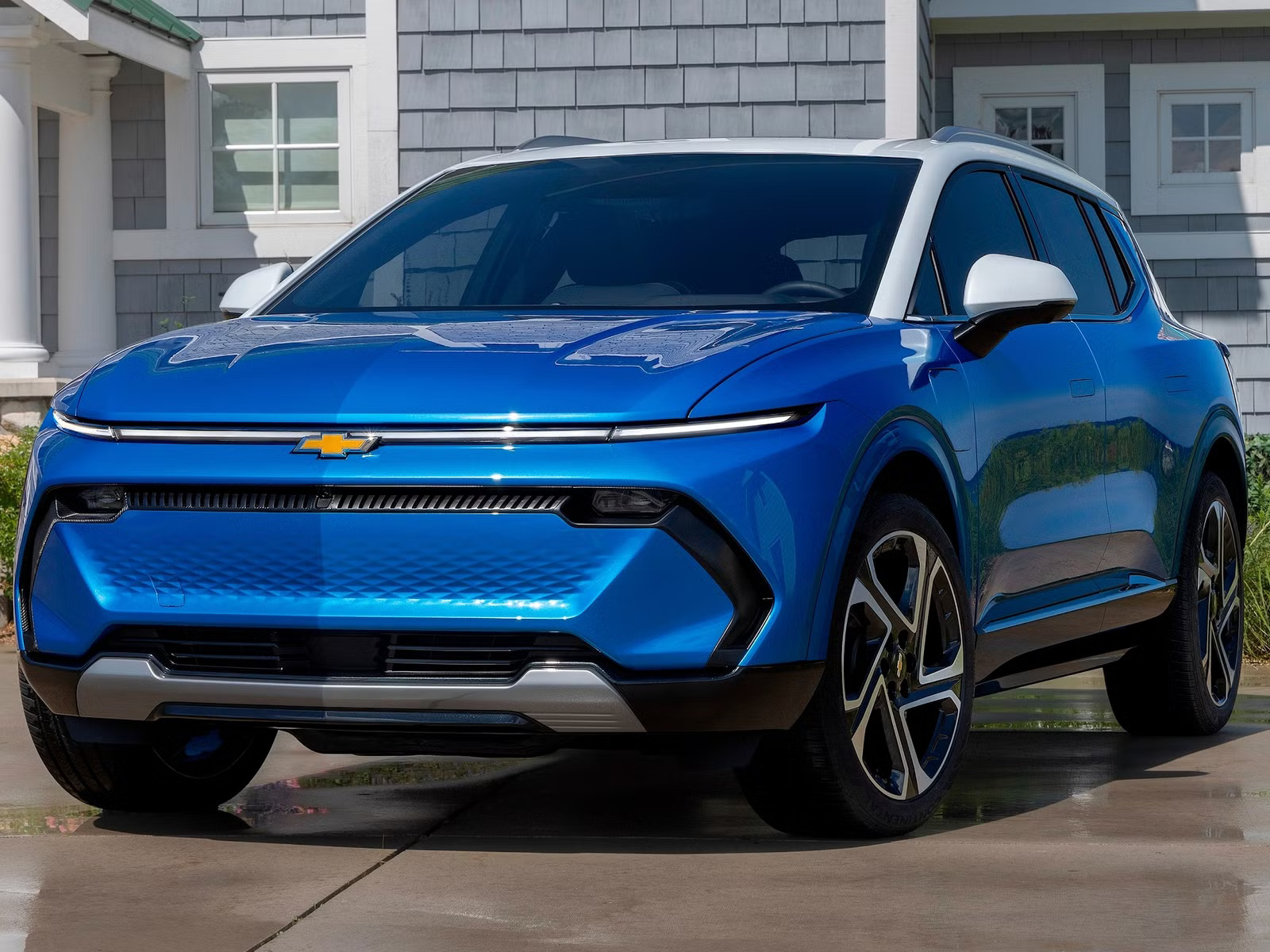
In the bustling suburbs of Garland, Texas, where daily commutes blend with weekend escapes to Lake Ray Hubbard and quick runs along local highways, drivers seek vehicles that deliver practicality, comfort, and modern capability without breaking the bank. The 2026 Chevrolet Equinox lineup emerges as a standout option in the compact SUV category, blending refined gas-powered efficiency with all-electric innovation to meet diverse needs. This refreshed family hauler offers thoughtful updates that make it particularly appealing for North Texas lifestyles.
Feeling stuck in the stressful car-buying process? At Jupiter Chevrolet in Garland, TX, we’ve reimagined how buying a car should feel. With transparent pricing, online deal-building tools, and the benefits of our Jupiter Advantage program, we ensure every step is straightforward and satisfying. Skip the hassle. From purchase, to certified service and parts, to collision repair and body shop. Our team puts your convenience, safety, and confidence first. Turn your dreams of finding your ideal Chevrolet into reality with us. Visit Jupiter Chevrolet today!
A Refined Evolution of a Proven SUV
Building on last year’s significant redesign, the 2026 Equinox focuses on meaningful enhancements rather than dramatic overhauls. Chevrolet has organized the gas-powered models into three clear trims LT, RS, and ACTIV each designed to suit different preferences and budgets. The well-equipped LT starts around $28,800, providing strong value for families who prioritize features over flashy extras.
On Garland roads, the Equinox projects confidence with its bold grille, sleek taillamps, and sturdy stance. It blends seamlessly into parking lots at Firewheel Town Center or school zones. Subtle refinements, such as available black roof rails and fresh paint options like Polar White Tricoat on select models, add polish while keeping the overall design approachable and timeless.
Powertrain Options Built for Everyday Reliability
Gas-powered Equinox models feature a proven 1.5-liter turbocharged four-cylinder engine producing 175 horsepower. Front-wheel drive paired with a continuously variable transmission delivers smooth performance for typical commutes, while available all-wheel drive with an eight-speed automatic transmission enhances traction during occasional rain or light off-road needs. Towing capacity reaches up to 1,500 pounds when properly equipped, offering versatility for small trailers or weekend gear.
Fuel economy estimates hover around 26 mpg combined for front-wheel-drive versions, helping drivers spend less time at pumps near busy Garland intersections. A standard drive mode selector allows easy switching between Eco for maximum efficiency and Sport for added responsiveness on stretches of I-635. These choices keep operating costs manageable amid fluctuating fuel prices.
Distinct Trims Tailored to Different Lifestyles
The entry-level LT trim impresses with standard comforts that feel premium at its price. Heated front seats and steering wheel, keyless entry, and a roomy cabin that seats five adults come standard. Maximum cargo space expands to 63.5 cubic feet with rear seats folded, making it easy to load groceries from H-E-B or sports equipment for family activities.
The RS trim adds sporty character through blacked-out accents, larger wheels up to 20 inches, and a flat-bottom steering wheel. It appeals to drivers who want a dynamic edge without sacrificing practicality. The ACTIV variant targets those who venture beyond pavement occasionally, with all-terrain tires, specially tuned suspension, and rugged styling that handles uneven local roads with confidence.
- LT: Focuses on everyday comfort and strong value with heated features included from the start.
- RS: Delivers bold styling and engaging handling touches for a more athletic drive .
- ACTIV: Provides adventure capability while preserving family-friendly space and versatility.
Advanced Technology for Seamless Daily Use
The cabin features prominent dual displays an 11.3-inch infotainment touchscreen and an 11-inch driver information center that create an intuitive interface. Google built-in brings native apps, navigation, and voice control, complemented by wireless Apple CarPlay and Android Auto. Available wireless phone charging proves convenient during longer drives from Garland toward downtown Dallas.
Interior materials feel elevated, particularly in the ACTIV with Evotex upholstery and sueded microfiber accents. A pass-through center console organizes essentials neatly, and the available hands-free power liftgate simplifies loading after busy days. These elements combine to make the Equinox feel modern and user-friendly.
Robust Safety Systems for Greater Confidence
Over 15 standard safety and driver-assistance technologies include automatic emergency braking, lane keep assist with departure warning, and forward collision alert. Additional features such as intersection auto emergency braking, lane centering, HD Surround Vision, and rear cross traffic braking enhance awareness in tight neighborhoods or crowded parking areas. These systems operate discreetly to reduce driver fatigue without becoming distracting.
The Forward-Looking Equinox EV Alternative
Drivers in Garland exploring electrification will find the 2026 Equinox EV particularly compelling. Front-wheel-drive versions target an EPA-estimated 319 miles of range, while all-wheel-drive models aim for around 307 miles sufficient for most daily routines and weekend trips without frequent charging stops.
Level 2 home charging integrates smoothly into overnight routines, and access to extensive public charging networks across North America adds flexibility. The EV model boasts a large 17.7-inch touchscreen the biggest in its class along with advanced Google integration and available hands-free Super Cruise technology for relaxed highway driving. Cargo space reaches up to 57.2 cubic feet, maintaining practicality alongside quiet, smooth electric performance.
Pricing begins in a competitive range, and bidirectional charging capabilities on equipped models can potentially supply power to home essentials during outages, offering added resilience in storm-prone Texas. This makes the Equinox EV a practical step toward sustainable driving.
Real-World Advantages for Garland Drivers
Local driving conditions influence the ideal choice. Available all-wheel drive improves handling on wet roads or rare icy mornings, while efficient powertrains help control costs. Generous interior space accommodates family road trips, home improvement hauls, or weekend gear with ease.
Chevrolet’s established reputation for durability, supported by comprehensive warranty coverage, builds long-term ownership confidence. The 2026 updates emphasize refinement through better feature packaging, subtle design improvements, and expanded standard safety technologies delivering a proven platform that feels even more capable.
Addressing Common Questions from Local Buyers
Many Garland residents compare the Equinox against rivals and appreciate its generous standard equipment, such as heated seats on the base trim and large dual screens, which often tip the scales in value assessments. The 1,500-pound towing capacity stands out in the segment for occasional light-duty needs.
Real-world fuel economy or electric range varies with habits, but mixed city and highway driving in North Texas typically aligns well with official figures. Test-driving various trims at a nearby dealer remains the most effective way to evaluate ride quality, interior feel, and feature differences personally.
Why the 2026 Equinox Lineup Stands Out
Amid numerous compact SUVs, the 2026 Chevrolet Equinox distinguishes itself through balanced versatility, contemporary technology, and accessible pricing that aligns with everyday requirements. Options range from the practical LT to the adventurous ACTIV and the innovative EV, ensuring a suitable variant for most drivers in Garland and surrounding areas .
It achieves an appealing balance between dependable family transportation and personal driving enjoyment, with 2026 refinements keeping the experience fresh. For those seeking a new vehicle that addresses the practical demands of suburban Texas life with style and substance, the Equinox merits serious consideration. Visit a local Chevrolet dealer to discover how these updates perform on familiar roads and understand why this lineup continues to resonate with sensible, forward-thinking drivers.
Frequently Asked Questions
What are the trim levels available for the 2026 Chevrolet Equinox, and how do they differ?
The 2026 Chevrolet Equinox gas-powered lineup comes in three trims: LT, RS, and ACTIV. The LT starts around $28,800 and prioritizes everyday comfort with heated seats and steering wheel included from the start. The RS adds sporty styling with blacked-out accents and up to 20-inch wheels, while the ACTIV is built for light adventure with all-terrain tires and a specially tuned suspension.
What is the fuel economy and driving range of the 2026 Chevrolet Equinox and Equinox EV?
The gas-powered 2026 Equinox achieves approximately 26 mpg combined on front-wheel-drive models, making it an efficient choice for daily commutes. The 2026 Equinox EV takes it further, with front-wheel-drive versions targeting an EPA-estimated 319 miles of range and all-wheel-drive models aiming for around 307 miles more than enough for typical North Texas driving routines and weekend trips.
What technology and safety features come standard on the 2026 Chevrolet Equinox?
The 2026 Equinox comes equipped with an 11.3-inch infotainment touchscreen, an 11-inch driver information center, wireless Apple CarPlay, Android Auto, and Google built-in for native navigation and voice control. On the safety front, over 15 standard driver-assistance features are included, such as automatic emergency braking, lane keep assist, forward collision alert, and HD Surround Vision providing comprehensive protection for family driving in busy suburban environments.
Disclaimer: The above helpful resources content contains personal opinions and experiences. The information provided is for general knowledge and does not constitute professional advice.
You may also be interested in: How Chevrolet’s Warranty Program Makes a Difference for Buyers
Feeling stuck in the stressful car-buying process? At Jupiter Chevrolet in Garland, TX, we’ve reimagined how buying a car should feel. With transparent pricing, online deal-building tools, and the benefits of our Jupiter Advantage program, we ensure every step is straightforward and satisfying. Skip the hassle. From purchase, to certified service and parts, to collision repair and body shop. Our team puts your convenience, safety, and confidence first. Turn your dreams of finding your ideal Chevrolet into reality with us. Visit Jupiter Chevrolet today!
Powered by flareAI.co

Quick Listen:
When a driver brings a vehicle into a collision repair facility after even a minor incident, what appears as simple sheet metal damage often conceals far more complex issues beneath the surface. Today’s automobiles function as sophisticated electronic platforms, with interconnected systems managing safety features, stability control, and advanced driver assistance technologies. In response to this reality, General Motors has issued a clear position statement mandating pre- and post-collision diagnostic scans for all its vehicles undergoing repair work.
Feeling stuck in the stressful car-buying process? At Jupiter Chevrolet in Garland, TX, we’ve reimagined how buying a car should feel. With transparent pricing, online deal-building tools, and the benefits of our Jupiter Advantage program, we ensure every step is straightforward and satisfying. Skip the hassle. From purchase, to certified service and parts, to collision repair and body shop. Our team puts your convenience, safety, and confidence first. Turn your dreams of finding your ideal Chevrolet into reality with us. Visit Jupiter Chevrolet today!
GM’s Clear Directive on Diagnostic Scanning
Released on March 9, 2026, the document establishes that every GM vehicle evaluated for collision damage must undergo a pre-scan to detect diagnostic trouble codes during the initial repair estimation phase. Following completion of all repairs, a post-scan becomes equally essential to confirm resolution of prior faults and ensure no new issues have arisen. The automaker highlights that seemingly minor damage, such as to body panels or glass, can still impact critical safety-related systems.
This updated guidance reflects the profound integration of electronics across Chevrolet, Buick, GMC, and Cadillac models. Procedures once considered routine cosmetic work now require comprehensive electronic validation to return the vehicle safely to its original state.
The Growing Importance of Electronic Verification in Repairs
Contemporary vehicles operate as advanced computing systems on wheels, where sensors, control modules, and electronic units maintain constant communication. An impact that seems isolated can disrupt these networks, activate concealed faults, or compromise systems drivers depend on for daily protection and performance.
GM specifically notes that any repair action causing loss of battery voltage or disconnection of electrical circuits demands follow-up testing. Omitting a proper scan leaves technicians vulnerable to overlooking problems that could influence occupant safety, vehicle handling, or overall dependability. The statement reinforces the value of GM Genuine Parts and approved procedures, which are meticulously engineered and validated to preserve original safety, durability, and performance levels.
Insights Gained from the Pre-Scan Process
Performing a pre-scan at the outset provides repair professionals with a thorough assessment of the vehicle’s electronic condition before any physical work begins. This diagnostic step uncovers necessary repairs that visual inspection alone might miss, enabling more precise damage estimates.
Early scanning supports accurate quoting, minimizes unexpected complications during the repair, and fosters transparent conversations among shops, insurers, and customers. Facilities equipped with GM-recommended diagnostic tools can efficiently capture all relevant trouble codes in one session, enhancing workflow efficiency and diagnostic reliability.
Ensuring Quality Through the Post-Scan
After repairs conclude, the post-scan acts as the definitive quality assurance measure. It confirms that all systems operate according to design specifications and that the repair activities themselves have not introduced additional faults. This check proves particularly vital for vehicles featuring advanced safety technologies, where even minor calibration shifts can affect functionality.
Documenting a successful post-scan offers reassurance to both customers and insurers that the vehicle has been restored as closely as possible to its pre-incident condition. Bypassing this verification exposes the repair shop and vehicle owner to potential safety risks or subsequent disagreements.
Practical Implications for Collision Repair Facilities
Shops and collision centers servicing GM vehicles must incorporate pre- and post-scanning into their standard protocols. This involves securing compatible diagnostic equipment, providing technician training on correct methods, and building sufficient time into repair schedules.
Although these steps may initially seem like additional requirements, they safeguard repair quality and help maintain eligibility for manufacturer warranty coverage. GM consistently advises that collision, structural, and system-dependent repairs utilize genuine parts and approved procedures to prevent safety compromises or warranty issues.
Industry-Wide Trends and Advantages for Vehicle Owners
GM joins other major automakers in prioritizing diagnostic scanning as vehicles incorporate increasingly advanced technology. For owners, this development delivers welcome assurance: professional collision repairs now encompass detailed electronic validation that extends well beyond traditional bodywork and painting.
Customers can anticipate that their repaired GM vehicle will match the safety and performance standards they enjoyed prior to the collision. Such meticulous attention also contributes to sustained resale value and strengthens confidence among manufacturers, repair experts, and drivers alike.
Key Considerations for Repair Shops and Insurance Partners
Collision repair operations should evaluate their processes to guarantee ready access to scanning tools and skilled personnel. Technicians often require further instruction to accurately analyze scan results and execute any required programming or calibration tasks afterward.
Insurers may notice more line items associated with diagnostic scanning in repair estimates. Acknowledging these as vital components promotes smoother claims handling and improved results for all parties. Open dialogue explaining the necessity of pre- and post-scans can alleviate customer worries regarding repair duration and expenses.
Future Directions for Collision Repair Excellence
With automotive technology advancing rapidly, diagnostic scanning has emerged as an indispensable element in safely restoring vehicles after collisions. GM’s recent position statement functions as both an instruction and a timely reminder of the intricate electronic architecture in modern cars and trucks.
Body shop operators, technicians, and fleet managers must remain informed about these evolving standards to deliver superior repairs. For everyday drivers, the practice translates into enhanced peace of mind, knowing that invisible electronic components receive the same rigorous care as visible exterior damage.
In a time when vehicle safety systems grow ever more refined, comprehensive pre- and post-collision diagnostic scans stand as an essential protective measure. They help guarantee that every repaired GM vehicle continues to operate precisely as its designers envisioned, preserving both performance and occupant protection for the road ahead.
Frequently Asked Questions
Why does GM require pre- and post-collision diagnostic scans for vehicle repairs?
GM mandates these scans because modern vehicles are sophisticated electronic platforms where even minor collision damage can disrupt interconnected safety systems, stability controls, and advanced driver assistance technologies. A pre-scan detects existing diagnostic trouble codes before repairs begin, while a post-scan confirms all systems are functioning correctly afterward. This ensures the vehicle is restored to its original safety and performance standards.
What happens if a collision repair shop skips the diagnostic scan on a GM vehicle?
Omitting a pre- or post-scan leaves technicians at risk of overlooking hidden electronic faults that could compromise occupant safety, vehicle handling, and overall dependability. It can also expose the repair shop and vehicle owner to liability, potential warranty issues, and future disputes with insurers. GM’s position statement emphasizes that any repair involving battery disconnection or electrical circuit interruption requires follow-up electronic verification.
Does GM’s diagnostic scan requirement apply to minor collision damage, or only major repairs?
The requirement applies to all GM vehicles undergoing collision repair, regardless of severity. GM specifically notes that seemingly minor damage such as to body panels or glass can still impact critical safety-related systems that aren’t visible to the naked eye. Both Chevrolet, Buick, GMC, and Cadillac models are covered under this policy, which was updated and released on March 9, 2026.
Disclaimer: The above helpful resources content contains personal opinions and experiences. The information provided is for general knowledge and does not constitute professional advice.
You may also be interested in: Why a Chevrolet is the Right Choice for Texas Roads
Feeling stuck in the stressful car-buying process? At Jupiter Chevrolet in Garland, TX, we’ve reimagined how buying a car should feel. With transparent pricing, online deal-building tools, and the benefits of our Jupiter Advantage program, we ensure every step is straightforward and satisfying. Skip the hassle. From purchase, to certified service and parts, to collision repair and body shop. Our team puts your convenience, safety, and confidence first. Turn your dreams of finding your ideal Chevrolet into reality with us. Visit Jupiter Chevrolet today!
Powered by flareAI.co
Stop-Sale Issued on Certain 2025 and 2026 Chevrolet Corvettes Over Rear Turn Signal Issue

Quick Listen:
When news broke that General Motors had issued a stop-sale on select 2025 and 2026 Chevrolet Corvettes because of a rear turn signal concern, Corvette owners and enthusiasts took notice. For a vehicle that stands as the benchmark of American performance engineering, even a minor lighting matter commands attention. Stop-Sale Issued on certain models the announcement carried the impact of an unexpected caution flag on the track. This is not a fundamental mechanical failure but a targeted regulatory compliance step that underscores the industry’s rigorous approach to vehicle safety systems.
Feeling stuck in the stressful car-buying process? At Jupiter Chevrolet in Garland, TX, we’ve reimagined how buying a car should feel. With transparent pricing, online deal-building tools, and the benefits of our Jupiter Advantage program, we ensure every step is straightforward and satisfying. Skip the hassle. From purchase, to certified service and parts, to collision repair and body shop. Our team puts your convenience, safety, and confidence first. Turn your dreams of finding your ideal Chevrolet into reality with us. Visit Jupiter Chevrolet today!
What Triggered the Corvette Stop-Sale?
General Motors directed dealers to temporarily suspend deliveries of specific C8 Corvettes produced within defined windows. The directive traces back to a software irregularity within the rear lighting control module. In affected vehicles, the system responsible for detecting a failed rear turn signal may not consistently display the expected warning in the driver information center. Federal safety regulations require reliable notification to drivers, which is why such issues receive immediate attention even when the actual risk remains low in everyday driving.
The stop-sale touches a limited portion of production, totaling roughly 3,324 vehicles. In the exclusive realm of high-performance sports cars, where each unit carries significant value, buyers naturally seek confirmation that their purchase meets every standard before taking delivery.
Breaking Down the Technical Details
The issue centers on the Rear Brake Light Outage Detection system. Normally, if a rear turn signal lamp stops functioning, the vehicle’s electronics should promptly alert the driver via the instrument cluster. In these particular Corvettes, that alert may not activate consistently due to logic within the lighting control software. Importantly, the problem does not involve faulty bulbs, wiring, or LED arrays themselves the advanced lighting on the C8 remains physically sound.
Chevrolet’s engineers equipped the mid-engine Corvette with sophisticated LED technology that delivers both striking aesthetics and efficient performance. Nevertheless, all vehicles must adhere to Federal Motor Vehicle Safety Standard 108. The specific section governing lamp outage notification prompted GM to act voluntarily and transparently, maintaining the brand’s reputation for engineering integrity.
Identifying the Affected Vehicles
The scope remains narrowly focused: 438 units from the 2025 model year and 2,886 from the 2026 model year. Not every Corvette built in Bowling Green during these years is involved only those with the particular software calibration in question. Dealers received detailed VIN lists to pinpoint exact matches, allowing for precise communication with customers.
Current owners can breathe easier. The stop-sale applies only to new deliveries and does not mandate immediate service for vehicles already on the road. Drivers may continue enjoying their Corvettes while the manufacturer finalizes and distributes the remedy.
Safety Considerations and Industry Standards
Turn signals serve a critical role in communicating driver intentions and preventing collisions. When a detection system fails to notify the operator of a malfunction, regulators step in to ensure compliance, even if real-world incidents would be rare. The National Highway Traffic Safety Administration opened investigation 26V213, and General Motors responded with recall campaign N252541250, demonstrating proactive accountability.
In today’s vehicles, where advanced driver assistance features manage braking, steering, and more, consumers expect seamless operation across every electronic system. This episode reinforces that flagship performance models face the same exacting safety expectations as family sedans and daily drivers.
GM’s Remediation Strategy
General Motors has responded with characteristic speed. For most 2026 Corvettes, engineers prepared an over-the-air software update capable of correcting the detection logic without a dealership visit. The 2025 models may require a slightly different process, potentially involving a dealer-level software flash, with final details still under refinement.
Affected inventory will remain on hold until technical service bulletins authorize release. Once the update deploys, full compliance will be restored, allowing deliveries to resume smoothly. Throughout the process, Chevrolet continues to support its signature sports car with the same dedication that has sustained the Corvette nameplate for more than seventy years.
Placing the Issue in the Evolving New Car Landscape
While occasional technical bulletins generate headlines, the automotive world keeps advancing rapidly. Growing numbers of buyers now explore new vehicles through online platforms, appreciating the convenience, pricing transparency, and research tools available from home. The global online car buying market reached significant scale in 2024, driven by consumer demand for streamlined digital experiences that work alongside traditional dealership interactions.
For an icon like the Corvette, this blended approach proves especially relevant. Serious enthusiasts still value in-person test drives and expert guidance, yet they also welcome the ability to review specifications, compare financing, and arrange service appointments digitally. A limited stop-sale like this one actually highlights the advantage of partnering with authorized dealers who can deliver timely updates and expert resolution.
The Importance of Certified Service and Parts Support
Stop-sale situations naturally draw attention to the service and parts ecosystem. Owners of impacted Corvettes benefit from technicians specifically trained on the C8 platform, equipped with the latest diagnostic equipment and software tools. Routine maintenance, genuine replacement parts, and even collision repair capabilities remain fully operational at authorized centers.
Whether the need involves a quick software correction or more substantial body shop work following an accident, Chevrolet’s official network delivers the precision and expertise that high-performance vehicles demand. This level of support helps protect long-term ownership satisfaction and helps maintain strong resale values for Corvette owners.
Guidance for Enthusiasts and Prospective Buyers
Anyone with a pending order for a 2025 or 2026 Corvette should contact their selling dealer for a VIN-specific status review. Most dealers have already identified affected units and can share expected timelines for resolution. For shoppers considering a new Corvette, the stop-sale remains temporary and narrow in scope, leaving the majority of available inventory unaffected.
Looking beyond this single detail, the current C8 generation has transformed expectations for American sports cars. With its mid-engine layout, explosive performance, and sophisticated technology, it competes directly with far more expensive European alternatives. One narrowly defined software matter does little to diminish the overall engineering excellence or the unmistakable thrill these cars provide on both street and circuit.
The Corvette community continues to share stories of track days, upcoming model updates, and the enduring allure of the crossed-flags emblem. In the weeks ahead, GM is expected to clear the remedy and restore normal order flow, allowing buyers to focus once again on the excitement of ownership.
Moving Forward with Confidence
Events such as this stop-sale illustrate the automotive industry’s ongoing commitment to refinement and safety. Manufacturers choose to pause and perfect rather than deliver anything less than fully compliant vehicles. For dedicated Corvette fans, this attention to detail forms part of the brand’s respected heritage.
As digital tools continue reshaping how people research, purchase, and maintain vehicles, the personal connection with knowledgeable dealers and skilled service teams stays essential. Whether a buyer ultimately completes the transaction online, in person, or through a combination of both, the objective remains delivering an exhilarating driving experience in a car built to the highest standards.
The rear turn signal notification concern will likely become a brief chapter in Corvette history. What endures is the distinctive sound of its engine, the sharpness of its handling, and the pride that comes with knowing every system was verified before reaching the customer. Patience during this short pause will only heighten the satisfaction when that next drive begins.
Frequently Asked Questions
Why did GM issue a stop-sale on certain 2025 and 2026 Chevrolet Corvettes?
GM issued a stop-sale because a software irregularity in the rear lighting control module may prevent the driver information center from consistently displaying a warning when a rear turn signal fails. This violates Federal Motor Vehicle Safety Standard 108, which requires reliable lamp outage notifications. The issue affects approximately 3,324 vehicles 438 from the 2025 model year and 2,886 from 2026 and prompted GM to voluntarily pause deliveries until a fix is confirmed.
Are Corvette owners who already have their car affected by this stop-sale recall?
The stop-sale applies only to new, undelivered inventory at dealerships and does not require immediate action from current Corvette owners already driving their vehicles. Owners can continue driving their cars while GM finalizes the remedy. However, owners of affected VINs are encouraged to contact their authorized Chevrolet dealer for a VIN-specific status update and timeline for the software correction.
How will GM fix the rear turn signal detection issue on affected Corvettes?
GM plans to address the problem primarily through a software update targeting the Rear Brake Light Outage Detection logic. Most 2026 Corvettes are expected to receive an over-the-air update, meaning no dealership visit will be required. The 2025 models may need a dealer-level software flash instead, with the exact process still being finalized. Once the fix is deployed and verified, affected vehicles will be cleared for delivery under recall campaign N252541250.
Disclaimer: The above helpful resources content contains personal opinions and experiences. The information provided is for general knowledge and does not constitute professional advice.
You may also be interested in: Comparing Financing Rates for New Chevrolet Purchases
Feeling stuck in the stressful car-buying process? At Jupiter Chevrolet in Garland, TX, we’ve reimagined how buying a car should feel. With transparent pricing, online deal-building tools, and the benefits of our Jupiter Advantage program, we ensure every step is straightforward and satisfying. Skip the hassle. From purchase, to certified service and parts, to collision repair and body shop. Our team puts your convenience, safety, and confidence first. Turn your dreams of finding your ideal Chevrolet into reality with us. Visit Jupiter Chevrolet today!
Powered by flareAI.co

Quick Listen:
When you settle into the driver’s seat of a Chevrolet Corvette, everything else fades away except the ribbon of road ahead and the unmistakable rumble of its mid-mounted V8. The C8 generation has already earned its place among modern supercars with striking looks and thrilling performance, yet many enthusiasts longed for an interior that felt more inviting and less like a high-tech command center. Chevrolet has answered that call with the 2026 model. The 2026 Chevrolet Corvette Receives Updated Interior and Revised Controls, delivering a cabin that feels significantly more refined, intuitive, and welcoming for both driver and passenger.
Feeling stuck in the stressful car-buying process? At Jupiter Chevrolet in Garland, TX, we’ve reimagined how buying a car should feel. With transparent pricing, online deal-building tools, and the benefits of our Jupiter Advantage program, we ensure every step is straightforward and satisfying. Skip the hassle. From purchase, to certified service and parts, to collision repair and body shop. Our team puts your convenience, safety, and confidence first. Turn your dreams of finding your ideal Chevrolet into reality with us. Visit Jupiter Chevrolet today!
The End of the Button Wall
For the past six model years, the C8’s prominent array of buttons created a literal barrier down the center of the cabin, separating driver from passenger and making the space feel somewhat clinical. While it looked striking in photographs, the layout often left front-seat companions feeling like spectators rather than participants. For 2026, Chevrolet has removed the entire console strip and replaced it with a sculpted passenger grab handle that provides a secure hold during enthusiastic driving.
The transformation is striking. The interior now flows more naturally from side to side, creating an open, shared environment that better suits a true two-seater sports car. Materials connect seamlessly across the dashboard and console, eliminating visual clutter and giving the cabin a cleaner, more premium appearance right away.
A Smarter Trio of Digital Displays
Rather than simply updating the screens, Chevrolet has carefully reconsidered how information is presented to the driver. The instrument cluster has grown to an expansive 14 inches, offering extensive customization options ranging from traditional analog-style gauges to detailed track telemetry. Positioned beside it is a larger 12.7-inch central touchscreen featuring the newest infotainment system, which remains clear and responsive even in bright conditions.
A particularly thoughtful addition is the new 6.6-inch auxiliary screen located to the left of the steering wheel. This dedicated display provides quick access to Performance Traction Management settings, launch control, and other performance functions that previously required navigating deeper menus. Drivers can now make adjustments with minimal distraction, keeping their attention where it belongs on the road ahead, especially at high speeds on the track.
Controls Reimagined for Everyday Use
Every major control has been thoughtfully repositioned based on real-world driving needs. The drive mode selector now sits in a logical line with the gear selector as an easy-to-reach toggle. Climate controls have moved to a clean row of physical buttons directly below the central screen, precisely where drivers instinctively expect them. The volume knob has also been enlarged and given a glowing base for better visibility after dark.
Beneath the main touchscreen, a proper wireless charging pad now includes a retaining cover to keep phones secure during aggressive acceleration. These practical improvements demonstrate Chevrolet’s focus on creating an interior that works as well on daily drives as it does during weekend track sessions. After spending time in the updated cabin, the previous layout quickly feels outdated by comparison.
Elevated Materials and New Design Themes
The hardware changes are complemented by meaningful upgrades to the materials and overall ambiance. Five fresh interior themes feature higher-quality leathers, refined stitching details, and tasteful accents in carbon fiber or aluminum trim. Ambient lighting has been enhanced to subtly illuminate the cabin, with colors that can coordinate with selected drive modes for a more immersive experience.
Even small touches like upholstered cupholder covers show the level of care applied throughout. The cabin now projects a sense of quiet luxury that rivals vehicles costing considerably more, while still maintaining the distinctive sporting character that defines every Corvette.
Transforming the Driving Experience
On twisting country roads, the benefits of the revised interior become immediately apparent. With essential controls positioned intuitively and information displayed clearly, drivers can focus more on enjoying the car’s exceptional handling and less on managing interfaces. Passengers feel far more included in the experience, with natural conversation possible instead of competing with the center console.
Long-distance comfort also improves thanks to better ergonomics that help reduce fatigue over extended journeys. Even on the track, the changes prove valuable. The auxiliary screen keeps key performance data visible without overwhelming the primary displays, while the reconfigured center console provides easier access for quick adjustments between runs. Chevrolet has succeeded in making the Corvette more livable without sacrificing any of its legendary performance capabilities.
Discovering the 2026 Corvette Online
Modern Corvette buyers typically begin their journey long before visiting a dealership, spending considerable time researching specifications, viewing configurators, and exploring owner communities from the comfort of home. The global online car buying market reached USD 390.4 billion in 2025, underscoring how digital platforms have become central to the car shopping experience. Many enthusiasts will first appreciate the 2026 Corvette’s refreshed interior through detailed photographs and virtual tours well before sliding behind the wheel.
This makes the interior updates particularly significant. A cleaner, more contemporary cabin photographs exceptionally well and displays beautifully across screens and mobile devices. Shoppers browsing late at night can quickly recognize the improved sightlines and user-friendly layout that give this latest version a fresh, inviting feel. In today’s market where initial impressions frequently form online, Chevrolet has provided both dealers and customers with a compelling new chapter in the Corvette story.
The Importance of These Refinements for the Future
When the C8 Corvette debuted, it represented a daring leap forward that proved American engineering could compete at the highest levels of supercar performance. Several years later, the 2026 updates demonstrate that Chevrolet remains committed to continuous improvement rather than standing still. By directly addressing owner feedback regarding the button-heavy console, control accessibility, and passenger comfort, the company has made the car more approachable while preserving its sharp sporting edge.
These thoughtful changes also help the Corvette stay competitive against rivals introducing increasingly complex digital interfaces. While some manufacturers hide functions deep within touchscreen menus, the updated Corvette maintains a balanced approach that combines advanced displays with well-placed physical controls. It serves as a valuable reminder that truly effective design focuses on enhancing the driving experience rather than overwhelming it with technology.
Refining an American Icon
From the outside, the 2026 Corvette retains the dramatic fenders, aggressive proportions, and unmistakable road presence that have made it instantly recognizable for decades. Step inside, however, and you’ll find a cockpit that now more fully complements the car’s formidable performance credentials. The revisions strike the perfect balance evolutionary rather than revolutionary which feels entirely appropriate for a vehicle that has already redefined expectations once in its current generation.
Whether you’ve been a devoted Corvette owner considering your next step or someone finally prepared to make the dream a reality, the 2026 model delivers a clear message: this is the most refined, most practical, and most enjoyable version of the C8 to date. The open road has never looked more appealing.
Frequently Asked Questions
What are the biggest interior changes in the 2026 Chevrolet Corvette?
The most notable change is the removal of the C8’s signature button-wall console, replaced by a sculpted passenger grab handle that opens up the cabin. Chevrolet also added three digital displays a 14-inch instrument cluster, a 12.7-inch central touchscreen, and a new 6.6-inch auxiliary screen for performance settings along with redesigned climate controls, an enlarged volume knob, and a wireless charging pad with a retaining cover.
Does the 2026 Corvette interior improve the passenger experience?
Yes, significantly. The removal of the center console button strip allows the cabin to flow more naturally from side to side, making passengers feel like true participants rather than spectators. The open layout enables easier conversation, and improved ergonomics also reduce driver fatigue on longer journeys.
How does the 2026 Corvette balance technology with driver usability?
Unlike rivals that bury features deep in touchscreen menus, the 2026 Corvette combines advanced digital displays with strategically placed physical controls. The new auxiliary screen keeps performance settings like launch control and traction management instantly accessible, while climate and drive mode controls are positioned exactly where drivers intuitively reach for them keeping focus on the road rather than the interface.
Disclaimer: The above helpful resources content contains personal opinions and experiences. The information provided is for general knowledge and does not constitute professional advice.
You may also be interested in: Understanding Chevrolet’s Certified Pre-Owned Vehicle Warranty
Feeling stuck in the stressful car-buying process? At Jupiter Chevrolet in Garland, TX, we’ve reimagined how buying a car should feel. With transparent pricing, online deal-building tools, and the benefits of our Jupiter Advantage program, we ensure every step is straightforward and satisfying. Skip the hassle. From purchase, to certified service and parts, to collision repair and body shop. Our team puts your convenience, safety, and confidence first. Turn your dreams of finding your ideal Chevrolet into reality with us. Visit Jupiter Chevrolet today!
Powered by flareAI.co
Chevrolet and GMC Full-Size SUVs Earn Spot on Car and Driver 2026 10Best Trucks and SUVs List

Quick Listen:
When the Chevrolet and GMC full-size SUVs secured a spot on Car and Driver’s 2026 10Best Trucks and SUVs list, it underscored a compelling truth: traditional body-on-frame construction still delivers exceptional value in today’s market. The Tahoe, Suburban, Yukon, and Yukon XL stand out for blending serious capability with refined comfort and surprising agility, qualities that continue to earn strong loyalty among families, adventurers, and professionals alike.
Feeling stuck in the stressful car-buying process? At Jupiter Chevrolet in Garland, TX, we’ve reimagined how buying a car should feel. With transparent pricing, online deal-building tools, and the benefits of our Jupiter Advantage program, we ensure every step is straightforward and satisfying. Skip the hassle. From purchase, to certified service and parts, to collision repair and body shop. Our team puts your convenience, safety, and confidence first. Turn your dreams of finding your ideal Chevrolet into reality with us. Visit Jupiter Chevrolet today!
A Notable Honor on the 10Best List
Car and Driver’s 10Best selections undergo intensive real-world evaluation each year. The Chevrolet Tahoe and Suburban, along with the GMC Yukon and Yukon XL, earned shared recognition in the Trucks and SUVs category for 2026. This placement highlights their ability to balance everyday drivability with robust, work-ready performance on GM’s proven T1 platform.
Testers praised how these models maintain composure and confidence regardless of conditions. In an automotive landscape increasingly dominated by unibody crossovers, these SUVs reaffirm the enduring appeal of a rugged, body-on-frame foundation that prioritizes durability and versatility without sacrificing refinement.
Refined Ride and Handling That Defy Their Size
Behind the wheel, the experience impresses immediately. The control-arm front suspension paired with a multilink rear setup absorbs road imperfections smoothly, while available air springs elevate the ride to a level often compared to luxury vehicles. Even at a curb weight starting around 5,509 pounds, these SUVs exhibit composed cornering and precise steering that belies their substantial dimensions.
Drivers appreciate the way these vehicles remain stable and predictable on highways or during quick maneuvers. The combination of cushioned comfort and responsive handling creates a driving dynamic that feels both reassuring and engaging. This balance of ride quality and control stands as one of the primary reasons for their inclusion on the prestigious 10Best list.
Exceptional Space and Family-Friendly Practicality
Roominess defines these full-size SUVs. A standard third-row seat allows comfortable accommodation for up to nine passengers in many configurations, making them ideal for growing families or group outings. The extended-wheelbase Suburban and Yukon XL versions provide even greater versatility, with expansive cargo capacity behind the third row ready to handle everything from sports equipment to weekend adventure gear.
Cabins feature supportive seating, intuitive layouts, and thoughtful ergonomics that reduce fatigue on long journeys. Whether shuttling children to activities or embarking on a cross-country road trip, these vehicles transform logistical challenges into straightforward, enjoyable experiences. Their real-world usefulness extends far beyond mere size, offering genuine substance that resonates with practical buyers.
Strong Performance and Impressive Towing Power
Capability remains a cornerstone of these models. When properly equipped, they offer a maximum towing capacity of up to 8,400 pounds, supporting a wide range of tasks from hauling boats and trailers to transporting recreational vehicles or equipment for work. Available powertrains, including potent V-8 options and an efficient turbo-diesel, deliver smooth, confident performance under load.
Four-wheel-drive systems enhance traction in challenging conditions such as snow, mud, or unpaved roads. Importantly, this strength never compromises daily comfort. Drivers gain the muscle needed for demanding situations alongside the refinement required for routine commutes, creating broad appeal across different lifestyles and needs.
Modern Features Complement Traditional Durability
These SUVs successfully merge heritage with contemporary technology. Advanced driver-assistance systems enhance safety and confidence on the road, while user-friendly infotainment options keep occupants connected and entertained. Multiple camera perspectives simplify parking and tight-space maneuvering, reducing stress in everyday scenarios.
At their core, however, the body-on-frame construction preserves the toughness and longevity that have long defined this class. Buyers seeking proven durability receive it wrapped in modern amenities that meet current expectations for convenience and protection. This thoughtful evolution respects the segment’s strengths while adapting to evolving demands.
Protecting Your Investment: The Role of Expert Collision Repair
Even the most capable vehicles may require professional attention following an incident. As roads become busier and vehicle designs grow more sophisticated, specialized collision repair plays a vital role in restoring safety and performance. The global automotive collision repair market reflects this ongoing need, driven by higher vehicle volumes and the technical expertise required to address today’s advanced structures and safety systems.
These award-winning SUVs feature complex engineering that benefits greatly from skilled service. A reputable body shop ensures that structural integrity, advanced features, and factory-level performance are fully restored. Whether addressing a minor incident or more significant damage, expert care helps safeguard long-term value and preserves the refined driving experience that earned these models their recognition.
Standing Out in a Competitive Landscape
Amid a market filled with smaller crossovers and emerging electric options, these full-size SUVs distinguish themselves through purposeful design. They excel at delivering unmatched interior space for families, robust towing and hauling capacity for active users, and composed road manners that enhance confidence in varied conditions. The 10Best acknowledgment validates the firsthand experiences of many owners who value their practical blend of size, sophistication, and reliability.
Daily drives feel effortless thanks to the smooth ride and stable handling. Weekend escapes become more enjoyable with abundant room for passengers and cargo. When heavier duties arise whether towing or navigating difficult terrain these vehicles respond with authority. This versatile character keeps them relevant and desirable even as automotive preferences continue to evolve.
Final Thoughts on Timeless Capability
The Chevrolet and GMC full-size SUV’s position on Car and Driver’s 2026 10Best Trucks and SUVs list represents more than an award. It confirms that well-executed engineering continues to matter deeply. These models demonstrate that drivers need not compromise between comfort and capability, or between refinement and real-world utility.
For those exploring new vehicle options or maintaining an existing one, these SUVs offer a compelling choice grounded in proven strengths and modern updates. Visiting a trusted dealership provides the opportunity to experience their balanced performance firsthand. Once you appreciate the seamless integration of space, power, and poise they deliver, returning to lesser alternatives becomes difficult. In an industry often chasing novelty, these vehicles quietly excel by mastering the fundamentals with authority and grace.
Frequently Asked Questions
How much passenger and cargo space do the 2026 Chevrolet Suburban and GMC Yukon XL offer for families?
The 2026 Chevrolet Suburban and GMC Yukon XL are among the most spacious family SUVs on the market, with standard third-row seating that can accommodate up to nine passengers in select configurations. Their extended wheelbase designs provide generous cargo room behind the third row, making them a practical choice for large families, road trips, or anyone who regularly needs to transport both people and gear.
What is the towing capacity of the 2026 Chevrolet Tahoe and GMC Yukon, and what powertrains are available?
When properly equipped, the 2026 Chevrolet Tahoe, Suburban, GMC Yukon, and Yukon XL can tow up to 8,400 pounds, making them well-suited for hauling boats, trailers, and recreational vehicles. Available powertrains include powerful V-8 engines and an efficient turbo-diesel option, all paired with available four-wheel drive for confident traction in snow, mud, or off-road terrain.
Why did the Chevrolet Tahoe, Suburban, GMC Yukon, and Yukon XL make Car and Driver’s 2026 10Best Trucks and SUVs list?
These full-size SUVs earned their place on the 2026 10Best list by delivering an impressive balance of everyday drivability and robust, work-ready performance on GM’s T1 platform. Car and Driver testers praised their composed ride quality, precise handling, and ability to maintain confidence across varied driving conditions all while offering the durability of body-on-frame construction that sets them apart from the growing field of unibody crossovers.
Disclaimer: The above helpful resources content contains personal opinions and experiences. The information provided is for general knowledge and does not constitute professional advice.
You may also be interested in: How to Get the Most Value From Your Trade-In at Jupiter Chevrolet
Feeling stuck in the stressful car-buying process? At Jupiter Chevrolet in Garland, TX, we’ve reimagined how buying a car should feel. With transparent pricing, online deal-building tools, and the benefits of our Jupiter Advantage program, we ensure every step is straightforward and satisfying. Skip the hassle. From purchase, to certified service and parts, to collision repair and body shop. Our team puts your convenience, safety, and confidence first. Turn your dreams of finding your ideal Chevrolet into reality with us. Visit Jupiter Chevrolet today!
Powered by flareAI.co
Capability used to mean fuel stops, engine noise, and long afternoons calculating towing limits. The 2026 Chevrolet Silverado EV quietly changes that conversation. With a GM-estimated range of up to 478 miles, a dual-motor AWD system producing up to 760 hp and 775 lbs. ft. of torque, and a maximum towing capacity of 12,500 lbs., this electric pickup approaches work and recreation with a calm sense of readiness. Around Garland, TX, where daily drives often turn into longer Texas highway stretches, that kind of efficiency-first strength feels genuinely useful.
Efficiency That Shapes the Entire Ownership Experience
Electric capability here is not just about speed. It is about momentum without interruption. Wide Open Watts mode delivers brisk acceleration when needed, yet regenerative braking helps convert deceleration into usable energy. The result is a driving rhythm that feels smooth, measured, and purpose-built for long-distance practicality rather than short bursts of drama.
For drivers balancing jobsite demands with weekend travel, fewer charging stops and predictable range estimates simplify planning in ways traditional trucks rarely manage.
Technology That Supports Real-World Truck Duties
Inside, the 17.7-inch diagonal infotainment touchscreen works alongside an 11-inch Driver Information Center to present vehicle data clearly and efficiently. Route planning, energy monitoring, and towing information all appear where they should, without overwhelming the experience.
Available Super Cruise® hands-free driver assistance adds another layer of long-haul comfort on compatible highways. Through the myChevrolet mobile app, locating charging stations or mapping efficient routes becomes a routine task rather than a research project.
Cargo Flexibility Designed Around Everyday Efficiency
The Silverado EV’s Multi-Flex Tailgate and Multi-Flex Midgate® create adaptable cargo solutions that extend usable bed length to 10 ft. 10 in. when configured fully open. This makes transporting construction materials, outdoor equipment, or oversized gear noticeably easier.
Up front, the eTrunk adds 10.7 cu. ft. of secure storage space, reinforcing the truck’s efficiency-driven design philosophy. Every available inch feels intentionally engineered to reduce wasted motion during busy workdays.
Safety Confidence Built into the Electric Platform
Standard Chevy Safety Assist includes Automatic Emergency Braking, Lane Keep Assist with Lane Departure Warning, and Forward Collision Alert. These features operate quietly in the background, helping drivers maintain awareness across urban traffic and open-road cruising alike.
Combined with a structurally robust battery platform, the Silverado EV delivers reassurance for drivers stepping into electric ownership for the first time.
See Efficiency Meet Capability in Person
Specifications explain a lot. Experiencing near-silent acceleration, steady towing composure, and long-range confidence explains the rest. Drivers around Garland, TX are invited to explore the 2026 Chevrolet Silverado EV at Jupiter Chevrolet. A test drive might confirm what the numbers already suggest — that the future of truck capability has a surprisingly practical sense of humor.
How to Ensure Your Chevrolet Is Ready for Winter

As the first chill of winter settles over the Dallas-Fort Worth metroplex, Chevrolet drivers in Garland, Dallas, Richardson, and nearby communities start thinking ahead. Ice on the roads in Plano or a sudden freeze in Mesquite can turn a routine commute into a challenge, especially if your vehicle isn’t prepared. Whether you drive a rugged Chevrolet Silverado 1500 or another dependable model, taking proactive steps now keeps you safe and confident behind the wheel. In our guide to ensure your Chevrolet is ready for winter, we break down practical, no-nonsense advice that goes beyond the basics, tailored for local conditions and the vehicles we know best at Jupiter Chevrolet.
Feeling stuck in the stressful car-buying process? At Jupiter Chevrolet in Garland, TX, we’ve reimagined how buying a car should feel. With transparent pricing, online deal-building tools, and the benefits of our Jupiter Advantage program, we ensure every step is straightforward and satisfying. Skip the hassle. From purchase, to certified service and parts, to collision repair and body shop. Our team puts your convenience, safety, and confidence first. Turn your dreams of finding your ideal Chevrolet into reality with us. Visit Jupiter Chevrolet today!
Why Winter Preparation Matters for Chevrolet Owners in North Texas
Winter here rarely brings heavy blizzards, but it does deliver sudden temperature swings, patchy ice, and longer nights that test any vehicle’s reliability. Cold weather thickens fluids, drains batteries faster, and reduces tire grip when you need it most. Skipping preparation can lead to unexpected towing bills or, worse, being stranded far from home in areas like Forney or Rockwall-Heath. At Jupiter Chevrolet, a family-owned dealership with more than 100 years of experience serving Garland and surrounding areas, we see the difference a little foresight makes. Our customers from McKinney, Grapevine, and Frisco tell us that a well-maintained Chevrolet handles the season with far less stress and that peace of mind is exactly what we aim to deliver.
Preparation isn’t just about avoiding breakdowns; it’s about preserving the performance and value of your Chevrolet. With our Lifetime Powertrain Warranty on qualifying vehicles, you already have built-in protection, but proactive care ensures you never need to use it during the busiest travel months. This approach reflects our commitment as a local dealership that puts customer confidence first.
Start with Your Tires: Grip Is Everything
Tires are your Chevrolet’s only contact with the road, and winter conditions demand more from them than summer heat ever does. Check tread depth anything below 4/32 of an inch is a red flag for reduced traction on wet or icy pavement. For drivers in Grapevine or McKinney who face occasional sleet, consider switching to dedicated winter tires or at least all-season options rated for lower temperatures to maintain control on highways around Dallas.
Inflate tires to the exact pressure listed on your driver’s door jamb; cold air causes them to lose a pound or two per 10-degree drop. Underinflated tires wear faster and hurt fuel economy, while overinflated ones reduce contact patch size. Rotate and balance them now so the wear stays even through the season. At Jupiter Chevrolet, our service team can inspect your tires in minutes and recommend the right choice for your specific model, whether it’s a Silverado 1500 built for hauling or a daily driver navigating Dallas traffic. This attention to detail is part of the comprehensive service and parts support we provide every day.
Battery and Electrical System Check: Don’t Get Left in the Cold
Cold weather is a battery’s worst enemy. Lower temperatures slow chemical reactions inside the cells, cutting available power noticeably on the coldest mornings. Have your battery tested free at most reputable service centers especially if it’s three years old or older. Clean any corrosion from terminals and ensure connections are tight to avoid frustration on your way to work in Richardson or Plano.
While you’re under the hood, inspect belts and hoses for cracks that cold can worsen. Your Chevrolet’s alternator and starter also work harder in winter, so catching small issues early prevents a no-start situation on a freezing morning. Jupiter Chevrolet’s technicians use the latest diagnostic tools to verify every component, giving you confidence that your electrical system will deliver when the mercury drops. Our parts sales team stands ready with genuine replacements whenever needed.
Fluids, Oil, and Antifreeze: The Lifeblood of Your Chevrolet
Engine oil thickens in the cold, making it harder for your Chevrolet to start and circulate lubrication quickly. If your last oil change was more than 3,000 miles ago, schedule a fresh one with the viscosity recommended in your owner’s manual often a 5W-30 or 0W-20 for modern Chevrolets. Antifreeze (coolant) must be mixed to the correct ratio to prevent freezing in the radiator; a 50/50 blend typically protects down to minus 34 degrees Fahrenheit, safeguarding your engine through the toughest North Texas nights.
Don’t overlook windshield washer fluid formulated for winter it won’t freeze in the reservoir and cuts through road salt. Brake fluid and transmission fluid should also be checked for proper levels and condition. These small maintenance items add up to smoother operation and fewer surprises, especially for Chevrolet owners who rely on their vehicles for work or family trips across Forney and Rockwall-Heath. Our service department handles these checks efficiently, ensuring every fluid is optimized for the season ahead.
Brakes, Wipers, and Heating System: Visibility and Control
Brakes get a workout in winter, so have the pads, rotors, and fluid inspected. Squealing or a soft pedal means it’s time for attention stopping distances increase dramatically on slick surfaces. Replace wiper blades if they streak or chatter; winter blades with rubber covers resist ice buildup better. Your defroster and heater core must work flawlessly nothing ruins a drive faster than fogged windows or lukewarm air on those short, cold days.
At Jupiter Chevrolet in Garland, our collision repair and body shop teams also remind customers that winter debris and salt accelerate rust on undercarriage and wheel wells. A quick underbody rinse after salted roads can extend the life of your vehicle, and our service department is equipped to handle everything from a simple inspection to more involved repairs. Should winter conditions ever lead to a minor incident, our expert collision center is here to restore your Chevrolet to like-new condition quickly and reliably.
Build a Smart Winter Emergency Kit
Even the most prepared Chevrolet can encounter the unexpected. Keep a kit in your trunk or cargo area with these essentials:
- An ice scraper and snow brush
- Extra warm blankets and gloves
- A flashlight with fresh batteries
- Jumper cables or a portable jump starter
- Non-perishable snacks and water
- A first-aid kit and basic tools
- Road flares or reflective triangles
- A bag of cat litter or sand for traction
Store the kit where it stays dry and easily reachable. For families in Mesquite or Dallas who travel with children, add a few extra comfort items. This simple step turns a minor delay into a manageable situation, reflecting the practical mindset we encourage at Jupiter Chevrolet. Pairing your kit with professional service ensures you’re truly prepared for whatever the season brings.
Let the Experts at Jupiter Chevrolet Handle the Details
While DIY checks are valuable, nothing replaces professional service from technicians who know Chevrolets inside and out. Jupiter Chevrolet, family-owned and operated right here in Garland, offers comprehensive winter preparation packages that cover every system we’ve discussed. Our team provides transparent pricing no hidden fees and works around your schedule so you’re not left waiting. This same demand for upfront clarity mirrors trends seen in healthcare, where according to recent research the global healthcare price transparency solutions market size reached USD 1.92 billion in 2024, driven by expanding regulatory mandates and increasing consumer demand for cost clarity in healthcare services. Patients with high-deductible plans now compare costs more carefully, prompting providers to deliver accurate estimates and build stronger trust exactly the standard we uphold for every service visit and parts sale.
Unlike some larger corporate dealerships with aggressive pricing but less personalized attention, we focus on building lasting relationships. Our 100 years in business mean we’ve helped generations of Dallas-area drivers keep their Chevrolets running reliably through every season. Whether you need routine service, parts, or even collision repair after an unexpected winter fender bender, our certified staff treats your vehicle like it belongs to one of our own family members. We also stock genuine Chevrolet parts and offer convenient online scheduling for test drives or service visits if you’re exploring new or used options.
Customers from Plano, Frisco, and Grapevine appreciate how our Jupiter Advantage program makes maintenance straightforward and worry-free. If your current Chevrolet needs more than a seasonal tune-up, consider browsing our selection of new Chevrolet models equipped with advanced traction systems or reliable used cars for sale near Garland, Richardson, and Mesquite. Many feature factory options ideal for North Texas winters, and our knowledgeable team can help match you with the perfect fit while honoring our Lifetime Powertrain Warranty on qualifying vehicles.
Schedule your winter readiness check today and drive with the confidence that comes from knowing a trusted local team has your back. From service and parts sales to collision repair expertise, we cover every aspect so you can focus on enjoying the road ahead.
Final Thoughts: Winter-Ready Means Stress-Free
Winter driving in North Texas doesn’t have to be a gamble. By following these steps checking tires, battery, fluids, brakes, and building a solid emergency kit you ensure your Chevrolet stays dependable when conditions turn tricky. At Jupiter Chevrolet, we’re more than a dealership; we’re your neighborhood partner dedicated to making car ownership simple and satisfying. From new Chevrolet models to used cars for sale near Garland, Richardson, and Mesquite, our goal is to get you behind the wheel safely and keep you there all season long.
Take a moment now to inspect your vehicle or give us a call. The small effort you invest today pays off in miles of worry-free driving tomorrow. Stay safe out there, Dallas-Fort Worth your Chevrolet is ready when you are, backed by the experience and care only a family-owned dealership with deep local roots can provide.
Frequently Asked Questions
How do I prepare my Chevrolet for winter driving in North Texas?
Start by checking your tires for adequate tread depth (at least 4/32 of an inch) and proper inflation, since cold air causes tire pressure to drop. Next, have your battery tested especially if it’s three or more years old and inspect belts, hoses, and fluids including oil, antifreeze, and windshield washer fluid. Rounding out your prep with a brake inspection and fresh wiper blades ensures full visibility and stopping power on icy or wet roads.
What should I keep in a winter emergency kit in my Chevrolet?
A smart winter emergency kit for your Chevrolet should include an ice scraper, warm blankets, a flashlight with fresh batteries, jumper cables or a portable jump starter, non-perishable snacks, water, a first-aid kit, road flares or reflective triangles, and a bag of cat litter or sand for traction. Store everything in a dry, easily accessible spot in your trunk or cargo area. Families traveling with children should also pack a few extra comfort items for added peace of mind.
How often should I change my Chevrolet’s oil before winter?
If your last oil change was more than 3,000 miles ago, schedule a fresh one before winter sets in. Cold temperatures cause engine oil to thicken, making it harder for your Chevrolet to start and for lubrication to circulate properly. Use the viscosity grade recommended in your owner’s manual commonly 5W-30 or 0W-20 for modern Chevrolet models to ensure optimal performance in colder weather.
Disclaimer: The above helpful resources content contains personal opinions and experiences. The information provided is for general knowledge and does not constitute professional advice.
You may also be interested in: Collision Service From the Experts
Feeling stuck in the stressful car-buying process? At Jupiter Chevrolet in Garland, TX, we’ve reimagined how buying a car should feel. With transparent pricing, online deal-building tools, and the benefits of our Jupiter Advantage program, we ensure every step is straightforward and satisfying. Skip the hassle. From purchase, to certified service and parts, to collision repair and body shop. Our team puts your convenience, safety, and confidence first. Turn your dreams of finding your ideal Chevrolet into reality with us. Visit Jupiter Chevrolet today!
Powered by flareAI.co
Connect with us


