




Quick Listen:
Gas prices in North Texas have been on a steady rise over the past year, and drivers are starting to feel the pinch. By March 2025, the price of regular gasoline in the region was approaching $4.77 per gallon, leaving residents scrambling to adjust their budgets. This surge can be attributed to several factors, including disruptions in the supply chain, higher crude oil prices, and tariffs on imports. According to a report from CBS News, prices have fluctuated due to both domestic and international factors, with rising global oil prices playing a key role.
Historically, Texas has been somewhat insulated from the highs and lows of gas prices, given the state's proximity to oil production sites and a relatively stable refining infrastructure. However, recent developments, including reduced refining capacity and the international trade impacts of tariffs, have made gas prices less predictable. Drivers in cities like Dallas and Fort Worth are now faced with higher prices at the pump, which have become a more significant part of their monthly expenses. The Automotive Fleet forecasts further fluctuations, but the impact is expected to be long-term, influencing consumer habits and vehicle purchasing decisions.
Wallet Woes: The Financial Toll on North Texas Drivers
For many North Texas drivers, the rising cost of gasoline has led to a shift in behavior. Commuters, who typically rely on their vehicles for daily routines, are now rethinking their driving habits. Short trips have become the priority, and long-haul drives once a common weekend activity are being avoided. The Financial Toll is being felt by families, especially those with multiple vehicles and long commutes. In some cases, household budgets have been stretched thin as families adjust their spending priorities. The rising price of gas means fewer dollars are available for other essential expenses such as groceries, healthcare, and education.
In a recent survey, over 40% of North Texas residents indicated they had changed their driving patterns due to rising gas prices. For many, this shift has led to increased use of public transportation, carpooling, or even working from home when possible. However, not everyone can make such adjustments, particularly those in rural areas where alternative transportation options are less accessible. As the strain on personal finances grows, more drivers are seeking ways to mitigate the effects of high gas prices without sacrificing their mobility.
Fueling Change: The Rise of Fuel-Efficient Vehicles
In response to rising fuel costs, many North Texans are turning to more fuel-efficient vehicles. The demand for hybrids and electric vehicles (EVs) has seen a significant uptick as consumers seek to reduce their dependency on gasoline. The popularity of fuel-efficient models has soared, with vehicles like the Toyota Prius, Honda Insight, and Tesla Model 3 now common sights on local roads. These models offer drivers a chance to reduce their long-term fuel costs and even lower their carbon footprints.
The surge in demand for hybrid and electric vehicles is part of a larger trend in North Texas, where fuel efficiency is becoming a central consideration for car buyers. In 2023, hybrid sales increased by 12%, and electric vehicle sales jumped by nearly 25% compared to previous years. With gas prices showing no signs of dropping, it's clear that fuel efficiency is no longer just an environmental choice but a financial necessity for many.
For those interested in purchasing a fuel-efficient vehicle, the market offers a range of options. Traditional manufacturers, such as Ford and General Motors, have expanded their hybrid and electric offerings, while startups like Rivian and Lucid Motors are providing innovative alternatives. Despite the higher upfront costs of EVs, the long-term savings on fuel, tax incentives, and lower maintenance costs make them an attractive option for many drivers in the region.
Electric Avenue: The EV Revolution in the Lone Star State
Texas, known for its love of trucks and gas-guzzlers, is undergoing a quiet transformation with the rise of electric vehicles. Although historically the state has been slow to adopt alternative fuel technologies, the recent rise in gas prices has accelerated interest in electric vehicles. EV adoption in Texas is now seen as a viable solution to mitigate the rising costs of gasoline. As a result, automakers and local governments are making significant investments in electric vehicle infrastructure.
Texas cities like Dallas, Austin, and Houston have seen a marked increase in the number of EV charging stations, with both public and private entities playing a role in expanding this network. In 2025, the state plans to add over 1,000 new EV chargers to meet growing demand. This infrastructure development is critical to ensuring that electric vehicles remain a feasible option for residents who are looking to save money on fuel.
In addition to the infrastructure improvements, Texas residents are also benefiting from state and federal incentives designed to encourage EV adoption. The Texas Drive Electric program, for instance, offers rebates for electric vehicle purchases, making the transition to an electric vehicle more affordable. Additionally, federal tax credits for purchasing new EVs are still available for qualifying buyers, further offsetting the initial purchase price.
The Road Ahead: Future Trends and Predictions
What does the future hold for North Texas drivers? Experts predict that gas prices, while volatile in the short term, will continue to trend upward in the coming years. According to the U.S. Energy Information Administration, rising global oil prices, combined with domestic supply chain challenges, will keep the price of gasoline on an upward trajectory. This will further spur the shift toward more fuel-efficient and electric vehicles.
In the long run, as consumers become more accustomed to higher gas prices, the demand for fuel-efficient vehicles is expected to increase even more. Automakers will continue to expand their offerings of hybrid and electric vehicles, while governments at both the state and federal levels are likely to implement policies that encourage the adoption of clean energy technologies. The automotive fleet predicts that the adoption of alternative fuel vehicles will continue to rise as both environmental concerns and fuel prices become more pressing issues for drivers.
Adapting to the New Normal: Tips for North Texas Drivers
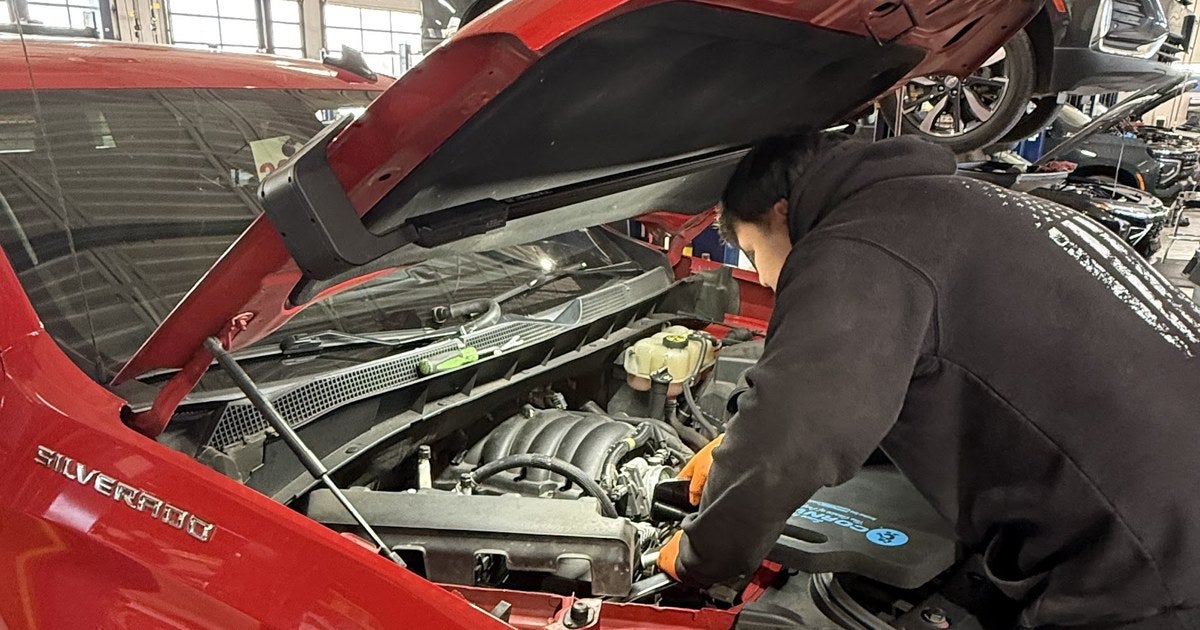
For North Texas residents looking to adapt to the "new normal" of rising gas prices, there are several strategies to consider. First, reducing fuel consumption can have an immediate impact on household budgets. Simple habits like maintaining proper tire pressure, avoiding excessive idling, and combining errands into fewer trips can help maximize fuel efficiency. Additionally, drivers should keep their vehicles well-maintained, ensuring that the engine is running optimally and that the air filters are clean.
Another way to cope with rising gas prices is to explore alternative transportation options. Public transportation, carpooling, and even biking to work can significantly reduce the amount spent on fuel. North Texas has an extensive public transit network in cities like Dallas and Fort Worth, making it a viable option for many residents. Ride-sharing services like Uber and Lyft also provide alternatives for those who don't want to drive but still need to travel.
For those who are considering purchasing a new vehicle, the growing range of hybrid and electric options offers an opportunity to save money in the long term. While the upfront costs of these vehicles can be higher, the savings on fuel and maintenance, combined with various tax incentives, make them an increasingly attractive choice. Moreover, as more manufacturers enter the EV market, consumers will find more options at varying price points, making the transition to electric vehicles easier than ever before.
As North Texans continue to navigate the challenges posed by rising gas prices, it's clear that the landscape of car buying and driving habits is undergoing a transformation. The shift toward more fuel-efficient vehicles, coupled with the growing interest in electric cars, reflects a broader trend toward sustainability and financial prudence. For those looking to make a change, the road ahead promises new possibilities for saving money and reducing environmental impact.
Disclaimer: The above helpful resources content contains personal opinions and experiences. The information provided is for general knowledge and does not constitute professional advice.
You may also be interested in: Jupiter Chevrolet is a GARLAND Chevrolet dealer and a new car
Feeling stuck in the stressful car-buying process? At Jupiter Chevrolet in Garland, TX, we've reimagined how buying a car should feel. With transparent pricing, online deal-building tools, and the benefits of our Jupiter Advantage program, we ensure every step is straightforward and satisfying. Skip the hassle. From purchase to certified service, our team truly puts your choice and convenience first. Turn your dreams of finding your ideal Chevrolet into reality with us. Visit Jupiter Chevrolet today!