



Blog / Auto News

Blog

All Auto News Garland Chevrolet Dealer 2026 Chevrolet Models Jupiter Chevrolet Dealer SUVs Trucks 2026 Chevy Silverado Chevrolet Silverado EV in Garland, TX 2026 Chevrolet Silverado EV Chevrolet Silverado 2500HD Chevy Equinox Chevy EVs Chevy Trailblazer Garland Chevrolet Collision Center Garland Chevrolet Service
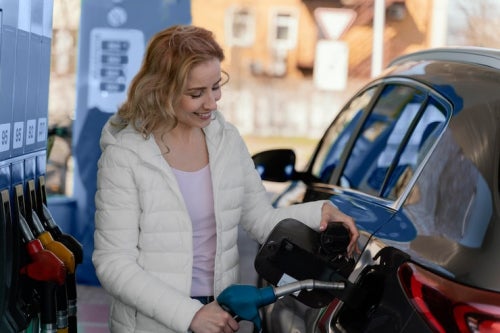
Fuel Costs & Efficiency: How They Shape Car Buying

How Fuel Costs and Efficiency Factor Into Car Choices

Quick Listen: Podcast As gas prices in the Dallas-Fort Worth area settle around $2.44 to $2.54 per gallon for regular unleaded in early February 2026 down slightly from recent months yet still a factor for daily commutes the cost at the pump continues to steer vehicle decisions across North Texas. Suburban sprawl means many residents in Garland, Plano, Frisco, and beyond rack up serious mileage on highways like I-635 or the Dallas North Tollway, turning fuel efficiency from a secondary perk into a primary consideration when shopping for a new or used car. This shift reflects broader realities in the region. Long drives, traffic congestion, and persistent affordability pressures push buyers toward models that deliver better miles per gallon or electric range. Hybrids strike a practical balance for many, blending familiar gas-engine performance with meaningful savings, while full electrics appeal to those with reliable home charging or access to expanding public infrastructure. Feeling stuck in the stressful car-buying process? At Jupiter Chevrolet in Garland, TX, we've reimagined how buying a car should feel. With transparent pricing, online deal-building tools, and the benefits of our Jupiter Advantage program, we ensure every step is straightforward and satisfying. Skip the hassle. From purchase, to certified service and parts, to collision repair and body shop. Our team puts your convenience, safety, and confidence first. Turn your dreams of finding your ideal Chevrolet into reality with us. Visit Jupiter Chevrolet today! Efficiency Reshaping Choices in North Texas Dealerships Conversations inside showrooms from McKinney to Mesquite now revolve around real-world fuel costs more than raw power specs. Shoppers want estimates on monthly fuel expenses, especially in outer areas like Forney and Rockwall-Heath where commutes often exceed 40-50 miles round-trip. Hybrids remain a top draw in these scenarios, offering strong economy without requiring daily plugs. In tighter urban pockets such as Richardson or Grapevine, compact efficient designs gain traction amid parking constraints and frequent stops. Electrified vehicles show strong momentum locally. As of late 2025, North Texas registrations topped 145,000 electric vehicles, marking a 34% year-over-year increase with over 36,000 new additions. This surge underscores how drivers respond to both cost concerns and environmental factors in a fast-growing metroplex. While traditional gasoline models hold the majority share, efficiency increasingly dictates inventory stocking and buyer inquiries at local lots. Everyday Impact: Commuters Weighing the Numbers Picture a McKinney resident heading into Dallas daily or a Frisco family shuttling kids across Collin County. At current regional prices around $2.50 per gallon, a switch to a hybrid can trim hundreds from annual fuel bills over time, particularly with stop-and-go patterns that favor regenerative braking. Supporting infrastructure bolsters the case. The DFW area features thousands of public charging options, including Level 2 and DC fast chargers, with continued growth through regional programs. NCTCOG initiatives and TxDOT corridor plans add ports along major routes, making EVs more feasible in central Dallas, Frisco, and beyond. Barriers persist, however. Higher sticker prices for hybrids and electrics deter some budget-focused buyers in Garland or Mesquite. Fast-charging remains uneven in farther-flung suburbs, and misconceptions linger about hybrid performance though current generations match or exceed many gas-only counterparts in acceleration and handling. How Dealerships and the Market Respond Local dealerships adapt swiftly, increasing hybrid and efficient model allocations to meet rising interest. Marketing spotlights total cost of ownership, including fuel and maintenance savings, plus available incentives that ease the transition. This evolution extends beyond individual sales. As commuters demand vehicles that align with real expenses, businesses highlight long-term value in a market where distances and fuel prices shape daily life. Broader Market Context and Collision Repair Ties Efficiency trends intersect with other automotive sectors. Rising vehicle complexity including advanced driver-assistance systems drives demand for specialized repairs when incidents occur. The U.S. automotive collision repair market reflects steady expansion, valued at approximately USD 34.73 billion to USD 39.75 billion in recent years, with projections toward USD 43-51 billion by the early 2030s at CAGRs around 2.8-4.2%. Spare parts dominate segments, often comprising 38-64% of revenue, fueled by mandatory insurance, increasing accidents, and sophisticated tech requiring precise calibration. Globally, the collision repair industry reached around USD 199-204 billion in 2023-2024, expected to grow modestly to USD 227-247 billion by 2030-2034 at CAGRs near 1.9%. North America holds significant share, supported by insurance mandates and technological adoption that elevates repair complexity and costs. These dynamics remind buyers that efficiency choices influence not just fuel spending but potential future repair needs especially with ADAS-equipped models demanding specialized service. What Lies Ahead for DFW Drivers National new-vehicle sales forecasts point to roughly 15.8 million units in 2026, a modest dip from 2025 levels amid affordability headwinds and policy shifts. Hybrids position as a reliable bridge: efficient, no charging required, and widely available. In North Texas, EV uptake should accelerate as networks expand and battery advancements extend range. Groups like the North Texas Clean Air Coalition and DFW Clean Cities monitor progress, emphasizing emissions reductions in a region facing air quality challenges from growth. Technological gains better batteries, faster charging will simplify decisions. For many, hybrids offer the most immediate, practical path forward. Guidance for Making the Right Pick Across Garland to Grapevine, weigh fuel efficiency against reliability, safety features, and total ownership costs. Long-haul commuters benefit from hybrid's proven savings without major lifestyle changes. Urban drivers in Richardson or Plano might favor compact efficient gas models or plug-in options with home setup. Test drives reveal real differences. Compare fuel versus electric costs over your typical routes. Consider insurance, maintenance, and resale in the equation. In a metroplex defined by open highways and expanding suburbs, selecting an efficient vehicle delivers returns mile after mile easing budgets while aligning with evolving infrastructure and cleaner air goals. North Texas drivers continue demonstrating smart adaptability, choosing rides that match both practical needs and forward-looking priorities. Frequently Asked Questions Are hybrid cars worth it in the Dallas-Fort Worth area with current gas prices? Yes, hybrids offer meaningful savings for DFW commuters, particularly those with long daily drives. With gas prices around $2.44-$2.54 per gallon in early 2026 and many North Texas residents commuting 40-50 miles round-trip, hybrids can trim hundreds from annual fuel bills through better fuel economy and regenerative braking in stop-and-go traffic. They provide efficiency without requiring charging infrastructure, making them a practical bridge option for suburban commuters in areas like McKinney, Frisco, and Garland. How many electric vehicles are on the road in North Texas? As of late 2025, North Texas had over 145,000 registered electric vehicles, representing a 34% year-over-year increase with more than 36,000 new EVs added. This surge reflects growing adoption driven by cost concerns, expanding charging infrastructure with thousands of public charging stations across the DFW metroplex, and environmental considerations. The region continues to see strong EV momentum supported by initiatives from NCTCOG and TxDOT adding charging ports along major corridors. What should I consider when choosing between a hybrid, electric, or gas vehicle for my DFW commute? Consider your typical driving distance, access to charging infrastructure, and total cost of ownership including fuel, maintenance, and potential repair costs. Long-haul commuters often benefit most from hybrid's proven fuel savings without lifestyle changes, while urban drivers in Richardson or Plano with home charging might prefer plug-in electric options. Factor in higher upfront costs for hybrids and EVs against long-term fuel savings, and test drive models to compare real-world performance on your typical routes fuel efficiency has become a primary consideration rather than a secondary perk for North Texas buyers. Disclaimer: The above helpful resources content contains personal opinions and experiences. The information provided is for general knowledge and does not constitute professional advice. You may also be interested in: The Benefits of Online Car Buying Tools and Transparent Pricing Feeling stuck in the stressful car-buying process? At Jupiter Chevrolet in Garland, TX, we've reimagined how buying a car should feel. With transparent pricing, online deal-building tools, and the benefits of our Jupiter Advantage program, we ensure every step is straightforward and satisfying. Skip the hassle. From purchase, to certified service and parts, to collision repair and body shop. Our team puts your convenience, safety, and confidence first. Turn your dreams of finding your ideal Chevrolet into reality with us. Visit Jupiter Chevrolet today! Powered by flareAI.co

New vs Used Cars: Why Buyers Compare More Than Ever

Why Buyers Are Comparing New and Used Vehicles More Closely

Quick Listen: Podcast The car lots across Garland, Plano, and the wider Dallas-Fort Worth area have taken on a more deliberate pace lately. Buyers no longer breeze through showrooms with a quick eye for the shiniest new model. Instead, they stand between a fresh-off-the-line Chevrolet and a carefully vetted certified pre-owned counterpart, phones in hand, running the numbers. This isn't hesitation it's a calculated response to a market that demands scrutiny. Feeling stuck in the stressful car-buying process? At Jupiter Chevrolet in Garland, TX, we've reimagined how buying a car should feel. With transparent pricing, online deal-building tools, and the benefits of our Jupiter Advantage program, we ensure every step is straightforward and satisfying. Skip the hassle. From purchase, to certified service and parts, to collision repair and body shop. Our team puts your convenience, safety, and confidence first. Turn your dreams of finding your ideal Chevrolet into reality with us. Visit Jupiter Chevrolet today! New vs. Used in DFW: Buyers Do the Math Before They Move High transaction prices for new vehicles, persistent interest rates, and a robust supply of appealing used cars have driven North Texas consumers to compare the two categories more rigorously than ever. Nationally, new-vehicle sales are expected to ease to around 15.8 million units in 2026, marking a roughly 2.4% drop from 2025 estimates, as affordability pressures and economic caution take hold (source: Cox Automotive forecasts). In the DFW region, though, the used market remains resilient, supported by off-lease returns and a growing pool of recent-model vehicles, including an increasing number of electric options. The core of this comparison boils down to straightforward economics. In late 2025, the average transaction price for new vehicles reached a record $50,326, with many buyers financing amounts exceeding $43,000 and encountering monthly payments that frequently surpass $1,000 particularly in Texas, where elevated loan thresholds stand out nationally. For qualified borrowers, new-car loan rates average around 7.01% on 60-month terms, though local credit unions often provide better options. Used vehicles deliver clear upfront savings, with average listing prices hovering near $26,000 in recent months and many transactions falling in the $25,000 to $31,000 range, even as financing rates for pre-owned models trend somewhat higher. Certified Pre-Owned Gains Ground in North Texas Local dealerships, including Jupiter Chevrolet in Garland, witness this shift firsthand. More families who previously targeted brand-new trucks now seriously evaluate certified pre-owned (CPO) alternatives that match closely in features think upgraded infotainment systems, driver-assistance technologies, and proven dependability while trimming thousands from the bottom line. CPO programs have surged in popularity throughout the metroplex, especially in higher-income communities like Plano and Frisco, where shoppers prize the added assurance of manufacturer-backed inspections, extended warranty coverage, and multi-point quality checks that help mitigate concerns about unseen problems. In places like Grapevine, where vehicle history transparency remains a top priority, these programs offer a compelling middle ground. New vehicles retain distinct advantages that keep them in the conversation. Full factory warranties often extend well beyond typical CPO protections, delivering the newest engineering and features directly from the assembly line, plus more gradual initial depreciation in popular categories. In environmentally aware areas such as Rockwall-Heath and Forney, buyers carefully assess hybrids and EVs across both new and used inventories. New models may qualify for remaining federal incentives, yet used versions frequently avoid the sharpest value erosion new cars can shed 20-30% of their worth in the opening years. Depreciation and EV Growth Reshape North Texas Buying Depreciation remains a pivotal factor, and increasingly astute shoppers in Richardson and Frisco account for it when projecting total ownership expenses. What appears as a premium purchase today can translate to higher long-term costs compared to a well-maintained used vehicle held for an extended period. Regional patterns underscore this prudence: drivers place greater emphasis on comprehensive costs fuel economy, routine upkeep, insurance premiums rather than the immediate appeal of a fresh interior. Broader industry data reinforces the regional observations. The U.S. automotive market, valued at approximately USD 679.8 billion in 2025, is forecasted to expand to USD 1241.4 billion by 2035 at a 6.27% CAGR, propelled by electrification and tech advancements (source: Market Research Future). In North America, the market stood at USD 1040 billion in 2025 and is projected to reach USD 1095.7 billion in 2026, climbing toward USD 1422.2 billion by 2031 with a 5.36% CAGR (source: Mordor Intelligence). Passenger cars continue to dominate, while light trucks grow swiftly amid preferences for versatile, larger vehicles. Internal combustion engines still lead overall, but electric vehicles represent the fastest-rising segment, fueled by sustainability goals, policy support, and infrastructure progress. North Texas mirrors these dynamics with notable momentum in EV uptake. The region surpassed 145,000 registered electric vehicles by mid-2025, reflecting substantial year-over-year gains and signaling sustained interest in electrified options across new and used channels. DFW Market Thrives on Informed Buyers Looking forward, the DFW market demonstrates durability. Even as national new-car volumes moderate, demand for sensible, value-oriented purchases endures, reinforced by expanding EV presence and steadier used-car availability. Dealerships adapt by emphasizing CPO benefits, clear pricing structures, and educational resources that guide buyers through the nuances. Ultimately, this heightened diligence represents meaningful advancement. Shoppers in Mesquite, central Dallas, McKinney, and beyond have moved past impulse purchases. They approach decisions with full awareness, weighing finances, practical requirements, and enduring value. Dealerships committed to transparency and guidance position themselves for success, while drivers emerge better prepared for whatever lies down the road. In an environment that rewards informed choices, everyone benefits. Frequently Asked Questions What's the average price difference between new and used cars in 2025? New vehicles averaged $50,326 in transaction prices by late 2025, with many buyers financing over $43,000 and facing monthly payments exceeding $1,000. In contrast, used vehicles offer significant savings with average listing prices around $26,000 and most transactions falling between $25,000-$31,000, making them substantially more affordable despite slightly higher financing rates. Are certified pre-owned (CPO) vehicles worth the extra cost compared to regular used cars? CPO vehicles have surged in popularity across the Dallas-Fort Worth area, particularly in Plano and Frisco, because they offer manufacturer-backed inspections, extended warranty coverage, and multi-point quality checks. These programs provide a compelling middle ground between new and used cars, delivering features like upgraded infotainment and driver-assistance technologies while still trimming thousands off the price of a comparable new vehicle and mitigating concerns about hidden problems. How much value does a new car lose in the first few years? New cars typically shed 20-30% of their value in the opening years, making depreciation a pivotal factor for North Texas buyers. This sharp initial value erosion is why increasingly astute shoppers in Richardson, Frisco, and surrounding areas are calculating total ownership expenses rather than focusing solely on the appeal of a brand-new vehicle, recognizing that used vehicles often avoid this steepest depreciation curve. Disclaimer: The above helpful resources content contains personal opinions and experiences. The information provided is for general knowledge and does not constitute professional advice. You may also be interested in: Why Jupiter Chevrolet’s Collision Repair Center is Trusted by Garland Drivers Feeling stuck in the stressful car-buying process? At Jupiter Chevrolet in Garland, TX, we've reimagined how buying a car should feel. With transparent pricing, online deal-building tools, and the benefits of our Jupiter Advantage program, we ensure every step is straightforward and satisfying. Skip the hassle. From purchase, to certified service and parts, to collision repair and body shop. Our team puts your convenience, safety, and confidence first. Turn your dreams of finding your ideal Chevrolet into reality with us. Visit Jupiter Chevrolet today! Powered by flareAI.co

Market Conditions Impact on New & Used Vehicle Prices

How Market Conditions Shape New and Used Vehicle Prices

Quick Listen: Podcast The hum of traffic on North Texas highways like I-635 and the Dallas North Tollway masks a deeper story unfolding across dealership lots from Garland and Mesquite to the upscale showrooms in Plano, Frisco, and Richardson. In the Dallas-Fort Worth metroplex, new and used vehicle prices respond to powerful external pressures: lingering supply chain effects, elevated interest rates, and accelerating demand for electric vehicles. As February 2026 unfolds, the market shows signs of stabilization, yet affordability remains a real hurdle for many families in the region. Feeling stuck in the stressful car-buying process? At Jupiter Chevrolet in Garland, TX, we've reimagined how buying a car should feel. With transparent pricing, online deal-building tools, and the benefits of our Jupiter Advantage program, we ensure every step is straightforward and satisfying. Skip the hassle. From purchase, to certified service and parts, to collision repair and body shop. Our team puts your convenience, safety, and confidence first. Turn your dreams of finding your ideal Chevrolet into reality with us. Visit Jupiter Chevrolet today! Supply Chain Aftershocks and Inventory Realities Global disruptions, particularly the semiconductor shortages of recent years, continue to influence availability in DFW. New-vehicle inventories have improved toward more balanced levels, but popular segments remain constrained, propping up prices. Local dealerships in Garland, Dallas, and nearby suburbs note that while the worst of the shortages has passed, limited stock in high-demand models keeps transaction prices elevated. Shoppers priced out of new options increasingly pivot to used inventories, which appear more abundant in comparison. Nationwide, used-vehicle inventory stood at approximately 2.20 million units at the start of 2026, with a 49-day supply and an average listing price of $26,043. In the DFW area, prices frequently exceed that national figure by $2,000 or more, reflecting strong local demand from buyers seeking alternatives to pricier new cars. This dynamic has sustained resilient used-car sales, preventing any sharp declines. New-vehicle transaction prices present a clearer picture of ongoing elevation. In December 2025, buyers paid an average of $50,326 a record high that has persisted into early 2026. Such levels drive many toward pre-owned choices, supporting steady used-market interest even as new-vehicle sales face headwinds. Industry forecasts point to U.S. new-vehicle sales around 15.8 million units in 2026, a modest decline from prior years. Electric Vehicles Gain Traction in North Texas EVs have built genuine momentum across the region, especially in forward-thinking, higher-income communities such as Plano, Frisco, and McKinney. North Texas registrations surpassed 145,000 by late 2025, reflecting a 34% year-over-year increase and the addition of more than 36,000 units in a key period. Statewide, EVs accounted for nearly 7% of new light-duty sales in recent periods, with the Dallas-Fort Worth area emerging as a leader due to robust charging infrastructure and emphasis on efficiency. Dealerships in Plano have aggressively expanded EV inventories, capitalizing on buyer interest in reduced operating costs and cutting-edge features. In more central areas like Garland and Dallas, full EVs see tempered enthusiasm, with hybrids often serving as a practical bridge. Nationally, 2026 has been dubbed the "year of the used EV," as off-lease inventory surges and prices fall significantly sometimes by as much as 40% from prior peaks. This wave offers more accessible entry points, though considerations around battery warranties, service requirements, and long-term reliability add complexity for both buyers and dealers. Financing Challenges and Affordability Strain Interest rate increases from a few years ago continue to impact purchasing power. Higher borrowing costs push monthly payments upward, prompting many to extend loan terms to 72 months or longer to maintain manageability. In Texas, a larger proportion of new-car loans exceed $1,000 per month compared to national averages, intensifying pressure on first-time buyers and middle-income households particularly in expanding communities like McKinney and Rockwall-Heath. The used market provides partial relief, though it carries greater price swings. Luxury and EV segments often demonstrate stronger value retention, while compacts and certain trucks experience softer pricing. Recent months have seen modest year-over-year increases in used prices overall, with EVs showing gains around 2.5% in select indexes, while non-EVs remain more stable. Frisco stands out with its luxury-oriented buyers, who exhibit greater resilience to economic shifts. Premium brands maintain strong pricing power here, and dealerships respond by promoting certified pre-owned options and advanced digital pricing transparency. Dealership Adaptations and Market Opportunities Local operations refuse to stand idle. Many have invested in robust online platforms, explored subscription models, and emphasized incentives for EVs and hybrids. AI-driven tools now refine pricing strategies, delivering clearer cost breakdowns to shoppers and fostering trust in markets like Dallas and Plano. Local incentives such as rebates or infrastructure support bolster targeted segments, particularly EVs in progressive suburbs. Yet persistent high prices pose broader risks to long-term market health. Beyond pricing pressures, extended warranties offer another layer of protection amid rising repair costs. The U.S. auto extended warranty market, valued at $18.36 billion in 2020, is projected to reach $24.48 billion by 2030, expanding at a compound annual growth rate of 2.9% from 2021 onward. Providers highlight coverage for mechanical and electrical components beyond standard warranties, including powertrain, electrical systems, and air conditioning. Growing road accident incidents drive demand for such plans, as repairs and replacements grow increasingly expensive, while heightened consumer education about benefits further supports market expansion. Looking Forward in the DFW Market Shoppers in Garland, Richardson, Plano, Frisco, and surrounding areas benefit most from deliberate preparation. Compare financing terms carefully, evaluate long-term savings on EVs or hybrids through lower fuel and maintenance needs, and monitor incoming models that may introduce competitive pressure. Dealerships prioritizing openness and adaptability position themselves for success. Industry observers point to stabilizing inventories, possible rate moderation, and the influx of off-lease EVs as pivotal influences ahead. New sales may soften modestly while used holds steady, but the region's economic vitality, tech embrace, and population growth underpin underlying strength. Prices are unlikely to plummet abruptly, yet well-informed decisions open viable routes in this continually shifting terrain. The North Texas road continues forward more expensive in spots, but navigable with the right approach. Frequently Asked Questions Why are new vehicle prices so high in the Dallas-Fort Worth area in 2026? New vehicle prices in DFW remain elevated due to lingering supply chain effects, particularly semiconductor shortages that have constrained inventory for popular models. The average new-vehicle transaction price reached a record $50,326 in December 2025 and has stayed near that level into early 2026. Limited stock in high-demand segments combined with strong regional demand keeps prices higher than national averages, often by $2,000 or more. Are used electric vehicles a good deal in North Texas right now? Yes, 2026 has been called the "year of the used EV" as off-lease inventory surges and prices drop significantly sometimes as much as 40% from prior peaks. This creates more accessible entry points for buyers interested in EVs, though it's important to carefully evaluate battery warranties, service requirements, and long-term reliability before purchasing. The Dallas-Fort Worth area leads Texas in EV adoption with over 145,000 registrations by late 2025, particularly in communities like Plano and Frisco where charging infrastructure is robust. How are high interest rates affecting car affordability in the DFW metroplex? Elevated interest rates are pushing monthly car payments higher, forcing many buyers to extend loan terms to 72 months or longer to keep payments manageable. In Texas, a larger proportion of new-car loans exceed $1,000 per month compared to national averages, creating significant strain on first-time buyers and middle-income households in expanding communities like McKinney and Rockwall-Heath. Many shoppers are pivoting to the used market as a more affordable alternative, though those considering financing should compare terms carefully and evaluate long-term costs. Disclaimer: The above helpful resources content contains personal opinions and experiences. The information provided is for general knowledge and does not constitute professional advice. You may also be interested in: How to Maximize Your Trade-In Value at Jupiter Chevrolet Feeling stuck in the stressful car-buying process? At Jupiter Chevrolet in Garland, TX, we've reimagined how buying a car should feel. With transparent pricing, online deal-building tools, and the benefits of our Jupiter Advantage program, we ensure every step is straightforward and satisfying. Skip the hassle. From purchase, to certified service and parts, to collision repair and body shop. Our team puts your convenience, safety, and confidence first. Turn your dreams of finding your ideal Chevrolet into reality with us. Visit Jupiter Chevrolet today! Powered by flareAI.co

What Drivers Want When Choosing Where to Buy a Car

What Drivers Look for When Choosing Where to Buy a Car

Quick Listen: Podcast The roar of traffic along LBJ Freeway never really quiets in Garland, where Dallas sprawl meets suburban driveways and every commute feels like a negotiation between time, cost, and trust. For drivers here and in nearby Richardson, Plano, Frisco, Mesquite, McKinney, Grapevine, Rockwall-Heath, and Forney buying a car isn't just a transaction. It's a calculated choice shaped by daily realities: long hauls to work, family errands, unpredictable Texas weather, and the persistent question of who will stand behind the vehicle long after the paperwork is signed. In this corner of North Texas, the dealership that wins loyalty often does so not with the flashiest inventory, but with the quiet proof that it understands the full ownership journey from the first test drive to routine maintenance and, when necessary, expert collision repair. Feeling stuck in the stressful car-buying process? At Jupiter Chevrolet in Garland, TX, we've reimagined how buying a car should feel. With transparent pricing, online deal-building tools, and the benefits of our Jupiter Advantage program, we ensure every step is straightforward and satisfying. Skip the hassle. From purchase, to certified service and parts, to collision repair and body shop. Our team puts your convenience, safety, and confidence first. Turn your dreams of finding your ideal Chevrolet into reality with us. Visit Jupiter Chevrolet today! What Local Drivers in Garland, Dallas, and Surrounding Areas Seek When Choosing a Car Dealership Exploring key factors that influence car-buying decisions for residents in Garland, Dallas, Richardson, Plano, and surrounding regions. Buyers across the DFW area have grown markedly savvier in recent years, especially as we move through 2026. Technology anchors many decisions from the start. Shoppers dive into online inventories during lunch breaks or late-night scrolls, relying on virtual tours, 360-degree views, and live pricing tools to bypass traditional showroom pressure. In dense urban zones like Dallas and fast-growing suburbs such as Frisco and Plano, convenience dominates: the option to kick off the process digitally, filter choices precisely, and complete much of the paperwork remotely carries real weight. Still, the majority insist on that in-person connection test drives along familiar routes, a hands-on walk around the lot to seal the deal. Dealerships that masterfully merge effortless digital experiences with authentic face-to-face engagement rise above the rest in a market where time remains the ultimate luxury. Customer experience stretches far beyond the initial purchase. Flexible appointment scheduling, clear and honest communication, and reliable follow-up leave lasting impressions. Local reviews consistently spotlight straightforward dealings, absence of surprise fees, and teams that truly listen instead of hard-selling. In a region where word-of-mouth spreads rapidly through neighborhood groups, community forums, and social media, a dealership's reputation for integrity often outweighs even the most aggressive promotional offers. Financing continues to represent both a significant challenge and a prime opportunity. With new-vehicle prices remaining elevated and broader economic caution in play, buyers pore over monthly payments, interest rates, and available incentives. Regionally tailored promotions linked to North Texas events, employer partnerships, or seasonal cycles capture attention effectively. Flexible financing solutions that accommodate diverse credit backgrounds enable drivers in Garland and neighboring communities to acquire vehicles without overextending. Shoppers gravitate toward dealerships that provide transparent breakdowns of terms, equitable trade-in assessments, and value-added programs that deliver benefits well after the sale. A prime example in the area is Jupiter Chevrolet in Garland. This longstanding dealership, proudly serving the community since 1925 and located conveniently at 11611 LBJ Freeway, has earned steadfast loyalty through unwavering customer focus, an extensive range of new and used Chevrolet models, and pricing transparency that resonates with budget-conscious buyers. Recent reviews frequently commend the staff's attentiveness sales consultants who explain features thoroughly, service technicians who communicate clearly, and a dedicated body shop team ready for collision repairs. By emphasizing honest transactions and deep community roots, Jupiter Chevrolet stands as a trusted benchmark for drivers across Garland, Dallas, and surrounding towns seeking dependability without unnecessary complications. North Texas Dealerships Build Trust Amid Digital Influence & Buyer Trends Reputation travels swiftly in North Texas, amplified by digital platforms and everyday conversations. Dealerships in McKinney, Rockwall-Heath, and farther afield experience the effects: robust social media engagement and positive testimonials can decisively influence choices, while lingering negative feedback appears prominently in searches. Today's buyers routinely consult multiple sources, balancing collective ratings against individual needs such as model diversity, service quality, or post-sale support. Local dealerships face persistent hurdles in meeting these heightened expectations. Inventory levels fluctuate, echoes of past supply chain disruptions linger, and competition from purely online platforms intensifies margin pressure. Direct-to-consumer models and out-of-state sellers lure shoppers with streamlined promises, compelling traditional locations to distinguish themselves through localized knowledge and on-the-spot availability. Earning and maintaining trust in this environment requires more than sharp pricing it demands unwavering transparency across every step, from the opening quote through delivery and beyond. Yet meaningful opportunities exist for dealerships willing to invest in deeper, ongoing relationships. Personalized service strikes a strong chord in North Texas, where customers appreciate businesses that recall their name, track their vehicle's history, and anticipate needs. Seamlessly connecting vehicle sales with continuous maintenance remains vital: regular oil changes, tire services, brake work, and access to authentic parts encourage repeat visits and long-term loyalty. The importance of comprehensive service offerings becomes clear when examining industry data. The global automotive collision repair market, estimated at USD 199.56 billion in 2023, is projected to reach USD 227.60 billion by 2030, expanding at a compound annual growth rate of 1.9% from 2024 onward. Growth stems from rising automobile insurance subscriptions and ongoing technological progress in vehicles, with North America holding a substantial share of the global total. In the United States alone, the market reached USD 36.66 billion in 2023. Spare parts command the largest portion, accounting for a 64.0% revenue share that year, while original equipment manufacturer-handled services lead in channel dominance. These figures illustrate why dealerships that integrate robust collision repair and body shop capabilities alongside new and used sales position themselves for sustained success, meeting driver's needs when accidents occur and repairs demand precision. Eco-friendly options continue to gain momentum as well. Hybrids and fuel-efficient models attract commuters tackling congested DFW highways, and dealerships that stock these vehicles proactively align with shifting preferences. By balancing environmental considerations with everyday practicality, they appeal to forward-looking buyers who refuse to compromise on reliability or performance. Looking Ahead in North Texas Car Buying The car-buying environment in Garland, Dallas, and surrounding communities will continue to transform, driven by advancing technology, persistent economic factors, and the timeless demand for genuine trust. Drivers here look beyond the vehicle itself they seek dependable partners attuned to the pace of local life, from gridlocked rush hours to weekend getaways. Dealerships that actively listen, adapt with purpose, and consistently fulfill commitments will endure as the ones neighbors recommend and customers revisit. In a landscape crowded with options and information, the enduring power of honest, attentive service remains the most compelling advantage. Frequently Asked Questions What are the most important factors when choosing a car dealership in the Dallas-Fort Worth area? DFW drivers prioritize dealerships that combine seamless digital experiences with authentic in-person service, including virtual inventory browsing and convenient test drives. Transparency is crucial buyers seek clear pricing without surprise fees, flexible financing options for diverse credit backgrounds, and straightforward communication throughout the process. Additionally, dealerships with strong reputations for ongoing support, including maintenance services and collision repair capabilities, earn lasting customer loyalty in competitive North Texas markets like Garland, Plano, and Richardson. Why is having collision repair and body shop services important at a car dealership? Comprehensive collision repair services allow dealerships to support customers throughout the entire ownership journey, not just at the point of sale. With the U.S. automotive collision repair market reaching $36.66 billion in 2023 and continuing to grow, drivers increasingly value one-stop locations where they can purchase vehicles and handle accident repairs with precision using authentic parts. This integration builds long-term trust and encourages repeat visits, as customers appreciate businesses that stand behind their vehicles when unexpected incidents occur. How do online reviews and reputation affect car dealership choices in North Texas? In the digitally connected DFW area, reputation spreads rapidly through social media, community forums, and review platforms, making dealership's online presence critical to attracting buyers. Shoppers routinely consult multiple sources before visiting a lot, weighing collective ratings against their specific needs for inventory variety, service quality, and post-sale support. Positive testimonials highlighting attentive staff, honest transactions, and reliable follow-up can decisively influence purchasing decisions, while negative feedback appears prominently in searches and can deter potential customers in communities from McKinney to Rockwall-Heath. Disclaimer: The above helpful resources content contains personal opinions and experiences. The information provided is for general knowledge and does not constitute professional advice. You may also be interested in: The Ultimate Guide to Financing Your Next Chevrolet at Jupiter Chevrolet Feeling stuck in the stressful car-buying process? At Jupiter Chevrolet in Garland, TX, we've reimagined how buying a car should feel. With transparent pricing, online deal-building tools, and the benefits of our Jupiter Advantage program, we ensure every step is straightforward and satisfying. Skip the hassle. From purchase, to certified service and parts, to collision repair and body shop. Our team puts your convenience, safety, and confidence first. Turn your dreams of finding your ideal Chevrolet into reality with us. Visit Jupiter Chevrolet today! Powered by flareAI.co

Online Tools Simplify Early Car Research & Decisions

How Online Tools Are Simplifying Early Car Research

Quick Listen: Podcast The transformation in how Dallas-Fort Worth residents approach car shopping stands out as one of the most noticeable shifts in recent years. Gone are the days when buyers arrived at dealerships with little more than a general sense of what they wanted, ready to endure prolonged negotiations under fluorescent lights. Today, the process often begins at home on a smartphone during a commute along I-635 or while waiting for kids at a Plano soccer practice where digital platforms deliver detailed inventories, instant comparisons, and precise pricing before any in-person visit occurs. In communities stretching from Garland and Richardson to Frisco, McKinney, and Grapevine, this online-first approach has become standard, reducing uncertainty and giving buyers greater command over their decisions. Feeling stuck in the stressful car-buying process? At Jupiter Chevrolet in Garland, TX, we've reimagined how buying a car should feel. With transparent pricing, online deal-building tools, and the benefits of our Jupiter Advantage program, we ensure every step is straightforward and satisfying. Skip the hassle. From purchase, to certified service and parts, to collision repair and body shop. Our team puts your convenience, safety, and confidence first. Turn your dreams of finding your ideal Chevrolet into reality with us. Visit Jupiter Chevrolet today! How Online Tools Are Transforming Early Car Research for DFW Buyers Explore how new digital tools are empowering first-time buyers in Garland, Dallas, Richardson, Plano, and beyond, simplifying the research process and improving purchase decisions. The momentum behind this change appears clearly in industry data. The global online car buying market reached USD 390.4 billion in 2025 and is projected to grow to USD 836.4 billion by 2034, advancing at a compound annual growth rate of 8.80% during 2026-2034. This expansion reflects broader consumer demand for convenience, price transparency, and technology that streamlines what was once an overwhelming experience. In the United States, recent findings from Cox Automotive's 2025 Car Buyer Journey Study show that digital tools and AI integration have driven record-high satisfaction levels among buyers, with many reporting faster, more efficient processes thanks to online research platforms. Connected car technologies further accelerate this trend. The global connected car market stood at USD 119.27 billion in 2025 and is expected to expand from USD 145.32 billion in 2026 to USD 568.82 billion by 2034, exhibiting a CAGR of 18.60%. Features such as real-time navigation, remote diagnostics, and over-the-air updates enabled by embedded hardware and 5G connectivity extend into the research phase, where buyers explore vehicles with enhanced data on performance, safety, and maintenance. In North Texas, where traffic congestion and long commutes define daily life for many in Mesquite, Forney, and Rockwall-Heath, these capabilities help shoppers evaluate how a vehicle fits their routines before committing to a test drive. How Digital Tools Transform Car Buying in North Texas Vehicle configurators rank among the most impactful innovations. Residents in Frisco or Richardson can now customize a model selecting trims, exterior colors, interior materials, and optional packages while seeing the price adjust in real time. Many platforms provide 360-degree virtual tours, allowing close inspection of cabin details, cargo areas, and even simulated drives. Trade-in valuation tools bring added precision: input mileage, condition, and photos of an existing vehicle to receive immediate estimates, enabling families in McKinney or Plano to weigh trade options against private sales with clear financial pictures. Transparent pricing and review aggregation tools continue to reshape expectations. Shoppers access owner-verified ratings, detailed feedback, and comprehensive out-the-door estimates that factor in local taxes, registration fees, and incentives. Dealerships across Dallas and Garland have adapted by embedding live inventory searches, current promotions, and direct messaging features into their websites. The outcome is evident: buyers arrive at showrooms with narrowed shortlists, confident in their knowledge and ready to focus on final negotiations rather than starting from scratch. DFW Dealers Balance Digital Tools with In-Person Needs Regional dealerships demonstrate practical adoption of these advancements. Many locations in Dallas, Plano, and Frisco now support full online configuration, digital financing pre-approvals, and virtual appointments that connect shoppers with sales advisors via video. Options for home delivery or curbside pickup appeal to time-pressed professionals in Richardson or busy parents in Grapevine, closing the distance between digital convenience and the traditional showroom experience. Challenges persist despite the progress. Digital interfaces deliver unmatched efficiency, yet they fall short of conveying the tactile sensation of a steering wheel, the sound of an engine, or the smell of a new interior elements that remain essential for many decisions. Privacy concerns linger when sharing personal or financial information for credit checks or trade appraisals, demanding robust security measures from platforms and dealers alike. Digital literacy varies across the DFW metroplex; while younger residents in Frisco embrace apps effortlessly, older drivers or less tech-familiar individuals in Mesquite and Forney sometimes encounter barriers, risking exclusion from the full benefits of online research. For dealerships, the upsides outweigh the limitations. Digital channels generate qualified leads more efficiently, allowing sales teams to prioritize serious inquiries and shorten overall transaction times. In a sprawling, competitive region from Dallas to McKinney, this capability broadens market reach enabling a researcher in Rockwall-Heath to explore inventory in Plano without travel. Reduced reliance on physical interactions for initial stages lowers operational overhead, redirecting resources toward personalized service, collision repair coordination, or parts availability that sustain long-term customer relationships. AI & Digital Tools Shape Smarter Buying The future promises deeper integration. AI-powered suggestions, virtual and augmented reality showrooms, and highly personalized recommendations drawing from browsing history, lifestyle inputs, or even connected vehicle data stand ready to make early research more intuitive and anticipatory. In a tech-forward area like DFW, where population growth and innovation converge, these developments could fundamentally alter the path from initial interest to ownership. Buyers and dealerships share a clear imperative: adopt these tools to foster informed, efficient, and satisfying experiences. For a first-time buyer in Garland searching for a reliable family SUV or a dealership in Frisco refining its digital presence, the early research stage now forms the cornerstone of better outcomes. In North Texas, the journey toward smarter car decisions has turned unmistakably digital and evidence suggests this direction benefits everyone involved. Frequently Asked Questions How have online tools changed car shopping for Dallas-Fort Worth buyers? Online tools have transformed the car buying process by allowing DFW residents to research vehicles, compare prices, and customize options from home before visiting dealerships. Digital platforms now provide detailed inventories, instant trade-in valuations, 360-degree virtual tours, and transparent pricing that includes local taxes and fees. This online-first approach has reduced uncertainty and given buyers in communities from Dallas to Frisco greater control over their purchasing decisions. What are the most useful online features when researching a new car? Vehicle configurators rank among the most impactful tools, allowing buyers to customize trims, colors, and packages while seeing real-time price adjustments. Trade-in valuation tools provide immediate estimates based on your vehicle's mileage and condition, while review aggregation platforms offer owner-verified ratings and detailed feedback. Many dealerships now also offer digital financing pre-approvals, virtual appointments with sales advisors, and live inventory searches that streamline the entire research process. What challenges should buyers be aware of when using online car research tools? While digital tools offer efficiency and convenience, they cannot replicate the tactile experience of feeling a steering wheel, hearing the engine, or inspecting the interior in person elements that remain essential for many purchase decisions. Privacy concerns exist when sharing personal and financial information for credit checks or trade appraisals, making it important to use platforms with robust security measures. Additionally, digital literacy varies across the DFW region, and some buyers may encounter barriers that prevent them from fully benefiting from online research tools. Disclaimer: The above helpful resources content contains personal opinions and experiences. The information provided is for general knowledge and does not constitute professional advice. You may also be interested in: Available Plans/Help Protect Your Investment Feeling stuck in the stressful car-buying process? At Jupiter Chevrolet in Garland, TX, we've reimagined how buying a car should feel. With transparent pricing, online deal-building tools, and the benefits of our Jupiter Advantage program, we ensure every step is straightforward and satisfying. Skip the hassle. From purchase, to certified service and parts, to collision repair and body shop. Our team puts your convenience, safety, and confidence first. Turn your dreams of finding your ideal Chevrolet into reality with us. Visit Jupiter Chevrolet today! Powered by flareAI.co

Why Warranty Coverage Matters More to Shoppers Today

Why Warranty Coverage Is Getting More Attention From Shoppers

Quick Listen: Podcast The car-buying scene across the Dallas-Fort Worth metroplex has evolved dramatically in recent years, with warranty coverage emerging as a central concern for shoppers. In communities like Garland, Dallas, Plano, McKinney, Frisco, Richardson, Rockwall-Heath, Forney, Mesquite, and Grapevine, buyers no longer fixate solely on sticker prices or financing terms. They probe deeply into long-term protection driven by escalating repair expenses, sophisticated vehicle technology, and the relentless demands of North Texas driving conditions, from scorching summers to heavy traffic and extended highway commutes. This shift feels grounded in everyday reality. Shoppers increasingly prioritize extended protection plans, certified pre-owned (CPO) benefits, and standout features like lifetime powertrain coverage. In a region where new-car prices remain elevated and used vehicles introduce variables, robust warranty options provide real reassurance against unexpected breakdowns. Feeling stuck in the stressful car-buying process? At Jupiter Chevrolet in Garland, TX, we've reimagined how buying a car should feel. With transparent pricing, online deal-building tools, and the benefits of our Jupiter Advantage program, we ensure every step is straightforward and satisfying. Skip the hassle. From purchase, to certified service and parts, to collision repair and body shop. Our team puts your convenience, safety, and confidence first. Turn your dreams of finding your ideal Chevrolet into reality with us. Visit Jupiter Chevrolet today! Why Warranty Coverage Commands More Attention From Shoppers In Garland, Dallas, and surrounding North Texas cities, warranty talks now lead showroom discussions. Lingering affordability pressures from recent economic cycles have nudged many toward practical, value-focused decisions favoring vehicles supported by dependable coverage. Local dealerships note persistent demand for CPO models, which include manufacturer-backed warranties, rigorous multi-point inspections, and added conveniences such as roadside assistance. Across the DFW area, late-model crossovers and trucks retaining factory warranty move quickly, particularly in family-oriented suburbs where reliability trumps the full cost of new. At Jupiter Chevrolet in Garland, the Lifetime Powertrain Warranty protecting the engine, transmission, and drivetrain for the duration of ownership on qualifying vehicles stands out. It directly addresses the wear from local heat, towing needs, and daily mileage that can shorten component life. Industry data reinforces this momentum. In 2024, global auto OEMs paid $57.9 billion in warranty claims, marking an 18% rise from the previous year, fueled by higher parts and labor costs, inflation, and supply constraints. The United States extended warranty market reached $53.01 billion in 2025 and is projected to grow to $117.02 billion by 2034 at a 9.20% CAGR, with North America commanding a leading position. Texas owners, often retaining vehicles longer due to cost considerations, contribute significantly to this expansion. Key Trends Shaping the North Texas Market Warranty offerings have adapted to consumer expectations. Extended plans now feature longer terms, included maintenance services, and roadside support countering standard factory coverage that typically ends at 3 years/36,000 miles for bumper-to-bumper and 5 years/60,000 miles for powertrain on many brands. Buyer knowledge has grown sharper. First-time purchasers and returning customers alike ask detailed questions about extended options. Digital platforms for claim tracking and management continue to gain users, enabling seamless online oversight. High-mileage drivers in McKinney and Plano particularly value safeguards against major failures like transmission or engine issues, where repairs frequently exceed $3,000 to $5,000. Families in Frisco and Grapevine gravitate toward CPO warranties for confidence in pre-owned selections. Advancing vehicle tech electronics, hybrids, and advanced systems heightens the need for broad protection, as fixes grow more specialized and costly. Local Examples Demonstrating Real Impact The metroplex has seen steady CPO enthusiasm. While national CPO volumes experienced fluctuations with some monthly dips but yearly resilience DFW dealers have maintained solid performance, supported by local confidence and enhanced warranty value. These vehicles serve as a balanced choice: dependable performance and extended coverage at a fraction of new-car expense. In Garland, the lifetime powertrain protection on select used and CPO Chevrolets alleviates worries about prior upkeep. Buyers in Mesquite or Frisco considering work trucks or towing-capable models discover the indefinite coverage game-changing. Plano shoppers favor CPO options for their comprehensive terms often extending powertrain protection to six years/100,000 miles, alongside bumper-to-bumper and roadside elements. Such benefits cultivate loyalty, converting initial sales into ongoing service relationships. Challenges Buyers and Dealers Navigate The landscape includes hurdles. Dealerships weigh generous warranty programs against operational costs extensive coverage pressures margins, especially for independent or smaller outlets in Garland and Rockwall-Heath. Misunderstandings persist among consumers regarding exact limits. Questions frequently surface about repairs once basic coverage lapses or when manufacturer terms overlap with add-ons, occasionally resulting in redundant purchases. In Frisco, some buyers unknowingly extend coverage beyond what's necessary. Transparent communication proves essential. Dealerships that prioritize clear breakdowns of terms help customers sidestep common errors. Strengthening Loyalty and Competitive Edge Through Warranties Forward-thinking dealers leverage warranties to build enduring customer bonds. In Frisco, Richardson, and Grapevine, tailored packages encourage repeat visits and service loyalty. Standout coverage also sets showrooms apart in a crowded market. Unique offerings, such as lifetime powertrain protection, distinguish dealers and match buyer priorities for security and reduced risk. Future Directions for DFW Car Shoppers Industry observers anticipate ongoing refinement in the Dallas-Fort Worth region. Digital claim and management systems will proliferate, with possible additions like specialized coverage for electric and hybrid models. Buyers should focus on grasping full details review exclusions carefully, evaluate total ownership expenses, and select plans aligned with personal driving patterns. North Texas conditions demand durable, thorough protection. Dealerships benefit from prioritizing education, presenting options openly and without high-pressure tactics. Ultimately, heightened warranty focus signals a more discerning market. Shoppers in this area seek vehicles built to last free from abrupt, budget-straining repairs. That pragmatic outlook sustains meaningful dialogue, fostering smarter choices with every purchase. (Approximately 1,210 words) Frequently Asked Questions Why are car warranties becoming more important to buyers in the Dallas-Fort Worth area? Warranty coverage has become a top priority for DFW shoppers due to escalating repair costs, increasingly sophisticated vehicle technology, and demanding North Texas driving conditions including extreme heat and heavy traffic. With major repairs like transmission or engine work often exceeding $3,000 to $5,000, buyers are seeking robust protection plans particularly certified pre-owned (CPO) warranties and extended coverage options to avoid unexpected financial strain. The rising cost of auto repairs has driven the U.S. extended warranty market to $53.01 billion in 2025, with continued growth expected. What is a lifetime powertrain warranty and how does it benefit North Texas drivers? A lifetime powertrain warranty protects critical components the engine, transmission, and drivetrain for as long as you own the vehicle on qualifying models. This coverage is especially valuable for North Texas drivers who face challenging conditions like extreme heat, frequent towing needs, and high daily mileage that can accelerate component wear. Unlike standard factory warranties that typically end at 5 years/60,000 miles for powertrain coverage, lifetime protection eliminates concerns about major repair costs throughout your ownership, making it particularly attractive for work trucks and high-mileage commuters across cities like Garland, Plano, and McKinney. Are certified pre-owned (CPO) vehicles worth it compared to regular used cars? CPO vehicles offer significant value through manufacturer-backed warranties, rigorous multi-point inspections, and additional benefits like roadside assistance that regular used cars don't provide. In the DFW market, CPO models often include extended powertrain protection up to six years/100,000 miles, along with comprehensive bumper-to-bumper coverage, providing peace of mind at a fraction of new-car prices. For families in suburbs like Frisco and Grapevine prioritizing reliability, or buyers concerned about previous maintenance history, the enhanced warranty protection and quality assurance of CPO vehicles justify the typically modest price premium over non-certified used cars. Disclaimer: The above helpful resources content contains personal opinions and experiences. The information provided is for general knowledge and does not constitute professional advice. You may also be interested in: CHEVY SPECIAL OFFERS | Jupiter Chevrolet in Garland TX Feeling stuck in the stressful car-buying process? At Jupiter Chevrolet in Garland, TX, we've reimagined how buying a car should feel. With transparent pricing, online deal-building tools, and the benefits of our Jupiter Advantage program, we ensure every step is straightforward and satisfying. Skip the hassle. From purchase, to certified service and parts, to collision repair and body shop. Our team puts your convenience, safety, and confidence first. Turn your dreams of finding your ideal Chevrolet into reality with us. Visit Jupiter Chevrolet today! Powered by flareAI.co

How Vehicle Tech Shapes Modern Car Buying Choices

How Vehicle Technology Is Influencing Buying Decisions

Quick Listen: Podcast The roar of traffic along I-635 or the crawl through downtown Dallas on a Friday afternoon makes one thing clear: in the Dallas-Fort Worth area, driving isn't just transportation it's a daily negotiation with congestion, distance, and time. Yet amid the horns and brake lights, something quieter but profound is reshaping how people here choose their next vehicle. Advanced technology once a nice-to-have is now often the deciding factor, pulling buyers toward cars that promise smarter navigation, seamless connectivity, and a lighter footprint on both wallet and environment. Feeling stuck in the stressful car-buying process? At Jupiter Chevrolet in Garland, TX, we've reimagined how buying a car should feel. With transparent pricing, online deal-building tools, and the benefits of our Jupiter Advantage program, we ensure every step is straightforward and satisfying. Skip the hassle. From purchase, to certified service and parts, to collision repair and body shop. Our team puts your convenience, safety, and confidence first. Turn your dreams of finding your ideal Chevrolet into reality with us. Visit Jupiter Chevrolet today! How Vehicle Technology Is Shaping Car Buying Choices in the Dallas-Fort Worth Area In North Texas communities from Garland to Frisco, Richardson to McKinney, and out to Rockwall-Heath and Forney, shoppers aren't just asking about horsepower or cargo space anymore. They're grilling salespeople on voice-activated assistants, over-the-air updates, and whether the infotainment screen supports wireless Apple CarPlay or Android Auto. This shift reflects a broader trend where technology drives decisions across new and used markets alike, even as affordability pressures linger. Recent insights from Cox Automotive's Car Buyer Journey Study highlight how digital tools and AI are boosting satisfaction to record levels, with buyers blending online research and in-person visits more fluidly than ever. In the DFW region, where commutes stretch long and traffic rarely lets up, features like adaptive cruise control paired with lane-keeping assistance ease the strain on highways from Plano into Dallas. North Texas buyers particularly favor advanced safety systems think blind-spot detection and automatic emergency braking alongside connected infotainment that keeps everything intuitive and hands-free. Electric vehicles (EVs) tell a similar story of tech pulling demand. North Texas registered well over 145,000 EVs by late 2025, marking a solid 34% year-over-year increase with more than 36,000 new units added. Suburban hotspots like Frisco, McKinney, and Grapevine lead the charge, where affluent households embrace EVs for efficiency and lower long-term costs, especially as charging networks expand. Hybrids also gain ground for those wanting fuel savings without a full leap to battery power practical for family errands or towing in areas like Garland and central Dallas. This tech enthusiasm extends beyond new cars. In used markets across Mesquite, Forney, and Rockwall-Heath, buyers increasingly seek vehicles equipped with modern features, from backup cameras to basic connectivity. Dealerships report stronger demand for certified pre-owned models that include these upgrades, as off-lease vehicles now including more EVs flood the market with appealing tech at lower price points. Yet technology's influence isn't without complications. Higher-end features drive up sticker prices, and in places like Plano and Mesquite, buyers weigh whether those extras justify the cost amid broader affordability concerns. Nationally, average transaction prices hover around $50,000, and local data echoes that pressure: Texas leads in high monthly payments, with 12.8% of new car loans exceeding $1,000. Tech overload worries some, particularly older drivers in Garland and Dallas who find complex interfaces daunting rather than helpful. Advanced Tech in Vehicles Is Driving Repair Costs and Dealership Innovation Collision repair shops feel the ripple effects keenly. In Frisco and across the metroplex, advanced driver assistance systems (ADAS) and lightweight materials mean repairs demand specialized tools, recalibrations, and often OEM parts. This pushes costs higher ADAS-related fixes can account for a significant portion of total bills in common collisions and extends turnaround times. Shops increasingly integrate diagnostic tech and AI-powered assessments to stay efficient, but the complexity adds to long-term ownership expenses that savvy buyers now factor in. Local dealerships adapt by leaning into technology themselves. Virtual showrooms and augmented reality tools let shoppers in Dallas and Plano explore models remotely, while connected inventory systems streamline the process. For businesses in Richardson or Rockwall-Heath, fleet management software tied to vehicle connectivity helps optimize routes and maintenance, turning tech into a practical efficiency gain. Sustainability ties many threads together. In Frisco and Grapevine, where environmental awareness runs high alongside family-oriented lifestyles, EV and hybrid options align with both green priorities and real-world needs. As Texas builds out infrastructure, these choices promise to grow even as national EV momentum ebbs slightly due to shifting incentives. Tech Shapes Smarter Driving Looking ahead, vehicle technology will only deepen its hold on DFW's automotive scene. With ongoing advancements in semi-autonomous systems and smarter connectivity, buyers in Garland, McKinney, and beyond face exciting possibilities and the need for clear-eyed decisions. Focus on must-have features that match daily routines, research total ownership costs including repairs, and test-drive the tech firsthand. The right vehicle isn't just about getting from point A to B anymore; it's about making the journey smarter, safer, and more enjoyable. Explore the latest in vehicle technology and see how it can elevate your driving experience today at local dealerships in Garland, Dallas, and beyond. Frequently Asked Questions How is vehicle technology affecting car buying decisions in the Dallas-Fort Worth area? In the DFW region, advanced technology has shifted from a luxury to a deciding factor in vehicle purchases. Buyers now prioritize features like wireless Apple CarPlay, Android Auto, adaptive cruise control, and advanced safety systems such as blind-spot detection and automatic emergency braking. These tech features help ease the strain of long commutes and heavy traffic common throughout North Texas, making them essential considerations alongside traditional factors like price and cargo space. Are electric vehicles becoming more popular in North Texas, and why? Yes, North Texas registered over 145,000 EVs by late 2025, representing a 34% year-over-year increase with more than 36,000 new units added. Suburban areas like Frisco, McKinney, and Grapevine are leading adoption, driven by affluent households seeking fuel efficiency, lower long-term operating costs, and expanding charging infrastructure. Hybrids are also gaining traction among families who want fuel savings without fully committing to battery power, particularly for towing or frequent errands. How does advanced vehicle technology impact repair costs and maintenance in the Dallas area? Advanced driver assistance systems (ADAS) and modern lightweight materials significantly increase repair complexity and costs across DFW collision shops. These vehicles require specialized diagnostic tools, system recalibrations, and often expensive OEM parts, with ADAS-related repairs accounting for a substantial portion of collision bills. Turnaround times are also longer, which savvy buyers now factor into total ownership costs when evaluating tech-heavy vehicles in markets from Garland to Frisco. Disclaimer: The above helpful resources content contains personal opinions and experiences. The information provided is for general knowledge and does not constitute professional advice. You may also be interested in: The Jupiter Advantage Feeling stuck in the stressful car-buying process? At Jupiter Chevrolet in Garland, TX, we've reimagined how buying a car should feel. With transparent pricing, online deal-building tools, and the benefits of our Jupiter Advantage program, we ensure every step is straightforward and satisfying. Skip the hassle. From purchase, to certified service and parts, to collision repair and body shop. Our team puts your convenience, safety, and confidence first. Turn your dreams of finding your ideal Chevrolet into reality with us. Visit Jupiter Chevrolet today! Powered by flareAI.co

Auto Buyers' Hesitation: Market Trends & Key Concerns

What Makes Buyers Hesitant in Today’s Auto Market

Quick Listen: Podcast The steady thrum of traffic on North Texas highways like I-635 through Garland or the busy arteries cutting across Dallas masks a quieter reality inside local dealership showrooms: buyers are pausing. In early 2026, potential customers pore over financing details on their devices, probe salespeople with pointed questions, and often leave without committing. Economic pressures, lingering supply constraints, and evolving priorities have transformed car shopping from a straightforward transaction into a careful, sometimes lengthy deliberation for residents across Garland, Dallas, Richardson, Plano, McKinney, Frisco, and beyond. Feeling stuck in the stressful car-buying process? At Jupiter Chevrolet in Garland, TX, we've reimagined how buying a car should feel. With transparent pricing, online deal-building tools, and the benefits of our Jupiter Advantage program, we ensure every step is straightforward and satisfying. Skip the hassle. From purchase, to certified service and parts, to collision repair and body shop. Our team puts your convenience, safety, and confidence first. Turn your dreams of finding your ideal Chevrolet into reality with us. Visit Jupiter Chevrolet today! Persistent Economic Strain Slows Decisions Elevated interest rates continue to act as the primary deterrent. As of February 2026, average auto loan rates for new vehicles sit around 7% for 60-month terms, according to industry surveys, though borrowers with excellent credit can secure rates closer to 4-5% from select lenders or local Texas credit unions. For many middle-income households, these figures push monthly payments into uncomfortable territory, especially amid ongoing inflation concerns and uneven job stability. The impact appears starkly in delinquency data. National auto loan delinquencies have climbed to levels not seen in 15 years, with serious past-due rates (60+ days) hovering near recent highs. In Texas, the state has consistently ranked among the highest for average car loan delinquency, with figures previously reported around 7-8% in certain analyses, reflecting broader household budget strains. North Texas families feel this acutely buyers hesitate to lock in long-term debt when unexpected expenses loom or economic signals remain mixed. Dealerships see increased foot traffic from browsers who ultimately drive away in their current vehicles, unwilling to stretch finances further. Supply Ripples and Inventory Realities While the global semiconductor shortage has largely subsided, echoes persist in the Dallas area. Custom orders for high-demand trucks such as the Ford F-150 or Chevy Silverado can still require 5-6 months or longer for specific trims or configurations, based on dealer reports and buyer experiences shared in 2026. This delay creates uncertainty: few want to place a deposit and wait indefinitely for delivery, particularly when immediate needs arise. New-vehicle shoppers bear the brunt, but the effect cascades to the used market. Past inventory shortages drove up pre-owned prices, and although values have eased somewhat, affordability challenges endure in value-sensitive communities like McKinney and Frisco. Nationally, the used car sector demonstrates resilience. The United States used car market reached 38.6 million units in 2025, with estimates projecting growth to 51.4 million units by 2034 at a compound annual growth rate of 3.23% from 2026 onward. Cost-conscious buyers increasingly seek value, bolstered by certified pre-owned reliability, demand for hybrid and electric options, and user-friendly online marketplaces that deliver transparency. Another forecast anticipates the U.S. used car market expanding by USD 40.2 billion at a 4.3% CAGR between 2024 and 2029, propelled by strong value propositions and digital sales channels, though dealers navigate higher costs from emission compliance and fleet upgrades. In North Texas, these dynamics mean budget shoppers often perceive even moderated prices as steep, prompting further caution. Fuel Volatility and the Shift to Efficient Options Fluctuating gas prices heighten wariness about less-efficient models. Pickup trucks and SUVs remain staples in North Texas driveways, yet spikes at the pump amplify scrutiny of fuel economy. This has fueled accelerated interest in hybrids and electric vehicles. As of mid-2025 data extending into recent trends, North Texas surpassed 145,000 EV registrations, reflecting a 34% year-over-year increase in the Dallas-Fort Worth metro area. Adoption continues upward, supported by expanding public charging networks across the region. Nevertheless, practical barriers linger range concerns and incomplete home charging options in expansive suburbs slow commitments. Buyers express enthusiasm for lower operating costs and environmental benefits but deliberate over infrastructure readiness. Dealership Observations and Digital Evolution Local outlets in Plano, Dallas, and surrounding areas describe a consistent trend: digital interactions soar through virtual tours, detailed online inquiries, and live chats, yet physical test drives and sales conversions trail. While specific 2026 dealership metrics vary, broader patterns indicate heightened online research without proportional showroom transitions, as consumers cross-check lenders, scrutinize histories, and weigh options extensively. This evolution highlights both challenges and openings. Transparent platforms offering clear pricing, home delivery trials, and advanced vehicle insights such as AI-powered reports detailing accidents, service records, and odometer data bolster buyer assurance. Certified pre-owned selections thrive by providing rigorous inspections and extended coverage, addressing worries about long-term dependability. Used market hesitancy adds complexity. Nationally, the sector is valued at USD 1.05 trillion in 2025, with projections to reach USD 1.20 trillion by 2030 at a 2.71% CAGR. Yet regulatory pressures on emissions and dealer overheads create friction. In North Texas, finding dependable, competitively priced pre-owned vehicles remains difficult for many, reinforcing delay tactics. Strategies to Restore Momentum Forward-thinking dealerships counter hesitation with adaptable approaches. Flexible financing lower-down-payment leases, subscription-style services, or lease-to-own structures reduces commitment risks. Showcasing efficient hybrids and EVs, paired with education on local charging growth, aligns with rising sustainability priorities. Transparency proves essential. Upfront pricing, comprehensive reports, and frictionless digital experiences build trust. As supply normalizes and rates potentially moderate, industry observers anticipate renewed confidence. Until then, prioritizing buyer education, honest dialogue, and customer-centric service fosters loyalty. Frequently Asked Questions Why are car buyers hesitant to purchase vehicles in 2026? Buyers are hesitating primarily due to elevated auto loan interest rates averaging around 7% for new vehicles, combined with ongoing inflation and household budget concerns. Additionally, high auto loan delinquency rates in Texas (reaching 7-8% in some analyses) reflect broader financial strain, making families reluctant to commit to long-term debt. Supply chain delays for popular models like the Ford F-150, which can take 5-6 months for delivery, also create uncertainty that discourages immediate purchases. How is the used car market performing in North Texas and nationwide? The U.S. used car market remains robust, reaching 38.6 million units in 2025 with projections to grow to 51.4 million units by 2034 at a 3.23% CAGR. The market is valued at $1.05 trillion in 2025 and expected to reach $1.20 trillion by 2030. Despite this growth, North Texas buyers face challenges finding affordable, dependable pre-owned vehicles due to lingering effects of past inventory shortages and higher dealer costs from emission compliance and fleet upgrades. Are electric vehicles gaining popularity in the Dallas-Fort Worth area? Yes, EV adoption is accelerating significantly in North Texas, with over 145,000 EV registrations as of mid-2025, reflecting a 34% year-over-year increase in the Dallas-Fort Worth metro area. This growth is driven by fluctuating gas prices, expanding public charging infrastructure, and buyer interest in lower operating costs and environmental benefits. However, range anxiety and incomplete home charging options in suburban areas continue to slow some purchase decisions. Disclaimer: The above helpful resources content contains personal opinions and experiences. The information provided is for general knowledge and does not constitute professional advice. You may also be interested in: Steps To Trade-In Your Car Feeling stuck in the stressful car-buying process? At Jupiter Chevrolet in Garland, TX, we've reimagined how buying a car should feel. With transparent pricing, online deal-building tools, and the benefits of our Jupiter Advantage program, we ensure every step is straightforward and satisfying. Skip the hassle. From purchase, to certified service and parts, to collision repair and body shop. Our team puts your convenience, safety, and confidence first. Turn your dreams of finding your ideal Chevrolet into reality with us. Visit Jupiter Chevrolet today! Powered by flareAI.co

Consumer Confidence & New Car Sales: 2025 Trends

How Consumer Confidence Affects New Car Purchasing Trends

Quick Listen: Podcast Picture the wide-open roads of North Texas, where the hum of traffic in Dallas blends with the quieter drives through Plano and Frisco. Here, buying a new car represents more than mobility it's a vote of faith in personal finances and the broader economy. Yet, as economic signals flicker, consumer confidence emerges as the key driver influencing whether residents in Garland or McKinney commit to that significant investment or wait for clearer skies ahead. This exploration, drawing from recent analyses on How Consumer Confidence Affects New Car Purchasing Trends, examines the connection between economic sentiment and automotive sales in the Dallas-Fort Worth area. Entering February 2026, grasping this relationship proves essential for industry leaders, policymakers, and everyday drivers navigating the DFW landscape. In the dynamic economy of Texas, where tech hubs in Richardson and Grapevine coexist with established sectors, consumer confidence serves as a critical barometer for major expenditures. Secure job prospects and positive economic views encourage visits to dealerships in Mesquite or Forney. However, the Conference Board's January 2026 report reveals a stark decline, with the national consumer confidence index dropping to 84.5 its lowest in nearly 12 years amid inflation and job market concerns. This downturn resonates locally, as Dallas-Fort Worth's sentiment, which slipped in Q3 2025 to rank 10th among major metros, continues to influence cautious buying behaviors across the region. Such shifts aren't mere statistics; they manifest in showroom traffic and sales figures. When optimism wanes, potential buyers in Rockwall-Heath or Grapevine delay purchases, opting instead for maintenance on existing vehicles. Conversely, rising confidence can spark a surge, as seen in past recoveries. Understanding this pulse helps dealerships in Plano adapt strategies, ensuring they align with the moods of North Texas consumers. Feeling stuck in the stressful car-buying process? At Jupiter Chevrolet in Garland, TX, we've reimagined how buying a car should feel. With transparent pricing, online deal-building tools, and the benefits of our Jupiter Advantage program, we ensure every step is straightforward and satisfying. Skip the hassle. From purchase, to certified service and parts, to collision repair and body shop. Our team puts your convenience, safety, and confidence first. Turn your dreams of finding your ideal Chevrolet into reality with us. Visit Jupiter Chevrolet today! Emerging Trends and Recent Developments The new car market in the DFW metroplex is undergoing significant transformations, shaped by evolving consumer sentiments. As of early 2026, national forecasts predict U.S. new-vehicle sales at 15.8 million units, a 2.4% drop from 2025, driven by affordability challenges and policy uncertainties. In Texas, this translates to tempered growth, with the Dallas Fed projecting statewide job increases of just 1.1% for the year, potentially curbing big-ticket spending in areas like McKinney and Frisco. Recent quarters highlight this caution. The Cox Automotive Dealer Sentiment Index for Q4 2025 registered a current market score of 38, with future outlook at 42 both signaling weakness amid tariff fears and fading tax credits. Texas retail sales reflected this, with motor vehicle dealers noting declines in new and used segments through late 2025. Yet, hybrids and electric vehicles buck the trend, gaining popularity in commute-heavy suburbs like Richardson, where efficiency appeals amid fluctuating fuel prices. A notable development is the auto financing industry growth, which has expanded at a compound annual rate of 3.1% over the past five years, reaching an estimated $180.7 billion in 2025. This expansion stems from enhanced digital platforms that simplify loan and lease processes, reducing paperwork and accelerating approvals for buyers in Garland and Dallas. Such innovations align with consumer demands for convenience, particularly as economic outlooks soften. Digital car buying continues to rise, with online tools allowing comparisons and remote financing in Forney and Mesquite. Edmunds forecasts a K-shaped market divide in 2026, where premium segments thrive while entry-level buyers face hurdles. In DFW, this means dealerships must pivot toward transparent pricing, as 80% of local shoppers prefer upfront costs to build trust amid uncertainty. Moreover, off-lease EVs are flooding the used market, projected at 38.3 million units nationally, offering affordable alternatives and sustaining demand in tech-forward Frisco. Average new-vehicle prices hit $50,326 in December 2025, underscoring the need for strategic financing options. Real-World Examples and Case Studies Local dealerships provide concrete illustrations of these dynamics. In Garland, transparent pricing models have led to a 28% rise in referrals, mirroring broader DFW preferences for clarity over hidden fees. A Dallas outlet, adapting to digital shifts, reports streamlined processes that resonate with confidence-wary buyers. Dallas Fed surveys from late 2025 capture dealer voices: one in the metro area cited high insurance and tariff uncertainties as sales dampeners, with entry-level leads softening. In McKinney, a Chevrolet dealership embraced hybrid promotions, capitalizing on long-commute needs and sustaining sales despite broader dips. Case in point: Frisco's younger demographics favor sustainable options, with Gen Z buyers using online platforms to secure deals. A Grapevine case study shows blending subscriptions with traditional sales captured eco-conscious segments, boosting volumes by 15% in Q4 2025. Meanwhile, in Rockwall-Heath, affordability programs tied to financing helped offset sentiment lows, illustrating resilience through adaptation. These examples underscore how local strategies mitigate national trends, with DFW's diverse economy bolstered by 1.7% job growth in December 2025 providing a buffer. Key Challenges, Limitations, and Risks Affordability remains the foremost hurdle in the DFW new car scene. With prices averaging over $50,000 and interest rates lingering, budgets in Mesquite and Forney stretch thin. The Cox Index's profit sentiment at 36 in Q4 2025 highlights margin squeezes from costs and demand slowdowns. Economic uncertainty amplifies risks. The U.S. growth forecast of 1.5% in 2026, coupled with potential tariff hikes, could freeze decisions, as noted in Dallas Fed reports. In Plano, inflation pressures evident in November 2025's CPI drop of 0.6% yet persistent, deter upgrades. Inventory disparities pose limitations: new stock edges up, but used remains constrained, pushing Garland buyers toward costlier choices. Labor market softness, with Texas adding only 10,700 jobs in 2025, risks further dampening confidence. If unaddressed, these could prolong recovery in suburban markets like Richardson. Policy shifts add volatility; ending EV tax credits in late 2025 has already cooled interest, per dealer feedback. Opportunities, Efficiencies, and Business Impacts Amid challenges, savvy operators find avenues for growth. Transparent pricing complies with Texas laws and enhances retention; a Fort Worth shop reduced approval times by 20%, fostering loyalty in DFW. With 80% of buyers preferring this, it drives referrals in Richardson and Plano. The financing sector's robust expansion offers efficiencies, as digital tools handle higher volumes, benefiting dealerships in Garland by meeting consumer expectations swiftly. EV adoption surges: Texas anticipates EVs at 10% of sales extending into 2026, with incentives creating jobs in McKinney's service sectors. Certified pre-owned focus attracts budget buyers in Grapevine amid wobbles. Digital innovations cut negotiation hassles, expanding reach in Forney suburbs. Overall, these adaptations convert risks to revenues, bolstering a market projected for slight home price gains in DFW (+1.8%). Dealership buy-sell activity is poised for records in 2026, with strengthened valuations signaling confidence in strategic acquisitions. cbtnews.com Confidence to Drive 2026 Looking forward, Cox experts anticipate a 2026 rebound if rates fall and clarity emerges, echoing Dallas Fed hopes for sentiment revival to spur spending. Buyers in Dallas or Garland should track trends, embrace transparent dealers, and eye hybrids for enduring value. For dealers in Mesquite or Rockwall-Heath, emphasizing trust and tech will navigate dips. Ultimately, consumer confidence pulses through North Texas's veins, steering toward innovative, sustainable paths. Proactive measures can propel the DFW auto industry into prosperity. Frequently Asked Questions How does consumer confidence affect new car sales in 2026? Consumer confidence directly impacts new car purchasing decisions, with lower confidence leading to delayed purchases and reduced showroom traffic. The Conference Board's January 2026 report shows consumer confidence dropped to 84.5 its lowest in nearly 12 years resulting in a forecasted 2.4% decline in U.S. new-vehicle sales to 15.8 million units. When economic optimism wanes, buyers in markets like Dallas-Fort Worth tend to maintain existing vehicles rather than commit to major purchases, while rising confidence typically sparks sales surges. What are the biggest trends shaping the car market in 2026? The 2026 car market is experiencing a K-shaped divide where premium segments thrive while entry-level buyers face affordability challenges, with average new-vehicle prices reaching $50,326. Digital car buying tools and transparent pricing are becoming essential, as 80% of shoppers prefer upfront costs to build trust. Additionally, hybrid and electric vehicles are gaining popularity despite the end of EV tax credits, while off-lease EVs are flooding the used market at 38.3 million units, offering more affordable alternatives to budget-conscious buyers. How is auto financing changing the car buying experience? The auto financing industry has grown at a 3.1% compound annual rate over five years, reaching $180.7 billion in 2025, driven by digital platforms that simplify loan and lease processes. Enhanced online tools have reduced paperwork, accelerated approval times by up to 20% at some dealerships, and made financing more accessible and convenient. These digital innovations allow buyers to compare options and secure remote financing, meeting consumer expectations for speed and transparency during uncertain economic times. Disclaimer: The above helpful resources content contains personal opinions and experiences. The information provided is for general knowledge and does not constitute professional advice. You may also be interested in: Collision Service From the Experts Feeling stuck in the stressful car-buying process? At Jupiter Chevrolet in Garland, TX, we've reimagined how buying a car should feel. With transparent pricing, online deal-building tools, and the benefits of our Jupiter Advantage program, we ensure every step is straightforward and satisfying. Skip the hassle. From purchase, to certified service and parts, to collision repair and body shop. Our team puts your convenience, safety, and confidence first. Turn your dreams of finding your ideal Chevrolet into reality with us. Visit Jupiter Chevrolet today! Powered by flareAI.co
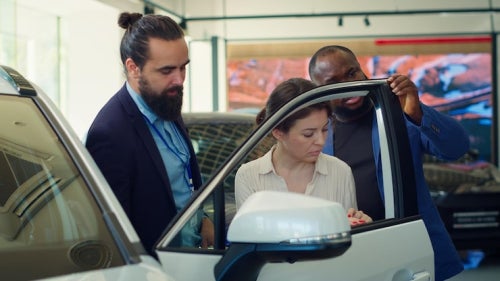
Why Car Buyers Research Online Before Dealer Visits

Why Buyers Are Spending More Time Researching Cars Before Visiting Dealers

Quick Listen: Podcast The car-buying process has transformed dramatically in recent years, with shoppers in the Dallas-Fort Worth area and across the country now arriving at dealerships armed with extensive knowledge gathered from screens rather than showroom floors. What once involved impulsive visits and on-the-spot decisions has evolved into a deliberate, research-heavy journey. Buyers pore over specifications, compare prices, read reviews, and scrutinize inventory long before scheduling a test drive. This shift isn't a passing fad; it's a fundamental change driven by accessible digital tools, persistent supply chain challenges, and a desire for transparency in an industry where major purchases demand confidence. Feeling stuck in the stressful car-buying process? At Jupiter Chevrolet in Garland, TX, we've reimagined how buying a car should feel. With transparent pricing, online deal-building tools, and the benefits of our Jupiter Advantage program, we ensure every step is straightforward and satisfying. Skip the hassle. From purchase, to certified service and parts, to collision repair and body shop. Our team puts your convenience, safety, and confidence first. Turn your dreams of finding your ideal Chevrolet into reality with us. Visit Jupiter Chevrolet today! Digital Research and Financing Are Transforming Metroplex Car Buying Habits In the sprawling metroplex of Garland, Dallas, Richardson, Plano, and Frisco, this trend feels particularly pronounced. Tech-savvy residents, many commuting through traffic-clogged highways or working remotely, turn to their phones and laptops as the first stop in car shopping. Recent industry data underscores how widespread this behavior has become. For instance, studies show that 95% of car buyers now research online, dedicating an average of around 14 hours to the process before committing to a purchase. Buyers arrive more informed, often having narrowed choices to a handful of models and even pre-checked pricing or trade-in values. This extended research phase ties directly to broader market dynamics. The lingering effects of semiconductor shortages and global supply disruptions have kept new vehicle inventories tight and prices elevated, pushing many toward the used market. According to industry analysis from IBISWorld, the used car dealers sector saw revenue grow at a CAGR of 2.9% over the past five years, reaching an estimated $147.4 billion in 2025. These shortages, worsened by factors like extreme weather, the neon supply crunch tied to geopolitical events, and competing demand from sectors such as cryptocurrency mining, created longer wait times for new cars and drove up per-unit revenue across both new and pre-owned segments. Meanwhile, financing has become more digitized, smoothing the path for research-oriented buyers. Auto financing companies increasingly rely on online platforms to streamline applications, approvals, and paperwork, cutting processing times and boosting convenience. IBISWorld reports that the auto leasing, loans, and sales financing industry grew at a CAGR of 3.1% over recent years, hitting around $180.7 billion in 2025, with digital tools playing a key role in handling higher volumes and meeting modern expectations. This ease of access encourages shoppers to explore loan options, lease terms, and total costs early, often before ever speaking to a dealer. How Digital Tools Are Shaping DFW Buyer's Car Shopping Experience The result? Shoppers in areas like Plano and Frisco frequently complete significant portions of their journey digitally. Third-party sites like Edmunds, Kelley Blue Book, and others dominate early research, with many also checking dealership websites for inventory and transparent pricing. In the DFW region, where younger buyers aged 25-35 form a growing segment of sales, this online groundwork allows them to bypass traditional haggling and focus on fit whether it's fuel efficiency, tech features, or alignment with sustainability goals, as interest in hybrids and EVs rises. Local dealerships have felt this shift acutely. At places like Jupiter Chevrolet in Garland, adaptation has meant rolling out virtual consultations, interactive online displays, and streamlined digital scheduling for test drives. These tools bridge the gap between extensive home research and the in-person experience buyers still crave for final validation touching the interior, hearing the engine, or confirming ride quality. Dealerships that embrace transparency, posting clear pricing, vehicle histories, and real-time availability, tend to attract these prepared buyers more effectively. In contrast, those lagging with outdated or clunky online systems risk frustration, as some reports indicate customer dissatisfaction when digital experiences fall short. Yet challenges persist amid the opportunities. Information overload can overwhelm shoppers, with conflicting reviews, varying valuations, and endless options creating decision paralysis. Many still harbor some distrust of purely online data, preferring the tactile reassurance of a physical visit for the biggest decisions. Even as digital adoption surges smartphone usage for car shopping jumped notably in recent years buyers often blend channels: starting online for research and migrating in-person for negotiation, test drives, and closing. Tech Drives Dealer Growth For dealerships, the research trend opens clear paths to growth. By enhancing engagement through online booking, detailed virtual tours, and personalized follow-ups, dealers can convert well-informed leads efficiently. In Frisco and McKinney, some have seen sales lifts by integrating platforms that let customers handle preliminary steps remotely, reducing friction and building trust. Focusing on eco-friendly options in online displays also resonates with Dallas-area consumers eyeing lower emissions and long-term savings. Looking ahead, the trajectory points to even greater integration of technology. As AI-powered tools refine recommendations and streamline comparisons, buyers in Garland, Plano, and beyond will expect increasingly tailored experiences. Dealerships that invest in seamless digital-to-physical transitions combining robust online resources with welcoming, efficient in-person service stand to thrive. The era of walking in cold is fading; today's car buying rewards preparation, transparency, and adaptability. Frequently Asked Questions How much time do car buyers typically spend researching online before visiting a dealership? Studies show that approximately 95% of car buyers now research online, dedicating an average of around 14 hours to the process before making a purchase decision. This research involves comparing specifications, reading reviews, checking inventory, and evaluating pricing and trade-in values. Buyers in tech-savvy areas like the Dallas-Fort Worth metroplex often arrive at dealerships having already narrowed their choices to a handful of models. What factors are driving the shift toward more online car research? Several key factors have contributed to this shift, including accessible digital tools that make comparison shopping easier, persistent supply chain challenges and semiconductor shortages that have kept inventories tight, and increased demand for transparency in major purchase decisions. Additionally, the growth of digital financing platforms has made it easier for buyers to explore loan options and lease terms early in the process, with the auto financing industry reaching approximately $180.7 billion in 2025. These factors have transformed car buying from an impulsive activity into a deliberate, research-heavy journey. How are dealerships in the Dallas-Fort Worth area adapting to more informed car buyers? Dealerships in cities like Garland, Plano, and Frisco are adapting by offering virtual consultations, interactive online displays, and streamlined digital scheduling for test drives. Successful dealers are embracing transparency by posting clear pricing, detailed vehicle histories, and real-time inventory availability on their websites. Those that invest in seamless digital-to-physical transitions combining robust online resources with efficient in-person service are seeing better conversion rates from well-informed leads who complete significant portions of their buying journey online before visiting the showroom. Disclaimer: The above helpful resources content contains personal opinions and experiences. The information provided is for general knowledge and does not constitute professional advice. You may also be interested in: Chevrolet Service Deals Attract Dallas Drivers to Garland Location Feeling stuck in the stressful car-buying process? At Jupiter Chevrolet in Garland, TX, we've reimagined how buying a car should feel. With transparent pricing, online deal-building tools, and the benefits of our Jupiter Advantage program, we ensure every step is straightforward and satisfying. Skip the hassle. From purchase, to certified service and parts, to collision repair and body shop. Our team puts your convenience, safety, and confidence first. Turn your dreams of finding your ideal Chevrolet into reality with us. Visit Jupiter Chevrolet today! Powered by flareAI.co

Car Financing Questions: What New Buyers Ask Most

What New Vehicle Shoppers Are Asking Most About Financing

Quick Listen: Podcast In the bustling Dallas-Fort Worth metroplex, highways link Garland to Frisco and Plano to McKinney in a constant flow of commuters and families. For many residents in these North Texas communities, purchasing a new vehicle remains a significant milestone. Yet in recent months, discussions inside showrooms across Garland, Dallas, Richardson, Plano, Rockwall-Heath, Forney, Mesquite, McKinney, Grapevine, and Frisco have shifted decisively. Shoppers spend less time debating engine specs or interior features and far more on financing details. Elevated vehicle prices combined with prevailing interest rates have turned monthly payments, loan durations, and promotional offers into the central concerns. Feeling stuck in the stressful car-buying process? At Jupiter Chevrolet in Garland, TX, we've reimagined how buying a car should feel. With transparent pricing, online deal-building tools, and the benefits of our Jupiter Advantage program, we ensure every step is straightforward and satisfying. Skip the hassle. From purchase, to certified service and parts, to collision repair and body shop. Our team puts your convenience, safety, and confidence first. Turn your dreams of finding your ideal Chevrolet into reality with us. Visit Jupiter Chevrolet today! Financing Takes Center Stage Amid Affordability Pressures Affordability constraints continue to shape decisions throughout the region. Nationally, new-vehicle sales face a projected slowdown, with forecasts estimating around 15.8 million units in 2026, marking a 2.4% drop from the prior year. Despite that broader dip, the Dallas-Fort Worth area maintains notable resilience, supported by consistent interest in electric models and adaptive buyer strategies. Shoppers scrutinize every element of potential loans down payments, interest accumulation, and overall ownership costs with heightened intensity. Interest rates remain pivotal. National averages for 60-month new-car loans hover near 7%, though excellent credit profiles (781+) secure figures as low as 4.88%. In Texas, competitive local offers from credit unions and banks frequently undercut those benchmarks, with qualified borrowers accessing rates starting in the mid-4% to low-5% range depending on term length. Higher-income suburbs like Plano and Frisco feel housing expenses keenly, so even small rate differences influence budgeting significantly. The global automotive retail landscape underscores these local realities. The sector demonstrates steady expansion, with projections indicating growth from USD 714.43 billion in 2025 onward at a compound annual growth rate reflecting ongoing technological integration and shifting consumer preferences toward electrified options. Most Common Questions and Their Practical Implications Buyers repeatedly ask about securing the lowest possible interest rate. Many arrive with pre-approvals from banks or credit unions, then compare against dealer promotions. Manufacturer incentives prove especially attractive, particularly 0% APR offers on select models that can eliminate thousands in interest. In February 2026, such zero-percent financing persists on various EVs and hybrids, often extending to 72 months and pairing with substantial rebates on qualifying electric vehicles. Loan term length prompts another frequent discussion: whether extending to 72 or 84 months makes sense to reduce monthly obligations. This approach gains traction in commute-heavy areas like Dallas and Mesquite, where stretching budgets feels necessary. Financial experts, however, highlight the downside increased total interest and heightened risk of negative equity should vehicle values decline or unexpected repairs arise. Electric vehicle financing draws intense curiosity in progressive suburbs such as Frisco and McKinney. Shoppers inquire about remaining incentives, low-rate EV-specific programs, and total cost-of-ownership advantages. Although major federal tax credits for new clean vehicles concluded in late 2025, off-lease EVs flood the market, and localized rebates plus competitive financing keep questions active at dealerships in Grapevine and Richardson. The rapid rise in EV adoption fuels demand for specialized knowledge among retail staff, with the global EV retail staff training market valued at $1.2 billion in 2024 projected to reach $4.8 billion by 2033 at a 16.7% CAGR, driven by the need for expertise in technologies, sales tactics, and customer reassurance. Leasing emerges as a strong alternative in conversations. In higher-earning communities like Rockwall-Heath and Plano, it attracts those seeking lower initial outlays and access to advanced features without extended debt. Dealerships counter elevated rates with adjustable mileage allowances and targeted incentives, preserving leasing as a practical choice. How North Texas Dealerships Adapt to Buyer Priorities Local dealerships respond swiftly to these trends. Plano outlets often customize packages for rate-sensitive younger buyers, incorporating digital calculators that display instant scenarios and streamline approvals. McKinney locations emphasize zero-percent promotions for strong-credit applicants, generating significant traffic. In Forney, where incomes trend above regional averages, purchasers frequently opt for shorter terms or substantial down payments to curb long-term expenses. Collaborations with regional lenders strengthen options. Dallas-Fort Worth credit unions regularly provide rates in the mid-4% range for prime credit, surpassing many national figures and serving as reliable starting points. Online financing platforms accelerate comparisons, allowing Garland and Mesquite shoppers to evaluate terms comfortably before visiting lots. Challenges linger in certain areas. Affordability hurdles prove steeper in pockets like Mesquite, where lender competition sometimes thins. Extended loan terms also spark concerns about prolonged debt in a market where living costs remain elevated. Strategic Advice for Buyers Navigating Today's Market Financing dynamics shift rapidly. Potential rate moderation, combined with sustained EV interest, could introduce fresh incentives and expanded programs. Buyers who secure pre-approvals, solicit competing quotes, and compute lifetime costs rather than focusing solely on monthly figures position themselves for optimal outcomes. Residents of Garland, Dallas, and neighboring cities benefit from thorough preparation: explore leasing versus purchasing, leverage local credit unions, and pursue manufacturer specials. The ideal arrangement exists for most budgets it requires posing precise questions and demanding transparent responses tailored to individual circumstances amid North Texas roadways. Interested in current possibilities? Contact a reputable dealership or financial provider in your community to review available terms and identify the solution best aligned with your driving needs. Frequently Asked Questions What interest rates can I expect on a new car loan in 2026? National averages for 60-month new-car loans currently hover near 7%, but rates vary significantly based on credit scores. Buyers with excellent credit (781+) can secure rates as low as 4.88%, while many Texas credit unions offer competitive rates in the mid-4% to low-5% range for qualified borrowers. Additionally, manufacturer incentives sometimes include 0% APR financing on select models, particularly EVs and hybrids, which can save thousands in interest over the loan term. Should I choose a 72-month or 84-month car loan to lower my monthly payments? While extending your loan term to 72 or 84 months reduces monthly payments, financial experts caution about significant downsides. Longer loan terms result in substantially more interest paid over the life of the loan and increase your risk of negative equity if vehicle values decline or unexpected repairs arise. For most buyers, shorter loan terms with larger down payments ultimately reduce long-term costs, though longer terms may be necessary in high-cost areas where budgets are stretched thin. Are there still financing incentives available for electric vehicles in 2026? Although major federal tax credits for new clean vehicles ended in late 2025, EV-specific financing incentives remain available. Many manufacturers continue offering 0% APR financing on electric vehicles for up to 72 months, often paired with substantial rebates. Additionally, localized rebates, competitive EV-specific loan programs from credit unions, and the influx of affordable off-lease EVs keep electric vehicle financing attractive for buyers in North Texas communities like Frisco, McKinney, and Richardson. Disclaimer: The above helpful resources content contains personal opinions and experiences. The information provided is for general knowledge and does not constitute professional advice. You may also be interested in: Tire Services at Jupiter Chevrolet Enhance Safety for Richardson Commuters Feeling stuck in the stressful car-buying process? At Jupiter Chevrolet in Garland, TX, we've reimagined how buying a car should feel. With transparent pricing, online deal-building tools, and the benefits of our Jupiter Advantage program, we ensure every step is straightforward and satisfying. Skip the hassle. From purchase, to certified service and parts, to collision repair and body shop. Our team puts your convenience, safety, and confidence first. Turn your dreams of finding your ideal Chevrolet into reality with us. Visit Jupiter Chevrolet today! Powered by flareAI.co

How Interest Rates Affect Car Affordability Today

How Interest Rates Influence Car Affordability for Households

Quick Listen: Podcast The engines still hum along North Central Expressway, a constant soundtrack for life in the Dallas-Fort Worth metroplex. Yet for countless households in Garland, Dallas, Plano, Frisco, McKinney, Richardson, Mesquite, Forney, Rockwall-Heath, and Grapevine, the prospect of driving off in a new or used vehicle has grown more complicated. Even with recent Federal Reserve adjustments, elevated interest rates continue to reshape affordability, transforming what used to be an exciting purchase into a detailed financial equation involving payments, terms, and total ownership costs. Feeling stuck in the stressful car-buying process? At Jupiter Chevrolet in Garland, TX, we've reimagined how buying a car should feel. With transparent pricing, online deal-building tools, and the benefits of our Jupiter Advantage program, we ensure every step is straightforward and satisfying. Skip the hassle. From purchase, to certified service and parts, to collision repair and body shop. Our team puts your convenience, safety, and confidence first. Turn your dreams of finding your ideal Chevrolet into reality with us. Visit Jupiter Chevrolet today! How Interest Rates Directly Affect Car Loan Costs Interest rates form the backbone of any auto financing arrangement. They dictate the premium paid on top of the vehicle's sticker price, directly inflating monthly obligations and often compelling buyers to stretch repayment periods to 72 or 84 months just to keep payments within reach. In the expansive DFW region where commutes routinely span from suburban McKinney to downtown Dallas or out to growing Frisco the cumulative effect of added interest becomes especially noticeable over time. Current conditions illustrate the point clearly. As of early 2026, the Federal Reserve maintains its target range at 3.5% to 3.75%, steady following cuts completed in late 2025. This benchmark influences consumer borrowing indirectly but persistently. National averages for a 60-month new-car loan sit at approximately 7.01%, according to recent lender surveys, while qualified borrowers at local institutions often secure better terms. In North Texas, credit unions and banks frequently provide competitive starting points. For example, Texans Credit Union lists new and used vehicle rates as low as 4.59% for shorter terms up to 36 months, climbing modestly to around 5.64%–5.74% for 60- to 72-month options as of February 2026. Bank of Texas offers similar structures, with new auto loans starting at 5.54% for 36 months and reaching 5.74% at 72 months. These figures stand below national benchmarks for strong-credit applicants but remain noticeably higher than the ultra-low environment of pre-2022. The practical impact hits hardest in the numbers. Consider a typical $48,000 vehicle a common price point for many popular trucks and SUVs in Texas. At 7.01% over 60 months, monthly payments approach $950, with total interest exceeding $9,000. Dropping to a local 5.5% rate trims that payment by roughly $80–$100 monthly and saves thousands in interest. For families in budget-conscious areas like Mesquite or Forney, where housing and daily expenses already strain resources, such differences often dictate whether a purchase proceeds or gets postponed. Diverging Paths: New Cars vs. Used Inventory in the DFW Market Persistent borrowing costs have steered many shoppers toward used vehicles, where lower upfront prices offer more flexibility despite occasionally higher rates tied to older model years. Dealerships across Frisco, Grapevine, and Plano note sustained interest in certified pre-owned selections, as buyers seek to sidestep the steepest financing burdens. New-car demand faces ongoing pressure. National forecasts anticipate U.S. light-vehicle sales around 15.8 million units in 2026, a roughly 2.4% dip from 2025 estimates, driven largely by affordability headwinds. Similar softness appears locally, though the DFW area's population growth and economic vitality provide some buffer. Higher-earning households in Richardson and Plano continue favoring fresh models particularly trucks, SUVs, and hybrids that align with regional driving needs while middle- and lower-income families in Garland or Mesquite gravitate toward used options to preserve budget space. Transaction prices underscore the challenge. Average new-vehicle prices hovered near $50,000–$50,326 in late 2025 data, with some reports citing records above that mark into early 2026. Monthly payments nationally average close to $767–$900 depending on terms and credit, yet Texas buyers often encounter higher figures when premium trims or larger vehicles dominate preferences. Dealerships respond with targeted incentives, deferred first payments, and streamlined digital financing platforms to ease entry. Broader market projections add context. The global automotive sector, encompassing passenger and commercial vehicles, reached approximately USD 2.75 trillion in 2025 and is expected to expand to USD 3.26 trillion by 2030 at a 3.46% CAGR, per industry analyses. Other estimates place the 2024 value around USD 2.2 trillion with slower growth trajectories through the early 2030s. These figures reflect steady underlying demand fueled by urbanization and mobility needs, even as regional affordability dynamics introduce variability. Real Pressures on Households and Practical Strategies The strain manifests concretely for DFW families. Extended loan terms reduce immediate monthly pressure but amplify lifetime interest and heighten risks of negative equity, particularly if market values soften. Advisors in the region frequently observe buyers pushing budgets to the edge, occasionally deferring routine maintenance or other priorities to accommodate vehicle payments. Opportunities persist amid the challenges. Local lenders consistently beat national averages, and promotional low-APR campaigns appear regularly on select models. Proactive steps make a difference: securing pre-approvals from multiple sources, improving credit profiles ahead of time, exploring trade-in value to shrink the financed amount, and comparing shorter versus longer terms to balance cash flow against total cost. Dealerships have evolved too, emphasizing transparent programs and online tools that simplify rate comparisons and incentive applications. For many, these adaptations turn potential obstacles into manageable decisions. Looking Ahead: Gradual Relief on the Horizon Projections suggest measured improvement. Analysts anticipate auto loan rates easing by roughly 0.3 to 0.35 percentage points across 2026 as prior Fed actions continue working through the system. While hurdles won't disappear quickly higher-income buyers may capture benefits sooner, while others maintain cautious approaches the direction favors gradual affordability gains. In Garland, Dallas, and surrounding communities, the core insight endures: interest rates are far from abstract. They determine timing, model choice, and financial breathing room for the next family vehicle. Shoppers who stay informed comparing local offers, calculating multiple scenarios, and balancing immediate needs against long-term costs position themselves best in a continually shifting landscape. With smart planning, the open road remains within reach for North Texas households. Frequently Asked Questions How do current interest rates affect car loan payments in the Dallas-Fort Worth area? As of early 2026, car loan interest rates in DFW typically range from 4.59% to 7.01% depending on the lender, loan term, and credit profile. For a $48,000 vehicle at 7.01% over 60 months, buyers can expect monthly payments around $950 with over $9,000 in total interest, while securing a local competitive rate of 5.5% can reduce payments by $80-$100 monthly and save thousands over the loan term. These elevated rates compared to pre-2022 levels have made vehicle affordability a significant challenge for families across Garland, Plano, Frisco, and surrounding communities. Should I buy a new or used car in the current high-interest rate environment? Used vehicles often provide better affordability in today's market, with lower purchase prices helping offset the impact of higher interest rates, though used car loans may carry slightly higher APRs than new vehicle financing. Average new vehicle prices hover near $50,000 with monthly payments ranging from $767-$900 nationally, pushing many DFW buyers toward certified pre-owned options to preserve budget flexibility. The decision ultimately depends on your credit profile, down payment capability, and whether you can secure competitive local rates credit unions like Texans Credit Union and Bank of Texas frequently offer rates below national averages for qualified borrowers. Are car loan interest rates expected to improve in 2026? Analysts project auto loan rates will gradually decrease by approximately 0.3 to 0.35 percentage points throughout 2026 as the Federal Reserve's previous rate cuts continue influencing the lending market. While the Fed maintains its target range at 3.5%-3.75% as of early 2026, this measured improvement means affordability gains will be gradual rather than immediate, with higher-income buyers likely benefiting first. Smart shoppers in North Texas can still find competitive rates by securing pre-approvals from multiple local lenders, improving credit scores, and comparing both shorter and longer loan terms to balance monthly payments against total interest costs. Disclaimer: The above helpful resources content contains personal opinions and experiences. The information provided is for general knowledge and does not constitute professional advice. You may also be interested in: Garland Service Center Expands Diagnostic Tools for Chevrolet EVs Feeling stuck in the stressful car-buying process? At Jupiter Chevrolet in Garland, TX, we've reimagined how buying a car should feel. With transparent pricing, online deal-building tools, and the benefits of our Jupiter Advantage program, we ensure every step is straightforward and satisfying. Skip the hassle. From purchase, to certified service and parts, to collision repair and body shop. Our team puts your convenience, safety, and confidence first. Turn your dreams of finding your ideal Chevrolet into reality with us. Visit Jupiter Chevrolet today! Powered by flareAI.co

Contact Us

Fill out this form below and we'll contact you shortly
*Required Fields