


Smart Service Tech: Revolutionizing Automotive Shops

Quick Listen:

Podcast

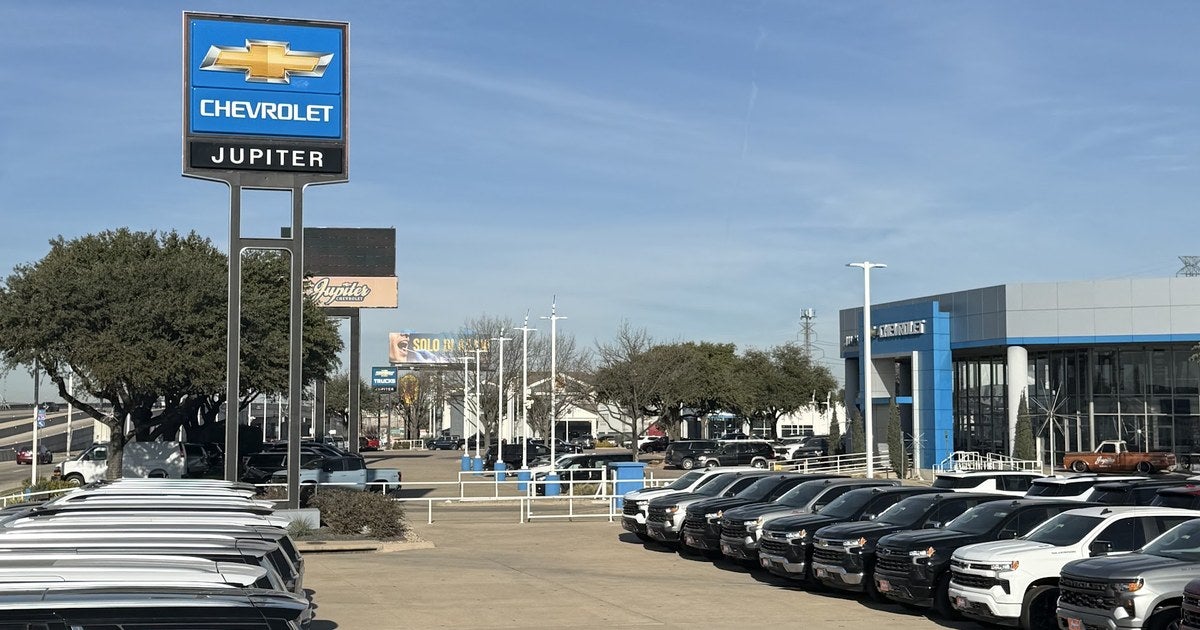
The hum of diagnostic scanners now rivals the sound of air tools in North Texas service bays. From Garland to Frisco, dealerships are shedding outdated methods for AI-driven diagnostics, connected telematics, and predictive analytics that catch failures before they happen. This transformation is not futuristic speculation it’s actively reshaping how local operations like those at Jupiter Chevrolet deliver faster, more reliable service to drivers navigating busy commutes along I-635 or daily routines in Plano and McKinney.

Feeling stuck in the stressful car-buying process? At Jupiter Chevrolet in Garland, TX, we’ve reimagined how buying a car should feel. With transparent pricing, online deal-building tools, and the benefits of our Jupiter Advantage program, we ensure every step is straightforward and satisfying. Skip the hassle. From purchase, to certified service and parts, to collision repair and body shop. Our team puts your convenience, safety, and confidence first. Turn your dreams of finding your ideal Chevrolet into reality with us. Visit Jupiter Chevrolet today!

Revolutionizing Auto Service: How New Tech is Making Service Departments Smarter in North Texas

In Dallas, Richardson, Mesquite, and surrounding communities, service departments face mounting pressure to handle increasingly complex vehicles while meeting customer expectations for speed and transparency. Modern tools address both. Digital platforms now allow seamless appointment booking, real-time progress updates via mobile apps, and even photo documentation of repairs. For a family in Forney relying on their SUV for weekend trips or a professional in Grapevine needing quick turnaround, these features eliminate guesswork and reduce downtime.

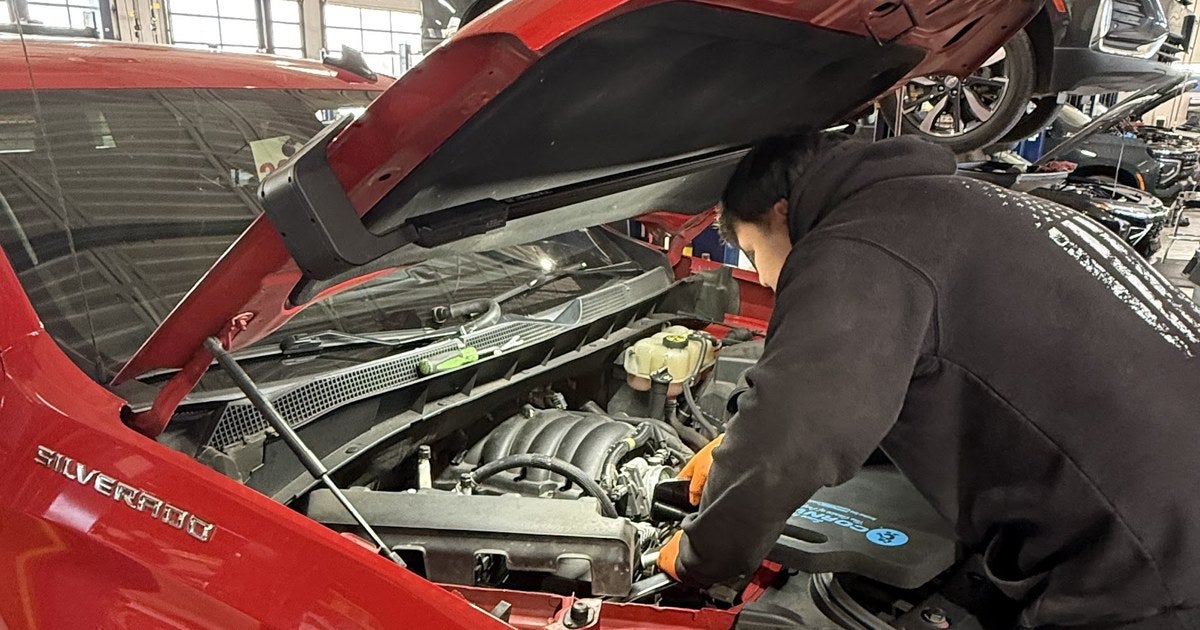
AI-powered diagnostics stand at the forefront. Technicians connect advanced scanners that apply machine learning to interpret data patterns well beyond traditional trouble codes. These systems identify emerging issues such as early wear in a Chevrolet Silverado’s suspension components long before symptoms appear. Industry reports indicate such tools can cut diagnostic times significantly, enabling quicker resolutions and fewer repeat visits. At dealerships serving Garland and Dallas drivers, this precision fosters greater confidence and repeat business.

The Rise of Predictive Analytics and Connected Systems

Predictive maintenance represents one of the most impactful shifts. By analyzing real-time data from vehicle sensors mileage, driving patterns, and component performance AI anticipates failures and prompts proactive service. The automotive predictive technology market, valued at USD 52.01 billion in 2025, is projected to reach USD 56.71 billion in 2026 and climb to USD 87.21 billion by 2031, expanding at a 9.04% CAGR from 2026 onward. North America holds the largest regional share, underscoring why dealerships here invest heavily in these capabilities.

In practice, this means a Frisco owner might receive a timely alert about impending brake service, allowing scheduling that fits their calendar and averting unexpected breakdowns. Dealerships leverage this intelligence for outreach, turning routine maintenance into preventive care that extends vehicle life and enhances safety on North Texas roads.

Connected vehicle services amplify these benefits. Telematics enable remote diagnostics, over-the-air updates, and usage-based insights. Broader industry growth in automotive services reflects similar momentum: the global market is forecast to expand by USD 457.3 billion between 2025 and 2029 at an 8.5% CAGR, driven by expanding vehicle populations, digitization, and electrification trends that demand specialized expertise.

Automation, Digital Tools, and Local Implementation

Automation streamlines operations without fully replacing skilled technicians. Automated inspection bays handle tire tread depth, alignment checks, and fluid levels with high accuracy, while cloud-based parts inventory systems accelerate ordering and reduce delays. Customers in Rockwall-Heath or Plano benefit from shorter wait times for common repairs, as technicians focus on intricate diagnostics and complex fixes.

Virtual advisors chatbots and digital interfaces manage initial inquiries, bookings, and follow-ups in areas like Grapevine. These systems preserve a personalized feel while optimizing staff resources amid persistent labor challenges. In competitive suburbs such as McKinney and Frisco, early adoption of these technologies distinguishes forward-thinking dealerships, attracting discerning customers who value efficiency.

Real-World Impact in North Texas Dealerships

Local examples illustrate the advantages. Dealerships in Dallas deploy AI diagnostics to accelerate troubleshooting and deliver clearer explanations to customers, strengthening trust. In Plano, cloud-integrated parts management has compressed turnaround times, converting extended waits into efficient same-day services for routine jobs.

These advancements align with larger aftermarket trends. The global automotive aftermarket, estimated at USD 489.45 billion in 2025, is expected to reach USD 643.78 billion by 2033 at a 3.4% CAGR, fueled by demand for performance enhancements, replacement parts like tires (holding 23.4% share in 2025), and retail distribution channels (54.2% share). North Texas providers tap into this by stocking quality components and offering tech-supported installations.

Challenges in Adoption and Mitigation Strategies

Implementation carries obstacles. Smaller facilities in Forney or Rockwall-Heath confront high initial costs for equipment, software, and technician training. Legacy systems in Richardson and Mesquite complicate integration, often requiring phased upgrades to avoid disruptions.

Data security remains critical as more personal and vehicle information flows digitally. Reputable platforms incorporate strong encryption, compliance standards, and secure protocols, mitigating breach risks and supporting confident adoption across the region.

Customer Benefits and Business Advantages

The rewards justify the effort. Transparent communication, reduced surprises, and faster service elevate satisfaction. A McKinney driver alerted to a predicted issue schedules conveniently, departs with peace of mind, and returns for future needs building lasting loyalty. Dealerships gain optimized labor allocation, streamlined processes, and improved profitability in service departments.

In tech-forward markets like Frisco and Plano, these capabilities create competitive separation. Customers increasingly choose providers offering modern conveniences, shifting volume toward those investing in connectivity and intelligence.

The Path Forward for North Texas Service Departments

The future points toward deeper integration. Predictive features will become commonplace, with AI suggesting eco-friendly repairs amid rising electrification. Connected tools will support sustainable practices, aligning with consumer preferences for efficient, responsible maintenance.

For communities across Garland, Dallas, and the broader metroplex, thoughtful adoption ensures service departments remain agile and customer-centric. The goal endures: deliver dependable, swift, and attentive care whether for an oil change, collision repair, or major component overhaul. In a fast-paced region where mobility underpins daily life, smarter technology keeps vehicles and people on the move with confidence.

Frequently Asked Questions

How is AI technology improving automotive service diagnostics?

AI-powered diagnostics use machine learning to analyze vehicle data patterns far beyond traditional trouble codes, identifying emerging issues before symptoms appear. These advanced scanners can detect problems like early suspension wear in vehicles, significantly reducing diagnostic times and preventing repeat visits. This predictive approach enables technicians to provide faster, more accurate repairs while catching potential failures before they leave drivers stranded.

What is predictive maintenance and how does it benefit car owners?

Predictive maintenance uses real-time data from vehicle sensors including mileage, driving patterns, and component performance to anticipate failures and recommend proactive service. This technology allows car owners to receive timely alerts about upcoming maintenance needs, such as brake service, enabling them to schedule appointments conveniently before breakdowns occur. By addressing issues early, predictive maintenance extends vehicle life, enhances safety, and prevents costly emergency repairs.

How are dealership service departments using automation to improve customer experience?

Modern service departments deploy automated inspection bays that handle tire tread depth, alignment checks, and fluid levels with high accuracy, while cloud-based parts inventory systems accelerate ordering and reduce wait times. Virtual advisors and chatbots manage appointment bookings and provide real-time progress updates via mobile apps, often including photo documentation of repairs. These digital tools eliminate guesswork, allow technicians to focus on complex diagnostics, and deliver faster turnarounds often converting multi-day repairs into same-day services for routine maintenance.

Disclaimer: The above helpful resources content contains personal opinions and experiences. The information provided is for general knowledge and does not constitute professional advice.

You may also be interested in: How to Maximize Your Trade-In Value at Jupiter Chevrolet

Feeling stuck in the stressful car-buying process? At Jupiter Chevrolet in Garland, TX, we’ve reimagined how buying a car should feel. With transparent pricing, online deal-building tools, and the benefits of our Jupiter Advantage program, we ensure every step is straightforward and satisfying. Skip the hassle. From purchase, to certified service and parts, to collision repair and body shop. Our team puts your convenience, safety, and confidence first. Turn your dreams of finding your ideal Chevrolet into reality with us. Visit Jupiter Chevrolet today!

Powered by flareAI.co

AI Diagnostics Transform Auto Repair & Car Maintenance

Quick Listen:

Podcast

The steady hum of engines along North Texas highways like I-35E often masks a quieter revolution unfolding in local garages and dealerships. Artificial intelligence now powers diagnostic systems that detect faults with remarkable speed and accuracy, transforming how mechanics in Garland, Dallas, and beyond approach everything from routine service to major collision repairs. What once required hours of manual probing now begins with a scan that reveals issues before symptoms fully appear, delivering faster turnaround times and greater confidence for vehicle owners across Plano, Frisco, and McKinney.

Feeling stuck in the stressful car-buying process? At Jupiter Chevrolet in Garland, TX, we’ve reimagined how buying a car should feel. With transparent pricing, online deal-building tools, and the benefits of our Jupiter Advantage program, we ensure every step is straightforward and satisfying. Skip the hassle. From purchase, to certified service and parts, to collision repair and body shop. Our team puts your convenience, safety, and confidence first. Turn your dreams of finding your ideal Chevrolet into reality with us. Visit Jupiter Chevrolet today!

How AI Diagnostics Are Revolutionizing Auto Repair in North Texas

Today’s automobiles function as sophisticated networks of sensors, electronic control units, and software, far removed from the mechanical simplicity of earlier decades. In the Dallas-Fort Worth area, where extreme summer heat accelerates wear on batteries, tires, and cooling systems, shops increasingly rely on AI to interpret sensor data streams instantly. This capability proves especially valuable for newer models featuring hybrids, electric powertrains, and advanced driver-assistance features that demand precise troubleshooting to maintain performance and safety.

Industry data underscores the momentum behind this transition. The global automotive diagnostic scan tools market stood at USD 39.3 billion in 2024 and is projected to reach USD 61.3 billion by 2033, expanding at a CAGR of 5.1% from 2025 to 2033. Asia Pacific holds the leading position with a 45.0% share in 2024, fueled by robust manufacturing and aftermarket growth, yet North American shops benefit from similar technological advancements tailored to local driving conditions. Another analysis places the automotive diagnostics market at USD 40.01 billion in 2023, forecasting growth to USD 61.73 billion by 2031 at a CAGR of 5.57%, driven by mandatory on-board diagnostics regulations and the rise of connected vehicles.

AI elevates diagnostics from reactive to predictive. Systems examine historical patterns across vast fleets, identifying subtle anomalies that human eyes might miss. In service departments handling service and parts sales, this precision minimizes unnecessary part replacements and shortens diagnostic phases, allowing more vehicles through bays each day. For collision repair and body shops in Mesquite or Richardson, AI-powered imaging captures damage in detail, creates accurate 3D assessments, and recommends repair sequences that align with manufacturer specifications, reducing estimate times and improving insurance claim processing.

Tangible Benefits for Shops and Customers in the DFW Area

In high-traffic corridors around Grapevine and Forney, dealerships and independent facilities integrate AI scan tools to streamline workflows. Technicians receive prioritized fault codes with suggested fixes backed by real-world data, shifting focus from trial-and-error to efficient resolution. Owners receive transparent reports in straightforward terms, explaining why a brake caliper needs attention or how a software update addresses an intermittent issue. This clarity fosters repeat business for oil changes, tire services, and scheduled maintenance core elements of service and parts sales.

Collision centers gain equally from the technology. After incidents on congested routes such as the Dallas North Tollway, AI tools produce detailed visual documentation of structural damage, ensuring repairs restore safety features like airbags and ADAS calibration without excess labor or materials. Shops note improved customer satisfaction as clients see exactly what requires fixing, building trust essential in a market that balances new car sales, used car sales, and post-accident work.

Challenges remain, particularly for smaller operations in Rockwall-Heath or smaller outlying communities. Initial investments in hardware, subscriptions, and updated equipment strain budgets, while technicians in Garland and Plano often pursue additional training to master AI interfaces and validate outputs. Data privacy stands out as a concern; vehicles transmit usage patterns and location details, requiring robust cybersecurity to safeguard owner information.

Overcoming Obstacles While Capturing Advantages

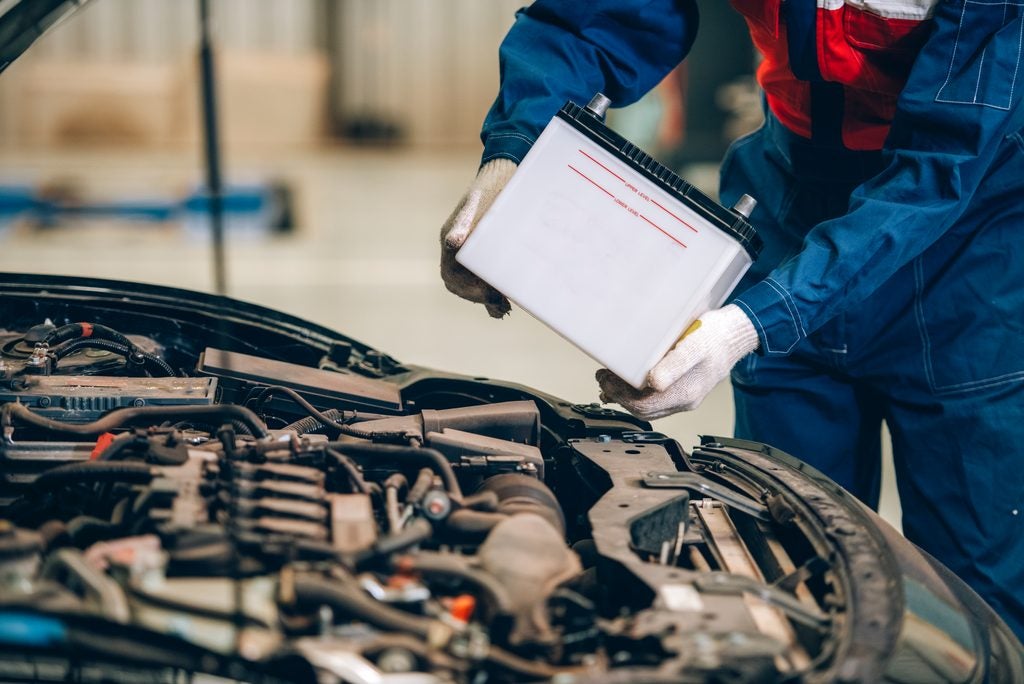
The advantages frequently outweigh the drawbacks for forward-thinking facilities. Reduced diagnostic durations free capacity for additional jobs, directly boosting revenue in competitive North Texas markets. Predictive alerts notify drivers of emerging problems such as degrading suspension components or battery cell inconsistencies before failures strand them on remote stretches near McKinney. New vehicle owners maintain warranty compliance through documented, accurate repairs; pre-owned buyers avoid costly surprises, supporting confidence in used car sales.

In body shops managing major accident repairs, AI optimizes inventory orders and labor allocation, cutting waste and minimizing rework. This efficiency resonates across segments: quicker collision fixes keep insurance costs in check, while streamlined service bays handle more routine work, from brake jobs to transmission diagnostics. As electric and hybrid models proliferate in Frisco and surrounding suburbs, AI adapts to unique battery and motor diagnostics, ensuring these advanced vehicles receive appropriate care without specialized guesswork.

Industry projections point to continued expansion. The automotive diagnostic scan tool sector is expected to climb from USD 44.29 billion in 2025 to USD 84.02 billion by 2034, advancing at a CAGR of 7.4%, propelled by EV adoption, autonomous tech, and connected features. Meanwhile, the automotive diagnostic tools market anticipates reaching USD 49.24 billion by 2031 from USD 40.06 billion in 2026, at a CAGR of 4.19%, with Asia-Pacific showing the fastest regional pace. These figures highlight a sector where AI integration becomes standard rather than optional.

Looking Forward in North Texas Auto Care

Skilled technicians remain indispensable aligning frames after wrecks, performing delicate electrical work, or reassuring customers during stressful moments requires human judgment no algorithm replicates. Yet AI augments that expertise, delivering quicker, more reliable outcomes across North Texas. From dealerships emphasizing new car sales and post-purchase service to independent shops specializing in collision repair and everyday maintenance, facilities that adopt these tools gain an edge in efficiency, accuracy, and customer loyalty.

As vehicles continue incorporating smarter systems, the garages that invest thoughtfully in AI diagnostics will define the standard for auto repair in the region. Faster resolutions, fewer unexpected breakdowns, and transparent communication keep drivers on the road longer and shops thriving demonstrating that in the evolving landscape of automotive care, intelligence under the hood already drives meaningful change.

Frequently Asked Questions

How is AI improving auto repair diagnostics in North Texas?

AI-powered diagnostic systems analyze vehicle sensor data instantly, detecting faults with remarkable speed and accuracy before symptoms fully appear. This technology transforms routine service and collision repairs by shifting the approach from trial-and-error to efficient, data-backed solutions. Shops in Dallas, Garland, Plano, and surrounding areas now deliver faster turnaround times while minimizing unnecessary part replacements, benefiting both technicians and vehicle owners.

What are the cost benefits of AI diagnostics for auto repair shops?

AI diagnostics reduce labor time by streamlining troubleshooting processes, allowing shops to handle more vehicles per day and directly boosting revenue. The technology minimizes rework and optimizes parts inventory orders, cutting waste in both routine maintenance and collision repair. While initial investments in hardware and training exist, the efficiency gains including predictive maintenance alerts that prevent costly breakdowns typically outweigh these upfront costs for forward-thinking facilities.

Can AI diagnostics handle electric and hybrid vehicles?

Yes, AI diagnostic systems are specifically designed to adapt to the unique requirements of electric and hybrid vehicles, including specialized battery and motor diagnostics. As these advanced vehicles proliferate across North Texas communities like Frisco and McKinney, AI tools ensure they receive appropriate care without requiring specialized guesswork from technicians. This capability is particularly valuable given the projected growth of the automotive diagnostic market, driven largely by EV adoption and connected vehicle technology.

Disclaimer: The above helpful resources content contains personal opinions and experiences. The information provided is for general knowledge and does not constitute professional advice.

You may also be interested in: The Ultimate Guide to Financing Your Next Chevrolet at Jupiter Chevrolet

Feeling stuck in the stressful car-buying process? At Jupiter Chevrolet in Garland, TX, we’ve reimagined how buying a car should feel. With transparent pricing, online deal-building tools, and the benefits of our Jupiter Advantage program, we ensure every step is straightforward and satisfying. Skip the hassle. From purchase, to certified service and parts, to collision repair and body shop. Our team puts your convenience, safety, and confidence first. Turn your dreams of finding your ideal Chevrolet into reality with us. Visit Jupiter Chevrolet today!

Powered by flareAI.co

Online Vehicle Deal Building: The Digital Shift Guide

Quick Listen:

Podcast

The engines still rumble along LBJ Freeway in Garland, yet an increasing share of vehicle transactions now concludes miles away from any showroom floor. In North Texas from the urban core of Dallas to the expanding suburbs of Plano, Frisco, and McKinney buyers routinely research models, compare prices, negotiate terms, secure financing, and sometimes arrange delivery entirely online. The familiar scene of in-person haggling beneath bright lights has steadily yielded to a process that prioritizes speed, clarity, and convenience.

This transformation is no longer emerging; it is firmly underway across the Greater Dallas region. Dealerships have deployed sophisticated digital platforms enabling customers to build custom configurations, view transparent pricing, apply for loans, and complete paperwork from smartphones or desktops. The change echoes the broader evolution of retail, yet in automotive sales it dismantles an industry historically anchored in physical presence and personal interaction.

Feeling stuck in the stressful car-buying process? At Jupiter Chevrolet in Garland, TX, we’ve reimagined how buying a car should feel. With transparent pricing, online deal-building tools, and the benefits of our Jupiter Advantage program, we ensure every step is straightforward and satisfying. Skip the hassle. From purchase, to certified service and parts, to collision repair and body shop. Our team puts your convenience, safety, and confidence first. Turn your dreams of finding your ideal Chevrolet into reality with us. Visit Jupiter Chevrolet today!

Surging Growth in Digital Vehicle Purchases

The global online car buying market has expanded rapidly, reaching USD 390.4 billion in 2025 and projected to climb to USD 836.4 billion by 2034, reflecting a compound annual growth rate (CAGR) of 8.80% during 2026-2034, according to IMARC Group. North America commands the largest share, propelled by tech-savvy consumers who prize convenience, price transparency, and advanced tools such as AI-driven chatbots, augmented reality previews, and virtual showrooms.

In the United States, similar momentum appears in industry analyses. For instance, the U.S. online car dealers sector reached an estimated $67.2 billion in 2025, having grown at a CAGR of 4.5% over the prior five years, with continued expansion expected through enhanced digital lead generation and e-commerce capabilities, as reported by IBISWorld. North Texas dealerships actively participate in this trend, as buyers in Richardson, Grapevine, Forney, Mesquite, and Rockwall-Heath increasingly initiate purchases online reviewing inventories, evaluating incentives, and submitting applications remotely.

Hybrid approaches have gained strong traction locally. Many shoppers browse extensively digitally before scheduling a test drive, while others complete the entire transaction without visiting the lot. This flexibility particularly suits time-pressed professionals in Frisco and families in McKinney who prioritize efficiency over traditional routines.

Local Dealerships Leading the Charge

Jupiter Chevrolet in Garland exemplifies successful adaptation. The dealership offers robust online tools that permit customers to configure vehicles, examine clear pricing structures, incorporate trade-in values, and explore financing options with minimal friction. Side-by-side comparisons and streamlined processes reduce negotiation tension and accelerate decisions.

Comparable efforts unfold throughout the metroplex. In Plano and Frisco, virtual lot tours and real-time video consultations enable buyers to inspect vehicles remotely and discuss details live. Grapevine locations frequently highlight digital financing and home delivery, shortening the path from initial interest to possession. Shoppers in these communities frequently emphasize one key advantage: eliminating time constraints imposed by showroom hours or protracted paperwork.

Persistent Barriers to Full Adoption

The shift carries obstacles. Smaller operations in areas like Rockwall-Heath and Mesquite often confront substantial costs for advanced platforms, creating competitive gaps relative to larger entities. Technological implementation demands resources, and some buyers remain reluctant to forgo hands-on evaluation inspecting paint quality, testing ride comfort, or assessing interior feel in person.

Confidence issues linger as well. Concerns over undisclosed defects persist in the Dallas area, where no digital interface fully replicates a professional inspection or extended test drive. Texas regulations further complicate matters, imposing strict rules on title transfers, disclosures, and transaction validity that require careful adherence in online contexts.

Advantages Driving Continued Momentum

The benefits, however, prove compelling. Digital channels dramatically broaden market reach; a Garland prospect might finalize a purchase on inventory listed in McKinney, expanding opportunities for sellers and choices for buyers. Processes accelerate, overhead declines through reduced physical handling, and inventory cycles improve.

Customers gain empowerment through visible pricing that minimizes surprises, instant comparisons across models, and customized configurators that tailor suggestions to preferences. In a metro area defined by long commutes and dispersed suburbs, these efficiencies deliver tangible value.

Looking Ahead in North Texas

Projections indicate sustained acceleration for digital retailing across the region over the coming decade. As digitally native generations mature into primary buyers and platforms grow more sophisticated, distinctions between online and in-person experiences will continue to fade. Dealerships investing in intuitive interfaces, responsive support, and balanced hybrid models position themselves for long-term success.

In Garland, Dallas, Plano, Frisco, and surrounding communities, the automotive retail environment has irreversibly changed. Buyers seeking seamless convenience and dealerships pursuing competitiveness must engage this evolution. The road ahead favors those who adapt making the journey not only faster but far more straightforward.

Frequently Asked Questions

How big is the online car buying market in 2025?

The global online car buying market reached USD 390.4 billion in 2025 and is projected to grow to USD 836.4 billion by 2034, with a compound annual growth rate of 8.80%. In the United States specifically, the online car dealers sector is estimated at $67.2 billion in 2025, with North America commanding the largest market share driven by tech-savvy consumers seeking convenience and price transparency.

What are the main advantages of buying a car online in North Texas?

Online car buying in the Dallas-Fort Worth area offers several key benefits including dramatically broader inventory access across cities like Garland, Plano, and McKinney, transparent pricing that minimizes negotiation stress, and the ability to complete most of the purchase process from home. Digital platforms enable side-by-side comparisons, instant financing applications, and customized vehicle configurations while eliminating time constraints of traditional showroom hours.

What challenges still exist with online vehicle purchases?

Despite growing adoption, online car buying faces several obstacles including the inability to physically inspect paint quality, test ride comfort, or assess interior feel before purchase. Smaller dealerships in areas like Rockwall-Heath and Mesquite often struggle with the substantial costs of implementing advanced digital platforms. Additionally, concerns about undisclosed defects persist, and Texas regulations impose strict requirements on title transfers and transaction disclosures that must be carefully managed in online contexts.

Disclaimer: The above helpful resources content contains personal opinions and experiences. The information provided is for general knowledge and does not constitute professional advice.

You may also be interested in: Available Plans/Help Protect Your Investment

Feeling stuck in the stressful car-buying process? At Jupiter Chevrolet in Garland, TX, we’ve reimagined how buying a car should feel. With transparent pricing, online deal-building tools, and the benefits of our Jupiter Advantage program, we ensure every step is straightforward and satisfying. Skip the hassle. From purchase, to certified service and parts, to collision repair and body shop. Our team puts your convenience, safety, and confidence first. Turn your dreams of finding your ideal Chevrolet into reality with us. Visit Jupiter Chevrolet today!

Powered by flareAI.co

EV Demand Rises: What Car Shoppers Need to Know Now

Quick Listen:

Podcast

Imagine cruising down I-635 in Garland or heading out to Frisco on a quiet morning, your car humming along with zero exhaust and lower fuel costs. For many in North Texas, that vision is no longer a distant future it’s happening now. Electric vehicle (EV) registrations in the region have skyrocketed, with North Texas boasting more than 145,000 EVs on the road as of August 2025, marking a 34% jump from the previous year. This boom reflects a broader shift: buyers are drawn to environmental benefits, advancing technology, and the promise of savings on gas and maintenance.

Feeling stuck in the stressful car-buying process? At Jupiter Chevrolet in Garland, TX, we’ve reimagined how buying a car should feel. With transparent pricing, online deal-building tools, and the benefits of our Jupiter Advantage program, we ensure every step is straightforward and satisfying. Skip the hassle. From purchase, to certified service and parts, to collision repair and body shop. Our team puts your convenience, safety, and confidence first. Turn your dreams of finding your ideal Chevrolet into reality with us. Visit Jupiter Chevrolet today!

Why EV Demand Is Surging in North Texas

North Texas has become a hotspot for EV adoption. Affluent suburbs like Plano, McKinney, and Frisco lead the way, where residents embrace the efficiency and tech-forward appeal of electric models. Statewide, EVs made up just under 7% of new light-duty vehicle sales in early 2025, up from prior quarters. In the Dallas-Fort Worth area, this growth ties into expanding infrastructure thousands of public charging stations now dot the metroplex, from downtown Dallas to highway corridors.

Dealerships are responding quickly. Local options, including Jupiter Chevrolet EV models, feature popular all-electric choices like the Equinox EV and Blazer EV, offering practical SUVs suited for Texas roads and family needs.

Real Stories from Local Buyers

North Texas drivers who’ve made the switch often highlight the seamless experience. Many appreciate the instant torque and quiet ride, especially on long commutes between Dallas and surrounding cities. Incentives have helped too federal tax credits (up to $7,500 for qualifying new EVs) and local utility discounts have made the upfront cost more manageable. For those in Rockwall-Heath or Mesquite, these perks lower the barrier to entry.

Dealerships play a key role here. Jupiter Chevrolet in Garland stands out by stocking a range of new and pre-owned EVs, providing test drives and expert advice to ease the transition.

The Challenges Holding Some Back

Not everything is smooth sailing. Range anxiety lingers, particularly in sprawling suburbs where fast-charging stations can feel sparse on certain routes. Higher upfront prices for new EVs compared to gas-powered cars remain a hurdle, though prices are dropping with more models available.

The used EV market offers relief affordable options like certified pre-owned models are increasingly common in Dallas showrooms, allowing budget-conscious shoppers in Richardson or Forney to enter without the full new-car cost. Still, evaluating battery health and warranty coverage requires careful consideration.

Opportunities for Shoppers and Dealerships

For buyers, the surge means more choices and better deals. Dealerships like Jupiter Chevrolet are investing in EV inventory and customer education, helping tech-savvy folks in Grapevine or Plano integrate EVs with smart home systems.

This shift creates opportunities for local businesses to differentiate offering both new and used options makes the jump easier for everyone.

Looking Ahead: What the Future Holds

Experts see continued growth in North Texas, with battery tech improving range and charging networks expanding. Autonomous features and longer-lasting batteries could reshape the market in the coming years.

For now, assess your driving habits daily commutes, weekend trips and explore options. The EV landscape is evolving fast, and informed shoppers stand to benefit most.

In the Dallas-Fort Worth area, staying ahead means visiting a trusted dealership like Jupiter Chevrolet. Test drive the latest models, learn about incentives, and find the EV that fits your life. The road ahead is electric make your move today.

Frequently Asked Questions

How many electric vehicles are currently on the road in North Texas?

As of August 2025, North Texas has more than 145,000 EVs registered, representing a 34% increase from the previous year. The Dallas-Fort Worth area has become a major hotspot for EV adoption, particularly in affluent suburbs like Plano, McKinney, and Frisco, where charging infrastructure continues to expand rapidly.

What federal tax credits are available for buying an electric vehicle in 2025?

Qualifying new electric vehicles are eligible for federal tax credits of up to $7,500, which can significantly offset the upfront cost. Many North Texas buyers also benefit from local utility discounts, making EVs more affordable. It’s important to verify that your chosen EV model qualifies for these incentives before purchase.

What are the main challenges of owning an EV in the Dallas-Fort Worth area?

The primary challenges include range anxiety in sprawling suburban areas where fast-charging stations may be less accessible on certain routes, and higher upfront prices compared to traditional gas-powered vehicles. However, the growing availability of certified pre-owned EVs and expanding charging infrastructure are helping to address these concerns for budget-conscious shoppers.

Disclaimer: The above helpful resources content contains personal opinions and experiences. The information provided is for general knowledge and does not constitute professional advice.

You may also be interested in: CHEVY SPECIAL OFFERS | Jupiter Chevrolet in Garland TX

Feeling stuck in the stressful car-buying process? At Jupiter Chevrolet in Garland, TX, we’ve reimagined how buying a car should feel. With transparent pricing, online deal-building tools, and the benefits of our Jupiter Advantage program, we ensure every step is straightforward and satisfying. Skip the hassle. From purchase, to certified service and parts, to collision repair and body shop. Our team puts your convenience, safety, and confidence first. Turn your dreams of finding your ideal Chevrolet into reality with us. Visit Jupiter Chevrolet today!

Powered by flareAI.co

2026 Auto Sales Forecast: Key Industry Trends & Insights

Quick Listen:

Podcast

The Dallas-Fort Worth metroplex has always pulsed with the energy of the open road, its highways linking vibrant communities from Garland to Frisco and beyond. As 2026 unfolds, that familiar rhythm carries a new cadence. Affordability concerns persist, full electric vehicles face practical hurdles, and many drivers hold onto their cars far longer than in years past. Local dealerships and service centers across Garland, Richardson, McKinney, Rockwall-Heath, Forney, Mesquite, Grapevine, Plano, and Dallas must navigate these shifts carefully. While national projections indicate a modest slowdown in new-vehicle sales, robust potential exists in used inventory, increasingly sophisticated collision repairs, and reliable service operations.

Feeling stuck in the stressful car-buying process? At Jupiter Chevrolet in Garland, TX, we’ve reimagined how buying a car should feel. With transparent pricing, online deal-building tools, and the benefits of our Jupiter Advantage program, we ensure every step is straightforward and satisfying. Skip the hassle. From purchase, to certified service and parts, to collision repair and body shop. Our team puts your convenience, safety, and confidence first. Turn your dreams of finding your ideal Chevrolet into reality with us. Visit Jupiter Chevrolet today!

Emerging Trends in New Car Sales: Hybrids Lead Amid Measured Demand

New-vehicle sales across the United States are expected to reach approximately 15.8 million units in 2026, reflecting a 2.4% decline from 2025 levels, according to Cox Automotive’s 2026 outlook. This moderation stems from ongoing affordability challenges, the phasing out of select EV incentives, and broader economic caution after a stronger-than-anticipated 2025. In the DFW region, where daily commutes often stretch long distances amid persistent traffic, buyers lean toward hybrids that deliver strong fuel economy without the full commitment to battery-only power.

Traditional hybrids continue gaining traction, offering a practical balance of efficiency and familiarity. Tech-oriented neighborhoods in Plano and Frisco particularly embrace these vehicles, appreciating their blend of performance and reduced fuel costs. In Garland and central Dallas, interest in full EVs remains steady but cautious. North Texas has seen impressive momentum, with more than 145,000 electric vehicles registered as of late 2025 a figure that underscores growing acceptance, especially for family-friendly options like the Chevrolet Equinox EV and Silverado EV, which suit towing needs and daily errands alike. Dealerships respond by expanding hybrid stock, launching focused promotions, and providing clear information on ownership benefits to meet evolving preferences.

Used Car Sales: Affordability Fuels Resilient Interest

High new-car prices push many buyers toward the used market, where value and accessibility remain strong draws in Mesquite, McKinney, and nearby areas. Cox Automotive forecasts total used-vehicle sales dipping modestly to about 38.3 million units in 2026, a 0.9% decrease year-over-year, with retail used sales easing 0.7% to roughly 20.3 million. Despite the slight pullback, demand endures due to the clear cost advantages, bolstered by an influx of off-lease vehicles including more EVs entering circulation.

In the Dallas-Fort Worth area, certified pre-owned programs demonstrate particular strength, maintaining momentum even as broader national trends soften. Shoppers in Forney and Rockwall-Heath frequently seek dependable, lower-mileage models that align with household budgets. Successful dealerships emphasize comprehensive inspections, extended warranties, and attractive financing terms, transforming affordability constraints into consistent showroom traffic and repeat business.

Collision Repair and Body Shop Services: Complexity Creates Specialized Growth

Road incidents show no signs of disappearing, and the collision repair sector anticipates sustained expansion. Industry analyses project the global automotive collision repair market to grow steadily, with estimates pointing toward USD 227-285 billion by the end of the decade, supported by compound annual growth rates in the 1.9% to 5% range depending on specific forecasts. Dense traffic in Dallas and Richardson contributes to higher accident frequency, while modern vehicles introduce greater repair intricacies.

Advanced driver-assistance systems now feature in a substantial portion of repair estimates, demanding precise calibrations after even minor impacts. Lightweight construction materials and electric-vehicle components require specialized knowledge and equipment. Body shops in Grapevine and Frisco invest in AI-driven diagnostics and high-precision tools to address these challenges effectively. Although minor claims trend downward, repair severity and therefore average costs climbs, opening doors for shops equipped to handle advanced, high-value work with efficiency and accuracy.

Service and Parts Sales: Sustained Ownership Powers Aftermarket Strength

Extended vehicle lifespans frequently exceeding a decade in DFW suburbs underpin vigorous activity in maintenance and parts. The global automotive aftermarket stands poised for continued expansion, with projections indicating values approaching or surpassing USD 500-600 billion in the coming years, driven by CAGRs of 3-7% across various reports. In Garland and Frisco, demand surges for routine services on aging fleets, encompassing everything from fluid changes to suspension and brake maintenance.

Reliable service departments become critical in Plano and McKinney, where owners prioritize dependability over rapid turnover. Parts demand remains firm for essentials like tires, batteries, and filters. Dealerships that offer bundled maintenance packages, clear pricing, and proactive scheduling cultivate lasting customer relationships, converting standard visits into dependable revenue streams.

Navigating Challenges and Seizing Opportunities in North Texas

Lingering supply-chain effects, technician shortages in repair facilities, and uneven EV enthusiasm in certain communities present ongoing obstacles. Heightened competition in the used segment calls for disciplined inventory control. Yet adaptation unlocks clear advantages: prioritizing hybrid offerings, upgrading collision facilities with cutting-edge technology, and reinforcing service operations.

North Texas dealerships that moved swiftly to highlight hybrids and provide thorough EV guidance have already captured broad interest across buyer demographics. In Frisco, where discerning customers pursue premium experiences, facilities that integrate advanced diagnostic systems deliver quicker, more precise results gaining a competitive edge.

The auto landscape in Dallas-Fort Worth through 2026 and into the following years will reward foresight and flexibility. More deliberate purchasing patterns, stronger emphasis on hybrids, and heightened reliance on maintenance define the era. Dealerships and repair centers attuned to local needs, equipped with modern capabilities, and committed to building confidence stand ready not merely to endure but to shape the market’s direction. The path forward includes twists, yet preparedness ensures steady progress and lasting success.

Frequently Asked Questions

What are the projected new car sales for 2026?

New-vehicle sales in the United States are expected to reach approximately 15.8 million units in 2026, representing a 2.4% decline from 2025 levels. This moderation is driven by ongoing affordability challenges, the phasing out of select EV incentives, and broader economic caution. However, hybrid vehicles are leading demand as buyers seek fuel efficiency without committing to full battery-electric power.

Why is the used car market staying strong despite declining new car sales?

High new-car prices continue to push buyers toward the used vehicle market, where affordability and accessibility remain attractive in the Dallas-Fort Worth area. Cox Automotive forecasts used-vehicle sales at about 38.3 million units in 2026, with certified pre-owned programs demonstrating particular strength. An influx of off-lease vehicles, including more EVs, entering circulation further supports sustained demand in the used market.

How is vehicle complexity affecting collision repair costs in 2026?

Modern vehicles equipped with advanced driver-assistance systems (ADAS), lightweight materials, and electric components require specialized repair expertise and equipment. While minor collision claims are trending downward, repair severity and average costs are climbing significantly. Body shops now need AI-driven diagnostics and high-precision calibration tools to handle these advanced repairs, creating opportunities for facilities that invest in specialized capabilities.

Disclaimer: The above helpful resources content contains personal opinions and experiences. The information provided is for general knowledge and does not constitute professional advice.

You may also be interested in: The Jupiter Advantage

Feeling stuck in the stressful car-buying process? At Jupiter Chevrolet in Garland, TX, we’ve reimagined how buying a car should feel. With transparent pricing, online deal-building tools, and the benefits of our Jupiter Advantage program, we ensure every step is straightforward and satisfying. Skip the hassle. From purchase, to certified service and parts, to collision repair and body shop. Our team puts your convenience, safety, and confidence first. Turn your dreams of finding your ideal Chevrolet into reality with us. Visit Jupiter Chevrolet today!

Powered by flareAI.co

Online Car Shopping Trends: Why Buyers Go Digital Now

Quick Listen:

Podcast

The sun is barely up over the sprawling highways of the Dallas-Fort Worth metroplex, yet drivers in Garland are already scrolling through vehicle inventories on their phones while sipping coffee in Richardson or waiting at a light in Frisco. What once required a full Saturday of dealership hopping now begins and often advances significantly from the driver’s seat. This isn’t a fleeting pandemic habit; it’s a fundamental shift in how North Texans buy cars. As detailed in The Rise of Online Car Shopping in the Dallas-Fort Worth Area: What’s Driving the Trend?, convenience, technology, and changing expectations are propelling digital car buying forward, with local dealerships adapting quickly to meet demand.

Feeling stuck in the stressful car-buying process? At Jupiter Chevrolet in Garland, TX, we’ve reimagined how buying a car should feel. With transparent pricing, online deal-building tools, and the benefits of our Jupiter Advantage program, we ensure every step is straightforward and satisfying. Skip the hassle. From purchase, to certified service and parts, to collision repair and body shop. Our team puts your convenience, safety, and confidence first. Turn your dreams of finding your ideal Chevrolet into reality with us. Visit Jupiter Chevrolet today!

The Digital Shift Takes Hold in North Texas

In the Dallas-Fort Worth area, the numbers tell a compelling story. Industry surveys reveal that more than 80 percent of consumers now start their vehicle search online, turning to websites and apps before ever setting foot on a lot. Projections indicate that North Texas could account for nearly 40 percent of North America’s online car-buying volume in 2025, fueled by widespread high-speed internet and efficient logistics that make home delivery realistic. Globally, the online car buying market reached significant scale valued at around USD 390.4 billion in 2025 and continues to expand at a robust pace, with estimates pointing to USD 836.4 billion by 2034 at a compound annual growth rate of 8.80 percent.

This growth stems from practical advantages. Shoppers compare prices transparently, explore features in detail, and even secure financing without leaving home. High-speed internet access, widespread use of smartphones and tablets, and targeted online advertising have drawn more buyers into digital channels. Over 60 percent of consumers now favor starting their search online rather than visiting showrooms first, reflecting a broader preference for personalized, low-pressure experiences.

In suburbs like Plano, McKinney, and Grapevine, tech-savvy professionals and families lead the charge. They appreciate tools that mirror the seamless shopping found on other platforms quick searches, customized recommendations, and no aggressive sales pressure. Meanwhile, in areas such as Mesquite, Forney, and Rockwall-Heath, affordability and trust in certified pre-owned options drive interest.

Hybrid Buying: The Dominant Model

Few buyers complete the entire process online. Nationally, only about 5 percent of purchases happen fully digitally, while the vast majority still finalize in person. North Texas follows a similar hybrid pattern: extensive online research, digital financing, and virtual inventory browsing, followed by an in-store test drive or pickup. This approach balances convenience with the tactile reassurance of seeing and driving the vehicle.

Pre-owned vehicles lead digital transactions, projected to hold around 68 percent of online sales share. Affordability, rigorous certification processes, and transparent virtual appraisals build confidence, especially for cost-conscious shoppers in Dallas and Richardson. SUVs dominate preferences, capturing nearly 36 percent of interest due to their versatility for families navigating North Texas roads. Petrol models retain strong appeal, holding about 46 percent share thanks to familiar infrastructure.

New car sales remain vital, particularly in upscale areas like Frisco and Plano, where buyers use online configurators to customize vehicles precisely. Dealerships respond with AI-driven chatbots for questions and augmented reality previews that let shoppers “see” options in detail from home.

Local Dealerships Adapt and Thrive

Dealerships across the metroplex are evolving to match these expectations. Jupiter Chevrolet in Garland stands out as a strong example, offering tools that streamline the process. Their “Build My Deal” platform allows buyers to select, configure, and price vehicles online, then choose home delivery or in-store pickup. Online financing applications, inventory browsing, and transparent trade-in evaluations reduce friction, letting customers complete much of the journey digitally while preserving the option for personal interaction.

This omnichannel strategy benefits both new and pre-owned inventory. Buyers in Garland or nearby Mesquite can hold a vehicle online, book a test drive, and handle paperwork remotely before arriving. Similar adaptations appear in Richardson and Frisco, where digital showrooms and remote options extend reach beyond local zip codes.

Efficiency gains are clear: lower overhead from reduced foot traffic pressure, broader market access, and higher satisfaction through personalized service. Virtual consultations and 24/7 inventory access foster loyalty, especially among younger buyers who value speed and control.

Challenges Persist Amid Progress

Not every aspect is seamless. The lack of physical interaction remains a hurdle many want to touch, test, and inspect before committing, particularly for used vehicles. Dealerships counter this with extended test-drive periods, home delivery trials, and high-resolution photos or virtual tours.

Technology access varies. While urban and suburban cores like Dallas and Plano enjoy reliable connectivity, some in outlying areas such as Forney or Rockwall-Heath face barriers if they are less comfortable with digital tools. Trust in vehicle condition, especially for pre-owned cars, requires transparent certifications and easy return policies.

These challenges push dealerships to innovate further offering photo uploads for repair estimates, online scheduling, and contactless payments to bridge gaps.

Looking Ahead: Technology Shapes the Future

The trajectory points upward. As augmented reality improves virtual showrooms, AI chatbots handle complex queries instantly, and logistics refine home delivery, the online experience will grow even more immersive. In North Texas, where driving culture thrives amid endless highways and growing suburbs, digital tools enhance rather than replace the personal touch.

For dealerships, the message is clear: invest in robust online platforms, maintain transparency, and prioritize convenience. Those that blend digital ease with trusted in-person service like Jupiter Chevrolet in Garland will capture loyalty in a market that values both innovation and reliability.

The car-buying journey in Dallas-Fort Worth has changed. It starts with a tap on a screen, flows through data-driven choices, and often ends with keys in hand whether handed over at the lot or delivered to the driveway. In a region built on movement, this evolution keeps everything in motion, smoother and smarter than before.

Frequently Asked Questions

What percentage of car buyers start their vehicle search online in the Dallas-Fort Worth area?

More than 80% of consumers in the Dallas-Fort Worth area now begin their vehicle search online before visiting a dealership. This digital-first approach allows shoppers to compare prices transparently, explore features in detail, and even secure financing from home. However, only about 5% complete the entire purchase fully online, with most buyers preferring a hybrid model that combines online research with an in-person test drive or pickup.

Are online car purchases mostly for new or used vehicles?

Pre-owned vehicles dominate online car sales, accounting for approximately 68% of digital transactions. Used cars are popular online due to their affordability, rigorous certification processes, and transparent virtual appraisals that build buyer confidence. New car sales remain strong in upscale areas like Frisco and Plano, where buyers use online configurators to customize vehicles before purchase.

How are Dallas-Fort Worth dealerships adapting to online car shopping trends?

Local dealerships are implementing omnichannel strategies that blend digital convenience with traditional service. Many now offer tools like “Build My Deal” platforms for online vehicle configuration and pricing, home delivery options, virtual consultations, and remote financing applications. Dealerships are also using AI-driven chatbots, augmented reality previews, and 24/7 online inventory access to provide personalized, low-pressure shopping experiences while maintaining the option for in-person test drives and pickups.

Disclaimer: The above helpful resources content contains personal opinions and experiences. The information provided is for general knowledge and does not constitute professional advice.

You may also be interested in: Steps To Trade-In Your Car

Feeling stuck in the stressful car-buying process? At Jupiter Chevrolet in Garland, TX, we’ve reimagined how buying a car should feel. With transparent pricing, online deal-building tools, and the benefits of our Jupiter Advantage program, we ensure every step is straightforward and satisfying. Skip the hassle. From purchase, to certified service and parts, to collision repair and body shop. Our team puts your convenience, safety, and confidence first. Turn your dreams of finding your ideal Chevrolet into reality with us. Visit Jupiter Chevrolet today!

Powered by flareAI.co

Digital Tools Transform Auto Retail: 2025 Trends Guide

Quick Listen:

Podcast

The automotive retail landscape has undergone a profound evolution, accelerated by technology that once seemed futuristic but now feels essential. In North Texas, where the Dallas-Fort Worth metro area’s rapid growth fuels constant demand for vehicles and maintenance, dealerships are leveraging digital innovations to meet customer expectations for speed, transparency, and convenience. The global automotive retail market, valued at USD 714.43 billion in 2025, is projected to expand from USD 763.15 billion in 2026 to USD 1381.99 billion by 2034, growing at a compound annual growth rate of 7.71% during that forecast period. Technological advancements including connected vehicles, software-defined features, AR/VR virtual showrooms, and AI-enhanced customer services are streamlining the entire sales channel and elevating the buying experience.

Feeling stuck in the stressful car-buying process? At Jupiter Chevrolet in Garland, TX, we’ve reimagined how buying a car should feel. With transparent pricing, online deal-building tools, and the benefits of our Jupiter Advantage program, we ensure every step is straightforward and satisfying. Skip the hassle. From purchase, to certified service and parts, to collision repair and body shop. Our team puts your convenience, safety, and confidence first. Turn your dreams of finding your ideal Chevrolet into reality with us. Visit Jupiter Chevrolet today!

How Digital Tools Are Reshaping Auto Retail in 2026: Insights from Dallas-Fort Worth’s Growing Market

This transformation arrives at a pivotal moment for the region. Sprawling suburbs like Garland, Plano, Frisco, McKinney, and Richardson generate heavy traffic and time constraints, pushing consumers toward solutions that minimize dealership visits without sacrificing quality. Dealerships that once depended solely on in-person foot traffic along major corridors such as LBJ Freeway now extend their reach through digital platforms, connecting with potential buyers in home offices, coffee shops, or even at stoplights.

A core driver of this change lies in the maturation of online purchasing journeys. Customers today browse live inventory, configure vehicles with real-time pricing, compare transparent offers, and complete significant portions of financing remotely. At Jupiter Chevrolet in Garland, the “Build My Deal” tool exemplifies this capability, guiding users step-by-step through selection and deal construction, supporting partial or full digital transactions with options for home or office delivery. This hybrid approach digital discovery paired with physical fulfillment addresses a key reality: while fully online purchases remain limited (only about 7% of buyers completed entirely online in recent surveys), most prefer an omnichannel experience that combines the best of both worlds.

Personalized Auto Retail Goes Digital

Artificial intelligence stands at the forefront of personalization. AI-powered chatbots and assistants manage inquiries 24/7, delivering instant responses on availability, trim options, financing, and more. These tools dramatically improve satisfaction by eliminating wait times; in cases where instant, accurate replies arrive, customer uplift can reach significant levels. For families juggling schedules in Grapevine or busy professionals in McKinney, this means productive conversations that lead directly to test drives or service bookings, rather than endless phone tag.

Augmented and virtual reality add immersive layers that brochures and static photos cannot match. Platforms now routinely provide 360-degree exterior and interior views, real-time customization previews, and digital showrooms that simulate in-person exploration. Customers can virtually place a Silverado in their driveway to assess size and fit or examine cabin details from their couch. Such features prove especially valuable for first-time electric vehicle shoppers or those hesitant about traditional high-pressure sales environments, reducing uncertainty and building confidence before any visit.

Local examples highlight effective integration of these technologies. Jupiter Chevrolet seamlessly connects online reservations to in-store experiences: customers secure a vehicle digitally with a refundable deposit, then complete the process the same day with a test drive or handover. In nearby Frisco, digital kiosks allow instant inventory checks and test-drive scheduling upon arrival, eliminating friction. Service operations benefit similarly GM’s digital booking platforms enable effortless appointment scheduling for Chevrolet owners in Garland, accompanied by real-time status updates that keep customers informed and engaged.

Challenges remain as adoption accelerates. A portion of buyers in areas like parts of Garland and Plano continue to value face-to-face negotiations and the tactile assurance of an in-person handshake. The digital divide lingers, compounded by privacy worries surrounding data shared through apps and chat interfaces. Implementing sophisticated platforms demands substantial investment, posing hurdles for smaller operations, while staff and long-time customers sometimes resist the shift from familiar analog processes to tech-supported workflows.

Despite these obstacles, the advantages dominate. Shoppers enjoy tailored recommendations, reduced time investment, and greater control over the process. Dealerships achieve operational efficiencies through automated inventory management, faster follow-ups, and lower administrative overhead. Expanded digital reach taps previously underserved markets in suburbs such as Forney and Rockwall-Heath. After-sales retention improves markedly; convenient digital reminders and streamlined scheduling convert one-time transactions into ongoing service relationships, encompassing everything from routine maintenance to parts purchases and collision repairs.

In the booming Dallas-Fort Worth economy, where population influx and business expansion sustain robust vehicle demand, these tools empower local dealerships to lead national trends rather than trail them. Looking ahead, deeper AI integration, subscription-based mobility options, and more autonomous customer journeys appear inevitable. For the present, the trajectory is unmistakable: digital innovation enhances rather than supplants the auto retail experience, delivering greater speed, equity, and accessibility.

Auto Retail at Your Fingertips

Explore these advancements firsthand at Jupiter Chevrolet. Build your next vehicle, schedule service, browse new or used inventory, or arrange collision repair all from your device. In 2026, the path to your ideal Chevrolet often begins with a single tap, proving that progress in auto retail moves as swiftly as the vehicles themselves.

Frequently Asked Questions

How are digital tools changing the car buying experience in 2026?

Digital tools now enable customers to browse live inventory, configure vehicles with real-time pricing, and complete financing remotely before visiting a dealership. AI-powered chatbots provide 24/7 instant responses on availability and financing, while AR/VR features offer 360-degree vehicle views and virtual showrooms. Tools like “Build My Deal” allow buyers to construct their entire purchase online with options for home or office delivery, creating a hybrid omnichannel experience that combines digital convenience with physical fulfillment.

What percentage of car buyers complete their purchases entirely online?

According to recent surveys, only about 7% of buyers complete their vehicle purchases entirely online. However, most consumers prefer an omnichannel approach that combines digital discovery and research with some level of in-person interaction, such as test drives or final handovers. This hybrid model addresses buyer preferences for both convenience and the tactile assurance of experiencing the vehicle firsthand.

How is artificial intelligence being used in automotive retail dealerships?

AI-powered chatbots and virtual assistants manage customer inquiries 24/7, providing instant responses on vehicle availability, trim options, financing, and scheduling. These tools eliminate wait times and deliver personalized recommendations based on customer preferences and browsing behavior. AI integration extends to inventory management, automated follow-ups, and streamlined service appointment scheduling, significantly improving customer satisfaction while reducing dealership administrative overhead.

Disclaimer: The above helpful resources content contains personal opinions and experiences. The information provided is for general knowledge and does not constitute professional advice.

You may also be interested in: Collision Service From the Experts

Feeling stuck in the stressful car-buying process? At Jupiter Chevrolet in Garland, TX, we’ve reimagined how buying a car should feel. With transparent pricing, online deal-building tools, and the benefits of our Jupiter Advantage program, we ensure every step is straightforward and satisfying. Skip the hassle. From purchase, to certified service and parts, to collision repair and body shop. Our team puts your convenience, safety, and confidence first. Turn your dreams of finding your ideal Chevrolet into reality with us. Visit Jupiter Chevrolet today!

Powered by flareAI.co

Car Buying in 2026: Essential Guide for Smart Drivers

Quick Listen:

Podcast

The car-buying landscape in North Texas continues to pulse with its own distinct energy endless highways cutting through expansive suburbs, a deep-rooted preference for capable trucks and SUVs, and a pragmatic outlook that prizes vehicles engineered for durability and daily demands. As 2026 unfolds, drivers in Garland, Dallas, Plano, Frisco, Richardson, Mesquite, McKinney, Grapevine, Rockwall-Heath, and Forney encounter a market that blends continuity with notable shifts. Inventory levels have steadied following earlier disruptions, while trade-in values provide meaningful leverage for affordability. More than ever, buyers examine the complete equation: not merely the upfront price, but ongoing service demands, parts availability, collision repair intricacies, and the true long-term cost of ownership.

This regional perspective sidesteps sweeping national narratives, focusing instead on tangible developments here in North Texas. Dealerships fine-tune their approaches to match evolving expectations, service departments handle consistent preventive workloads, and body shops confront the realities of sophisticated vehicle construction. The outcome is a thoughtful buying process, where locals balance immediate requirements against sustained reliability across the region’s diverse driving environments.

Feeling stuck in the stressful car-buying process? At Jupiter Chevrolet in Garland, TX, we’ve reimagined how buying a car should feel. With transparent pricing, online deal-building tools, and the benefits of our Jupiter Advantage program, we ensure every step is straightforward and satisfying. Skip the hassle. From purchase, to certified service and parts, to collision repair and body shop. Our team puts your convenience, safety, and confidence first. Turn your dreams of finding your ideal Chevrolet into reality with us. Visit Jupiter Chevrolet today!

New Vehicle Sales: Steady Interest Amid Modest Market Adjustments

New-vehicle purchases maintain solid momentum across North Texas, especially for adaptable SUVs and trucks that align with everything from Dallas commutes to family outings in Frisco and Plano. Chevrolet continues to dominate key segments locally, with crossovers and midsize models drawing professionals who navigate urban density, while compact electric options appeal to forward-thinking buyers in Plano and Garland. Transparent pricing strategies and hybrid digital-in-person tools simplify the experience, reducing friction in a market where convenience counts.

Nationally, projections indicate U.S. new-vehicle sales reaching 15.8 million units in 2026, reflecting a 2.4% decline from 2025 levels according to Cox Automotive’s 2026 outlook. This modest slowdown stems from economic fragmentation, including bifurcated consumer spending and policy uncertainties, though interest rate relief and seasonal factors offer support early in the year. In the broader North American context, the automotive market stands valued at approximately USD 1,095.7 billion in 2026, with expectations of growth toward USD 1,422.2 billion by 2031 at a 5.36% CAGR, as outlined in Mordor Intelligence analysis. Light trucks and SUVs sustain dominance, mirroring North Texas preferences shaped by construction growth, suburban expansion, and practical needs.

Used Vehicle Sales: Stability Creates Opportunity

The used market delivers compelling value in the Dallas-Fort Worth area, where prices have leveled off after previous volatility. Certified pre-owned options gain traction in Mesquite, Forney, and Rockwall-Heath, as buyers seek warranted reliability and thorough inspections. Trade-ins drive significant activity strong valuations reduce effective costs, amplified by Texas’s sales tax credit on trade amounts. In Garland and nearby suburbs, rapid appraisals prove decisive; hesitation or lack of clarity sends shoppers to competitors in this fast-moving environment.

Retail used-vehicle sales face a slight dip nationally, tied to affordability strains, yet wholesale values show resilience with modest gains expected through the year. For many in North Texas, the used segment offers a practical bridge, particularly when new inventory adjustments create openings for well-maintained alternatives.

Service and Parts: Preventive Care Takes Center Stage

Preventive maintenance emerges as a core consideration for 2026 buyers in Dallas and Garland. Service departments maintain robust activity, as owners recognize routine care prevents escalation to major issues. In Richardson and Mesquite, this priority shapes vehicle selection accessible networks and documented service histories matter deeply.

Long-term ownership expenses influence decisions in Plano, McKinney, and central Dallas. Upfront inquiries focus on routine costs, warranty coverage, and parts pricing. Bundled programs in Frisco and Garland provide tangible benefits, streamlining upkeep and delivering efficiencies for drivers planning years ahead. The ongoing technician shortage exacerbates delays; industry projections highlight a critical gap of around 370,000 auto service professionals by 2026, intensifying the value of certified, well-equipped facilities.

Collision Repair and Body Shop: Adapting to Advanced Complexity

Accidents persist as an inherent risk, and repair demands evolve with vehicle technology. In Frisco, Plano, and Dallas, advanced driver-assistance systems require precise calibration, aluminum structures demand specialized riveting over welding, and composites call for expert handling. The nationwide technician shortfall projected at roughly 370,000 fewer auto service techs by 2026 lengthens timelines and emphasizes certified repair networks.

Buyers in Garland and Richardson increasingly prioritize dealerships with robust collision support. In Rockwall-Heath and Forney, insurance patterns underscore the need for local facilities equipped to meet factory standards. Hail storms and routine incidents sustain demand, with dealership-body shop collaborations aiding efficient resolutions. These realities reinforce why repair preparedness factors into purchase choices across the region.

Key Challenges Facing Buyers

Affordability constraints remain pronounced in Garland and Mesquite, where income-to-vehicle ratios necessitate cautious financing. First-time purchasers encounter barriers, though trade programs and adaptable options create pathways.

Post-purchase oversight poses risks in Dallas, Plano, and McKinney. Service intervals, parts expenses, and potential repairs accumulate, potentially transforming appealing payments into significant commitments without forward planning.

Strategic Advantages for Informed Buyers

Savvy shoppers in Richardson and Grapevine harness data reviewing histories, evaluating warranties, and employing digital resources for confident selections. In Frisco and Garland, integrated maintenance and repair packages yield measurable long-term gains, enhancing ownership satisfaction.

Ultimately, 2026 signals a decisive shift toward comprehensive vehicle planning in North Texas. Local dynamics, technological advancements, and support infrastructure call for deliberate evaluation over hasty decisions. Those who integrate new-vehicle strengths, used-market stability, service dependability, and collision readiness discover the most suitable match whether tackling Dallas congestion or venturing into wider suburban escapes. In this market, foresight prevails, and North Texas drivers have long understood the advantage of looking ahead.

Frequently Asked Questions

What are the projected new vehicle sales for 2026 in the United States?

New vehicle sales in the U.S. are expected to reach approximately 15.8 million units in 2026, representing a modest 2.4% decline from 2025 levels. This slight slowdown reflects economic uncertainties and bifurcated consumer spending, though interest rate relief and seasonal factors provide some support early in the year. In North Texas specifically, SUVs and trucks continue to dominate buyer preferences due to their versatility for both urban commuting and suburban family needs.

How does the technician shortage affect car service and collision repair in 2026?

The automotive industry faces a critical shortage of approximately 370,000 auto service professionals by 2026, which significantly impacts both routine maintenance and collision repair timelines. This gap makes certified, well-equipped service facilities increasingly valuable, particularly as modern vehicles require specialized skills for advanced driver-assistance system calibration and materials like aluminum and composites. Buyers in North Texas are prioritizing dealerships with robust service networks and collision support to avoid extended repair delays.

Is buying a used car a good option in the Dallas-Fort Worth area in 2026?

Yes, the used vehicle market in the Dallas-Fort Worth area offers compelling value in 2026, with prices stabilizing after previous volatility. Certified pre-owned vehicles are gaining popularity in areas like Mesquite, Forney, and Rockwall-Heath due to warranty coverage and thorough inspections. Additionally, strong trade-in valuations combined with Texas’s sales tax credit on trade amounts help reduce effective costs, making used vehicles a practical choice for budget-conscious buyers seeking well-maintained alternatives.

Disclaimer: The above helpful resources content contains personal opinions and experiences. The information provided is for general knowledge and does not constitute professional advice.

You may also be interested in: Chevrolet Service Deals Attract Dallas Drivers to Garland Location

Feeling stuck in the stressful car-buying process? At Jupiter Chevrolet in Garland, TX, we’ve reimagined how buying a car should feel. With transparent pricing, online deal-building tools, and the benefits of our Jupiter Advantage program, we ensure every step is straightforward and satisfying. Skip the hassle. From purchase, to certified service and parts, to collision repair and body shop. Our team puts your convenience, safety, and confidence first. Turn your dreams of finding your ideal Chevrolet into reality with us. Visit Jupiter Chevrolet today!

Powered by flareAI.co

Jupiter Chevrolet Lifetime Powertrain Warranty Benefits

Quick Listen:

Podcast

The thrill of accelerating down a North Texas highway in a fresh Chevrolet can quickly turn sour when unexpected repair bills pile up years later. With global auto warranty claims reaching $57.9 billion in 2024 an 18% increase from the previous year, fueled by soaring parts and labor costs, inflation, and labor shortages vehicle owners in the Dallas-Fort Worth region are increasingly prioritizing long-term protection over short-term savings. Buyers navigating the bustling roads of Garland, Dallas, Richardson, Plano, Rockwall-Heath, Forney, Mesquite, McKinney, Grapevine, and Frisco face unique challenges: intense heat that strains engines, heavy traffic that wears on transmissions, and the everyday demands of family commutes or work hauls. In this environment, a standard manufacturer’s warranty often falls short, leaving owners vulnerable to hefty out-of-pocket expenses.

Enter Jupiter Chevrolet, a family-owned dealership in Garland with over a century of service to the community. Unlike corporate giants that prioritize volume over value, Jupiter Chevrolet distinguishes itself through its lifetime powertrain warranty, a comprehensive coverage that safeguards the engine, transmission, and drivetrain for the entire duration of ownership. This isn’t just an add-on it’s embedded in the buying experience, offering unparalleled peace of mind without the hassle of third-party providers. As the global auto extended warranty market is projected to hit $44.3 billion by 2030, growing at a 5.6% CAGR from 2024 onward, with powertrain coverage as the dominant segment, Jupiter Chevrolet’s offering aligns perfectly with rising consumer demands for financial security against defects and malfunctions.

Feeling stuck in the stressful car-buying process? At Jupiter Chevrolet in Garland, TX, we’ve reimagined how buying a car should feel. With transparent pricing, online deal-building tools, and the benefits of our Jupiter Advantage program, we ensure every step is straightforward and satisfying. Skip the hassle. From purchase, to certified service and parts, to collision repair and body shop. Our team puts your convenience, safety, and confidence first. Turn your dreams of finding your ideal Chevrolet into reality with us. Visit Jupiter Chevrolet today!

The Evolving Landscape of Automotive Warranties

In recent years, the automotive warranty sector has seen dramatic shifts, reflecting broader industry pressures. According to detailed tracking of 40 major OEMs, warranty claims paid in 2023 totaled $51 billion globally, with accruals at $65 billion and reserves held at $140 billion marking 17% growth in claims and accruals, and a 14% rise in reserves from 2022. These figures, which cover about 95% of global passenger vehicle warranty expenses, highlight how vehicle sales growth has paralleled warranty cost increases, with average claims rates hovering around 2.0% and accrual rates at 2.5%.

Fast forward to 2024, and the trend intensified: claims surged to $57.9 billion (up 18%), accruals to $72.5 billion (up 11%), and reserves to $154.19 billion (up 10%), pushing industry averages to 2.2% for claims and 2.7% for accruals. Factors like currency devaluations against the USD and persistent inflation have amplified these costs, affecting both actual repair expenses and reported figures. In the U.S., the extended warranty market was valued at $53.01 billion in 2025, on track to reach $117.02 billion by 2034 with a 9.20% CAGR from 2026 to 2034. This growth is propelled by consumer awareness of protection plans, escalating repair costs (up 39% in some vehicle categories since 2020), and the sophistication of modern cars, including electronics and appliances that demand extended coverage.

Regionally, the South leads the U.S. market, buoyed by population booms and robust automotive sales in states like Texas. Globally, the auto extended warranty sector expanded from $34.19 billion in 2020 to a projected $60.82 billion by 2030, at a 5.9% CAGR, with North America holding the largest share thanks to advanced technologies, longer ownership periods, and the rise of electric vehicles (EVs). These statistics underscore a clear message: warranties are no longer optional luxuries but essential shields in an era of complex, costly vehicles.

How the Lifetime Powertrain Warranty Delivers Real Value

For new car buyers representing about 30% of Jupiter Chevrolet’s focus the lifetime powertrain warranty transforms the purchasing process. Imagine driving off the lot in a brand-new Chevrolet Silverado or Tahoe, knowing that critical components like the engine and drivetrain are protected indefinitely. This coverage complements Chevrolet’s standard factory warranty, extending beyond the typical 3-year/36,000-mile bumper-to-bumper and 5-year/60,000-mile powertrain limits. In a market where new vehicles incorporate turbocharged engines and hybrid systems, prone to higher repair costs due to technological complexity, this warranty mitigates risks, encouraging buyers to invest in models suited for North Texa’s demanding conditions, from towing in Rockwall-Heath to navigating Plano’s suburbs.

Used car sales, comprising 20% of the dealership’s emphasis, benefit immensely as well. Pre-owned vehicles often carry uncertainties about past maintenance, but Jupiter Chevrolet’s warranty eases those concerns by covering powertrain issues on certified pre-owned (CPO) and other used Chevrolets. Shoppers in Mesquite or Frisco, wary of higher-mileage options, find reassurance here, as the warranty applies regardless of the vehicle’s age or odometer reading, provided it meets eligibility criteria. This approach not only boosts confidence but also aligns with trends in longer vehicle ownership, where owners keep cars for 12+ years amid rising new-car prices.

Beyond sales, the warranty ties into Jupiter Chevrolet’s robust service and parts department, which accounts for 25% of its content strategy. Routine maintenance such as oil changes, transmission flushes, or drivetrain inspections is crucial to maintaining warranty validity, and the dealership’s expert technicians ensure compliance. Parts sales flourish as owners opt for genuine Chevrolet components to preserve coverage, avoiding the pitfalls of aftermarket alternatives that could void protections. In Garland and Dallas, where daily wear accelerates component degradation, this integration means fewer surprise breakdowns and more predictable ownership costs.

Collision repair and body shop services, making up another 25% of the focus, intersect with the warranty when accidents impact powertrain elements. Major repairs following a fender-bender on I-30 or a hailstorm in Grapevine might involve engine or transmission damage; Jupiter Chevrolet’s lifetime coverage steps in for qualifying fixes, reducing financial strain. The family-owned operation’s body shop uses state-of-the-art tools and certified parts, ensuring repairs uphold the warranty while restoring vehicles to pre-accident condition. This holistic support differentiates Jupiter from larger competitors, addressing common objections like minimal inventory by emphasizing quality over quantity and countering less aggressive pricing with long-term savings.

Addressing Buyer Hesitations and Building Trust

Prospective buyers often hesitate due to perceptions of limited selection or pricing at smaller dealerships like Jupiter Chevrolet. Yet, the lifetime powertrain warranty serves as a powerful counterargument, providing measurable value that outweighs initial cost differences. For instance, while corporate chains might undercut on upfront prices, their lack of lifetime coverage exposes owners to thousands in potential repairs far exceeding any short-term discount. Jupiter’s transparent online tools for building deals and scheduling test drives further dispel doubts, offering a stress-free experience rooted in 100 years of family-operated integrity.

Past experiences with unreliable dealerships can also deter shoppers, but Jupiter Chevrolet rebuilds trust through personalized service and community ties. On platforms like Facebook Marketplace, Instagram, Facebook, YouTube, and TikTok, the dealership shares real customer stories, maintenance tips, and warranty insights, fostering engagement and loyalty. This digital presence, combined with in-person expertise, positions Jupiter as a reliable partner in the competitive DFW market.

The Broader Business and Consumer Impact

Jupiter Chevrolet’s warranty not only secures individual owners but also bolsters the dealership’s reputation, driving repeat business and referrals. In a sector where retention is key, this offering enhances market share in new and used sales while boosting service and parts revenue through ongoing maintenance needs. As EVs gain traction with specialized warranties for batteries and drivetrains on the horizon Jupiter is poised for growth, adapting to technological shifts like telematics for predictive repairs.

Looking ahead, as warranty markets evolve with digital platforms and customized coverage, dealerships like Jupiter Chevrolet will lead by prioritizing genuine protection. For buyers in the Dallas-Fort Worth area seeking stress-free ownership, this lifetime powertrain warranty isn’t just a feature it’s a commitment to enduring reliability.

If true peace of mind appeals to you, visit Jupiter Chevrolet in Garland today. Explore their selection of new and used vehicles, inquire about the warranty, and discover how this family legacy can redefine your driving experience amid rising uncertainties.

Frequently Asked Questions

What does Jupiter Chevrolet’s lifetime powertrain warranty cover?

Jupiter Chevrolet’s lifetime powertrain warranty provides comprehensive coverage for the engine, transmission, and drivetrain for the entire duration of vehicle ownership. This protection goes beyond the standard manufacturer’s warranty, covering critical components that are most expensive to repair. The warranty applies to both new and eligible used Chevrolet vehicles, helping owners avoid thousands of dollars in unexpected repair costs throughout their ownership.

How does a lifetime powertrain warranty differ from a standard manufacturer’s warranty?

While Chevrolet’s standard factory warranty typically covers 3 years/36,000 miles bumper-to-bumper and 5 years/60,000 miles for the powertrain, Jupiter Chevrolet’s lifetime warranty extends powertrain protection indefinitely as long as you own the vehicle. This is particularly valuable given that global auto warranty claims reached $57.9 billion in 2024, with repair costs increasing by 39% in some vehicle categories since 2020. The lifetime coverage provides ongoing protection against rising repair costs and the complexity of modern vehicle technology.

Does Jupiter Chevrolet’s lifetime warranty apply to used cars?

Yes, Jupiter Chevrolet’s lifetime powertrain warranty covers eligible used and certified pre-owned (CPO) Chevrolet vehicles, not just new cars. This coverage applies regardless of the vehicle’s age or mileage, provided it meets the dealership’s eligibility criteria. For used car buyers in the Dallas-Fort Worth area who may be concerned about higher-mileage options or uncertain maintenance histories, this warranty offers significant peace of mind and protection against costly powertrain repairs.

Disclaimer: The above helpful resources content contains personal opinions and experiences. The information provided is for general knowledge and does not constitute professional advice.

You may also be interested in: Tire Services at Jupiter Chevrolet Enhance Safety for Richardson Commuters

Feeling stuck in the stressful car-buying process? At Jupiter Chevrolet in Garland, TX, we’ve reimagined how buying a car should feel. With transparent pricing, online deal-building tools, and the benefits of our Jupiter Advantage program, we ensure every step is straightforward and satisfying. Skip the hassle. From purchase, to certified service and parts, to collision repair and body shop. Our team puts your convenience, safety, and confidence first. Turn your dreams of finding your ideal Chevrolet into reality with us. Visit Jupiter Chevrolet today!

Powered by flareAI.co

Chevy's New EV Lineup: The Future of Auto Industry

Quick Listen:

Podcast

Imagine cruising down the highways of North Texas without a single stop at the gas pump, your vehicle silently sipping electricity while the world rushes by. That’s not some distant dream it’s the reality Chevrolet is rolling out right now with its bold electric vehicle lineup. As Why Chevy’s New EV Lineup is the Future of the Auto Industry gains traction, drivers in Garland, Dallas, Richardson, Plano, Rockwall-Heath, Forney, Mesquite, McKinney, Grapevine, and Frisco are discovering vehicles that blend innovation, affordability, and everyday practicality. This shift isn’t just about going green; it’s reshaping how we move, work, and even repair our rides in the region.chevrolet.com

Feeling stuck in the stressful car-buying process? At Jupiter Chevrolet in Garland, TX, we’ve reimagined how buying a car should feel. With transparent pricing, online deal-building tools, and the benefits of our Jupiter Advantage program, we ensure every step is straightforward and satisfying. Skip the hassle. From purchase, to certified service and parts, to collision repair and body shop. Our team puts your convenience, safety, and confidence first. Turn your dreams of finding your ideal Chevrolet into reality with us. Visit Jupiter Chevrolet today!

Chevy’s Electric Push: From Vision to Road

Chevrolet has been all-in on electrification for years, but the latest wave feels like a turning point. The lineup now features standout models like the Equinox EV, Blazer EV, and Silverado EV, each designed to appeal to a broad swath of buyers from urban commuters to heavy-duty haulers. Take the 2026 Equinox EV: it starts at $34,995, delivers an EPA-estimated 319 miles of range on front-wheel-drive models, and packs a 17.7-inch touchscreen that’s the largest in its class. It’s affordable, spacious with up to 57.2 cubic feet of cargo, and quick to charge about 80 miles in just 10 minutes at a DC fast charger.

The Blazer EV ramps up the excitement with sporty performance, starting at $44,700, while the Silverado EV brings truck muscle: up to 478 miles of range, 12,500 pounds of towing, and torque that hits 785 lb.-ft. in Wide Open Watts mode. These aren’t niche toys; they’re mass-market machines built on GM’s Ultium platform, promising scalability and sustainability. Chevy’s strategy? Make EVs accessible without sacrificing the rugged reliability drivers expect from the brand.

North Texas Embracing the Electric Shift

Here in North Texas, the buzz is real. As of August 2025, the region had topped 145,000 registered EVs a 34% jump from the prior year, adding over 36,000 new ones. Growth is hottest in suburbs like Frisco, McKinney, and Plano, where families and professionals alike are ditching gas guzzlers. Local Chevy dealerships, including those in Dallas and Garland, report surging interest in models like the Equinox EV and Silverado EV. Foot traffic is up as buyers crunch numbers on long-term savings: no oil changes, cheaper “fuel,” and lower emissions.jupiterchev.com

At spots like Jupiter Chevrolet in Garland, sales teams are fielding questions from retirees eyeing reliability to business owners eyeing fleets. It’s a regional story mirroring national trends, but with Texas flair think wide-open roads perfect for these long-range beasts.

Models Hitting Local Roads

Let’s get specific. The Chevy Bolt EV, a compact pioneer, still holds appeal for city dwellers, but the new guard is stealing the show. In Plano and Frisco dealerships, the Equinox EV is flying out the door for its blend of SUV versatility and EV efficiency. Test drives reveal smooth acceleration, quiet cabins, and tech like Super Cruise hands-free driving.

Truck fans are gravitating to the Silverado EV, especially with its upcoming Trail Boss variant for off-road prowess. Local feedback? Drivers love the instant torque and regenerative braking that extends range on those commutes from Mesquite to downtown Dallas. Dealerships are adapting fast offering virtual builds online and transparent pricing to cut the haggling hassle.

Hurdles on the Horizon

Of course, it’s not all smooth sailing. Charging infrastructure remains a work in progress. The DFW area boasts over 2,800 Level 2 and DC fast chargers, but gaps persist in places like Rockwall-Heath and Forney, where Rockwall County has just 16 public ports. Initiatives like the North Central Texas Council of Government’s $15 million project aim to add up to 100 new ports, prioritizing underserved spots, while TxDOT rolls out 50 highway stations.jupiterchev.com

Then there’s cost. Upfront prices can sting, even with incentives. The Equinox EV’s $34,995 tag is competitive, but for budget-conscious buyers in Forney or Grapevine, long-term math fuel savings, maintenance needs to outweigh the initial hit. Range anxiety lingers for some, though real-world tests in Texas heat show the lineup holding strong.

Economic Ripples and Business Boosts

The upside? Massive. EV adoption could spark job growth in clean energy and auto sectors across North Texas. Dealerships are expanding EV training, and service centers are pivoting. At Jupiter Chevrolet, parts managers note a 30% spike in demand for EV-specific components like batteries and charging adapters.

Collision repair shops are evolving too. EVs demand specialized handling high-voltage safety, unique body materials so body shops in Dallas and McKinney are investing in tools and certifications. Service and parts sales are booming as warranties cover batteries for eight years or 100,000 miles. It’s a full ecosystem: new sales drive the need for repairs, parts, and maintenance, creating opportunities for local businesses to thrive in this electric future.

Used EV markets will follow, with affordable hand-me-downs entering the scene, but right now, the focus is on fresh inventory fueling the transition.

Looking Ahead: Chevy’s Electric Horizon

Experts see Chevy leading the charge for the next decade. Partnerships, tech advances like faster charging, and sustainability goals position them strongly. The Silverado EV’s max-range variants, available early 2026, signal bigger ambitions.

For North Texas residents and leaders, the call is clear: test drive one today. Embrace the lineup at your local Chevy dealer. This isn’t just the future of driving it’s the future of our communities, cleaner and more connected. The road ahead is electric, and Chevy’s paving it with purpose.

Frequently Asked Questions

What electric vehicles are included in Chevy’s new EV lineup?

Chevy’s latest EV lineup features the Equinox EV starting at $34,995 with up to 319 miles of range, the Blazer EV starting at $44,700 for sportier performance, and the Silverado EV offering truck capabilities with up to 478 miles of range and 12,500 pounds of towing capacity. All three models are built on GM’s Ultium platform, designed to bring mass-market electric vehicles to a wide range of buyers from urban commuters to heavy-duty haulers.

How much does it cost to charge a Chevy EV compared to filling up with gas?

While the blog doesn’t provide specific charging cost comparisons, Chevy EV owners benefit from significantly lower operating costs with no oil changes required, reduced maintenance expenses, and cheaper electricity versus gasoline as “fuel.” The Equinox EV can add about 80 miles of range in just 10 minutes at a DC fast charger, making it convenient for daily use. Long-term savings on fuel and maintenance help offset the initial purchase price for budget-conscious buyers.

Is there enough charging infrastructure in North Texas for Chevy EVs?

The Dallas-Fort Worth area currently has over 2,800 Level 2 and DC fast charging stations, though some suburban areas like Rockwall-Heath and Forney have fewer public charging options. The North Central Texas Council of Government is investing $15 million to add up to 100 new charging ports in underserved areas, while TxDOT is installing 50 highway stations across the state. As North Texas EV adoption has grown by 34% with over 145,000 registered EVs as of August 2025, infrastructure continues to expand to meet demand.

Disclaimer: The above helpful resources content contains personal opinions and experiences. The information provided is for general knowledge and does not constitute professional advice.

You may also be interested in: Garland Service Center Expands Diagnostic Tools for Chevrolet EVs

Feeling stuck in the stressful car-buying process? At Jupiter Chevrolet in Garland, TX, we’ve reimagined how buying a car should feel. With transparent pricing, online deal-building tools, and the benefits of our Jupiter Advantage program, we ensure every step is straightforward and satisfying. Skip the hassle. From purchase, to certified service and parts, to collision repair and body shop. Our team puts your convenience, safety, and confidence first. Turn your dreams of finding your ideal Chevrolet into reality with us. Visit Jupiter Chevrolet today!

Powered by flareAI.co