





How to Compare Vehicle Financing Options Like a Pro
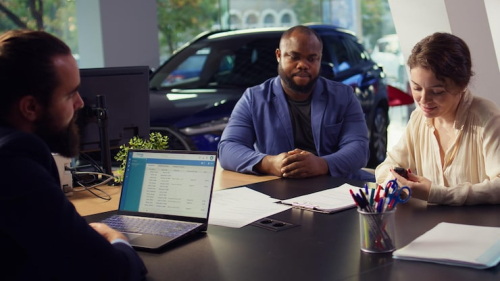
The roar of traffic along LBJ Freeway never really quiets in Garland, where commuters from Dallas, Plano, and Frisco weave through the daily grind. For many North Texas families, that drive isn’t just about getting from point A to B it’s tied to the vehicle they chose, and increasingly, to the financing terms that made it possible. In a region where car dependency runs deep and vehicle prices keep climbing, comparing financing options isn’t optional; it’s essential to keeping household budgets intact and avoiding years of regret.
Feeling stuck in the stressful car-buying process? At Jupiter Chevrolet in Garland, TX, we’ve reimagined how buying a car should feel. With transparent pricing, online deal-building tools, and the benefits of our Jupiter Advantage program, we ensure every step is straightforward and satisfying. Skip the hassle. From purchase, to certified service and parts, to collision repair and body shop. Our team puts your convenience, safety, and confidence first. Turn your dreams of finding your ideal Chevrolet into reality with us. Visit Jupiter Chevrolet today!
How to Compare Vehicle Financing Options Like a Pro in North Texas
What buyers in Garland, Dallas, Plano, and surrounding communities need to know before signing an auto loan.
Vehicle affordability across Garland, Dallas, Richardson, Plano, Rockwall-Heath, Forney, Mesquite, McKinney, Grapevine, and Frisco increasingly depends on financing terms rather than the sticker price alone. A deal that looks attractive at first glance can quickly become burdensome when monthly payments strain cash flow or total ownership costs escalate over time. Financing influences nearly every aspect of ownership: remaining budget for family essentials like groceries and extracurriculars, the actual amount paid for a new Chevrolet Silverado or Traverse, and flexibility for future needs in the rapidly expanding DFW metro area.
The financing environment has become more intricate. Longer loan terms have grown significantly popular throughout North Texas, enabling buyers to afford pricier vehicles while maintaining manageable monthly payments. This mirrors national patterns where buyers often favor reduced short-term burdens over minimizing long-term interest costs.
Financing sources differ by locale. In high-commute zones like Garland and Mesquite, dealer-arranged financing frequently prevails due to its speed and simplicity. Families in Plano, Frisco, and McKinney tend to favor packages incorporating protections such as extended warranties. Shoppers in Dallas and Grapevine balance new and used vehicle needs, evaluating local credit unions, regional banks, manufacturer-backed programs, and dealership financing.
Despite ongoing misconceptions, dealership financing retains strong appeal in North Texas. It simplifies the entire process securing approval and completing paperwork on-site while providing competitive rates and integrating valuable add-ons that external lenders seldom offer.
Trends continue to evolve rapidly. Extended terms remain dominant as buyers in Dallas, Garland, and Forney contend with rising vehicle prices. Emphasis has shifted toward bundled benefits warranties and protection plans over pure price competition. Family buyers in Plano, Frisco, and McKinney increasingly seek transparent processes from trustworthy dealerships. Established, family-owned dealerships respond by emphasizing reliability and local roots instead of aggressive marketing tactics.
To compare financing effectively, use this practical framework designed for North Texas buyers.
Start by examining the complete relationship between interest rate and loan term, rather than rate in isolation. A reduced monthly payment may provide immediate ease amid congested roads in Garland or Mesquite, yet it frequently leads to substantially higher overall expense. According to guidance from the Consumer Financial Protection Bureau, consider this example for a $20,000 loan at 4.75% interest:
- 36 months: $597 monthly, $1,498 total interest
- 48 months: $458 monthly, $1,999 total interest
- 60 months: $375 monthly, $2,508 total interest
- 72 months: $320 monthly, $3,024 total interest
The 72-month term nearly doubles the interest paid compared to 36 months. Always compute the full repayment amount, not merely the monthly obligation.
Next, evaluate the complete loan cost across the entire duration. Include the APR, fees, and term-driven interest buildup. As of January 2026, national averages stand at 7.01% for a 60-month new car loan, per Bankrate’s weekly survey, though actual rates depend on credit profile and lender Texas credit unions frequently deliver better terms for qualified applicants.
Then, assess flexibility features. Are there prepayment penalties? Do early payoff options exist without fees? These details prove critical in dynamic communities like Frisco and McKinney, where career shifts or growing families can alter financial needs abruptly.
Finally, consider added protections. A robust powertrain warranty mitigates risks associated with extended ownership, delivering reassurance against unexpected repair expenses that could otherwise burden a financed vehicle.
Every day, genuine scenarios unfold across North Texas. A Garland commuter might balance a shorter-term loan against an extended option paired with thorough warranty coverage, accepting higher monthly payments for reduced lifetime exposure. Plano families commonly prioritize stable, predictable expenses, choosing dealership arrangements that ensure ongoing service reliability. Dallas buyers often discover that dealership financing surpasses external lenders in transparency and after-sale support particularly when overcoming hurdles like limited inventory or views of less competitive pricing relative to large corporate chains.
Even experienced shoppers encounter frequent mistakes. Concentrating solely on monthly payments overlooks true costs. Neglecting vehicle dependability during prolonged terms invites negative equity. Underestimating dealership advantages compared to volume-driven competitors misses benefits of individualized attention and enduring trust. Inventory shortages may restrict choices, yet well-established local dealers frequently offset this with superior financing structures.
Thoughtful decisions reverse these risks. Strategic financing lowers lifetime expenses, enhances reliability assurance, and improves future trade-in or resale value. North Texas buyers increasingly prefer dealerships boasting profound community connections, demonstrated longevity, and trust passed across generations attributes that transform a purchase into an ongoing partnership.
Financing represents far more than contract details; it forms a core strategy for vehicle ownership in a region defined by its highways. By assessing offers comprehensively encompassing rates, terms, total expenses, flexibility, and safeguards buyers throughout Garland, Dallas, Richardson, Plano, Rockwall-Heath, Forney, Mesquite, McKinney, Grapevine, and Frisco secure stronger results. Community-anchored dealerships, including family-operated businesses with over a century of service and distinctive offerings like lifetime powertrain warranties, persistently elevate standards for openness and buyer guidance. The wisest approach remains clear: approach financing as the extended commitment it truly is.
Frequently Asked Questions
What’s the biggest mistake people make when comparing auto loan options?
The most common mistake is focusing solely on the monthly payment rather than the total cost of the loan. For example, a 72-month loan at 4.75% interest costs nearly double in interest ($3,024) compared to a 36-month term ($1,498) on a $20,000 loan. Always calculate the complete repayment amount, including all interest and fees, to understand the true cost of your financing.
How do I choose between a shorter loan term with higher payments versus a longer term with lower payments?
Consider your complete financial picture and vehicle reliability over time. While longer terms (60-72 months) offer lower monthly payments that fit tighter budgets, they result in significantly higher total interest costs and potential negative equity if the vehicle depreciates faster than you pay down the loan. Shorter terms (36-48 months) cost more monthly but save thousands in interest and build equity faster, which is especially important if your financial situation might change.
Is dealership financing competitive with bank or credit union auto loans?
Dealership financing can be highly competitive, especially when you factor in convenience and additional protections. While Texas credit unions often offer strong rates for qualified buyers, dealerships provide one-stop approval and paperwork processing, competitive rates, and can bundle valuable add-ons like extended warranties and protection plans that external lenders rarely offer. The key is to compare the total package including APR, fees, flexibility features, and warranty coverage rather than interest rate alone.
Disclaimer: The above helpful resources content contains personal opinions and experiences. The information provided is for general knowledge and does not constitute professional advice.
You may also be interested in: Available Plans/Help Protect Your Investment
Feeling stuck in the stressful car-buying process? At Jupiter Chevrolet in Garland, TX, we’ve reimagined how buying a car should feel. With transparent pricing, online deal-building tools, and the benefits of our Jupiter Advantage program, we ensure every step is straightforward and satisfying. Skip the hassle. From purchase, to certified service and parts, to collision repair and body shop. Our team puts your convenience, safety, and confidence first. Turn your dreams of finding your ideal Chevrolet into reality with us. Visit Jupiter Chevrolet today!
Powered by flareAI.co

The engine hum of North Texas dealerships persists, yet for growing numbers of buyers across Garland to Frisco, that sound arrives only after decisions unfold on screens rather than showroom floors. Smartphone in hand at odd hours, shoppers scroll inventories, query AI assistants, or configure deals from living rooms. Digital transformation has reshaped auto sales in the Dallas-Fort Worth metroplex, but forward-thinking dealerships preserve the in-person element, forging a hybrid model that marries convenience with trust.
Feeling stuck in the stressful car-buying process? At Jupiter Chevrolet in Garland, TX, we’ve reimagined how buying a car should feel. With transparent pricing, online deal-building tools, and the benefits of our Jupiter Advantage program, we ensure every step is straightforward and satisfying. Skip the hassle. From purchase, to certified service and parts, to collision repair and body shop. Our team puts your convenience, safety, and confidence first. Turn your dreams of finding your ideal Chevrolet into reality with us. Visit Jupiter Chevrolet today!
The Accelerating Digital Shift in North Texas
The classic ritual arriving unannounced, navigating pushy pitches, negotiating stickers clashes with the pace of life in tech-forward suburbs like Plano, Richardson, and Dallas. High internet adoption, busy professional households, and long commutes propel quicker embrace of digital channels here than elsewhere. Virtual showrooms deliver 360-degree tours, augmented reality overlays preview custom features such as premium upholstery or wheel packages, and mobile platforms secure financing approvals long before a visit.
According to a 2024 Dallas-Fort Worth Auto Dealers Association report, 68% of buyers in Garland, Plano, and Richardson investigate vehicle availability online prior to any dealership trip. This statistic signals more than mere preference for convenience; it reveals a quest for autonomy. Shoppers apply filters for price, mileage, equipment, and even fuel type, eliminating outdated sales pressure. In Plano and Frisco, such preparation cuts in-person time by nearly 40%, enabling executives to evaluate crossovers during lunch breaks or parents in McKinney to compare options amid after-school activities.
Hybrid experiences prevail: journeys commence digitally with research, virtual negotiations, and trade-in valuations, then conclude physically for test drives and signatures. Outlets in Dallas and Richardson deploy transparent pricing structures alongside AI-powered chatbots that deliver immediate, non-intrusive replies, resonating with consumers who prize efficiency over confrontation. Social media content TikTok videos or YouTube drives simulating local highways sparks interest from Grapevine through Mesquite.
Globally, the online car buying market, valued at approximately $258 billion in 2024, is projected to expand to $555 billion by 2035 at a 7.21% CAGR, with North America maintaining strong momentum through advanced e-commerce infrastructure. Pre-owned vehicles are forecasted to command a dominant 67.9% share of online transactions by 2025, reflecting affordability priorities and rising trust in digital marketplaces.
Used Cars, Service, and Broader Digital Impact
Economic realities keep used vehicles prominent, particularly in Garland and McKinney, where certified pre-owned models provide inspected, warrantied alternatives that ease burdens for families commuting to Dallas or Plano. New vehicle averages frequently exceed $45,000 in upscale areas like Frisco, intensifying reliance on pre-owned inventory. Lenders in Mesquite and Forney observe marked increases in online applications for used financing, bolstered by digital trade-in estimators and calculators that facilitate decisions from home.
Service and parts sectors advance in parallel. Dealerships in Garland and Mesquite offer seamless online appointment booking and contactless payments for routine maintenance like oil changes or tire services, while automated alerts and progress tracking elevate loyalty. In Rockwall-Heath and McKinney, collision repair facilities introduce mobile applications enabling photo submissions for rapid damage assessments, transforming cumbersome claims into driveway-friendly processes.
These innovations expand geographic influence. A shopper in Mesquite explores inventory at a Grapevine location, or a resident in Forney completes pre-approval without travel. Digital platforms convert neighborhood operations into broader regional competitors.
Persistent Barriers Grounding the Evolution
Despite momentum, obstacles endure. Texas regulations, including restrictions on direct-to-consumer models in one of 23 states prohibiting such frameworks, hinder complete online closings. Recent TxDMV changes under House Bill 718, effective July 1, 2025, mandate electronic processing via the webDEALER system for titles and registrations, eliminating certain paper temporary tags and requiring metal plates at sale steps that streamline but also demand dealer adaptation and complicate fully remote transactions amid evolving documentation rules.
Smaller dealers in Forney and Rockwall-Heath confront substantial expenses for implementing robust e-commerce and CRM systems. Trust remains paramount: while online tools excel at initial exploration, many suburban buyers demand physical interaction. As noted by a Garland dealership representative, “Online browsing is a hit, but some customers need to touch and feel the car to trust the process.” In-person evaluations and final commitments sustain confidence, particularly regarding warranties and ongoing support.
Emerging Advantages and the Road Forward
Consumers reap tangible benefits: diminished hassle, sales cycles shortened by 30-40% through online configuration, and vastly wider selections. Professionals in Plano and Frisco reclaim hours; families in McKinney or Grapevine initiate purchases free of pressure. Dealerships profit from elevated service retention via digital portals, extended market penetration, and analytics that customize outreach from EV-targeted communications for Mesquite prospects to introductory guidance for Richardson newcomers.
Projections indicate robust growth. The Texas Automobile Dealers Association forecasts that by 2030, more than half of DFW vehicle transactions will incorporate a meaningful digital element. Successful operators emphasize omnichannel strategies: blending virtual ease with authentic, Texas-rooted hospitality. Features like round-the-clock AI assistance, mobile financing optimization, and insight-driven personalization distinguish top performers.
The North Texas auto experience refuses to disappear behind pixels; instead, it matures into a more intelligent equilibrium. Digital resources manage research and preliminary steps, reserving dealership interactions for irreplaceable human elements genuine rapport and assurance. In a market valuing progress alongside heritage, this integrated approach stands poised to define the lasting trajectory.
Frequently Asked Questions
How has digital technology changed car buying in the Dallas-Fort Worth area?
Digital tools have transformed the DFW auto market, with 68% of buyers in Garland, Plano, and Richardson now researching vehicles online before visiting dealerships. Shoppers can browse inventories, secure financing approvals, get trade-in valuations, and configure deals from home, cutting in-person dealership time by nearly 40%. The process has evolved into a hybrid model where research and negotiations happen digitally, while test drives and final signatures still occur in person.
Can you buy a car completely online in Texas?
No, Texas is one of 23 states that prohibits fully online, direct-to-consumer car sales, requiring dealership involvement in transactions. Recent regulations under House Bill 718, effective July 1, 2025, mandate electronic processing through the webDEALER system and require metal plates at sale rather than paper temporary tags. While buyers can complete most steps digitally including research, financing, and negotiations final purchases still require some level of physical dealership interaction to comply with state regulations.
Why do used cars dominate online auto sales in North Texas?
Pre-owned vehicles are projected to command 67.9% of online transactions by 2025, driven by affordability concerns as new vehicle prices frequently exceed $45,000 in areas like Frisco. Certified pre-owned models offer inspected, warrantied alternatives that appeal to families in Garland, McKinney, and Mesquite who need reliable transportation for daily commutes. Digital platforms have increased trust in used car purchases through transparent pricing, detailed vehicle histories, online trade-in estimators, and streamlined financing applications that can be completed from home.
Disclaimer: The above helpful resources content contains personal opinions and experiences. The information provided is for general knowledge and does not constitute professional advice.
You may also be interested in: CHEVY SPECIAL OFFERS | Jupiter Chevrolet in Garland TX
Feeling stuck in the stressful car-buying process? At Jupiter Chevrolet in Garland, TX, we’ve reimagined how buying a car should feel. With transparent pricing, online deal-building tools, and the benefits of our Jupiter Advantage program, we ensure every step is straightforward and satisfying. Skip the hassle. From purchase, to certified service and parts, to collision repair and body shop. Our team puts your convenience, safety, and confidence first. Turn your dreams of finding your ideal Chevrolet into reality with us. Visit Jupiter Chevrolet today!
Powered by flareAI.co

The roar of North Texas traffic never quite dies down whether it’s the daily crawl along I-635 through Garland and Mesquite or the smoother but still busy stretches of the Dallas North Tollway feeding into Plano and Frisco. Amid that constant motion, a quieter transformation is underway: car buyers are no longer arriving at dealerships unprepared. They’re stepping onto lots armed with data pre-approvals, rate comparisons, and payment estimates pulled from their phones. In suburbs stretching from Richardson to Rockwall-Heath and out to Forney, the traditional handshake deal is evolving into a digital-first process, where online financing tools shape expectations long before a test drive begins.
This change stems from necessity rather than convenience alone. Vehicle prices hold firm at elevated levels, interest rates remain sensitive even as they ease modestly into 2026, and commuters face tight schedules juggling long drives from McKinney or Grapevine into Dallas. Shoppers across the region increasingly turn to digital platforms to regain control, comparing lender offers, modeling monthly payments, and pitting dealer financing against credit unions before ever visiting a showroom.
Feeling stuck in the stressful car-buying process? At Jupiter Chevrolet in Garland, TX, we’ve reimagined how buying a car should feel. With transparent pricing, online deal-building tools, and the benefits of our Jupiter Advantage program, we ensure every step is straightforward and satisfying. Skip the hassle. From purchase, to certified service and parts, to collision repair and body shop. Our team puts your convenience, safety, and confidence first. Turn your dreams of finding your ideal Chevrolet into reality with us. Visit Jupiter Chevrolet today!
Why Online Financing Comparisons Are Reshaping North Texas Car Buying
The shift registers clearly across North Texas. In high-commuter hubs like Plano, Frisco, and McKinney, buyers demand efficiency conducting research during lunch breaks or evening drives instead of dedicating entire weekends to dealership visits. In blended urban-suburban areas such as Dallas, Garland, and Mesquite, the priority remains the same: fast, clear information to navigate persistent cost pressures.
Sustained high vehicle prices and rate caution have accelerated this trend. Shoppers no longer fixate solely on the lowest APR; they zero in on how that rate affects real monthly obligations, particularly as longer terms often 72 months or more become standard to keep payments within reach. In expanding areas like Rockwall-Heath and Forney, where new residential growth drives demand for larger family vehicles, this emphasis on affordable payments intensifies.
The broader market underscores this evolution. The global automotive finance sector, valued at approximately USD 295 billion in 2024, is projected to reach USD 452 billion by 2030, expanding at a 7.4% CAGR from 2025 onward, fueled partly by rising electric vehicle demand and digital adoption. Similarly, the auto loan market stands at an estimated USD 1.98 trillion in 2026, climbing toward USD 2.88 trillion by 2031 at a 7.78% CAGR, with rapid digitization of retail lending and embedded-finance models playing key roles.
Pre-Qualification Becomes the New First Step
Today, shoppers in Dallas, Plano, and Richardson frequently start with a soft credit check or online pre-qualification before reaching out to dealers. The process carries minimal risk no hard inquiry impacts the credit score yet delivers a solid baseline for realistic expectations. Dealerships notice the difference: incoming leads arrive better informed, often with defined budgets already in mind.
Payment calculators frequently overshadow standalone rate comparisons, especially in Garland, Mesquite, and Forney. Buyers input trade-in estimates, down payments, and preferred terms to observe direct effects on monthly figures, rather than pursuing advertised APRs that may falter under local taxes, fees, or incentives. In McKinney, Frisco, and Grapevine, transparency drives loyalty dealers providing straightforward, region-specific breakdowns, including side-by-side lender options without concealed charges, earn trust more quickly.
A Typical Digital Path Through the Dallas Metro
Imagine a buyer in Dallas or Plano settled at home: they explore vehicle models, arrive at a payment estimator, adjust inputs like down payment, loan length, and trade-in value, then watch the monthly cost respond in real time. From there, they compare options a regional credit union rate against dealer incentives or a national online lender before submitting a digital finance application. By that point, uncertainty has largely evaporated.
In Garland and Richardson, decisions often hinge on regional credit unions versus dealer-arranged financing. Credit unions may offer competitive base rates, yet dealers respond with manufacturer-backed promotions and streamlined, one-location processing. Farther out in Rockwall-Heath, Forney, and McKinney, extended commutes and household budgets push preferences toward flexible terms and reduced monthly outlays, even when total interest accrues higher over time.
Digital tools have transformed this journey. Over 70% of shoppers now prefer handling finance steps from home, and dealers see 41% higher close ratios with pre-qualified leads, reflecting the power of mobile applications and single-page submissions that slash approval times.
The Pitfalls Lurking in Generic Tools
Online resources don’t always deliver complete accuracy. Generic calculators frequently overlook county-level variations such as differing tax rates, title fees, or incentives between Dallas County and Collin or Rockwall Counties potentially shifting final costs by hundreds of dollars. Shoppers in Frisco and Plano occasionally watch optimistic online projections dissolve upon reaching the finance office.
Rate fluctuations introduce further complexity: a quote secured days earlier may no longer align if market conditions shift. Credit score interpretations pose another common issue many buyers confuse soft pulls with the hard inquiries that lock in final approvals, resulting in unexpected outcomes, particularly in Garland and Mesquite.
Current averages illustrate the stakes: as of early 2026, new-car loan rates hover around 6.7% to 7.0% for qualified borrowers on 60-month terms, while used-car rates climb higher, often exceeding 10% depending on credit tier, underscoring the value of precise, localized comparisons.
How Dealerships Turn Digital Trends Into Wins
Dealers gain tangible advantages from this shift. Pre-researched customers shorten transaction times less negotiation once inside Dallas, Richardson, or McKinney showrooms. Transparent digital resources boost conversions: when buyers in Plano, Grapevine, or Frisco encounter clear upfront comparisons, confidence rises and lead quality strengthens. Sales and finance teams align more effectively as well digital preparation eases transitions, converting former adversarial exchanges into cooperative discussions.
Looking Ahead in North Texas
The direction remains unmistakable: increasingly mobile, comparison-heavy, and buyer-empowered. As tools advance incorporating smarter calculators, AI-driven estimates, and seamless online-to-in-store integration the divide between research and purchase continues to shrink. Dealerships embracing localized, transparent digital offerings will thrive; those lagging may struggle in a fast-moving region that accelerates both on highways and online.
North Texas car shoppers aren’t merely purchasing vehicles they’re securing peace of mind. More and more, they discover it long before pulling into the lot. With the automotive finance landscape expanding steadily and digital channels reshaping access, informed decisions define success in 2026 and beyond.
Frequently Asked Questions
Why are more North Texas car buyers using online financing tools before visiting dealerships?
Buyers use online financing tools to regain control over the car-buying process amid elevated vehicle prices and fluctuating interest rates. These digital platforms allow shoppers to compare lender offers, get pre-qualified without impacting their credit score, and calculate realistic monthly payments before ever stepping foot in a showroom. With over 70% of shoppers now preferring to handle finance steps from home, this shift reflects the demand for transparency and efficiency in high-commuter areas across Dallas, Plano, McKinney, and surrounding suburbs.
What’s the difference between pre-qualification and final loan approval when comparing auto financing online?
Pre-qualification typically involves a soft credit check that provides estimated loan terms without affecting your credit score, giving you a baseline for realistic expectations. Final loan approval requires a hard credit inquiry that does impact your credit score and locks in actual rates, which may differ from initial estimates due to market fluctuations or detailed underwriting. Understanding this distinction is crucial, as many North Texas buyers encounter unexpected outcomes when confusing these two stages, particularly when rates or market conditions shift between pre-qualification and dealership visits.
What are the current average auto loan rates in 2026, and how do they vary between new and used vehicles?
As of early 2026, new-car loan rates hover around 6.7% to 7.0% for qualified borrowers on standard 60-month terms. Used-car rates run significantly higher, often exceeding 10% depending on credit tier, vehicle age, and lender type. These rates underscore the importance of comparing multiple financing sources including regional credit unions, dealer incentives, and online lenders and using localized calculators that account for county-specific taxes and fees across North Texas areas like Dallas, Collin, and Rockwall Counties.
Disclaimer: The above helpful resources content contains personal opinions and experiences. The information provided is for general knowledge and does not constitute professional advice.
You may also be interested in: The Jupiter Advantage
Feeling stuck in the stressful car-buying process? At Jupiter Chevrolet in Garland, TX, we’ve reimagined how buying a car should feel. With transparent pricing, online deal-building tools, and the benefits of our Jupiter Advantage program, we ensure every step is straightforward and satisfying. Skip the hassle. From purchase, to certified service and parts, to collision repair and body shop. Our team puts your convenience, safety, and confidence first. Turn your dreams of finding your ideal Chevrolet into reality with us. Visit Jupiter Chevrolet today!
Powered by flareAI.co
What Big Data Says About Car Resale Values

The roar of traffic along I-635 never really stops in North Texas, a constant reminder that this sprawling region runs on wheels. For drivers in Garland, Dallas, Richardson, Plano, Rockwall-Heath, Forney, Mesquite, McKinney, Grapevine, and Frisco, the question of what a car is truly worth especially when it’s time to sell or trade has become more than casual conversation. It’s a data-driven reality shaped by local commutes, suburban expansion, and shifting buyer preferences. Big data, drawn from dealership records, auction results, and county registrations, now paints a clearer picture of resale values here than ever before, revealing patterns that national averages simply miss.
Feeling stuck in the stressful car-buying process? At Jupiter Chevrolet in Garland, TX, we’ve reimagined how buying a car should feel. With transparent pricing, online deal-building tools, and the benefits of our Jupiter Advantage program, we ensure every step is straightforward and satisfying. Skip the hassle. From purchase, to certified service and parts, to collision repair and body shop. Our team puts your convenience, safety, and confidence first. Turn your dreams of finding your ideal Chevrolet into reality with us. Visit Jupiter Chevrolet today!
What Big Data Reveals About Car Resale Values Across North Texas
In a market where daily drives often stretch 20, 30, or more miles, resale value isn’t abstract it’s personal. High commuter mileage in Dallas and Garland accelerates depreciation for many sedans, while the rapid growth in Frisco, McKinney, and Forney fuels steady demand for trucks and SUVs that hold value better under those conditions. The result? Resale trends that diverge sharply from one ZIP code to the next, even within the same metro area.
Recent national figures provide essential context for understanding these local dynamics. The global used car market was valued at USD 1.90 trillion in 2024, with North America holding a leading 32.8% share, and SUVs dominating by size segment. In the U.S., forecasts point to continued expansion: one analysis projects the market to grow by USD 40.2 billion at a 4.3% CAGR from 2024 to 2029, driven by the strong value proposition of pre-owned vehicles and the rise of online platforms for browsing and buying. Another estimate places the U.S. used car market at USD 871.30 billion in 2026, heading toward USD 980.47 billion by 2031 at a 2.41% CAGR, with organized dealers gaining ground through advanced tools and omnichannel strategies.
Wholesale trends offer further insight. The Manheim Used Vehicle Value Index stood at 205.5 in December 2025, reflecting a modest 0.4% adjusted year-over-year increase in wholesale used-vehicle prices, with non-adjusted values up 0.5% YoY. Experts note that affordability concerns slowed consumer spending late last year, allowing depreciation to catch up slightly in wholesale markets. Looking ahead, projections call for a relatively normal year in 2026, with the index expected to rise about 2% by year-end signaling stable depreciation and growing influence from battery-electric models entering the used space.
Dealership transaction logs from Plano and Grapevine, combined with auction data from North Texas sales and registration records out of Dallas and Collin Counties, show how localized factors override broader trends. Tools once dominated by national pricing guides now lean on regional analytics, including insights from University of Texas at Dallas research and North Central Texas Council of Governments transportation datasets. These sources highlight why a vehicle in suburban Rockwall-Heath might retain thousands more in value than an identical model logged in urban Mesquite.
Emerging Trends in Depreciation Across Fast-Growing Cities
The numbers tell a story of adaptation. Trucks and SUVs continue to command stronger resale retention in Forney, Rockwall-Heath, and McKinney, where buyers prize durability for family hauls and construction-area driving mirroring national dominance of the SUV segment. In contrast, fuel-efficient sedans and hybrids fare better in denser Dallas and Richardson neighborhoods, where parking constraints and shorter trips slow mileage accumulation, though emerging EV resale pressures could influence future patterns as more off-lease models enter the market.
Long commutes along expanding corridors like the Dallas North Tollway add real wear higher odometer readings that chip away at value faster than in less congested areas. Road conditions from ongoing suburban construction further influence outcomes, with local dealers in Plano, Frisco, and Grapevine noting shifts in demand toward vehicles built to handle it. Urban patterns in Dallas, Garland, and Mesquite show quicker depreciation for high-mileage daily drivers, while suburban markets reward lower-mileage examples that appeal to growing families.
Real-World Examples from Local Dealership and Market Data
Compare trade-in figures for similar models across nearby cities, and the differences stand out. A well-maintained pickup traded in McKinney often fetches noticeably more than one from Garland, thanks to buyer demographics and lower perceived wear. Service history plays a starring role detailed records from North Texas shops can add hundreds or even thousands to resale, countering depreciation from typical regional driving stresses like heat and stop-and-go traffic.
Used-vehicle listings and transaction records reveal seasonal rhythms too. Back-to-school periods boost demand in Plano and Richardson for family-friendly options, while year-end inventory pushes in Grapevine and Frisco create opportunities for sharper deals. These hyper-local dynamics mean the same vehicle can perform differently just a few exits apart on the highway, amplified by broader market stability where wholesale values have returned to more predictable seasonal patterns.
Challenges in Capturing the Full Picture
Big data isn’t perfect. Private sales often lack complete mileage or service documentation, creating gaps that skew regional averages. There’s also a natural lag between title transfers, registrations, and public reporting at the county level, which can make real-time insights tricky. Separating accident-related drops from ordinary wear think potholes on expanding suburban roads remains difficult, and appraisal methods still vary across Dallas, Garland, and Collin County markets.
Stringent emission regulations add another layer, restricting sales of non-compliant vehicles and requiring investments in testing and certification that raise costs for dealers. These limitations don’t diminish the value of local data; they simply underscore the need for careful interpretation when dealers set trade-in offers or buyers time their moves.
Smarter Decisions Powered by Local Insights
For dealers, city-specific depreciation trends open doors to more accurate trade-in pricing and ZIP-code-level demand forecasting. Consumers gain too: timing a trade-in around local market conditions, or selecting a model that historically holds value better in Frisco versus Dallas, can translate to real savings. As North Texas-specific datasets integrate more deeply into pricing tools alongside national platforms emphasizing certified pre-owned programs and flexible financing both sides stand to benefit from decisions grounded in regional reality rather than generic benchmarks.
The Road Ahead for Resale Values in the Dallas Area
North Texas resale values are settling into a pattern of continued divergence urban and suburban markets pulling in different directions as growth reshapes the region. Transportation analysts and local economic researchers expect reliance on hyper-local data to only increase, giving those who pay attention a clear edge, especially as national forecasts point to stable wholesale values and gradual shifts toward greater EV presence in the used market.
The takeaway is straightforward: in a place where the drive to work, school, or the next big development defines daily life, resale value has become a distinctly local story. Understanding the data behind it isn’t just smart it’s increasingly essential for anyone navigating the roads of Garland to Frisco and everywhere in between, particularly as the broader used car landscape continues its steady, data-backed expansion.
Frequently Asked Questions
How does location affect car resale values in North Texas?
Location significantly impacts resale values across North Texas cities. Trucks and SUVs retain stronger value in suburban areas like Frisco, McKinney, and Rockwall-Heath due to family-focused buyer demand, while fuel-efficient sedans and hybrids perform better in denser areas like Dallas and Richardson where parking constraints and shorter commutes reduce mileage accumulation. Even identical models can differ by thousands of dollars in resale value depending on whether they’re sold in urban or suburban markets.
What factors cause faster depreciation for cars in the Dallas-Fort Worth area?
High commuter mileage is the primary driver of accelerated depreciation in North Texas, especially along congested corridors like I-635 and the Dallas North Tollway where daily drives often exceed 20-30 miles. Additional factors include road wear from ongoing suburban construction, stop-and-go traffic patterns in urban areas like Garland and Mesquite, and extreme heat exposure. Vehicles with complete service history documentation from local shops can offset some of this depreciation by adding hundreds or thousands to resale value.
Are used car resale values expected to remain stable in 2026?
Yes, industry forecasts predict relatively stable used car values in 2026. The Manheim Used Vehicle Value Index is expected to rise about 2% by year-end, indicating normal depreciation patterns. The U.S. used car market is projected to grow from $871.30 billion in 2026 to $980.47 billion by 2031, with wholesale values showing modest year-over-year increases and more predictable seasonal patterns returning after recent market volatility.
Disclaimer: The above helpful resources content contains personal opinions and experiences. The information provided is for general knowledge and does not constitute professional advice.
You may also be interested in: Steps To Trade-In Your Car
Feeling stuck in the stressful car-buying process? At Jupiter Chevrolet in Garland, TX, we’ve reimagined how buying a car should feel. With transparent pricing, online deal-building tools, and the benefits of our Jupiter Advantage program, we ensure every step is straightforward and satisfying. Skip the hassle. From purchase, to certified service and parts, to collision repair and body shop. Our team puts your convenience, safety, and confidence first. Turn your dreams of finding your ideal Chevrolet into reality with us. Visit Jupiter Chevrolet today!
Powered by flareAI.co
EV Infrastructure Growth: Where Are We Now?

The roar of traffic along I-635 never quite fades in North Texas, yet a quieter sound is steadily weaving into the mix: the gentle click and hum of electric vehicles connecting to chargers at malls, corporate lots, and roadside stops. Once a novelty for early adopters, EVs have shifted into everyday life for drivers in Garland, Dallas, Richardson, Plano, Rockwall-Heath, Forney, Mesquite, McKinney, Grapevine, and Frisco. The real question now centers on whether the charging network can match the accelerating pace of adoption.
Recent data from the Dallas-Fort Worth Clean Cities Coalition and NCTCOG show strong momentum. As of early 2026, Texas statewide registrations exceed 463,000 EVs, with the Dallas-Fort Worth region accounting for a substantial share over 122,000 EVs reported in 2024 regional updates, plus significant additions since. Growth remains robust in suburban pockets of Dallas and Collin counties, where places like Frisco, McKinney, and Plano draw buyers seeking lower fuel costs and cleaner driving. That wave extends to outer communities such as Rockwall-Heath and Forney, where extended drives demand dependable public options.
Globally, the push for charging infrastructure reflects similar urgency. Home charging dominates for those who can install it, but public networks must expand to include apartment dwellers, renters, and travelers. In 2024 alone, more than 1.3 million public charging points were added worldwide a 30% rise over the prior year bringing the total to levels that rival the entire global stock in 2020. China leads with roughly 65% of recent growth, while Europe saw public points climb more than 35% in 2024 to surpass 1 million. These trends underscore why regions like North Texas cannot afford to lag: without accessible public chargers, broader adoption stalls.
Closer to home, the local landscape reveals clear divides. In denser areas of Dallas and Garland, public Level 2 and DC fast chargers cluster in municipal garages, near transit stops, and at major retailers along corridors like I-30 and I-635. Efforts coordinated through NCTCOG have focused on placing these near workplaces and multifamily housing to serve daily needs.
Northward in Plano, Richardson, and Frisco, the emphasis falls on seamless integration. Corporate campuses and mixed-use developments Legacy West in Plano, The Star in Frisco now treat charging as a baseline feature. Research from UT Dallas and Collin County planning reports highlight how overnight home charging combined with daytime workplace access smooths routines for commuters.
In outer rings McKinney, Grapevine, Mesquite, Forney, and Rockwall-Heath coverage thins but improves along highways (US-75, SH-121) and in new subdivisions. Grapevine gains from DFW Airport proximity and visitor traffic, yet range concerns persist for longer errands or weekend getaways without reliable fast options nearby.
Feeling stuck in the stressful car-buying process? At Jupiter Chevrolet in Garland, TX, we’ve reimagined how buying a car should feel. With transparent pricing, online deal-building tools, and the benefits of our Jupiter Advantage program, we ensure every step is straightforward and satisfying. Skip the hassle. From purchase, to certified service and parts, to collision repair and body shop. Our team puts your convenience, safety, and confidence first. Turn your dreams of finding your ideal Chevrolet into reality with us. Visit Jupiter Chevrolet today!
EV Charging Push Accelerates Across North Texas
Recent developments signal acceleration. NCTCOG secured $15 million in federal Charging and Fueling Infrastructure grants to deploy up to 100 publicly accessible ports across the 16-county region, prioritizing underserved communities. A 2025 call for projects closed late last year, with recommendations advancing toward implementation. Oncor continues grid evaluations and hardening measures to handle added load without risking peak-season disruptions. Targeted expansions focus on routes like SH-121 through Frisco and McKinney, US-75 connecting Plano and Richardson, and I-30 spanning Mesquite to Forney, where private operators and retailers help close gaps.
Zoning adjustments in several municipalities now favor EV-ready buildings, and dealerships plus fleet managers in Dallas and Mesquite test depot charging setups. The network remains patchwork stronger in cores, patchier outward but connections tighten steadily.
Real-world examples bring the progress into focus. Downtown Dallas showcases effective partnerships, with chargers in city garages supported by agreements ensuring availability. Plano and Frisco embed charging in new developments: Level 2 stalls for residents overnight, fast chargers at retail hubs. Grapevine capitalizes on airport adjacency, installing stations that serve locals and regional travelers alike.
Challenges persist. Distribution skews toward urban density, leaving Forney and Rockwall-Heath waiting for fuller coverage. Summer peaks strain grids in Garland and Mesquite, where cooling demands already test capacity. Uptime issues plague some public units, and smaller towns face permitting delays plus installation expenses.
These changes carry direct implications for the auto sector. Service centers encounter growing needs for battery diagnostics, software updates, and cooling system maintenance. Dealerships position themselves as knowledge centers offering guided test drives, charging route planning, and ownership reassurance. Fleet operators in Dallas and Richardson weigh electrification for operational savings, while facilities in Plano and McKinney stand out with tailored EV service offerings. Sustained customer relationships increasingly depend on robust after-sale backing.
EV Infrastructure Takes Shape
Looking ahead, NCTCOG planners and sustainability offices in Dallas and Plano anticipate ongoing fast-charger additions in the next two to three years, with improved suburban reach. Grid upgrades form the longer-term priority, shaping whether EV ownership becomes as straightforward here as in leading markets.
Ultimately, communities from Garland to Frisco advance at varied tempos toward shared infrastructure goals. This evolution transcends environmental aims or technological novelty it’s about sustaining mobility, economic edge, and readiness for North Texas’s future on the move.
Frequently Asked Questions
How many electric vehicles are currently registered in the Dallas-Fort Worth area?
As of early 2026, the Dallas-Fort Worth region accounts for over 122,000 EVs out of Texas’s statewide total exceeding 463,000 registered electric vehicles. Growth remains particularly strong in suburban areas of Dallas and Collin counties, including cities like Frisco, McKinney, Plano, and extending to communities such as Rockwall-Heath and Forney where residents seek lower fuel costs and cleaner driving options.
Where can I find public EV charging stations in North Texas?
Public EV charging stations are concentrated in denser areas like Dallas and Garland, with Level 2 and DC fast chargers available at municipal garages, transit stops, and major retailers along I-30 and I-635. Corporate campuses and mixed-use developments in Plano, Richardson, and Frisco such as Legacy West and The Star now include charging as a standard feature. Coverage is improving along highways like US-75, SH-121, and I-30, though outer communities like McKinney, Grapevine, Mesquite, Forney, and Rockwall-Heath still have thinner but growing networks.
What improvements are coming to EV charging infrastructure in North Texas?
NCTCOG has secured $15 million in federal Charging and Fueling Infrastructure grants to deploy up to 100 publicly accessible charging ports across the 16-county region, prioritizing underserved communities. Targeted expansions focus on key routes including SH-121 through Frisco and McKinney, US-75 connecting Plano and Richardson, and I-30 spanning Mesquite to Forney. Grid upgrades by Oncor and new zoning adjustments favoring EV-ready buildings are also underway, with planners anticipating significant fast-charger additions over the next two to three years.
Disclaimer: The above helpful resources content contains personal opinions and experiences. The information provided is for general knowledge and does not constitute professional advice.
You may also be interested in: Collision Service From the Experts
Feeling stuck in the stressful car-buying process? At Jupiter Chevrolet in Garland, TX, we’ve reimagined how buying a car should feel. With transparent pricing, online deal-building tools, and the benefits of our Jupiter Advantage program, we ensure every step is straightforward and satisfying. Skip the hassle. From purchase, to certified service and parts, to collision repair and body shop. Our team puts your convenience, safety, and confidence first. Turn your dreams of finding your ideal Chevrolet into reality with us. Visit Jupiter Chevrolet today!
Powered by flareAI.co
How Virtual Vehicle Tours Are Gaining Popularity

In the fast-expanding suburbs north of Dallas, traffic along the George Bush Turnpike often stretches routine drives into lengthy commitments. Yet for car shoppers in Frisco, Plano, and beyond, a quieter transformation is taking place right on their devices. Picture zooming in on the fine leather stitching of a Chevrolet Tahoe’s interior, rotating through the spacious cargo hold, or examining engine details all from home, without battling I-635 congestion. Virtual vehicle tours immersive 360-degree views, guided walk-through videos, and interactive experiences have evolved far beyond novelty status. They now serve as the primary gateway for buyers throughout Garland, Dallas, Richardson, Plano, Rockwall-Heath, Forney, Mesquite, McKinney, Grapevine, and Frisco.
Feeling stuck in the stressful car-buying process? At Jupiter Chevrolet in Garland, TX, we’ve reimagined how buying a car should feel. With transparent pricing, online deal-building tools, and the benefits of our Jupiter Advantage program, we ensure every step is straightforward and satisfying. Skip the hassle. From purchase, to certified service and parts, to collision repair and body shop. Our team puts your convenience, safety, and confidence first. Turn your dreams of finding your ideal Chevrolet into reality with us. Visit Jupiter Chevrolet today!
How Virtual Vehicle Tours Are Gaining Popularity Across North Texas Dealerships
This evolution aligns seamlessly with North Texas realities: widespread high-speed internet coverage paired with commutes that routinely consume hours. Shoppers prioritize efficiency alongside price. Across the Dallas-Fort Worth metro area, industry observations indicate that more than 80 percent of consumers initiate their vehicle search digitally, dedicating substantial time to research before visiting any lot.
Dealerships have adapted accordingly, deploying features that deliver the showroom experience directly to buyers: interactive 360-degree photography enabling full-sunlight rotations of trucks and SUVs, professionally narrated walk-around videos, and live video consultations for immediate answers. In tech-forward communities such as Plano, Frisco, and McKinney bolstered by Collin County’s expanding, mobile-savvy households these additions markedly boost engagement. Vehicle listings incorporating video content consistently register higher interaction levels.
A compelling local case emerges at Jupiter Chevrolet in Garland, where a virtual test drive initiative incorporating VR and AR components has driven notable increases in inquiries. Customers engaging with the virtual option convert to in-person visits at a 17% higher rate compared to those limited to static images.
Digital-First Habits Take Root in the Garland–Dallas Corridor
What began as a temporary pandemic solution has solidified into standard practice. In the Dallas–Plano metro region, reliable broadband empowers shoppers to handle detailed comparisons evaluating trim packages, exploring infotainment interfaces, assessing cargo configurations long before navigating highways like the Dallas North Tollway. Area dealerships have embraced this preference, providing on-demand video tours and customized recordings designed for hesitant buyers in Plano or Grapevine who prefer avoiding cross-town drives.
Population surges across the region accelerate the momentum. According to the North Central Texas Council of Governments (NCTCOG), the broader region approached significant growth milestones recently, with Collin County adding nearly 76,000 residents in one recent year, Dallas County gaining over 45,000, and suburbs like McKinney seeing annual increases exceeding 11,000 people while Forney posted gains above 5 percent. Frisco maintains consistent upward trends. These demographic shifts translate into greater demand for family-oriented SUVs and trucks precisely the vehicles that shine in virtual previews showcasing third-row seating, towing features, and interior versatility.
Broader industry data reinforces the local observations. The global automotive virtual showroom market, valued at USD 5.70 billion in 2024, is projected to reach USD 6.51 billion in 2025 and climb to USD 12.70 billion by 2030, expanding at a CAGR of 12.5% from 2025 to 2030. Growth stems from rising vehicle sales worldwide, technological leaps in 3D graphics, AR, and VR, plus higher disposable incomes fueling interest in electric and luxury models. AI-driven personalization further streamlines recommendations and sales.
Similarly, the automotive AR and VR market stood at 6.589 USD Billion in 2024, expected to grow to 7.972 USD Billion in 2025 and reach 53.6 USD Billion by 2035 at a CAGR of 20.99%. North America commands the largest share, reflecting strong demand for innovative features, while augmented reality systems lead and virtual reality components grow fastest due to their immersive nature.
The dedicated VR segment in automotive applications, valued at USD 2.64 billion in 2024 and projected to expand from USD 3.46 billion that year to USD 22.79 billion by 2032 at a CAGR of 30.95%, underscores its role in both design prototyping and customer-facing virtual showrooms and test-drives.
Where the Technology Hits Its Limits
Despite impressive capabilities, virtual tours fall short of replicating certain realities. Screens cannot convey how a suspension handles Dallas-area potholes or how quietly a cabin withstands regional winds. Skepticism persists particularly among used and certified pre-owned buyers, who insist on auditory cues like engine sound, tactile interior assessments, or real-world brake testing.
Smaller operations in places like Rockwall-Heath or Forney occasionally face barriers: investment in premium imaging gear, staff training needs, and occasional connectivity inconsistencies in outer suburbs. Cybersecurity concerns also loom as platforms expand, with risks of data breaches potentially undermining trust.
Nevertheless, these limitations have not curbed momentum. Dealers frequently note that virtual tour participants arrive more prepared, posing targeted questions and using showroom time more effectively. Weekend crowds thin in Dallas and Frisco, while metro-wide inventory gains visibility allowing a Mesquite shopper to identify an ideal model in McKinney or Grapevine without repeated trips.
Looking Ahead in the Garland–Frisco Markets
The path forward favors hybrid approaches: virtual exploration to spark interest, followed by in-person validation and closing. As technologies advance incorporating greater AI personalization and tighter integration with digital financing dealerships prioritizing high-quality, locally attuned virtual content will maintain a competitive advantage in this dynamic corridor.
North Texas consumers, squeezed by time constraints yet equipped with powerful digital access, show no inclination to revert. The traditional showroom retains importance, but its role has expanded and blurred. In a continually growing region, previewing a vehicle from home has transitioned from convenience to expectation. For buyers spanning Garland to Frisco, the next era of automotive retail is unfolding one interactive 360-degree view at a time.
Frequently Asked Questions
How are virtual vehicle tours changing car shopping in the Dallas-Fort Worth area?
Virtual vehicle tours allow buyers throughout Garland, Plano, Frisco, and surrounding North Texas communities to explore vehicles through 360-degree views, walk-around videos, and live consultations all from home. These digital tools help shoppers avoid heavy traffic on routes like I-635 and the George Bush Turnpike while conducting detailed research before visiting dealerships. Dealerships report that customers who engage with virtual tours convert to in-person visits at significantly higher rates and arrive better prepared with specific questions.
What are the benefits of using virtual tours when buying a car in North Texas?
Virtual tours enable shoppers in McKinney, Richardson, Mesquite, and other Dallas-area cities to examine vehicle details like interior stitching, cargo space, and infotainment systems without commuting across the metro. They provide efficient comparison shopping for busy families, allow access to wider inventory across multiple locations, and help buyers narrow choices before test-driving. This digital-first approach saves time while offering the convenience of exploring vehicles on-demand from any device.
Do virtual vehicle tours replace the need for in-person test drives?
Virtual tours complement rather than replace in-person visits at dealerships. While 360-degree views and videos effectively showcase vehicle features, trim packages, and interior layouts, they cannot replicate the tactile experience of testing suspension on local roads, hearing engine sounds, or feeling cabin quality. Most successful car purchases in the Frisco-Garland corridor follow a hybrid approach: virtual exploration to identify top choices, followed by in-person validation and test-driving before finalizing the purchase.
Disclaimer: The above helpful resources content contains personal opinions and experiences. The information provided is for general knowledge and does not constitute professional advice.
You may also be interested in: Chevrolet Service Deals Attract Dallas Drivers to Garland Location
Feeling stuck in the stressful car-buying process? At Jupiter Chevrolet in Garland, TX, we’ve reimagined how buying a car should feel. With transparent pricing, online deal-building tools, and the benefits of our Jupiter Advantage program, we ensure every step is straightforward and satisfying. Skip the hassle. From purchase, to certified service and parts, to collision repair and body shop. Our team puts your convenience, safety, and confidence first. Turn your dreams of finding your ideal Chevrolet into reality with us. Visit Jupiter Chevrolet today!
Powered by flareAI.co
What First-Time Buyers Are Most Confused About

In North Texas, where sprawling suburbs like Plano, Frisco, McKinney, and Garland demand reliable wheels for daily commutes along the Dallas North Tollway or I-30, buying your first vehicle often feels less like a milestone and more like navigating a maze. Population growth continues to draw younger households and newcomers into the market, yet many arrive unprepared for the complexities that turn excitement into frustration. The roar of traffic is constant, but so are the questions: How much will this really cost? New or used? What hidden fees lurk?
Recent industry data paints a clear picture of the challenges. Average new car prices in 2026 hover around $48,841, though figures from sources like Kelley Blue Book and regional reports show them often climbing near or above $50,000 in many markets, still elevated from pre-pandemic levels. Meanwhile, Cox Automotive projects U.S. new-vehicle sales at 15.8 million units in 2026, a modest 2.4% decline from 2025, reflecting a slowing but resilient market buoyed by potential interest rate improvements and tax returns in the first half of the year. In this environment, first-time buyers in Dallas, Mesquite, Richardson, and beyond frequently stumble on the same pitfalls. Here’s a grounded look at what confuses them most and how local insight can make the difference.
Feeling stuck in the stressful car-buying process? At Jupiter Chevrolet in Garland, TX, we’ve reimagined how buying a car should feel. With transparent pricing, online deal-building tools, and the benefits of our Jupiter Advantage program, we ensure every step is straightforward and satisfying. Skip the hassle. From purchase, to certified service and parts, to collision repair and body shop. Our team puts your convenience, safety, and confidence first. Turn your dreams of finding your ideal Chevrolet into reality with us. Visit Jupiter Chevrolet today!
Financing and Credit: Decoding the Numbers Before You Step on the Lot
Financing remains the top source of bewilderment. Many first-timers mix up APR and interest rate, not grasping that APR incorporates fees and reflects the true borrowing cost. Longer loan terms lower monthly payments but inflate total interest paid, often stretching commitments to 72 months or more. Pre-qualification provides a no-impact glance at options, while pre-approval delivers a firm rate commitment after a credit check.
Regional differences matter here. Buyers in denser Dallas areas may face tighter credit profiles compared to those in affluent Plano or Frisco suburbs, where larger down payments are more common. Experts consistently recommend securing preapproval from lenders credit unions or banks before visiting dealerships. This approach arms shoppers with leverage to negotiate better terms rather than settling for dealer financing on the spot. In Texas, where auto debt weighs heavily on many households, shopping multiple offers often uncovers savings that national averages overlook.
New vs. Used: Beyond the Initial Price Tag
The debate between new and used vehicles fuels endless confusion. Many assume late-model used cars guarantee long-term savings, but the reality in Garland, Plano, and McKinney proves more nuanced. Gaps between entry-level new models and quality used inventory have narrowed, thanks to market dynamics and supply factors. New cars come with full manufacturer warranties covering early repairs, offering peace of mind, especially for those racking up highway miles.
Used vehicles require diligent checks on service history and potential maintenance surprises. Higher-mileage options can lead to steeper long-term costs, particularly for commuters heading into Dallas. Broader trends show the U.S. automotive market shifting, with light trucks growing fastest amid preferences for versatile vehicles, and electric options gaining ground rapidly. In North Texas, where trucks and SUVs dominate driveways, weighing total ownership expenses not just sticker price proves essential.
Total Cost of Ownership: The Expenses That Sneak Up
Beyond the purchase, insurance, fuel, and maintenance often deliver the biggest shocks. Premiums fluctuate sharply by ZIP code, vehicle class, and driving patterns trucks popular for family use or weekend trips in Rockwall-Heath and Forney carry higher rates and thirstier fuel consumption on long hauls. Routine upkeep, from oil changes to tire replacements, gets underestimated, while fuel efficiency matters immensely for those traveling between Frisco workplaces and Richardson residences.
These factors transform a seemingly affordable payment into a monthly burden. First-time buyers benefit from calculators that factor in all elements, ensuring the vehicle fits not just the budget but the lifestyle dictated by North Texas sprawl.
Technology and Safety Features: Sorting Standard from Subscription
Today’s vehicles brim with advanced driver-assistance systems, large infotainment displays, and connected services. Confusion arises over what’s included at base levels versus requiring upgrades or ongoing fees for updates and features. Demand for safety tech runs strong among commuters on busy corridors like US-75, yet trim variations leave many unsure what they’ve actually purchased.
App integration and software longevity add layers buyers wonder if their new ride will remain current without extra costs. In a market trending toward connectivity, with over 70% of new vehicles expected to feature it, clarifying these details upfront prevents buyer’s remorse.
Trade-Ins, Timing, and Why Local Advice Trumps National Tips
Timing purchases around model-year changes or seasonal incentives confounds many, as does evaluating trade-ins. A strong trade value reduces the financed amount, but lowball offers can complicate deals. First-timers in Mesquite and Garland often debate whether trading helps financing or hinders negotiations.
National online guidance frequently misleads here. Texas-specific taxes, registration fees, and DFW pricing dynamics diverge from broader U.S. averages. Relying on generic benchmarks risks misaligned expectations in a region where local market forces and commute realities shape true costs.
Turning Knowledge into Better Outcomes
Buyers who prioritize regional data come out ahead. Exploring local lenders yields competitive rates, while aligning vehicle choice with actual driving needs trims expenses. Opting for certified pre-owned options with transparent histories lowers risks.
The North America automotive market continues expanding, valued at approximately USD 1.1 trillion in 2026 and projected to reach USD 1.42 trillion by 2031 at a 5.36% CAGR, driven by electrification, incentives, and evolving preferences. In North Texas communities from Grapevine to Forney, informed decisions grounded in area-specific realities lead to smarter purchases and smoother ownership.
As digital tools enhance transparency and education efforts grow, first-time buyers stand to benefit most by focusing on facts over assumptions. In a place where the open road defines daily life, starting with solid local knowledge doesn’t just simplify the process it paves the way for years of confident driving.
Frequently Asked Questions
What’s the difference between APR and interest rate when financing a car?
APR (Annual Percentage Rate) incorporates all fees and represents the true cost of borrowing, while the interest rate only reflects the base borrowing cost. First-time buyers often confuse these terms, but understanding that APR gives you the complete picture helps you compare loan offers accurately. Experts recommend securing preapproval from credit unions or banks before visiting dealerships to leverage better financing terms.
Should first-time buyers choose a new or used car in 2026?
The decision depends on your total ownership costs, not just the sticker price. While new cars average around $48,841-$50,000 in 2026, they include full manufacturer warranties that protect against early repairs valuable for high-mileage commuters. Used vehicles can offer savings, but require careful checks on service history and may carry higher long-term maintenance costs, especially in North Texas where trucks and SUVs dominate and rack up highway miles.
What hidden costs do first-time car buyers typically overlook?
Beyond the purchase price and monthly payment, insurance premiums, fuel consumption, and routine maintenance create the biggest surprises for new buyers. These expenses vary significantly by ZIP code, vehicle type, and driving patterns for example, trucks popular in North Texas carry higher insurance rates and fuel costs. Using calculators that factor in all ownership expenses ensures your vehicle fits both your budget and lifestyle in the DFW sprawl.
Disclaimer: The above helpful resources content contains personal opinions and experiences. The information provided is for general knowledge and does not constitute professional advice.
You may also be interested in: Tire Services at Jupiter Chevrolet Enhance Safety for Richardson Commuters
Feeling stuck in the stressful car-buying process? At Jupiter Chevrolet in Garland, TX, we’ve reimagined how buying a car should feel. With transparent pricing, online deal-building tools, and the benefits of our Jupiter Advantage program, we ensure every step is straightforward and satisfying. Skip the hassle. From purchase, to certified service and parts, to collision repair and body shop. Our team puts your convenience, safety, and confidence first. Turn your dreams of finding your ideal Chevrolet into reality with us. Visit Jupiter Chevrolet today!
Powered by flareAI.co

The Dallas-Fort Worth metroplex pulses with energy, its population swelling past 8.3 million as of recent estimates, making it Texas’s largest and one of the nation’s fastest-growing regions. Suburbs such as Garland, Plano, Frisco, Richardson, Mesquite, McKinney, Grapevine, Rockwall-Heath, and Forney form a vast, interconnected sprawl where car ownership remains essential amid long commutes and expanding job centers. Yet the way residents here shop for, buy, maintain, and repair vehicles has undergone a profound transformation, driven by technology that blends seamless digital tools with the enduring appeal of local dealership expertise.
Feeling stuck in the stressful car-buying process? At Jupiter Chevrolet in Garland, TX, we’ve reimagined how buying a car should feel. With transparent pricing, online deal-building tools, and the benefits of our Jupiter Advantage program, we ensure every step is straightforward and satisfying. Skip the hassle. From purchase, to certified service and parts, to collision repair and body shop. Our team puts your convenience, safety, and confidence first. Turn your dreams of finding your ideal Chevrolet into reality with us. Visit Jupiter Chevrolet today!
Digital Retail and AI Reshape Car Buying
At the forefront stands the surge in digital retailing platforms, fundamentally altering new car sales. Shoppers in Plano and Frisco increasingly begin their journey from home, sifting through detailed online inventories filtered by price, features, mileage, or powertrain type. According to a 2024 Dallas-Fort Worth Auto Dealers Association report, 68% of car buyers in Garland, Plano, and Richardson research vehicle availability online before visiting a dealership. This practice trims in-person time significantly often by nearly 40% as buyers arrive pre-qualified, sometimes with financing pre-approved via local institutions. Transparent pricing tools and digital deal builders eliminate much of the traditional haggling, fostering trust and efficiency in a market where convenience ranks high.
Complementing these platforms, AI-powered chatbots serve as tireless customer ambassadors, particularly in bustling Dallas and Richardson hubs. Operating around the clock, they field questions on stock, arrange test drives even at odd hours and qualify leads so sales professionals can prioritize meaningful engagements. For time-strapped commuters balancing family and work, this instant responsiveness proves invaluable, converting casual inquiries into firm appointments and minimizing dropped opportunities.
Virtual showrooms elevate the experience further, especially in tech-oriented communities like Plano and Frisco. Panoramic 360-degree views, interactive interior zooms, and augmented reality customization options allow buyers in Grapevine or Rockwall-Heath to explore vehicles intimately from their devices. While fully remote purchases stay uncommon nationwide figures indicate roughly 5% of deals close without a physical visit these immersive previews narrow options effectively, reducing unnecessary trips and aligning with hybrid shopping preferences that blend digital research with in-person validation.
Electric vehicle momentum adds urgency to the evolution. Adoption gains traction in environmentally conscious areas of Plano and Frisco, supported by initiatives from the Dallas-Fort Worth Clean Cities Coalition, which tracks registration trends and promotes charging infrastructure. Dealerships counter by deploying on-site charging stations and investing in technician training for high-voltage systems and specialized diagnostics. These steps not only meet growing demand but also tap into incentives, expand service capabilities, and contribute to broader sustainability goals across Dallas County.
Service and parts operations have embraced parallel advancements. In Garland and Mesquite, online scheduling combined with contactless drop-off streamlines routine visits, sparing customers from lengthy paperwork or idle waiting. Predictive maintenance, integrated with customer relationship management systems, proactively notifies owners in Richardson or Plano of emerging issues preventing breakdowns and enhancing vehicle longevity. Such tools build lasting relationships by prioritizing prevention over reaction.
Collision repair and major accident work benefit from mobile-enabled processes. Shops in Rockwall-Heath and McKinney accept photo submissions via apps for rapid estimates, accelerating approvals and repairs. This efficiency proves critical in a region where daily driving distances stretch far, and downtime carries real costs.
Digital Tools Transform Used Car Sales in Texas
Used car sales draw strength from comparable innovations. Digital trade-in calculators and AI-driven valuation tools deliver swift, fair appraisals, while reconditioning partnerships ensure quality inventory. Notably, Carvana’s August 2025 announcement to integrate Inspection and Reconditioning Center capabilities at its ADESA Dallas site in Hutchins expands capacity, generating fresh retail stock and enabling same-day delivery options for buyers in Mesquite, Forney, and surrounding areas. This development bolsters choices for those seeking dependable pre-owned vehicles without prolonged negotiations.
Social media channels now function as targeted marketing engines. Dealers in Mesquite and Forney share concise videos featuring vehicles on familiar routes the George Bush Turnpike, Frisco’s expanding skyline turning casual views into serious interest. Platforms including TikTok, Instagram, and YouTube amplify regional resonance through authentic content, from model spotlights to genuine owner experiences.
Challenges remain formidable. Persistent inventory constraints from global supply chains continue to affect Frisco and McKinney outlets, compounded by escalating labor and real estate expenses. Successfully integrating advanced tools demands careful equilibrium between automation and the personalized service North Texas customers expect in showrooms and repair bays.
Tech-Driven Auto Retail Shapes the Next Decade
The broader context underscores the stakes. Globally, the automotive retail market reached USD 714.43 billion in 2025, with projections climbing to USD 1381.99 billion by 2034 at a 7.71% compound annual growth rate, according to Fortune Business Insights. Asia Pacific held a 41.61% share in 2025, yet North America’s mature markets, including dynamic areas like DFW, drive adoption of connected vehicles, AR/VR showrooms, and AI-driven services to enhance experiences and efficiency.
Dealerships prioritizing these shifts strong digital avenues for new car transactions, streamlined used-car processes, predictive and contactless service for retention, and tech-supported collision repairs position themselves to capture share in an intensely competitive landscape. As the metro area’s growth persists, fusing online agility with trusted local presence will shape auto retail’s trajectory.
Leading the Next Retail Era
Ultimately, what began as temporary adaptations during disruptions has solidified into core expectations. Across Garland, Dallas, Richardson, Plano, Rockwall-Heath, Forney, Mesquite, McKinney, Grapevine, and Frisco, the vehicle ownership experience grows quicker, clearer, and more integrated. Forward-thinking retailers here do more than adapt they lead, ensuring the region’s roads stay filled with drivers who feel empowered rather than pressured.
Frequently Asked Questions
How are digital retailing platforms changing the car buying experience in Dallas-Fort Worth?
Digital retailing platforms allow shoppers to research vehicle inventory, compare prices, and secure financing online before visiting a dealership, cutting in-person time by nearly 40%. According to a 2024 report, 68% of Dallas-Fort Worth car buyers now research vehicles online first, using transparent pricing tools and digital deal builders that eliminate traditional haggling. This shift creates a more efficient, trust-based purchasing process where buyers arrive pre-qualified and ready to complete their purchase.
What role do AI chatbots play in modern auto dealerships?
AI-powered chatbots serve as 24/7 customer service ambassadors that answer inventory questions, schedule test drives at any hour, and qualify leads for sales teams. These tools prove especially valuable for busy commuters in the Dallas-Fort Worth area who need instant responses outside traditional business hours. By handling routine inquiries automatically, chatbots allow dealership staff to focus on meaningful customer engagements and prevent lost sales opportunities.
How is technology improving vehicle service and maintenance for car owners?
Online scheduling and contactless drop-off streamline routine service visits, while predictive maintenance systems proactively alert owners about potential issues before breakdowns occur. Mobile apps enable customers to submit photos for collision repair estimates, accelerating the approval and repair process. These innovations not only enhance convenience for busy vehicle owners but also extend vehicle longevity through prevention-focused care rather than reactive repairs.
Disclaimer: The above helpful resources content contains personal opinions and experiences. The information provided is for general knowledge and does not constitute professional advice.
You may also be interested in: Garland Service Center Expands Diagnostic Tools for Chevrolet EVs
Feeling stuck in the stressful car-buying process? At Jupiter Chevrolet in Garland, TX, we’ve reimagined how buying a car should feel. With transparent pricing, online deal-building tools, and the benefits of our Jupiter Advantage program, we ensure every step is straightforward and satisfying. Skip the hassle. From purchase, to certified service and parts, to collision repair and body shop. Our team puts your convenience, safety, and confidence first. Turn your dreams of finding your ideal Chevrolet into reality with us. Visit Jupiter Chevrolet today!
Powered by flareAI.co
How Search Trends Reveal Car Buyer Preferences

The roar of engines still echoes across North Texas freeways, but the path to owning the next one has shifted dramatically. Buyers in suburbs from Garland to Frisco now begin their journey not on a showroom floor, but with thumbs flying across phone screens. Searches uncover real priorities: families in Plano seeking roomy haulers for school runs and weekend gear, value hunters in Mesquite scanning for dependable rides that stretch budgets, tech-savvy professionals in Frisco hunting efficient hybrids that match their forward-thinking lifestyles. These search patterns serve as a precise lens into what drives car preferences across the Dallas-Fort Worth metroplex.
Feeling stuck in the stressful car-buying process? At Jupiter Chevrolet in Garland, TX, we’ve reimagined how buying a car should feel. With transparent pricing, online deal-building tools, and the benefits of our Jupiter Advantage program, we ensure every step is straightforward and satisfying. Skip the hassle. From purchase, to certified service and parts, to collision repair and body shop. Our team puts your convenience, safety, and confidence first. Turn your dreams of finding your ideal Chevrolet into reality with us. Visit Jupiter Chevrolet today!
How Search Trends Reveal Car Buyer Preferences Across North Texas Suburbs
Examining digital footprints alongside regional market data from Garland through Frisco shows exactly what Dallas-area drivers seek in their next vehicle.
North Texas sprawls wide, with long commutes and expanding households defining daily life. The pandemic sped up an existing trend: consumers dive deep into online research long before stepping foot in a dealership. Queries like “buy car online Dallas” and “home car delivery Plano” have climbed sharply, signaling strong interest in remote financing, virtual tours, and delivery straight to the driveway. In convenience-focused spots such as Frisco and Grapevine, shoppers demand experiences rivaling major e-commerce platforms. Still, the final handshake usually happens in person nationally, full online purchases hover around 5%, while about 70% close at dealerships. In the DFW region, forecasts point to more than half of transactions incorporating digital elements by 2030.
SUVs and crossovers lead the charge in search volume throughout Garland, Plano, and nearby areas. Families value ample cargo space, elevated seating for better visibility, and all-wheel drive to handle traffic or light off-road needs. Three-row utility models account for nearly 60% of sales in these family-centric suburbs, with compact and midsize crossovers turning over in about 30 days half the broader industry average.
Interest in electrified options surges most in technology-oriented communities.
Plano and Frisco top queries for hybrids and EVs, supported by workplace charging stations, local programs such as Plano’s “Drive Electric” initiative offering up to $1,500 toward home chargers, and federal credits up to $7,500. In Collin County, hybrid SUV registrations rose 28% year-over-year, while battery-electric registrations increased 42% in early 2025. Dealerships adapt by adding Level 2 chargers some Frisco locations doubled test-drive bookings within two months and pairing service visits with complimentary fast-charging perks.
Price-conscious areas like Mesquite, Rockwall-Heath, and Forney show searches leaning heavily toward value. Certified Pre-Owned (CPO) vehicles often outsell new ones at a 3-to-2 ratio in places including Mesquite and Garland. Buyers appreciate factory-backed warranties, mileage typically below 30,000, and extended financing terms averaging 72 months with attractive rates. When new-vehicle prices exceed $45,000, middle-income households gravitate to proven pre-owned SUVs and crossovers that deliver reliability without straining finances.
Dealers who monitor these signals closely see tangible results. A Plano location spotted rising searches for “hybrid Highlander” and reallocated 40% of its open orders to match, achieving a 19% same-store sales gain in the first quarter. Test-drive conversions improved from 22% to 31% after integrating total-cost-of-ownership tools that demonstrated roughly $1,200 in yearly fuel savings. In Grapevine, data-driven pop-up appraisal events reduced acquisition costs by 12% and increased certified inventory throughput by 180 units per month.
Obstacles appear clearly in the trends. Elevated interest rates combined with limited hybrid stock push searches toward used alternatives. In outer areas like Forney, limited public charging stations make hybrids more appealing than full EVs buyers favor 40+ mpg efficiency to sidestep range concerns. Texas rules restricting direct-to-consumer sales further limit pure online transactions, reinforcing the dominant pattern: digital research and pre-approval, followed by in-person completion.
Passenger Car Market Surges on ADAS and Autonomy
The global passenger cars market size was estimated at USD 3,415.11 billion in 2023 and is projected to reach USD 9,664.49 billion by 2030, growing at a CAGR of 16.2% from 2024 to 2030. The market growth is attributed to the rapid development and integration of Advanced Driver Assistance Systems (ADAS) and autonomous driving technologies. Asia Pacific passenger cars market accounted for a revenue share exceeding 62.2% in 2023. The passenger cars market in China accounted for a revenue share exceeding 33.4% in 2023. By propulsion type, the ICE segment accounted for the largest market share of nearly 76.0% in 2023. By vehicle class, the economy segment accounted for the largest market share of nearly 87.0% in 2023.
These insights create actionable strategies for dealerships.
Hyper-local advertising customized Instagram and search campaigns highlighting Mesquite’s emphasis on affordability versus Plano’s family-focused features boosts engagement significantly. Digital enhancements reduce barriers: clear pricing displays, interactive deal builders, and online financing estimators mirror exactly what search data reveals about buyer expectations. Contactless service scheduling and mobile test-drive options suit hectic schedules in Garland and Mesquite, while community-linked EV test events in Frisco turn curiosity into commitments one recent gathering attracted 400 attendees, leading to 62 follow-up appointments.
Broader market context reinforces these local shifts. Globally, new light vehicle sales are projected to reach 89.6 million units in 2025, a modest 1.7% increase from 2024, amid cautious recovery tempered by high interest rates, affordability pressures, and policy uncertainties affecting EV adoption. In North Texas, hybrid and EV registrations continue climbing regional data shows a 34% increase in hybrid and electric vehicles in 2025, with over 145,000 such units registered by mid-year and strong gains in Collin County suburbs like Plano and Frisco. Nationally, passenger car market growth is driven by advanced technologies, yet internal combustion engines still hold nearly 76% share, while SUVs dominate family preferences.
The outlook points to continued evolution. Hybrid and EV interest will likely accelerate as omnichannel buying matures, blending seamless digital tools with trusted local interactions. Dealerships leveraging ZIP-code-level search intelligence to adjust inventory, craft targeted promotions, and refine outreach will capture the greatest advantage. Manufacturers and marketers gain foresight by tracking these granular regional signals.
From Search Bars to Showrooms
Across Garland’s practical commuters, Mesquite’s budget-conscious drivers, and Frisco’s innovation-minded residents, search trends do more than highlight preferences they outline lifestyles, economic realities, and future directions. In a fast-growing region fueled by motion and ambition, decoding what people type into search bars may prove the most reliable guide to what rolls off lots next.
Frequently Asked Questions
How are North Texas car buyers using online search to shop for vehicles?
North Texas car buyers begin their journey with digital research, searching for specific features like “buy car online Dallas” and “home car delivery Plano” before visiting dealerships. Queries reveal local preferences: families in Plano seek roomy SUVs, value hunters in Mesquite search for certified pre-owned vehicles, and tech-savvy professionals in Frisco research efficient hybrids. By 2030, forecasts indicate more than half of DFW transactions will incorporate digital elements, though about 70% still close in person at dealerships.
Why are SUVs and hybrids so popular in Dallas-Fort Worth suburbs?
SUVs and crossovers dominate search volume across Garland, Plano, and surrounding areas because families value cargo space, elevated seating, and all-weather capability for Texas commutes. Three-row utility models account for nearly 60% of sales in family-centric suburbs. Meanwhile, hybrid interest surges in tech-oriented communities like Plano and Frisco, where hybrid SUV registrations rose 28% year-over-year and battery-electric registrations increased 42% in early 2025, driven by workplace charging stations and incentives like Plano’s “Drive Electric” initiative offering up to $1,500 toward home chargers.
What are the best ways to find affordable cars in the Dallas-Fort Worth area?
Price-conscious shoppers in areas like Mesquite, Rockwall-Heath, and Forney should focus on Certified Pre-Owned (CPO) vehicles, which often outsell new ones at a 3-to-2 ratio in these markets. CPO vehicles offer factory-backed warranties, typically have under 30,000 miles, and come with extended financing terms averaging 72 months at competitive rates. With new vehicle prices exceeding $45,000, middle-income households can find reliable pre-owned SUVs and crossovers that deliver dependability without straining budgets, especially when using online deal-building tools and transparent pricing.
Disclaimer: The above helpful resources content contains personal opinions and experiences. The information provided is for general knowledge and does not constitute professional advice.
You may also be interested in: Chevrolet Maintenance Plans Cut Costs for Silverado Owners in Dallas
Feeling stuck in the stressful car-buying process? At Jupiter Chevrolet in Garland, TX, we’ve reimagined how buying a car should feel. With transparent pricing, online deal-building tools, and the benefits of our Jupiter Advantage program, we ensure every step is straightforward and satisfying. Skip the hassle. From purchase, to certified service and parts, to collision repair and body shop. Our team puts your convenience, safety, and confidence first. Turn your dreams of finding your ideal Chevrolet into reality with us. Visit Jupiter Chevrolet today!
Powered by flareAI.co

In the fast-growing suburbs of North Texas from the bustling school zones of Frisco and McKinney to the longer commutes out of Mesquite and Rockwall-Heath families face a daily reality that shapes every major purchase. With populations expanding across the Dallas-Fort Worth metro, vehicle shopping has evolved into a careful calculation of safety, space, cost, and convenience. Parents navigating crowded I-75 traffic or packing for weekend escapes to Grapevine Lake no longer settle for basic transportation. They demand vehicles that protect their children, accommodate real-life gear, fit within household budgets, and integrate seamlessly into busy schedules.
Recent industry data underscores this shift. According to verified market analysis, the global family car market stood at 131.61 billion USD in 2024, projected to reach 171.98 billion USD by 2035 with a steady CAGR of 2.46%. In North America, where consumer demand strongly influences innovation, safety features remain a top driver, with over 70% of parents prioritizing advanced technologies for child protection. Meanwhile, U.S. buyers rank safety and fuel efficiency tied at 53% as the most important factors when purchasing a new or used car, far outpacing low price (47%) and high quality (46%).
Feeling stuck in the stressful car-buying process? At Jupiter Chevrolet in Garland, TX, we’ve reimagined how buying a car should feel. With transparent pricing, online deal-building tools, and the benefits of our Jupiter Advantage program, we ensure every step is straightforward and satisfying. Skip the hassle. From purchase, to certified service and parts, to collision repair and body shop. Our team puts your convenience, safety, and confidence first. Turn your dreams of finding your ideal Chevrolet into reality with us. Visit Jupiter Chevrolet today!
Safety: The Non-Negotiable Priority
North Texas families refuse to compromise on protection. Regional driving conditions dense suburban corridors in Plano and Richardson, combined with highway stretches along US-380 and I-30 heighten the need for robust safeguards. Advanced driver-assistance systems (ADAS) like automatic emergency braking, lane-keeping assist, and blind-spot monitoring have moved from optional extras to expected standards.
This demand aligns with broader trends: SUVs and crossovers boasting top ratings from the Insurance Institute for Highway Safety dominate family shopping lists. The emphasis on perceived safety and versatility fuels the light-duty vehicles market, valued at USD 849.57 billion globally in 2024 and projected to hit USD 1,394.24 billion by 2030 at an 8.6% CAGR. In North America, which held a 37.0% share that year, families favor spacious, functional options that deliver peace of mind during everyday errands and longer trips.
Parents in growing communities like Forney and Garland want more than promises they seek tangible protection for vulnerable passengers in unpredictable traffic.
Space and Practicality Over Flash
Safety checked, the next critical question becomes capacity. In areas with multi-child households and active lifestyles think sports equipment in McKinney, strollers in Plano, or weekend gear in Grapevine interior versatility trumps aesthetics every time.
Three-row seating emerges as essential for larger families in Frisco and Rockwall-Heath, while fold-flat cargo areas appeal to those in Richardson needing flexibility for groceries, school projects, or Home Depot runs. Many households transition from sedans to SUVs or crossovers, drawn to adaptable designs that handle carpools one day and family outings the next.
Minivans remain strong contenders for maximum space, with the global minivan market valued at USD 100.38 billion in 2023 and expected to reach USD 129.05 billion by 2032 at a 2.4% CAGR. In the U.S., this segment is projected to hit USD 13.23 billion by 2032, appealing to families who prioritize boxy, high-roof configurations with sliding doors and seating for seven or eight. Yet SUVs increasingly compete, offering three-row options, higher driving positions, and all-wheel-drive capability without sacrificing family-friendly features.
Affordability and Ownership Costs Drive Final Choices
Practicality alone doesn’t close the deal financial clarity does. In budget-sensitive communities like Garland, Mesquite, and Forney, predictable monthly payments and total cost of ownership weigh heavily. Certified pre-owned vehicles gain popularity in Dallas and Richardson, where buyers seek better value retention and extended warranties to offset depreciation concerns.
Service plans and maintenance packages also rank high in tech-savvy Plano and Frisco, where families prioritize assurance that routine care won’t disrupt budgets. Transparency in financing builds confidence, transforming a potentially overwhelming process into a trusted one. Recent regional insights show North Texas buyers, particularly in Dallas-Fort Worth, leaning toward certified options for reliability at reduced upfront costs.
Technology as a Family Ally
Today’s vehicles double as mobile command centers. Rear-seat USB ports, Wi-Fi hotspots, and user-friendly infotainment systems top wish lists for parents managing connected kids during commutes. Driver-assist technologies reduce fatigue on major routes, while seamless integration ensures devices stay charged and distractions stay low.
In forward-leaning areas like McKinney, Frisco, and Grapevine, adoption surges. Families seek intuitive tech that eases rather than complicates life hands-free calling, reliable connectivity, and enough power points to keep everyone powered through long days.
How These Priorities Play Out Locally
Real-world choices reflect these trends across North Texas. Growing families in Frisco and McKinney frequently upgrade to three-row crossovers for seating and cargo flexibility. In Garland and Mesquite, reliability and service accessibility often eclipse luxury add-ons. Rockwall-Heath households select efficient, spacious models suited to Dallas commutes.
Challenges remain: inventory constraints for popular family vehicles in Plano and Richardson, rising insurance in Dallas County, and maintenance needs for older models in Mesquite and Garland. These pressures sharpen focus on balanced packages delivering safety, space, affordability, and smart features.
The Road Ahead for North Texas Family Buyers
As the Dallas-Fort Worth region keeps expanding, family vehicle preferences solidify around core needs: uncompromising safety, adaptable interiors, transparent costs, and practical technology. SUVs and crossovers particularly family-focused models will maintain strong demand, with ownership experience and after-sale support influencing loyalty more than ever.
For dealerships and providers serving Garland, Dallas, Richardson, Plano, Rockwall-Heath, Forney, Mesquite, McKinney, Grapevine, and Frisco, the path forward is clear. Respond to these priorities with honest options, demonstrated value, and community-aligned service. In North Texas today, families aren’t merely buying vehicles they’re investing in dependable allies for every mile of family life.
Frequently Asked Questions
What are the most important factors families consider when buying a car?
Safety and fuel efficiency are the top priorities, with 53% of U.S. buyers ranking each as most important when purchasing a vehicle. Beyond these, families prioritize spacious interiors with flexible cargo areas, affordable ownership costs including maintenance and warranties, and practical technology features like USB ports and connectivity for managing busy family schedules.
Why are SUVs and crossovers so popular with families over sedans?
SUVs and crossovers offer the versatility families need, combining advanced safety features with three-row seating options and adaptable cargo space for everything from sports equipment to groceries. They provide higher driving positions for better visibility, often include all-wheel-drive capability, and deliver the perceived safety and functionality that minivans offer while maintaining a more modern aesthetic that appeals to today’s buyers.
Are certified pre-owned vehicles a good choice for families on a budget?
Yes, certified pre-owned (CPO) vehicles are increasingly popular among budget-conscious families, especially in the Dallas-Fort Worth area. CPO vehicles offer better value retention, extended warranties to offset depreciation concerns, and the reliability families need at reduced upfront costs compared to new vehicles. They provide predictable ownership expenses through included service plans and maintenance packages, making them ideal for families prioritizing financial transparency.
Disclaimer: The above helpful resources content contains personal opinions and experiences. The information provided is for general knowledge and does not constitute professional advice.
You may also be interested in: GM Launches Digital Service Booking for Chevrolet Owners in Garland
Feeling stuck in the stressful car-buying process? At Jupiter Chevrolet in Garland, TX, we’ve reimagined how buying a car should feel. With transparent pricing, online deal-building tools, and the benefits of our Jupiter Advantage program, we ensure every step is straightforward and satisfying. Skip the hassle. From purchase, to certified service and parts, to collision repair and body shop. Our team puts your convenience, safety, and confidence first. Turn your dreams of finding your ideal Chevrolet into reality with us. Visit Jupiter Chevrolet today!
Powered by flareAI.co
Connect with us


