





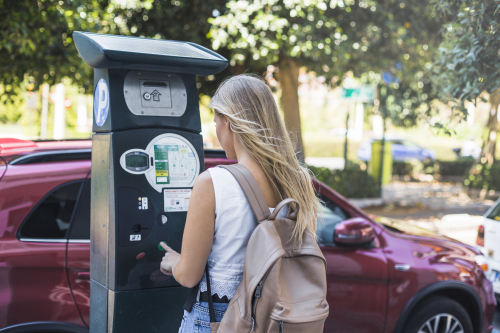
The surge of electric vehicles (EVs) into the streets of Dallas-Fort Worth (DFW) is more than just a passing trend it’s a quiet revolution reshaping the automotive landscape. What was once considered an expensive and niche market is rapidly becoming mainstream. Residents are increasingly trading in their gas-guzzling vehicles for greener alternatives, propelled by rising fuel prices, growing environmental awareness, and a new wave of technological advancements.
The DFW area, once slow to embrace EVs, is now at the center of a transition that’s proving to be both economically and environmentally compelling. Local automotive dealers are reporting an uptick in sales of electric models, with several mainstream brands like Chevrolet, Tesla, and Ford unveiling vehicles designed to fit the diverse needs of Texas drivers. These shifts aren’t limited to buyers looking to be eco-friendly but also those who see an opportunity to capitalize on tax incentives and reduced long-term costs.
The question is no longer whether the EV market in DFW will grow, but how fast it will scale. With strong demand pushing carmakers to accelerate production, this region’s transformation into an electric future seems inevitable.
Plugging In: The Infrastructure Boom
For any electric revolution to thrive, infrastructure is key and that’s where DFW is seeing rapid change. The region’s charging network is expanding at a breakneck pace. According to local reports, new charging stations are popping up across major highways, neighborhood streets, and commercial hubs, with significant investments from both public and private sectors driving this shift. In fact, the U.S. Department of Energy is investing heavily in the area, with $100 million earmarked for expanding EV charging infrastructure across Texas.
The Dallas-Fort Worth area, long known for its sprawling landscape, is finding new ways to bridge the gap between home, work, and leisure, powered by electric vehicles. Local initiatives, such as the North Central Texas Council of Governments’ EV Preparedness Program, are helping to streamline the transition. These efforts aim to equip local businesses, municipalities, and consumers with the tools needed to support widespread EV adoption
Dollars and Sense: The Economics of Going Electric
Switching to electric vehicles may seem daunting at first, especially with higher upfront costs compared to traditional vehicles. But a closer look reveals that going electric is not only environmentally beneficial but economically advantageous in the long run. The average cost of operating an EV is significantly lower, thanks to fewer moving parts and the lack of gasoline dependency. Over the lifespan of the vehicle, owners can save thousands on fuel and maintenanc
Moreover, incentives at both the federal and state levels make the transition easier. The U.S. government, through programs like the EV Tax Credit, offers up to $7,500 off new electric car purchases. Texas itself provides rebates to homeowners installing EV chargers, making it even more appealing for local residents to consider electric alternative
While the initial cost remains a concern for some, the long-term savings are undeniable. For Dallas-Fort Worth residents, the financial argument is becoming increasingly compelling as gas prices fluctuate and maintenance costs for conventional vehicles continue to climb.
Roadblocks and Detours: Challenges in the EV Landscape
However, the road to an entirely electric future is not without its bumps. Despite the growth of EV infrastructure, many areas of North Texas still face charging deserts places where access to charging stations remains limited or inconsistent. In rural and even suburban parts of DFW, potential EV buyers find themselves hesitant to make the switch, unsure whether they’ll have easy access to charging points.
A report from KERA News highlighted that while urban areas like Dallas and Fort Worth are well-equipped with charging stations, the lack of infrastructure in surrounding rural areas presents a clear roadblock. This uneven distribution could hinder broader adoption and leave certain communities behind
To address this, local governments and industry players are working together to ensure more equitable access to charging stations, focusing on areas that are currently underserved. The push to close these gaps is critical to the success of DFW’s EV expansion.
The Future of Mobility: DFW’s Electric Horizon
Looking ahead, the future of electric vehicles in Dallas-Fort Worth is bright. The continued growth of charging infrastructure, coupled with rising consumer demand, is positioning the region to become a hub for electric mobility. Predictions from the North Texas Council of Governments indicate that EV sales will continue to rise as infrastructure improves and as more automakers introduce affordable, high-performance models
Moreover, the shift towards electric vehicles is expected to have a profound impact on urban planning. Cities like Dallas are already looking at how to incorporate EV-friendly policies into their long-term growth plans, including integrating more charging stations into public spaces and ensuring that local grids can support the additional demand for electricity.
The energy landscape is also evolving to meet the needs of this new wave of transportation. With solar-powered charging stations and other green energy initiatives gaining traction, DFW could soon become a model for other regions grappling with the transition to clean energy.
Powering Forward
Dallas-Fort Worth is at the crossroads of a major transformation, and electric vehicles are at the forefront of this shift. As charging infrastructure grows, so too will consumer confidence in making the switch to electric. For car buyers in the region, the benefits are clear lower costs, environmental responsibility, and access to an ever-expanding network of charging stations.
As more and more drivers make the transition to electric vehicles, DFW stands ready to lead the way in shaping a cleaner, greener future. Whether you’re a potential buyer or a long-time enthusiast, the electric revolution is just beginning and there’s never been a better time to plug in.
For those on the fence, it’s time to make the move. With incentives, infrastructure, and environmental benefits on your side, going electric isn’t just a choice it’s the future of driving in Dallas-Fort Worth.
Disclaimer: The above helpful resources content contains personal opinions and experiences. The information provided is for general knowledge and does not constitute professional advice.
You may also be interested in: Jupiter Chevrolet is a GARLAND Chevrolet dealer and a new car
Feeling stuck in the stressful car-buying process? At Jupiter Chevrolet in Garland, TX, we’ve reimagined how buying a car should feel. With transparent pricing, online deal-building tools, and the benefits of our Jupiter Advantage program, we ensure every step is straightforward and satisfying. Skip the hassle. From purchase to certified service, our team truly puts your choice and convenience first. Turn your dreams of finding your ideal Chevrolet into reality with us. Visit Jupiter Chevrolet today!

In an era where convenience and technology are intertwined more than ever before, the way we purchase cars is evolving. Virtual reality (VR) is at the forefront of this change, transforming the automotive industry. What was once confined to science fiction is now a reality in car dealerships worldwide. Virtual reality is making its way into car shopping in a way that enhances the customer experience and reshapes the traditional sales process. This is how VR is revolutionizing car shopping and why the future of test drives might just be virtual.
The Virtual Showroom Revolution
From Physical to Digital: The Shift in Car Buying
Car buying has long been associated with a physical trip to a dealership test drives, dealership visits, and paperwork. However, the digital revolution has reached the automotive industry, pushing more and more dealerships to offer online and virtual options for prospective buyers. Virtual showrooms are at the heart of this transformation. These virtual spaces allow customers to browse a wide variety of vehicles from the comfort of their homes, eliminating the need for a physical visit.
Virtual showrooms leverage the power of immersive technologies to bring cars to life in a way that static images and videos cannot. With the use of virtual reality headsets, customers can step into a showroom and interact with vehicles as though they are physically present. These showrooms are more than just websites they’re fully immersive environments where the cars themselves become interactive. For example, Audi and BMW are already using virtual reality in their showrooms to give customers a 360-degree view of their models, with the ability to customize features such as the color and interior options.
The Power of Immersive Experiences
Virtual reality is providing car buyers with an experience that extends beyond simple exploration. By interacting with 3D models of vehicles, customers can get a true sense of the car’s dimensions, its interior layout, and even its features. This level of immersion is something traditional online car shopping simply cannot provide. Potential buyers can look at a car from every angle, inspect the dashboard, and even sit in the virtual car to check the comfort of the seats and steering wheel.
More importantly, VR offers customers a unique, hands-on opportunity to engage with the cars in a way that video and photographs simply can’t match. This immersive experience helps build a deeper connection with the vehicle and makes the decision-making process less daunting. According to Wards Auto, automakers are embracing VR technology for its ability to provide detailed visualizations of car features and performance capabilities. This is just the beginning of how digital tools are changing how we view car purchasing.
Behind the Wheel from Your Living Room
Exploring Features and Customization
One of the most appealing aspects of VR in car shopping is the ability to customize your vehicle in real-time. Traditional car-buying experiences can involve hours of discussions with sales representatives to select the right model, color, and features. In a VR setting, buyers can adjust the features of the car on the fly. Want to try a different paint color? No problem. Want to test a new leather interior? Just select it in the VR interface. This freedom of exploration allows customers to make well-informed decisions before stepping foot in a dealership.
Furthermore, customers can explore features like the car’s entertainment system, GPS interface, and safety options in a virtual environment. By simulating the experience of interacting with a real car, VR provides an engaging and realistic preview of the features buyers are most interested in. As the technology evolves, the ability to interact with these features will become even more seamless and intuitive.
Simulating Real-World Driving Conditions
While VR can’t yet fully replicate the sensory experience of driving a car on an actual road, it’s rapidly improving in its ability to simulate real-world driving conditions. Virtual test drives let customers experience how a car handles in different environments, whether it’s city streets, highways, or rugged terrain. These simulations are more than just for fun they provide valuable insight into how a car performs under various conditions.
For example, buyers can simulate driving on icy roads or navigating sharp turns without ever leaving their living room. This added realism is a game-changer for car buyers who want to get a sense of a car’s handling without physically driving it. More and more automakers are leveraging VR technology to provide this kind of test drive experience. It’s likely that in the near future, virtual driving experiences will be able to simulate an even wider range of driving conditions and car performance metrics.
The Tech Driving the Change
VR Headsets and 3D Visualization
The development of VR headsets has been a significant driving force behind the success of virtual reality in the automotive industry. These headsets allow users to fully immerse themselves in a digital environment, where they can interact with 3D visualizations of cars. By wearing a VR headset, users are transported into a digital world where they can inspect every detail of a car’s design, interior, and performance.
The latest VR systems also allow users to walk around the car, examine it from all angles, and even sit in the virtual driver’s seat to explore its features. The Research Nester reports that VR technology is not just changing how cars are viewed online; it’s revolutionizing how customers engage with products, ultimately leading to higher sales conversions. The immersive nature of VR ensures that customers feel like they are interacting with a physical car, creating a stronger connection to the product.
Integration with Existing Automotive Technologies
Virtual reality isn’t just a standalone technology it’s being integrated with existing automotive tools to enhance the overall car-buying process. For instance, VR test drives are being combined with augmented reality (AR) features to offer a more dynamic customer experience. VR allows buyers to explore the car’s physical attributes, while AR can provide real-time, contextual information about a car’s features as they interact with it.
This combination of VR and AR creates a multi-layered approach that ensures customers are not only experiencing the car in an immersive digital environment but also receiving valuable insights about its performance and technology. As the integration between VR, AR, and other automotive technologies continues to evolve, it’s clear that the future of car shopping will be a highly interactive and customized experience.
Automakers at the Forefront
Case Studies: Successful VR Implementations
A number of automakers have already embraced virtual reality technology, with significant results. For instance, Volvo has integrated VR into its car-buying process, allowing customers to experience different car models and features without stepping foot into a physical dealership. This initiative has allowed Volvo to reach new customers and enhance its brand presence.
Other companies, such as BMW and Mercedes-Benz, have also successfully implemented VR in their showrooms. These automakers use VR to showcase their vehicles in an engaging and interactive way, allowing customers to explore different configurations and options. By incorporating VR into the sales process, these brands have not only enhanced the shopping experience but also boosted customer engagement and satisfaction.
Customer Engagement and Sales Impact
The impact of VR on customer engagement is clear. Virtual test drives and showrooms have resulted in a noticeable increase in customer interaction and engagement. According to Cars US News, automakers who have incorporated VR into their sales process have seen improved customer satisfaction and higher conversion rates. By offering a more interactive and personalized experience, automakers are making car shopping more engaging for consumers.
The Road Ahead
Challenges and Opportunities
While VR technology is changing the way cars are bought, it does face challenges. The technology can be expensive to implement, and not all customers have access to high-end VR equipment. There is also the issue of ensuring that virtual experiences accurately reflect the real-world performance of the car, especially when it comes to things like handling and comfort.
However, the opportunities far outweigh the challenges. As VR technology becomes more affordable and widespread, it is likely that we will see even more car manufacturers adopting it. Additionally, improvements in the realism of virtual test drives will only enhance the customer experience, making it a more reliable tool for car shopping.
Predictions for the Future of VR in Automotive Retail
Looking to the future, it’s clear that VR will become an integral part of the car-buying process. Experts predict that as the technology matures, it will become more seamless and accessible. In the near future, customers may be able to take fully immersive, real-time test drives from the comfort of their homes, experiencing not just the appearance of a car, but its performance as well.
A New Era of Car Shopping
Virtual reality is not just a gimmick it’s a game-changer in the world of automotive sales. By offering immersive test drives and interactive showrooms, VR is changing how cars are sold, making the process more personalized, engaging, and efficient. As the technology continues to evolve, we can expect it to play an even bigger role in the future of car buying. The future of car shopping is here, and it’s virtual.
Disclaimer: The above helpful resources content contains personal opinions and experiences. The information provided is for general knowledge and does not constitute professional advice.
You may also be interested in: Jupiter Chevrolet is a GARLAND Chevrolet dealer and a new car
Feeling stuck in the stressful car-buying process? At Jupiter Chevrolet in Garland, TX, we’ve reimagined how buying a car should feel. With transparent pricing, online deal-building tools, and the benefits of our Jupiter Advantage program, we ensure every step is straightforward and satisfying. Skip the hassle. From purchase to certified service, our team truly puts your choice and convenience first. Turn your dreams of finding your ideal Chevrolet into reality with us. Visit Jupiter Chevrolet today!
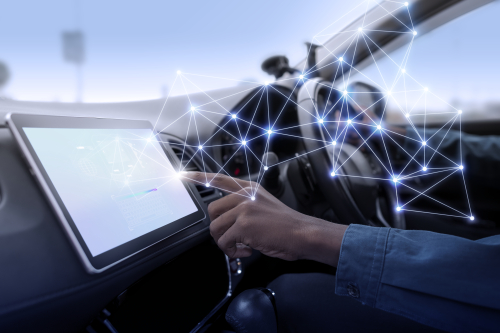
Texas has long been known for its love of big trucks, powerful engines, and rugged capability. But as the state’s cities grow and consumer priorities shift, a new set of must-have vehicle features is emerging. In 2025, Texans are looking for more than just horsepower they want safety, connectivity, fuel efficiency, and affordability, all wrapped in a vehicle that can handle both urban sprawl and open highways.
From cutting-edge driver assistance systems to the rising popularity of compact SUVs, here’s a closer look at the features shaping Texa’s automotive market this year.
Safety First: Advanced Systems Taking the Wheel
Gone are the days when a sturdy frame and good tires were the ultimate safety features. In 2025, advanced driver assistance systems (ADAS) have become the new standard for Texas drivers. Features like automatic emergency braking, adaptive cruise control, and lane-keeping assistance are not just luxuries they’re expected.
The push for safer vehicles is reflected in new regulations and consumer demand. According to the Texas Department of Public Safety, safety inspection requirements are changing in 2025, emphasizing electronic safety measures. Brands like Ford and Lexus are responding by integrating more sophisticated driver assistance features across their lineups. The 2025 Lexus TX boasts an array of sensors and automated safety tools designed for highway and city driving alike.
Powering the Future: Hybrid Dominance
Texans may love their trucks and SUVs, but rising fuel costs and growing environmental awareness are making hybrid powertrains more appealing than ever. The demand for vehicles that balance performance with efficiency is fueling a hybrid revolution across the state.
Models like the 2025 Ford Explorer Hybrid and the Toyota Tundra Hybrid offer the rugged capability Texans demand, while also delivering significant fuel savings. These vehicles are particularly attractive in a state where long commutes and cross-country road trips are the norm.
Texa’s energy-conscious shift isn’t just about cutting fuel costs it’s about maintaining power and performance in an evolving market. Automakers are responding by enhancing hybrid engines to deliver both torque and efficiency, ensuring Texans don’t have to sacrifice power for sustainability.
Connected Cruising: Smart Tech Integration
A vehicle in 2025 isn’t just a mode of transportation it’s a mobile command center. Texans are prioritizing seamless technology integration, with many buyers seeking infotainment systems that sync effortlessly with smartphones, voice commands, and even smart home devices.
Automakers are stepping up their game with wireless Apple CarPlay and Android Auto, over-the-air software updates, and AI-driven driver assistance. The 2025 Kia Carnival MPV exemplifies this trend, offering next-level connectivity that allows drivers to manage schedules, play music, and even monitor their home security all from the driver’s seat.
Size Matters: The Reign of Compact SUVs
For years, Texas has been known for its full-sized trucks and SUVs. But in 2025, compact SUVs are dominating the market. Why? They offer the perfect blend of size, versatility, and efficiency, making them ideal for both urban and rural drivers.
According to U.S. New’s 2025 rankings, compact SUVs like the Nissan Kicks and Toyota RAV4 are among the best-selling vehicles in the state. With ample cargo space, elevated seating positions, and strong fuel economy, these SUVs fit the needs of families, commuters, and weekend adventurers alike.
Luxury Redefined: Personalization is Key
Luxury in Texas isn’t just about brand names it’s about customization. High-end car buyers want features tailored to their specific needs, from premium sound systems to bespoke leather interiors.
Brands like Lexus and Cadillac are offering unprecedented levels of personalization, with options to configure everything from ambient lighting to drive modes. The 2025 Cadillac Escalade continues to set the benchmark, featuring state-of-the-art technology and ultra-comfortable interiors designed to cater to Texa’s elite drivers.
Affordability in Focus: The $30K Sweet Spot
Car prices have remained high in recent years, but affordability is becoming a greater priority for Texas buyers. According to Cars.com, economic pressures and potential tariffs could keep new car prices elevated, but there’s still a silver lining: an increasing number of new vehicles priced under $30,000.
Pre-owned vehicles and certified pre-owned programs are also gaining popularity. Dealerships are adapting to the demand by offering financing incentives and extended warranties, making it easier for Texans to find reliable, budget-friendly options without sacrificing modern features.
The Road Ahead for Texas Drivers
Texa’s automotive landscape in 2025 is shaped by a blend of tradition and innovation. While big trucks and powerful engines remain a staple, advanced safety features, hybrid efficiency, and cutting-edge technology are steering the market in new directions.
As automakers continue to evolve, one thing remains clear: Texans want vehicles that work as hard as they do whether that means hauling a trailer across ranchland or navigating the tech-driven highways of tomorrow.
Disclaimer: The above helpful resources content contains personal opinions and experiences. The information provided is for general knowledge and does not constitute professional advice.
You may also be interested in: New White 2025 Chevrolet Silverado 1500 LTZ | Dallas, Richardson
Feeling stuck in the stressful car-buying process? At Jupiter Chevrolet in Garland, TX, we’ve reimagined how buying a car should feel. With transparent pricing, online deal-building tools, and the benefits of our Jupiter Advantage program, we ensure every step is straightforward and satisfying. Skip the hassle. From purchase to certified service, our team truly puts your choice and convenience first. Turn your dreams of finding your ideal Chevrolet into reality with us. Visit Jupiter Chevrolet today!
How Texas Economy Is Shaping Vehicle Demand in 2025

Texas, known for its expansive landscapes and vibrant economy, boasts a significant automotive industry projected to reach $98.8 billion in 2025. This colossal sector is not only crucial to the state’s economy but also plays a pivotal role in shaping broader national auto market trends. With a deeply entrenched automotive manufacturing presence, a vast consumer base, and emerging shifts in vehicle demand, Texas stands at a unique crossroads.
In the coming year, Texas will confront both opportunities and challenges that will affect how its residents buy and use vehicles. The state’s economic resilience has been a key factor in maintaining a dynamic auto market, yet the turbulence of rising costs and shifting consumer behaviors adds a layer of complexity. As we head into 2025, understanding the driving forces behind the state’s auto industry offers valuable insight into how Texas is positioning itself to lead the way in the broader automotive landscape.
Revving Up: Economic Engines Behind Vehicle Demand
Texas has long been a leader in economic growth, and in 2025, the state’s GDP is set to continue expanding, providing fertile ground for vehicle demand. Rising consumer confidence, spurred by a growing job market and a booming housing sector, will likely encourage more people to enter the market for a new vehicle. The economic optimism in Texas is palpable, with local businesses, workers, and residents benefiting from the state’s generally positive financial outlook.
However, despite this optimism, there are challenges lurking in the background. Interest rates, which are expected to remain high for the foreseeable future, could affect consumer purchasing power. As car loans become more expensive, many buyers may rethink their vehicle purchases or opt for more affordable options. The auto market, much like the housing market, is deeply intertwined with broader economic trends. With higher borrowing costs and potential instability in other sectors, Texas’s auto industry may face pressure to adapt and innovate.
Moreover, while unemployment rates are lower than the national average, there is always a level of uncertainty when it comes to job market fluctuations. If companies begin laying off workers or cutting back hours, the ripple effect will likely extend to the auto industry. Thus, while the Texas economy remains resilient, the interconnectedness of these various economic sectors means that vehicle demand could fluctuate, making it essential for manufacturers and dealerships to stay nimble in the face of a changing environment.
Electric Dreams: The EV Surge in the Lone Star State
Texas is positioning itself as a leader in the electric vehicle (EV) revolution, with EVs projected to represent 10% of all vehicle sales in the state by 2025. The shift towards electric transportation is gaining momentum not only due to consumer demand but also as a result of state-backed initiatives aimed at expanding the EV market. As part of its broader environmental goals, Texas has seen a significant increase in the number of electric vehicle charging stations across the state. This infrastructure development is essential for addressing consumer concerns about charging accessibility and vehicle range.
The Texas government has also provided incentives to encourage EV adoption. These include tax rebates for buyers and subsidies for manufacturers building EVs within the state. With these policies in place, more Texans are making the switch to electric cars, contributing to the overall growth of the EV market. Furthermore, Texas’s well-established position as a hub for major automotive manufacturers, including electric vehicle producers like Tesla, has helped solidify the state’s role in shaping the future of the auto industry.
For instance, a recent report by AutoBodyNews highlighted that the state’s EV market will continue to thrive as more consumers opt for cleaner alternatives to traditional gas-powered vehicles. The transition is not only a response to rising gas prices but also part of a broader movement toward sustainability.
While this shift to electric vehicles offers promise, it does not come without its challenges. Texans accustomed to the convenience of gasoline-powered cars are slowly adjusting to the logistics of EV ownership. From longer charging times to the upfront cost of purchasing an EV, there are hurdles that still need to be addressed. Nevertheless, the future of the auto industry in Texas is clearly electric, and the state’s growing EV adoption will undoubtedly set the tone for the rest of the nation.
Trade Winds: Tariffs and Texas Auto Manufacturing
In recent years, the U.S. government has implemented tariffs on imports from Canada and Mexico, both of which have had a direct impact on Texas’s automotive sector. San Antonio and Arlington, two cities that are home to major vehicle manufacturers, are facing growing concerns about the long-term consequences of these tariffs. Local mayors have expressed worries that these trade barriers could drive up the cost of manufacturing, ultimately leading to higher prices for consumers.
The issue is particularly sensitive in Texas, where the auto manufacturing industry is not just an economic driver but also a key source of employment. The impact of tariffs on vehicles and vehicle parts could force manufacturers to rethink their supply chains, potentially shifting operations elsewhere to mitigate costs. For cities like San Antonio and Arlington, where local economies are closely tied to the auto industry, the ramifications of these tariffs could be significant. As pointed out by Texas Public Radio, local officials have called for a reevaluation of these tariffs to prevent damaging consequences for workers and manufacturers alike.
The looming trade uncertainty has already led some manufacturers to reconsider their investment strategies in the state. As these trade policies continue to evolve, the auto industry in Texas must remain adaptable to changes in the global market. Local officials, in collaboration with manufacturers, will need to address these economic pressures to ensure the continued growth and success of the Texas auto industry.
Affordability in the Fast Lane
While the Texas auto market continues to show signs of growth, the issue of affordability remains a key concern. The good news for buyers is that vehicle loan rates are expected to decline in 2025, making cars more accessible for consumers. As interest rates stabilize and credit approval rates rise, the financial barriers to purchasing a new vehicle are starting to recede. This will be a welcome change for buyers who were previously priced out of the market by high-interest rates and tight lending standards.
Furthermore, increased inventory in 2025 is expected to give consumers more choices at competitive prices. With dealerships offering more incentives to boost sales, buyers will have an opportunity to take advantage of deals that were previously unavailable. As noted by IBISWorld, the uptick in available vehicles will provide additional competition among dealers, which can help bring prices down.
Still, as vehicle prices have steadily risen over the years, many buyers are opting for more affordable, used vehicles instead of new models. The growing market for used cars in Texas reflects broader trends in the automotive industry, where affordability is becoming a central factor in consumer decision-making. For many buyers, the balance between price and functionality will continue to drive their purchasing decisions in 2025.
Navigating the Road Ahead
Looking ahead, Texas’s auto market is poised for continued success, despite a number of economic and geopolitical challenges. The state’s economic resilience, coupled with a booming EV sector, suggests that the Lone Star State will remain a powerful force in shaping national vehicle demand. However, as trade tariffs and rising costs threaten the stability of local manufacturing, there will be a need for swift adaptation.
Ultimately, Texas’s ability to navigate these economic challenges will determine the trajectory of its auto industry in 2025 and beyond. With a growing emphasis on electric vehicles and a competitive marketplace for both new and used cars, the state’s automotive sector is set to lead the way in innovative solutions and economic growth. But, as always, it is essential for manufacturers, policymakers, and consumers alike to stay informed and ready to respond to the changing road ahead.
Disclaimer: The above helpful resources content contains personal opinions and experiences. The information provided is for general knowledge and does not constitute professional advice.
You may also be interested in: 2025 Chevrolet Silverado 2500 HD in GARLAND | Jupiter Chevrolet
Feeling stuck in the stressful car-buying process? At Jupiter Chevrolet in Garland, TX, we’ve reimagined how buying a car should feel. With transparent pricing, online deal-building tools, and the benefits of our Jupiter Advantage program, we ensure every step is straightforward and satisfying. Skip the hassle. From purchase to certified service, our team truly puts your choice and convenience first. Turn your dreams of finding your ideal Chevrolet into reality with us. Visit Jupiter Chevrolet today!

Quick Listen:
In the dynamic automotive market of North Texas, car buying trends are shaped by numerous factors, from inventory levels to interest rates. However, one often-overlooked aspect of this market is the powerful influence of weather conditions. The region, known for its intense summer heat, sudden storms, and occasional cold snaps, sees notable shifts in consumer buying behavior based on weather patterns. These shifts impact vehicle preferences, buying timelines, and even decision-making processes. To understand how weather conditions influence the car market in North Texas, we must consider how the seasons affect buyer psychology, purchasing habits, and long-term trends.
Seasonal Shifts in Consumer Preferences
In North Texas, the impact of weather on car buying behavior can be seen most clearly through seasonal shifts in demand. Summer in the region is a time of scorching heat, while the winter months bring more temperate weather and occasional cold fronts. As temperatures rise, so does the demand for vehicles that are equipped to handle the heat and facilitate outdoor lifestyles. The heat drives buyers toward larger, more robust vehicles such as SUVs, trucks, and crossovers ideal for family trips, hauling gear, and navigating the often bumpy and sun-drenched Texas terrain. These vehicles, with their large interiors and off-road capabilities, are perfect for North Texans who enjoy a weekend getaway to nearby natural attractions like lakes or parks.
During the winter, however, demand shifts toward smaller, more fuel-efficient vehicles. Many North Texans trade in their SUVs and trucks for sedans and compact cars that are better suited for shorter commutes and city driving. The relatively mild winters in the region make the larger vehicles seem less practical, as consumers focus more on fuel efficiency and maneuverability. According to research from CarMax, winter tends to spark a preference for cars with lower operating costs, such as smaller sedans and hybrids, as buyers look to minimize fuel consumption during colder, rainier months.
Interestingly, it’s not just the extreme weather that affects buying patterns. The psychological effect of seasons on consumers cannot be overstated. According to studies on seasonal trends in consumer behavior, the warmer months tend to encourage more spontaneous, high-energy purchases, such as buying vehicles that are associated with adventure and family trips. This effect can be seen in the number of people who opt for larger vehicles as the summer heat creates an environment conducive to vacations and road trips. Conversely, the colder months lead to more thoughtful, deliberate purchases, with buyers often taking their time to consider fuel economy, safety features, and winter-driving capabilities.
The Psychology of Weather: How Sunny Days Influence Buying Behavior
Weather has a profound psychological impact on consumers, influencing both mood and decision-making. A sunny, warm day can spark feelings of positivity and enthusiasm, often leading to impulsive or optimistic purchasing decisions. For North Texans, this means that the scorching summer months, with their abundant sunshine, can trigger an increase in car purchases. People are generally more inclined to make big decisions when the weather is pleasant, as the overall mood tends to be more optimistic. In fact, studies on consumer psychology have shown that sunny weather can lead to more spontaneous buying behavior, with individuals more likely to act quickly and confidently when the sun is shining brightly.
Conversely, when the weather is overcast, rainy, or excessively hot, people tend to experience lower levels of energy and a more cautious outlook. In these conditions, buyers may feel less urgency to make large purchases, such as vehicles. In these moments, buyers are more likely to engage in more research, compare models, and evaluate long-term benefits more critically. This psychological shift in decision-making is consistent with findings from the Psychological Science, which explores how weather can trigger emotional responses that ultimately influence consumer decisions.
This weather-driven shift is important for car dealerships, as it suggests that their sales strategies need to be adaptable to fluctuating weather conditions. When sunny days dominate the forecast, dealerships may experience a spike in foot traffic, with buyers eager to take advantage of the ideal weather for test drives and purchases. In contrast, dealerships might need to adjust their approaches during the cooler, cloudier months, offering incentives to draw in customers who might otherwise wait until the weather improves. For example, offering special promotions or financing deals during the cooler months could help drive sales when weather-related hesitation might otherwise slow down the market.
Predicting Car Buying Trends Based on Weather Patterns
Looking ahead, car dealerships in North Texas will need to adjust their strategies in response to changing weather patterns and increasingly volatile climate conditions. The growing prevalence of extreme heat during the summer months, as well as the increasing unpredictability of winter weather, will likely continue to shape car-buying behaviors in the region. As temperatures rise, we can expect greater demand for vehicles that are designed to handle the heat, such as trucks and SUVs with powerful air conditioning systems and durable engines that can withstand the sweltering Texas summers.
Additionally, the rise in extreme weather events, such as severe storms or flooding, may lead to an increase in demand for vehicles that can handle these conditions. All-wheel-drive vehicles, for example, are often favored during periods of unpredictable weather, as they offer greater stability and safety on wet, slick roads. This is especially important in a region like North Texas, where sudden storms and flash floods can make driving hazardous, prompting consumers to prioritize vehicle reliability and safety features. According to Science Daily, climate change is expected to result in more frequent and severe weather events, which will, in turn, drive buyers toward vehicles that can handle unpredictable conditions.
In addition to more durable vehicles, there is also a growing demand for environmentally friendly options. As North Texans become increasingly aware of the environmental impact of their driving habits, hybrid and electric vehicles are becoming more appealing. The region’s extreme heat can take a toll on conventional engines, reducing fuel efficiency, which makes hybrid and electric cars even more desirable. This shift towards greener vehicles reflects broader consumer trends that emphasize sustainability and energy efficiency. North Texans are no longer simply buying cars that meet their needs in terms of size and style they are also considering the environmental impact of their purchase, which is reshaping the market.
Preparing for the Future: Adapting to a Changing Climate
Looking ahead, dealerships must become increasingly attuned to the intersection between weather patterns and car buying behaviors. The future of car buying in North Texas will likely be shaped by both environmental and psychological factors. Dealerships that are able to predict how weather conditions will influence consumer behavior will be better positioned to capitalize on market trends. By understanding which vehicles are in demand during specific weather conditions, dealerships can stock their inventories accordingly and tailor marketing strategies to highlight relevant features.
Additionally, as climate change continues to shape weather patterns, dealerships must also be prepared to adapt to the increased frequency of extreme weather events. While North Texas has always been subject to heatwaves and occasional storms, the increasing unpredictability of these events means that dealerships must anticipate shifts in buyer preferences and adjust their inventory to reflect those changes. For example, vehicles that are highly durable and capable of handling extreme weather conditions may become increasingly popular as consumers prioritize safety, reliability, and comfort in the face of unpredictable weather.
In conclusion, weather conditions play a significant, yet often underappreciated, role in shaping car buying trends in North Texas. From the influence of sunny days on consumer optimism to the demand for specific vehicles during extreme heat, dealerships must be prepared to adjust their sales strategies to accommodate these weather-driven shifts. By understanding the psychological and environmental factors that drive consumer behavior, car dealerships can better meet the needs of buyers and position themselves for success in an ever-changing market. Whether it’s the heat pushing buyers toward SUVs or the cold encouraging more cautious, fuel-efficient purchases, the weather will continue to be a key factor influencing car buying decisions for years to come.
Disclaimer: The above helpful resources content contains personal opinions and experiences. The information provided is for general knowledge and does not constitute professional advice.
You may also be interested in: Chevrolet Accessibility
Feeling stuck in the stressful car-buying process? At Jupiter Chevrolet in Garland, TX, we’ve reimagined how buying a car should feel. With transparent pricing, online deal-building tools, and the benefits of our Jupiter Advantage program, we ensure every step is straightforward and satisfying. Skip the hassle. From purchase to certified service, our team truly puts your choice and convenience first. Turn your dreams of finding your ideal Chevrolet into reality with us. Visit Jupiter Chevrolet today!
Quick Listen:
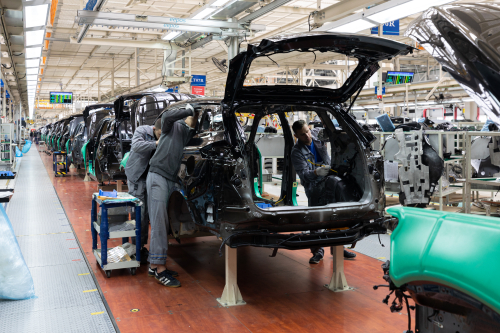
Tariffs have become a central issue for the global economy, with industries from agriculture to technology grappling with their consequences. The U.S. auto industry is no exception. The U.S. government’s decision to impose tariffs on imported cars and parts from Canada and Mexico has sent shockwaves through the automotive sector. These tariffs, designed to protect domestic manufacturing, have raised alarm among consumers, manufacturers, and workers alike. As the world’s third-largest automobile producer, the U.S. auto industry plays a pivotal role in the North American economy. This article delves into the multifaceted impact of tariffs, from soaring car prices to supply chain disruptions, and explores what this means for the future of the industry.
The Price Surge: A $12,000 Increase?
One of the most immediate and visible impacts of these tariffs is the significant rise in car prices. According to CBS News, certain new vehicles could see a price increase of up to $12,000 due to the new tariffs. While it might seem like a simple trade dispute, the effects are far-reaching. Automakers are being forced to pass on the additional costs of tariffs to consumers, resulting in higher prices for everything from sedans to SUVs.
The ripple effect of these price hikes is felt most acutely by middle-class families who rely on affordable cars for daily transportation. These price increases could change consumer behavior, especially in a market that is already facing high inflation rates and economic uncertainty. According to Edmunds, the impact could be seen across a wide range of vehicle models, with some cars seeing a hike of nearly 25%. The question remains: how much will consumers be willing to pay before the market sees a significant shift in demand?
Economists and industry experts agree that the tariff-driven price surge could cause long-term consequences. High car prices could deter potential buyers, leading to a slowdown in overall car sales. In fact, some estimates predict that the increased cost could result in a significant drop in car sales, affecting dealerships and manufacturers alike.
Supply Chain Disruptions: A Global Impact
The tariff’s effect on car prices is just the tip of the iceberg. Beneath the surface, the real concern lies in the massive disruption of supply chains across North America. The automotive industry, particularly in the U.S., is highly dependent on cross-border trade, with Canada and Mexico playing vital roles in supplying parts and components. Cox Automotive highlights how these tariffs threaten to unravel a finely-tuned supply chain that has evolved over decades.
For instance, automakers rely on parts such as engines, transmission systems, and various electronics that are either manufactured or assembled in Canada and Mexico. Tariffs placed on these goods will likely lead to increased costs for automakers, who are already struggling with the logistical challenges brought about by global supply chain bottlenecks. The immediate consequence is that car production could slow down, as manufacturers face difficulties sourcing the necessary components.
Moreover, these disruptions aren’t limited to the U.S. market. The global auto industry is interconnected, and any disruption in North America affects production timelines and costs in other parts of the world. For example, European and Asian car manufacturers, many of whom have plants in Mexico and Canada, are likely to feel the impact as well. This interconnected web of trade means that a disruption in one region can have a domino effect across the entire industry.
Industry Consequences: Job Losses and Sales Declines
As the price of cars increases and supply chains become more strained, the automotive industry could face deeper challenges. One of the most concerning outcomes of these tariffs is the potential for widespread job losses. Automakers are already facing challenges related to automation and shifting consumer preferences, but tariffs could exacerbate these issues by increasing production costs. According to NBC News, the combination of higher prices and production slowdowns could lead to significant job losses in the sector.
For workers, particularly those in manufacturing plants or parts supply chains, these tariffs could spell uncertain futures. The tariffs may prompt manufacturers to rethink their operations, potentially relocating production or shifting to alternative sources for cheaper parts. In some cases, this could mean job cuts, as the cost of labor and materials increases. The ripple effect of job losses could extend to communities that depend on the auto industry for economic stability.
Meanwhile, car dealerships and smaller auto-related businesses could face a significant reduction in sales. With prices climbing and fewer cars rolling off production lines, these businesses may find themselves struggling to meet customer demand. The U.S. automotive industry already faces a downturn in demand for sedans, with consumers increasingly opting for more fuel-efficient or hybrid vehicles. The effects of tariffs could only accelerate this trend, leading to a broader contraction in the sector.
The Unseen Costs: Impact on Consumers and the Economy
While much of the focus has been on the tariff’s impact on manufacturers and workers, the effects on consumers are also significant. With car prices soaring, many families may have to postpone or reconsider purchasing new vehicles. For some, the dream of buying a new car might be pushed even further out of reach. As prices rise, consumers may turn to used cars, but even those are becoming more expensive as dealers face their own supply chain disruptions. NPR reports that the secondary market for cars is also tightening as dealers face higher costs for used inventory.
At a broader level, the rising cost of cars will have a knock-on effect on the overall economy. Cars are among the largest purchases most people make, and a significant price increase could result in decreased consumer spending in other areas. The auto industry has long been a major contributor to U.S. economic growth, generating billions of dollars in revenue and providing millions of jobs. However, as car prices rise and sales decline, the long-term effects could be negative for economic growth.
The Political Landscape: The Debate Over Tariffs
The issue of tariffs has sparked intense debate within political circles. Proponents argue that tariffs are necessary to protect domestic manufacturers and create jobs in the U.S. However, opponents contend that these tariffs disproportionately harm consumers, workers, and businesses that rely on global supply chains. As Forbes points out, the auto industry is an ecosystem with many moving parts, and the costs of tariffs may ultimately outweigh the benefits.
The question of how long these tariffs will remain in place is another source of uncertainty. For automakers, especially those who rely on just-in-time manufacturing, these tariffs are an unwelcome disruption. Some automakers have already started considering shifting production out of North America, which could reduce the long-term impact of the tariffs. However, if tariffs are imposed for the long term, they could lead to even greater structural changes in the industry.
Navigating the Future
As the U.S. auto industry grapples with the consequences of these new tariffs, the road ahead remains unclear. The immediate impacts of rising prices and supply chain disruptions are already being felt, and the longer-term effects are yet to be fully realized. For consumers, the challenge will be navigating rising prices and finding alternatives in an increasingly costly market. For automakers, adapting to these new tariffs and mitigating their effects on production and workforce management will be critical. Ultimately, the auto industry’s ability to weather the storm of tariffs will depend on its resilience and adaptability in the face of a changing global trade landscape.
As the situation unfolds, it’s clear that the road ahead will not be easy for the U.S. auto industry. Whether these tariffs will have a lasting impact on prices, supply chains, and employment remains to be seen but one thing is certain: the auto industry will need to navigate these challenges with careful consideration and strategic foresight.
Disclaimer: The above helpful resources content contains personal opinions and experiences. The information provided is for general knowledge and does not constitute professional advice.
You may also be interested in: Jupiter Chevrolet is a GARLAND Chevrolet dealer and a new car
Feeling stuck in the stressful car-buying process? At Jupiter Chevrolet in Garland, TX, we’ve reimagined how buying a car should feel. With transparent pricing, online deal-building tools, and the benefits of our Jupiter Advantage program, we ensure every step is straightforward and satisfying. Skip the hassle. From purchase to certified service, our team truly puts your choice and convenience first. Turn your dreams of finding your ideal Chevrolet into reality with us. Visit Jupiter Chevrolet today!
Quick Listen:
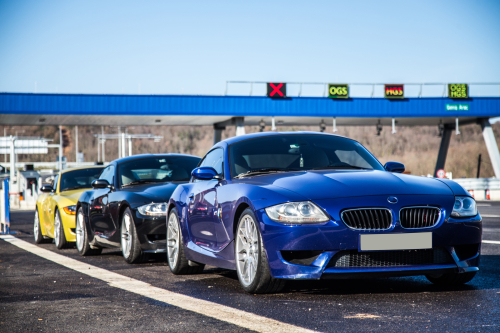
In 2025, a significant shift is happening on the roadways of Texas. SUVs are increasingly becoming the vehicle of choice, pushing sedans into the rearview mirror. With their unique combination of practicality, comfort, and capability, SUVs have captured the attention of drivers across the state. But what exactly is driving this surge in SUV popularity? Let’s explore the factors behind this trend and understand why more Texans are opting for SUVs over sedans in 2025.
Texas Terrain and SUVs: A Natural Pairing
Texas is a state known for its sheer size and diverse terrain. From the hilly landscapes of the Hill Country to the vast flatlands of the Panhandle, Texas offers a wide range of driving conditions. For many Texans, owning a vehicle that can handle the state’s varied geography is a priority. This is where SUVs excel.
With higher ground clearance, better off-road capabilities, and superior towing capacity, SUVs are designed to handle everything from smooth highways to rough backroads. These features make them an ideal match for the diverse needs of Texas drivers, who frequently travel long distances and encounter different road types. Whether it’s heading out to the countryside for a weekend getaway or navigating through urban streets, SUVs offer the flexibility and performance that many Texans need.
The appeal is particularly strong in rural areas, where the need for vehicles that can navigate unpaved roads, rocky terrains, or even flood-prone areas is more pronounced. The capability of an SUV to handle these conditions makes it an attractive choice for anyone who spends significant time in areas where the road conditions can vary drastically.
Rising Popularity of SUVs in Texas: A Data-Driven Shift
When examining the state’s car-buying patterns, it’s clear that the shift toward SUVs is more than just a passing trend. Recent data from iSeeCars reveals that SUVs are rapidly becoming the vehicle of choice across Texas. This surge in popularity is driven by both practical and lifestyle factors, with many drivers prioritizing vehicles that offer more space, power, and versatility.
Texans are choosing SUVs for a variety of reasons, ranging from family-friendly features to long-term value. Whether it’s the ability to comfortably transport multiple passengers or the added cargo space for road trips, SUVs provide an all-in-one solution for many drivers. This demand for practical vehicles that can support various activities from camping to daily commuting has fueled the popularity of SUVs in the state.
The rise of electric SUVs has only accelerated this trend, as many Texans are now looking for environmentally friendly options without sacrificing the power and space that SUVs offer. As automakers expand their electric SUV offerings, the appeal of these vehicles continues to grow, offering Texans the best of both worlds: eco-friendly driving without compromising on performance.
SUVs vs. Sedans: What Sets Them Apart?
While the rise of the SUV in Texas is undeniable, it’s important to compare the two vehicle types head-to-head. What makes SUVs stand out, and why are they becoming the preferred option for so many Texans?
Car and Driver offers a comprehensive comparison between SUVs and sedans, highlighting key differences in performance, space, and cost. One of the biggest selling points of SUVs is their versatility. Unlike sedans, which typically offer limited space, SUVs provide ample room for passengers and cargo. This is a crucial factor for many Texans, particularly families or individuals who frequently travel long distances. The ability to pack up camping gear, take a road trip, or haul large items makes the SUV a far more practical choice.
Another advantage of SUVs is their towing capacity. For Texans who enjoy outdoor activities such as boating, camping, or RVing, the added towing power of an SUV is indispensable. While sedans generally lack the ability to tow heavy loads, SUVs offer the muscle needed to pull trailers, boats, or other recreational vehicles.
Safety is another area where SUVs excel. The larger, more robust frame of an SUV offers better protection in the event of a collision. Many Texans, especially those with young families, consider safety a top priority when purchasing a vehicle. The elevated driving position of an SUV also provides better visibility, making it easier to navigate busy city streets or highway traffic.
However, sedans do have their advantages. Their lower price point and better fuel efficiency make them an attractive option for budget-conscious drivers. Sedans tend to offer better handling in tight urban environments, thanks to their smaller size and lower center of gravity. For those who are primarily focused on commuting and don’t need the additional space or towing capabilities of an SUV, a sedan remains a solid choice.
Despite these benefits, many Texans are choosing SUVs because the advantages far outweigh the downsides. As SUVs become more fuel-efficient, affordable, and packed with modern technology, the gap between sedans and SUVs continues to narrow, making the latter an increasingly appealing option.
Why Are SUVs Dominating the Texas Market?
The popularity of SUVs in Texas can be attributed to several key factors that reflect both practical needs and shifting consumer preferences. First, the growing trend of urbanization in Texas means that more people are living in cities or suburban areas. These areas require vehicles that can comfortably navigate crowded streets, handle rough weather conditions, and provide space for families and personal belongings. As cities expand, SUVs have become the go-to vehicle for drivers who want a balance of comfort and utility.
Another factor driving the shift is the evolving automotive market. Over the past few years, automakers have increasingly focused on producing SUVs that cater to a wide range of consumers. From compact crossovers to full-sized SUVs, the variety of options available ensures that there’s an SUV for every type of driver, whether they prioritize performance, luxury, or family-friendly features. Furthermore, the rise of electric and hybrid SUV models has attracted eco-conscious buyers who want a sustainable option without sacrificing the benefits of an SUV.
The availability of advanced safety features and cutting-edge technology has also played a significant role in the SUV’s popularity. Many SUVs now come equipped with state-of-the-art driver assistance systems, including lane-keeping assist, adaptive cruise control, and automated parking. These innovations provide an added sense of security, making SUVs a more appealing choice for safety-conscious consumers.
The Road Ahead: SUVs Are Here to Stay
Looking ahead, the dominance of SUVs in the Texas automotive market seems poised to continue. As more consumers demand vehicles that offer versatility, power, and space, SUVs will remain the top choice for a growing number of drivers. The ongoing evolution of electric SUVs, combined with technological innovations and improved fuel efficiency, will only further cement their place in Texas’s automotive future.
The rise of the SUV in Texas is not just a trend, but a reflection of changing consumer needs and preferences. As drivers seek vehicles that provide comfort, practicality, and performance, SUVs offer the perfect solution. From handling the rugged Texas terrain to providing ample space for growing families, SUVs are proving to be the vehicle of choice for Texans in 2025 and beyond.
Whether you’re navigating the streets of Dallas or exploring the open roads of the Texas Hill Country, the SUV is here to stay and it’s more popular than ever.
Disclaimer: The above helpful resources content contains personal opinions and experiences. The information provided is for general knowledge and does not constitute professional advice.
You may also be interested in: Jupiter Chevrolet is a GARLAND Chevrolet dealer and a new car
Feeling stuck in the stressful car-buying process? At Jupiter Chevrolet in Garland, TX, we’ve reimagined how buying a car should feel. With transparent pricing, online deal-building tools, and the benefits of our Jupiter Advantage program, we ensure every step is straightforward and satisfying. Skip the hassle. From purchase to certified service, our team truly puts your choice and convenience first. Turn your dreams of finding your ideal Chevrolet into reality with us. Visit Jupiter Chevrolet today!

Quick Listen:
The shift towards electric vehicles (EVs) is undeniable. As Texas rapidly joins the ranks of states seeing an explosion in EV adoption, this transformation isn’t just about cleaner roads it’s reshaping the way we think about transportation and insurance. While electric cars promise to reduce emissions and offer new driving experiences, they come with a host of unique challenges for insurers. From higher repair costs to specialized repair services, insurers are scrambling to keep up with this fast-paced transition.
This article explores how Texas insurance companies are adjusting their strategies to meet the demands of EV owners, all while navigating the economic and legislative landscape. As electric vehicles become increasingly popular, the way insurance companies assess risk and set premiums is also evolving, with some surprises along the way.
The Price of Progress: Why EV Insurance Costs More
Electric vehicles, despite their many benefits, tend to cost more to insure than traditional gasoline-powered cars. There are several reasons behind this. For one, the higher purchase prices of EVs drive up the cost of insurance. Vehicles like the Tesla Model S or Rivian R1T may have price tags well over $40,000, and in the event of a total loss, the cost to replace these vehicles can be staggering.
Additionally, the technology packed into EVs can make repairs significantly more expensive. EVs rely heavily on advanced electronics and specialized components that are far more costly to replace than the parts found in conventional cars. For example, replacing an EV’s battery, which can cost thousands of dollars, adds a layer of financial risk that insurance companies must account for. Similarly, many EVs require specialized repair technicians, and that drives up the cost of service.
Furthermore, longer claim processing times can contribute to the higher premiums. With EVs requiring specialized repairs, insurance claims tend to take longer, which ultimately adds to the overall cost of insurance. Insurers factor in these extended timelines when calculating premiums.
Texas-Sized Challenges: Unique Factors Affecting EV Insurance
Texas offers a unique backdrop for the EV revolution. The state’s vast landscape and extreme weather patterns significantly affect how insurance companies calculate rates. Severe storms, hail, and floods are common in Texas, and these risks are only amplified for electric vehicles.
Texas also recently passed new laws that could further impact insurance rates for EV owners. Specifically, a new fee on electric vehicles was introduced in 2023, aiming to offset the loss of revenue from gas taxes. This could contribute to higher costs for EV owners, adding yet another layer to the pricing calculus for insurance companies. With these new fees, insurers are left to consider not just the physical risks of the vehicle but also the evolving legal and tax landscape surrounding EVs.
Moreover, climate risks in Texas, such as the frequent occurrence of severe weather, require insurers to increase premiums for areas that are prone to these dangers. EVs, being equipped with sensitive electronics, may be more vulnerable to water damage, making it more costly for insurers to provide comprehensive coverage.
Balancing Act: How Insurers Are Adjusting
Despite the higher costs associated with insuring electric vehicles, many insurance companies are responding by developing tailored coverage options and offering discounts aimed at attracting EV owners. For example, some companies are now offering EV-specific coverage options that provide comprehensive protection for high-cost repairs, battery replacement, and access to specialized repair networks.
Additionally, insurers are offering discounts for EV owners who install telematics devices. These devices monitor driving behavior and reward safe, low-risk driving with lower premiums. Insurers view these devices as a way to help mitigate some of the risks associated with electric vehicles, particularly in the case of lower-mileage drivers. These usage-based insurance models allow policyholders to pay based on the actual usage of their vehicle, which is especially beneficial for those who do not rely on their EV for daily commutes.
Furthermore, EV owners in Texas are now being offered several discounts, ranging from those based on safe driving to discounts for vehicles with advanced safety technologies. As more drivers make the shift to electric vehicles, insurance companies are realizing the value in promoting safer driving habits and rewarding customers who make a concerted effort to reduce risks.
Driving Down Costs: Tips for Texas EV Owners
For Texas EV owners, the rise in insurance premiums may seem daunting, but there are ways to minimize costs. The first step is to shop around. Different insurers offer different premiums for the same vehicle type, so comparing rates is critical to finding the most competitive deal. Some insurers are more attuned to the needs of EV owners, so looking for those who specialize in electric vehicle insurance could save a significant amount.
Moreover, taking advantage of discounts can help lower premiums. Many insurers offer reductions for those who install telematics devices, bundle policies (like home and auto), or drive less frequently. Even safe driving courses can help reduce rates, especially for younger drivers or those with a history of accidents.
Another effective strategy is to consider usage-based insurance programs. For drivers who don’t rack up many miles or don’t often drive long distances, these programs can offer significant savings. Insurance premiums based on usage are particularly attractive to Texans whose EVs serve as a secondary vehicle or are only used for shorter, low-risk trips.
Finally, it’s worth noting that EV-specific insurance products are becoming more common. Insurers are increasingly offering policies designed to meet the needs of electric vehicle owners, taking into account factors like battery replacement and access to charging infrastructure. By choosing a policy tailored for electric vehicles, owners can ensure they’re getting the best possible value and coverage.
The Road Ahead: Future Trends in EV Insurance
As the EV market continues to expand, insurers are adjusting their models in response to both increased demand and advancements in technology. One significant trend is the emerging role of artificial intelligence (AI) in shaping the future of risk assessment. AI can help insurers more accurately predict risks, evaluate driving habits, and price policies accordingly. This means that in the future, EV owners could see more personalized and competitive rates.
Moreover, the development of new insurance products tailored specifically to the unique needs of EVs is on the horizon. As technology evolves, more insurers will offer policies designed for these vehicles. From coverage for new technology components like electric motors to policies that account for solar charging stations, the landscape of EV insurance is poised for significant transformation.
Another trend to watch is the growing adoption of green insurance products. As more consumers and businesses seek environmentally friendly solutions, insurance companies may begin offering policies that not only cover electric vehicles but also incentivize eco-friendly behavior. Whether it’s a discount for using renewable energy or a lower premium for maintaining an EV’s health, the green insurance movement could further reduce costs for environmentally conscious drivers.
Navigating the New Terrain
For Texas residents embracing electric vehicles, understanding the nuances of EV insurance is key to making an informed decision. The good news is that while insurance premiums are still higher than traditional vehicles, the market is evolving, and opportunities for cost savings are available. By shopping around, leveraging discounts, and choosing specialized EV coverage, Texas EV owners can drive confidently knowing they are well-protected and making the most of their investment.
As the demand for electric vehicles continues to grow and technology continues to advance, it’s clear that the landscape of EV insurance will evolve. Insurers will continue to refine their products, introduce more discounts, and utilize technology to better serve their customers. For now, Texas drivers must navigate the new terrain carefully, keeping an eye on both the challenges and the opportunities ahead.
Disclaimer: The above helpful resources content contains personal opinions and experiences. The information provided is for general knowledge and does not constitute professional advice.
You may also be interested in: Jupiter Chevrolet is a GARLAND Chevrolet dealer and a new car
Feeling stuck in the stressful car-buying process? At Jupiter Chevrolet in Garland, TX, we’ve reimagined how buying a car should feel. With transparent pricing, online deal-building tools, and the benefits of our Jupiter Advantage program, we ensure every step is straightforward and satisfying. Skip the hassle. From purchase to certified service, our team truly puts your choice and convenience first. Turn your dreams of finding your ideal Chevrolet into reality with us. Visit Jupiter Chevrolet today!
Quick Listen:
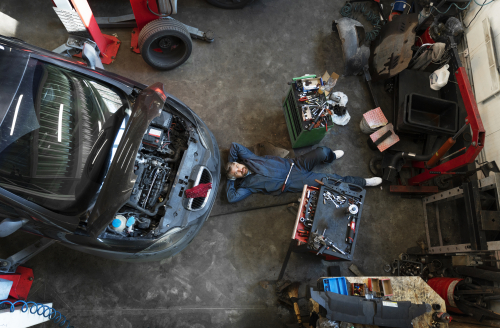
It used to be that drivers only thought about auto maintenance when something went wrong a dead battery, grinding brakes, or a car that wouldn’t start on a winter morning. But in recent years, more vehicle owners are taking a proactive approach, prioritizing preventative maintenance to avoid costly breakdowns and extend the lifespan of their cars.
This shift isn’t just about personal convenience; it’s a reflection of broader trends in the automotive industry. Supply chain issues, rising repair costs, and the increasing complexity of modern vehicles are all driving demand for routine servicing. According to a report from Fleet Maintenance, parts shortages and technician scarcities are pushing consumers toward preventive care to avoid prolonged downtime.
What is Preventative Maintenance?
Preventative maintenance encompasses all the regular servicing that keeps a vehicle running efficiently and safely. This includes oil changes, tire rotations, brake inspections, and fluid top-offs, among other routine checks. The alternative reactive maintenance waits for a problem to arise before addressing it, often leading to more expensive and inconvenient repairs.
Sticking to a maintenance schedule can prevent small issues from escalating into major mechanical failures. Service centers are seeing a rise in customers who recognize that a small investment in upkeep today can save thousands in unexpected repair costs down the road.
The Financial Incentive: Saving Money in the Long Run
For many drivers, the decision to prioritize maintenance comes down to cost. A 2024 study found that the average car repair bill for major issues such as transmission failures or engine rebuilds can run between $4,000 and $7,000, whereas routine maintenance typically costs just a fraction of that annually. A report from Heart Auto Care highlights that regular servicing can cut long-term repair expenses by as much as 50%.
With inflation driving up repair costs, preventative maintenance is also becoming a key strategy for businesses managing vehicle fleets. Commercial operators, from delivery services to construction companies, are investing in proactive care to minimize vehicle downtime and extend asset life.
Extending Vehicle Lifespan and Enhancing Safety
Beyond the financial benefits, preventative maintenance directly contributes to vehicle longevity. Regularly serviced cars can easily surpass the 200,000-mile mark, with some even reaching 300,000 miles when properly maintained. According to industry insights from L.E.K. Consulting, the average age of vehicles on the road has been steadily increasing, largely due to better maintenance habits.
More importantly, preventative care enhances safety. A neglected braking system or worn-out tires can lead to catastrophic failures on the road. Routine inspections catch these problems early, reducing the risk of accidents caused by mechanical failures.
Fuel Efficiency and Environmental Benefits
Well-maintained vehicles also burn fuel more efficiently, reducing both costs and carbon footprints. Studies show that a properly tuned engine and clean air filters can improve fuel economy by up to 10%. A report from UpKeep notes that under-inflated tires alone can reduce fuel efficiency by 3%.
In addition, eco-conscious drivers are embracing preventative care as a way to minimize their environmental impact. Keeping engines running smoothly reduces emissions, and servicing hybrid and electric vehicles ensures that battery systems operate at peak efficiency.
Technology’s Role in the Preventative Maintenance Boom
As vehicles become more advanced, so do the tools used to maintain them. Today’s auto service centers are leveraging predictive analytics, AI-driven diagnostics, and connected car technology to stay ahead of potential problems. Many new cars are equipped with onboard monitoring systems that alert owners to issues before they become critical.
Auto shops are also adapting to these innovations. According to an industry analysis from Motor Magazine, the rise of digital diagnostics and remote vehicle monitoring is reshaping how preventative maintenance is performed. Service centers are investing in training and equipment to keep up with these advancements, ensuring they can cater to modern vehicles.
Changing Consumer Behavior: Awareness and Education
Perhaps one of the most significant factors behind the rise of preventative maintenance is changing consumer awareness. More drivers now understand the long-term benefits of taking care of their vehicles. Educational efforts by auto manufacturers, dealerships, and service centers have helped shift consumer behavior, making routine maintenance a priority rather than an afterthought.
Marketing efforts have also played a role. Companies are emphasizing transparency, offering maintenance plans that provide cost predictability, and using digital tools to remind customers when service is due. A report from Bringoz notes that service centers are adapting their approach, making it easier for customers to book appointments online and stay on top of their maintenance schedules.
The Role of Dealerships and Independent Auto Shops
Both dealerships and independent repair shops have responded to the increased demand by expanding their preventative maintenance services. Dealerships often promote service packages that encourage regular checkups, while independent mechanics leverage personalized customer service to build long-term relationships with vehicle owners.
Consumer trust plays a key role in where drivers choose to service their cars. Shops that emphasize transparency providing detailed inspection reports and digital records are gaining traction. A study from The Future of Commerce suggests that customer retention rates are higher when service providers proactively communicate vehicle needs and offer convenient service options.
Looking Ahead: The Future of Auto Maintenance
As vehicles become more sophisticated, the demand for preventative maintenance is expected to grow even further. The shift toward electric and hybrid cars will introduce new service requirements, but the fundamental principle remains the same proactive care is key to keeping vehicles running efficiently and safely.
For consumers, the message is clear: preventative maintenance isn’t just an optional add-on; it’s a necessity. Whether it’s to save money, enhance safety, or protect the environment, staying ahead of potential issues is the best way to ensure a vehicle remains reliable for years to come.
With auto service centers continuing to innovate and adapt, drivers have more resources than ever to take a proactive approach. And in a world where unexpected repairs can be both costly and inconvenient, that’s a trend worth embracing.
Disclaimer: The above helpful resources content contains personal opinions and experiences. The information provided is for general knowledge and does not constitute professional advice.
You may also be interested in: Auto Service & Repair Center in GARLAND, TX – Jupiter Chevrolet
Feeling stuck in the stressful car-buying process? At Jupiter Chevrolet in Garland, TX, we’ve reimagined how buying a car should feel. With transparent pricing, online deal-building tools, and the benefits of our Jupiter Advantage program, we ensure every step is straightforward and satisfying. Skip the hassle. From purchase to certified service, our team truly puts your choice and convenience first. Turn your dreams of finding your ideal Chevrolet into reality with us. Visit Jupiter Chevrolet today!

Quick Listen:
Texas is at a pivotal moment in its electric vehicle (EV) transition. While pickup trucks still dominate the roads, a growing number of Texans are considering EVs spurred by federal incentives and state programs designed to make the switch more affordable. But as appealing as these tax credits sound, they come with a complex set of rules, leaving many buyers scratching their heads. This is where Texas car dealerships step in, acting as navigators in a system that can otherwise feel overwhelming.
Decoding the New Federal EV Tax Credits
For buyers eyeing an EV, the $7,500 federal tax credit sounds like a game-changer. However, not every EV or every buyer qualifies. The Inflation Reduction Act introduced new eligibility criteria, including battery sourcing requirements and income limitations that determine who can claim the credit. Additionally, only certain models from manufacturers who meet domestic production standards qualify for the full incentive.
Some buyers have already faced unexpected hurdles when filing their tax returns. According to Texas Public Radio, multiple filers had their returns flagged because they misunderstood the tax credit structure. Missteps like purchasing an ineligible model or exceeding income thresholds have led to rejections.
Texas Dealerships: Your EV Tax Credit Compass
Car dealerships across Texas are working to ensure their customers don’t fall into such traps. “Many buyers hear about the $7,500 credit but don’t realize they may not qualify,” explains a sales manager at a Dallas-based dealership. To bridge the knowledge gap, dealerships are training staff on the latest regulations and partnering with financial advisors who can explain how the tax benefits apply to individual buyers.
Some dealerships, such as those affiliated with Texas Automobile Dealers Association, have rolled out in-store workshops and online tax credit calculators that break down available incentives based on model and buyer profile. “We want to make sure every Texan who buys an EV understands exactly how to claim their benefits,” adds a dealer representative.
Point-of-Sale Rebates: The Game-Changer
A major shift in 2024 is the introduction of point-of-sale rebates, allowing buyers to apply the tax credit immediately instead of waiting until tax season. This means an EV buyer can walk into a dealership and see the tax incentive reflected in the final purchase price rather than dealing with complicated paperwork months later.
However, not all dealerships are currently registered with the IRS to process these upfront discounts. According to CarEdge, only dealers enrolled in the program can facilitate the rebate at the time of purchase. Buyers are now encouraged to check a dealership’s eligibility before making a decision.
Beyond Federal Incentives: Texas-Specific Programs
Texans aren’t just relying on federal incentives state and local programs are also helping reduce the cost of EV ownership. Through the Texas Emissions Reduction Plan (TERP), buyers can receive up to $2,500 in additional rebates when purchasing a qualifying EV. Some utility companies in Texas offer further incentives, including rebates for home EV charger installations.
Dealerships are bundling these federal and state incentives, ensuring that customers maximize every available benefit. For instance, buyers in Austin can combine federal rebates with local utility incentives for additional savings. Resources like Edmunds provide breakdowns of these layered benefits, and many dealerships have started integrating these details into their sales process.
Challenges and Solutions
Even with these incentives, buyers face obstacles. Delayed IRS processing, dealer misregistration, and misinformation have led to frustration among early EV adopters. Some buyers expecting upfront discounts have been blindsided by the fine print.
Dealerships are responding by improving customer education. Some have begun offering pre-purchase tax consultations, ensuring buyers don’t encounter unexpected roadblocks after driving off the lot. Industry analysts, such as those from Brady Martz, also predict that dealerships will play an increasing role in tax credit facilitation, acting as intermediaries between buyers and government rebate programs.
The Future of EV Incentives in Texas
Looking ahead, Texas dealerships are preparing for additional state-driven EV incentives that could further boost adoption rates. Discussions within the Texas Comptroller’s Office indicate potential revisions to existing programs, including expanded rebates for EV infrastructure development and trade-in programs for gas-powered vehicles.
While political uncertainty and regulatory shifts could influence the direction of these incentives, Texas dealerships remain committed to educating buyers and streamlining access to available benefits. Industry experts believe that as more automakers establish manufacturing plants in Texas, the state could see further local incentives tied to job creation and economic development.
Empowering Texan EV Buyers
The transition to electric vehicles in Texas isn’t just about choosing the right car it’s about understanding the financial advantages that come with it. Dealerships are no longer just sales hubs; they’re key players in the education process, ensuring that buyers fully leverage available tax credits and rebates.
For Texans considering an EV, the best move isn’t just to browse models online it’s to visit a dealership, ask the right questions, and ensure they’re getting the maximum financial benefit. As incentives evolve, staying informed will be the difference between a smooth EV purchase and an unexpected tax headache.
Disclaimer: The above helpful resources content contains personal opinions and experiences. The information provided is for general knowledge and does not constitute professional advice.
You may also be interested in: Jupiter Chevrolet is a GARLAND Chevrolet dealer and a new car
Feeling stuck in the stressful car-buying process? At Jupiter Chevrolet in Garland, TX, we’ve reimagined how buying a car should feel. With transparent pricing, online deal-building tools, and the benefits of our Jupiter Advantage program, we ensure every step is straightforward and satisfying. Skip the hassle. From purchase to certified service, our team truly puts your choice and convenience first. Turn your dreams of finding your ideal Chevrolet into reality with us. Visit Jupiter Chevrolet today!
Connect with us


