


Blog / Auto News

Blog

All Auto News Garland Chevrolet Dealer 2026 Chevrolet Models Jupiter Chevrolet Dealer SUVs 2026 Chevy Silverado 2026 Chevrolet Silverado EV Chevrolet Silverado EV in Garland, TX Chevy Equinox Chevy Service in Garland, TX Chevy Trailblazer Dent Repair Service Garland Chevrolet Collision Center Garland Chevrolet Service Trucks
Why Used Cars Are the Smart Choice for Budget-Conscious Shoppers

Why Used Cars Are the Smart Choice for Budget-Conscious Shoppers

Quick Listen: Podcast The car-buying journey can feel like a high-stakes gamble overwhelming, unpredictable, and fraught with financial pitfalls. For drivers in Garland, Dallas, or Frisco, the prospect of shelling out tens of thousands for a new vehicle often feels like a luxury reserved for someone else's budget. But there's a smarter path forward. Used cars have shed their stigma as mere stopgaps; they're now a strategic choice for anyone seeking quality without the hefty price tag. At Jupiter Chevrolet, a family-owned dealership in Garland, TX, with 100 years of trust behind it, the case for used cars is compelling. Backed by a Lifetime Powertrain Warranty and a commitment to clear, upfront pricing, they're rewriting the rules of the pre-owned market. Why are used cars becoming the top pick for savvy shoppers? Let's explore. A Surging Market: The Rise of Used Cars The used car market isn't just holding steady it's booming. A 2025 Mordor Intelligence report projects the global used car sector will grow at a robust 10% compound annual growth rate from 2025 to 2030. What's fueling this momentum? The rise of digital platforms, a shift toward reputable dealerships, and a growing demand for affordable transportation. In North America, the market raked in $654.6 billion in 2024, with Canada poised for the fastest growth through 2030, according to Grandview Research. This trend resonates strongly in regions like Plano, Mesquite, and Richardson, where drivers prioritize value without sacrificing reliability. At Jupiter Chevrolet, used cars are a flagship offering, not an afterthought. Their lot features everything from fuel-efficient sedans to rugged Chevrolet Silverado 1500s, each vetted through a stringent inspection process. Certified pre-owned options, complete with warranties, ensure buyers aren't just getting a vehicle they're securing confidence. This focus on quality makes Jupiter Chevrolet a standout in a crowded market. Stories of Savings: Real Drivers, Real Results Imagine a Dallas driver, weary of steep lease payments, stepping onto Jupiter Chevrolet's lot. They spot a used Chevrolet Silverado 1500 certified, meticulously maintained, and priced thousands less than a new model. With tailored financing, they drive away in a truck that fits both their needs and their wallet. This scenario unfolds regularly at Jupiter Chevrolet, where budget-conscious buyers find vehicles that deliver without draining their savings. The dealership's digital tools streamline the experience. Shoppers can explore inventory, customize deals, and book test drives online, all from the comfort of home. A McKinney buyer praised the process: “No hidden costs, no pushy sales just honest pricing.” This is the Jupiter Advantage, a program built on transparency and convenience. In an industry where trust is a premium, these touches resonate deeply, turning first-time visitors into loyal customers. Tackling Concerns with Confidence Buying a used car isn't without its hesitations. Will the selection be too limited? Could the vehicle have hidden issues? Jupiter Chevrolet addresses these head-on. While their inventory may not match the sprawling lots of corporate competitors, their focus is on quality over quantity. Every car undergoes a rigorous inspection, and the Lifetime Powertrain Warranty a rare offering provides unmatched peace of mind. Pricing is another sticking point. Large dealerships may flaunt aggressive discounts, but Jupiter Chevrolet emphasizes lasting value over fleeting deals. Rooted in a century of family-owned tradition, they prioritize relationships over quick sales. For those wary of reliability, the certified pre-owned program offers detailed vehicle histories and warranties, dispelling doubts. A Garland driver summed it up: “I didn't just get a car I got certainty.” This commitment to trust sets Jupiter Chevrolet apart in a skeptical market. Long-Term Value: Beyond the Sticker Price Choosing a used car isn't just about upfront savings; it's about sustained financial benefits. A Business Research Company report highlights that used cars appeal to first-time buyers and those with tight budgets, but their advantages lower depreciation, cheaper insurance, and reduced fees benefit everyone. At Jupiter Chevrolet, flexible financing amplifies these savings, making vehicles accessible to drivers in Forney, Grapevine, or beyond. The dealership's support extends far beyond the sale. Their service center, parts department, and collision repair shop keep vehicles running smoothly. A Rockwall-Heath customer recounted a hassle-free service visit: a minor fix, no upselling, just results. This comprehensive approach covering purchase, maintenance, and repairs positions Jupiter Chevrolet as a trusted partner for cost-conscious drivers, ensuring every mile is worry-free. Why Jupiter Chevrolet Stands Out The used car market's growth shows no signs of slowing. In Europe, the sector is expected to rise from $62.39 billion in 2025 to $76.35 billion by 2030, with a 4.12% CAGR, per Mordor Intelligence. North America's outlook is even brighter. For shoppers in Dallas, Mesquite, or Frisco, this translates to more choices and better value. Jupiter Chevrolet shines not just for its vehicles but for its ethos. A century in business reflects a legacy of integrity. As a family-owned dealership, they treat customers like neighbors, not numbers. Their online deal-building tools and transparent pricing transform car buying from a chore into a seamless experience. Unlike corporate chains, they're invested in the community, serving Garland, Plano, and beyond with a personal touch that's hard to replicate. Social Media and Marketplace Presence Jupiter Chevrolet's reach extends to platforms like Instagram, Facebook, YouTube, and TikTok, where they engage buyers with inventory highlights, customer stories, and tips. Their presence on Facebook Marketplace connects them directly with local shoppers, showcasing vehicles to a targeted audience in Dallas, Richardson, and McKinney. These channels amplify their visibility, making it easier for budget-savvy drivers to discover their offerings. Overcoming Objections, Building Trust Prospective buyers may hesitate, citing past experiences or concerns about inventory size. Jupiter Chevrolet counters these with a customer-first approach. Their smaller lot ensures a curated selection, not a flood of questionable options. The Lifetime Powertrain Warranty and certified pre-owned program address reliability fears, while transparent pricing tackles doubts about cost. This proactive stance turns skeptics into satisfied customers, reinforcing Jupiter Chevrolet's reputation as a dealership that listens. The Smart Choice Awaits If you're torn between new and used, consider this: a pre-owned vehicle from Jupiter Chevrolet delivers the joy of driving without the financial burden. Their Garland lot, a short trip from Richardson or Plano, offers vehicles that blend affordability with dependability. Unsure where to begin? Browse their inventory online, explore financing, or schedule a test drive. The process is built to fit your schedule, not disrupt it. In an era where every dollar matters, a used car is more than a purchase it's a decision rooted in pragmatism and possibility. At Jupiter Chevrolet, that decision comes with a century of trust, a warranty that endures, and a team dedicated to your journey. Ready to make your car-buying vision a reality? Visit Jupiter Chevrolet today. The open road is calling. Disclaimer: The above helpful resources content contains personal opinions and experiences. The information provided is for general knowledge and does not constitute professional advice. You may also be interested in: Jupiter Chevrolet Blog | News, Updates, and Info - Jupiter Chevrolet Feeling stuck in the stressful car-buying process? At Jupiter Chevrolet in Garland, TX, we've reimagined how buying a car should feel. With transparent pricing, online deal-building tools, and the benefits of our Jupiter Advantage program, we ensure every step is straightforward and satisfying. Skip the hassle. From purchase to certified service, our team truly puts your choice and convenience first. Turn your dreams of finding your ideal Chevrolet into reality with us. Visit Jupiter Chevrolet today! Powered by flareAI


The Ultimate Guide to Choosing a Family-Friendly Chevrolet

The Ultimate Guide to Choosing a Family-Friendly Chevrolet

Quick Listen: Podcast In the bustling suburbs of Garland, Texas, where Dallas highways pulse with carpools and weekend adventures, selecting the ideal family vehicle is a decision that carries weight. Gone are the days of clunky minivans dominating the market; today's families crave SUVs and crossovers that deliver space, safety, and a dash of sophistication. Jupiter Chevrolet, a family-owned dealership with a century-long legacy, stands ready to meet this demand with a lineup that balances practicality and innovation. The global family car market, valued at $1.3 trillion in 2022, is projected to reach $2.3 trillion by 2032, growing at a 6.4% CAGR, signaling a robust appetite for vehicles that go beyond basic transportation. So, why is Chevrolet the preferred choice for families in Dallas, Plano, and beyond? Let's explore. The Rise of Family-Friendly SUVs and Technology Modern family vehicles are more than just modes of transport they're mobile command centers designed for comfort and connectivity. A recent industry analysis highlights the growing preference for SUVs and crossovers, fueled by their versatility, safety features, and spacious interiors. Chevrolet's portfolio, including the compact Equinox, the three-row Traverse, and the commanding Tahoe, aligns perfectly with this trend. These models offer ample cargo room for everything from sports equipment to vacation luggage, alongside flexible seating for growing families. Technology plays a pivotal role in this evolution. Chevrolet's MyLink infotainment system transforms long drives into entertainment hubs with rear-seat screens and Wi-Fi hotspots, keeping kids engaged on commutes through Frisco or McKinney. For parents, advanced safety features like automatic emergency braking, lane-keep assist, and rearview cameras provide critical support in navigating busy roads. In regions like Richardson, where traffic can be relentless, these systems are indispensable, offering peace of mind in a world of distractions. Jupiter Chevrolet: A Trusted Partner for Families At Jupiter Chevrolet in Garland, the car-buying experience is designed to feel like a partnership, not a transaction. Their inventory showcases family-oriented models like the Chevrolet Traverse, with its expansive three-row seating, and the Silverado 1500, a pickup that surprises with its family-friendly comfort. Customers in Mesquite and Forney praise the dealership's transparent pricing and online deal-building tools, which simplify the process for time-strapped parents. Consider the Equinox, a compact SUV celebrated for its agility in Dallas traffic and top safety ratings from the IIHS. Or the Traverse, with second-row captain's chairs that ease access to the third row a game-changer for families managing multiple children. Jupiter's team, known for their low-pressure approach, guides buyers to vehicles that match both lifestyle and budget. Their Lifetime Powertrain Warranty, covering essential components for the vehicle's lifetime, sets them apart in a crowded market, offering unmatched confidence to buyers. Chevrolet's Real-World Family Advantages Picture a family road trip from Grapevine to Rockwall-Heath in a Chevrolet Tahoe. The cabin is serene, kids are captivated by movies on rear screens, and adaptive cruise control eases the drive along I-30. This is Chevrolet's strength: vehicles built for real life. The Tahoe's vast cargo space handles luggage effortlessly, while the Equinox's intuitive LATCH system simplifies car seat installation. These details resonate with families in Plano or Forney, who need vehicles that keep pace with their demanding routines. Jupiter Chevrolet's commitment extends beyond the sale. Their certified service center, parts sales, and collision repair shop ensure vehicles stay road-ready, whether you're in Frisco or Dallas. This comprehensive approach, rooted in 100 years of operation, fosters trust that larger, corporate dealerships often struggle to match. As a local customer noted, “It's like they're part of your family, not just selling you a car.” Overcoming Challenges in the Family Car Search Choosing a family vehicle comes with its share of challenges. Many buyers grapple with the decision to buy new or used, especially when budgets are tight. Jupiter Chevrolet addresses this by offering both options, with used vehicles thoroughly inspected to ensure reliability. While their inventory may be smaller than that of corporate giants, their focus on quality over quantity ensures every car on the lot is a dependable choice. Pricing can also be a hurdle. Larger competitors often use aggressive discounts to drive sales, but Jupiter counters with value-added benefits through the Jupiter Advantage program, including complimentary oil changes and tire rotations. For families in McKinney or Richardson, these perks make a meaningful difference. Flexible financing options, tailored to various credit profiles, further democratize access to Chevrolet's lineup, turning aspirations into reality. Unlocking Opportunities for Family Drivers Jupiter Chevrolet excels at transforming challenges into advantages. Their Lifetime Powertrain Warranty isn't just a feature it's a lifeline for families wary of costly repairs. Combined with transparent pricing and online tools that let buyers craft deals from home, the dealership removes the friction from car buying. For parents in Garland or Dallas, where schedules are packed, this streamlined approach is invaluable. Chevrolet is also looking to the future, with models like the Equinox EV tapping into the growing demand for sustainable options. The U.S. automotive market, valued at $4.8 billion in 2024, is expected to reach $13.8 billion by 2033 with a 10.6% CAGR, driven by demand for compact, affordable, and eco-friendly vehicles. Jupiter's commitment to offering gas, hybrid, and electric options ensures families can choose vehicles that reflect their values without compromising performance. Why Chevrolet and Jupiter Stand Out In a crowded automotive landscape, Chevrolet distinguishes itself with a blend of reliability and innovation. The Traverse and Equinox earn accolades for safety and comfort, while the Silverado 1500 redefines pickups as family-friendly options. Jupiter Chevrolet amplifies this with a customer-centric approach, grounded in a century of family ownership. Their active presence on social media platforms, including Facebook, Instagram, and TikTok, keeps them engaged with buyers, sharing insights and highlighting new inventory. The data underscores this success. General Motors reported a 4% sales increase in 2024, reaching 2.7 million vehicles, with Chevrolet driving significant gains. The broader market saw 16 million new-vehicle sales, according to Cox Automotive, reflecting strong demand for vehicles that deliver value and versatility. Start Your Family's Next Chapter with Chevrolet A family car is more than a purchase it's a partner in life's journeys, from school drop-offs in Mesquite to weekend escapes near Rockwall-Heath. Chevrolet's lineup, with its focus on safety, space, and technology, rises to the occasion. Jupiter Chevrolet in Garland makes the process seamless, with a team dedicated to your needs and a buying experience that feels personal and empowering. Ready to find your ideal Chevrolet? Visit Jupiter Chevrolet in person or explore their inventory online. Schedule a test drive, review financing options, and discover why families across Dallas, Plano, and beyond trust them to make car-buying dreams come true. Your family's next adventure begins with a Chevrolet take the first step today. Disclaimer: The above helpful resources content contains personal opinions and experiences. The information provided is for general knowledge and does not constitute professional advice. You may also be interested in: The Rise of Online Car Shopping: How Dealerships Are Adapting Feeling stuck in the stressful car-buying process? At Jupiter Chevrolet in Garland, TX, we've reimagined how buying a car should feel. With transparent pricing, online deal-building tools, and the benefits of our Jupiter Advantage program, we ensure every step is straightforward and satisfying. Skip the hassle. From purchase to certified service, our team truly puts your choice and convenience first. Turn your dreams of finding your ideal Chevrolet into reality with us. Visit Jupiter Chevrolet today! Powered by flareAI

The Benefits of Shopping at Family-Owned Dealerships

The Benefits of Shopping at Family-Owned Dealerships

Quick Listen: Podcast Buying a car can feel like a high-stakes gamble pushy salespeople, murky pricing, and a process that often prioritizes profit over people. Yet, in the heart of the Dallas-Fort Worth metroplex, a century-old, family-run dealership is turning that narrative on its head. Jupiter Chevrolet in Garland, Texas, doesn't just sell vehicles; it forges lasting connections with every customer who walks through its doors. In an industry increasingly dominated by corporate giants, family-owned dealerships like Jupiter stand out by delivering trust, transparency, and a deep commitment to the communities they serve Garland, Dallas, Plano, Richardson, and beyond. What makes these local institutions so compelling in today's market? Let's explore. The Auto Retail Revolution The automotive industry is undergoing a seismic shift. A Spherical Insights report forecasts that the global automotive dealership market will climb from $5.32 billion in 2023 to $6.86 billion by 2033, propelled by a 2.57% CAGR and driven by technological advancements and changing consumer demands. Modern buyers aren't just hunting for a new Chevrolet Silverado 1500 or a reliable used car; they're seeking an experience that feels authentic, transparent, and tied to their local community. Family-owned dealerships, like Jupiter Chevrolet, are uniquely positioned to meet these expectations. Unlike corporate chains with sprawling networks, Jupiter, a fixture in Garland for 100 years, operates with a personal touch. This family-owned business has navigated economic upheavals, technological transformations, and evolving consumer tastes while staying laser-focused on customer satisfaction. For residents of Mesquite, McKinney, or Frisco, Jupiter isn't just a dealership it's a trusted neighbor committed to ensuring every buyer drives away satisfied. Relationships Over Transactions What sets family-owned dealerships apart? They're free from the pressures of distant corporate mandates and relentless profit targets. At Jupiter Chevrolet, decisions are made by people deeply rooted in the Dallas-Fort Worth area, fostering a level of accountability that larger competitors struggle to replicate. Lower staff turnover means the salesperson you meet today could be the same one assisting with your vehicle's service years later, creating continuity that builds trust a quality every buyer values. Jupiter's commitment extends far beyond the showroom floor. Through sponsorships of youth sports in Frisco, charitable initiatives in Rockwall-Heath, and active engagement in local events, they've become a cornerstone of the community. Customers often walk in to find staff who know them by name, a stark contrast to the impersonal interactions at larger chains. As highlighted in a Market Research Future report, dealerships that emphasize personalized experiences are better equipped to succeed in today's competitive landscape, a principle Jupiter embodies. Meeting Evolving Consumer Demands Today's car buyers are more informed and discerning than ever, researching reviews, comparing financing options, and prioritizing transparency. According to a Mordor Intelligence study, the U.S. automotive dealership market is expected to grow at a 4% CAGR through 2030, fueled by the adoption of digital tools and a focus on customer-centric models. Jupiter Chevrolet embraces this trend, offering online deal-building tools, clear pricing, and digital pre-approvals that rival those of corporate giants. Yet, technology is only part of the equation. Buyers increasingly gravitate toward businesses that reflect their values local, sustainable, and community-driven. Jupiter's “Jupiter Advantage” program exemplifies this, streamlining the buying process with benefits like a Lifetime Powertrain Warranty, providing peace of mind for customers in Forney, Grapevine, or Plano. This fusion of innovation and heartfelt service is why family-owned dealerships are gaining traction. A Community-Centric Approach Imagine a family from Richardson stepping into Jupiter Chevrolet, apprehensive about their first car purchase. The staff doesn't just showcase vehicles; they listen intently, address concerns, and tailor financing to fit the family's needs. Months later, when that family returns for service, they're greeted by familiar faces who recall their story. This is the Jupiter experience personal, attentive, and built on trust. Jupiter's service department, offering everything from routine maintenance to collision repair, underscores their dedication. Unlike larger competitors where service can feel like an afterthought, Jupiter's team approaches every task with precision and care, ensuring vehicles remain reliable for customers from Dallas to Mesquite. Their readily available parts sales further simplify maintenance, making Jupiter a one-stop shop for automotive needs. Dispelling Myths About Smaller Dealerships Some buyers hesitate to choose family-owned dealerships, wary of perceived limitations. Limited inventory? Jupiter boasts a diverse selection of new and used vehicles, including popular models like the Chevrolet Silverado 1500, that competes with larger chains. Less competitive pricing? Their transparent pricing and flexible financing options stand up to market leaders. While their inventory may not span multiple states, Jupiter's digital tools such as online test drive scheduling and trade-in evaluations make the process effortless. Another concern is negative past experiences with smaller dealerships. Jupiter counters this with agility and responsiveness. Their family-owned structure allows for swift decision-making, meaning issues are resolved without the red tape of corporate call centers. As noted in the Market Research Future report, dealerships that blend digital innovation with a customer-first mindset are set to thrive, a strategy Jupiter executes flawlessly. Efficiency and Accountability in Action Choosing a family-owned dealership offers tangible business advantages. With leaner teams, Jupiter operates with minimal bureaucracy, enabling faster resolutions and a more streamlined experience. Their staff, deeply embedded in the Dallas-Fort Worth community, bring a sense of accountability that's hard to replicate. They're not just employees they're neighbors invested in the region's well-being. Industry data supports this. Smaller dealerships often outperform larger chains in customer satisfaction, thanks to their focus on relationships over sheer volume. Jupiter's century-long legacy, serving communities from Frisco to Rockwall-Heath, is a testament to this trust-driven approach, fostering loyalty that spans generations. Long-Term Value for Savvy Buyers Opting for a family-owned dealership isn't just emotionally rewarding it's a financially astute decision. Jupiter's flexible service agreements and loyalty incentives benefit repeat customers, while their digital-first approach simplifies the buying process. Whether browsing used cars for sale in Dallas or booking service in Garland, customers enjoy a seamless experience tailored to their needs. Jupiter's robust social media presence spanning Instagram, Facebook, YouTube, and TikTok keeps customers engaged with promotions, maintenance tips, and glimpses into their operations. This modern engagement strategy, paired with their traditional service ethos, ensures buyers remain connected long after their purchase, whether they're in McKinney or Mesquite. Competing in a Consolidated Market Family-owned dealerships face significant challenges: larger marketing budgets from corporate chains, intense inventory competition, and the need to embrace digital transformation. Yet Jupiter excels by leaning into its strengths. Investments in digital platforms, including online inventory browsing and Marketplace FB listings, keep them competitive. While they may lack the scale of corporate giants, their agility and authenticity set them apart, resonating with buyers across Forney, Plano, and beyond. The Future of Local Trust Industry leaders see a promising future for family-owned dealerships. The Spherical Insights report highlights that the demand for personalized, transparent experiences is fueling market growth, a trend Jupiter embodies. Their leadership balances innovation with tradition, ensuring they remain a trusted partner for car buyers. “We're not just selling vehicles,” a Jupiter team member might say. “We're helping our community find the perfect car for their journey.” The automotive retail landscape is evolving, with digital tools and local trust shaping its future. Dealerships like Jupiter, which master this balance, are poised to lead the industry forward. Choosing Heart Over Scale In an era of impersonal transactions, family-owned dealerships offer a rare commodity: a car-buying experience that feels genuinely human. Jupiter Chevrolet, with its 100-year commitment to Garland, Dallas, and surrounding communities, proves that trust and community remain paramount. From their Lifetime Powertrain Warranty to their meticulous service approach, they're redefining automotive retail. Next time you're in the market for a Chevrolet Silverado 1500 or a used car near Richardson, bypass the corporate hustle. Visit Jupiter Chevrolet, browse their inventory, or book a test drive. You'll discover that the best deals come with something extra a sense of belonging that only a family-owned dealership can provide. Disclaimer: The above helpful resources content contains personal opinions and experiences. The information provided is for general knowledge and does not constitute professional advice. You may also be interested in: The Impact of Supply Chain Disruptions on New Car Prices in 2025 Feeling stuck in the stressful car-buying process? At Jupiter Chevrolet in Garland, TX, we've reimagined how buying a car should feel. With transparent pricing, online deal-building tools, and the benefits of our Jupiter Advantage program, we ensure every step is straightforward and satisfying. Skip the hassle. From purchase to certified service, our team truly puts your choice and convenience first. Turn your dreams of finding your ideal Chevrolet into reality with us. Visit Jupiter Chevrolet today! Powered by flareAI

Why Chevrolet's New Hybrid Models Are Gaining Popularity

Why Chevrolet's New Hybrid Models Are Gaining Popularity

Quick Listen: Podcast Eco-conscious design fused with rugged American performance Chevrolet's hybrid models are capturing attention in Garland, Richardson, and beyond, redefining what Texans demand from their vehicles. The hum of traffic along I-635 carries a new undertone. Amid the familiar rumble of pickups and SUVs, a quieter force is emerging: hybrid vehicles. At Jupiter Chevrolet, a family-owned dealership rooted in Garland for over a century, the excitement surrounding Chevrolet's hybrid lineup is palpable. From Plano to Rockwall-Heath, drivers are ditching traditional gas-powered rides for hybrids that deliver fuel efficiency without compromising the power Texas roads require. What's fueling this shift? A blend of cutting-edge technology, economic savvy, and a rising commitment to sustainability is steering the way. A National Wave Reaches Texas Hybrid vehicles have shed their niche status, becoming a mainstay across the U.S. The global hybrid electric vehicle market, valued at $98.9 billion in 2023, is expected to skyrocket to $654.4 billion by 2033, with a robust compound annual growth rate (CAGR) of 20.8%. These vehicles, combining internal combustion engines with electric motors, use less fuel and emit fewer greenhouse gases than their conventional counterparts. Technologies like regenerative braking, electric motor assist, and automatic start/stop systems make them exceptionally efficient in urban environments perfect for navigating Dalla's congested streets. In the Dallas-Fort Worth metroplex, this trend is gaining serious traction. Fluctuating gas prices have prompted drivers to seek smarter alternatives, while cities like Frisco and McKinney champion sustainability through local initiatives. Texas may not lead in environmental regulations, but its appetite for innovation makes hybrids a natural fit. At Jupiter Chevrolet, customers from Mesquite to Grapevine are drawn to hybrids not just for cost savings but for their advanced engineering. “Folks come in curious about hybrids,” a Jupiter team member notes. “They leave impressed by how these Chevys deliver performance with a conscience.” Chevrolet's Hybrid Innovation: Where Power Meets Precision Chevrolet's hybrid offerings, including the Silverado Hybrid and Malibu Hybrid, are rewriting the rules. These aren't the underpowered hybrids of yesteryear. The Silverado Hybrid boasts the torque and towing capacity expected from a truck forged in America's heartland, yet its fuel efficiency eases the sting of long drives to Forney or Rockwall-Heath. The Malibu Hybrid, with its smooth gas-to-electric transitions, is ideal for darting through Richardson's busy corridors or gliding along I-75 toward Plano. The secret lies in the technology. Regenerative braking recaptures energy during stops, feeding it back to the battery. Electric motor assist delivers a power boost for merging onto highways or hauling equipment to McKinney job sites. The hybrid cars market, valued at $212.64 billion in 2024, is projected to reach $477.31 billion by 2033, growing at a CAGR of 9.4%, driven by rising demand for fuel-efficient, eco-friendly vehicles. For DFW drivers, these hybrids strike a balance between city-smart efficiency and the durability Texas highways demand. Voices from the Lot: Real-World Impact Jupiter Chevrolet's lot is a hub of stories. A Forney family recently traded their aging SUV for a Chevrolet Equinox Hybrid, drawn to its versatility. “It handles school runs and weekend getaways without guzzling gas,” they shared on Jupiter's Facebook Marketplace. The Equinox proved a perfect fit, offering ample range for urban commutes and the flexibility for family road trips. A Mesquite contractor, meanwhile, praised the Silverado Hybrid for its towing prowess and reduced fuel costs on highway projects. These experiences ripple across Jupiter's social channels. Instagram Reels capture test drives, TikTok clips celebrate customer handovers, and YouTube walkarounds spotlight the Malibu Hybrid's sleek design and tech-rich interior. For drivers in Garland, Frisco, or beyond, hybrids aren't just about numbers they're about tangible benefits: fewer fill-ups, lower bills, and vehicles that fit their lives. Addressing the Hesitations Hybrids face their share of skepticism. Some shoppers at Jupiter Chevrolet express concerns about inventory, wary of smaller dealerships compared to corporate giants. “We may not have the biggest lot, but we've got the right vehicles,” a Jupiter staffer counters, highlighting a carefully selected range of new and used hybrids tailored to local needs. Price sensitivity is another hurdle, with some assuming hybrids carry a premium. Yet Jupiter's financing options and trade-in programs, paired with long-term fuel savings, make the transition accessible. Battery longevity is a frequent question: “Will it hold up?” Jupiter's Lifetime Powertrain Warranty a standout in the industry offers peace of mind, covering hybrid components for the vehicle's lifetime. Maintenance concerns are equally dispelled by Jupiter's service center, where Chevy-certified technicians handle everything from routine tune-ups to complex diagnostics. “A century in business teaches you a thing or two,” the team says. “Hybrids are just part of our expertise.” Why 2025 Is the Year for Hybrids The argument for hybrids in 2025 is compelling. Beyond their environmental edge lower emissions appeal to eco-minded Plano families the financial benefits are undeniable. Fuel savings accumulate quickly for commuters stuck in Dallas traffic. Potential tax incentives for hybrid buyers further tip the scales. Jupiter Chevrolet enhances the deal with online tools for building personalized offers, whether you're in McKinney or Grapevine. Their active presence on Facebook, Instagram, TikTok, and YouTube keeps customers informed about promotions and inventory updates. The data underscores the urgency: the hybrid vehicles market is projected to reach $654.61 billion in 2025, climbing to $2,160.61 billion by 2032 at a CAGR of 18.6%. North America, including Texas, is a powerhouse in this growth, driven by surging sales and demand for sustainable options. For DFW drivers, the moment to switch is now. Jupiter Chevrolet's Distinct Advantage What sets Jupiter Chevrolet apart in the hybrid market? It's more than the vehicles it's the ethos. As a family-owned dealership with a century-long legacy in Garland, Jupiter fosters trust that corporate chains can't match. Staff know customers as neighbors, not numbers, serving communities from Richardson to Mesquite with care. A search for “Chevrolet for Sale Near Me” in Dallas consistently points to Jupiter, and for good reason: they prioritize the right fit over the quick sale. The Jupiter Advantage program streamlines the buying process with transparent pricing and online deal-building, removing the usual car-shopping stress. The Lifetime Powertrain Warranty seals the deal, ensuring confidence for drivers from Frisco to Rockwall-Heath. “Our goal isn't just a sale,” the team emphasizes. “It's getting you behind the wheel of a vehicle you'll love for years.” Charting the Future Chevrolet's push toward hybrid and electric vehicles signals a bold future, one that resonates with Texa's drive for progress. From Plano's tech corridors to Forney's family-friendly streets, the brand's innovation aligns with local values. At Jupiter Chevrolet, this vision is already reality, with hybrids moving swiftly off the lot and more models on the horizon. For DFW residents, the next step is simple. Visit Jupiter Chevrolet's Garland showroom to explore the Silverado Hybrid's grit or test the Malibu Hybrid's finesse. Schedule a test drive online or drop by to talk hybrids with the team. With a century of expertise and a commitment to customer-first service, Jupiter Chevrolet is leading the charge in Dallas-Fort Worth's hybrid revolution. The road ahead is greener, smarter, and unmistakably Chevy. Disclaimer: The above helpful resources content contains personal opinions and experiences. The information provided is for general knowledge and does not constitute professional advice. You may also be interested in: Jupiter Chevrolet Blog | News, Updates, and Info - Jupiter Chevrolet Feeling stuck in the stressful car-buying process? At Jupiter Chevrolet in Garland, TX, we've reimagined how buying a car should feel. With transparent pricing, online deal-building tools, and the benefits of our Jupiter Advantage program, we ensure every step is straightforward and satisfying. Skip the hassle. From purchase to certified service, our team truly puts your choice and convenience first. Turn your dreams of finding your ideal Chevrolet into reality with us. Visit Jupiter Chevrolet today! Powered by flareAI

The Impact of Technology on Car Buying and Ownership

The Impact of Technology on Car Buying and Ownership

A quiet revolution is underway in the world of car buying and ownership. With digital tools becoming increasingly sophisticated, and online platforms reshaping how buyers search, select, and finance vehicles, the automotive industry is moving fast into a future where efficiency, personalization, and data-driven experiences are the norm. Whether you're shopping for your first car or looking to trade in a lease, the 2025 landscape presents a fundamentally different experience from years past. Consumers are not just adapting they're demanding smarter solutions, faster decisions, and more transparent pricing. And thanks to tech, they're getting it. From Showroom Floors to Online Portals Just a few years ago, shopping for a car meant weekend visits to multiple dealerships, long test drives, and back-and-forth haggling in windowless finance offices. Today, much of that experience has migrated online. According to a recent analysis by Bankrate, the traditional car-buying process has undergone a digital transformation, with buyers completing more steps online than ever before. Inventory levels, which had been volatile due to global supply chain disruptions, are beginning to stabilize. And as supply returns, so do manufacturer incentives. Dealerships, long seen as the gatekeepers of information, now share the spotlight with comparison platforms and virtual showrooms. Buyers are no longer walking onto the lot with questions they're arriving with screenshots, pre-approved financing, and detailed pricing breakdowns. Understanding the 2025 Market The 2025 car market is stabilizing in surprising ways. After a period of historically high prices, the trend appears to be leveling off. As highlighted by Investopedia, new car prices are plateauing, and in some cases, dipping slightly due to increased inventory and competitive financing offers. Incentives are also becoming more common again. These include cash rebates, special financing rates, and loyalty programs that aim to recapture consumer attention. Meanwhile, the used car market remains active, driven by affordability concerns and rising demand from first-time buyers and budget-conscious households. Electric vehicles (EVs) continue their steady climb into the mainstream. As EV infrastructure expands and public charging stations become more accessible, consumers are warming up to the idea of going electric. A Cox Automotive study found record-high satisfaction among EV buyers in 2023 and early 2024 a trend expected to continue through 2025 as battery range improves and Sticker prices normalize. Why Digital Is No Longer Optional The shift from analog to digital is not a novelty it's a necessity. Car shoppers are increasingly choosing omnichannel experiences that blend online research with in-person interaction. According to the Cox Automotive 2025 Outlook, digital tools like online trade-in estimators, real-time inventory search, and financing calculators are no longer optional they're essential parts of the consumer journey. One major driver of satisfaction is the ability to compare vehicles, view actual prices, and begin the financing process all from a phone or laptop. What used to take a weekend now takes an hour. Buyers no longer have to rely on dealer-supplied numbers or visit multiple locations to get a sense of the market they carry the entire dealership in their pocket. Even so, human interaction still plays a key role. Many buyers still want to test drive the vehicle or talk to a live person before signing. The difference today is that those touchpoints happen after a majority of the legwork is done digitally. It's a new rhythm, and consumers prefer it. Financing in a High-Rate Climate While inventory and pricing trends are moving in consumer's favor, interest rates remain a key challenge. Financing a car in 2025 requires greater attention to creditworthiness. As outlined by Caredge, high interest rates have made monthly payments steeper, particularly for buyers with average or below-average credit. But there's good news: many dealerships and lenders are rolling out targeted financing incentives. For those with strong credit scores, low APR promotions or low down-payment options can still be found. And for those looking to improve affordability, certified pre-owned (CPO) programs offer a middle ground between new and used providing manufacturer-backed warranties with lower price tags. The best way to navigate financing in this climate? Preparation. Know your credit score before shopping. Use online tools to simulate loan terms. And shop around many buyers find better deals through credit unions or online lenders than traditional dealership financing. The EV Equation Electric vehicles are no longer niche. In 2025, EVs are carving out serious space in driveways across the country. The turning point isn't just climate consciousness it's practicality. Battery ranges now exceed 300 miles for many mid-market models, and public charging infrastructure is expanding across urban and suburban areas. EV buyers are also more likely to report satisfaction with their purchase journey. The Cox buyer journey report suggests this is partly because EV buyers are typically more research-driven, making full use of digital tools before making a decision. Federal and state incentives for EV purchases continue to sweeten the deal. Between tax credits, rebates, and reduced fuel and maintenance costs, the long-term value proposition of EVs is stronger than ever. Ownership, Reimagined Technology's influence doesn't end when you drive off the lot. Today's vehicles come equipped with software updates, remote diagnostics, and connected apps that track everything from tire pressure to battery health. Vehicle ownership now involves interacting with the car digitally almost as often as physically. Automakers are investing in these connected experiences because they deepen brand loyalty and provide ongoing touchpoints for service, upgrades, and renewals. Still, this shift comes with trade-offs. Cars are becoming more like consumer electronics upgradable, yes, but also dependent on subscriptions and software ecosystems. For owners, this means weighing new kinds of value: Is access to real-time traffic worth a monthly fee? Will a software update affect resale value? Putting It All Together: Smarter, Faster, More Personalized The big picture is clear: buying and owning a car is no longer a transaction it's a tech-enabled journey. From your first Google search to syncing your mobile app with your new vehicle, every step of the process has been shaped by digital innovation. For consumers, this is mostly good news. More transparency, more tools, and more choice. But the pace of change also demands greater savviness. Shoppers must compare more than just sticker prices they need to weigh interest rates, software costs, connectivity options, and even subscription features. As digital and physical experiences continue to merge, dealerships are adapting to play a new role not as gatekeepers, but as guides. The winners in this landscape will be the buyers who take full advantage of every tool available, and the sellers who put convenience and clarity front and center. In 2025, car buying isn't just about the vehicle anymore it's about the experience. And in that arena, technology is not just enhancing the ride. It's reinventing the road. Disclaimer: The above helpful resources content contains personal opinions and experiences. The information provided is for general knowledge and does not constitute professional advice. You may also be interested in: Jupiter Chevrolet Blog | News, Updates, and Info - Jupiter Chevrolet Feeling stuck in the stressful car-buying process? At Jupiter Chevrolet in Garland, TX, we've reimagined how buying a car should feel. With transparent pricing, online deal-building tools, and the benefits of our Jupiter Advantage program, we ensure every step is straightforward and satisfying. Skip the hassle. From purchase to certified service, our team truly puts your choice and convenience first. Turn your dreams of finding your ideal Chevrolet into reality with us. Visit Jupiter Chevrolet today! Powered by flareAI.

Exploring the Benefits of Collision Repair Services

Exploring the Benefits of Collision Repair Services

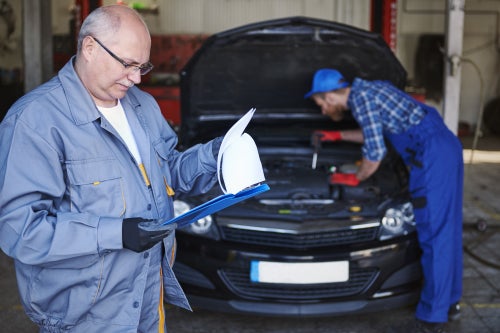
A momentary lapse in traffic, a misjudged turn, a distracted driver and suddenly, your vehicle is in need of repair. But while many drivers think of collision repair as a cosmetic fix, industry professionals and safety experts see it differently. In today's automotive landscape, repairing a damaged vehicle is less about removing dents and more about restoring engineering integrity, preserving resale value, and protecting you and your passengers on the road. With rising complexity in vehicle systems, from embedded sensors to structural reinforcements, relying on uncertified or budget repair shops can put your safety and investment at risk. The decision to go with a certified collision center isn't just about aesthetics it's about long-term peace of mind and financial prudence. Safety Starts with Certified Repairs At the heart of any vehicle lies its safety systems. Crumple zones, radar-based sensors, and airbag modules are designed to work in tandem, absorbing impact and reducing injury during a crash. But those systems are only as effective as their post-collision repair. Even minor structural damage, if improperly addressed, can disable advanced safety features or delay airbag deployment potentially with deadly consequences. According to data from the National Highway Traffic Safety Administration (NHTSA), approximately 2.2 million injuries were linked to vehicle crashes in 2022. That makes it critical for repairs to meet manufacturer specifications. Certified auto body shops, like those discussed on AnchorAB, employ technicians trained to follow OEM (Original Equipment Manufacturer) procedures and use factory-approved parts. These aren't just preferences they're requirements for safety-critical components. As modern vehicles integrate advanced driver-assistance systems (ADAS), even recalibrating a windshield camera or lane-keeping sensor requires factory-level precision. Reclaiming Resale Value And Buyer Confidence Think collision repairs only matter while you own the vehicle? Think again. In today's used car market, a professional repair job can make or break a sale. Buyers are more discerning, and digital platform like CARFAX or AutoCheck make it easy to trace a vehicle's accident history. Yet there's a significant difference between a professionally repaired vehicle and one that's hastily patched up. A detailed invoice from a certified shop assures buyers that the damage was properly corrected and that safety and performance were fully restored. According to industry experts, repairs done by factory-certified technicians can help preserve resale value and attract higher buyer offers. That's because dealerships and individual buyers alike are willing to pay more for a vehicle with well-documented, professionally handled repairs than one with visible or undocumented flaws. It's not just about the value it's about trust. Streamlining the Insurance Maze One of the most frustrating aspects of post-collision recovery is often not the damage itself, but the logistics of filing claims, navigating insurance adjusters, and coordinating repair timelines. Fortunately, many certified repair centers have refined this process to a science. Professional body shops that work closely with insurers can significantly reduce turnaround time. Shops like those profiled by D&H Collision have dedicated staff to manage the paperwork, handle insurer approvals, and even set up rental cars while your vehicle is being repaired. This streamlined experience isn't just more convenient it's also less stressful. Having direct repair agreements with major insurers means many shops can begin work faster and with greater transparency, avoiding delays and miscommunications. It's one more reason many drivers find certified shops worth the investment. Why Certification Matters More Than Ever In the past, a good collision repair meant a smooth paint job and aligned panels. Today, it requires diagnostic tools, recalibration equipment, and access to proprietary repair data. That's why certification has become a hallmark of high-quality auto body work. Programs like I-CAR Gold Class, manufacturer-backed certifications (e.g., GM, Honda, Toyota), and OEM-specific training ensure that repair professionals know how to safely restore today's complex vehicles. Choosing a shop without these credentials could mean subpar materials, incorrect repair procedures, or even ignored safety recalibrations. The industry consensus is clear: certified repair isn't a luxury it's the standard of care required to meet today's automotive demands. Properly performed repairs can bring vehicles back to pre-accident condition and extend the vehicle's useful life, especially when rust prevention, frame alignment, and paint protection are factored in. Beyond Metal and Paint: Your Confidence on the Line What truly makes collision repair important isn't just the steel and paint it's the assurance that you and your loved ones are protected. That your investment is preserved. That the vehicle you trust to get your child to school or your family to work is ready for the road again. This emotional side of repair work is often overlooked, but drivers who've been in an accident know the feeling. Until that vehicle is repaired and repaired right there's a persistent discomfort, a silent question: “Is it really safe?” Professional repair answers that question with a definitive yes. And as collision centers evolve with technology, many now offer lifetime warranties on repairs, giving customers long-term confidence in both the workmanship and materials used. Knowing When to Repair and When to Walk Away While professional repairs can restore most vehicles to pre-accident condition, there are limits. In some cases particularly with frame distortion, airbag module damage, or substantial electrical failures the cost or feasibility of safe repairs may outweigh the value of the car. This is another reason why working with certified repair shops matters. These professionals are equipped to deliver honest assessments, backed by digital frame measurement, structural analysis, and insurance-approved estimates. A good repair center won't just say "we can fix it" they'll tell you whether it's wise to. And when repairs do make sense, their work isn't just about parts it's about preserving the story of your vehicle and protecting your daily routine. The Road Ahead: Collision Repair in a High-Tech Future As electric vehicles (EVs), connected cars, and AI-assisted driving systems continue to expand across the market, the role of certified collision repair becomes even more specialized. High-voltage battery containment, sensor diagnostics, ADAS recalibration these aren't traditional skills. Shops that have kept up with these changes are quickly distinguishing themselves in the industry, offering services many general repair shops simply can't match. From Tesla to Toyota, from minor scrapes to serious impact, the future of repair is digital, data-driven, and deeply technical. Drivers, meanwhile, must navigate this new reality with eyes wide open. The cheapest quote may not deliver the safest outcome. And when it comes to driving a vehicle that has your family inside, few corners are worth cutting. Invest in the Repair, Protect the Ride In the collision aftermath, drivers face a choice: get by with the bare minimum or invest in a repair that truly restores what was lost. Safety. Value. Peace of mind. Professional collision repair isn't just about fixing damage. It's about protecting your investment, your safety, and your sense of confidence every time you take the wheel. When choosing a repair path, go beyond the estimate. Ask about certifications. Inquire about parts. Look for a shop that treats your vehicle and your safety with the respect it deserves. Disclaimer: The above helpful resources content contains personal opinions and experiences. The information provided is for general knowledge and does not constitute professional advice. You may also be interested in: The Importance of Structural Pre and Post Measuring at Jupiter Feeling stuck in the stressful car-buying process? At Jupiter Chevrolet in Garland, TX, we've reimagined how buying a car should feel. With transparent pricing, online deal-building tools, and the benefits of our Jupiter Advantage program, we ensure every step is straightforward and satisfying. Skip the hassle. From purchase to certified service, our team truly puts your choice and convenience first. Turn your dreams of finding your ideal Chevrolet into reality with us. Visit Jupiter Chevrolet today! Powered by flareAI.

How to Choose the Right Vehicle for Your Needs

How to Choose the Right Vehicle for Your Needs

Quick Listen: Podcast Buying a car meant walking into a dealership, hoping the vehicle you needed was in stock, and bracing for a drawn-out negotiation. Fast-forward to 2025, and the experience is nearly unrecognizable. Today's consumers are navigating an evolving market powered by data, digital tools, and expanded inventories. The process is still complex but it's also more transparent and customer-centric than ever before. Whether you're a first-time buyer or a seasoned car owner looking to upgrade, understanding the current market landscape can help you make smarter, more confident choices. A New Era of Availability and Incentives After years of tight inventory and soaring prices, the tides are shifting. According to analysts at Investopedia, new car prices in 2025 are starting to stabilize, thanks in part to improved production and competition among manufacturers. Incentives are making a quiet comeback. Automakers are offering rebates, discounts, and loyalty bonuses to attract buyers. If you've been waiting for prices to settle before purchasing, this year may offer the opportunity you've been looking for. Electric vehicles (EVs) are also commanding more attention than ever before. The Cox Automotive Buyer Journey Study reveals a marked increase in customer satisfaction among EV buyers, driven by new models, improved battery range, and expanding infrastructure. The report suggests that not only are people buying more EVs they're happier once they do. Meanwhile, the overall market outlook remains strong, with expectations for continued growth and improving affordability across multiple vehicle segments. Digital Tools and the Rise of Omnichannel Buying The most noticeable shift in the car-buying experience isn't on the showroom floor it's on your screen. Nearly every step of the process, from research to financing, has moved online. According to Bankrate, digital platforms are transforming how buyers explore options, compare prices, and even schedule test drives. Omnichannel shopping a blend of online convenience and in-person interaction is becoming the norm. Dealerships are responding with virtual showrooms, online trade-in evaluations, and secure financing portals, allowing customers to complete much of the transaction from their couch. This model not only reduces time spent at the dealership but also puts buyers in greater control of the process. And that control matters. According to the same Cox Automotive report, consumers who leverage digital tools report higher satisfaction levels than those relying on traditional methods. Transparency, personalization, and speed are proving to be key drivers of positive experiences. Money Matters: Financing in a High-Rate Environment One aspect of car buying that remains a challenge in 2025 is financing. Interest rates are still higher than pre-pandemic levels, which can significantly impact your monthly payment and overall loan cost. That said, more lenders are introducing flexible financing options, particularly for buyers with solid credit. Before walking into a dealership, it pays to check your credit score and get pre-approved for a loan. Comparing rates between banks, credit unions, and online lenders can save hundreds or even thousands over the life of a loan. As CareEdge notes, automakers are increasingly offering low-interest financing incentives on select models, particularly to well-qualified buyers. It's also essential to consider the total cost of ownership. Insurance, maintenance, fuel efficiency, and depreciation all play a role in a car's long-term affordability. Use cost calculators and vehicle comparison tools to evaluate how different models stack up based on your needs and lifestyle. Certified Pre-Owned: A Smart Middle Ground? New cars aren't the only game in town. Certified pre-owned (CPO) vehicles are becoming an attractive alternative, especially for value-conscious buyers. CPO programs typically include rigorous inspections, extended warranties, and perks like roadside assistance offering peace of mind without the new-car price tag. According to Consumer Reports, CPO cars bridge the gap between used and new, delivering both reliability and savings. They're particularly beneficial in markets where new inventory remains tight or when buyers want higher-end features at a more affordable price. Timing, Trade-Ins, and Test Drives Even in a more digital world, the timing of your purchase still matters. Dealerships tend to offer their best incentives near the end of the month, quarter, or model year as they work to hit sales targets. Shopping during these periods can lead to better pricing or added features. If you're trading in a vehicle, preparation is key. Clean it thoroughly, fix minor issues, and research your car's market value using tools from sites like Kelley Blue Book. These steps can increase your trade-in offer and improve your negotiating position. And don't skip the test drive. As digital as car buying has become, there's no substitute for getting behind the wheel. Pay attention to comfort, visibility, noise, and how the vehicle handles in real-world conditions. Test drives are still the most reliable way to confirm whether a car truly fits your expectations. Local Market Dynamics: What Buyers in Texas Should Know If you're shopping in markets like Texas, particularly in areas such as Garland or Dallas, availability of Chevrolet models like the Silverado or Equinox remains strong. Many local dealers are offering promotions on 2025 models, and the region is seeing a noticeable uptick in customer demand and sales volume. With competitive pricing and a wide range of trims available, shoppers in these markets may find that regional incentives especially on in-stock inventory make now a strategic time to buy. A Personalized Path Forward The automotive industry has never been more responsive to consumer behavior. Dealerships are adopting AI-powered recommendation tools, interactive websites, and customer-first policies that prioritize flexibility and transparency. But in the end, choosing the right car isn't just about tech or trends it's about you. Think deeply about what matters most: daily commute efficiency, road trip readiness, eco-conscious driving, or rugged utility. Consider how long you plan to keep the vehicle and whether leasing or buying better fits your budget and lifestyle. Use the tools available, consult trusted sources, and don't be afraid to ask questions whether from a salesperson or via live chat on a dealer's website. You're in the Driver's Seat With stabilizing prices, expanding inventories, and more robust buying tools, 2025 is shaping up to be a favorable year for car shoppers. The market is no longer tilted in favor of sellers. Armed with the right information and a clear understanding of your goals, you can enter the dealership or the digital showroom with confidence. Disclaimer: The above helpful resources content contains personal opinions and experiences. The information provided is for general knowledge and does not constitute professional advice. You may also be interested in: Jupiter Chevrolet Blog | News, Updates, and Info - Jupiter Chevrolet Feeling stuck in the stressful car-buying process? At Jupiter Chevrolet in Garland, TX, we've reimagined how buying a car should feel. With transparent pricing, online deal-building tools, and the benefits of our Jupiter Advantage program, we ensure every step is straightforward and satisfying. Skip the hassle. From purchase to certified service, our team truly puts your choice and convenience first. Turn your dreams of finding your ideal Chevrolet into reality with us. Visit Jupiter Chevrolet today! Powered by flareAI.

The Role of Parts Sales in Vehicle Maintenance

The Role of Parts Sales in Vehicle Maintenance

Quick Listen: Podcast Imagine it's a brisk Sunday morning in suburban America. You slide into your car, turn the key, and nothing. The engine coughs, the dashboard flickers, and a sinking feeling hits. For millions of drivers, this moment of automotive betrayal leads to one place: the world of auto parts sales. Far from a mere retail transaction, parts sales form the backbone of vehicle maintenance, ensuring cars remain safe, reliable, and road-ready. This intricate ecosystem of spark plugs, brake pads, and expert advice is more than a supply chain it's a lifeline for drivers, mechanics, and communities. Let's explore why parts sales are the unsung heroes of our daily drives, delving into their mechanics, their human touch, and their broader impact. The Foundation of Every Repair Vehicle maintenance hinges on one truth: no repair happens without the right part. Whether it's a squeaky belt or a failing alternator, the solution starts with a component designed to restore a car's performance. Jupiter Chevrolet, a respected dealership in Garland, Texas, underscores this reality. Their parts department stocks thousands of OEM (Original Equipment Manufacturer) parts, each engineered to match a vehicle's precise specifications. “We prioritize OEM parts for their quality and reliability,” their website states, emphasizing that these components ensure repairs last longer and perform better than many aftermarket alternatives. The scale of this industry is substantial. The U.S. auto parts sector is a significant economic contributor, with replacement parts driving a large portion of its revenue. This reflects the critical role parts sales play in maintaining America's vehicles on the road. From a $10 air filter to a $500 transmission component, every sale contributes to safer, more efficient driving. But beyond the numbers lies a deeper story: parts sales are about precision and trust, ensuring that each repair restores a vehicle to its peak condition. Consider the stakes. A worn-out timing belt, if ignored, can cause catastrophic engine failure, costing thousands in repairs. A faulty brake pad can compromise safety, putting lives at risk. OEM parts, designed by the vehicle's manufacturer, minimize these risks. Parts specialists at dealerships like Jupiter Chevrolet ensure customers receive the correct components. Their role isn't just about handing over a box it's about ensuring the part fits, functions, and keeps the driver safe. The Human Element in Parts Sales Parts sales thrive on expertise and connection. Walk into a dealership or an auto parts store like Advance Auto Parts, and you're not just buying a product you're tapping into knowledge. Parts specialists act as problem-solvers, listening to a customer describe a clunking noise or sluggish acceleration and helping identify the exact part needed. This diagnostic skill transforms parts sales into a collaborative effort, bridging the gap between a driver's frustration and a solution. For DIY enthusiasts, parts sales are a gateway to empowerment. Many drivers undertake their own repairs, relying on parts specialists for guidance. This trend reflects a growing interest in DIY automotive work, fostering a sense of accomplishment among vehicle owners. Even for those who shy away from wrenches, parts sales offer reassurance. Dealerships and retailers frequently pair parts with professional installation or advice. A significant portion of drivers prefer certified technicians for repairs, citing trust in quality parts and expertise. This trust is hard-earned. Parts specialists use tools like VIN lookups to ensure compatibility, preventing costly mistakes. They take the time to ask questions and make sure customers leave with the right solution. Navigating a Complex Landscape The auto parts world can feel like a maze. Shelves brim with filters, sensors, and gaskets, each with cryptic part numbers. For the uninitiated, it's daunting. This is where skilled staff shine. At Jupiter Chevrolet, their online parts portal streamlines the process, allowing customers to order OEM parts with ease while offering phone support for personalized help. Parts specialists are here to demystify the process, ensuring DIYers and professional mechanics get exactly what they need. Technology is transforming parts sales, too. Real-time inventory systems have become standard, with many dealerships adopting digital tools. These systems reduce wait times for rare components, ensuring repairs happen faster. Yet, technology doesn't replace the human touch. No app can replicate the confidence inspired by a parts specialist's assurance: “This is the right part, and we've got your back.” The rise of e-commerce has added another layer. Online platforms let customers browse parts from home, but they often lack the nuanced guidance of in-person service. While online parts sales are growing, many consumers still prefer brick-and-mortar stores for complex purchases, valuing expert advice over convenience. This balance blending digital efficiency with human expertise defines the modern parts sales landscape. The Broader Impact Parts sales do more than fix cars they sustain communities. In a country where most Americans rely on personal vehicles for daily travel, a functioning car is non-negotiable. It's the ride to work, the school pickup, the weekend getaway. In rural areas, where public transit is often nonexistent, a broken vehicle can disrupt lives. Every part sold, from a $5 fuse to a $1,000 catalytic converter, keeps this ecosystem moving. There's an environmental dimension, too. Quality parts extend a vehicle's lifespan, reducing the demand for new cars and the resources they consume. “OEM parts are built for durability,” Jupiter Chevrolet's website notes. By keeping vehicles operational longer, parts sales align with sustainability goals. Extending vehicle lifespans contributes to reduced automotive emissions, a significant win for the planet. Economically, parts sales are a powerhouse. The auto parts industry supports millions of jobs, from manufacturing to retail. Dealerships like Jupiter Chevrolet and chains like Advance Auto Parts employ thousands, while local garages depend on parts sales to serve their customers. This ripple effect underscores the industry's role as a cornerstone of the American economy. Challenges and Opportunities Parts sales aren't without hurdles. Supply chain disruptions have exposed vulnerabilities in recent years, frustrating customers and mechanics alike. Counterfeit parts also pose a risk, with substandard components undermining safety, a problem combated through stricter regulations and consumer education. Yet, opportunities abound. Advances in electric vehicle (EV) technology are reshaping parts sales, with batteries and charging components becoming increasingly important. The growing adoption of EVs is expected to drive demand for specialized parts in the coming years. Dealerships and retailers are adapting, training staff to handle these new demands and expanding inventories to include EV-specific components. A Legacy of Reliability As I leave Jupiter Chevrolet, a parts specialist hands me a business card with a nod. “If your car ever gives you trouble, we're here,” she says. Her words capture the essence of parts sales: dependable, approachable, and essential. Behind every repair, every journey, every uneventful commute, there's a part and a person who made it possible. Parts sales are more than a cog in the automotive machine. They're the spark that reignites an engine, the brake that ensures safety, the filter that keeps things humming. They empower DIYers, support professionals, and sustain communities. The next time your car needs a fix, pause to appreciate the intricate dance of parts sales. It's a world where precision meets passion, keeping America's roads alive, one component at a time. Disclaimer: The above helpful resources content contains personal opinions and experiences. The information provided is for general knowledge and does not constitute professional advice. You may also be interested in: The Impact of Tariffs on Car Prices and Supply Chains in the Auto Industry Feeling stuck in the stressful car-buying process? At Jupiter Chevrolet in Garland, TX, we've reimagined how buying a car should feel. With transparent pricing, online deal-building tools, and the benefits of our Jupiter Advantage program, we ensure every step is straightforward and satisfying. Skip the hassle. From purchase to certified service, our team truly puts your choice and convenience first. Turn your dreams of finding your ideal Chevrolet into reality with us. Visit Jupiter Chevrolet today! Powered by flareAI.

The Convenience of Online Car Buying Tools

The Convenience of Online Car Buying Tools

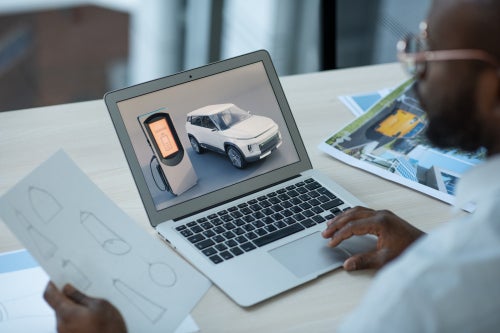
Quick Listen: Podcast The ritual of car buying once demanded a pilgrimage to the dealership: hours spent navigating crowded lots, enduring high-pressure sales pitches, and wrestling with stacks of paperwork. Today, that script has been rewritten. From the comfort of your living room, you can explore a Chevrolet's features, secure financing, and even have your new car delivered to your driveway. The rise of online car buying tools has transformed the automotive industry, offering unmatched convenience, transparency, and control. This isn't just a trend it's a seismic shift in how we purchase vehicles. Let's explore how these digital platforms empower buyers, streamline processes, and redefine the road to car ownership. Browse Without Boundaries The days of trudging through dealership lots under the watchful eye of a salesperson are fading. Online platforms have turned your laptop or smartphone into a virtual showroom. On Chevrolet's current offers page, you can browse an entire inventory comparing a Silverado's towing capacity to a Blazer's sleek design with a few clicks. These tools allow you to filter by price, features, or availability, tailoring the experience to your needs. The numbers tell the story: a 2024 industry report found that over 60% of car buyers begin their journey online, with many completing significant portions of the process digitally. “Buyers want autonomy,” says automotive analyst Jessica Caldwell. “Digital tools let them research and decide without pressure.” This freedom is transformative. Whether you're weighing fuel efficiency or debating color options, online platforms give you the space to make informed choices at your own pace. No rushed decisions, no hovering salespeople just you and the data you need. Moreover, these platforms extend beyond browsing. Many integrate real-time inventory updates, showing which models are available at nearby dealers. This transparency eliminates the frustration of chasing a car that's already sold. For first-time buyers or busy professionals, the ability to shop from home is more than convenient it's a lifeline. Financing Made Simple Securing a car loan once felt like a high-stakes scavenger hunt. You'd shuttle between banks, credit unions, and dealership finance offices, piecing together rates and terms. Missteps could lock you into unfavorable deals. Now, online tools have demystified this process, bringing clarity and efficiency to financing. Websites like Bank of America's auto loan portal and the Consumer Financial Protection Bureau's resources allow you to compare lenders, calculate payments, and apply for pre-approval all before stepping into a dealership. Wells Fargo's vehicle financing guide, for instance, offers calculators to estimate monthly costs based on loan terms and interest rates. “These tools help buyers set realistic budgets,” says financial advisor Maria Gonzalez in a Consumer Reports guide. “You know your limits before you fall in love with a car.” Pre-approval is a particularly powerful feature. By locking in financing early, you enter negotiations with leverage, sidestepping dealership financing traps. A 2023 study noted that buyers who secured pre-approved loans saved an average of 1.5% on interest rates compared to those relying solely on dealer offers. This isn't just about saving money; it's about confidence. When you know your budget, you can focus on finding the right car, not scrambling to make the numbers work. The Tech Edge: AR and AI The future of car buying isn't on the horizon it's here. Augmented reality (AR) and artificial intelligence (AI) are elevating the online experience, making it more immersive and personalized. Imagine slipping on a headset to take a virtual tour of a Chevy Equinox, inspecting its interior as if you were sitting inside. Or picture an AI analyzing your preferences say, a need for cargo space and fuel efficiency and recommending a Traverse tailored to your lifestyle. “Technology is reshaping how we connect with cars,” says tech consultant David Lee in an industry analysis. Chevrolet's special offers page leverages AI to highlight deals based on your location and browsing history, ensuring you see relevant promotions. AR, meanwhile, bridges the gap between digital and physical. Some platforms let you visualize a car in your driveway or explore its features in 3D, offering a tactile sense of ownership without leaving home. These innovations aren't just flashy they're practical. A 2024 survey found that 30% of buyers used digital visualization tools to finalize their model choice, citing greater confidence in their decisions. For younger buyers, who prioritize tech-driven experiences, AR and AI are becoming must-haves. As these tools evolve, they'll further blur the line between online research and real-world driving. Streamlining the Dealership Experience Dealership visits can be draining. Hours spent haggling, signing forms, and waiting for approvals test even the most patient buyers. Online tools are dismantling these barriers. Platforms now handle everything from price quotes to digital contracts, reducing the need for in-person visits. Some even offer home delivery your new Chevy could arrive at your doorstep, keys in hand. Chevrolet's lease deals page, for example, lets you explore leasing options, estimate payments, and initiate paperwork online. “Digital processes save families hours,” says Sarah Thompson, a recent buyer quoted in a Progressive article. A 2024 survey revealed that 45% of buyers completed their entire purchase online, citing reduced stress and time savings. For those who still visit dealerships, the process is often a formality sign a few papers, pick up the keys, and drive off. This shift also benefits dealers. By handling preliminary steps online, dealerships can focus on high-value tasks like test drives and customer service. The result is a win-win: buyers enjoy a smoother experience, and dealers operate more efficiently. As digital paperwork and e-signatures become standard, the traditional dealership model is evolving to meet the demands of a tech-savvy market. Challenges and Considerations No revolution is without hurdles. Online car buying, while transformative, has limitations. Some buyers miss the tactile experience of test-driving multiple models or negotiating face-to-face. Others worry about cybersecurity when sharing financial details online. A 2024 report noted that 25% of consumers hesitated to complete purchases digitally due to privacy concerns. Additionally, not all dealerships offer fully online processes. Rural buyers, in particular, may face limited digital inventory or delivery options. “The transition isn't universal,” says analyst Caldwell. “Some regions lag in adopting these tools.” For these buyers, hybrid approaches blending online research with in-person visits remain essential. Still, the industry is addressing these challenges. Enhanced encryption protects financial data, and dealers are expanding online offerings to reach broader audiences. As consumer trust grows, the adoption of digital tools will likely accelerate. A New Era of Empowerment The road to car ownership has been repaved. Online car buying tools have shifted the balance of power to consumers, offering convenience, transparency, and efficiency. From browsing inventories to securing loans, these platforms streamline every step, saving time and reducing stress. AR and AI add a layer of personalization, while digital paperwork minimizes dealership hassles. Though challenges remain, the trajectory is clear: the future of car buying is digital. For those eyeing a new Chevrolet, the path is simpler than ever. Visit Chevrolet's deals page, explore your options, and let technology guide you. Your dream car isn't just a purchase it's a journey, and the digital road makes it smoother, smarter, and more empowering than ever before. Disclaimer: The above helpful resources content contains personal opinions and experiences. The information provided is for general knowledge and does not constitute professional advice. You may also be interested in: Jupiter Chevrolet Blog | News, Updates, and Info - Jupiter Chevrolet Feeling stuck in the stressful car-buying process? At Jupiter Chevrolet in Garland, TX, we've reimagined how buying a car should feel. With transparent pricing, online deal-building tools, and the benefits of our Jupiter Advantage program, we ensure every step is straightforward and satisfying. Skip the hassle. From purchase to certified service, our team truly puts your choice and convenience first. Turn your dreams of finding your ideal Chevrolet into reality with us. Visit Jupiter Chevrolet today! Powered by flareAI.

The Rise of Social Media in Automotive Marketing

The Rise of Social Media in Automotive Marketing

Quick Listen: Podcast The car dealership, once defined by Sunday strolls through rows of sedans and face-to-face negotiations under fluorescent lights, has shifted online. In 2025, much of the car-buying process doesn't begin at a lot it begins on a smartphone screen. And increasingly, it begins on social media. This isn't just a matter of convenience. It's a seismic shift in how automakers, dealerships, and consumers interact. Facebook ads, TikTok walkarounds, Instagram Reels, and YouTube reviews have evolved from marketing experiments into core pillars of the automotive sales strategy. And with Americans spending significant time daily on social platforms, it's clear: car buyers aren't just browsing they're deciding. Digital Doors Replacing Showroom Floors As the inventory crisis of the early 2020s begins to fade, consumers are being greeted with more choices and more ways to explore them. According to Bankrate, the car-buying process has changed dramatically nearly two-thirds of buyers now start their journey online, often weeks before ever stepping onto a dealership lot. This digital shift is about more than convenience. Social media channels allow buyers to explore cars in action how they sound, how they drive, how the touchscreen reacts in real time. Influencers often provide more relatable, transparent reviews than corporate ads. And for dealerships, platforms like Instagram and TikTok have become vital tools for brand-building and lead generation. Jupiter Chevrolet, based in Garland, Texas, is one of many dealerships embracing the movement. The team posts walkaround videos of new vehicles, hosts live Q&A sessions, and even shares customer-delivered vehicle handoffs. These interactions aren't just content they're trust-building moments that create familiarity and drive foot traffic. A Market Shaped by New Expectations Today's auto market reflects this new digital-first behavior. While inflation and interest rates continue to challenge affordability, analysts note that new car prices are beginning to stabilize. Many automakers are offering generous incentives, such as cash-back programs and low-interest financing, to lure buyers back into the market. These offers are frequently highlighted not in newspapers, but on Facebook ads and Snapchat stories. Electric vehicles (EVs), too, are thriving not just in volume, but in how well they are received. As revealed by Cox Automotive, EV owners reported high satisfaction levels. This success is no coincidence EVs have been particularly well-suited for visual storytelling. High-tech dashboards, seamless charging apps, and futuristic design features play well in 30-second TikToks. More than any other factor, though, it's the personalization enabled by digital tools that is driving consumer engagement. A buyer today expects to be met where they already are on their phone, scrolling social feeds, absorbing information not through brochures, but through creators they follow and trust. The Omnichannel Reality of Car Buying For dealerships, meeting this expectation means building a cohesive experience across physical and digital touchpoints. It's not enough to have a good website. Dealers must integrate inventory availability, financing pre-approvals, and trade-in valuations into a seamless digital journey that mirrors the in-person process. And this isn't hypothetical. According to Cox Automotive, customers who engage in both online and in-store experiences are consistently more satisfied than those who use only one method. This omnichannel model is quickly becoming the standard digital isn't replacing dealerships, it's redefining them. Key tools like digital test drive scheduling, real-time chat, and mobile-friendly credit check tools are now considered essential. The line between e-commerce and automotive retail has blurred. Dealerships that adapt are already reaping the benefits. Social Media's Impact on Financing Decisions One of the most striking changes brought about by this shift is how consumers approach financing. Historically, many buyers walked into a dealership with little understanding of loan terms, interest rates, or what they could afford. In 2025, that's changing because social media is doing the explaining. From TikTok creators breaking down lease vs. buy decisions to YouTube videos comparing interest rates across lenders, financial literacy is now content. Short-form videos present this information in engaging, digestible ways often more effectively than traditional financial institutions. According to CarEdge, dealerships that embrace transparent online financing tools are gaining an edge. Customers can browse incentives, simulate loan scenarios, and compare options without pressure all before entering a showroom. The result? A more confident buyer, and a smoother transaction. Challenges of the New Landscape Of course, the digital revolution hasn't solved every challenge. High interest rates continue to dampen affordability, particularly for first-time buyers. And misinformation remains a risk, especially in environments where content spreads faster than facts. Some buyers may be swayed by influencer content that lacks nuance, promoting vehicles based on aesthetics or momentary trends rather than long-term value. That's why credible voices and credible dealerships play an essential role in keeping the conversation grounded. This is also where social listening becomes vital. Dealers can use social media to monitor what customers are saying, identify pain points, and respond quickly to concerns. The best dealers don't just post they engage. Looking Ahead: A Social-First Future The trajectory is clear. Automotive marketing in 2025 is being shaped not in corporate boardrooms, but in the comment sections of YouTube and on the For You pages of TikTok. Dealerships that recognize this aren't just building brands they're building relationships. As Cox Automotive forecasts, improving personalization and digital convenience will continue to define market growth. That means the most successful dealerships will be those that think like publishers using storytelling, interactivity, and audience data to guide their outreach. At Jupiter Chevrolet, for example, social isn't a side project it's integrated into every customer interaction. When a new model arrives, the first stop isn't the showroom, it's the camera lens. That video may rack up thousands of views before the first test drive is booked. And when that customer does walk through the door, they aren't starting from scratch they already know the specs, they've watched the walkaround, and they've read other buyer's experiences in the comments. More Than a Trend This isn't a marketing trend. It's a business imperative. Social media has moved from the sidelines into the driver's seat, transforming every stage of the car-buying journey from awareness to decision to loyalty. The question for dealerships is no longer whether to use social media, but how well they can wield it. In a landscape where attention is the new currency, the best automotive marketers aren't just selling cars they're earning trust, one scroll at a time. Disclaimer: The above helpful resources content contains personal opinions and experiences. The information provided is for general knowledge and does not constitute professional advice. You may also be interested in: Jupiter Chevrolet Blog | News, Updates, and Info - Jupiter Chevrolet Feeling stuck in the stressful car-buying process? At Jupiter Chevrolet in Garland, TX, we've reimagined how buying a car should feel. With transparent pricing, online deal-building tools, and the benefits of our Jupiter Advantage program, we ensure every step is straightforward and satisfying. Skip the hassle. From purchase to certified service, our team truly puts your choice and convenience first. Turn your dreams of finding your ideal Chevrolet into reality with us. Visit Jupiter Chevrolet today! Powered by flareAI.

The Importance of Community Engagement for Local Dealerships

The Importance of Community Engagement for Local Dealerships

Quick Listen: Podcast In the heart of Rolla, Missouri, a local car dealership transforms its lot into a vibrant community hub each summer. Families gather, not just to admire gleaming vehicles, but to share laughter at a charity car show, where kids race toy cars and neighbors reconnect over hot dogs. This scene, vividly captured in a 2024 Rolla Daily News article, reveals a truth reshaping the automotive industry: local dealerships thrive when they become integral to their communities. In an age of e-commerce giants and digital skepticism, community engagement is no longer optional it's a critical strategy for dealerships aiming to build trust, loyalty, and lasting relevance. The Power of Presence: Building Trust Through Events For a local dealership, showing up matters as much as selling cars. Across America, dealerships are hosting events think car shows, charity drives, or youth sports sponsorships that cement their status as community pillars. A 2023 study by Cox Automotive found that 68% of car buyers prefer dealers with a strong local presence, a statistic that underscores the value of visibility. These events do more than draw crowds; they forge emotional connections that translate into sales. Consider a Missouri dealership that raffled off a car to support a local charity. As detailed in the Rolla Daily News, the event attracted hundreds, many of whom later became customers. “People want to do business with those they know and trust,” says Brian Ekre, a dealership consultant, in a LinkedIn post. This trust is hard-won but invaluable, turning one-time buyers into lifelong patrons. Such initiatives are strategic, not sentimental. Hosting a 5K run or sponsoring a high school band creates touchpoints that humanize a dealership. Unlike national chains, local dealers can leverage their proximity to build authentic relationships. A 2024 AutoTrader report notes that 73% of buyers value community involvement when choosing a dealership, a preference that drives foot traffic and fosters loyalty. By aligning with local causes, dealerships position themselves as more than businesses they become trusted neighbors. Social Media: Amplifying Community Ties If community events are the handshake, social media is the megaphone. Platforms like Instagram, Facebook, and X have become virtual town squares where dealerships showcase their community involvement. A CBT News article highlights how dealers use social media to share stories whether it's staff volunteering at a food bank or live-streaming a charity car wash. These posts don't just advertise; they build a narrative of care and connection. Take a dealership that posted a video of its team refurbishing a local playground. The post went viral among residents, driving engagement without mentioning cars. As Ekre notes in his LinkedIn analysis, “Social media allows dealerships to tell their story in real time, showing they're part of the community, not just in it.” This authenticity resonates with buyers, 73% of whom check a dealership's social media presence before visiting, according to AutoTrader. Social media also amplifies reach. A single post about a local event can garner thousands of views, far surpassing traditional advertising. Dealerships that share behind-the-scenes content say, mechanics mentoring students at a career fair create a relatable brand. This strategy aligns with findings from Edmunds, which reports that 40% of dealership sales stem from word-of-mouth referrals, often sparked by social media. In a skeptical digital age, these platforms offer a powerful tool to build trust and visibility. Economic and Social Impact: A Virtuous Cycle Community engagement isn't just about goodwill it's an economic engine. When a dealership sponsors a Little League team or hosts a charity auction, it injects money into the local economy. Community engagement efforts contribute significantly to local economies through direct spending and increased business for nearby vendors, from caterers to print shops. The social impact is equally profound. Customers who see their dealer at a school fundraiser or a veteran's event feel a connection that transcends price tags. “Community engagement creates a bond that price tags can't break,” a dealership manager told Evox Images. This bond drives loyalty, with Edmunds noting that loyal customers account for 40% of sales through repeat business and referrals. Strategic partnerships amplify these benefits. Dealerships that collaborate with local nonprofits say, a women's shelter or a food bank align their brand with values that matter. A CBT News report cites a dealership that donated vehicles to a disaster relief effort, earning goodwill and media coverage. These partnerships create a virtuous cycle: stronger communities foster stronger businesses, which in turn reinvest in their towns. Navigating Challenges: The Road Ahead Community engagement isn't without hurdles. Organizing events requires time, money, and staff coordination, resources that small dealerships may lack. Social media, while powerful, demands consistent effort to avoid appearing opportunistic. A poorly executed campaign say, a charity event perceived as self-serving can backfire, as noted in a Cars.com article on buyer perceptions. Yet, the risks are outweighed by the rewards. The rise of online retailers like Carvana and Tesla's direct-to-consumer model threatens traditional dealerships, but community engagement offers a competitive edge. Cars.com reports that 82% of buyers prefer dealers with a “local feel” over impersonal chains, a preference that underscores the value of rootedness. By doubling down on community ties, dealerships can differentiate themselves in a crowded market. A Roadmap to Relevance: The Future of Dealerships The automotive industry stands at a pivotal moment. As digital platforms reshape car buying, local dealerships must evolve to stay relevant. Community engagement is not a sideline it's a strategy for survival and growth. Whether through a summer car show, a viral social media post, or a partnership with a local charity, these efforts remind customers that their dealer is more than a business. It's a neighbor, a partner, a fixture in the community's story. The data is compelling: 68% of buyers prioritize community presence, 73% check social media, and 82% favor local dealers. But beyond the numbers lies a deeper truth: in an era of automation and anonymity, human connection is the ultimate currency. “The community is your showroom,” Ekre writes in his LinkedIn post. For dealerships willing to invest, that showroom is boundless. To dealers hesitating: start small, but start now. Sponsor a school event. Share a story on social media. Show up where it matters. The road to relevance begins with a single step into the heart of your community. Disclaimer: The above helpful resources content contains personal opinions and experiences. The information provided is for general knowledge and does not constitute professional advice. You may also be interested in: Jupiter Chevrolet Blog | News, Updates, and Info - Jupiter Chevrolet Feeling stuck in the stressful car-buying process? At Jupiter Chevrolet in Garland, TX, we've reimagined how buying a car should feel. With transparent pricing, online deal-building tools, and the benefits of our Jupiter Advantage program, we ensure every step is straightforward and satisfying. Skip the hassle. From purchase to certified service, our team truly puts your choice and convenience first. Turn your dreams of finding your ideal Chevrolet into reality with us. Visit Jupiter Chevrolet today! Powered by flareAI.

Engaging with Customers Through Social Media: Best Practices

Engaging with Customers Through Social Media: Best Practices

Where a smartphone swipe can replace a showroom stroll, the rules of customer engagement are being rewritten. Dealerships that once relied on flashy commercials and foot traffic are now navigating a world where engagement happens in real-time, and where every post, comment, and story can make or break a sale. Social media isn't a peripheral tool anymore it's the primary avenue through which relationships are built, trust is earned, and business grows. A Market in Motion The automotive market has undergone a significant shift in recent years. The days of relying solely on weekend walk-ins and paper brochures are long gone. According to a recent report, increased inventory levels and an influx of digital platforms have radically altered how people approach car buying. Now, customers research, compare, and even initiate financing all before stepping foot into a dealership. That transformation has also extended to how dealerships must now present themselves to be relevant. The Digital Buying Mindset Customers today are armed with information and expectations. They're not just looking for a car; they're looking for a streamlined, transparent experience. As Cox Automotive revealed in its buyer journey study, satisfaction levels have reached record highs among both new and electric vehicle buyers. This rise isn't accidental it correlates directly with dealerships adopting digital tools that simplify the path to purchase. Meanwhile, market data shows a leveling of new car prices and a notable rise in promotional incentives. Consumers are responding positively, especially in segments like electric vehicles where satisfaction is driven by both innovation and access to relevant, easy-to-digest information. The lesson? Engagement starts early, often before customers know which car they want. And social media is where they're looking for answers. Where First Impressions Are Made Today's first handshake is likely to happen online. Whether through a quick Instagram Reel of a new model, a Facebook message about availability, or a live-streamed walkaround, these digital interactions are shaping opinions long before a test drive is scheduled. This makes omnichannel fluency a necessity, not a luxury. The same study from Cox Automotive emphasized the value of omnichannel experiences integrated journeys that span online browsing, in-person interactions, and post-sale follow-up. Customers expect to start their journey on their phone and continue it seamlessly in the dealership. When that flow is disrupted, so is their trust. Building Engagement That Converts It's no longer enough for dealerships to post occasional promotions or holiday sales. To truly engage, content must be relevant, responsive, and human. Stories that showcase a customer picking up their first EV, behind-the-scenes glimpses of the service team, or tips for navigating financing during high-rate periods these are the pieces that foster community and brand affinity. Yet, there's also a technical side to engagement. Social media algorithms favor interaction. The more likes, comments, and shares a post generates, the more visibility it gets. That means dealerships must create content that not only informs but invites conversation. Ask questions. Post polls. Respond to comments like you would to someone standing at your counter. Financial Transparency Matters Even as inventory increases and pricing stabilizes, financing remains a key hurdle for buyers. In 2025, many consumers are still contending with elevated interest rates. In this context, clear, informative financial communication is essential. Resources like CarEdge highlight that incentives are playing a larger role in helping buyers manage affordability. On platforms like Instagram and Facebook, short videos or carousels explaining dealership-specific promotions or demystifying credit score impact can build goodwill and reduce friction later in the sales funnel. Gone are the days when financing was discussed only in an office, post-sale. Today, smart dealers surface those conversations early on social media where customers are already engaging. Trust Is the Currency In a saturated content landscape, what stands out isn't the flashiest video or the boldest discount it's credibility. The Cox Outlook emphasizes improving affordability and satisfaction as key trends. Dealerships that embrace transparency posting real customer stories, responding candidly to reviews, sharing accurate pricing build reputations that last. Trust also requires consistency. A customer who gets an answer via TikTok DMs in 10 minutes but hears nothing back through email for three days won't feel valued. Brands that standardize communication across channels send a powerful message: "We see you. We're here. We're consistent." Best Practices for Social Media Success So what does effective engagement actually look like for dealerships? Respond Promptly and Personally: Automated responses are useful but limited. Human follow-up makes the difference. Diversify Content: Mix videos, carousels, testimonials, Q&As, and live streams. Let your audience see your team, not just your inventory. Educate More Than You Promote: A post about interest rates or EV maintenance will often perform better than a generic sale post. Feature Real People: Showcase your customers, technicians, and sales staff. Authenticity fosters loyalty. Track What Resonates: Use platform analytics to understand which posts drive engagement and adapt accordingly. Preparing for What's Next The coming years will continue to test how well dealerships can blend digital agility with traditional service. Those that adapt quickly will find themselves not just surviving but leading. It's worth remembering that every social media interaction every story view, every comment reply, every shared testimonial is a moment of influence. In the automotive world, where purchases are high-stakes and infrequent, building trust through these micro-moments isn't just smart. It's essential. Connection Drives Sales As the 2025 market continues to evolve, so too must the strategies dealerships use to connect with buyers. Social media is no longer a side task delegated to interns it's the digital front line of automotive retail. And while the platforms may change, the principles don't: Be honest. Be helpful. Be human. Disclaimer: The above helpful resources content contains personal opinions and experiences. The information provided is for general knowledge and does not constitute professional advice. You may also be interested in: Jupiter Chevrolet Blog | News, Updates, and Info - Jupiter Chevrolet Feeling stuck in the stressful car-buying process? At Jupiter Chevrolet in Garland, TX, we've reimagined how buying a car should feel. With transparent pricing, online deal-building tools, and the benefits of our Jupiter Advantage program, we ensure every step is straightforward and satisfying. Skip the hassle. From purchase to certified service, our team truly puts your choice and convenience first. Turn your dreams of finding your ideal Chevrolet into reality with us. Visit Jupiter Chevrolet today! Powered by flareAI.

Contact Us

Fill out this form below and we'll contact you shortly
*Required Fields