



TL;DR: Modern Chevrolets pack ADAS cameras, sensors, and in many cases high-voltage EV components, so a 2026 collision repair now involves calibration and diagnostic scans, not just bodywork. GM Collision Repair Network member centers like Jupiter Chevrolet's Collision Center use GM Genuine Parts and factory procedures to restore vehicles to original safety and performance standards.
As we move into 2026, Chevrolet owners face a collision repair landscape that has evolved dramatically. Today's Chevy vehicles combine advanced driver-assistance systems, lightweight and mixed materials, and in many cases electric powertrains. A collision, even a minor one, now demands far more than traditional bodywork to return the vehicle to its original safety and performance standards. Dealership service centers and GM Collision Repair Network partners are rising to meet these demands through specialized training, genuine parts, and precise procedures.
The Growing Importance of ADAS in Chevrolet Collision Repairs
Advanced driver-assistance systems have become common across much of the Chevrolet lineup, from automatic emergency braking and lane-keeping assistance to adaptive cruise control and, on select models, Super Cruise hands-free driving. These features depend on an intricate network of cameras, radars, and sensors. Even a light impact can misalign these components, making accurate post-repair calibration essential for restoring full functionality.
General Motors emphasizes the use of genuine GM parts and approved repair procedures for any collision, structural, or system-dependent work. Non-OE parts in sensor-critical areas, such as bumpers, grilles, or headlamps, can compromise ADAS performance and may affect warranty coverage. For Chevrolet drivers, this underscores the value of choosing a facility experienced with factory specifications and equipped to handle these sensitive systems.
Special Considerations for Repairing Chevrolet Electric Vehicles
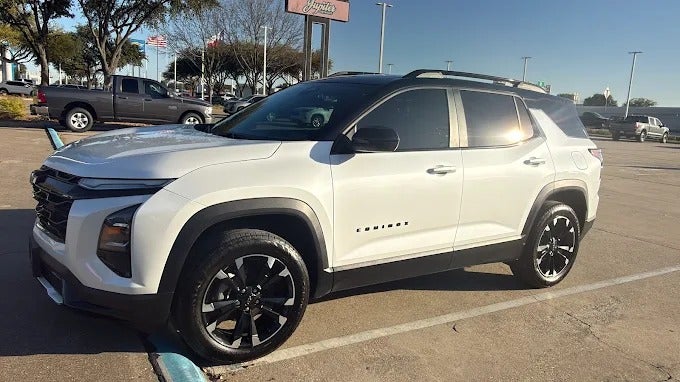
Chevrolet's expanding EV portfolio, including the Equinox EV and Silverado EV, introduces high-voltage battery systems and unique structural designs that require careful handling during collision repair. Technicians must follow safety protocols to prevent electrical hazards and protect battery integrity, often incorporating additional diagnostic scans that extend the repair process.
Lightweight materials and mixed-material construction further complicate the work. Traditional welding methods may not be suitable, prompting shops to adopt new tools and techniques. Experience with Chevrolet's specific EV platforms proves valuable, supporting more reliable repairs while maintaining the vehicle's advanced safety and efficiency features.
Why Calibration Has Become a Standard Step
Calibration is no longer an optional add-on but a routine part of many collision repairs on modern vehicles. Pre- and post-repair scans help identify hidden issues with electronic control units and sensors, while targeted calibrations help ensure ADAS features operate as engineered after bodywork is completed.
GM guidelines recommend limiting refinishing on ADAS-equipped components like bumpers and fascias to topcoat only, with controls on paint thickness. Exceeding these limits or performing improper substrate repairs can interfere with radar and camera accuracy. GM Collision Repair Network member centers have the equipment and training to meet these standards, giving owners confidence that safety systems will perform as intended.
The Critical Role of Genuine Parts and Authorized Networks
Access to original equipment manufacturer parts remains central to high-quality Chevrolet collision repairs. Dealership body shops and GM Collision Repair Network partners benefit from direct supply chains for panels, sensors, and structural components engineered specifically for each model year. This approach helps minimize compatibility problems that can arise with aftermarket alternatives.
In today's highly integrated vehicles, selecting the correct part goes beyond simple fitment. It helps preserve the precise engineering that supports both safety systems and overall performance, particularly for newer models where electronics and body structures function in tight coordination.
Need Collision Repair for Your Chevrolet?
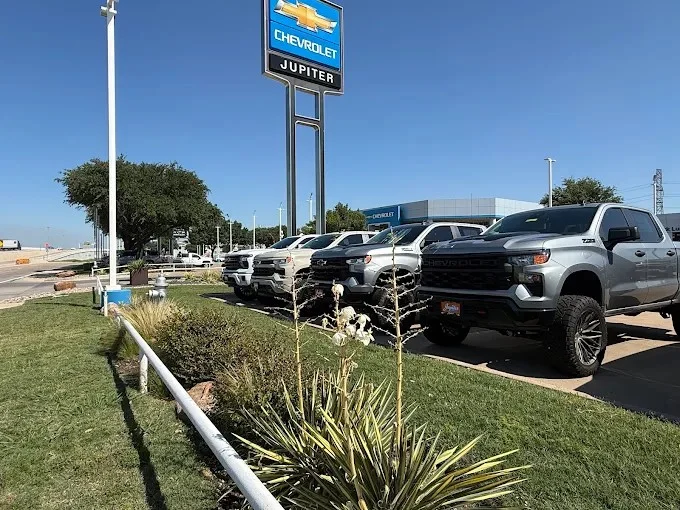
Jupiter Chevrolet's Collision Center is a member of the GM Collision Repair Network, ready to help with ADAS calibration and EV-aware repair.
Adapting the Workforce and Technology for Modern Repairs
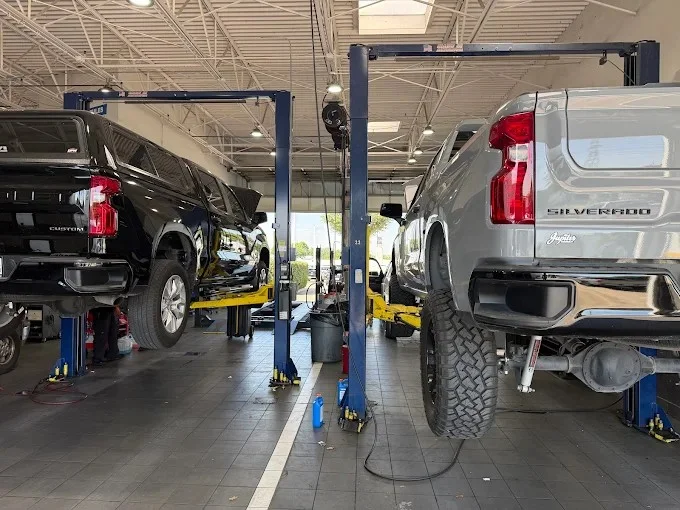
The collision repair sector continues to demand technicians skilled in both classic bodywork and modern vehicle technology. Facilities serving Chevrolet customers are investing in diagnostic tools, precision alignment systems, and EV-specific equipment to stay current. This ongoing adaptation translates into more accurate repairs and improved long-term vehicle reliability for owners.
While the added complexity of contemporary vehicles can extend repair timelines, it also opens the door to better outcomes when experienced technicians are involved. In regions with heavy traffic where fender benders remain frequent, working with a well-equipped Chevrolet collision provider can simplify the claims and repair journey.
Embracing Sustainability in Collision Repair Practices
Sustainability is receiving increased focus within the collision repair industry. Whenever safe and structurally sound, prioritizing repair over full replacement supports environmental goals and helps extend vehicle lifespan. Chevrolet's emphasis on durable, recyclable materials supports these efforts, encouraging repair techniques that reduce waste without compromising safety.
Many dealership service departments integrate collision repair with routine maintenance and parts service, creating a more complete ownership experience that can shorten overall downtime.
Practical Advice for Chevrolet Owners Facing Repairs in 2026
Selecting the right repair location matters more than ever. Facilities that are members of the GM Collision Repair Network, with ready access to genuine parts and experience handling ADAS and EV systems, consistently deliver restorations that match factory safety and performance levels. Clear communication about required calibrations, parts choices, and timelines helps set realistic expectations.
- Always request full documentation of pre- and post-repair scans as well as all calibrations performed.
- Verify that GM-approved procedures and OEM parts were used to help protect your warranty coverage.
- Ask about the technician's specific training on your vehicle's technology platform.
- Ask for confirmation of post-repair testing to help ensure ADAS features operate correctly.
Looking Forward: Technology Driving Safer Repair Outcomes
The trends reshaping collision repair for Chevrolet vehicles mirror the rapid advancement of automotive technology overall. While vehicles gain greater ability to help prevent accidents, the repairs required when collisions occur have grown more technically demanding. This sophistication ultimately serves to protect drivers and passengers.
Jupiter Chevrolet's Collision Center and other GM Collision Repair Network partners are well-positioned to address these challenges with specialized knowledge, genuine components, and up-to-date equipment. By staying informed and working with experienced providers, owners can feel confident that after an incident, their vehicle will return to the road performing as safely and capably as when it was new.
Frequently Asked Questions
Why is ADAS calibration required after a Chevrolet collision repair in 2026?
Modern Chevrolet vehicles are equipped with advanced driver-assistance systems (ADAS) including automatic emergency braking, lane-keeping assistance, and adaptive cruise control that rely on a network of cameras, radars, and sensors. Even a minor impact can misalign these components, making post-repair calibration essential to restore full functionality. GM guidelines call for pre- and post-repair diagnostic scans, along with targeted calibrations, to help ensure safety systems perform as engineered after bodywork is completed.
What makes repairing a Chevrolet electric vehicle (EV) different from a traditional collision repair?
Chevrolet EVs like the Equinox EV and Silverado EV feature high-voltage battery systems and mixed-material construction that require specialized handling during collision repair. Technicians must follow safety protocols to prevent electrical hazards and protect battery integrity, often performing additional diagnostic scans that can extend repair timelines. Shops experienced with Chevrolet's specific EV platforms are better equipped to deliver quality repairs while preserving the vehicle's advanced safety and efficiency features.
Should I use OEM or aftermarket parts when repairing my Chevrolet after a collision?
GM recommends using genuine OEM (original equipment manufacturer) parts for collision repair, particularly in sensor-critical areas like bumpers, grilles, and headlamps. Non-OE parts in these areas can compromise ADAS performance and may affect warranty coverage. Because today's Chevrolet vehicles rely on tight coordination between electronics and body structures, OEM parts help ensure proper fitment and preserve safety system accuracy.
About the Author
Zach Preddy is the Collision Center Manager at Jupiter Chevrolet in Garland, Texas. Jupiter Chevrolet's Collision Center is a member of the GM Collision Repair Network serving Dallas, Plano, Richardson, Frisco, Mesquite, Rockwall, Forney, McKinney, and Grapevine.
Sources & Further Reading
Disclaimer: Repair processes, parts availability, and warranty terms can vary by vehicle. Confirm specifics for your repair with a Jupiter Chevrolet Collision Center advisor.
Published: May 5, 2026 | Last updated: August 4, 2026